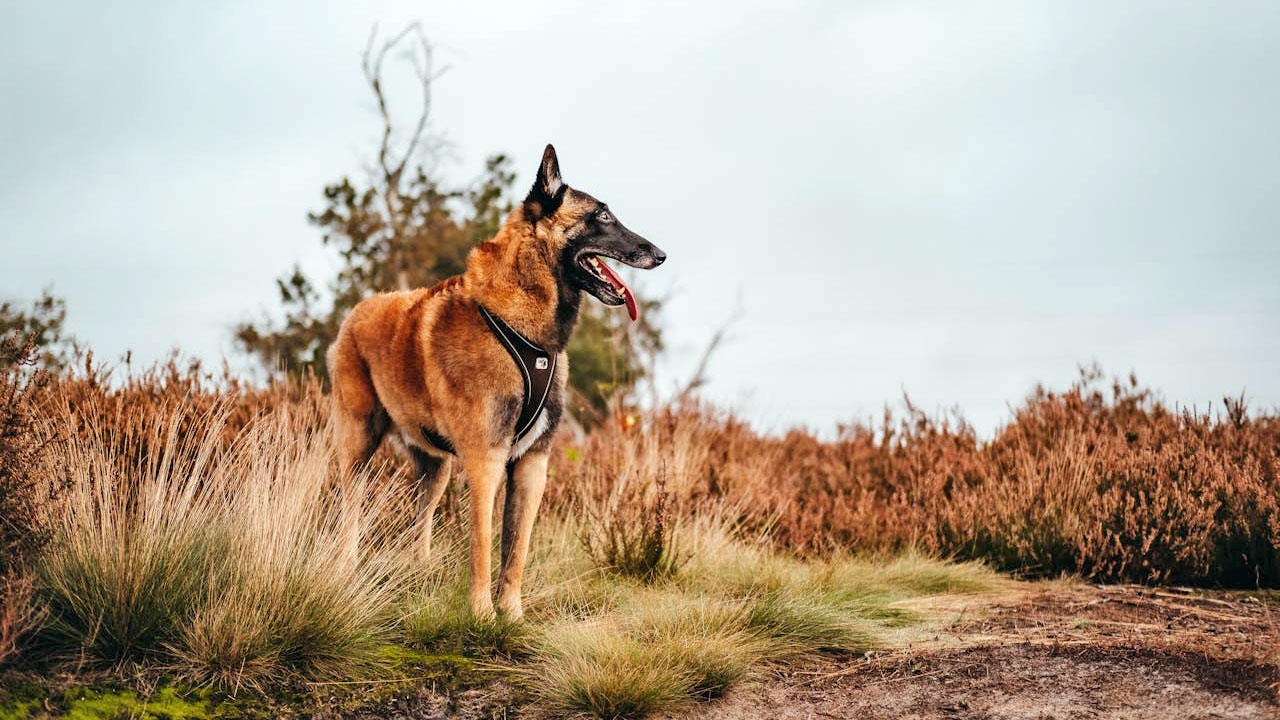
Photo credit: Laura Paredis/Pexels.com
There’s a difference between a good dog that needs a job and a dog that’ll run your household if you let it. A lot of the breeds folks call “difficult” aren’t bad dogs at all. They’re just wired hot, built strong, or smart enough to get bored and start making their own fun. If you hunt, fish, or spend real time outside, some of these breeds make incredible partners. But if you’re thinking a long walk around the block is going to cover it, you’re going to have a long year.
Here are 20 breeds that can be a real handful, and why. None of this is meant to run any breed down. It’s meant to save you from picking a dog that doesn’t match your life, your schedule, or your patience.
1. Belgian Malinois
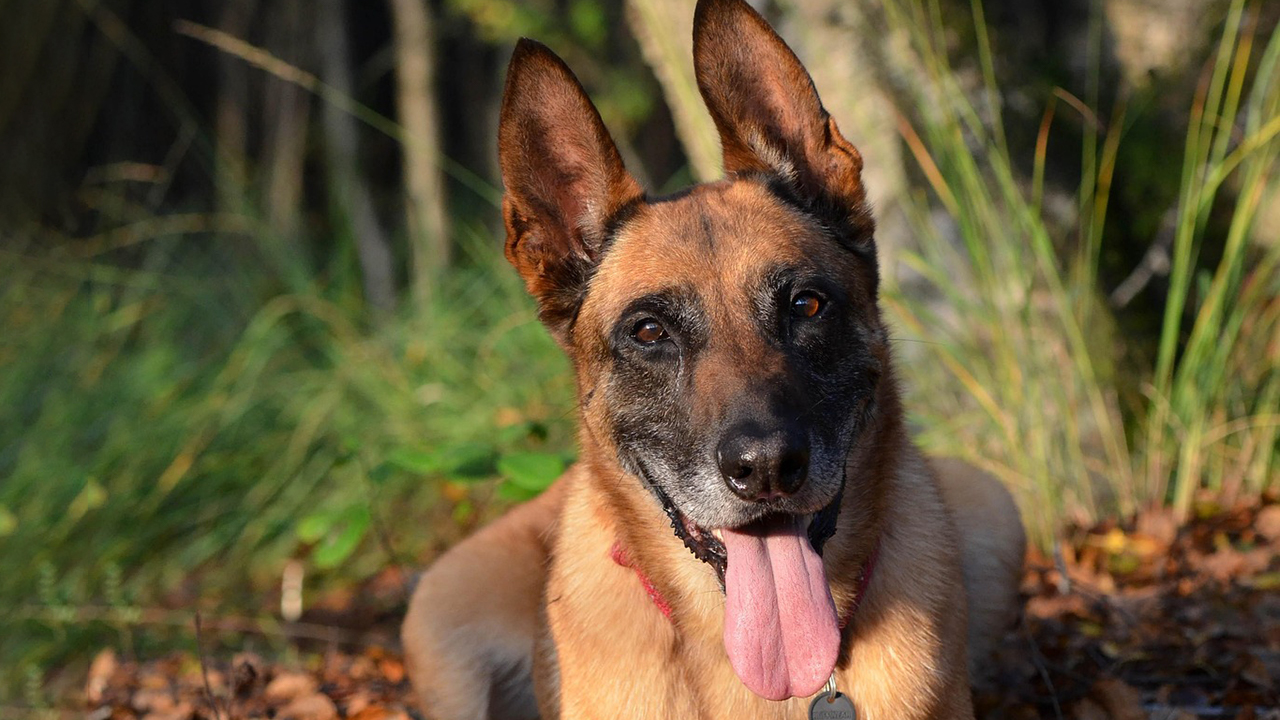
These dogs look like a German Shepherd that drank a pot of coffee. They’re athletic, sharp, and always “on,” which is exactly why police and military units like them. The problem is regular households see that cool factor and forget the daily grind it takes to keep a Malinois level-headed. If you don’t give them structured work, they will invent their own. Ask me how I know.
A bored Malinois can turn a garage into confetti, chew through crates, and run laps until they’re overheating. They’re not typically mean, but they can be intense with other dogs and with visitors if you don’t train and manage them. They do best with someone who likes training, likes rules, and has the time to enforce both. They’re phenomenal outdoors, but they’re not a “weekend hike” dog.
2. Border Collie
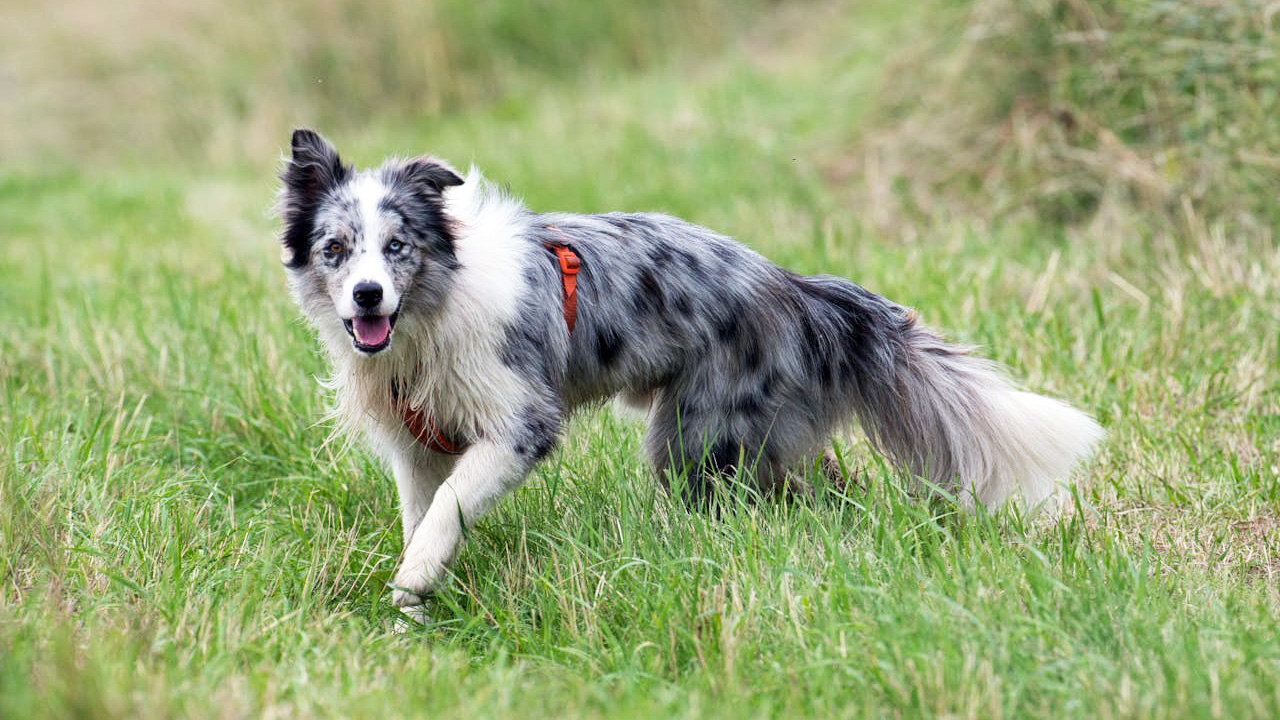
Border Collies are built to stare holes through sheep and move them all day. That brain is a gift and a curse. They learn fast, but they also notice everything and try to control everything. If you’ve got kids, chickens, barn cats, or even a riding mower, don’t be surprised if your Collie tries to herd it.
The handful part isn’t aggression, it’s obsession. Some will fixate on shadows, reflections, or moving cars, and that can get dangerous in a hurry. They need mental work as much as physical exercise: training sessions, problem-solving, and a routine they can count on. Give them a job—stock dog, agility, serious obedience—and they’re a joy. Leave them bored in a subdivision, and they’ll unravel.
3. Australian Cattle Dog (Blue/Red Heeler)
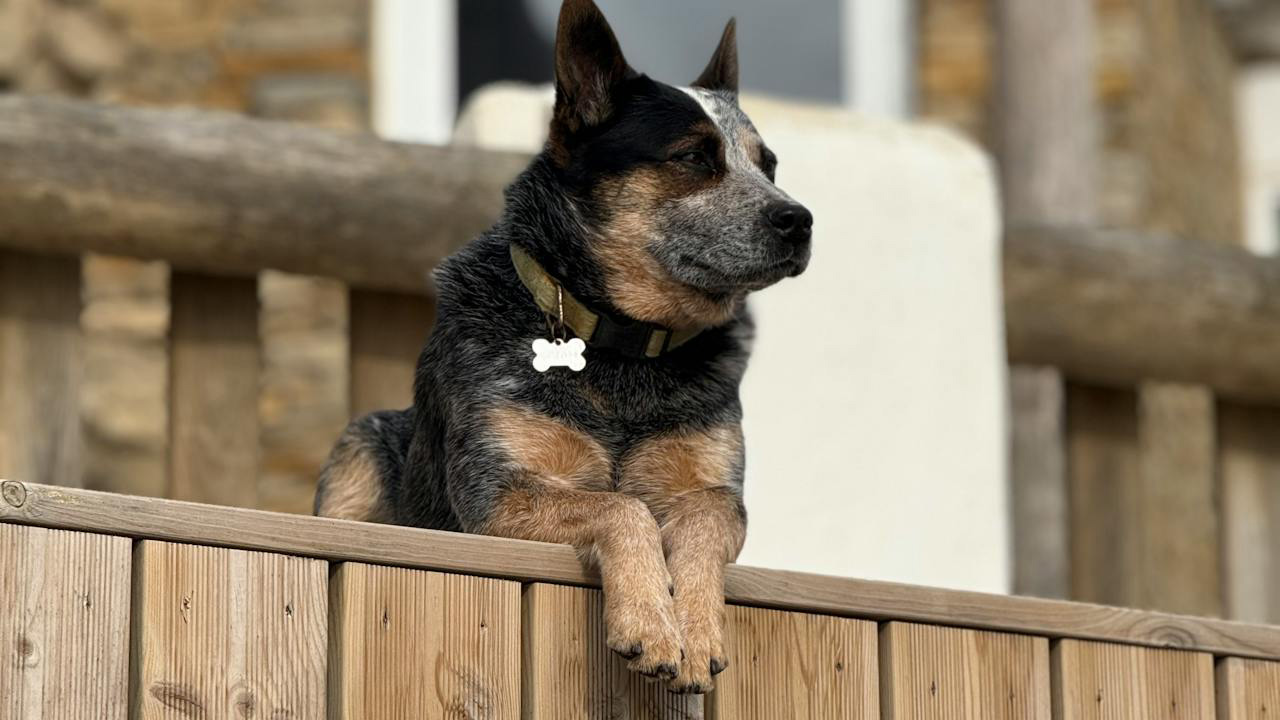
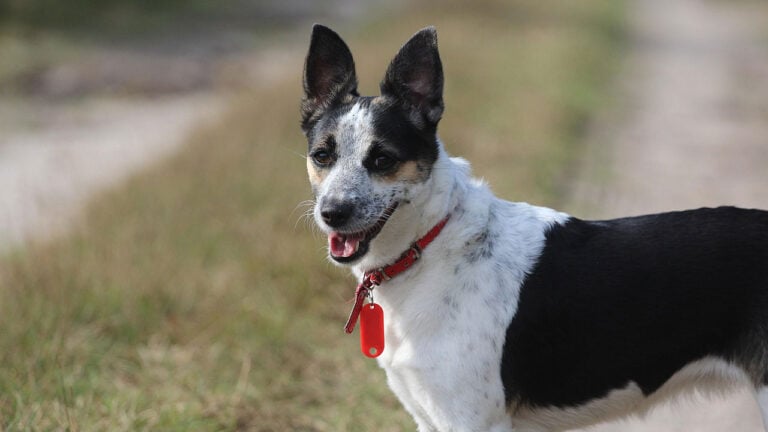
Heelers are tough, gritty, and loyal, and they don’t come with an “off” switch. They’re cattle dogs, which means they were made to take a kick, think through pressure, and keep moving. That also means they can be mouthy, pushy, and stubborn when they’re young. If you’ve never had one, that first year can feel like wrestling a small, furry linebacker.
They bond hard to their person and can get suspicious of strangers if you don’t socialize them right. A lot of nipping stories start with a young Heeler that wasn’t taught boundaries early. They need a handler, not just an owner. On the upside, they’re fantastic ranch dogs and tough trail partners. But you don’t “kinda” own a Heeler. You’re in it.
4. German Shorthaired Pointer

GSPs are amazing bird dogs and some of the best “do everything” hunting companions out there. They’re also an engine with legs. If you’re thinking they’ll be happy with a couple of tosses in the yard, you’re setting yourself up for a chewed couch and a dog that paces the house like it’s trying to escape.
They’re smart and sensitive, so heavy-handed training can backfire, but they still need consistent rules. Many of them have a prey drive that never clocks out, so cats and backyard birds can become an issue. In the field, they cover ground and hunt hard. In the house, they need exercise and structure, or they’ll get wild and anxious.
5. Weimaraner

Weimaraners are sleek, fast, and clingy in a way that surprises first-time owners. They were bred to be close-working hunting dogs, and a lot of them do not enjoy being left alone. Separation anxiety is common, and it shows up as chewing, howling, and a dog that looks for a way out of every room.
They’re also big, powerful, and enthusiastic. That combo can bowl over kids or elderly family members if you don’t put the time into manners. A Weim that’s under-exercised gets destructive, plain and simple. If you run, hunt, and like training, they’re great. If your schedule is unpredictable and the dog’s alone all day, it’s a rough match.
6. Siberian Husky

Huskies are escape artists with a built-in GPS that points away from your house. They’re bred to run, and they’re good at it. Fences, tie-outs, “he listens pretty good,” none of that matters when a Husky decides it’s time to roam. I’ve seen them climb chain link like a bear and dig under privacy fence like a backhoe.
They’re also not eager-to-please in the way a Lab is. They’ll learn commands, then decide whether they’re worth doing. Their prey drive can be serious, especially with cats and small dogs. Add in heavy shedding and a loud mouth, and you’ve got a dog that can wear a family out. Still, if you like winter camping, skijoring, or running, they’re an absolute blast.
7. Alaskan Malamute
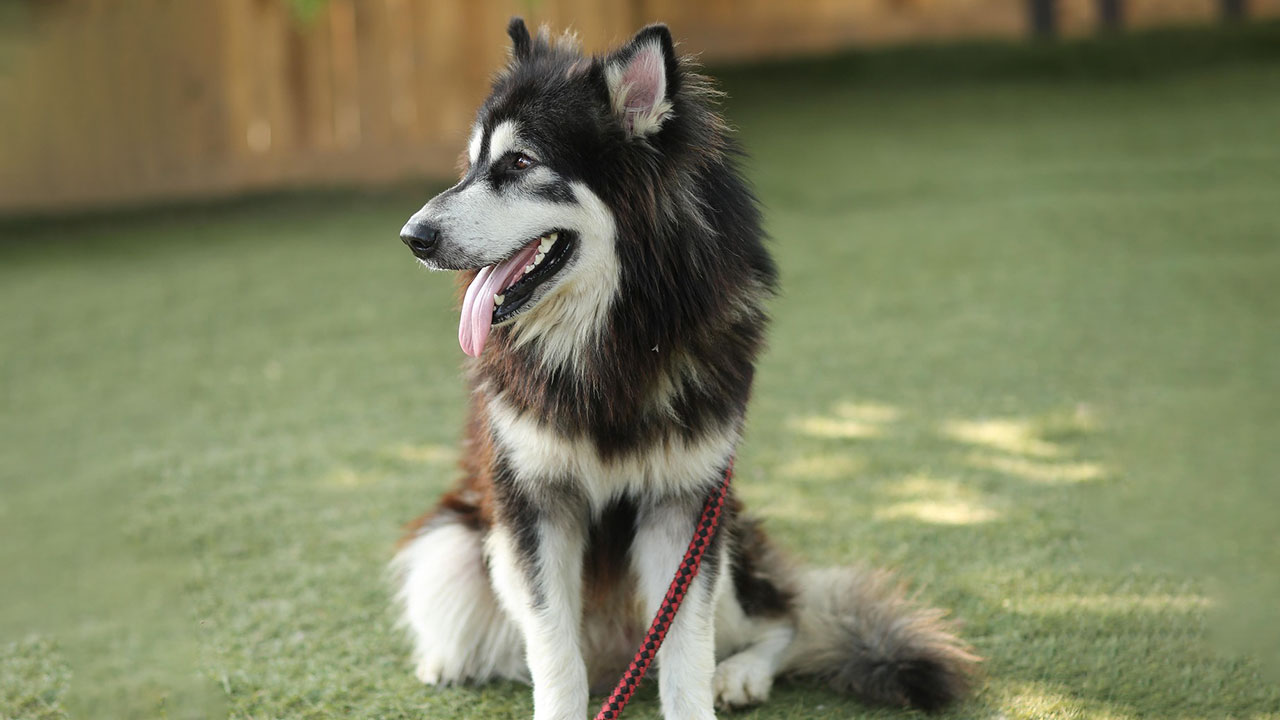
A Malamute is like a Husky turned up in size and strength. They’re not just fluffy; they’re powerful, and they can be dog-selective, especially same-sex. If you’re not used to handling a big, stubborn dog, a Malamute can flat wear you out on a leash. When they decide to pull, you’re either ready or you’re getting dragged.
They need room and purpose. Heat is hard on them, and bored Malamutes can wreck property fast. They can also be very vocal and dramatic, which sounds funny until it’s 2 a.m. and your neighbors are listening to it. If you’ve got land, cooler weather, and you enjoy training, they’re great companions. If you want an easygoing house pet, there are easier options.
8. Akita
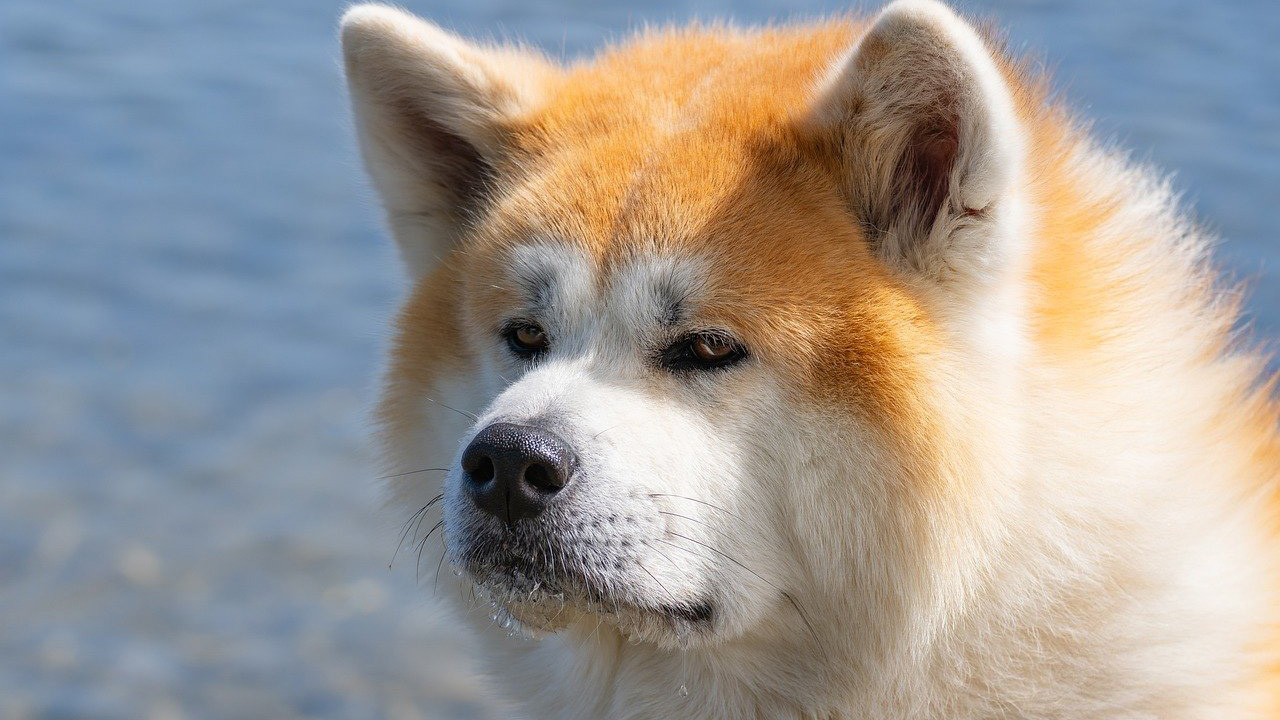
Akitas are dignified, quiet, and serious. They’re also strong-willed and can be territorial. This is not the kind of dog you want to “learn with” if you’ve never owned a large guardian breed. An Akita that isn’t properly socialized can decide it doesn’t like visitors, and that’s not something you fix with wishful thinking.
They tend to be clean and calm indoors, which tricks folks into thinking they’re low-maintenance. But the maintenance is in leadership and management. They can be tough with other dogs and are often not reliable at dog parks. If you respect the breed and train early, they can be steady, loyal protectors. If you let them run the house, you’re going to have problems.
9. American Pit Bull Terrier (and similar bully breeds)

Most well-raised bully dogs are affectionate, goofy, and incredibly people-oriented. The handful part is the strength, drive, and the reality of what happens if things go wrong. If you own a powerful dog, you need to be honest about your ability to manage it, your fencing, and your training habits. “He’s friendly” isn’t a plan.
Some individuals can be dog-aggressive, and you don’t want to discover that on a leash in a parking lot. These dogs can also be rough players, which can intimidate other owners and create conflict fast. The best ones have clear rules, lots of structured activity, and owners who don’t put them in dumb situations. Strong dogs require strong responsibility, no matter how sweet they are at home.
10. Rottweiler
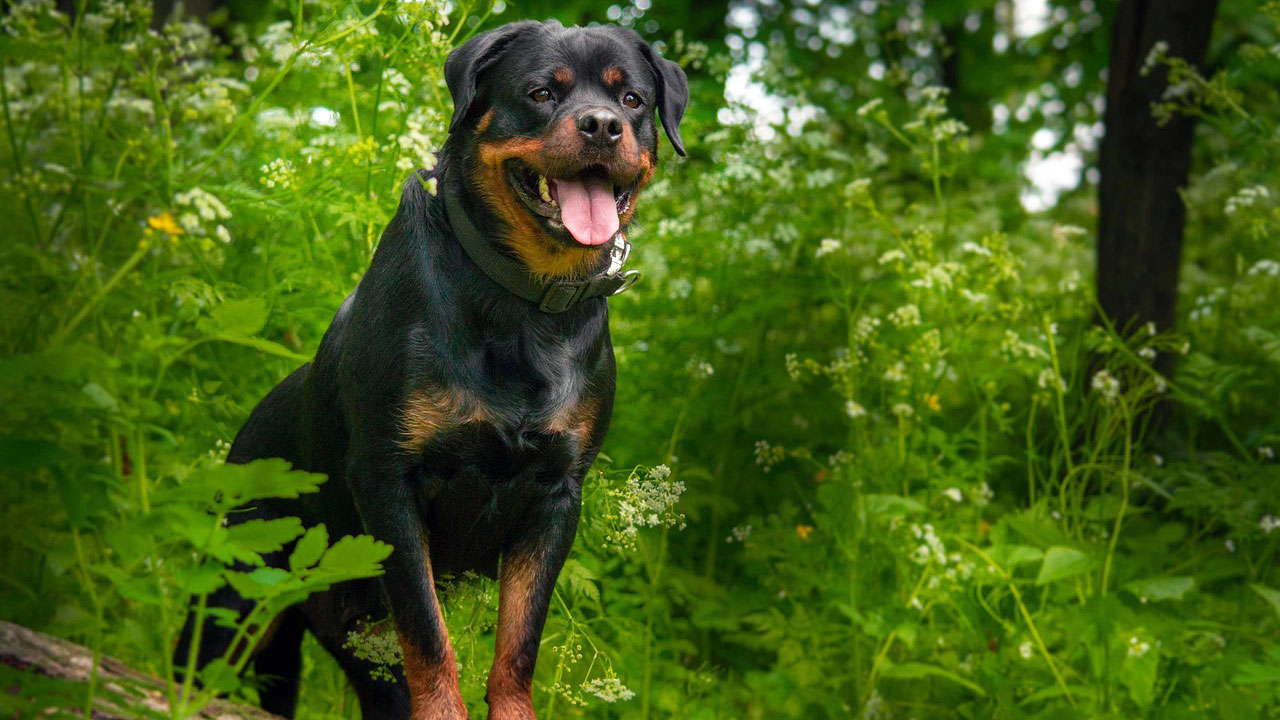
Rotties are serious, steady dogs when they’re bred and raised right. When they’re not, they can be a handful in the worst way because they’re big, confident, and protective. Even a “good” Rottweiler pup will test boundaries. If you let them jump, mouth, and drag you around early, you’re building problems you won’t enjoy at 90 pounds.
They need early socialization and consistent training, especially around strangers and other dogs. A Rottie that doesn’t trust your judgment will try to make decisions for you. They also mature slowly, so you can be dealing with adolescent behavior in a large body longer than you expect. The payoff is a loyal, dependable companion. But it takes work, and there’s no shortcut.
11. Doberman Pinscher

Dobermans are fast, smart, and tuned in to their people. They’re also sensitive and can get anxious if the household is chaotic or if they’re left alone too much. They’re not a “backyard dog.” They want to be involved in everything, and if they aren’t, they can become destructive and vocal.
They also have a protective streak, and that means you need to manage introductions, visitors, and training with intention. A poorly socialized Doberman can be reactive on leash, which is a bad time given their power and speed. They’re incredible for the right owner who wants a close-working companion and will put in obedience work. If you want a low-effort dog, keep shopping.
12. Cane Corso

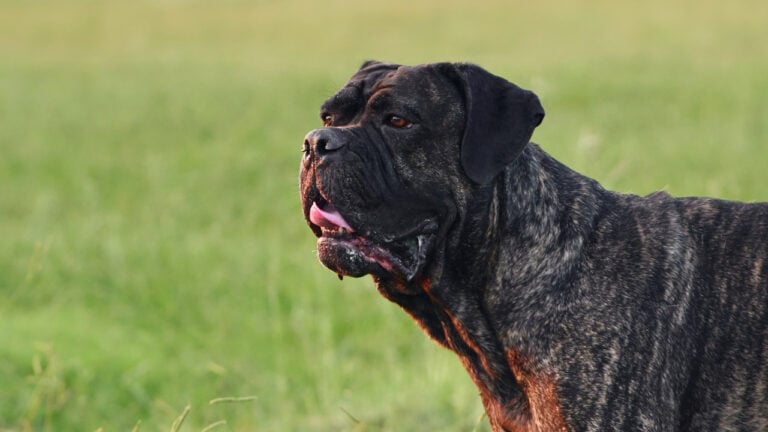
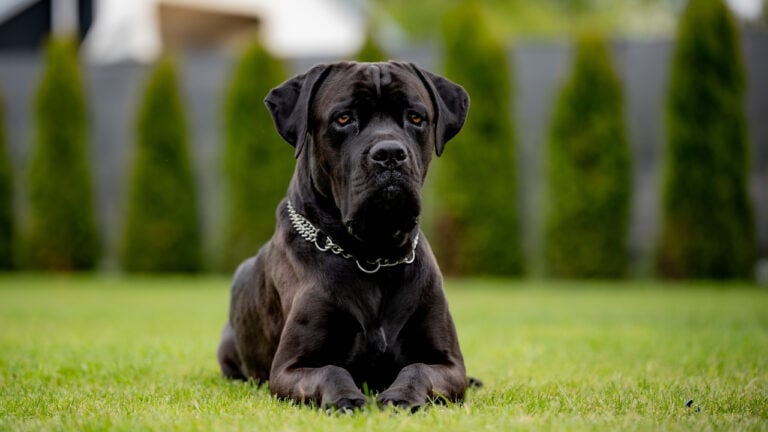
This is a big guardian breed with real presence. A Corso can look like a statue until it decides it needs to move, and then it’s a freight train. They’re not automatically “bad,” but they are not forgiving of timid handling or inconsistent rules. If you’re not comfortable setting boundaries, a Corso will notice.
They can also be naturally wary of strangers, which is what they were made for. That means you have to put the time in on socialization and obedience so you’re in control. A protective dog that’s poorly managed becomes a liability fast. They do best with experienced owners who have secure fencing and a plan for guests, kids’ friends, and service people. You don’t wing it with this breed.
13. Great Pyrenees
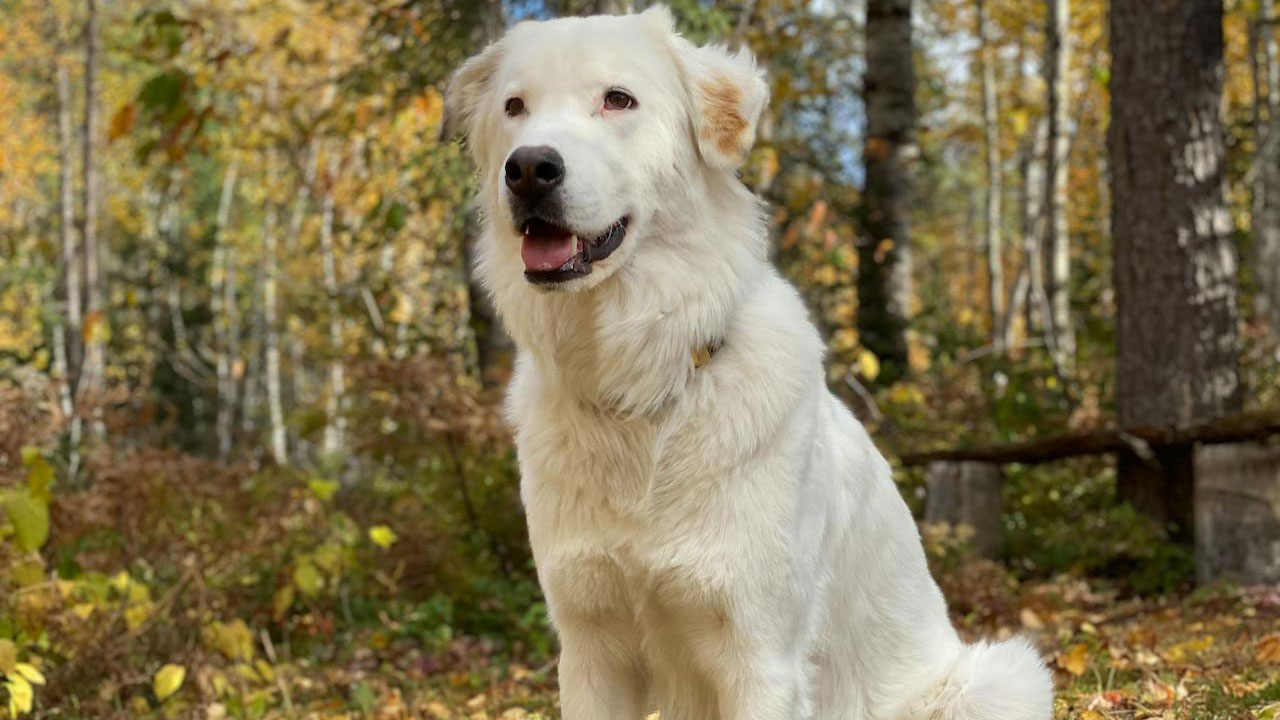
Folks see the fluffy white coat and think “giant teddy bear.” What they’re actually getting is a livestock guardian that was bred to make decisions alone, at night, in bad weather, with predators around. That independence is why they’re good at the job, and it’s why they can be frustrating as a typical pet. Recall can be a suggestion, not a guarantee.
They bark. A lot. Night barking is part of their programming, and you don’t train it out like a simple bad habit. They also roam if the fence isn’t solid. If you’ve got acreage and livestock, they can be worth their weight, and they’re often gentle with family. If you’re in town with close neighbors, that nighttime alarm system is going to cause problems.
14. Anatolian Shepherd
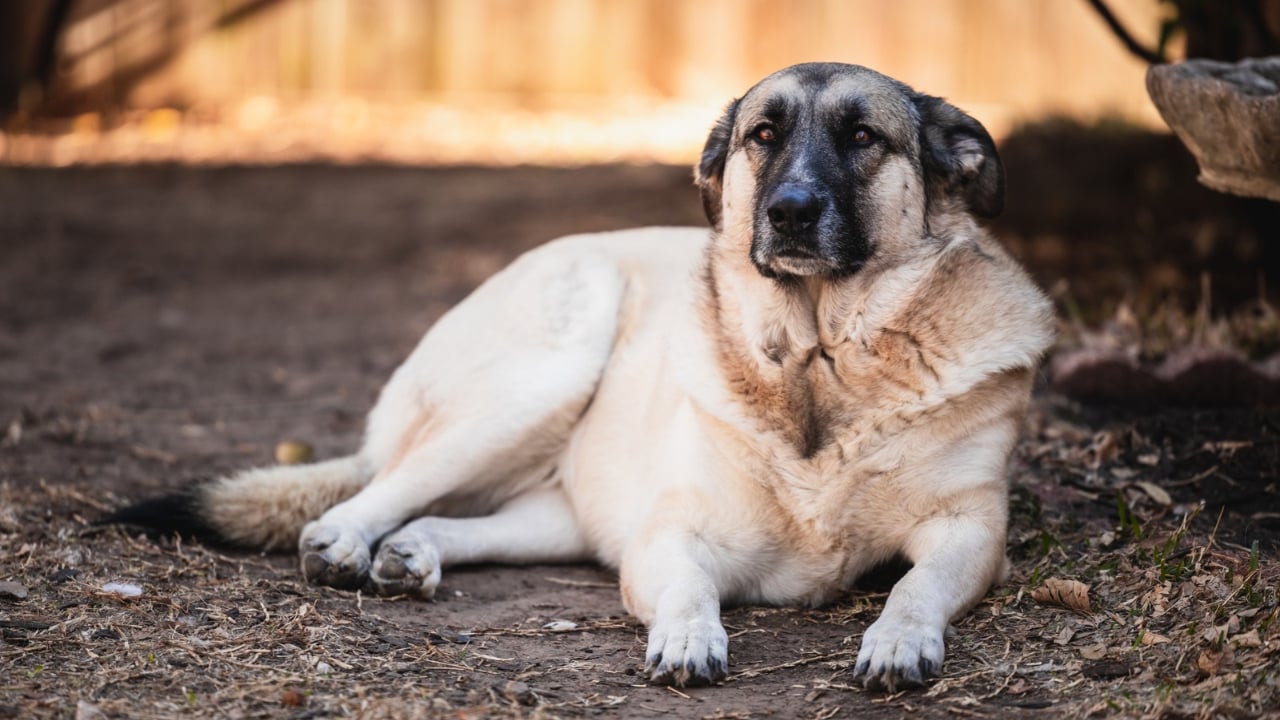
Anatolians are serious working guardians, not casual companions. They’re tough, independent, and not impressed by repeated commands. They also tend to mature into strong territorial instincts, which can surprise owners who bought a cute pup without understanding what it turns into at two years old.
They’re typically not “dog park dogs,” and they don’t always tolerate strange dogs on their property. They need space, a job, and an owner who understands management. If you’ve got livestock and predator pressure, they can be outstanding and save you money and heartbreak. If you want a family pet that happily greets every visitor, this can be the wrong tool for the job.
15. Jack Russell Terrier

This might be the smallest wrecking ball on the list. Jack Russells are all drive, all day. They were bred to go into holes after critters, and that boldness shows up in normal life as “fearless” and “hardheaded.” They can be funny and charming, but they don’t do well with boredom.
They dig, they bark, and they can be rough with small animals. If you have chickens, rabbits, or barn cats, you better be honest about the risk. They also learn fast, including learning how to manipulate you. Training helps, but they still need an outlet: hunting, ratting, intense play, and mental games. If you want a calm lap dog, a Jack Russell will make you question your decisions.
16. Dogo Argentino

The Dogo was bred for big game hunting, and it shows. They’re athletic, powerful, and driven, and they need an owner who understands both training and containment. A Dogo on a weak fence or a flimsy leash setup is trouble waiting to happen. Not because they’re automatically aggressive, but because they’re capable.
They can be protective and dog-selective, and they need heavy socialization and obedience from day one. Exercise isn’t optional. If you’re the type that hunts hogs, runs land, and wants a tough partner, you’ll understand why folks love them. If you’re in a tight neighborhood and you’re hoping for “easy,” it can go sideways fast.
17. Dalmatian
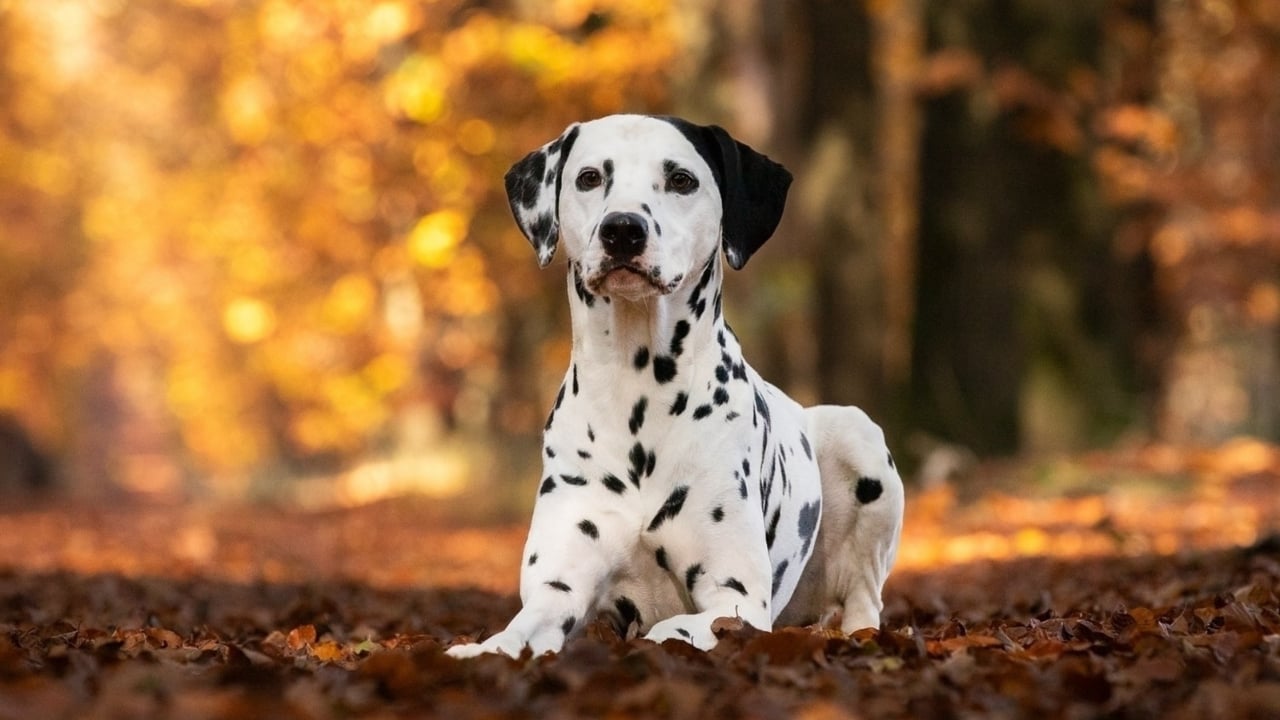
Dalmatians get sold as family dogs because of the look and the movie reputation. The real dog is often high-energy, headstrong, and sometimes reactive if it wasn’t bred carefully. They’re athletic and need real exercise, not just a quick bathroom break. Underworked Dalmatians can get noisy, destructive, and weirdly intense.
They also shed more than most people expect. Those short white hairs work into seats, carpet, and hunting truck upholstery like they’re designed for it. Some lines are prone to hearing issues, and any health problem adds another layer of management. If you want a running partner and you’re consistent with training, they can be great. If you want an easygoing, lazy dog, you’re gambling.
18. Beagle
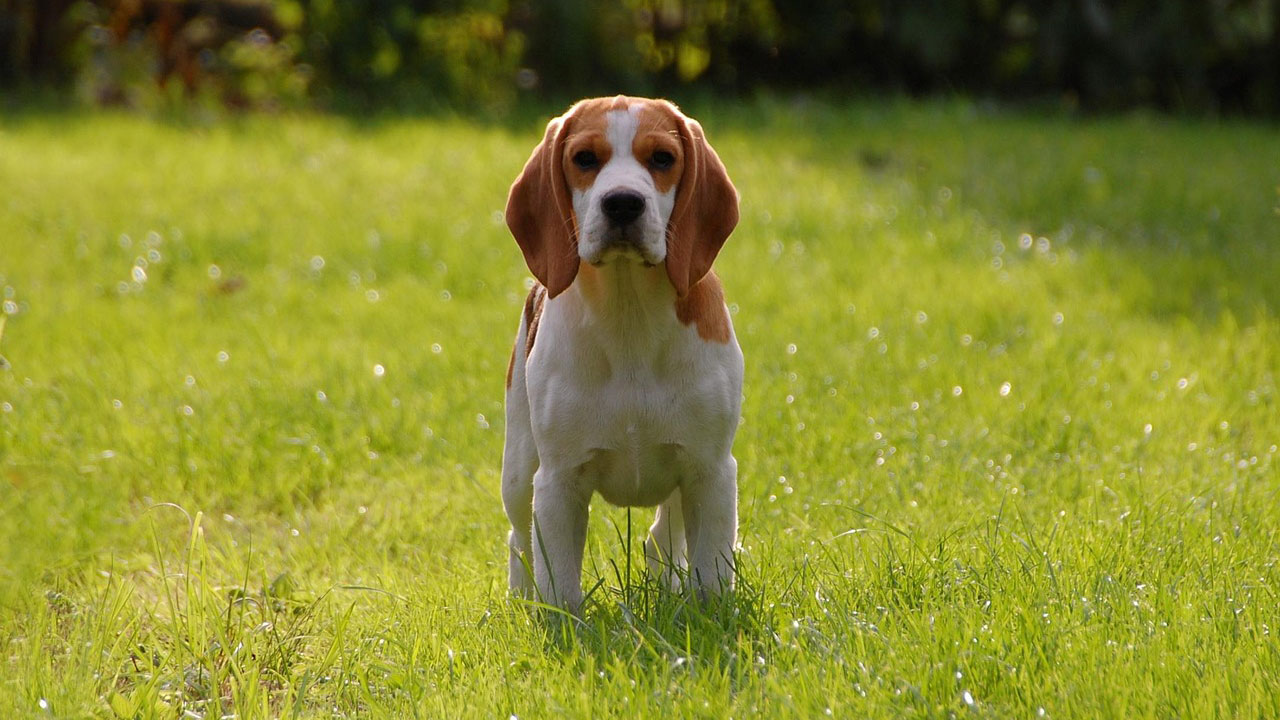
Beagles are sweet, tough little hounds with one major problem: their nose runs their life. Once they’re on scent, your voice can disappear from their world. That’s not disobedience in the human sense; that’s breeding. It also means off-leash freedom is tricky unless you’re in a secure area.
They can be loud, and that baying carries. They’re also food-motivated and can get chunky fast if you let them. A bored Beagle will counter-surf, dig, and chew, and they’re smart enough to figure out latches and gates. If you hunt rabbits or just love hounds and don’t mind some noise, they’re a blast. If you want quiet and perfectly reliable recall, pick a different breed.
19. Chesapeake Bay Retriever

A Chessie isn’t a Golden Retriever in a brown coat. They’re tough, stubborn, and built to break ice and bring birds back when conditions are miserable. That grit is why waterfowl hunters love them, and it’s also why they can be a handful in a normal pet home. They can be protective of home and vehicle, and they don’t always love strange dogs.
Training matters, and the tone matters. They respond well to fair, consistent handling, but they can push back if you get sloppy or overly harsh. Their coat needs proper care, especially if they’re in and out of water, mud, and burrs. In the blind, a good Chessie is hard to beat. In the living room, they do best with owners who appreciate a strong-minded dog.
20. Australian Shepherd

Aussies are popular for a reason: they’re smart, athletic, and beautiful dogs. The problem is too many people buy them for the look and don’t have a plan for the energy and the brain. An Aussie without a job will find one, and you might not like the work it chooses. That can be herding kids, barking at everything, or spinning up into anxiety.
They’re often “velcro dogs,” glued to their person, and that can turn into separation issues if you don’t teach independence. They also tend to be alert and vocal, which is fine on a farm and less fine in a tight neighborhood. If you hike, train, and want a dog that’s engaged, they’re outstanding. If you want low-key, you’ll spend a lot of time apologizing.
The common thread with all of these breeds is simple: they were built for real work, real miles, and real decisions. If you match the dog to your life, you’ll get a partner that’s hard to replace. If you pick a breed because it looks cool or sounds tough, you’re likely to end up frustrated. Be honest about your time, your space, and your willingness to train. The dog will tell the truth either way.
Like The Avid Outdoorsman’s content? Subscribe to our newsletter so you never miss an article.
Here’s more from us: