Photo credit: 1957Shep/YouTube
The handgun market moves quickly. A pistol can be popular for a few years, lose shelf space to a newer design, and disappear from the conversation even though nothing was seriously wrong with it. Once magazines, holsters, and advertising support dry up, buyers often assume the gun was forgotten because it failed.
That is not always true. Some handguns were simply released at the wrong time. Others were overshadowed by a more famous model from the same company or discontinued before shooters fully appreciated what they offered. Parts availability and long-term support still matter, especially for a defensive gun, but these 20 overlooked handguns deserve more attention than they receive.
Smith & Wesson Model 3913
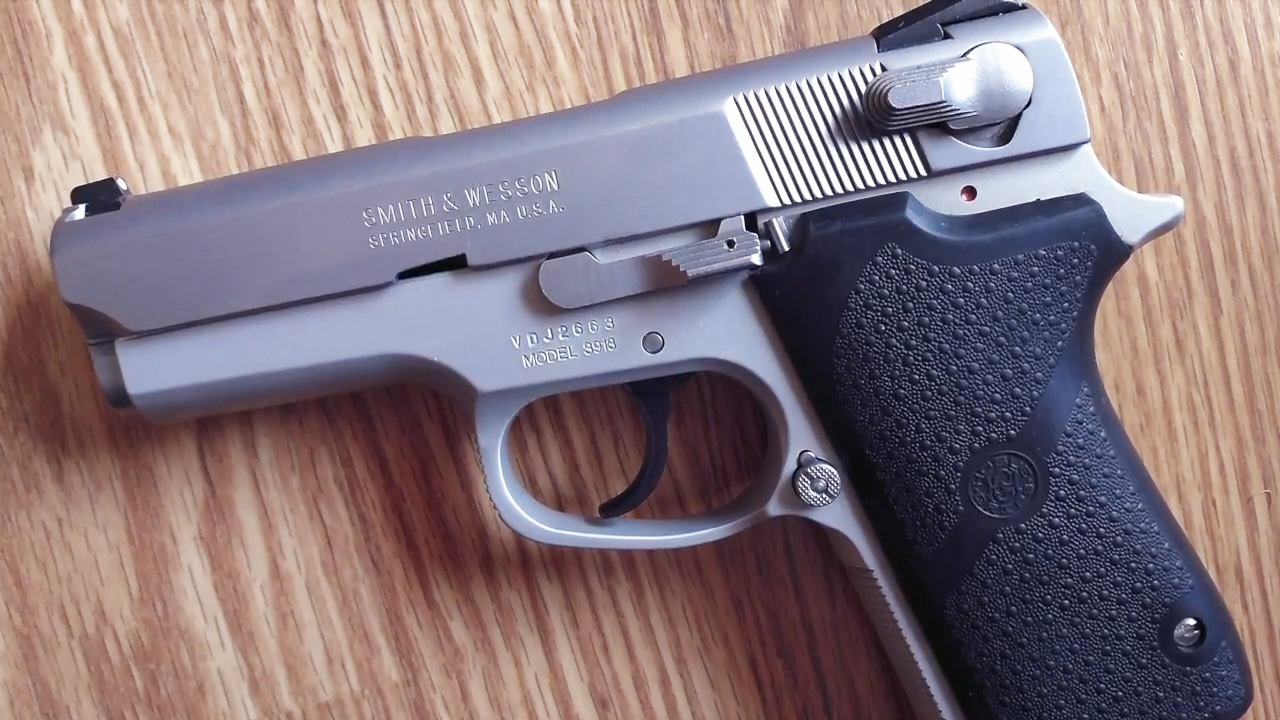
The Smith & Wesson Model 3913 was one of the better concealed-carry pistols available before polymer micro-compacts took over the market. Its slim single-stack frame, lightweight alloy construction, and rounded profile made it easy to carry without feeling fragile or undersized.
The traditional double-action and single-action trigger requires more practice than a modern striker-fired system, and the slide-mounted safety is not everyone’s favorite control. Once mastered, however, the 3913 is accurate, smooth, and surprisingly comfortable to shoot. Its metal frame gives it a more substantial feel than many current carry guns, while the narrow grip fits smaller hands particularly well. Capacity is limited by modern standards, but shooters who value quality and handling may find the 3913 far more appealing than its age suggests.
Ruger P95

The Ruger P95 never won beauty contests. Its thick polymer frame, bulky slide, and utilitarian finish made it easy to dismiss beside sleeker pistols from Glock, SIG Sauer, and Beretta. That plain appearance hid one of the toughest affordable service pistols of its era.
The P95 was built to tolerate neglect, inexpensive ammunition, and hard use. Its double-action trigger was heavy, but the gun generally ran without demanding much attention. Recoil was manageable, magazines were reasonably priced, and the pistol offered useful capacity. It is too thick for comfortable concealed carry by current standards, yet it remains a solid range, truck, or home-defense handgun when found in good condition. Shooters often remember the P95 as crude, but they should also remember how difficult it was to wear one out.
SIG Sauer P239
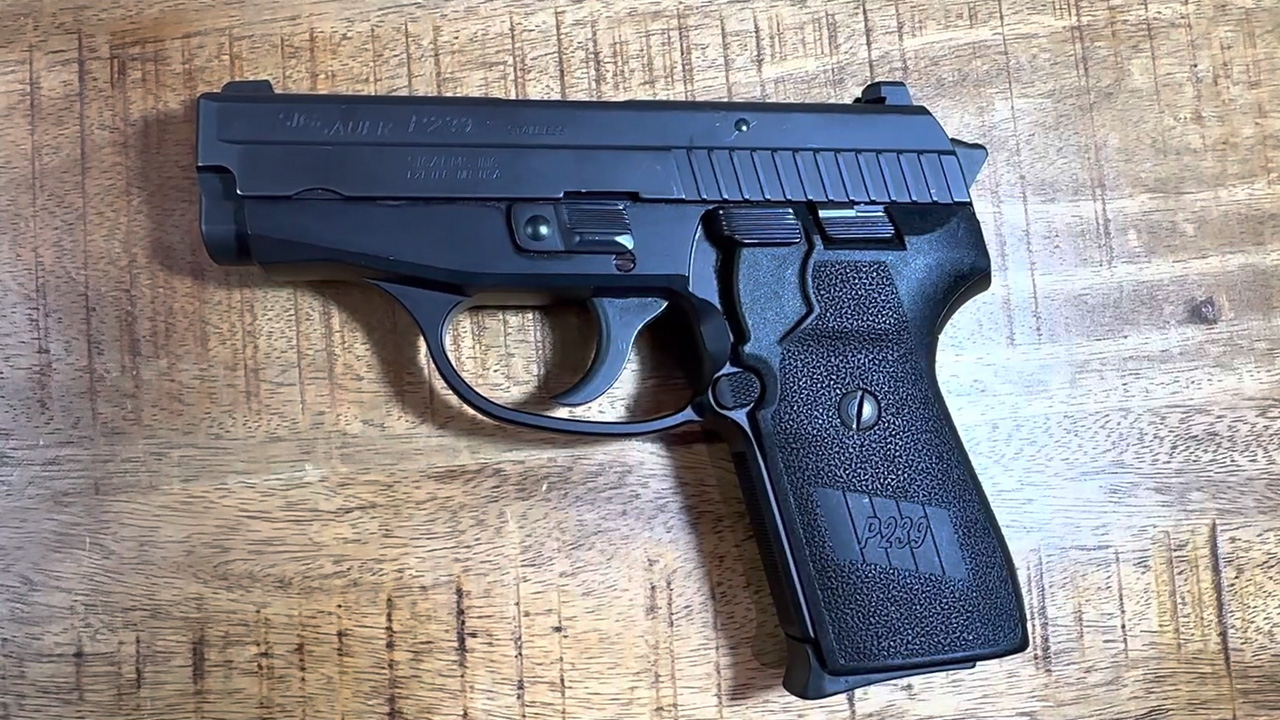
The SIG Sauer P239 arrived before slim carry pistols became one of the largest parts of the handgun market. It offered a narrow single-stack grip, metal frame, exposed hammer, and the same traditional double-action system associated with larger SIG service pistols.
Its capacity now looks limited, and the pistol is heavier than modern polymer guns holding several more rounds. Those weaknesses helped push it out of production. They also make it unusually pleasant to shoot for a handgun of its width. The extra weight softens recoil, the grip feels secure, and the single-action trigger supports accurate shooting. The P239 remains an excellent choice for shooters who prefer hammer-fired pistols and care more about control than carrying the highest possible number of rounds.
Beretta Cougar 8000
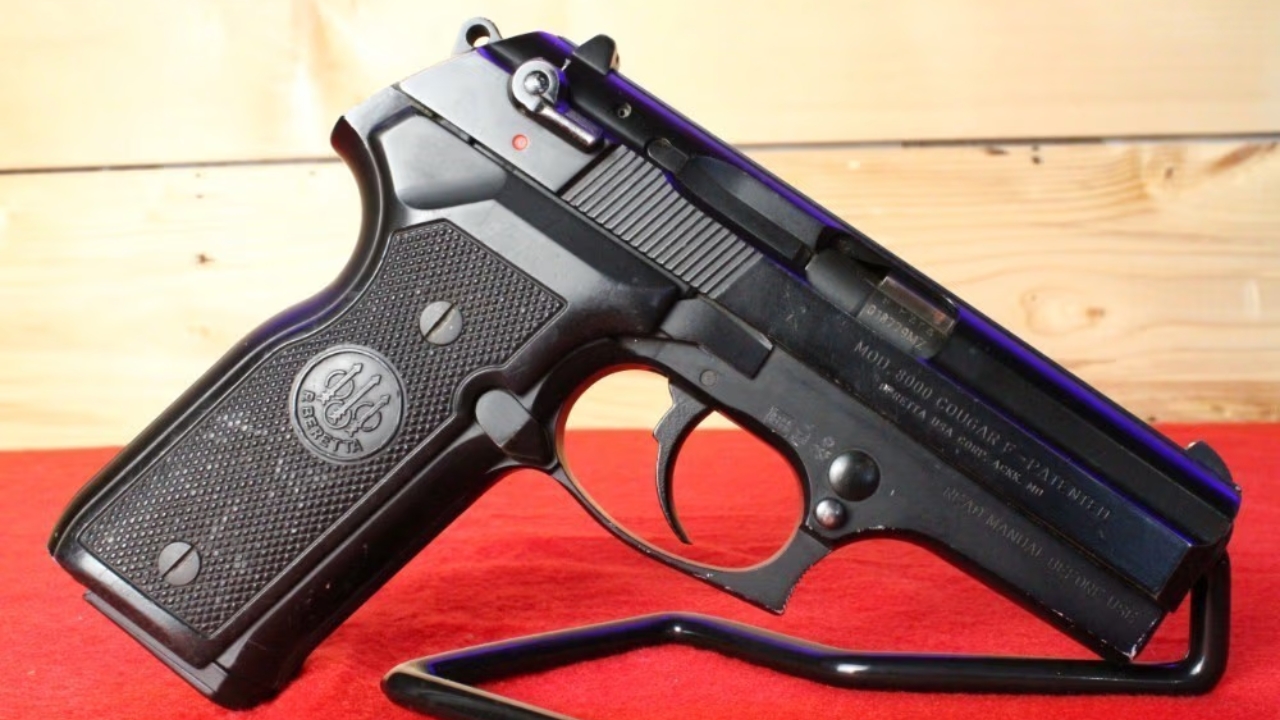
The Beretta Cougar used a rotating-barrel action rather than the more common tilting-barrel system. That design helped create a smooth recoil impulse and allowed Beretta to build a compact pistol that retained the feel of a substantial service handgun.
The Cougar was overshadowed by the Beretta 92 and later by lighter polymer pistols. Its chunky slide and limited accessory support did not help. The actual shooting experience is better than the sales history suggests. The grip is comfortable, recoil is mild, and the pistol feels stable during fast strings. Stoeger later produced versions of the same basic design, but original Beretta examples remain especially interesting. The Cougar deserves another look from anyone who wants a compact metal-framed pistol with unusual engineering and excellent range manners.
Walther P5
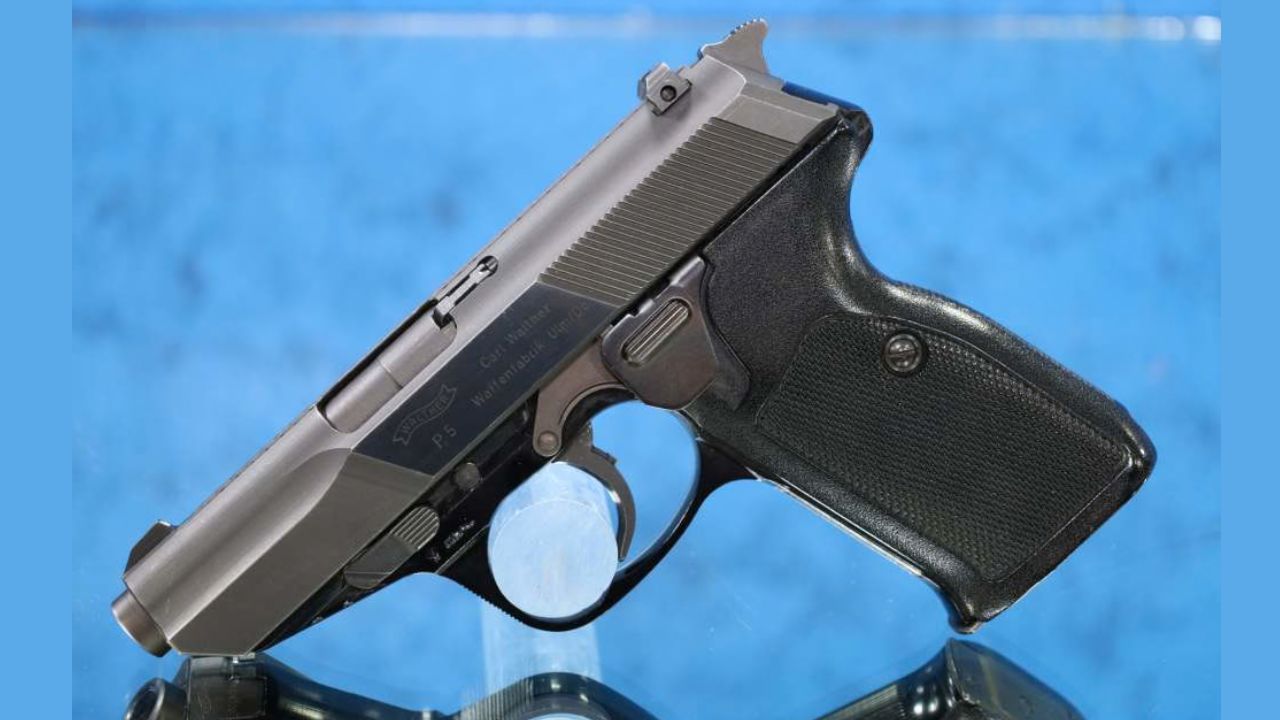
The Walther P5 never became as famous as the P38, PPK, or later P99. It was built as a modernized police pistol with a double-action trigger, decocking lever, fixed barrel, and an unusual left-side ejection system.
Its single-stack magazine and unconventional appearance limited its appeal outside institutional users. The pistol is also expensive on the used market compared with more common surplus handguns. It remains beautifully engineered, accurate, and remarkably smooth. The fixed barrel contributes to consistency, while the grip and controls feel more modern than the gun’s age suggests. Collectors often focus on better-known Walther models, but the P5 may be one of the company’s most refined traditional service pistols.
Browning BDM
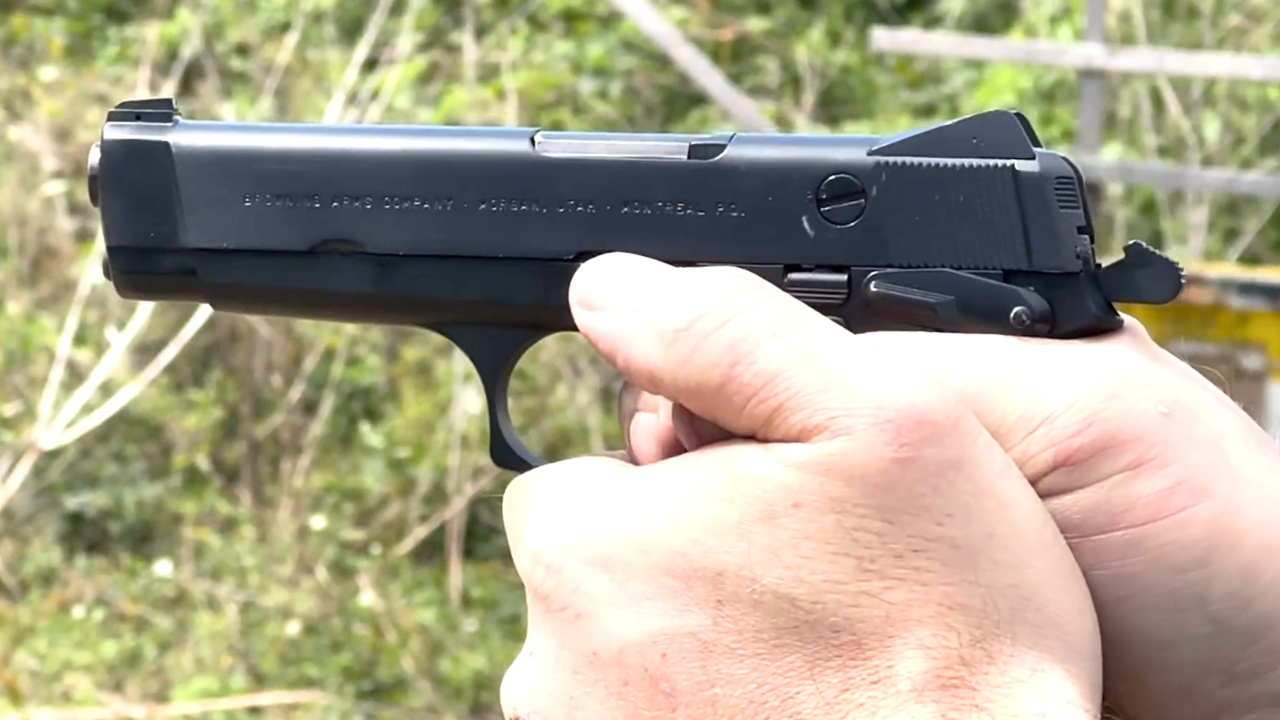
The Browning BDM was exceptionally thin for a full-size double-stack 9mm pistol. Its grip feels almost impossible when compared with the wide service pistols common during the 1990s. Browning also gave it a selector that allowed the trigger system to operate in two different modes.
That feature created confusion and may have hurt the pistol more than it helped. Police agencies wanted simpler operating systems, and civilian buyers were already moving toward polymer striker-fired guns. The BDM still has excellent balance, useful capacity, and a grip that fits hands unable to manage thicker pistols. Its unusual controls require study, and spare parts are not easy to find. As a shooting design, however, the BDM was far more advanced than its limited commercial success suggests.
Heckler & Koch P7

The HK P7 is not completely unknown, but it has moved from serious service pistol to expensive collector’s item. Its squeeze-cocking front strap, fixed barrel, and gas-delayed blowback action made it one of the most unusual duty pistols ever produced.
The design allows the gun to sit low in the hand and provides excellent mechanical accuracy. Squeezing the front strap cocks the pistol, while releasing it immediately returns the gun to a safer condition. The system is fast once learned, but unfamiliar to almost everyone trained on conventional handguns. The gas cylinder also becomes hot during extended firing. Those quirks and high manufacturing costs ended its practical market life. The P7 still deserves recognition as one of the smartest and most original defensive handgun designs ever fielded.
Astra A-75

The Astra A-75 was a compact metal-framed pistol produced in Spain and offered in several popular defensive chamberings. It used a traditional double-action and single-action trigger and had the solid, dense feel common to many European service pistols of its period.
Astra disappeared as a manufacturer, leaving the A-75 without the support or recognition needed to remain popular. The pistol is heavy for its capacity, and magazines can be difficult to locate. That weight also makes it stable and easy to control. The grip is compact without becoming punishing, and many examples display better machining than buyers expect from an inexpensive used pistol. The A-75 is not the easiest gun to support, but it is a reminder that affordable Spanish handguns were often better made than their reputations suggest.
Star Firestar M43

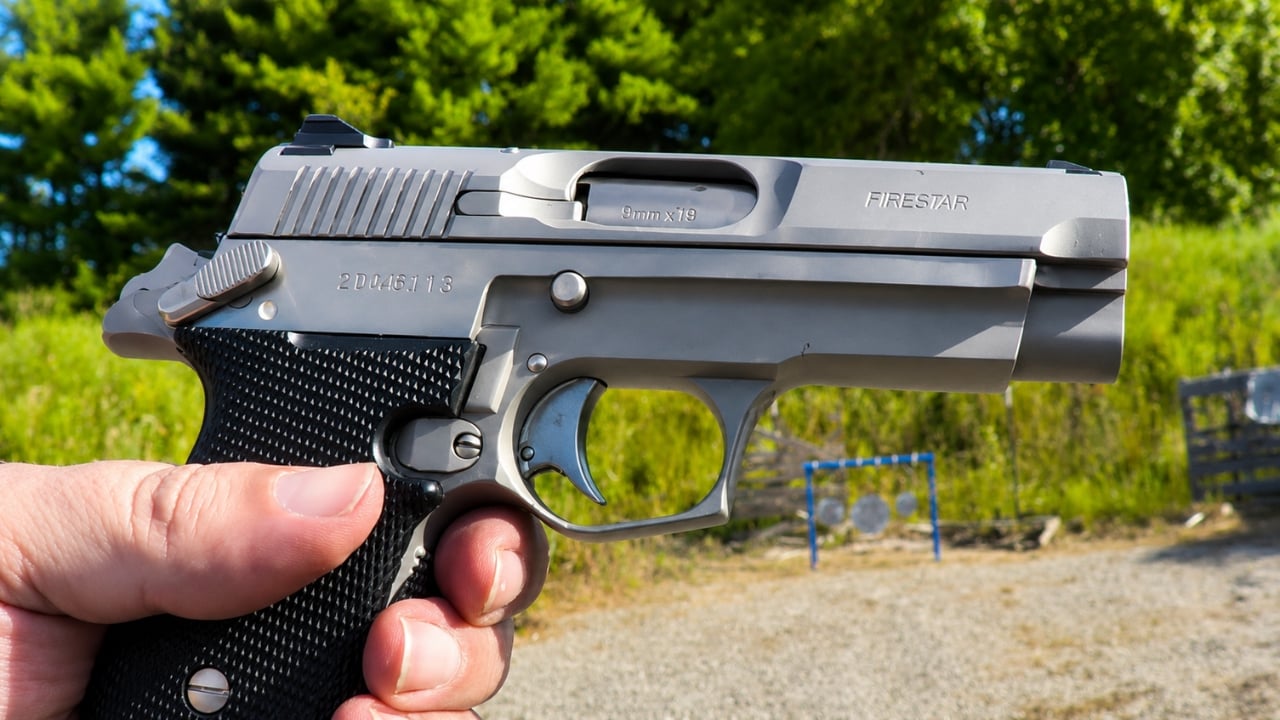
The Star Firestar M43 was a compact steel-framed 9mm with single-action operation and controls familiar to shooters who liked the 1911. It was small enough for concealed carry but heavy enough to remain comfortable during practice.
Its weight became a disadvantage as lighter polymer pistols entered the market. Star’s closure also made parts and magazines harder to find, pushing the Firestar out of serious defensive consideration for many owners. The gun itself remains accurate, sturdy, and enjoyable to shoot. Its slim grip and crisp trigger give it a personality missing from most modern micro-compacts. Anyone buying one should treat it as an interesting range or collection piece unless sufficient spare parts and magazines are available.
Daewoo DP51

The Daewoo DP51 is best known for its unusual “fast-action” trigger system. After the hammer is cocked, the shooter can press it forward while leaving the mainspring under tension. The first trigger press then has a lighter and shorter motion than a conventional double-action pull.
That system sounds complicated but works surprisingly well after a little familiarization. The pistol also has a comfortable grip, good capacity, and durable construction. It never gained broad recognition in the United States, partly because imports and parts support were inconsistent. Newer Lionheart pistols later revived aspects of the design, but the original DP51 remains overlooked. It deserves another look as a practical and genuinely creative service handgun rather than merely an unusual surplus curiosity.
Smith & Wesson Model 5906

The Model 5906 represents the final development of Smith & Wesson’s traditional metal-framed service-pistol line. Its stainless-steel construction, double-stack magazine, and conventional double-action trigger made it a common police handgun before striker-fired pistols became dominant.
The 5906 is heavy, wide, and equipped with a slide-mounted safety that some shooters dislike. It is also extremely stable and durable. The weight reduces recoil, the full-size grip provides strong control, and many examples have excellent single-action triggers after years of use. Police trade-ins were once inexpensive, but prices have risen as shooters rediscover them. The 5906 may be outdated as a duty pistol, yet it remains one of the most satisfying affordable metal 9mms to shoot.
Colt Double Eagle
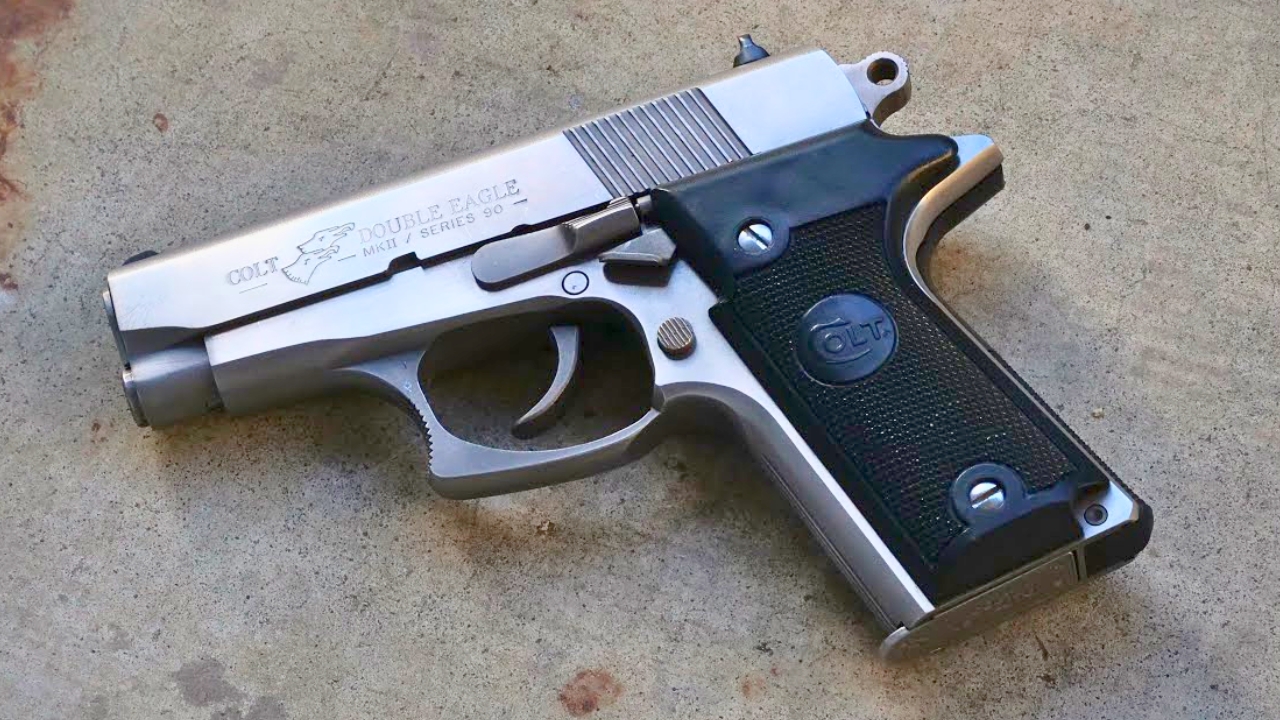
The Colt Double Eagle attempted to combine 1911 styling and chamberings with a traditional double-action trigger. It was available in several sizes and calibers, giving Colt a modernized alternative to the single-action 1911.
The execution was not perfect. Controls and internals could be awkward, and the gun never felt as refined as competing SIG Sauer or Smith & Wesson pistols. It also lacked the excellent single-action trigger that made the 1911 so desirable. Even so, the Double Eagle has become more interesting with age. Its all-metal construction, Colt markings, and unusual place in the company’s history give it collector appeal. It was not the future of defensive pistols, but it deserves more than to be remembered only as a failed 1911 replacement.
CZ 82

The CZ 82 was developed as a military and police pistol chambered in 9x18mm Makarov. Its double-stack magazine, polygonal rifling, ambidextrous controls, and comfortable grip made it far more sophisticated than many compact service pistols from the same period.
Surplus imports were once extremely affordable, which caused many buyers to treat the CZ 82 as a cheap curiosity. The pistol is actually accurate, easy to shoot, and mechanically interesting. Its blowback action gives it more recoil than some expect, and the original finish often shows substantial wear. Ammunition is also less common than standard 9mm. As a range and collection gun, however, the CZ 82 offers far more capability than its former bargain-bin status suggests.
S&W Model 457
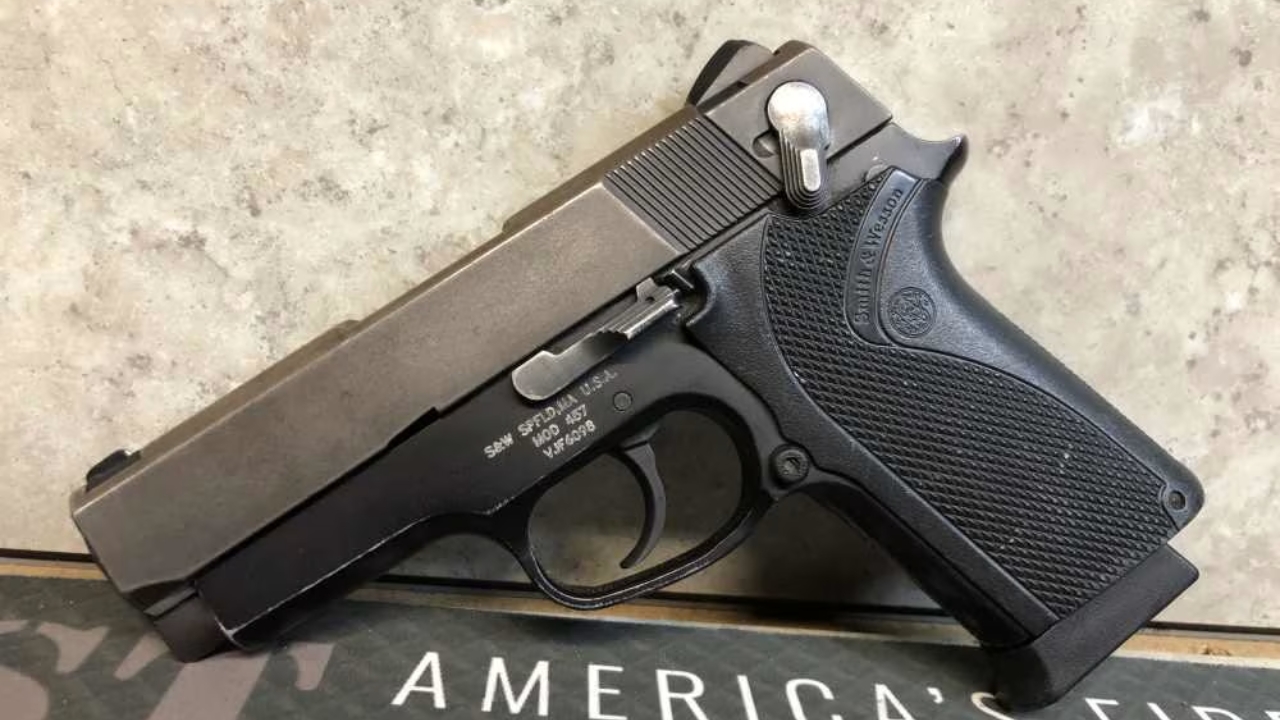
The Smith & Wesson Model 457 was a compact, value-priced .45 ACP pistol from the company’s third-generation semi-automatic family. It used an alloy frame, traditional double-action trigger, and a short grip designed for concealed carry.
The pistol looked plain and lacked the polish of more expensive Smith & Wesson models. That helped keep its price low but also made it easy to forget after polymer .45s became common. The Model 457 is relatively light, dependable, and surprisingly comfortable with standard-pressure ammunition. Its capacity is modest, and magazines are no longer everywhere. Shooters who appreciate compact hammer-fired pistols may find it more useful and pleasant than its budget origins imply.
Ruger Security-Six
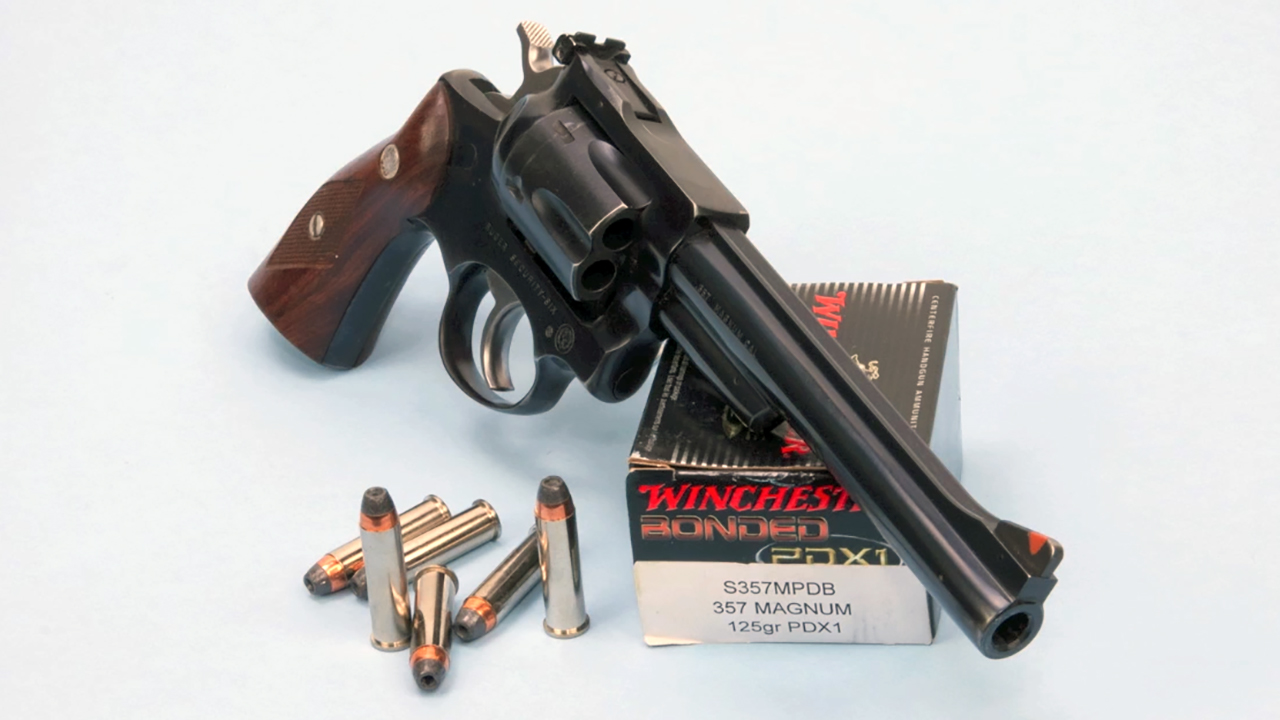
The Ruger Security-Six was the company’s first major double-action revolver family and helped establish Ruger as a serious competitor to Colt and Smith & Wesson. It was strong, straightforward, and available in practical barrel lengths and configurations.
Ruger eventually replaced it with the heavier GP100, causing the Security-Six to fade from new-gun discussions. Many shooters now prefer the older model’s trimmer frame and better balance. It is strong enough for regular .357 Magnum use without feeling unnecessarily bulky. The triggers often smooth considerably with use, and fixed-sight versions make excellent field revolvers. Good examples are becoming more expensive, but the Security-Six still deserves recognition as one of Ruger’s best-balanced revolver designs.
Colt Police Positive Special
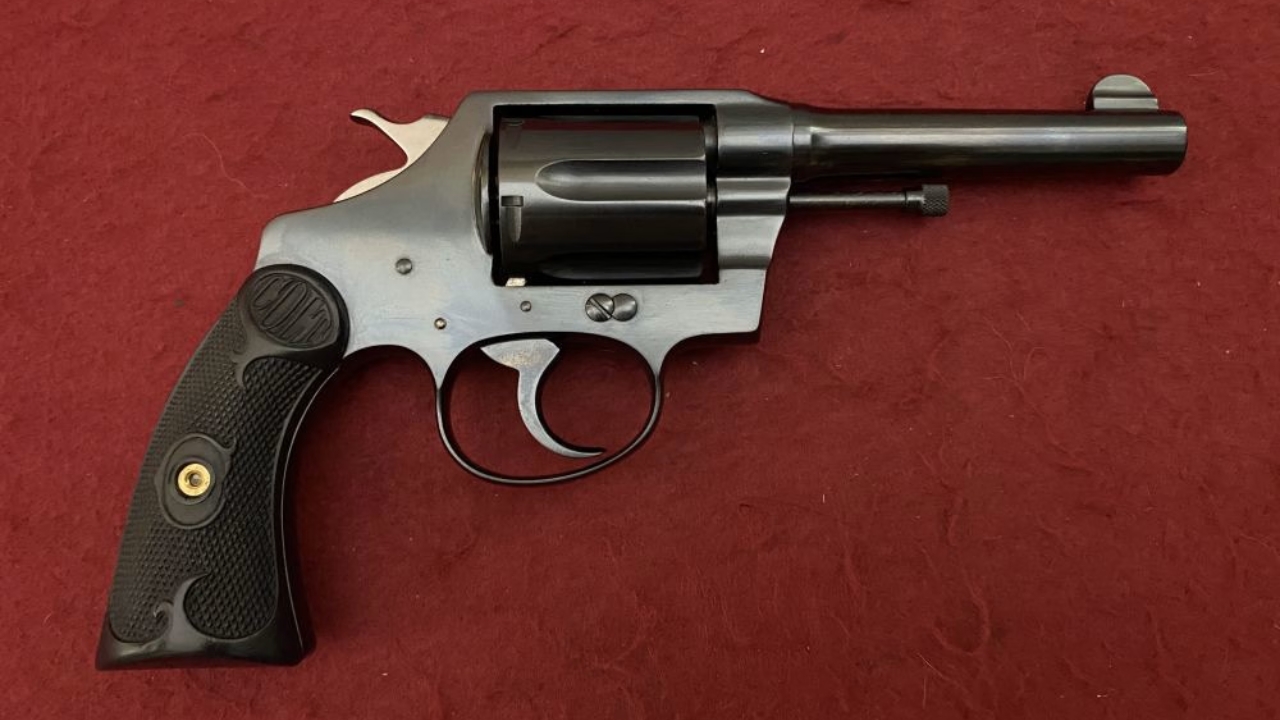
The Colt Police Positive Special spent decades in the shadow of larger and more glamorous Colt revolvers. It was built around practical service cartridges such as .38 Special and commonly used by police officers, security personnel, and civilians.
Its compact frame and traditional Colt action give it excellent handling. Older examples often have smooth triggers and slim proportions that make modern revolvers feel unnecessarily thick. They are not intended for unlimited use with the hottest modern ammunition, and parts or qualified service can be difficult to find. As a historical shooter and field revolver, the Police Positive Special remains elegant and useful. It earned less fame than the Python or Detective Special but served far more ordinary people.
Beretta 81 Cheetah
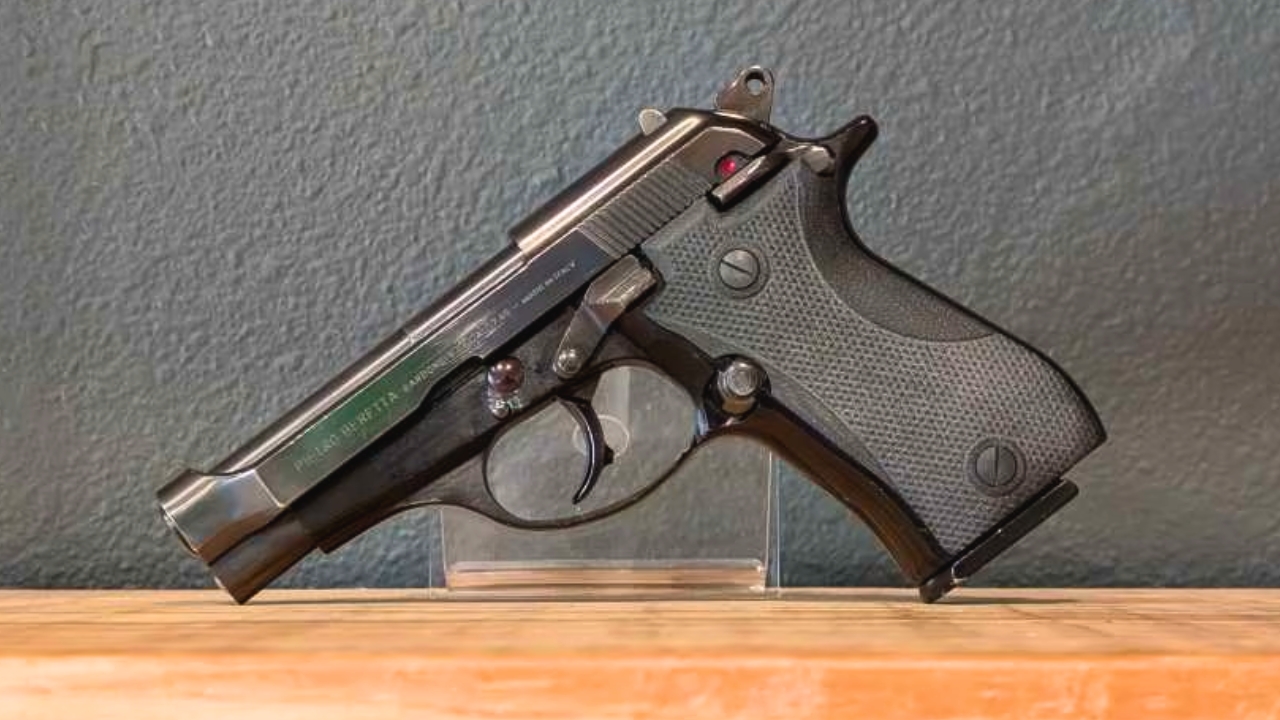
The Beretta 81 Cheetah uses a double-stack magazine and is commonly chambered in .32 ACP. Its compact metal frame, exposed hammer, and open-slide design give it the appearance and feel of a scaled-down service pistol.
The .32 ACP chambering caused many American shooters to dismiss it, especially when compact 9mm pistols became widely available. The Beretta 81 is exceptionally pleasant to shoot, however. Its mild recoil, good capacity, and comfortable grip make it ideal for shooters sensitive to recoil or anyone who simply wants an enjoyable centerfire range pistol. Surplus imports briefly brought prices down and exposed more shooters to the design. The 81 deserves another look because shootability sometimes matters more than maximizing cartridge power.
FEG PA-63
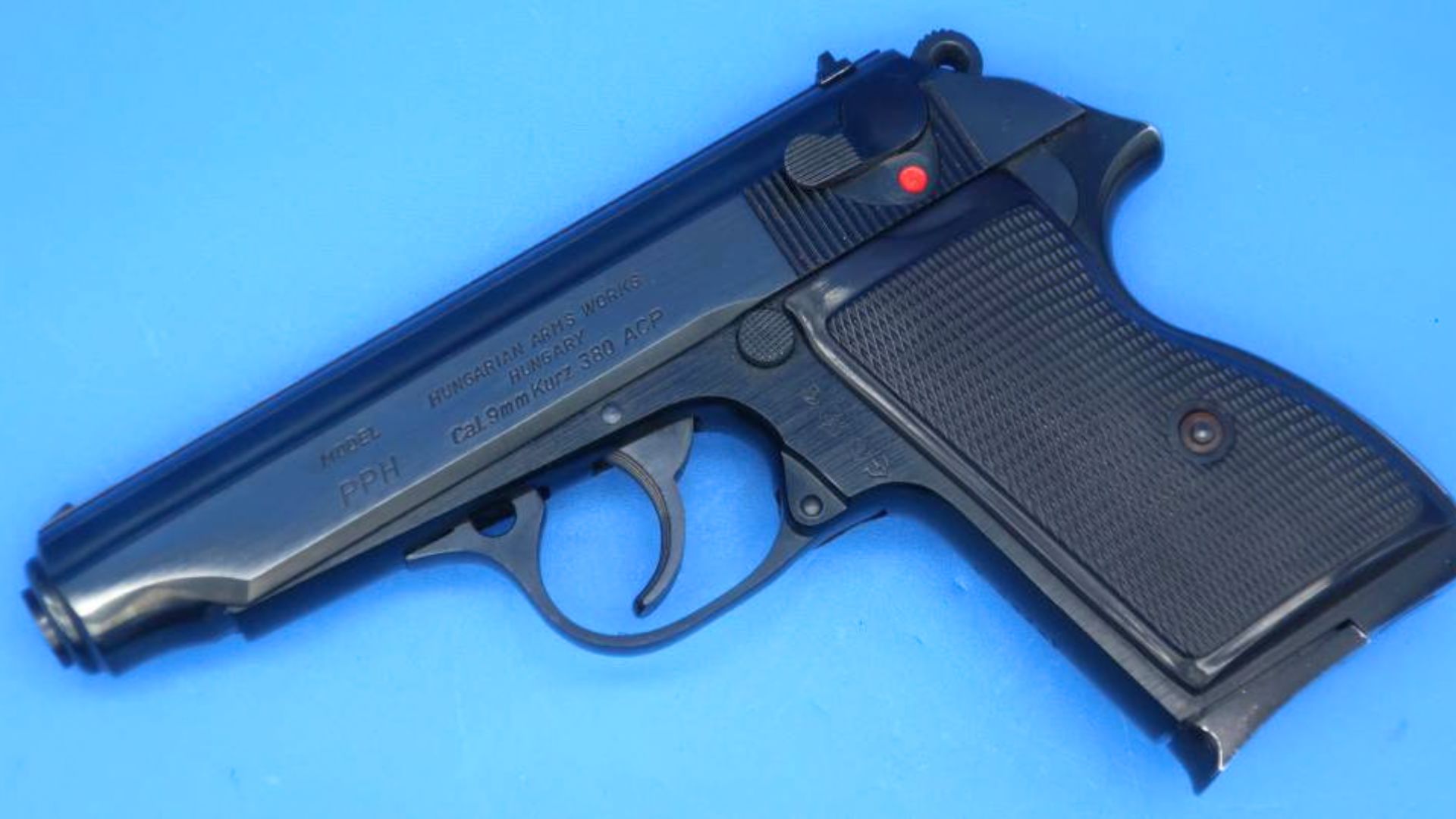
The Hungarian FEG PA-63 resembles the Walther PP but uses an aluminum frame and is commonly chambered in 9x18mm Makarov. Large numbers entered the surplus market at low prices, causing it to be treated as a cheap Eastern European substitute rather than a serious handgun.
Its light frame creates sharp recoil, and the double-action trigger can be extremely heavy. Those weaknesses are real. The pistol is also slim, mechanically straightforward, and historically interesting. Replacing worn springs and using appropriate ammunition can make it more enjoyable and dependable. The PA-63 will not replace a modern defensive pistol, but it offers more character and practical shooting value than its old surplus reputation suggests.
Steyr GB
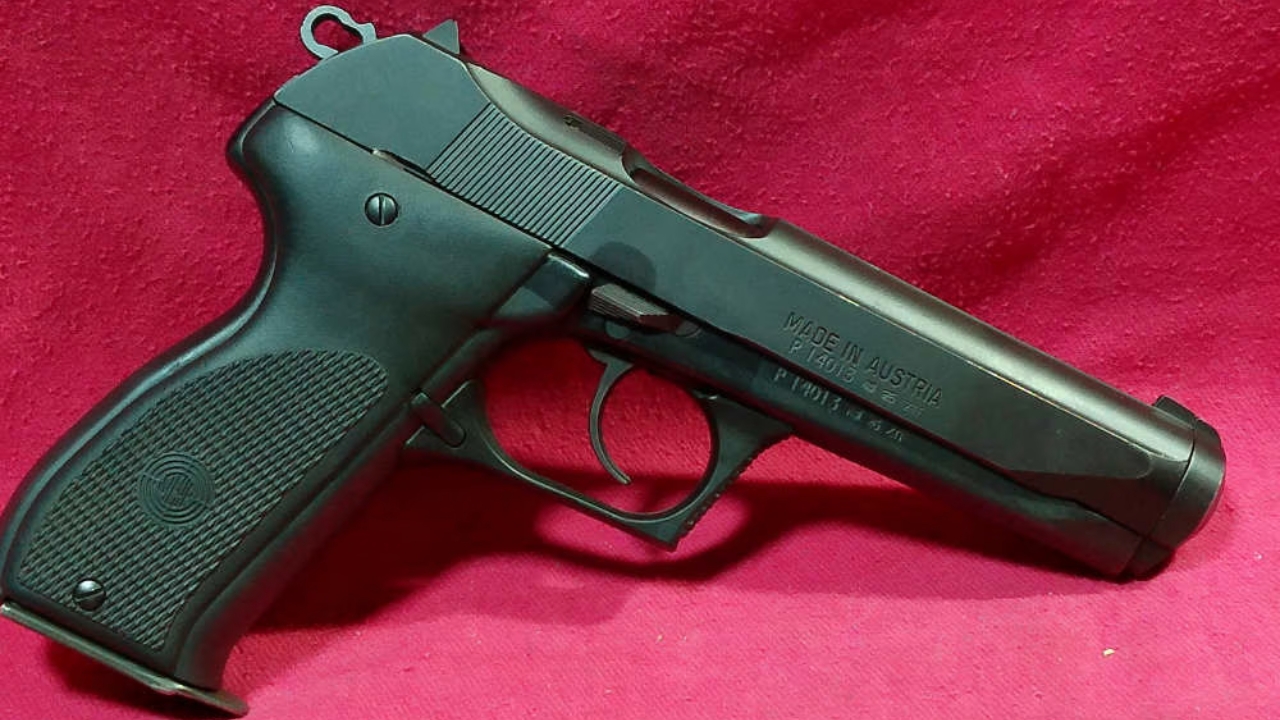
The Steyr GB was a large-capacity service pistol using a gas-delayed blowback system. Its fixed barrel and 18-round magazine were impressive during an era when many military pistols still held eight or nine cartridges.
The pistol entered military trials but failed to gain the contracts needed for widespread success. Its large size, unusual operating system, and limited production prevented it from developing a lasting support network. The GB remains accurate, soft-shooting, and mechanically fascinating. It arrived before the market was fully ready for a high-capacity European service pistol that did not follow familiar Browning or Walther patterns. Collectors now recognize it, but ordinary handgun discussions still overlook how advanced it was.
FN Forty-Nine
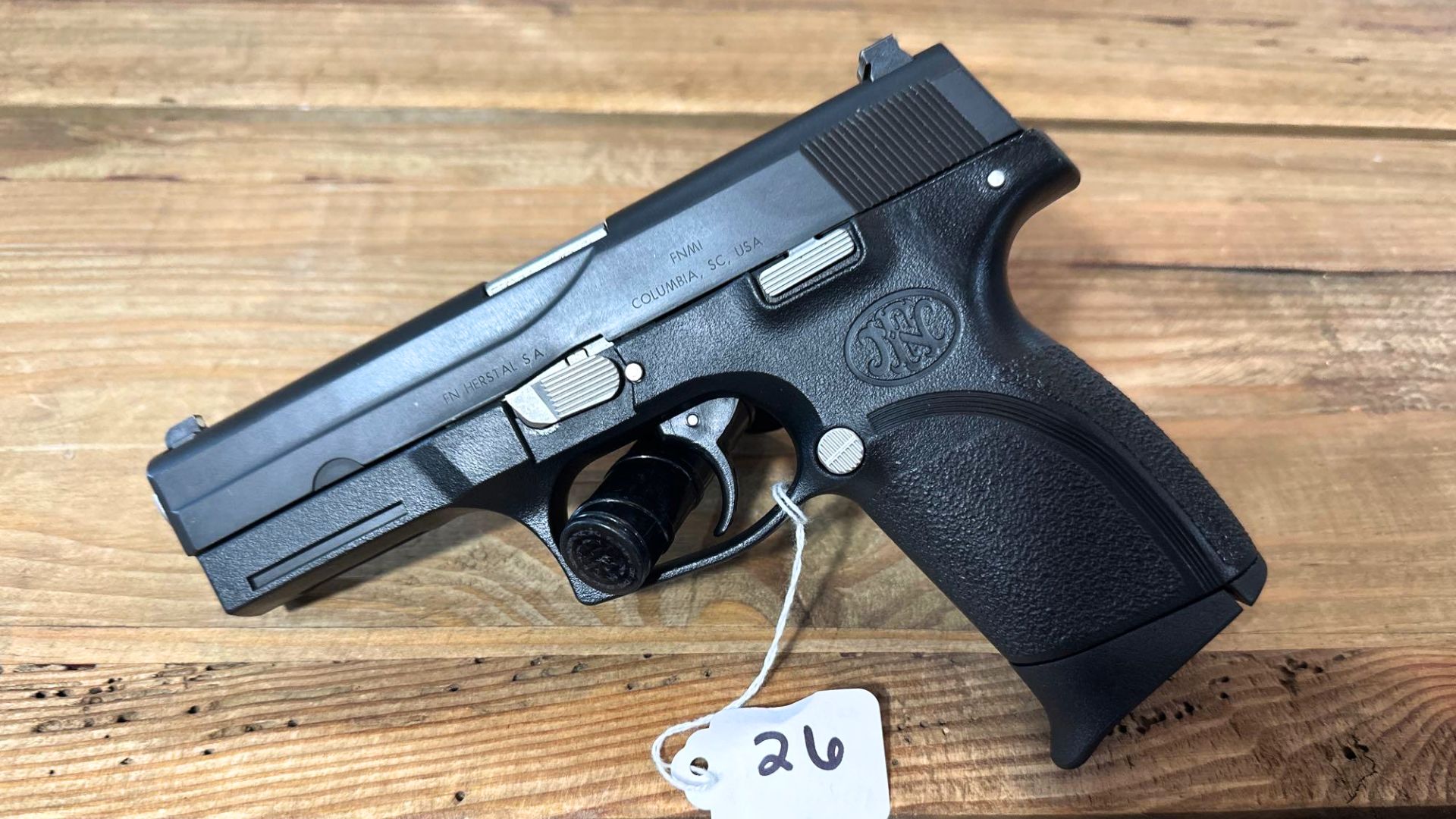
The FN Forty-Nine was a polymer-framed service pistol built around a double-action-only trigger system. It was offered in popular law-enforcement chamberings and backed by a company with enormous military credibility.
The long trigger pull and plain styling worked against it during a period when Glock was defining the striker-fired market. The Forty-Nine offered little excitement and did not receive enough agency adoption to build momentum. It was nevertheless durable, straightforward, and comfortable enough for defensive use. FN later produced more successful pistol families, leaving the Forty-Nine almost completely forgotten. It deserves another look as a practical transitional design that was more competent than its disappearance suggests.
Like The Avid Outdoorsman’s content? Subscribe to our newsletter so you never miss an article.
Here’s more from us: