Photo credit: Cranky Gun Reviews/YouTube
Some guns disappear slowly. Others seem to vanish almost overnight.
One year they are stacked behind gun-store counters, filling holsters, riding in truck racks, and showing up at every range. Then production changes, a company moves on, a newer design takes over, or the market simply loses interest. A few become collectible. Others are still easy to find used, but nowhere near as common as they once were. These 20 firearms used to feel unavoidable until the market moved on.
Remington Model 700 SPS

For years, the Model 700 SPS was one of the default answers for somebody wanting an affordable bolt-action hunting rifle. They were everywhere, and nearly every gun store seemed to keep multiple chamberings on the rack.
That changed as Remington went through bankruptcy, ownership changes, and a major restructuring. The Model 700 is still alive, but the old SPS-era dominance never fully returned. Ruger American rifles, Savage 110s, Tikkas, Bergaras, and other competitors now occupy shelf space that Remington once seemed to own.
Remington 870 Express
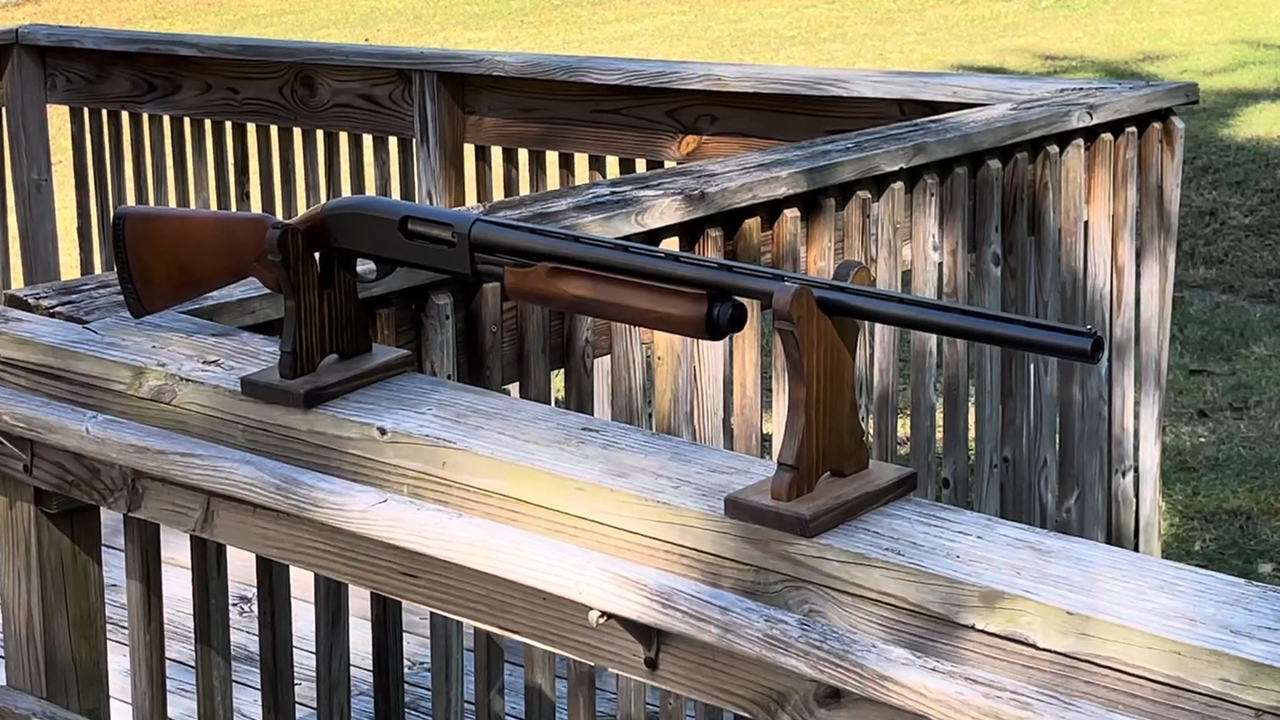
The 870 Express was once almost impossible to avoid. It was one of the standard entry-level pump shotguns for hunting, home defense, and general use.
Remington’s corporate problems interrupted that dominance, while Mossberg and a growing number of inexpensive imported pumps took more of the market. New 870s are available again, but the old days when an Express seemed to be sitting in every Walmart sporting-goods case and rural gun shop are gone.
Marlin Model 336
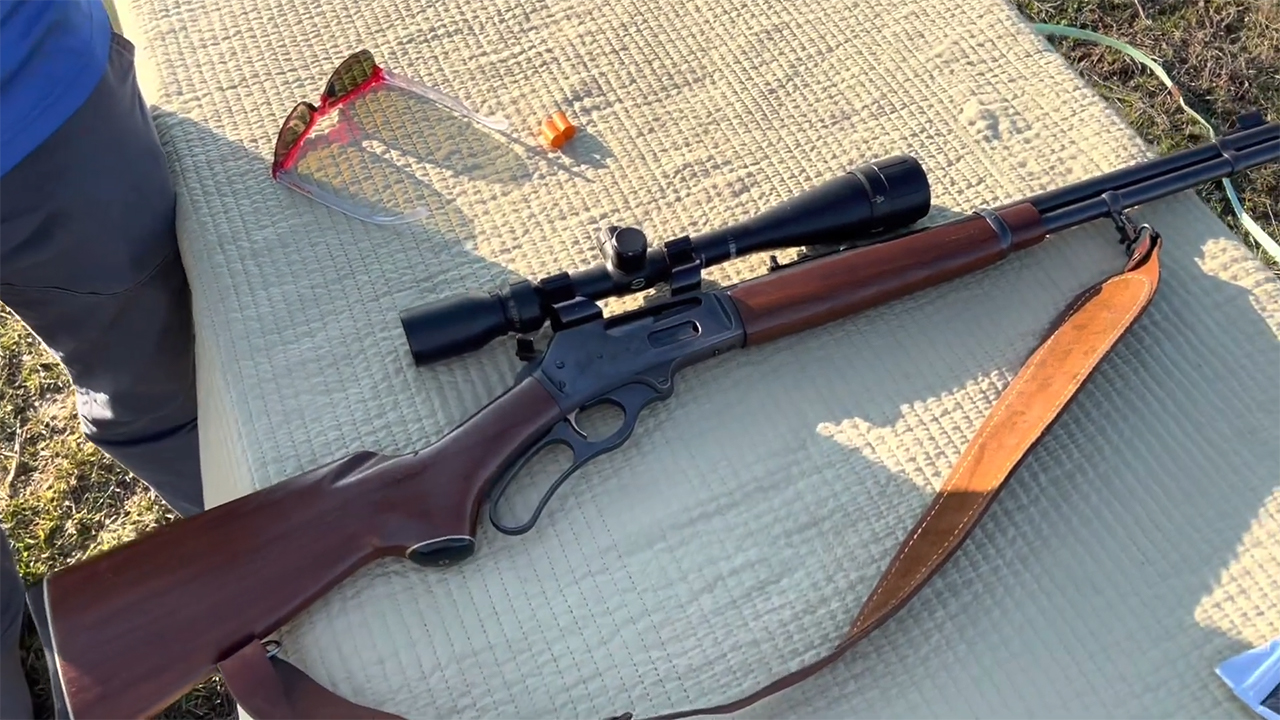
For decades, a Marlin 336 in .30-30 was one of the most ordinary deer rifles in America. Used examples were everywhere, and buying one did not feel remotely exotic.
Then Marlin production stopped during the Remington collapse. Ruger eventually brought the 336 back, but the modern rifles arrived into a completely different market and at much higher prices than old hunters remember paying. A gun that once seemed almost mundane suddenly became something buyers actively hunted for.
Marlin Model 60
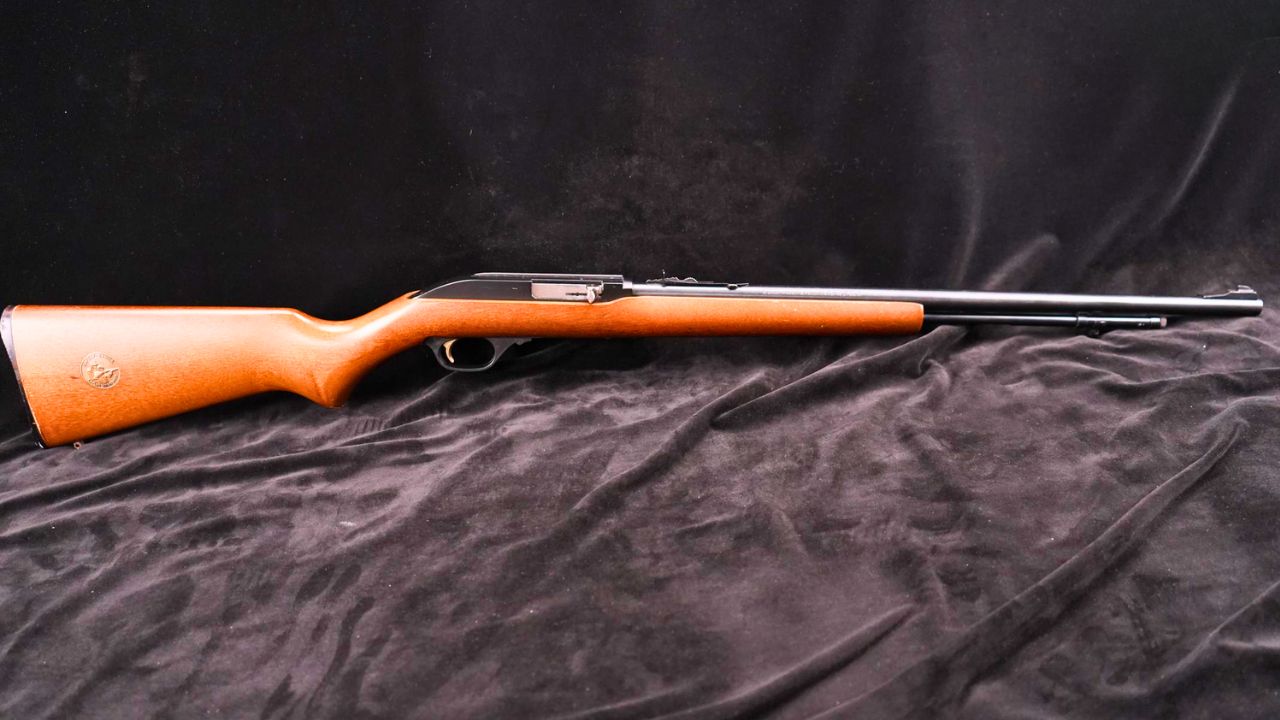
The Model 60 was one of the most common .22 rifles in America. Cheap, tube-fed, and straightforward, it competed with the Ruger 10/22 for generations.
Production eventually ended, and unlike several classic Marlin lever guns, the Model 60 has not returned as a major part of the Ruger-built lineup. Used rifles are still common because so many were made, but new gun-store racks no longer have rows of them. That disappearance feels strange considering how ordinary the Model 60 once was.
Winchester Model 94
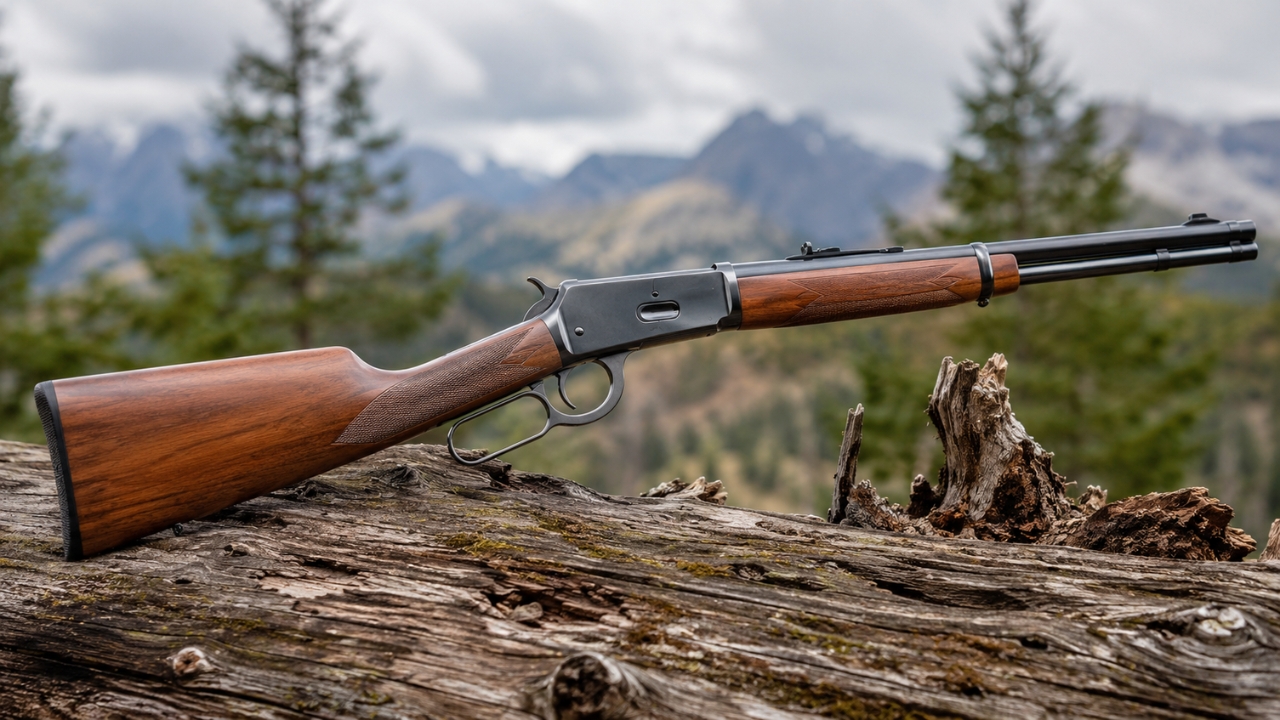
The Model 94 used to be the definition of a common lever-action deer rifle. Millions were produced, and old examples could be found in gun shops, pawnshops, and closets across the country.
American production ended in 2006, and although Winchester later brought the rifle back through overseas production, it never returned as the inexpensive working rifle people remembered. Current examples are far more expensive and less common. The Model 94 went from everyday deer rifle to something much closer to a premium nostalgia purchase.
Ruger P95
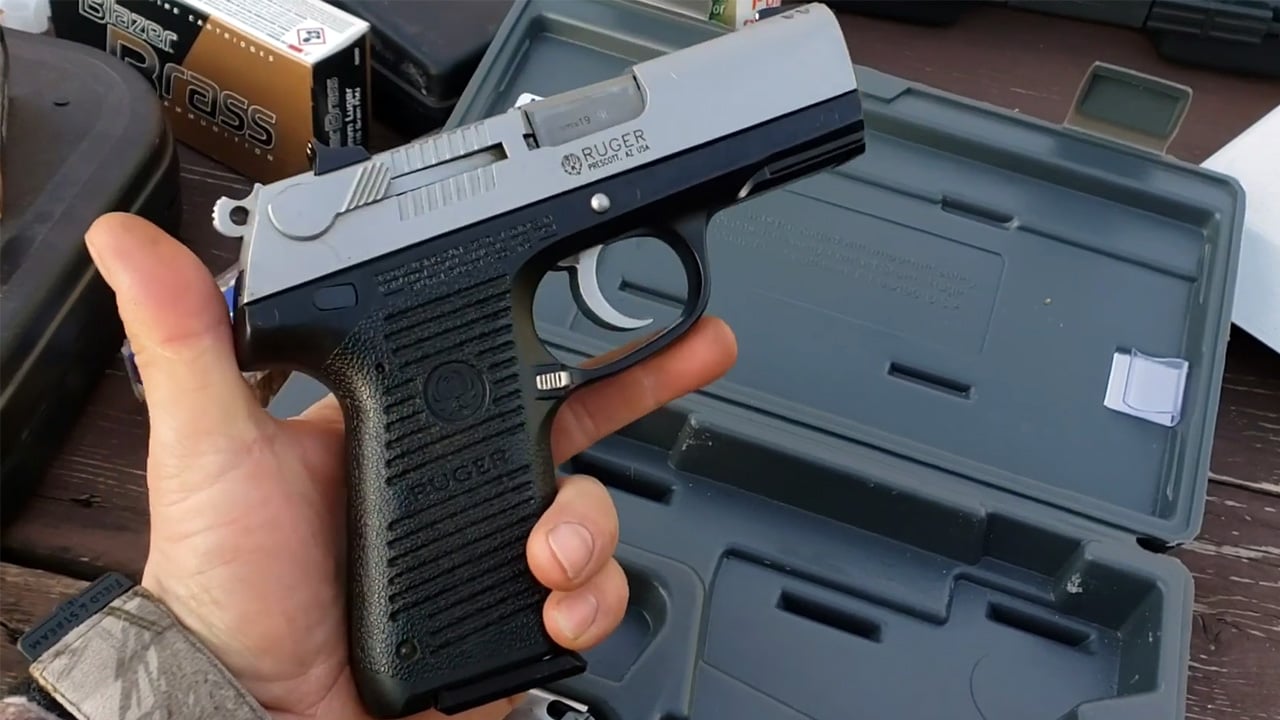
The P95 was everywhere during the period when inexpensive polymer-framed service pistols were still relatively new. It was chunky, affordable, reliable, and sold to shooters who wanted a defensive 9mm without paying Glock money.
Then Ruger dramatically modernized its handgun lineup. The SR series arrived, followed eventually by the Security-9, American Pistol, and other newer designs. The P95 disappeared almost completely from new-gun conversations. You still see them used, but it is hard to believe how common they once were.
Ruger SR9
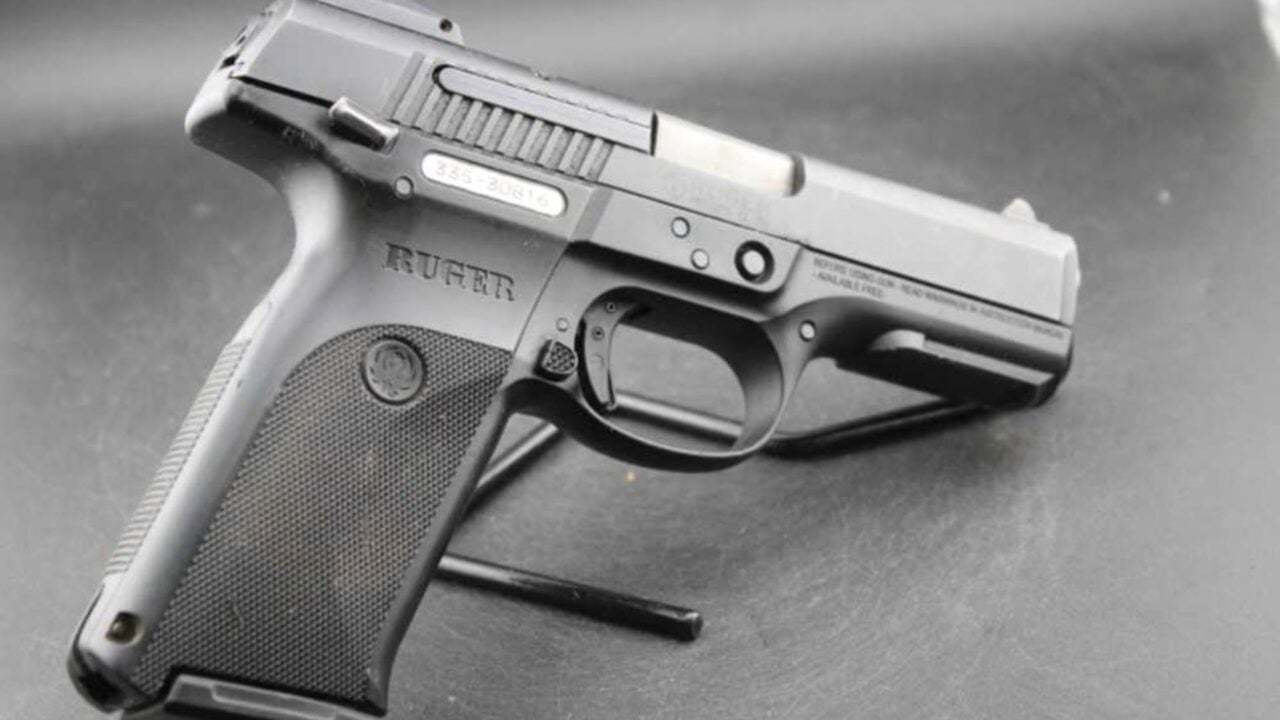
The SR9 looked like Ruger’s modern answer to Glock when it arrived. It was thin for a full-size pistol, held 17 rounds, and eventually spawned compact and updated versions.
For a while, SR-series pistols were common enough that they seemed destined to remain permanent parts of Ruger’s lineup. Then Ruger moved on. The American Pistol and Security-9 families took over, and the SR9 quietly disappeared. It is one of those guns that still feels relatively modern despite already being absent from current shelves.
Smith & Wesson Sigma

The Sigma was once one of the most common inexpensive polymer pistols in gun stores. It competed heavily on price and gave buyers a high-capacity defensive handgun from a major American manufacturer.
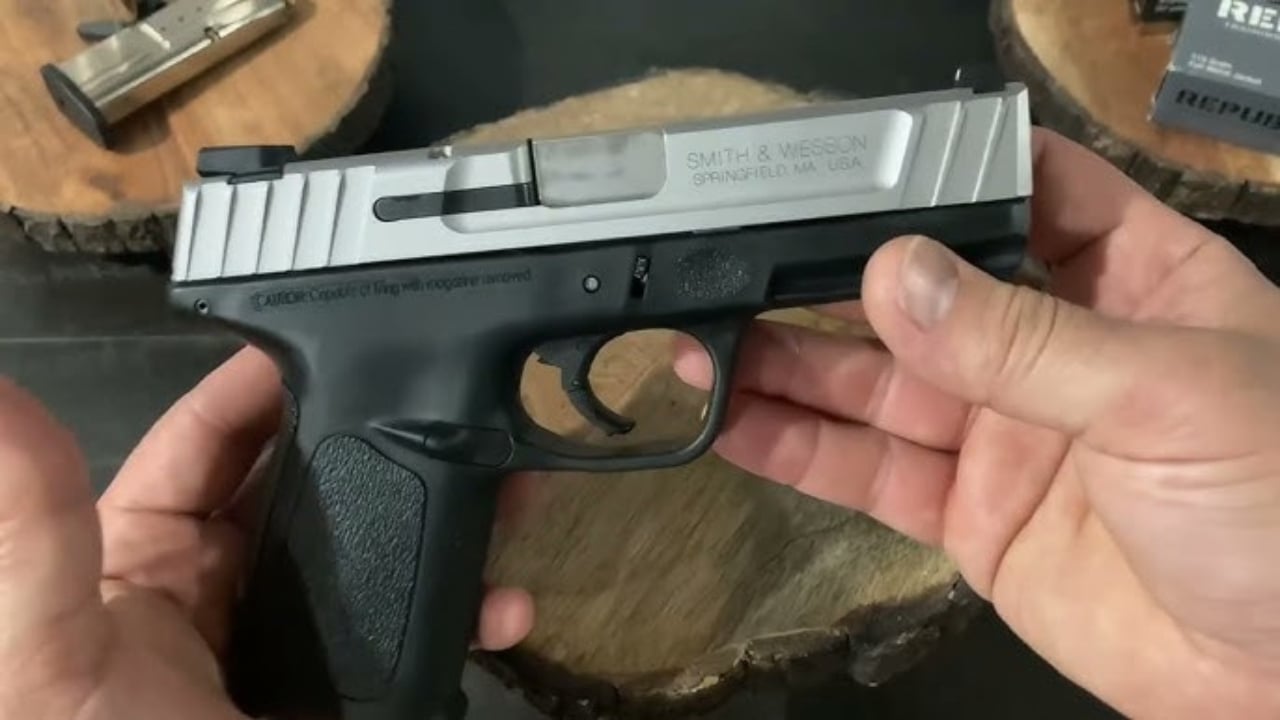
Its trigger developed a notorious reputation, and Smith & Wesson eventually replaced the concept with better designs. The SD series carried some of the idea forward, while the M&P became the company’s serious duty platform. Sigmas still appear constantly on the used market, but the days when they were one of S&W’s most visible pistols are long gone.
Springfield XD

The original XD once competed directly with Glock for mainstream polymer-pistol buyers. Gun magazines covered them constantly, gun stores stocked them heavily, and the grip safety became one of the platform’s defining features.
The XD family expanded into the XD-M and numerous other versions, but newer designs gradually pushed the original pistol into the background. Springfield’s Hellcat and Echelon now attract much more attention. The XD has not vanished completely, but it is nowhere near the cultural presence it had during the 2000s.
SIG Sauer P250
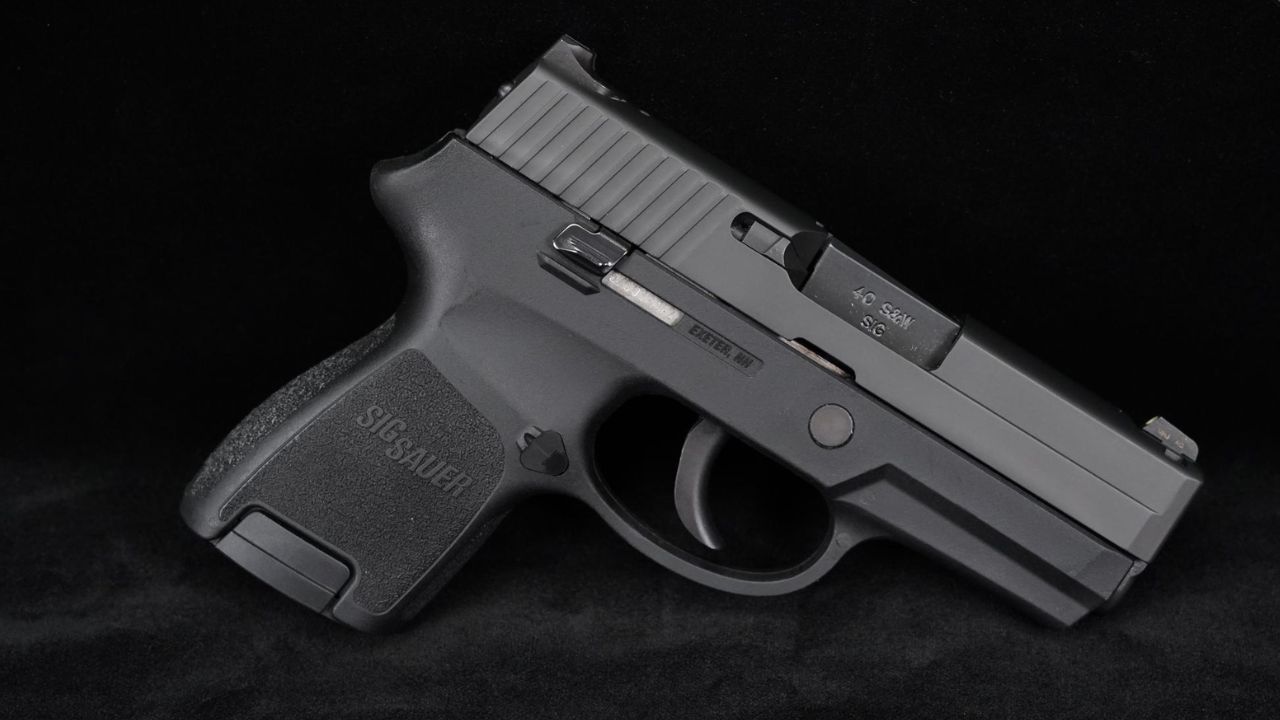
The P250 briefly looked like it might become SIG’s next major duty-pistol platform. Its removable fire-control unit was a genuinely forward-thinking idea and directly foreshadowed what SIG later accomplished with the P320.
The double-action-only trigger prevented the P250 from becoming nearly as popular as its successor. Once the striker-fired P320 arrived, the P250’s days were effectively numbered. It disappeared so thoroughly that newer shooters sometimes do not realize SIG’s famous modular concept started with another pistol entirely.
Smith & Wesson Model 5906
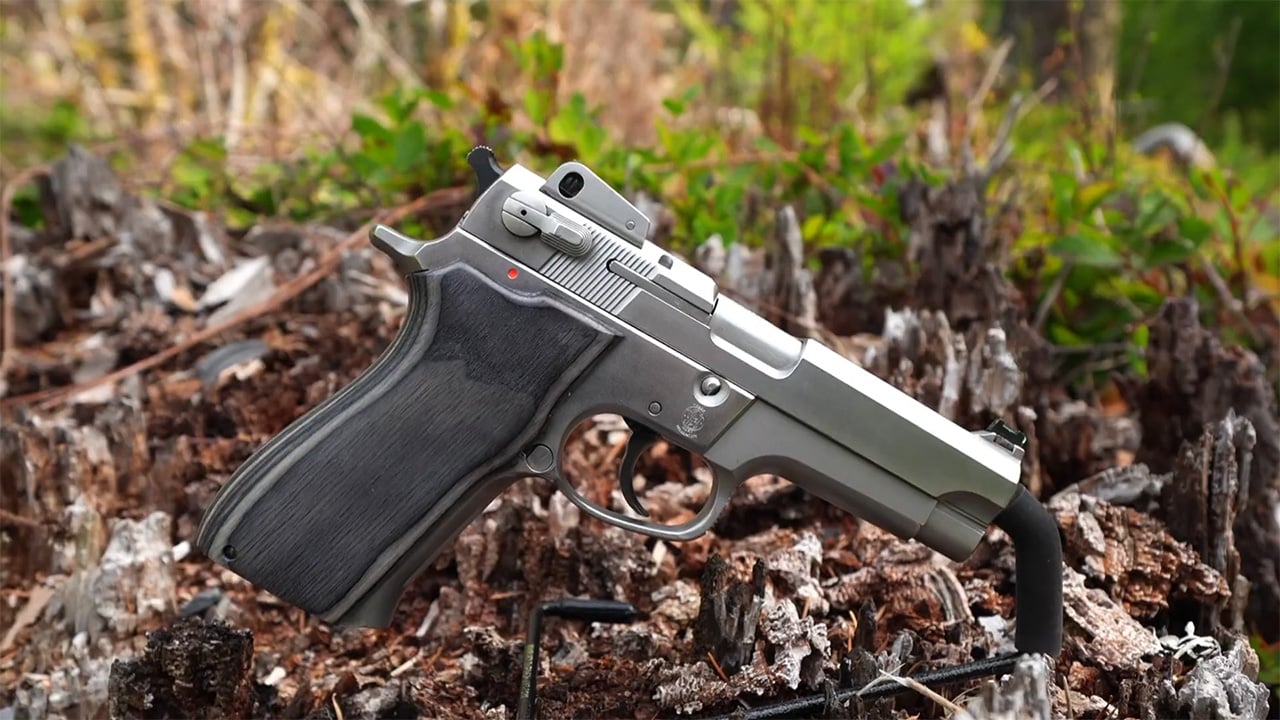
Police trade-in Model 5906 pistols seemed to be everywhere for years. Departments moved away from metal-framed double-action pistols, and the used market became flooded with heavy stainless Smith & Wessons at attractive prices.
Eventually, that supply dried up. Collectors started appreciating third-generation Smiths, clean examples became harder to find, and prices climbed. A pistol that once looked like just another inexpensive police trade-in now gets considerably more attention when one appears in good condition.
Beretta 96
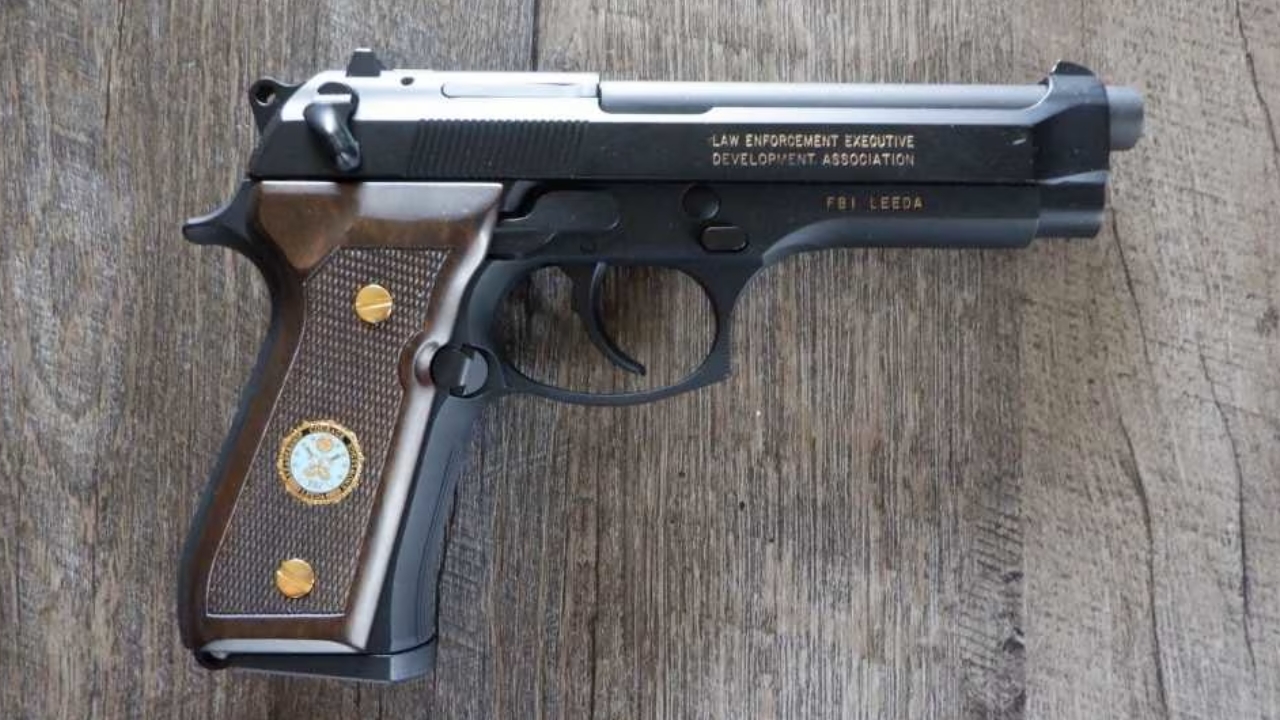
The Beretta 96 was once a common sight because .40 S&W dominated American law enforcement. Agencies and civilians who liked the 92 platform could get essentially the same pistol chambered in the hotter cartridge.
As .40 S&W declined, so did demand for full-size .40-caliber service pistols. Police departments switched back to 9mm, manufacturers reduced .40 offerings, and guns like the 96 became much less visible. It did not suddenly become a bad pistol. The cartridge market simply moved away from it.
Glock 22
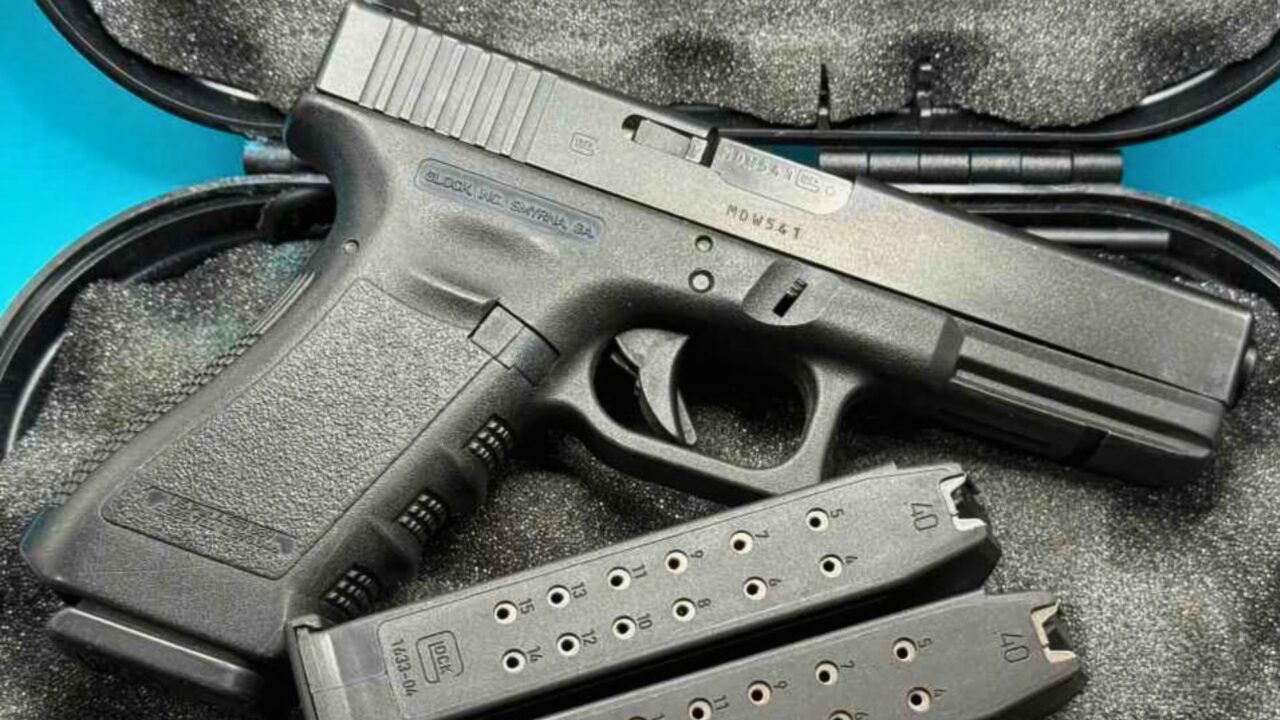
Few pistols show the collapse of .40 S&W better than the Glock 22. For years, it was one of the defining American law-enforcement pistols. Used examples were everywhere because agencies bought them in enormous numbers.
As departments returned to 9mm, Glock 17s and other 9mm duty guns took over. The Glock 22 still exists, but it no longer has anything close to its former dominance. Used police guns remain easy to find, yet new shooters rarely talk about the G22 the way an entire generation once did.
Smith & Wesson M&P40

The M&P40 arrived when .40 S&W still looked like the cartridge most American police agencies wanted. Smith & Wesson sold huge numbers of them to departments and civilians.
Then the 9mm resurgence hit. Agencies decided modern 9mm ammunition offered enough performance with lower recoil and greater capacity. The M&P platform survived just fine, but the .40-caliber version faded from prominence. A pistol that once felt central to Smith & Wesson’s duty lineup became a niche choice almost overnight.
Bushmaster XM15-E2S
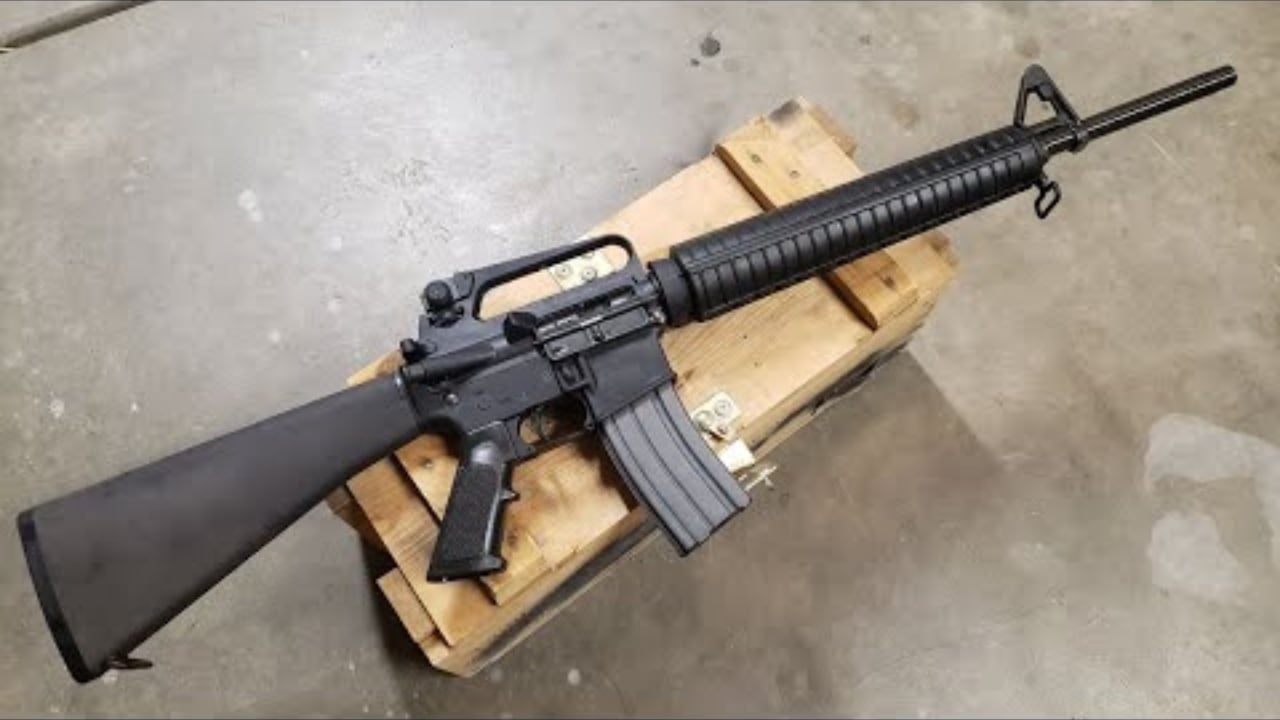
Before the AR-15 market became packed with hundreds of manufacturers, Bushmaster was one of the brands you saw constantly. The XM15 was a mainstream civilian AR and appeared in gun stores all over the country.
Corporate changes and the explosion of competitors altered everything. Today, buyers can choose ARs from dozens of established companies at nearly every price. Bushmaster has returned, but the XM15 name no longer dominates the rack the way it once did.
DPMS Panther Arms Oracle

The DPMS Oracle was one of the classic budget ARs of the 2010s. It was inexpensive, basic, and extremely common during the huge growth of the civilian AR market.
DPMS later disappeared amid corporate restructuring, and the budget AR category became even more competitive. Palmetto State Armory, Ruger, Smith & Wesson, Anderson, and others now fill much of the territory the Oracle occupied. Used examples remain plentiful, but the rifle itself went from ubiquitous to almost invisible surprisingly quickly.
Bushmaster ACR
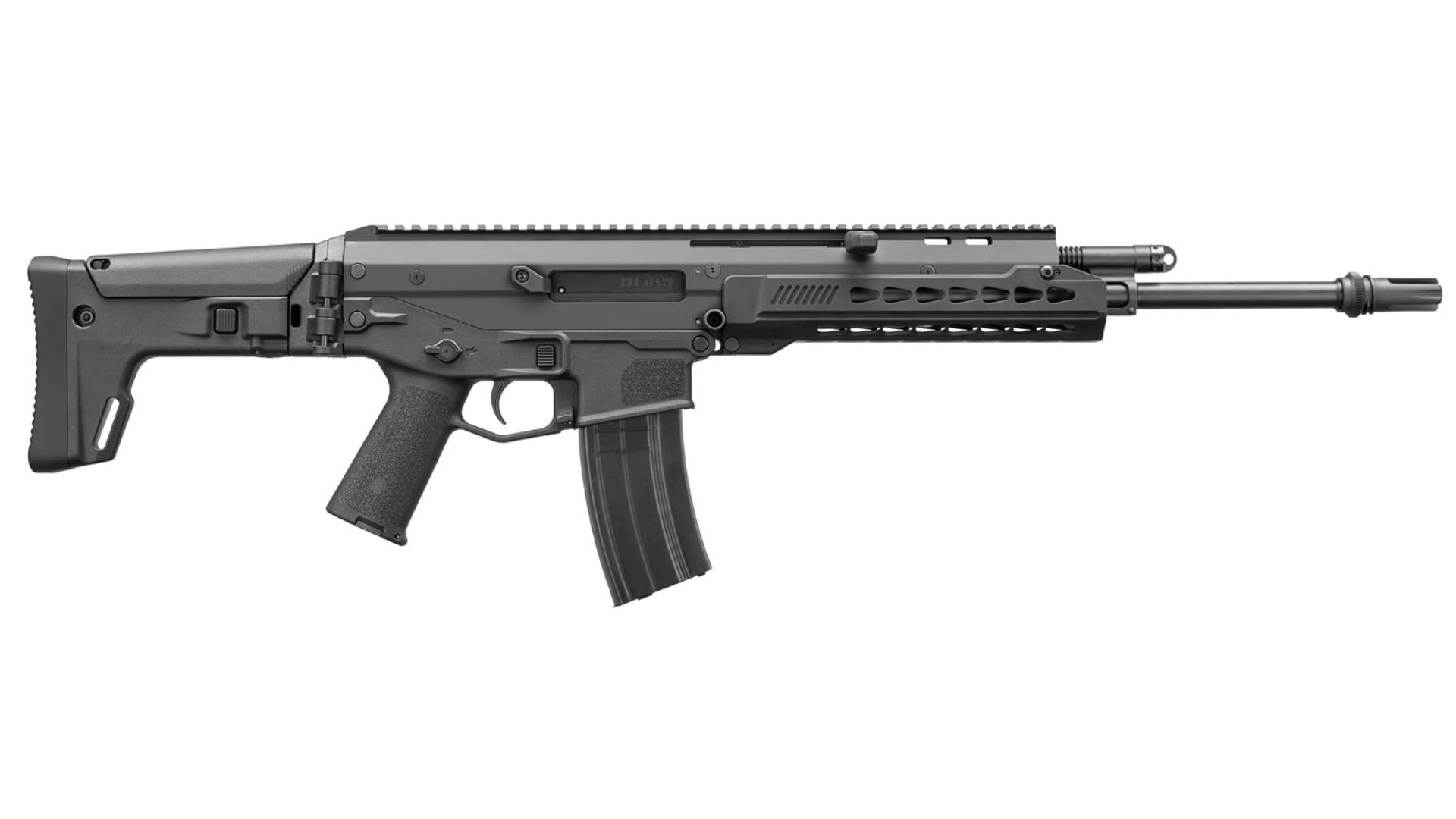
The ACR was supposed to be one of the rifles that changed the market. Its modular design, folding stock, and futuristic appearance generated enormous attention before and after release.
For a while, it seemed like every serious rifle conversation included the ACR. Then the price, weight, and lack of promised caliber-conversion options slowed momentum. Production eventually disappeared. The rifle that once looked like the future is now something shooters mainly encounter on the used market or in old reviews.
Remington R1 1911
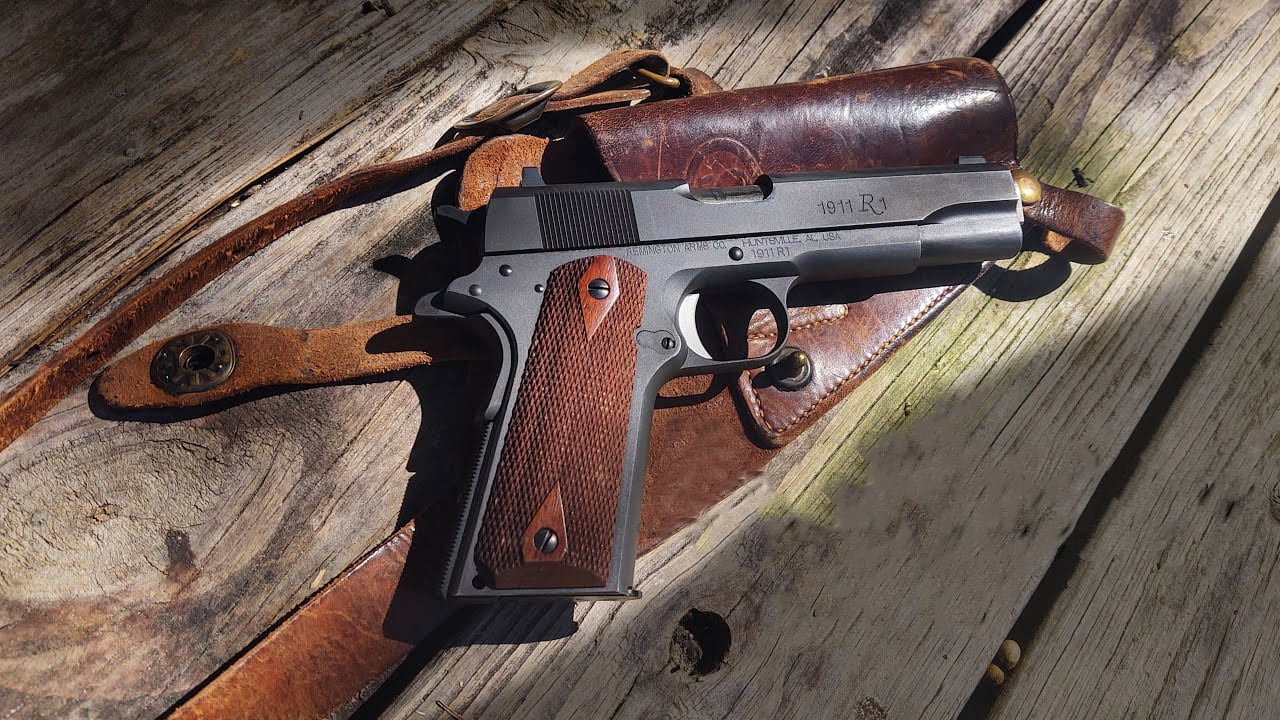
When Remington entered the 1911 market with the R1, the pistol became common very quickly. The familiar Remington name and relatively traditional design made it appealing to buyers who wanted a straightforward American 1911.
The R1 expanded into numerous configurations before Remington’s financial collapse changed everything. Current RemArms production has focused elsewhere, and the R1 is no longer the gun-store staple it briefly became. Used examples still turn up often enough to remind people how aggressively Remington once pursued the 1911 market.
Thompson/Center Encore

The Encore was once one of the most recognizable specialty hunting firearms in America. Its break-action design and interchangeable barrels let one frame handle numerous rifle, handgun, shotgun, and muzzleloader configurations.
When Smith & Wesson shut down Thompson/Center, new Encores disappeared and used components became much more desirable. The T/C brand is now returning, but there was a period when a platform that had seemed permanent simply vanished. That absence made longtime hunters appreciate how unique the Encore really was.
Browning BPS
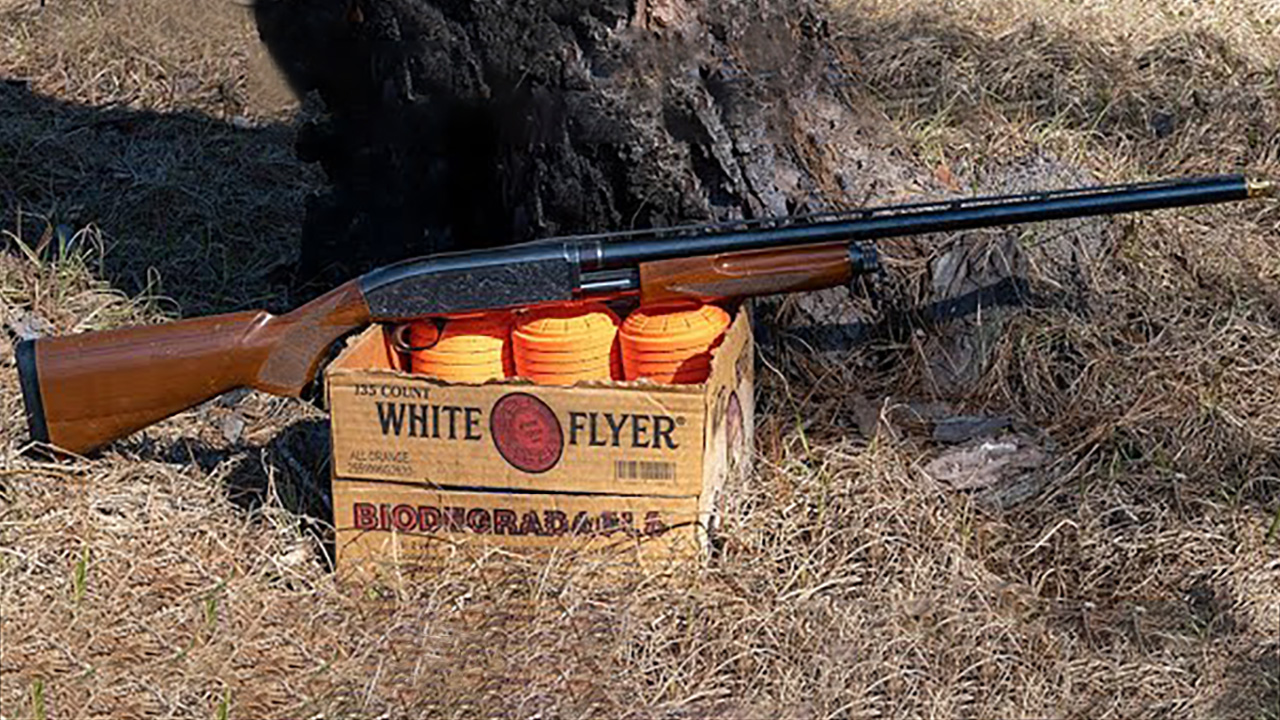
The Browning BPS spent decades as a familiar alternative to the Remington 870 and Mossberg 500. Its bottom-ejection design made it especially attractive to left-handed shooters, and the shotgun developed a loyal following among hunters.
Browning eventually ended regular production, and suddenly the BPS went from ordinary gun-rack option to something shooters had to search for. Used examples are still around, but the market lost one of its few truly distinctive pump-shotgun designs. It is easy to miss a gun only after manufacturers stop giving you the option to buy another one.
Like The Avid Outdoorsman’s content? Be sure to follow us.
Here’s more from us: