Photo credit: Mountaineer Firearms/YouTube
Buying a new handgun has its advantages. You know exactly where it has been, you get the factory box and warranty, and there is something satisfying about being the first person to put rounds through it. That does not mean new is always the best place to spend your money.
There are plenty of handguns that hold up extremely well, and once the first owner takes the depreciation hit, they can become much more attractive purchases. I would rather inspect a clean used example of these 20 guns and keep the difference in my pocket than automatically pay new-gun money.
Glock 17 Gen 5
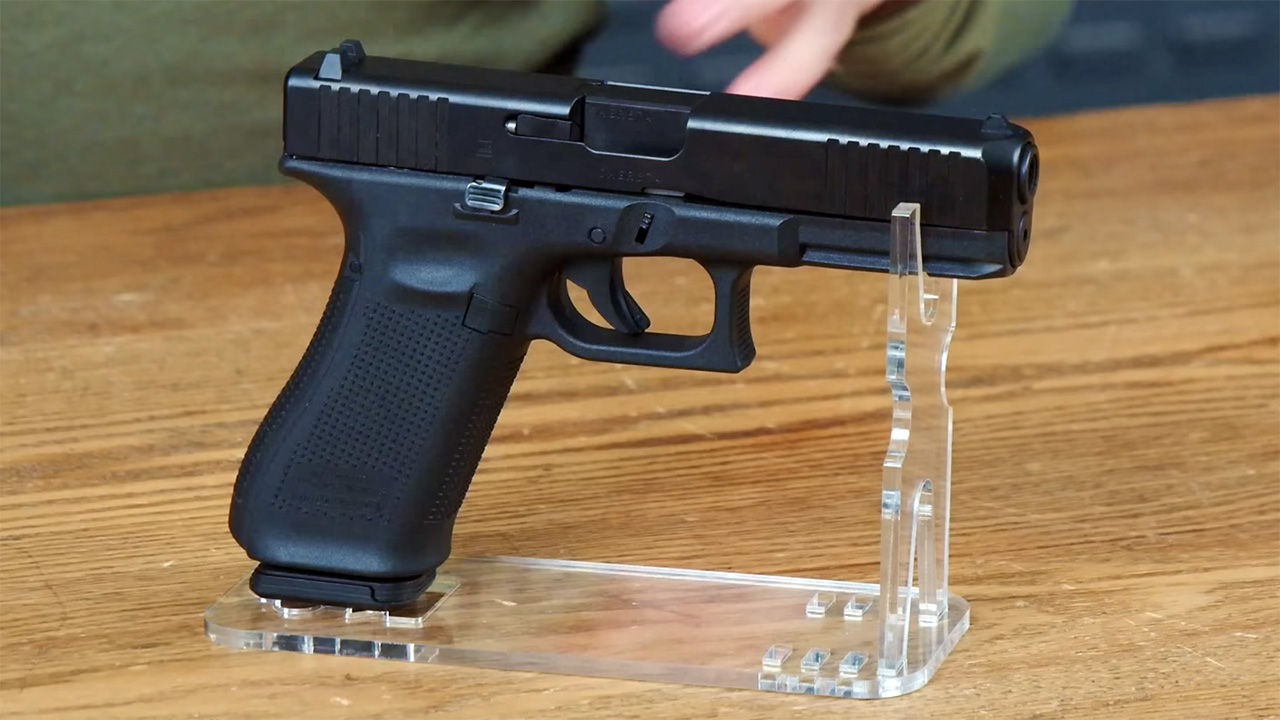
The Glock 17 is exactly the type of pistol that makes me question paying full price for a new one. These guns are built for heavy use, and a used example with a few thousand rounds through it would not scare me in the slightest if everything checked out. The Gen 5 added the Glock Marksman Barrel, ambidextrous slide stop and other updates while keeping the basic design straightforward.
Used G17s also show up regularly because so many were purchased by individuals and agencies. I would inspect the barrel, recoil spring assembly, frame rails and overall condition, but ordinary finish wear would barely concern me. Unless I specifically wanted the newest Gen 6 features, a clean Gen 5 would get my money first. Glock’s Gen 6 is now the latest generation, which makes that used Gen 5 proposition even more interesting.
SIG Sauer P226

A new P226 can become an expensive proposition quickly, especially when you start looking at the higher-end versions. That makes older standard P226s particularly appealing. The basic design already built its reputation as a full-size service pistol long before the current premium configurations arrived. SIG still describes the P226 as a pistol with decades of military service behind it.
Give me a mechanically sound older P226 with some holster wear and I am perfectly happy. The DA/SA trigger usually becomes even nicer after being shot, magazines and replacement parts remain available, and the aluminum frame keeps the pistol from becoming ridiculously heavy. I would pay extra for a pristine collectible variation, but for a P226 that I actually plan to shoot, used is where I would look first.
Beretta 92FS

The 92FS is another gun where cosmetic wear does not bother me much. Beretta still sells the 92FS, and its traditional open-slide design and DA/SA operating system remain essentially what made the pistol famous in the first place. Beretta currently lists the standard 92FS starting around $809.
That makes a clean older 92FS extremely tempting. There are enough of them in circulation that I would rather shop patiently for one that has been fired but cared for. A few scratches on the frame or worn finish around the muzzle are not reasons for me to walk away. I would pay close attention to the locking block, barrel and springs, but a properly maintained 92FS can provide an awful lot of pistol without requiring new-pistol money.
Smith & Wesson Model 686
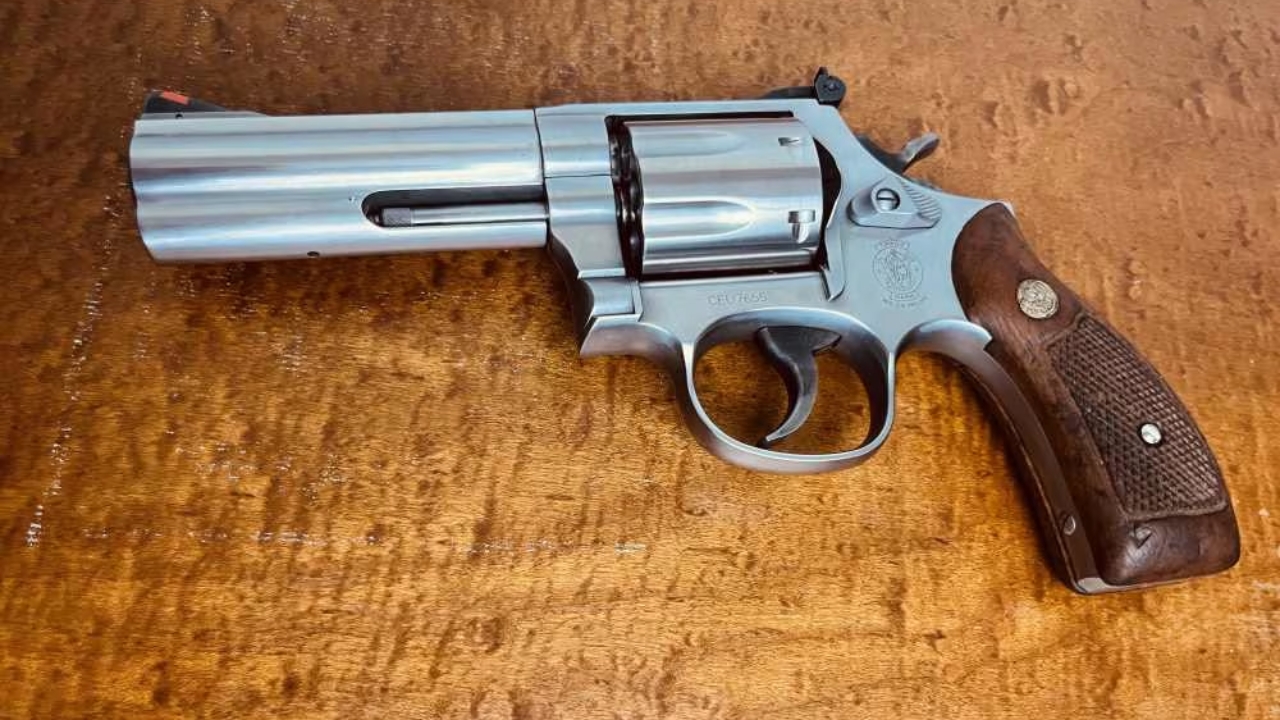
There are certain revolvers where I actually prefer looking through the used case, and the Model 686 is near the top of that list. Smith & Wesson still builds the 686, with current standard models carrying MSRPs approaching $1,000 depending on configuration.
That makes older 686s worth examining closely. I want to check cylinder lockup, timing, the forcing cone, ejector rod and whether somebody has attempted a questionable trigger job. If all of that looks right, an older 686 with honest handling marks does not bother me. These were meant to be shot. I would rather own a good used example and have money left for ammunition than spend extra simply because another revolver has never had its cylinder turned.
HK USP
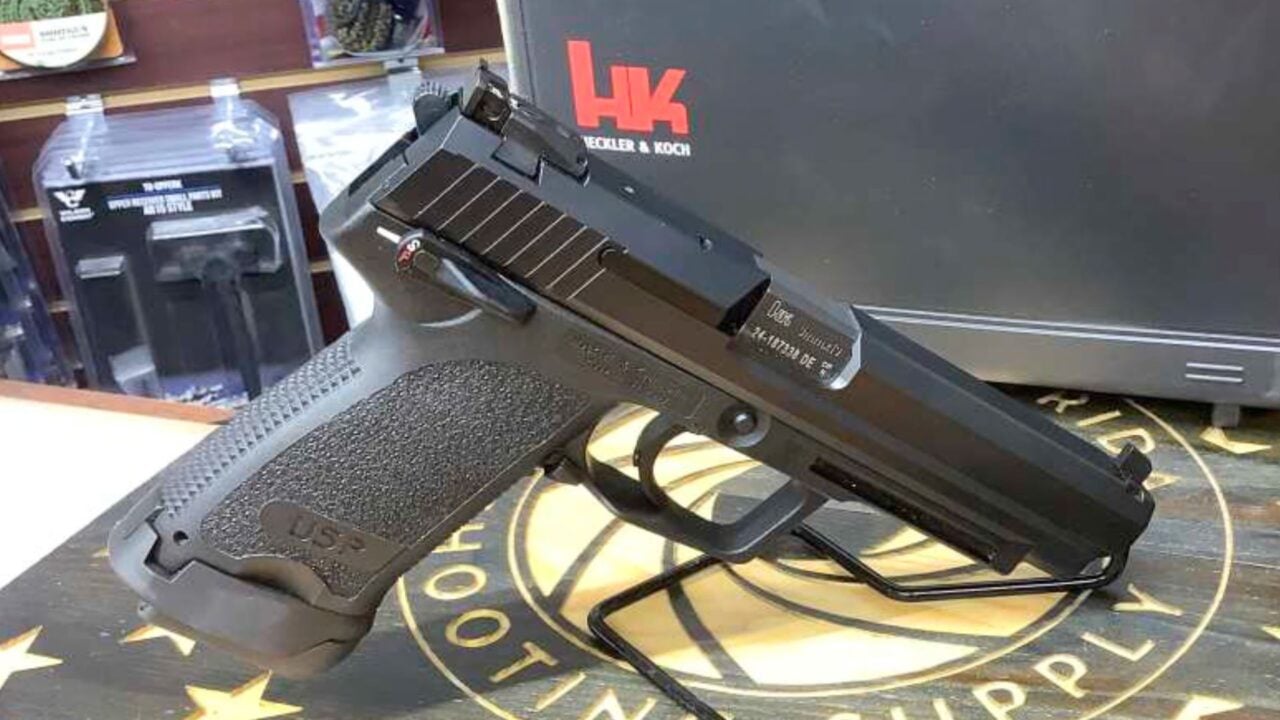
The USP may look like it came straight out of the 1990s because it basically did, but that is part of the appeal. HK still offers the USP family today and continues to emphasize the pistol’s recoil-buffering system and durability.
A used USP therefore makes a lot of sense to me. These are not delicate pistols that I worry about buying after somebody has put a reasonable round count through them. I would inspect the barrel, controls and internal wear like I would with anything else, but I would not pay a major premium simply for an untouched example. If somebody else already put the first scratches on that oversized slide and knocked some money off the asking price, that actually makes the gun easier for me to enjoy.
Ruger GP100
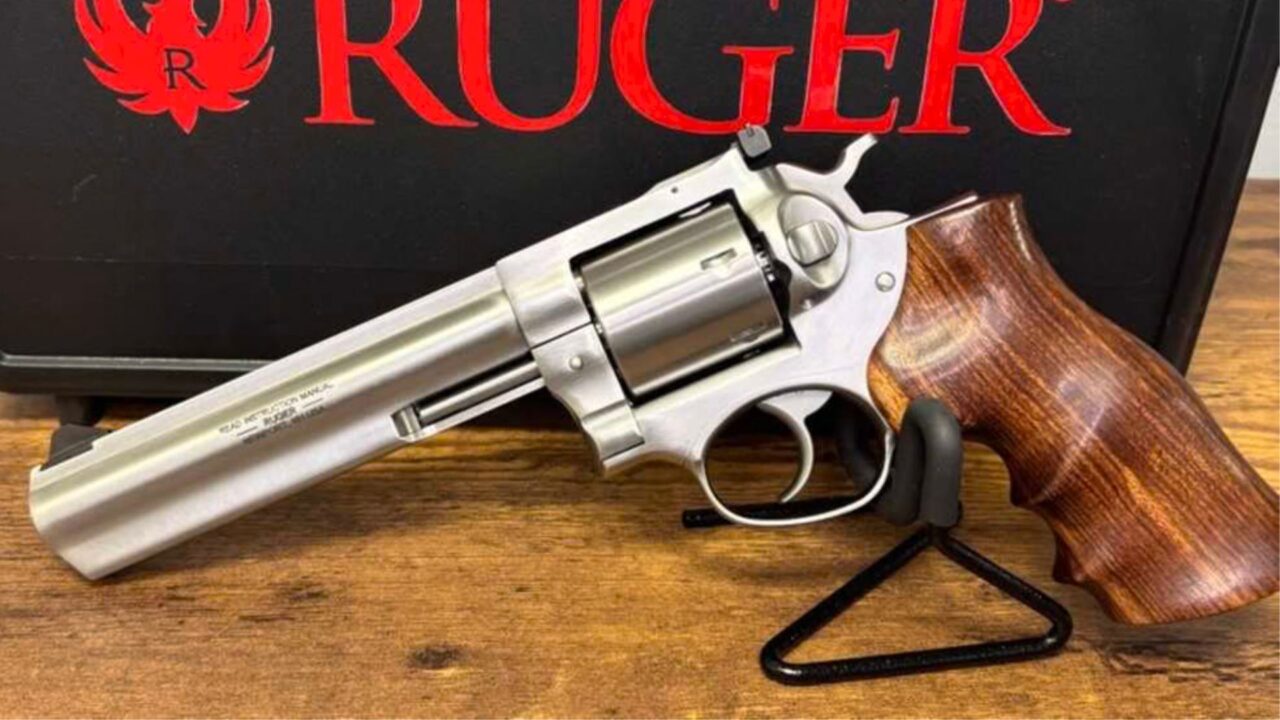
The GP100 is built like the kind of revolver that should be bought used. Ruger’s current design uses a triple-locking cylinder and a frame intended to tolerate plenty of shooting, and standard .357 Magnum versions remain in the catalog.
That does not mean I would buy a beat-up GP100 without inspecting it. I still want correct timing, tight lockup and a clean forcing cone. What I do not care much about are scratches, worn grips or a faint cylinder line. A revolver this substantial does not need to look new to work well. Used GP100s can also have wonderfully smooth actions after years of normal shooting. As long as nobody has butchered the internals trying to create a featherweight trigger pull, I would happily take the savings.
CZ 75 B
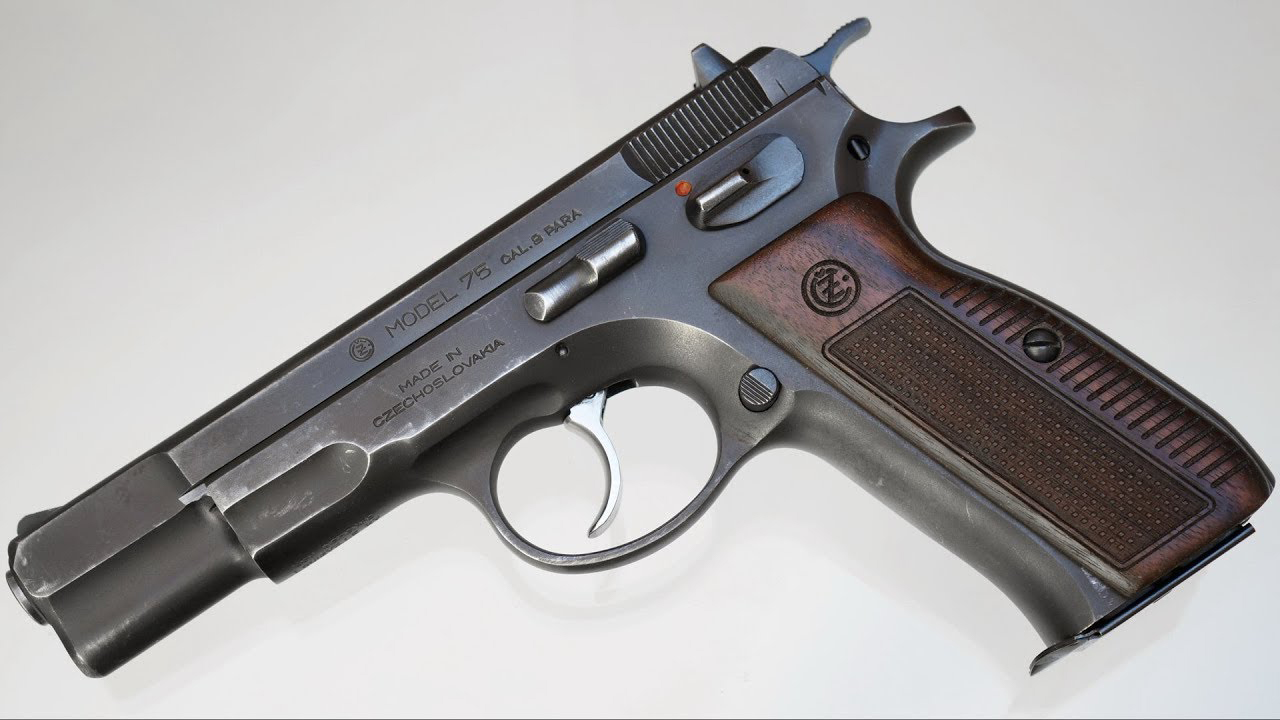
The CZ 75 B is one of the easiest guns on this list for me to buy used. It is still an all-steel DA/SA pistol built around the traditional CZ 75 layout, and CZ continues to offer the model today.
Older examples can have polished slide rails and worn exterior finishes while still shooting beautifully. In fact, a nicely broken-in CZ can feel better than one fresh out of the box. I would check the slide stop, springs, extractor and general condition, but I am not paying extra just to avoid a few scratches on a steel service pistol. The CZ 75 B has also been around long enough that magazines, grips and common replacement parts are easy enough to source. A clean used one is exactly the kind of gun I would grab.
Beretta PX4 Storm
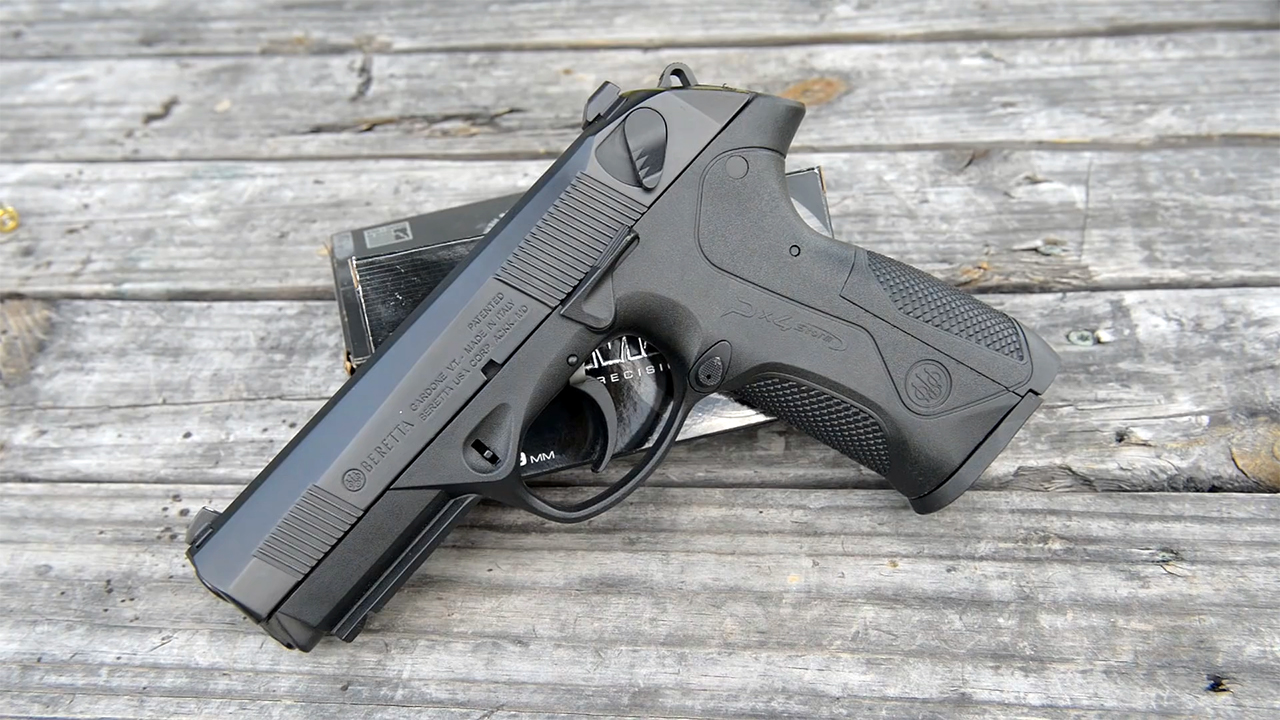
The PX4 has spent years being ignored by people who could not get past the styling, which has helped make used examples interesting. Underneath that appearance is Beretta’s rotating-barrel system and a pistol the company continues to offer in several configurations.
I especially like the idea of finding a used full-size PX4 that somebody bought, shot a few times and eventually traded toward something newer. They are comfortable shooters, the DA/SA system is proven, and there is not much reason for me to demand an untouched example. I would make sure the rotating barrel and locking surfaces look healthy and confirm that nobody performed amateur modifications. Beyond that, normal wear is simply a negotiating point. This is one handgun where somebody else’s depreciation can work heavily in your favor.
SIG Sauer P229

The P229 occupies a funny spot today because SIG offers newer and increasingly elaborate versions, including the current Legion models. The underlying compact DA/SA pistol, however, was already extremely capable long before those upgrades appeared. SIG’s current Legion P229 retains the basic compact P229 architecture while adding upgraded controls, sights and trigger components.
For a working gun, I would gladly take a standard used P229 instead. Older police and civilian guns can show plenty of finish wear while still having years of shooting left. I would look carefully at the frame rails and make sure the springs have not been neglected, but neither is difficult to evaluate. If my choice were a spotless premium version or a clean older P229 plus several hundred dollars left over, the used gun would be hard to pass up.
Ruger SP101
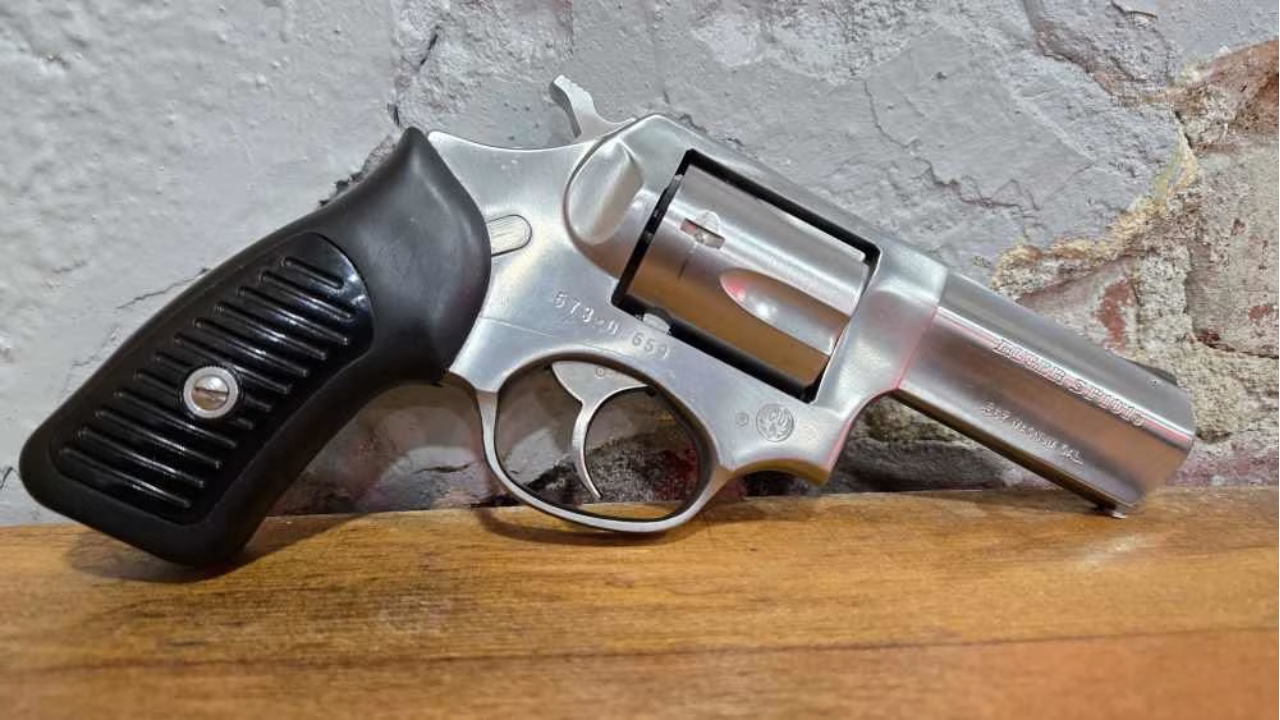
Small .357 Magnum revolvers get carried much more than they get fired in many cases. That creates exactly the kind of used market I like. Ruger still offers the SP101 in several chamberings, including .357 Magnum, and its steel construction is intended for hard use.
I would happily buy an SP101 with some grip wear and a cylinder line. What matters is that the crane is straight, the cylinder locks correctly, timing is good and there is no evidence that somebody tried to turn it into a competition revolver with a kitchen-table trigger job. These guns are already relatively heavy for their size, so I am buying one because I want durability. Paying extra for perfect cosmetics goes against the entire reason I like the SP101 in the first place.
FNX-45 Tactical
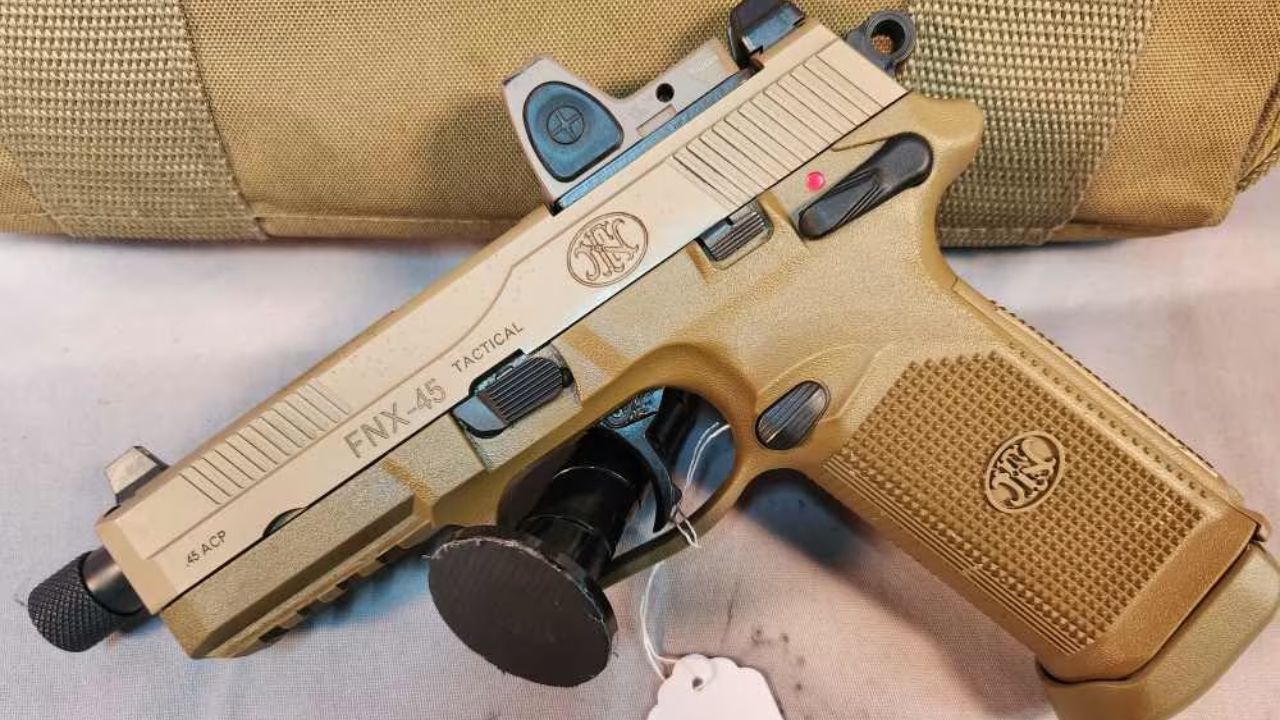
The FNX-45 Tactical is an expensive handgun when purchased new, which makes used examples much more appealing. FN’s current version combines a DA/SA action with a threaded 5.3-inch barrel, optics mounting capability and 15-round .45 ACP magazines in standard-capacity configurations.
That is a lot of equipment built into one pistol, and most owners are not wearing these things out. I would especially watch for one that already includes the factory case, optics plates and magazines because those extras can add real value. Check the threaded barrel, optic mounting area and controls, then look for evidence of unusually hard use. Otherwise, I would have no hesitation buying one secondhand. The gun is already enormous and overbuilt. Saving money would make its size and price considerably easier to live with.
Smith & Wesson M&P9 M2.0

The M&P9 M2.0 is one of those pistols where buying used can almost feel too obvious. Smith & Wesson continues to sell full-size and compact M2.0 models in numerous configurations, including optics-ready versions.
There are plenty of earlier examples without every current feature, though, and that is where I would start looking. If I did not need an optic cut, I would have almost no reason to pay more for the latest configuration. The M&P is a service-style polymer pistol, and ordinary use should not scare anyone who gives the gun a proper inspection. Make sure the previous owner has not performed questionable trigger modifications, check the barrel and recoil assembly, and move on. A lightly used M2.0 can be a tremendous amount of handgun for the money.
HK USP Compact

The USP Compact takes much of what I like about the full-size USP and makes it easier to actually carry. HK still lists the Compact in 9mm, .40 S&W and .45 ACP configurations, depending on model, and the design retains the traditional hammer-fired USP operating system.
Used is especially attractive because older USP Compacts often show up with exactly the kind of cosmetic wear I do not mind. They may have polished corners, holster marks and grips that no longer look fresh. None of that would stop me if the mechanical condition were good. I would rather put the money toward magazines, which have never been the cheapest part of HK ownership anyway. A mechanically healthy USP Compact with an ugly exterior might actually be my favorite kind of used handgun.
CZ 75 SP-01
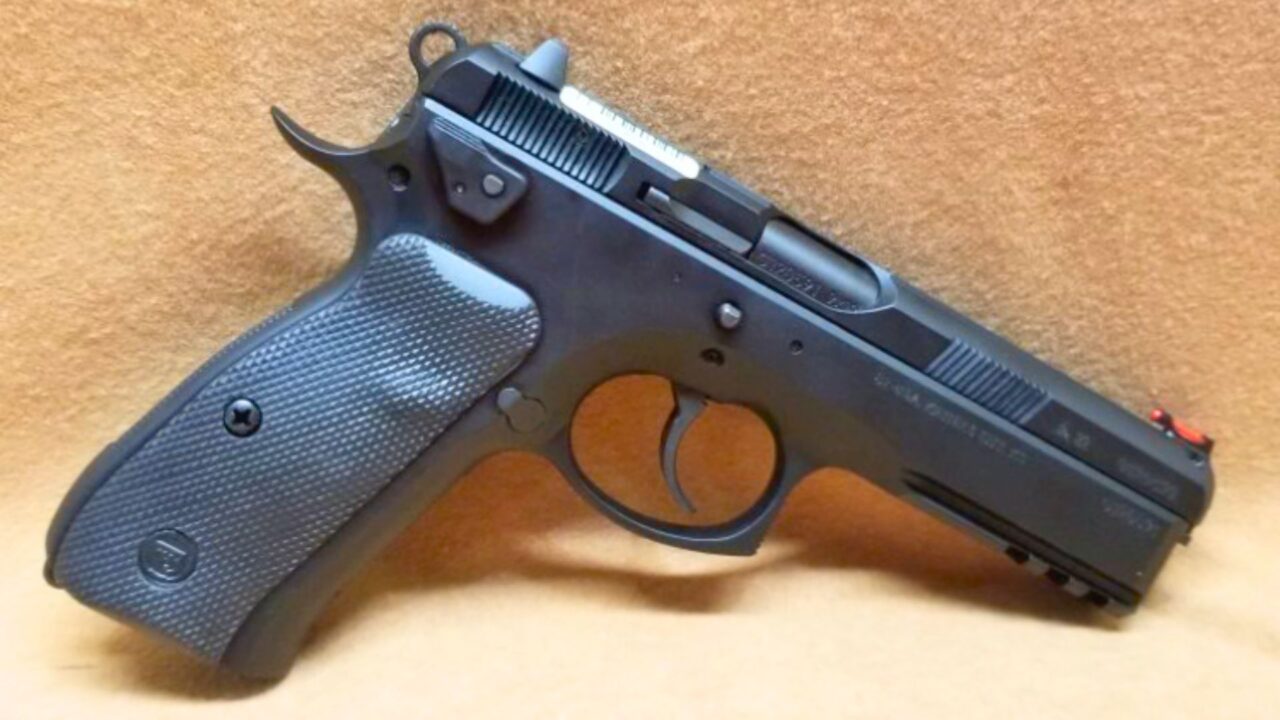
The SP-01 is not a lightweight pistol, but that is precisely why I like buying them used. CZ builds the SP-01 around the steel-framed CZ 75 design and adds a full-length accessory rail and other changes that make it particularly pleasant for range use and home defense.
A previous owner has a hard time ruining one through ordinary shooting. In fact, the action on a well-used SP-01 can feel noticeably smoother than one that has barely left the box. I would want to know whether the internal parts are factory, especially because owners love modifying CZ triggers. A properly installed quality upgrade is one thing. Mystery springs and amateur polishing are another. Find an honest stock gun with some wear, though, and I would choose it over paying full retail without much hesitation.
FN 509 Tactical

Tactical pistols are particularly good used buys because owners frequently spend heavily on them and then decide they prefer something else. The FN 509 Tactical comes from the factory with an optics mounting system, threaded barrel and suppressor-height sights, so you are getting a fairly complete setup before adding anything.
I would shop for one where the previous owner already absorbed that initial cost. FN says the broader 509 platform underwent extensive durability and ammunition testing during development, which is another reason moderate use would not concern me. The biggest thing I would inspect is whether the optic mounting hardware and threads have been abused. Otherwise, a used 509 Tactical can deliver nearly the same experience as a new one while leaving considerably more room in the budget.
Springfield Armory 1911 Mil-Spec

The basic 1911 is one place where I would rather somebody else put the first scratch on it. Springfield’s current Mil-Spec uses a forged frame and slide with a five-inch barrel and traditional full-size 1911 dimensions.
A clean used example can make a great shooter because you are not paying for fancy cosmetic treatments or worrying about preserving a flawless finish. I would function-check the safety, inspect the barrel fit, examine the feed ramp and make sure the previous owner did not attack the internals with a file. With 1911s, modifications matter more to me than honest round count. Find a largely factory Mil-Spec that has already been broken in and I would rather own that than spend extra simply to peel the label off a brand-new case.
Beretta M9
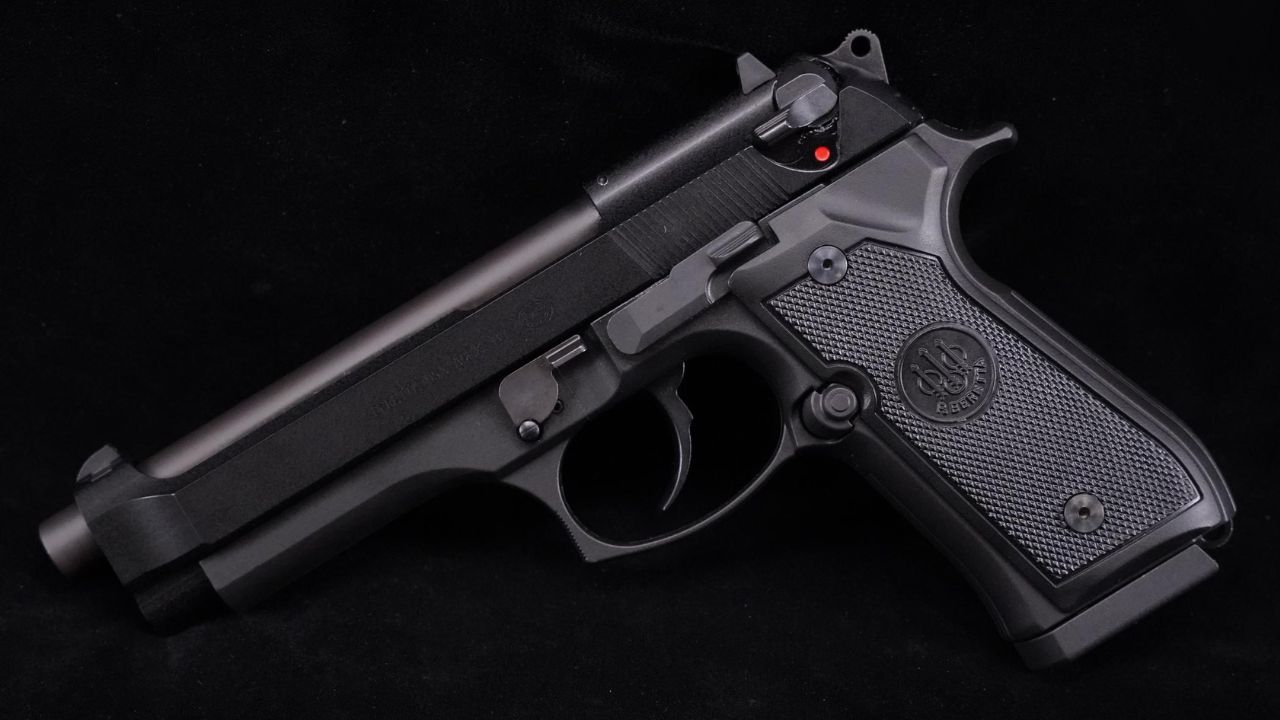
The M9 is another handgun where buying used just feels appropriate. Beretta still offers the commercial M9, and the pistol remains closely tied to the long-running U.S. military version of the 92-series design.
I do not need an M9 to be pristine. Actually, a little wear looks right on one. I would inspect the locking block, recoil spring, barrel and frame carefully, especially on a pistol with an unknown round count, but these are straightforward maintenance items on a design with a huge support network. What I would avoid is paying collector money for a basic shooter. If the goal is owning an M9 to take to the range and enjoy, a mechanically strong used example provides the experience without making you afraid of every new scratch.
Walther PDP
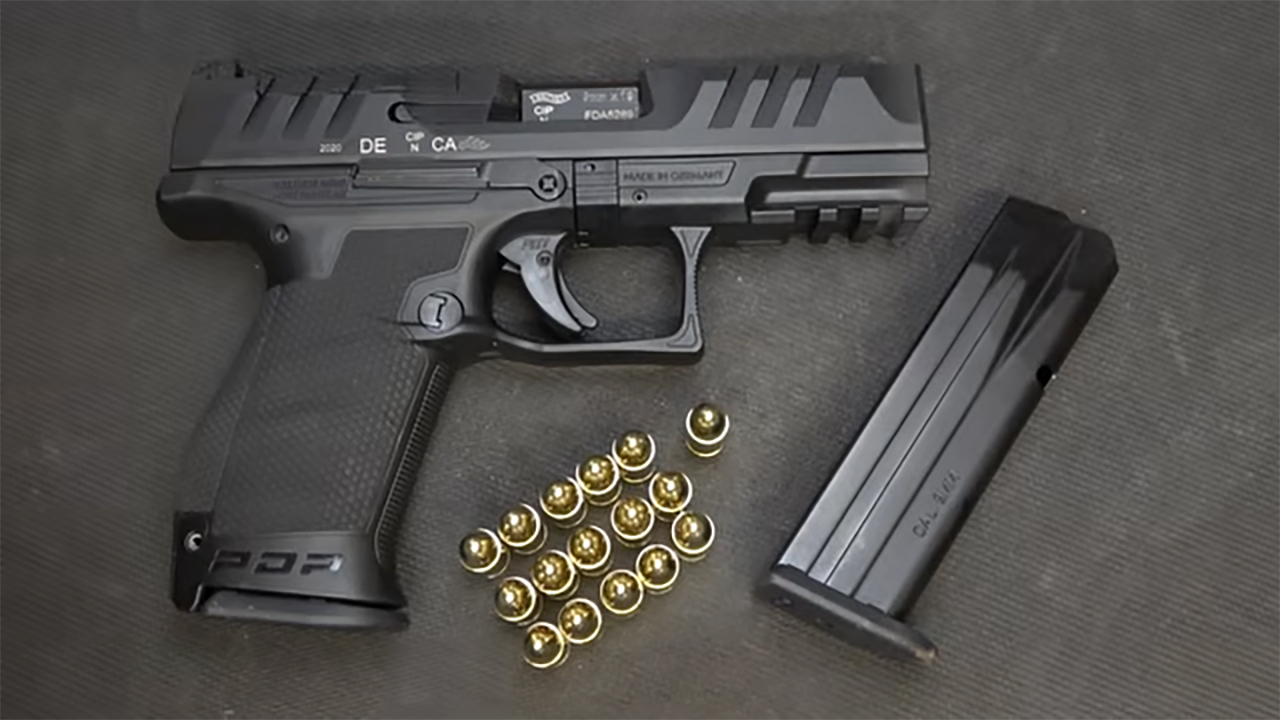
The PDP is newer than many guns on this list, but that can actually make it an interesting used purchase. Walther continues to build a large PDP family with multiple barrel lengths, frame sizes and configurations, all centered on the company’s modern striker-fired duty pistol.
The advantage here is that plenty of owners trade pistols frequently. A PDP that has spent most of its life in a safe can show up used simply because somebody wanted the next release. I would check the optic cut hardware, make sure the sights and trigger have not been poorly modified, and inspect the normal wear areas. Beyond that, I would not hesitate. Polymer striker-fired pistols generally do not become meaningfully better because you paid to be the first person who owned them, and the PDP is no exception.
Smith & Wesson Model 686 Plus
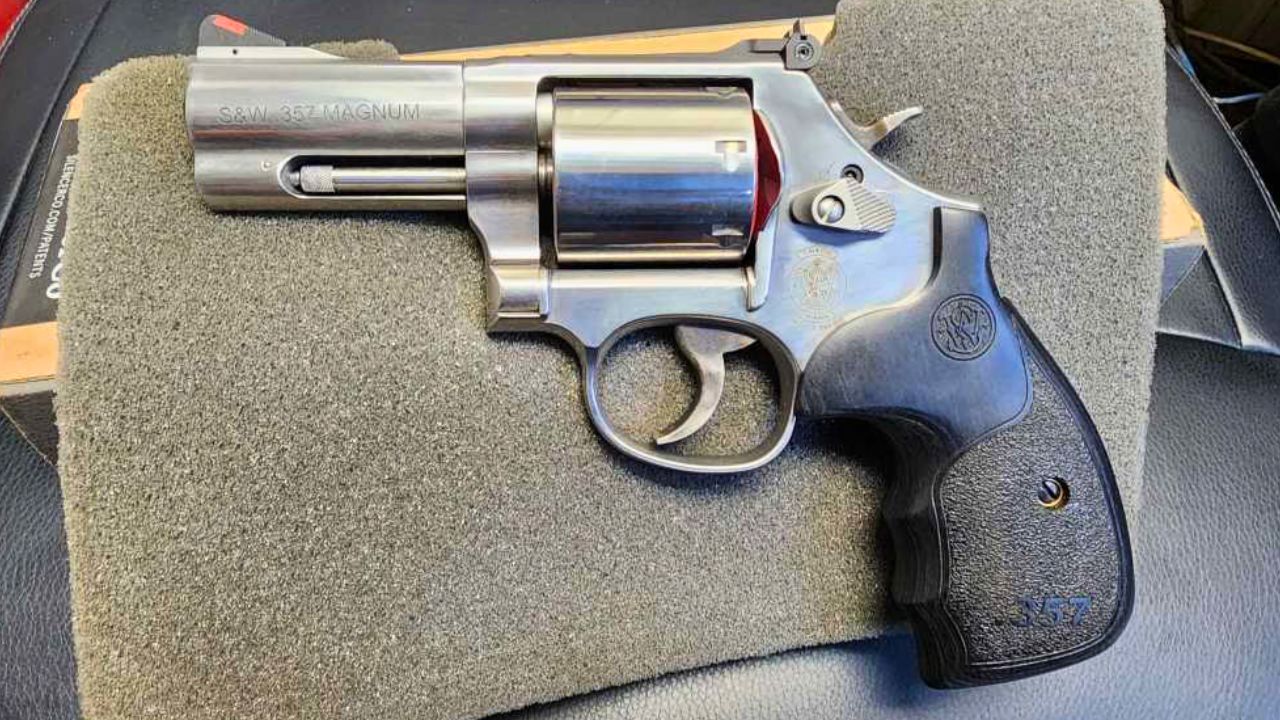
If I wanted a seven-shot .357 Magnum, I would check the used cases before ordering a brand-new 686 Plus. Smith & Wesson still builds the model, and current standard versions start with an MSRP above $1,000.
That changes the math considerably when a good older example appears. Revolvers also give you plenty to inspect before handing over money. Check timing on every chamber, look for excessive endshake, examine the forcing cone and make sure the ejector rod operates smoothly. If those areas are healthy, a few scratches are irrelevant to me. I would rather save the money and actually shoot the revolver. The 686 Plus is not supposed to be jewelry unless you specifically buy one to be jewelry.
CZ P-10 C

The P-10 C is exactly the kind of modern striker-fired pistol I hate paying a premium to buy brand new. CZ still offers the compact P-10 C, and the platform remains a straightforward polymer-framed 9mm intended for carry and defensive use.
There simply is not much benefit to me in paying extra for a pistol with zero rounds through it when a clean used one has barely been broken in. I would look at the striker components, barrel, recoil spring assembly and controls, then make sure somebody has not installed questionable aftermarket parts. If everything is factory and the price is right, minor holster wear is practically a bonus. This is a tool, and buying it used lets me treat it like one immediately instead of worrying about keeping it perfect.
Like The Avid Outdoorsman’s content? Be sure to follow us.
Here’s more from us: