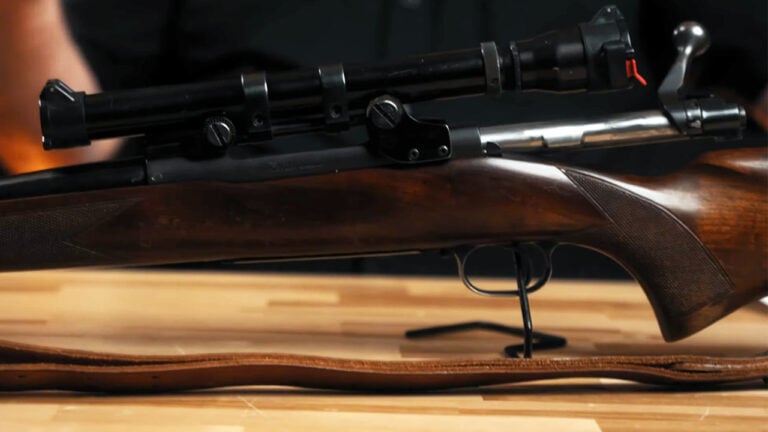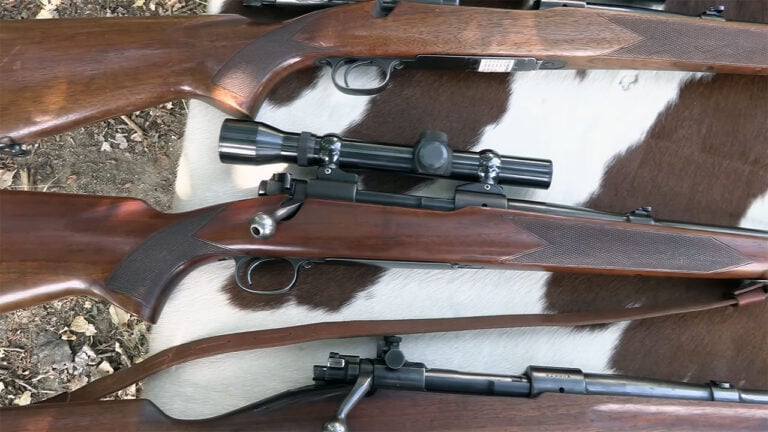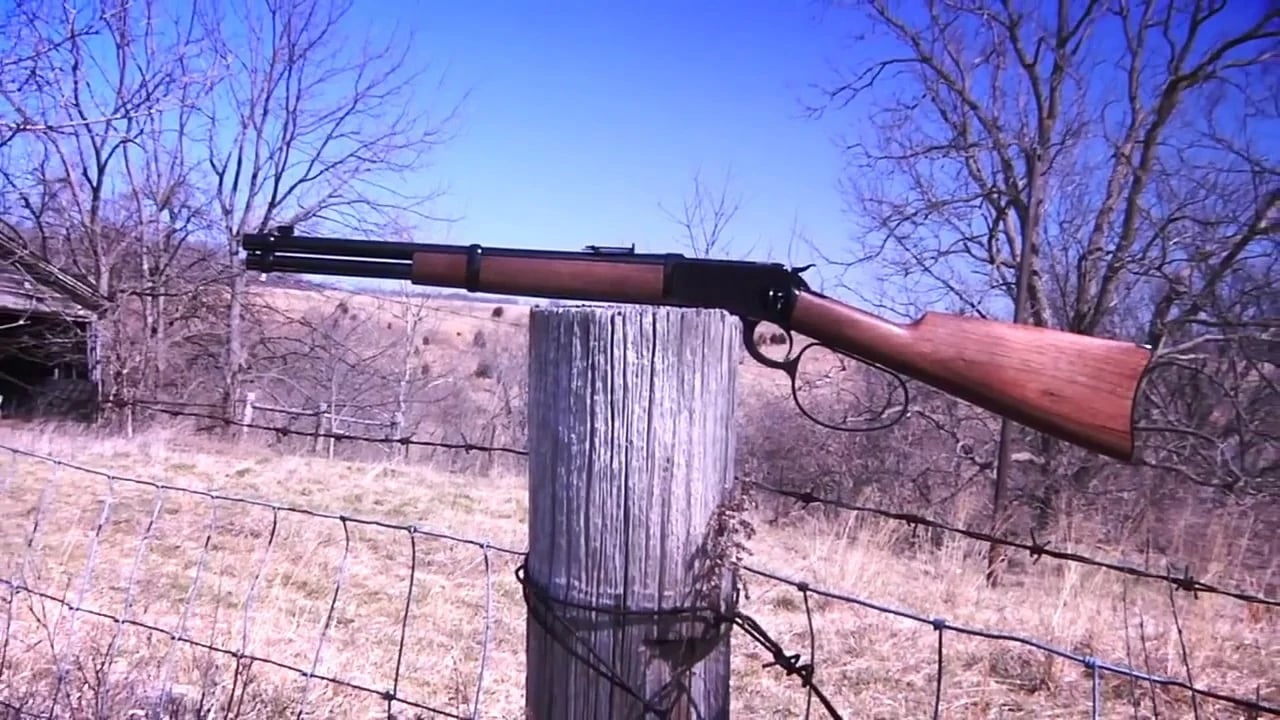
Photo credit: Winchester Ammunition/YouTube
Lever guns get treated like wall-hangers a lot of the time. Somebody inherits one, wipes it down twice a year, and tells the same story about Grandpa’s deer camp until the bluing turns gray. Meanwhile, a bunch of these old levers will flat-out shoot if you feed them ammo they like and you don’t try to run them like a race gun. Some are pricey because they’re collectible. Some are cheap because they’re not fashionable. Either way, a good number of them deserve range time instead of a spot over the fireplace.
Here are 20 lever-action rifles that tend to shoot better than their “collector piece” reputation suggests, including a few that surprise folks once they quit babying them and start sighting them in.
1. Winchester Model 94 (pre-64)
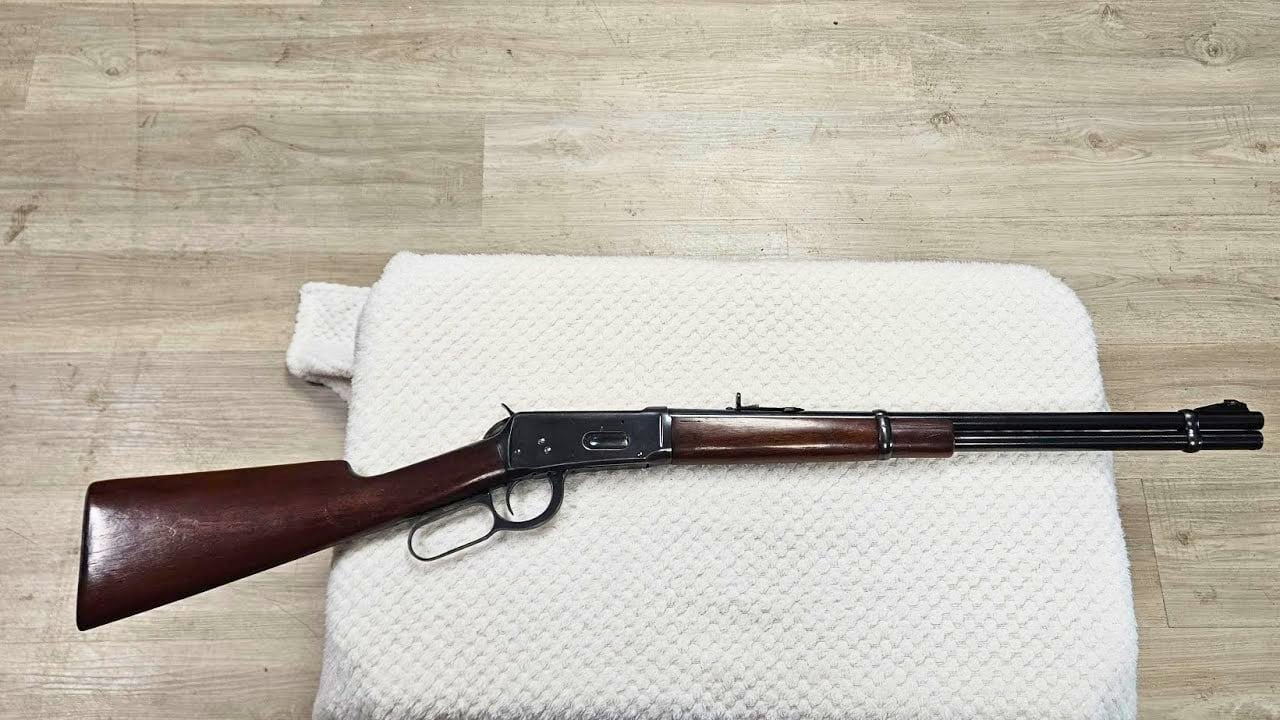
The pre-64 Model 94 gets talked about like it’s too valuable to hunt with, which is funny because most of them earned their keep in a saddle scabbard. With a tight bore and a crown that hasn’t been abused by years of cleaning rod work, they’ll print honest groups for a rifle wearing buckhorn sights. Put a sensible aperture sight on one and you’ll realize real quick the barrel can do more than the internet gives it credit for.
Triggers vary, and the skinny stocks aren’t everybody’s favorite off a bench. But in field positions—kneeling on a fenceline or wrapped around a tree—these rifles point like your finger. They also tend to “settle in” with one load. In .30-30, try a couple different bullet weights and don’t assume the first box tells the whole story.
2. Winchester Model 94 Angle Eject (AE)
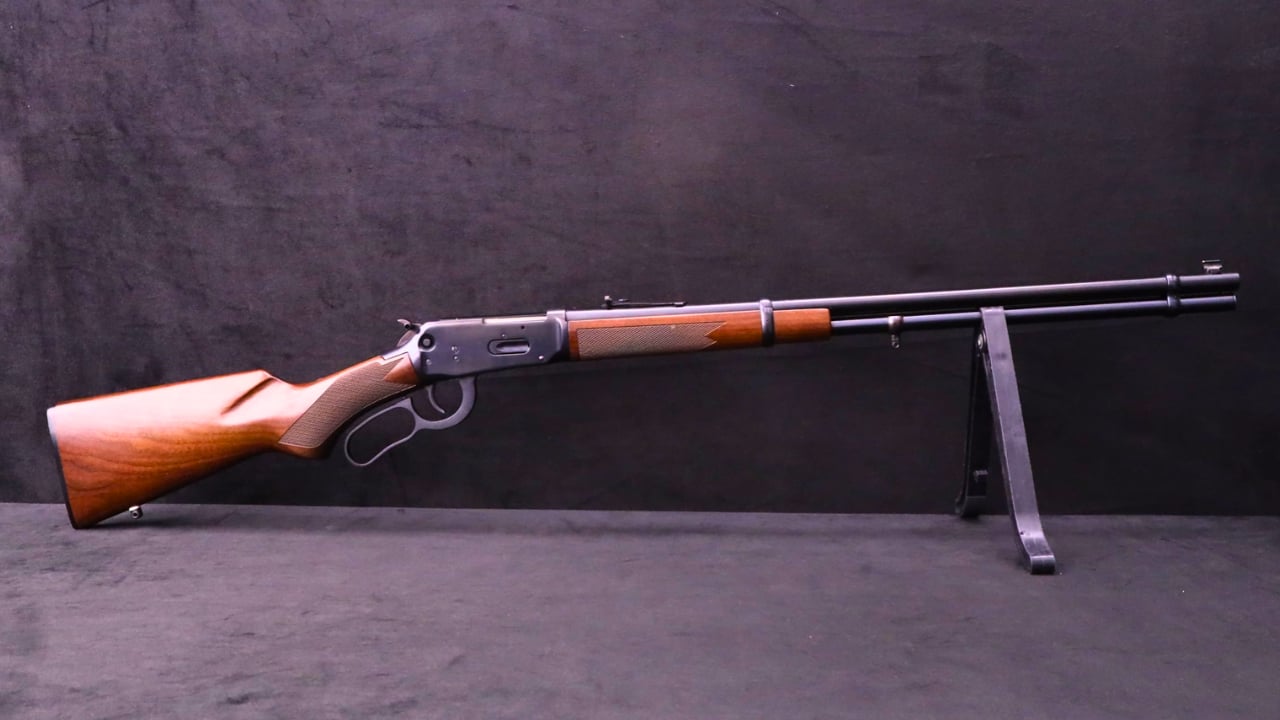
The AE guns don’t always get the same love, which keeps them from being treated like untouchable museum pieces. That’s good, because they’re often better practical shooters for today’s hunter. The big deal is the side-eject design that plays nicer with a scope. A low-power optic on an AE turns the .30-30 into a clean, confident 150-yard woods rifle with less guessing.
They’re also usually newer barrels with less mystery history. If you find one with a decent trigger and solid mounts, it’s not hard to get repeatable 2-3 inch groups with factory ammo, sometimes better. The action feel is what it is—classic Winchester—so run it with authority. A half-hearted stroke is where most “reliability problems” really come from.
3. Marlin 336 (JM-stamped)
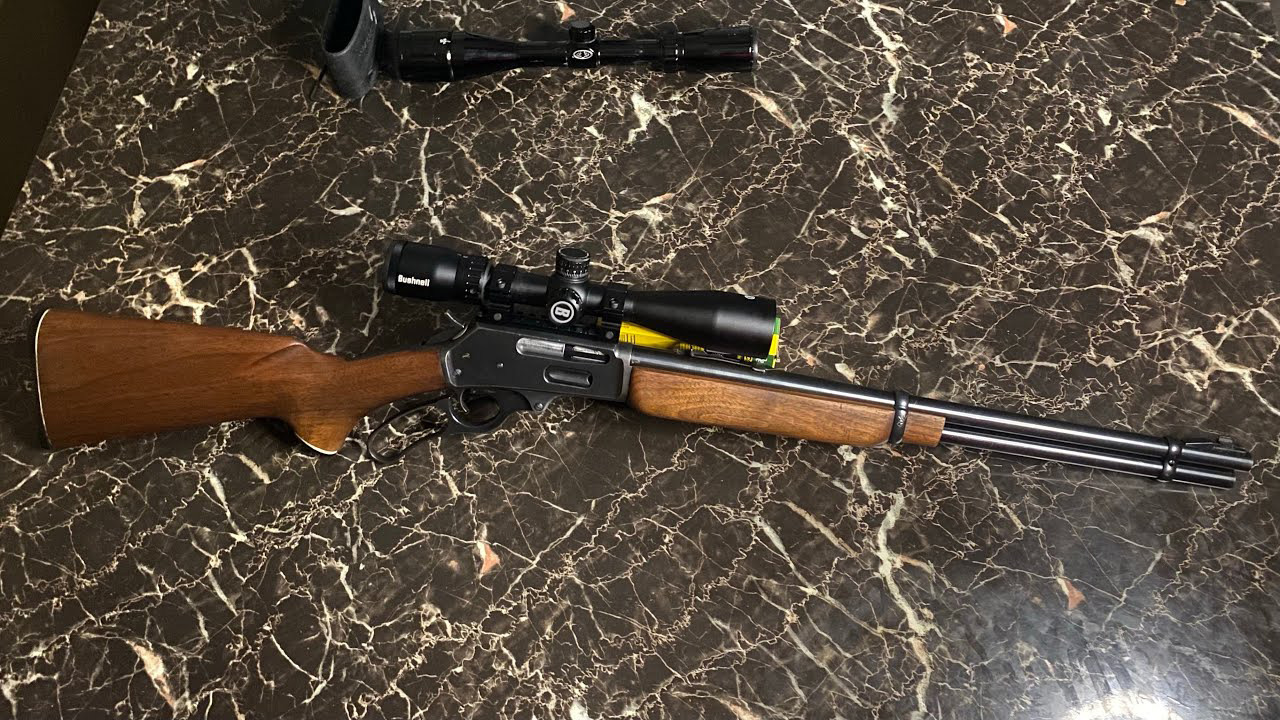
JM-stamped 336 rifles have become a collector magnet, but the reason they got popular wasn’t hype. They shoot. The Micro-Groove barrels in some eras can be picky with cast bullets unless you match diameter right, but with jacketed hunting ammo they’re steady performers. The receiver-top ejection also makes scoping simple and keeps the whole setup low and natural.
What stands out is how consistent they are from rifle to rifle. The stock geometry fits normal people, recoil is gentle, and the sight radius works with open sights better than folks admit. They’re also easy to live with: side loading gate, easy takedown for cleaning, and parts knowledge is everywhere. If you want a lever gun that behaves like a regular hunting rifle, this is the baseline.
4. Marlin 1894 (JM-stamped)
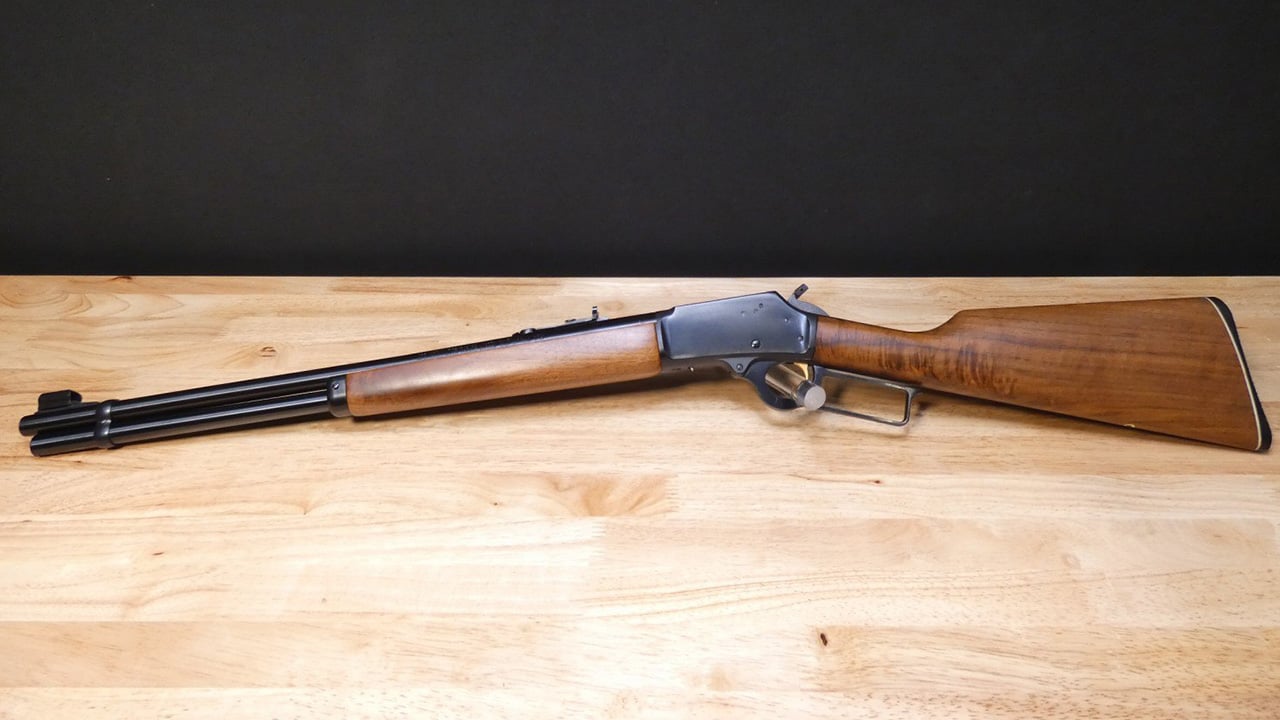
The 1894 in .357 Mag or .44 Mag is one of those rifles that gets bought as a “fun gun” and then quietly becomes a staple. There’s a belief that pistol-caliber levers are automatically inaccurate. Not true. A good 1894 will stack .357 loads tighter than you’d expect, and the recoil impulse is so mild you can actually practice without developing bad habits.
These rifles also carry like a dream. Short action, quick handling, and they’re handy around a farm if you’ve got coyotes showing up at the wrong time. Just don’t expect every bullet profile to feed perfectly; some of the pointy stuff can be finicky. Find a load it cycles smoothly and you’ll be shocked how “easy” good shooting feels with one.
5. Marlin 39A
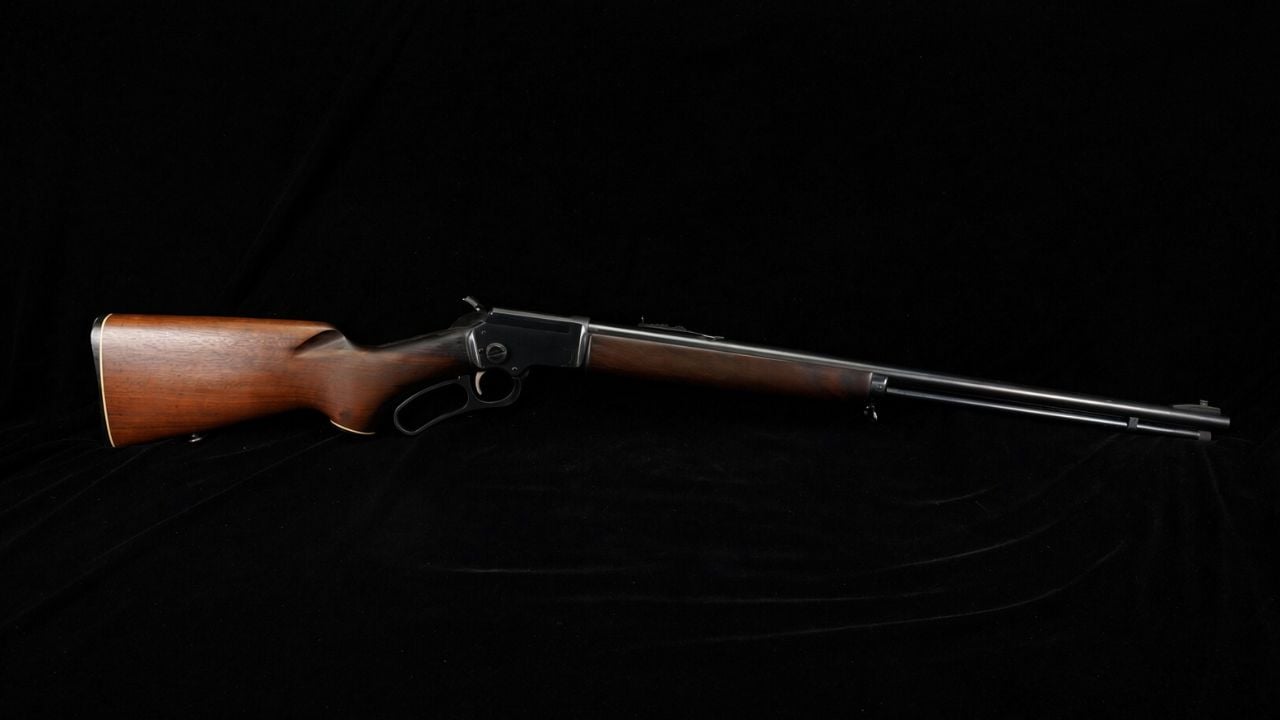
Plenty of guys collect 39As and never really wring them out. That’s a shame, because a healthy 39A will embarrass a lot of modern rimfires. They’re heavier than you think for a .22, and that weight helps when you’re trying to shoot small groups with iron sights. The triggers are usually usable, sometimes excellent, and the long sight radius does real work.
They also take down in the middle, which sounds like a gimmick until you’ve owned one for years and can clean it properly without fighting it. Ammunition matters, like any .22. But once you find what it likes, squirrels start feeling a whole lot bigger at 40-60 yards. It’s not a tiny plinker; it’s a serious small-game rifle that happens to be collectible now.
6. Henry H001 Lever Action .22
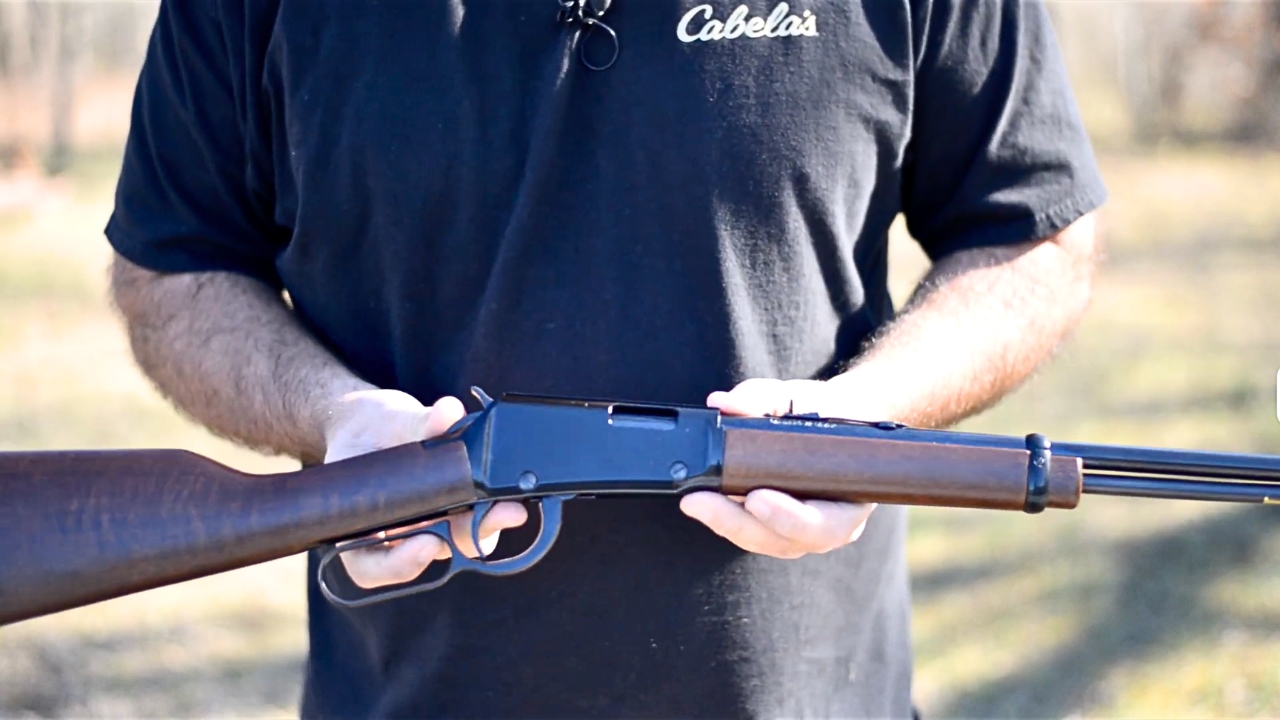
Henry’s basic .22 lever gun isn’t a collectible classic in the old sense, but it gets treated like a novelty. Then you shoot one. Most will group far better than the price tag suggests, and the slick action makes new shooters look competent fast. It’s a tube-fed rimfire, so it’s not meant for speed reloading contests, but that’s not why you buy it.
The practical upside is confidence. These rifles don’t beat you up, and the sights are usually regulated close enough that you’re not chasing the target all day. Keep the tube clean, avoid denting the magazine, and it’ll run. If you’re trying to teach a kid or you want a cheap rifle that still hits what you aim at, this one earns the spot.
7. Browning BL-22
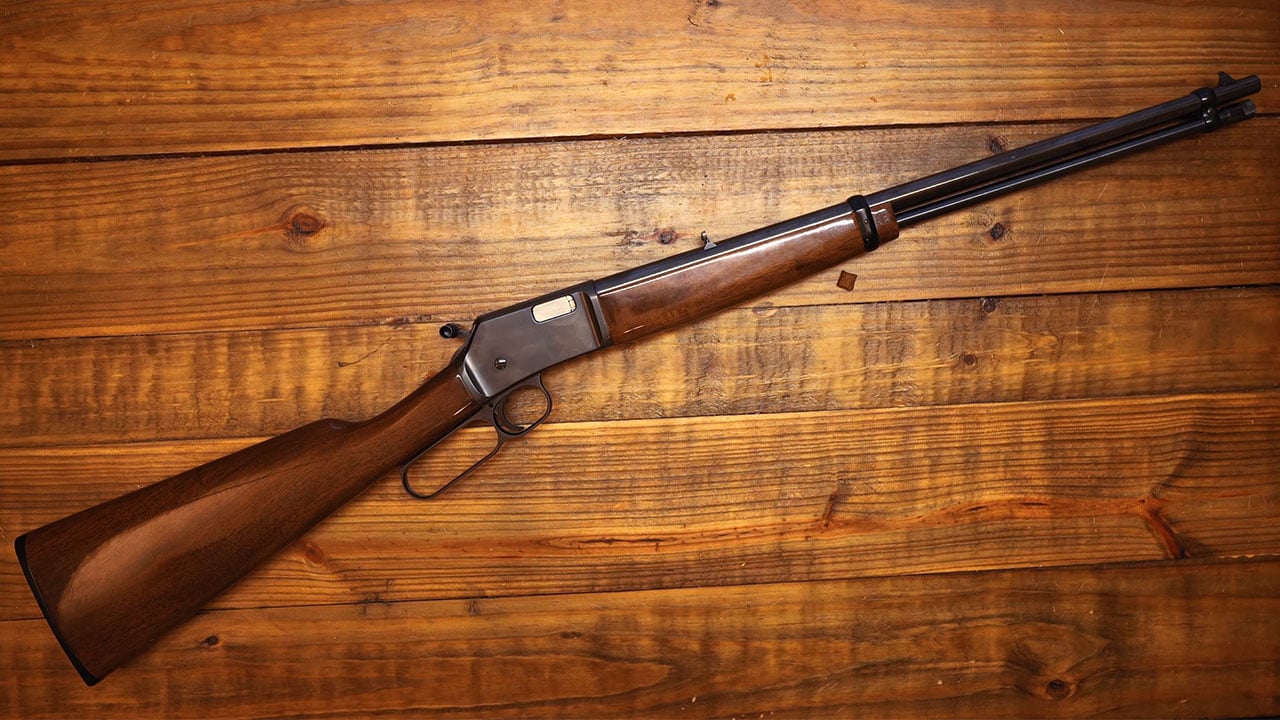
The BL-22 is another “nice little .22” that gets babied. It shouldn’t. The short throw lever is fast, but more importantly it’s smooth and consistent. That matters when you’re shooting offhand at little targets and you don’t want the gun fighting you. Many BL-22s have surprisingly crisp triggers, and the whole rifle feels like it was fitted instead of stamped.
Accuracy is where it sneaks up on people. With decent ammo, they’ll keep groups tight enough that your wobble becomes the limiting factor. The downside is parts and service aren’t as casual as some common rimfires, so you don’t want to abuse it. But if you find one used, don’t assume you’re paying for a name. You’re paying for a rifle that behaves.
8. Savage Model 99
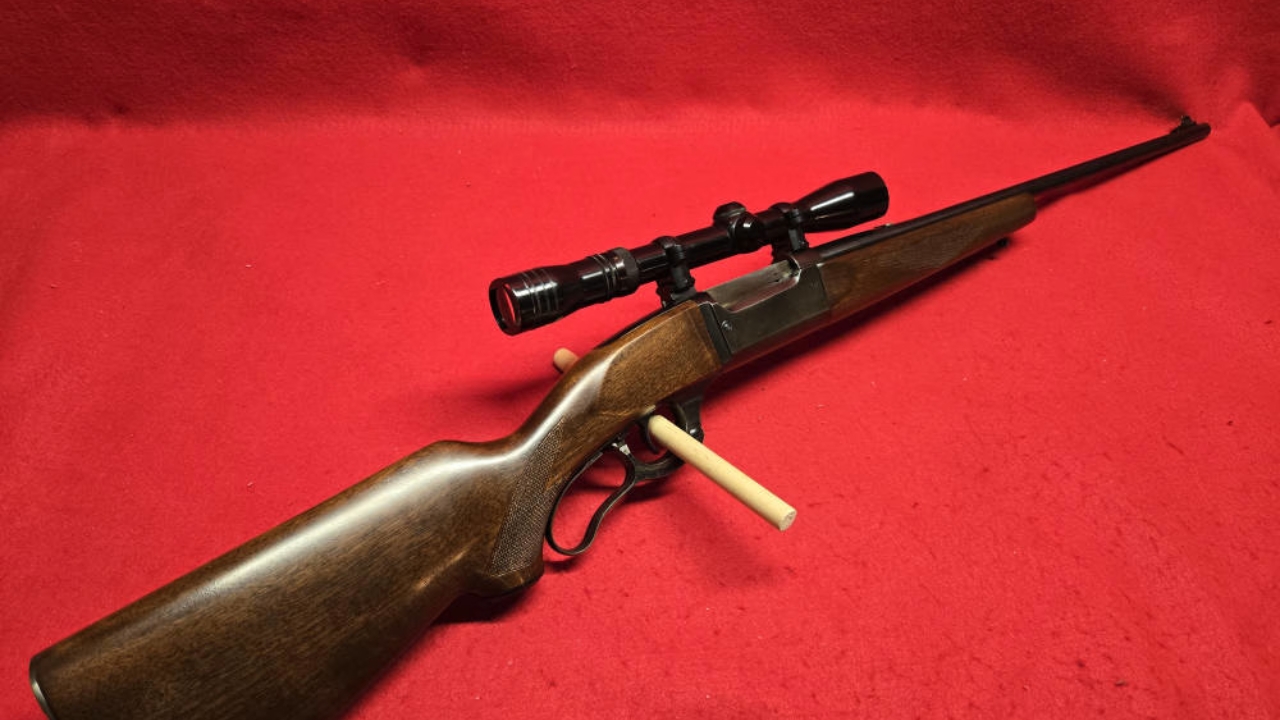
The Model 99 is one of those rifles collectors chase for odd chamberings and fancy wood, but the real story is how well the design shoots. A lot of 99s wear .300 Savage, and that cartridge still does work on deer-sized game. The rotary magazine and solid receiver make it feel more like a traditional rifle than a classic tube-fed lever gun.
Many 99s have excellent balance, and the lockup can be very consistent. You do have to respect the age of the rifle—check headspace, look at the bore, and don’t assume it’s been stored kindly. But when you find one that’s right, you’ll get steady accuracy and a rifle that carries flatter against your body than a lot of bolt guns. There’s a reason hunters hung onto them.
9. Savage Model 99F (Featherweight)
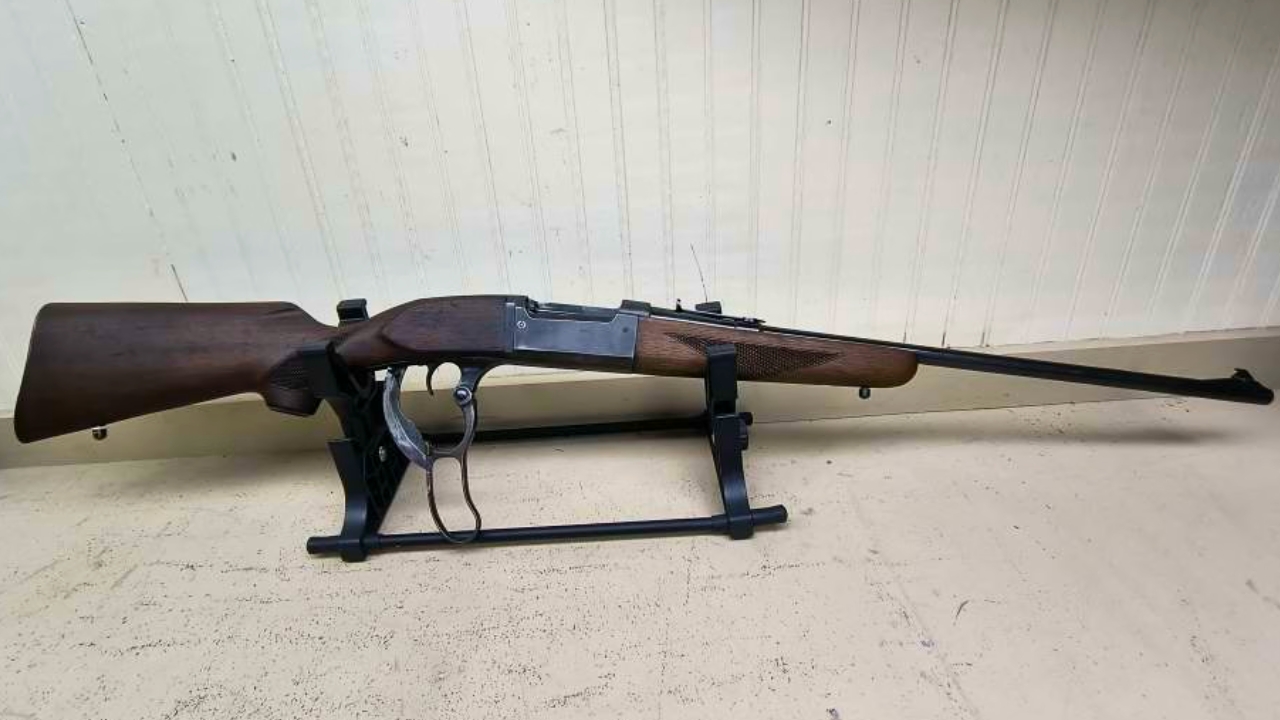
The 99F takes the good parts of the 99 and leans harder into carry comfort. In the woods, a lighter rifle that still points naturally often shoots better in real life than a heavy “range accurate” gun. The 99F balances quick, and you can bring it up without feeling like you’re steering a fence post.
Accuracy can be very strong, but it rewards a steady hold and good follow-through. Light rifles punish sloppy form. If you’re the type that actually practices sitting and kneeling, the 99F will make you look good. It’s also a rifle you can hunt all day without noticing, which sounds like nothing until you’re on hour six and the deer finally steps out.
10. Winchester Model 92 (original)
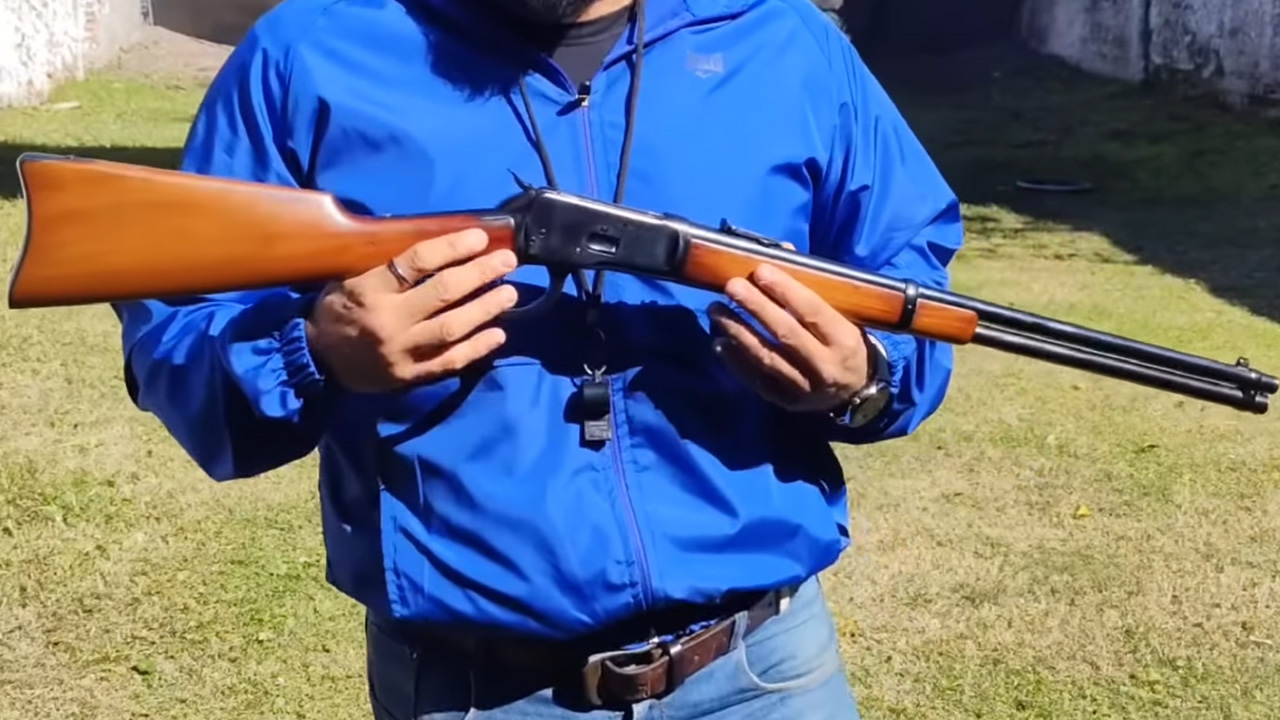
Original 1892s get put in the “cowboy gun” box, and sure, they look the part. But a tight 92 in .44-40 or .38-40 can shoot way better than folks expect, especially at the distances these cartridges were meant to be used. With the right ammo, they group well enough for small steel plates and close-range hunting without any drama.
They’re also mechanically strong for their size, and they carry light. The drawback is ammo availability if you stick to the old chamberings, and some of these rifles have been tinkered with over the decades. If you find one that hasn’t been butchered, don’t dismiss it as only a conversation piece. They were working rifles first.
11. Rossi Model 92
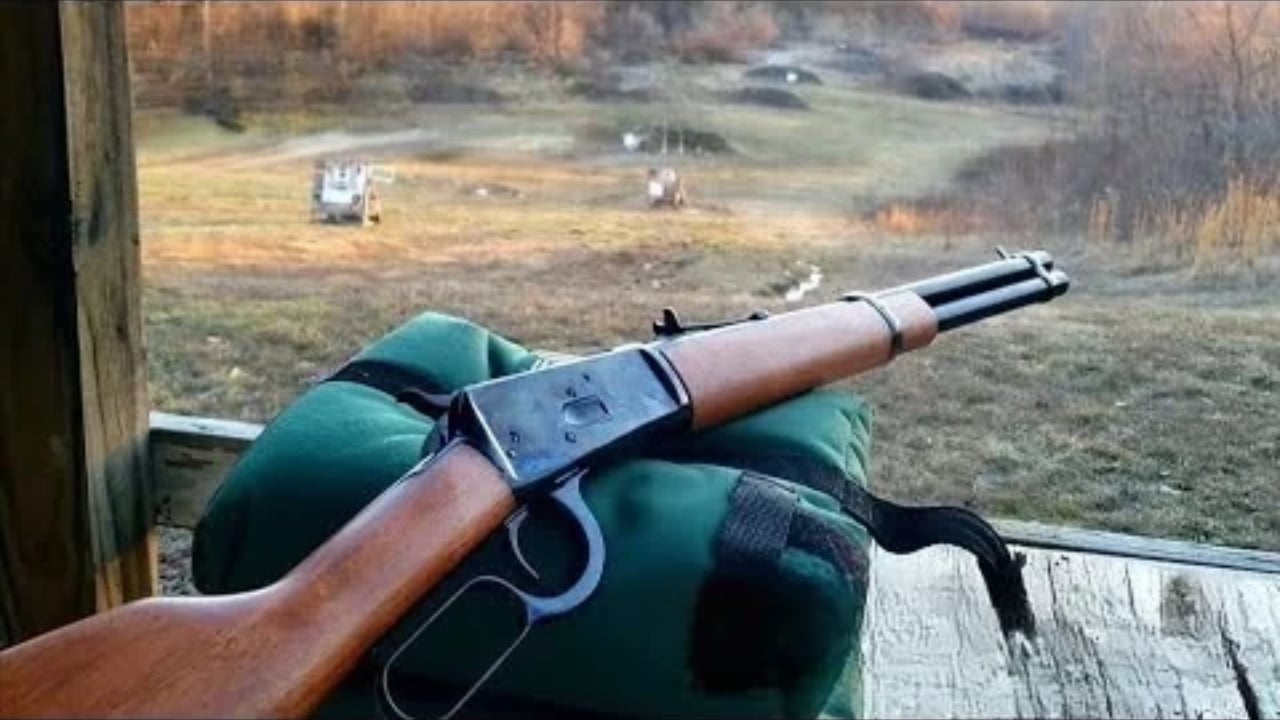
Rossi 92s get a mixed reputation because quality control can be all over the map. Still, the good ones are better shooters than most folks are willing to admit. In .357 Mag, a solid Rossi can be an absolute tack driver at 50 yards, and it’s cheap enough that people actually take them out in the rain without having a heart attack.
The action might feel stiff until it’s broken in, and some benefit from a good cleaning and proper lubrication right out of the box. Sights are often the weak link, not the barrel. Swap to a better rear sight or an aperture setup and suddenly the rifle “became accurate.” It always was; you just couldn’t see what you were doing.
12. Chiappa 1892 (Alaskan or standard)
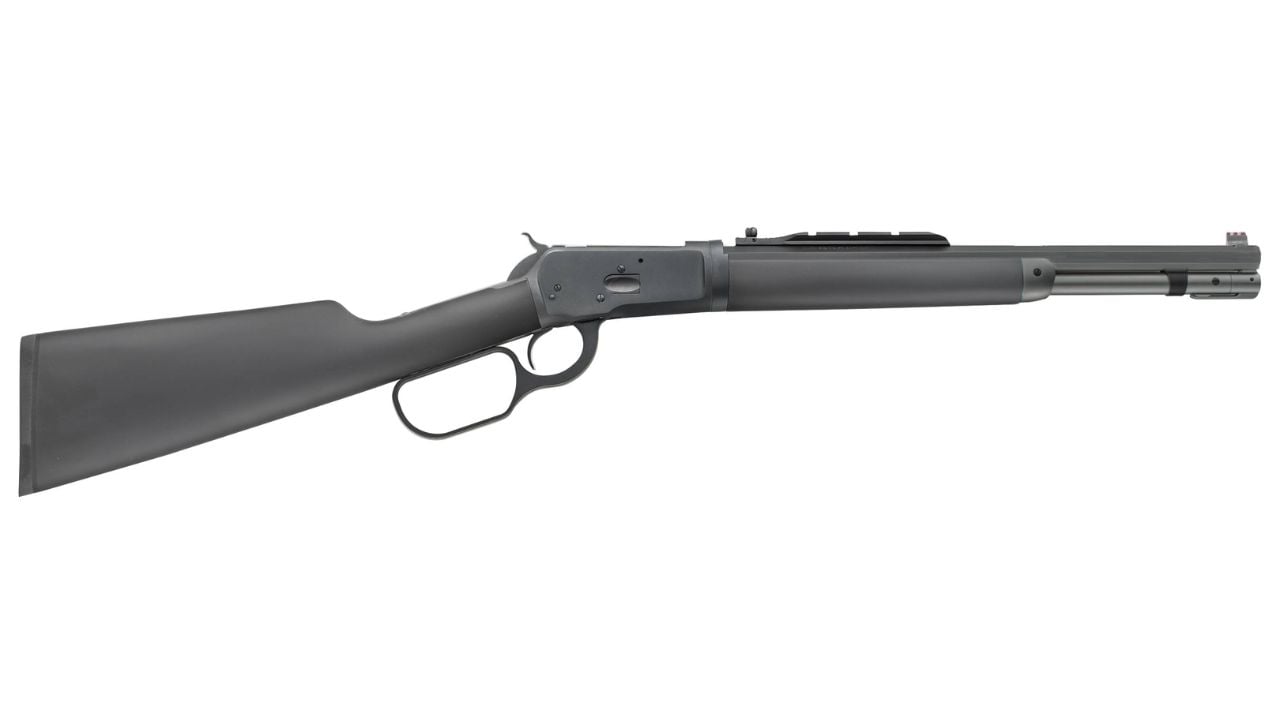
Chiappa’s 1892 pattern rifles don’t get talked about much outside of the folks who own them, but they can shoot. The shorter “Alaskan” style guns are especially handy in thick cover, and they don’t beat you up in pistol calibers. If you’re moving through brush or riding in a truck a lot, that compact length is more than a convenience.
Where they earn a spot is consistency with modern loads and decent barrels. You’re not buying a museum replica; you’re buying a user. Some have smoother actions than you’d expect, and they’ll keep practical groups with peep sights or a small optic if the model allows. They’re not cheap, but the accuracy-to-handiness ratio is hard to ignore.
13. Uberti 1873
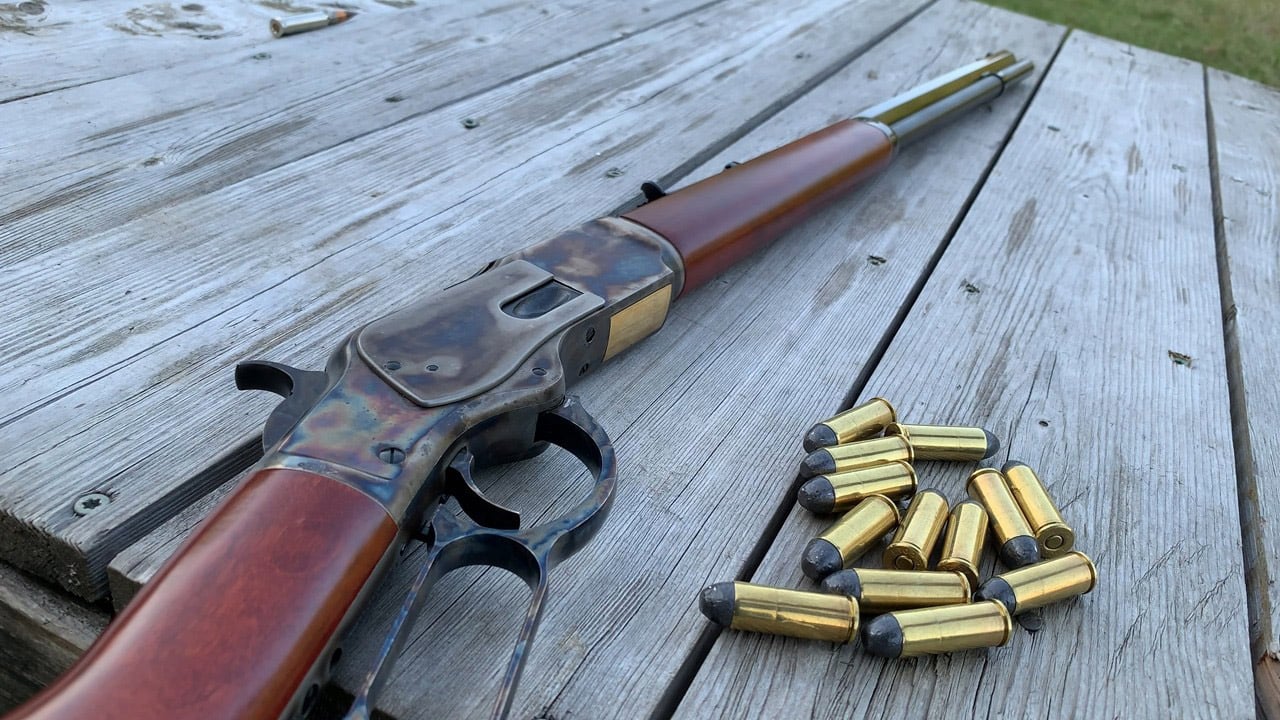
The 1873 gets labeled as a pure competition gun, and it is popular there, but that doesn’t mean it can’t shoot in normal hands. In .357 or .44-40, a well-fit 1873 will hold tight groups at sensible distances, and it does it with a lever stroke that feels like it’s on ball bearings. There’s a reason competition shooters love them: they run.
They’re not built for high-pressure “hot rod” loads, and you shouldn’t try to make them into something they’re not. But for steel, small game, or close-range pest work with the right ammo, they’re steady and predictable. The sight picture is old-school, which forces you to focus on fundamentals. That’s not a bad thing. Ask me how I know.
14. Winchester Model 1886
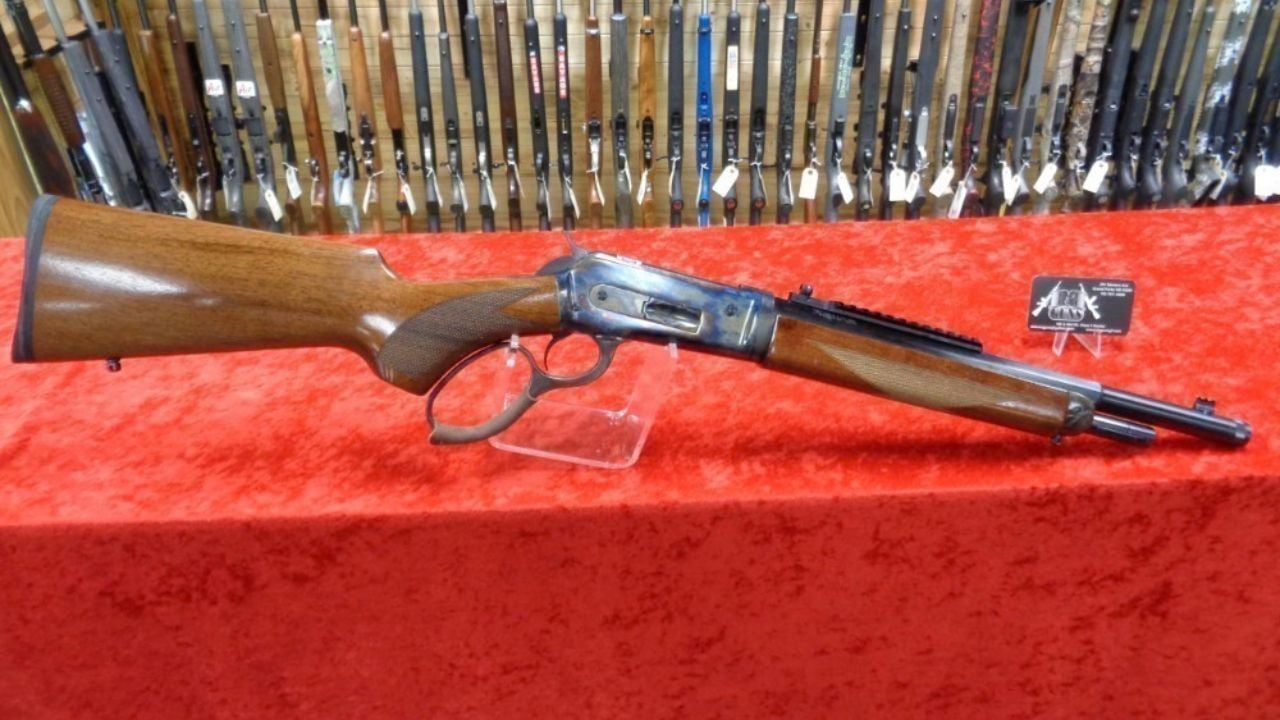
The 1886 gets the collectible treatment because it’s a big, classic lever gun with history dripping off it. What surprises folks is how well many of them shoot, even with older barrels, when they’re not shot loose. The heft helps. In cartridges like .45-70, that weight makes the recoil manageable and keeps you from flinching if you do your part.
This isn’t a light mountain rifle, and it’s not meant to be. It’s for big woods, bear country, and hunts where you might want a heavy bullet and a quick follow-up. With good sights—either a proper aperture or a low-power optic if the setup allows—you can wring impressive accuracy out of a design that predates most of our grandfathers. It’s not magic. It’s good steel and good lockup.
15. Marlin 1895 (older “JM” guns)
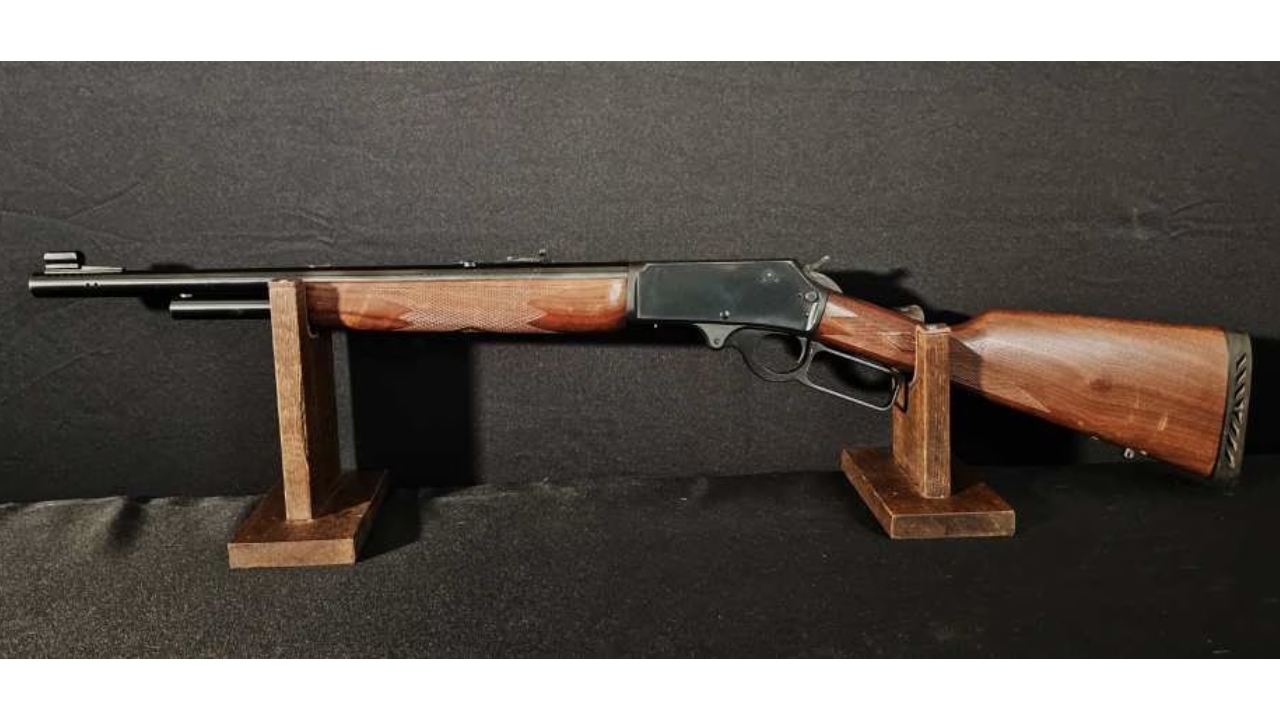
Older 1895 rifles have gotten pricey, and it’s easy to assume the money is all nostalgia. Not really. A good 1895 will shoot, and it’ll do it with hunting loads that matter. The key is matching sights to purpose. A ghost ring or a low-power scope turns the rifle into a reliable 150-yard thumper without pretending it’s a long-range rig.
They can be picky about recoil management on the bench. A .45-70 that’s fun standing up can feel rude off sandbags. But once you figure out your hold and you don’t crawl the stock, groups tighten up. These rifles also feed well with the right bullet shapes, and they’re easy to maintain. They’re not delicate, and they shouldn’t be treated that way.
16. Marlin 1895 Guide Gun
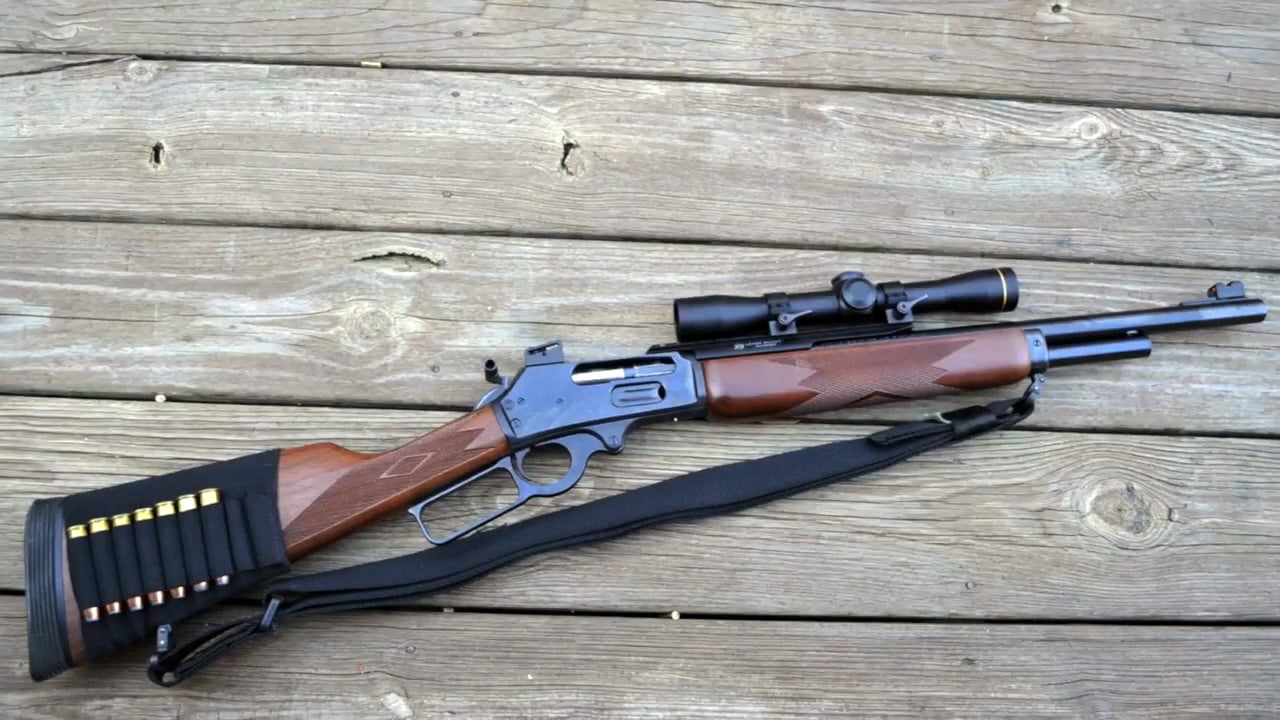
The Guide Gun is one of those rifles that gets bought for a dream hunt and then mostly lives in the safe. Which is odd, because it’s one of the more practical big-bore levers ever sold. Short, quick, and easy to maneuver in alders and tight timber. The shorter sight radius can hurt with factory irons, but it’s not hard to fix that with an aperture sight setup.
Accuracy is usually more than enough for the role. If you’re shooting a big-bore lever at 300 yards, you’re doing a different project. Inside typical bear-country distances, a Guide Gun that’s properly zeroed is boringly effective. The recoil is still real, and you need to practice with it enough that you don’t blink at the shot. But the gun itself usually isn’t the problem.
17. Henry Big Boy Steel
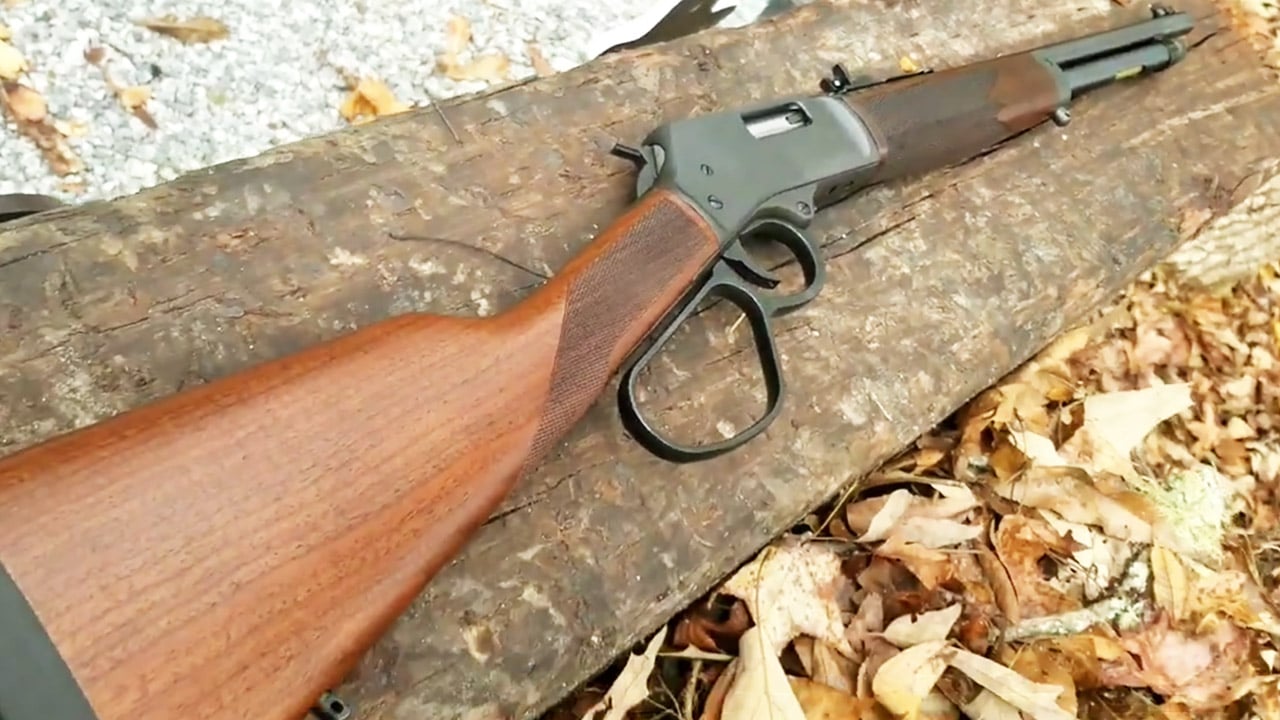
The brass Big Boy gets the attention because it looks flashy, but the steel-framed version is the one that feels like a working rifle. In .357 or .44 Mag, they’re often accurate enough that you start bringing them to the range “just to see,” and then you’re burning ammo because it’s fun. The barrels on these tend to be good, and the weight settles things down.
They’re not light, and the tube loading system isn’t everybody’s favorite. Still, they’re smooth, reliable, and easy to shoot well. With a small red dot or a low-power optic on the right model, you can make hits fast without fighting the sights. If you want a lever gun you can hand to a buddy without a long instruction manual, this one works.
18. Browning BLR (Steel Receiver)
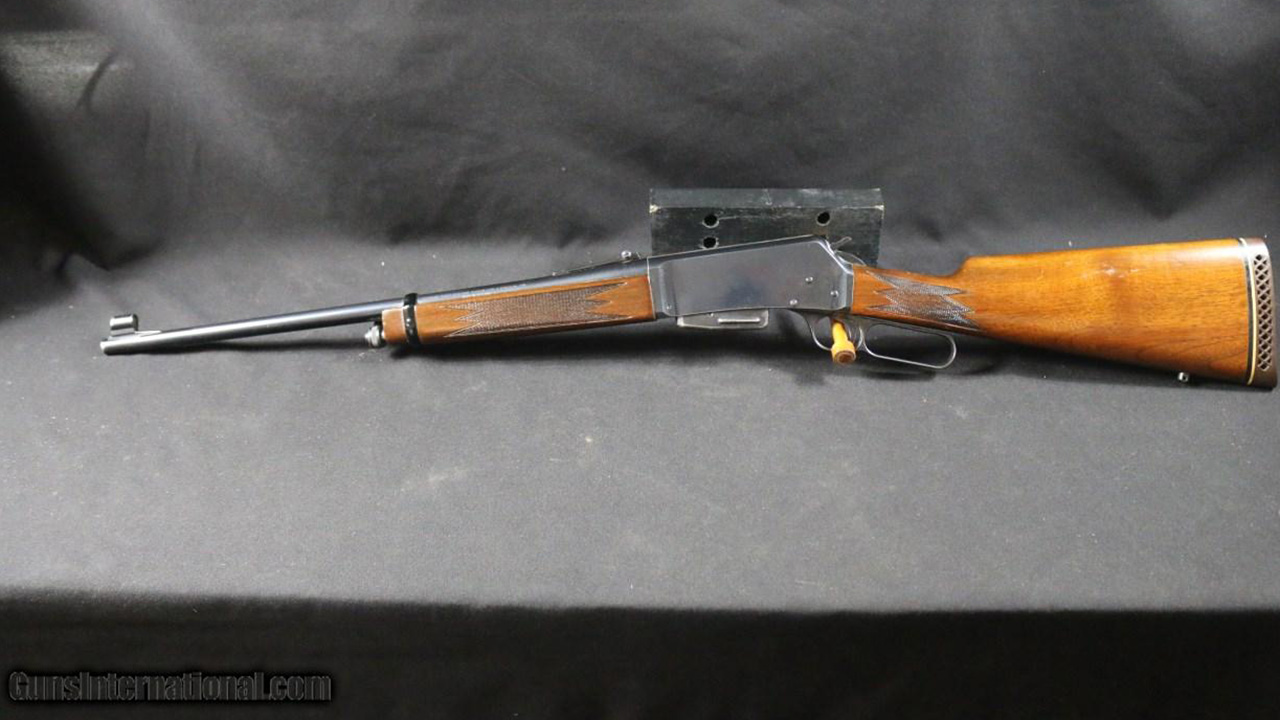
The BLR is the lever gun for the guy who really wants bolt-gun performance but likes a lever. It’s also the rifle a lot of collectors set aside because it doesn’t “look” old west enough. That’s fine. The BLR’s lockup and box magazine give it an accuracy edge, and it handles modern cartridges in a way traditional tube-fed levers just can’t.
They’re often excellent shooters with factory ammo, and the trigger feel is usually decent for a lever, though not always match-grade. The magazine sticking out changes how it carries in your hand, but it also lets you use pointed bullets without worry. If you hunt in mixed terrain—some timber, some cutovers—the BLR is a lever gun that won’t make you compromise much.
19. Browning BLR Lightweight ’81
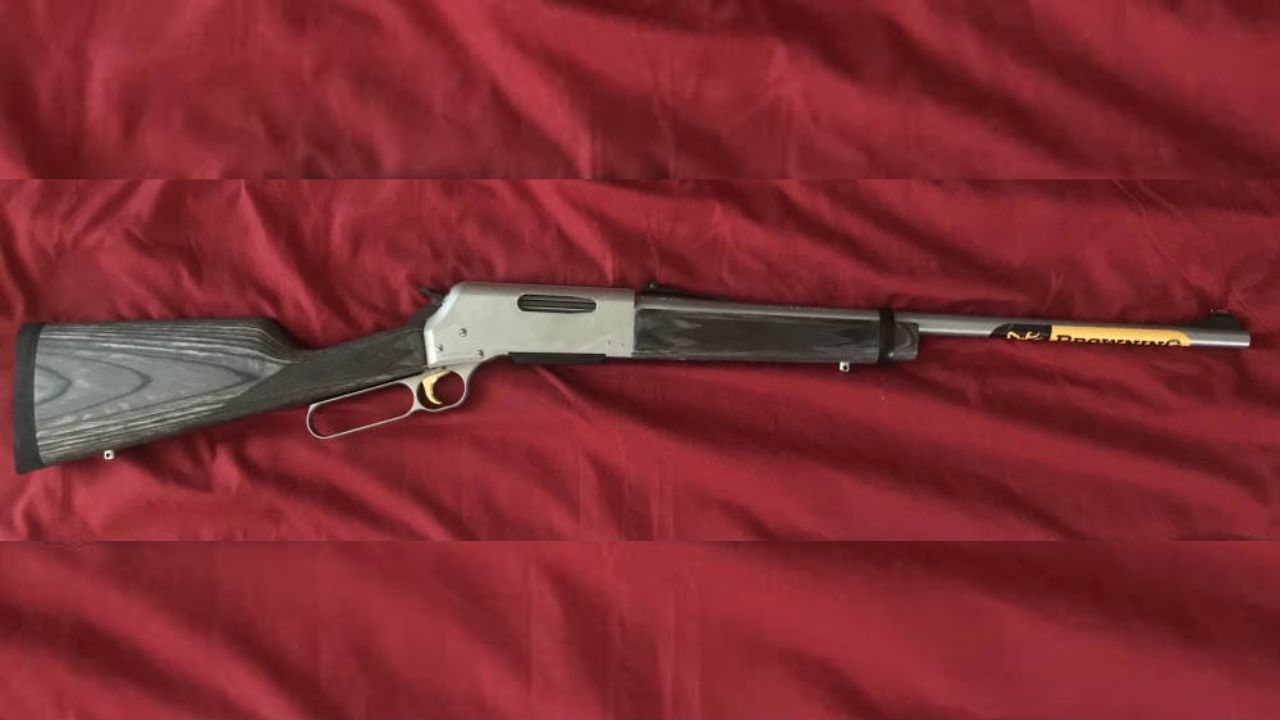
The Lightweight ’81 version trims weight and makes the BLR feel more like a grab-and-go hunting rifle. That matters when you’ve got a pack, maybe a climber stand, and you’re already hauling more than you want. It still shoots like a BLR, which is the whole point. If you’ve ever watched a buddy quietly ring steel at 200 with a lever gun and thought, “That shouldn’t be happening,” it was probably something like this.
The tradeoff is recoil and steadiness. A lighter rifle moves more in the hands, and it can be twitchy on the bench. But in the woods, it’s fast and natural. Keep the mounts tight, don’t cheap out on rings, and you’ll get repeatable results. These aren’t safe queens by nature; they’re hunters that happen to be nice.
20. Winchester Model 71

The Model 71 is the kind of rifle that makes you slow down when you pick it up. Collectors love them, sure, but they were also built to be used hard. In .348 Winchester, it’s a hammer in the timber, and when you find one with a good bore it can shoot far better than you’d expect from a “big old lever.” The heft, barrel quality, and sights all work together.
Ammunition is the headache, and it’s not a rifle you buy on a whim unless you’ve got a plan for feeding it. But if you do, you’ll understand why it has such a reputation. It shoulders steady, it tracks well on moving game, and it doesn’t feel hollow or flimsy. It feels like a rifle that was made when a rifle was supposed to last a lifetime.
If you’ve got one of these sitting in the back of the safe because it feels “too nice” or “too old,” take it to the range with a couple different loads and a notebook. Check screws, verify your sights, and shoot it from real positions, not just a bench. You might find out the rifle isn’t just a keepsake. It’s still a shooter, and that’s the kind of collectible status that actually matters.
Like The Avid Outdoorsman’s content? Subscribe to our newsletter so you never miss an article.
Here’s more from us: