Photo credit: MADMAN REVIEW/YouTube
Every deer season I see the same thing at the range and in camp: a guy shows up with a shiny new chambering that looked unbeatable in a ballistics chart, and by the end of the weekend he’s borrowing somebody’s plain old .308 or .30-06. On paper, a lot of these cartridges do everything “better.” Flatter. Faster. More energy. Less wind drift. Then the real world shows up—short shooting lanes, cold fingers, odd angles from a stand, blood trails in briars, and the simple fact that ammo availability matters when you need to confirm zero or find a second box in a hurry.
This isn’t a list of “bad” rounds. Most of them work. They just tend to bring extra baggage—recoil, muzzle blast, picky bullets, magazine quirks, cost, or rules—and that baggage shows up fast in the deer woods.
1. .224 Valkyrie
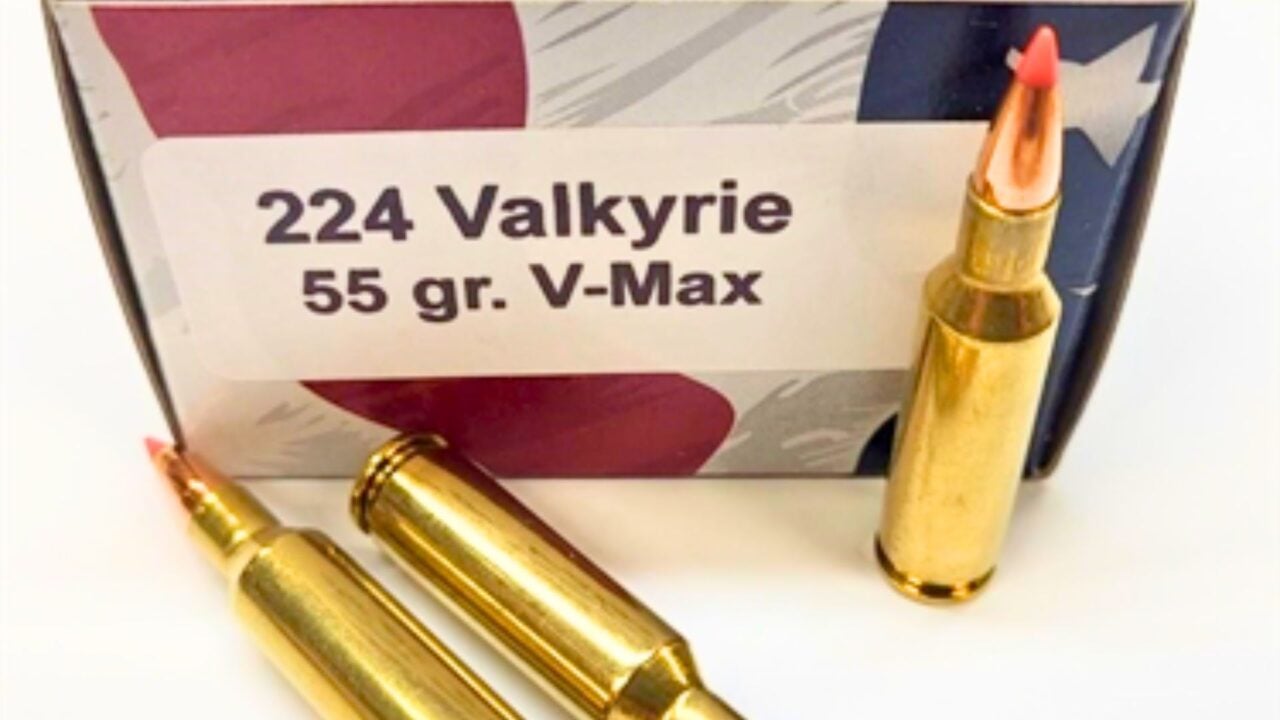
The Valkyrie was built around hanging onto speed and bucking wind at distance, and it really can do that with the right bullet. The problem is that deer hunting isn’t a spreadsheet competition. Most whitetail shots happen inside 200 yards, in bad light, through narrow windows, and often from awkward rests. Tiny .22-caliber holes can absolutely kill deer, but they demand good bullets and disciplined shot placement.
In the real world, the Valkyrie also tends to be finicky about load selection. Some rifles love one specific factory load and spray others, and that gets expensive fast. Add in spotty ammo availability compared to .223 or 6.5 Grendel, and it’s easy to see why the “cool new AR deer round” turns into a safe queen for a lot of folks.
2. .22-250 Remington

This one’s a laser on coyotes, and I won’t argue with that. But when hunters try to stretch it into a general deer rifle, the margin for error shrinks. The .22-250’s speed can make some lighter, varmint-style bullets come apart early, and new hunters don’t always sort that out before they’re in the stand. On paper it has energy. In tissue, bullet construction matters more than the velocity number.
Another thing: most .22-250 rifles wear sporter barrels and light stocks because they’re sold as carry-friendly varmint rigs. That’s nice until you’re trying to hold steady in a stiff crosswind with a racing heart. It can be done, but it’s not the forgiving choice the charts make it look like.
3. .220 Swift
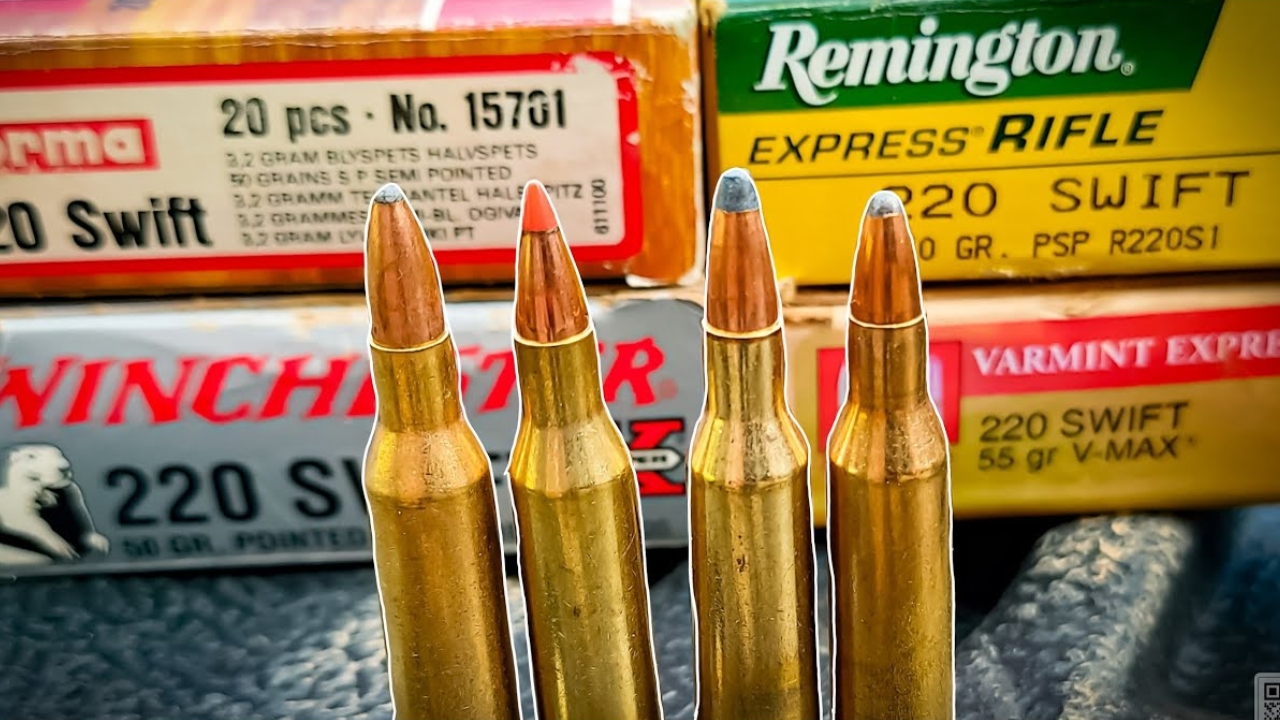
The Swift is the original “fastest thing on the shelf” that makes folks grin at the gun counter. Speed sells. But deer hunting with the Swift is basically choosing a specialty screwdriver when you needed a hammer. The cartridge can be effective with the right controlled-expansion bullets, yet it’s still a small-bore centerfire that asks you to be picky and patient about shot angles.
Then there’s the practical side: ammo isn’t on every hardware store shelf anymore, and the price usually reflects that. A lot of Swift rifles are older too, with twist rates that don’t always stabilize the longer modern hunting bullets people want. The Swift is fun, but “fun” is not the same as “most sensible” when you’re trying to punch a tag in November.
4. 6mm Creedmoor

I get the appeal. Low recoil, great ballistic coefficients, and accuracy that makes you think you’re a better shot than you are. The issue is that 6mm bullets live in a narrow lane for deer: you want enough weight and controlled expansion to break shoulders if needed, but you still want good velocity and penetration. That balancing act is doable, just not as forgiving as the marketing makes it sound.
Where it bites hunters is on marginal hits and steep angles. A 6mm can slip through ribs and kill clean, but it doesn’t always leave the kind of exit hole and blood trail that saves a long evening. If you’re in thick timber or hunting swamp edges where tracking is ugly, “pretty ballistics” stops being the main priority.
5. .243 Winchester (with light, fast bullets)
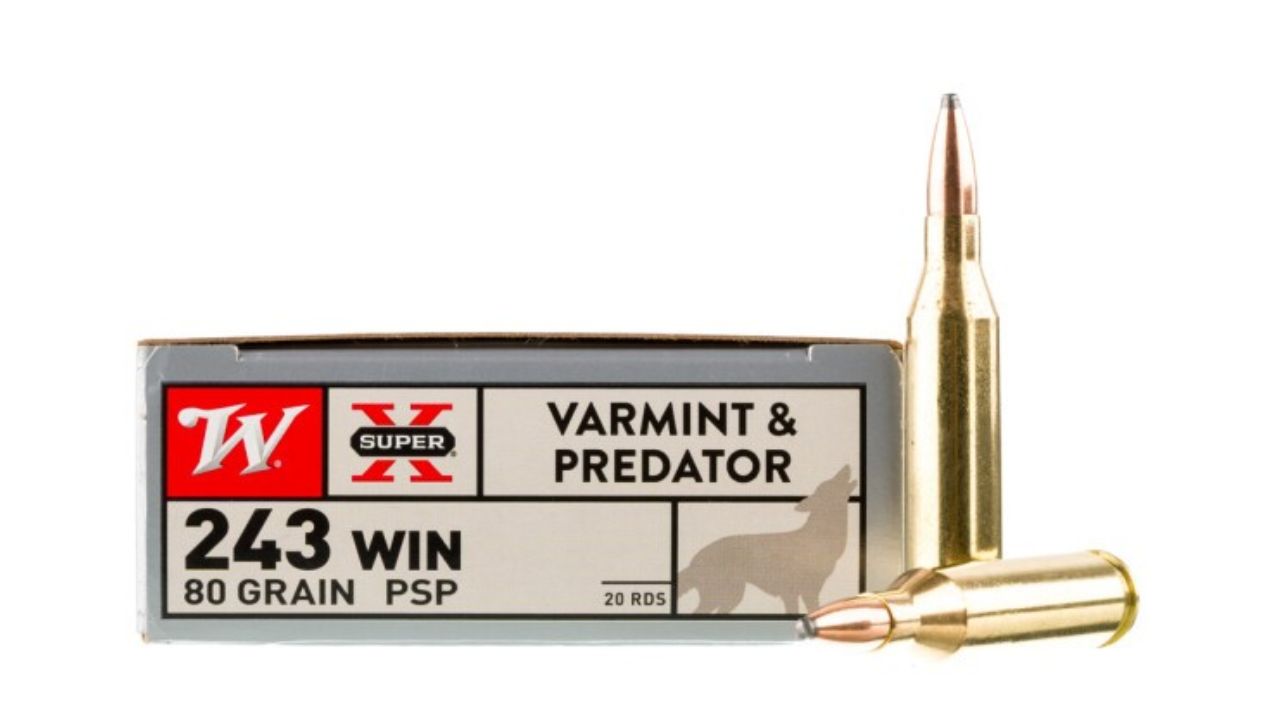
The .243 has probably killed more deer than some folks want to admit, and with the right bullet it’s a solid option. But it’s also the cartridge that gets a lot of new hunters into trouble because the recoil is easy and the ammo shelf is full of lightweight loads. On paper, those light bullets are screaming and flat. In the woods, they can be shallow on hard quartering shots.
This isn’t a knock on the .243 as a whole. It’s a knock on how it gets used. If a hunter treats it like a “tiny magnum” and aims for whatever angle presents itself, the cartridge will remind them that physics is real. With 95–105 grain controlled-expansion bullets it’s better, but plenty of deer camps are still haunted by the bargain 80-grain box.
6. .25-06 Remington

On a chart, the .25-06 looks like it should be the perfect beanfield deer round. It’s flat, it hits harder than the small 6mms, and it doesn’t beat you up like the big magnums. Then you carry it all season and realize the cartridge shines most when you’re actually taking longer shots, and not everyone has that kind of hunting.
In thick woods, the .25-06 doesn’t give you much that a .270 or .308 doesn’t, and ammo isn’t as common as it used to be. The bigger issue is bullet selection on shelves. You’ll see plenty of lighter options that are great for antelope and coyotes, but a little less comforting when the only shot you get is tight behind the shoulder at a sharp angle.
7. .257 Weatherby Magnum
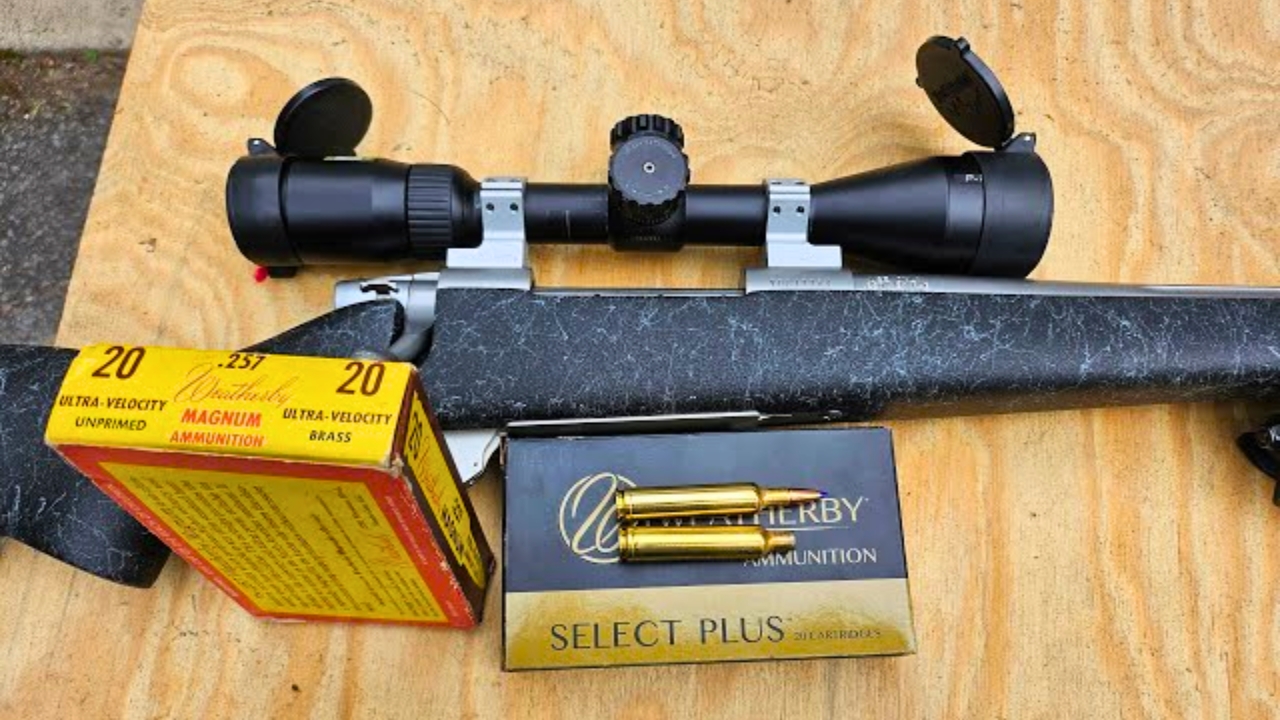
The .257 Weatherby is a classic “wow” cartridge. It’s fast, it’s flat, and it turns range sessions into a conversation. It also turns a lot of deer rifles into loud, sharp-kicking muzzle-brake specials that aren’t much fun from a tree stand. You can tame it, sure, but then you’re managing blast and ear pro in the field, which is its own headache.
Cost is the quiet killer here. Weatherby ammo isn’t cheap, and when ammo is expensive, people shoot less. When people shoot less, they don’t verify zero after a bump in the truck or a scope swap. The cartridge itself isn’t the problem—it’s the way the total package pushes hunters away from regular practice.
8. .240 Weatherby Magnum

This is another one that looks like a dream if you love sleek bullets and flat trajectories. In practice, it lives in a strange spot. It’s a fast 6mm that can be very effective, but it depends heavily on premium bullets and good shot selection. Most deer hunters aren’t trying to be “6mm specialists.” They’re trying to kill a deer clean before dark.
Availability is also a real issue. If you don’t already have ammo stocked, you can’t assume you’ll find it locally in the week before season. And if you do find it, it usually isn’t the inexpensive, practice-friendly kind. The .240 Weatherby can be excellent in the right hands. It’s just not a round that fits the average hunting routine.
9. 6.5 PRC

The 6.5 PRC is one of the best examples of “better on paper” because it really does improve on the 6.5 Creedmoor in speed and downrange energy. The catch is that a lot of deer hunters don’t need that improvement, but they do pay for it in recoil, muzzle blast, and sometimes shorter barrel life. In a light mountain rifle, the PRC can be snappy enough that it changes how you practice.
Another practical gripe: the PRC tends to run best with longer barrels, and a longer barrel isn’t always a joy in a tight box stand or climbing into a ladder stand with a pack. You can shorten it, but then you’re giving up the very performance you bought it for. It’s a great round; it’s just not automatically a better deer answer than the boring Creedmoor.
10. 6.5-300 Weatherby Magnum

If you want to win a ballistics argument, this one helps. It pushes 6.5 bullets very fast, and it stays flat a long way out. But deer hunting isn’t usually a long-range competition, and this cartridge drags a lot of baggage into the woods: serious muzzle blast, serious recoil in hunting-weight rifles, and an appetite for powder that shows up in barrel wear.
It’s also an expensive lifestyle. Rifle cost, ammo cost, and the temptation to add brakes and heavy optics all pile up. Pretty soon you’re hauling a long, loud rig that makes sense on an open ridge but feels like overkill in hardwoods. There are hunters who run it well, but most would be better served by something that encourages more practice and less flinch.
11. .270 WSM

The short magnums promised magnum performance in handy packages, and the .270 WSM does deliver. It’s a strong deer and elk cartridge. The problem is that it doesn’t solve a real deer problem for most hunters that a standard .270 Winchester or .30-06 hasn’t already solved for decades.
Where the WSM starts to feel less “smart” is in feeding and availability. Some rifles feed them slick, others feel a little pickier, especially when you’re cycling fast in cold weather with gloves on. Ammo selection can also be thin in small-town stores once the season rush starts. If you already have one, hunt it with confidence. If you’re choosing fresh, the advantage isn’t as big as it looks on the side of the box.
12. 7mm WSM

On paper, a 7mm short mag is a hammer with great ballistics, and it can be. In the deer woods, the extra speed often translates into extra noise and recoil without much benefit unless you’re actually taking longer shots. Most whitetail hunters aren’t. They’re shooting across a cut, down a powerline, or inside timber where 150 yards feels “far.”
The 7mm WSM also gets into that awkward zone where the cartridge is capable, but the common rifle setups don’t always match it. Lightweight rifles make it carry well but can be unpleasant to shoot. Heavy rifles shoot nicer but carry like a fence post. Neither issue shows up in a chart, but you’ll notice it after a mile walk in wet leaves.
13. .300 WSM

This one is a legitimate big-game cartridge, no doubt. But as a dedicated deer round, it’s often more cartridge than the job calls for. Recoil has a way of turning careful shooters into “good enough” shooters, especially when they only fire a few rounds a year. The .300 WSM can be comfortable in the right rifle, but plenty of them are built light because that’s the whole short-mag idea.
The other issue is meat damage and over-penetration concerns in tighter hunting areas. A .300 WSM can zip through a deer and keep moving with authority. That’s not an excuse to ignore backstops—ever—but it does matter if you hunt smaller properties with houses, roads, and neighboring stands in the general direction. For deer-only use, it’s often solving a problem you don’t really have.
14. .300 Remington Ultra Magnum
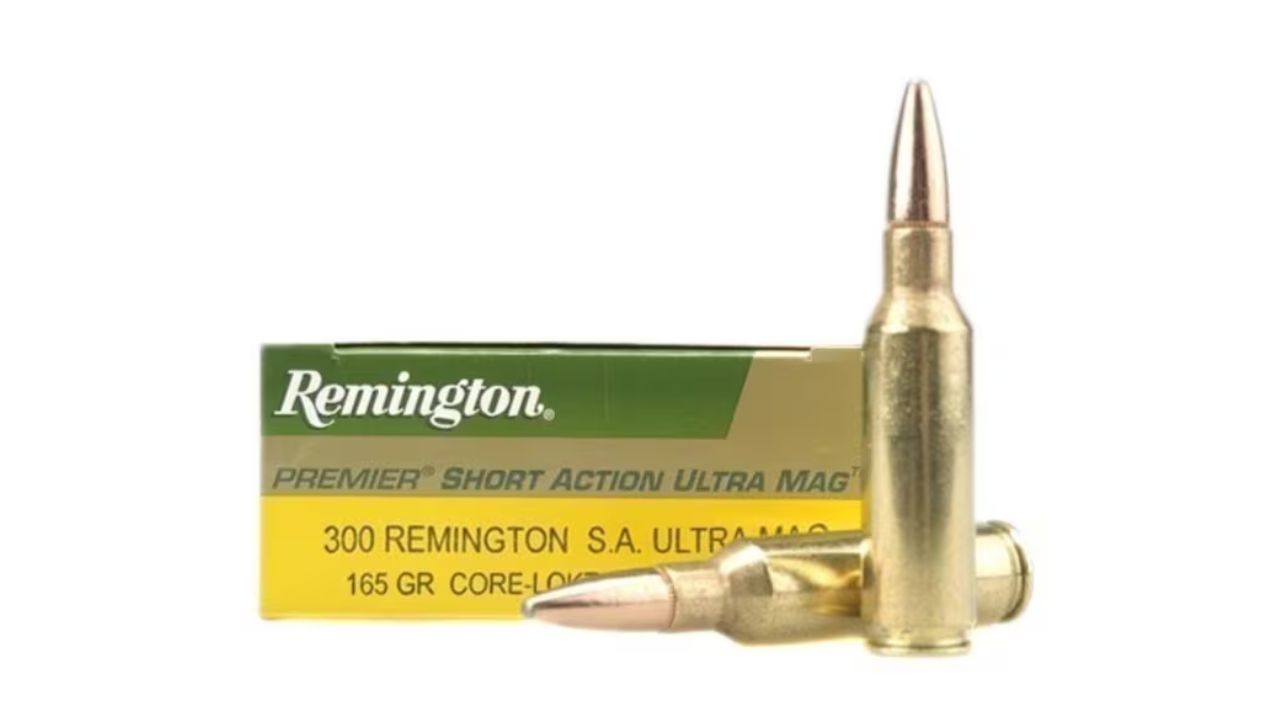
The RUM is a classic “because I can” cartridge. It carries a lot of horsepower and it reaches. But deer aren’t hard to kill when you hit them right, and the Ultra Mag’s recoil and muzzle blast can make that “hit them right” part harder than it needs to be. There’s a reason you see these rifles shot a few times, then parked.
It also encourages a gear spiral. Bigger recoil pushes heavier rifles, thicker pads, or brakes. Bigger blast pushes more reliance on ear protection, which not everyone manages well in the field. And the cost per shot can turn practice into a rare event. If you truly need the reach for open-country elk and also hunt deer, fine. As a whitetail-only idea, I get why it fades after the novelty wears off.
15. .338 Winchester Magnum

I respect the .338 Win Mag a lot. It’s a real bear and moose cartridge, and it hits like a truck. But on deer, it’s typically unnecessary, and unnecessary recoil is not a small thing. Heavy recoil changes how you mount the rifle, how you break the shot, and how much you want to practice. Ask me how I know.
Another angle is rifle handling. Many .338s are built on longer actions with longer barrels, and they tend to be heavier. That’s great for soaking up recoil, but it’s not always a joy in tight stands or when you’re slipping along a creek bank still-hunting. The cartridge makes sense in big country with big animals. For whitetails, it’s usually a solution looking for a problem.
16. .340 Weatherby Magnum

The .340 Weatherby is impressive. It’s also the kind of cartridge that makes a deer rifle feel like a specialized tool for something else. When you touch one off without a brake, you remember it. When you touch one off with a brake, everyone around you remembers it. Neither is ideal when you’re trying to stay calm, shoot well, and maybe take a follow-up shot without getting rattled.
The real-world problem isn’t that it won’t kill deer. It will, and decisively. It’s that you’re paying a lot in recoil and cost for performance you don’t need on a 160-pound whitetail. If you’re a one-rifle hunter going after big stuff and deer is just part of the menu, fine. If the goal is a sensible deer woods setup, this is hard to justify.
17. .35 Whelen (for typical woods ranges)

I like the Whelen, and I’ll say that up front. But I’ve watched it get chosen for reasons that don’t hold up in the field. On paper, it’s a woods brawler with big frontal diameter and solid energy. In reality, for most deer hunters inside 150 yards, it doesn’t do anything a .308 or .30-06 won’t do—except recoil a bit more and offer fewer ammo choices in random small stores.
Another thing: some Whelen loads are fantastic, and some are kind of “meh” depending on bullet and velocity. If you reload, you can make it sing. If you don’t, you’re limited to what’s on the shelf, and that shelf isn’t always stocked. The Whelen still has a place, especially for bigger game, but it’s not automatically the smarter woods pick just because it starts with “.35.”
18. 350 Legend
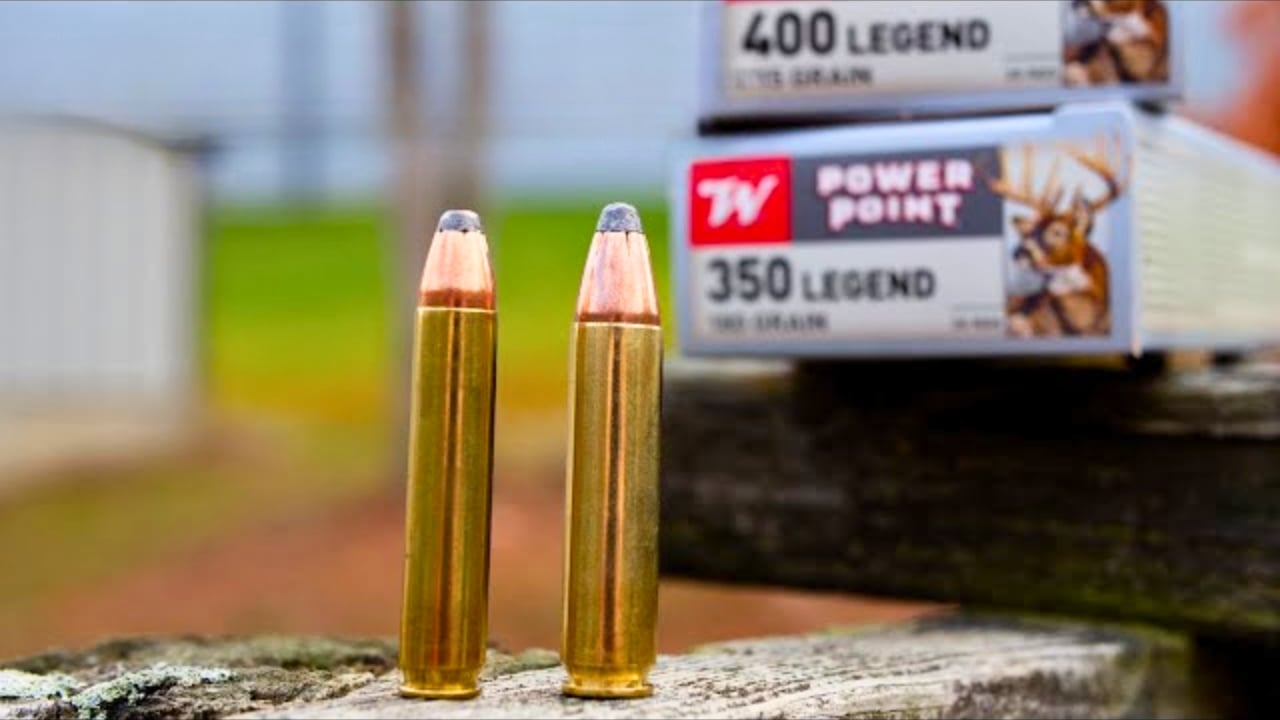
The 350 Legend makes a lot of sense in certain places, and that’s exactly why it tricks people. In straight-wall states, it’s a very practical option with mild recoil and decent performance. Outside of that niche, it can be a head-scratcher as a primary deer cartridge because it gives up range and trajectory to common bottleneck rounds without giving you much back.
Even in its home territory, the details matter. Some rifles and mags can be finicky, and the round has enough taper quirks that feeding problems show up if the setup isn’t right. Ammo selection has improved, but not every load is equal on deer, especially if you’re trying to stretch it beyond what it was designed to do. Used properly, it’s fine. Used like a “new .30-30,” it can disappoint.
19. .450 Bushmaster
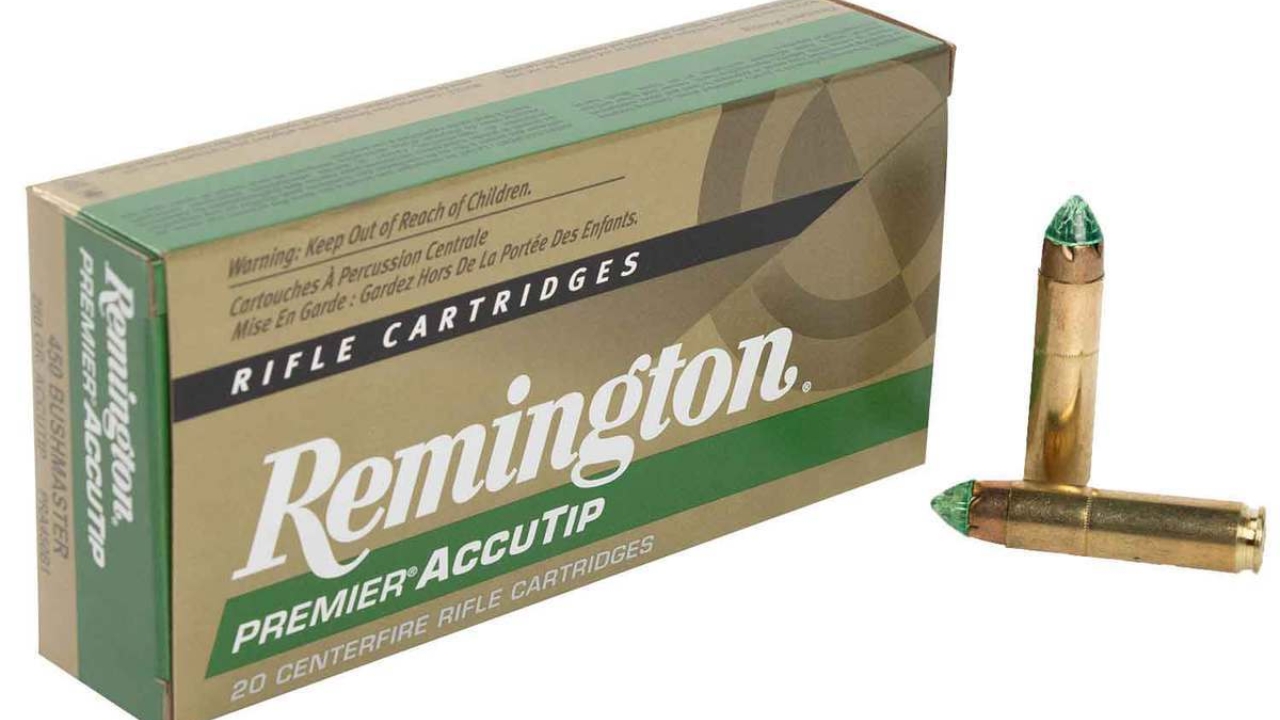
Big-bore straight-wall cartridges look like the ultimate answer on paper: huge bullet, big energy, short tracking jobs. In the deer woods, the .450 Bushmaster can absolutely anchor deer, but it comes with recoil that surprises folks and trajectory that drops faster than they expect past 150–200 yards. That mismatch—confidence from the big number, then a miss over the back—happens more than people admit.
It also tends to come in rifles that are either light and punishing or heavier and clunky, with muzzle devices that rattle your teeth. If your hunting is thick and close and your state rules push you there, it’s a good tool. If you mainly hunt mixed timber and fields and just wanted “more power,” you’ll usually shoot better and practice more with something calmer.
20. .30-378 Weatherby Magnum

This is the king of “because the chart told me so.” The .30-378 has outrageous velocity potential, and it carries energy a long way. It also brings a level of recoil and muzzle blast that most hunters don’t truly need for deer, and it can turn a normal sight-in session into a flinch factory. A deer rifle that you dread shooting is not a good deer rifle, no matter what the ballistics app says.
Then there’s the field reality: rifles chambered for it are rarely handy. They’re long, loud, and usually topped with big glass to match the round’s purpose. That’s fine on a western ridge with time to set up. It’s not fine when you’re climbing into a stand in the dark or swinging on a deer slipping through brush. It’s impressive, but “impressive” and “sensible” don’t always live in the same zip code.
None of these cartridges are useless, and I’m not here to tell anyone what they’re allowed to enjoy. But if the goal is filling tags year after year, the boring stuff keeps winning: common ammo, manageable recoil, rifles that carry well, and bullets that perform consistently at real hunting distances. The deer woods have a way of humbling every paper plan, especially the expensive ones.
Like The Avid Outdoorsman’s content? Subscribe to our newsletter so you never miss an article.
Here’s more from us: