Photo credit: Cutting Edge Knife Reviews/Youtube
Walk into any big box store around hunting season and you’ll see the same pattern: a wall of shiny “outdoor” knives with aggressive grinds, loud logos, and handles that feel great under fluorescent lights. Then you get blood on them, your hands get cold, you start working around joints, and the truth comes out. A good hunting knife isn’t complicated. It needs to cut straight, clean easy, hold an edge longer than a couple of animals, and not make you baby it in the field.
Here are 20 knives that, in my experience, tend to do the work better than most of the over-marketed stuff filling shelves right now. Some are classics. Some are ugly. A few cost real money. All of them are the kind you end up reaching for when it’s time to get to work.
1. Morakniv Companion (stainless)
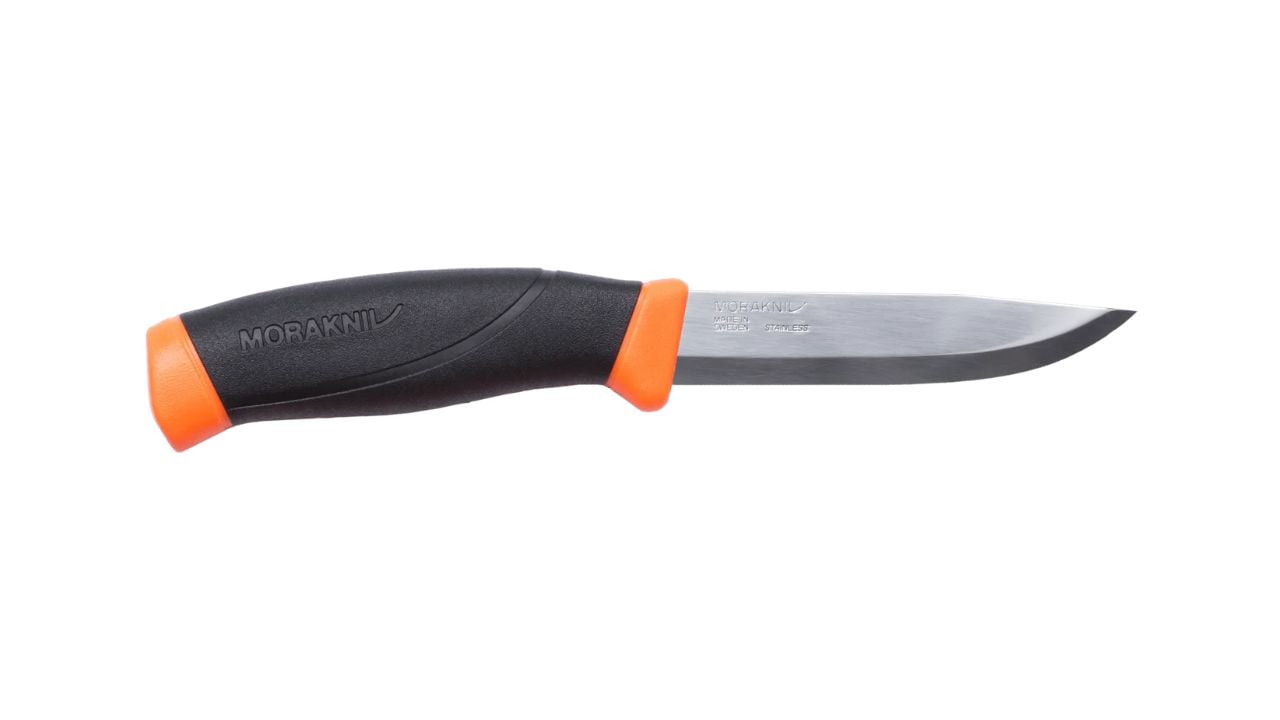
If you want a knife that just flat works and you don’t feel bad about beating up, it’s hard to top a Mora. The Companion looks almost too simple, and that’s why it’s so good. The Scandinavian grind bites into hide and meat with very little drama, and it’s easy to touch up even if all you’ve got is a small stone at camp.
The rubbery handle stays put when your hands are slick, and the plastic sheath is boring but secure. Stainless is the move for hunters who don’t want to think about wiping down carbon steel in the truck at midnight. It’s not a “trophy” knife, but it’s the kind that ends up in your pack year after year because it keeps earning its keep.
2. Buck 119 Special

This one has dressed more deer than a lot of modern blades will ever see. The 119 isn’t trendy, and it’s not trying to be. It’s a classic fixed blade with a shape that makes sense for opening, splitting, and working around the ribs without feeling like you’re swinging a hatchet.
The factory edge is usually solid, and Buck’s heat treat on 420HC gets dismissed online by steel snobs who don’t actually cut much. In the real world, it sharpens fast and holds long enough for a couple animals if you’re not prying on bone. The handle fills the hand, the guard keeps you honest, and it rides fine on the belt. There’s nothing fancy about it, and that is kind of the point.
3. Buck 110 Folding Hunter
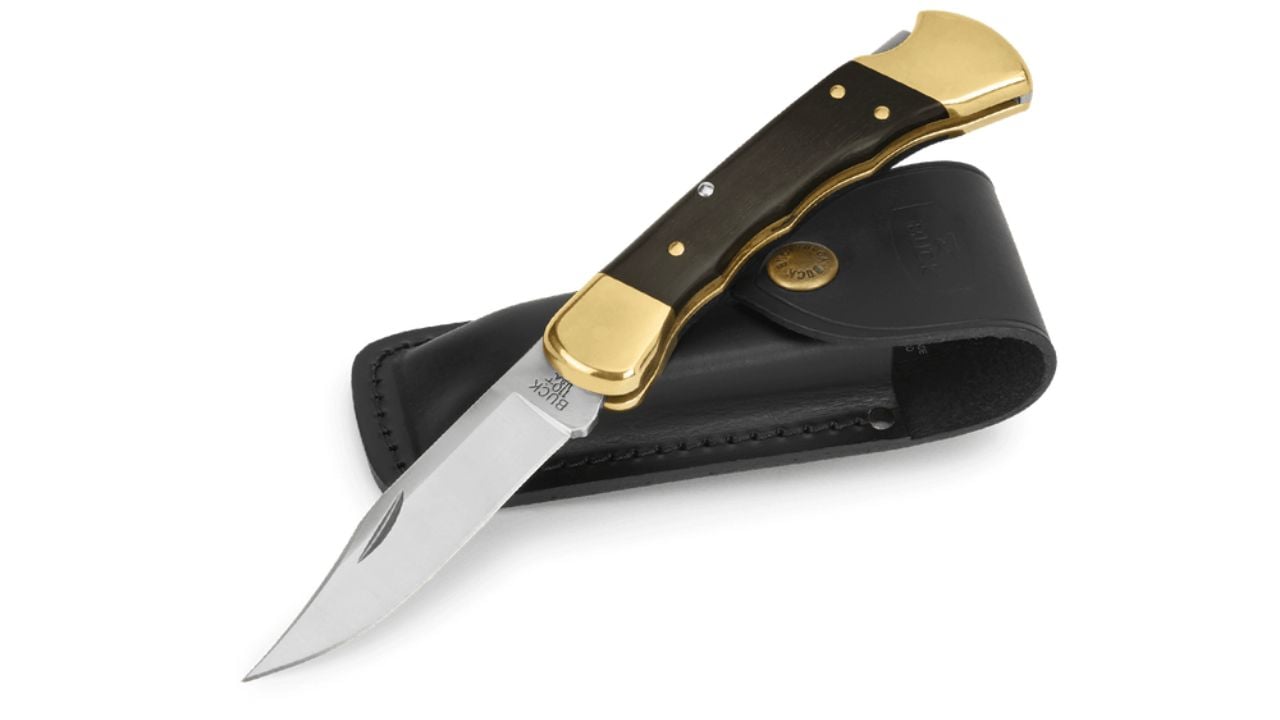
Heavy? Yep. Old-school? Absolutely. Still useful? Also yep. The 110 is the folding knife that doesn’t feel like a toy when you’re halfway through a job and your hands are numb. That lockback is strong, and the blade shape is made for hunting, not opening boxes.
The downside is weight in the pocket, and I get why some folks swap to lighter modern folders. Still, if you want a folder that can finish an animal without flexing, twisting, or feeling sketchy, the 110 is a safe bet. It takes a screaming edge, and it’s one of those knives you can hand down without it turning into a loose, gritty mess in a few seasons.
4. ESEE-4

The ESEE-4 is more “field knife” than pure skinning knife, and that’s why it earns a spot. If you hunt where you may need to cut small limbs, split a pelvis carefully, or do camp chores after the animal is hung, this is a tough, no-nonsense blade that shrugs off abuse.
1095 carbon steel will rust if you ignore it, so you do have to wipe it down and give it a little care. The payoff is easy sharpening and a tough edge that doesn’t chip when it meets something hard. The handle scales are comfortable for long cutting sessions, and the sheath options are plentiful. It’s not dainty, but it’s dependable, and dependable is what you want with a tag filled.
5. ESEE Izula II
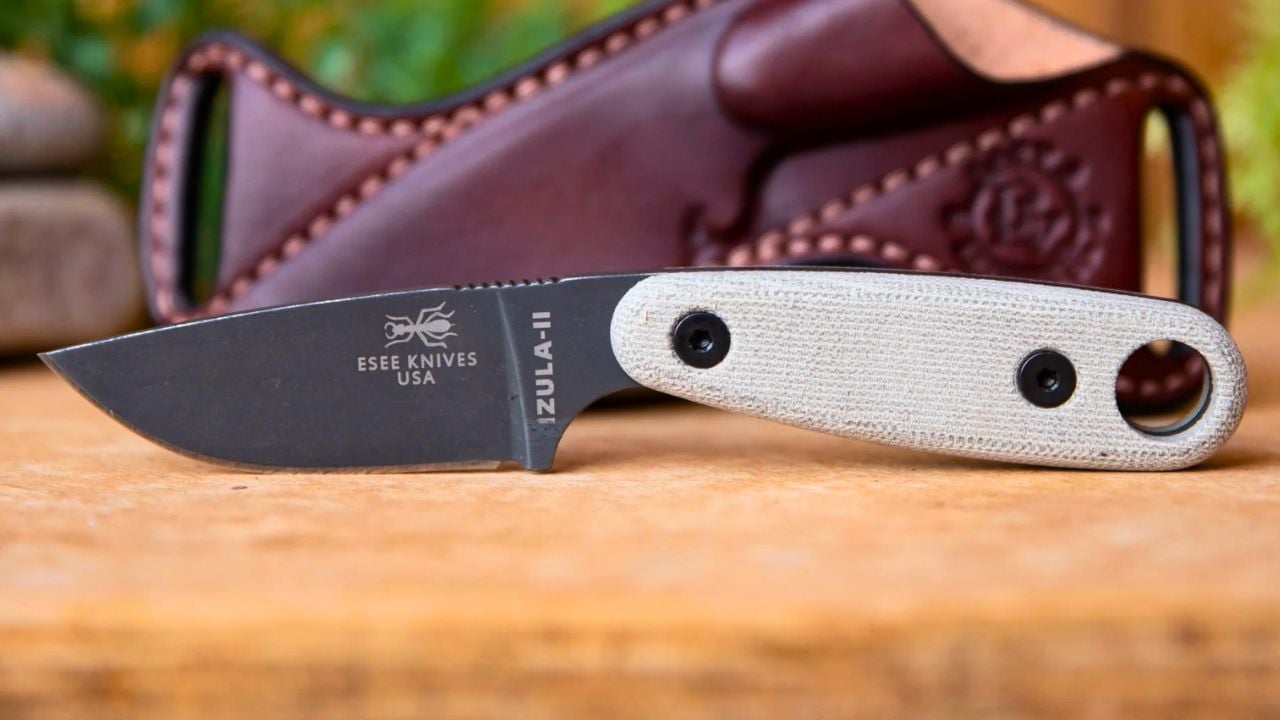
For the “always on you” crowd, the Izula II is the kind of knife you stop noticing until you need it. Small blade, big attitude. It handles detail work well, especially when you’re caping, trimming, or opening up around the legs without turning a clean job into a hack job.
The extra handle length on the II matters with gloves, and it gives you enough purchase to bear down without hotspots. Like other 1095 blades, it wants basic care, but it’s the kind of steel you can bring back fast. I like it as a backup in the pack or on a chest rig when I don’t want something flopping on my belt. Ask me how I know a backup knife is not optional.
6. Benchmade Saddle Mountain Skinner
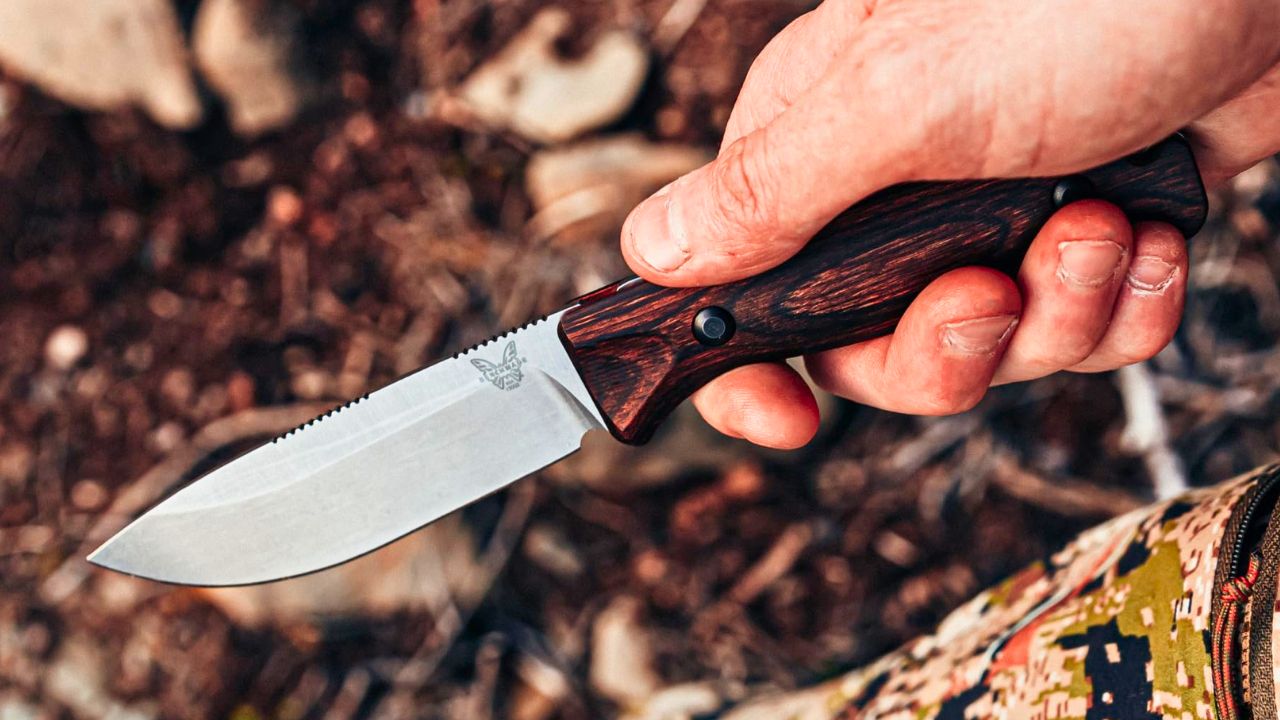
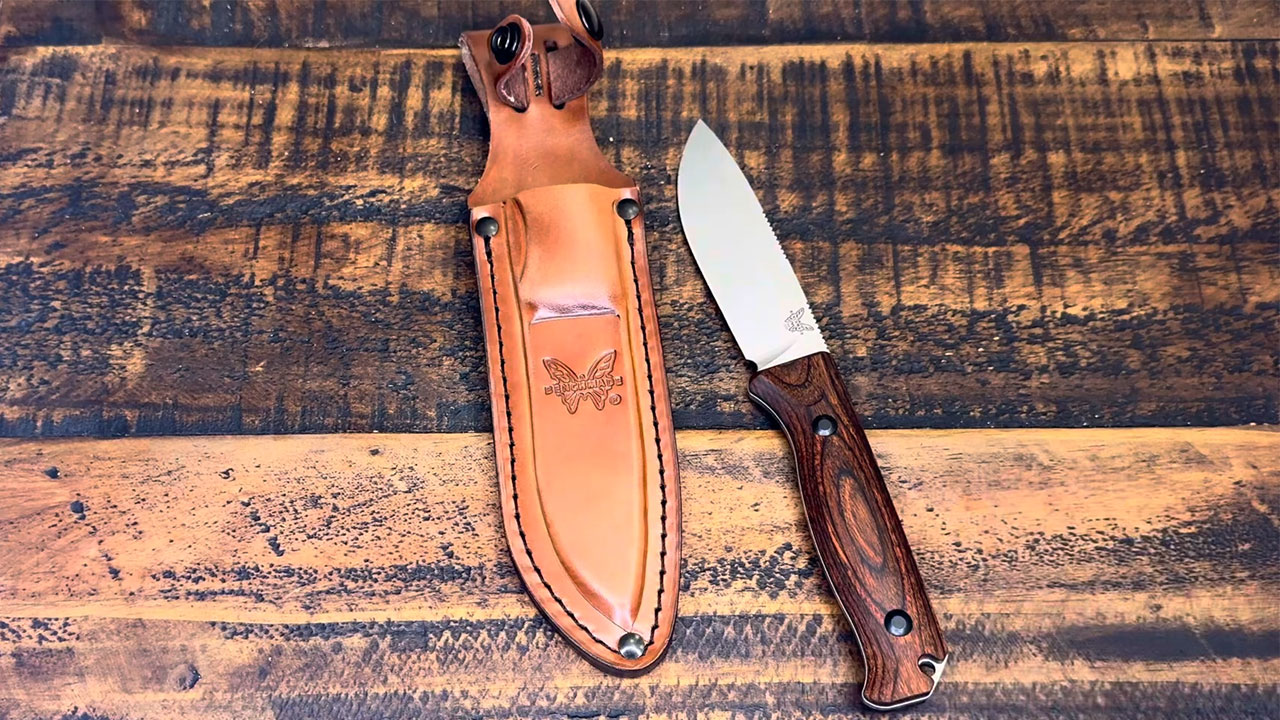
This is a purpose-built hunting blade from a company that understands edge geometry. The Saddle Mountain’s blade shape and belly do what a skinner is supposed to do: move through hide and meat smoothly without forcing you to “saw” like you’re cutting pallet straps.
Benchmade’s hunting line tends to balance well in the hand, and the handles are shaped for control when you’re working close. It’s not the cheapest option, but you’re paying for a good grind and a steel choice that holds up. If you’re the type who processes multiple animals a season or helps buddies at camp, you’ll notice the difference in how long it stays efficient before needing attention.
7. Benchmade Hidden Canyon Hunter

This is one of those knives that looks small until you use it on game. The Hidden Canyon is compact, but it’s built for controlled cutting. It excels at the work that separates a clean, quick field dress from a sloppy one—especially when you’re reaching into tight places and you don’t want a long blade wandering around.
It carries easy on the belt and doesn’t poke you when you sit down, which matters if you’re hiking or climbing into a stand. The handle shape gives you control with wet hands, and the blade profile is friendly for skinning. If you’re a one-knife hunter, it might feel short for big animals, but as a dedicated game knife it’s a steady performer.
8. Havalon Piranta (replaceable blade system)

I used to roll my eyes at replaceable-blade knives until I watched one fly through an elk like it was nothing. The Piranta isn’t a pry bar, and if you treat it like one you’ll break blades. Used correctly, it’s hard to beat for pure cutting efficiency. That scalpel edge is unreal on hide and fine work.
The real advantage is speed and cleanliness. When the edge is done, you swap and keep moving—no sharpening session in the dark, no hacking when the blade gets tired. Carry extra blades and a small pair of pliers or a safe method to swap them, because fingers get cut when people rush. It’s not romantic, but it’s effective.
9. Gerber Vital (replaceable blade)
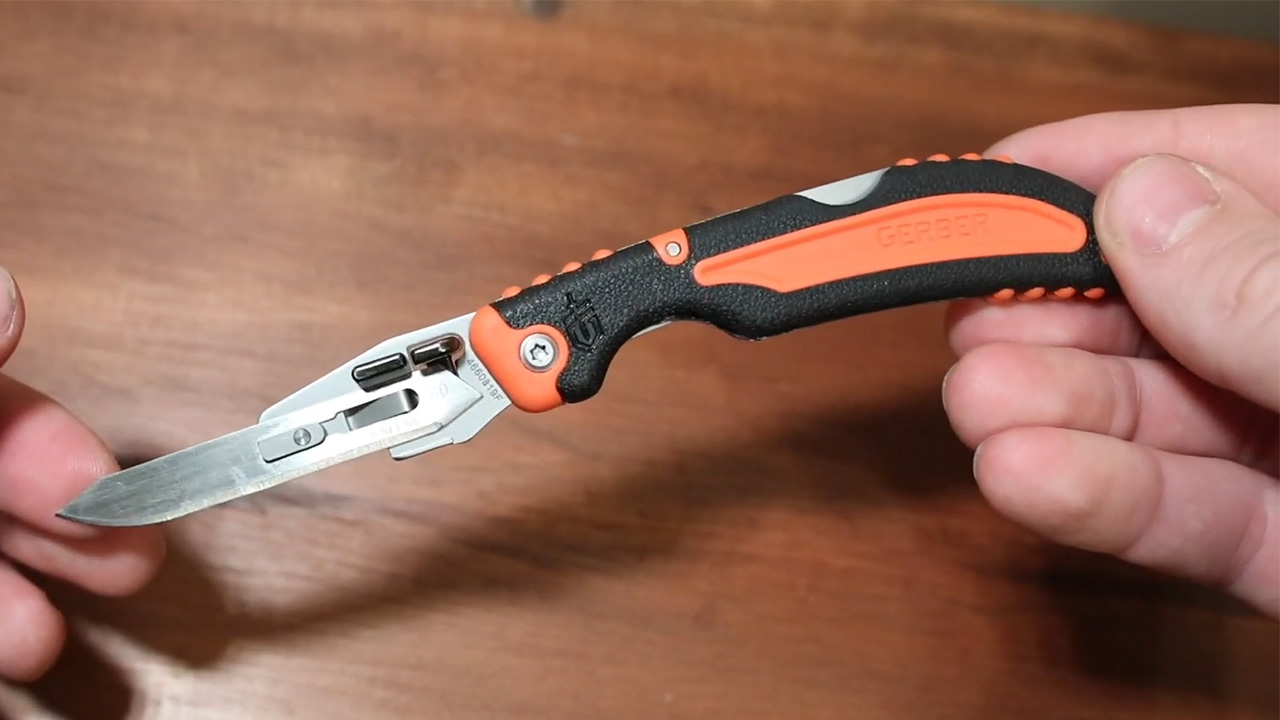
The Gerber Vital is another replaceable-blade setup that’s practical for the hunter who wants sharp without fuss. It’s a little more “glove friendly” in the handle than some scalpels-on-a-stick designs, and it feels less like you’re holding a craft knife when it’s time to work.
It’s still not a do-everything knife. Keep it out of joints, don’t torque it, and don’t pretend it’s a hatchet. Where it shines is getting the hide opened and keeping the job clean when you’re tired and it’s getting cold. If you’re a once-a-year hunter, this is a strong option because it removes the “I forgot to sharpen” problem that ruins a lot of field dressing jobs.
10. Outdoor Edge RazorLite
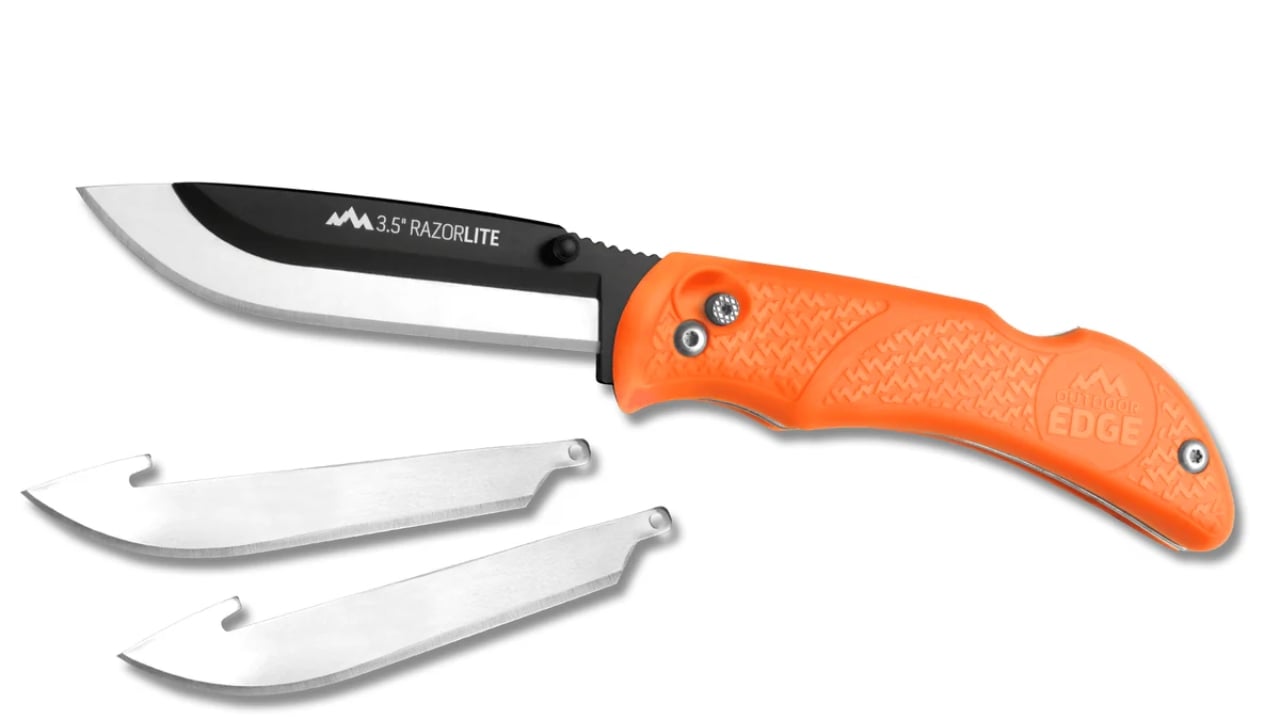
This one has probably converted more “traditional knife only” guys than any other replaceable system. The handle fills the hand well, and the blade change is straightforward if you slow down and do it safely. In actual use, it cuts far above its price point because it’s basically always razor sharp.
Where it earns points is on deer-sized game when you want clean cuts and minimal hair contamination. It also does a nice job when you’re working alone and want to move fast before the weather turns. The tradeoff is the same as all replaceable blades: you can’t get stupid with it. But if your goal is efficient cutting, this is a tool that does exactly what it claims.
11. Spyderco Mule Team (various steels, user-chosen scales)
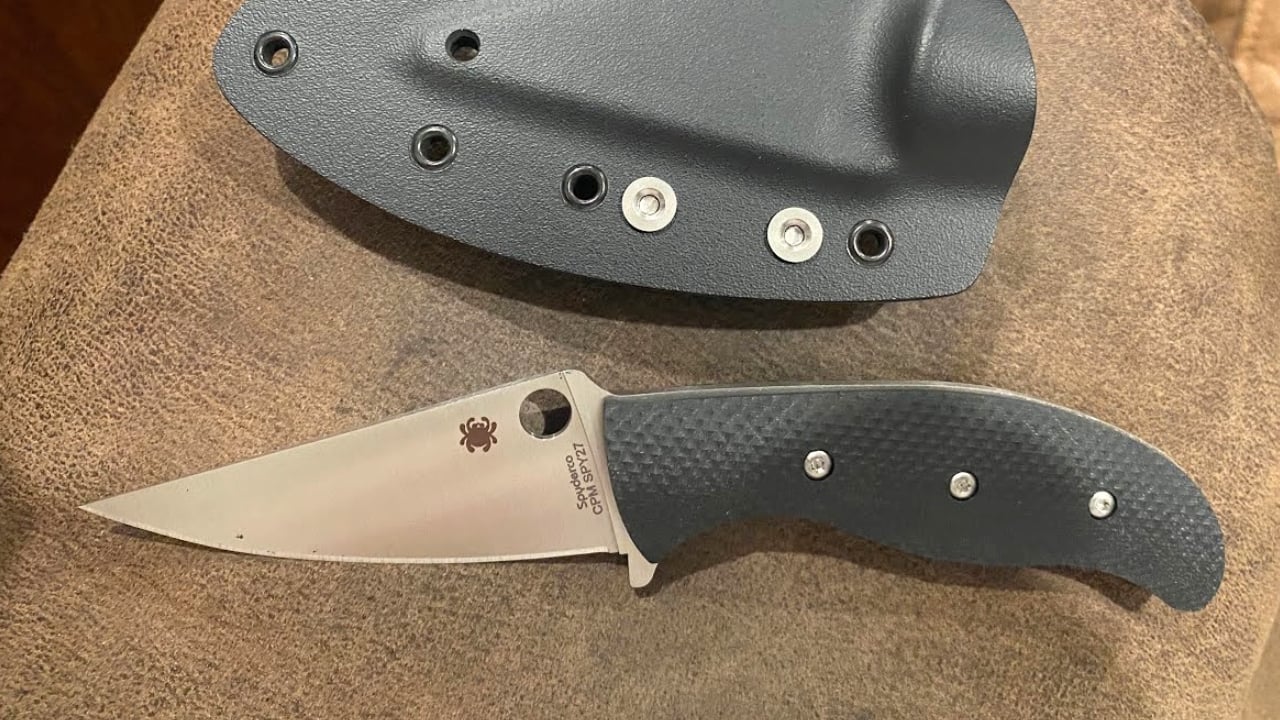
The Mule Team isn’t a “store shelf hunting knife” in the normal sense. It’s a blank done right, with great steel options and a simple, usable blade shape. Hunters who care about edge performance like these because Spyderco tends to get heat treat and grinds right, and that matters more than fancy packaging.
You do have to add scales, and that’s either a plus or a hassle depending on your personality. The benefit is you can build it the way you want—thin for slicing, thicker for harder use, handle shape that fits your hand. As a working hunting knife, a Mule in a good steel can embarrass a lot of expensive “premium” blades that look great on a table but don’t cut as clean in the field.
12. Spyderco Endura 4 (VG-10)
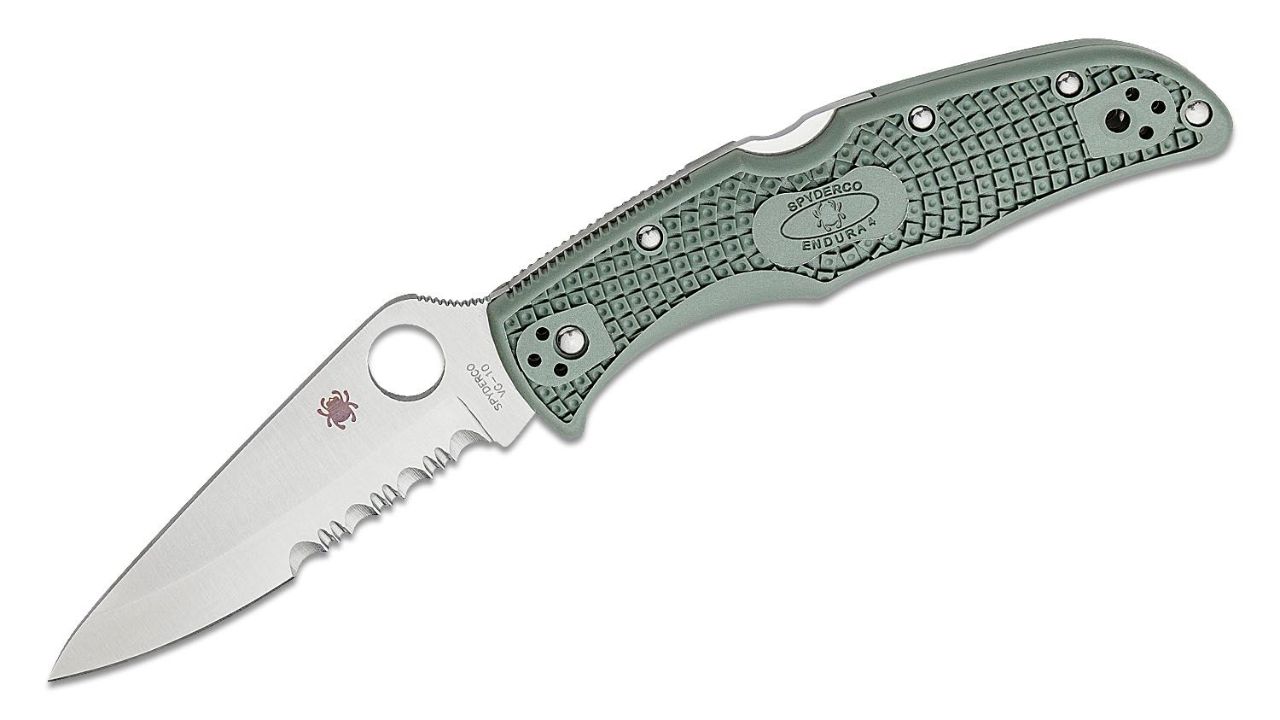
A folding knife on a hunting list makes sense if it actually locks up solid and cuts well. The Endura has been around forever because it’s a reliable, slim carry that doesn’t feel fragile. The blade length is enough for most deer work, and that Spyderco belly slices clean when the edge is maintained.
It’s also a knife you’ll carry every day, which means it’s more likely to be with you when plans change and you end up dressing an animal farther from the truck than expected. VG-10 isn’t the newest super steel, but it sharpens without a fight and holds up fine. Just remember: folders need cleaning. Blood and fat inside any pivot turns into a sticky mess if you ignore it.
13. Cold Steel SRK (SK-5 or 3V)
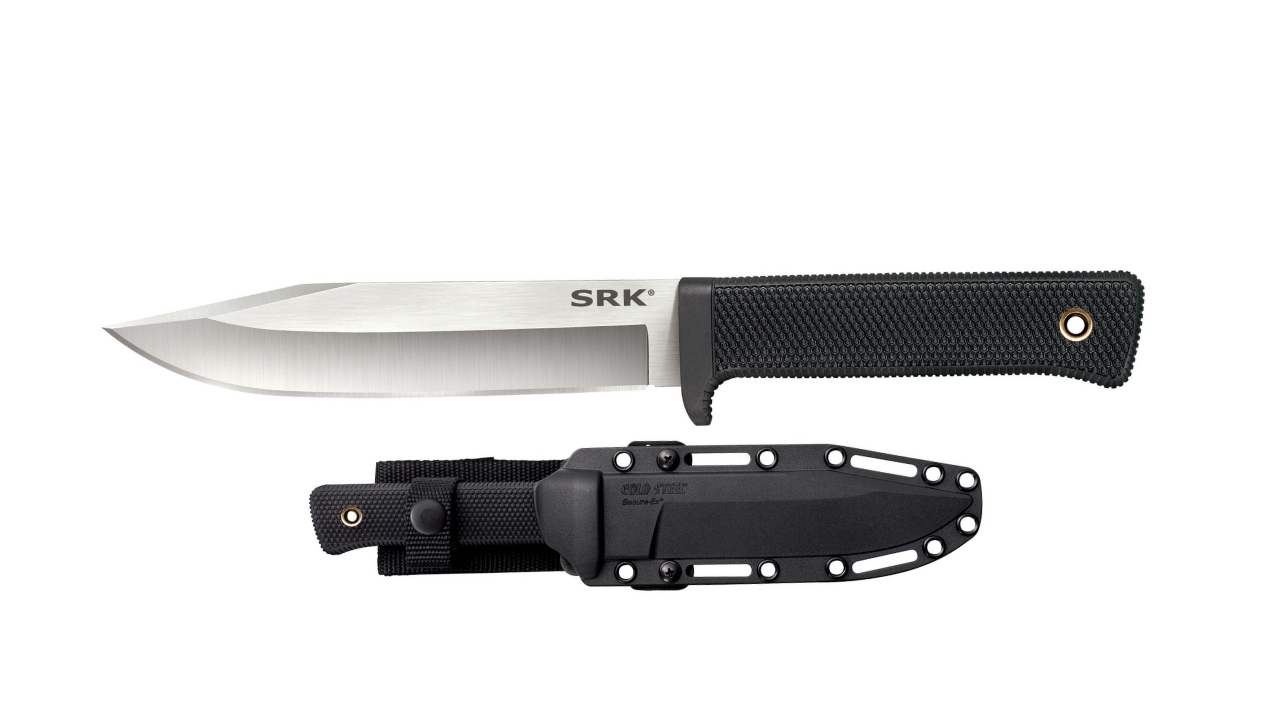
The SRK has a reputation as a hard-use knife, but it crosses over well into hunting when you need something you’re not afraid to lean on. The point is strong, the blade shape is versatile, and it does the rough jobs that thinner hunting knives sometimes hate—splitting, light batoning, and dealing with awkward cuts.
The SK-5 version is budget-friendly and performs better than it has any right to, as long as you do basic maintenance. The 3V version costs more but takes abuse and keeps cutting. It’s not the best pure skinner, and I wouldn’t pick it as my only blade for delicate caping. But for a camp knife that can also handle game without complaint, it belongs in the conversation.
14. Bark River Gunny

Bark River makes knives that feel like they were designed by someone who actually uses them. The Gunny is a sweet spot size: big enough to get real work done, small enough to control when you’re trying not to puncture anything you shouldn’t. It’s especially good when you’re breaking down an animal and doing a mix of slicing and controlled tip work.
A convex edge isn’t everyone’s favorite, but it can be a real advantage for durability and smooth cutting when you maintain it right. The handle ergonomics are usually excellent, which matters when you’re an hour into processing and your hand is cramping. These aren’t cheap, and you don’t buy one just to toss it in a junk drawer. You buy it because you want a knife that feels right every time you pick it up.
15. Bark River Ultralite Bushcrafter
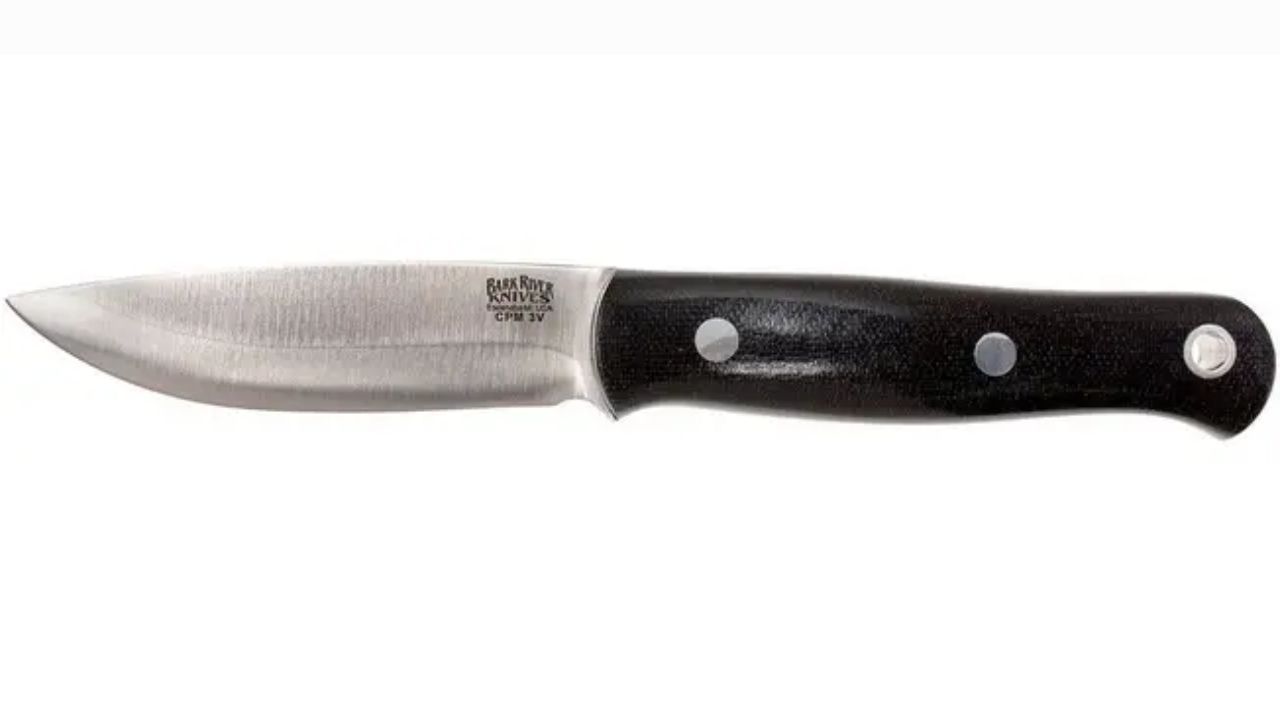
This one blurs the line between hunting and general woods use, which is exactly why it’s valuable. The Ultralite Bushcrafter is light on the belt but still substantial in hand. If you hunt deep and you’re carrying gear all day, ounces matter, and this knife doesn’t make you feel like you’re hauling an anchor.
It’s capable on game, but it also handles fire prep, food, and camp chores without acting delicate. A lot of modern hunting knives are so specialized they’re annoying outside the gut pile. This one is more rounded, and the blade geometry works for slicing. Keep it sharp and it’ll do the clean work. Push it into “crowbar” territory and you’re missing the point, but within its lane it’s excellent.
16. TOPS Fieldcraft (by Brothers of Bushcraft)
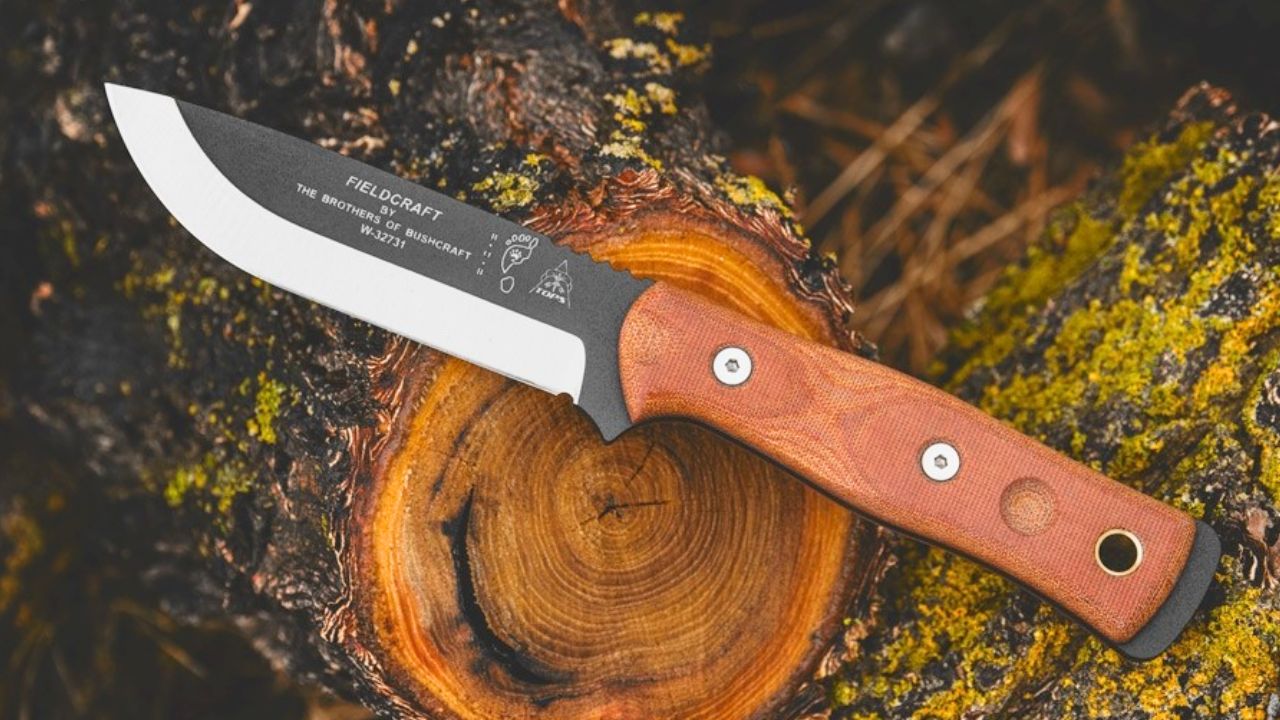
The TOPS Fieldcraft is a sturdy, comfortable knife with a handle that locks into your palm. If you’re the type who ends up quartering animals on the ground, cutting around joints, then turning around and doing camp work, this is a knife that doesn’t feel like it’s going to quit on you.
TOPS uses coatings on a lot of their carbon steel blades, which helps with corrosion but still calls for basic care. The blade is thick enough to be confidence-inspiring, though that thickness can cost you a little slicing efficiency compared to thinner hunting designs. I like it for hunters who are harder on gear or who want one knife that can ride in a pack all year for scouting, chores, and season work.
17. Ka-Bar Becker BK16
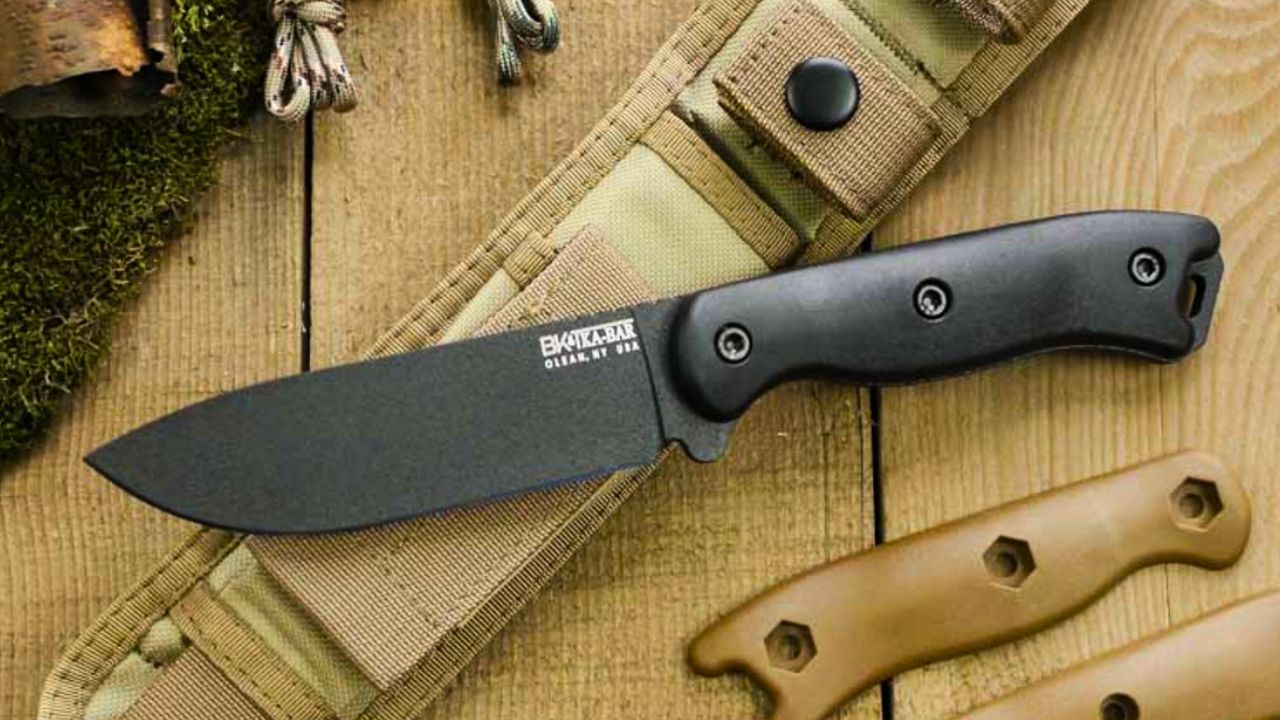
The BK16 is one of those knives that looks plain and kind of blocky until you start using it. Then you realize it’s a lot of capability in a manageable size. It’s lighter and more nimble than some of the bigger Beckers, and it does well for both camp tasks and animal work without feeling clumsy.
Like most 1095 blades, you’ll want to keep it clean and dry, especially after a wet day. The upside is it sharpens easily and tolerates hard use. The factory handle scales are fine, and the aftermarket world is huge if you want to tune it. For a hunter who wants a knife that can also be a do-it-all woods tool, it’s a better buy than a lot of “hunting” knives that are really just pretty shapes.
18. Victorinox Swiss Army Hunter Pro
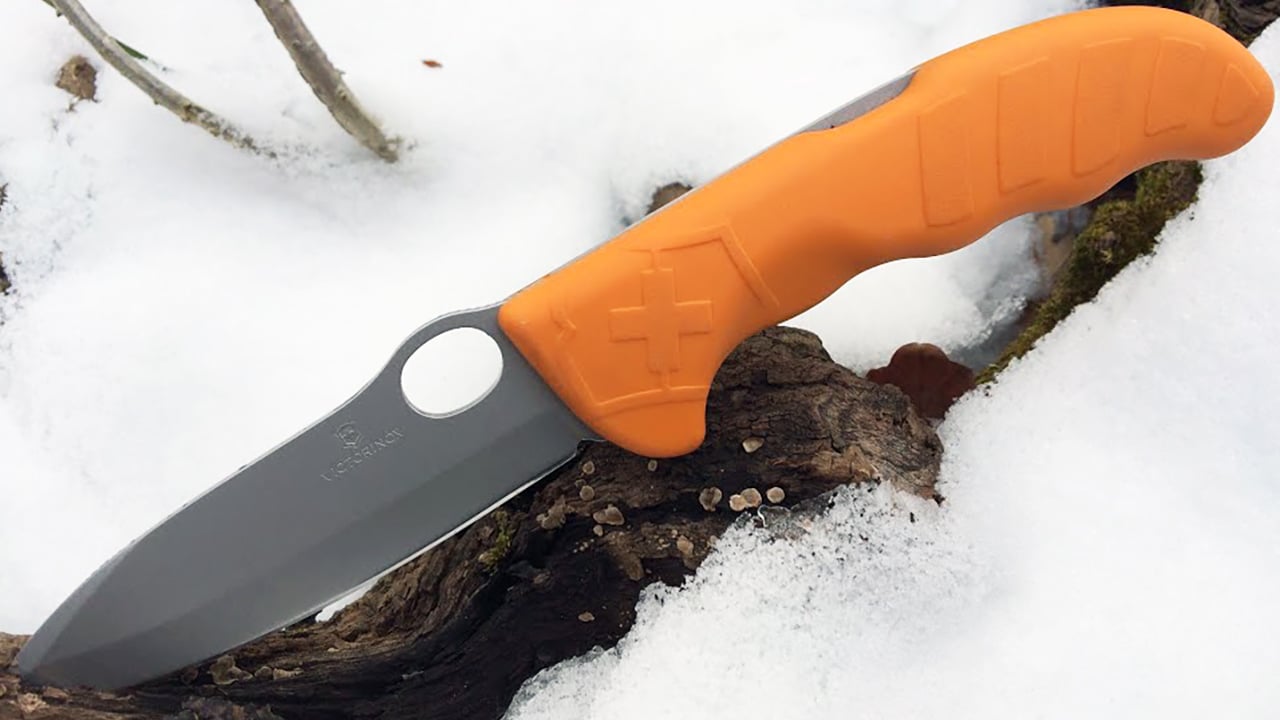
Victorinox doesn’t get enough credit in the hunting world because it’s not tactical and it’s not loud. The Hunter Pro is a simple, solid locking folder with a blade that actually cuts. The steel isn’t exotic, but the grind and factory edge are usually excellent, and that matters more than marketing.
It’s a great “pocket knife that can hunt” option for the guy who wants one folder that can go from daily tasks to dressing a deer without acting like a compromise. The handle is comfortable, and it’s easy to control when you’re making careful cuts. Clean it after use, because like any folder it will hold grime if you ignore it. For the money, it’s a strong reminder that practical beats flashy.
19. Case XX Folding Hunter (Trapper-style hunting patterns)

There’s a reason you still see Case knives in pockets at deer camp. They aren’t indestructible, and they aren’t meant to be soaked in blood and tossed back into a console for a month. But for careful hunters who grew up using slipjoints, a Case pattern knife still does real work when the edge is right.
Where these shine is control and familiarity. The blades are thin, they slice well, and they’re comfortable for light processing and general camp use. The downside is no lock, so you need to use your head and keep your cuts disciplined. If you know how to use a traditional pocketknife, it’s a handy tool that doesn’t scream for attention. And yes, they can turn into sentimental pieces fast.
20. Ontario Knife Company RAT-3

The RAT-3 hits a nice middle ground: small fixed blade, tough enough for real use, and sized for control. It’s not too long for detail work, and it’s not so tiny that you feel under-knifed when you’re opening up an animal in the cold with stiff hands.
It’s another 1095 option, so the same basic care applies, but the design is straightforward and field-friendly. The handle ergonomics are good, and it rides well without flopping around. This is the kind of knife that ends up being the “truck knife” that somehow becomes the “everything knife.” It’s not glamorous, but it’s a reliable worker, and those are the blades that stay in rotation long after the new-gear excitement wears off.
If you notice a theme here, it’s that the best hunting knives aren’t the ones with the loudest ads. They’re the ones that cut clean, carry well, and don’t punish you for using them hard. Pick a blade that matches how you actually hunt, not how you imagine hunting on the best day of the season. Keep it sharp, keep it clean, and don’t overthink it. The animal deserves that much, and so do you.
Like The Avid Outdoorsman’s content? Subscribe to our newsletter so you never miss an article.
Here’s more from us: