Photo credit: Texas Gun Runners LLC/GunBroker
Every rifle in the safe doesn’t have to earn its keep by punching a tag every fall. Some are there because they taught you something. Some are there because they’re the one you hand a buddy when his scope takes a dump on day two. And some are there because if you sell it, you’re going to spend the next five years trying to buy it back for more money.
This isn’t a list of “best” anything. It’s the rifles that still make sense to keep even if your hunting looks different now, access got tougher, or you just don’t get out like you used to. These are the ones that still matter when the new-gun excitement wears off.
1. Ruger 10/22 Carbine
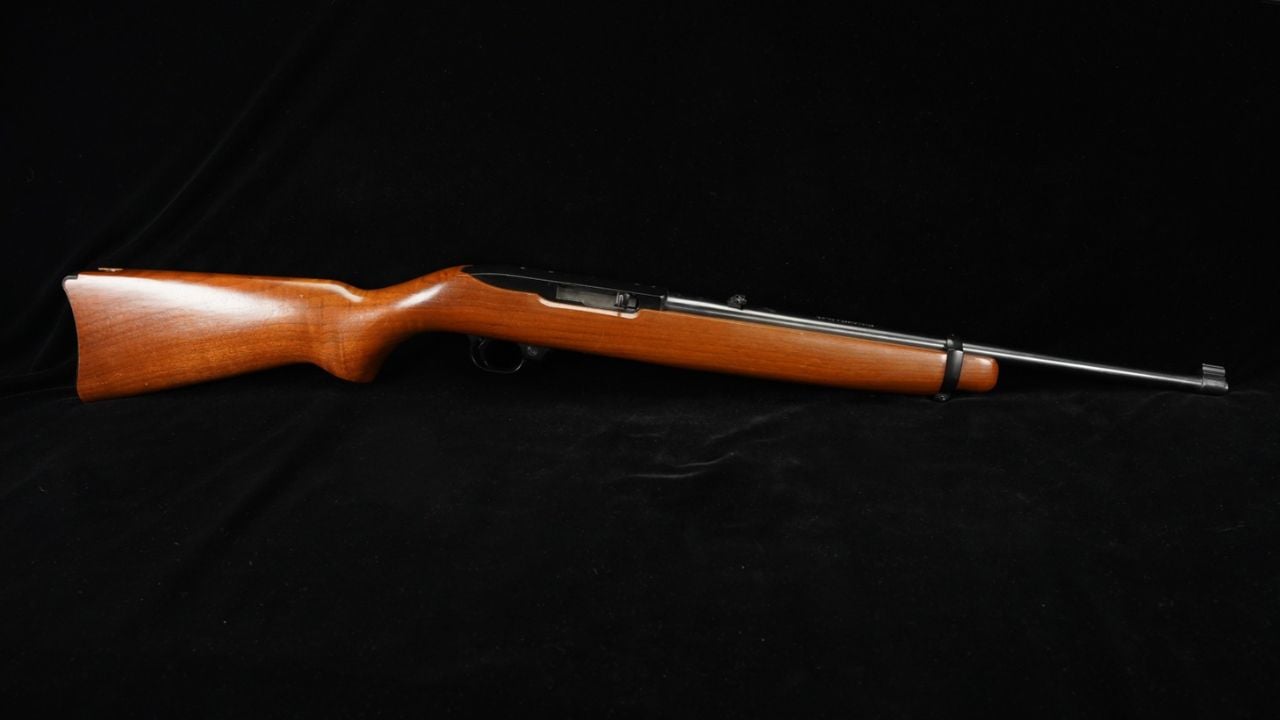
If you’ve owned one, you already know why it’s here. A 10/22 is the rifle that turns a slow afternoon into a good one, and it does it on cheap ammo with minimal fuss. It’s also the rifle you can toss in the truck for a quick zero check or to knock over a few steel plates without burning up your good hunting loads.
It’s not fancy out of the box, and some of them aren’t tack-drivers until you find what ammo they like. Still, mags are everywhere, parts are everywhere, and everybody from kids to grown men can run it without drama. Even if you never hunt squirrels again, it’s hard to justify not having a reliable .22 that just works.
2. Marlin Model 60
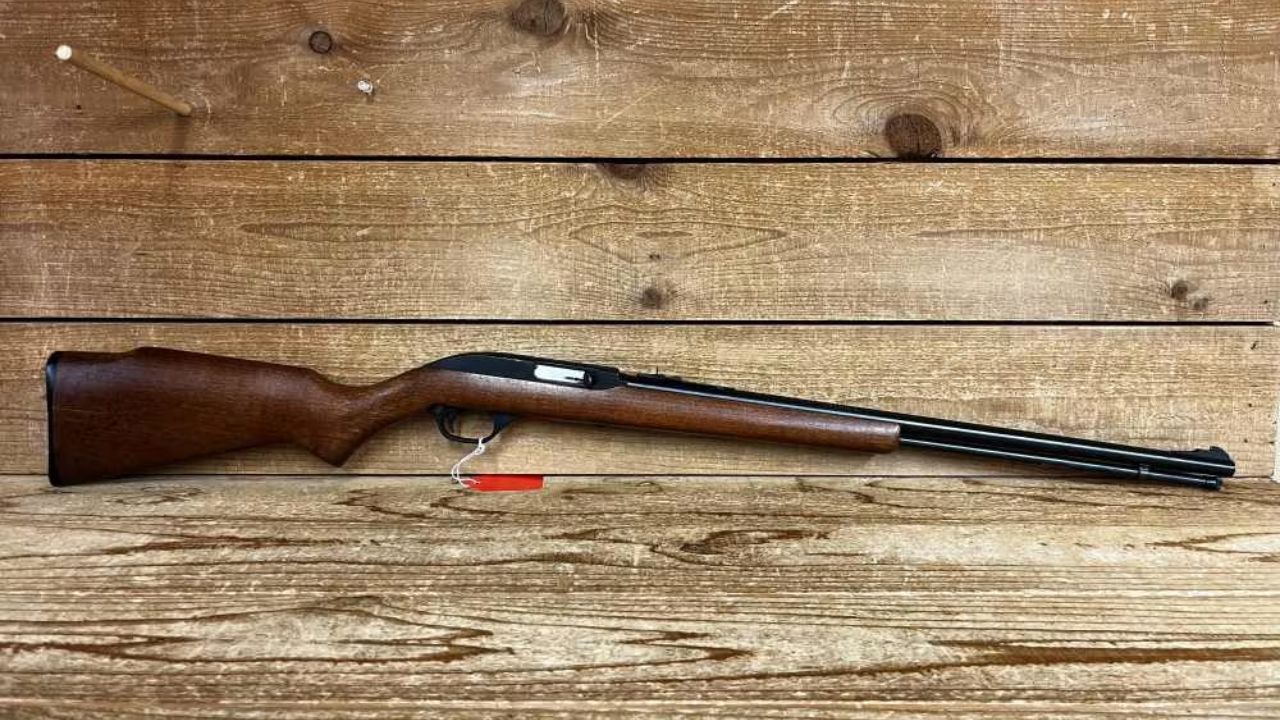
The Marlin 60 is the quiet workhorse .22 that a lot of us grew up with. Tube-fed is slower to load, sure, but it’s also dead simple and doesn’t leave you digging through the garage for magazines the night before a range trip. It carries light, points naturally, and does exactly what a rimfire should do.
What makes it a “keep it” rifle is that it’s usually a known quantity. You already know where it hits. You already know how it cycles. And even if it’s got a few honest scratches, it’s the kind of gun that’ll still be shooting when the trendy stuff has been traded off twice. There’s nothing flashy about it, and that’s kind of the point.
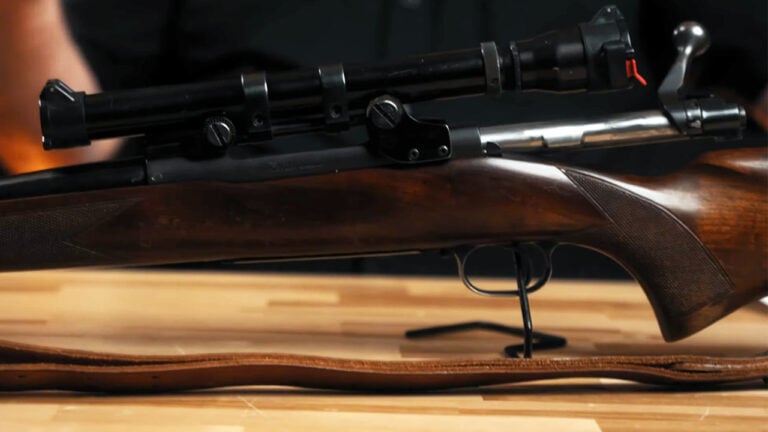
3. Remington 700 BDL
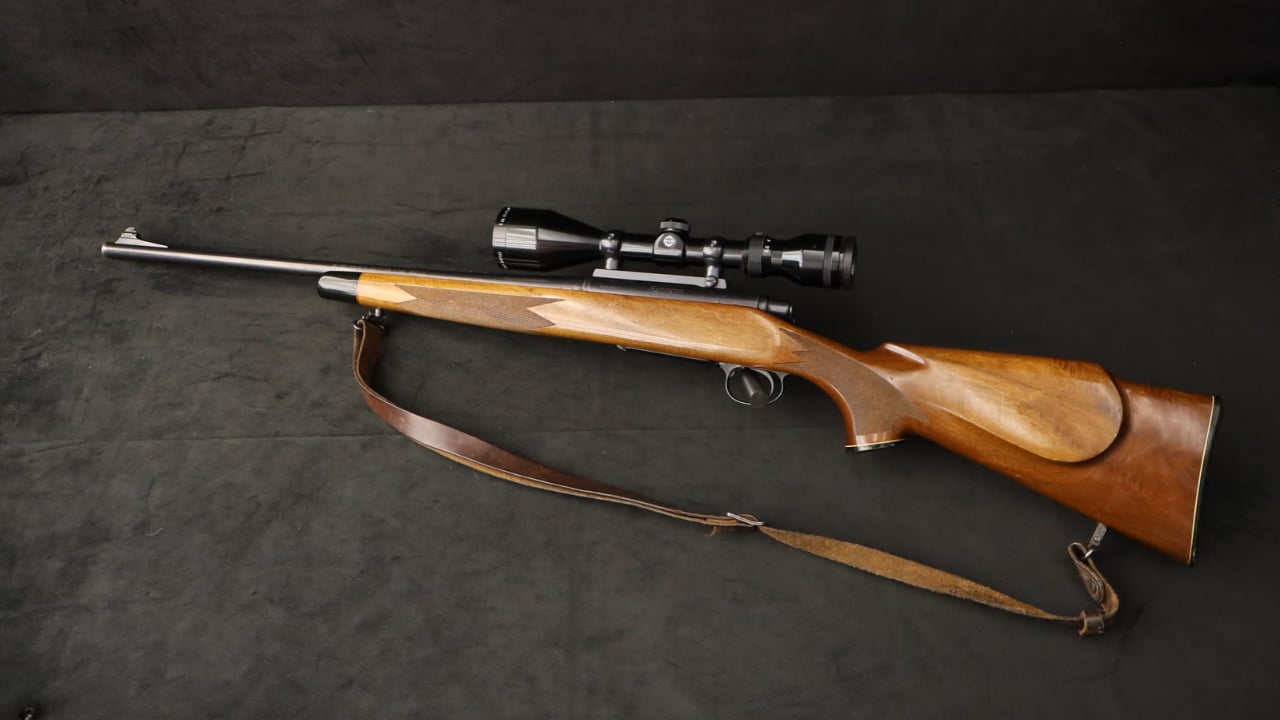
Yeah, the Remington 700 has had its share of arguments over the years, and I’m not here to re-litigate every internet comment section. I’m talking about a solid, older 700 BDL with a good barrel and a clean, predictable trigger that you understand. The feel of that action, the way it beds into a stock, and the way it carries in the woods is still hard to beat.
Even if you don’t hunt with it anymore, a 700 BDL is one of those rifles you can build back into whatever you need later. Parts support is huge, smiths know them, and they hold zero when you don’t abuse them. It’s also a “memory rifle” for a lot of families. Selling one feels smart until you realize what you actually let go.
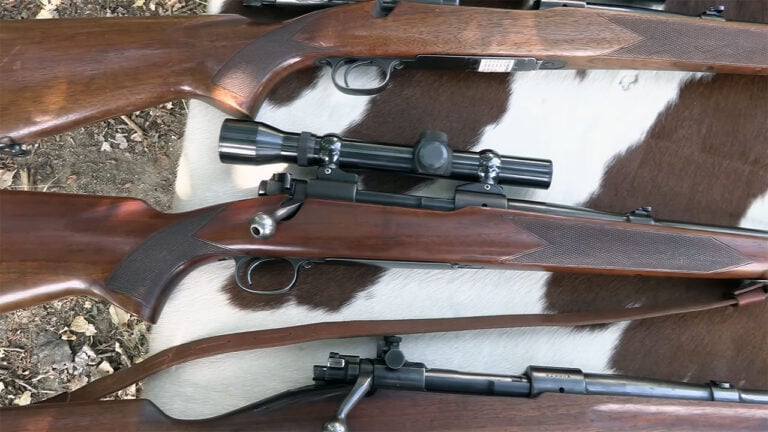
4. Winchester Model 70 (Pre-64)
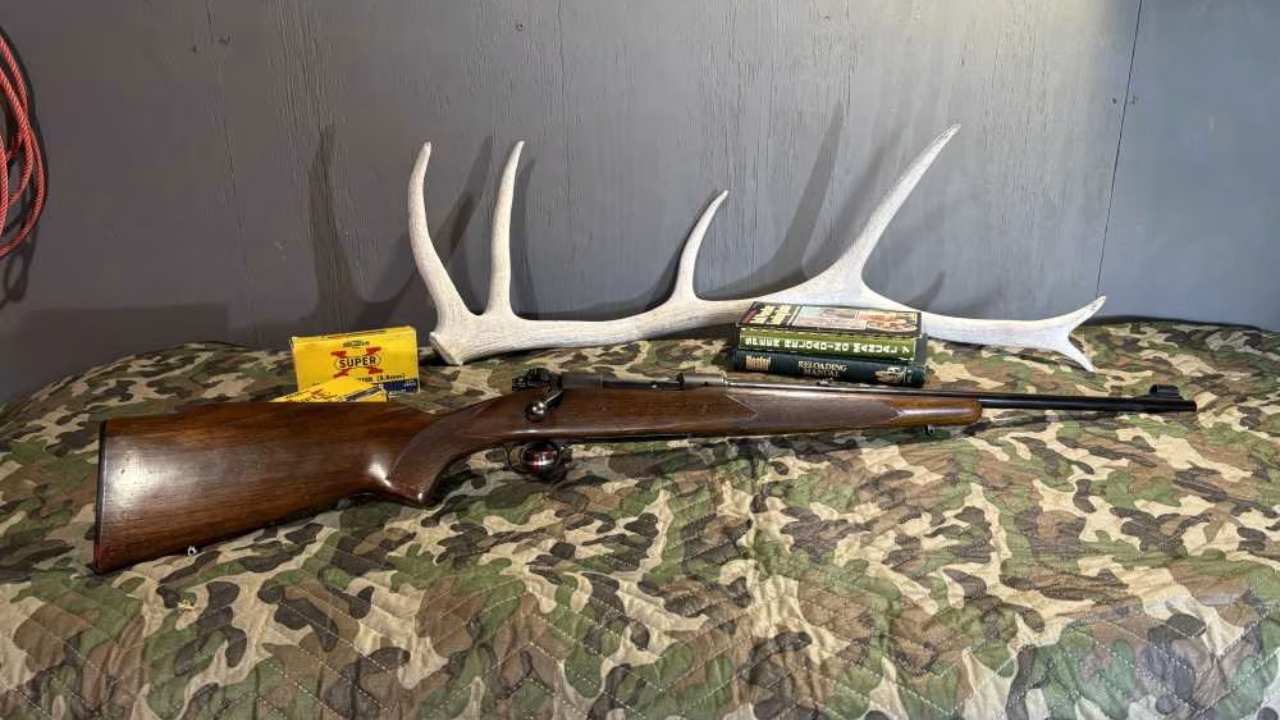
If you’ve ever worked a good Pre-64 Model 70, you know why people get protective about them. The controlled-round feed is part of it, but it’s also the overall fit and the way the rifle feels like it was made by people who cared. It’s a rifle with manners.
Are they heavier than the new mountain rifles? Usually. Are you going to baby it? You shouldn’t. A Pre-64 is worth keeping because it’s a benchmark. When you’re trying to decide if a new rifle is “good,” you end up comparing it to something like this. Even if it becomes a safe queen, it’s the kind of safe queen you can still take out and trust.
5. Ruger M77 Mark II

The Ruger M77 Mark II is one of those rifles that doesn’t get enough credit because it’s not trendy. It’s a stout, honest bolt gun with a reputation for feeding and extracting when things are wet, cold, and dusty. The controlled-round feed versions have a loyal following for good reason.
They aren’t always the lightest, and the factory triggers varied across years. Still, they’re the sort of rifle you can put behind a seat, take to camp, and not worry about. If you ever end up needing a “loaner deer rifle” for a new hunter in the family, the M77 is a calm choice. It’s boring reliability, and boring is underrated.
6. Savage 110

The Savage 110 doesn’t win beauty contests. It’s a tool. But it’s a tool that has put an awful lot of venison in freezers because it tends to shoot better than it has any right to for the money. They’re also easy to live with when it comes to mounting scopes and keeping them running.
What makes the 110 worth keeping is that it stays useful even when you “upgrade.” It’s the rifle you can keep in a less-than-perfect case at deer camp and not stress about every scuff. It’s also the rifle you hand to a buddy who flew in and doesn’t have a gun with him. When you need a dependable bolt gun that won’t surprise you, the old Savage earns its space.
7. Tikka T3x Lite
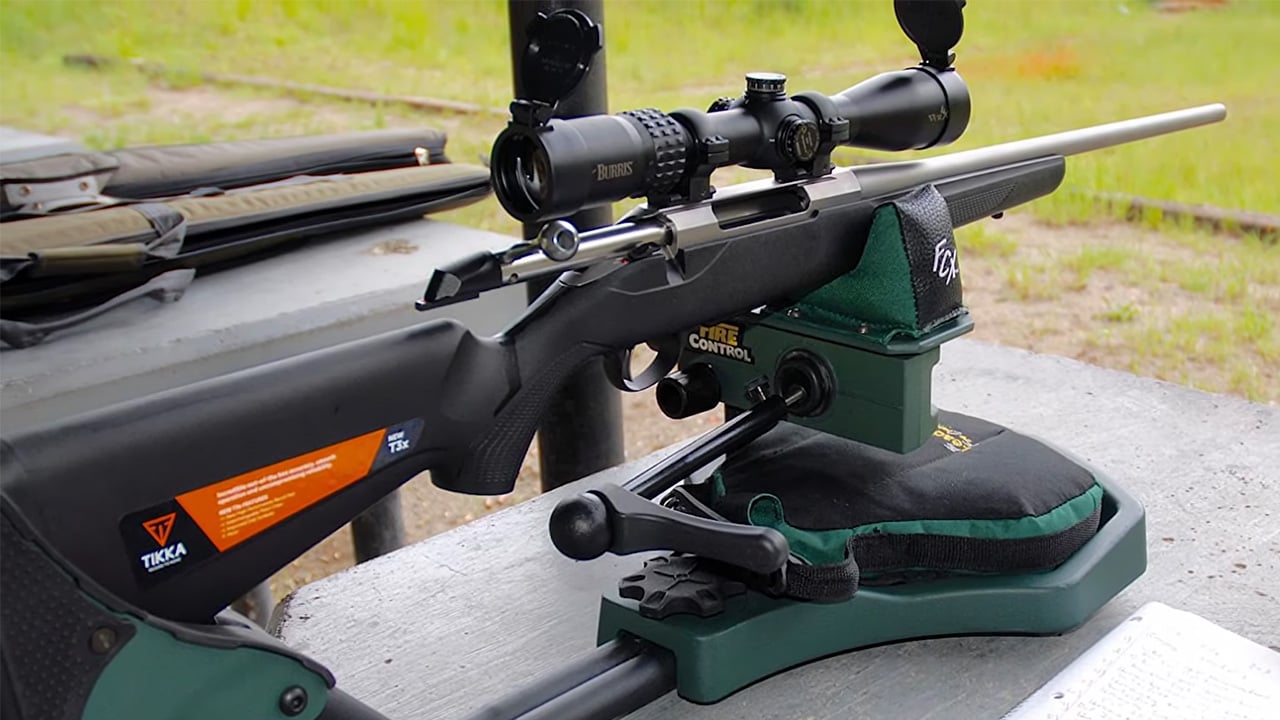
The Tikka T3x Lite is the opposite of “character rifle.” It’s modern, slick, and usually shoots lights-out with factory ammo. The bolt throw is smooth, the magazine system is straightforward, and you can carry it all day without feeling like you’re dragging an anchor through the timber.
Even if you don’t hunt anymore, a T3x is worth keeping because it’s a confidence rifle. When you’re checking a new scope, confirming a dope chart, or helping a kid get steady behind a centerfire, it’s the rifle that removes excuses. The only real downside is the cost of spare mags and the fact that the polymer parts bother some folks. But as a “grab it and go” bolt gun, it’s hard to beat.
8. CZ 457 (American or Varmint)
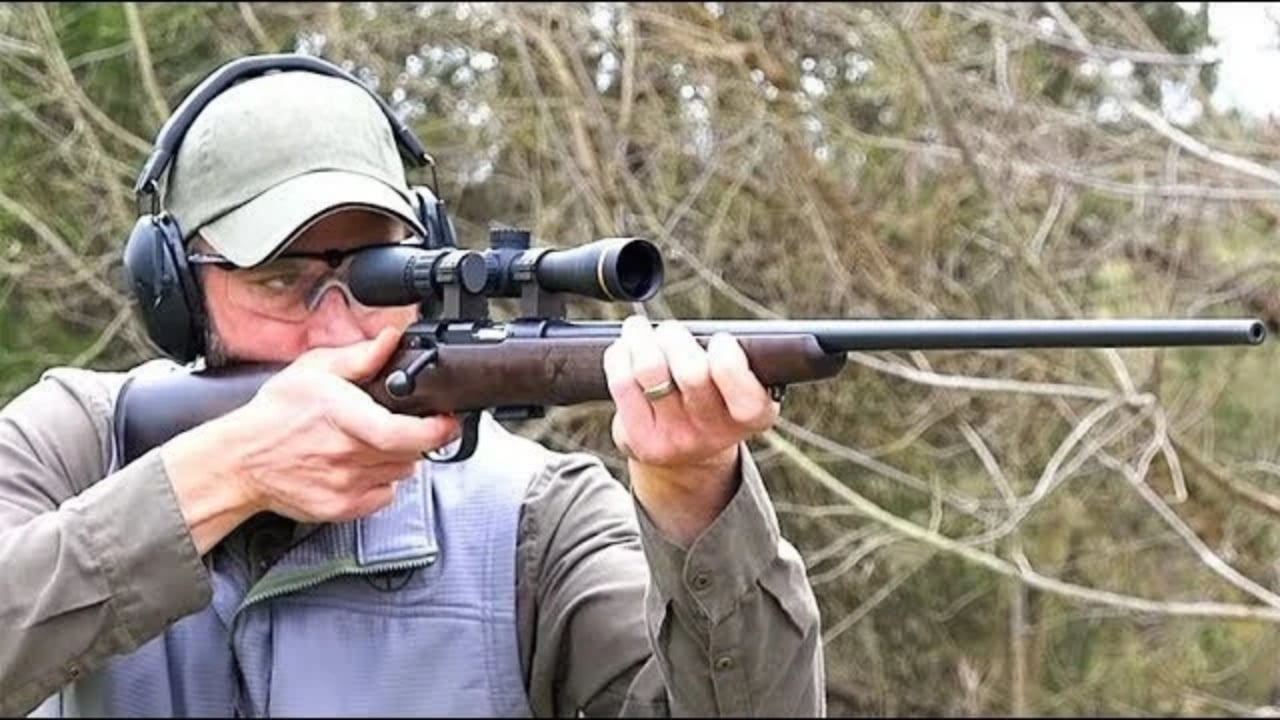
A good bolt-action .22 is a different kind of fun than a semi-auto. The CZ 457 is smooth, accurate, and built like somebody expected you to keep it for decades. The trigger is good, the magazines are reliable, and the rifle balances in a way that makes small targets feel less small.
This is the rifle you keep even when you think you’re “done with rimfires,” because rimfires are what you shoot when you’re being honest with yourself. They show you what your fundamentals look like without recoil covering up mistakes. The CZ also makes a great suppressor host where legal, and it’s a small-game rifle that doesn’t feel disposable. If you ever sell it, you’ll miss it the next time you see one shoot.
9. Henry Repeating Arms H001 Lever Action
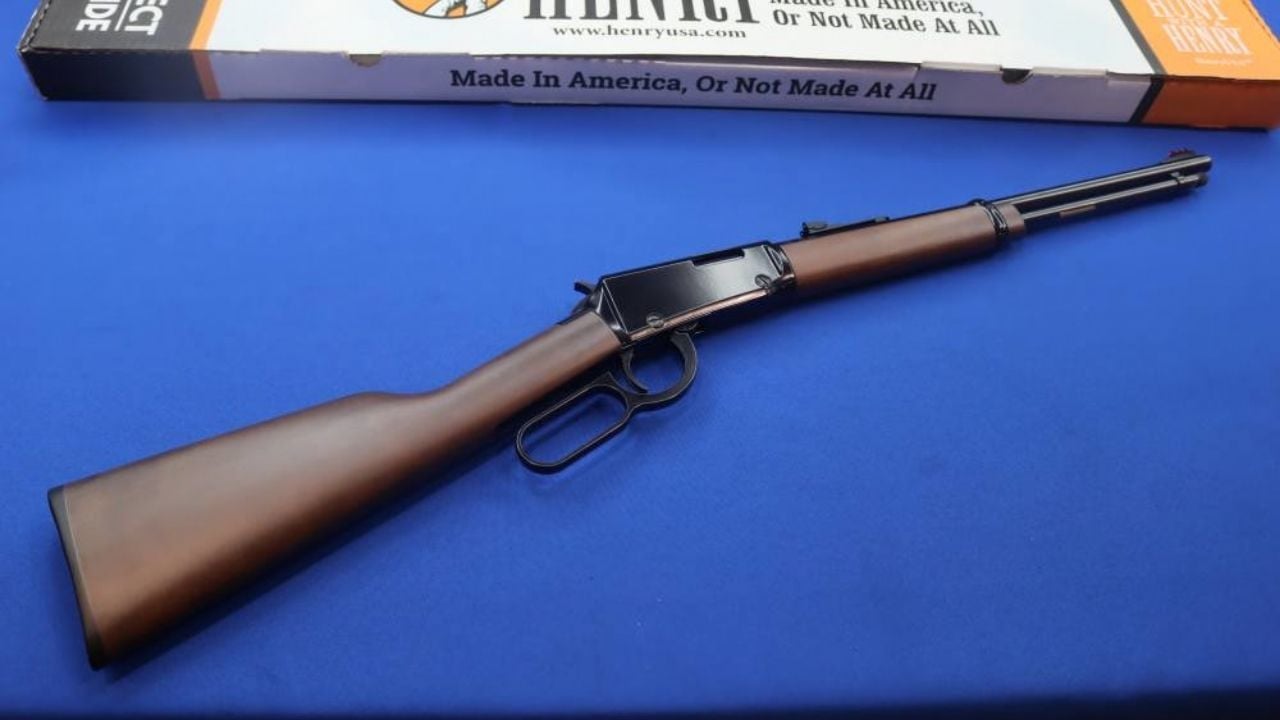
The Henry H001 in .22 is pure easy-going shooting. It’s not tactical, it’s not trying to be anything, and it puts a grin on faces that have been around guns for 40 years. The action is smooth, the sights are usable, and it’s the kind of rifle you can introduce new shooters to without scaring them.
It’s also one of those “family rifles” that can live in a safe and still get pulled out on holidays. You don’t need a reason. You just run a tube of .22s through it and remember why you started shooting in the first place. If you ever do go back to hunting squirrels or rabbits, it’s ready. If you don’t, it still earns its spot by being simple and pleasant.
10. Winchester Model 94 (.30-30)
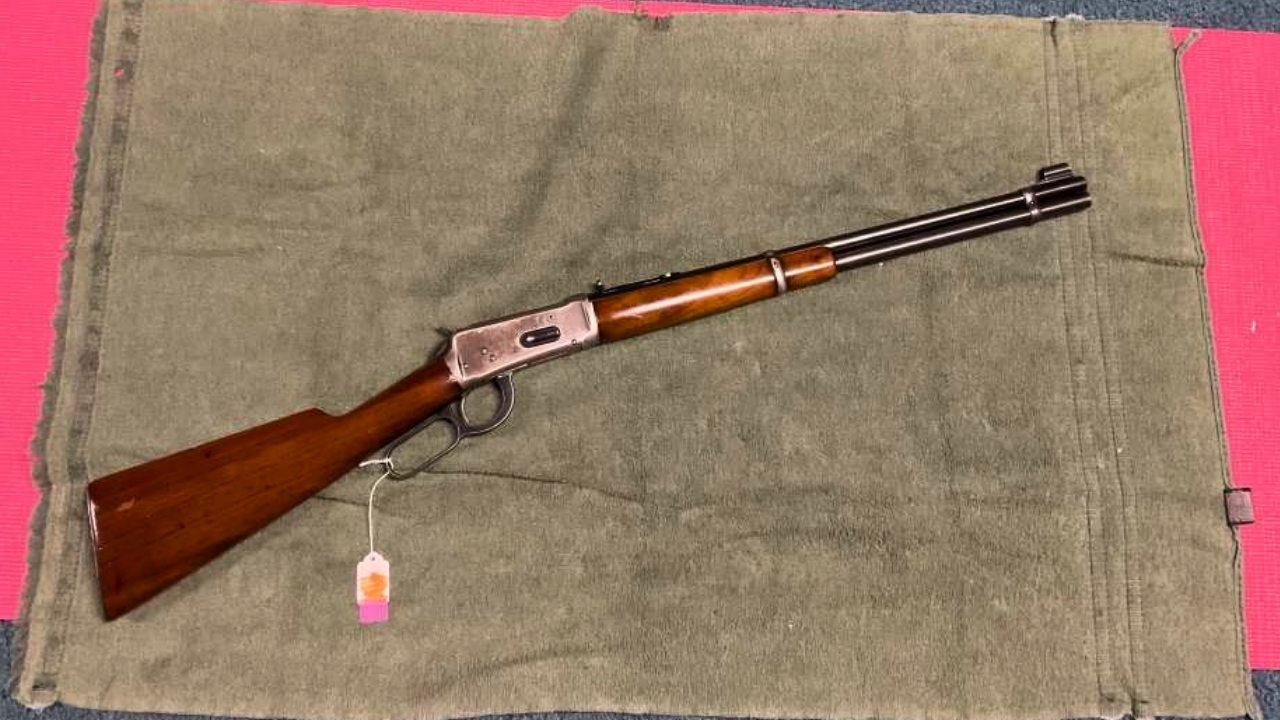
There are faster cartridges and flatter cartridges, but the Model 94 in .30-30 is still the woods rifle a lot of whitetail country was built on. It carries like it was meant to be carried. It comes to the shoulder quick. And in thick cover, that matters more than the last 200 fps.
Even if you never hunt with it again, it’s worth keeping because it’s part of the American hunting story and it’s still practical. Ammo is common, recoil is friendly, and it’s a rifle that doesn’t need a bipod and a turreted scope to be useful. Older ones have that worn-in feel you can’t buy new. I get why someone sells one to fund a new bolt gun. Still, I would not be quick to let a good 94 go.
11. Marlin 336 (.30-30)
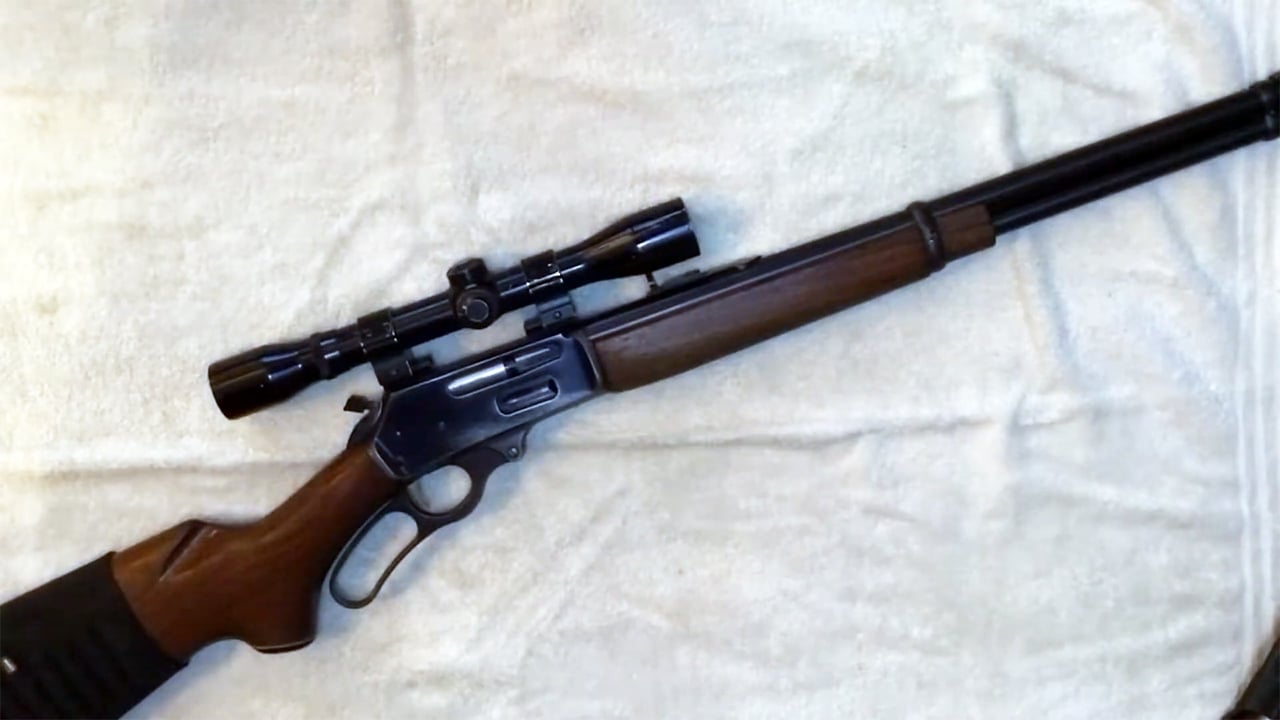
The Marlin 336 is the lever gun for folks who like a solid top receiver and easier scope mounting. It’s a little chunkier than a 94, but it also feels like it could pound tent stakes if you had to. The 336 points well, cycles reliably when it’s clean, and it soaks up recoil nicely for a .30-30.
Where it really earns a “keep” is versatility. You can run it with irons, a low-power scope, or a peep, and it still feels right. A 336 is also a great rifle for a hunter who doesn’t want to fool with detachable magazines or fragile plastic parts. Even if it becomes a “camp rifle,” it’s the kind of camp rifle that’s actually capable, not just sentimental.
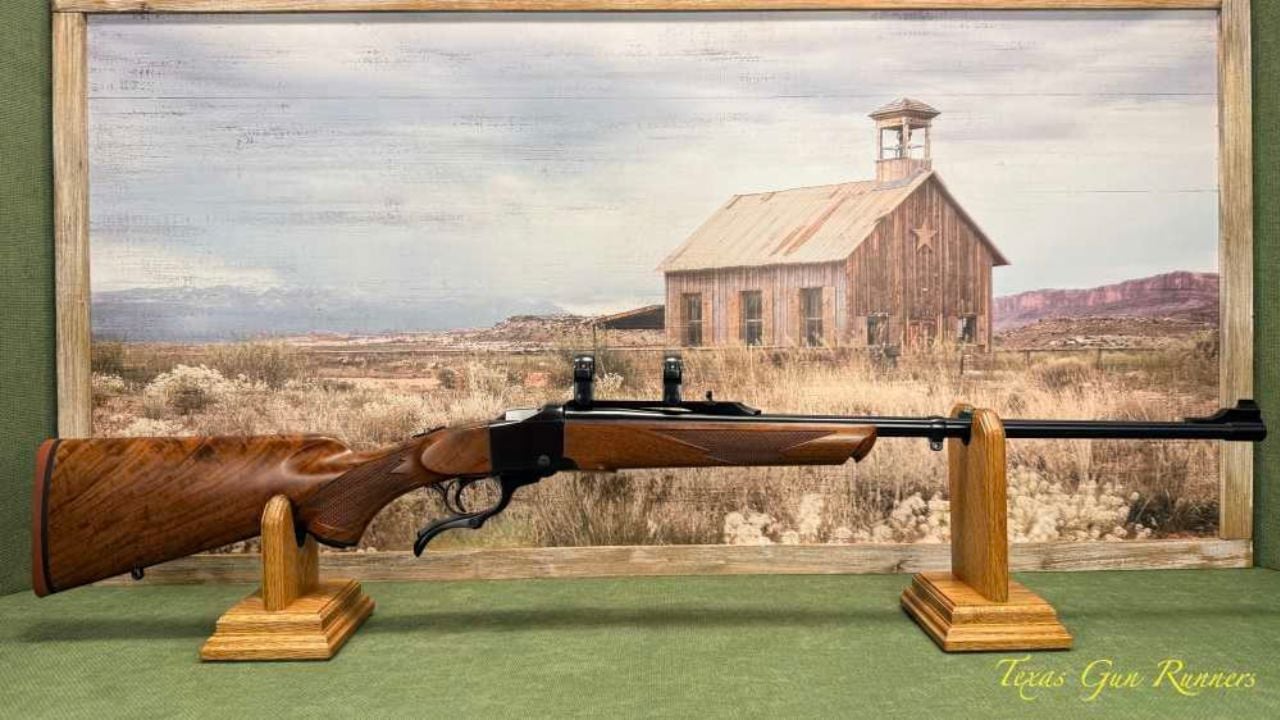
12. Ruger No. 1
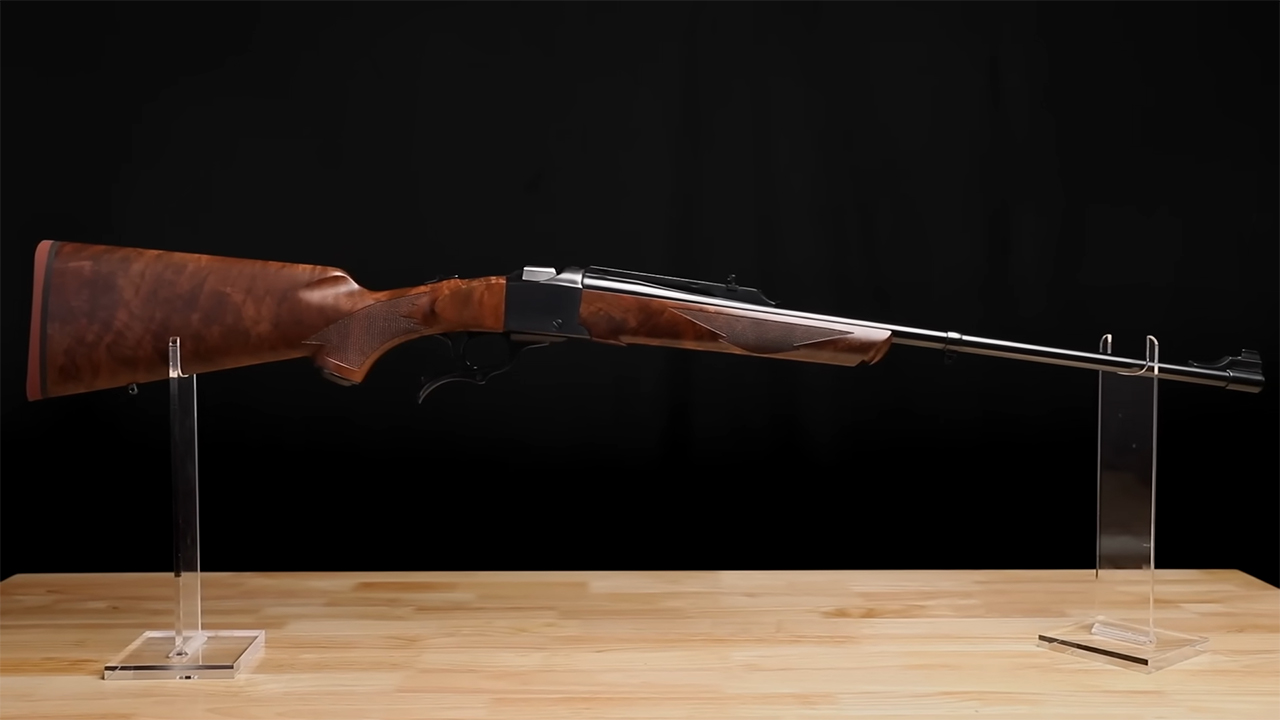
The Ruger No. 1 is not the most practical hunting rifle, and that’s exactly why it’s worth keeping. A good single-shot forces you to slow down and shoot like you mean it. The rifle itself feels like a piece of craftsmanship in a world full of stamped metal and polymer.
Some No. 1s can be picky about loads, and the accuracy stories are mixed depending on barrel and caliber. But even an average shooter No. 1 has something a lot of rifles don’t: pride of ownership. It’s the rifle you take out to the range when you want to enjoy the process, not just stack brass. If you ever sell one, you’ll spend a long time looking at photos of it later and thinking, “Why did I do that?”
13. Springfield Armory M1A (Standard)
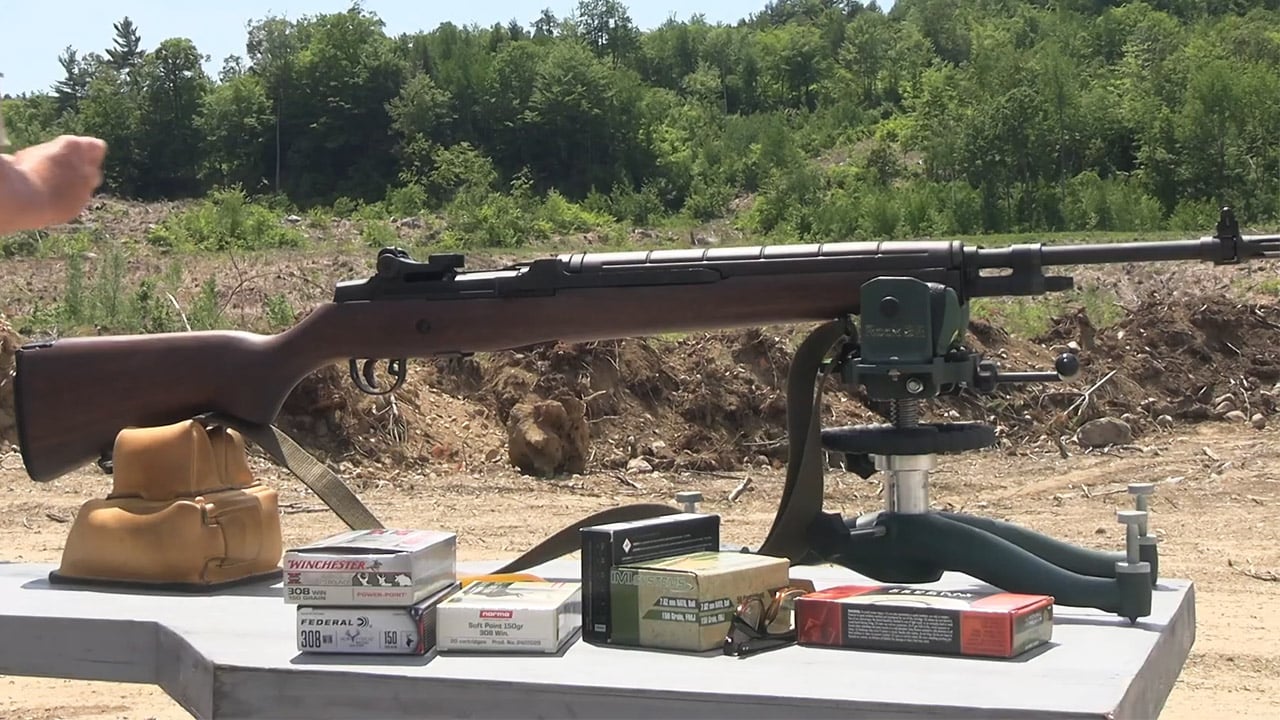
The M1A is heavy, loud, and not cheap to feed if you’re running .308 like it’s 1998. It’s also a rifle that makes you want to shoot from field positions and actually learn what a sling can do. There’s a reason folks still drag them to the range even with AR-10s everywhere.
It belongs in the “keep” category because it’s a capable rifle with a feel all its own. The irons are excellent, the recoil impulse is different than a lightweight .308 bolt gun, and it’s a rifle you can tinker with without turning it into a science project. It’s not for everybody, and it’s not the most efficient choice. But if you’ve got a good one that runs, it’s hard to replace that experience once it’s gone.
14. Colt AR-15 SP1
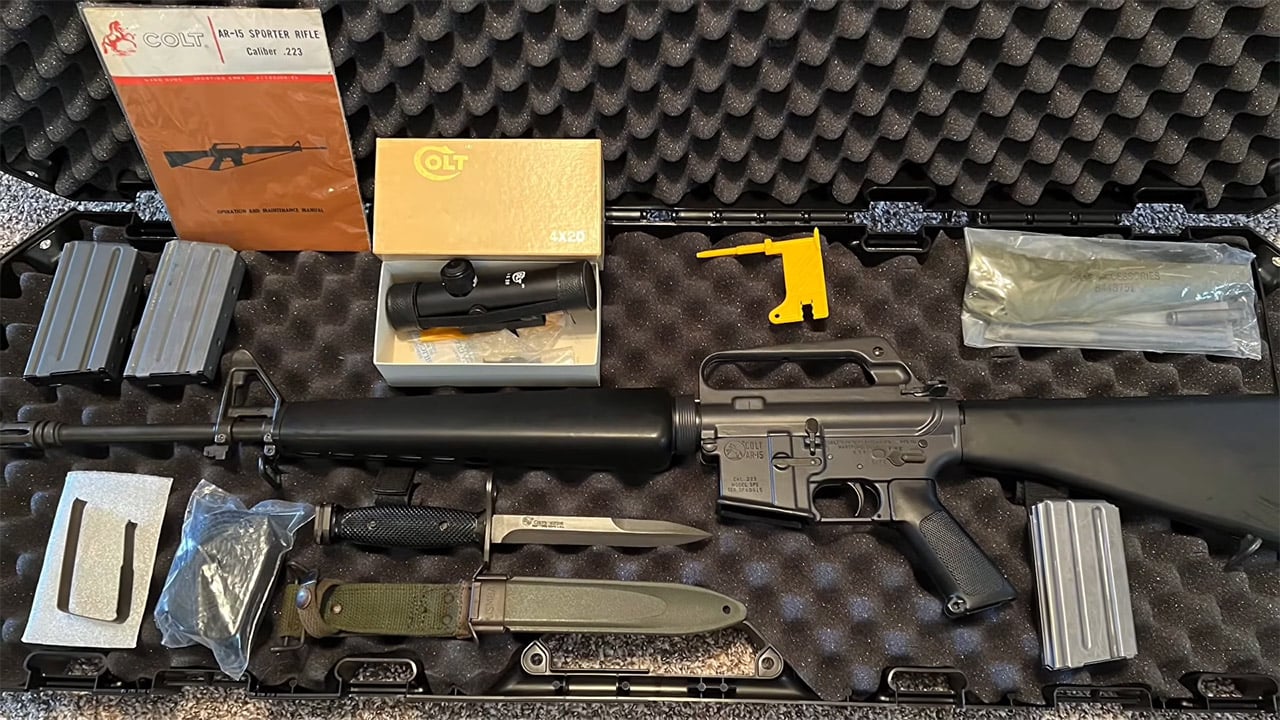
The SP1 is the rifle a lot of modern AR history hangs on. Lightweight, simple, and unmistakably “old school,” it’s not the gun you buy for hard use today unless you really know what you’re doing with parts and limitations. But it’s a rifle that still matters.
Keeping an SP1 is about more than collector talk. It’s a reminder of where the platform came from, and it’s a surprisingly handy shooter if you keep it in its lane. Replacement parts for some specifics can be annoying, and you don’t want to treat it like a beater. Still, when you see one that hasn’t been bubba’d, it’s hard not to appreciate it. If you own one, you’re already ahead of the game by not letting it wander off.
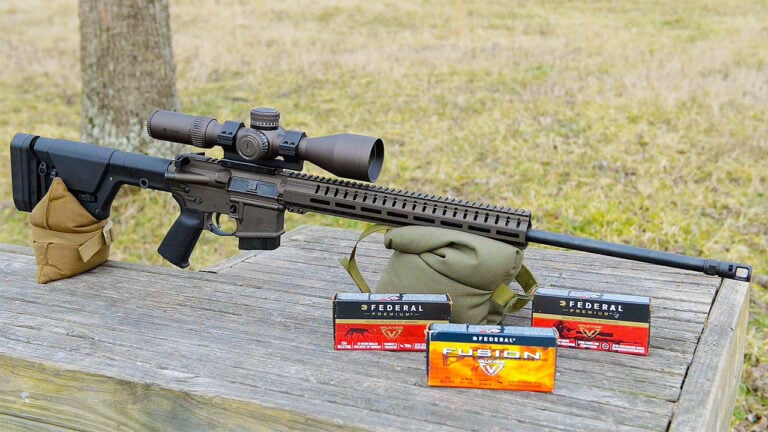
15. Smith & Wesson M&P15 Sport II
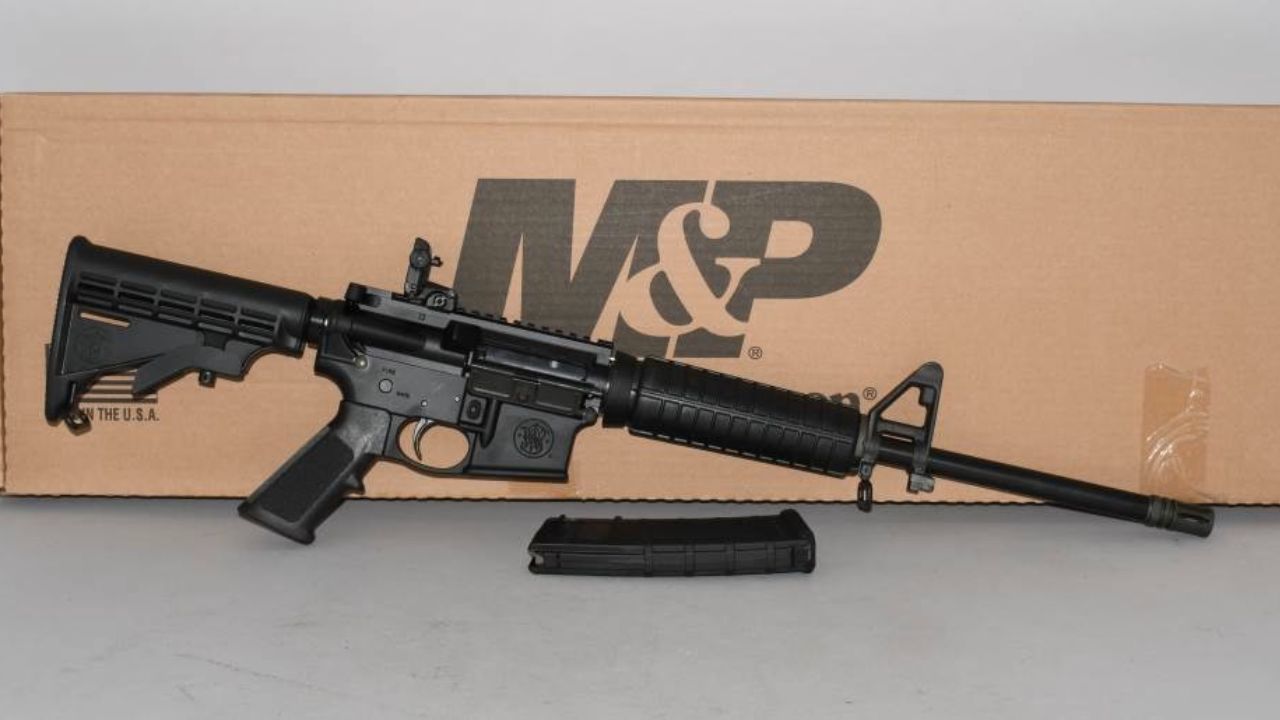
The Sport II is the AR that a lot of folks bought when they finally decided to stop talking about getting an AR and just get one. It’s not premium, and it doesn’t need to be. It generally runs, it generally shoots “good enough” to be useful, and it does it without a pile of proprietary nonsense.
Even if you never hunt coyotes with it again, it’s worth keeping because it’s a baseline rifle. It’s the one you can loan to a trusted family member for a class, keep set up with a simple optic, or use as your “leave it alone” AR while you experiment with other builds. Magazines and parts are everywhere. If you’ve got one that’s proven reliable with your ammo, there’s no reason to trade it off just because it’s not the coolest thing on the rack.
16. Ruger Mini-14 Ranch Rifle
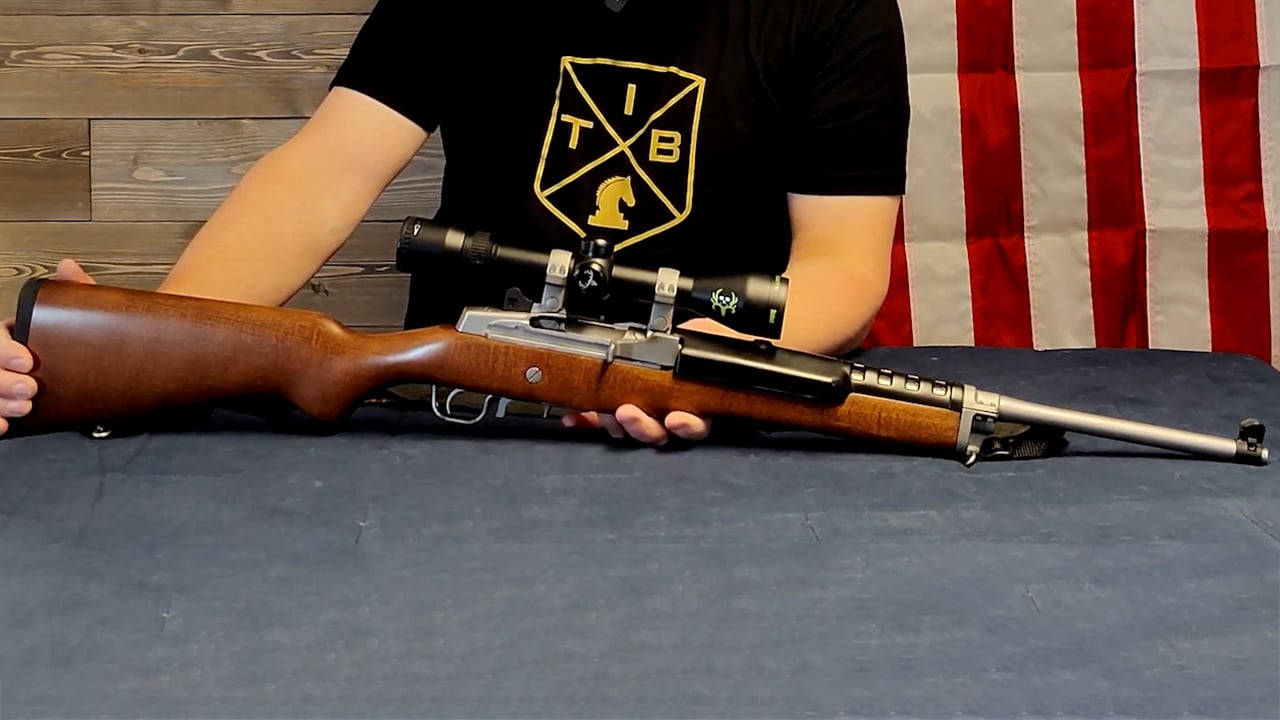
The Mini-14 is not a precision rifle, and anybody who tells you it is either hasn’t shot one much or has a very generous definition of precision. What it is, though, is handy. It carries like a light sporter, shoulders fast, and it has a certain “farm rifle” vibe that still makes sense out in the sticks.
It’s also a rifle that avoids some of the baggage that comes with other semi-autos in certain social situations. That may or may not matter where you live, but it’s real. Factory mags can be pricey, and accuracy varies by generation, with newer guns generally doing better. Still, if you’ve got a Mini that runs and groups acceptably with your load, it’s the kind of rifle you’ll find uses for even when you aren’t looking for one.
17. SKS (Norinco or Yugo pattern)
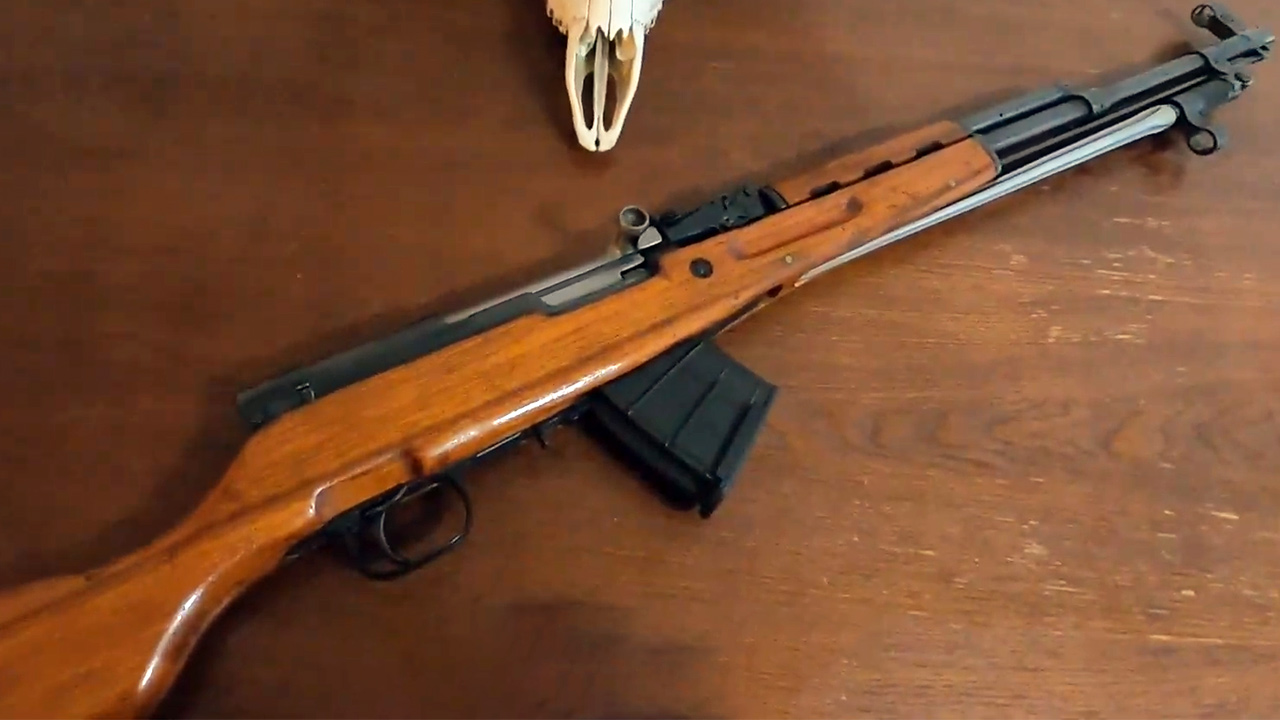
An SKS is never going to be as ergonomic as a modern carbine, and the weight-to-capability ratio isn’t great. But as a simple, rugged semi-auto in a common cartridge, it still has a place. The fixed magazine keeps things straightforward, and the rifles tend to run dirty longer than they should.
It’s worth keeping because it’s one of those guns that went from “cheap and everywhere” to “why did I ever sell that?” almost overnight. They’re also a great way to scratch the surplus itch without getting into truly weird calibers and parts availability nightmares. Keep it original if you can. Once they’re chopped up, they’re just another project. A clean SKS with a decent bore is a rifle you can always find a use for.
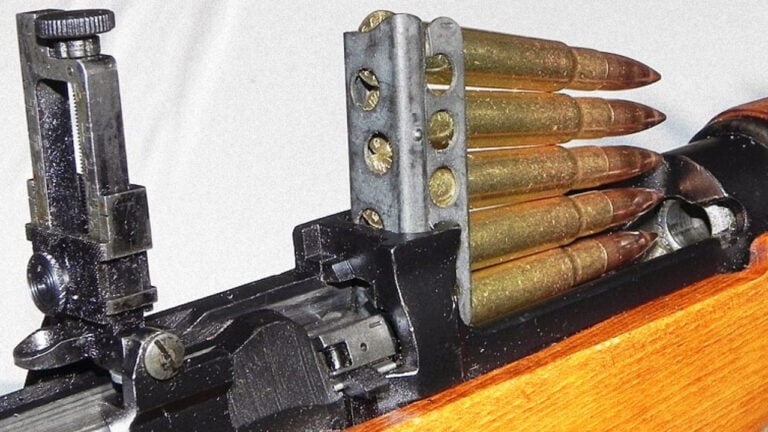
18. Mosin-Nagant 91/30
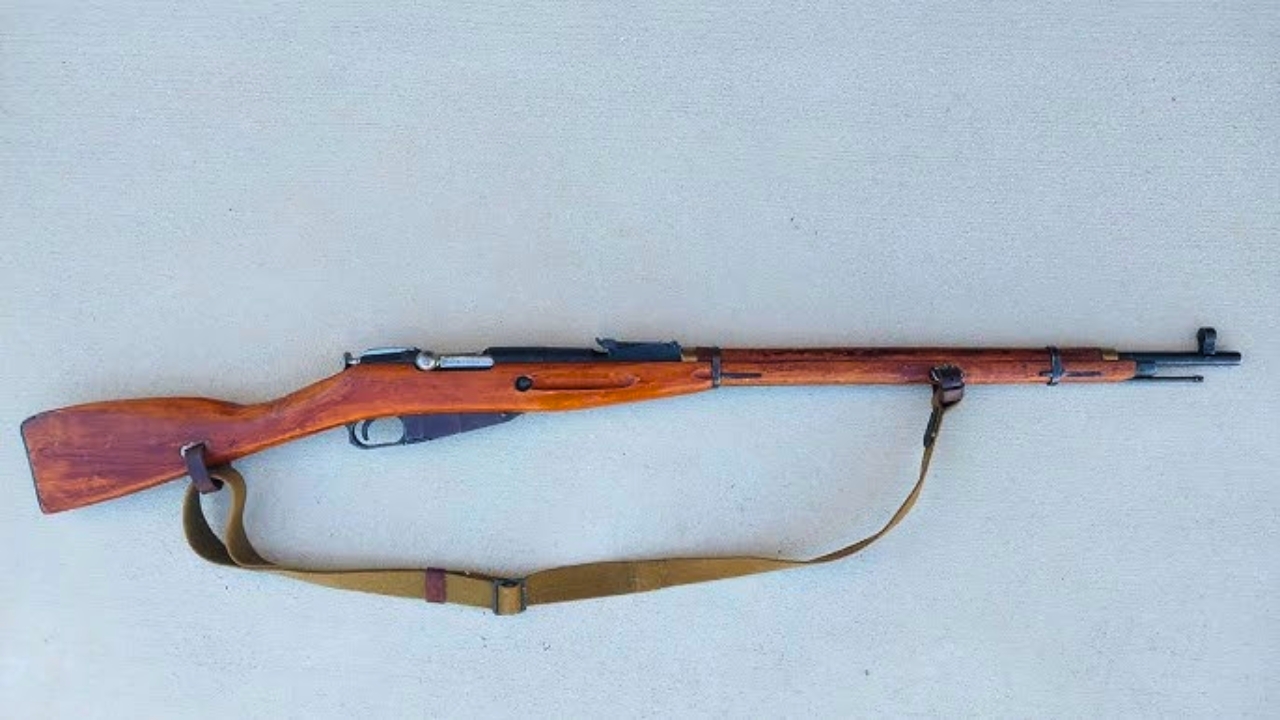
The Mosin is crude, long, and the bolt can feel like you’re dragging it through gravel. And yes, they used to be dirt cheap, which is exactly why so many got sporterized into sad little wall-hangers. A solid 91/30 left in original trim is still a piece of history you can shoot.
Is it your first choice for anything in 2026? Probably not. But it’s worth keeping because it’s durable, interesting, and it teaches patience. You’ll learn about sight pictures, trigger control, and dealing with a rifle that doesn’t flatter you. Ammo availability comes and goes depending on the market, and recoil can be brisk in the lighter variants. If you’ve got one that shoots reasonably and the bore isn’t toast, it’s a good “once in a while” rifle that still puts a smile on faces at the range.
19. Ruger American Rifle (Predator or Standard)
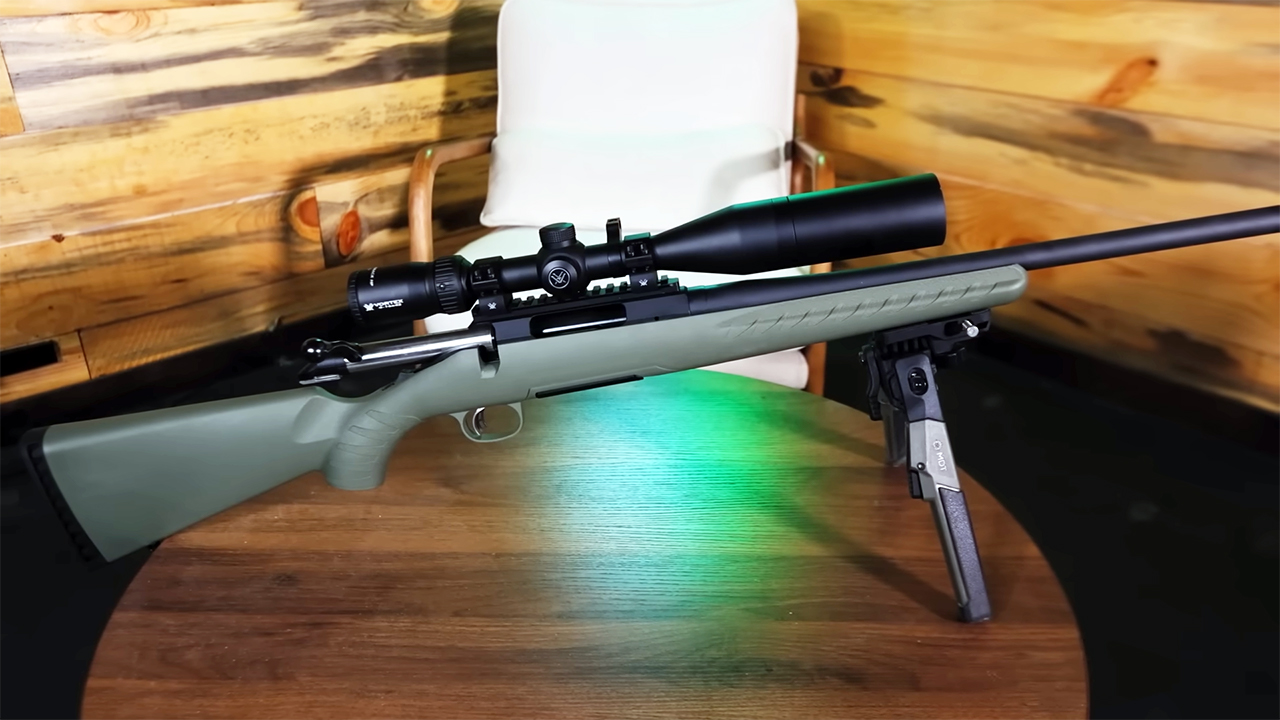
The Ruger American is the current king of “boring but effective.” The stock feels cheap because it is, and it’s not a rifle you buy to admire. But these guns flat-out shoot, and they do it with minimal drama. For a lot of working folks, that’s the whole point.
This is the rifle you keep because it’s the one you don’t mind using. Rainy day? Dusty truck? Riding in a scabbard? The American is fine. Magazines are easy enough, barrels are generally good, and it’s a great platform for a simple 3-9x that stays on all year. Even if you move on to a nicer rifle, keeping the Ruger American around as a dependable backup is just good sense. Ask me how I know.
20. Browning BAR (Safari or Mk II hunting model)
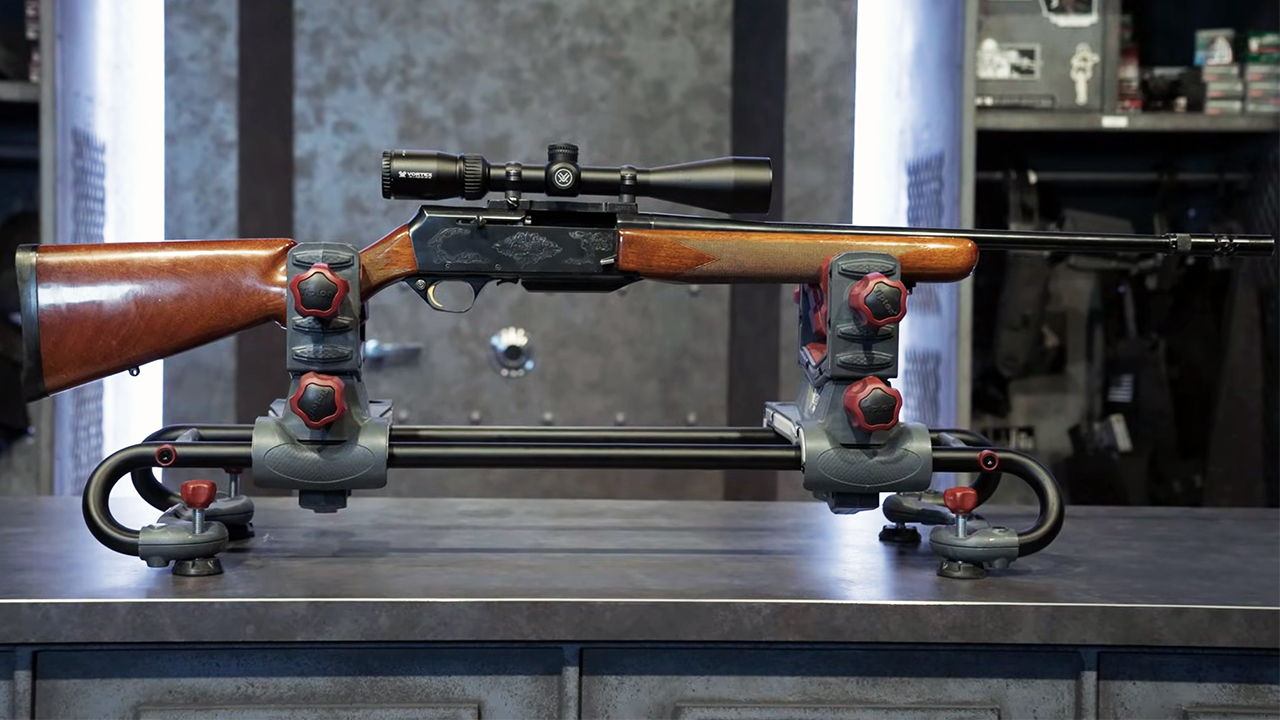
A Browning BAR hunting rifle is heavy compared to today’s lightweight bolt guns, and carrying one up and down ridges will remind you of that. But the BAR has a smoothness that’s hard to explain until you’ve hunted with one. Recoil is soft for the caliber, follow-up shots are quick, and they tend to be very steady from field rests.
They’re also not as easy to replace as you’d think, especially if you’ve got one that’s been reliable with your magazines and ammo. Semi-auto hunting rifles can be finicky across brands, but a good BAR is usually just a good BAR. It’s the rifle you keep for the day a shoulder injury shows up, or when a younger hunter needs something that doesn’t beat them up. Even if it mostly lives in the safe, it’s a rifle with real usefulness left in it.
Keeping rifles isn’t about hoarding. It’s about hanging onto a few that still do a job, still tell a story, or still give you something you can’t replace with a quick online order. If you’re thinning the safe, sell the stuff that never earned trust. Keep the ones that did, even if they don’t leave the house as much anymore.
Like The Avid Outdoorsman’s content? Subscribe to our newsletter so you never miss an article.
Here’s more from us: