Photo credit: Tactical Raiders Shooting/Youtube
Every gun counter has a little graveyard of “why did they stop making that?” handguns. Some were ahead of their time. Some were just too weird for the market they landed in. And a few were plain old victims of timing—dropped right before concealed carry took off, before optics went mainstream, or before folks started valuing shootability over internet specs.
This isn’t a museum list. These are handguns that, in one way or another, got the plug pulled before the average shooter realized what they were holding. A couple are truly underrated gems. A few are flawed, but still useful in ways the newer replacements aren’t. If you’ve got one sitting in the safe, there’s a decent chance you’re better off keeping it than “upgrading” just to keep up.
1. Smith & Wesson Model 3913
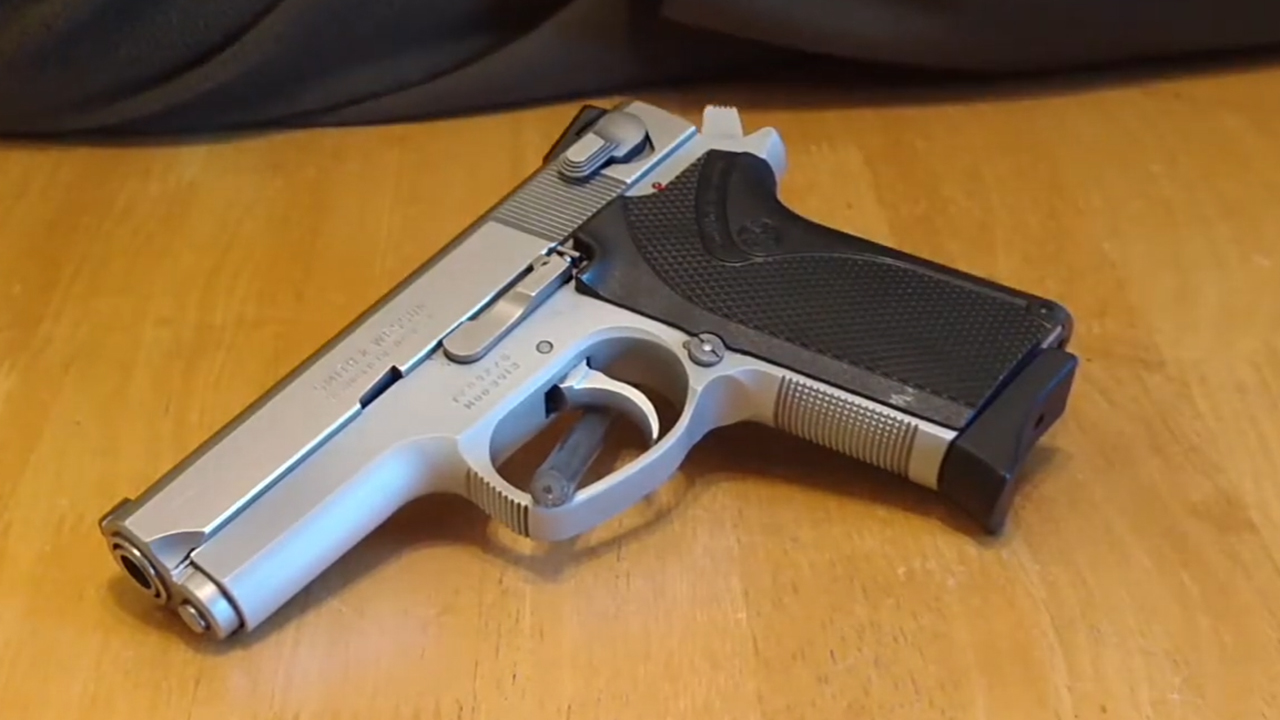
The 3913 is one of those pistols that doesn’t look exciting until you carry it for a month. Slim, metal-framed, single-stack 9mm with a DA/SA trigger that’s actually manageable if you practice. It rides flat, it doesn’t jab you in the ribs, and it points like a real handgun instead of a brick with sights.
Why it got left behind is easy: polymer got cheap, and striker-fired got simple. But the 3913 has a steadiness to it—weight where it matters, recoil that stays polite, and a slide that doesn’t feel like it’s on sandpaper. Magazines aren’t as common as Glock mags, but they’re out there. If you find one that hasn’t been “customized” by a kitchen-table gunsmith, it’s a serious carry piece even today.
2. Heckler & Koch P7 (PSP/P7M8)
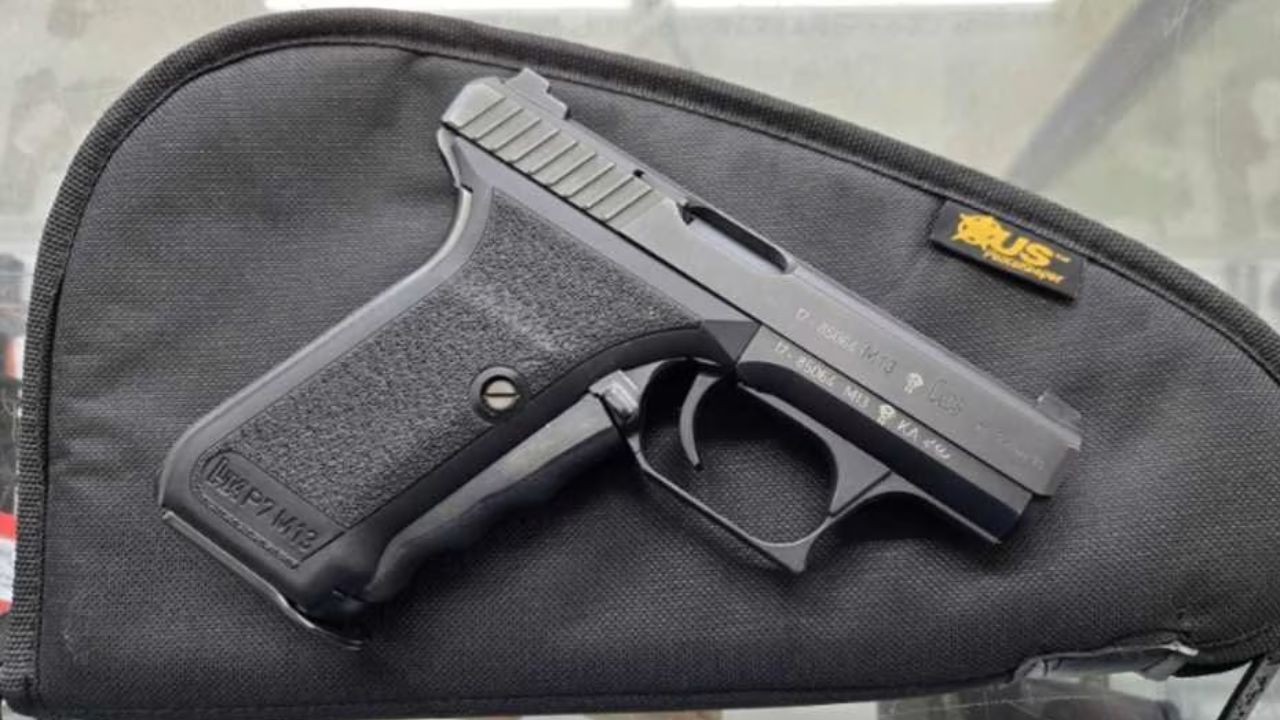
The P7 is a strange duck, and that’s the point. Squeeze-cocker, fixed barrel, low bore axis, and accuracy that makes you look better than you are. The first time you shoot one, you understand why certain folks won’t shut up about them. It feels like cheating on fast, close targets.
But they’re expensive to make, and they heat up fast if you run it hard. Those two things killed it in the modern market. Still, the P7’s carry profile is excellent, the mechanical accuracy is real, and the safety system is actually smart for a holstered gun—if you respect it and train with it. Replacement parts aren’t as easy as common duty pistols, which is exactly why dumping one casually can be a mistake.
3. Ruger P95

The Ruger P95 is not a glamour pistol. It’s chunky, it’s blunt, and it looks like it was designed by a guy wearing welding gloves. But it runs. Dirty, dry, cheap ammo, bargain magazines—most P95s just keep going like an old farm truck that refuses to die.
They got discontinued because the market wanted thinner, lighter, and more modular. Fair enough. But as a “leave it in the truck when you’re checking fence” gun or a simple home-defense pistol you can hand to a family member without worrying about finish wear, the P95 makes a lot of sense. The trigger isn’t target-grade, and it’s not going to win beauty contests. Still, it’s one of those pistols you sell and then later realize you trusted more than the newer one.
4. SIG Sauer P225 (including P6)
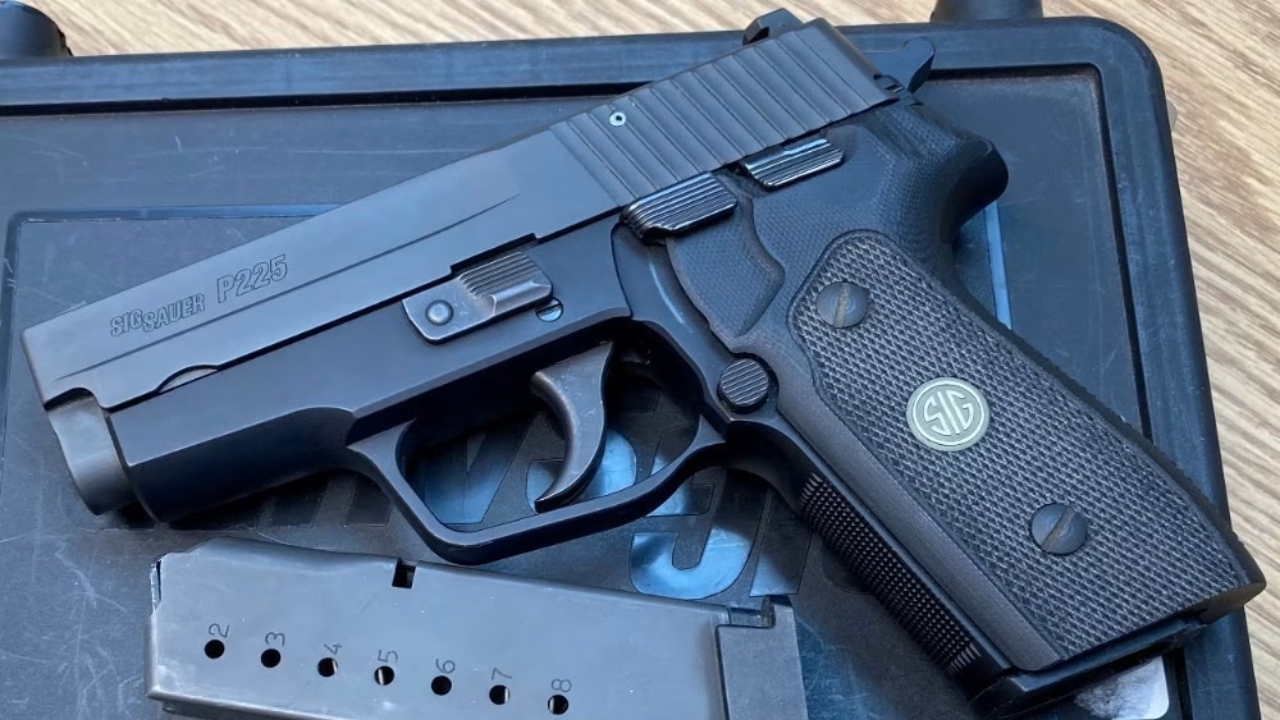
The P225 has that classic SIG balance that’s hard to explain until you’ve carried it. It’s a single-stack 9mm that feels like it was shaped for a human hand, not for a brochure. The gun sits low, tracks naturally, and doesn’t punish you with recoil. For practical shooting, it’s a smooth tool.
It was also a victim of capacity obsession. When double-stacks became the default answer to every question, the P225 looked “behind.” But most folks carrying concealed aren’t getting into prolonged fights, and they sure aren’t enjoying carrying a thick grip all day either. Some surplus P6 examples have heavier triggers, and not every hollow point feeds in every barrel profile, so you test your carry load. When you get a good one sorted, it’s hard to replace that feel with a modern plastic alternative.
5. Colt Detective Special
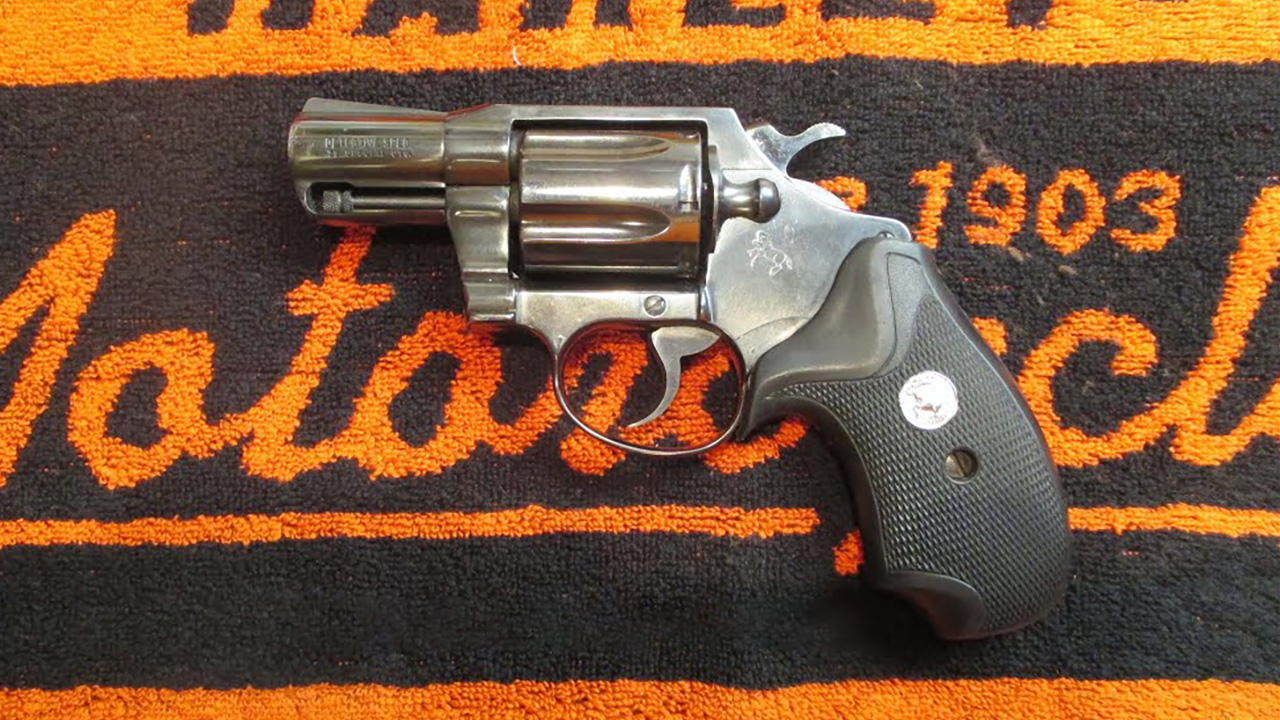
There’s a reason old-timers still talk about the Detective Special. Six shots in a small-frame .38, real sights, real steel, and a trigger that—when it’s right—makes you understand what “good double-action” actually means. It carries well in a coat pocket or a proper holster and doesn’t feel like a toy.
What ended up hurting it was cost and competition. Small revolvers got lighter, cheaper, and frankly rougher. The Detective Special isn’t light, and it’s not meant to be. That weight is what makes it shootable with real loads, especially if you’re not just firing two rounds a year to “stay familiar.” The downside is you need to pay attention to timing and lockup on older examples. If it’s in spec, it’s still a practical, confidence-building revolver.
6. Smith & Wesson Model 1076
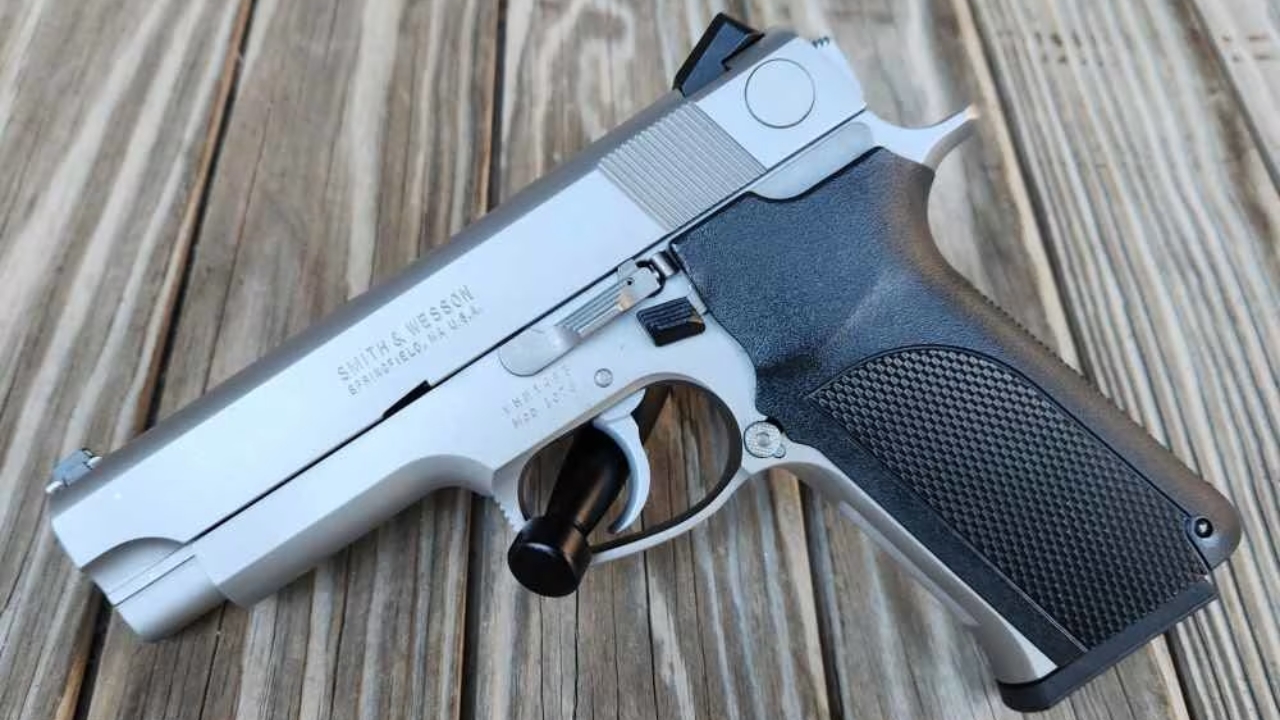
The 1076 is the 10mm that got caught in the middle of a big argument. It’s a duty-sized, all-steel pistol that was built for serious use, not range selfies. When you shoot real 10mm loads, the weight is your friend, and the gun stays controllable in a way lighter platforms don’t.
It got discontinued because the broader market didn’t know what it wanted from 10mm yet. Folks flirted with the cartridge, then retreated to .40 S&W, and the big steel guns took the hit. The 1076 isn’t for everybody—it’s heavy on the belt, and 10mm ammo isn’t always cheap. But if you spend time in the woods, especially in black bear country or where two-legged problems happen on back roads, a reliable 10mm that you can shoot well is nothing to sneeze at.
7. Browning Hi-Power (FN P-35)

The Hi-Power is one of those pistols that gets dismissed until you handle a good one. The grip shape is excellent, the pointability is natural, and it carries flatter than many modern double-stacks. For a long time it was the serious 9mm option before the polymer wave washed everything else away.
They stopped making the classic version and brought back updated takes later, but the original run ending still stung. A clean Hi-Power with decent magazines is a joy on the range, and it’s still a practical carry gun if you know what you’re doing. The factory magazine safety is unpopular for a reason, and some examples need feed-ramp attention for certain hollow points, so you verify your setup. But the platform’s feel is hard to replace. Not everything new is better; it’s just newer.
8. Walther P99 (original series)

The P99 was doing modern things before “modern” became a marketing word. Great ergonomics, interchangeable backstraps, and a trigger system that—love it or hate it—gave you options. In the hand, it feels slimmer than many pistols in its class, and the controls are placed like Walther actually shoots guns.
It got crowded out by simpler striker pistols, including ones that borrowed heavily from its ideas. That’s the rough part: a gun can be influential and still get discontinued. The P99’s paddle mag release isn’t everyone’s favorite, but it’s fast once you commit to it. Holster selection isn’t as easy as Glock or M&P, but it’s workable. If you’ve got a P99 that runs, it’s a strong “do most things” handgun that got overlooked when the market decided every pistol had to be the same shape.
9. CZ 2075 RAMI

The RAMI is a compact CZ that fits a niche a lot of people didn’t admit they wanted. It’s small enough to carry, heavy enough to shoot well, and it has that CZ feel—low slide, solid lockup, and a natural point. In 9mm, it’s a handy little tank.
It also has tradeoffs. It’s thicker than some single-stacks, and it’s heavier than the micro-9s everyone buys now. But here’s what the micro guns don’t always give you: controllability. The RAMI doesn’t beat you up, and it doesn’t feel like it’s trying to jump out of your hand. If you’re the type that actually practices, that matters. Mag availability is decent, and the gun is generally reliable with a wide range of ammo. Discontinuing it made sense for CZ’s lineup, but it left a hole for folks who want compact without “tiny.”
10. Beretta 8000 Cougar
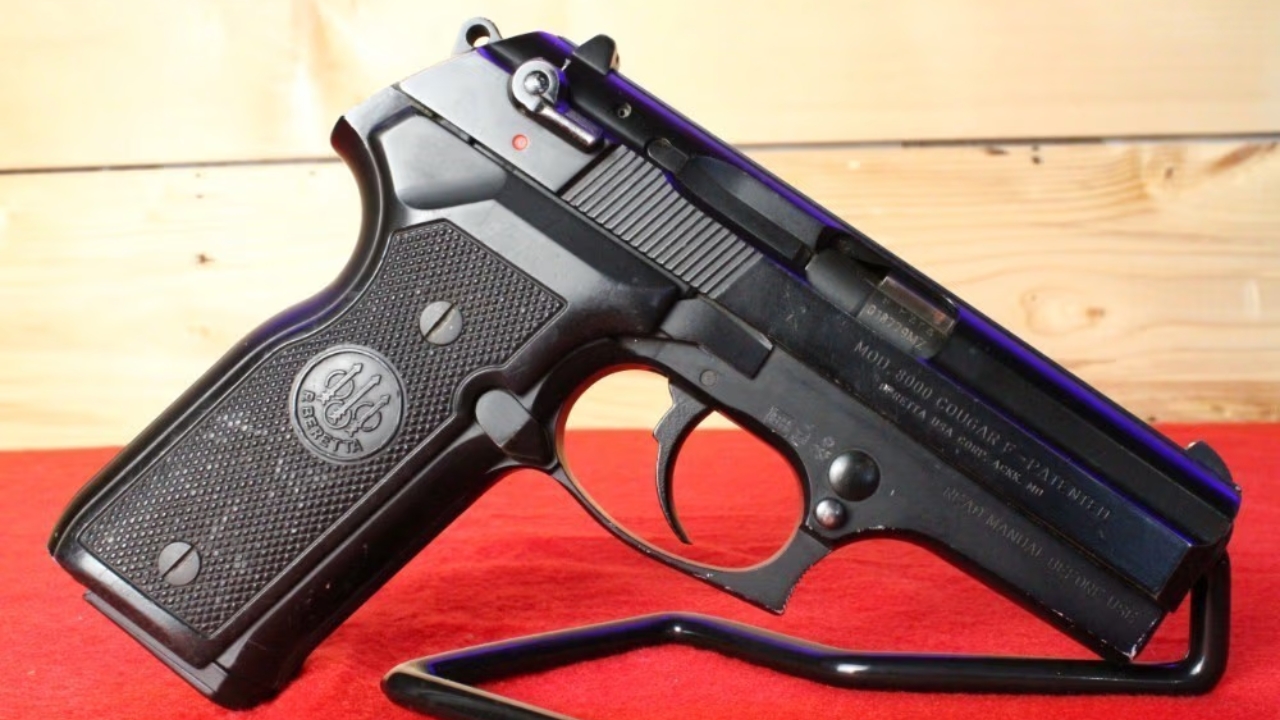
The Cougar was Beretta’s “other” pistol, and it deserved more respect than it got. The rotating barrel system soaks up recoil and keeps the gun flat in a way that surprises people. In .40 especially, it’s noticeably smoother than many guns from that era. The frame feels stout, and the slide cycling has a slick, mechanical quality.
It got pushed aside by the PX4 and the endless parade of polymer duty guns. Some folks don’t like the bulk for the capacity, and the styling never won over the tactical crowd. Still, for a home-defense handgun that shoots soft and stays reliable, the Cougar is excellent. The rotating barrel does want reasonable cleaning and lubrication, and you don’t ignore spring maintenance. But if you find one with magazines in hand, it’s a sleeper. It’s the kind of gun you shoot and immediately wonder why it isn’t more common.
11. Ruger SP101 in .327 Federal Magnum
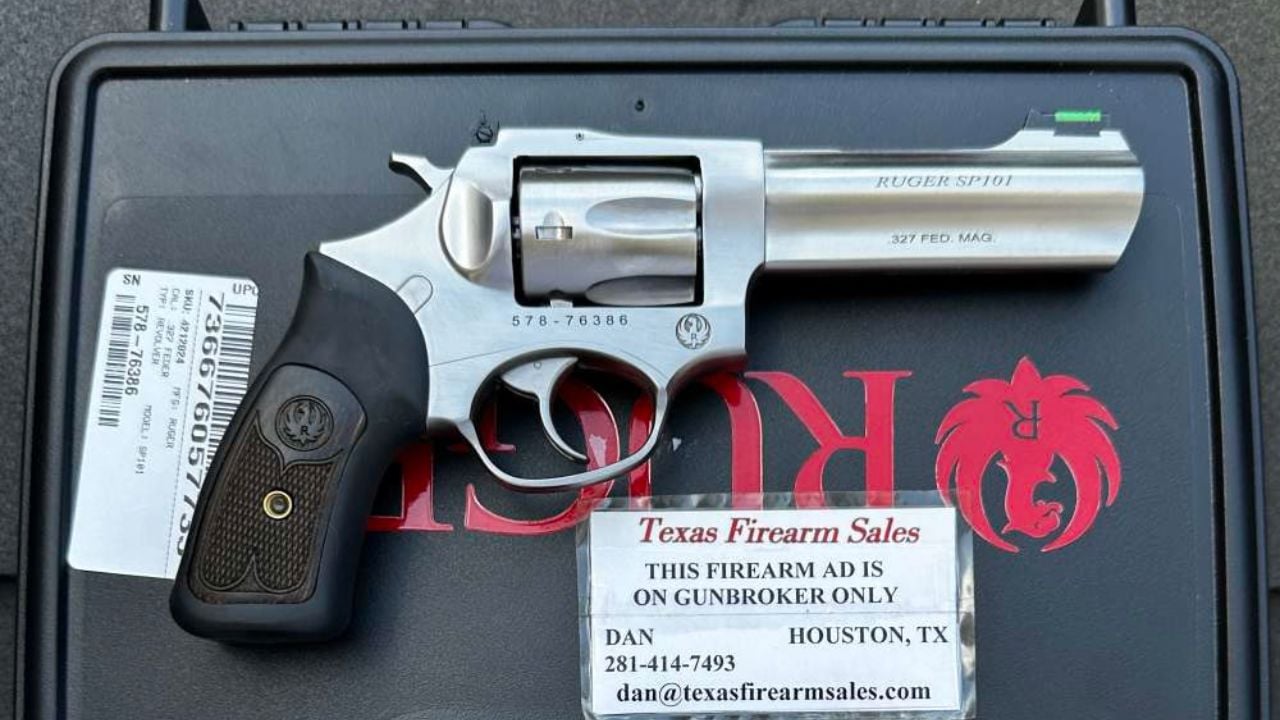
The .327 SP101 is what happens when you want real performance in a small revolver without going full .357 all the time. You get an extra round over typical .38/.357 setups, and you can shoot everything from mild .32 loads up through spicy .327. For a trail revolver or a kit gun that can also pull defensive duty, it’s a useful spread.
It didn’t catch on because most shooters don’t want to hunt for .327 ammo, and they don’t understand the caliber until they try it. The recoil is sharp with full-power loads, but it’s not the same heavy shove as .357 in a small frame. It’s more controllable for many hands, and follow-up shots can be quicker. The SP101 itself is built like a brick, which is why they last. If you stumble into one with a stash of ammo, think hard before you let it go.
12. Smith & Wesson Model 4013

The 4013 is the .40-cal sibling to the beloved 3913, and it’s another example of S&W’s third-gen line being better than its “old and heavy” reputation. It carries flatter than you’d expect, points naturally, and the metal frame gives it a settled feel in recoil that polymer .40s often lack.
Now, .40 S&W isn’t trendy, and I get why. Ammo costs and recoil steer folks back to 9mm. But if you already stock .40, a 4013 is a very practical carry gun—especially for someone who likes DA/SA and wants a gun that stays put during rapid fire. The downside is parts and magazines aren’t as abundant as modern duty guns, and not every gunsmith understands these older autos. Still, in the hand, it feels like a serious tool. Discontinuing them didn’t make them worse; it just made them rarer.
13. Springfield Armory EMP (original 9mm)

The EMP was an early attempt at making a truly scaled-down 1911 around 9mm, not just a chopped .45. When they run right, they carry beautifully—thin, familiar controls, and a trigger that’s easy to shoot well under stress. For folks who shoot 1911s naturally, the EMP makes a lot of sense.
They also had timing and expectation problems. Some owners expected every compact 1911 to behave like a full-size range gun with zero maintenance and cheap magazines. That’s not how small 1911s always work. The EMP’s magazine and spring setup matters, and you don’t ignore reliability testing with your carry ammo. When you get a good one, it’s a sweet carry pistol that feels “alive” compared to many striker guns. When you get a finicky one, you either tune it properly or move on. The market mostly moved on.
14. Remington R51 (Gen 1)

The R51 is on this list for a different reason: it was a mess at launch, but the idea behind it was solid. A slim 9mm with a low bore axis and a unique action that, in theory, should shoot softer than it looks. The shape and carry profile were right, and the concept could have been a real contender.
Early execution hurt it bad. Reliability complaints and rough fit-and-finish made shooters lose trust, and once that happens it’s hard to win back. Later versions improved, but the damage was done and the line didn’t survive. Here’s the lesson: sometimes what gets discontinued isn’t the “what,” it’s the “when.” If you have one that’s been proven reliable with your ammo, it can be a handy carry piece. If yours is temperamental, it’s not worth gambling with for defense. Either way, it’s a handgun a lot of people judged before the dust settled.
15. Colt Mustang Pocketlite
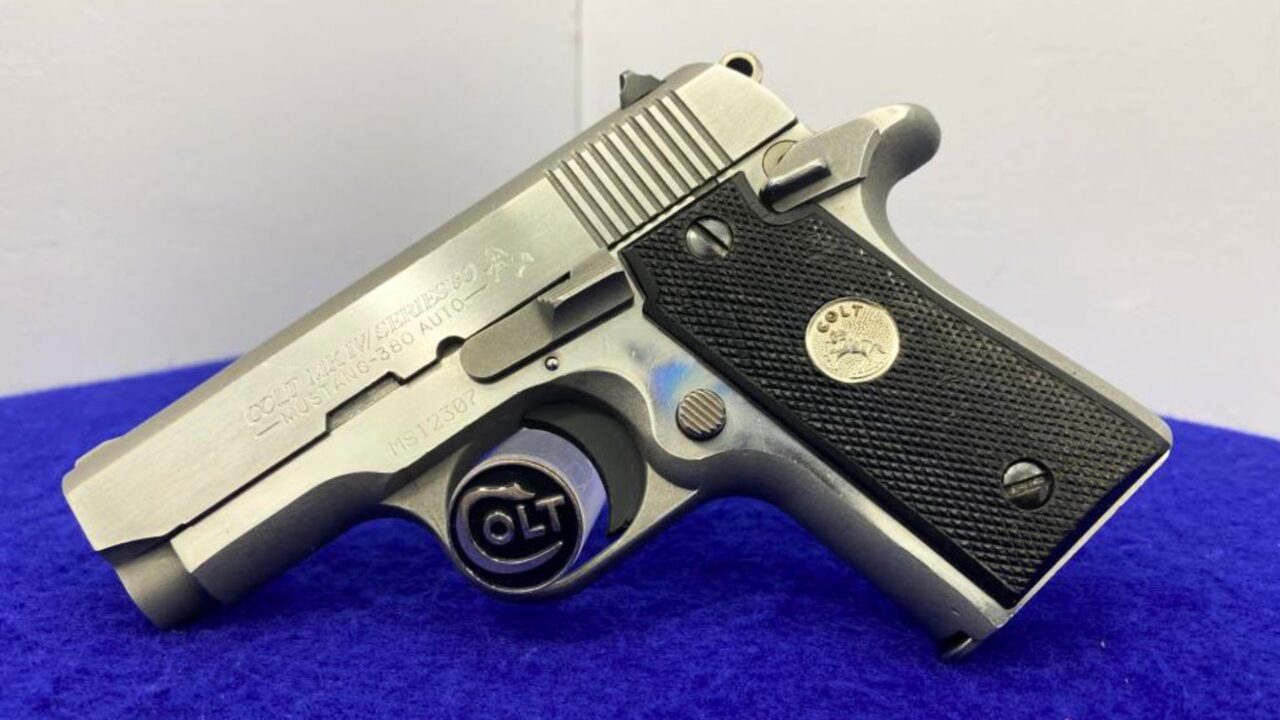
The Mustang Pocketlite was doing the micro-carry thing before the current micro-carry gold rush. Tiny .380, 1911-ish controls, and a size that actually works for pocket carry in the real world. It’s light enough to have with you when you’re running to town or hopping on the tractor, which is the whole point of a small gun.
They went away, came back in various forms, and the originals still have a following. The downsides are real: small sights, short grip, and you need to be honest about your ability to shoot a little gun well. But compared to some ultra-light modern pistols, the Mustang’s shootability is better than you’d expect, especially with practice. Magazines and parts can be a scavenger hunt depending on the exact variant, so I like to keep spares. If you own a good one, it’s a “carry a lot, shoot enough” pistol that still fits a niche.
16. Ruger SR9 (original series)
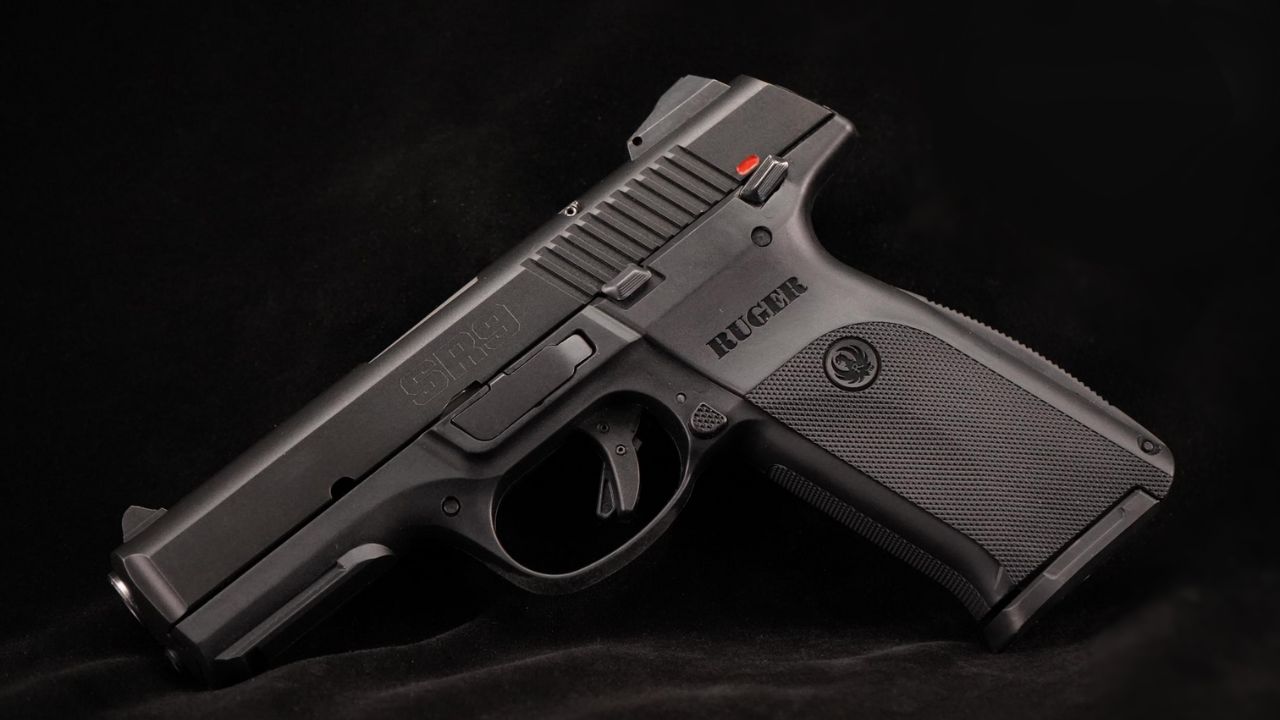
The SR9 doesn’t get talked about much anymore, and that’s a shame. It was slim for its class, had a comfortable grip, and the recoil impulse was easy to manage. For a full-size 9mm that could pull home-defense duty and still conceal under a jacket, it did a lot right.
What hurt it was Ruger’s own lineup. The American series and Security-9 crowd took over the shelf space, and buyers love “new.” The SR9 trigger is decent once you learn it, and many examples run for thousands of rounds without drama. It did have early recall history, and the magazine disconnect and other features turned off some buyers. But as a straightforward range and defense gun, it’s better than the used prices suggest. If you find one with several mags, it’s hard to argue with the value.
17. Smith & Wesson Model 642 Ladysmith (no-lock era)
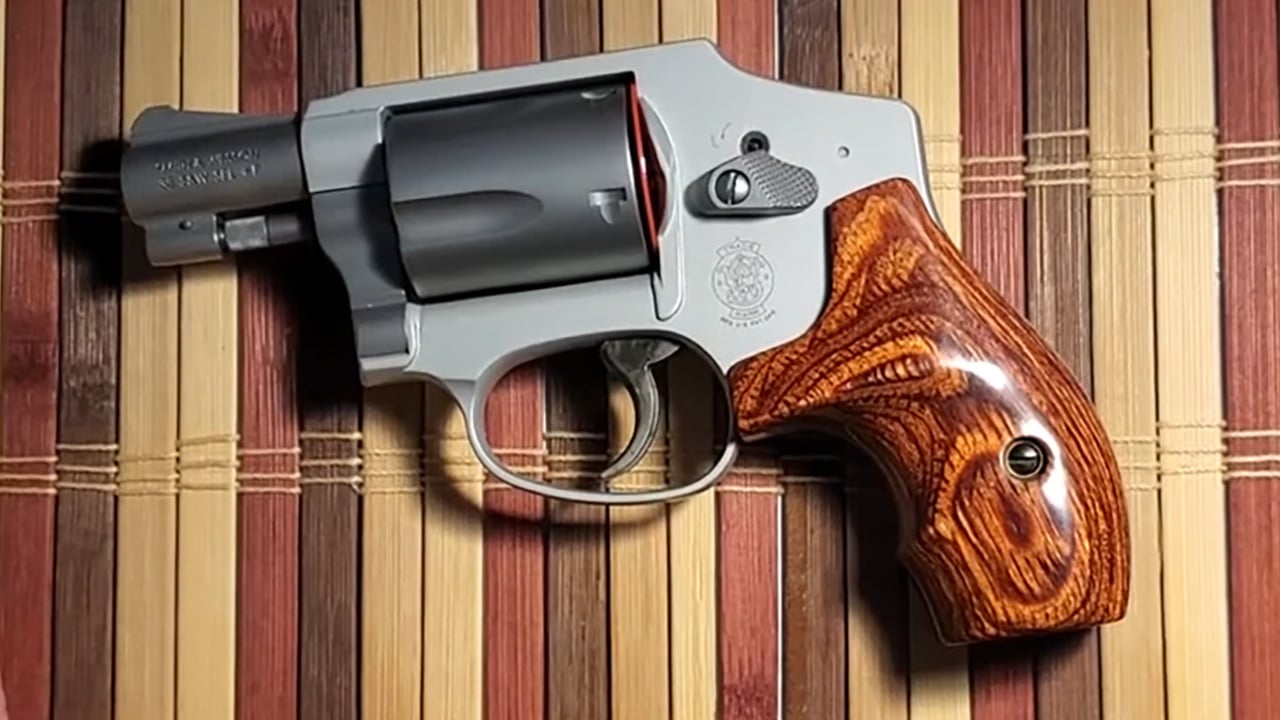
Yeah, they still make 642s, but the older no-lock Ladysmith guns got discontinued, and that specific combo is what folks later realized they should’ve kept. A lightweight J-frame that disappears in a pocket holster is one of those tools you appreciate on the days you don’t feel like wearing a belt rig.
The “Ladysmith” rollmark made some guys skip them, which is funny, because the gun doesn’t care what you call it. What matters is reliability and carry comfort. The 642 does both, with the obvious compromise: it’s not a fun range toy. With +P .38 it’s snappy, and new shooters can develop a flinch fast. Still, for a true always-gun, it works. The older no-lock versions have their own market because some buyers trust them more. If yours is proven and you can shoot it, it’s not a bad idea to hang onto it.
18. Taurus PT92 (early Brazilian production)
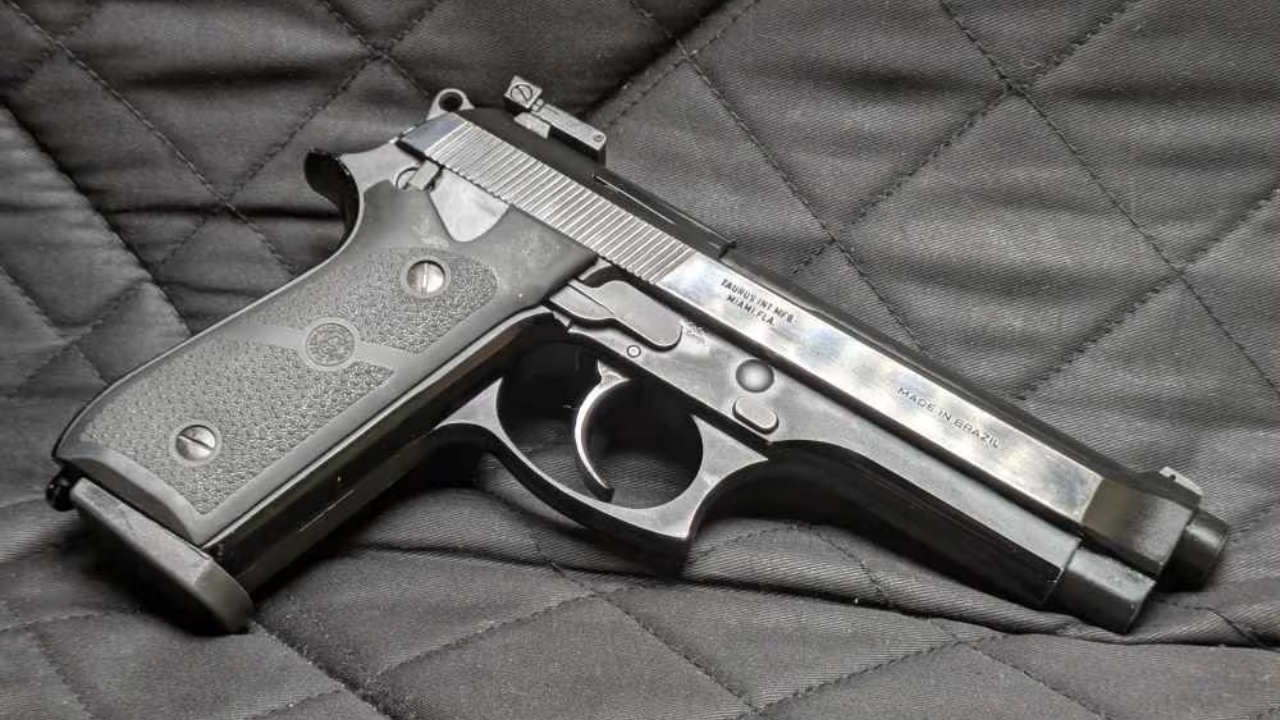
The PT92 is one of those pistols that gets dismissed because of the logo, and I’m not here to pretend every Taurus has earned trust. But the early PT92 story is different. It’s basically a Beretta-style pistol with frame-mounted safety, and many of the older examples are surprisingly well made and easy to live with.
They’re big, no doubt, and they aren’t the hot carry choice. Where they shine is as a durable “house gun” that you can shoot a lot without feeling like you’re wearing out something delicate. The open-top slide design runs well when clean, and the gun has good manners with 9mm. The frame safety location is a selling point for some shooters, especially those who dislike slide-mounted levers. Magazines are around, but you want to test fit because not every aftermarket mag is equal. If you’ve got a good early one, it’s a steadier pistol than its reputation suggests.
19. Kahr K9 (all-steel)
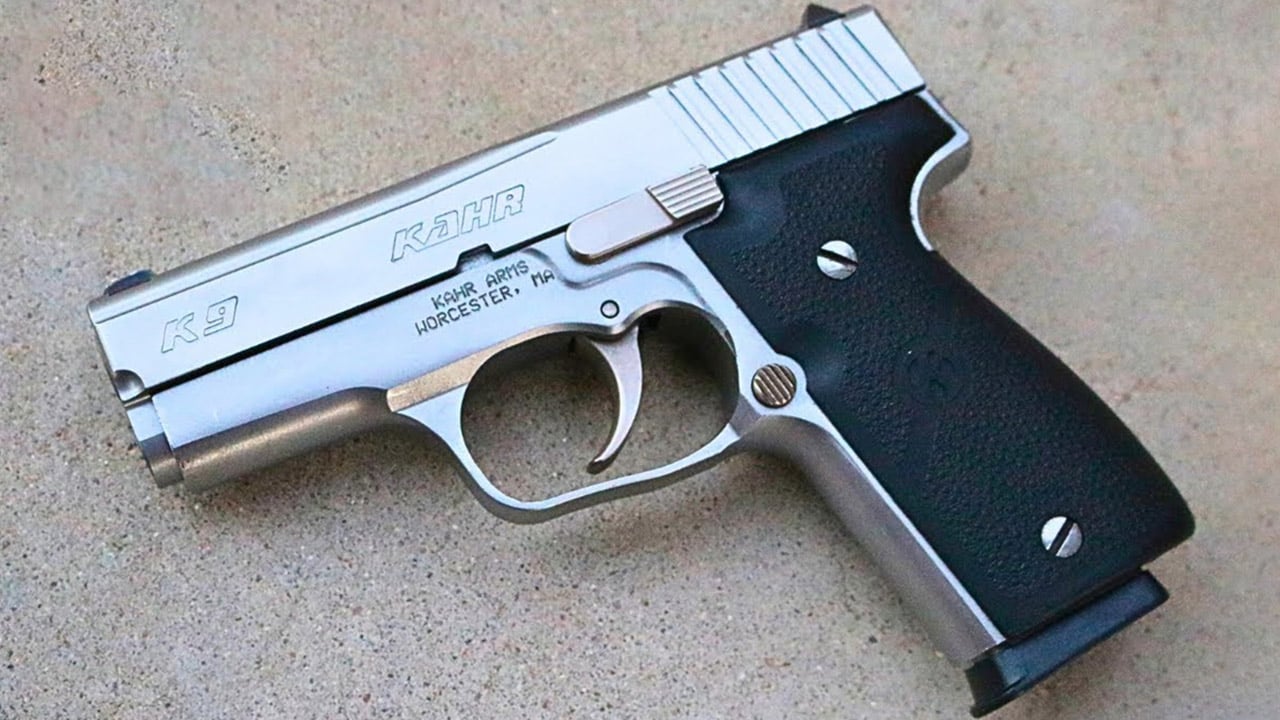
The Kahr K9 is what a lot of folks thought they were buying when they bought tiny polymer carry guns: a compact 9mm that actually shoots like a real pistol. The steel frame adds weight, sure, but it also makes the gun calm down. The long, smooth DAO trigger is predictable, and once you learn it, accuracy comes easy.
They got overshadowed by lighter guns and the never-ending push for smaller. But there’s a tipping point where “lighter” becomes “harder to shoot well,” especially with defensive ammo. The K9 rides nicely IWB, and it doesn’t feel top-heavy. The tradeoff is thickness compared to some modern single-stacks and the need to stay on top of recoil spring maintenance if you shoot it a lot. Magazines are available, but I always like to have a few extras set aside. It’s a boring gun in the best way—quietly competent.
20. Beretta 21A Bobcat (.22 LR)

The little tip-up Berettas aren’t just novelty guns. The 21A Bobcat, especially in .22, fills a role for folks with hand strength issues, for trappers who want something tiny, or for anyone who wants a small “snake gun” without messing with slides and stiff springs. The tip-up barrel is genuinely practical, not a gimmick.
Discontinuation cycles and limited runs have made them harder to find at reasonable prices in some areas. And yes, it’s a .22, so you pick your ammo carefully and you don’t pretend rimfire is as consistent as centerfire. Still, as a close-range kit gun, it’s handy. It slips into a pack pocket, rides in a tackle box, and doesn’t demand much. The downside is small sights and a short grip, so it’s not a target pistol. But for what it is, it’s a useful little tool that got appreciated more after it became less common.
The funny part about discontinued handguns is how often the market “rediscovers” the same qualities later: slim carry shapes, shootable weight, reliable simplicity, and controls that make sense. Newer isn’t automatically better, and old doesn’t automatically mean collectible. If you’ve got one of these that runs, shoots where it’s pointed, and fits your life, you might already own the kind of handgun folks spend years trying to replace after they let it go.
Like The Avid Outdoorsman’s content? Subscribe to our newsletter so you never miss an article.
Here’s more from us: