Photo credit: Middle Outdoorsman/Youtube
Every hunting season has that one gunshot that makes everybody stop what they’re doing. Not because it was unsafe. Not because it was close. Because it was loud in a way that feels out of proportion to what’s actually getting done downrange.
I’m not talking about magnums in the mountains where you’re trying to reach across a canyon. I’m talking about rifles and shotguns that bark like a howitzer, rattle your teeth in a blind, and still don’t buy you much in real-world killing power, recoil comfort, or practical accuracy. They’re the kinds of guns that leave your ears ringing, your buddy irritated, and the deer woods feeling smaller than they ought to.
Here are a few offenders I’ve seen over and over—guns that are flat-out louder than their day-to-day performance justifies.
1. Mossberg 835 Ulti-Mag
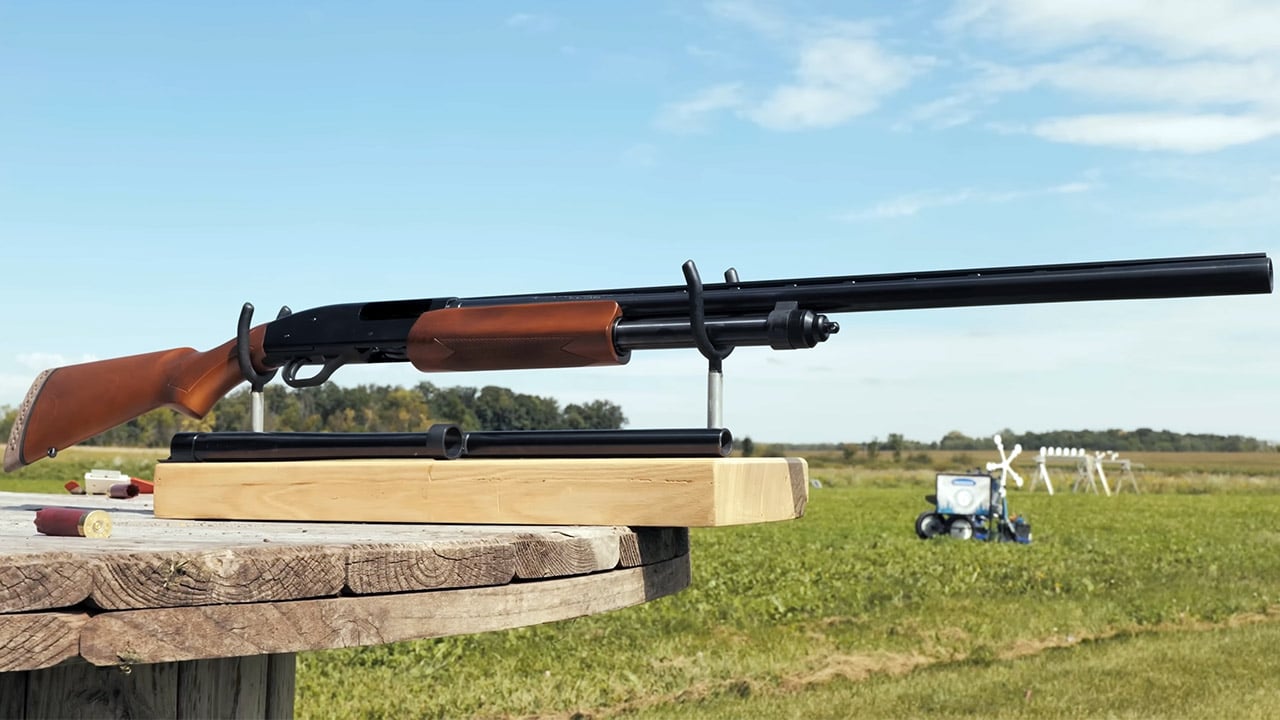
With heavy waterfowl loads, the 835 can be a shoulder-thumper, but the noise is what really sticks with you. In a layout blind or under a low roof in a timber hole, it’s a sharp, concussive crack that feels like it slaps your sinuses. Ask me how I know.
The part that gets me is you don’t always get anything “extra” for that blast besides punishment. A well-set-up 12-gauge 3-inch gun will fold ducks and geese just fine, patterns easier in plenty of guns, and typically without the same brutal report. If you love the 835, run good ear pro whenever you can, and don’t pretend it’s the only way to kill big honkers.
2. Remington 870 with an 18–20 inch deer barrel (slugs in a blind)

An 870 is one of the most useful shotguns ever made, and I’m not here to bash it. But put a short rifled deer barrel on it, stuff it with hot sabot slugs, and touch it off inside a box blind and you’ll understand what “too loud” means.
You’re basically setting off a small cannon in a phone booth. The performance can be excellent at reasonable ranges, but the noise-to-benefit ratio goes sideways fast when you’re not stretching shots and you’re not gaining anything over a mild-mannered straight-wall rifle in many states. Great tool, just a harsh one in the wrong setting.
3. Ruger Mini-14 (older thin-barrel models)
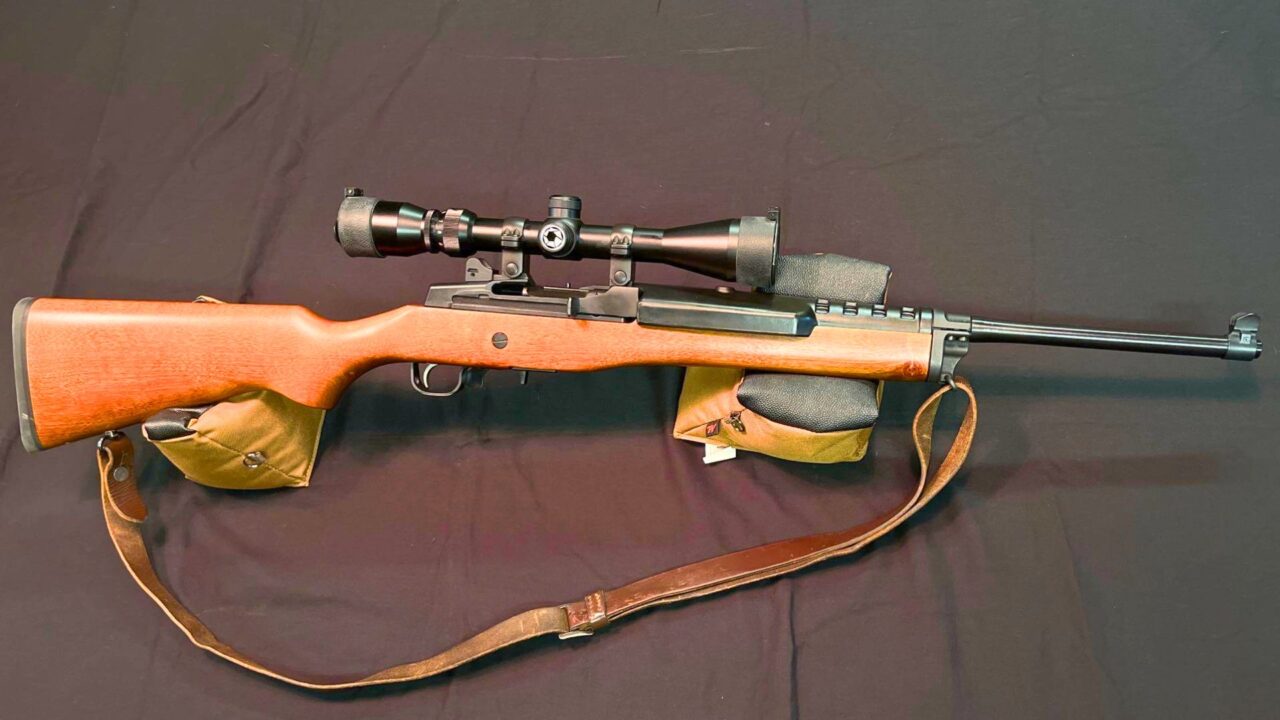
The Mini-14 has a loyal following because it’s handy, reliable enough, and it points fast. The problem is the older, thinner barrels heat up quick, and once they do, groups can open up in a hurry. Meanwhile it still cracks like any other .223, and with some ammo it’s downright barky.
So you get a lot of noise for “minute of coyote” accuracy past a certain point, especially if you’re doing any kind of extended shooting. It’s a fun ranch rifle, but if you’re buying it expecting AR-like precision with the same volume, you’re going to feel a little cheated.
4. Savage Axis II in .300 Winchester Magnum

I’ve watched more than one hunter buy a budget bolt gun in .300 Win. Mag. thinking they just unlocked elk power on a working-man budget. Then they show up at the range and find out it’s loud enough to draw eyes from three benches over, and it’s not exactly a joy to practice with in a light rifle.
Yes, it’ll kill elk. But a lot of folks never get truly comfortable behind it, and that matters. If you flinch, you don’t shoot well. For most hunters, a .30-06 or .308 in a rifle that fits and doesn’t hate you is going to produce better field results, even if it isn’t as dramatic.
5. Ruger American Ranch in 5.56 NATO (16-inch barrel)
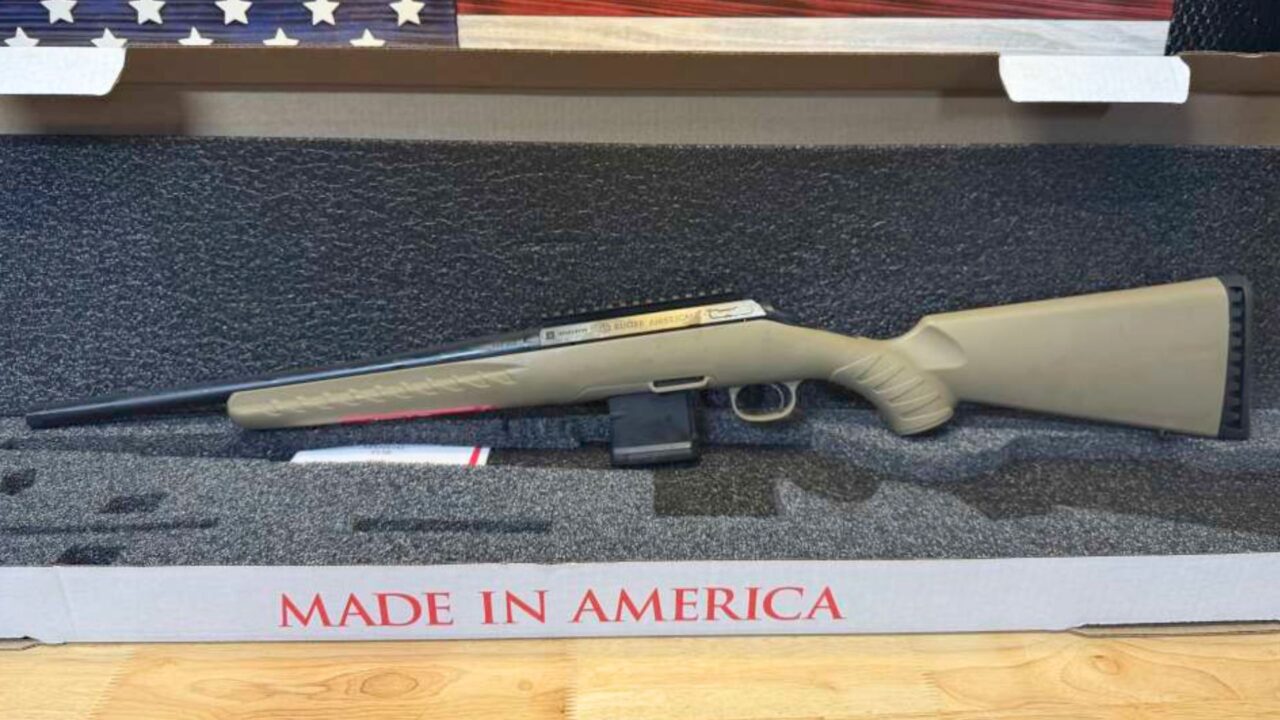
Handy little bolt gun, easy to carry, cheap to feed. But a short 5.56 with some factory loads is a loud, high-pressure snap that can feel more obnoxious than it ought to for the amount of “thump” you get on game.
If you’re using it for varmints, fine. If you’re using it for deer where legal, shot placement is everything and the cartridge doesn’t leave much margin. The gun is doing its job, but the blast can trick new hunters into thinking they’re shooting something more substantial than they are.
6. Winchester XPR in .350 Legend (lightweight setups)
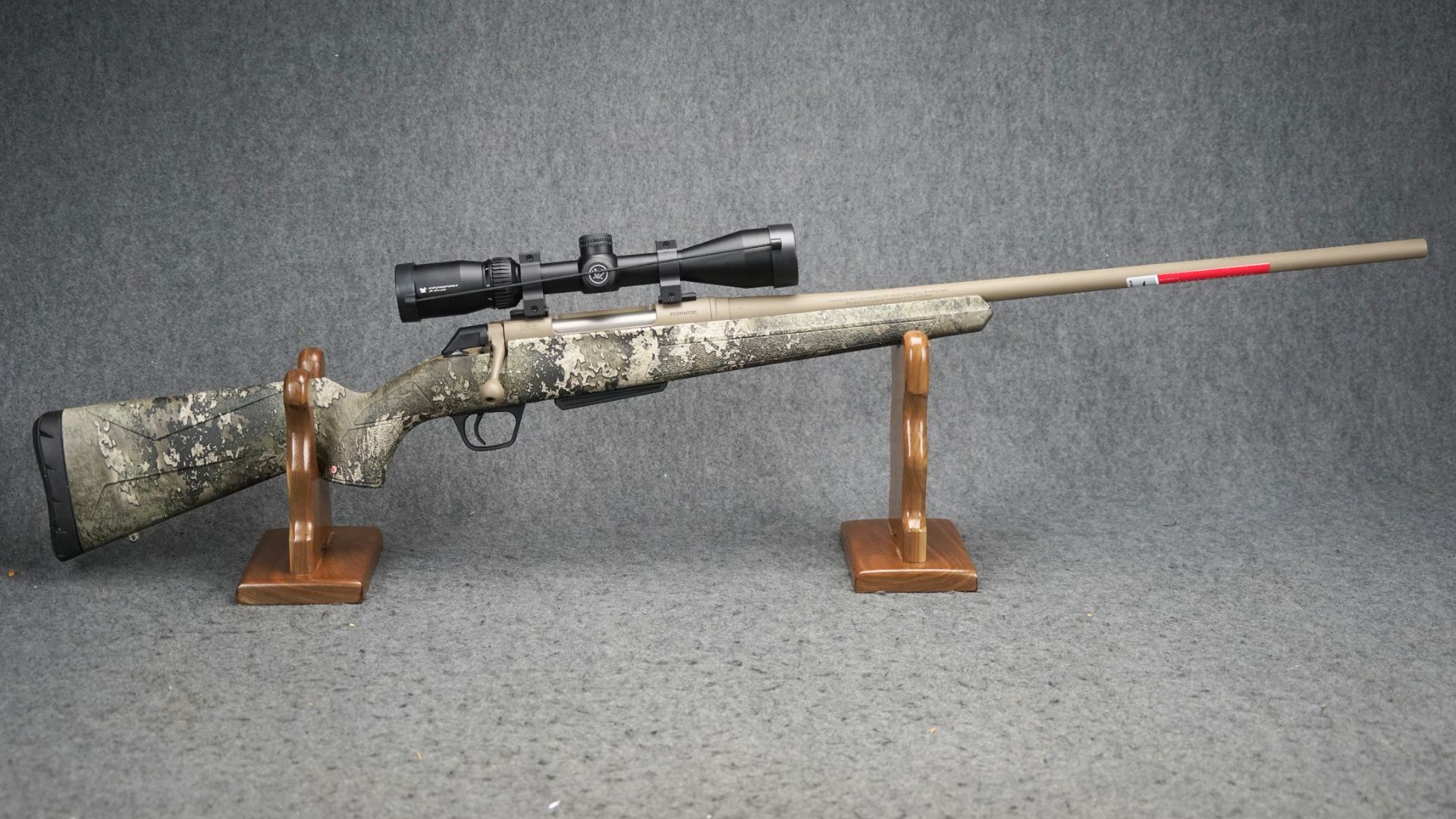
.350 Legend is supposed to be the friendly straight-wall option. In many rifles it is. But put it in a very light bolt gun with a short barrel and a hard buttpad and you can get a surprisingly sharp muzzle crack, especially under a roof or in thick timber.
The cartridge works, no question. But sometimes the “easy recoiling” reputation causes hunters to ignore basics like fit, stock design, and hearing protection. In a stand, it can sound and feel harsher than the performance suggests—especially compared to a heavier rifle in the same chambering.
7. Marlin 1895 Guide Gun in .45-70 (hot loads)

The .45-70 is a hammer, and in the right place it’s worth every decibel. But the Guide Gun configuration—short, light, and quick—turns certain loads into a loud, concussive event. It’s the kind of blast that makes even experienced shooters blink.
Here’s the rub: most whitetail hunting doesn’t require the hottest loads on the shelf. Standard-pressure or “trapdoor safe” style loads still do real work and are nicer to shoot. If you’re not hunting big bears in tight alder thickets, you might be making a lot of noise for no added effectiveness.
8. CVA Scout V2 in .44 Magnum (single-shot carbines)
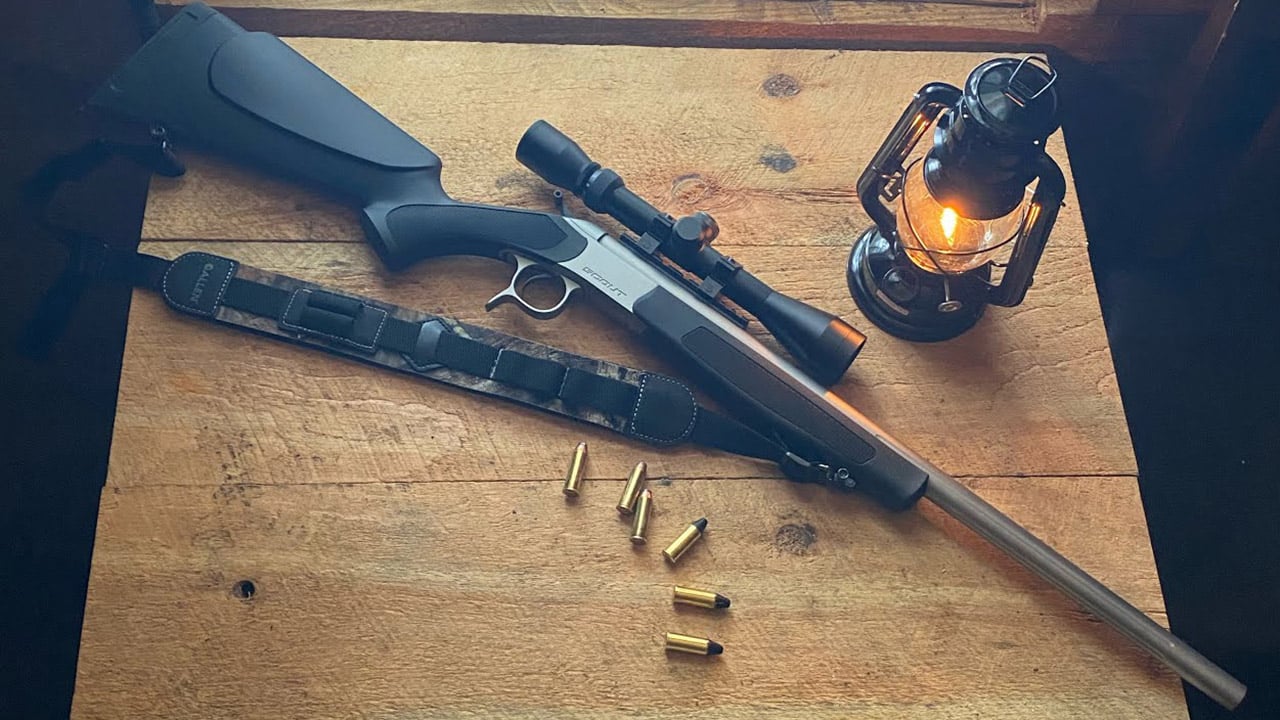
Single-shots are cool. They’re simple, light, and they teach you to make the first shot count. But .44 Mag out of a light carbine can be surprisingly loud and sharp, especially with faster powders and certain hunting loads.
Performance is fine inside reasonable distances, but it’s not a magic wand. In thick cover, the noise is disproportionate to the practical range you should be using it at. Great “walk-around” gun, just not nearly as gentle as some folks expect when they hear “pistol caliber rifle.”
9. Henry Big Boy X in .357 Magnum (with full-power loads)
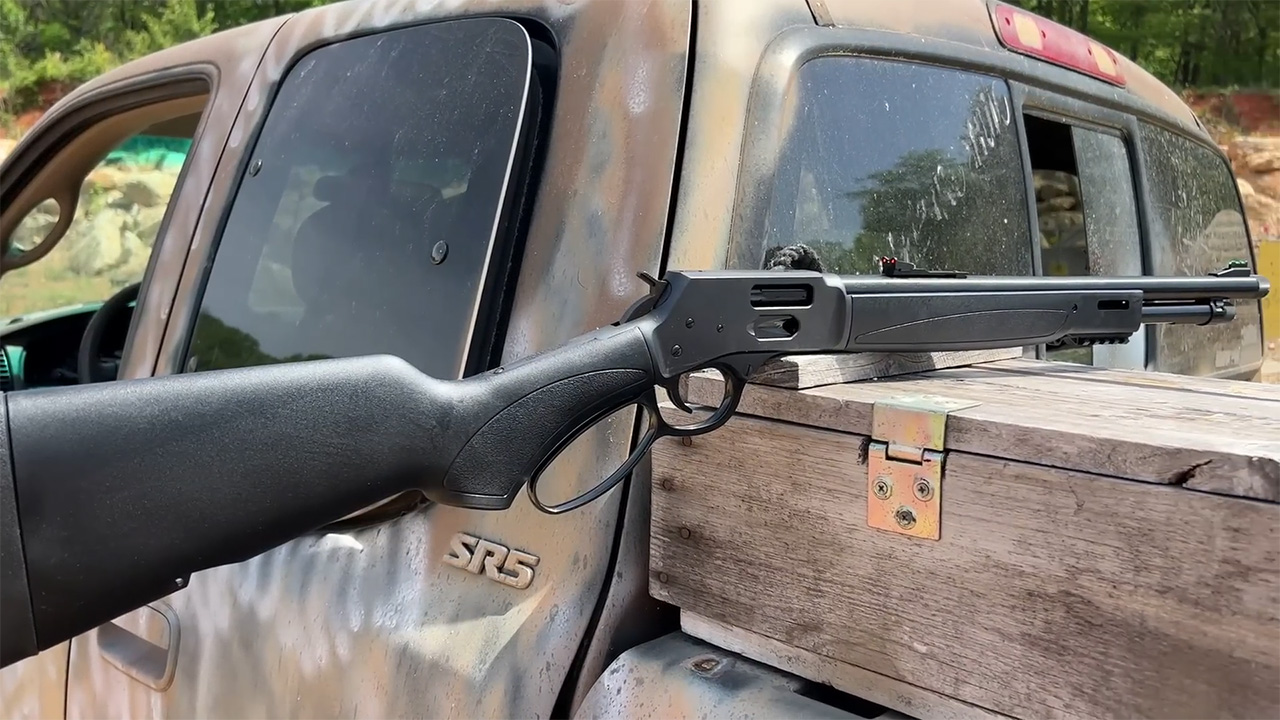
I like lever guns, and the Big Boy X is a handy rig. But touch off full-house .357 hunting loads in a short, handy lever gun and it can crack louder than most new shooters anticipate. It’s not painful with ear pro, but it’s not the quiet, soft “cowboy rifle” experience people build up in their head.
The performance is solid for what it is, but it’s still a .357 at the end of the day. If you’re expecting dramatic terminal results past bow ranges, you’re going to be disappointed, and you’ll be doing it with a blast that feels like it belongs to something bigger.
10. H&R/NEF Handi-Rifle in .243 Winchester (youth setups)

The Handi-Rifle is one of those guns that ends up in a lot of closets because it’s affordable and straightforward. In .243 it should be an easy starter. Then you see it wearing a short barrel, a skinny pad, and it’s being shot off a bench by a kid who’s already nervous.
Now the report feels huge, the stock smacks the shoulder, and accuracy goes out the window. .243 is a great deer cartridge, but the platform can make it feel harsher and louder than it needs to be, which is the opposite of what a youth rifle should do.
11. Ruger No. 1 in .270 Winchester (light, slick, and snappy)
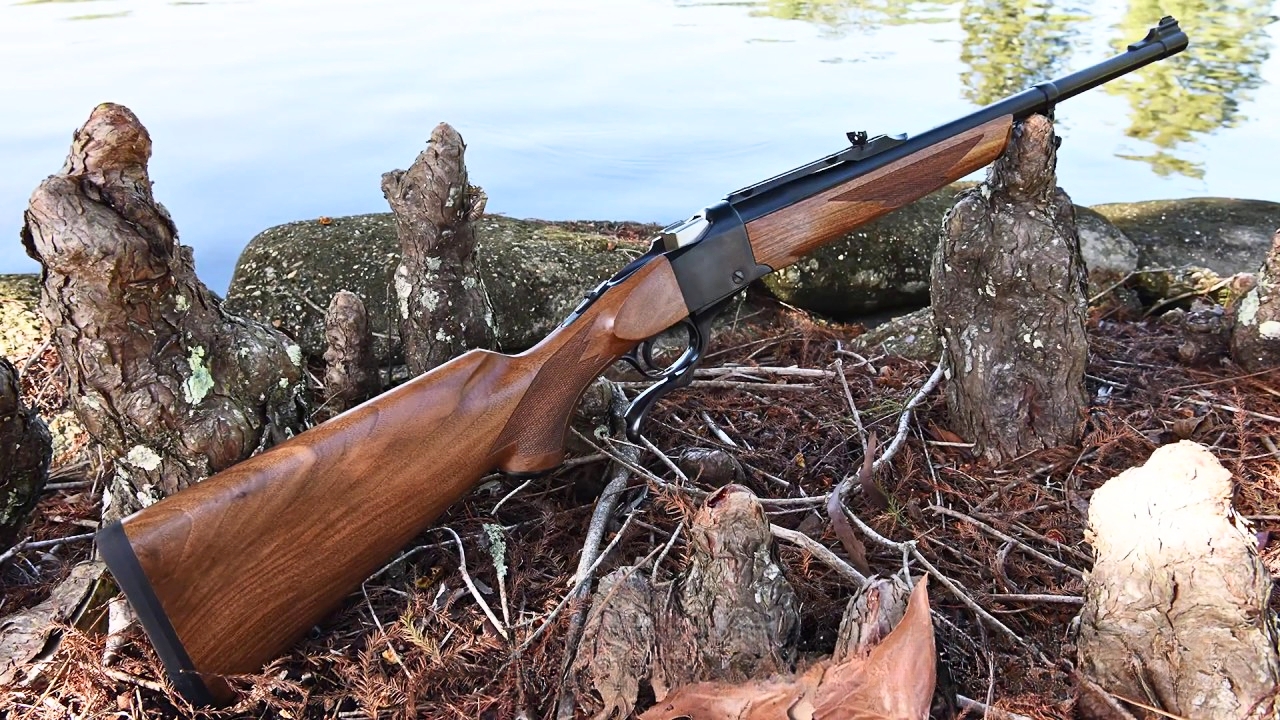
The Ruger No. 1 is classy, and I won’t pretend I don’t want more of them than I need. But a light, short-ish single-shot in a high-velocity cartridge like .270 can have a sharp crack that doesn’t match the “old-world rifle” vibe.
It’s not that .270 is a problem. It’s that the platform encourages a trim rifle, and trim rifles tend to be louder and more abrupt. You can absolutely hunt with it and love it, but if you’re sensitive to blast, there are calmer ways to get the same deer-killing performance.
12. Tikka T3x Lite in 7mm Remington Magnum

Tikka makes accurate rifles, and the Lite carries like a dream. But pair “Lite” with “magnum” and you’re signing up for a lot of blast and recoil in exchange for ballistics most hunters never truly use in the field.
If you’re not dialing turrets and practicing at distance, the magnum advantage stays mostly on paper. Meanwhile, the sound is real every single time you touch it off. A standard cartridge in that same rifle is often a better tool for the way most of us actually hunt.
13. Springfield Armory M1A Standard (out in the open it’s fine, under cover it’s not)
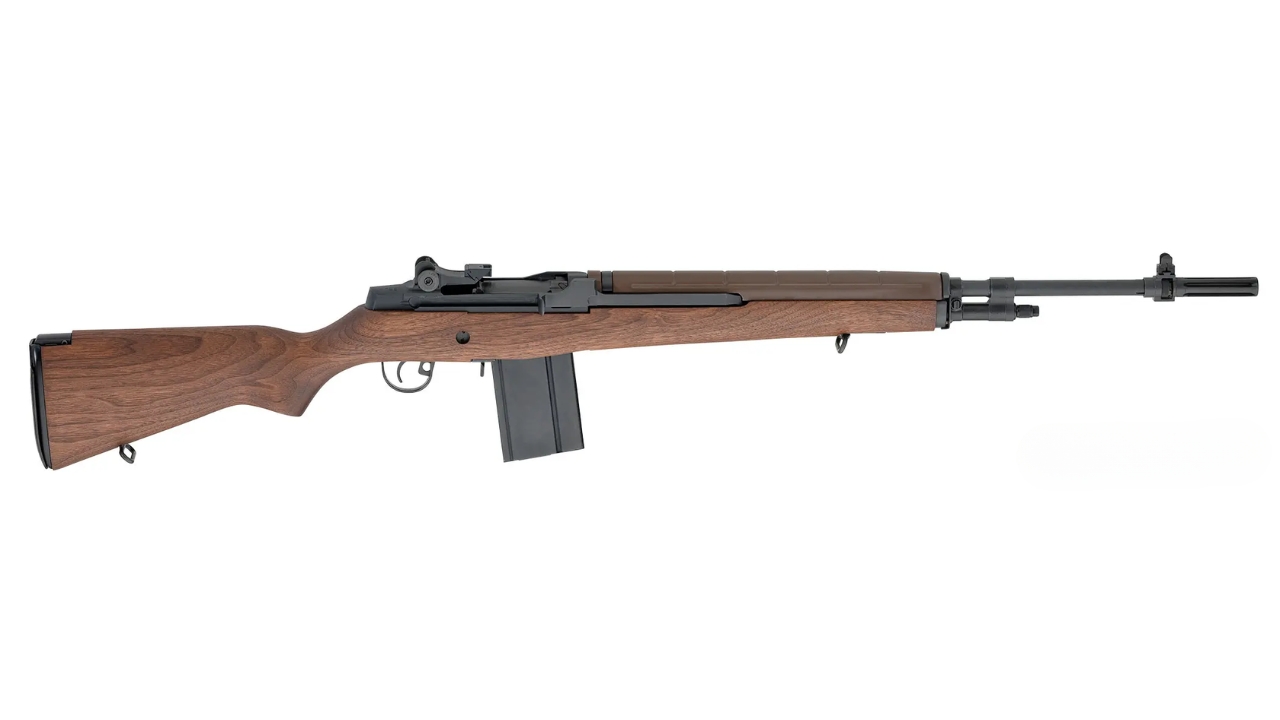
An M1A has a certain romance to it. It also has a pretty aggressive muzzle blast signature with .308, especially if you’re shooting near barriers or under a roof. You feel it in your chest when somebody touches one off next to you.
For hunting, the rifle is heavy and not always as practical as people want it to be once they’ve carried it a mile or two. So you end up with a loud, attention-grabbing rifle that doesn’t always buy you better field performance than a lighter bolt gun in the same cartridge.
14. Remington Model 7 with a short barrel in .308 Winchester
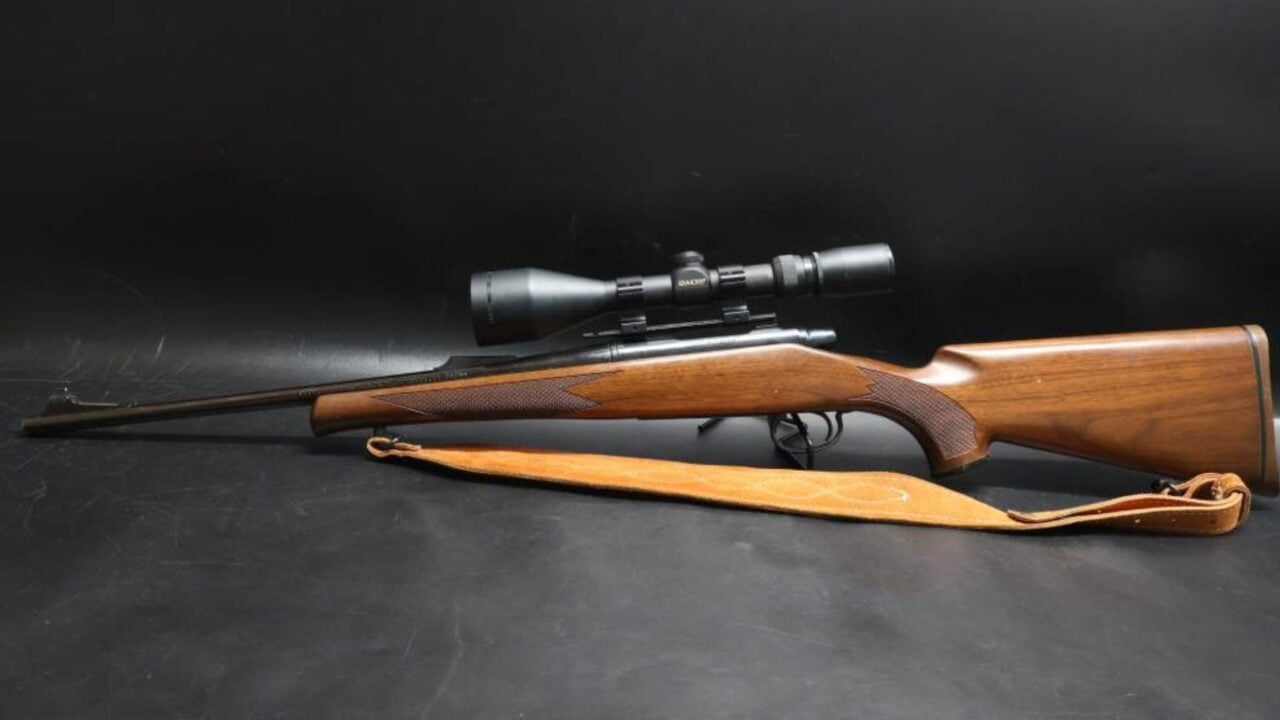
The Model 7 is a handy woods rifle, and that’s why it gets picked. But chop barrel length and keep a full-power .308 load, and the muzzle blast gets fierce. In a tight tree stand or a blind, it can be downright brutal without hearing protection.
Performance on deer is excellent, obviously, but you don’t need to wring every last foot-per-second out of a cartridge to kill whitetails at woods ranges. A little barrel length, a little weight, and a good recoil pad can turn the same idea into a much more pleasant hunting rifle.
15. Mossberg Patriot in .30-06 (light rifle, full-power loads)

The Patriot gets bought because it’s affordable and it usually shoots “good enough.” In .30-06, though, a light budget rifle can be a loud, sharp experience, and the felt recoil can encourage bad habits quick.
Most hunters don’t need max-velocity loads to kill deer. But they’ll buy whatever’s on the shelf, and suddenly they’ve got a rifle that’s unpleasant to sight in and louder than it needs to be. Nothing wrong with .30-06—just be honest about the platform you’re putting it in.
16. Beretta A300 Ultima Patrol (indoor/covered practice and short barrels)
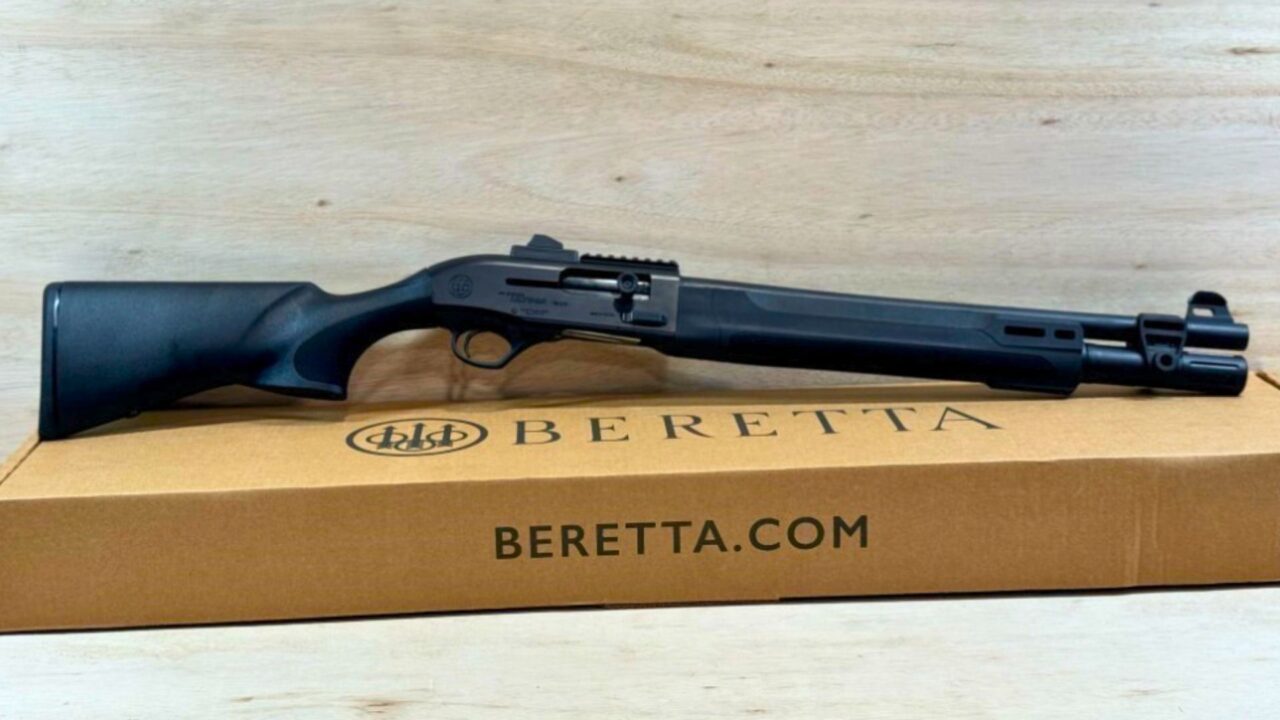
The A300 Patrol is a solid, modern shotgun. But a short-barreled 12-gauge semi-auto with defensive-style ammo can be painfully loud in covered bays and, yes, in some hunting setups like tight blinds. The gas system helps recoil, not noise.
If you’ve got one pulling double duty, be aware of what it’s doing to your ears. The performance is there, but the blast can be excessive for the kinds of quick, close shots many folks take with a short-barreled shotgun.
17. Rossi R92 in .454 Casull

There’s a certain type of gun that exists mainly to prove it exists. A .454 Casull lever gun is one of them. It’s loud, it’s sharp, it’s fiery, and it turns heads every time it goes off.
Sure, it hits hard. But for most hunters, it’s way more cartridge than the job calls for, with a report that makes it unpleasant to practice with. If you don’t practice, you don’t shoot it well. And if you don’t shoot it well, the extra power didn’t help you anyway.
18. Savage 220 (20-gauge slug gun) in a blind

The 220 is a legitimately accurate slug gun, and it has put a pile of deer on the ground. But don’t let “20-gauge” fool you. Modern slug loads, especially the fast ones, have a crack that’s nasty in enclosed spaces.
For what you get—usually a 100- to 150-yard deer tool—it can feel like a lot of blast. It’s worth it if that’s what your zone allows and you want that accuracy, but do yourself a favor and plan for hearing protection in the stand. One unprotected shot can change your whole season.
19. AR-15 pistols in 5.56 (common hunting rigs that don’t make much sense)
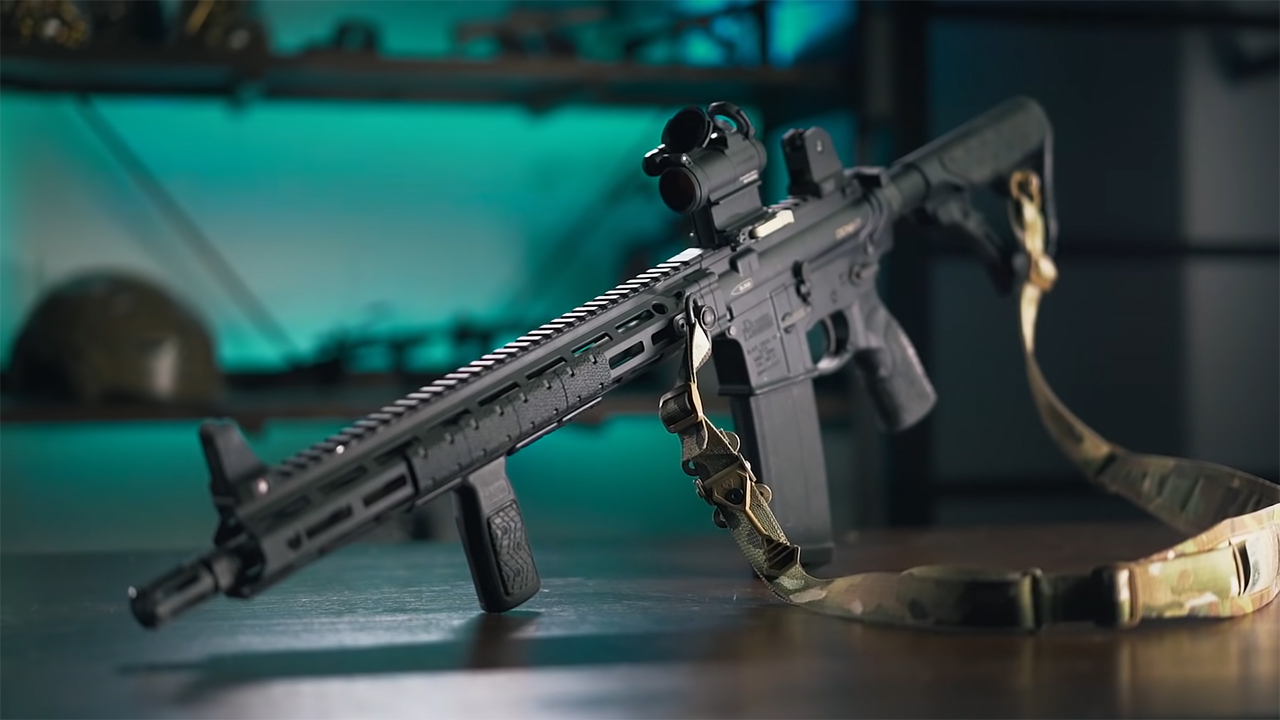
I’ve seen more AR pistols show up for hogs and coyotes than I ever expected. They’re compact and handy, and they look cool. But a short 5.56 with a brake is about the loudest “meh” performance package you can bring to the field.
Inside close ranges, sure, it works. The problem is the blast can be punishing to everyone around you, and you’re still dealing with the limitations of the cartridge on larger game. If you’re hunting in a group, this is one of those setups that can sour the whole vibe fast.
20. Browning A-Bolt Micro Hunter in 7mm-08 (great concept, sometimes too light)
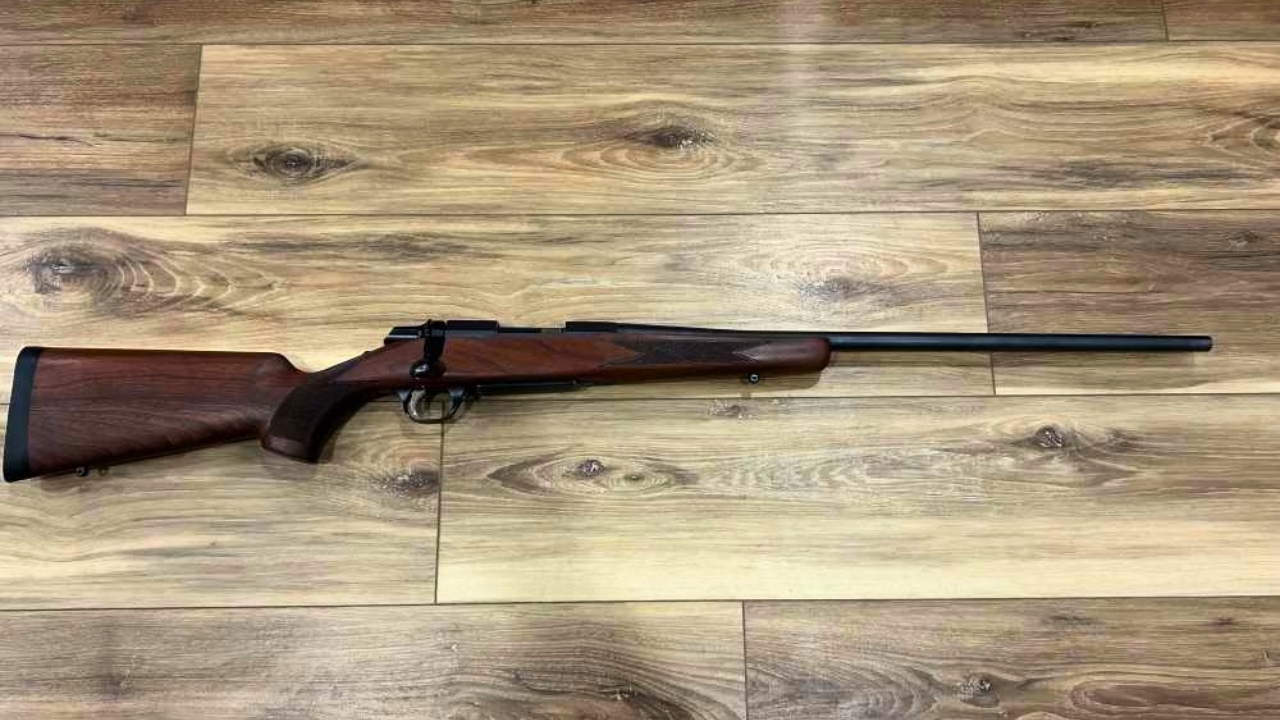
The Micro Hunter idea is solid: shorter length of pull, lighter rifle, easier carry. But when these compact rifles get too light, even a mild cartridge can feel loud and snappy, especially for smaller-framed shooters who are already learning.
7mm-08 is a sweetheart in the right rifle. In a featherweight, the bark and the jump can make new hunters rush shots. A little added weight, a better pad, and a calm practice plan usually fixes it, but out of the box it can be more blast than benefit.
None of this is saying you shouldn’t own loud guns. Hunting isn’t silent, and power has its place. What I am saying is don’t confuse noise with capability. Pick a setup you can practice with, carry without hating it, and shoot accurately when your heart is thumping. If the gun makes you dread the range, it’s probably not doing you any favors in the deer woods either.
Like The Avid Outdoorsman’s content? Be sure to follow us.
Here’s more from us: