Photo credit: TheYankeeMarshal/Youtube
Everybody loves touching off something loud once in a while. Big fireball, big noise, big grin. I get it. But after you’ve burned a couple boxes of ammo and your wrists feel like you’ve been splitting oak all afternoon, the question gets real simple: is this gun actually helping you do anything, or is it just beating you up for attention?
Muzzle flip isn’t the same thing as recoil, but it’s usually what makes a gun feel “wild.” It’s that quick snap up and back that slows follow-up shots, turns range time into work, and makes new shooters flinch. Some guns earn it because they’re meant to be compact or powerful. Others just don’t have enough real-world usefulness to justify how jumpy they are. Here are 20 that tend to land in that category.
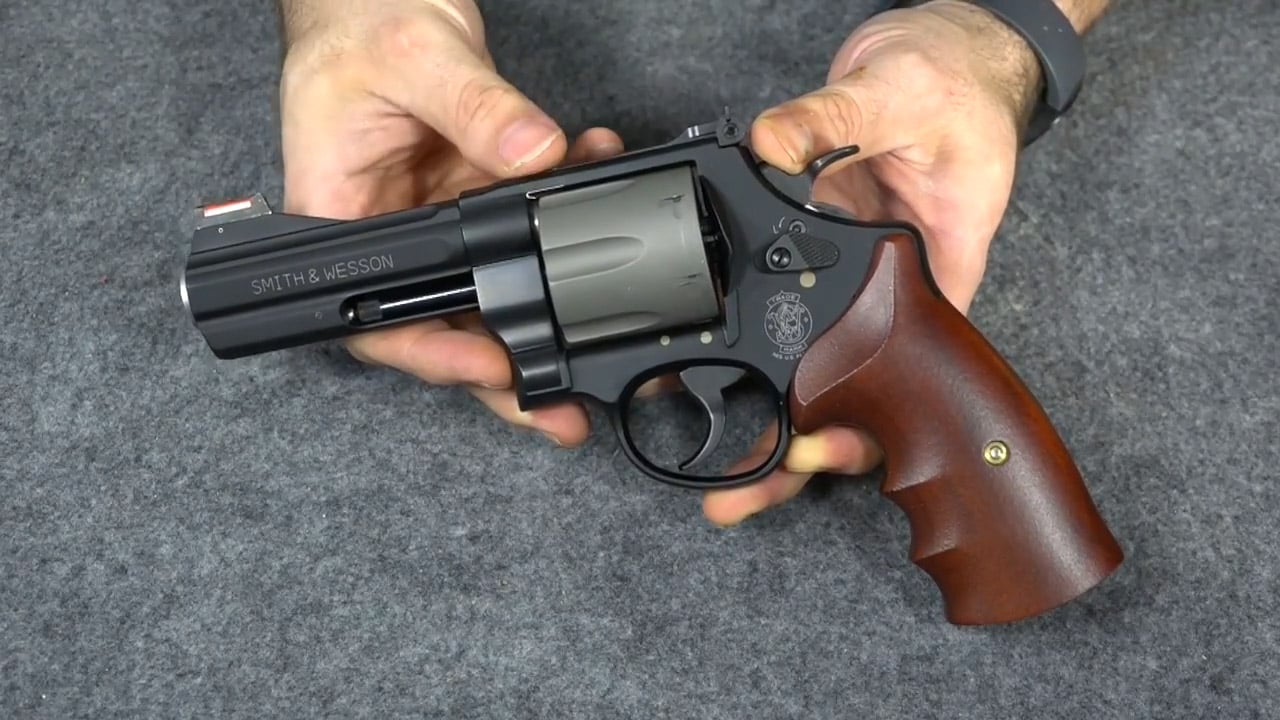
1. Smith & Wesson Model 500

If you want a handgun that feels like it’s trying to leave the zip code, this is the poster child. The Model 500 is impressive in the same way a monster truck is impressive: it’s not subtle, and it’s not efficient.
For most outdoorsmen, the problem is you’re carrying a big, heavy revolver for a very narrow job. It’s not a pleasant range gun, it’s expensive to feed, and it’s hard to shoot well fast. If you truly need that kind of handgun power for serious bear country, fine. Otherwise, it’s a lot of flip for a lot of bragging rights.
2. Magnum Research Desert Eagle .50 AE
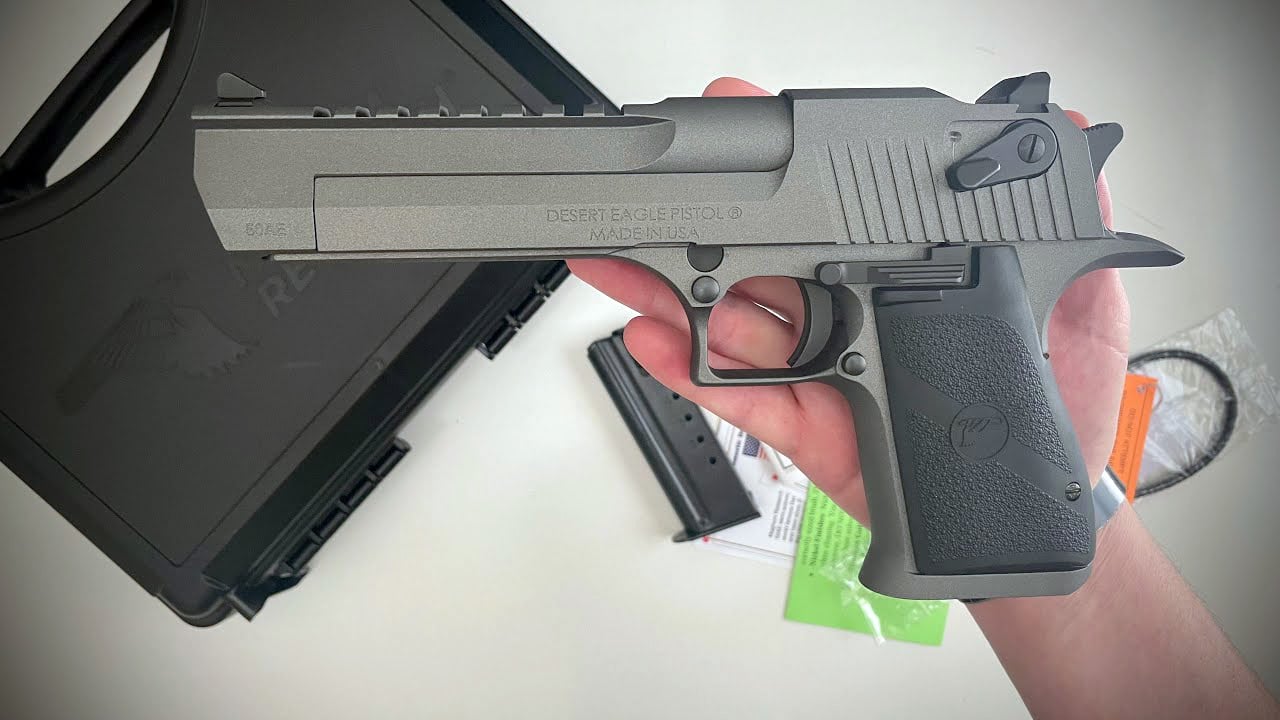
This one shows up in gun safes the way a jet ski shows up in a neighbor’s barn: bought with dreams, used twice, then “kept because it’s cool.” The grip is huge, the gun is heavy, and the muzzle rise is still dramatic.
It’s also picky about ammo and maintenance compared to most practical pistols. If you’re looking for a hunting sidearm, there are better choices. If you’re looking for a defensive pistol, this isn’t even in the conversation.
3. Ruger Super Redhawk Alaskan (.454 Casull)

Short-barreled big-bore revolvers always sound like a great idea until you actually run them. The Alaskan is built tough, and it’s reliable, but .454 Casull out of a snub is a handful in the truest sense.
You can carry it easier than a long-barrel hunting revolver, sure. But the price is blast, flip, and slower hits. Most folks end up downloading to .45 Colt for sanity, which kind of tells you what you needed to know.
4. Smith & Wesson Model 329PD
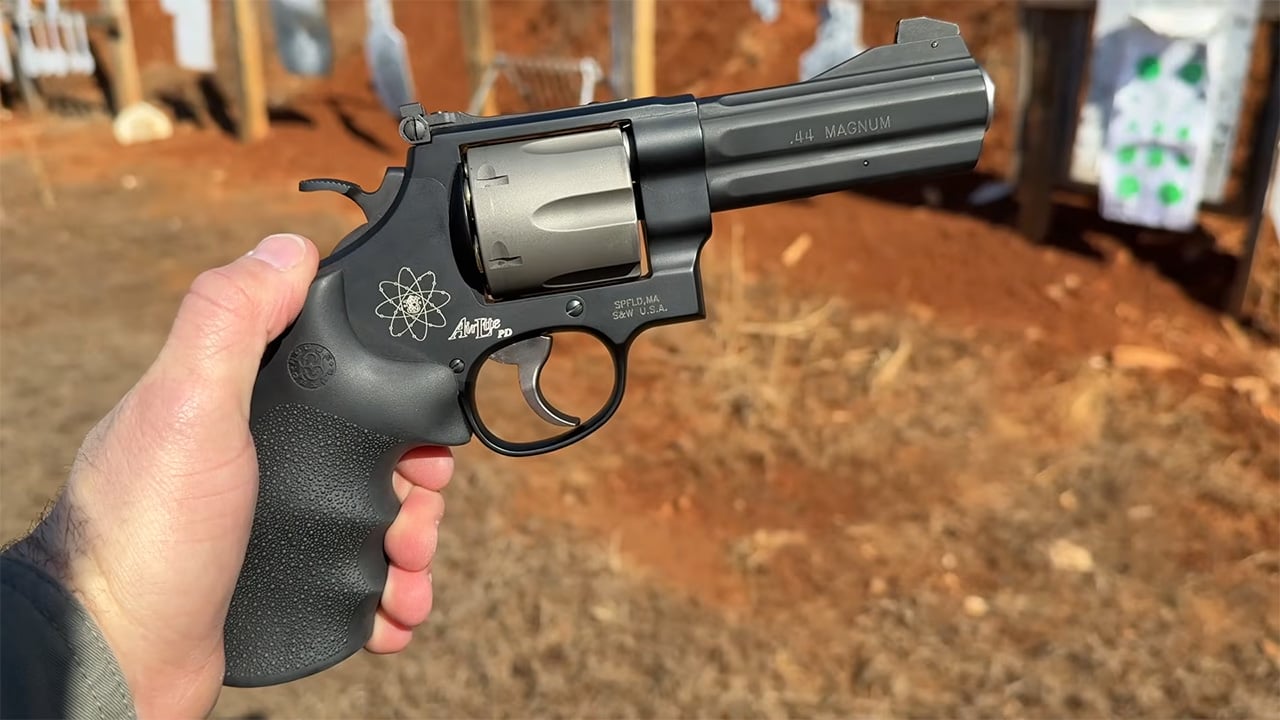
A scandium-framed .44 Magnum that’s light enough to forget on your belt sounds like the perfect backcountry compromise. Then you shoot it. That one hurts.
Lightweight magnum revolvers are practical to carry, but often not practical to practice with. If you can’t stand putting real rounds through it, it becomes a talisman instead of a tool. A heavier .44 that you actually shoot well is the better answer most of the time.
5. Kimber K6s (2-inch) in .357 Magnum
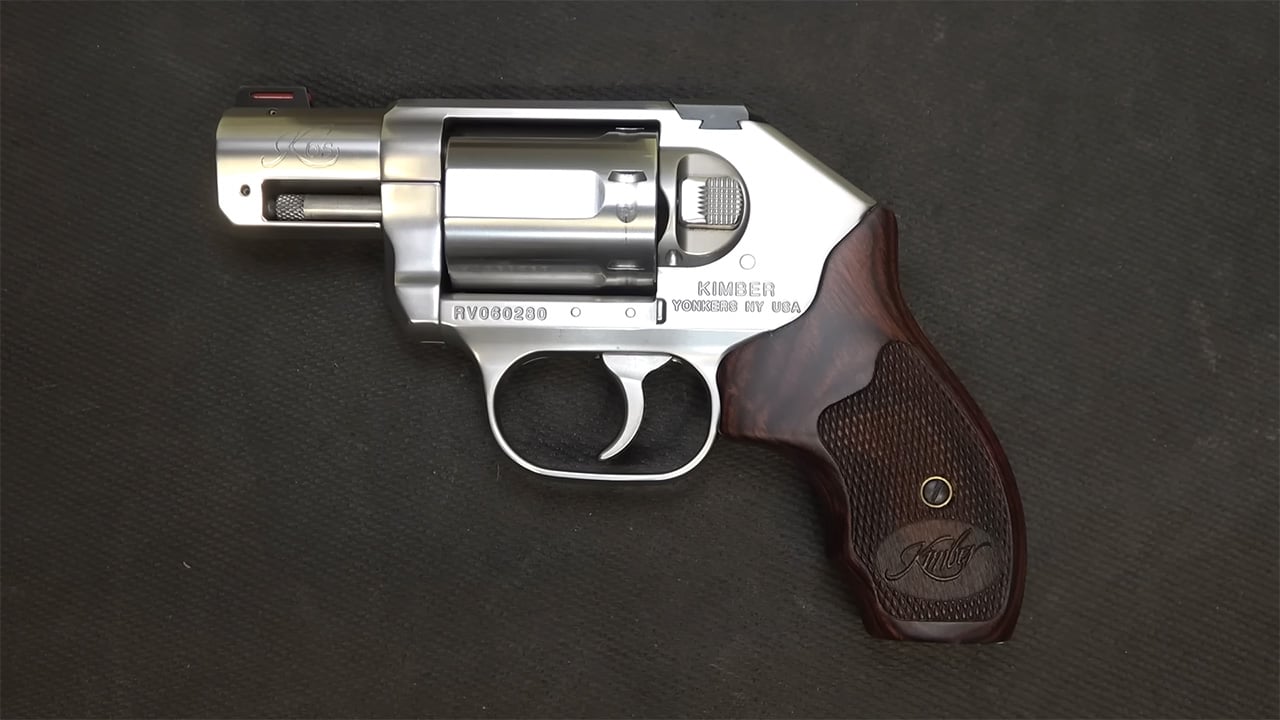
The K6s is a well-made little revolver, and in .38 Special it’s a pretty classy carry piece. In full-house .357, it turns into a fast-lifting, knuckle-rapping machine for a lot of shooters.
Yes, it’s doable with the right grips and the right hands. But the muzzle flip makes follow-up shots slower than they need to be, and the blast is sharp. Many owners end up carrying .38 +P anyway, which begs the question of why they didn’t start with a gun built around that reality.
6. Ruger LCR (.357 Magnum)

The LCR is light, handy, and dependable. With magnum loads, it’s also about as fun as slamming your palm in a truck door.
It’s not that it can’t do the job. It’s that most folks won’t train enough with it in .357 to get any real advantage from the caliber. Load it with .38s and it becomes a very practical little revolver. Keep it in .357 and it’s a flip-heavy compromise that rarely pays off.
7. Glock 27 (.40 S&W)
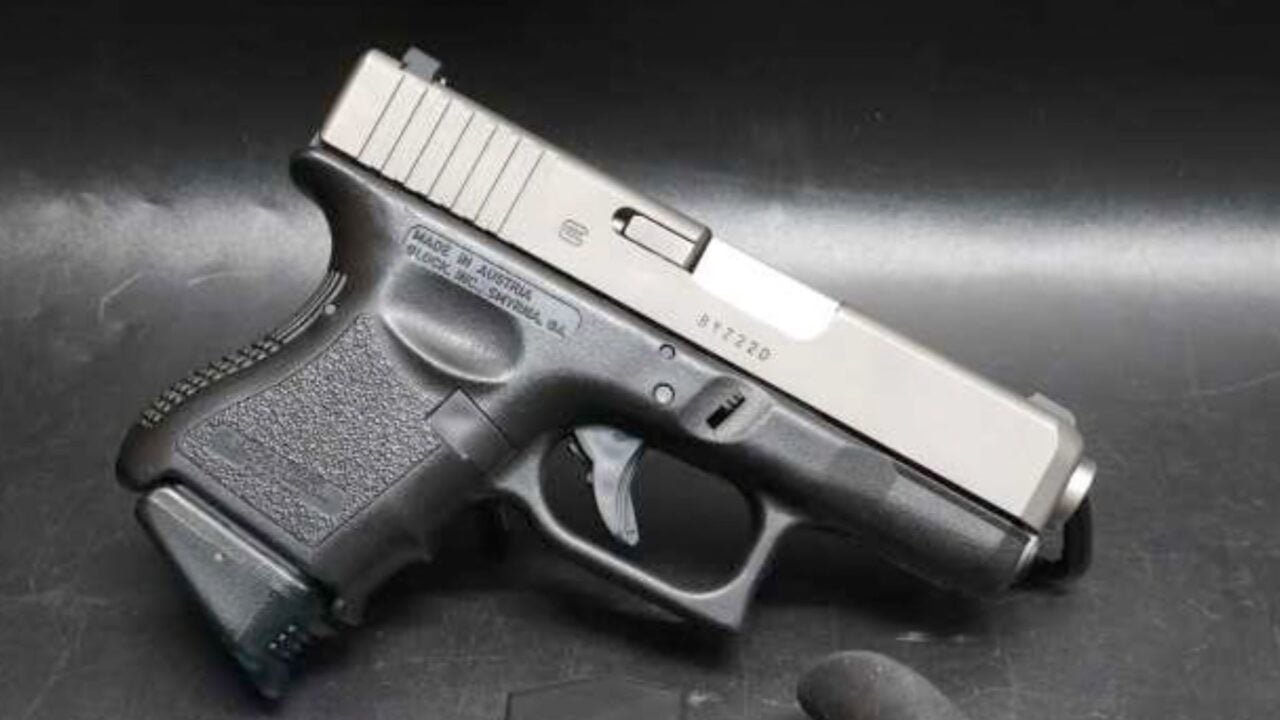
Subcompact .40s had their moment, and a lot of people learned the same lesson the same way. The Glock 27 is reliable, but the short grip and snappy recoil impulse makes it feel top-heavy and jumpy.
For carry, that muzzle flip slows you down and encourages bad habits. With today’s 9mm loads and all the good micro-compacts out there, the “baby .40” doesn’t offer much besides nostalgia and a sore range hand.
8. Smith & Wesson M&P40 Shield (1.0)

The original Shield in .40 is thin, easy to carry, and sharp to shoot. It’s the kind of gun that feels fine for five rounds and then starts teaching you about flinch management.
Plenty of folks carried them because they were available and trusted the platform. But as soon as the 9mm Shields and other micro 9s proved dependable, the .40 version became hard to justify unless you just prefer the caliber and truly train with it.
9. Springfield Armory XD-S .45 ACP (3.3-inch)

A single-stack .45 in a tiny package is always going to be a physics problem. The XD-S runs, but it’s light enough that .45 feels like it’s trying to rotate the gun out of your hands.
It’s not an accuracy issue as much as a speed issue. You can shoot it well if you slow down, but that’s not the point of a carry pistol. In the field, it’s also not a great woods gun compared to a bigger .45 or a revolver you can control.
10. Glock 30S (.45 ACP)
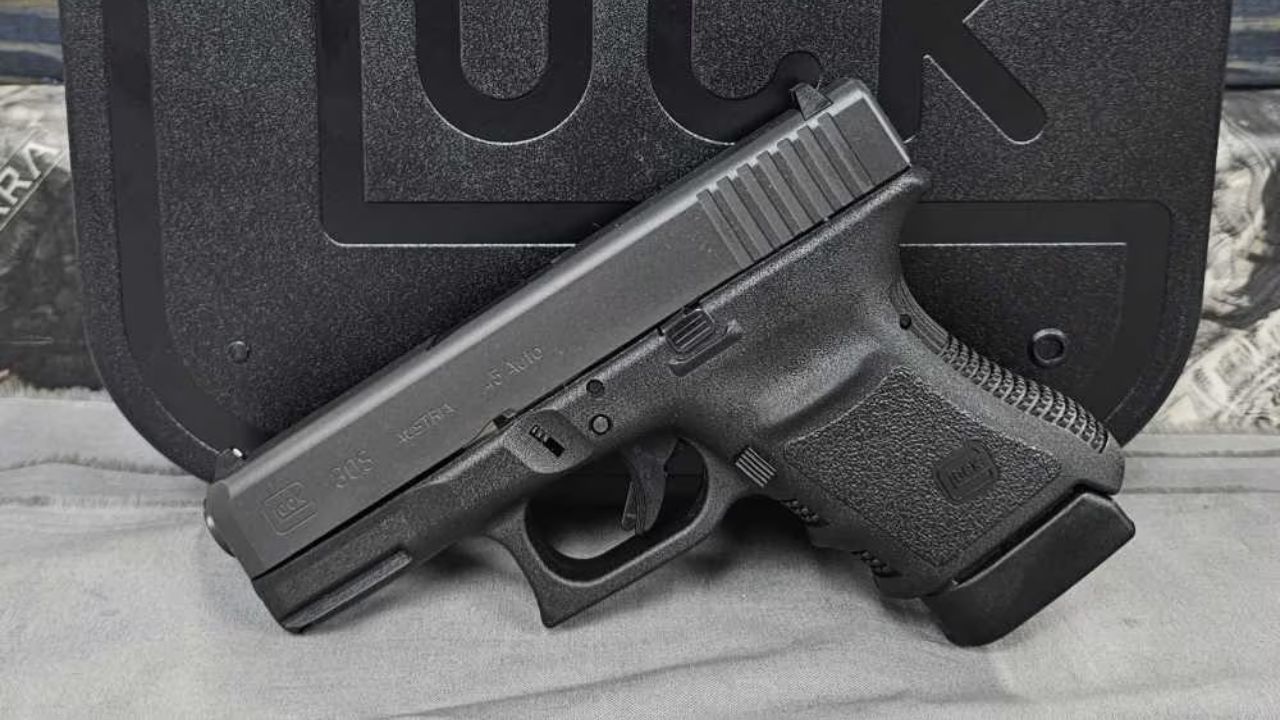
The 30S is a clever mix of slim slide and fat double-stack frame, and it carries better than you’d think. But it’s still a compact .45 with a higher bore feel than a lot of shooters like, and it flips more than its size suggests.
Where it falls short is that it’s not dramatically easier to carry than many 9mms, yet it’s noticeably harder to run fast. If you’re a dyed-in-the-wool .45 person, you’ll make it work. For everybody else, it’s extra muzzle rise without enough payoff.
11. Glock 29 (10mm Auto)
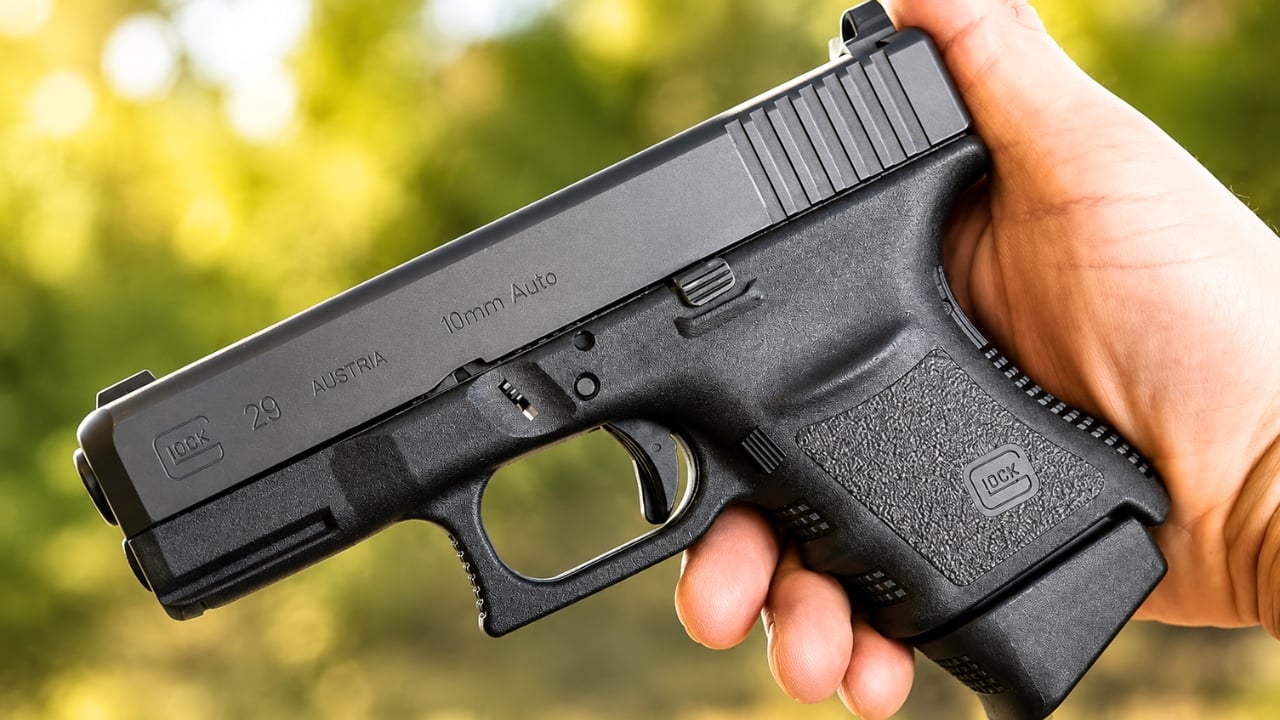
The Glock 29 is the “I want 10mm but I also want to actually carry it” option. And it does that. It also delivers a fast, abrupt snap that can get away from you with full-power loads.
For a woods sidearm, a lot of guys buy it thinking it’ll cover everything from coyotes to bears. The reality is you need to put in the reps to shoot it well under stress, and many don’t. With mild 10mm it’s manageable, but then you’re right back to the “why 10mm?” discussion.
12. SIG Sauer P938 (9mm)
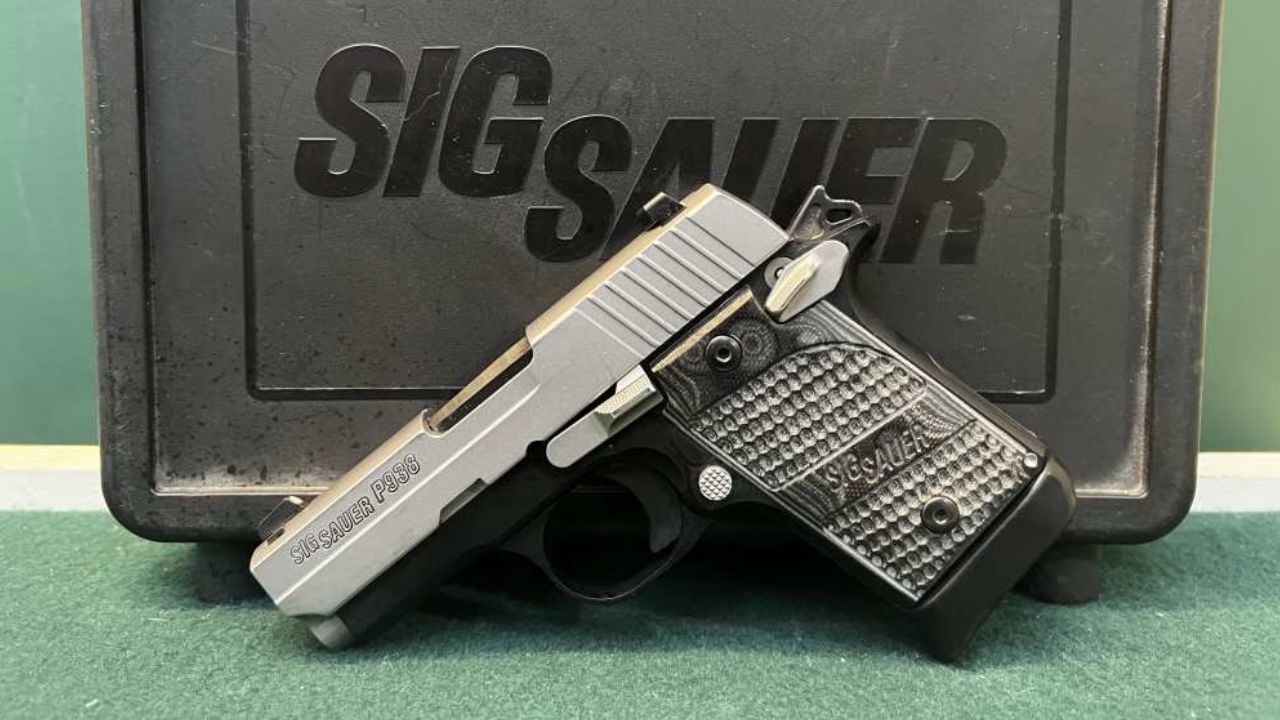
Little metal-framed micros look and feel great in the hand at the counter. On the range, the P938 can be a bit of a lively fish, especially if your grip isn’t locked in.
It’s accurate and well-made, but it’s still a tiny pistol with a short sight radius and a snappy presentation. As a deep-carry piece, it works. As an all-around pistol you enjoy training with, most shooters do better with something slightly larger and flatter shooting.
13. Kel-Tec P-32 (.32 ACP)
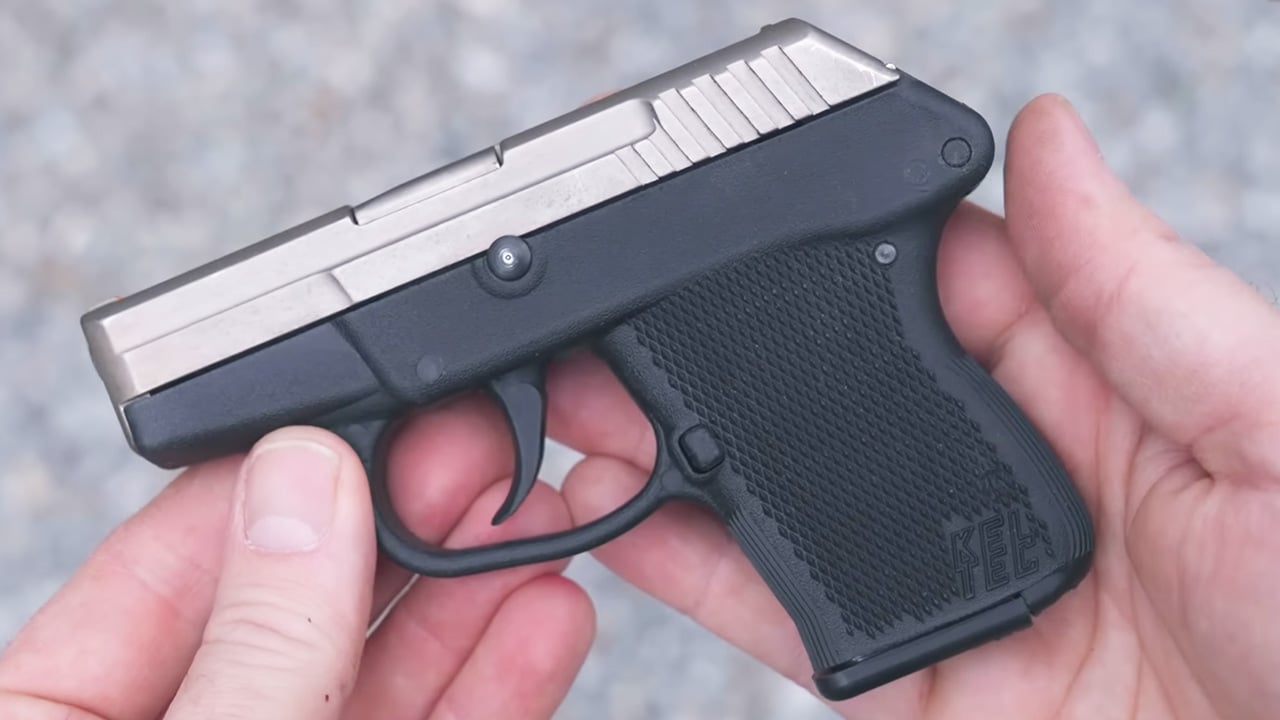
This one surprises people because it’s not a “power” gun. It’s a weight gun. The P-32 is so light that even mild cartridges can feel flippy in the hand, and the tiny grip doesn’t give you much to hold onto.
As a true pocket gun, it has a purpose. The trouble is folks buy it thinking it’ll be a comfortable practice pistol, and it’s really not. It’s a “carry a lot, shoot a little” tool, which is a dangerous category if you’re not honest with yourself.
14. Ruger LCP (.380 ACP)
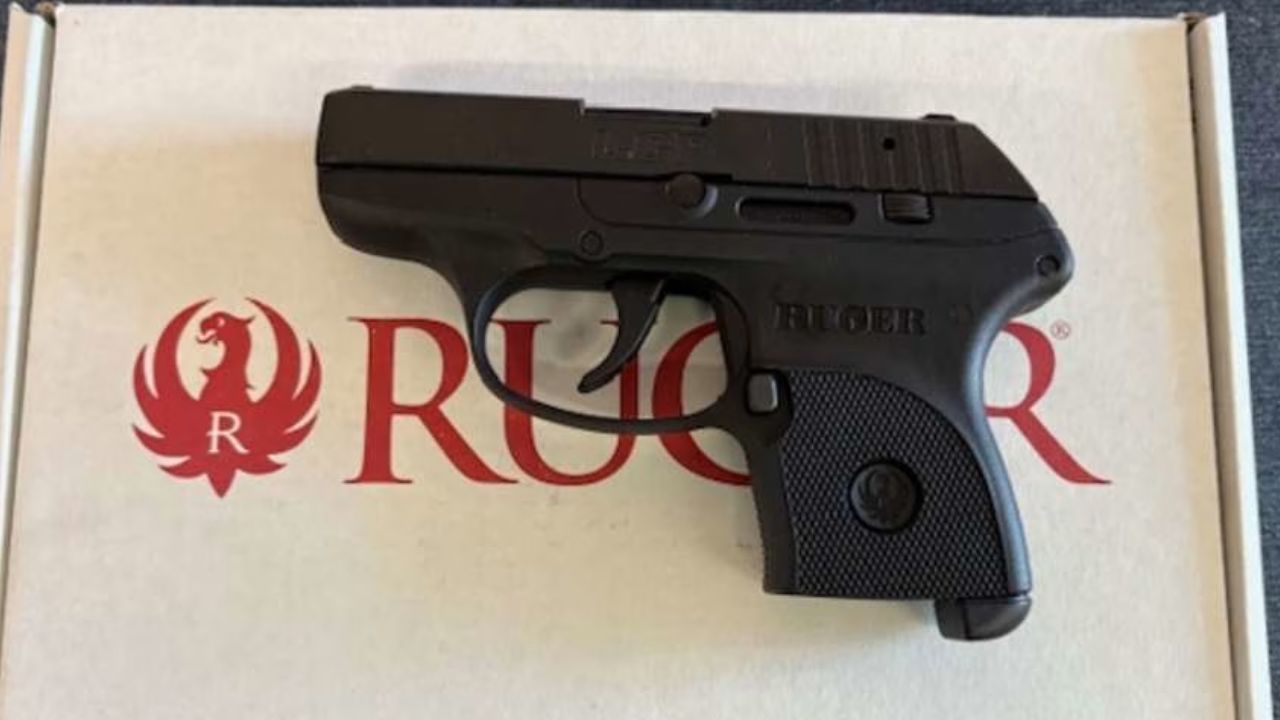
The LCP is one of the most carried pistols in America because it disappears in a pocket. It also has a reputation for being miserable to shoot for long strings, and muzzle flip is a big part of that.
When the gun is that small, you’re fighting for grip and leverage. That makes the sights bounce and your trigger control degrade fast. It’s a valid “always” gun, but it’s not the gun you want to learn on, and it’s not the gun you want to pretend is fun at the range.
15. Smith & Wesson Airweight 642 (.38 Special)
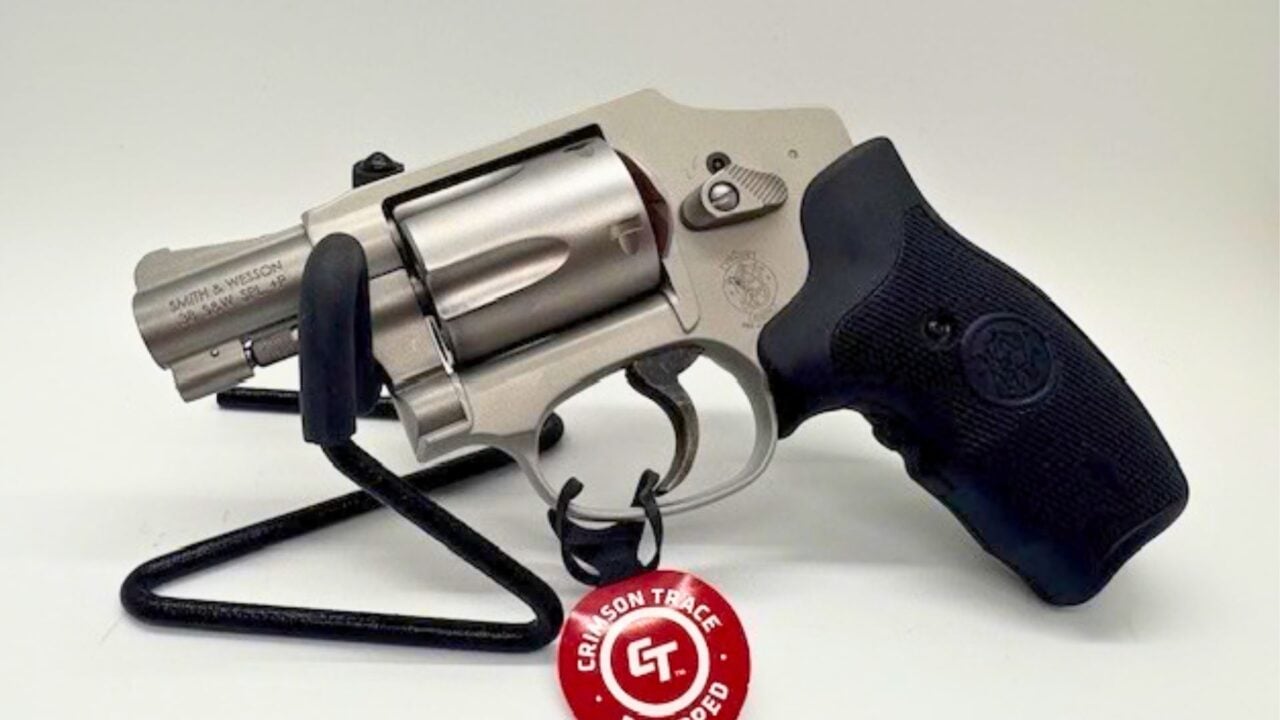
An Airweight J-frame is a classic for a reason. It carries like nothing else. The flip comes from the same place: it weighs like nothing else.
Even with standard-pressure .38, new shooters often get surprised by how abrupt it feels. With +P loads, many folks shoot a cylinder and decide that’s enough for the year. If you’re going to rely on one, you need to practice. A steel-frame J-frame is less punishing and often more useful because you’ll actually shoot it.
16. North American Arms .22 Magnum Mini-Revolver

These tiny minis are “neat” in the same way a keychain knife is neat. They’re also very hard to shoot well, and the little grip means the muzzle flips up sharply even with .22 Magnum.
It’s not a serious field gun for most tasks. It’s more of a last-ditch, better-than-nothing option that gets treated like a conversation piece. If it ends up in your pocket because it’s the only thing you’ll carry, okay. Just don’t confuse that with it being a strong solution.
17. Taurus Judge (3-inch) in .410/.45 Colt
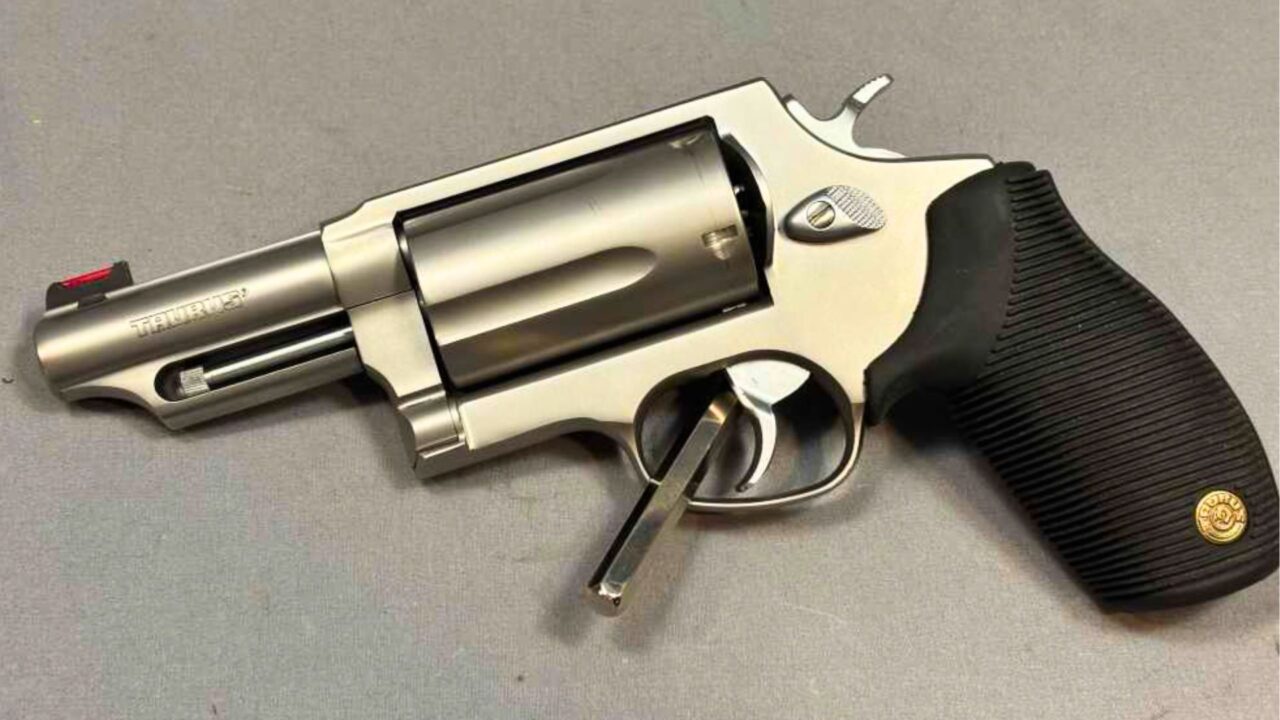
The Judge sells a dream: one gun that does it all. In reality, it does a couple things in a mediocre way. With .410 defensive loads, recoil and flip can be awkward because the grip shape and high cylinder mass don’t balance like a normal revolver.
With .45 Colt, accuracy varies a lot by individual gun and load. The big cylinder makes it bulky to carry, too. It’s not useless, but it’s more gimmick than tool for most practical outdoors needs.
18. Bond Arms Texas Defender (.45 Colt/.410)
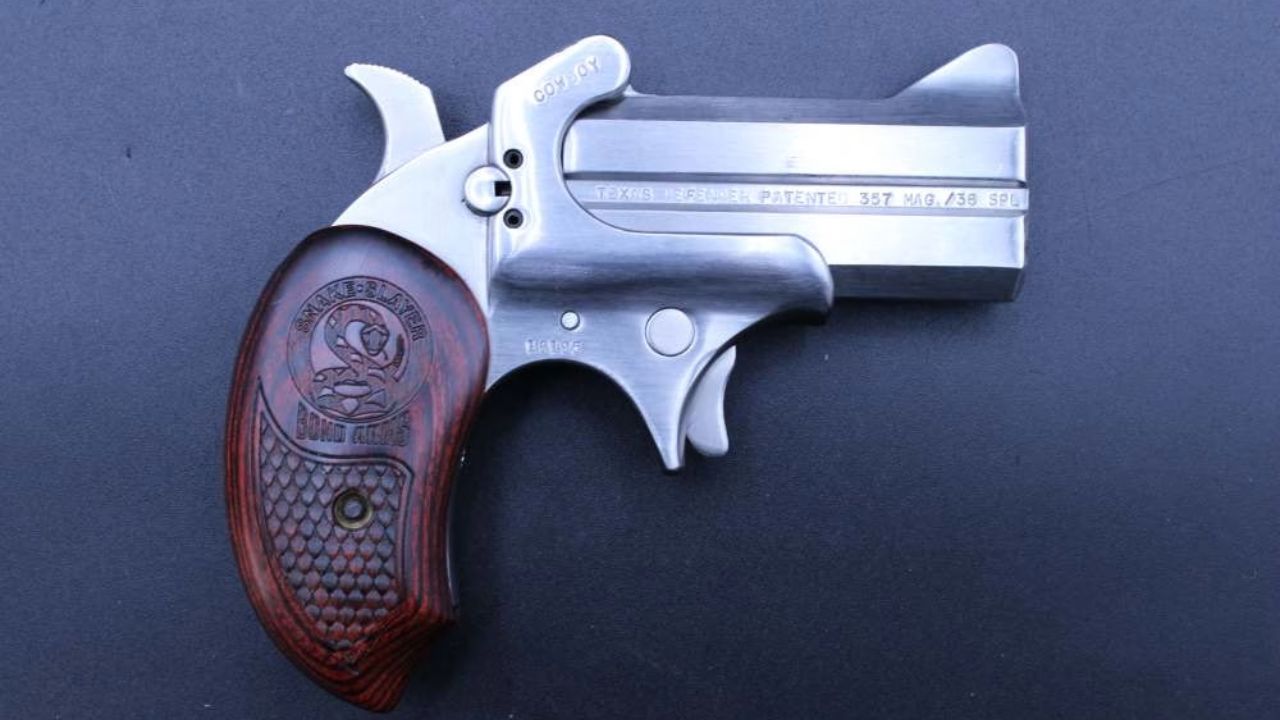
Two-shot derringers are the ultimate “looks tougher than it is” handgun. Bond Arms builds theirs like a tank, and the Texas Defender has enough barrel to still be loud and snappy, especially with .410.
Here’s the part folks don’t like to admit: the handling is slow and the capacity is two. You can carry it in places a bigger gun won’t fit, sure. But if you’re buying it as your primary, you’re accepting a whole lot of compromise along with that muzzle rise.
19. Springfield Armory Hellcat RDP (with compensator)

Yes, it has a comp. Yes, it can shoot flatter than some other micro 9s. It’s still a tiny, high-pressure 9mm with a short grip, and in real hands it can be surprisingly busy at the muzzle.
The comp also adds blast and noise, and that matters if you’re shooting from awkward positions or under a roof at the range. It’s a capable carry pistol, but the “racegun micro” vibe can push folks into thinking it’s easier than it is. You still have to drive the gun.
20. FN Five-seveN

The Five-seveN is light, long, and easy to hold, and recoil isn’t brutal. The reason it lands here is that it still pops and lifts in a way that doesn’t match what most shooters expect from the cartridge, and the usefulness-to-cost ratio is hard to swallow.
Ammo availability and price are the bigger problem for regular guys. When you can’t find practice ammo easily, you don’t train. When you don’t train, even a “soft” gun turns into an inconsistent performer. For most outdoorsmen, a boring 9mm or a practical .22 does more work for less headache.
None of this is meant to shame anybody for owning fun guns. I’ve got a couple that exist purely because they make me smile. The trick is knowing what you’re buying before the new-gun glow wears off. If it flips like a carp in the bottom of a canoe and you can’t afford to practice with it, it’s probably not a “tool” no matter what the box promised.
Like The Avid Outdoorsman’s content? Be sure to follow us.
Here’s more from us: