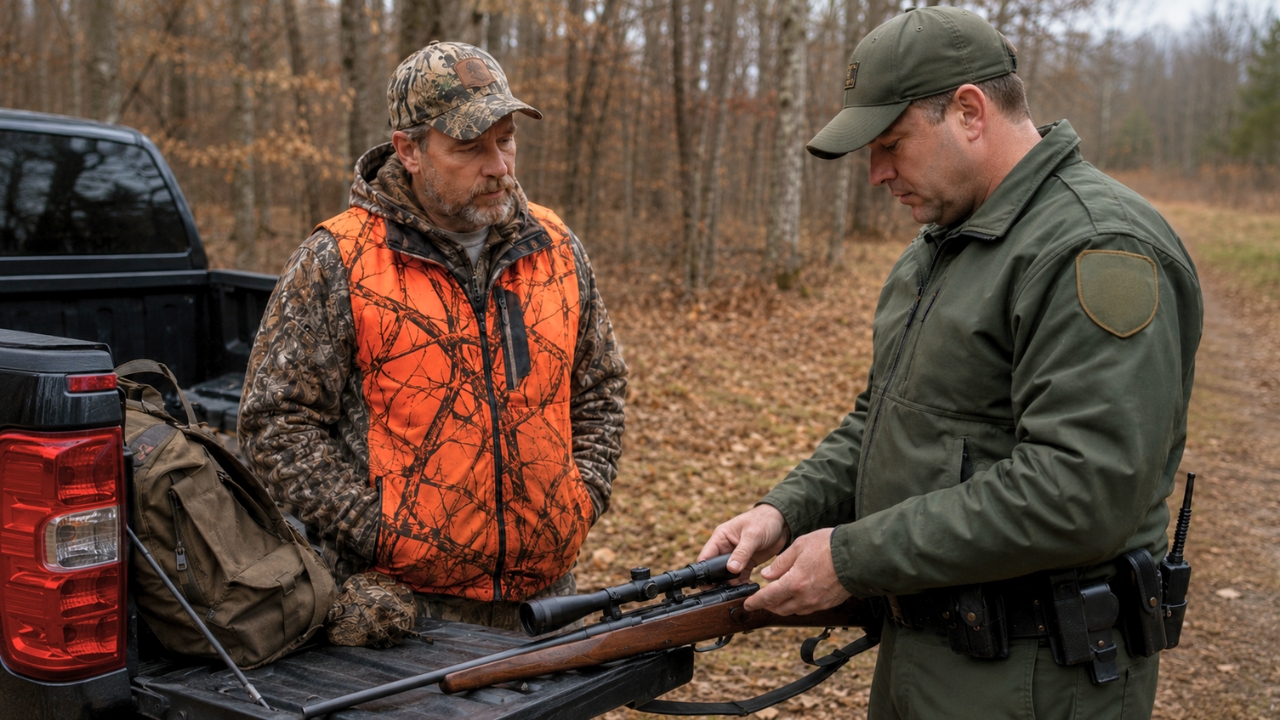
Photo credit: The Avid Outdoorsman
The hunter’s question started with something a lot of hunters wonder about but do not always ask out loud. According to the Reddit post, he wanted to know whether a game warden in Kentucky could inspect his firearms while he was on private land during hunting season.
The original Reddit post can be found here: https://www.reddit.com/r/legaladvice/comments/1cxfgzl/can_game_warden_in_kentucky_inspect_my_firearms/
That kind of question makes sense because game wardens occupy a unique role. They are not just checking regular traffic violations or responding to calls like ordinary patrol officers. They enforce hunting, fishing, wildlife, boating, licensing, tagging, bag limits, baiting rules, weapon restrictions, and other outdoor regulations. In the field, they may interact with people who are armed, moving through remote property, and actively hunting.
For hunters, that can create confusion about where normal privacy expectations end and wildlife enforcement begins. If someone is on private land, it is easy to assume they have more protection from inspection than they would on public land. But hunting is also a heavily regulated activity, and many states give conservation officers specific authority to check licenses, tags, harvested animals, and equipment tied to the hunt.
The firearm question is where the post gets more specific. A game warden may need to know whether a hunter is using a legal weapon for that season, caliber, gauge, magazine capacity, method of take, or species. During some seasons, using the wrong firearm or setup can turn an otherwise legal hunt into a violation.
At the same time, a hunter may not love the idea of someone inspecting their guns on private property. A firearm is personal property, and hunters may wonder whether they can refuse, whether refusal creates suspicion, or whether the warden needs probable cause first.
The post was not framed as someone trying to dodge the law. It read more like a hunter trying to understand the rules before he was standing in the field with a warden asking questions. That is a smart thing to know ahead of time. The middle of a hunting check is not the best moment to start debating legal authority.
The practical answer often depends on state law, the exact circumstances, and what the warden is trying to inspect. A quick check tied to legal hunting equipment may be treated differently than a broad search unrelated to wildlife enforcement. But the general advice from experienced hunters is usually the same: know the law, stay calm, keep firearms pointed safely, and do not turn a routine compliance check into a confrontation.
Commenters explained that game wardens often have broader inspection authority than people expect when someone is actively hunting or fishing. Several said that if a person is engaged in a regulated activity, the warden may be able to check licenses, tags, harvested game, and equipment used for that activity.
Others warned the hunter not to assume private land makes him immune from wildlife enforcement. If someone is hunting, the land status may not prevent a warden from enforcing season rules, method-of-take rules, or licensing requirements.
Some commenters still pointed out that authority is not unlimited. A game warden checking whether a firearm is legal for a hunting season is one thing. A fishing expedition through unrelated property or personal belongings may raise different questions. The details matter.
A few people suggested calling the Kentucky wildlife agency directly and asking for written guidance. That would give the hunter a clearer answer than relying on internet opinions, especially if he had a specific concern about a particular firearm, season, or property setup.
The post ended with the hunter trying to avoid confusion before it happened. Game wardens have a job to do, hunters have rules to follow, and understanding the inspection side ahead of time can keep a simple field check from turning into a bigger argument.
Like The Avid Outdoorsman’s content? Subscribe to our newsletter so you never miss an article.
Here’s more from us: