Photo credit: Expedient Loser/YouTube
Optics-ready pistols have become so common that buyers sometimes treat the lack of a factory cut like a major flaw. That makes sense if you already know you want a red dot, but not every good handgun needs one. Plenty of pistols were designed around excellent iron sights, clean triggers, and balanced handling long before slide-mounted optics became mainstream.
In some cases, buying one of those guns still makes more sense than choosing a newer optics-ready pistol simply because the feature list looks better. A good set of sights never runs out of battery, never loses zero because of a loose screw, and never adds height or bulk to the slide. More importantly, some pistols are simply too good to ignore just because they were designed before optics cuts became standard. These 20 are still worth owning exactly as they are.
Smith & Wesson Model 5903
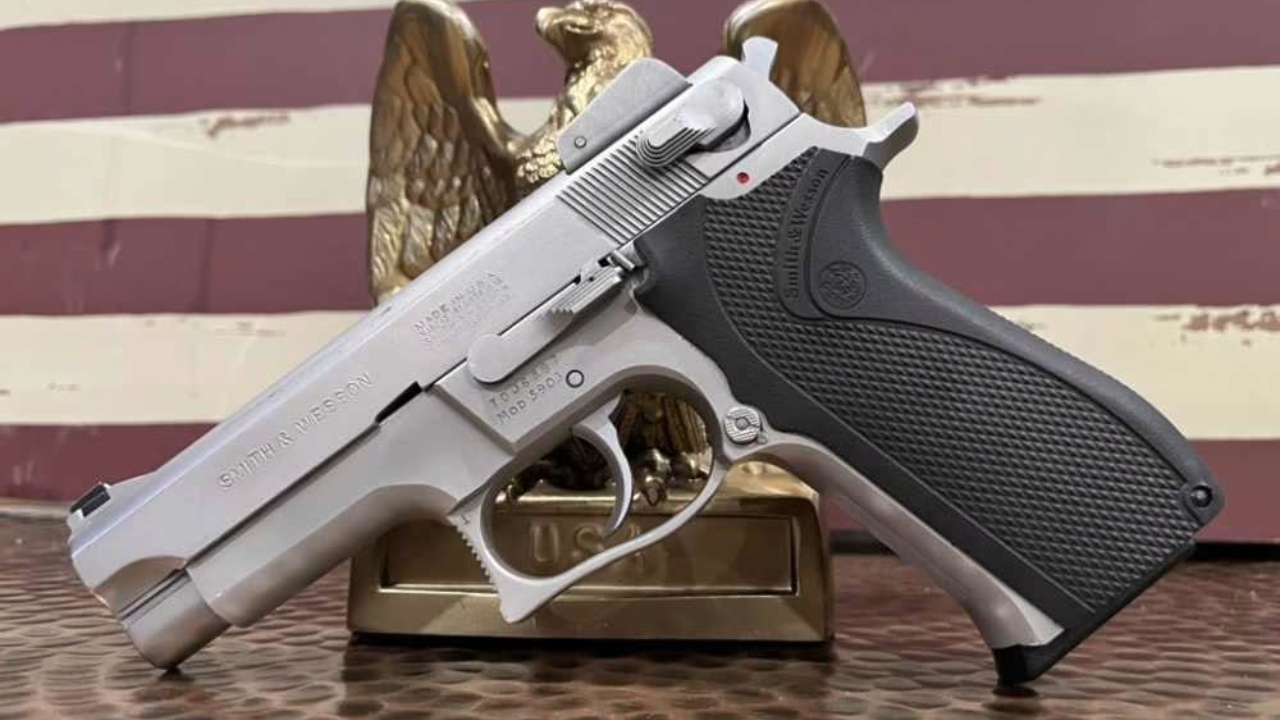
The 5903 sits in a sweet spot within Smith & Wesson’s third-generation pistol family. The aluminum frame keeps the weight reasonable, while the full-size grip and traditional DA/SA system give the pistol the feel of a serious service handgun. It is not especially flashy, but that is part of its appeal. Everything about it was designed around dependable iron-sight use rather than chasing modern accessories.
At the range, the pistol is soft shooting and predictable. The first double-action pull takes some practice, but the single-action trigger is clean enough for accurate work. The fixed sights are simple and durable, and the overall balance makes the gun easy to keep on target. If you like older metal service pistols, there is no need to dismiss the 5903 just because nobody milled the slide for a red dot.
SIG Sauer P225

The original P225 remains one of the cleanest single-stack service pistols SIG ever made. It has a narrow grip, excellent balance, and the classic SIG DA/SA trigger system in a package that feels much slimmer than the larger P226 family.
The fixed sights are entirely adequate because the pistol’s real strength is how naturally it points. The grip encourages a consistent presentation, and the modest slide width makes the sight picture easy to pick up. Capacity is lower than modern compact pistols, but that does not make the gun obsolete. For shooters who value traditional ergonomics and a smooth hammer-fired action, the P225 still has plenty to offer without an optic.
Walther P5 Compact
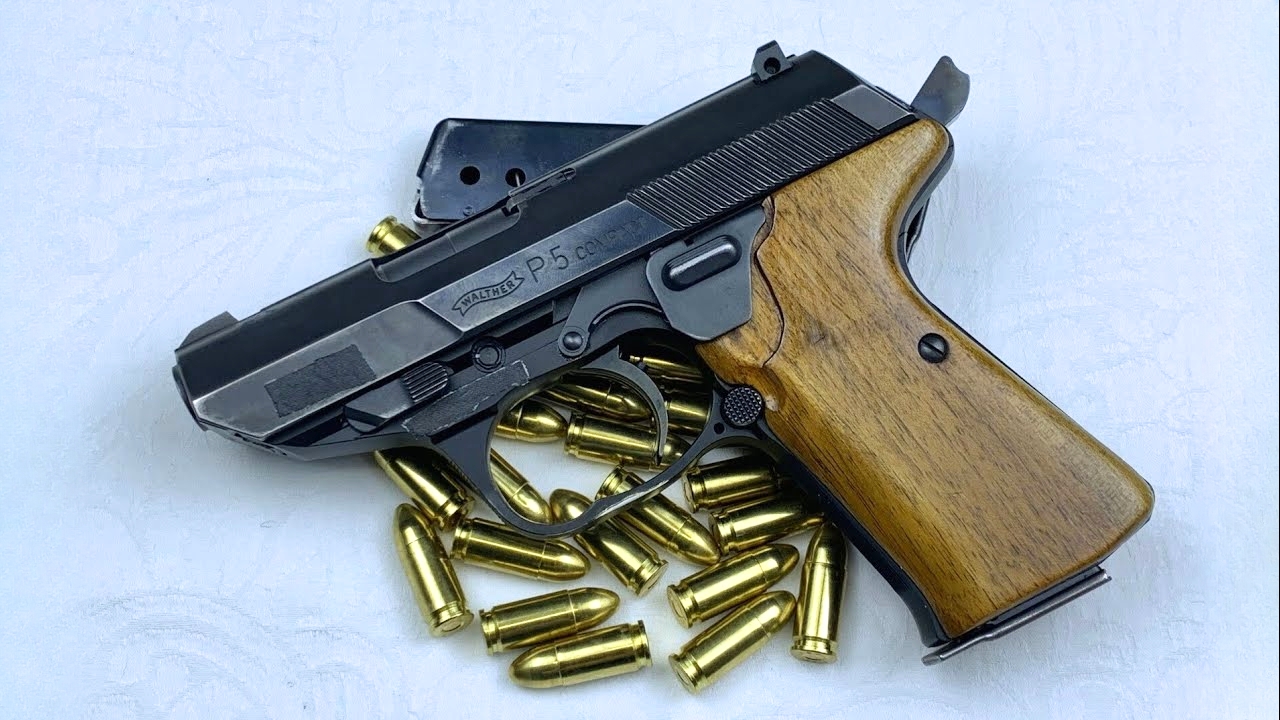
The P5 Compact is one of those older European pistols that makes modern buyers stop and take a second look. It uses Walther’s distinctive locking system, has excellent machining, and feels much more refined than many service pistols from the same era.
The sights are straightforward, but the pistol is accurate enough that you never feel handicapped by them. The compact frame also carries well without turning the gun into a tiny, difficult-to-shoot package. Controls are unusual compared with modern pistols, but once learned they become intuitive. A red dot would not necessarily improve what makes the P5 special. The whole appeal is the way the pistol feels and shoots in its original form.
Smith & Wesson Model 908
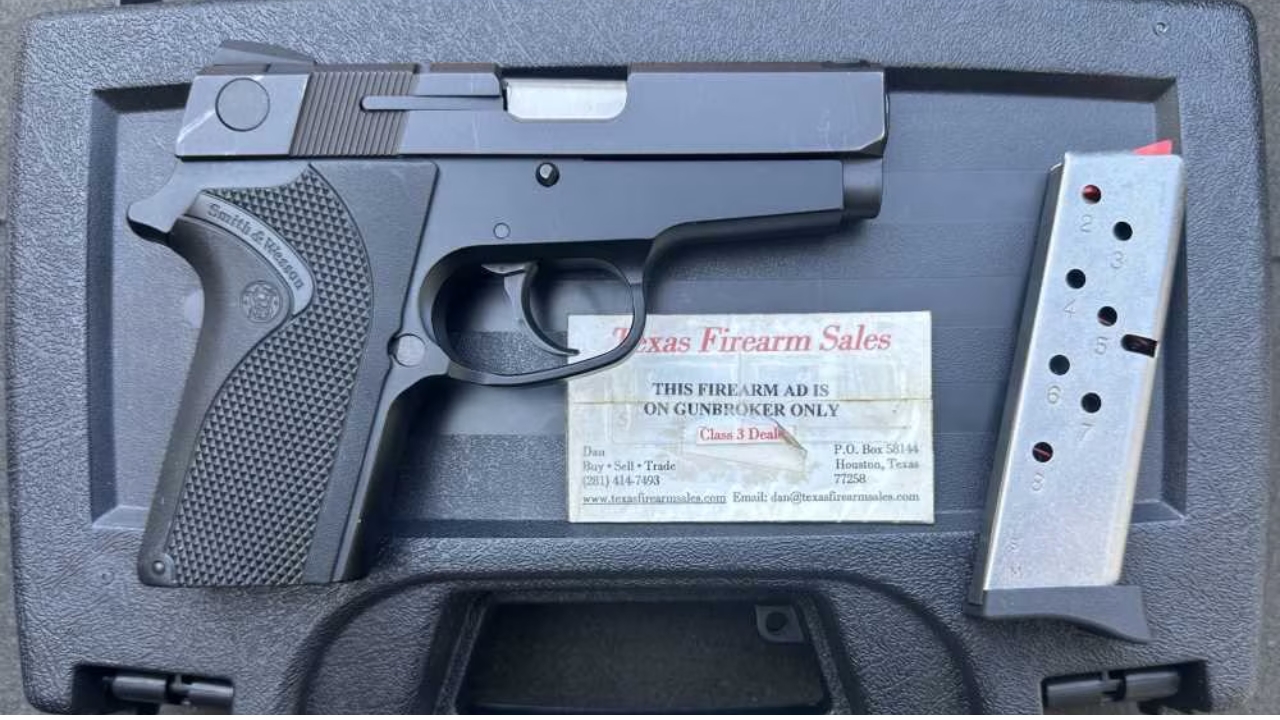
The 908 was built as a more affordable version of Smith & Wesson’s compact third-generation pistols, but that does not mean it feels disposable. The aluminum frame, slim single-stack grip, and traditional DA/SA trigger make it a practical carry pistol even by current standards.
Its fixed sights are basic, but they work well because the gun is so naturally balanced. The pistol sits low in the hand, recoil is manageable, and the narrow frame makes it easy to control for shooters with smaller hands. Capacity is modest, yet the 908 remains a very usable handgun for anyone who prefers a slim metal pistol and does not feel the need to bolt electronics to the slide.
Browning Hi-Power Mark III
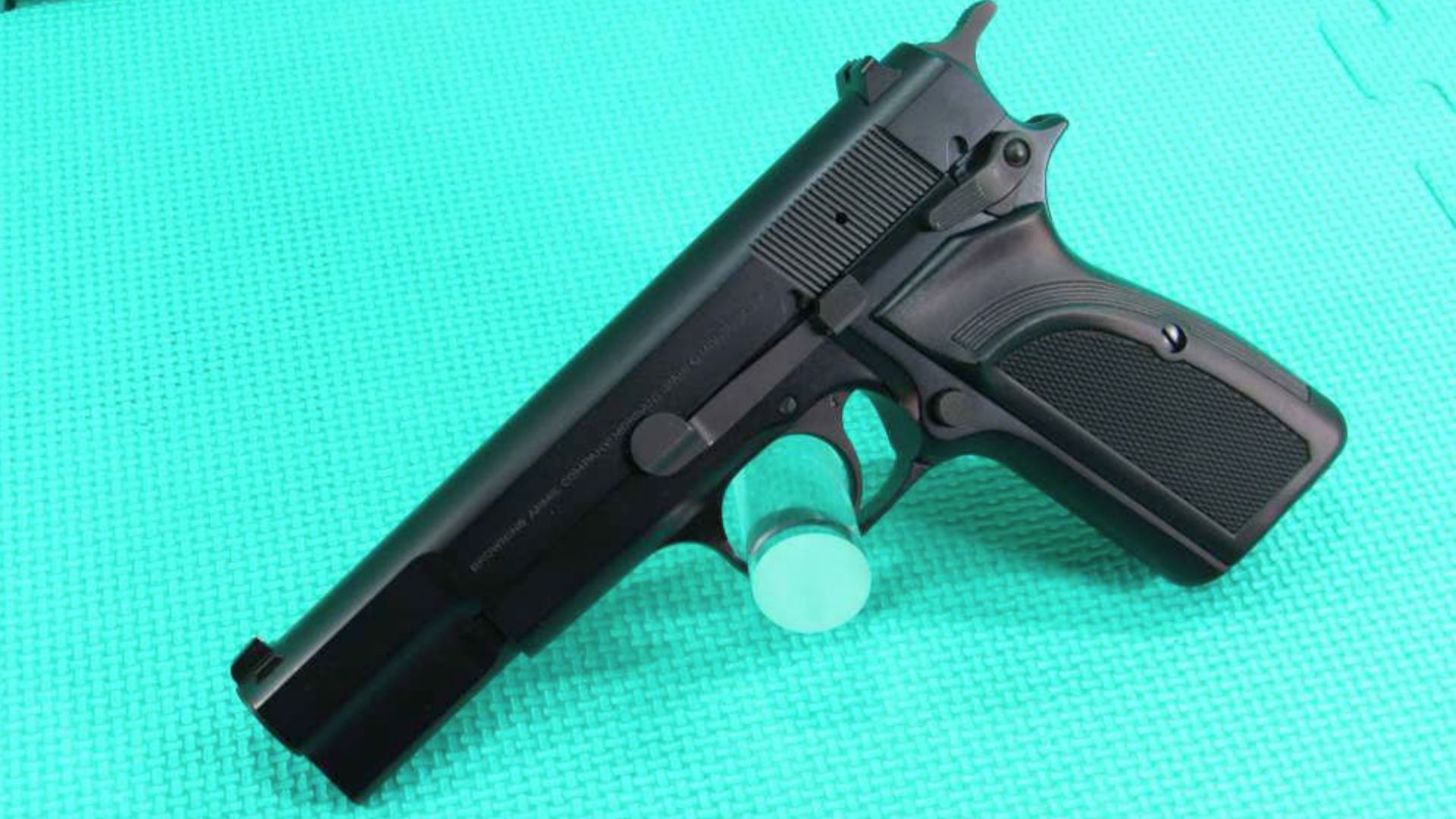
The Mark III Hi-Power remains one of the most naturally pointing service pistols ever built. The steel frame, thin double-stack grip, and low slide profile make the gun feel almost unusually elegant compared with many modern pistols.
The factory sights on later Mark III guns are much better than the tiny sights found on earlier Hi-Powers, which is exactly why an optic cut is not mandatory. The pistol is easy to index, and the grip angle naturally brings the sights into view. Trigger feel can vary because of the magazine disconnect, but the overall shooting experience is still excellent. If you want a classic steel 9mm, the absence of a red-dot mount is a minor concern.
Beretta 8045 Cougar
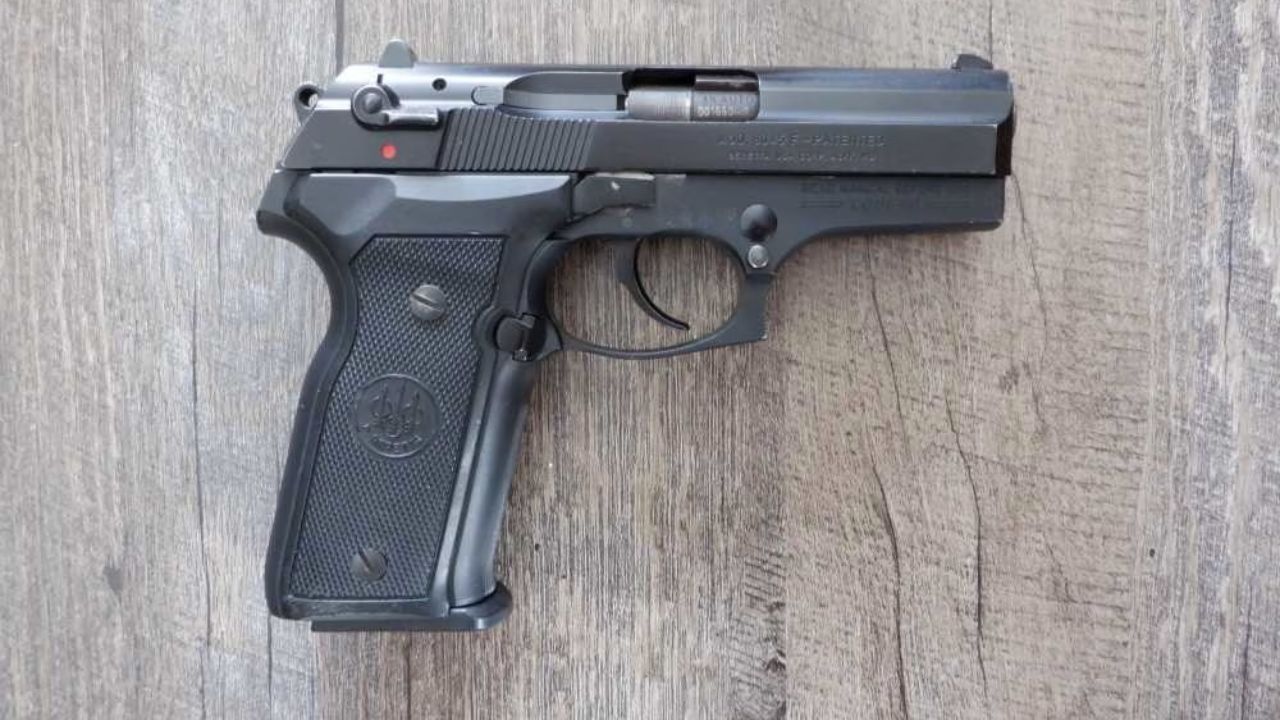
The 8045 Cougar combines .45 ACP with Beretta’s rotating-barrel system in a compact metal-frame pistol. That gives it a very different recoil impulse from the traditional tilting-barrel .45s most shooters are familiar with.
The fixed sights are perfectly usable because the gun stays remarkably composed during firing. The heavier slide and rotating action keep recoil broad and smooth rather than abrupt. The pistol is chunky, but it feels more substantial than awkward. As a range or home-defense gun, it is still highly capable, and there is no real reason to dismiss it just because it predates the factory-optics era.
Star Firestar M43

The Firestar M43 is small, steel framed, and much heavier than most modern compact 9mm pistols. That sounds outdated until you shoot one. The extra weight makes recoil very easy to manage, and the single-action trigger gives the gun a precise feel.
Its iron sights are uncomplicated but effective. The pistol’s compact dimensions mean there is not much slide length available anyway, yet the gun can still shoot surprisingly tight groups in experienced hands. Parts support is the bigger concern today, not the lack of an optic cut. For a shooter who finds a clean example, the Firestar remains a remarkably enjoyable little metal pistol.
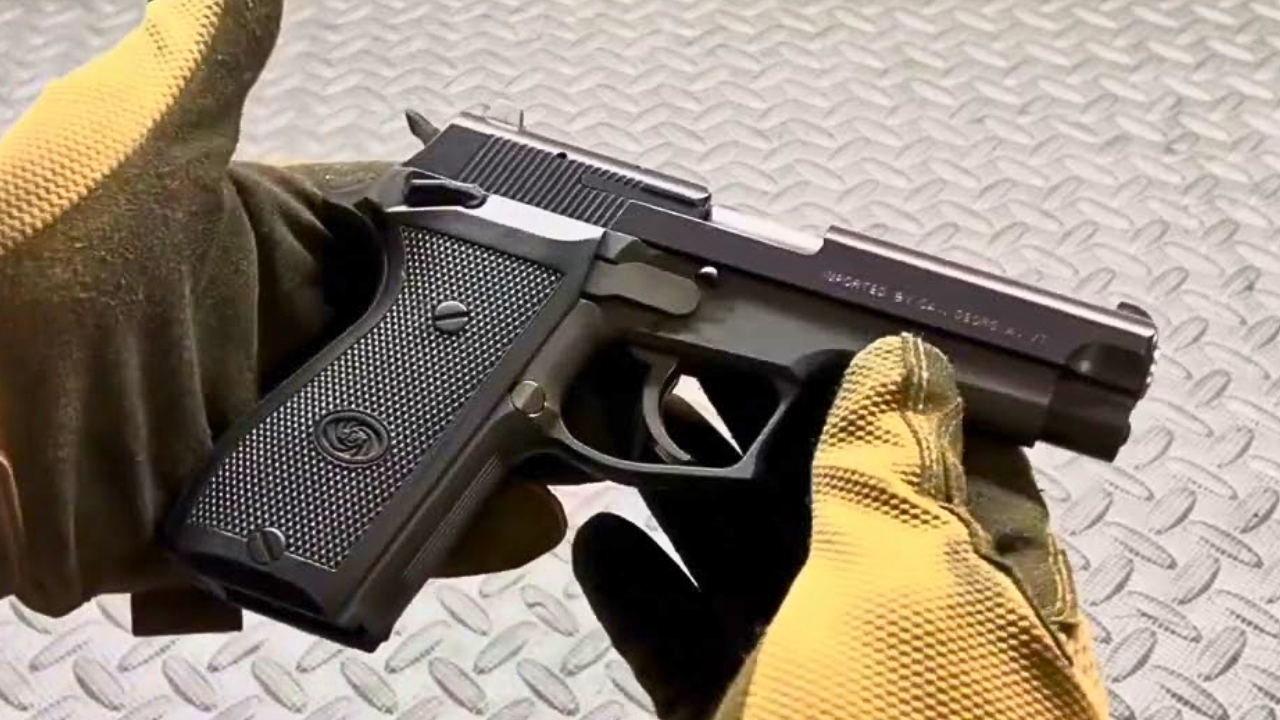
Daewoo DP51

The DP51 stands out because of its unusual Fast Action trigger system, which allows the hammer to be pushed forward while retaining a shortened trigger stroke for the first shot. That system gives the pistol a personality unlike almost anything else on the market.
The gun also points well and has useful fixed sights, so the lack of optics capability does not feel like a major limitation. The frame is light enough for carry but substantial enough to keep recoil manageable. It is one of those pistols where the mechanical character is the reason to own it. Milling the slide for a red dot would almost miss the point.
Astra A-80
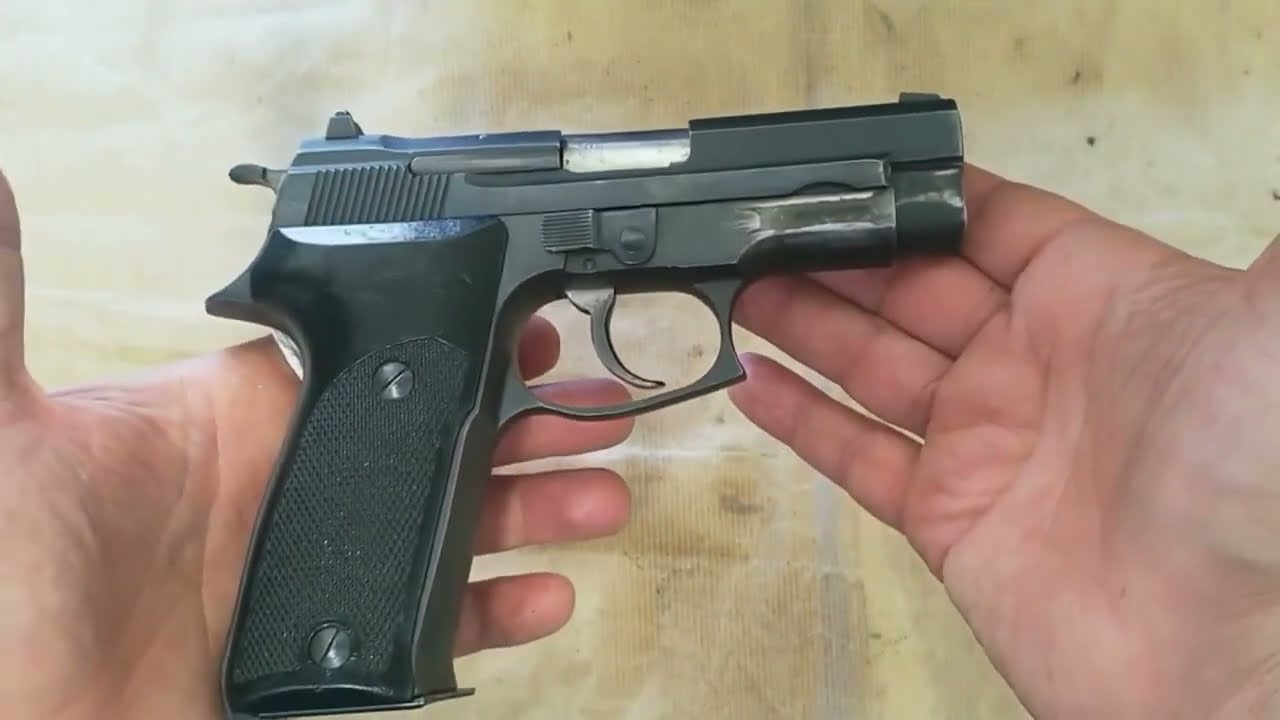
The A-80 was Spain’s interpretation of the traditional high-capacity DA/SA service pistol. It is all steel, substantial, and built around a straightforward operating system that feels reassuringly conventional once you start shooting.
The weight keeps recoil minimal, while the fixed sights are large enough to use without frustration. The trigger is not as refined as premium European competitors, but the gun is stable and easy to control. It has very little in common with a modern optics-ready carry pistol, yet that does not make it irrelevant. A good A-80 still makes a solid range gun precisely because of its mass and old-school simplicity.
Smith & Wesson Model 457
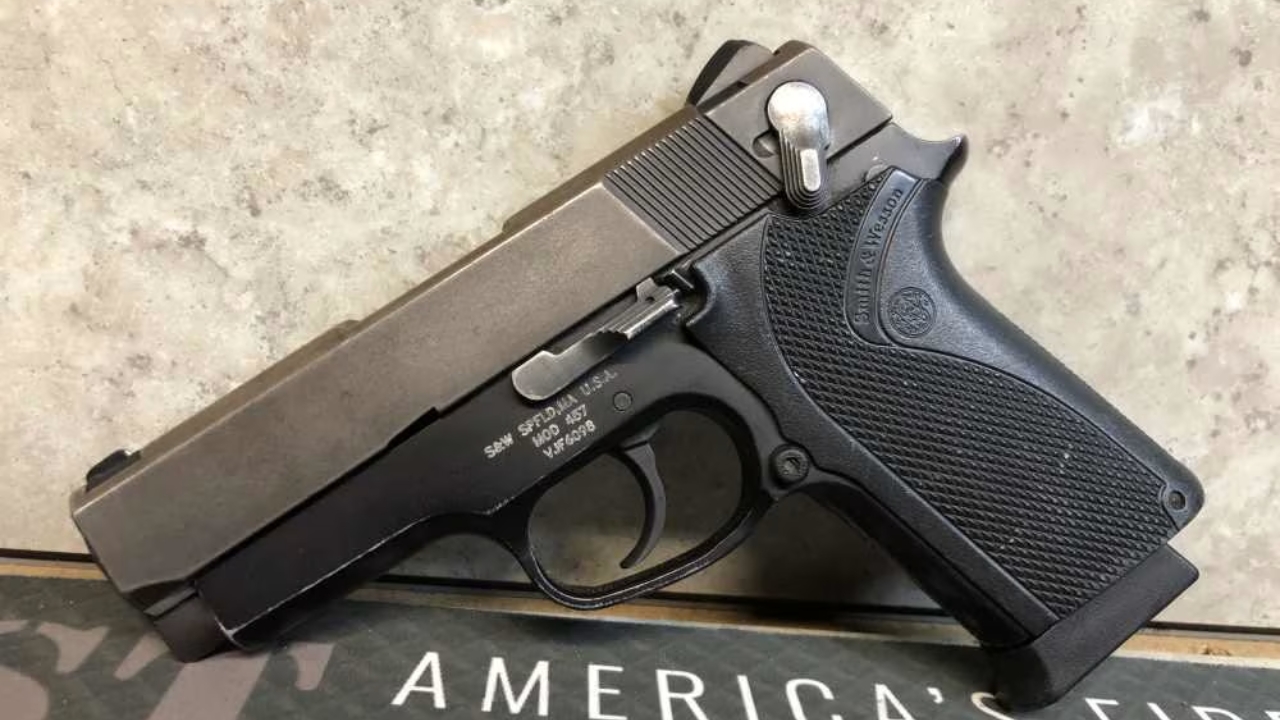
The Model 457 is an underrated compact .45 ACP that gives you a surprisingly manageable package without the width of many double-stack designs. The aluminum frame keeps it lighter than a full steel pistol, while the single-stack grip remains easy to control.
Its fixed sights are practical because the pistol was designed for close-range defensive use, but the gun is accurate enough to stretch farther than its compact dimensions suggest. The DA/SA trigger takes some practice, yet the single-action pull is quite usable. The lack of an optics cut is hardly the biggest issue. If you want a compact traditional .45, the 457 still does the job.
Star BM

The Star BM has become one of the more appreciated surplus pistols in recent years because it gives you steel-frame 9mm shooting with a slim, single-action design. It looks somewhat like a compact 1911, but the internal design is distinctly its own.
The fixed sights are small by modern standards, yet the gun is stable enough that accurate shooting is still very achievable. The steel frame soaks up recoil, the trigger is straightforward, and the grip is thin enough for almost anyone to manage. The BM is not a modern carry pistol, but as a range and collection piece it remains far too good to dismiss just because there is nowhere to mount a dot.
Beretta 87 Cheetah
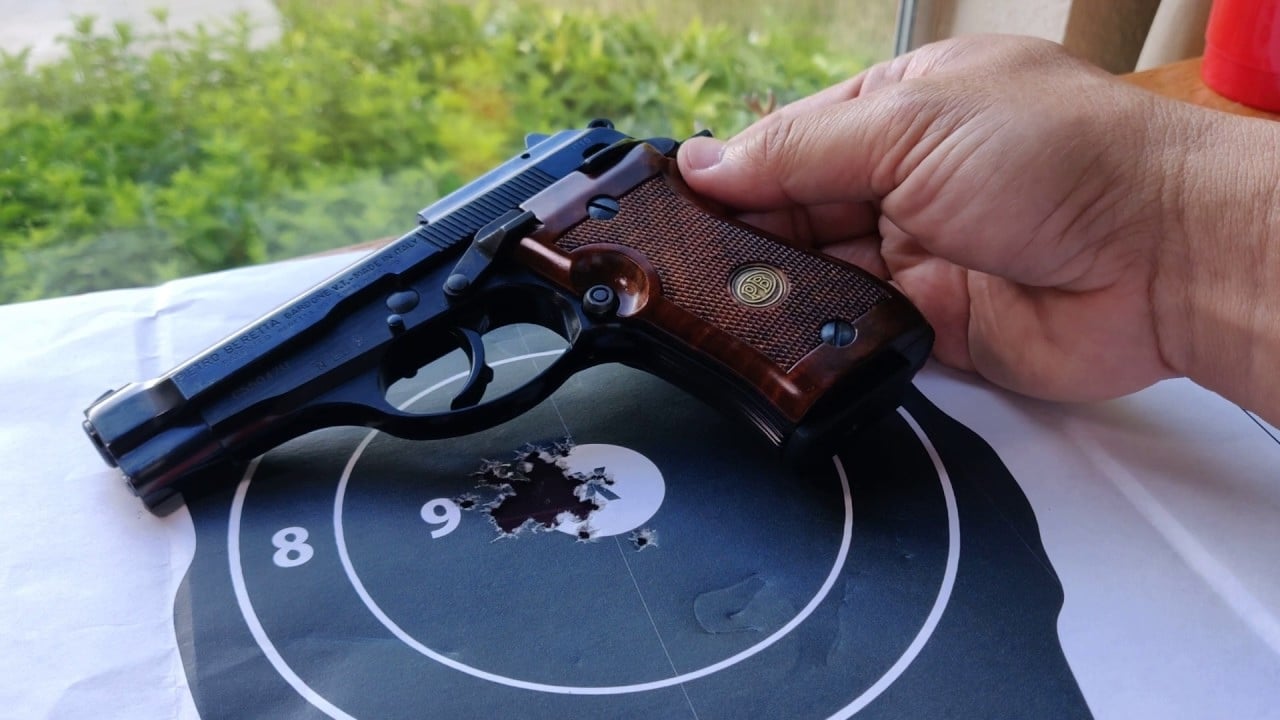
The Model 87 is one of the more refined compact .22 pistols Beretta ever produced. The aluminum frame keeps it light, the open-slide design gives it classic Beretta character, and the single-stack layout makes the grip exceptionally slim.
A rimfire pistol like this does not need an optic to be enjoyable. The sights are clear enough for casual target shooting, and the gun’s balance makes it easy to hold steady. The trigger is pleasant, recoil is almost nonexistent, and the pistol has much more character than many newer polymer .22s. It is the kind of gun you buy because of how it feels, not because of how many mounting plates come in the box.
SIG Sauer P232

The P232 is one of the most elegant blowback .380 pistols ever made. Its slim aluminum frame, rounded slide, and fixed-barrel design give it a very clean profile that remains easy to appreciate even now.
The sights are modest, but the pistol points naturally and is accurate enough for its intended role. Recoil can be sharper than some buyers expect because of the blowback action, but the gun is still remarkably pleasant compared with tiny polymer pocket pistols. An optic would add bulk to a design whose greatest strength is slimness. The P232 remains worth owning precisely because it does not try to be anything other than a refined traditional carry gun.
Smith & Wesson Model 4516
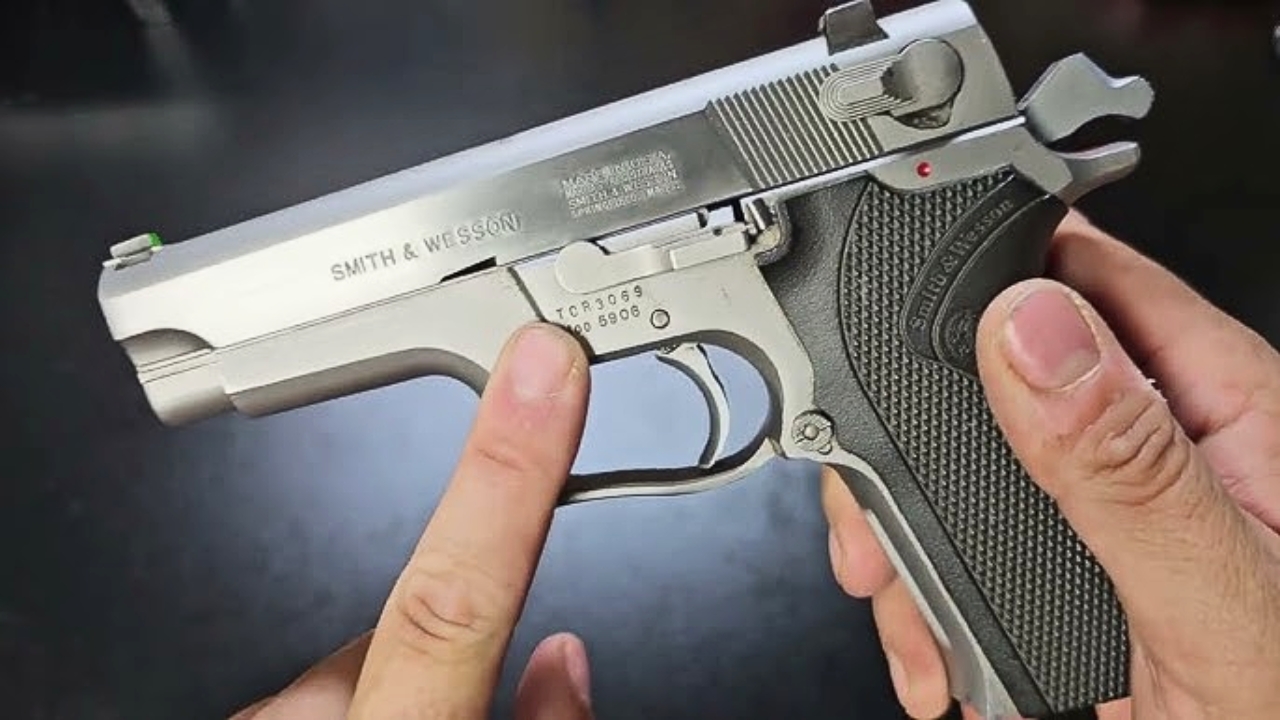
The 4516 is a compact stainless-steel .45 ACP built like a small tank. It is heavy for its size, but that mass is exactly what keeps recoil under control and gives the pistol such a solid feel.
The fixed sights are simple, durable, and entirely appropriate for the gun’s intended role. The first double-action pull is long, but the follow-up single-action shots are easy to manage. There is nothing lightweight or minimalist about the pistol, and that is part of the charm. If you like older compact .45s that feel overbuilt, the absence of an optic cut is hardly a reason to walk away.
Beretta 81 Cheetah
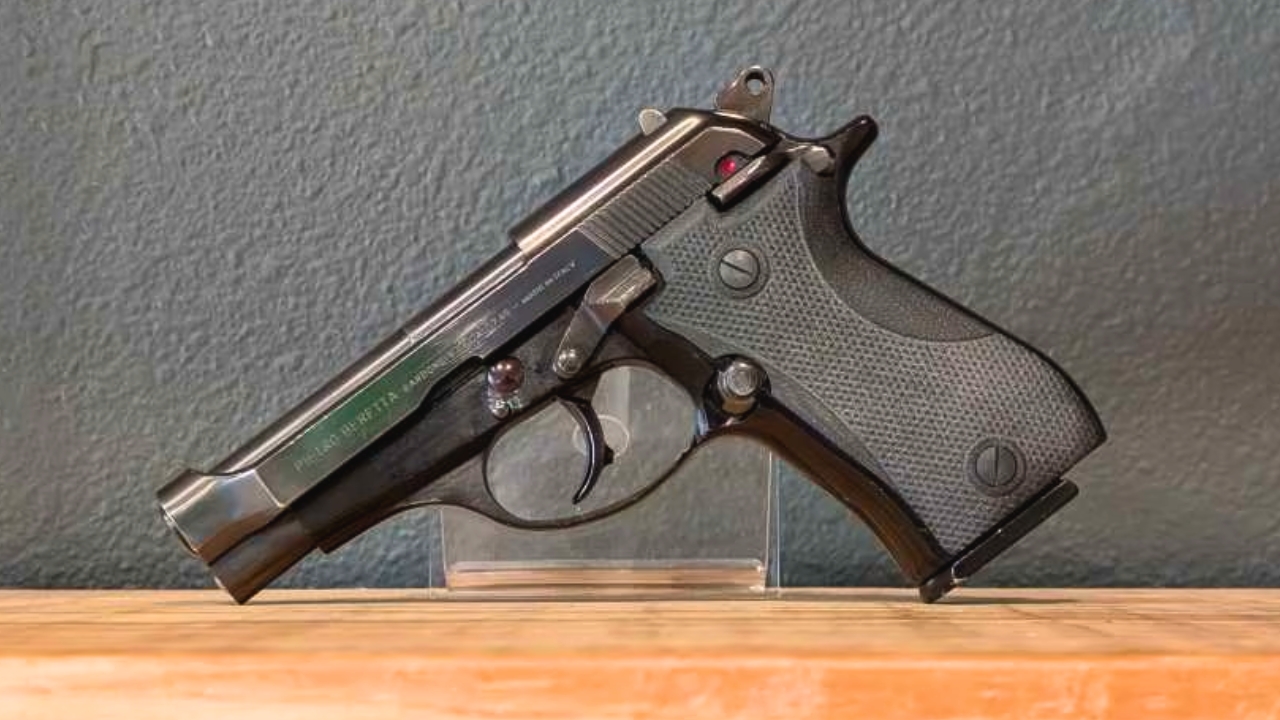
The Model 81 gives you the same classic Cheetah architecture with the mild .32 ACP cartridge. That combination creates one of the easiest-shooting compact metal pistols around.
The fixed sights are perfectly sufficient because recoil barely moves the gun. The aluminum frame, comfortable grip, and longer sight radius relative to tiny pocket pistols make it easy to shoot accurately. Capacity is also respectable for such an old design. It is not a modern defensive powerhouse, but as a low-recoil carry, training, or range pistol, the 81 still has a lot going for it.
CZ 82
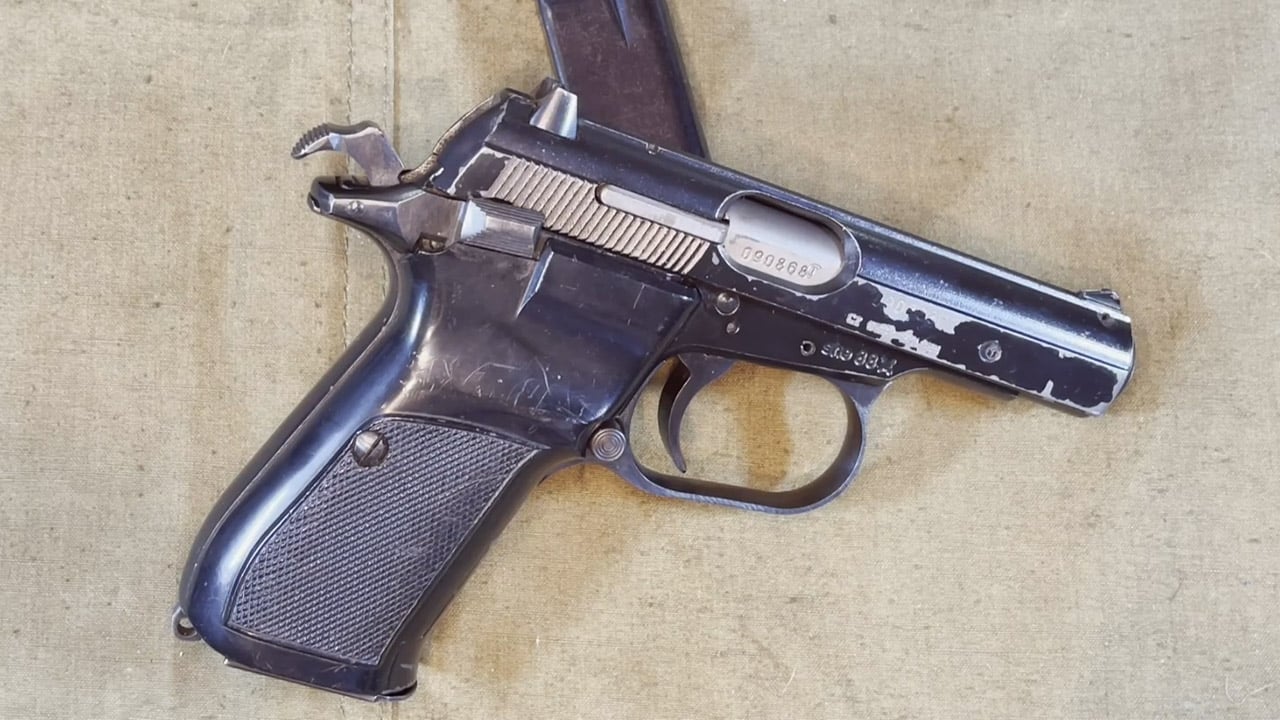
The CZ 82 has one of the more interesting surplus-pistol designs because it combines a compact all-steel frame, polygonal rifling, and fully ambidextrous controls. Chambered in 9x18mm Makarov, it sits between .380 ACP and 9mm Luger in practical feel.
The fixed sights are larger than those on many older military pistols, which makes the gun surprisingly easy to shoot well. The steel frame keeps recoil manageable, and the grip fills the hand nicely. Ammunition availability is the bigger issue today, not the absence of an optic cut. Mechanically, the CZ 82 remains a remarkably shootable compact pistol.
HK USP Compact .45
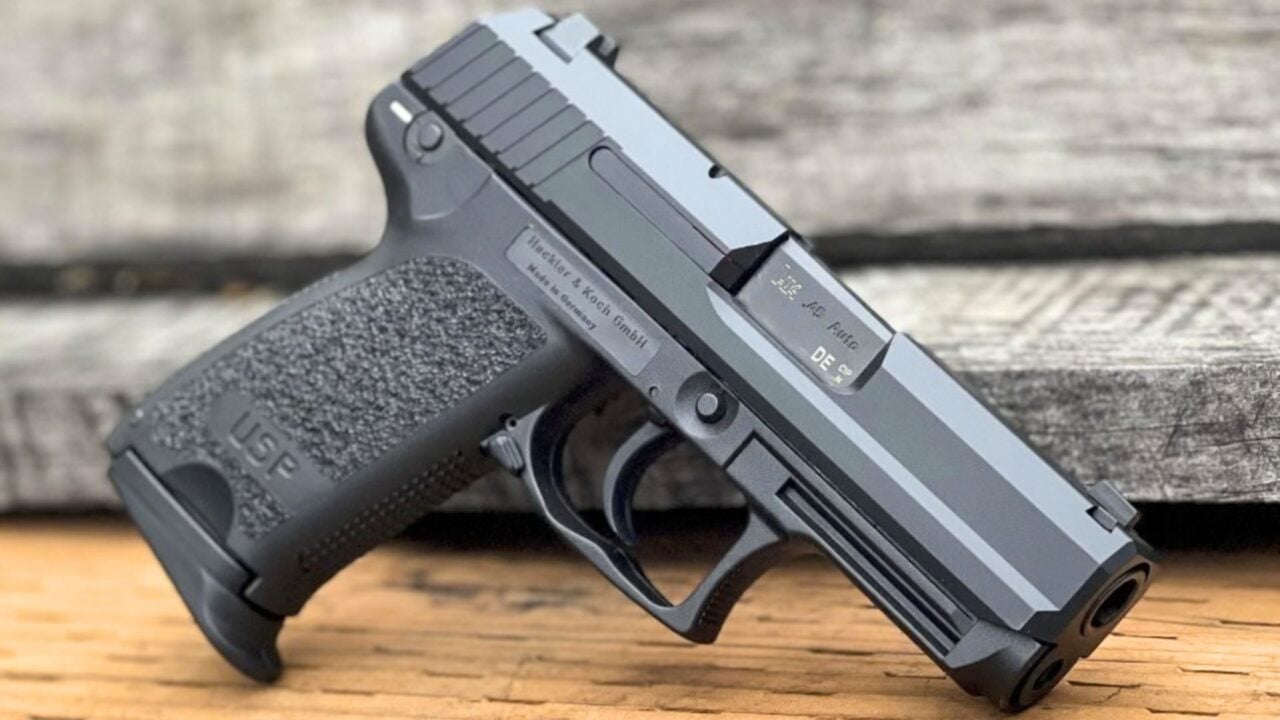
The USP Compact .45 is one of those pistols that never needed a red dot to establish a serious reputation. The polymer frame keeps the weight reasonable, while the substantial slide and recoil system give the gun a very controlled shooting character.
The fixed sights are durable, and the pistol points well once you become accustomed to the grip. It is not especially thin, but the overall dimensions remain manageable for a .45. The trigger can vary depending on the configuration, but the platform itself is rugged and proven. For someone who values traditional hammer-fired operation and durability, the lack of an optics cut is not a major sacrifice.
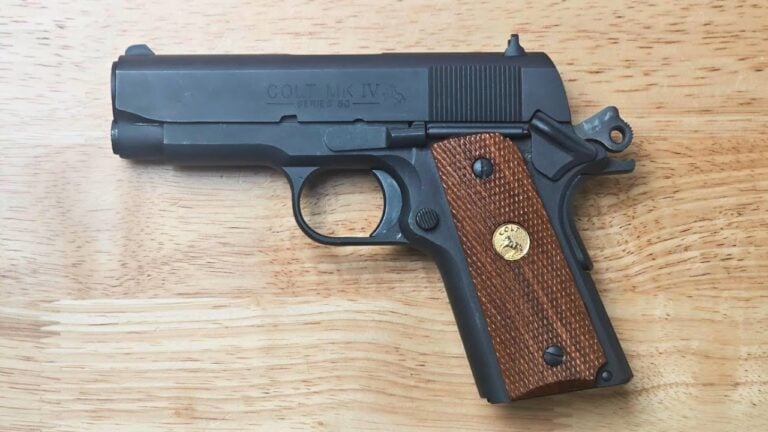
Colt Officer’s ACP
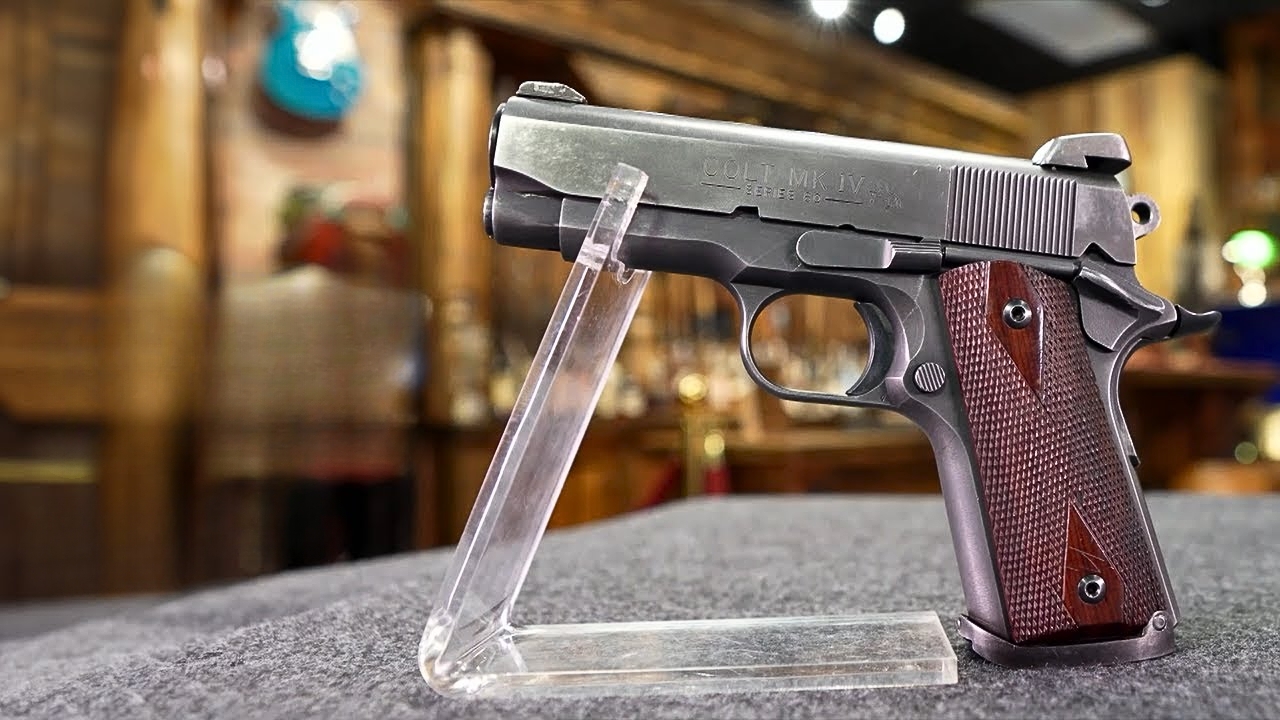
The Officer’s ACP is a classic example of shrinking the 1911 concept while retaining the basic single-action trigger and slim steel-frame feel. It is shorter and heavier than modern micro-compacts, but that mass helps keep .45 ACP manageable.
The sights on older examples are not generous, yet later guns can be perfectly workable with quality iron sights. The gun’s main appeal is still the trigger and thin profile. A red dot would change the balance and appearance dramatically. If you appreciate compact 1911s for what they are, the Officer’s ACP remains worth owning in its traditional form.
Smith & Wesson Model 39-2
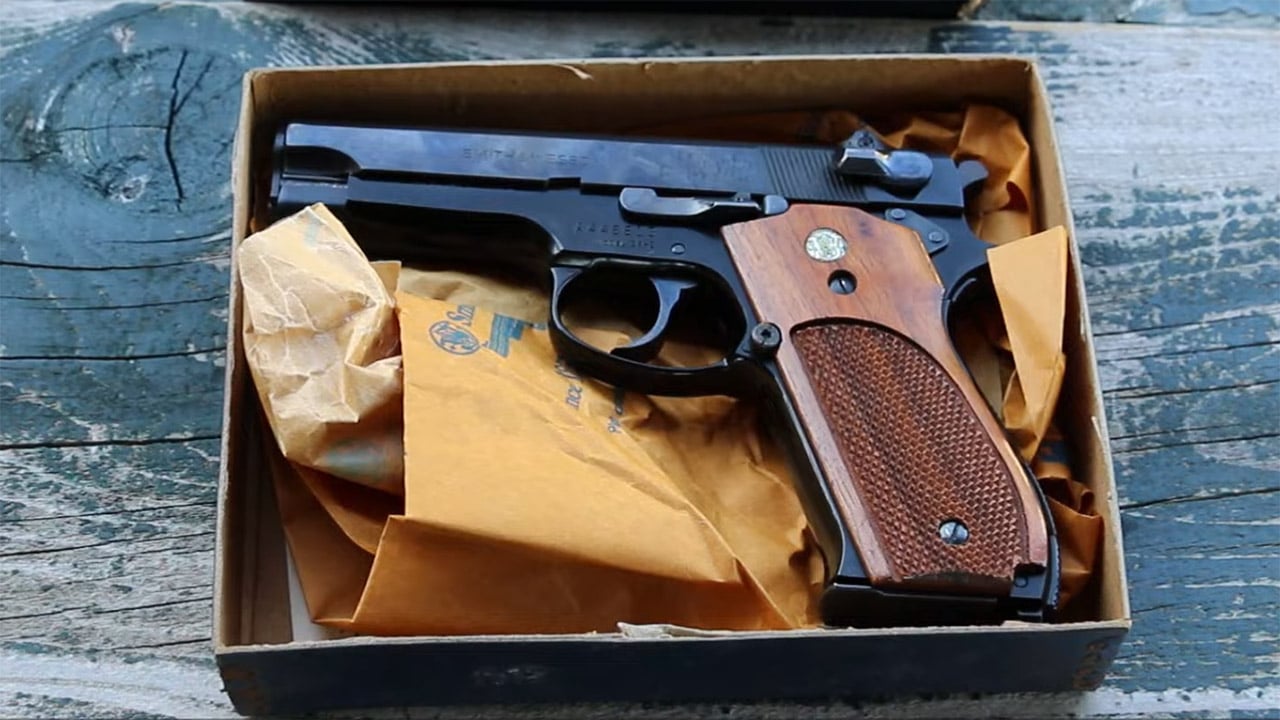
The 39-2 is one of the classic American DA/SA service pistols and helped establish the concept long before high-capacity metal guns took over law enforcement. Its aluminum frame, slim single-stack grip, and graceful slide make it unusually elegant for a duty handgun.
The sights are basic but functional, and the pistol has enough barrel length to make them easy to use. The trigger system rewards practice, while the thin grip makes the gun surprisingly comfortable for a wide range of shooters. It is not modern by any definition, but that does not matter. As a historically important and genuinely pleasant shooting pistol, the 39-2 remains absolutely worth buying.
Browning BDA .45

The Browning BDA .45 is closely related to the SIG P220 and gives shooters a traditional metal-frame .45 with excellent balance and a slim single-stack grip. It was marketed under Browning but built around a proven European service-pistol design.
The fixed sights are straightforward, while the pistol’s weight and grip geometry make accurate shooting easy. The DA/SA trigger is old school but perfectly usable, and the gun feels substantially more refined than many modern budget .45s. It does not need an optics cut because the appeal is the whole traditional package: metal frame, hammer-fired operation, and a clean set of irons that suit the gun naturally.
Like The Avid Outdoorsman’s content? Subscribe to our newsletter so you never miss an article.
Here’s more from us: