
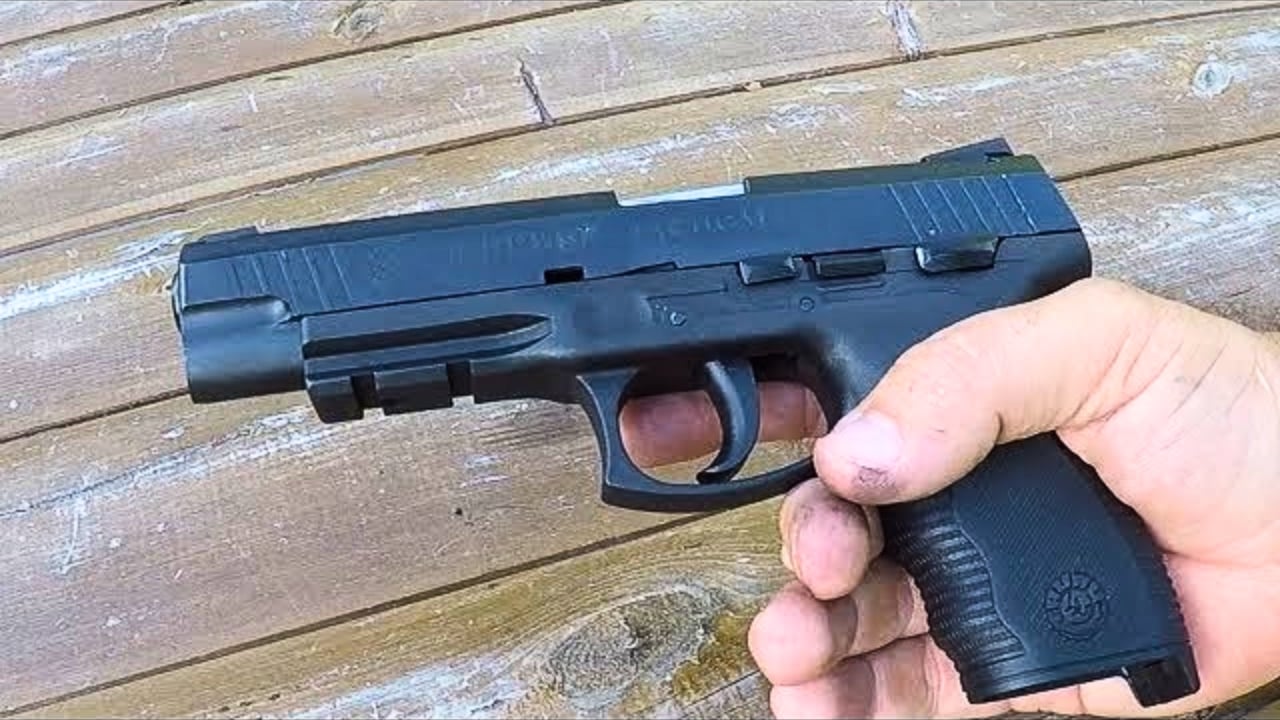
Photo credit: DOTR/YouTube
Some handguns miss greatness by a surprisingly small margin. The trigger is good, the ergonomics work, reliability is solid, and the gun may even shoot better than expected. Then one problem keeps showing up every time you use it. Maybe the grip is too thick, the controls are awkward, the magazines are expensive, or the gun simply weighs far more than it should.
Those flaws can be especially frustrating because the rest of the pistol is already good. You can see what the manufacturer was trying to build, and in many cases the design gets remarkably close. Fix that one weak point and the entire gun suddenly becomes much easier to recommend. These 20 handguns are not failures. They are pistols that make you wonder how much better they could have been if one major problem had been solved.
SIG Sauer P245
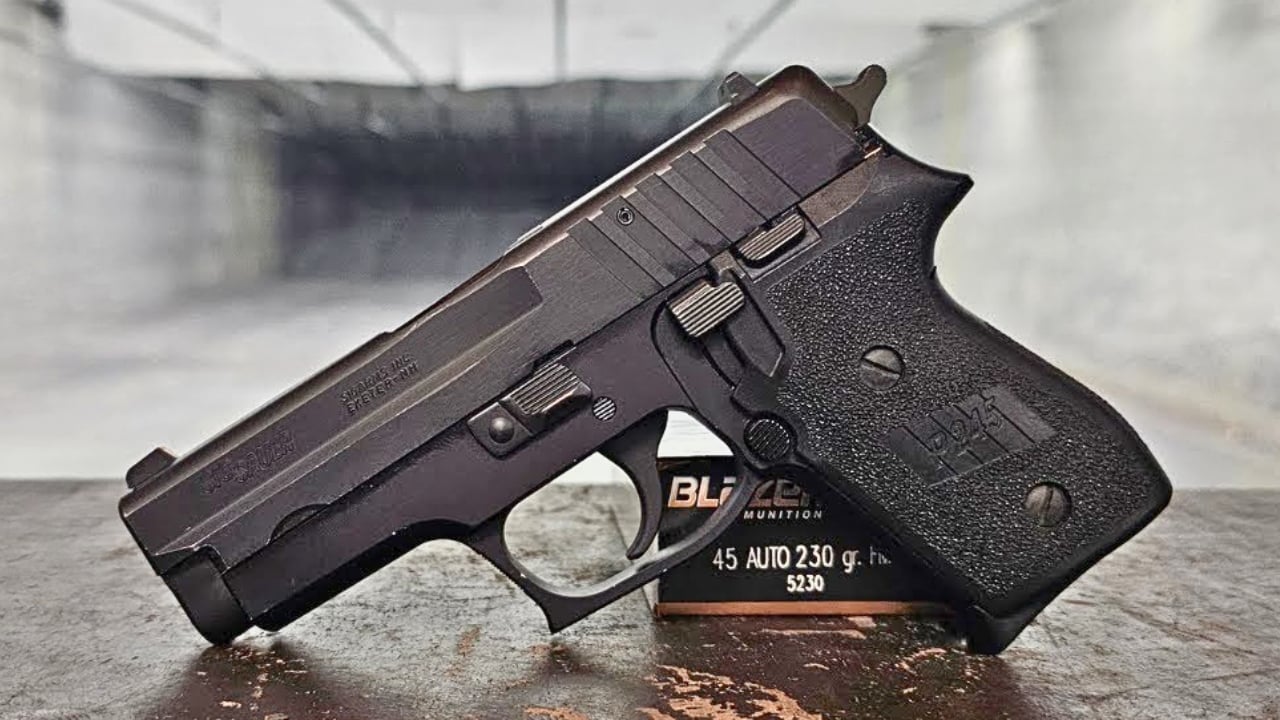
The P245 is a compact .45 ACP built around the classic SIG aluminum-frame, DA/SA formula. It has excellent balance, a slim single-stack grip, and enough weight to keep .45 recoil manageable without turning the pistol into a brick. For shooters who appreciate traditional hammer-fired SIGs, the basic design is extremely appealing. It feels like a downsized service pistol rather than a tiny carry gun stretched beyond its limits.
The problem is capacity. Six rounds of .45 ACP made more sense when the P245 was introduced than it does today. Modern compact pistols can carry significantly more ammunition without being dramatically larger. Give the P245 a slightly more efficient magazine system without ruining the thin grip, and it would be far easier to recommend as a serious defensive pistol instead of primarily an enthusiast’s gun.
Steyr M40-A1

The M40-A1 has some of the most distinctive ergonomics of any service pistol. The grip angle is aggressive, the bore sits remarkably low, and the trapezoidal sights make the gun feel completely different from the usual striker-fired crowd. Once a shooter adapts to it, the pistol tracks flat and points extremely naturally.
The issue is aftermarket and support. Finding magazines, holsters, replacement parts, and accessories is much harder than it should be for a pistol this capable. That becomes even more frustrating because the underlying gun shoots so well. If Steyr had ever built a broader support network around the platform, the M40-A1 could have competed much more seriously with mainstream duty pistols. The design itself was never the biggest problem. Living with it was.
Canik TP9 Elite SC

The TP9 Elite SC delivers a lot of features for the money. The trigger is unusually good for a compact striker-fired pistol, capacity is respectable, and the gun has enough size and weight to remain controllable during rapid fire. It is one of those pistols that shoots much more like a larger handgun than its compact classification would suggest.
The major issue is thickness. The Elite SC is chunky enough that it loses some of the concealment advantage people expect from a compact pistol. The slide, grip, and overall profile feel much closer to a chopped-down duty gun than a modern slim carry pistol. If Canik could trim meaningful width without ruining the excellent trigger and shootability, the Elite SC would become dramatically more competitive as an everyday carry option.
Colt New Agent
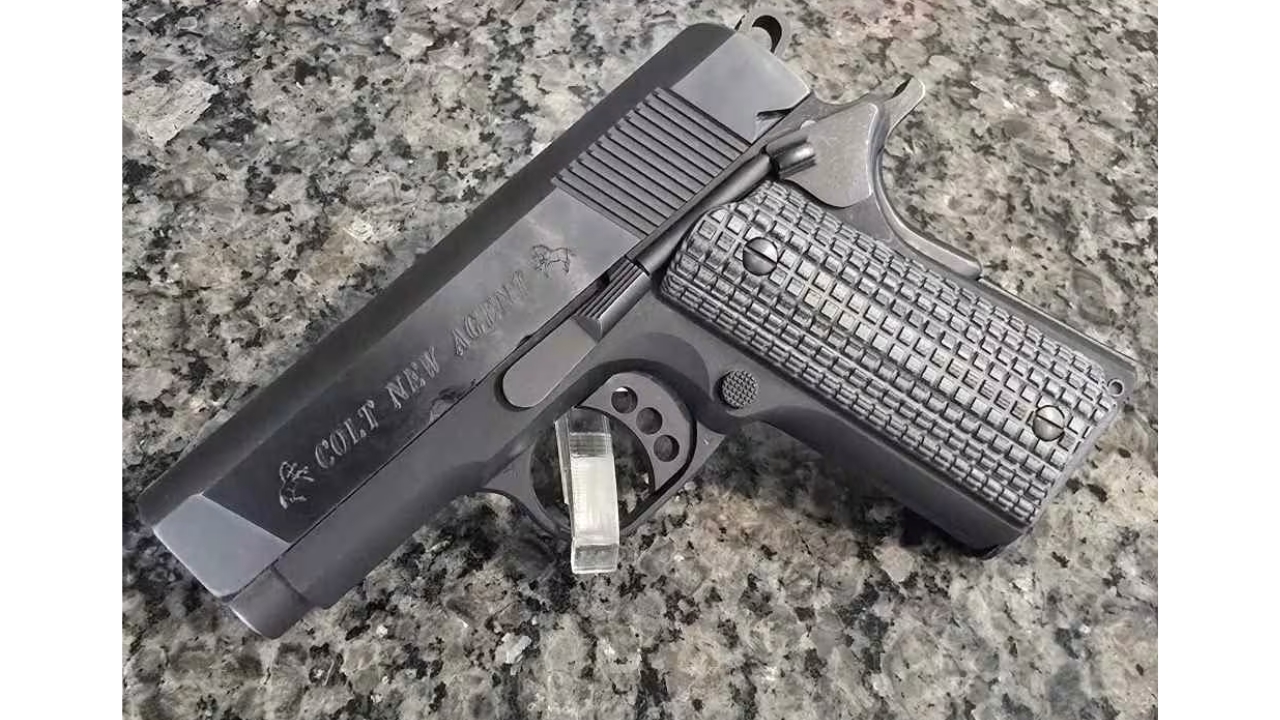
The New Agent tried to make the 1911 genuinely pocketable by shortening the slide, trimming the grip, and replacing conventional sights with a trench running down the top of the slide. The pistol remained slim, carried .45 ACP, and kept the crisp single-action trigger that makes the 1911 so easy to shoot accurately.
That sighting system is also the problem. The trench may be snag-free, but it sacrifices too much precision and speed for many shooters. At close range it can work, but once the distance increases, conventional sights are simply easier to use. Give the New Agent a modern low-profile sight setup while keeping the rest of the pistol equally smooth, and the design becomes far more practical without losing the concealment advantages that made it interesting.
Walther P38

The P38 was historically important and mechanically advanced for its era. Its DA/SA trigger, decocking system, locked breech, and open-top slide influenced later service pistols for decades. The grip is comfortable, recoil is mild in 9mm, and good examples remain surprisingly enjoyable at the range.
The biggest weakness is the trigger, particularly the long and heavy first double-action pull. It can feel dramatically different from the following single-action shots, which makes consistent shooting harder than it needs to be. Modern DA/SA pistols have shown how much smoother that transition can become. If the P38 had a significantly better double-action pull while keeping its distinctive design intact, it would feel far less dated to contemporary shooters.
Beretta 84F Cheetah

The 84F is a wonderfully shootable .380. Its aluminum frame, double-stack grip, and traditional DA/SA operation give it far more substance than tiny pocket pistols, and that extra size makes the normally snappy blowback cartridge considerably easier to control. It also has classic Beretta styling and a mechanical feel that many newer polymer .380s cannot duplicate.
The problem is that the slide can be surprisingly difficult to manipulate. The straight-blowback design requires a relatively strong recoil spring, and that undermines one of the reasons many people shop for .380 pistols in the first place. If Beretta could preserve the size and soft shooting while reducing slide effort, the 84F would be a much easier recommendation for recoil-sensitive or strength-limited shooters.
Ruger P95DC
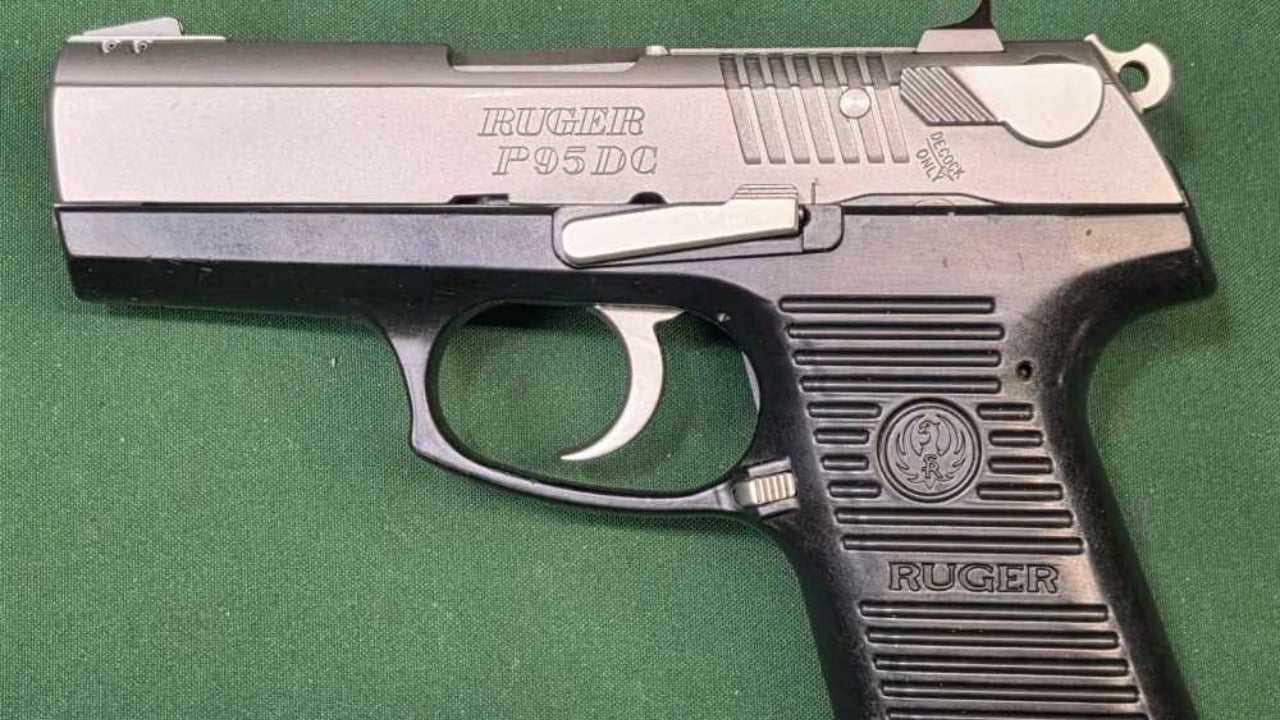
The P95DC is exactly what people expect from an older Ruger service pistol: rugged, inexpensive, and almost impossible to embarrass with normal use. The polymer frame keeps weight reasonable, the gun handles 9mm comfortably, and the decocker-only configuration eliminates the possibility of accidentally leaving a slide-mounted safety engaged.
Its main problem is the grip. The molded frame is thick, slippery compared with modern texturing, and offers very little ability to tailor the fit. Shooters with larger hands may not mind it, but smaller hands can struggle to establish a secure, repeatable hold. Give the P95 a modern grip texture and interchangeable backstraps while leaving the rest of the tank-like design alone, and it would suddenly feel far less dated.
Kahr K9
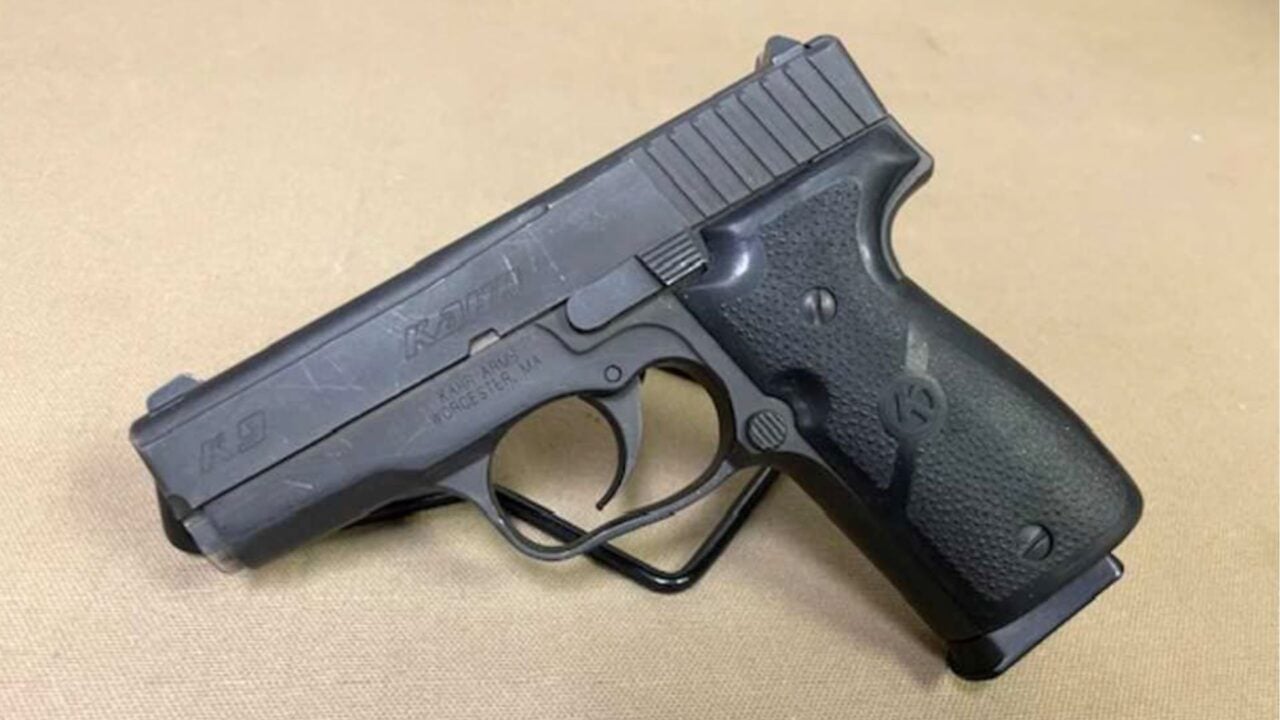
The K9 is one of the more refined compact single-stack 9mm pistols ever produced. The steel frame gives it excellent balance, the slim profile carries well, and the smooth double-action-style trigger makes the gun feel more polished than many small defensive pistols.
The capacity is what holds it back. The K9 was designed before the current generation of high-capacity slim pistols completely reset expectations. Today, carrying seven or eight rounds in a gun with this much weight and grip length is difficult to justify purely on efficiency. If Kahr could redesign the magazine system to add several rounds without making the gun noticeably thicker, the K9’s superb shooting characteristics would become far easier to appreciate in a modern context.
FN FNX-9
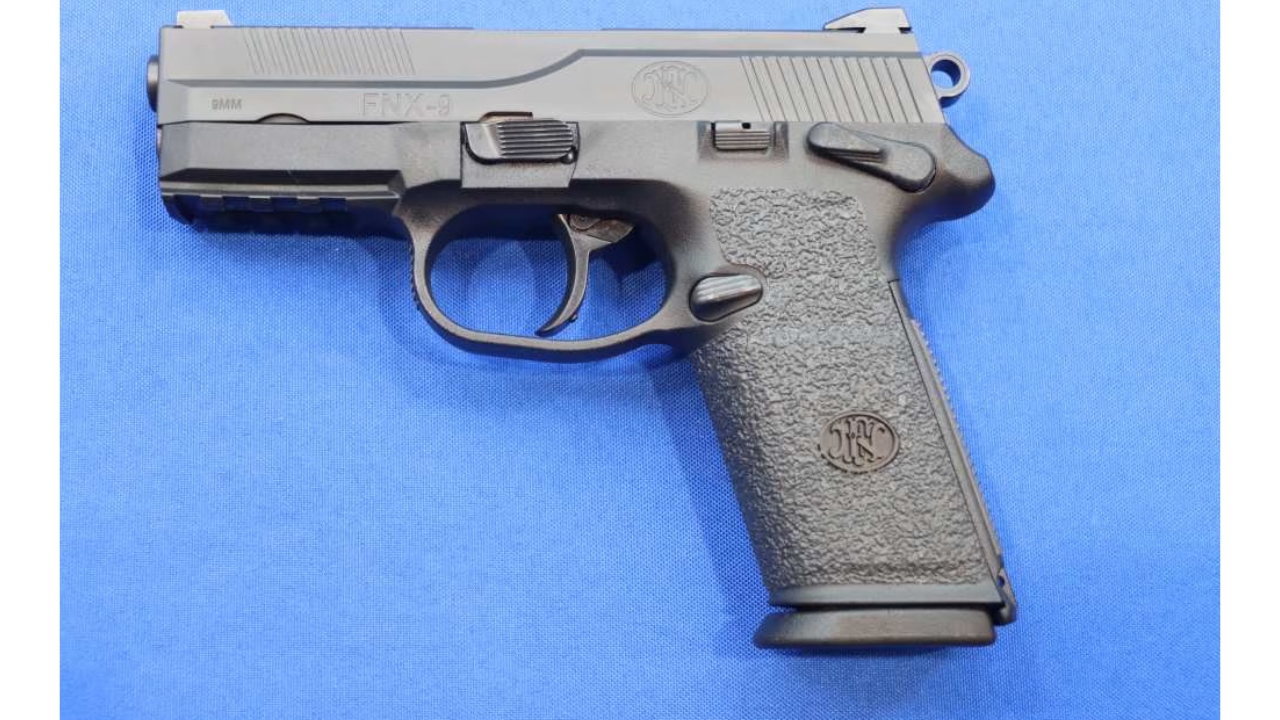
The FNX-9 is a well-built hammer-fired service pistol with ambidextrous controls, interchangeable backstraps, useful capacity, and a surprisingly comfortable grip. It has the kind of traditional DA/SA operation that appeals to shooters who are not interested in striker-fired pistols, and the polymer frame keeps the weight reasonable.
The problem is the trigger. It is serviceable, but the double-action pull can feel heavy and the single-action break lacks the refinement you expect from the rest of the gun. The pistol is accurate and reliable enough that the trigger becomes the part you notice most. Give the FNX-9 a smoother, lighter DA pull and a cleaner SA break, and the whole pistol would feel much more competitive against premium hammer-fired designs.
Taurus 24/7 OSS
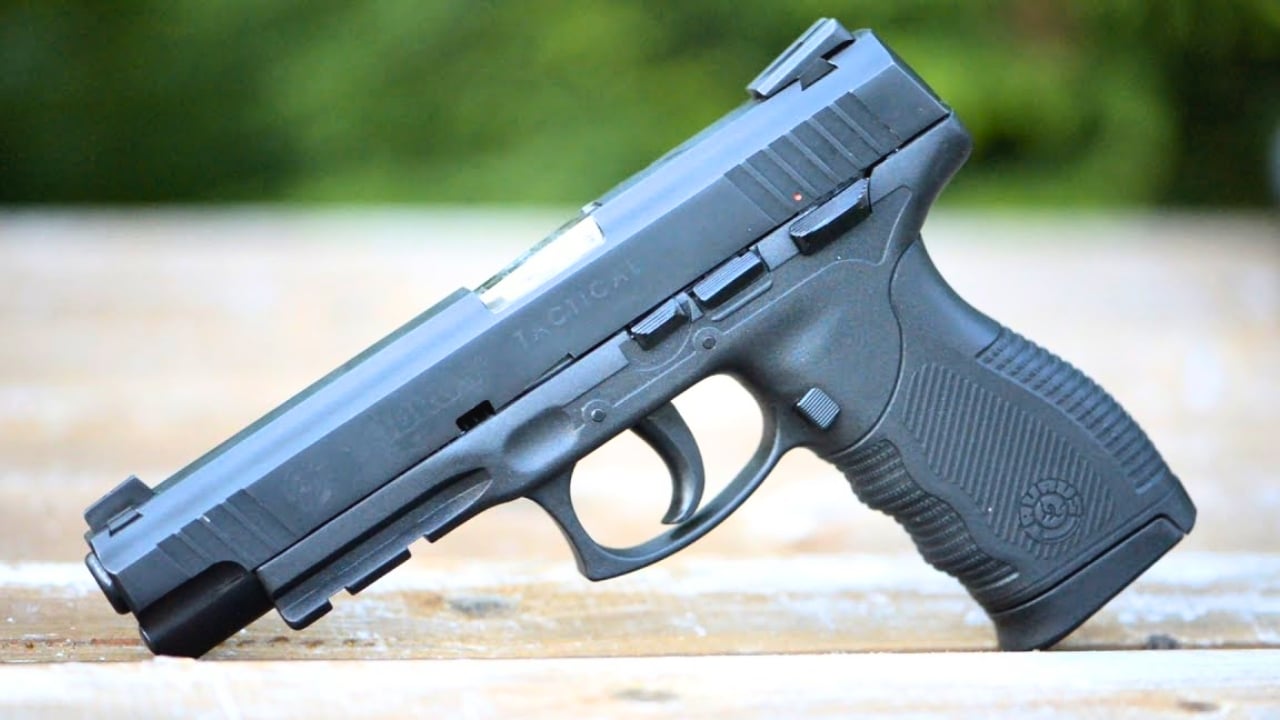
The 24/7 OSS was built as a serious full-size service pistol, and it had several things going for it. The grip shape was comfortable, capacity was useful, and the pistol had enough size to control recoil well. The design also looked and felt much more purpose-built than many earlier Taurus semiautomatics.
The major problem was confidence in the platform. The broader 24/7 family became associated with safety concerns and recalls, and once that reputation takes hold, almost everything else about the gun becomes secondary. If the design had launched with an unquestioned safety record and retained consistent factory support, the OSS could have developed into a much more respected duty-style pistol. Instead, the shadow over the platform became bigger than its otherwise solid ergonomics.
Kimber K6s DASA 3-Inch
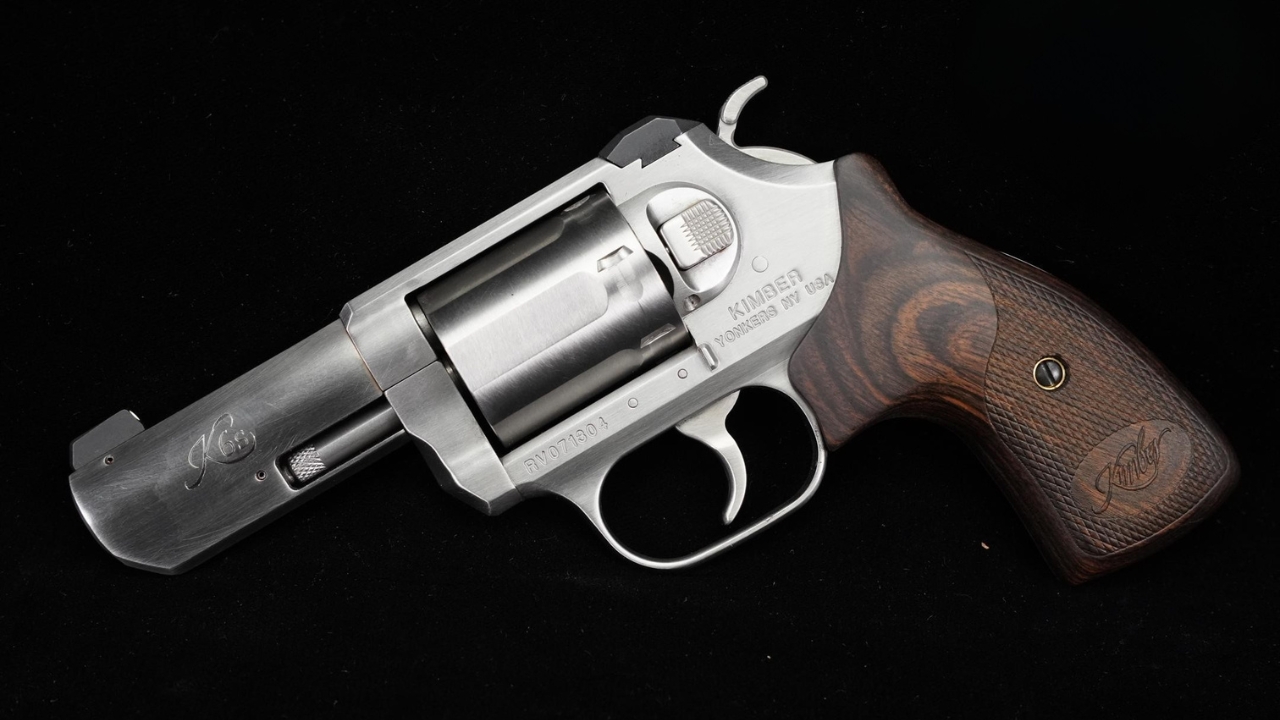
The K6s DASA is one of the better modern compact revolver designs. Six rounds of .357 Magnum in a relatively compact frame, useful sights, an excellent grip, and a surprisingly smooth action give it plenty of practical appeal. The 3-inch version is especially well balanced between concealment and shootability.
The problem is price. Once the K6s climbs into premium revolver territory, buyers start comparing it against larger, better-known guns with stronger resale value and broader accessory support. Mechanically, the Kimber deserves plenty of respect, but the cost can make it hard to choose over established alternatives. Bring the price down meaningfully without changing the construction, and the K6s suddenly becomes one of the strongest compact revolver values around.
Springfield XD-M Elite 4.5
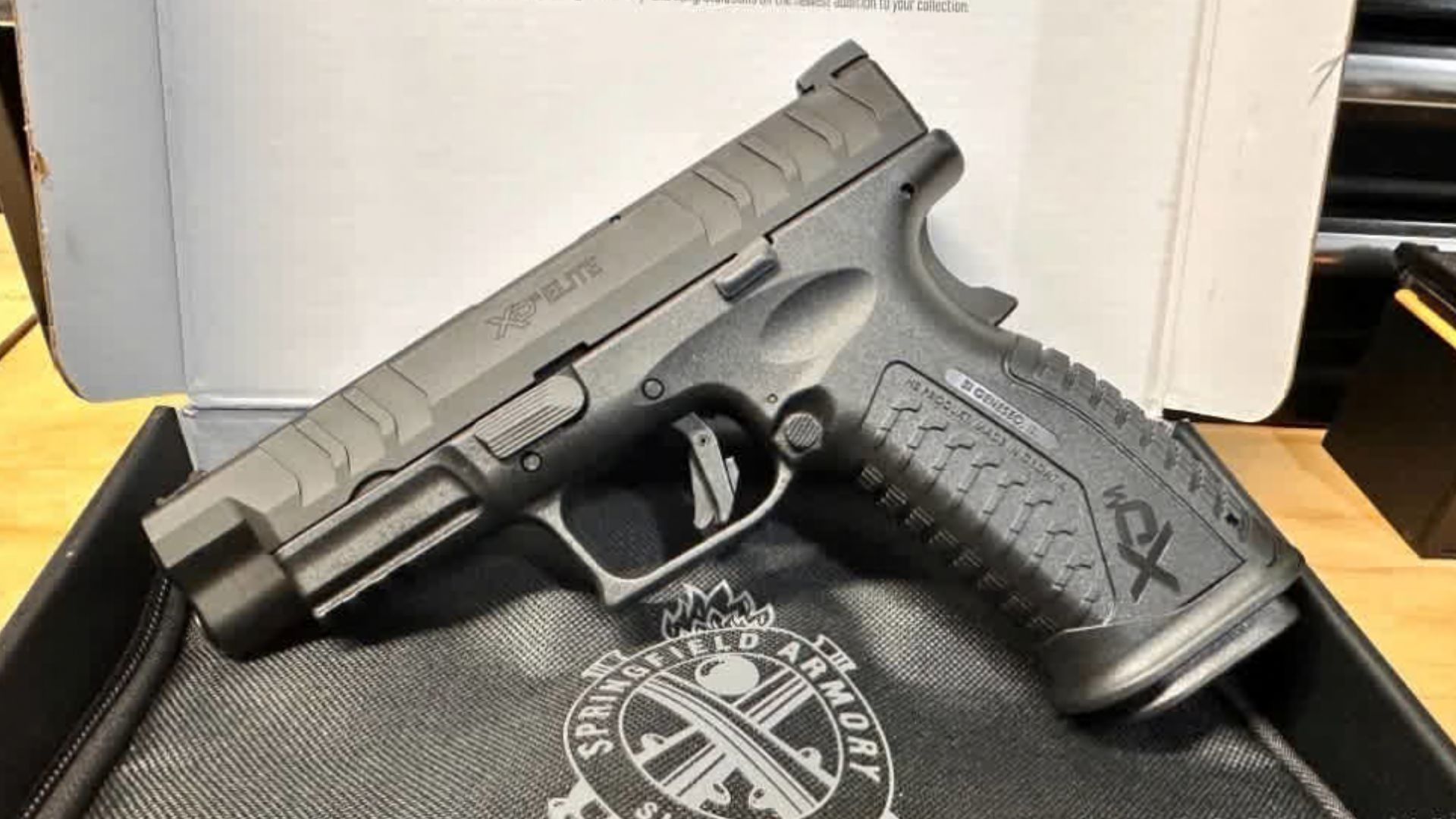
The XD-M Elite 4.5 is easy to shoot well. It has a full grip, generous capacity, good sights, and a trigger that is noticeably better than older XD pistols. The large frame gives you excellent recoil control, and the aggressive grip texture keeps the gun planted during faster shooting.
The problem is the grip safety. Some shooters like the additional passive safety, but others see it as one more component that has to be fully depressed before the gun will function. Under a perfect two-handed grip, it is rarely an issue. With an awkward grip, injury, or unusual shooting position, it can become another variable. Remove that one feature while preserving the ergonomics and trigger, and the XD-M Elite would appeal to a much larger portion of the duty-pistol market.
Walther PK380
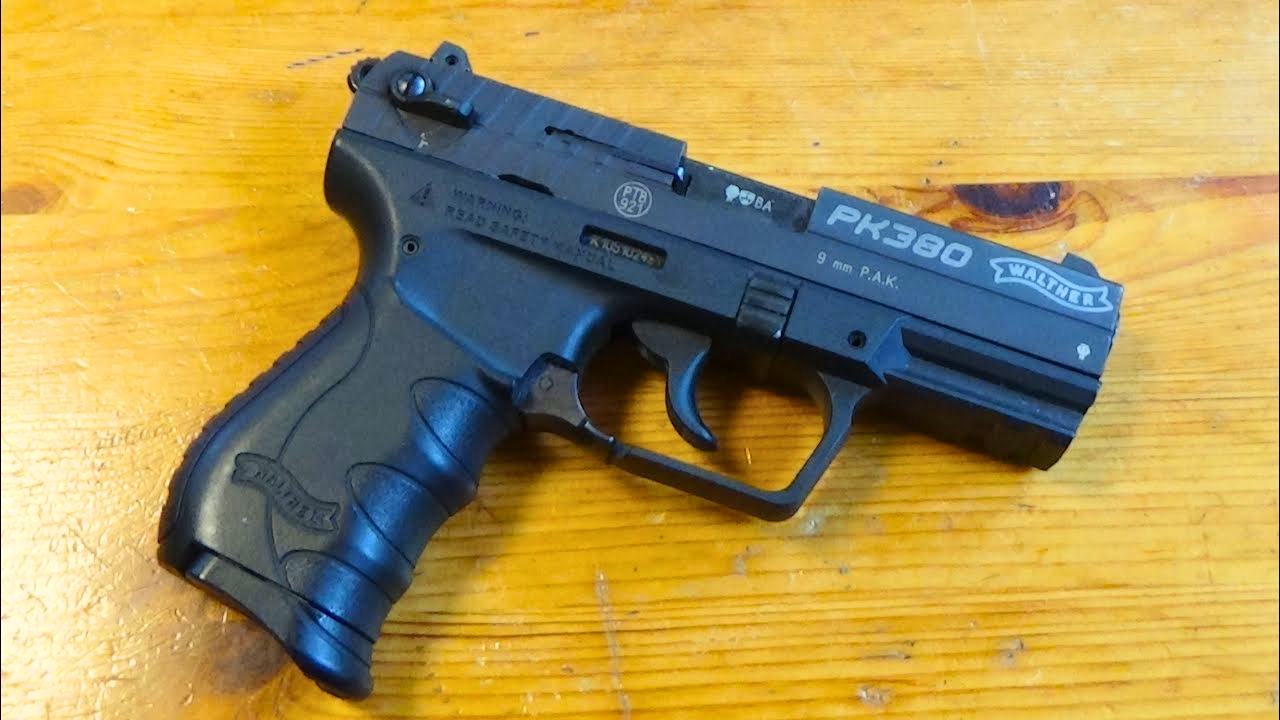
The PK380 has always had one major advantage: it is extremely easy to shoot. The locked-breech system makes .380 recoil softer than it is in many blowback pistols, the grip is comfortable, and the slide requires less effort to manipulate than many competing .380s. Those traits make it appealing to shooters who struggle with small, stiff pocket guns.
The problem is the operating system. Earlier configurations used controls and procedures that felt unnecessarily awkward, including a safety setup that was less intuitive than modern defensive pistols. That complexity hurts a gun whose natural audience often includes newer shooters. Give the PK380 cleaner controls and a more straightforward manual of arms, and the excellent recoil characteristics would make it far easier to recommend.
CZ 97B

The 97B gives you .45 ACP in a large, all-steel CZ-pattern pistol, which means recoil is wonderfully manageable and the gun feels extremely stable during firing. Accuracy is excellent, the single-action trigger can be very good, and the pistol has the sort of substantial construction that makes full-power ammunition feel tame.
The problem is grip circumference. The 97B is simply too large for many shooters’ hands. Reaching the trigger comfortably in double action can be difficult, and even the single-action grip can feel like holding a much larger gun than necessary. If CZ had slimmed the frame and grip significantly while maintaining capacity and steel construction, the 97B could have been one of the most broadly appealing full-size .45 pistols on the market.
SIG Sauer Mosquito
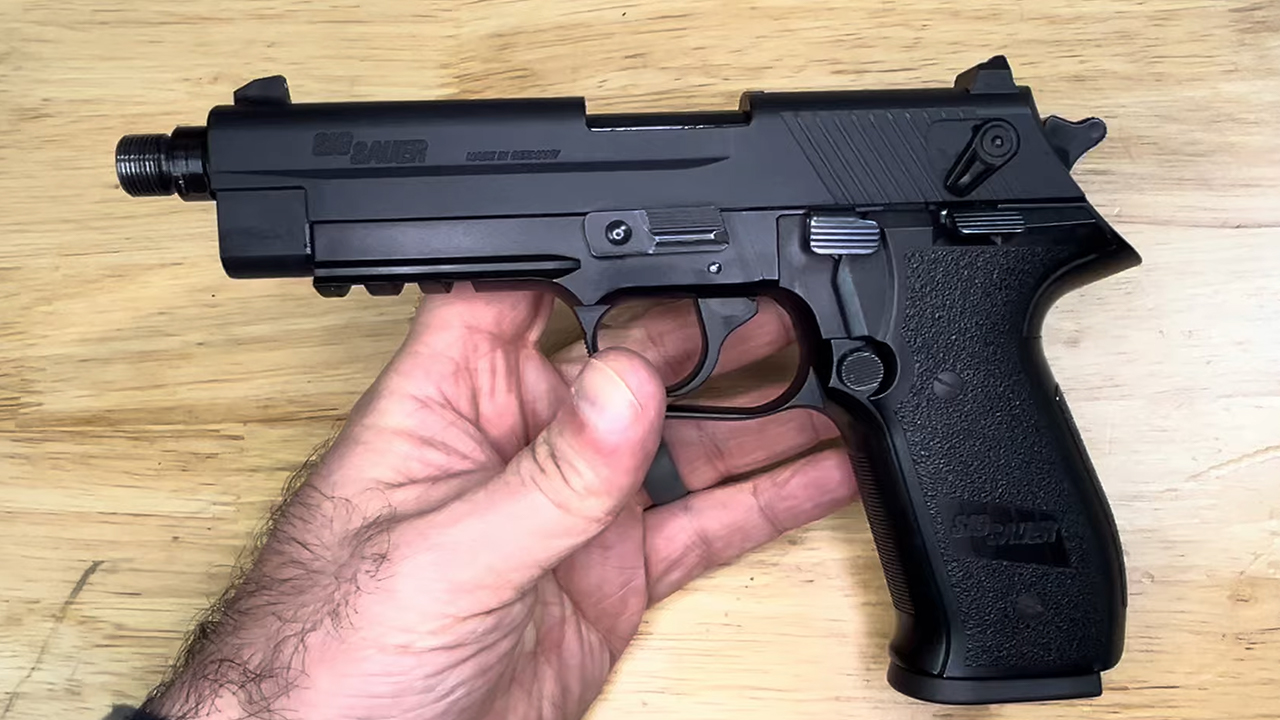
The Mosquito had everything required to become a hugely popular training pistol. It looked like a centerfire SIG, had familiar controls, and fired inexpensive .22 LR. For owners of larger SIG pistols, it should have been an ideal way to practice cheaply with a similar manual of arms.
The major problem was ammunition sensitivity and reliability. Rimfire pistols are naturally more sensitive than centerfire guns, but the Mosquito developed too much of a reputation for being particular about ammunition and maintenance. That is especially frustrating in a pistol intended for low-cost, high-volume practice. If it had been consistently reliable with a broad range of ordinary .22 LR ammunition, the Mosquito could have been one of the best training pistols of its era.
Colt Mustang Plus II
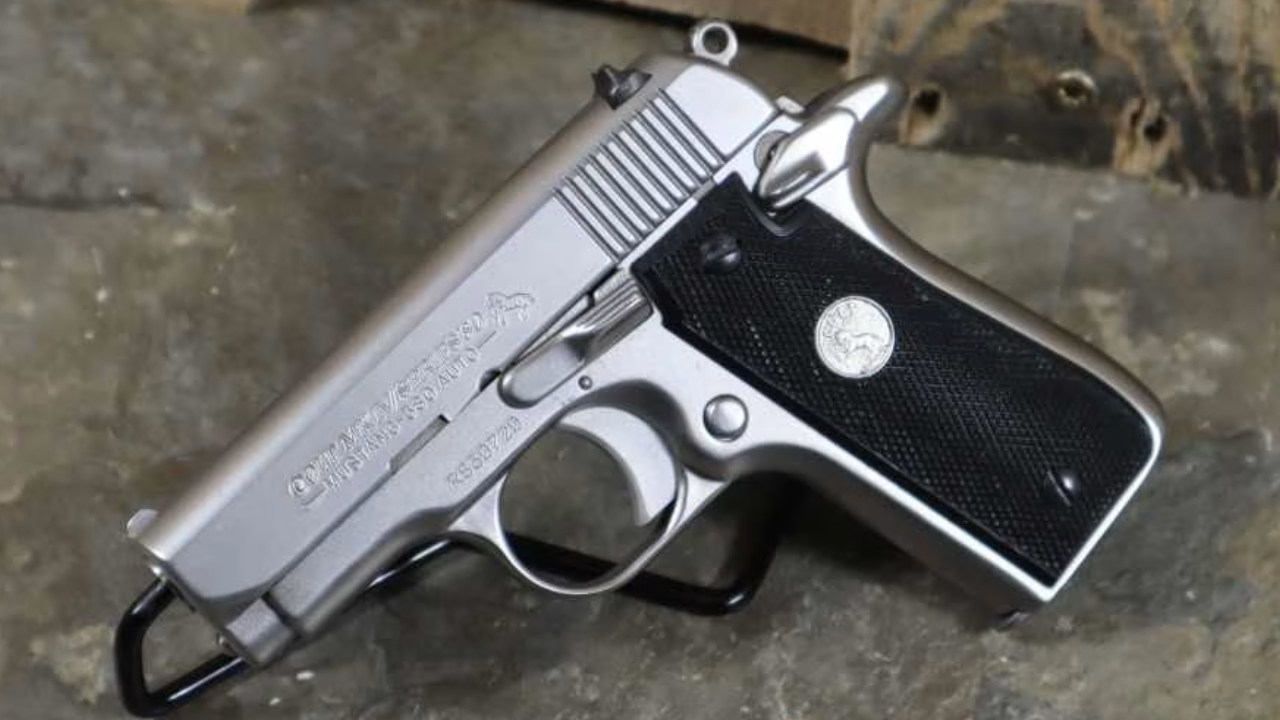
The Mustang Plus II offered an appealing combination for its time: a slim single-action .380 with a longer grip and more capacity than the smallest pocket versions. The trigger was easy to shoot well, the metal construction felt substantial, and the basic Colt Mustang layout made the pistol easy to carry.
The problem is the sights. Like many compact pistols from its era, the sight picture is tiny compared with what shooters now expect. That limits how easily you can take advantage of the good trigger and naturally pointable frame. Give the Plus II a proper modern set of high-visibility sights without adding excessive bulk, and it becomes a much more capable little pistol instead of something that feels trapped by old pocket-gun conventions.
HK P2000

The P2000 is a durable, exceptionally well-made service pistol with excellent ambidextrous controls and a compact size that splits the difference between duty and carry roles nicely. The grip is less blocky than the USP family, and the pistol has the sort of reliability reputation buyers expect from HK.
The problem is trigger quality, particularly in traditional DA/SA form. The trigger works, but it feels heavier and less refined than a pistol at this price deserves. Even the LEM system can take time to appreciate if you are accustomed to cleaner conventional triggers. Give the P2000 a genuinely excellent factory trigger without compromising reliability, and it would be much harder for newer hammer-fired pistols to make it feel outdated.
Bersa Thunder 380 Plus

The Thunder 380 Plus takes the familiar Bersa blowback design and adds a wider double-stack magazine, giving it capacity that looks much more competitive than the standard single-stack Thunder. The metal frame keeps recoil manageable, the DA/SA system is familiar, and the pistol is inexpensive compared with many traditional metal .380s.
The issue is that the enlarged grip undermines part of the original Thunder’s appeal. The gun becomes noticeably thicker while still firing .380 ACP, leaving it in an awkward middle ground between slim carry pistols and larger 9mms. If Bersa could preserve the increased capacity while trimming the grip considerably, the Plus would become a much stronger carry option instead of feeling like a large gun chambered for a small cartridge.
Ruger SR22

The SR22 is one of the better casual-training .22 pistols because it is lightweight, comfortable, and shaped much more like a defensive centerfire pistol than a dedicated target gun. The interchangeable grip sleeves help fit different hands, and the controls give newer shooters plenty of useful practice.
The problem is the safety direction. On the SR22, the safety operates in a way that feels opposite to what many shooters expect from other common semiautomatics. That sounds minor until you are trying to build consistent habits across several pistols. A rimfire trainer should ideally reinforce the same manual of arms used on centerfire guns. Reverse that safety arrangement and the SR22 becomes a much more intuitive training pistol without changing anything that makes it fun to shoot.
Smith & Wesson Model 3914
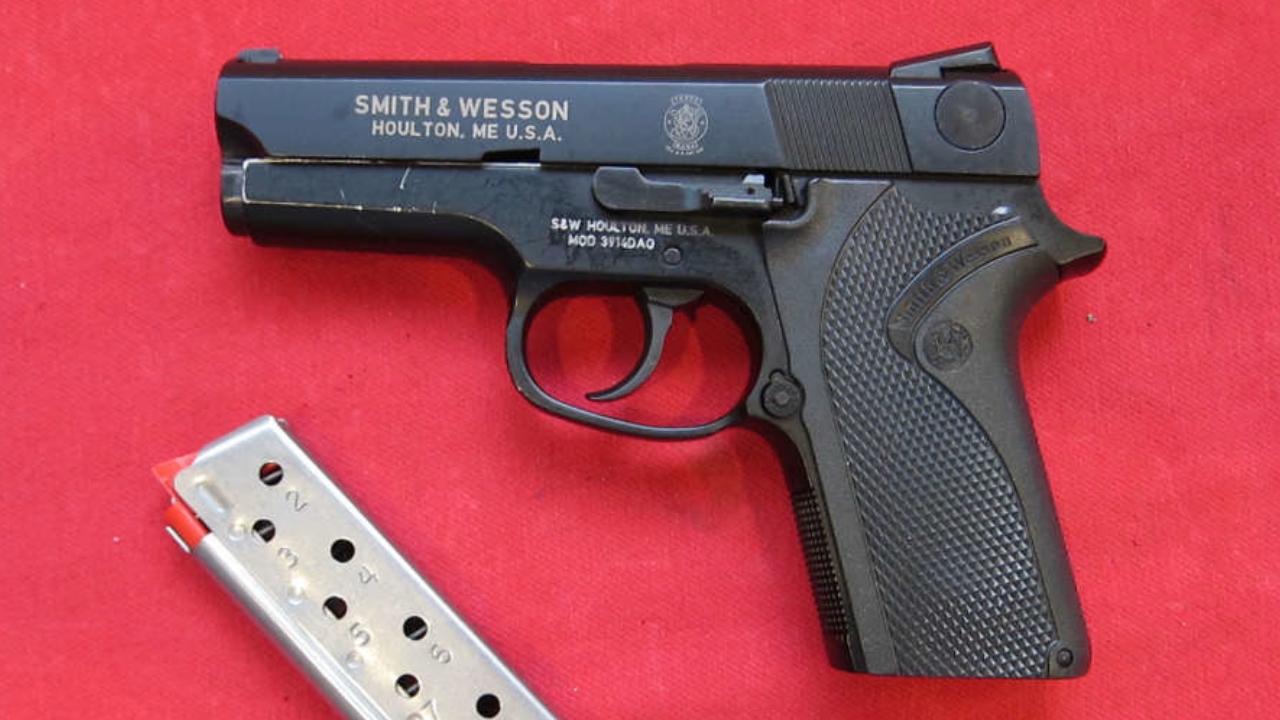
The 3914 is a wonderfully slim compact 9mm. The aluminum frame keeps it light enough to carry comfortably, the single-stack grip fits smaller hands exceptionally well, and the traditional DA/SA system gives the pistol a refined feel that modern micro-compacts often lack. It is one of those older carry guns that still feels surprisingly relevant when you pick it up.
Again, capacity is the major problem. Eight-round magazines were completely respectable when the pistol was current, but today’s compact 9mms have changed expectations dramatically. The 3914 is not significantly easier to carry than some newer guns holding substantially more ammunition. If Smith & Wesson could have kept that wonderfully thin grip while squeezing several extra rounds into it, the 3914 concept would still be extremely competitive today.
Like The Avid Outdoorsman’s content? Subscribe to our newsletter so you never miss an article.
Here’s more from us:


