Photo credit: WHO_TEE_WHO/YouTube
Some pistols look fine in the case, sound interesting in a forum thread, or feel like a deal when the price is low enough. Then the owner actually shoots one box through it and starts making excuses. Maybe it snaps harder than expected. Maybe the trigger feels worse with every magazine. Maybe it jams just enough to kill confidence. Or maybe it simply does nothing well enough to make a second range trip sound fun.
These are the pistols that tend to lose people fast. Some are historically interesting, some have loyal defenders, and a few can run fine with the right ammo and expectations. But for a lot of owners, the first range session is enough to realize the pistol is not going to become a favorite.
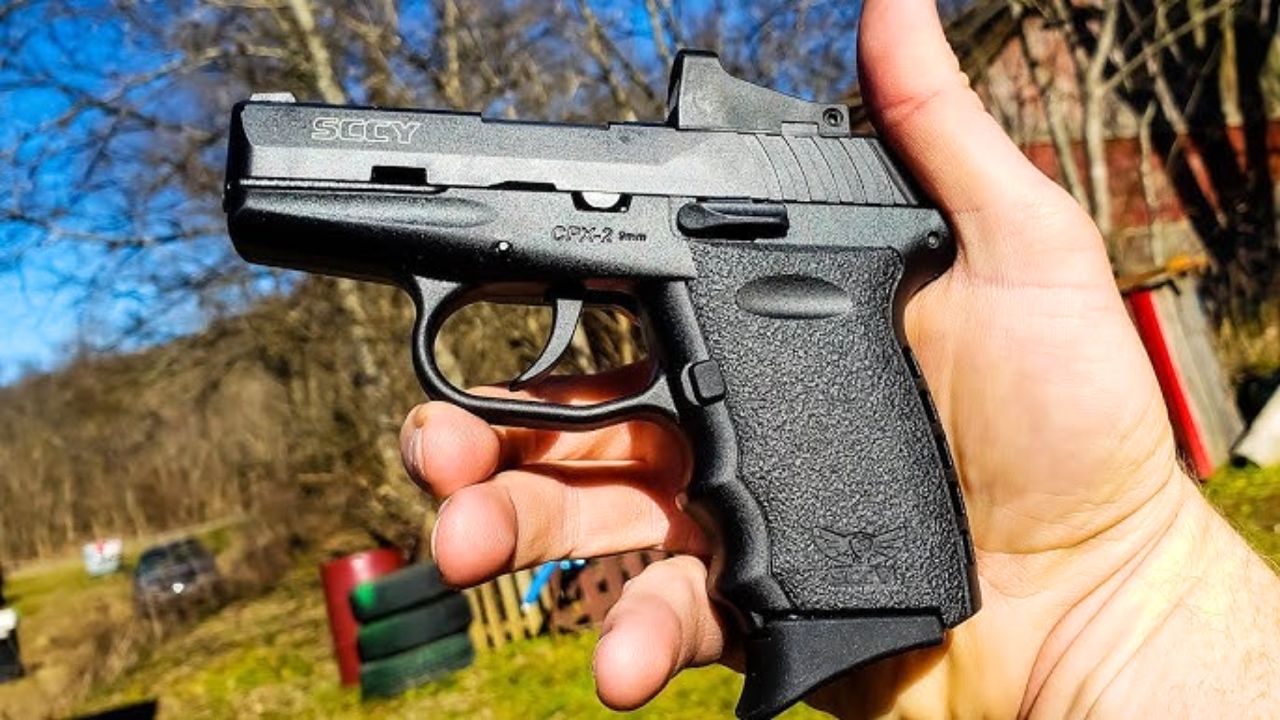
SCCY CPX-2

The SCCY CPX-2 has always had one major thing going for it: price. It gave budget buyers a small 9mm that looked like a carry gun and could be found for less than many used pistols. On paper, that sounds useful. At the range, the enthusiasm often fades quickly.
The long, heavy double-action trigger makes it hard to shoot well, especially for newer owners who bought it as an affordable defensive pistol. Recoil is sharper than the size suggests, and the overall shooting experience rarely makes people want to keep practicing. A cheap carry pistol still has to inspire confidence, and the CPX-2 often struggles there.
Taurus PT111 Millennium G2

The Taurus PT111 Millennium G2 sold well because it hit a price point people could live with. It offered decent capacity, compact size, and a familiar striker-fired layout. For many first-time buyers, it looked like a smarter buy than spending more on a Glock, M&P, or SIG.
The problem is that the range experience can feel rough around the edges. The trigger has an odd feel, the reset is not especially pleasant, and the pistol does not always make owners feel like they bought something they will keep forever. Plenty of them work, but “works” is not always enough to make someone excited to bring it back out.
Taurus Curve
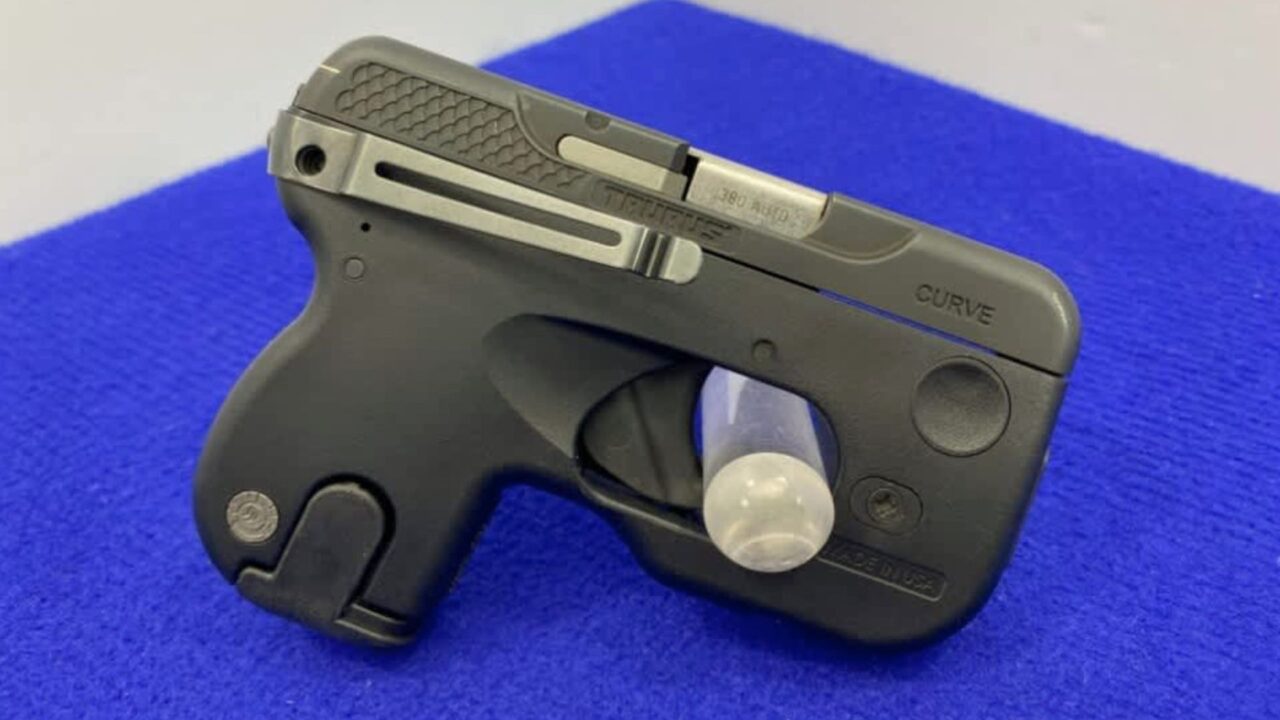
The Taurus Curve was designed to be different, and it definitely succeeded there. The curved frame, built-in belt clip, and unusual profile made it one of the strangest carry pistols to hit the market. It looked like Taurus was trying to rethink pocket carry from the ground up.
Then people shot it. The lack of traditional sights, awkward grip, and strange handling made it feel more like a concept than a pistol people wanted to train with. A defensive handgun needs to feel natural under pressure, and the Curve asked owners to adapt to too many compromises at once.
Kimber Solo

The Kimber Solo looked like it should have been a premium pocket 9mm. It was sleek, compact, and had the kind of styling that made it feel higher-end than many polymer micro pistols. A lot of buyers wanted it to be the classy little carry gun they had been waiting for.
Unfortunately, the Solo became known for being picky. It often preferred certain hotter defensive loads, and that is not what most people want from a small carry pistol. Combine that with sharp recoil and limited capacity, and plenty of owners lost interest after realizing it was more demanding than useful.
Remington R51
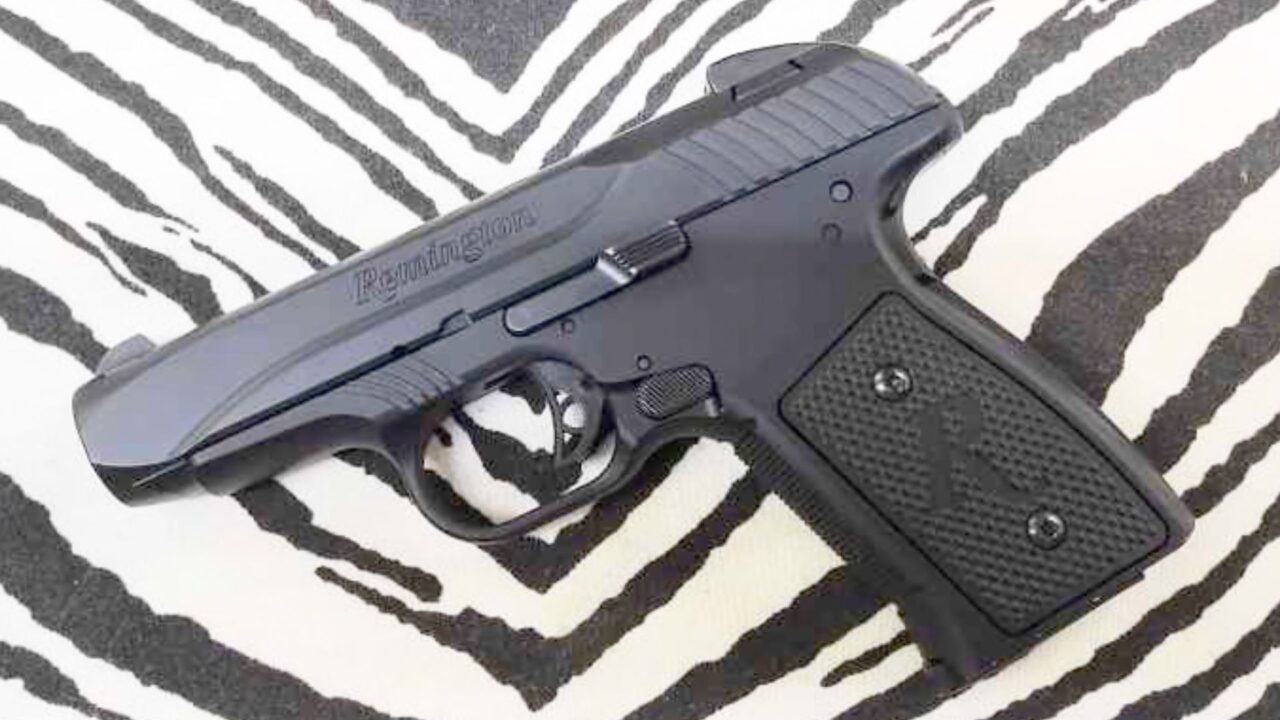
The Remington R51 had one of the biggest gaps between hype and reality. It had a cool old design connection, a low bore axis, and the promise of a soft-shooting compact 9mm. When it was announced, it sounded like Remington might have built something genuinely different.
The execution hurt it badly. Early guns had serious reliability and quality-control complaints, and even later examples could not fully escape the reputation. The grip safety, odd action feel, and general lack of trust made it hard for owners to warm up to it. A pistol can survive being unusual, but it cannot survive making people nervous.
Springfield Armory XD-S Mod.2

The XD-S Mod.2 is not a terrible pistol, but it is one that many owners outgrow fast. It came from the slim single-stack era, when people wanted thin carry guns more than high capacity. In that role, it made sense for a while.
Today, it feels less compelling. The grip safety bothers some shooters, the bore axis feels higher than some competitors, and recoil in the smaller versions can be snappy. Once owners compare it to newer carry pistols with better capacity and smoother shooting manners, the XD-S Mod.2 often ends up sitting at home.
Ruger LC9

The original Ruger LC9 was easy to carry, but it was not exactly fun to shoot. It arrived during the rush for slim 9mm carry pistols, and its small size helped it find a lot of buyers. As a lightweight defensive pistol, it checked an important box.
The long trigger was the biggest issue for many owners. It made accurate shooting harder than it needed to be, and the pistol’s snappy feel did not help. Ruger improved the formula later with the LC9s, but the original LC9 is the kind of pistol people often shoot once and decide they understand it enough.
KelTec PF-9

The KelTec PF-9 earned attention because it was extremely light and easy to conceal. For a while, that mattered a lot. It was one of the thinner 9mm carry options available, and it gave people a pistol that disappeared into a pocket or waistband.
The downside shows up quickly on the firing line. It is sharp, thin, and not very forgiving in the hand. The trigger is not exactly inspiring, and the whole pistol feels like something built to be carried a lot and shot as little as possible. That may be honest design, but it does not make owners eager for round two.
KelTec P-3AT

The KelTec P-3AT helped define the lightweight .380 pocket pistol market, so it deserves historical credit. It was small before small was easy, and it gave concealed carriers a pistol they could carry when almost anything else felt too big.
But shooting it is a different story. The tiny grip, minimal sights, light weight, and snappy recoil make practice feel like a chore. It is one of those pistols people buy for convenience, not enjoyment. After one range trip, many owners understand why pocket guns often have almost no finish wear but plenty of lint.
Beretta Pico

The Beretta Pico had some smart ideas. It was thin, modular, and extremely easy to conceal. Beretta also has a strong enough name that buyers expected a refined little pocket pistol with better manners than the cheaper options.
Instead, the Pico often felt too small and too stiff for its own good. The trigger was not especially friendly, the controls were tiny, and the range experience could feel more like a test of patience than a training session. It is easy to carry, but that does not mean people enjoy shooting it enough to keep it in rotation.
Diamondback DB9

The Diamondback DB9 tried to give shooters an extremely small 9mm in a package closer to a pocket .380. That is an appealing idea, especially for people who want 9mm power without carrying a larger gun. The size is the selling point.
The shooting experience is the punishment. Recoil is sharp, the grip is small, and the pistol can be very sensitive to technique and ammunition. Even when one runs properly, it is rarely something an owner wants to shoot much. Some guns are compact. The DB9 feels like it is compact at the owner’s expense.
Glock 36

The Glock 36 sounds better in theory than it often feels in practice. A slim, single-stack .45 ACP Glock should have been a home run for people who wanted big-bore carry without the bulk of a double-stack pistol. It also carried the Glock name, which helped expectations.
The problem is that it gives up a lot. Capacity is low, recoil is sharper than many expect, and the grip feel does not win everyone over. It can be reliable and useful, but many owners shoot it next to a Glock 19, Glock 30, or modern 9mm carry pistol and wonder why they are working so hard.
Smith & Wesson Sigma SW9VE

The Smith & Wesson Sigma SW9VE was affordable and simple, which helped it sell. It gave buyers a polymer 9mm at a lower price than many better-known options. For someone who just wanted a basic handgun, it seemed good enough.
Then the trigger became the story. Heavy, long, and unpleasant are the usual complaints. A pistol can be plain and still earn loyalty, but the Sigma made a lot of owners fight for accuracy. Once better budget pistols became common, the SW9VE became harder to defend as anything more than a cheap stepping stone.
Hi-Point C9

The Hi-Point C9 has defenders because it is inexpensive and often more functional than its looks suggest. It gives people a 9mm pistol at a price that almost nothing else can touch. That matters for buyers who are working with a tight budget.
Still, it is not the kind of pistol most people rush to shoot again. It is bulky, top-heavy, crude-feeling, and awkward compared with nearly every modern compact 9mm. The C9 may go bang, but the experience rarely feels satisfying. It is a pistol people respect for being cheap, not one they usually fall in love with.
Cobra CA380

The Cobra CA380 belongs to the category of pistols people usually buy because the price is too low to ignore. It is a small .380 that looks like it might work as a basic defensive option for someone who does not want to spend much.
At the range, the rough edges show up fast. The trigger can feel harsh, the sights are minimal, and overall confidence is not its strong point. When a defensive pistol already starts from a place of low expectations, it has to overperform to win people over. The CA380 usually does not.
Jimenez JA-9
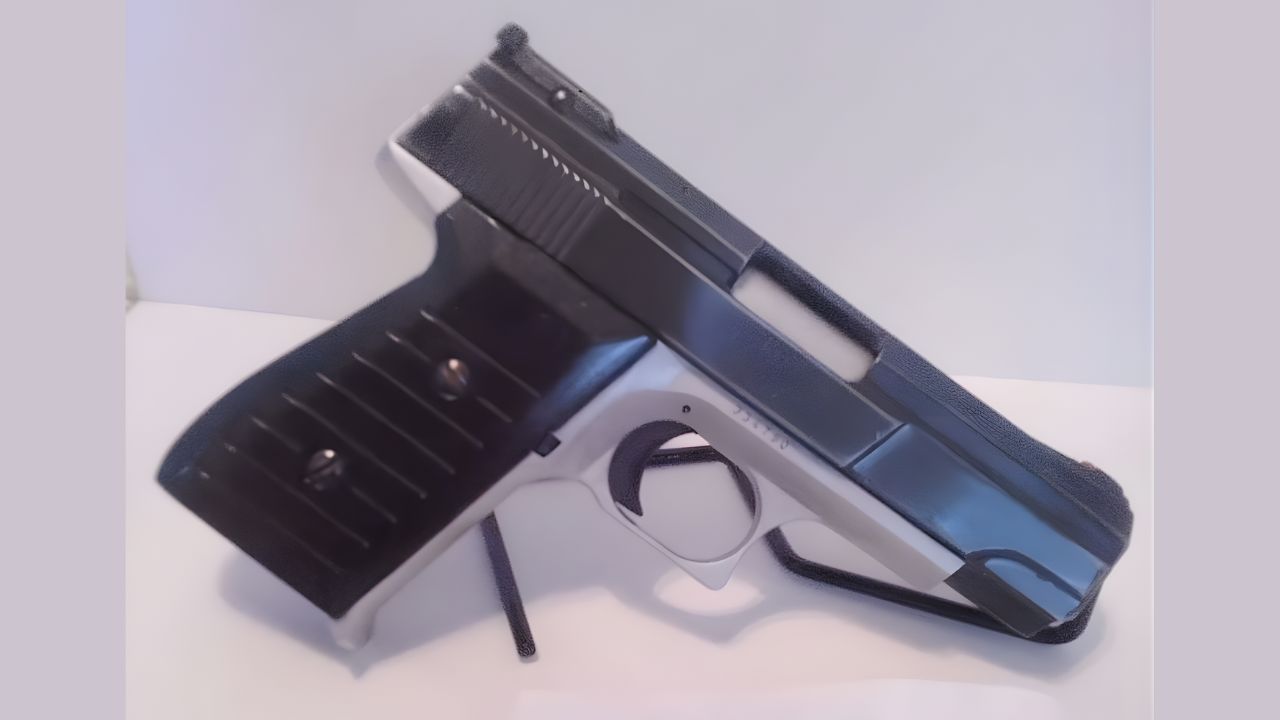
The Jimenez JA-9 is another pistol that tends to attract buyers through price more than performance. It offers a full-size-ish 9mm at the kind of cost that makes people curious. For someone browsing a gun counter on a budget, that can be tempting.
But the JA-9 is not known for refinement. It is heavy for what it offers, rough in feel, and does not have the kind of reputation that makes owners want to rely on it. A cheap range pistol can still be fun if it shoots well, but when the experience feels clunky, the novelty wears off quickly.
Bryco/Jennings Model 59

The Bryco/Jennings Model 59 is one of those pistols that people often encounter used, cheap, and with a story attached. It was part of the old low-cost pistol world where affordability mattered more than polish, durability, or shooter comfort.
Most owners do not need many rounds to understand what they have. The trigger, sights, reliability concerns, and overall feel make it hard to enjoy. Even as a curiosity, it is usually more interesting to talk about than shoot. There are cheap pistols with charm, but this one rarely earns that kind of affection.
AMT Backup
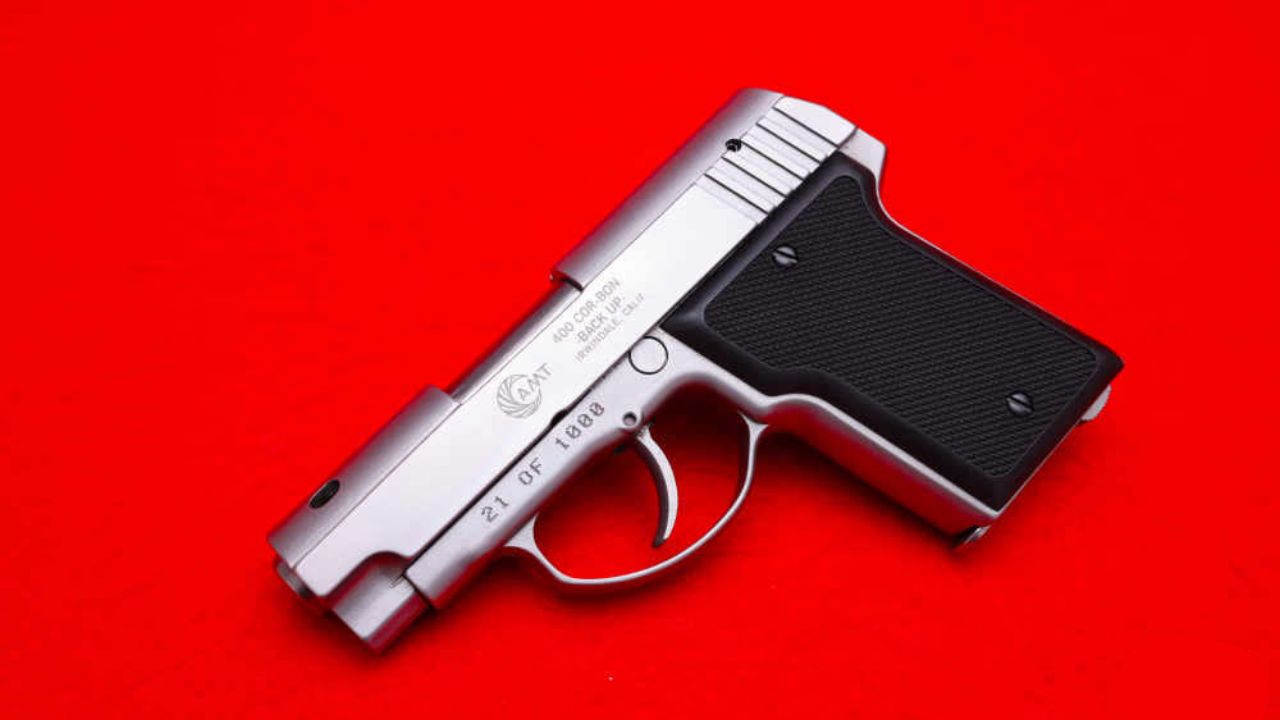
The AMT Backup has a certain stainless-steel charm, especially to people who like older pocket pistols. It looks tough, compact, and old-school in a way that still catches attention. In theory, it should make a neat little carry piece.
In practice, the Backup can be heavy, stiff, and unpleasant to shoot. Some versions have brutally heavy triggers, and the tiny grip does not help control. It is one of those guns that feels more interesting in the hand at the counter than it does after a box of ammo. The novelty can disappear fast.
Charter Arms Pitbull

The Charter Arms Pitbull is a clever idea: a revolver that can fire rimless semi-auto cartridges without moon clips. That gives it an unusual appeal, especially in 9mm or .40 S&W. On paper, it sounds like a practical answer to a real inconvenience.
The problem is that clever does not always mean enjoyable. The trigger can feel heavy, extraction can be less smooth than people hope, and the overall experience does not always match the concept. Some owners like them, but others shoot one session and decide they would rather use a normal revolver or a normal semi-auto.
Desert Eagle .50 AE
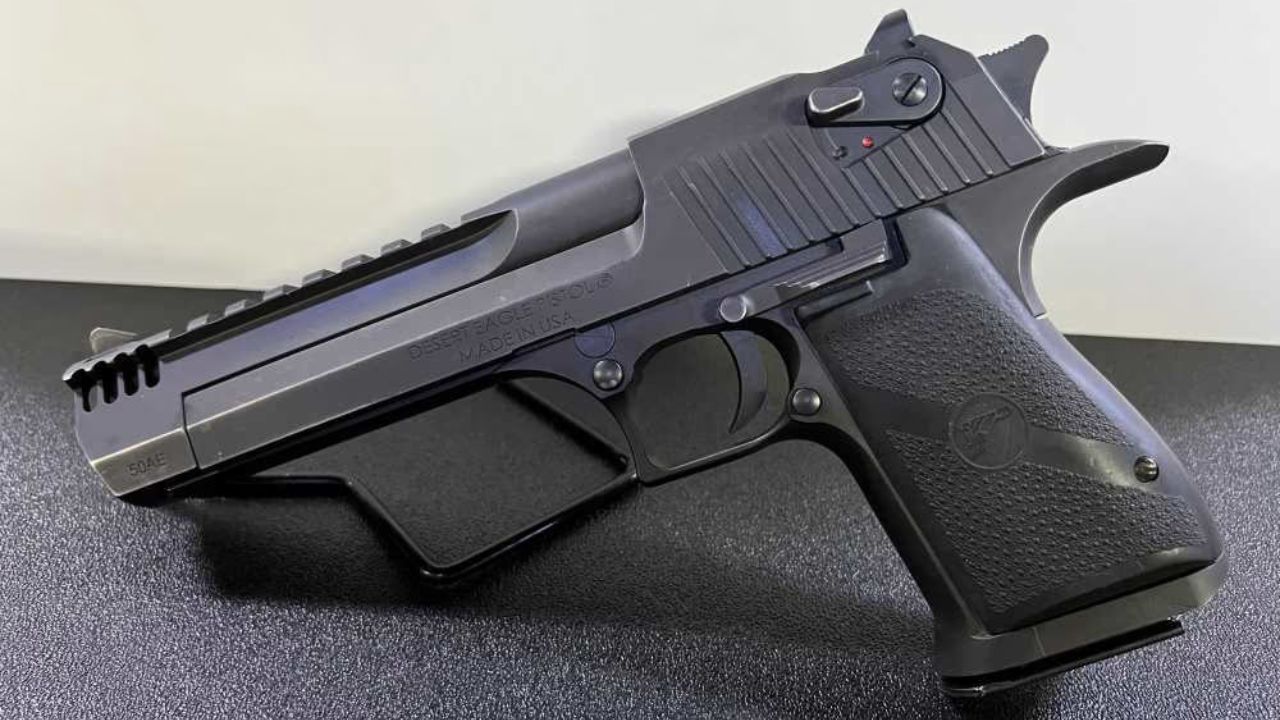
The Desert Eagle .50 AE is famous, dramatic, and impossible to ignore. It is the pistol people want to hold, photograph, and show off. As a range spectacle, it absolutely delivers. Nobody mistakes it for a boring handgun.
But actually owning and shooting one regularly is a different matter. It is huge, heavy, expensive to feed, and demanding with grip technique. A lot of people get the experience they wanted in one magazine. After that, the Desert Eagle often becomes less of a range regular and more of a safe queen people bring out when someone else asks to try it.
Like The Avid Outdoorsman’s content? Be sure to follow us.
Here’s more from us: