Photo credit: The Avid Outdoorsman
A homeowner said a neighbor’s shooting habits had become so constant and so close to the property line that the situation no longer felt like ordinary rural gunfire.
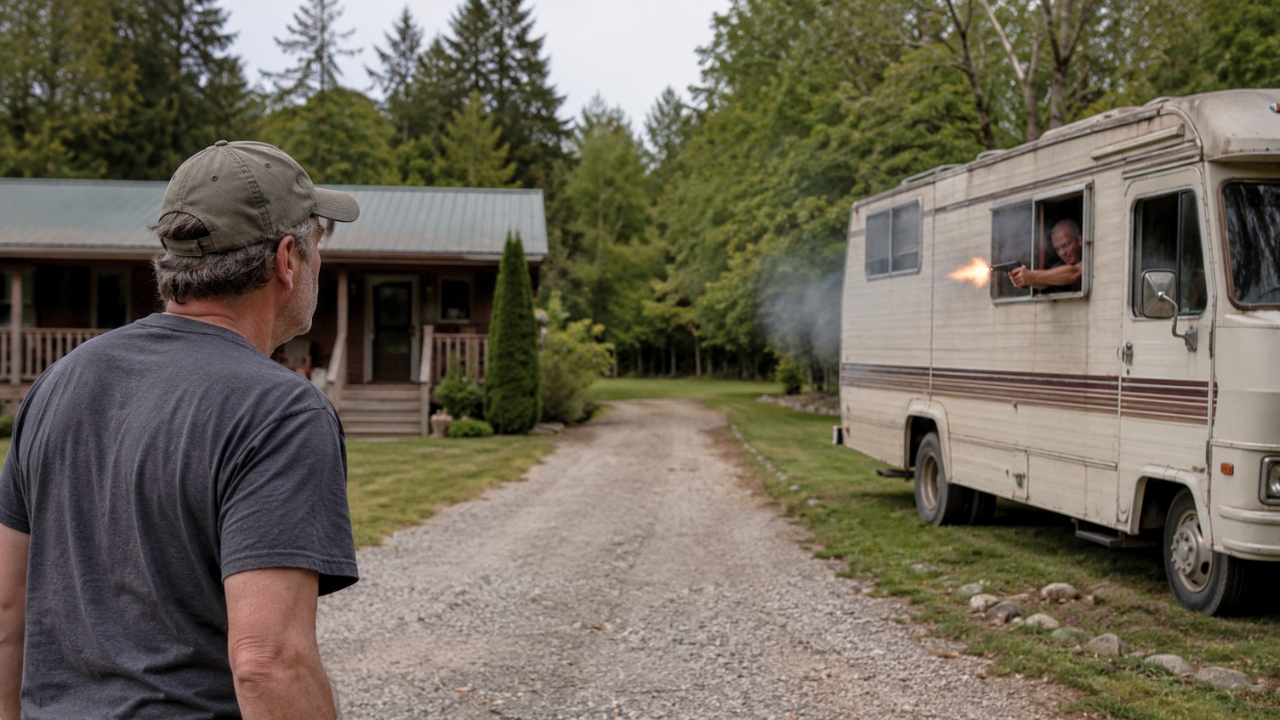
According to the Reddit post, the neighbor was allegedly shooting guns from the windows of a camper. The poster said the shots were happening near the driveway and close enough to the property that they were worried about safety, noise, and what could be done legally.
That kind of complaint can get tricky fast. In many rural areas, shooting on private land may be legal if the person follows local rules. But shooting out of a camper window near someone else’s driveway is the kind of thing that makes neighbors start asking whether “legal” and “safe” are really the same thing.
The homeowner explained the issue in a Reddit thread and asked what options they had: https://www.reddit.com/r/legaladvice/comments/1d6jsvv/neighbor_constantly_shoots_guns_from_his_windows/
The shooting was happening close to daily life
The biggest issue was not just that the neighbor owned guns or shot them.
It was where the shooting was happening.
The poster described shots coming from the camper windows near the driveway area. That matters because a driveway is not some distant corner of unused land. People walk there, park there, unload groceries, bring kids or pets through, and go in and out of the home.
When gunfire is happening near that kind of everyday space, it can make a person feel like they are constantly waiting for the one bad shot.
Even if the shooter believes he has a safe direction, the neighbor on the other side may not feel reassured.
Commenters wanted to know about backstops
One of the first practical questions in any backyard shooting dispute is the backstop.
Where are the bullets going? Is there a berm? Is there a safe impact area? Are the shots aimed toward woods, a hill, an open field, or another residence?
Commenters generally focus on that because gunfire itself may not be illegal, but unsafe shooting can be a different issue.
If someone is firing from a camper window with no clear backstop, that is alarming. A missed shot, ricochet, or over-traveling round can leave the shooter’s property and endanger others.
The homeowner’s concern would be much stronger if they could show bullets were crossing property lines, striking trees, hitting structures, or being fired toward areas people use.
Local rules mattered more than Reddit guesses
A lot of commenters in these threads point out the same thing: firearm discharge rules are local.
County ordinances, city limits, zoning, minimum distances from homes, noise rules, and hunting regulations can all change the answer. What is legal in one rural county may be illegal just a few miles away.
That meant the homeowner needed to check the county sheriff, local ordinances, and possibly state firearm discharge laws.
Some areas restrict shooting within a certain distance of occupied dwellings, roads, or other structures. Others focus more on whether rounds leave the property or whether the conduct is reckless.
The legal answer depended on exactly where the homes, driveway, camper, and property line were located.
Calling the sheriff could create a record
Several commenters would usually recommend calling the sheriff’s non-emergency line for guidance.
That does not mean demanding an arrest because a neighbor fired a gun. It means explaining the concern clearly: the neighbor is repeatedly firing from a camper window near the driveway and property line, and the homeowner is worried about safety.
If deputies respond, they may be able to determine whether the shooting violates local rules or whether the setup is unsafe.
Even if officers say no law is being broken, the call creates a record. If the shooting later escalates, if bullets hit something, or if the neighbor becomes threatening, the homeowner is not starting from zero.
Documentation was the homeowner’s best tool
The homeowner needed details.
Dates, times, how often the shooting happened, where the neighbor was shooting from, what direction the shots seemed to go, and whether any rounds appeared to leave the property would all matter.
Photos or videos taken safely from the homeowner’s own property could help too. The key is not to trespass, not to provoke the neighbor, and not to get close to active gunfire just to collect evidence.
If there are bullet impacts, damaged trees, struck buildings, or ricochet marks, those should be photographed immediately.
A vague complaint about “my neighbor shoots too much” may not get much traction. A documented pattern of shooting from a camper window toward a driveway is harder to brush off.
Noise alone might be harder to fight
One uncomfortable point in these disputes is that noise may not be enough.
Gunfire is loud. It can ruin quiet evenings, scare pets, wake children, and make a home feel tense. But if the neighbor is shooting legally during allowed hours and doing it safely, noise complaints may be limited unless there is a specific ordinance.
That is why the homeowner’s strongest argument was likely safety, not annoyance.
The camper-window detail, the driveway proximity, the direction of fire, and the lack of a safe backstop would matter more than the simple fact that the neighbor was shooting.
If the poster could show the conduct created danger, the issue would be much stronger.
Direct confrontation could make things worse
A homeowner angry about constant gunfire may want to walk over and tell the neighbor to stop.
That is risky when the neighbor is actively shooting.
Even if the conversation starts calmly, a dispute involving guns can escalate quickly. The neighbor may feel accused or challenged. The homeowner may be scared or angry. Neither is a good setup for a productive talk.
Commenters generally prefer safer options: document the activity, call the sheriff or local code office, check ordinances, and avoid getting close to the shooter while guns are out.
If the homeowner does decide to talk, it should be at a calm time when nobody is shooting, and only if the relationship feels safe enough.
A formal complaint may work better than arguing
If the shooting violates an ordinance, the homeowner may need to file a formal complaint.
That could go through the sheriff, code enforcement, county zoning, or another local office depending on the rules. The important part is to be specific.
“Shooting from a camper window near my driveway” is clearer than “my neighbor is being annoying.”
The homeowner should ask what agency handles unsafe discharge complaints, whether there are distance requirements, and whether deputies can inspect the setup or speak with the neighbor.
A clear paper trail helps if the problem keeps happening.
The camper detail made the story feel reckless
The part that stood out was the claim that the neighbor was shooting from camper windows.
Most responsible shooters think about a safe lane, a clear backstop, and what is beyond the target. Shooting from inside a camper gives the whole thing a different feel, especially if it is happening regularly.
It raises questions about whether the person is target shooting, shooting at animals, firing randomly, or using the camper as some kind of blind.
Whatever the explanation, it does not sound like the kind of controlled range setup that would put neighbors at ease.
The homeowner needed proof of danger, not just frustration
The practical lesson from the thread was that the homeowner needed to turn concern into documentation.
If the neighbor was breaking local rules, deputies or code enforcement needed enough information to act. If the neighbor was not technically breaking rules but shooting unsafely, the homeowner needed evidence of why it was unsafe.
That means keeping a log, taking photos from a safe place, checking local discharge ordinances, calling the sheriff’s non-emergency line, and reporting any bullets or impacts that cross onto the property.
The homeowner did not need a shouting match with someone holding a gun. They needed a record strong enough that the situation could not be waved away as normal rural noise.
Check out more from The Avid Outdoorsman here.