Photo credit: Theavidoutdoorsman.com
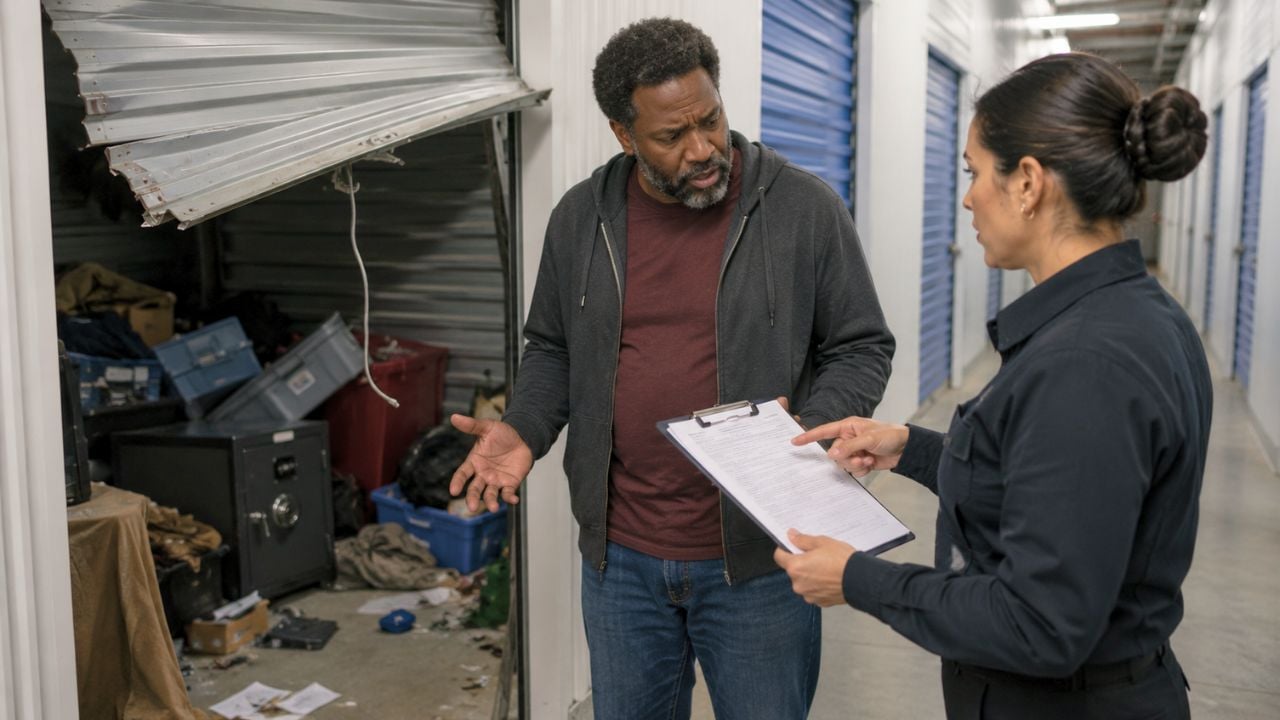
Anybody who’s ever run out of room in a safe knows how it goes. The season ends, you shuffle gear, you stack totes, and that storage unit starts looking like a decent “temporary” solution. That’s exactly how one gun owner ended up learning an expensive lesson the hard way after thieves forced their way into his unit and walked off with three firearms.
The break-in happened fast, and the loss was the kind that sticks
The unit wasn’t a junk locker full of old couches. It held a mix of outdoor gear and a few firearms that didn’t fit his day-to-day rotation—think hunting rifles that only come out for a couple weeks a year, a shotgun that gets used for birds and clay days, maybe a handgun that was supposed to be sold or passed down.
When he opened the roll-up door and saw the damage, it was the kind of scene that makes your stomach drop. Cut lock or pried latch, boxes tossed, soft cases unzipped. Guns don’t just represent money—there’s history there, and there’s also the immediate worry that someone is now carrying them around for the wrong reasons.
What most folks expect from storage insurance vs. what’s actually written
Like a lot of people, he believed the storage company’s insurance would help him get back on his feet. Many facilities advertise “protection plans” right at the counter when you sign the lease, and it’s easy to think of it like renters insurance for a metal box you don’t live in.
That’s where the fine print usually shows up. These policies often cap payouts, require proof of forced entry, and exclude certain categories of property altogether. Firearms, cash, jewelry, and “collectibles” are common exclusions. The way it gets worded can be slick too—sometimes it’s “weapons,” sometimes it’s “sporting equipment with a projectile,” and sometimes it’s “property requiring registration.”
So when he filed the claim and provided what he could—serial numbers, purchase receipts, photos from old hunting trips—the response he got wasn’t “let’s make this right.” It was basically: firearms aren’t covered under this plan.
Why storing guns in a unit is a perfect storm for thieves
A storage unit is private, quiet, and full of unknown value. Thieves don’t need to know exactly what’s in there—just that plenty of folks stash tools, ammo cans, optics, and cases that look like rifle bags. And in many places, storage facilities are a revolving door of contractors, movers, and tenants who don’t recognize one another.
Even decent facilities can be vulnerable. Gates get tailgated, cameras don’t always capture faces, and alarms don’t mean a person shows up in time. On top of that, a lot of people use the same cheap padlocks you can cut in seconds. If someone is targeting units, they’re usually working fast and looking for easy wins.
The other hard reality: a thief who finds guns doesn’t have to “sell” them right away to create harm. They can keep them, trade them, or use them. That’s the part that keeps gun owners up at night after a theft—especially when the guns were stored offsite and you don’t have eyes on them.
The paperwork battle: police report, serial numbers, and proving what you had
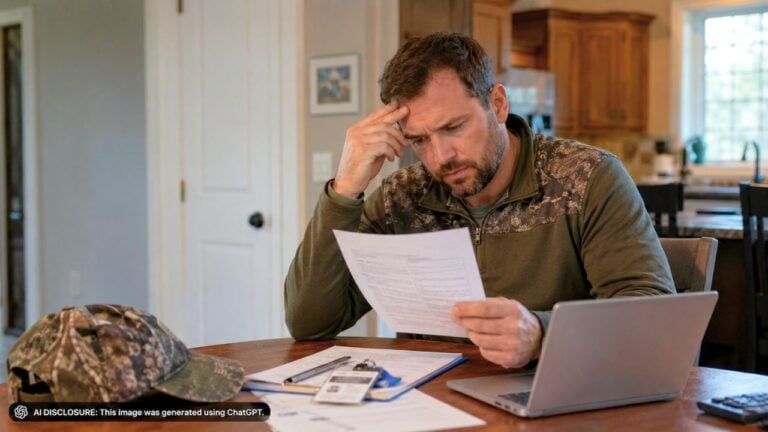
The first step after a gun theft is usually a police report, and that means serial numbers. If you don’t have them, you’re suddenly digging through old photos, hunting logs, handgun cases, and emails from online purchases trying to reconstruct your own inventory.
Storage insurance companies (and even some homeowners policies) typically want proof you owned the items and what they were worth. Receipts help. Photos help. Appraisals help for higher-end rifles, optics, and custom work. But most working hunters don’t keep appraisals for a 10-year-old deer rifle with a scuffed stock and a scope that’s been on three ATVs.
And while law enforcement can enter stolen guns into databases, recoveries are hit and miss. It’s not like a stolen truck that gets spotted on a highway camera. Firearms can disappear into a private sale, a back-room trade, or a buddy network that doesn’t ask questions.
What people zeroed in on: the “why were they in storage?” question
When stories like this get around a gun counter or a local Facebook group, the comments usually split into two camps. One group sympathizes and focuses on the thief—because stealing guns is lowdown, dangerous behavior that puts everyone at risk.
The other group asks the blunt question: why were the guns there in the first place? Not to kick a guy while he’s down, but because most gun owners know storage units aren’t designed for high-value, high-liability items. Folks point out the basics: a safe at home, a hardened lock, better documentation, and a policy that actually covers firearms.
There’s also the “insurance lesson” crowd—people who’ve been burned by exclusions for jewelry, tools, or ATVs. They’ll tell you straight: the coverage you buy at the storage desk is often the last line of protection, not the first, and it may not cover the exact stuff you’re worried about most.
What a practical path forward looks like after a theft like this
Once the claim is denied, the options get limited and frustrating. The gun owner can push back and ask for the exact policy language in writing, including the exclusion section and any definitions that might be vague. Sometimes there’s a difference between the sales pitch and the actual contract, and sometimes there’s room to argue if the facility represented the plan as broader than it is.
He can also check whether his homeowners or renters policy extends coverage to items in storage. Some do, some don’t, and many require a separate rider for firearms or have low sub-limits unless you schedule specific guns. It’s not glamorous, but that “scheduled property” list—make, model, serial number, value—can be the difference between a total loss and at least being able to replace what was taken.
Going forward, the best move is treating firearms like the valuable, regulated property they are. That means a real safe or secure storage at home, minimal offsite storage, hardened locks if you must use a unit, and keeping an inventory that’s easy to grab when things go sideways. If you’ve got guns you don’t have room for, it may be time to either upgrade storage or thin the herd instead of parking them in a place that’s built for spare furniture.
At the end of the day, the theft is the main problem—but the insurance denial is what turns it from a bad day into a long-term mess. If you’re using a storage unit for anything you’d hate to see on the street tomorrow, it’s worth reading the exclusions like your season depends on it, because sometimes it does.
Like The Avid Outdoorsman’s content? Be sure to follow us.
Here’s more from us: