Photo credit: WHO_TEE_WHO/YouTube
Some rifles get a reputation before enough people actually use them. Maybe they look cheap, come from the wrong brand, have an odd design, or live in the shadow of something more famous. Once shooters decide a rifle is second-rate, that opinion can hang around for years.
The funny thing is that rifles don’t care what people say online. They either shoot, carry, feed, and hold up, or they don’t. Plenty of rifles that got dismissed early ended up proving they were more useful than the criticism made them sound. These are the rifles that were better than people claimed.
Remington 783

The Remington 783 got dismissed fast because it wasn’t the Model 700. It looked like a budget rifle, felt like a budget rifle, and arrived during a time when Remington’s reputation wasn’t exactly at its strongest. A lot of hunters saw the price tag and assumed they knew the whole story.
That wasn’t always fair. The 783 could shoot better than people expected, especially for a no-frills deer rifle. The trigger was usable, the chamberings made sense, and plenty of owners got solid hunting accuracy without spending much. It was never refined, and nobody should pretend it had old-school Remington charm. But as a rifle built to put venison in the freezer, it was more capable than the jokes suggested.
Winchester XPR

The Winchester XPR had a tough job from the start because it wore the Winchester name without feeling like a classic Model 70. That made some hunters judge it harshly before giving it much time. Synthetic stock, push-feed action, detachable magazine, and modern budget-rifle styling didn’t exactly stir nostalgia.
But the XPR was better than the “cheap Winchester” label made it sound. Many examples shot well, the trigger was solid, and the rifle handled bad weather without making owners nervous. It was practical in a way older walnut rifles sometimes aren’t. If you judged it as a working hunting rifle instead of a Model 70 replacement, it made more sense. It wasn’t romantic, but it did the job.
Mossberg Patriot Predator
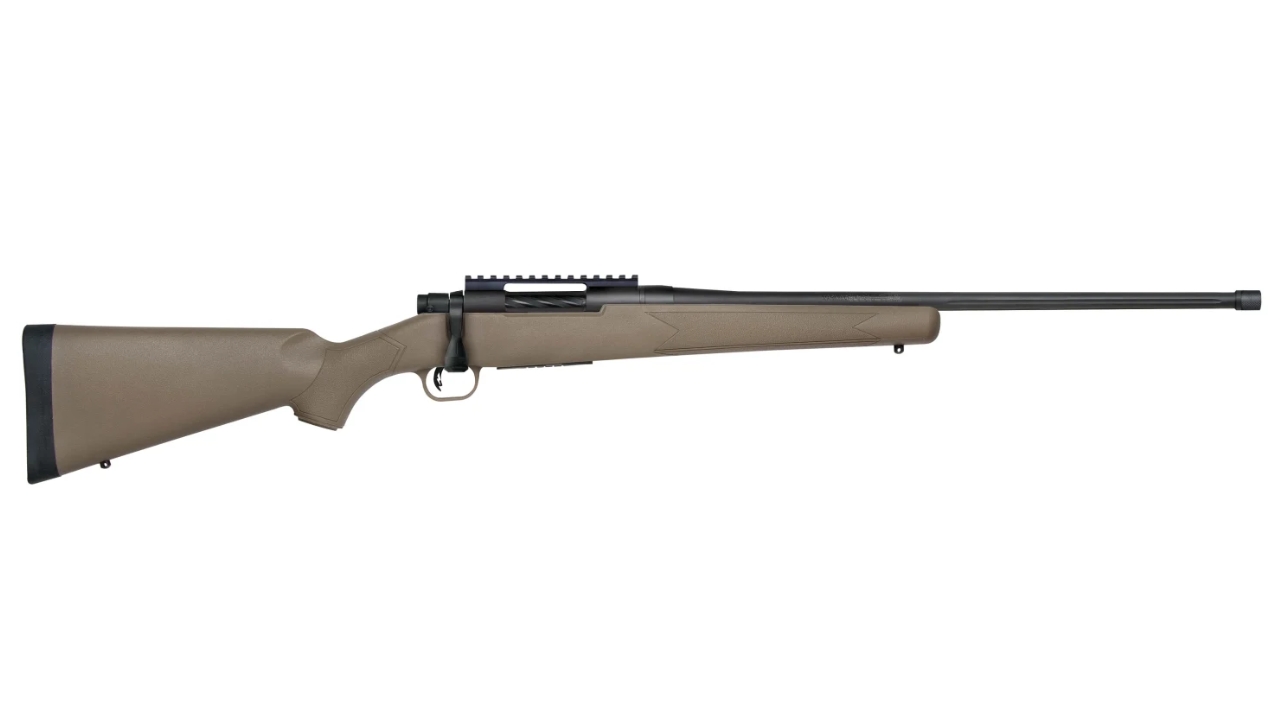
The Mossberg Patriot Predator got plenty of side-eye because Mossberg is still better known for shotguns than bolt rifles. The rifle looked affordable, came with a threaded barrel, and seemed aimed at hunters who wanted features without paying much. That made some people assume it was all marketing and not much rifle.
Real owners found a more balanced story. The Patriot Predator could shoot well enough for coyotes, deer, and hogs, and the threaded barrel made it useful for suppressor-minded hunters. It was not slick like a Tikka or polished like a higher-end rifle, but it was not pretending to be. For the money, it gave hunters a practical setup that often performed better than the criticism allowed.
Ruger American Ranch
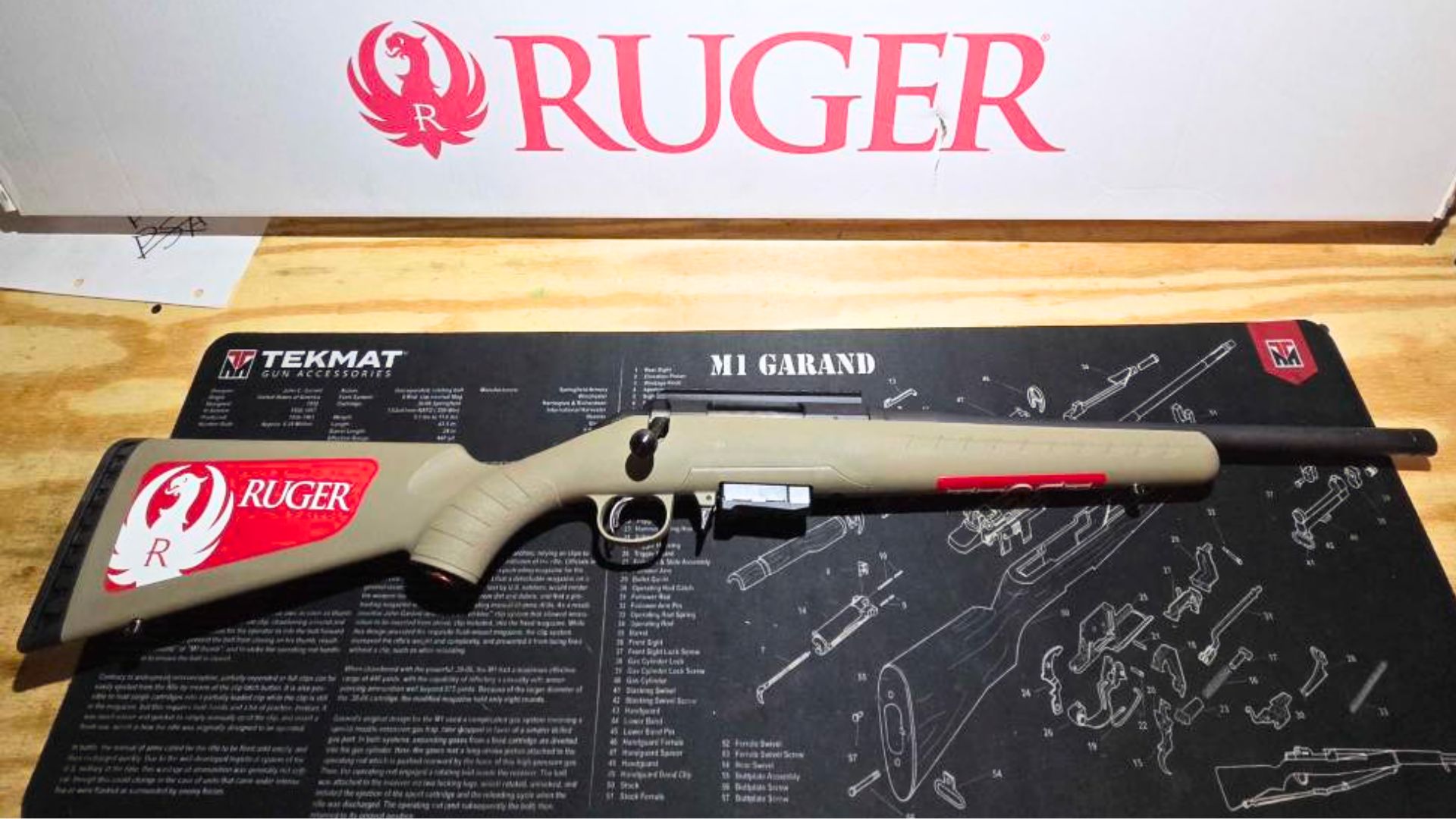
The Ruger American Ranch looked too stubby and plain for some rifle guys to take seriously. Short barrel, synthetic stock, budget action, and chamberings like 5.56, 7.62×39, .300 Blackout, and .450 Bushmaster made it seem more like a utility oddball than a real rifle.
That was exactly why it worked. The Ranch was handy, suppressor-friendly, affordable, and useful in places where a long hunting rifle felt clumsy. It became a good truck, farm, hog, coyote, and short-range deer rifle depending on chambering. The stock still feels cheap, and the action isn’t fancy, but the rifle fills a role. People who mocked the look missed how useful the package actually was.
Savage Axis II

The Savage Axis II got lumped in with cheap starter rifles, and that reputation never fully left it. The stock felt basic, the action could feel rough, and the rifle did not have much pride-of-ownership appeal. For hunters who like polished blue steel and walnut, the Axis II was easy to dismiss.
Then it kept grouping. Savage has long known how to build affordable rifles that shoot, and the Axis II carried that trait into a lower price range. The AccuTrigger helped, and many rifles delivered perfectly good deer-hunting accuracy. It was not pretty, and it was not meant to be. But if the job was buying an affordable rifle that could hit where it was aimed, the Axis II was better than people claimed.
CVA Cascade

The CVA Cascade had to fight the idea that CVA was a muzzleloader company trying to play in the centerfire rifle world. Some hunters were skeptical before ever touching one. A newer bolt-action from a brand without decades of centerfire reputation had to earn trust the hard way.
The Cascade did more than many expected. It brought a threaded barrel, decent trigger, useful stock design, and good accuracy potential at a fair price. For hunters who wanted a modern rifle without jumping into premium money, it made sense. It didn’t erase the reputation gap overnight, but it proved CVA could build a serious centerfire hunting rifle. A lot of criticism came from the name on the receiver, not the way the rifle actually shot.
Howa 1500

The Howa 1500 has been underrated for years because it doesn’t always get the same attention as Remington, Ruger, Tikka, or Winchester. Some hunters see it as a house-brand rifle because of how often it appears under other names or package setups. That has kept it from getting the respect it deserves in some circles.
The rifle itself is solid. The action is strong, the barrels often shoot well, and the platform has more aftermarket support than casual buyers realize. It may not have the smoothest marketing story, but it has a real track record. Hunters who judge rifles by performance usually understand the Howa quickly. It was never second-rate just because it didn’t have the loudest fan base.
T/C Venture
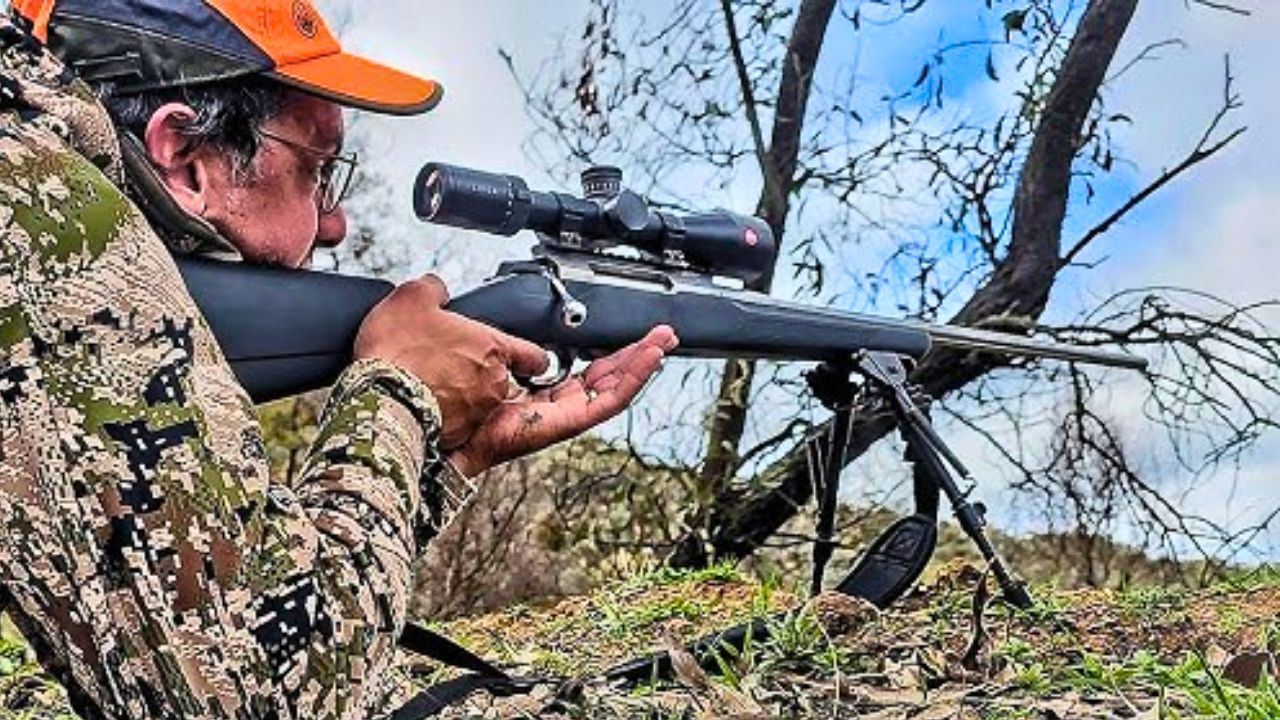
The T/C Venture was easy to overlook because Thompson/Center was better known for single-shots and muzzleloaders than mainstream bolt-action hunting rifles. Some hunters saw the Venture as another budget bolt gun trying to squeeze into an already crowded rack.
But the Venture had more going for it than people admitted. Many rifles shot well, the trigger was decent, and the design gave hunters a practical rifle at a fair price. It also came in useful chamberings and carried well enough for normal deer hunting. The Venture never became the default recommendation, but owners who had good ones knew. It was a better rifle than its quiet reputation suggested.
Marlin X7
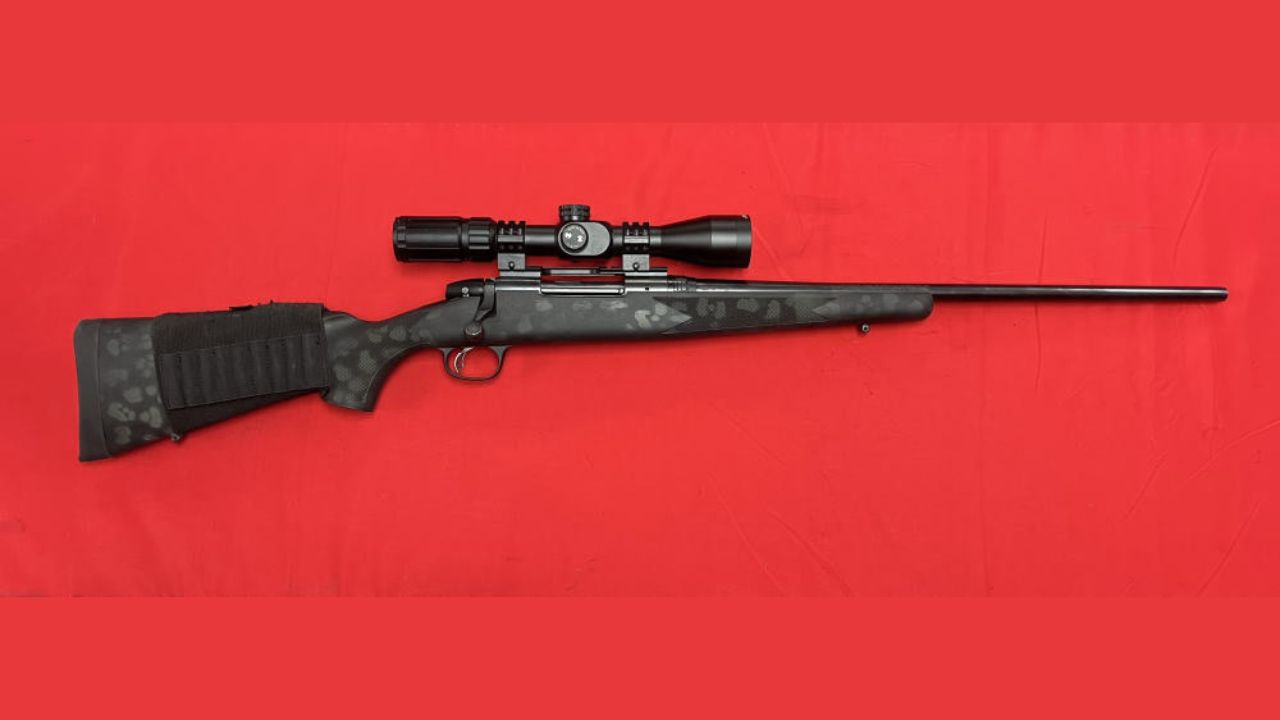
The Marlin X7 showed up as an affordable bolt-action rifle from a company most hunters associated with lever guns. That alone made people hesitate. A Marlin bolt gun didn’t sound as natural as a Marlin 336 or 1895, so the X7 had to overcome skepticism right away.
It deserved more credit. The X7 line often shot very well for the money and came with a good user-adjustable trigger. It was plain, light, and practical, which is exactly what many hunters needed. It didn’t have the name power of bigger bolt-action brands, but it performed. The shame is that more people figured that out after the rifles were gone. It was better than the market treated it.
Weatherby Vanguard
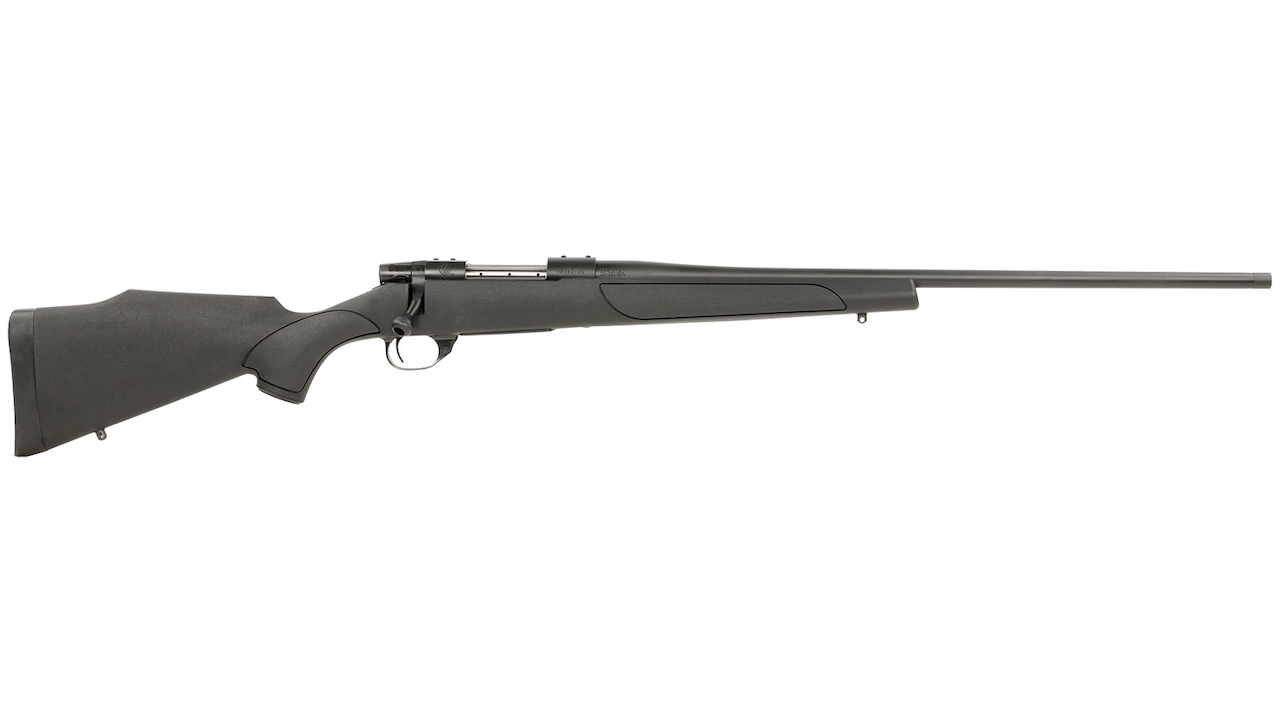
The Weatherby Vanguard sometimes gets treated like the “cheap Weatherby,” which is a lazy way to look at it. Because it sits below the Mark V, some shooters assume it is just a budget compromise wearing a famous name. That misses the point of what the rifle is.
The Vanguard has long been a strong, dependable hunting rifle with good accuracy potential. It may not have the lightweight feel or prestige of higher-end rifles, but it gives hunters a solid action, useful chamberings, and confidence in the field. For the money, it has often been one of the smarter buys on the rack. It wasn’t lesser because it cost less. It was just more practical.
Browning AB3

The Browning AB3 caught criticism because it was clearly the more affordable Browning bolt gun. It didn’t have the same feel, finish, or reputation as the X-Bolt or older A-Bolt rifles. Some hunters looked at it and decided Browning had simply built a cheaper rifle to hit a price point.
That’s partly true, but it doesn’t make the AB3 useless. It gave buyers a practical hunting rifle with Browning backing, good accuracy potential, and a price that made sense for real-world hunters. It was not a fancy rifle and never felt like one. But plenty of hunters do not need fancy. They need a rifle that can handle bad weather, hold zero, and make clean shots. The AB3 did that better than critics admitted.
Mauser M18
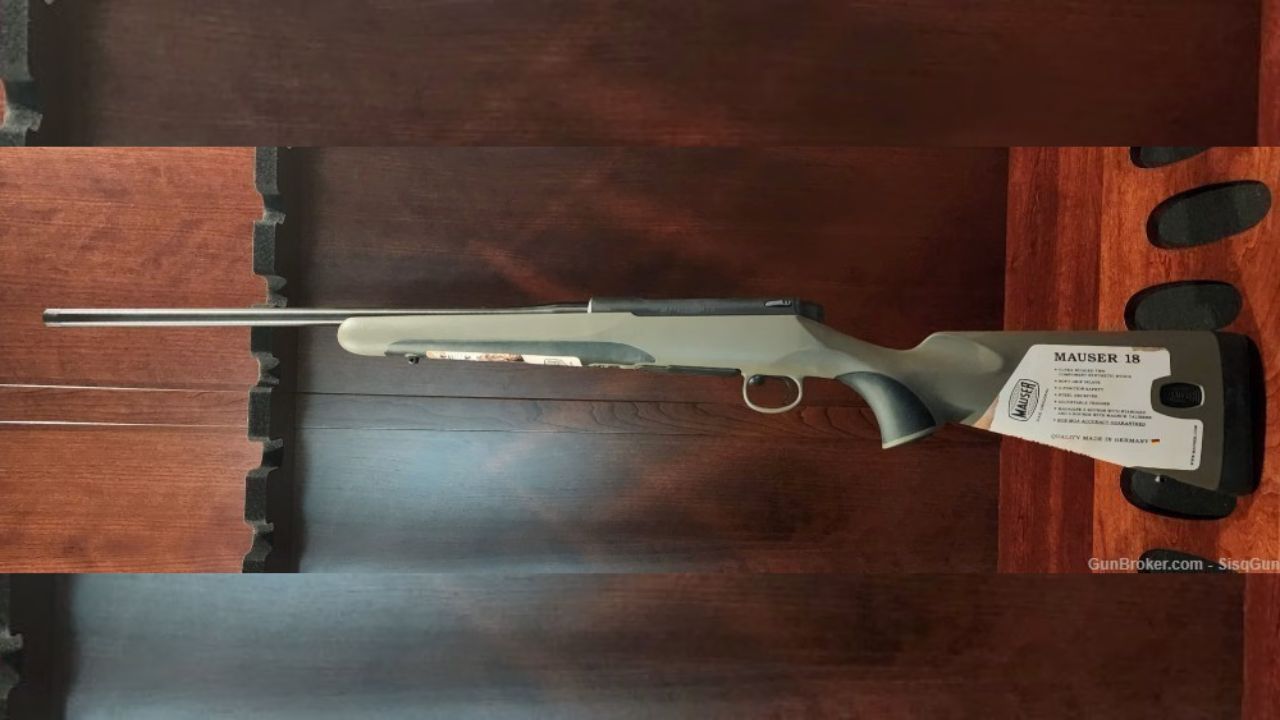
The Mauser M18 took heat from people who expected more old-world romance from the Mauser name. A synthetic-stocked, budget-conscious hunting rifle did not match the emotional image many shooters had of Mauser. Because of that, some dismissed it as a nameplate rifle.
But judged on its own, the M18 was better than that. It offered good accuracy, a practical stock, a smooth enough action, and a straightforward hunting setup. It was not trying to be a controlled-feed classic or a museum piece. It was trying to be a modern field rifle at a reachable price. When hunters accepted that, the M18 made a lot more sense. The name created the wrong expectations.
Franchi Momentum

The Franchi Momentum was mocked by some shooters for its unusual stock design and styling. It did not look like the average American deer rifle, and that alone was enough to make traditional hunters suspicious. A rifle can get dismissed quickly when the shape looks unfamiliar.
The Momentum proved it had more to offer than its appearance suggested. It carried well for many hunters, had a comfortable feel once you got used to it, and often delivered good accuracy. The bolt throw and stock shape were different, but different isn’t automatically bad. Some shooters never warmed up to the look, and that’s fair. But the rifle was not a gimmick. It was a capable hunting rifle that caught too much criticism for being shaped differently.
Sauer 100

The Sauer 100 had a strange reputation problem because it carried a respected European name while being priced closer to mainstream hunting rifles. Some hunters expected luxury and then complained when it felt like a practical synthetic-stocked rifle. Others dismissed it because it wasn’t a high-end Sauer.
That criticism missed the lane it was built for. The Sauer 100 offered good accuracy potential, a smooth action feel, and a clean hunting setup without premium-rifle pricing. It was not meant to compete with heirloom-grade rifles. It was meant to give hunters a good field rifle with a little European flavor. Judged that way, it was better than some people claimed. Expectations made it seem worse than it was.
Bergara B-14 Hunter

The Bergara B-14 Hunter did get plenty of praise, but it also had critics who treated it like an overhyped Remington 700 clone. Some hunters were skeptical of the sudden attention Bergara received and assumed the rifle was just riding barrel reputation and internet buzz.
The B-14 Hunter earned more respect than that. It gave shooters a familiar footprint, strong barrel quality, solid accuracy, and a practical hunting setup at a fair price. It was not some magical rifle, but it did not need to be. It simply gave hunters a well-built rifle that often shot very well out of the box. The people calling it all hype usually had to work around a lot of owners getting good results.
Like The Avid Outdoorsman’s content? Subscribe to our newsletter so you never miss an article.
Here’s more from us: