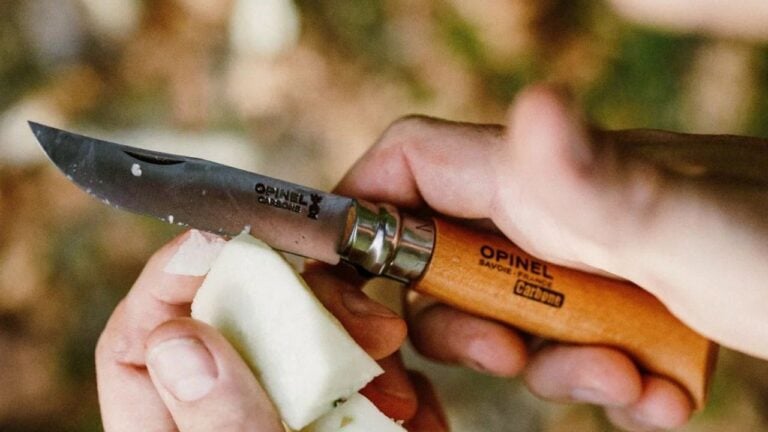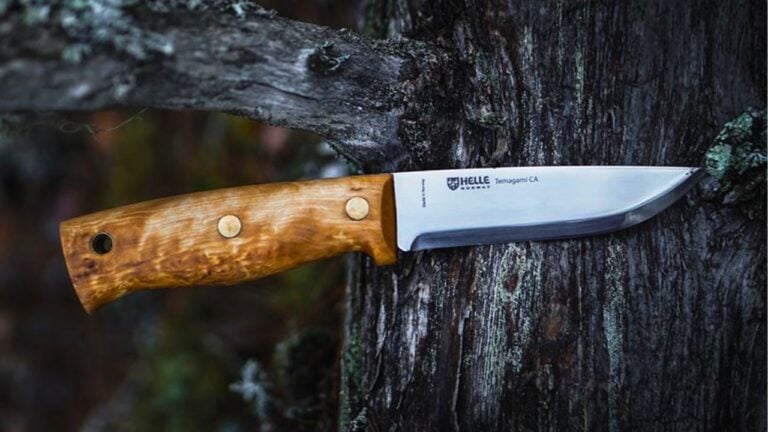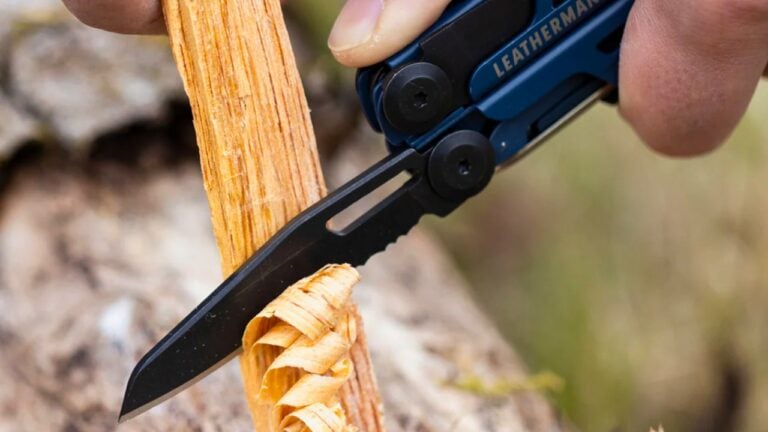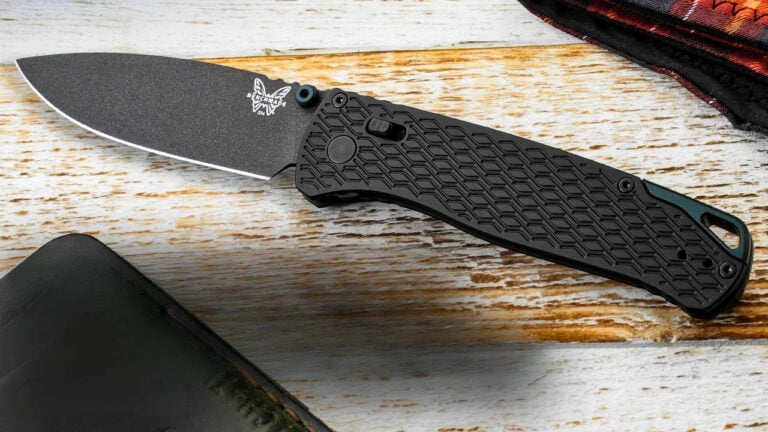
Photo credit: KnivesAtlanta
Estate sales are funny. You’ll see a stack of cast iron in the kitchen, a gun cabinet everybody’s pretending not to notice, and then—usually in a junk drawer, tackle box, or old tool chest—a pocket knife that makes the right kind of person stop talking mid-sentence.
Experienced knife collectors aren’t just hunting “old.” They’re hunting specific patterns, stamps, steels, and little tells that say a knife was carried, sharpened, and put away with some respect. Below are the pocket knives I watch for when I’m walking past folding tables and cardboard boxes, because they’re either hard to replace, still useful in the real world, or they’ve got a history that shows up in your hand the minute you open one.
1. Case XX Trapper (6254 pattern)

If you grew up around deer camps, you’ve seen a Case Trapper. The reason collectors still scoop them up at estate sales is simple: the pattern is useful, the brand is recognized, and older ones have a walk-and-talk you don’t always get on newer production. A good 6254 has two blades that actually make sense in the field—clip for most cutting, spey for hide work and general chores without feeling like you’re carrying a tiny sword.
What I look at first is blade wear and reprofile. A Trapper that’s been “sharpened like a hatchet” can still be a user, but it’s not the same knife anymore. Check for tight springs, no side-to-side play, and cracks around the pins. If it’s a user-grade knife at a fair price, I’m in. If it’s an older tang stamp with clean blades, I’m real interested.
2. Case XX Stockman (6347 pattern)
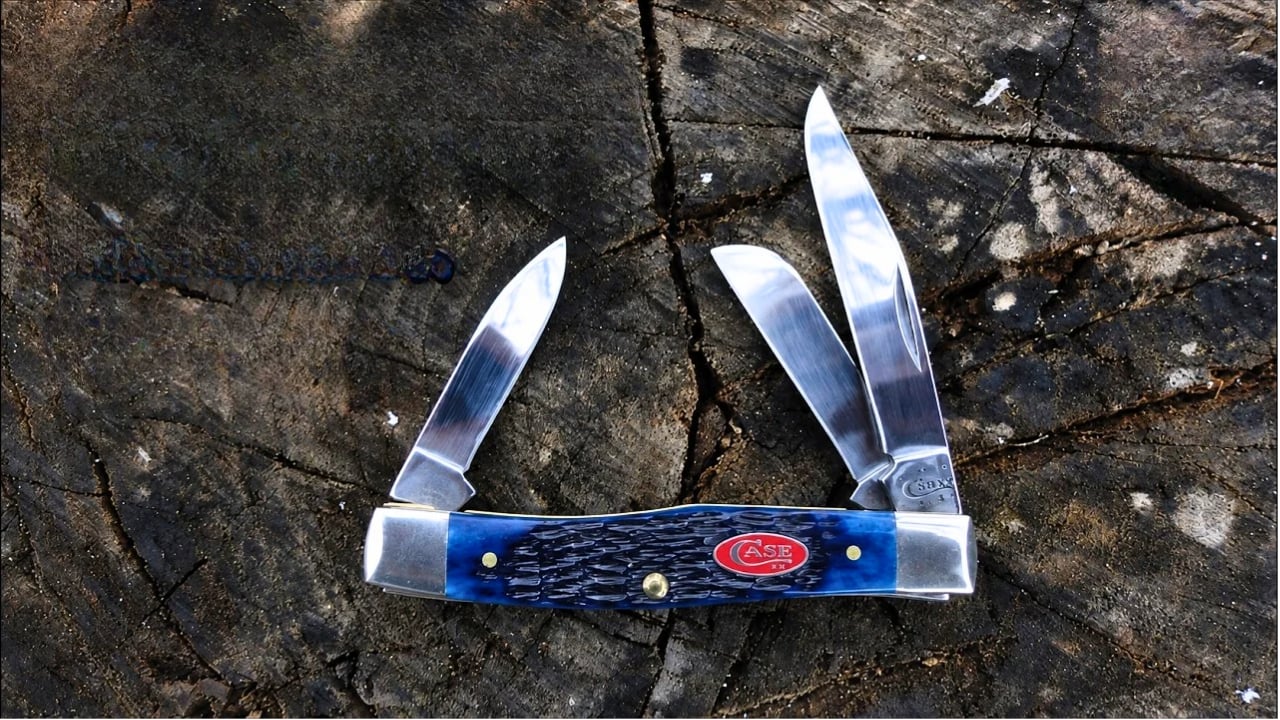
The Stockman is one of those patterns that seems boring until you carry it for a month. Three blades sounds like overkill, but in real life it means you can keep one clean for food, one for dirty work, and one for whatever comes up. On the older Case 6347s, the fit between liners and bolsters is usually solid, and they ride in the pocket flatter than you’d think.
Collectors chase variations—bone color, shields, and different stamp eras—but even if you don’t care about that, they’re great knives when they haven’t been abused. Watch for lazy backsprings (weak snap), blades rubbing each other, and obvious replacement parts. If the main clip blade still has a decent profile and the joints are tight, it’ll outwork a lot of flashy modern folders.
3. Case XX Sod Buster Jr. (2137 pattern)
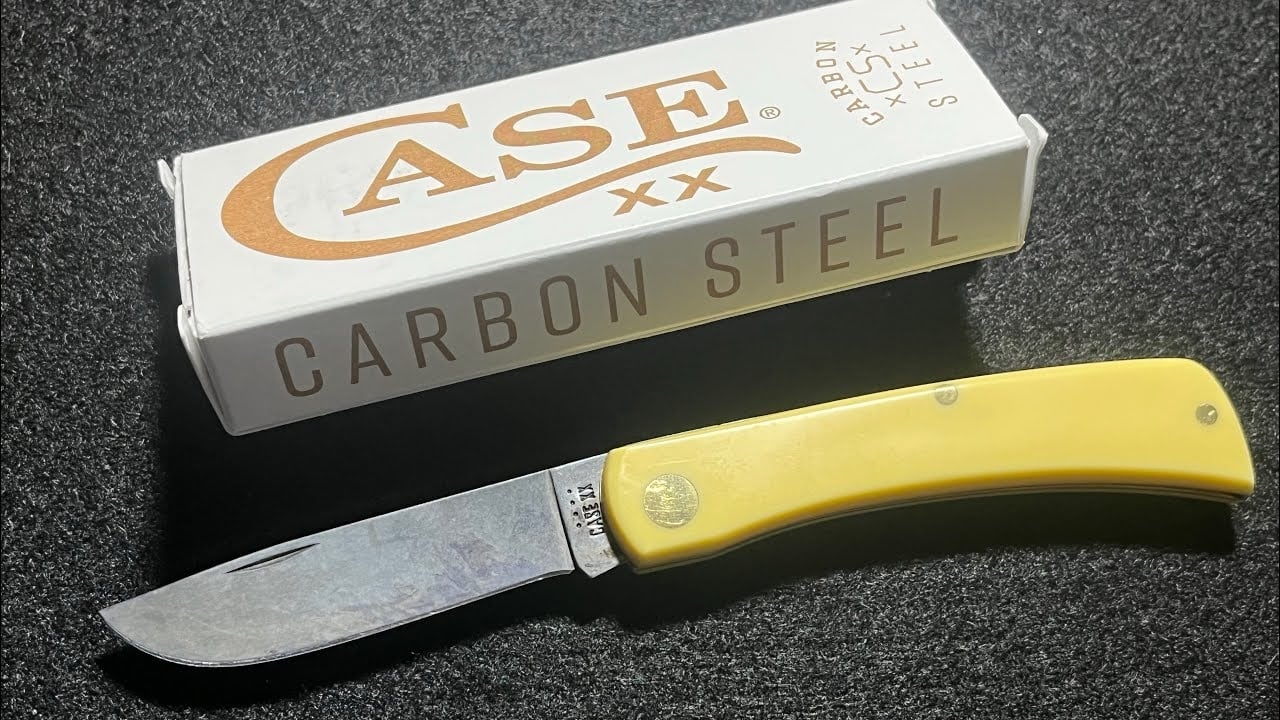
A Sod Buster Jr. is a working man’s knife. It’s not fancy, and that’s exactly why it shows up in estates—because it lived in a pocket, not a display case. The old ones have a straightforward feel: one blade, one job, no nonsense. It’s the kind of knife you grab to cut baling twine, open feed bags, or trim a patch on a wader strap.
At an estate sale, I like finding them because they’re often priced like a “plain pocket knife,” especially if the family doesn’t know patterns. Look for cracked handles near the pivot, heavy tip loss, and a blade that sits centered when closed. If it’s got honest patina and a tight joint, I don’t care if it’s ugly. There is nothing fancy about it, and that is kind of the point.
4. Buck 110 Folding Hunter (USA-made)
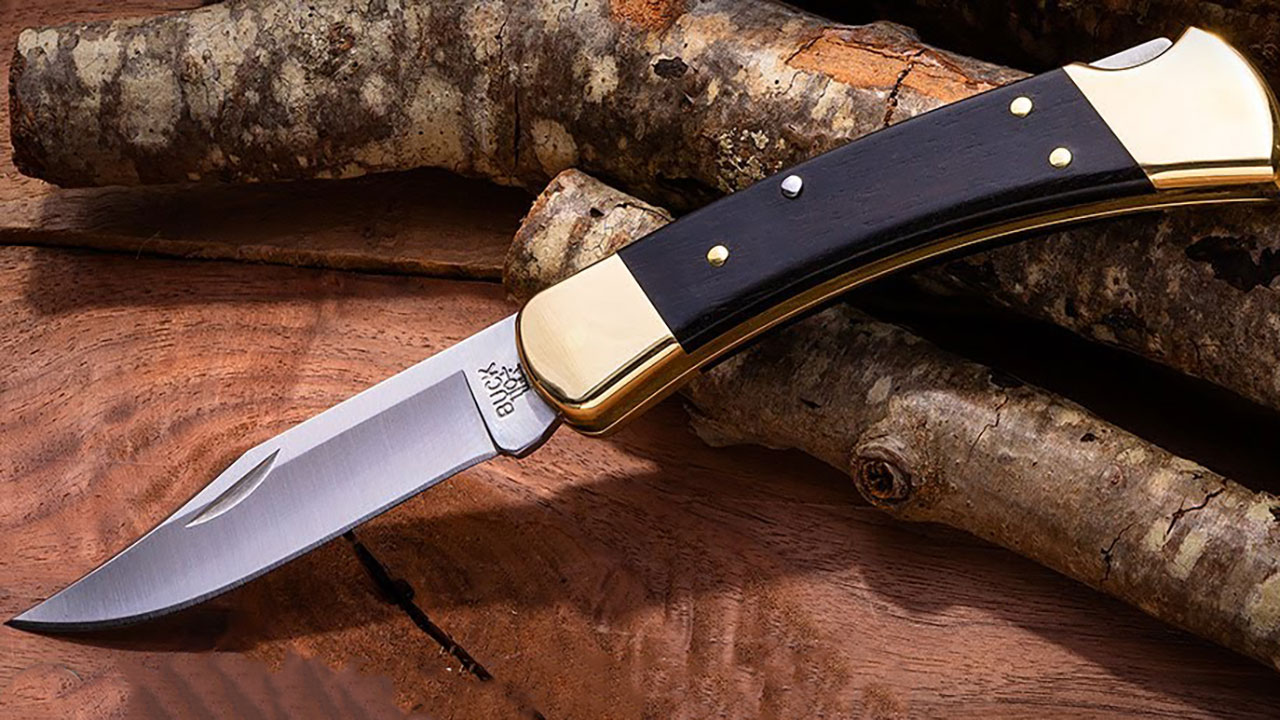
The Buck 110 is a legend, but it’s also heavy, and that’s why you find them in dresser drawers with the sheath nearby. A lot of guys carried one for hunting season and then moved on to something lighter. Collectors still want the USA-made versions because the heat treat and general build are consistent, and older ones have a feel that’s hard to fake.
At a sale, open it and pay attention to lockup. A good 110 locks like a bank vault and doesn’t have that worn, sloppy rock. Check the brass for deep dents and the blade for grind marks that suggest somebody got aggressive on a wheel. If it comes with the original sheath and it isn’t rotted out, that’s a plus. Even if you’re not collecting, a clean 110 is still a serious field knife.
5. Buck 112 Ranger (USA-made)

The 112 is the 110’s handier brother. Same general idea—lockback, wood scales, brass bolsters—but it carries better and feels quicker in the hand. I’ve used a 112 for everything from cleaning trout at a tailgate to cutting brush cord, and it never felt like I had a boat anchor on my belt.
Collectors grab these at estate sales because they’re often overlooked. Everybody recognizes the 110, but the 112 gets treated like “the smaller one” and priced accordingly. Inspect the lock for solid engagement, and look down the edge for waves from bad sharpening. If the blade has been thinned a little from years of stones, that can actually be a bonus as long as the tip isn’t trashed. It’s a practical knife that doesn’t need a sales pitch.
6. Schrade Old Timer 34OT
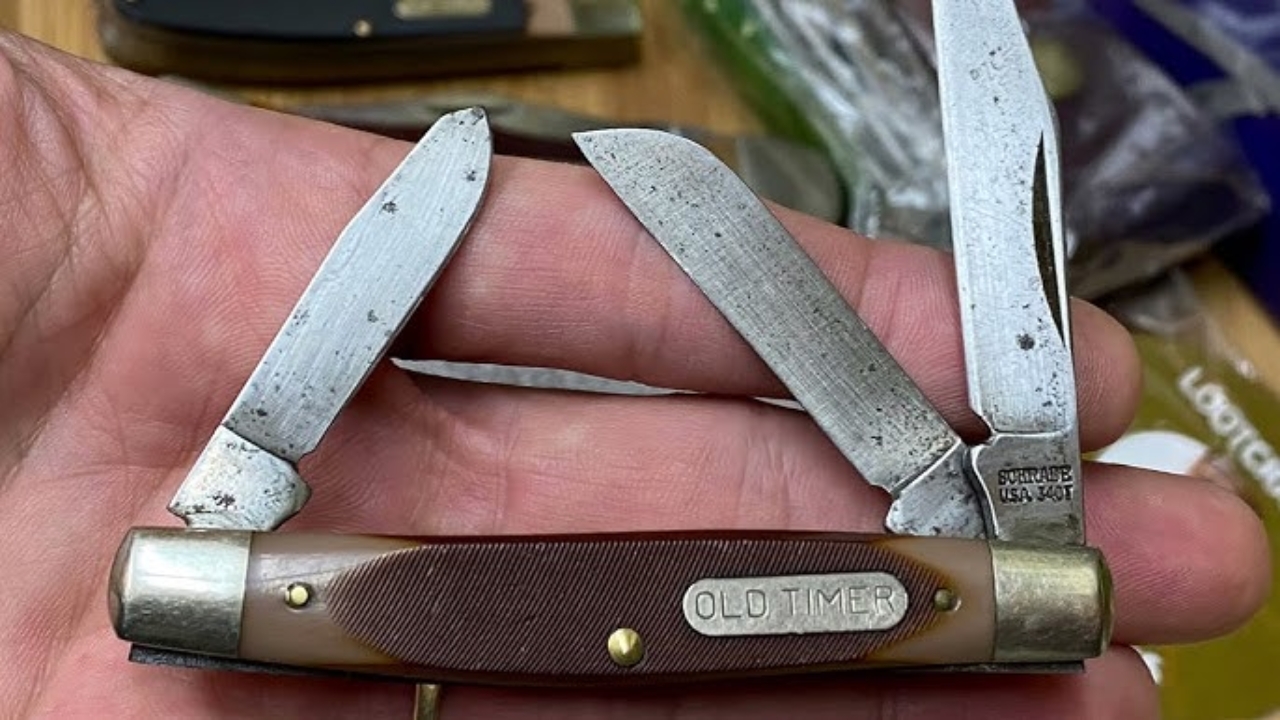
The 34OT is one of those knives that makes you nostalgic whether you meant to be or not. Plenty of these rode in truck door pockets, tackle boxes, and work pants for decades. They aren’t rare in the strict collector sense, but finding a clean one with tight joints is getting harder now that the older USA-made Schrades are drying up.
What matters is condition and country of origin. The older ones tend to have better overall fit, and they sharpen up in a way that makes sense for a daily user. Check for cracked sawcut Delrin handles and blade wobble. The pull shouldn’t be gritty, and it should still snap. If it’s cheap and solid, buy it. Worst case, it becomes your “dirty jobs” knife and you quit abusing your nicer stuff.
7. Schrade Old Timer 33OT “Middleman” Stockman
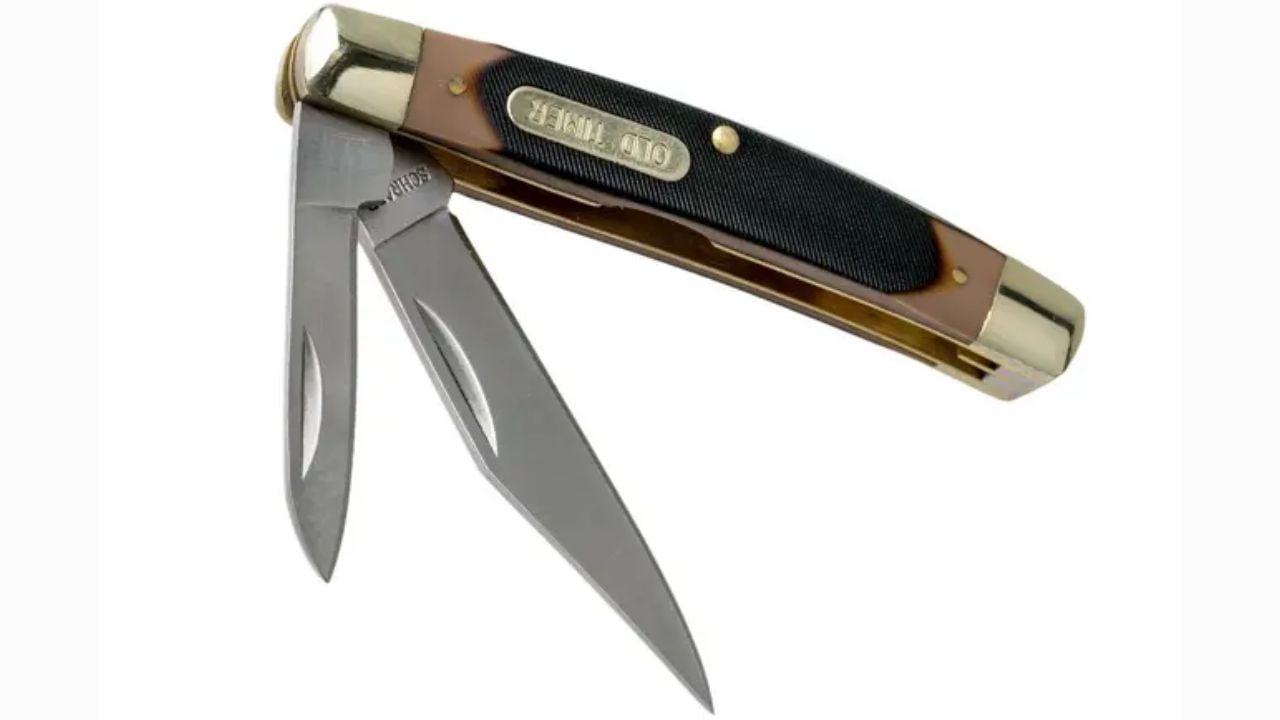
The 33OT is a sweet spot size for a Stockman. Big enough to do real work, small enough to carry without thinking about it. Estate sales are where these pop up, usually in a jar of loose hardware or with old license plates and pocket change. If you find one with blades that haven’t been sharpened down to toothpicks, it’s worth a serious look.
Collectors like them because they represent an era when a pocket knife was a daily tool, not an accessory. Look at the tips—Stockman secondary blades often get snapped from prying, which is not what they’re built for. Check for backspring separation (gaps) and rough opening. If the joints are tight and the blades are mostly full, it’s a knife you can carry hunting, fishing, or just checking trail cams without babying.
8. Imperial Schrade “Uncle Henry” 885UH
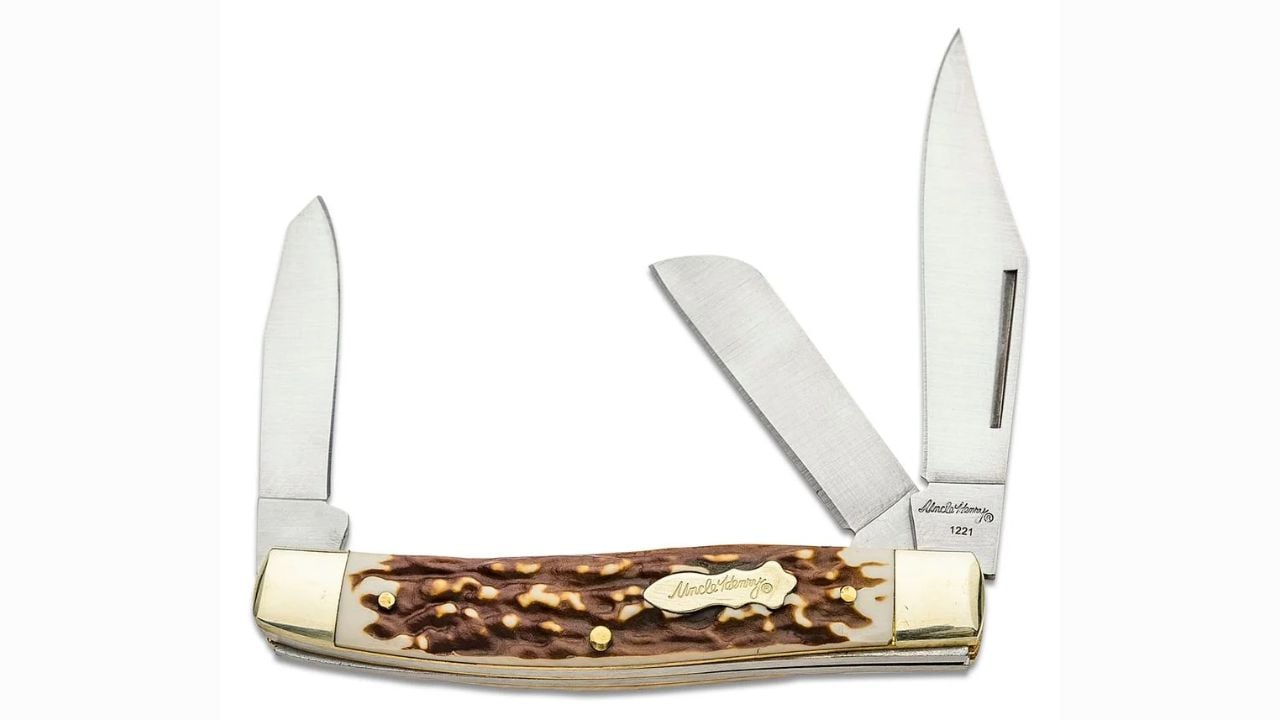
The Uncle Henry 885UH is a big, old-school lockback that feels like it belongs next to a leather belt and a fixed blade on opening day. These were working knives, and many of them show it. But when you find one that wasn’t abused, you get a stout blade, a comfortable handle, and a lock that’s meant to be trusted.
I check the lock face for wear and any hint of failure. If it doesn’t lock up tight, walk away. Also check the faux stag handle for chips and the pins for movement. Collectors like the older USA production, but even as a user, a good 885UH will handle camp chores all day. It’s not a gentleman’s knife. It’s a pocket knife for folks who don’t mind a little weight if it buys them confidence.
9. Camillus TL-29 Electrician’s Knife
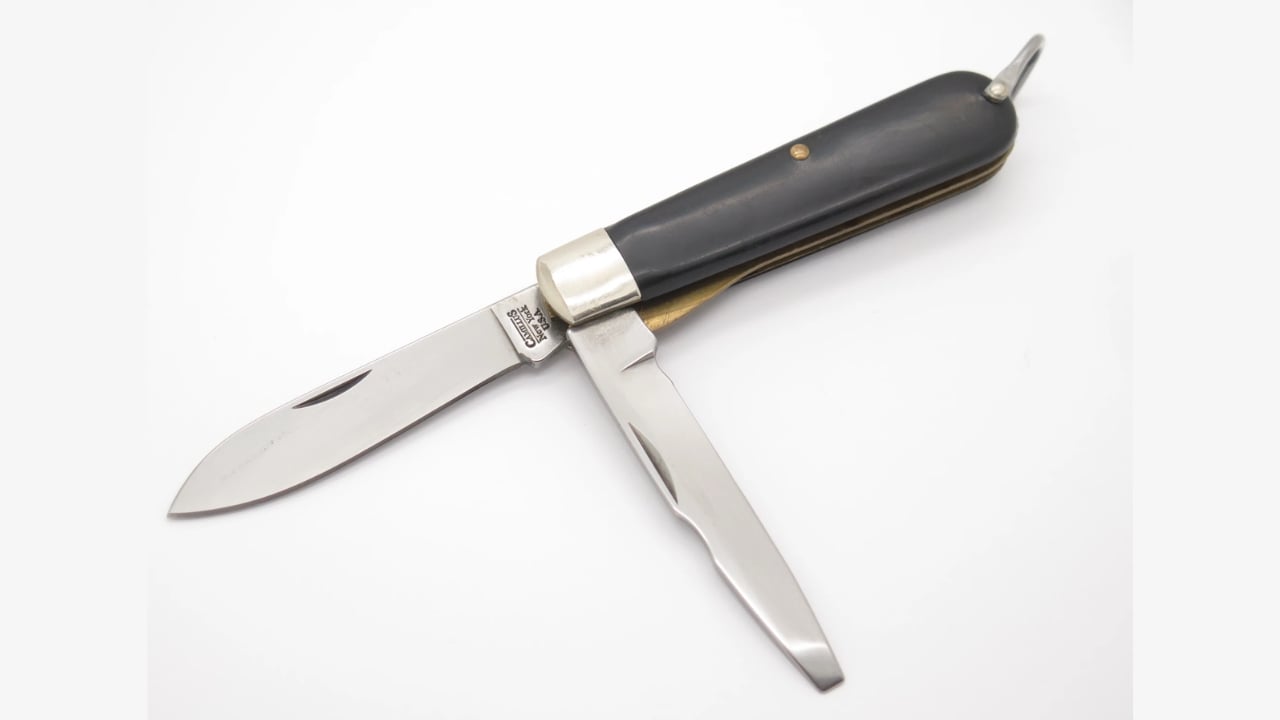
TL-29s are one of my favorite estate sale finds because they get mis-labeled as “army knife” or “old utility knife,” and then they’re priced like five bucks. The spear blade and screwdriver/pry blade setup is genuinely handy around a farm or shop. It’ll strip bark, scrape gasket material, cut rope, and do a pile of odd jobs where a modern thin-tipped blade feels too delicate.
Camillus made a bunch of these, including contract knives, and collectors chase stamp variations and wartime production. For the outdoorsman, the key is spring strength and tip condition. The screwdriver blade gets used as a pry bar until it’s bent, and a bent blade is a headache. Also look for cracks in the jigged handle material. If it’s straight and tight, it’s a tough old tool that still earns pocket time.
10. Camillus “Demo Knife” (utility/demo pattern)
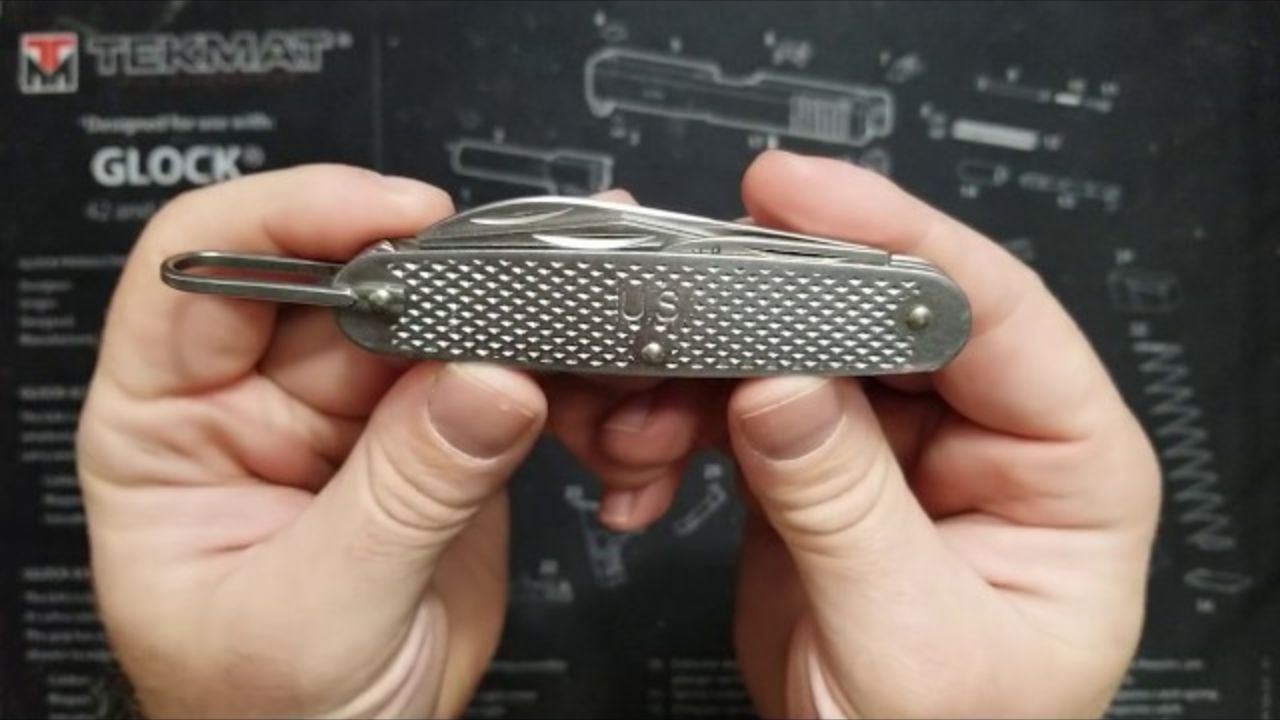
If you ever wanted proof that “overbuilt” can be a compliment, handle an old Camillus demo knife. They’re thick, chunky, and made to survive hard work—cutting roofing felt, prying paint cans, trimming shingles, you name it. Estate sales are where you find them because they’re not something most folks buy new these days, but guys who worked trades carried them for years.
Collectors like them because the patterns vary and the old build quality is obvious. The downside is many were used hard, so you have to inspect. Look for broken tips, cracked covers, and a joint that’s loose enough to be unsafe. If it’s still tight and the blades are serviceable, you just found a knife you won’t be afraid to use. Ask me how I know—once you start carrying one for chores, you get picky about flimsy knives.
11. Queen Cutlery Stockman (D2 steel era)
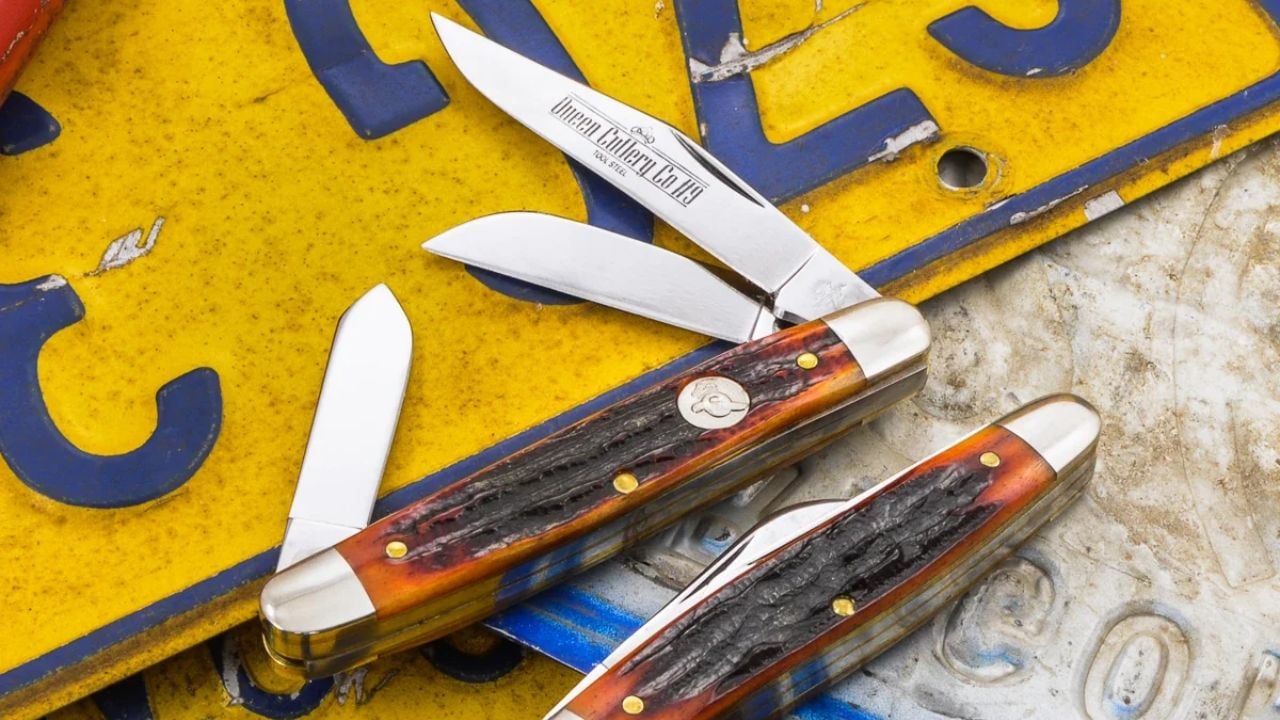
Queen knives don’t always get the same casual recognition as Case or Buck at an estate sale table, which is exactly why you should know what they are. Queen made some excellent traditional patterns, and their D2 runs are especially liked by folks who actually cut with their knives. D2 holds an edge, plain and simple, and it makes a Stockman feel like more than just nostalgia.
The trick is making sure you’re getting a real Queen and not just a worn knife with a story attached to it. Look at the tang stamps, check for blade rub, and make sure the springs are even. D2 can show staining and patina depending on use, so don’t panic over discoloration. If the knife has good snap and the blades haven’t been ground thin, it’s a serious user that also scratches that collector itch.
12. GEC (Great Eastern Cutlery) #23 Pioneer Trapper
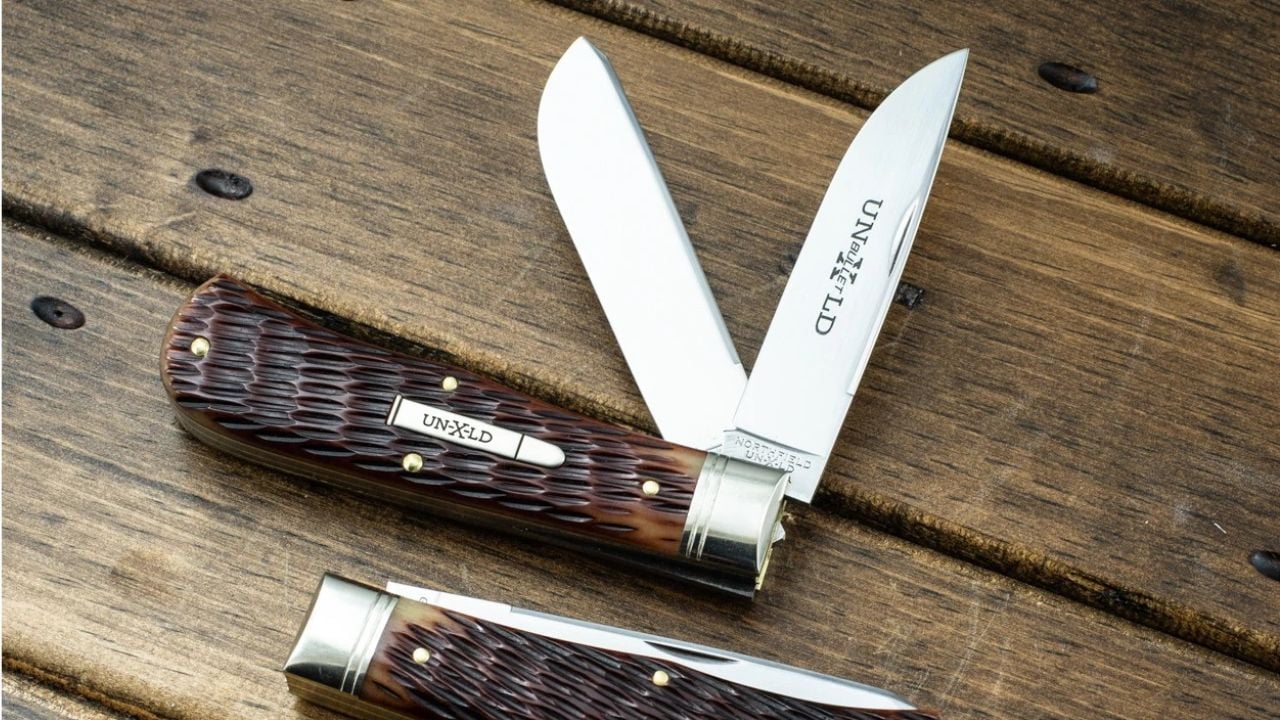
GEC knives don’t always show up at estate sales, but when they do, pay attention. They’ve built a reputation for tight fit, great walk-and-talk, and patterns that feel like they time-traveled from your granddad’s pocket. The #23 Pioneer Trapper is a favorite because it’s big enough for real work, but still a slipjoint you can live with day-to-day.
Collectors chase GEC because they’re limited-run and pattern-specific. The estate sale angle is that families often see “just a pocket knife,” especially if it has patina or pocket wear. Check for tube and packaging if it’s around, but don’t get hung up on it. What matters is blade centering, spring strength, and whether the edges were sharpened with care. If you find one for a normal-knife price, don’t overthink it.
13. GEC #15 Boys Knife
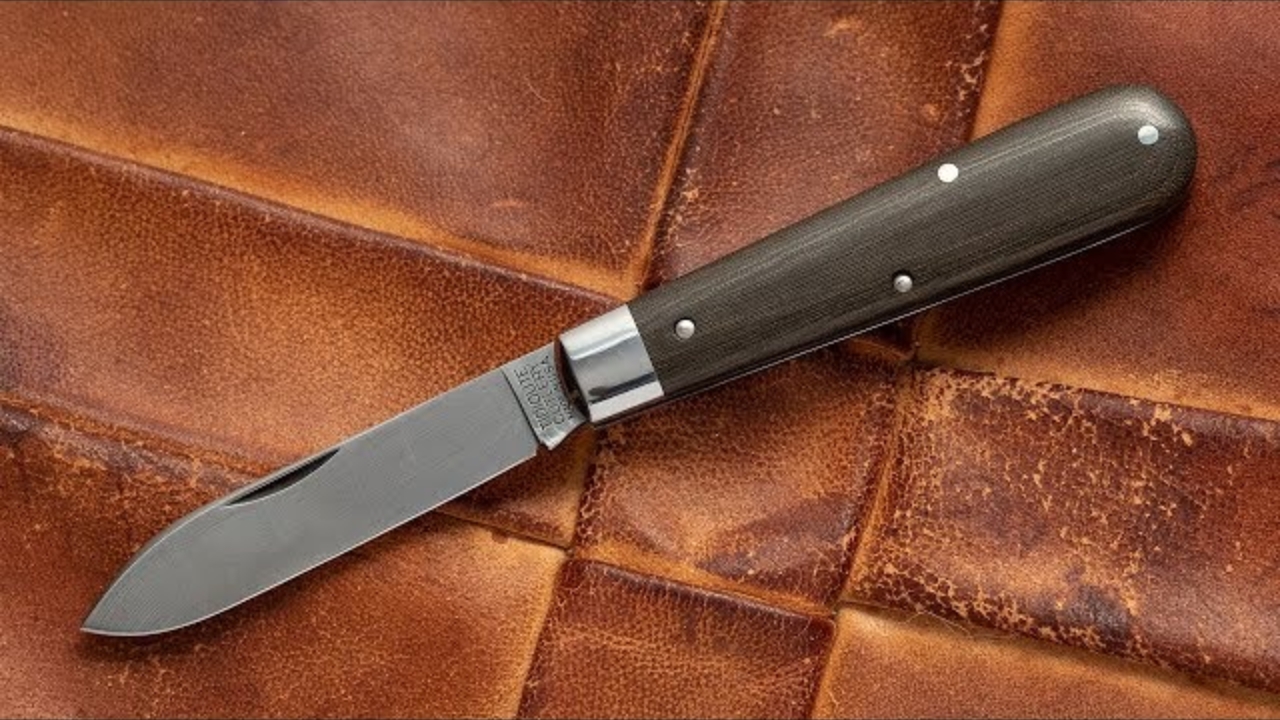
The #15 is small, simple, and extremely easy to carry. It’s also the kind of knife that disappears into a junk drawer, which is why estate sales can be a gold mine. In the pocket, it rides like it’s not even there. But it still opens boxes, cleans fingernails, trims tag ends on rope, and handles a surprising amount of daily cutting.
Collectors like #15s because there are a bunch of handle materials and blade configurations, and some runs are hard to track down later. On the table, inspect the tip closely—small blades get broken tips more often than folks admit. Check for a gritty or uneven pull, which can mean internal wear or gunk. A clean #15 with a good snap is a near-perfect “always knife,” and those are worth hanging onto.
14. Benchmade 940 Osborne (early USA production)
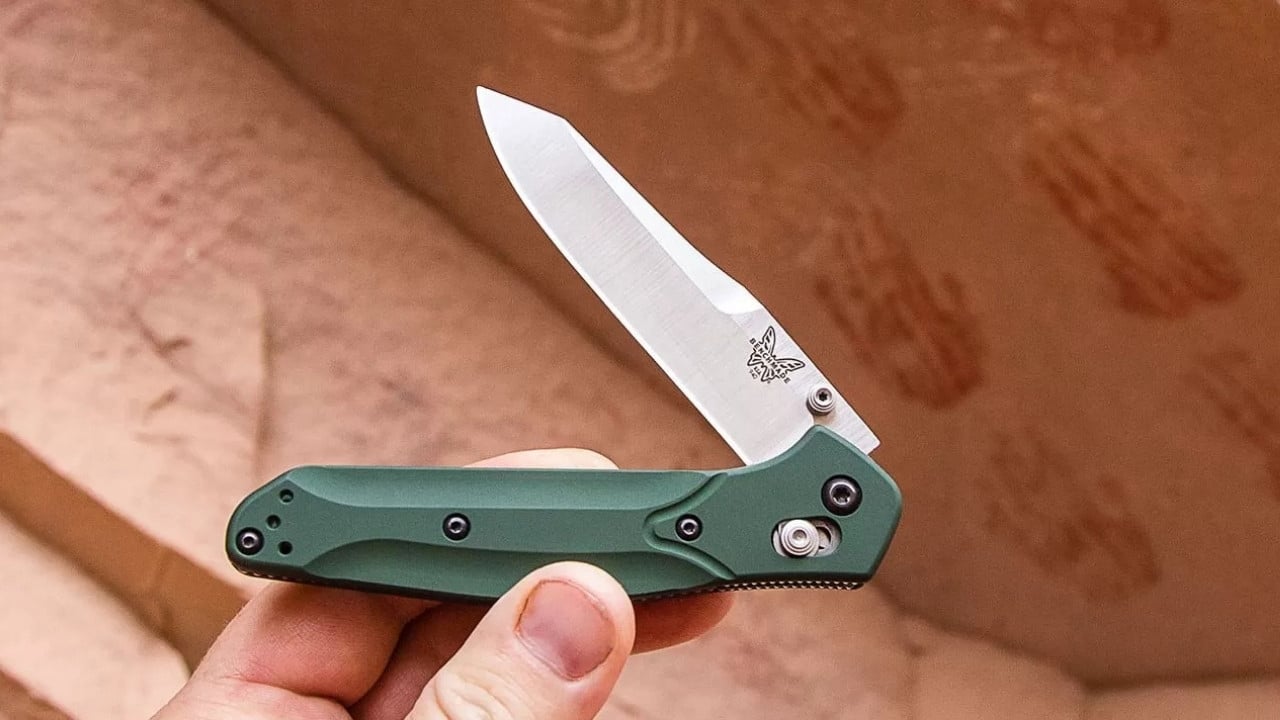
Every once in a while you’ll find a modern classic mixed in with the old slipjoints. The Benchmade 940 is one of the few modern folders that experienced collectors still get excited about at estate sales, especially older examples. The shape carries slim, the blade geometry cuts better than it looks, and it’s a knife you can actually live with on the belt line or in the pocket all day.
Estate sale inspection is about two things: axis lock feel and blade condition. If the action is gritty, it may just need cleaning, but check for side-to-side play and uneven centering. Look for stripped clip screws and chewed hardware—signs somebody didn’t know what they were doing with a driver. A 940 that’s been used but not abused is a real find. New ones aren’t cheap, and a good older one usually feels “settled in” without being worn out.
15. Spyderco Delica 4 (Seki-City, Japan)

The Delica is one of those knives that isn’t glamorous, but it’s dependable in a way you appreciate when you’re tired, cold, and digging around in a pack. The Seki-City Delicas have a strong track record, and they show up in estates because they were genuine daily carry knives for a long time. Light, thin, cuts well, and doesn’t scare anybody when you pull it out to slice an apple.
Collectors still look for them because steels and sprint runs change over time, and older versions have their own following. At a sale, check the back lock for solid engagement and make sure the tip isn’t snapped. Spyderco tips can be fine, and fine tips can get broken by prying. Also inspect for rust around the pivot if it sat in a tackle box. If the lockup is solid, it’s a knife you can start carrying immediately.
16. Spyderco Endura (Seki-City, Japan)

The Endura is basically the Delica’s bigger, more capable cousin. If you want one folder to handle everything from breaking down cardboard to light camp tasks, an Endura makes sense. Collectors keep an eye out at estate sales because these were popular enough to be common, but good condition examples get snapped up fast once folks realize what they’re holding.
Size is the selling point, but it’s also the reason you need to inspect it carefully. Larger blades get used harder. Look for a rolled edge, a tip that’s been used as a screwdriver, and handles that are chewed up from drops. Check the lockback for smooth opening and closing without sticking. An Endura that’s clean and tight is a legitimate working knife, not a “safe queen,” and that’s why it belongs on this list.
17. Victorinox Swiss Army Knife “Pioneer” (Alox)
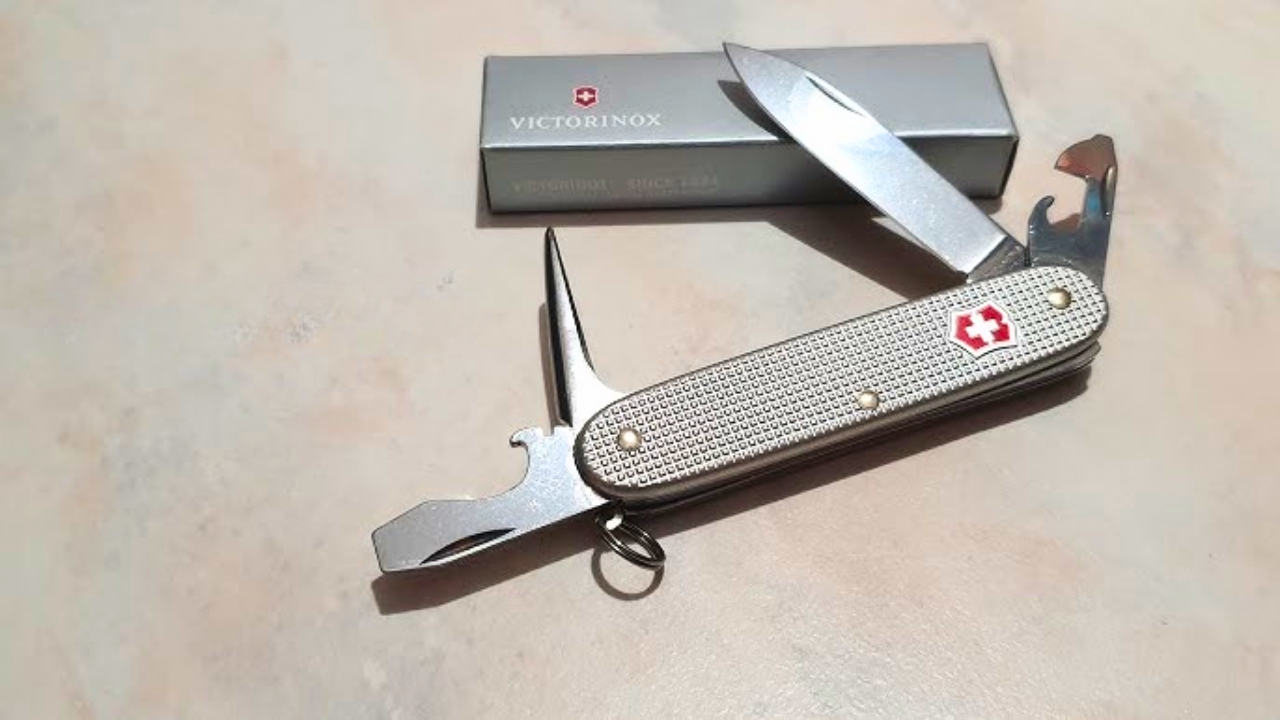
Most Swiss Army knives at estate sales are beat up, missing toothpicks, and sticky with old pocket lint. Still, the Alox Pioneer is different. It’s slimmer, tougher, and more honest about what it is: a compact tool that can live in a pocket for years. The awl alone has saved me time more than once when I needed to punch a hole or start a cut without splitting material.
Collectors like Alox models because they wear well and have a clean, durable look. You’re not dealing with cracked cellidor scales as often, and they clean up nicely. Check for snapped tool tips and springs that don’t close all the way. If the tools still snap and the blades aren’t abused, it’s a smart buy. It won’t replace a dedicated knife for heavy cutting, but as a pocket tool it’s hard to beat.
18. Leatherman Micra
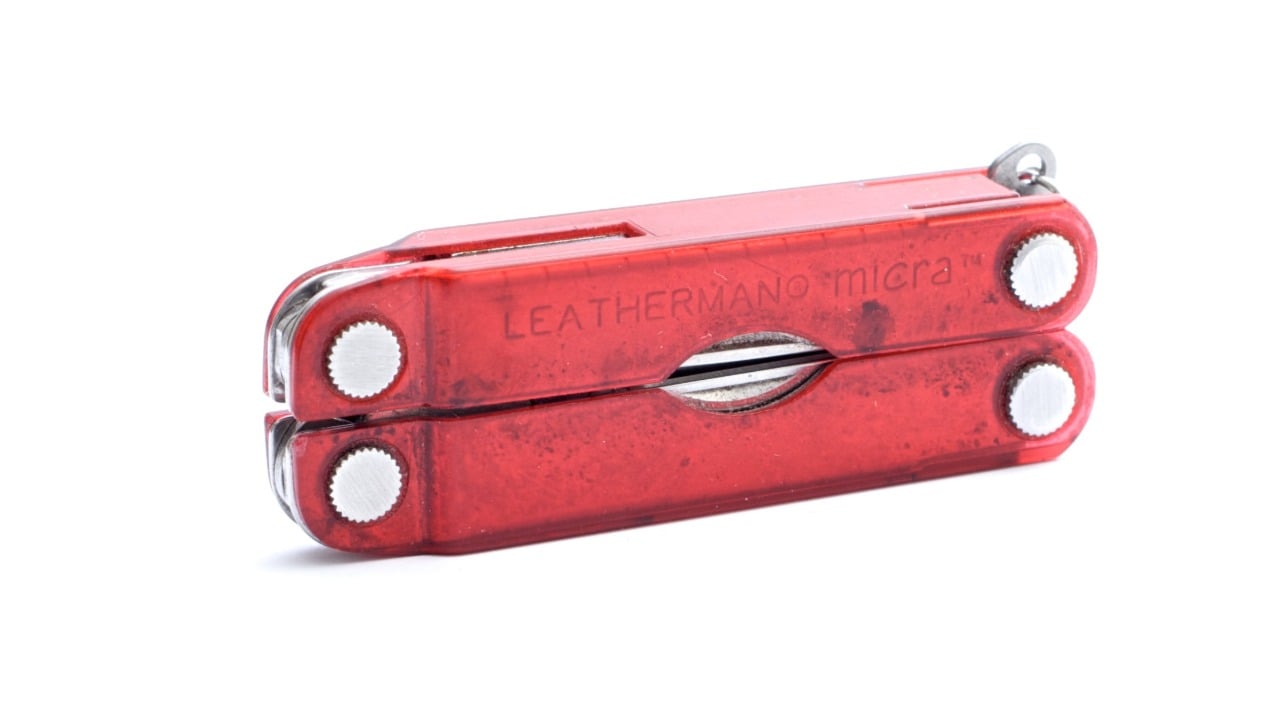
Is it a “pocket knife” in the traditional sense? Not really, but it rides like one, and I see them constantly at estate sales. The Micra is one of the handiest little tools ever made for actual life: scissors that work, a blade for light tasks, and a file that handles hangnails and rough edges. It’s the kind of thing somebody carried every day until it vanished into a drawer.
Collectors look for older USA-made examples in good shape, but most outdoorsmen just want one that isn’t worn out. Test the scissors—if they’re loose or misaligned, it’s annoying. Check that the pivots aren’t gritty and that the tools aren’t bent. I like these for fishing trips, especially when you’re dealing with line, packaging, and small fixes. It’s not a trophy piece, but it’s a tool you’ll use more than you think.
19. Kershaw Leek (USA-made)
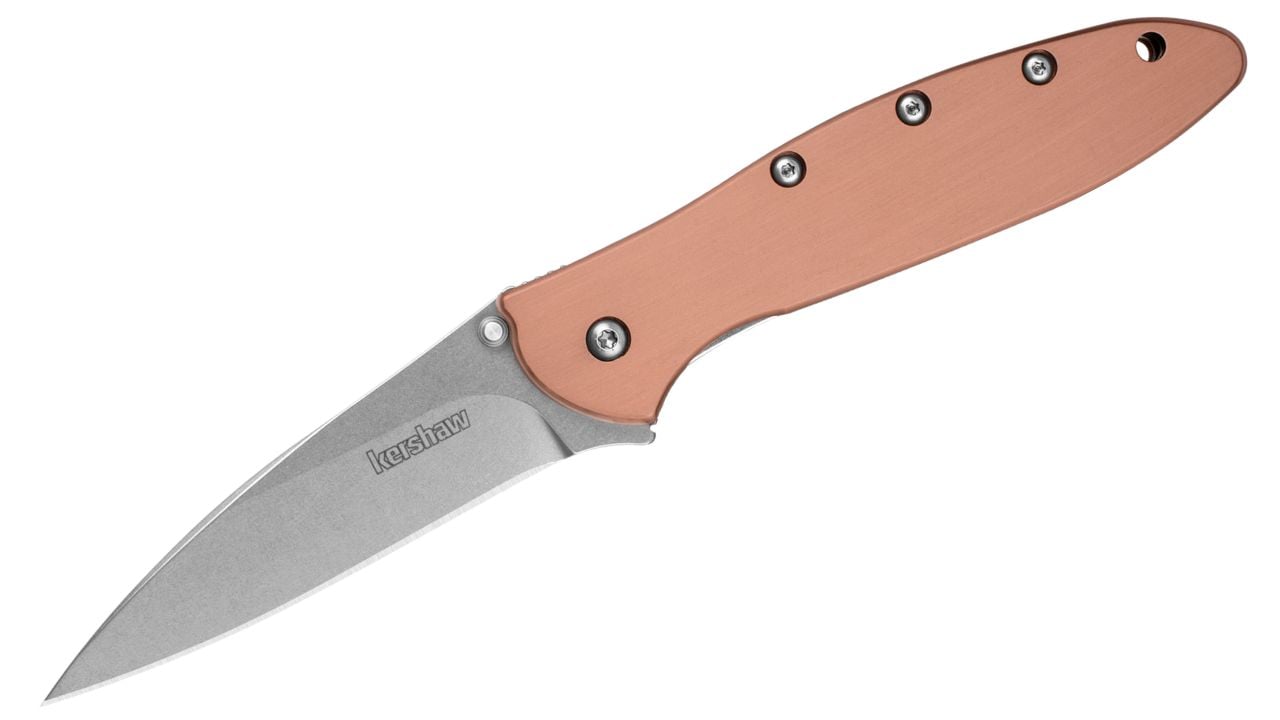
The Leek gets carried a lot because it’s slim, light, and cuts like a laser when the edge is right. That also means it gets messed up a lot. Estate sales are where you’ll find both ends of the spectrum: a Leek that’s been babied and one that’s had the tip broken off twice. Collectors still snag the good ones because USA-made Leeks are familiar, easy to maintain, and there are plenty of variations.
Check the tip first. Then check the lock and make sure it’s not dangerously loose. Many Leeks have assisted opening, and if it feels sluggish, it could be dirt, a tired torsion bar, or somebody’s home “gunsmithing” with the screws. A clean Leek is a great pocket knife for everyday stuff, but it isn’t a pry bar. If you find one that’s intact and tight for estate-sale money, it’s a solid score.
20. Barlow pattern folder (especially older Case, Schrade, or Queen)
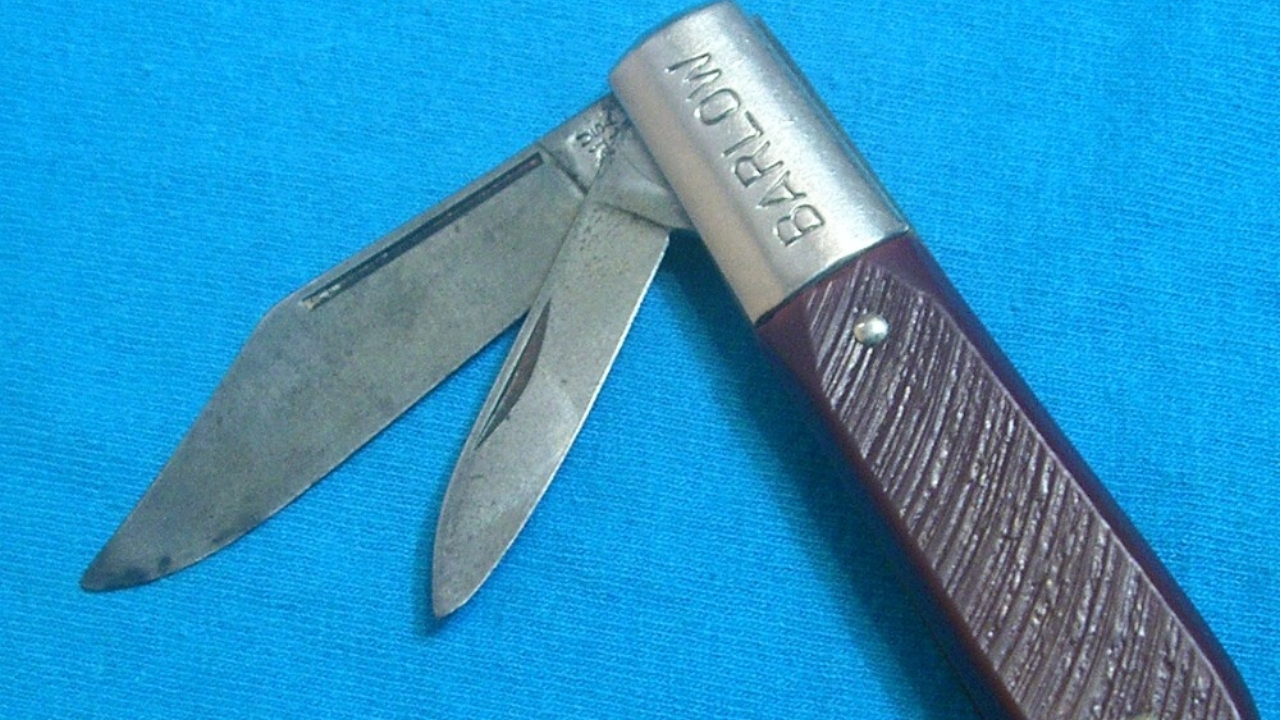
A Barlow is one of the simplest traditional patterns out there, and it’s also one of the most collected. The oversized bolster and straightforward blade setup just works, and it’s got a look that screams “old pocket knife” in the best way. At estate sales, Barlows show up in cigar boxes, in overalls, and in the back of tool drawers like they’ve been waiting on you.
The reason collectors hunt them is variation and history. Different makers, different stamps, different handle materials, and a lot of them were carried hard. Check the blade sit—many old Barlows have been sharpened down and will sit low or off-center. Watch for cracks at the pins and any sign the knife was dropped enough to loosen the joint. Even a worn Barlow can be a great user, but a tight, full-blade example is the kind of find you remember.
If you’re serious about knives at estate sales, bring a small flashlight, take your time, and don’t be shy about checking walk-and-talk and blade play right there at the table. I’m not looking for museum pieces as much as I’m looking for honest knives that still have life in them. Those are the ones that end up back in a pocket, back in the woods, doing what they were made to do.
Like The Avid Outdoorsman’s content? Subscribe to our newsletter so you never miss an article.
Here’s more from us: