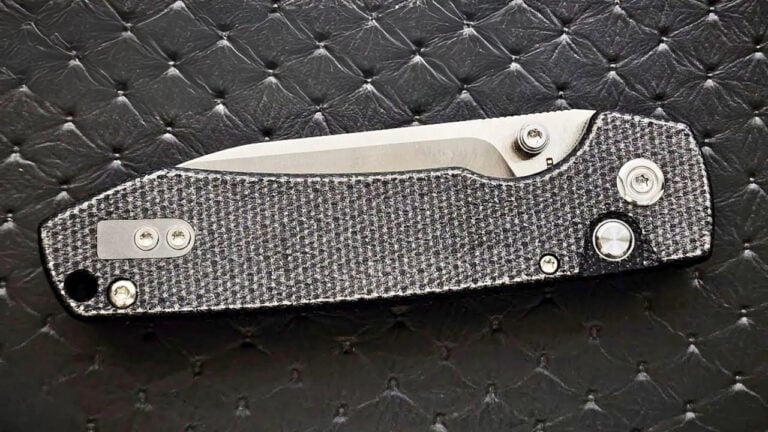
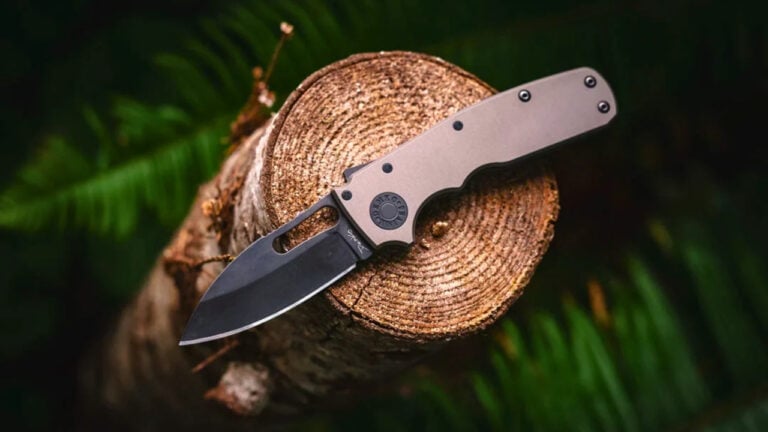
Photo credit: Helle Knives
Walk into enough pawn shops and you start noticing a pattern in the knife case. The obvious stuff moves fast: Benchmade, Spyderco, big-name Bucks, anything that screams “I saw this on YouTube.” What sits there week after week are the knives that don’t have instant name recognition, or the ones that got a bad rap for the wrong reasons, or the models that were a little ahead of their time.
Some of these are honestly just oddballs. Others are sleepers that’ll do real work on a trapline, in a deer camp, or on your belt all season. If you’re the kind of guy who’d rather have a knife that cuts than a knife that flexes for the camera, these are the kinds of blades worth spotting.
1. Cold Steel SRK (older Carbon V models)
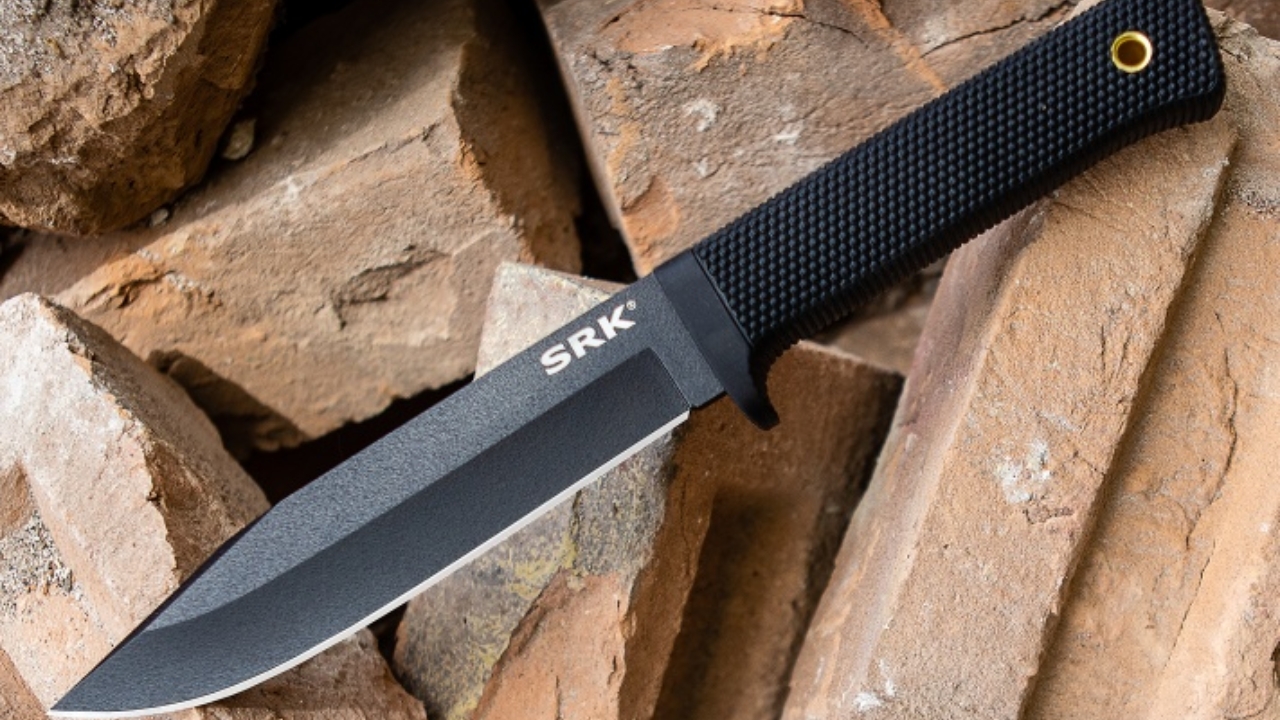
If you ever handled one of the older SRKs in Carbon V, you know why they don’t last long when the right person sees them. The problem is most folks only recognize the newer versions, and they assume it’s just another “tactical fixed blade” with a loud reputation. In a pawn case, it can look like a chunk of black rubber and steel with no romance to it.
But those older SRKs are hard-use knives that actually earn their keep. The handle fills your hand even with gloves, and the blade geometry is meant for cutting and controlled stabbing, not for looking pretty. They’re not delicate, and they’re not meant to be. If you find one that isn’t chewed up with grinder marks, it’s a legit camp knife that’ll baton kindling, clean up small chores, and still have enough tip control to not be clumsy.
2. Gerber Mark II (especially older U.S.-made)
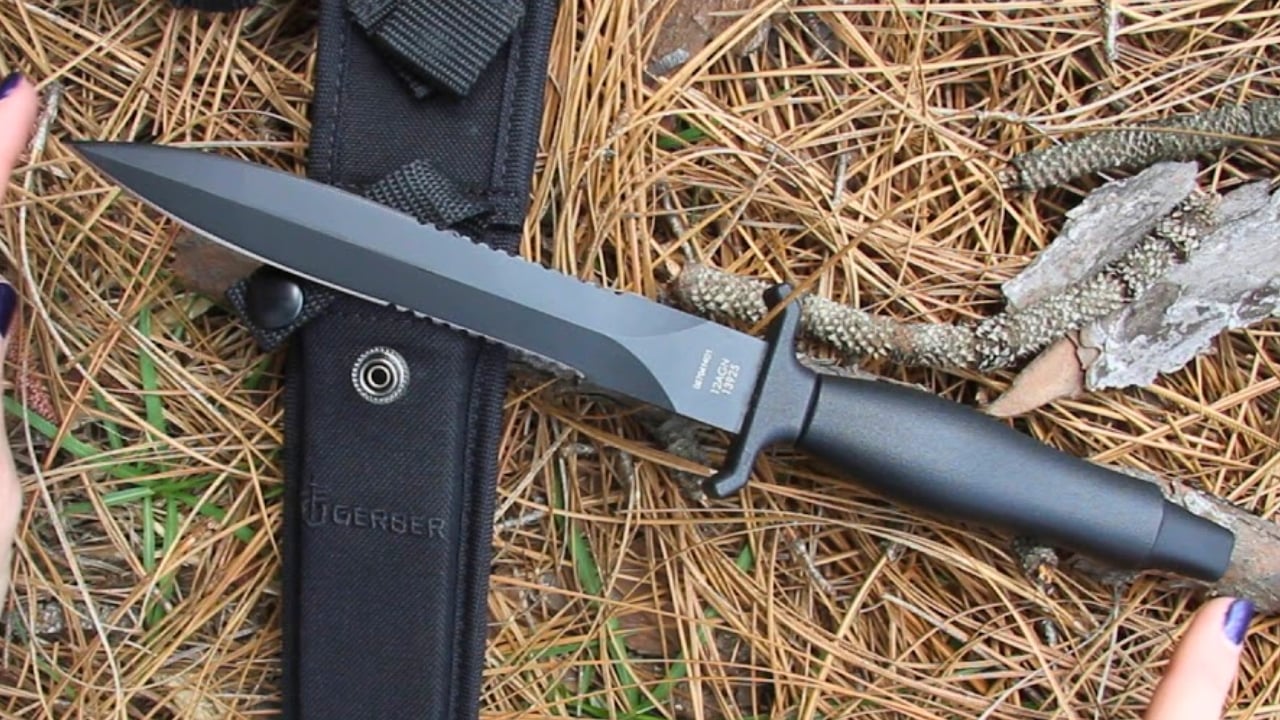
The Mark II gets ignored because it looks like a movie prop. Double edge, long and skinny, and it screams “display case” more than “field.” A lot of pawn shops price it like a random old Gerber, because the staff sees “Gerber” and thinks of big-box store blister packs. That misunderstanding is where the opportunity lives.
Is it a perfect outdoors knife? No. It’s more stabby than slicey, and it’s not what I’d pick for processing a deer. Still, older U.S.-made examples have real collector interest, and the build quality is a different world than cheap modern imports. If you want a piece of knife history that also happens to be tough as nails, this is one that gets overlooked by guys who only buy what they recognize instantly.
3. Buck 110 Auto Elite
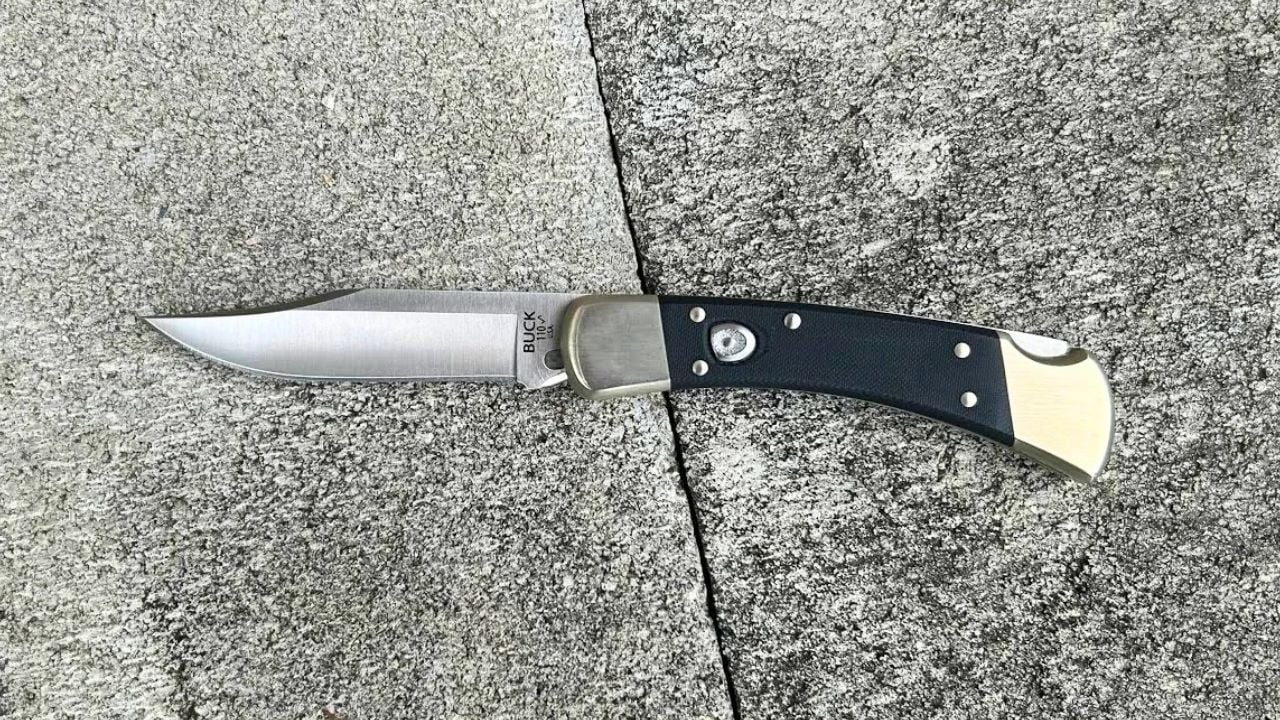
Most folks see a Buck 110 and think “grandpa knife.” Then they see the price tag and wonder why a pawn shop wants more than a basic folder should cost. The Auto Elite version sits because it looks like a 110 until you know what you’re looking at, and plenty of buyers either don’t understand it or don’t want to mess with automatic-knife rules where they live.
In the hand, it’s the same familiar 110 feel, but with push-button deployment and modern steel that holds an edge better than the old classics. It’s heavier than what people are used to clipping in gym shorts, but for belt carry in hunting clothes it makes sense. If you like a traditional pattern but want one-hand speed for farm chores, rope, feed bags, and general cutting, it’s a practical upgrade that gets slept on hard.
4. Spyderco Native (older S30V, USA models)
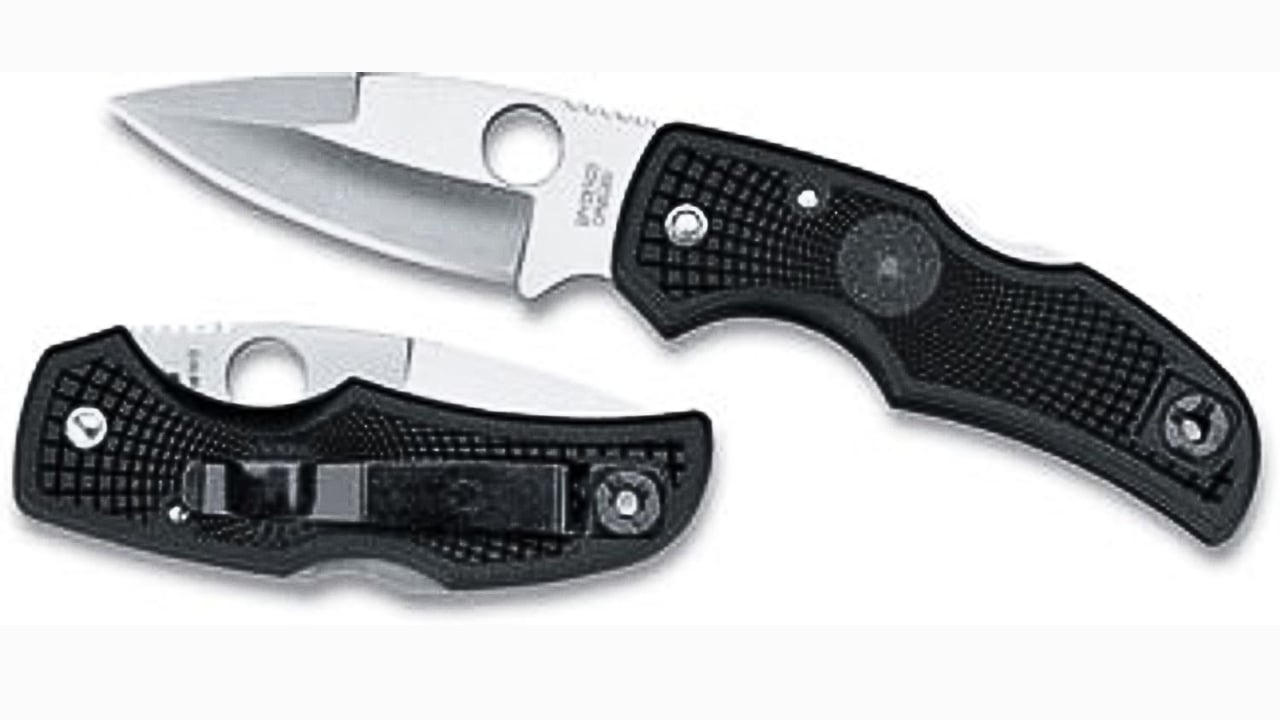
The Native series is funny. Spyderco fans know it, but casual buyers often walk right past it because it’s not as instantly recognizable as a Delica or Paramilitary. In a pawn shop, it’s easy to miss because it looks plain—no flashy coatings, no wild handle shape. Just a sturdy little cutter with a big hole in the blade.
Where it shines is pocket carry that doesn’t annoy you. It’s wide enough to grip well, short enough to stay out of the way, and the blade shape is pure utility. On a hunt, it’s a great “everything but the main job” knife—opening bags, trimming cordage, food, tape, you name it. If you find one that isn’t gritty in the action and the edge hasn’t been trashed on a bench grinder, you’re looking at a knife that works every day without needing attention.
5. SOG SEAL Pup Elite

The SEAL Pup Elite sits because SOG has a mixed reputation now. Some of their stuff is excellent, some of it feels like branding. In a pawn case, it can look like one more black fixed blade with a hard sheath. A lot of buyers don’t want to gamble when they could buy something familiar instead.
But the Pup Elite hits a sweet spot for camp use: not too big, not too small, and it carries well on a belt without feeling like a machete. The handle shape is comfortable, and it’s one of those knives you can hand to a buddy without giving a long speech about “don’t pry with it.” The sheath matters too—if it locks in solid, that’s half the battle. It’s not fancy, and that’s kind of the point.
6. Ka-Bar Becker BK2 “Campanion”
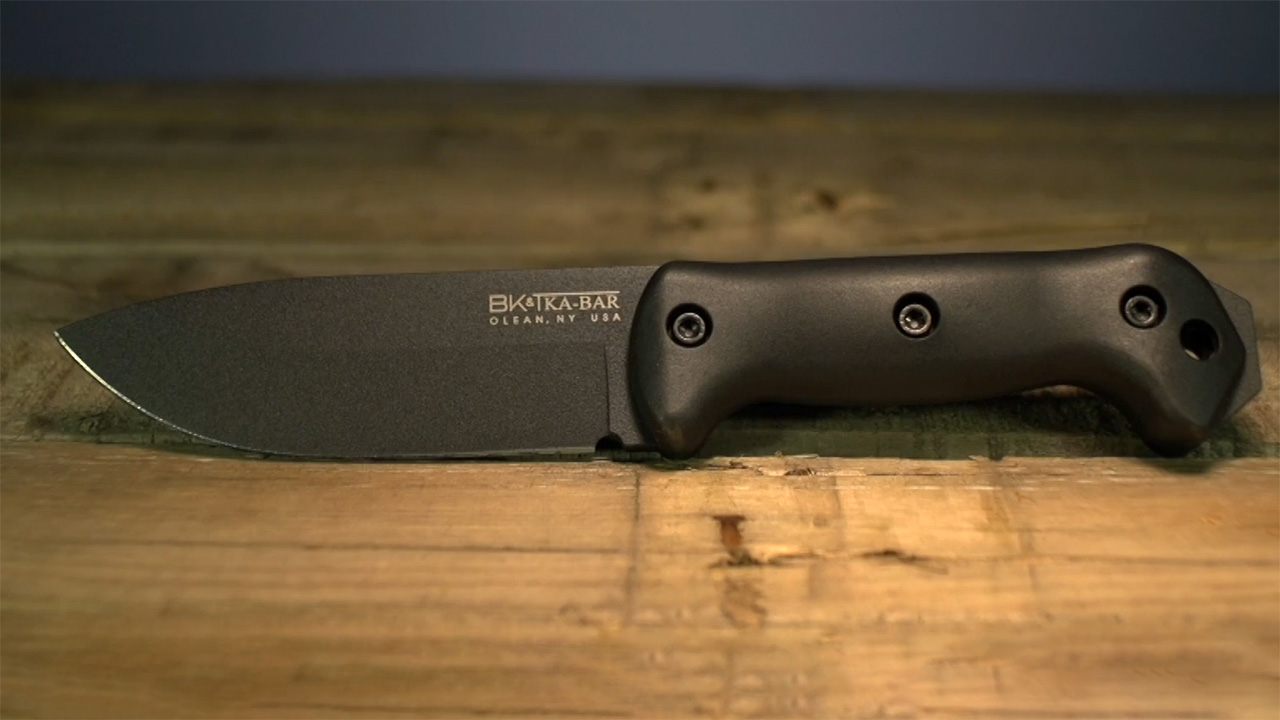
The BK2 gets ignored by guys who pick up a knife and judge it in the first two seconds. It’s thick. It’s heavy. It doesn’t feel like a slicer. So it sits there with a tag on it while people chase thinner, lighter blades that feel good in the store and disappoint once they’re actually abused.
The BK2 is for the guy who wants one knife to take a beating. Splitting kindling, scraping, digging a little when you shouldn’t, rough camp chores—this is where it shines. It’s not the knife I’d pick for delicate processing, but it’s a great backup in a truck or a deer camp tote because it’s hard to truly kill. Check the edge for chips and look at the handle scales for cracks. If it’s solid, it’s a workhorse hiding in plain sight.
7. Ontario RAT-3 (older 1095 versions)

Everybody knows the RAT folders. The fixed blades don’t get the same love, and the RAT-3 is the one I see sitting because it’s “too small to be a survival knife” and “too big to be an EDC,” at least in the eyes of guys who only buy knives in extremes. Pawn shop glass is where those in-between tools go to die.
That’s a shame, because a RAT-3 rides on the belt like it isn’t there and still handles real cutting. It’s a great “around the farm” knife and a solid companion when you’re scouting, hanging stands, or doing quick work where a folder feels flimsy. If the sheath is intact and the blade hasn’t been sharpened into a toothpick, it’s an easy buy. 1095 isn’t trendy, but it’s easy to touch up in camp, and I like that.
8. ESEE Izula (with aftermarket scales)

In a pawn shop, an Izula can look like a sharpened pry bar with a price tag that makes no sense. If it’s wearing paracord and sitting in a beat-up sheath, most folks assume it’s a cheap neck knife. They don’t realize what it is, or why it’s priced like a “real” tool.
The Izula earns its keep as a small fixed blade you’ll actually carry. With proper scales on it, it becomes a very controllable cutter for fine work—caping, trimming, cord, food, all the stuff that happens around a hunt that isn’t glamorous. It’s also a great “second knife” on your kit, because it doesn’t weigh anything and doesn’t take up room. Check the edge and the tip, and make sure the sheath retention isn’t worn out. If it’s tight, it’s ready.
9. CRKT M16-14 (older Carson designs)
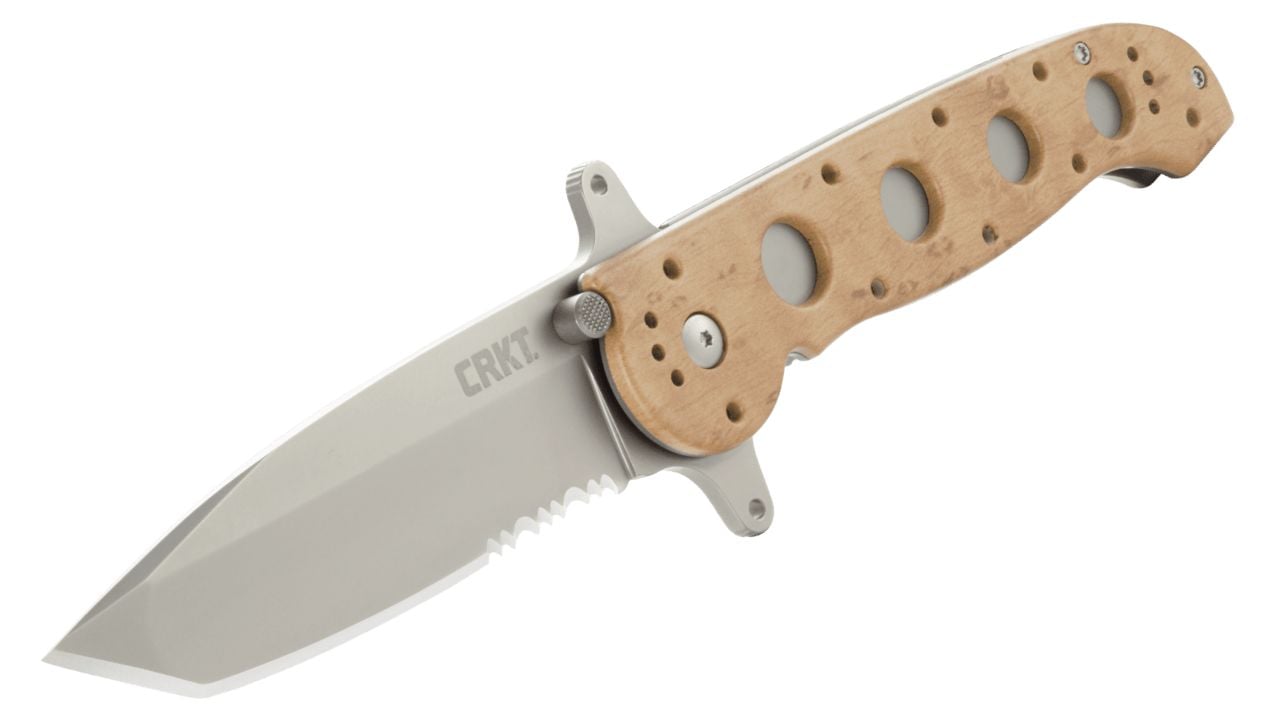
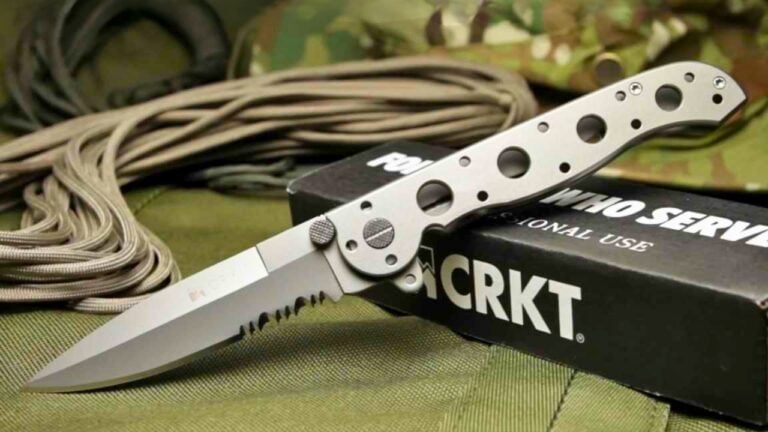
CRKT is another brand that gets judged by its worst models. The M16 line, especially the older Carson designs, can be a lot of knife for not much money. But pawn shop buyers often treat it like it’s disposable, and it sits because it’s not a “premium steel” darling.
Here’s the truth: for glove-on work, the M16 handle shape is excellent, and the blade is usually ground thin enough to actually cut. The flipper and guard-like design gives you control when your hands are wet or cold. I’m not telling you it’s a forever knife, but it’s a very usable beater that you won’t cry about if it gets scratched up in the bottom of a jon boat. Look for solid lockup and no blade play. If it’s tight, it’ll work.
10. Kershaw Blur (U.S.-made)
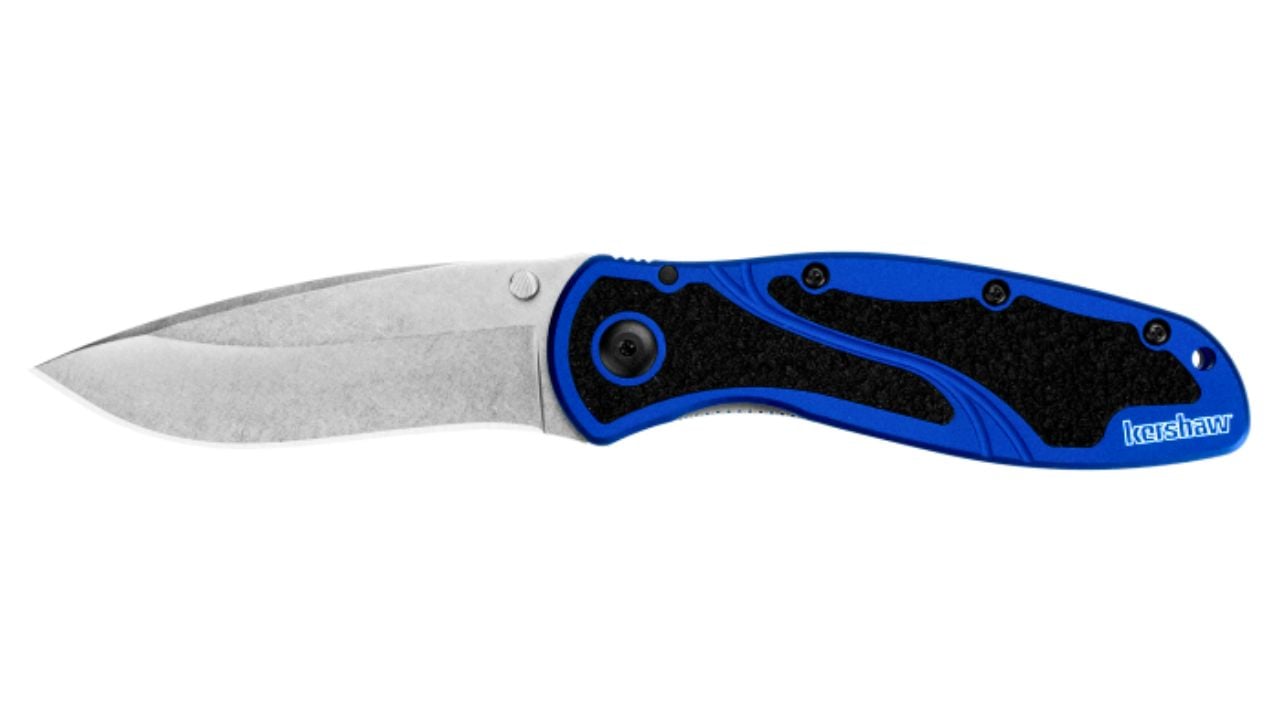
The Blur is one of those knives everybody owned at some point, and then the internet moved on. In pawn shops it sits because it’s “just a Kershaw,” and because the handle can look a little loud if it’s a bright color. The funny part is it’s still one of the better real-world assisted openers for working folks.
It carries flat, opens easily with cold fingers, and the blade shape does normal cutting well. The textured inserts help retention when your hands are sweaty or you’re wearing gloves. Where buyers get burned is a Blur that’s been “sharpened” by someone who treats a belt sander like a personality trait. If the edge bevels aren’t wrecked and the assist isn’t gritty, it’s a solid knife for daily chores and it won’t complain about hard use.
11. Leatherman Surge
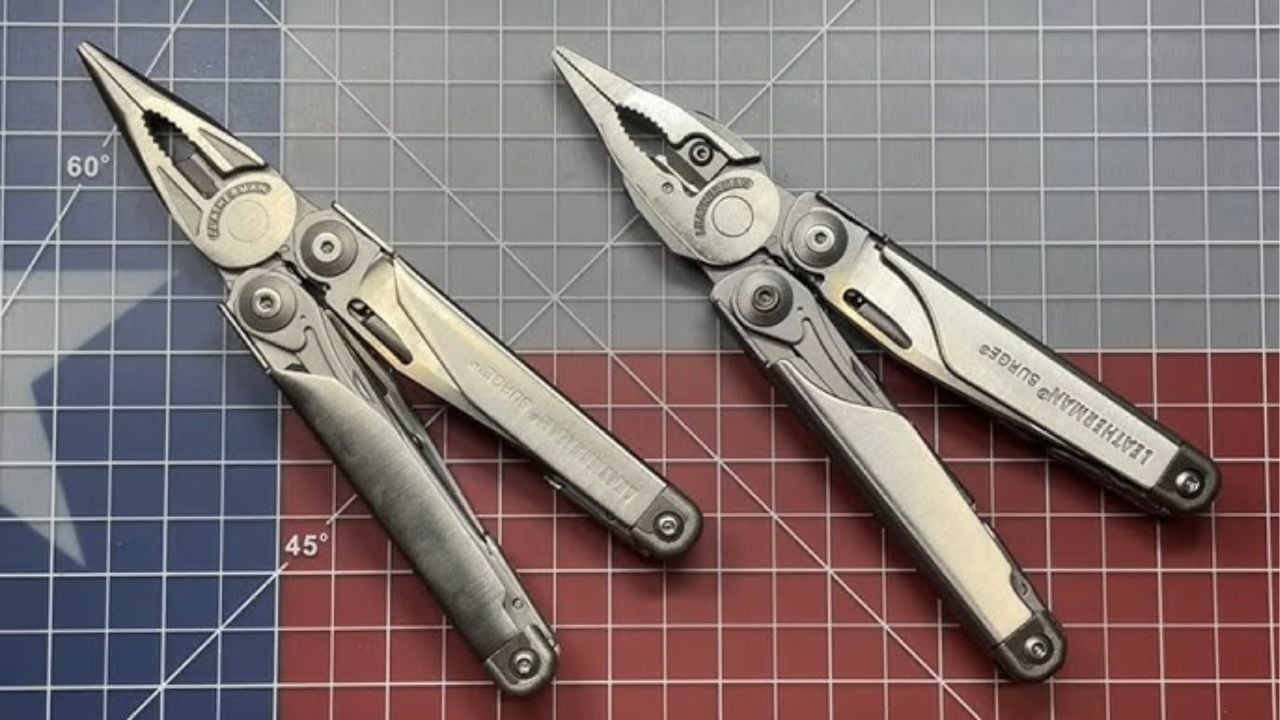
Multi-tools sit in pawn shops for a simple reason: guys buy them thinking they’ll carry them, then realize a full-size tool is heavy. The Surge is especially guilty. It’s big, and it’s not what you clip to basketball shorts. So it ends up in a pawn case with a price that scares off anyone who’s only ever owned a small multi-tool.
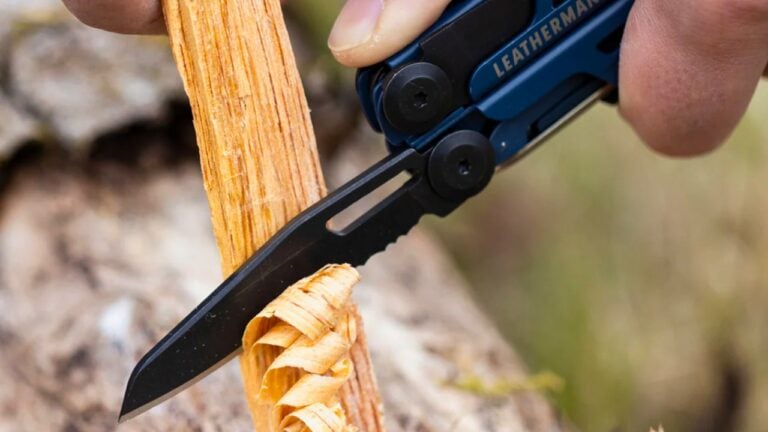
But if you actually work, the Surge is the one you want. The pliers are stout, the blades are usable, and the overall feel is more “toolbox” than “keychain.” It’s excellent for hunting camp fixes, tree stand tweaks, fishing boat repairs, and all the little problems that pop up when you’re far from the shop. Make sure the implements aren’t loose and the pliers don’t have slop. If it’s in good shape, it’s a serious tool that most folks don’t appreciate until they need it.
12. Victorinox Swisstool Spirit

The Swisstool Spirit gets ignored because it doesn’t have tactical branding, and it doesn’t show up in the same conversations as Leatherman. In a pawn shop case it just looks like a neat silver multi-tool. Clean, almost boring. That “boring” is why it sits.
In use, it’s one of the smoothest, best-finished multi-tools out there. The edges aren’t sharp where they shouldn’t be, the tools deploy with less nail-busting effort, and it feels like something made by people who actually care. For hunters, the saw and drivers are handy, and the pliers are plenty for camp repairs. It’s not a pry bar, but neither are your fingers. If you find one with the sheath and the tools still snapping into place, it’s a quality piece that doesn’t need hype to do the job.
13. Mora Garberg
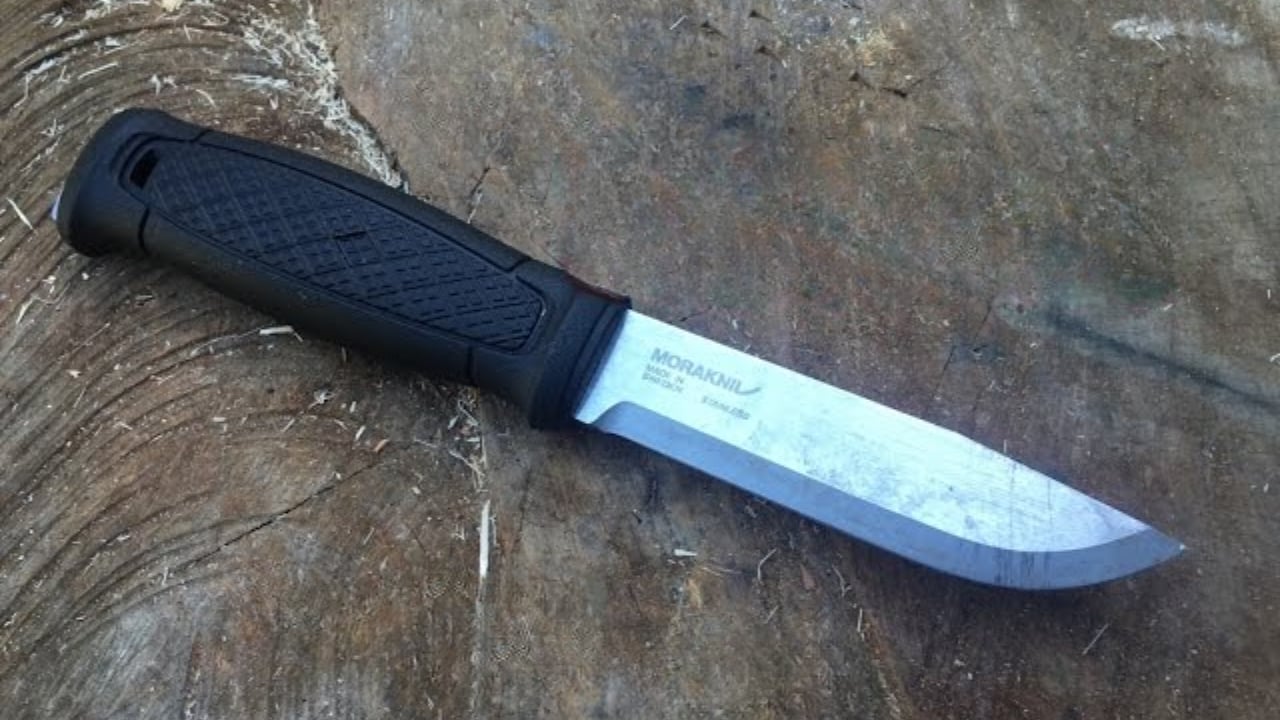
Lots of guys know Mora as the cheap orange-handled knife you buy for $15 and beat up. So when a Mora shows up with a much higher price tag, they assume somebody’s confused. The Garberg sits because it doesn’t look like it should cost what it costs, especially behind pawn shop glass.
Here’s what you’re paying for: a full-tang, well-designed fixed blade that actually holds up. The handle is comfortable for long cutting sessions, and the blade geometry is practical for wood work and camp chores. It’s not a “fighting knife,” it’s a field knife. If you’re the kind of outdoorsman who values a tool that cuts all day and sharpens easily, the Garberg makes sense. Inspect for rust around the handle junction and look at the sheath attachment points. If it’s clean, it’s a strong buy.
14. Fallkniven F1
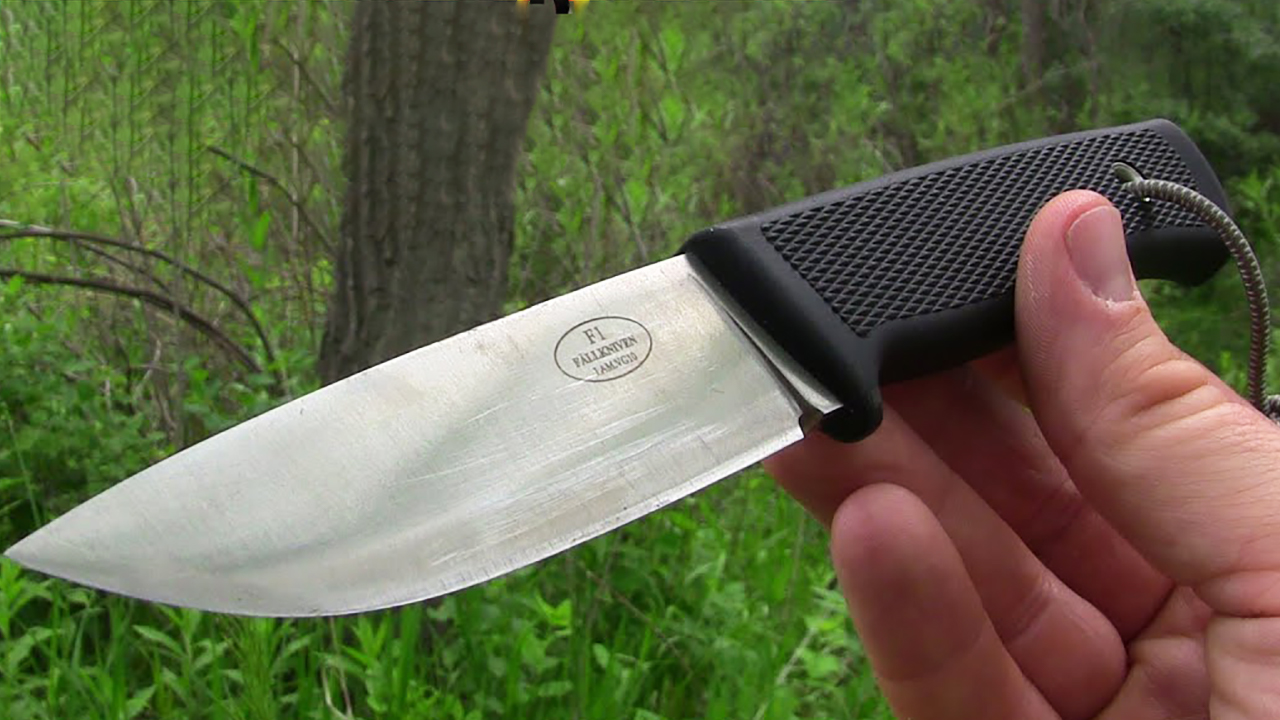
The F1 sits because most pawn shoppers don’t know what they’re looking at. It’s a plain-looking fixed blade, not huge, not flashy, and the name doesn’t ring bells unless you’ve spent time around serious knife guys. Without context, it’s easy to assume it’s overpriced.
The F1 has a reputation for a reason. The ergonomics are excellent, especially for a smaller knife, and the convex grind can be a monster cutter when it’s maintained right. It’s a great size for belt carry while scouting or during rifle season when you don’t want a big dangler. The downside is sharpening—if you don’t understand convex edges, you can mess it up fast. Look for a factory-like edge and no weird flat spots. If it’s been cared for, it’s a premium user that can quietly replace three mediocre knives.
15. Bark River Bravo 1
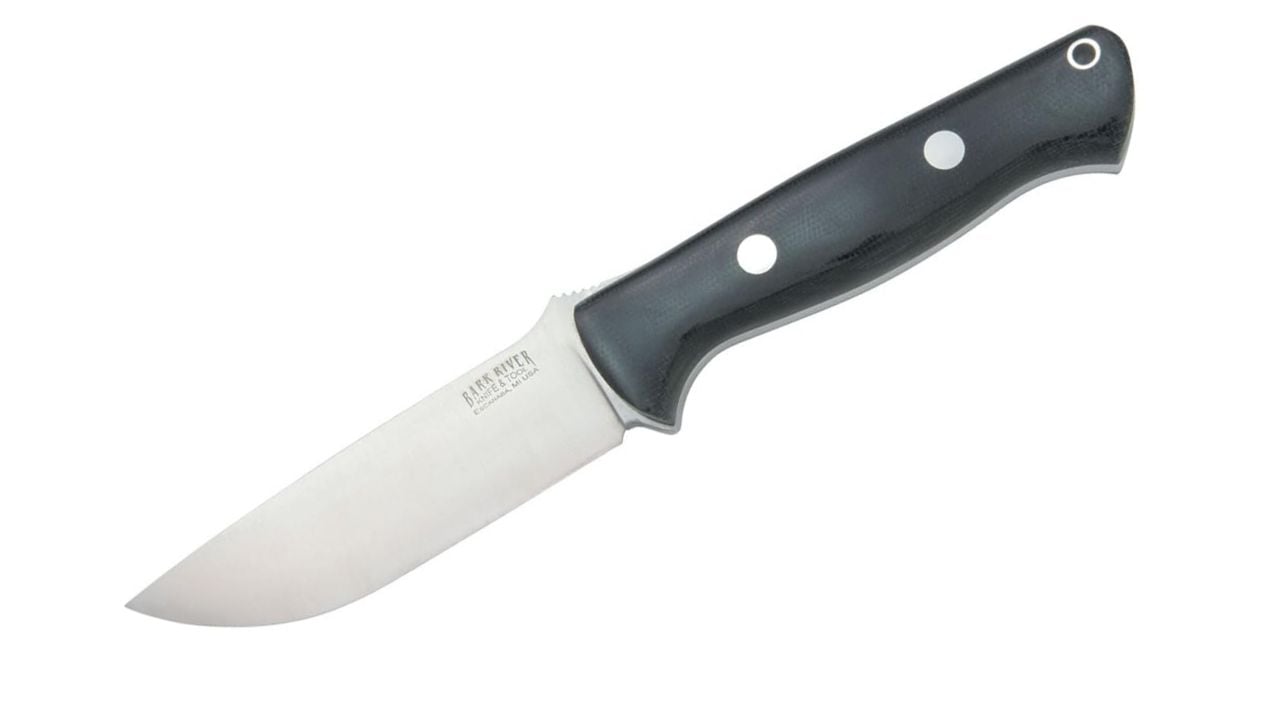
Every now and then you’ll see a Bravo 1 in a pawn shop and it’ll sit there because it’s “just a fixed blade” with a big price. Guys used to $50 knives don’t want to take a chance on something they can’t pronounce. And honestly, some pawn shops don’t do it any favors—they toss it in the case with the sheath missing and the handle dirty.
If you know, you know. The Bravo 1 is a hard-use field knife with a great hand-filling handle and a blade that can work wood without feeling like a splitting wedge. It’s a strong choice for camp tasks and general backwoods use. It’s also the kind of knife that feels better the longer you use it. Check the handle pins, check for cracks in the handle material, and make sure the grind hasn’t been butchered. A clean Bravo 1 is a serious tool, not a trend.
16. Helle Temagami

Scandinavian knives confuse pawn shop shoppers. The Temagami looks like a simple wood-handled fixed blade with a leather sheath, and to a lot of eyes it reads “souvenir.” It doesn’t look like a modern survival knife, so it sits while folks chase coated blades and plastic handles.
The Temagami is a cutter. It’s light on the belt, the handle is comfortable for long sessions, and the blade is made for real slicing and carving. For hunting camp, it’s handy for food, feather sticks, and general chores where you want control more than brute strength. It’s not a pry tool, and you shouldn’t treat it like one. Look for swelling or cracks in the wood handle and make sure the edge isn’t rolled from abuse. If it’s in decent shape, it’s a classy working knife that doesn’t need to shout.
17. Condor Bushlore

The Bushlore sits because Condor doesn’t have the same name weight as the bigger U.S. brands. It’s also one of those knives people buy during a “bushcraft phase,” then sell when they realize they mostly open feed bags and cut baling twine. So it ends up in pawn shops with a little patina and a tag that makes it look like yesterday’s hobby.
But the Bushlore is a good knife for actual woods time. The handle is comfortable, the blade is usually ground well, and it’s the kind of knife you can touch up easily without special equipment. It’s not high-end steel, but it doesn’t have to be. For camp chores, light wood processing, and general use around a property, it’s dependable. Check the leather sheath for rot and make sure the blade hasn’t been thinned down to nothing from aggressive sharpening. If it’s solid, it’s a lot of knife for the money.
18. Schrade LB7 “Uncle Henry”
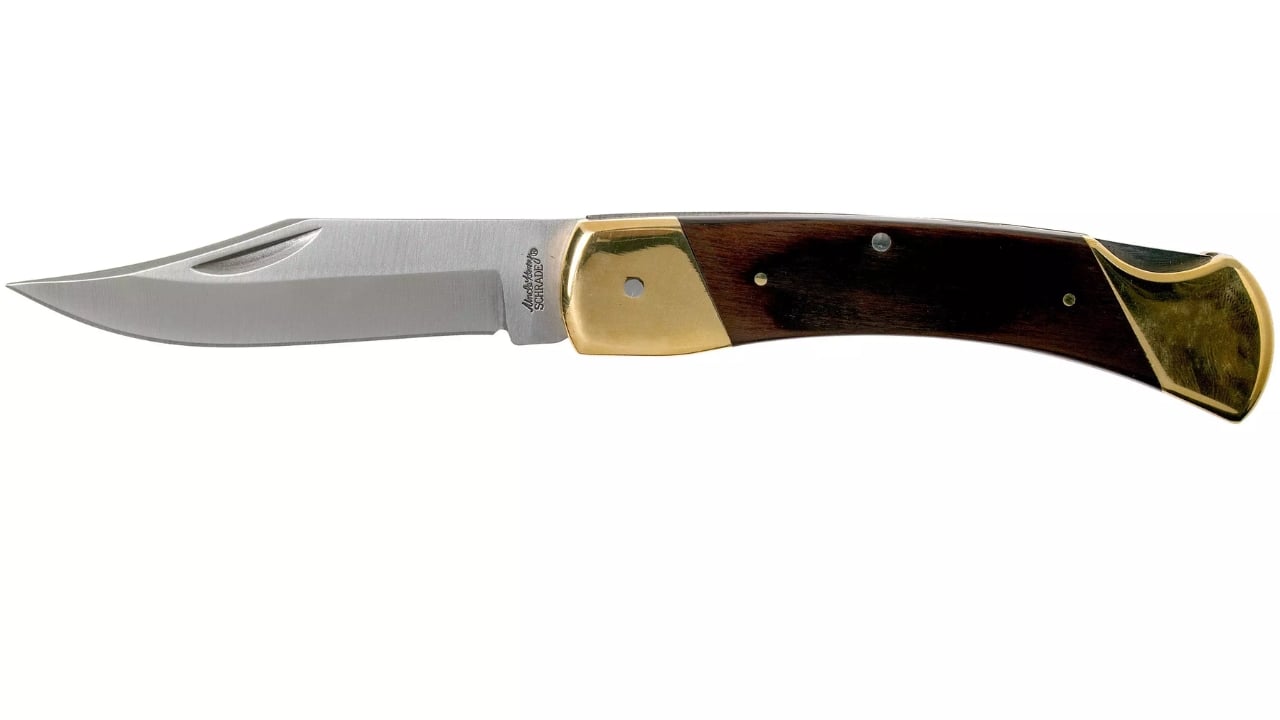
The LB7 gets dismissed as an “old man knife,” and that’s exactly why it sits. Younger buyers don’t want a big lockback with brass and wood scales. Older buyers often already have one. So it lives in pawn shops like a forgotten tool from a different era.
Here’s why I still pay attention: they’re comfortable in the hand, they carry well in a pocket, and they do normal cutting chores with zero drama. The older U.S.-made ones especially can be surprisingly well put together. Is it a hard-use tactical folder? No. It’s a practical folder for a guy who needs to cut rope, open sacks, clean up around camp, and maybe dress small game in a pinch. Check lockup and make sure the tip isn’t snapped. If it’s tight, it’s still useful.
19. Puma Jagdmesser (vintage German hunting knives)
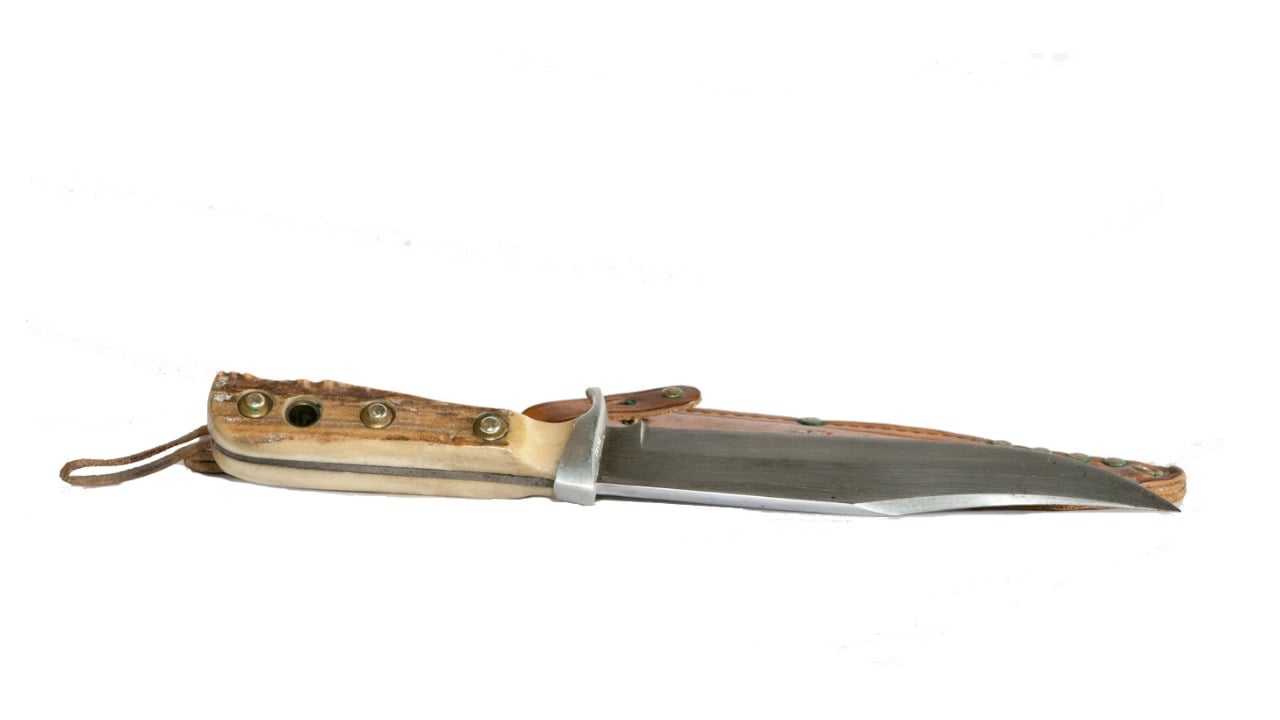
Puma hunting knives show up in pawn shops and get overlooked because the staff and buyers don’t always know what the stamp means. It just looks like an older hunting knife with a deer on it. If the sheath is worn and the blade has honest patina, it’s easy to assume it’s nothing special.
Vintage Puma can be a real find if it hasn’t been abused. They were made to be hunting tools first, not wall hangers, and the blade shapes often make a lot of sense for field dressing and general camp tasks. The handles are typically comfortable, and the fit and finish on older German knives can be excellent. The downside is that once somebody ruins the edge or chips the tip, it’s hard to “un-ruin” without taking metal away. Look closely at the grind and the plunge lines. If it looks straight and cared for, it’s worth a second look.
20. Al Mar SERE 2000 (older models)
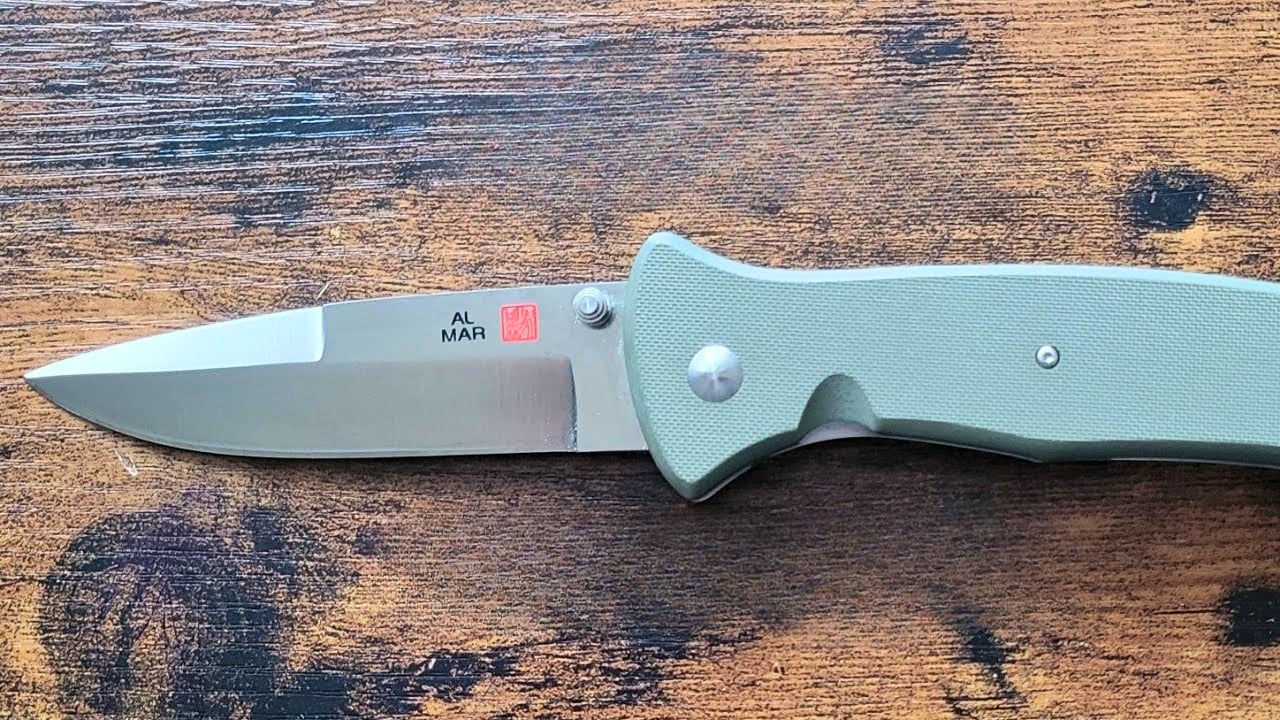
The SERE 2000 isn’t a mainstream name anymore, and that’s why it gets stranded in pawn shops. If you don’t recognize it, it just looks like a plain black folder with a thumb stud. No fancy milling, no loud branding, nothing that makes a casual shopper stop. The folks who do recognize it usually aren’t letting theirs go.
It’s a tough, no-nonsense folder that was built with actual use in mind. The handle fills your hand, the blade shape works for real cutting, and the whole knife feels more solid than trendy ultra-light stuff. It’s not tiny in the pocket, but it’s a good “work folder” size—big enough to matter, not so big it becomes a brick. Check for smooth action and a lock that engages confidently. If it’s clean and tight, it’s one of those knives that makes you wonder why you ever wasted time on junk.
Pawn shops are full of knives that didn’t fit somebody’s lifestyle or didn’t get appreciated for what they are. The trick is slowing down and looking past the logos and the hype. Open and close them. Check the edge, the tip, the lockup, the sheath, and whether it feels like a tool or a toy. Sometimes the best knife in the case is the one nobody recognizes.
Like The Avid Outdoorsman’s content? Subscribe to our newsletter so you never miss an article.
Here’s more from us: