Photo credit: Opinel
There are pocket knives that look like gas-station specials until you actually carry them, use them, and then try to replace them. Some of these are plain ugly. Some feel too light to be any good. Some get dismissed because the steel name isn’t trendy this year. But value isn’t always shine and hype. Value is: it cuts when you need it to, it doesn’t quit in cold and grit, it sharpens back up, and it’s still worth something when you’re cleaning out a drawer before hunting season.
Here are 20 folders that tend to get underestimated on looks or price, right up until you check what they cost now, what the market thinks of them, or how hard they are to find in good shape.
1. Opinel No. 8 (Carbon Steel)

The No. 8 is the classic “wood handle grandpa knife,” and plenty of folks write it off as cheap. The truth is, that simple carbon blade takes a scary edge fast, and it’ll do real work in camp if you don’t abuse it like a pry bar. The Virobloc ring lock looks like a toy until you realize it’s been copied for a reason.
Where the value shows up is replacement cost and usefulness. You can buy one without wincing, stash one in a pack, and not cry if it gets scratched up. Then you use it on apples, rope, kindling curls, and zip ties for a season and realize it’s doing the job as well as knives that cost four times more. Keep it oiled, don’t leave it wet, and it’ll outlive a lot of “tactical” folders.
2. Buck 110 Folding Hunter
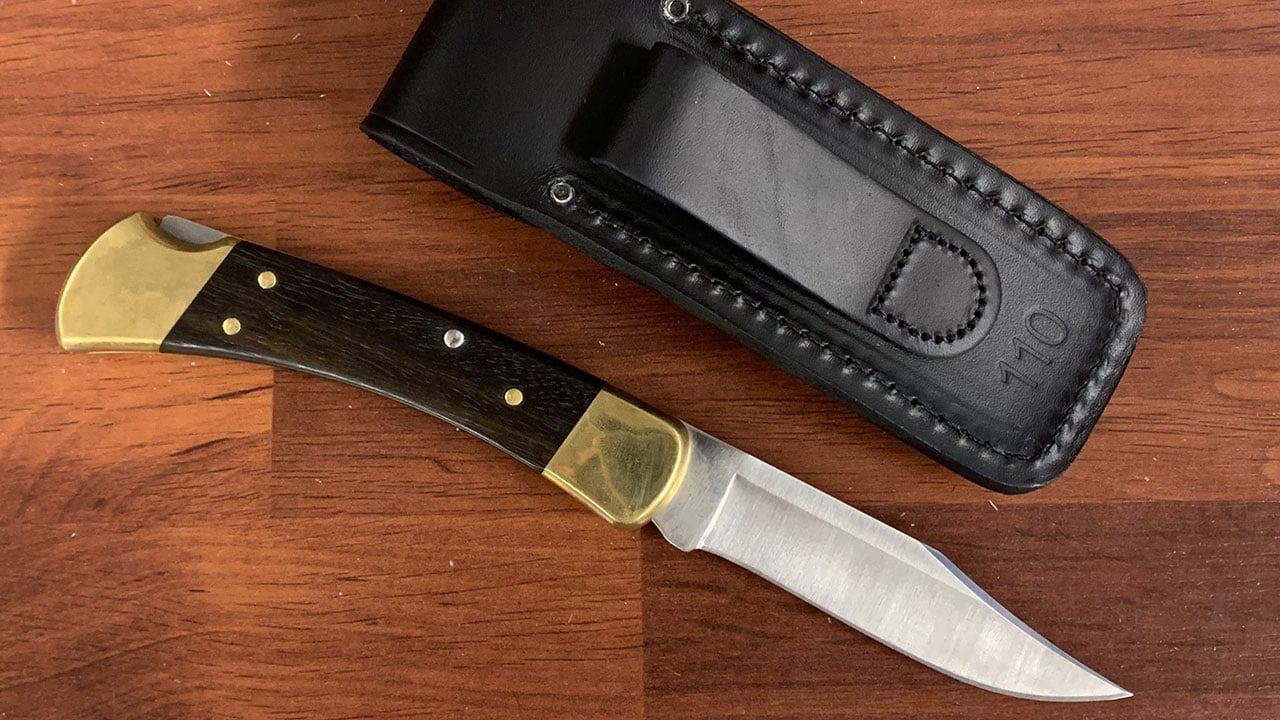
The Buck 110 looks like something that should live in a leather pouch on a belt in 1978. Heavy, brass bolsters, wood scales, and not a pocket clip in sight. A lot of guys see that and assume it’s outdated and not worth messing with.
Then they actually check what a clean older 110 goes for, or they try to find a U.S.-made one with the feel they remember. The 110 is still one of the best “one knife” options for a truck console or hunting pack. Lockup is solid, it’ll dress deer just fine if you keep it sharp, and Buck’s warranty support is part of the value. It’s not trendy, but it’s the real deal.
3. Buck 112 Ranger
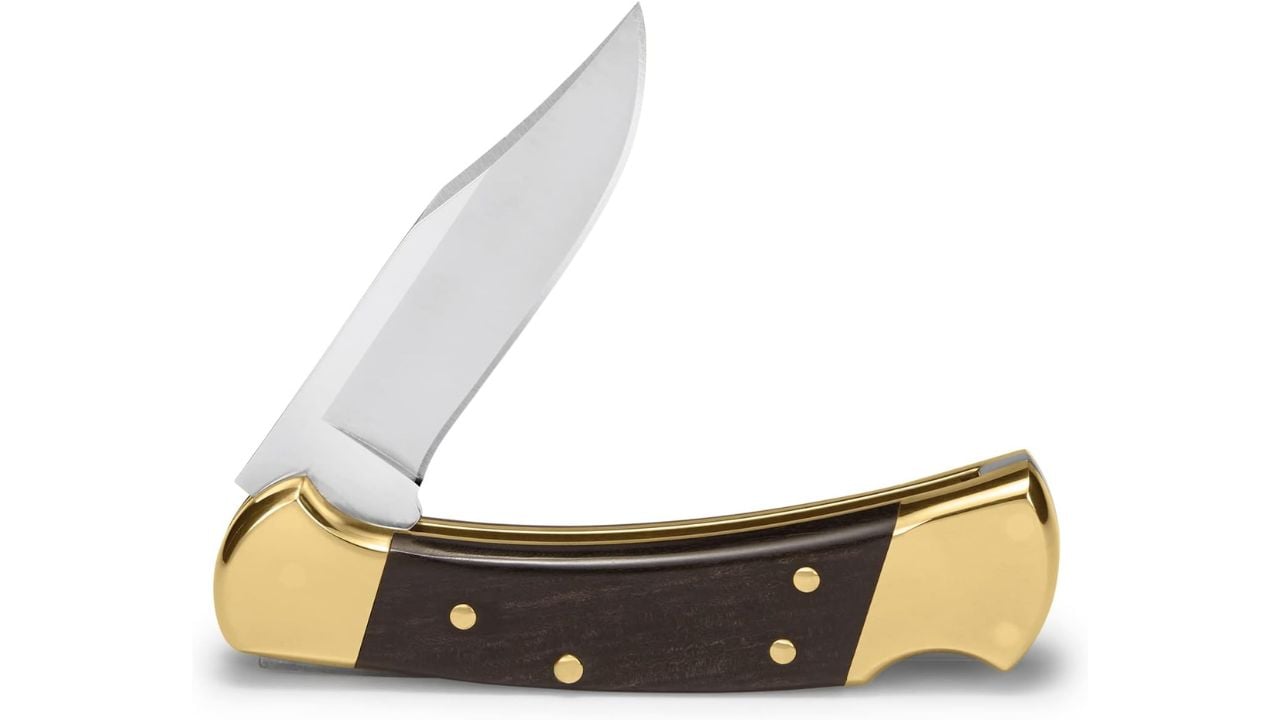
The 112 is the 110’s handier little brother, and it gets overlooked because it isn’t flashy. For pocket carry it’s still chunky, so guys pass it by on the counter for something slimmer. That’s a mistake if you want a stout folder that doesn’t feel like it came from a blister pack.
Used 112s in good shape hold steady, and older examples can surprise you when you see what collectors will pay for certain runs. In the field, it’s a practical size for caping and general camp chores without feeling like a sword in your pocket. If you like the 110 but wish it didn’t pull your pants down, the 112 is where the value is.
4. Victorinox Swiss Army Knife Tinker
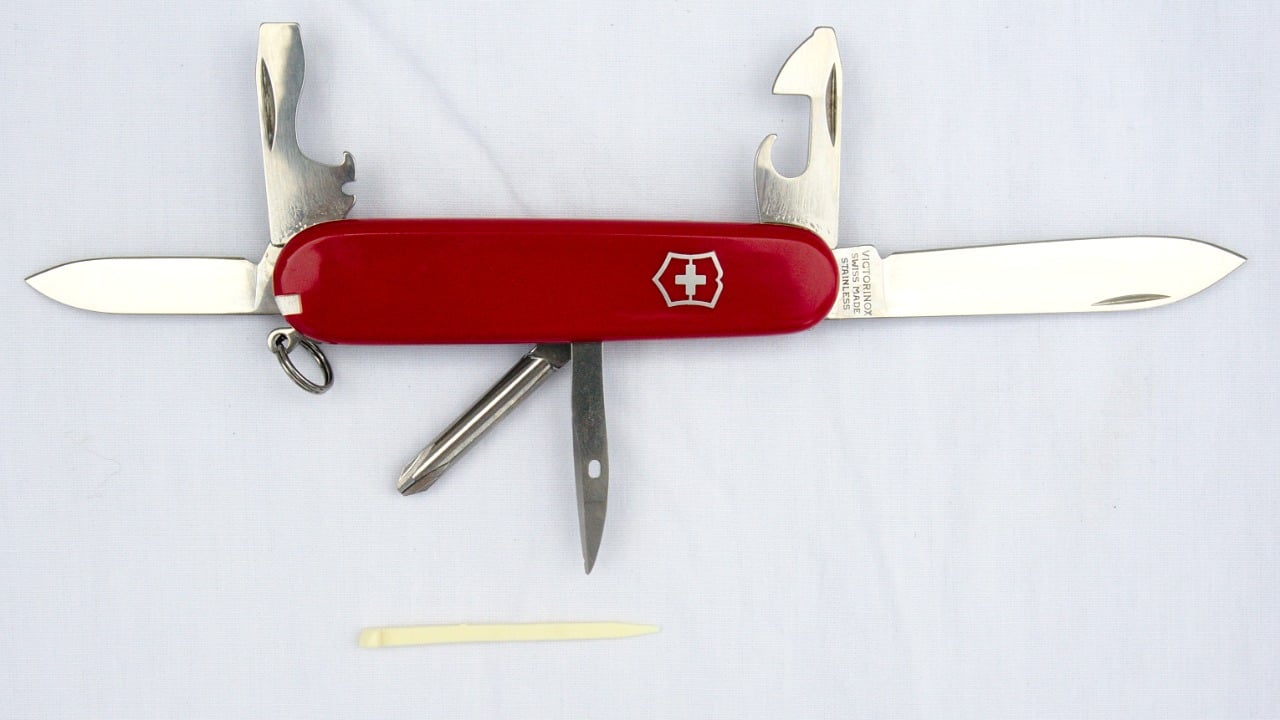
The Tinker is not sexy. Red scales, little blades, and a corkscrew-free tool set that looks like it belongs in a junk drawer. But it’s one of those knives that earns its keep in quiet ways: tightened screws on a treestand, a stripped wire on a trailer light, a splinter that needs dealing with right now.
Victorinox fit and finish is the value, even if the knife looks cheap to someone who only thinks “big blade.” The tools deploy smoothly, the steel sharpens easily, and the springs don’t feel sloppy. Check prices on older Swiss-made models and you’ll see they’re not throwaways. It’s also one of the best gifts you can hand a young outdoorsman because it teaches usefulness, not posing.
5. Victorinox Swiss Army Knife Farmer Alox

The Farmer Alox doesn’t have the shiny red scales, which means it doesn’t catch the eye in the store case. It looks plain and kind of industrial. But that Alox grip is tough, and the tool set is basically a working man’s version of a Swiss Army Knife—blade, saw, reamer, openers.
Where the value sneaks up is how well it fits real outdoor chores. The saw will chew through small limbs for a blind brush-in or a quick roasting stick without needing a full-size folding saw. It carries flatter than a lot of multi-tools, and it doesn’t scream “tactical.” Alox models also tend to hold value better than people expect, especially when they’re not beat to death.
6. Case Trapper (CV or Tru-Sharp)

A Case Trapper looks like a knife you’d see at a feed store, and to be fair, that’s exactly where a lot of them get bought. Two blades, jigged scales, and that old-school vibe makes some folks assume it’s just a “grandpa knife” with no real market.
But Case patterns have serious collector interest, and even non-collectors learn fast that an American-made slipjoint with decent steel isn’t free anymore. The Trapper is also just a good size: plenty of blade for camp and hunting tasks, but it rides nice in a pocket. If you’ve got one from years back with good walk-and-talk, don’t be shocked when you look up what similar examples are selling for.
7. Case Sodbuster Jr.
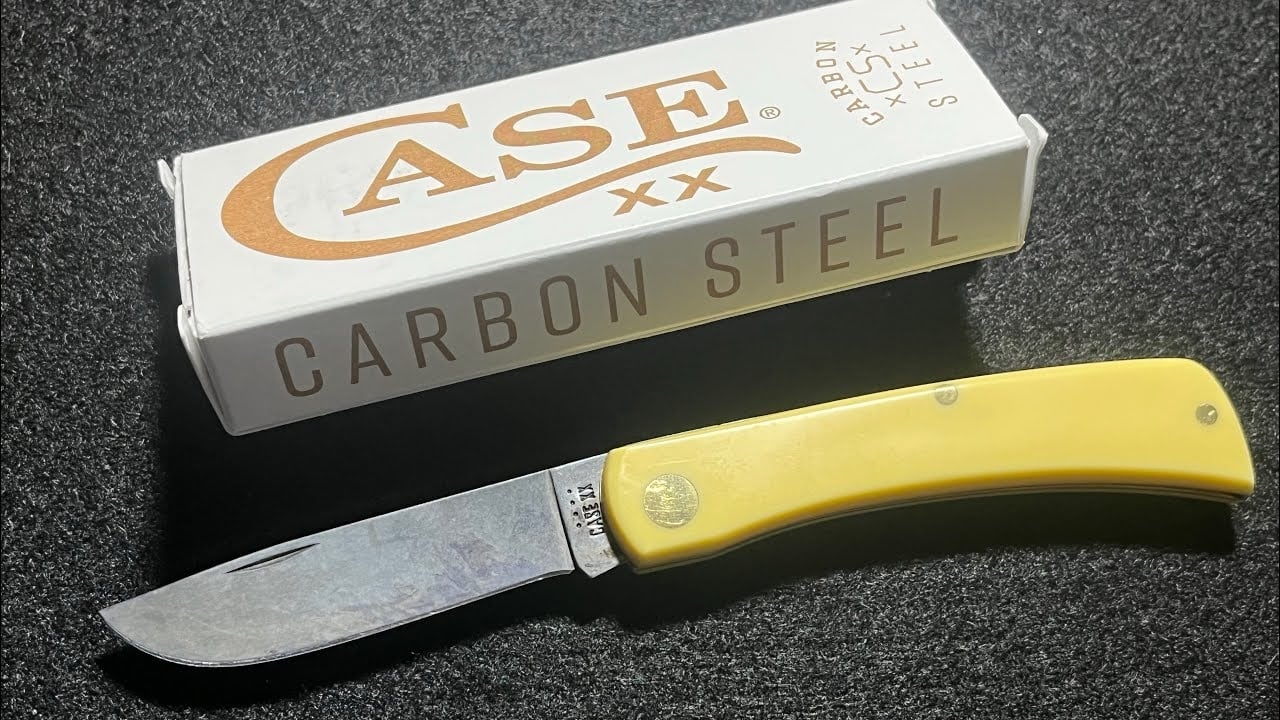
The Sodbuster Jr. is as plain as it gets. One blade, simple handle, and no locking mechanism. It’s the kind of knife a guy buys because it’s there and it’s affordable. That “cheap-looking” simplicity is why it ends up being such a good user.
For field dressing small game, cutting feed bags, or opening boxes without caring about scratches, it’s hard to beat. The value isn’t that it’s rare—it’s that it’s dependable and easy to keep sharp, and it doesn’t tempt you into doing dumb stuff like prying. Certain older runs and handle materials can climb in value too. Either way, it’s one of those knives that quietly turns into your default.
8. Ontario RAT Model 1
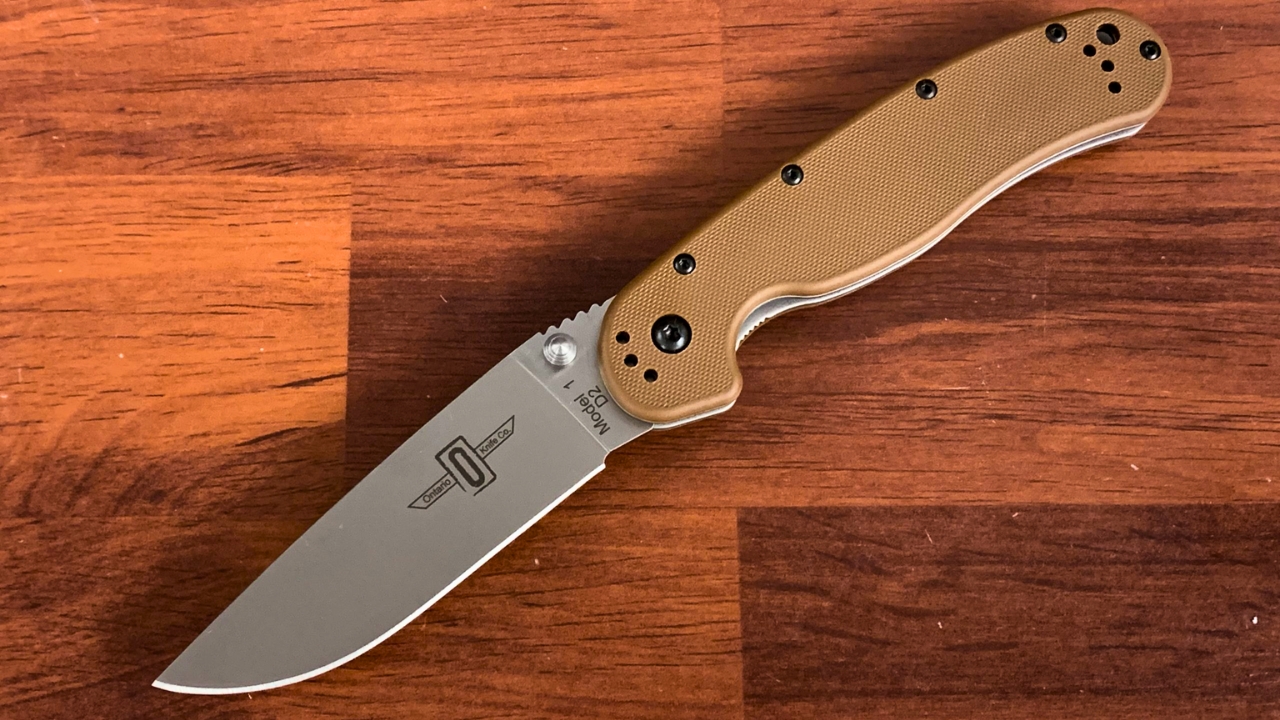
The RAT 1 looks like a basic working folder, because that’s what it is. The branding isn’t fancy, and it won’t impress anyone who buys knives for Instagram photos. Still, the design has been trusted by a lot of people who actually cut things for a living.
The value shows up in how much knife you get for the money: a comfortable handle, a blade shape that works, and a general toughness that doesn’t feel fragile. It’s also easy to maintain and easy to justify beating on. Prices have crept, and some versions are harder to find than they used to be. If you’ve got an older one that’s been solid, that’s a knife worth keeping in rotation.
9. Ontario RAT Model 2

The RAT 2 is the more pocket-friendly version, and a lot of folks underestimate it because it’s smaller and doesn’t look like a “hard-use” blade. In actual daily carry—tape, cordage, food, kindling—it’s about the right size for normal life.
What gives it value is that it carries like a lightweight EDC but doesn’t feel flimsy. The ergonomics are better than they need to be for the price, and the blade profile does work without drama. If you’re the kind of guy who loses knives, the RAT 2 is a smart buy because it’s not a gut punch to replace. If you’re the kind of guy who keeps knives, you’ll eventually realize it’s earned permanent drawer space.
10. Ka-Bar Dozier Folding Hunter
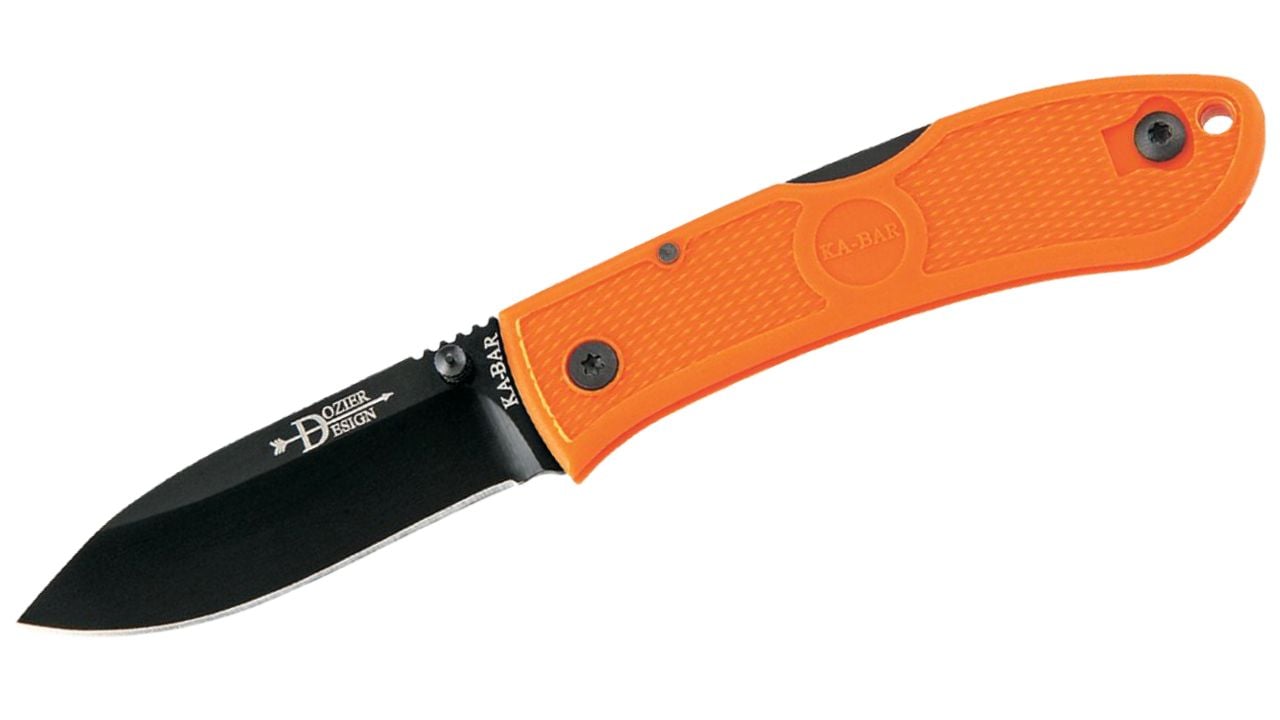
This one gets ignored because it’s plastic-handled and looks like a bargain bin knife at first glance. The Dozier doesn’t try to be fancy. It’s a simple lockback that feels almost too light when you first pick it up.
Then you carry it and realize it disappears in the pocket and still gives you a solid grip when your hands are cold or wet. It’s a great “throw it in the pack and forget it” knife that still shows up ready to cut. The value is in the reliability and the fact that it’s a known design from a respected maker, not a random import with a logo slapped on. For hunting season, it makes a perfect backup blade.
11. Mora Eldris (Pocket-Friendly Fixed Blade)
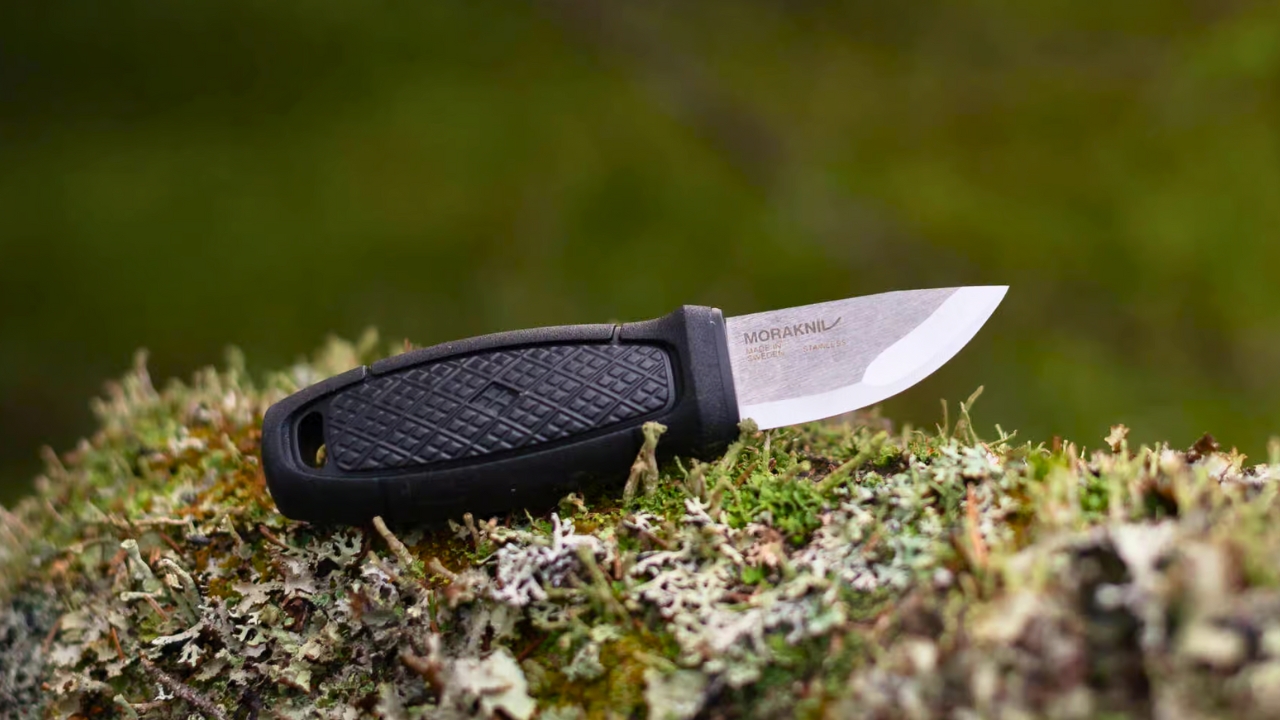
Yeah, it’s not a folder, but it rides like a pocket tool and gets judged the same way: “That little plastic thing?” The Eldris is short, simple, and looks like it should come with a toy survival kit. Ask me how I know—people laugh until they actually use one.
The value is that Mora knows heat treat, and their blades cut way above their price point. For feather sticks, food prep, and controlled carving, the Eldris is handy in a way big blades aren’t. It’s also a great canoe, tackle box, or glove compartment knife because it’s not precious. If you check what quality compact fixed blades cost now, the Eldris starts looking like the smartest cheap tool you own.
12. Kershaw Leek

The Leek looks like a slim little office knife, not something you’d trust in the outdoors. It’s narrow, pointy, and a lot of them come in flashy colors that make guys assume it’s mall-ninja stuff. But the design has stuck around for a reason.
It carries extremely well, opens fast, and does small cutting tasks better than chunky “hard use” folders. In a hunting context it’s a great pocket blade for tags, tape, and detail work, not batoning firewood. Value-wise, U.S.-made Kershaws have a following, and older clean examples don’t sit long when they show up used. If you’ve got one that’s been smooth for years, don’t be too quick to trade it off.
13. Kershaw Blur
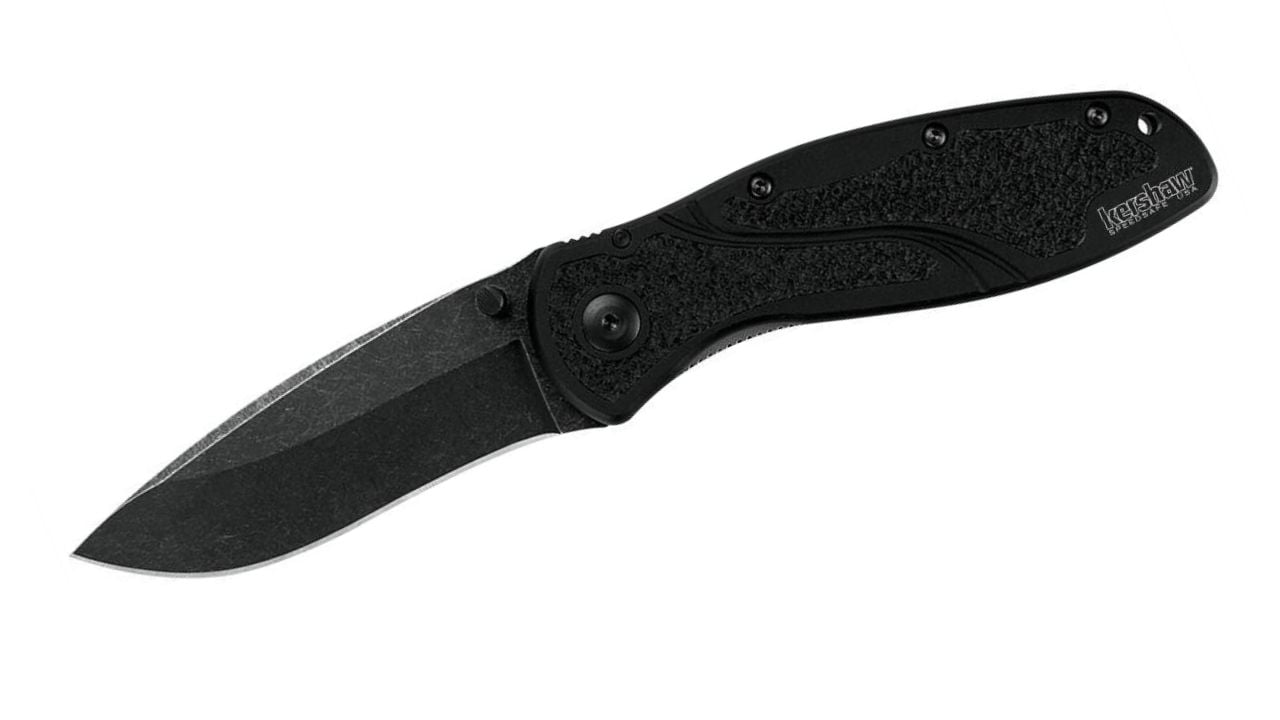
The Blur is another knife that can look like a mid-tier beater until you handle it. The inserts and assisted opening aren’t everybody’s thing, and it’s easy to lump it in with a pile of other mass-market knives. But in the hand, it locks in better than you’d expect.
The value is in the ergonomics and real-world carry comfort. The Blur fills the hand without being a brick in the pocket, and the blade shape works for everyday chores and camp tasks. It’s also a model that a lot of guys carried for years, which means the used market is full of stories—and parts, and familiarity. If you ever had one that you “upgraded” away from, you probably remember later that it was doing everything you needed.
14. Spyderco Tenacious

The Tenacious can get dismissed because it’s not made in the same place as Spyderco’s higher-end models. On the surface, it’s “the cheaper Spyderco,” which makes some people treat it like a compromise. Still, it’s a real design with a real track record.
In use, that big thumb hole and predictable ergonomics matter more than country-of-origin arguments on the internet. It’s a comfortable cutter that’s easy to control, and it’s a great knife for someone who wants the Spyderco feel without paying premium pricing. Value comes in waves on these—certain versions and sprint runs hold better than you’d guess. Even the plain ones keep moving because they’re honest users.
15. Spyderco Delica 4
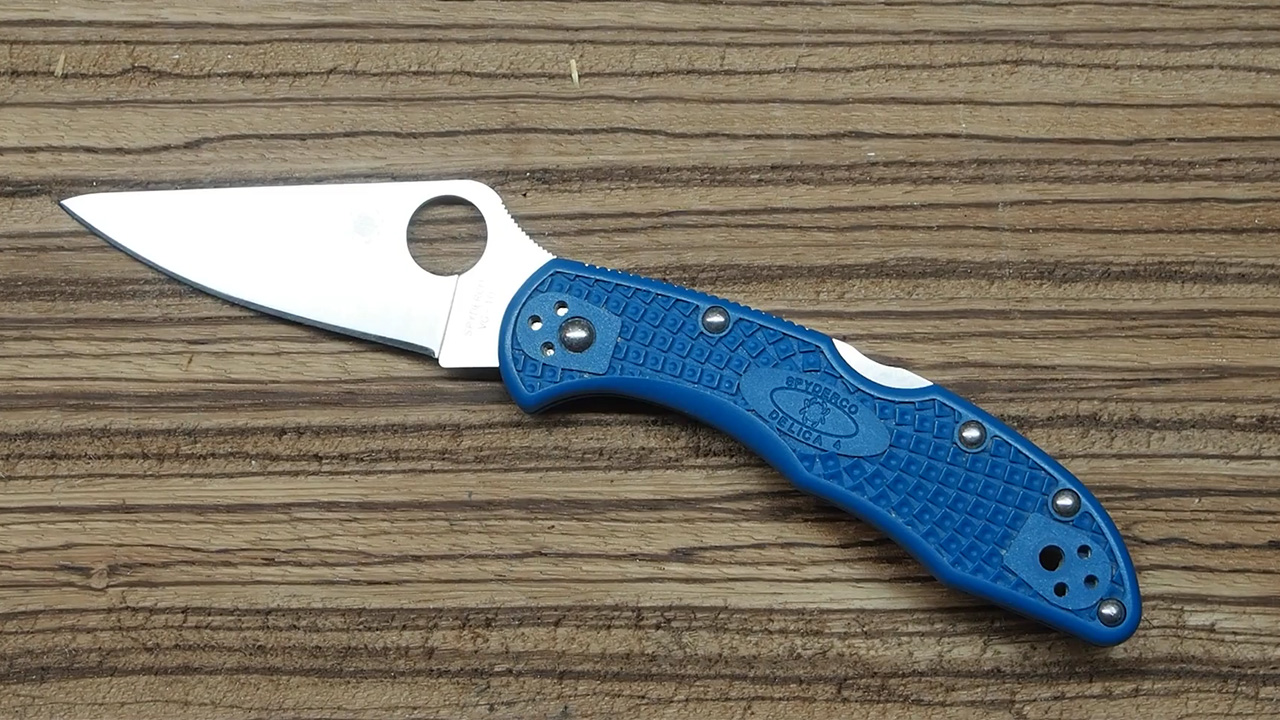
The Delica is almost too normal. It’s light, thin, and looks like a simple plastic-handled folder. If you’re used to thick scales and oversized blades, the Delica can feel “cheap” in the store. Then you actually carry it for a month and realize it’s the definition of practical.
The value is in how perfectly it disappears until you need it, and how well it cuts for its size. It’s a great fishing and hunting pocket knife because it doesn’t snag and doesn’t weigh you down, but it’s still grippy in bad weather. Delicas also have a long history and steady demand, which keeps their value from falling out. If you’ve got an older one with honest wear, it’s still a knife I’d keep instead of chasing trends.
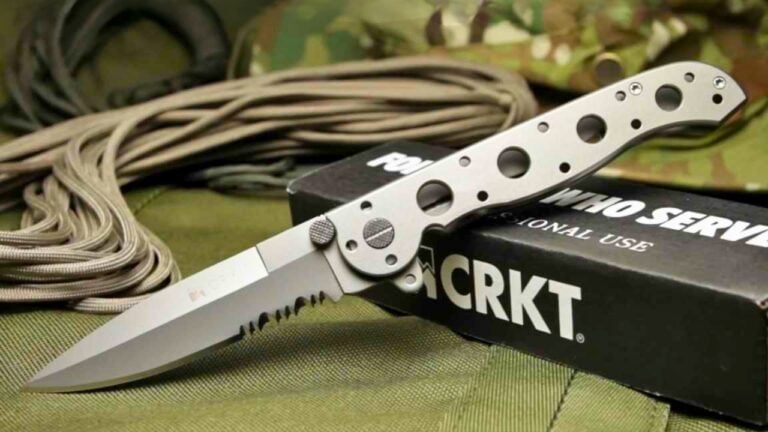
16. CRKT M16-14ZLEK
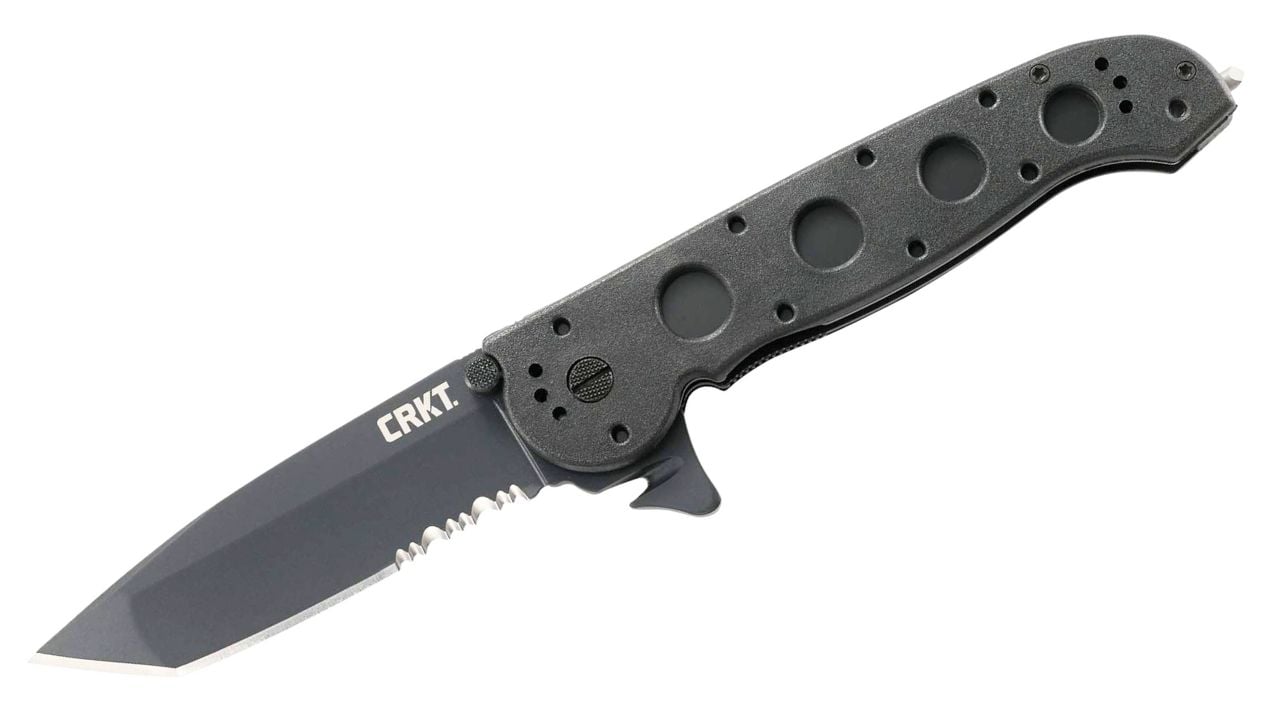
The CRKT M16 line has been everywhere, which is why some guys shrug and call it a cheap big-box knife. The truth is, certain M16 variants are better built than their price and reputation suggest, and they’re comfortable in the hand for real cutting.
The value here is that it’s a proven working pattern with tons of carry time behind it. It’s not a collector showpiece, but it’s a knife you can hand to a buddy at camp without giving a safety lecture about “don’t scratch it.” Depending on the exact version and condition, some of the older ones have a following because they’re tied to a particular era of everyday carry knives. They’re also easy to live with—simple, familiar, and not fussy.
17. Gerber E-Z Out (Classic Lockback)
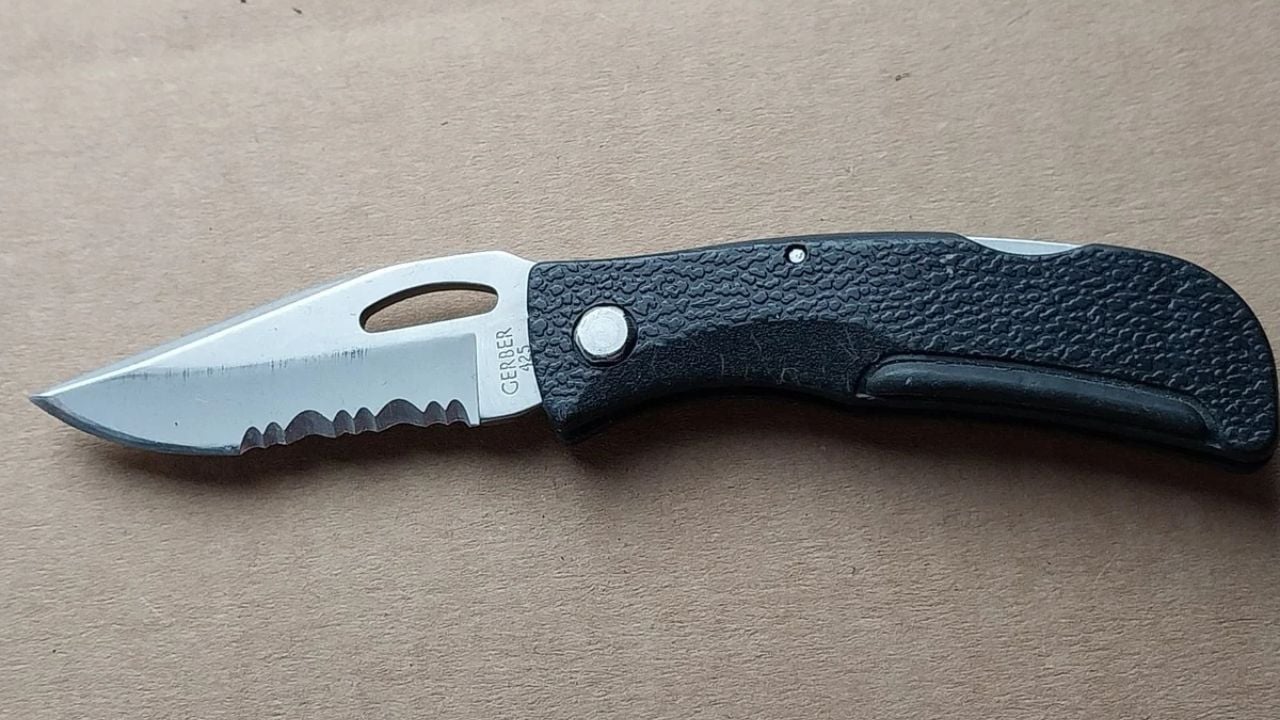
Gerber’s name gets dragged around these days because not every model has the same reputation. But the older E-Z Out lockbacks have a lot of miles on them, and they’re one of those knives that look like a basic hardware store buy until you realize how many were carried hard.
The value comes down to nostalgia plus usefulness. They’re light, simple, and easy to operate with cold hands. Hunters liked them because they weren’t complicated and they didn’t mind getting dirty. If you stumble on an older USA-made example in good shape, it’s not just a “cheap Gerber.” It’s a piece of what guys actually carried when they were working outside every day, and the market reflects that more than you’d expect.
18. Leatherman Micra
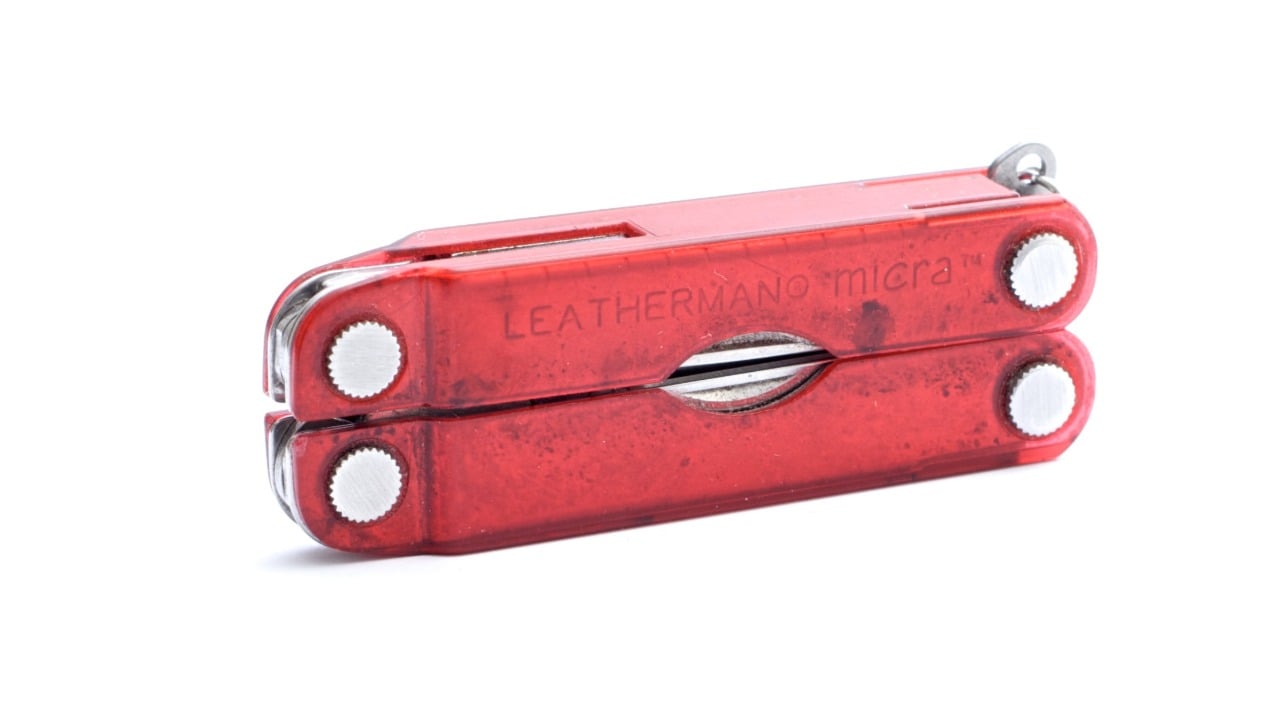
The Micra looks like a little keychain gadget, and it gets laughed at until someone needs scissors that actually cut. In the outdoors, scissors matter more than folks admit—first aid tape, moleskin, fishing line, braid, even trimming a patch or tag.
Value is that Leatherman built these to be used, not babied. The tool quality is better than most “tiny multi-tools,” and the size means it’s actually with you. A full-size multi-tool left in the truck doesn’t help when you’re half a mile down a trail. The Micra also has steady demand because once someone carries one, they get it. It’s not glamorous, but it’s the kind of tool that keeps earning its spot.
19. Schrade Old Timer 34OT Middleman
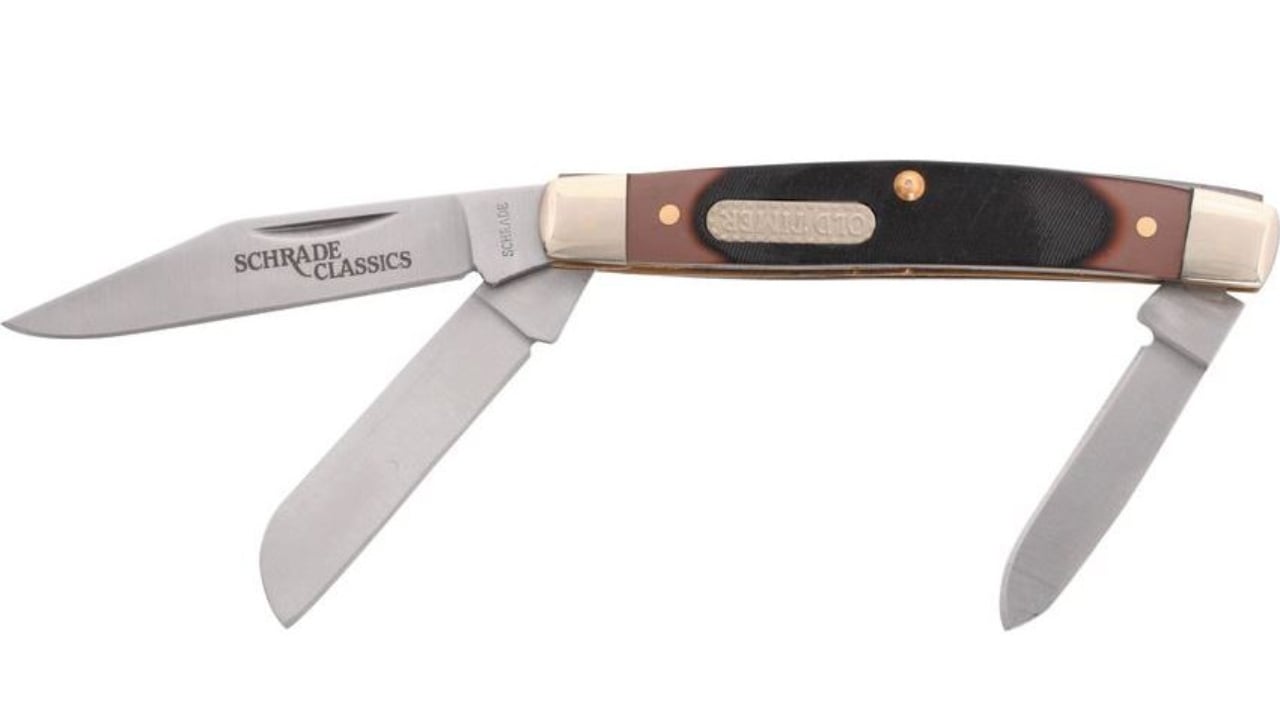
Old Timer knives have that old brown-handled look that screams “cheap.” And sure, there are plenty of modern Schrades that are just budget knives. But the older Old Timer USA-made 34OT Middleman is a different story, and it’s one of those knives that surprises people when they look at values.
This is a classic pocket slipjoint that a lot of outdoorsmen actually used, which is why nice ones aren’t as common as you’d think. The value is tied to era, condition, and that simple usefulness that doesn’t go out of style. For camp chores and light cutting, it’s handy and comfortable. If you’ve got one sitting in a drawer from a relative, don’t treat it like a throwaway. Clean it up carefully and appreciate what it is.
20. Boker Magnum Classic Hunter
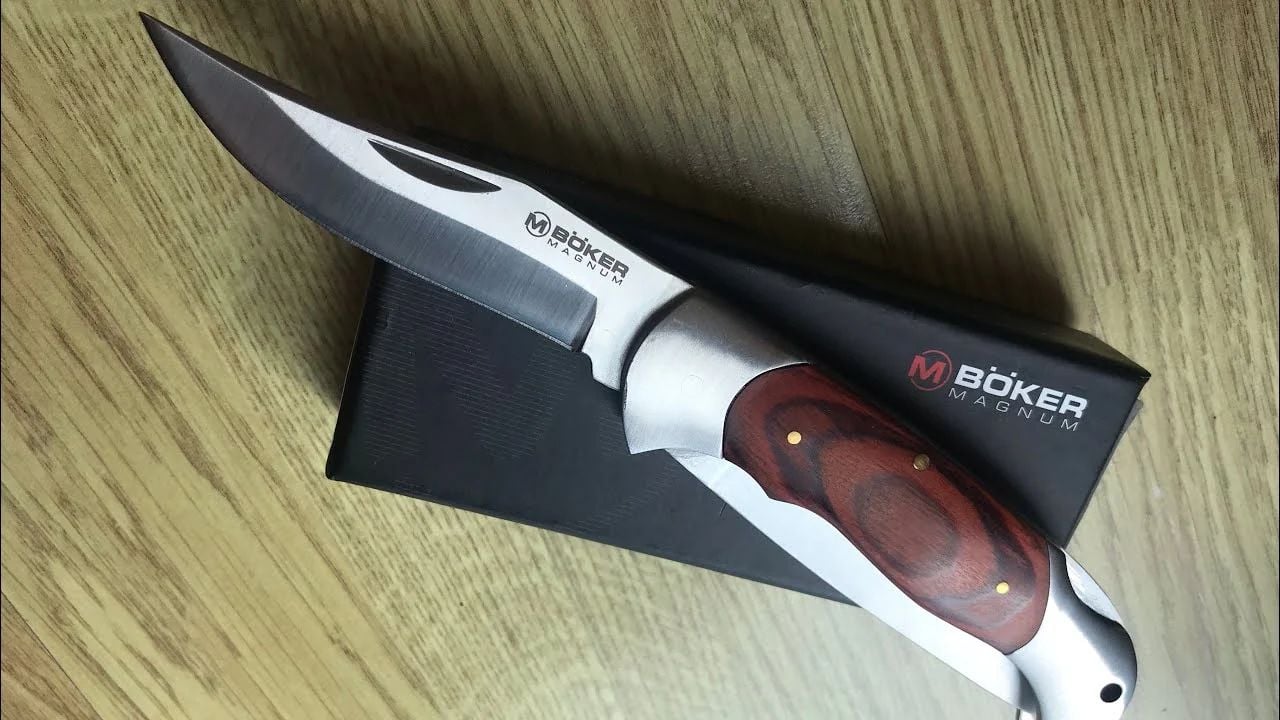
Boker’s Magnum line gets labeled as “budget Boker,” and some of them absolutely are built to a price. The Classic Hunter, though, is one of those patterns that looks cheaper than it carries. Traditional look, simple lockback style, nothing about it screams high-end.
Value comes from being a functional, familiar hunting pocket knife that you won’t be afraid to actually use. It’s the kind of blade that ends up in a deer camp tackle box, then somehow becomes the knife everyone borrows because it cuts well and feels right. Depending on handle materials and the specific run, some versions stick around in the market longer than expected, and clean examples don’t always stay cheap. It’s not a safe queen, but it’s a real user with more going for it than first impressions.
If there’s a theme here, it’s that “cheap-looking” often just means “simple” or “not trendy.” A good pocket knife doesn’t need titanium scales and a space-station steel to be valuable. Sometimes the value is history. Sometimes it’s a warranty. Most of the time it’s just a knife that keeps showing up, season after season, doing the work without making a big deal about itself.
Like The Avid Outdoorsman’s content? Subscribe to our newsletter so you never miss an article.
Here’s more from us: