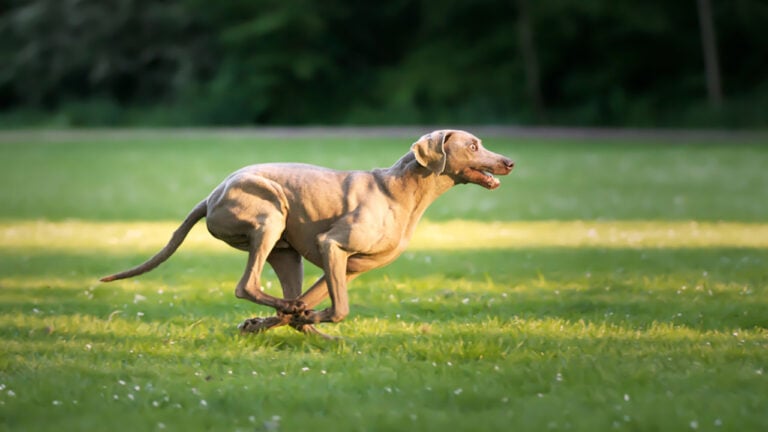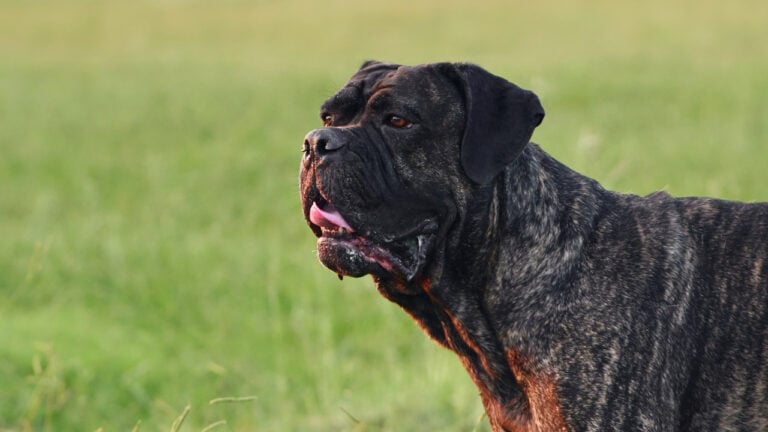
Photo credit: TheOther Kev/Pexels.com
You can spend a lifetime around dogs and still get surprised. It usually happens when you assume your dog is “just a pet” and then you watch it solve a problem faster than the guy holding the leash. Out in the country, at the boat ramp, or sitting at the edge of a cut cornfield, smart dogs don’t just do tricks. They read situations, they read people, and they make decisions that keep them safe, keep them useful, and sometimes keep you from doing something dumb.
Here are 20 dogs that regularly show they’re sharper than their owners expected. Not because their owners are slow, but because a good dog’s brain is wired for the exact stuff we forget to pay attention to.
1. Border Collie
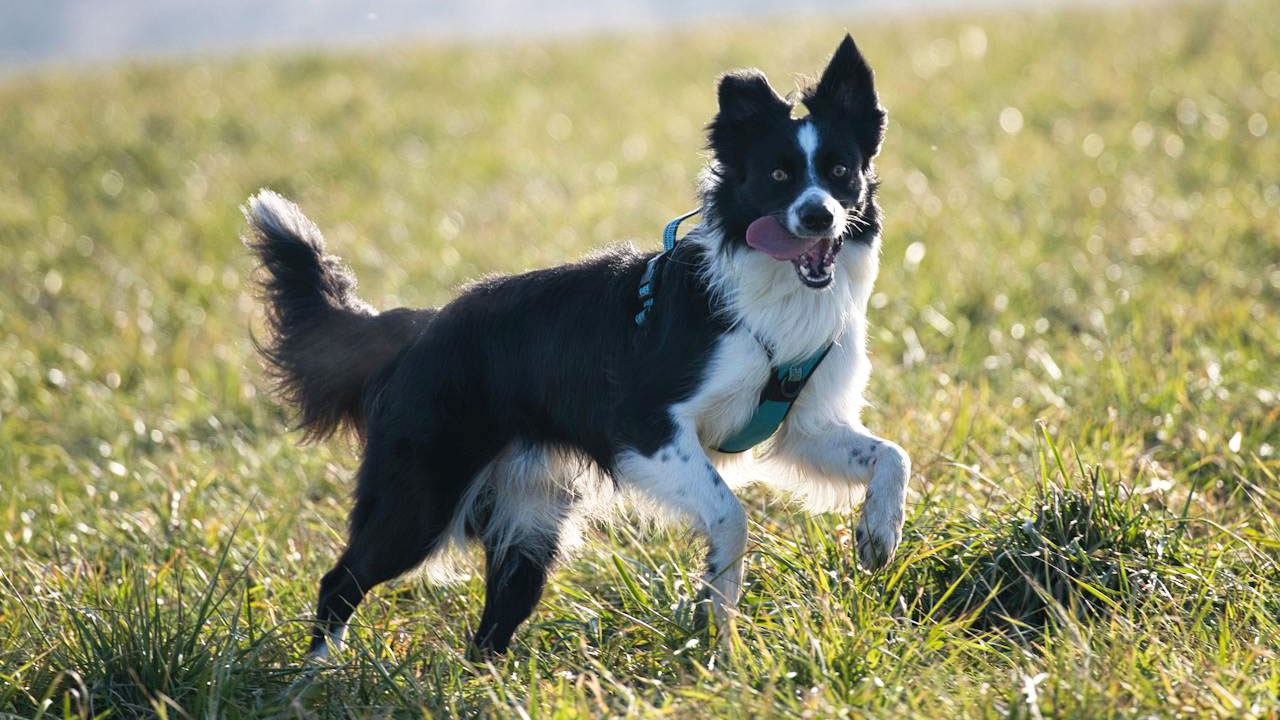
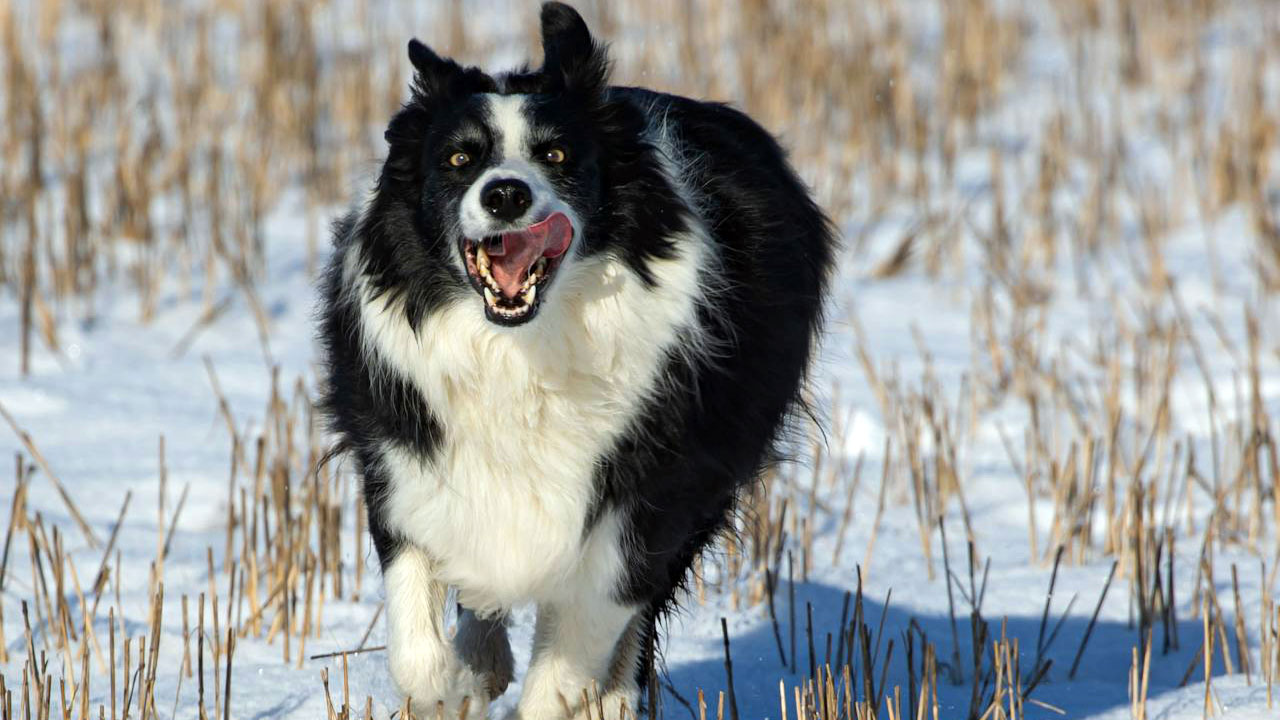
If you’ve ever watched a Border Collie work livestock, you know the look: laser focus and a brain running about three moves ahead. Owners think they’re getting an athletic dog for hikes, then they realize they brought home a full-time problem solver that doesn’t clock out. A bored one will “herd” kids, other dogs, or your ATV like it’s a runaway steer.
The surprising part isn’t obedience. It’s judgment. They’ll pick the best angle to cut something off, they’ll read a gate left cracked, and they’ll remember routines down to the minute. If you don’t give them real jobs—retrieving, agility, farm chores—they’ll invent work that makes sense to them, not to you. Ask me how I know.
2. Australian Cattle Dog (Blue/Red Heeler)

Heelers are built for tough miles and tougher decisions. A lot of folks buy one because it’s “rugged” and then act shocked when it starts running the household. They don’t just follow commands; they evaluate whether your command makes sense, and they’ll improvise when it doesn’t.
They’re notorious for learning your patterns fast—where you keep the feed, which cabinet has treats, which truck door doesn’t latch right. In the field, they’re the kind of dog that will circle wide on their own to keep an eye on the property line or the driveway. They aren’t for everyone, but if you need a dog that notices everything, they’re hard to beat.
3. German Shepherd

German Shepherds have that combination of athleticism and seriousness that makes them feel like a partner instead of a pet. Owners expect protection instincts, sure, but the real intelligence shows up in how they read people. They notice who belongs, who’s nervous, and who’s acting “off” long before you do.
In rural life, that matters. A good Shepherd will recognize the difference between the mail truck, your buddy stopping by, and a vehicle creeping the fence line. They learn boundaries fast and remember them. The flip side is they need structure. If you’re sloppy with rules, they’ll decide the rules for you, and it won’t always be convenient when company shows up.
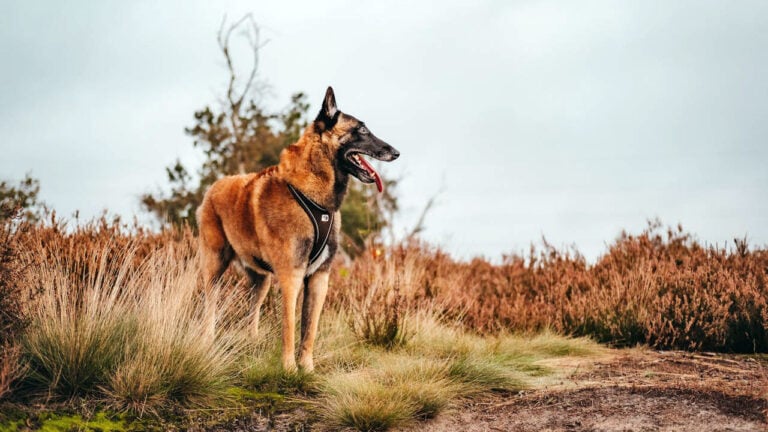
4. Belgian Malinois
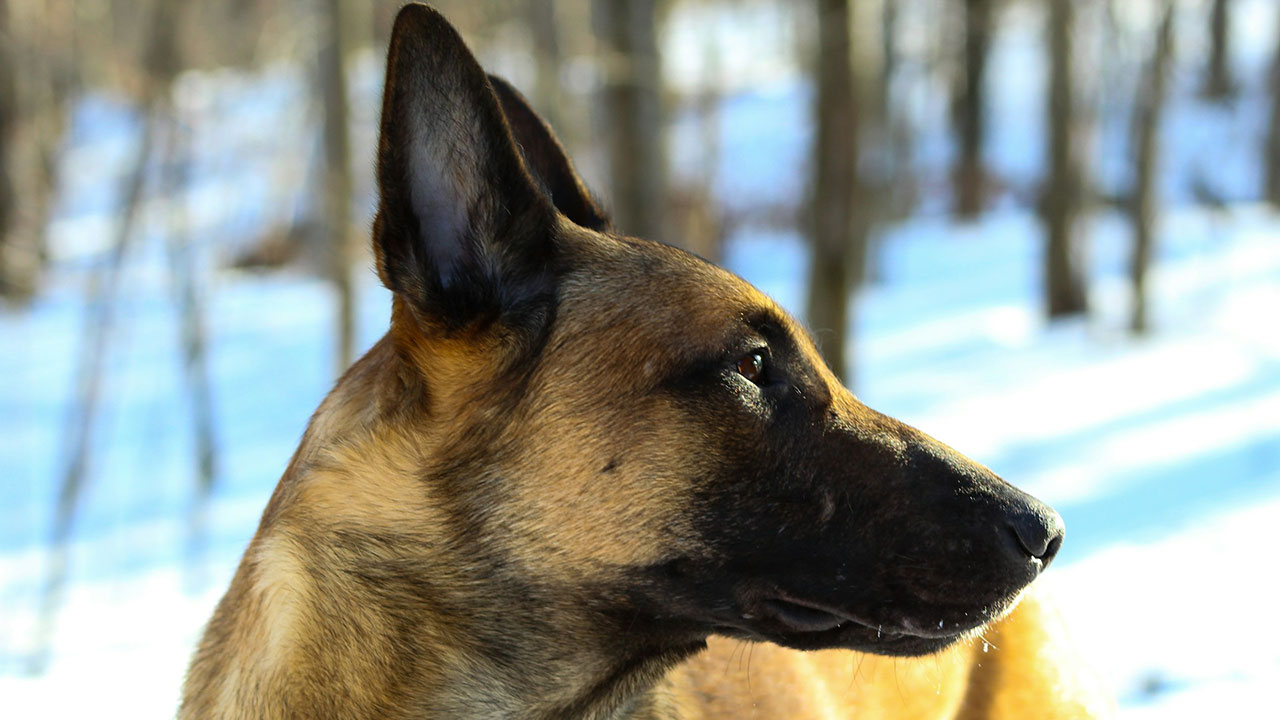
The Malinois is what happens when you take “smart dog” and remove the off switch. Owners see the athletic videos online and think it’s a cool idea, then they find out this dog can outthink them while bouncing off the walls. They memorize routines fast and they’ll test weak points even faster.
What surprises most people is how quickly a Malinois links cause and effect. Move a training dummy once and it remembers. Leave a gate unlatched once and it checks it every day. If you don’t give them real work—training reps, tracking games, structured exercise—they’ll go looking for action. And they’re good at finding the kind of action you don’t want.
5. Poodle (Standard or Miniature)
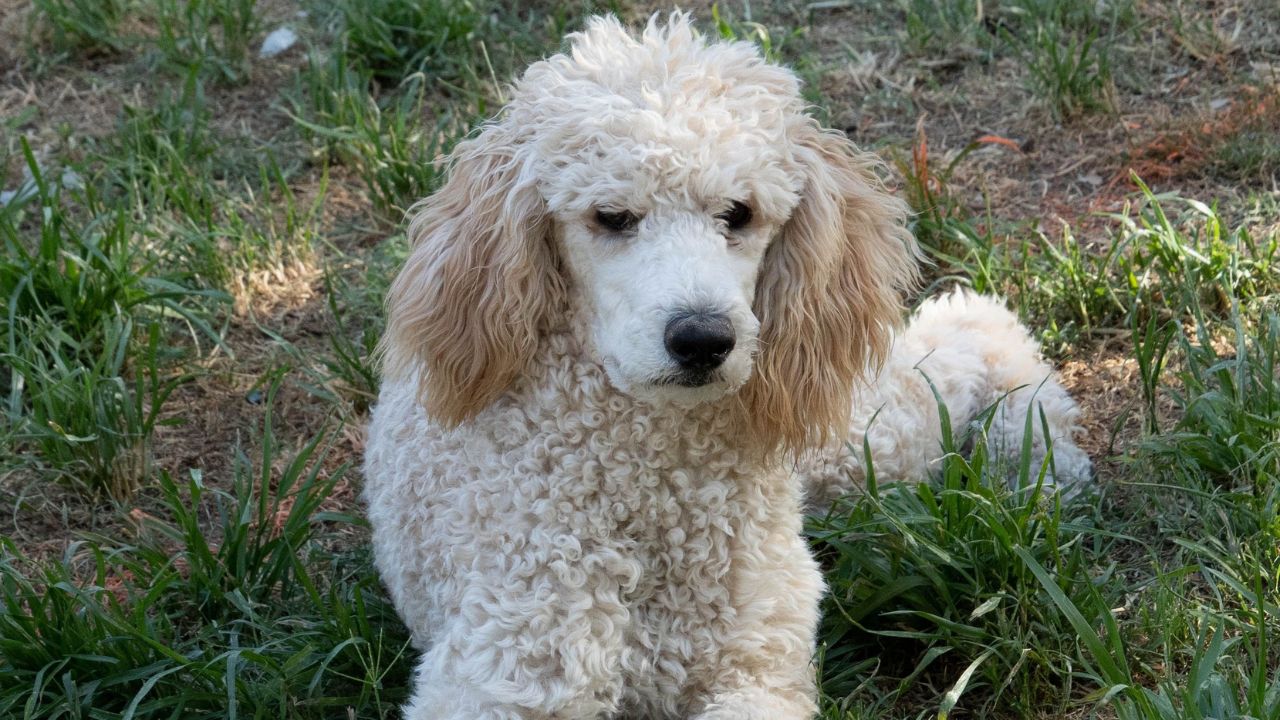
Poodles get judged on looks, and that’s a mistake. Under the haircut is a dog that learns fast and remembers everything. Owners expect a “fancy” house dog and end up with a sharp-minded animal that can pick up commands, patterns, and even moods like it’s reading a script.
They’re also sneaky smart. A Poodle will watch you open a latch twice and then try it with its nose. They can be excellent water dogs too, and a lot of hunters are quietly figuring that out again. They’re not for the guy who wants a dog that’s happy being ignored. If you treat them like furniture, they’ll turn into a problem on purpose.
6. Labrador Retriever

Labs are “everybody’s dog,” which makes folks underestimate them. Sure, they’re friendly. Sure, they’ll eat anything. But a good Lab is a working brain wrapped in an easy personality. They learn hand signals quick and they’re built for repetition without getting weird about it.
In hunting season, you see it when a Lab marks a bird you barely saw hit the ground. They track subtle scent changes, wind shifts, and terrain breaks without needing a lecture. At home, they figure out which kid drops food, which cooler has snacks, and which door gets left open. Their intelligence hides behind that happy-go-lucky face.
7. Golden Retriever
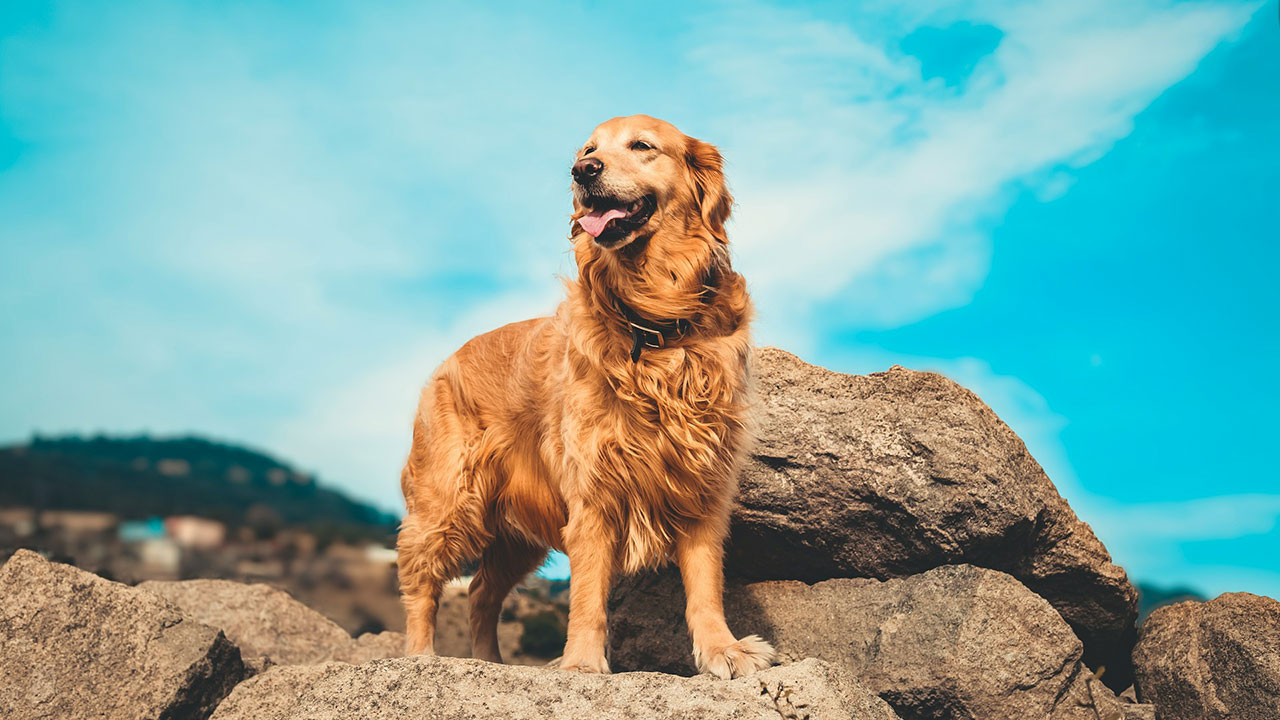
Goldens get pegged as sweet family dogs, and they are. But they’re also problem solvers with a strong desire to work with you. They pick up routines quickly and they’re good at noticing when something is missing—like one kid not coming back from the pond with the others.
What surprises owners is how well they generalize lessons. Teach “place” in the kitchen and they’ll apply it at deer camp by the wood stove. They also have an uncanny ability to settle a chaotic situation. That’s not magic; it’s awareness. A Golden watches everything and files it away, then uses it when it matters.
8. Doberman Pinscher

Dobermans are often described as protective, but the bigger story is their clarity. They pay attention. They study the household. They learn what “normal” looks like and they react fast when it isn’t normal. Owners expect a guard dog and find out they brought home a sharp, fast decision-maker.
They also don’t like nonsense. If you’re inconsistent, they notice. If you say “come” five times and don’t mean it, they’ll treat it like background noise. With good handling they’re incredibly responsive, and they can read your body language like a hunting buddy who’s watched you miss too many times. They know when you’re about to do something dumb.
9. Shetland Sheepdog
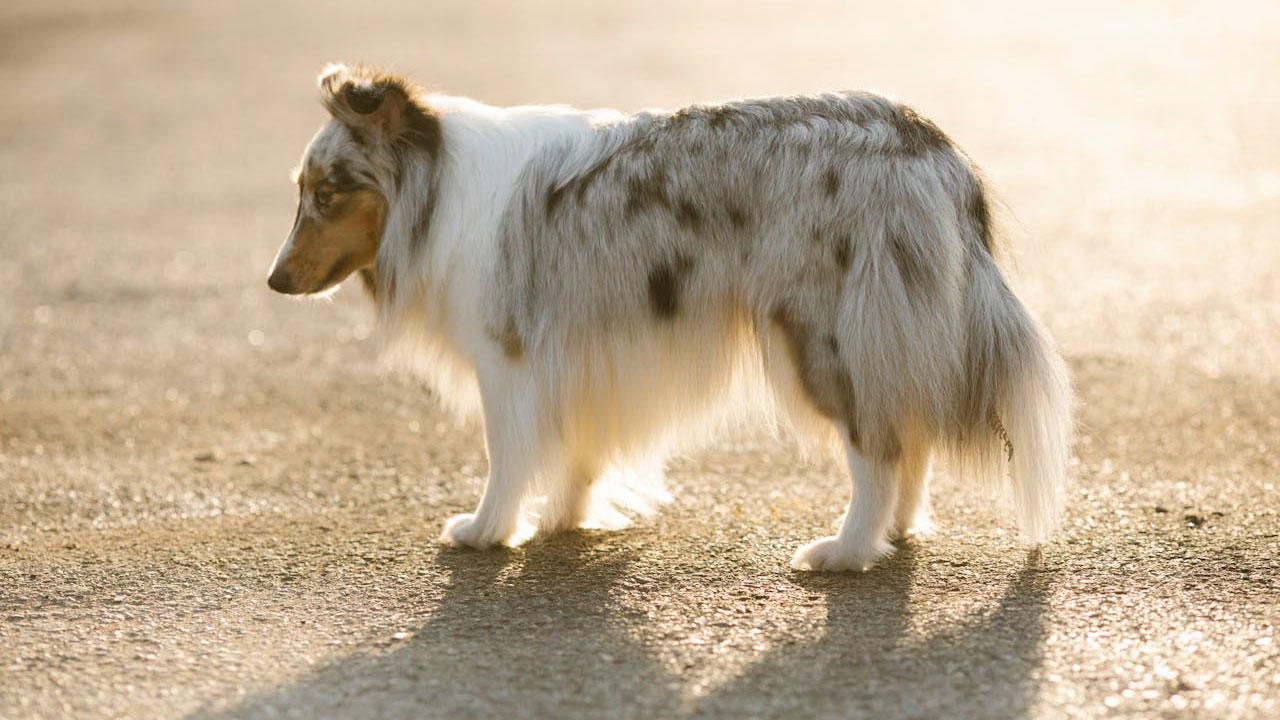
Shelties look like small Collies, but the brain inside is full-size. Owners think they’re getting a compact family dog and then realize this dog is running security, managing schedules, and announcing every change in the neighborhood like it’s a job.
They’re extremely tuned in to patterns. Change the evening routine and they’ll be waiting at the door before you grab your jacket. They can learn complex commands and they’re quick to pick up on what earns attention. If you accidentally reward barking at everything, congratulations—you just trained a very smart dog to drive you nuts.
10. Papillon
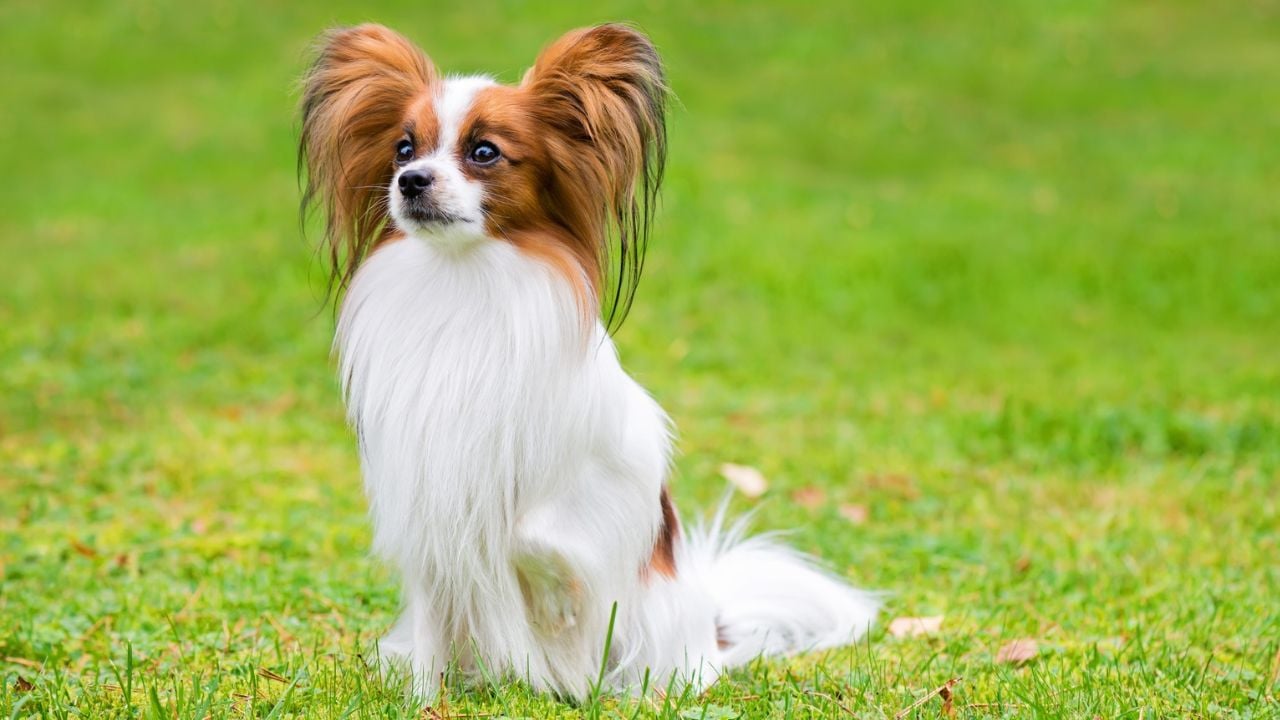
Small dog, big brain. Papillons are one of those breeds that surprise tough-guy owners the most. They look like a purse dog, but they learn tricks, obedience, and agility work with a seriousness that’s hard not to respect.
What makes them “smarter than expected” is how quickly they connect dots. They’ll watch you operate a latch, then try it. They’ll learn which chair gets them a better view of the window. And they’re bold enough to use that intelligence. If you want a small dog that’s actually engaged with training and not just yapping at shadows, a Papillon will change your opinion fast.
11. Rottweiler
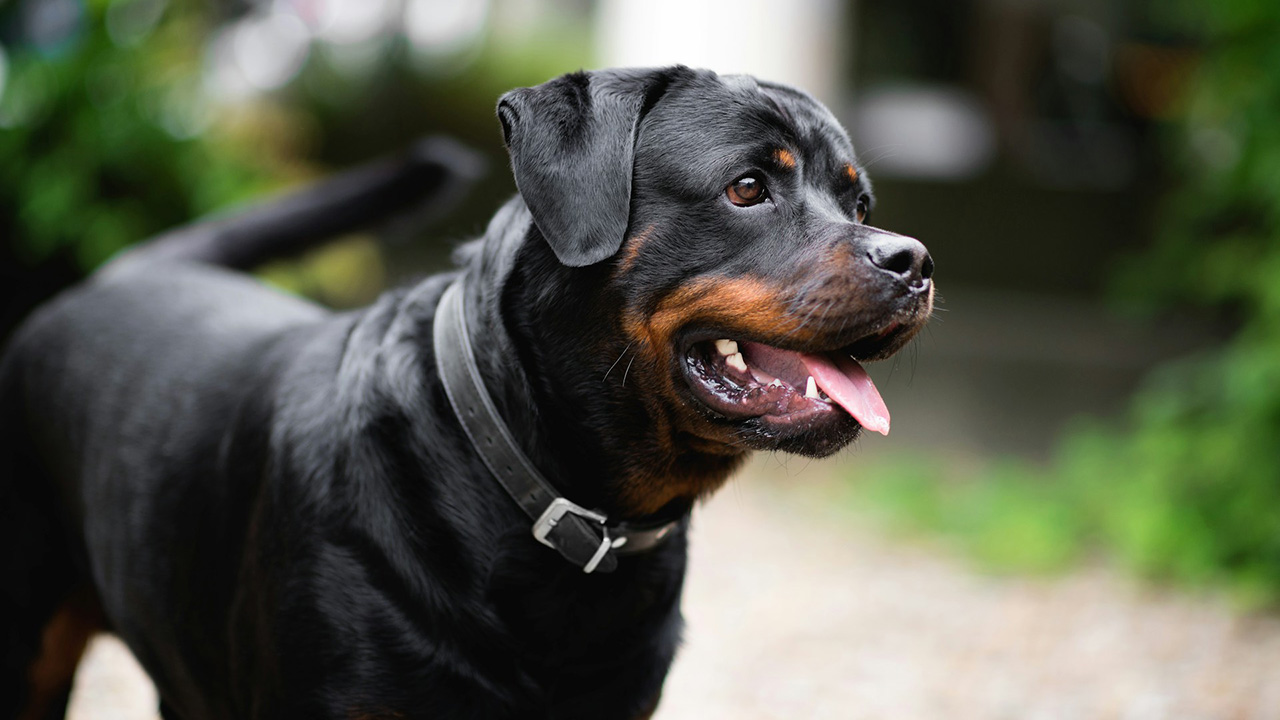
Rottweilers are often described as muscle with a bark, but a well-bred Rottie is a steady thinker. Owners expect power, then they notice how the dog positions itself between kids and strangers without being told. That’s not random behavior. That’s assessment.
They’re also good at reading situations on property—who belongs, what vehicles usually show up, and when something feels different. They remember boundaries and rules, and they tend to take the job seriously. The key is training early and staying consistent. A smart, powerful dog with unclear rules can become a headache in a hurry.
12. Australian Shepherd

An Aussie is like having an extra set of eyes that never stop moving. Owners love the look and the energy, but the surprise is the mental drive. They need puzzles, tasks, and real engagement. If they don’t get it, they’ll create their own “work,” like reorganizing your household one chewed item at a time.
In the outdoors, they shine because they’re aware of everything at once—your position, the kids, the terrain, and what’s moving in the brush. They’re also sensitive to human cues. If you get frustrated, they notice. If you’re calm and clear, they lock in. With the right owner, they’re an incredible partner. With a lazy routine, they’ll outsmart you daily.
13. English Springer Spaniel
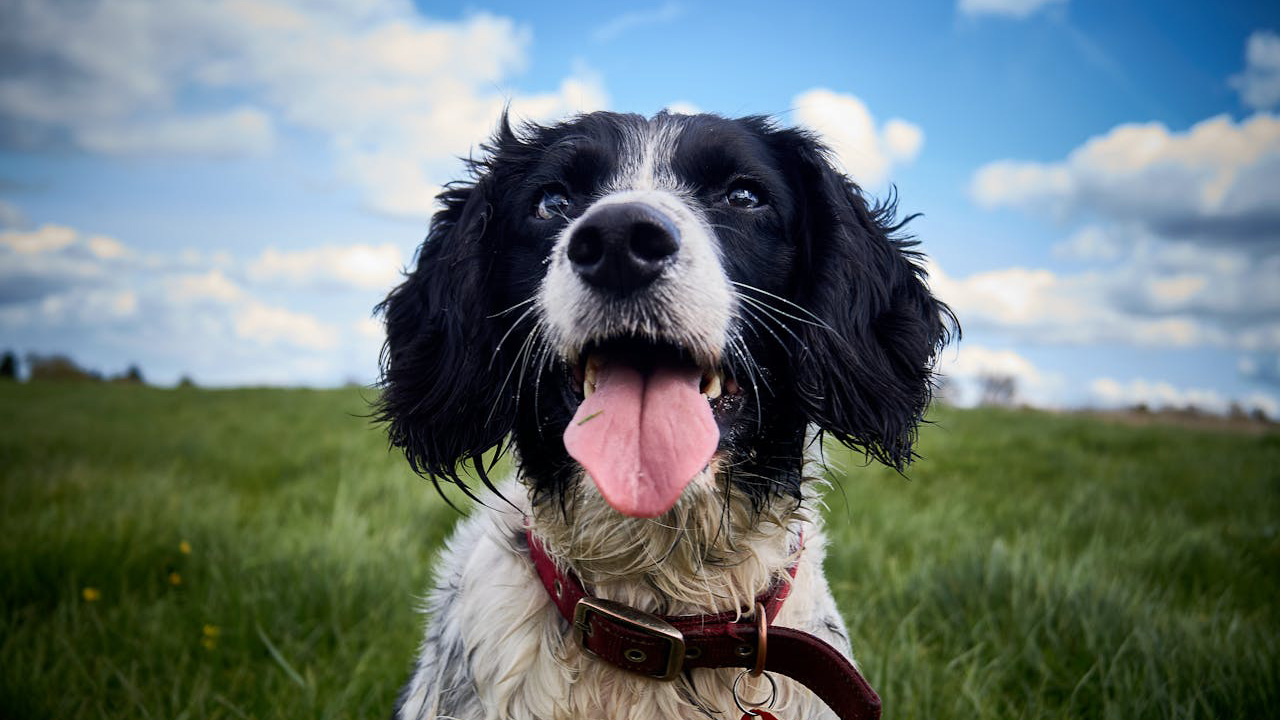
Springers are known for birds, but their intelligence shows up in how they work cover. Owners expect a high-energy flushing dog, and they get that, but they also get a dog that can read wind and habitat like it’s scanning a map. Good ones learn how you hunt and adjust to your pace.
They also have a knack for remembering where they found birds before. Take one through the same cattail slough a few times and it will start checking the best pockets without being directed. In the house, that same memory turns into knowing exactly where you stash gear and when you usually leave. If you think you’re sneaking out for an early hunt without waking the dog, good luck.
14. Brittany
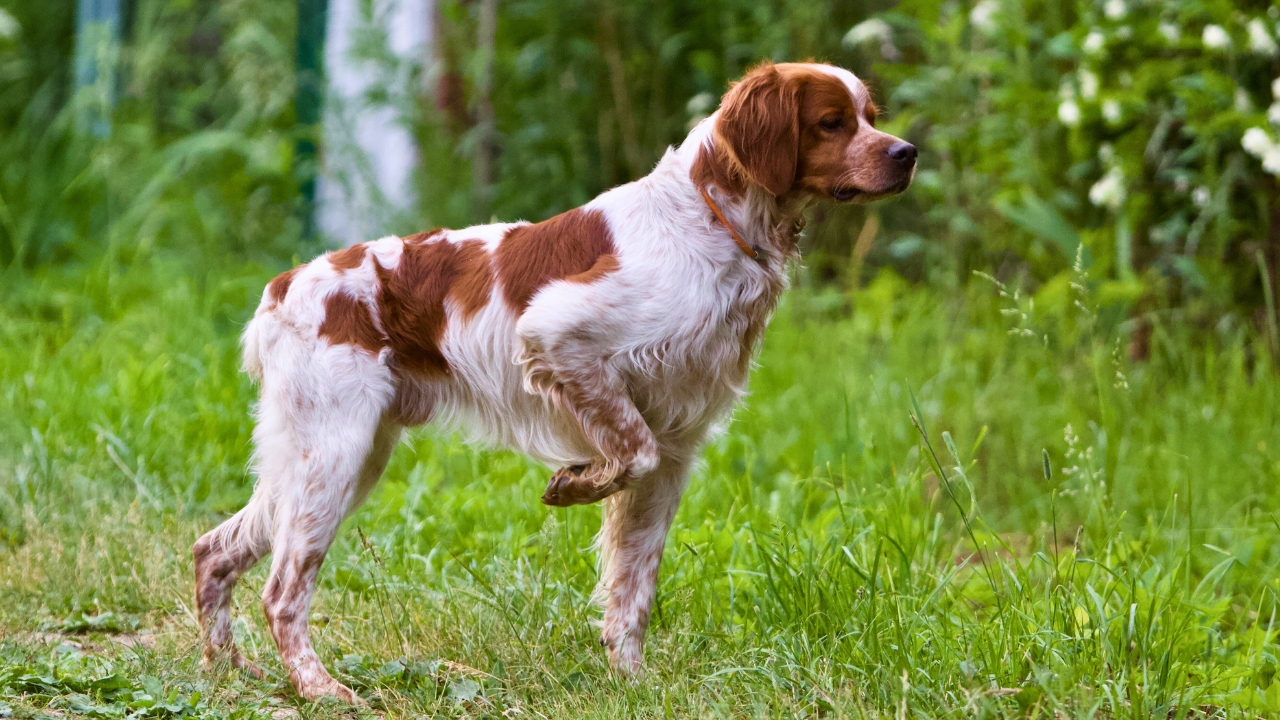
Brittanys are pointing dogs with a lot of horsepower, but what gets overlooked is how much they think while running. Owners see a dog covering ground and assume it’s just instinct. Then they watch it adjust pattern based on wind direction, terrain edges, and how fast you’re walking.
They’re also quick learners around the house. If you’re not careful, you’ll train a Brittany to open doors, steal gloves, and locate the one muddy spot in the yard before climbing into the truck. In the field, they respond best to calm handling and clear expectations. They’re smart enough to understand pressure, and smart enough to avoid it if you’re heavy-handed.
15. German Shorthaired Pointer

GSP owners usually expect energy. They don’t always expect strategy. A good Shorthaired Pointer learns where birds like to hold, where the thermals shift in the morning, and how to check back in without being nagged. They aren’t just running; they’re sorting information.
Their intelligence can cause trouble if they’re underworked. They’ll find entertainment—digging, counter-surfing, fence running—because their brain wants a job. In hunting season, they can be incredible at remembering old bird contacts and working back into them. If you run one a lot, you’ll start to feel like you’re walking behind an animal that’s quietly making decisions for both of you.
16. Catahoula Leopard Dog
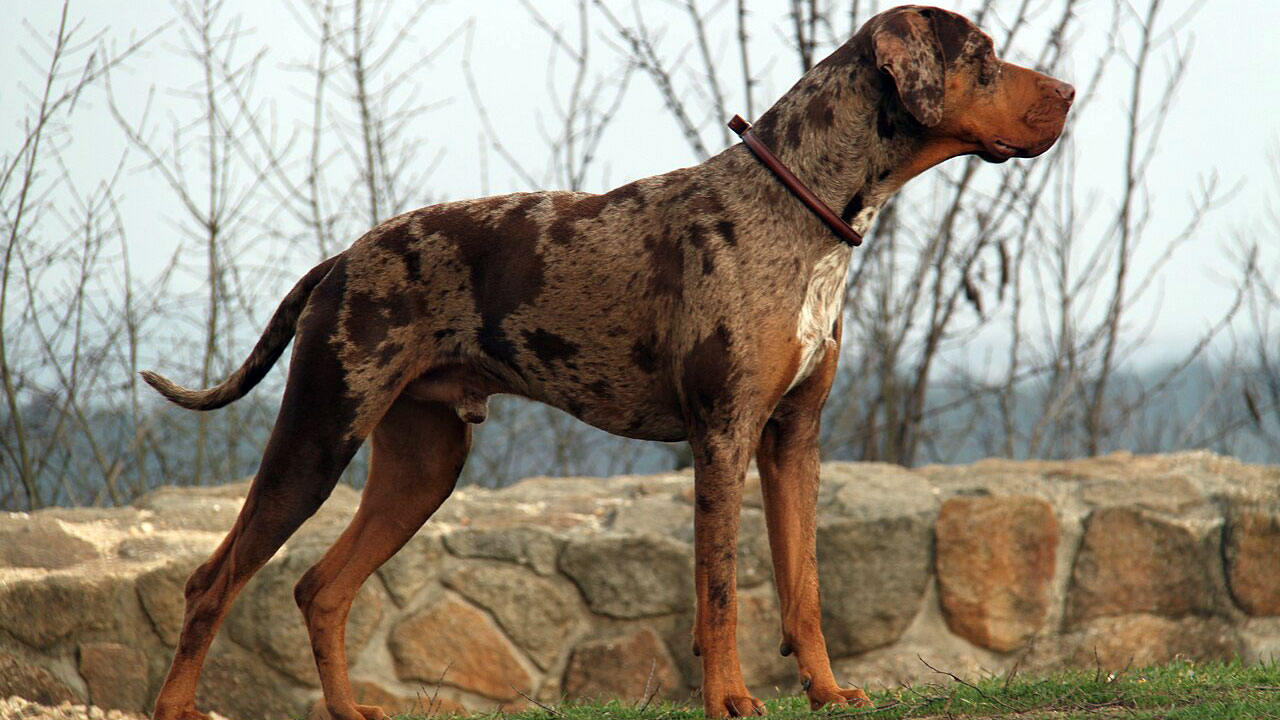
Catahoulas are the kind of dog that makes you say, “How did you know that?” Owners pick them for toughness and grit, then discover they’re calculating. They watch livestock, wildlife, and people with a steady, assessing look. They don’t waste motion, and they don’t forget much.
On rural property, that can be a big advantage. They’ll patrol, notice changes, and react to pressure fast. The surprise is how independent they can be. They’ll solve problems their way, not yours, and you need to respect that while still being the boss. With solid leadership they’re outstanding. With sloppy handling they’ll run the show and you’ll spend your days arguing with a dog.
17. Beagle

Beagles get treated like cute, noisy scent machines, but they’re smarter than they get credit for. The intelligence is focused, not flashy. They’re experts at using their nose to gather information and then making choices based on it, even when that choice is “ignore you and follow the rabbit.”
Owners get surprised when a Beagle learns how to work a gate latch or finds the one weak spot in a fence line. They also learn human behavior quickly. If one person in the family caves and hands out snacks, the Beagle will work that angle like a pro. They can be stubborn, but it’s not because they’re dumb. It’s because they’re confident in their own plan.
18. Jack Russell Terrier
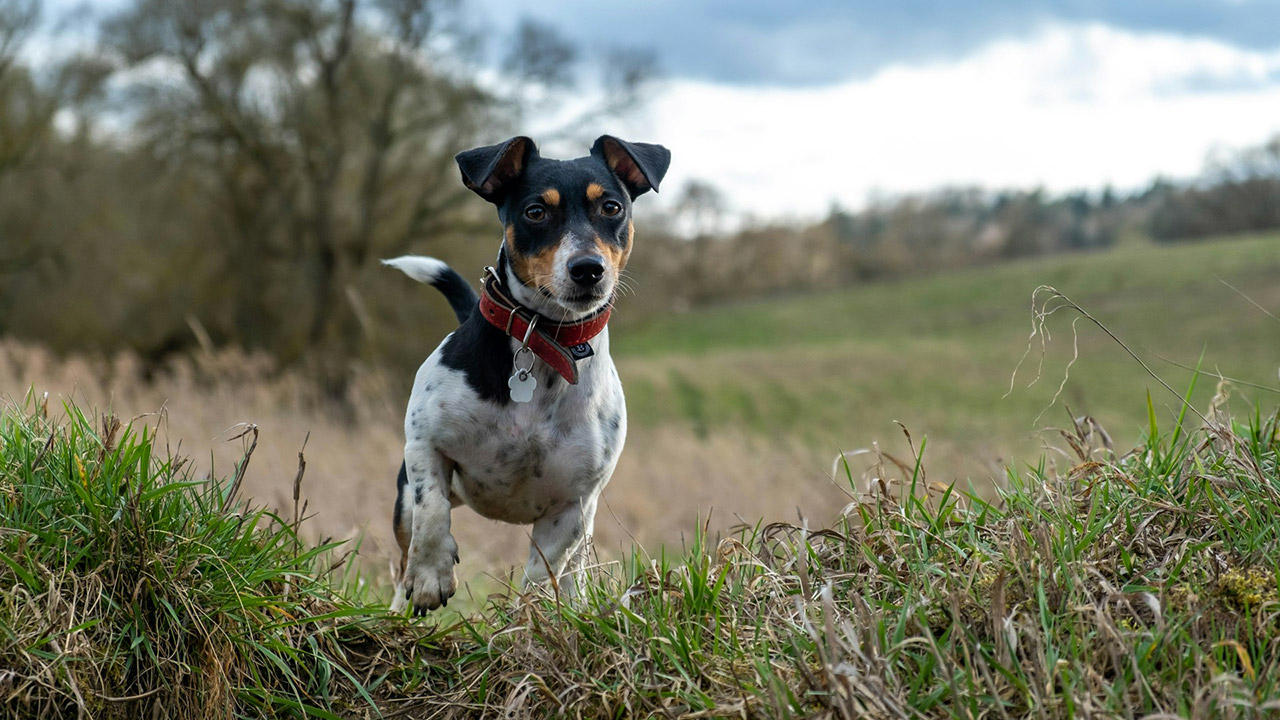
Jack Russells are small, intense, and way too smart for their own good. Folks buy them thinking “little farm dog,” and then they realize they’ve adopted a furry demolition expert that studies weaknesses like it’s a sport. A JRT can learn a routine in a day and exploit it for the next ten years.
Their intelligence is practical and aggressive. They’ll hunt rodents, dig like a backhoe, and figure out how to climb, jump, or squeeze into places that should be off-limits. In the outdoors, they’re game, but you have to keep control. They’re the kind of dog that will pick a fight with something bigger because the brain says “I can handle this.” Great dogs, but they demand management.
19. Shiba Inu

Shibas are famous for attitude, but underneath that is real intelligence. Owners expect a quirky companion and get a dog that negotiates every request like it’s a contract. They’re observant, they learn quickly, and they don’t hand out obedience for free.
What surprises most owners is how well a Shiba learns the boundaries of what you’ll enforce. If you let a rule slide once, they’ll remember it forever and test it again. They’re also good escape artists because they plan ahead—watching where you clip the leash, noticing which gate sticks, timing the door opening. They aren’t eager-to-please like a Lab, but they’re sharp. Sometimes a little too sharp.
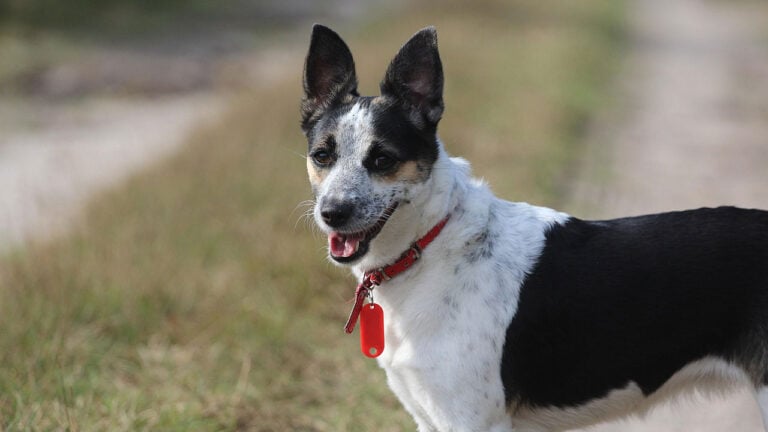
20. Mixed-Breed Farm Dog (the “rescued” mutt)
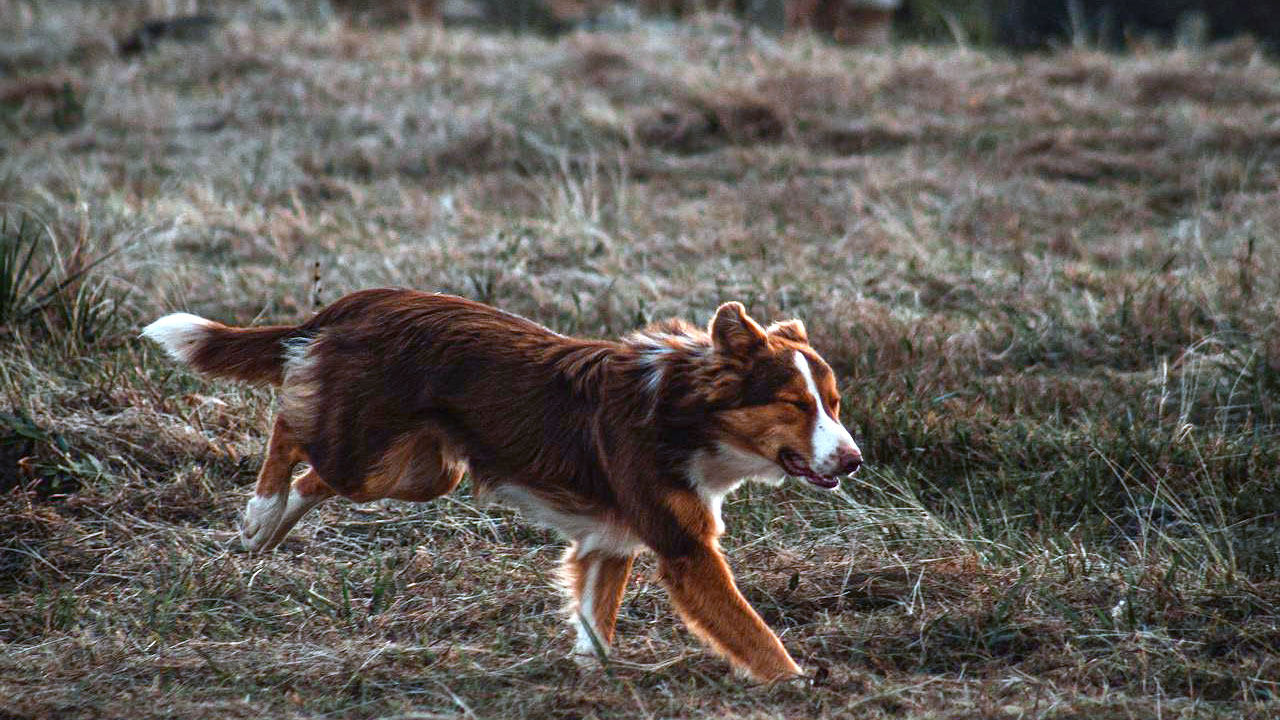
There’s a reason so many old-timers swear by a good farm mutt. Mixed-breed dogs often come with a balanced mix of instincts, toughness, and plain common sense. Owners expect a simple companion, then the dog starts doing things like herding the kids away from the pond or alerting when something’s wrong at the back of the property.
A lot of rescues had to figure life out before they ever met you. That creates problem-solving skills you can’t fake. They learn routines fast, they adapt, and they’re usually less fragile in their thinking. No, you can’t slap a breed label on it. But if you’ve ever watched a mutt pick the right path through thick brush, find its way back to the truck, and then lay down like it’s done it all before, you know exactly what I’m talking about.
The funny thing about a smart dog is it doesn’t always look like “sit” and “stay.” Sometimes it’s the dog that refuses to cross thin ice, the one that circles downwind before you even think about it, or the one that quietly parks itself between your kid and a stranger at the trailhead. Pay attention to those moments. Your dog might be telling you it’s been watching the whole time—and it’s been learning faster than you have.
Like The Avid Outdoorsman’s content? Subscribe to our newsletter so you never miss an article.
Here’s more from us: