Photo credit: Anna Averianova/Shutterstock.com
Every few years the dog world gets a fresh coat of marketing paint. New crosses, new kennel names, new promises that this one breed will do it all with less training and fewer miles on your boots. Then hunting season shows up with frost on the grass, burrs in your socks, and a bird that would rather run than fly. That is when the “still works” dogs separate themselves from the trendy ones.
This isn’t a list of what looks good on social media. It’s a rundown of hunting breeds that keep earning their feed when the wind is wrong, the cover is nasty, and the walk back to the truck feels longer than it did at daylight. None of them are magic. But in the right hands, they flat get it done.
1. Labrador Retriever
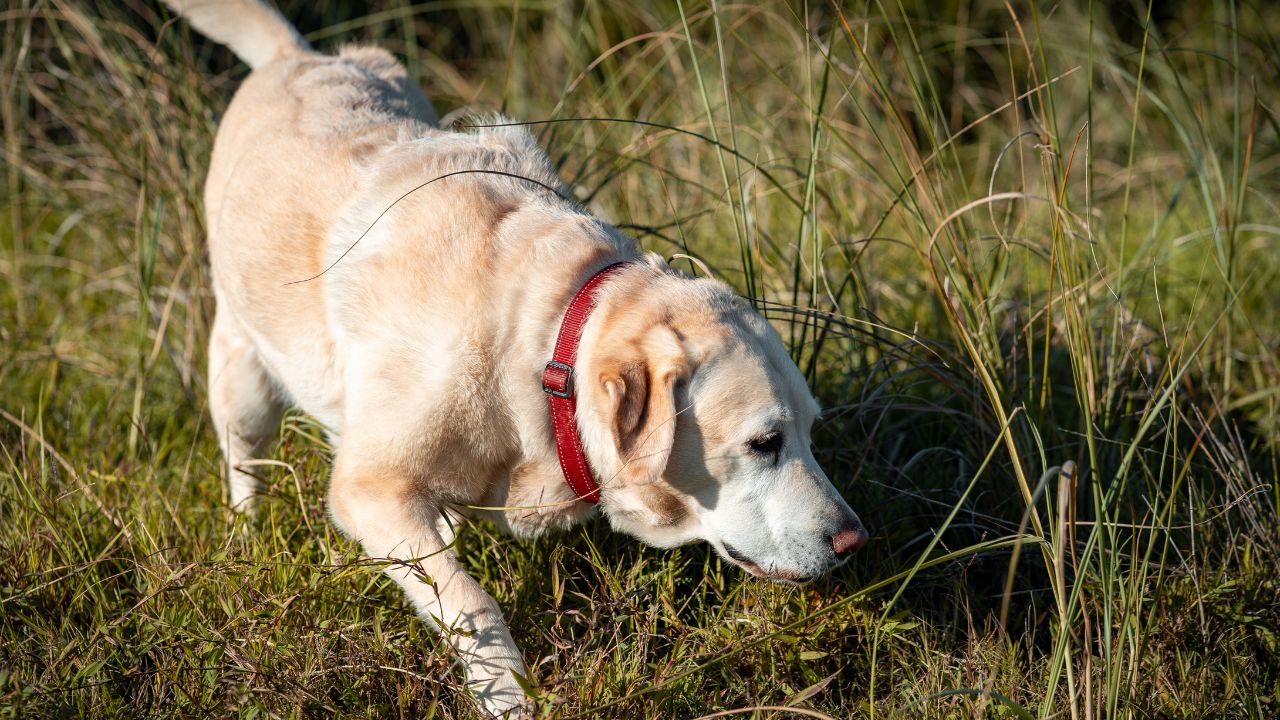
If you’ve hunted waterfowl long enough, you’ve seen a black Lab in the bottom of a jon boat that looks half asleep until the first volley. Then it’s all business—steady in the blind, honest in the water, and willing to make one more retrieve when everyone else is ready to pick up decoys. A good Lab marks birds well, takes direction without getting fried, and doesn’t act like it needs applause for doing the job.
They’re not all robots, though. Some are hard-charging and some are soft, and the difference shows up when you start handling at distance. The nice part is that there’s so much knowledge out there on training Labs that you’re not reinventing the wheel. Keep them fit, watch the weight, and don’t let bad habits slide early. They’ll carry a waterfowl program for a lifetime.
2. Golden Retriever
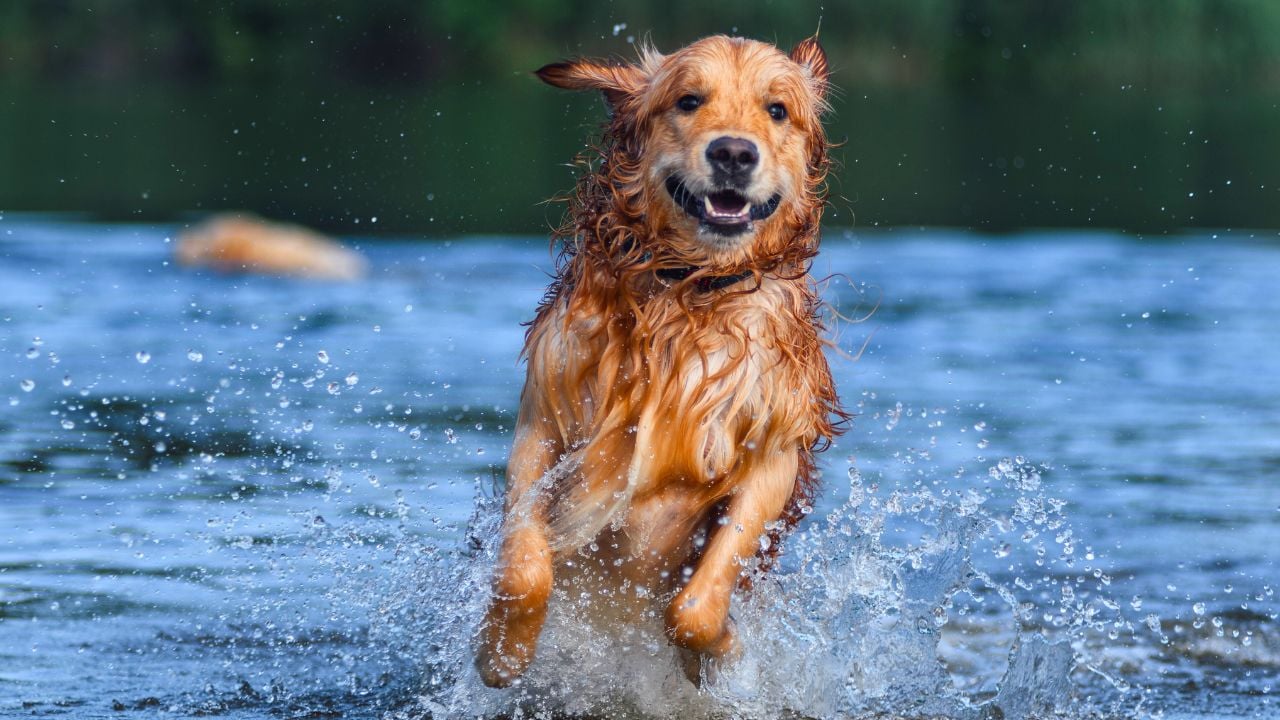
Goldens don’t get talked about like they used to in hunting circles, which is a shame. A well-bred Golden can be a calm, steady retriever that handles cold water and late-season conditions better than you’d expect from that fluffy coat. In the blind, they tend to be less “busy” than some high-octane dogs, and that matters when you’re trying to keep a low profile on pressured birds.
The knock is usually coat maintenance and burrs, and fair enough—if you hunt cattails and cockleburs, you’ll be combing more than your buddies. But if you want a dog that can live with the family, tolerate kids climbing on it, and still pick up ducks and geese cleanly, the Golden is still a serious option. You just have to be picky about breeding and not assume every pet Golden is a hunting dog.
3. Chesapeake Bay Retriever
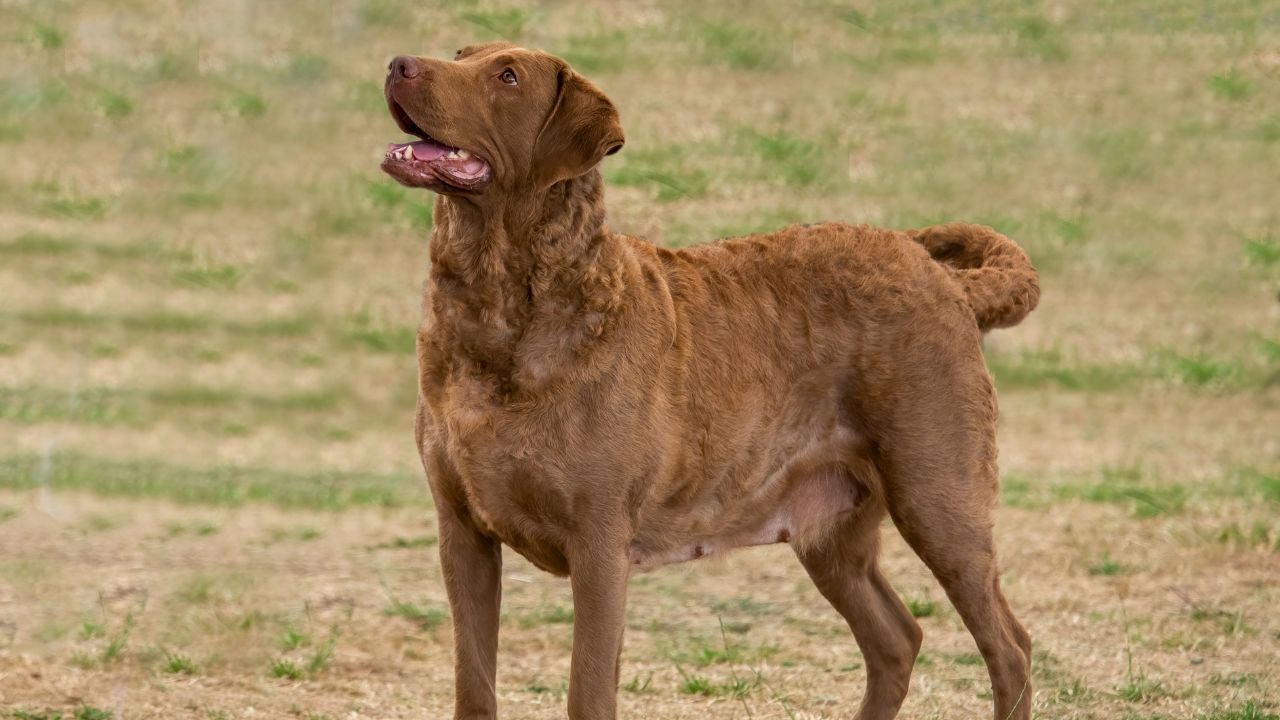
Chesapeakes have a reputation, and most of it is earned. They’re tough, independent enough to work ugly water, and they don’t fold when the weather turns into something you’d normally stay home in. A Chessie with good training is a wrecking ball in late season, the kind of dog that hits icy water like it owes it money.
The tradeoff is that you can’t phone in the leadership. If you’re inconsistent or you let the dog run the show, it will. They’re not always “everyone’s dog” around camp either, and some are one-person dogs by preference. Still, for a hunter who wants a cold-water specialist with grit, this breed has been proving itself for a long time.
4. German Shorthaired Pointer

A GSP is what you buy when you want to hunt a lot of ground and you don’t want a dog that needs constant encouragement. They cover country, point naturally when the genetics are right, and they can be trained to retrieve well enough for most upland work. If you hunt mixed terrain—fields, shelterbelts, prairie edges—this breed fits a lot of real-world situations.
The common mistake is letting that motor run without direction. A young Shorthair can turn a hunt into a cardio session if you don’t build recall and steadiness early. But if you put in the time, they become dependable partners that handle long days and multiple species. They’re not delicate dogs, and that’s kind of the point.
5. German Wirehaired Pointer
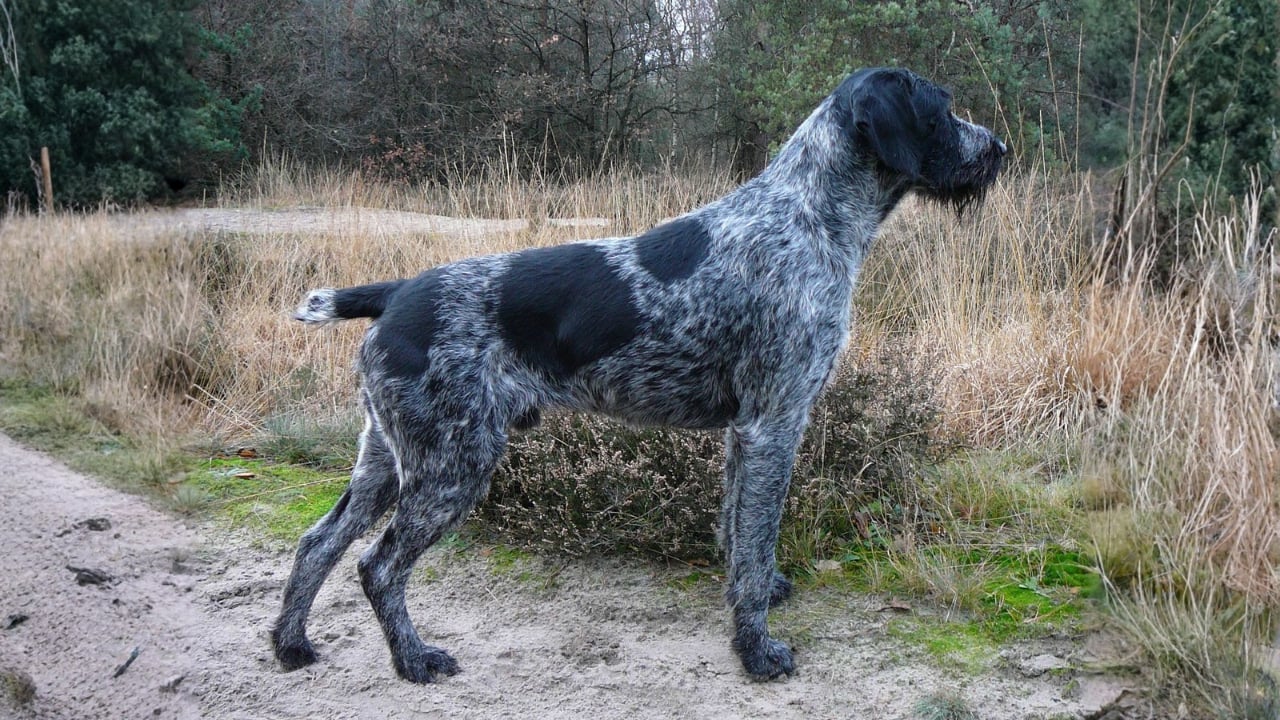
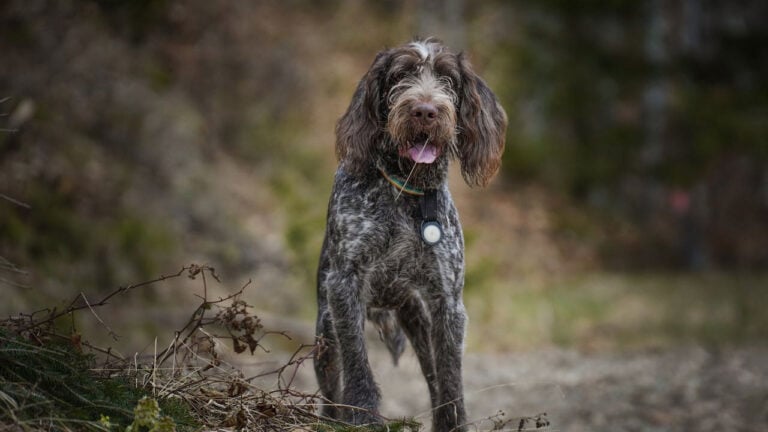
Wirehairs are the “work coat” version of a versatile pointer. That harsh coat and undercoat aren’t just for looks; they buy you time in cold wind, wet cover, and thorny stuff that turns softer-coated dogs into pin cushions. A good GWP will point, track, retrieve, and generally keep hunting when the conditions stop being fun.
They can be stubborn, and they’re not always as easygoing as a Lab around the house. But in the field, they’re built for the grind. If you’re the kind of hunter who goes out because it’s miserable and you know other folks won’t be there, a Wirehair makes a lot of sense. Keep the coat maintained, keep the expectations clear, and they’ll do their part.
6. English Springer Spaniel
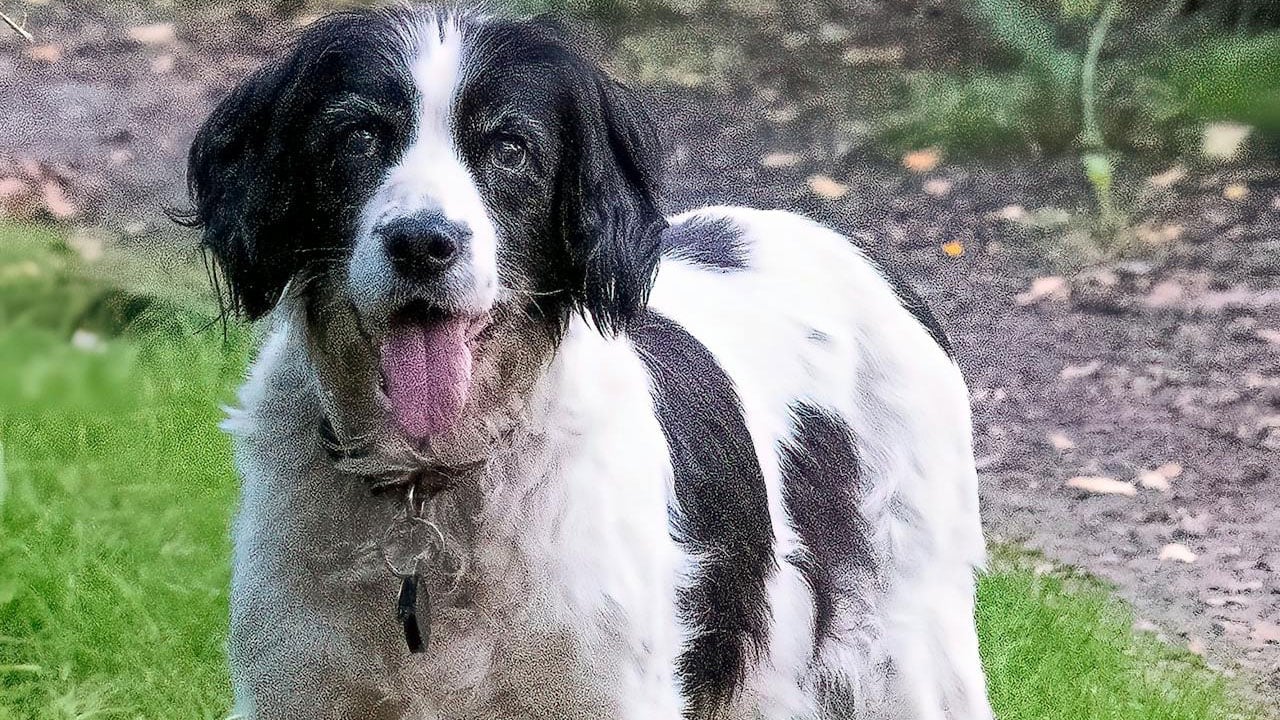
Springers are bird-finding machines in tight cover. If you hunt grouse woods, brushy draws, or nasty creek bottoms, a Springer gets into places you wouldn’t crawl into yourself. They work close, flush hard, and their enthusiasm is contagious on days when you need a little push.
They also tend to be excellent family dogs, which is why you see them split time between the couch and the cattails. The key is control—quartering too wide and breaking too far out will get you into trouble fast. But with steady training, a Springer keeps birds honest and keeps shots happening. There’s nothing fancy about it, and that is exactly why they still matter.
7. Boykin Spaniel
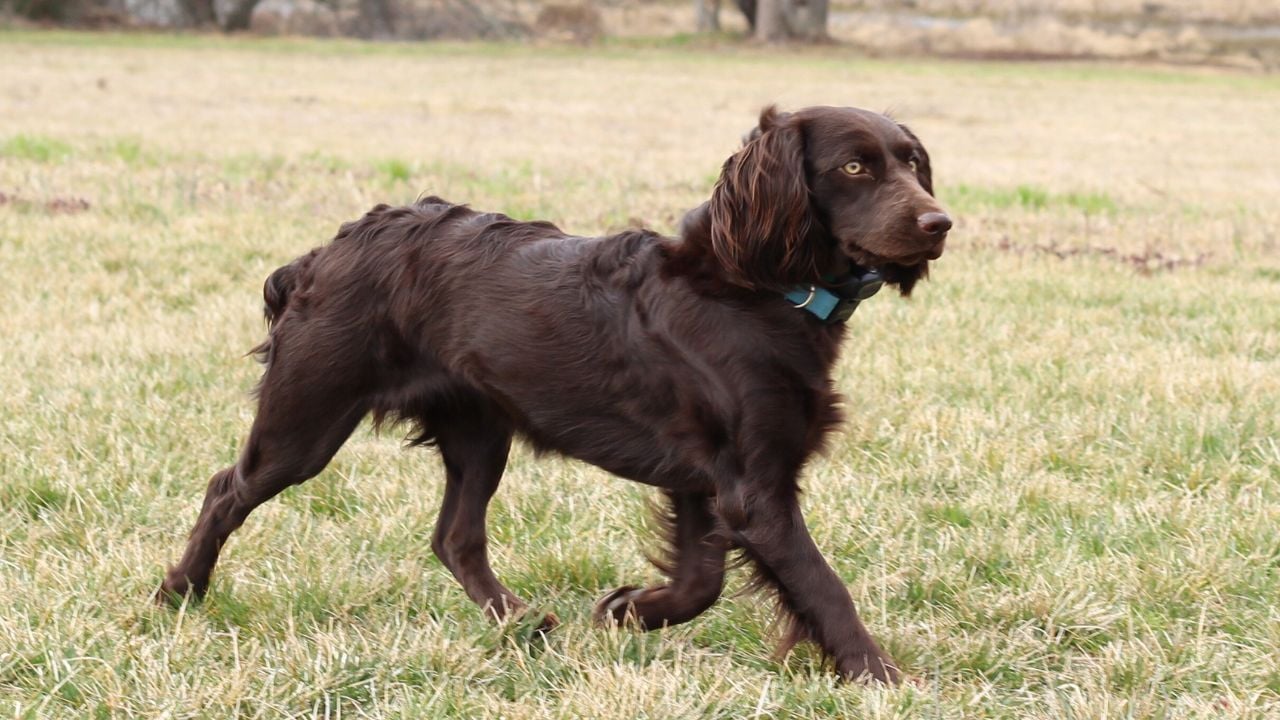
The Boykin is one of those breeds that quietly earned a permanent spot in the upland and waterfowl world. They’re compact, handy in a boat or a tight blind, and they tend to have a willing attitude that makes them pleasant to train. They’ll flush, retrieve, and hunt hard without needing to run a mile away to feel productive.
Where they shine is versatility for hunters who don’t want a kennel full of dogs. They can do doves, ducks, woodcock, and pheasants with the right exposure. You do have to keep an eye on conditioning; their size can fool you into thinking they don’t need as much work. But a fit Boykin with manners is a lot of dog in a manageable package.
8. American Water Spaniel

This is a breed that doesn’t get enough respect outside certain regions, but it’s tailor-made for hunters who work rivers, sloughs, and small water. They’re strong swimmers, reliable retrievers, and generally tough enough to handle cold and current without acting like they’re doing you a favor.
They’re also smaller than the big retriever breeds, which makes them easier to live with and easier to fit in a canoe or small boat. The coat can pick up burrs, and you’ll want to stay ahead of ear care if you hunt wet often. Still, if your hunting is more “backwater and beaver pond” than big open marsh, this dog belongs in the conversation.
9. Nova Scotia Duck Tolling Retriever
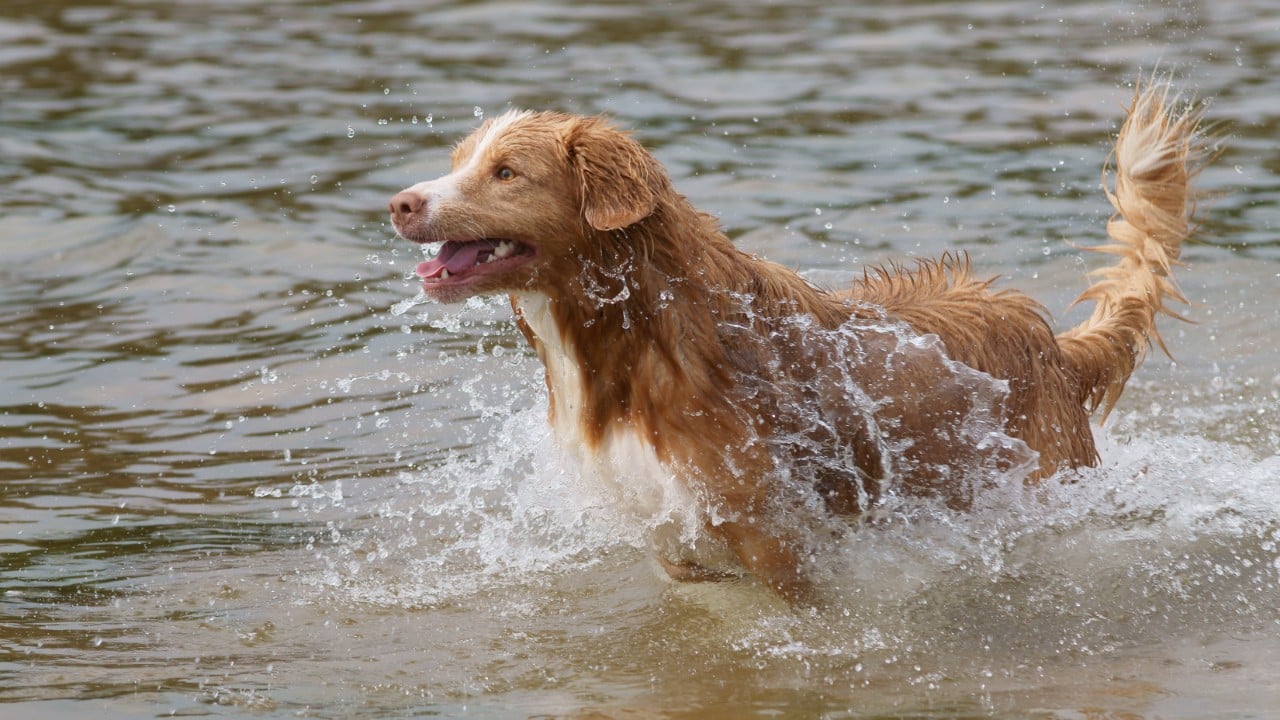
Tollers look like someone shrunk a retriever and added extra intensity. Done right, they’re sharp, athletic, and driven to retrieve. They can be a great fit for hunters who want a smaller dog that still hits water confidently and has enough engine for long days.
The caution is temperament and energy management. A bored Toller can become a problem in the house, and not every hunter wants to deal with a dog that is always “on.” But if you train consistently and you hunt enough to give them purpose, they deliver. They’re not a gimmick; they’re a real working retriever with a unique history that still shows up in the field.
10. English Setter
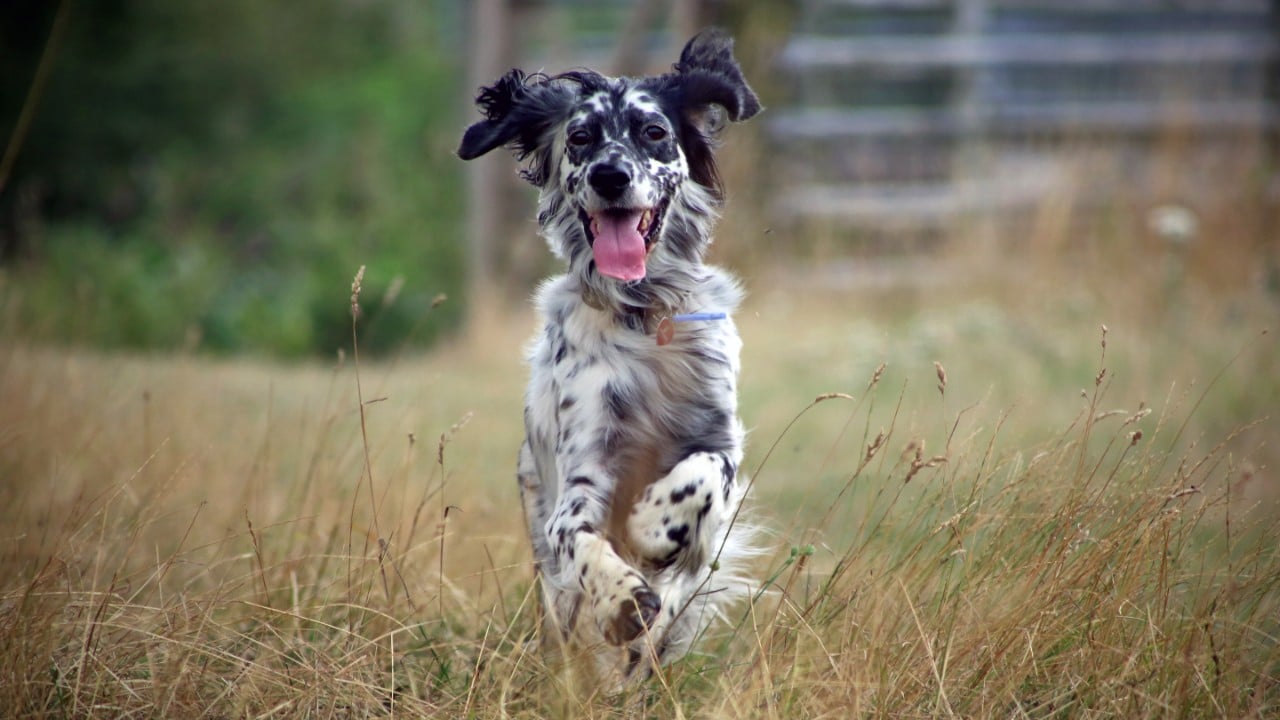
There’s a reason you still see Setter silhouettes on old sporting artwork. They are bird dogs in the classic sense—stylish, efficient, and often surprisingly tough when bred for hunting instead of ribbons. In big country, a good Setter will flow through cover, find birds, and hold point with the kind of patience that buys you time to get set up right.
They’re not always as “hard” as some pointer breeds in personality, which can be a plus if you train with a lighter hand. Coat care is real, and sticky seeds can be miserable, so your hunting terrain matters. But if your season includes quail, grouse, pheasant, or prairie birds, the Setter still does what it was built to do.
11. Irish Setter (field-bred)
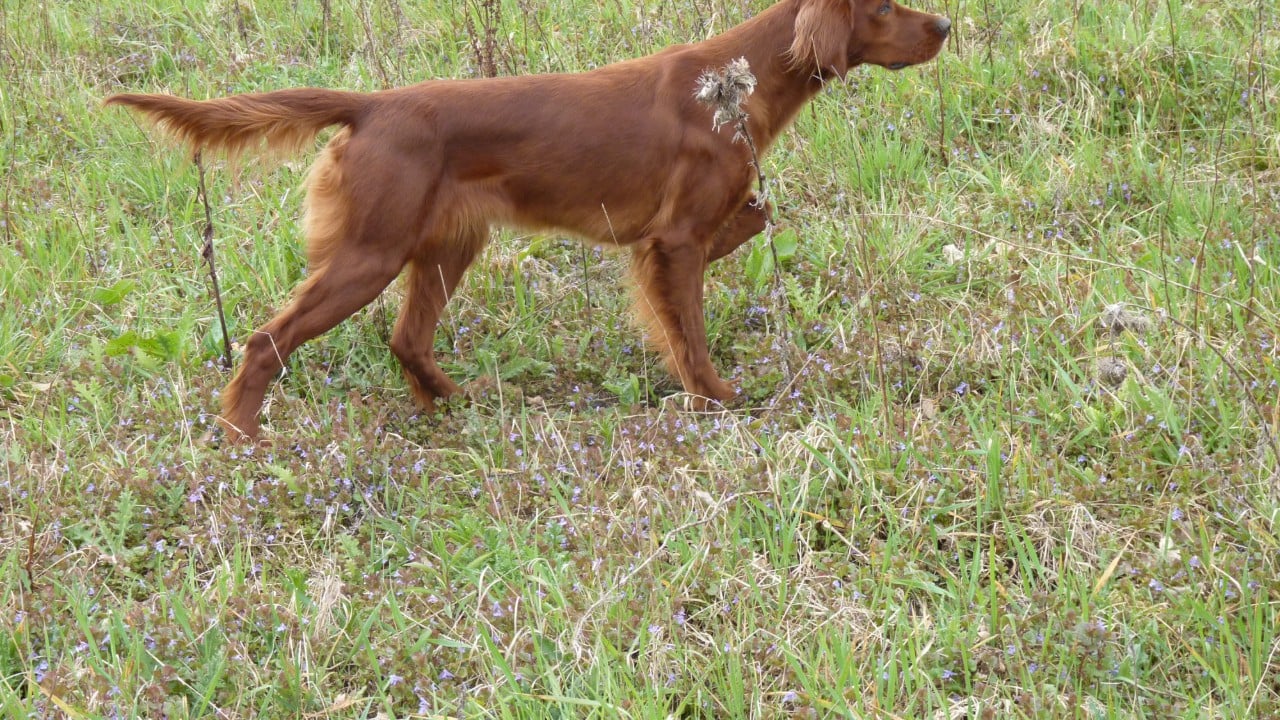
Field-bred Irish Setters are not the same thing as the pretty red dog your neighbor had growing up. The hunting lines are leaner, faster, and a whole lot more serious about birds. When you find the right breeder and the right pup, you get a dog that runs big, points with intensity, and covers ground like it’s paid by the acre.
They do best with hunters who actually hunt. If you only get out a couple weekends a year, that drive can turn into restlessness and bad habits. But if your idea of a good day is a long walk behind a dog and a couple honest flushes, they fit. The red coat looks great in the field, sure, but the real appeal is how they hunt when the birds are thin.
12. Brittany

Brittanys are about as practical as it gets for upland hunters who want a pointing dog that doesn’t need to run to the next county. They’re usually biddable, they hunt with purpose, and they handle mixed cover well. If you hunt smaller parcels, public land edges, or you just prefer closer working dogs, a Brittany makes a lot of sense.
They’re also easy to live with compared to some high-strung pointing breeds, but don’t confuse “easy” with “lazy.” A Brittany still needs birds, miles, and training reps to be good. Get one that’s birdy and you’ll have a dog that finds birds other dogs walk past. It’s a straightforward breed for straightforward hunting, and I mean that as a compliment.
13. Vizsla

Vizslas have gotten trendy, but the good ones are still legitimate hunting dogs. They’re athletic, fast, and often very people-focused, which can be a big advantage if you like a dog that checks in naturally. In upland settings they can be excellent pointers, and many will retrieve willingly with the right foundation.
The flip side of that “people dog” trait is that some can be sensitive. Heavy-handed training and inconsistent rules can create a mess. They also tend to have thinner coats, so cold, wet late-season hunts aren’t always their favorite unless you manage exposure and keep them moving. If your hunting is more early season birds and a lot of hiking, they’ll keep up and then some.
14. Weimaraner

Weims are big, fast, and sometimes a handful, which is why they get a mixed reputation. But a well-trained Weimaraner is a real-deal versatile hunting dog with the size to handle tough cover and the speed to run birds down in big country. They can point, track wounded game, and retrieve when you put the work in.
This isn’t a breed for a casual trainer. A bored Weim can be destructive, and an undertrained one can turn every hunt into chaos. But if you’re consistent and you give them a job, they settle into the work. For hunters who like a larger framed pointing dog and don’t mind putting in the time, they still absolutely earn their keep.
15. American Foxhound
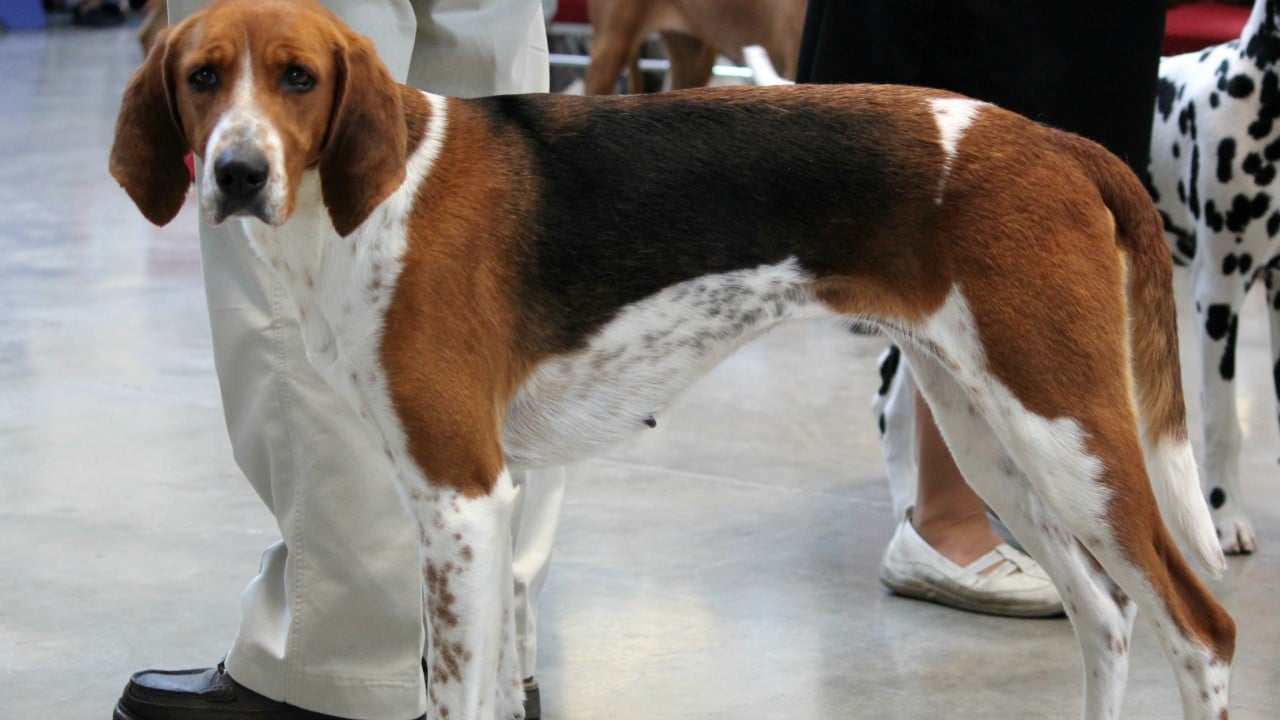
Foxhounds are purpose-built for running game, and they haven’t forgotten it. In places where hound hunting is part of the local culture, these dogs can still move a track and keep pressure on game for hours. They’re not delicate, and they don’t need perfect conditions to work.
What turns some folks off is independence and voice. They’re not quiet, and they weren’t bred to heel politely around the truck while you talk. They want to hunt, period. Handling, boundaries, and safe running practices matter a lot with hounds, especially around roads and property lines. But in the right environment with responsible owners, they’re still a working solution, not a relic.
16. Treeing Walker Coonhound
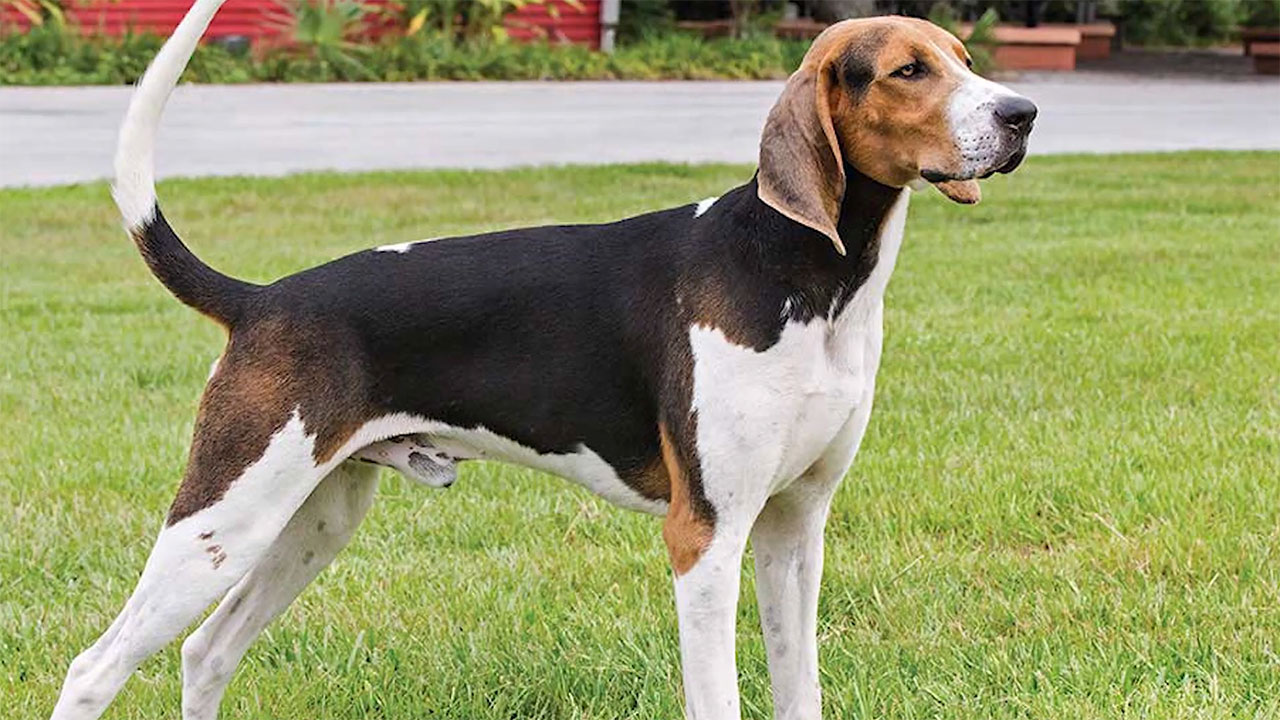
If you’ve ever followed a Walker on a hot track, you know the appeal: speed, nose, and a clear changeover when the game goes up. For coon, and in some areas other legal quarry where hounds are used, they’re hard to beat when you want a dog that will go hunting even when your legs are done.
They can be too much dog for someone who thinks “a little nightly walk” is enough. They need space, structure, and a handler who understands what that mouth is saying in the dark. Kennel management matters too; a bored hound will find ways to entertain itself, and you won’t like the results. But for a hunter who lives that lifestyle, Walkers still put fur in the truck.
17. Beagle

A good Beagle is still one of the best tools ever made for rabbits. They fit in small spaces, they don’t eat like a horse, and they can run a track in conditions that make you wonder if there’s even scent on the ground. They’re also a blast with kids and new hunters because you can actually see what’s happening most of the time.
The downside is that they can be stubborn and selective about listening once their nose is on. That is not a character flaw; it’s literally what they were bred for. Solid recall training and smart hunting locations go a long way. If you want a low-cost, high-fun way to keep hunting tradition alive, a Beagle pack on a frosty morning still feels like the real thing.
18. Mountain Cur
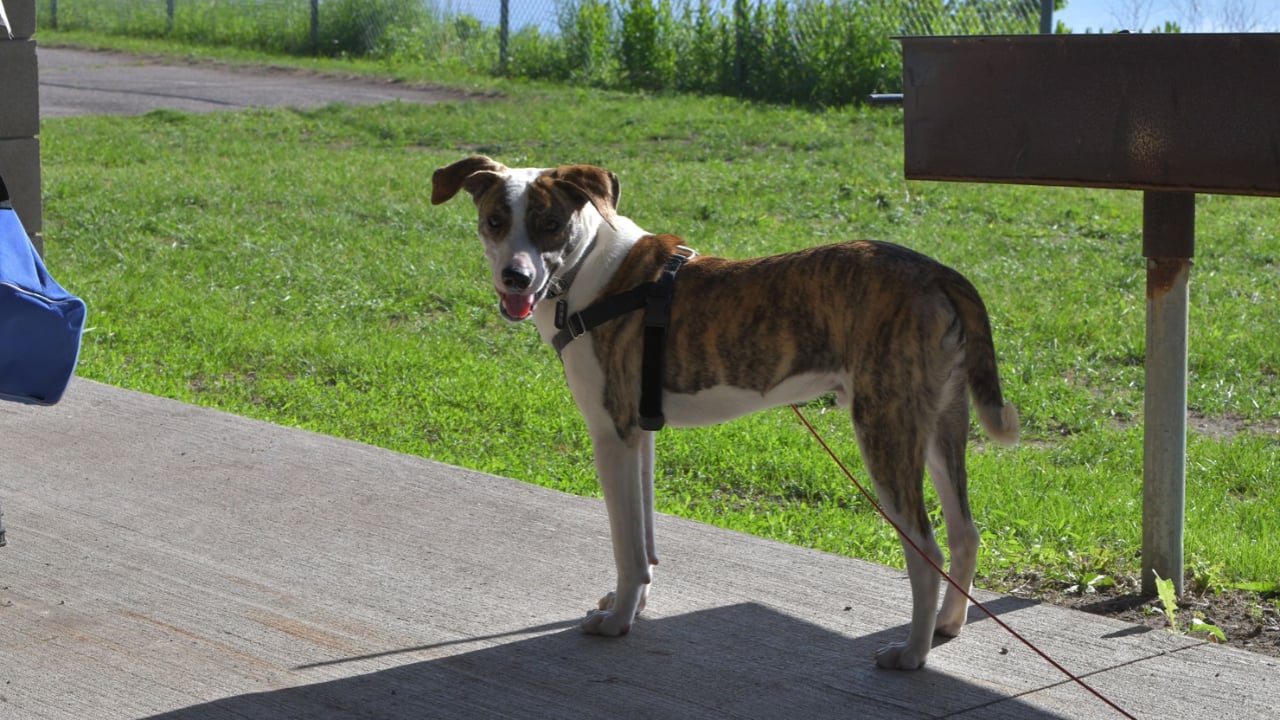
Curs don’t always get listed with the more “formal” sporting breeds, but anyone who has hunted squirrels behind a good Cur knows what they are. They hunt close enough to work with you, range out when needed, and they’re smart in a way that feels more like a partner than a programmed tool.
They’re also versatile around a farm or rural property. Many will tree, bay, track, and serve as a solid watchdog without being uselessly aggressive. The drawback is variability—“Cur” can cover a wide range of breeding goals, so you need to know what line you’re buying from and what work it has actually done. When it clicks, though, they can make a slow woods sit turn into a real hunt.
19. Catahoula Leopard Dog

Catahoulas are working dogs, full stop. In hog country, they’ve built a reputation for grit, stamina, and the kind of problem-solving that makes them valuable when things get rough. They can range, locate, and handle pressure better than many people expect the first time they see one work.
They’re not beginner-friendly. A Catahoula without leadership can become pushy, and they usually don’t tolerate nonsense from other dogs the way a laid-back retriever might. They also need real exercise and mental work, not just backyard time. But if you’re in a place where bay dogs are part of the hunting picture, and you want a dog that was bred for it, this breed still earns its reputation the honest way.
20. Deutsch Drahthaar
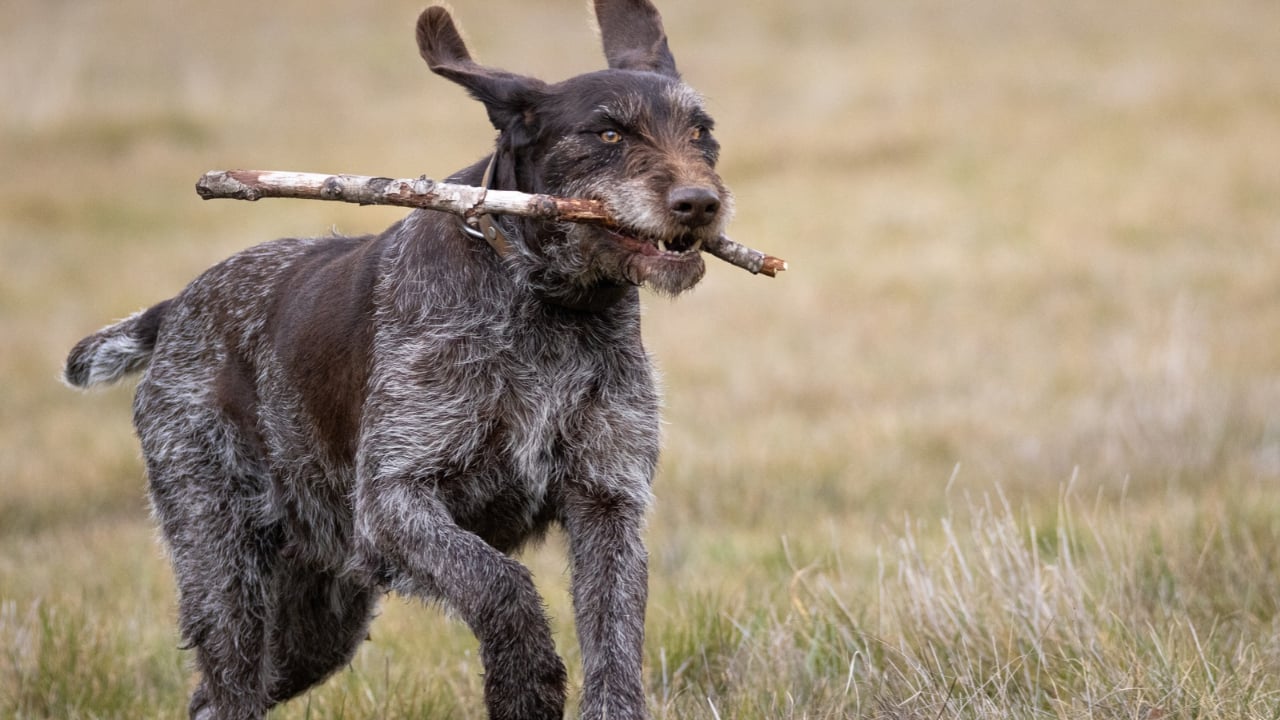
The Drahthaar is often lumped in with German Wirehaired Pointers, but the big difference is the breeding system and the expectations behind it. These dogs are usually selected for all-around hunting performance—pointing, tracking, retrieving, water work, and steadiness. When you end up with a good one, it feels like cheating because it can slot into so many seasons without falling apart.
They can be intense, and you need to be honest about whether you want that level of drive in your life. Training is not optional, and neither is consistent hunting time. But if you’re the hunter who runs birds in the fall, chases ducks when the weather turns, and wants a dog that can track a wounded deer where legal, the Drahthaar remains one of the most useful “one dog” answers out there.
Every one of these breeds has a learning curve, and none of them replace time in the field. The biggest difference-maker isn’t a trendy name or a flashy pedigree; it’s whether the dog is bred for hunting, trained with consistency, and hunted enough to stay sharp. Pick the kind of dog that matches the way you actually hunt, not the way you talk about hunting in July. Do that, and you’ll end up with a partner that still works when it counts.
Like The Avid Outdoorsman’s content? Subscribe to our newsletter so you never miss an article.
Here’s more from us: