Photo credit: Theavidoutdoorsman.com
He did what most of us would do after finally locking down a decent piece of ground for the season: he drove straight out, walked the boundaries, and started hanging stands. A couple ladder stands went up overlooking oak flats, and a hang-on got tucked into a pinch point where two ridges funneled down into a creek crossing. It felt like progress—until the phone rang that evening.
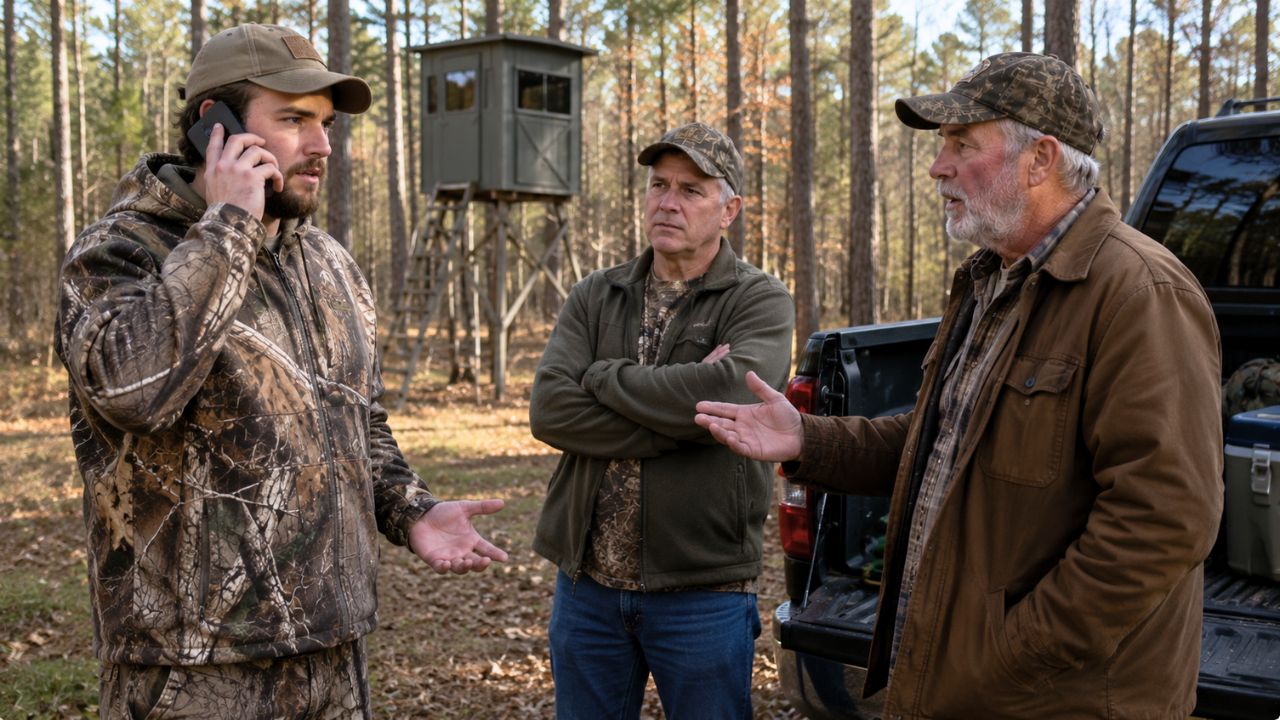
The man on the other end was the same landowner who’d taken the money and handed over permission. Only now, the tone had changed. The landowner said there was a problem with the “lease,” and then dropped the bomb: he’d also sold access to two other hunters.
The “day one” setup turned into a boundary nightmare
Most hunting leases don’t go sideways because of deer or bad weather. They go sideways because of people—miscommunication, vague agreements, and assumptions that don’t hold up when someone else’s truck shows up at the gate.
By the next morning, the new leaseholder was already seeing signs the woods weren’t as empty as he thought. Fresh boot tracks on a two-track, a new ribbon tied to a branch, and a spot where a trail camera had clearly been strapped on and then moved. That’s when “shared access” stops being a concept and turns into a safety issue.
When multiple parties believe they have exclusive permission, it’s not just awkward—it’s dangerous. You don’t want three different guys hanging sets on the same travel corridor and none of them knowing the others are there when the shooting light hits.
How this happens more often than hunters want to admit
Plenty of landowners are good folks, but not all of them understand how hunters hear the word “lease.” In a lot of rural areas, “leasing” gets used loosely, like it just means “I’m letting you hunt if you pay me.”
The problem is that hunters usually hear “lease” as exclusive access, or at least controlled access with clear rules. If the landowner never put exclusivity in writing—or never intended it—he might think he did nothing wrong. The hunter who paid first sees it differently, especially after spending a day hanging stands and trimming lanes.
Then there’s the uglier version: someone takes money from multiple parties on purpose because it’s easy cash, and he assumes the hunters will sort it out or just walk away. Either way, the end result is the same—guys in the same woods with different expectations and no clear chain of command.
The call that changed everything: “You need to work it out”
Once the landowner admitted other hunters had paid too, the discussion usually turns into one of three lines: he offers a partial refund, he suggests splitting the parcel, or he tells everyone to “work it out like adults.” That last one sounds nice until you realize adults with rifles don’t need to be improvising rules in the timber.
In this case, the new leaseholder pushed for the simplest fix: make it right by honoring the first agreement and refunding the others. The landowner didn’t want to do that. He didn’t want to lose money, and he didn’t want to be the bad guy who cancels plans.
That’s when the hunter had to decide what mattered most—getting his cash back, keeping access even if it’s shared, or taking the harder road and forcing the issue through paperwork and enforcement.
Safety and liability became the real issue, not the deer
A lot of hunters can tolerate crowding. Public land guys deal with it all the time. But crowding is different when you believed you paid for controlled access and you’ve already put stands in strategic spots.
The first concern is simple: unknown hunter locations. If you don’t know where the other two parties are parking, walking in, or setting up, you can’t plan safe shooting lanes or avoid crossing paths in the dark. Even bowhunting can turn into a mess fast when people start still-hunting through areas you’re watching.
The second concern is property damage and theft. In a “who owns the spot” dispute, stands get moved, cameras disappear, and coolers and ladders sprout legs. Even if nobody means to steal, gear gets “claimed” when tempers flare and nobody trusts anyone.
The third concern is the landowner’s liability. If there’s an accident—someone falls from a stand, gets shot at, or has a confrontation—the landowner’s name is the one attached to that parcel. That alone should motivate a smart landowner to keep agreements clean and in writing.
What seasoned hunters and land managers kept hammering on
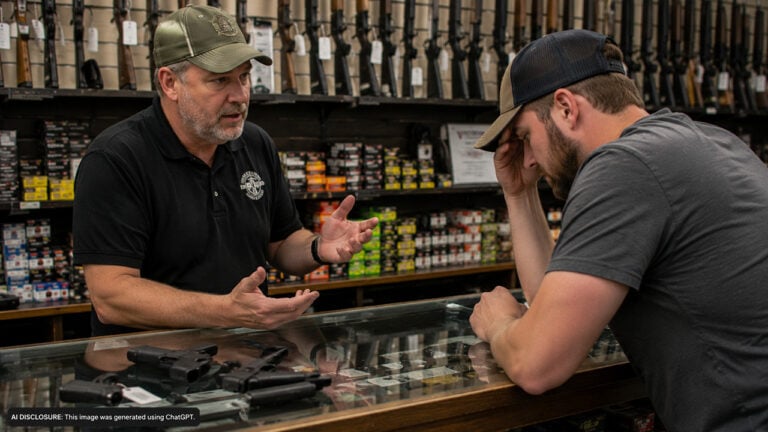
When stories like this get passed around at the feed store or the gun counter, the advice is usually blunt: paperwork or it didn’t happen. The hunters who’ve leased ground for years tend to do a few things every single time, because they’ve already watched a handshake deal blow up.
First, they want a written lease that clearly states whether access is exclusive, what dates it covers, and what methods are allowed. Second, they want a map—something printed or drawn—showing the parcel boundaries and any “no go” zones like houses, barns, and neighboring lines. Third, they document payment. A check memo line or an electronic receipt can save you when a story changes.
Another point that gets brought up is involving the right authority. Game wardens and conservation officers aren’t there to settle civil contract disputes, but they can address trespass if you can prove you have permission and someone else doesn’t. The sheriff’s office may get involved if there are threats, theft, or a confrontation. Most folks agreed on one thing: don’t try to “enforce” your lease with attitude in the woods.
And finally, the experienced crowd tends to advise pulling your gear until it’s resolved. Leaving stands up while three parties argue is a good way to lose stands.
The practical options when a lease gets double-sold
In a mess like this, the best moves are the ones that reduce risk first and sort out money second. That usually starts with a calm, documented conversation with the landowner—text or email works because it creates a record. The goal is to get clarity: is the agreement exclusive, and if so, who has it?
If the landowner won’t honor what was promised, a refund is the cleanest off-ramp. A hunter can ask for full reimbursement and a short deadline to make it happen. If the landowner refuses, the next steps depend on the dollars involved and what was actually agreed to—small claims court is where many of these end up because it’s built for exactly this kind of dispute.
Some hunters will choose to share the property if the parcel is big enough and the other hunters are reasonable. But that’s not something you stumble into on opening week. If it’s going to work, it needs rules: designated parking, stand locations, weapon types by season, and a hard understanding about guests. Without structure, it’s just three separate plans colliding.
In the meantime, the smartest play is to treat the place like it’s compromised: no solo confrontations, no assumptions about who’s in the woods, and no walking into a setup without daylight and awareness. The deer aren’t worth a fight, and they’re definitely not worth a preventable accident.
Hunting access is getting harder to find, and that’s why this stings. But the takeaway is simple: a lease is only as solid as the words on paper. If a landowner can sell the same ground twice, he can do it a third time—and the guy who’s safest and most prepared is the one who keeps it documented, keeps it calm, and is willing to walk away before it turns into something bigger than a deer season.
Like The Avid Outdoorsman’s content? Be sure to follow us.
Here’s more from us: