Photo credit: Archetype of Man/YouTube
Some guns are easy to like before you shoot them. They look sharp in the case, have the right features, carry a familiar brand name, or sound like they solve a problem other guns missed. The sales pitch works because everything seems to make sense on paper.
Then range day gets honest. The recoil feels worse than expected, the trigger is harder to manage, the gun is picky with ammo, or the accuracy does not match the confidence you had at the counter. These firearms may still have defenders, but plenty of owners found out quickly that looking good and shooting well are not always the same thing.
Springfield Armory XD-S Mod.2 .45

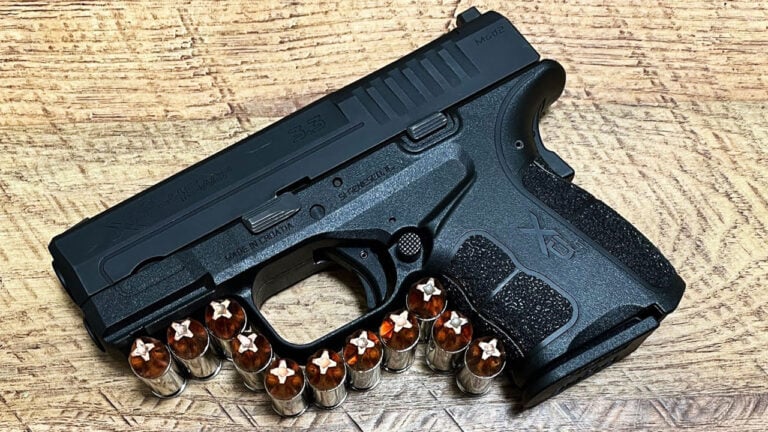
The XD-S Mod.2 .45 looked like a strong idea for buyers who wanted serious big-bore power in a slim carry pistol. It had familiar Springfield controls, a compact profile, and enough grip texture to suggest it would be manageable.
Range day could tell a different story. A small, light .45 ACP pistol is not usually fun to shoot for long, and the XD-S Mod.2 .45 reminded some owners of that quickly. The recoil, limited capacity, and practice demands made cheaper and softer-shooting 9mms look smarter. It looked capable in the case, but it did not always make owners want to train with it.
Mossberg Patriot Night Train II
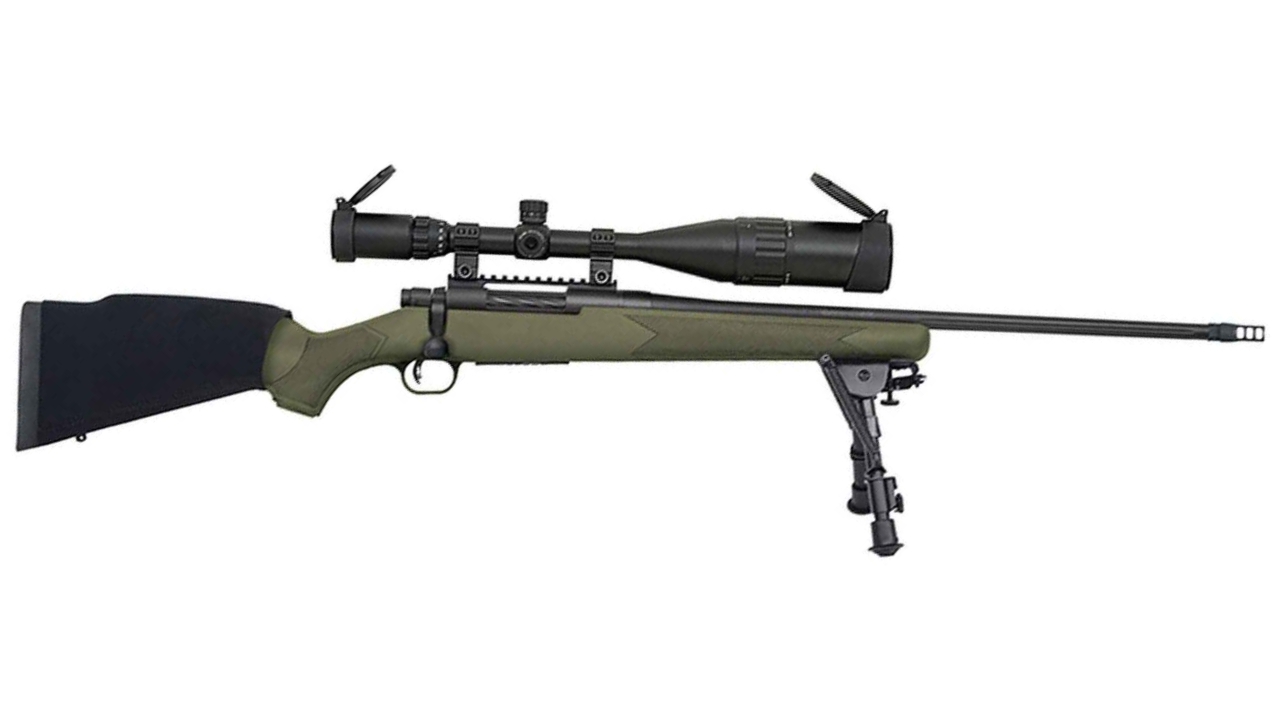
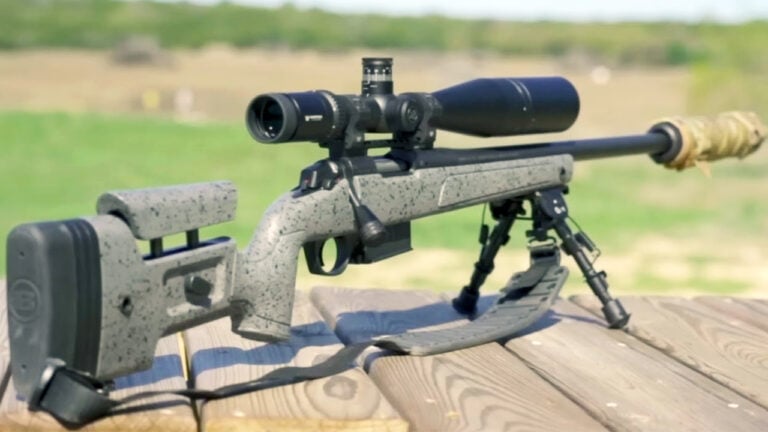
The Mossberg Patriot Night Train II looked ready for distance right out of the box. The scope, bipod, muzzle brake, fluted barrel, and tactical styling made it seem like an easy shortcut into longer-range shooting.
That first range trip often lowered expectations. Package rifles can look more complete than they really are, especially when the accessories are not what serious shooters would choose separately. Some owners found themselves chasing groups, replacing glass, or realizing the rifle looked more precise than it felt. It was not useless, but it showed how dangerous “range-ready” marketing can be.
Kimber Micro 9 Rapide

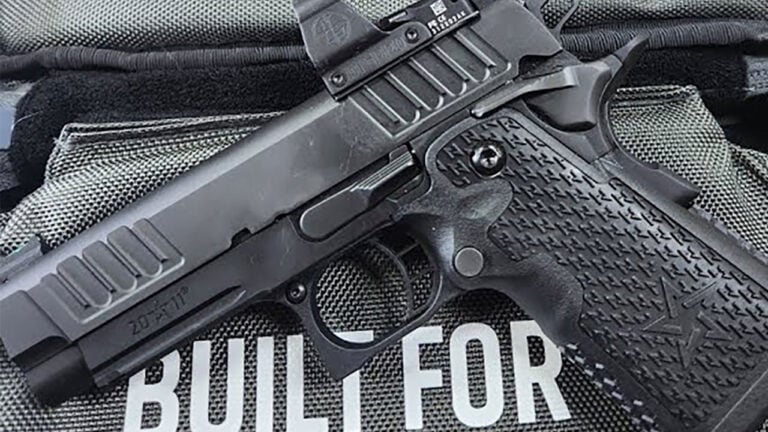
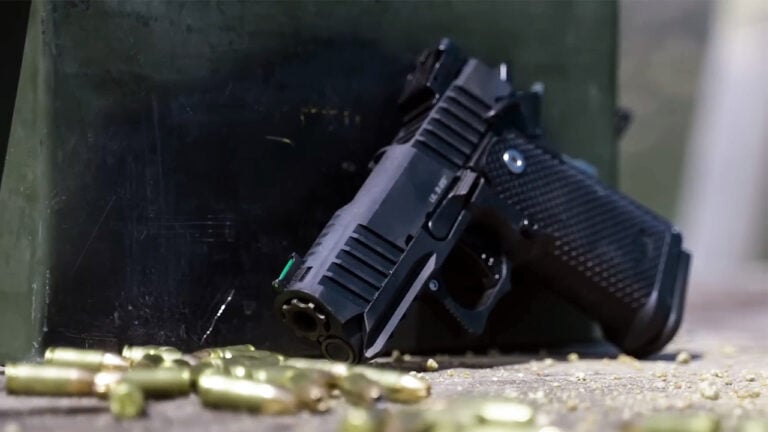
The Kimber Micro 9 Rapide had the kind of visual appeal that sells pistols fast. The slide cuts, finish, sights, and small 1911-style controls gave it a premium look before a single round was fired.
The issue is that a tiny 9mm still has tiny 9mm problems. The grip is short, recoil is sharp, and the controls require more attention than many casual carriers expect. Some owners liked the styling more than the shooting. Once the novelty wore off, simpler micro-compacts with more capacity and easier handling often made the flashy Kimber feel like the wrong upgrade.
Ruger Wrangler Birdshead
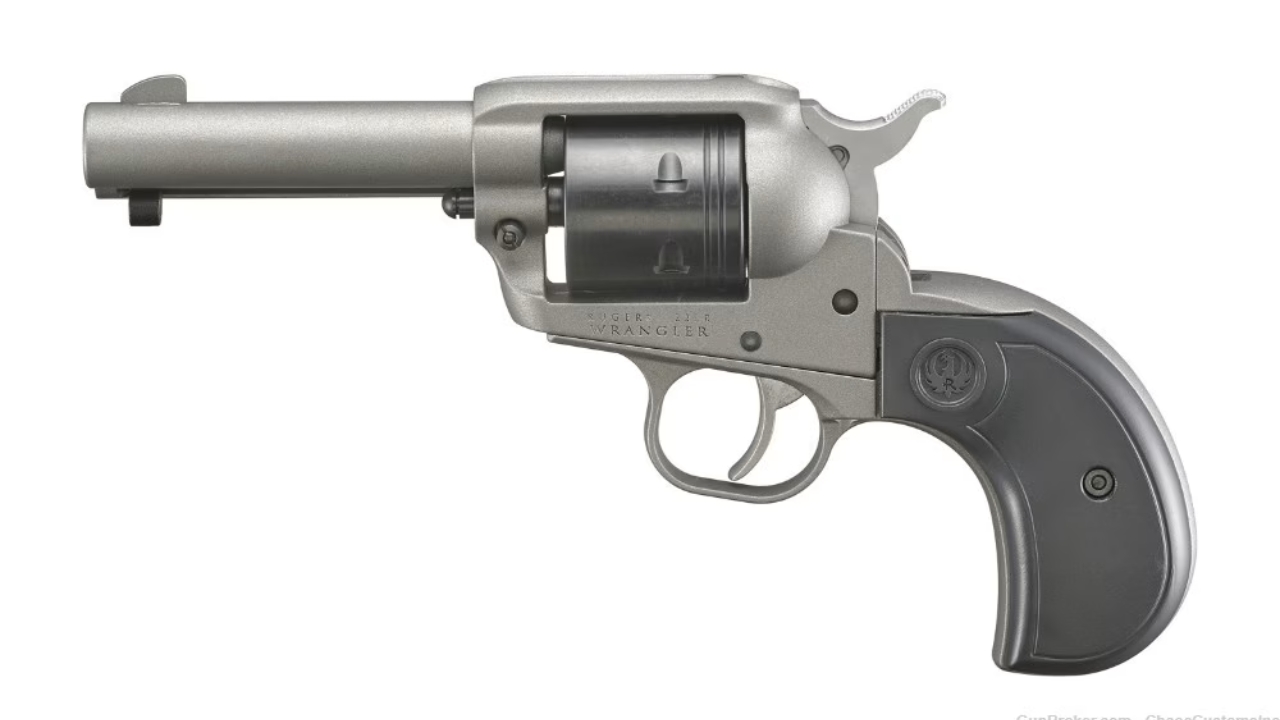
The Ruger Wrangler Birdshead looked like an easy win for anyone who wanted a cheap, fun, compact single-action .22. The Birdshead grip gave it a neat old-school look, and the price made it easy to buy on impulse.
Then some shooters found the grip less practical than expected. It looks cool, but it can feel small and awkward depending on the hand. The sights are basic, the finish is utilitarian, and accuracy expectations need to stay realistic. It is still fun, but range day can remind buyers that the standard Wrangler or Super Wrangler may be easier to shoot well.
KelTec CP33
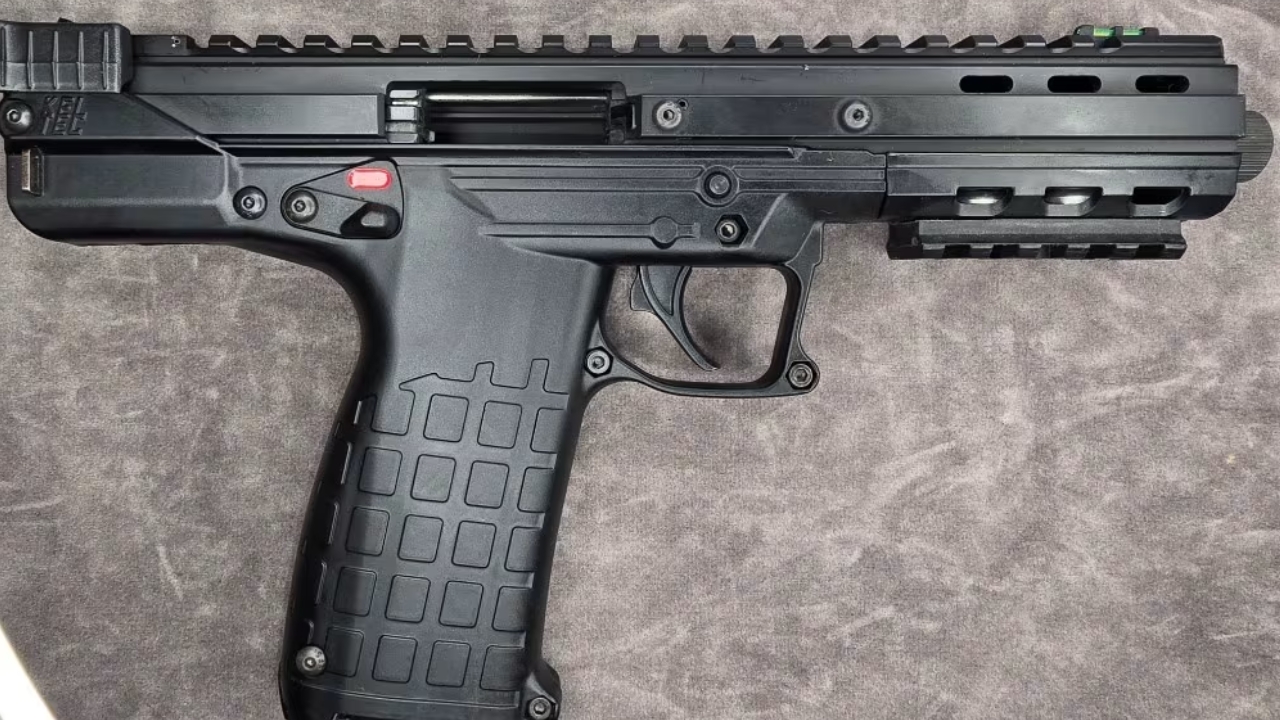
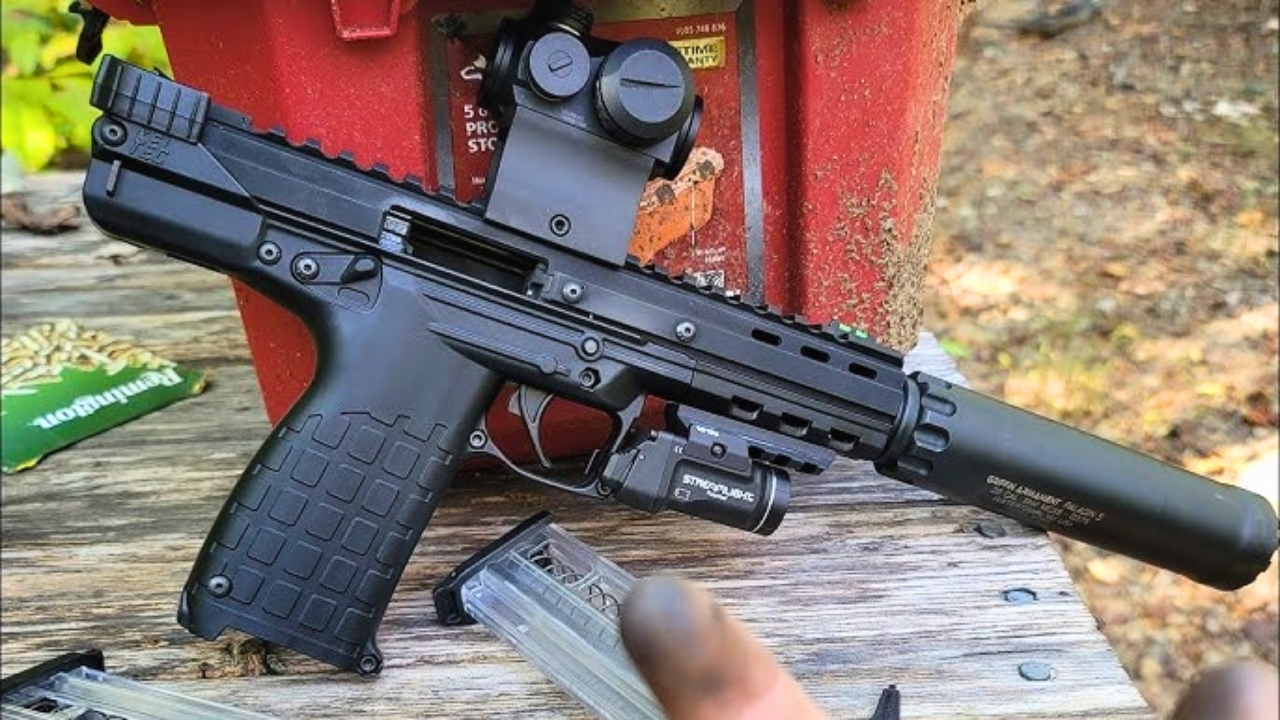
The KelTec CP33 looked wild in the best way. Thirty-three rounds of .22 LR, futuristic styling, and a long sight radius made it seem like one of the most fun rimfire pistols on the shelf.
Range day could be great, but it could also be frustrating. The magazines require careful loading, ammo choice matters, and rimfire reliability can turn a fun idea into a troubleshooting session. When it runs, it is a blast. When it does not, owners quickly remember that huge capacity is only impressive if the gun feeds smoothly.
Savage A17
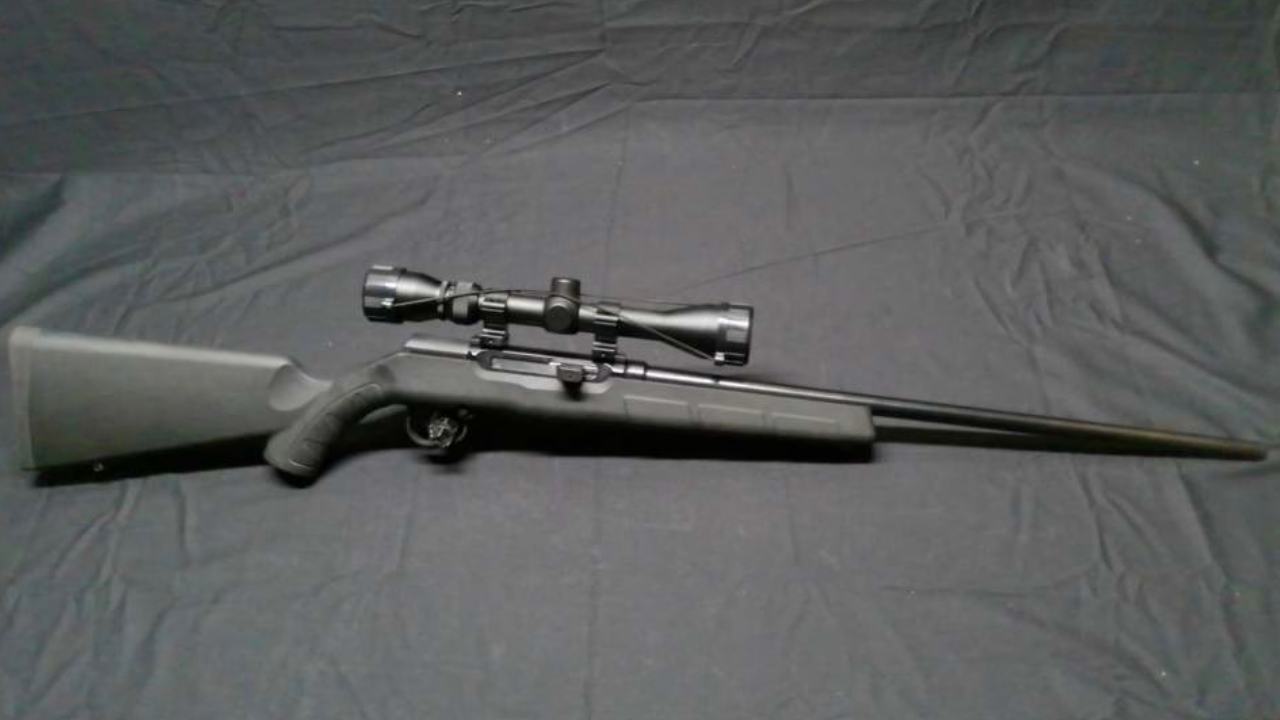
The Savage A17 looked like the semi-auto .17 HMR rifle rimfire shooters had been waiting for. The cartridge is flat-shooting, fast, and excellent for small game and varmints, so a reliable semi-auto platform sounded perfect.
Some owners found the experience less smooth than expected. Semi-auto .17 HMR rifles have a harder job than basic .22 LR guns, and the A17 can be ammunition-sensitive or maintenance-sensitive for some users. It may shoot well when dialed in, but buyers expecting effortless rimfire fun sometimes discovered it took more attention than they planned.
Beretta 92X Performance Carry Optic
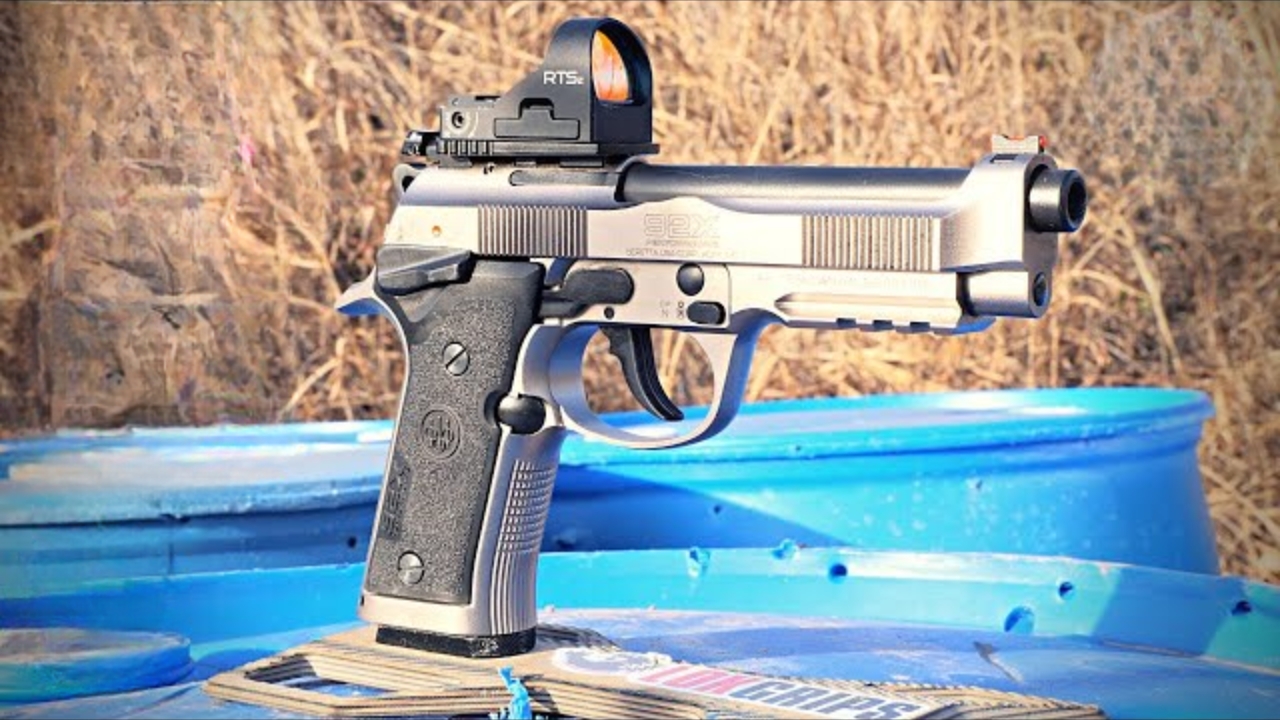
The Beretta 92X Performance Carry Optic looked like a dream for shooters who love the 92 platform. Heavy steel frame, optic-ready setup, great looks, and competition-focused features made it seem like a pistol that should shoot itself.
It shoots well, but it can still make some owners question the purchase after range day. The size, weight, price, and competition-specific feel mean it is not a casual all-purpose pistol. If a shooter expected it to make them dramatically faster without real practice, disappointment came fast. The gun is capable, but it also makes clear that expensive hardware does not replace skill.
Taurus Raging Hunter

The Taurus Raging Hunter looks impressive immediately. Big barrel, heavy frame, aggressive styling, and serious chamberings make it feel like a hunting revolver built to dominate the range.
Actually shooting one can be less romantic. It is large, heavy, loud, and still demanding with hard-kicking loads. Some owners also expect premium refinement because the gun looks so serious, then find the trigger and finish do not match higher-dollar revolvers. It can serve a real role, but range day reminds buyers that big revolvers are not bought on looks alone.
Rossi RS22
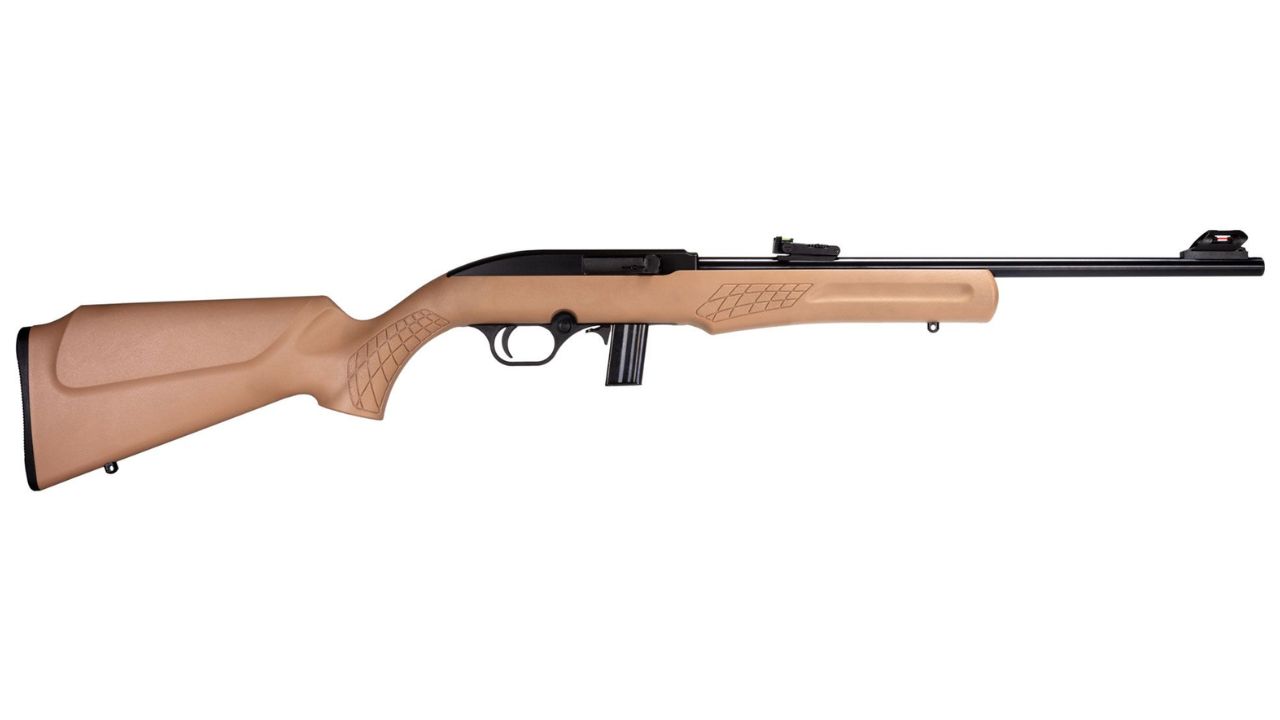
The Rossi RS22 looked like a simple bargain for anyone wanting a semi-auto .22 rifle. It was light, inexpensive, and easy to imagine as a plinker, farm gun, or first rifle.
The problem is that bargain rimfires live and die by feel and reliability. Some owners get useful rifles for very little money, while others find the stock, trigger, magazines, or consistency less satisfying than they hoped. It can be a smart cheap buy, but range day often explains why some shooters spend more on a rimfire they plan to keep for decades.
FN 503

The FN 503 looked like a more serious version of FN’s slim carry pistol. The threaded barrel, upgraded sights, and tactical styling made it seem like a compact pistol with extra capability.
Once shot, some owners found themselves asking what role it really filled. It was still a low-capacity single-stack in a world full of higher-capacity micro-compacts, and the threaded barrel added length without making the pistol easier to carry. It looked more capable than the standard version, but range day did not always prove it was more useful.
Winchester Wildcat Sporter
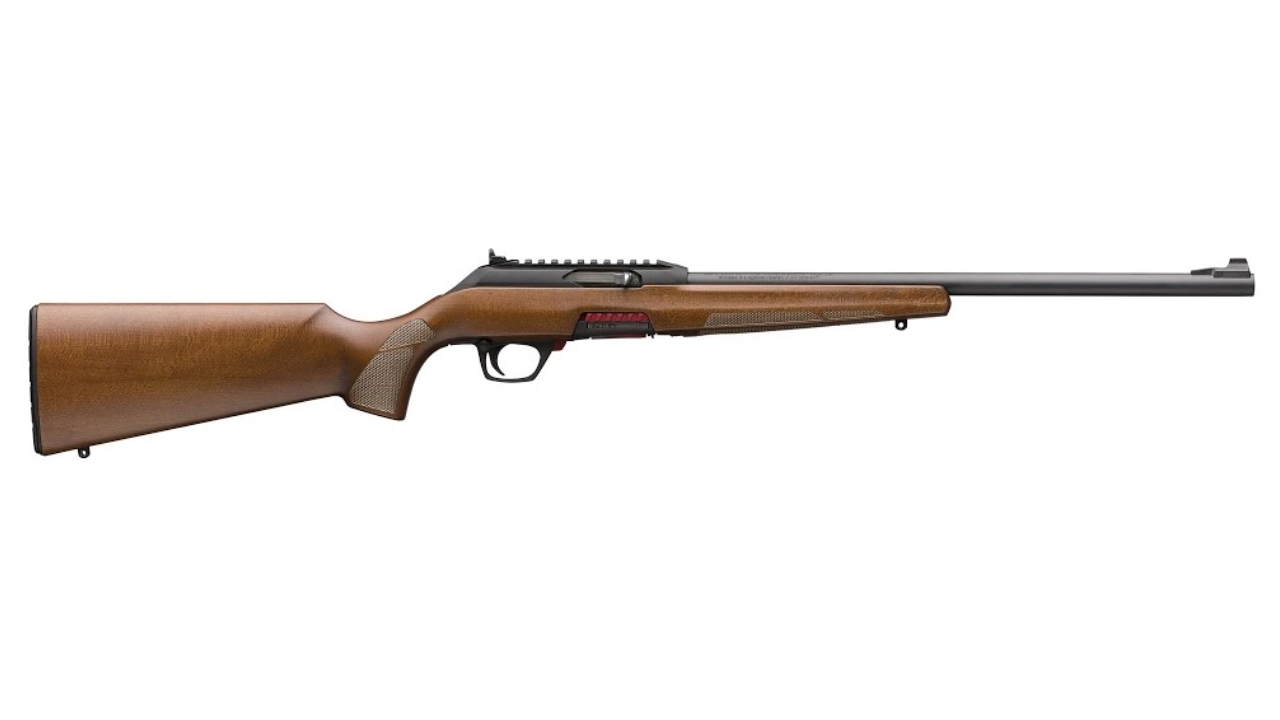
The Winchester Wildcat Sporter looked like a clever rimfire rifle with useful takedown features and a traditional stock style. It seemed like a good blend of modern maintenance and classic handling.
Some shooters came away wanting more substance. The rifle is light and handy, but that can also make it feel less solid than older rimfires. The trigger and overall feel may not satisfy buyers who expected a serious small-game rifle instead of a casual plinker. It has good ideas, but range day can make the older wood-and-steel .22s look better.
Smith & Wesson M&P12

The M&P12 looked like a futuristic shotgun answer from a major company. Dual magazine tubes, bullpup length, high capacity, and pump-action reliability sounded like a lot of firepower in a compact package.
Then owners had to actually run it. Bullpup shotguns can feel awkward, loading takes practice, and the controls are not as natural as a conventional pump. The gun is interesting, but range day can expose how much training it takes to run smoothly. Some buyers realized a normal 590, 870, or 1301-style shotgun was easier to trust.
CZ Scorpion 3 Plus Micro
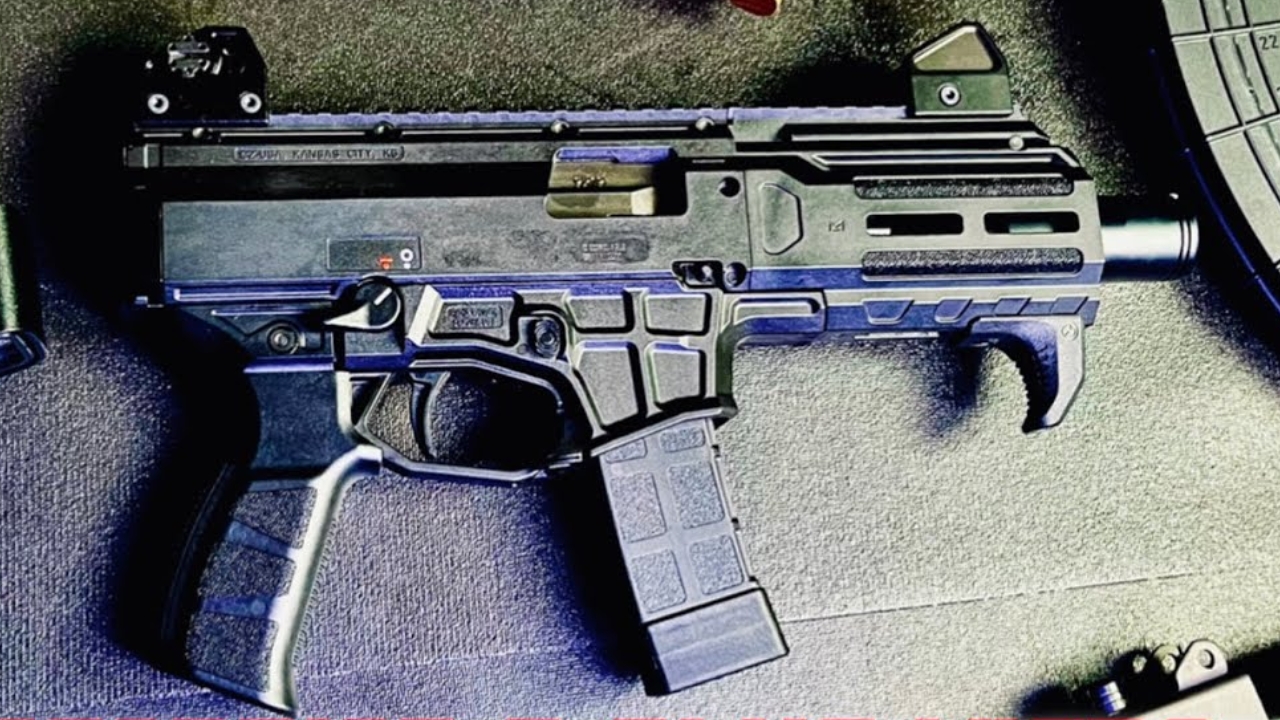
The CZ Scorpion 3 Plus Micro looked like a strong update to an already popular pistol-caliber platform. Better controls, compact size, and CZ’s established Scorpion reputation made it attractive fast.
Some owners found the shooting experience less refined than the look suggested. The blowback action can feel sharper than expected for a 9mm this size, and the trigger still leaves room for criticism. It is fun and useful, but it does not always feel as smooth as newer delayed-blowback competitors. Range day can make the buyer start pricing upgrades immediately.
EAA Girsan Regard MC
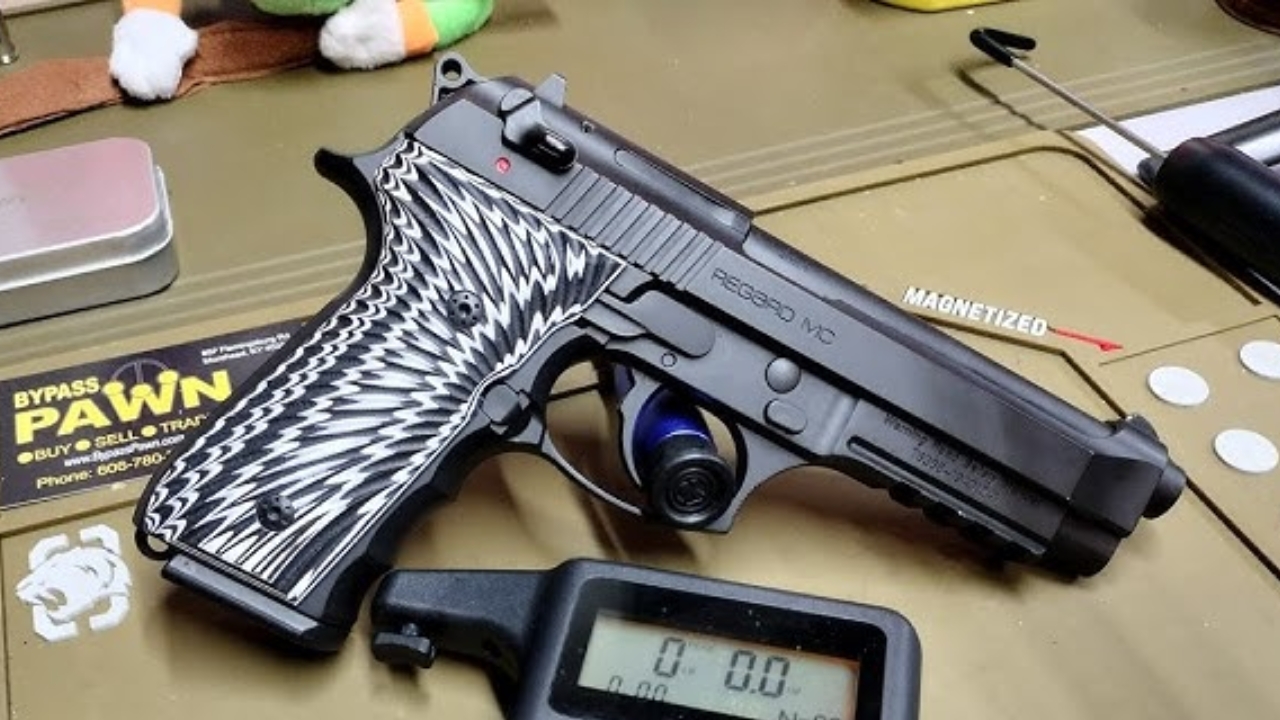
The Girsan Regard MC looked like an affordable way to get a Beretta-style 9mm pistol without Beretta money. The shape, controls, and full-size metal-frame feel made it tempting for buyers who liked the 92 pattern.
The range experience can be decent, but it also invites direct comparison to the real thing. Trigger feel, finish, parts support, and long-term confidence matter when a gun is clearly inspired by a better-known design. Some owners decide it is good for the price. Others realize they should have saved longer for the pistol they actually wanted.
Remington TAC-14

The Remington TAC-14 looked like a compact shotgun-style powerhouse. Short, intimidating, and chambered in 12 gauge, it had instant counter appeal for buyers who wanted something different.
Range day could be a harsh lesson. Shooting 12 gauge from that style of firearm is loud, awkward, and far less practical than it looks online. Aiming is harder, recoil management takes work, and the whole setup can feel more dramatic than useful. Many buyers discovered that a normal stocked shotgun was easier to shoot well, which matters more than compact size.
Like The Avid Outdoorsman’s content? Subscribe to our newsletter so you never miss an article.
Here’s more from us: