Photo credit: Manny G/Youtube
Some guns don’t get treated like future keepers when they’re still easy to find. They sit on used racks, get passed over for newer models, or spend years being called plain, outdated, or nothing special. Then production stops, prices climb, clean examples dry up, and suddenly everyone acts like they knew the gun was worth keeping all along.
That’s usually how regret starts. The guns that quietly gain value are often the ones that were useful, well-made, or different enough that nothing quite replaced them. Owners who kept theirs look smarter every year. The ones who sold too early usually learn the lesson the hard way.
Marlin 1894C
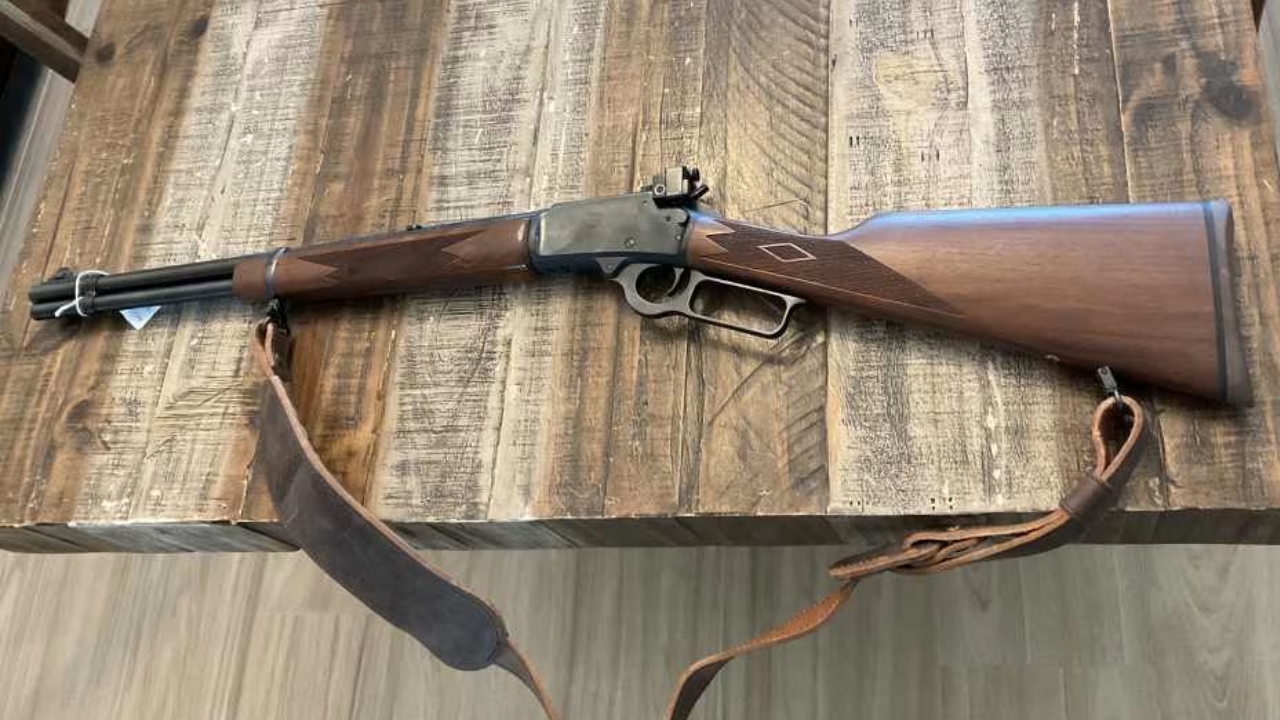
The Marlin 1894C is one of those rifles people used to treat like a handy little .357 lever gun, not a future headache to replace. It was useful, fun, and practical, but for years it wasn’t always talked about like some rare treasure. Then good examples started getting harder to find, and buyers realized a .357 Magnum lever-action carbine fills a lane most rifles don’t.
That’s why the 1894C became more valuable after people quit paying attention. It can shoot mild .38 Special loads for easy range time and .357 Magnum loads for field use where legal and appropriate. It’s light, quick, and useful around rural property or in thick woods. Once prices climbed and clean rifles became scarcer, owners who held onto theirs looked pretty smart.
Smith & Wesson Model 3913
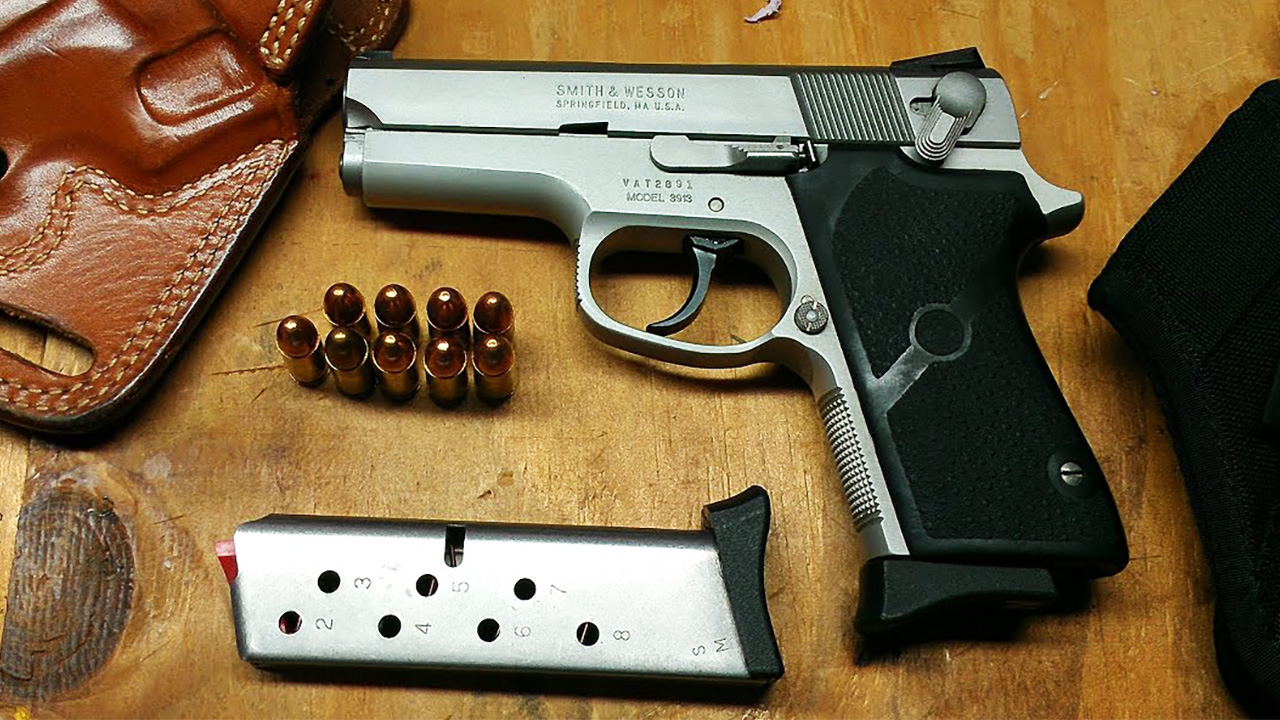
The Smith & Wesson Model 3913 looked outdated fast once polymer carry pistols took over. It was a slim, single-stack 9mm with an alloy frame and DA/SA trigger, which didn’t seem exciting once smaller pistols started offering more capacity. A lot of shooters moved on without thinking twice.
Now the 3913 is easier to appreciate. It carries flat, shoots better than many tiny modern pistols, and has the kind of old Smith & Wesson quality that people miss once it’s gone. It doesn’t win modern spec-sheet fights, and parts or magazines can take more effort now. But that’s part of why clean examples matter more. The pistol became valuable because shooters realized slim, refined metal-frame carry guns aren’t being made like this anymore.
Ruger Security-Six
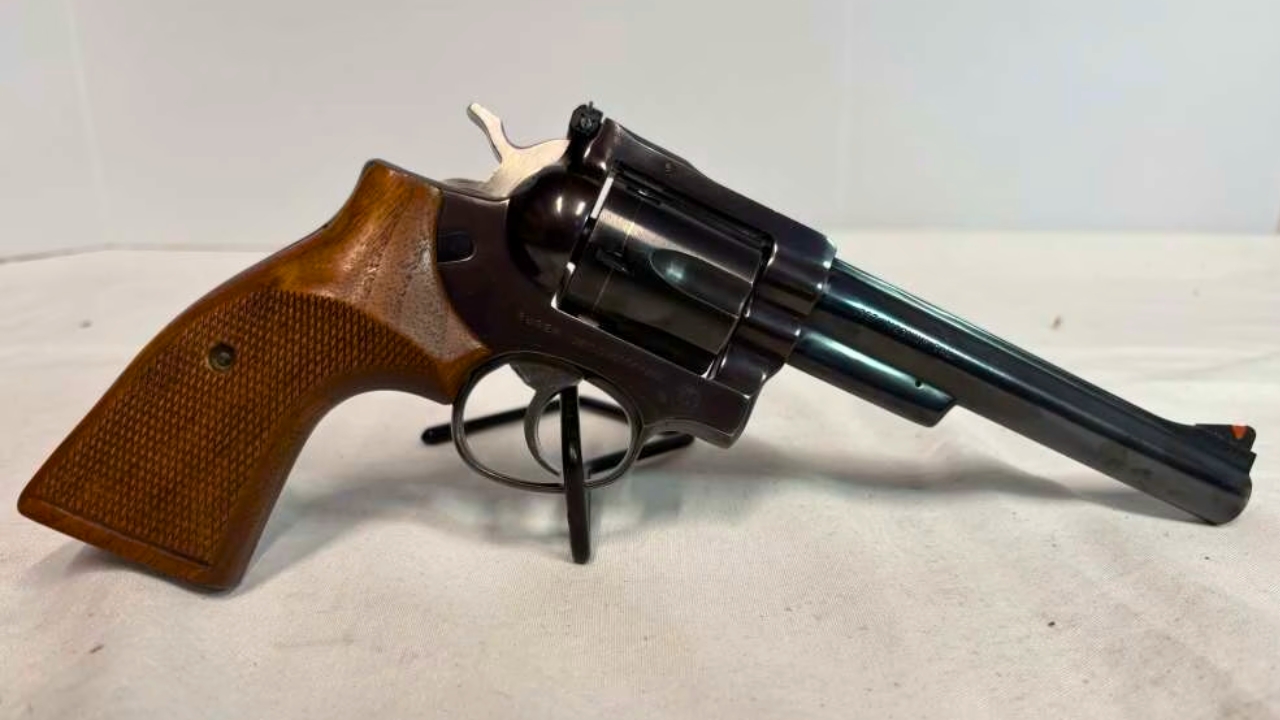
The Ruger Security-Six spent years living in the shadow of other revolvers. Smith & Wesson had the refinement, Colt had the collector pull, and Ruger eventually replaced the Security-Six with the beefier GP100. For a long time, the Security-Six was simply seen as a tough working revolver.
That working-gun reputation is exactly why it aged well. It’s stronger-feeling than many lighter revolvers, easier to carry than a GP100, and practical in a way that never really goes out of style. It handles .38 Special comfortably and .357 Magnum with confidence. Once people realized Ruger no longer made that exact size and feel, prices and interest started catching up. The Security-Six became more valuable because it was useful before it was collectible.
Winchester Model 9422
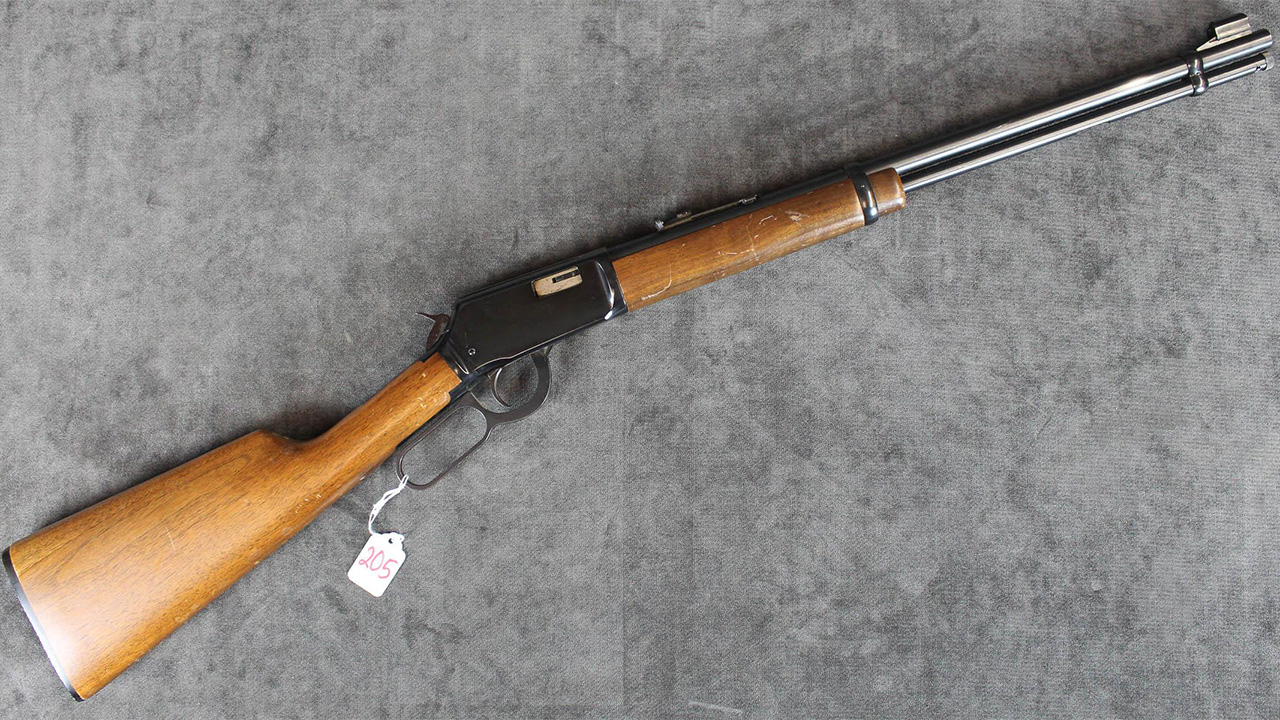
The Winchester Model 9422 was once “just” a nice lever-action .22. That sounds ridiculous now, but plenty of shooters treated rimfires like secondary guns for plinking, small game, or teaching kids. The 9422 was smooth, well-built, and charming, but not everyone understood what they had while it was still around.
Now clean examples are the kind of rifles people regret selling. The 9422 feels like a real rifle, not a cheap trainer. It has quality, balance, and a lever-action feel that newer rimfires don’t always match. It’s useful for small game and range time, but the appeal goes beyond use. It became more valuable because people finally realized a great .22 can be one of the hardest guns to replace.
Colt Detective Special
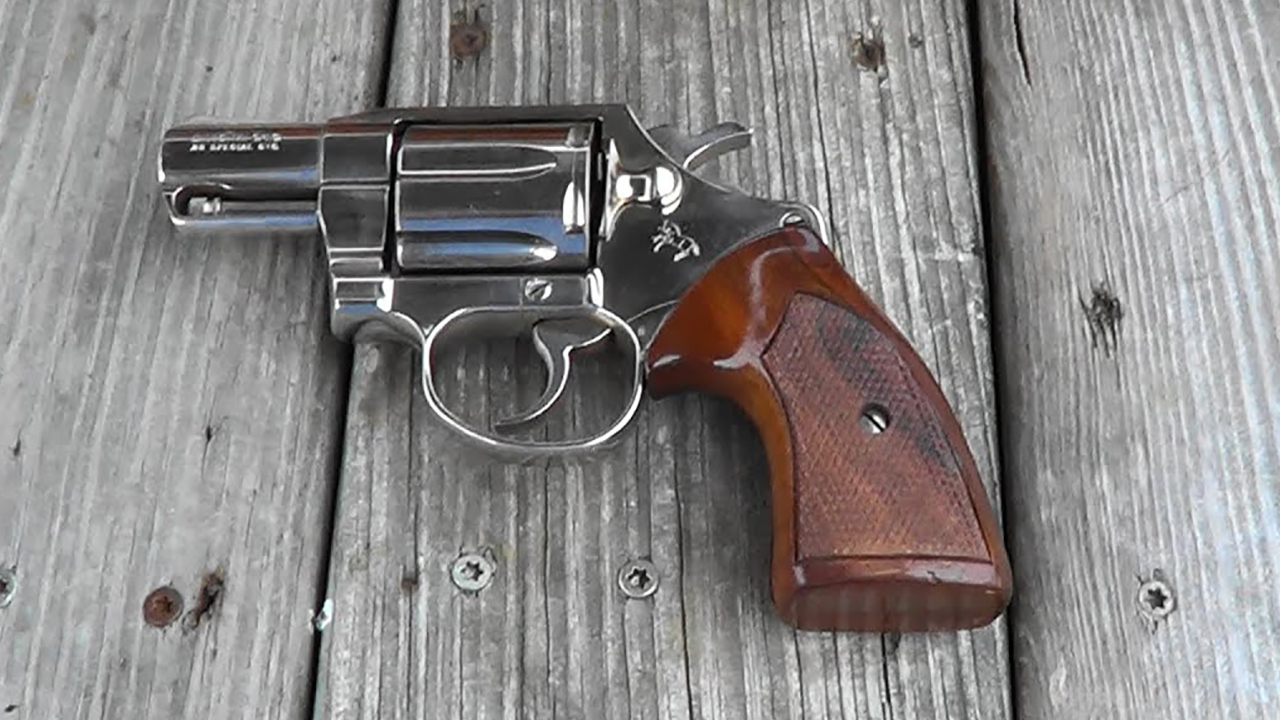
The Colt Detective Special is a classic example of a gun people undervalued until the market reminded them what six-shot steel snubs used to be. Modern carry guns made small revolvers seem old-fashioned, and even revolver fans often chased bigger Colts or prettier Smith & Wessons first.
Then the Detective Special started looking better every year. It gives shooters six rounds in a compact steel-frame revolver, with better shootability than many featherweight snubs and more character than most modern pocket pistols. Used examples need careful inspection, especially timing and lockup, but good ones have serious charm. It became more valuable because people realized small revolvers with this balance and history aren’t easily replaced.
CZ 527 Carbine
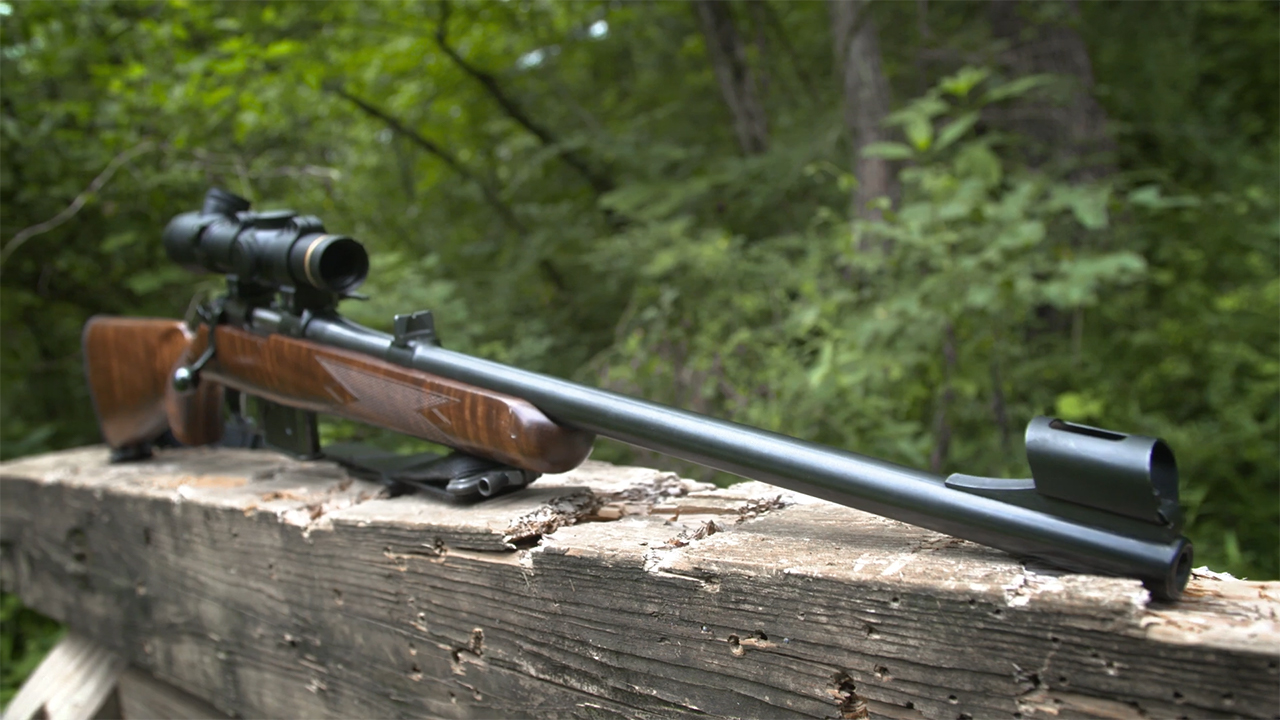
The CZ 527 Carbine had a loyal following while it was still made, but plenty of shooters ignored it because it didn’t fit the usual American rifle categories. It was a compact bolt-action with a mini-Mauser-style action, detachable magazine, and chamberings like .223 Remington or 7.62×39 depending on model. It looked a little odd beside bigger deer rifles and ARs.
After it was discontinued, people started appreciating what made it special. The 527 Carbine was handy, accurate, and full of personality. It worked for predators, range use, ranch carry, and small-to-medium game where legal and appropriate. There are plenty of compact rifles now, but few feel quite like the little CZ. That’s why owners who kept one rarely seem eager to sell.
Browning Hi-Power
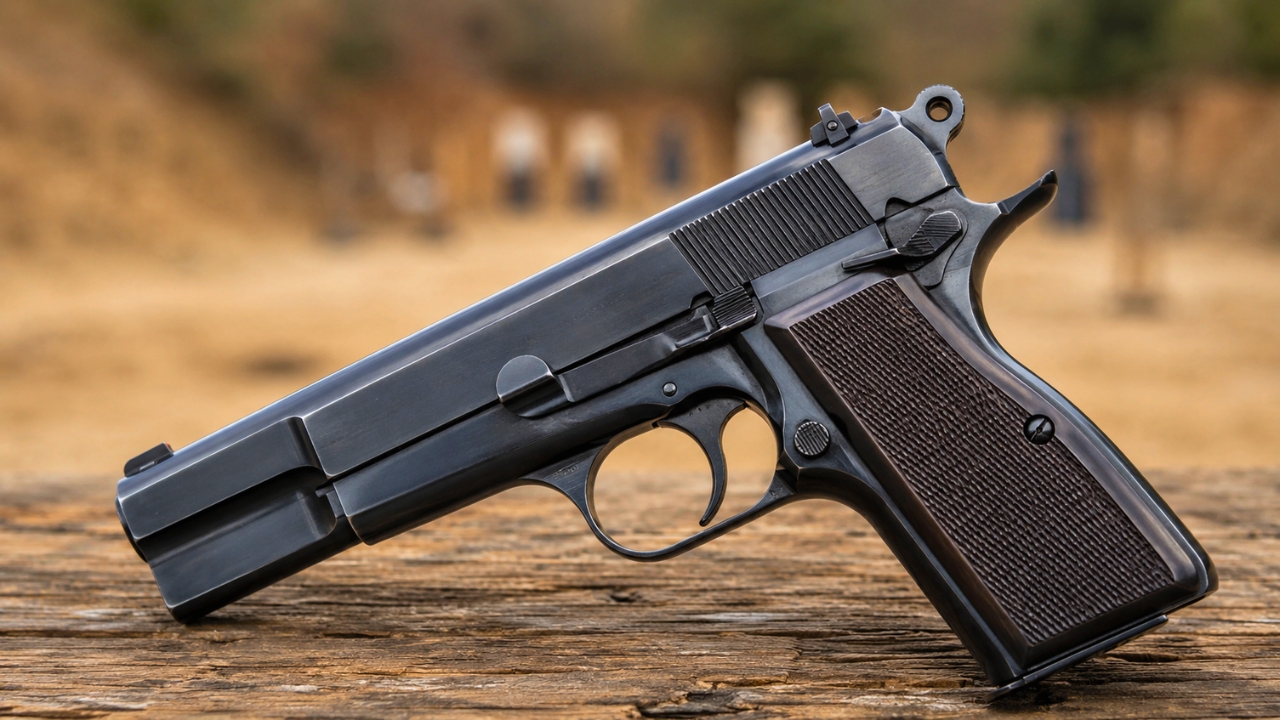
The Browning Hi-Power spent years being respected, but not always valued the way it is now. Once polymer pistols took over, a steel 9mm with older sights, a magazine disconnect, and no modern rail could seem like something mostly for collectors or old-school shooters. Plenty of people moved on.
Then interest came roaring back. The Hi-Power still has one of the best-feeling double-stack grips ever made, and its balance is hard to duplicate. Modern clones and updated versions helped remind people why the original design mattered, but clean Browning-marked pistols still carry their own pull. It became more valuable because shooters realized newer pistols may beat it on features, but few beat it on feel.
Marlin 336 JM-Stamped Rifles
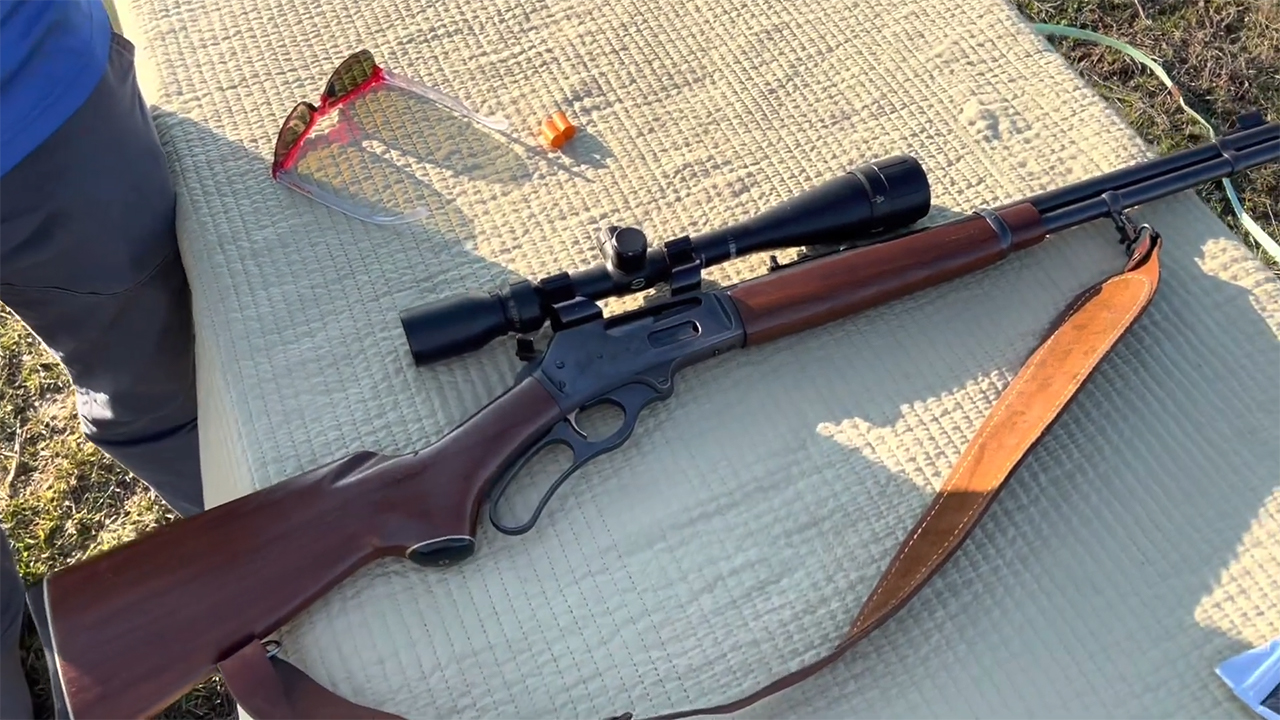
Marlin 336 rifles were common enough for long enough that plenty of hunters took them for granted. A .30-30 lever gun was a normal deer rifle, not something people expected to become a used-market prize. Then production changes, quality concerns, and collector interest made older JM-stamped rifles more desirable.
The appeal makes sense. A good Marlin 336 carries well, shoulders fast, and fits real deer woods beautifully. The side-eject receiver makes scope mounting easier than older top-eject lever guns, and chamberings like .30-30 Winchester and .35 Remington have long field records. These rifles became more valuable because hunters remembered that practical woods rifles don’t need to be flashy. They need to work, and good 336s do.
Smith & Wesson 5906
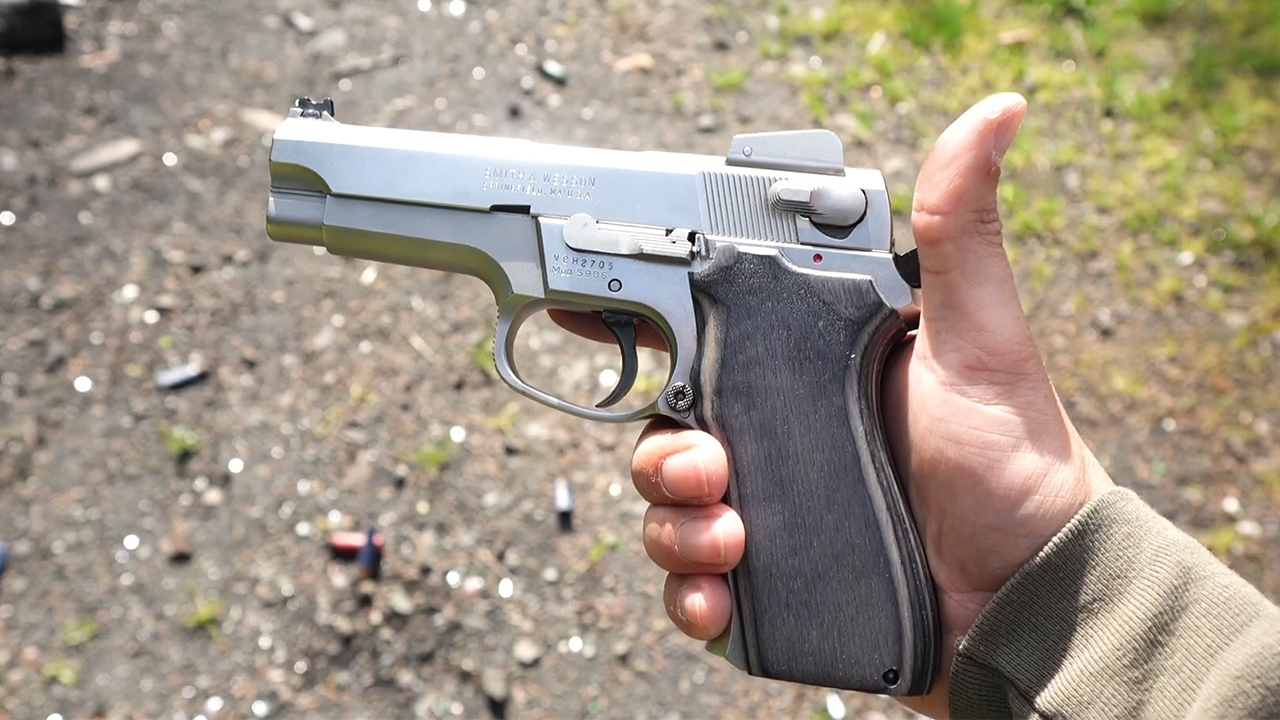
The Smith & Wesson 5906 was once a heavy stainless service pistol from the DA/SA era. When polymer striker-fired pistols took over, the 5906 looked dated fast. It was heavier than newer guns, more complicated to train with, and not nearly as convenient for modern concealed carry.
Now people are looking at those old third-generation Smiths differently. The 5906 is durable, soft-shooting, and built with a level of metal-frame confidence many newer budget pistols can’t touch. It’s not the lightest pistol, but that weight makes it pleasant on the range. Clean examples, especially with good magazines, are more appreciated than they used to be. It became valuable because people quit assuming heavy meant obsolete.
Ruger No. 1
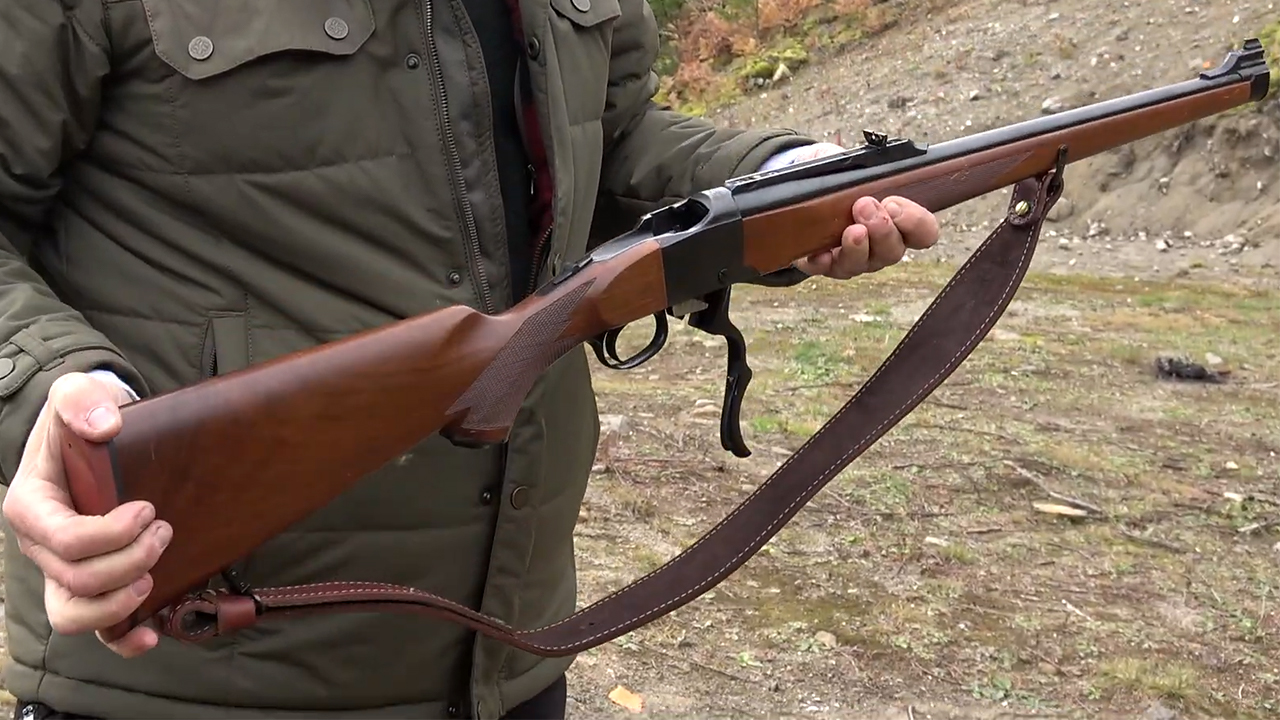
The Ruger No. 1 was never ordinary, but it still spent years being misunderstood by people who judged rifles only by practicality. A single-shot falling-block rifle doesn’t offer fast follow-ups or modern magazine convenience. That made it easy for some hunters to pass one up for a more common bolt-action.
Over time, the No. 1 became more desirable because it offers something different. It’s strong, compact for its barrel length, handsome, and chambered over the years in all kinds of interesting cartridges. It forces a slower, more deliberate style of shooting, which some hunters deeply appreciate. When certain configurations became harder to find, values reflected that. Owners who kept unusual chamberings especially had reason to smile.
Beretta 390
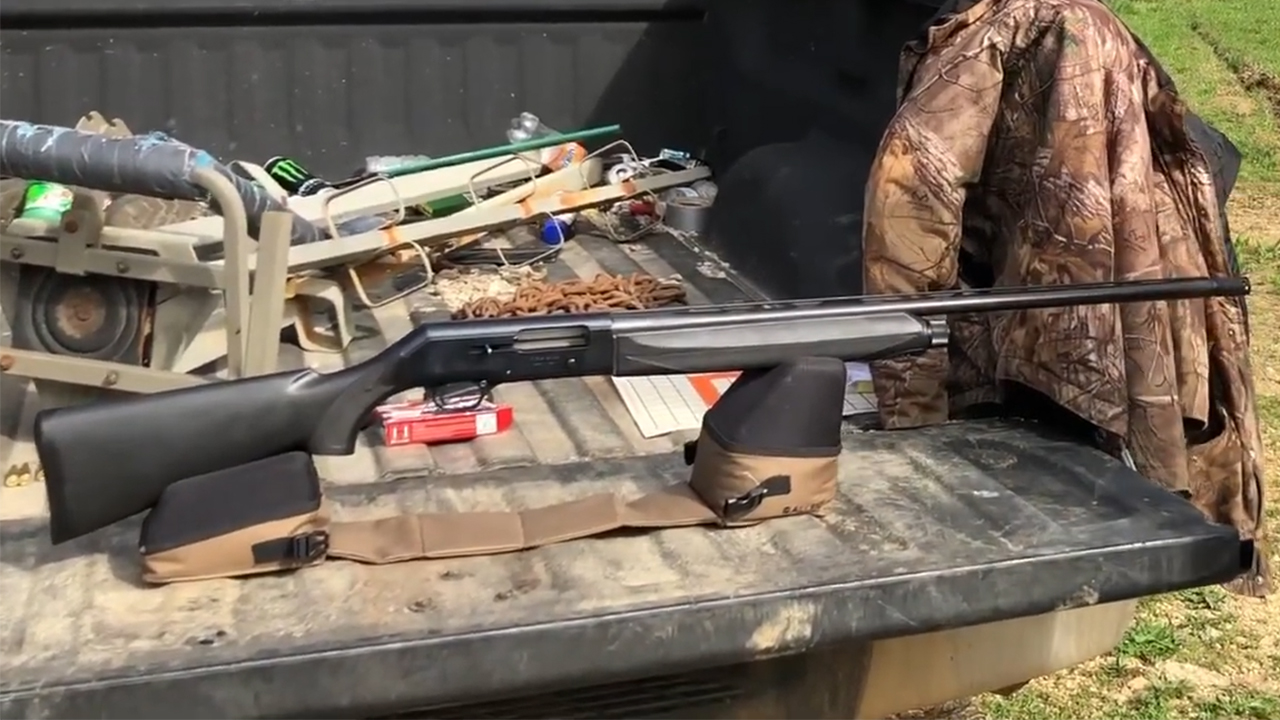
The Beretta 390 used to be seen as a good semi-auto shotgun, but not always as something people would chase later. Newer Berettas arrived, features changed, and shotgun buyers moved toward updated models with bigger controls, lighter materials, or more specialized hunting setups.
Then shooters remembered how well the 390 handled. It’s soft-shooting, reliable when maintained, and balanced in a way many owners still miss after trying newer guns. For clays, dove, upland birds, and general field use, a good 390 still feels excellent. It became more valuable because people realized that updated doesn’t always mean better in the hands. A shotgun that fits and shoots naturally is worth holding onto.
Savage Model 99
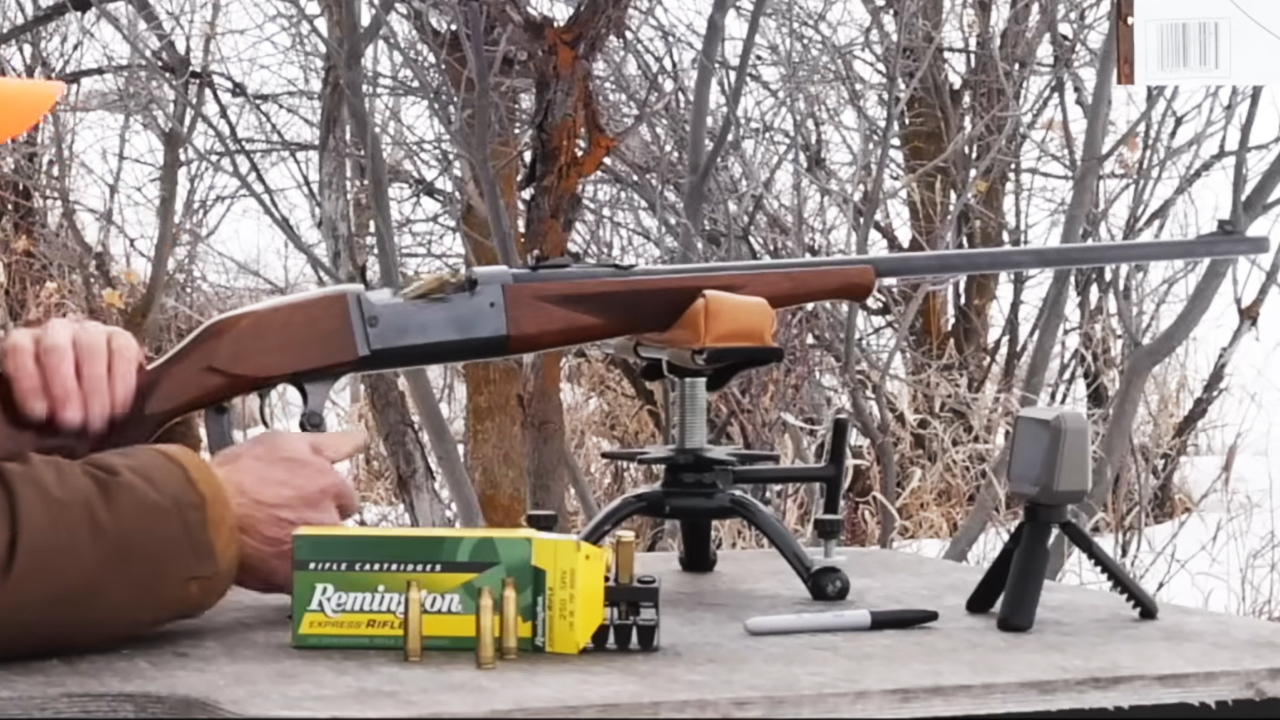
The Savage Model 99 has been gaining appreciation for years because it offers something modern rifles rarely do. It’s a lever-action with real cartridge capability, a distinct mechanical feel, and enough hunting history to make it more than nostalgia. For a while, though, plenty of people treated old 99s as just used deer rifles.
That changed as clean examples became harder to find and hunters started remembering how smart the design was. The rotary magazine on many versions allowed pointed bullets, and chamberings like .300 Savage and .308 Winchester gave hunters more reach than traditional tube-fed lever guns. Condition matters a lot, but a good 99 has become a rifle people hate letting go. It was ahead of its time before the market fully admitted it.
Browning BLR
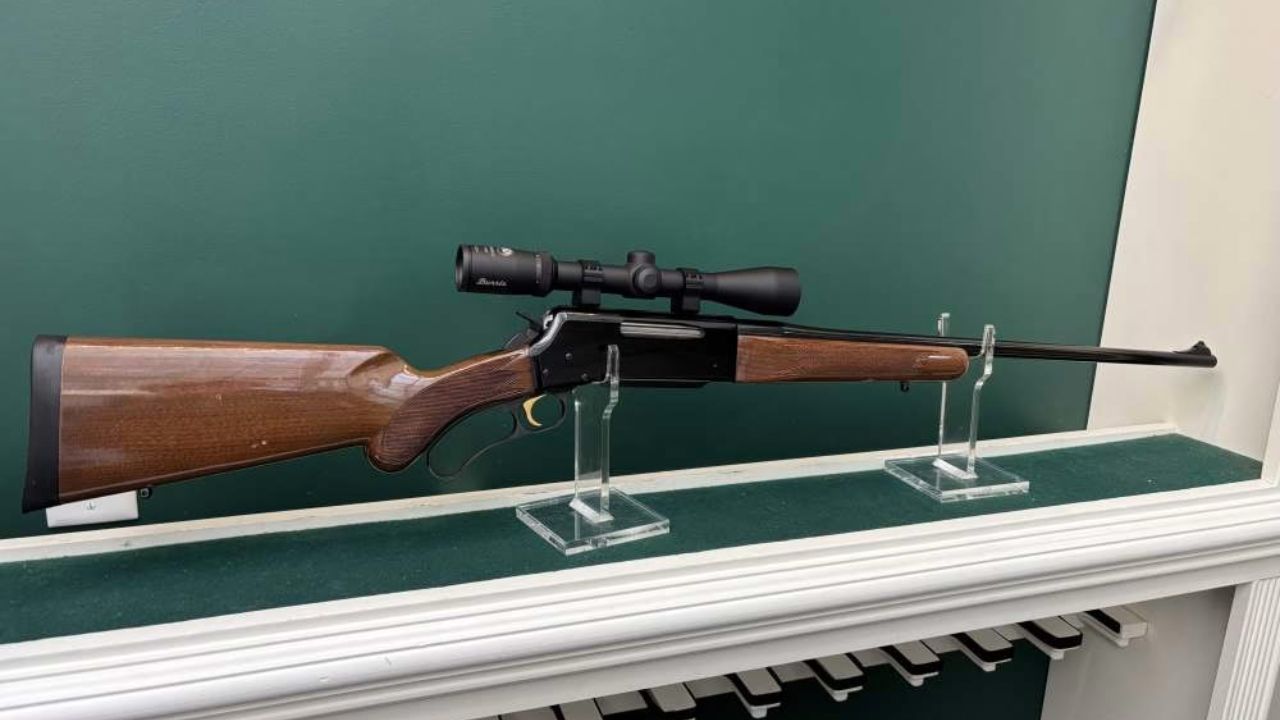
The Browning BLR didn’t disappear from attention completely, but older clean examples became more appreciated once hunters realized how unusual the platform really is. It gives lever-action handling with a rotating bolt and detachable magazine, allowing modern pointed-bullet cartridges in a fast-handling rifle. That’s not common.
The BLR became more valuable because it fills a strange and useful middle ground. It’s faster in the hands than a typical bolt-action and reaches farther than old-style lever guns chambered for flat-nose cartridges. It is more complex than traditional lever-actions, so condition matters on used rifles. But when one works well, it’s hard to replace. Hunters who kept theirs often understand that better than anyone.
Colt Woodsman
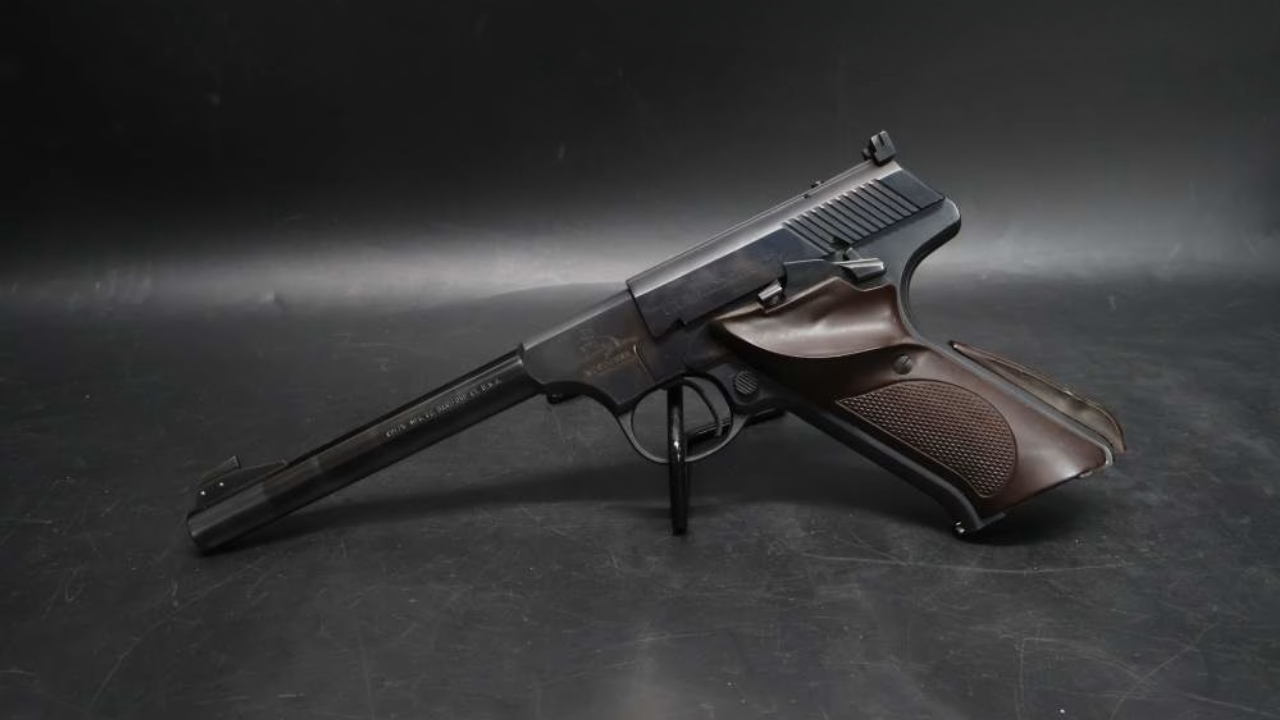
The Colt Woodsman is the kind of .22 pistol people wish they had taken more seriously when prices were friendlier. It was always respected, but many shooters still saw rimfire pistols as casual range guns rather than long-term collectibles. That mindset cost some people.
A good Woodsman has classic Colt quality, excellent balance, and a level of refinement that modern inexpensive rimfires don’t match. It’s not the easiest pistol to replace parts for, and condition strongly affects value, but clean examples have become increasingly desirable. It became more valuable because shooters realized a great .22 pistol isn’t lesser just because the cartridge is small. Some rimfires are lifetime pieces, and the Woodsman is one of them.
Winchester Model 88
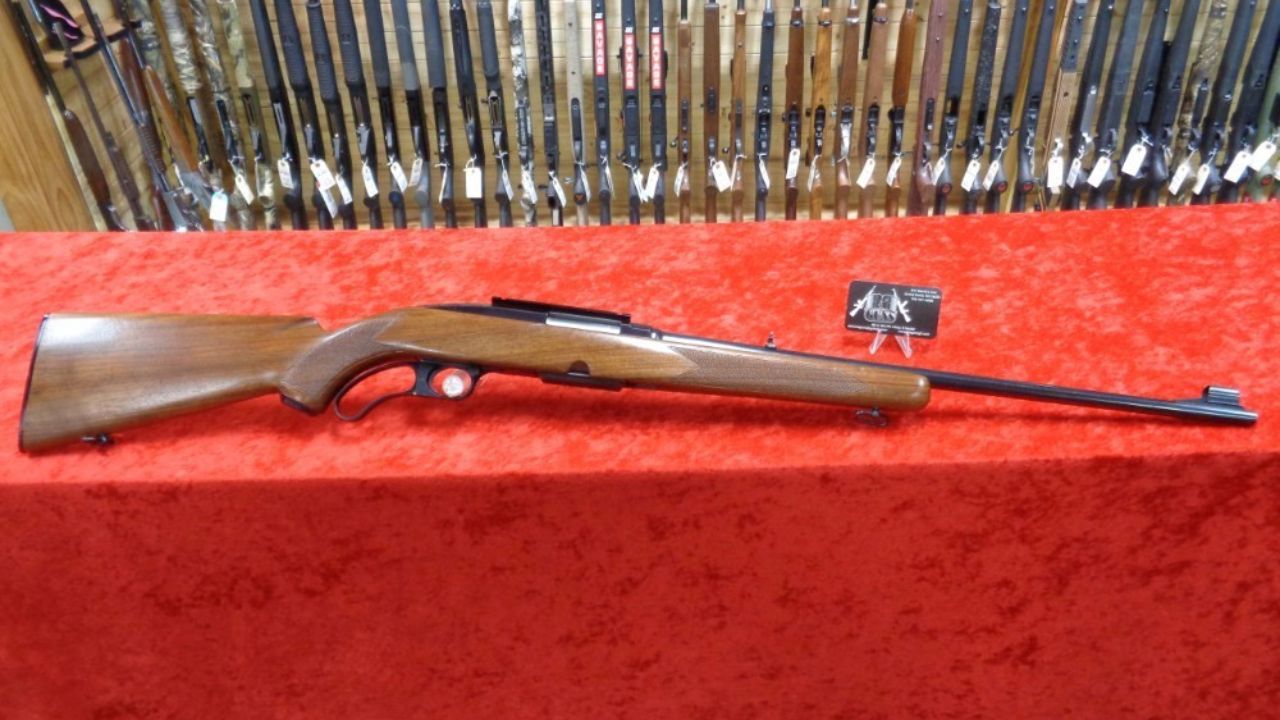
The Winchester Model 88 is one of those rifles that became more interesting after people stopped seeing it as just an odd lever-action. It uses a rotating bolt and detachable magazine, giving hunters modern cartridge performance with lever-action handling. That design didn’t fit neatly into the categories people were used to.
Now that’s exactly why it’s desirable. Chamberings like .308 Winchester, .243 Winchester, and .284 Winchester keep it relevant for deer hunting, while the rifle’s handling gives it a unique feel. Used examples need careful inspection because age, condition, and parts availability matter. But a good Model 88 offers something most current rifles don’t. It became more valuable because people finally realized odd can also mean useful.
Like The Avid Outdoorsman’s content? Be sure to follow us.
Here’s more from us: