Photo credit: Mrgunsngear Channel/YouTube
Some firearms don’t crash and burn. They don’t always get recalled, dragged through every forum thread, or turned into a punchline. They just fade out of the rotation. Owners buy them with real interest, shoot them for a while, maybe defend them at first, and then quietly move on to something else.
That can say a lot. A gun may be reliable enough, accurate enough, and perfectly usable, but still fail to become the one people keep reaching for. Maybe it feels awkward, costs too much to feed, lacks support, fills too narrow a role, or simply gets outclassed by easier choices. These are the newer firearms that a lot of owners seemed to leave behind without making a big scene about it.
Springfield Armory XD-M Elite Compact

The XD-M Elite Compact looked like Springfield had built a serious carry pistol for people who wanted capacity, aggressive grip texture, and a familiar striker-fired setup. It had good features, a usable size, and enough upgrades over older XD pistols to seem like a smart buy.
The problem is that it arrived in a world full of strong compact 9mms. Once owners compared it to the Glock 19, M&P 2.0 Compact, P365 XMacro, CZ P-10 C, and Hellcat Pro, the XD-M Elite Compact did not always feel like the obvious choice. Some owners liked it just fine, but plenty seemed to drift toward slimmer, simpler, or better-supported options. It was capable, but not sticky.
Ruger Security-9 Compact
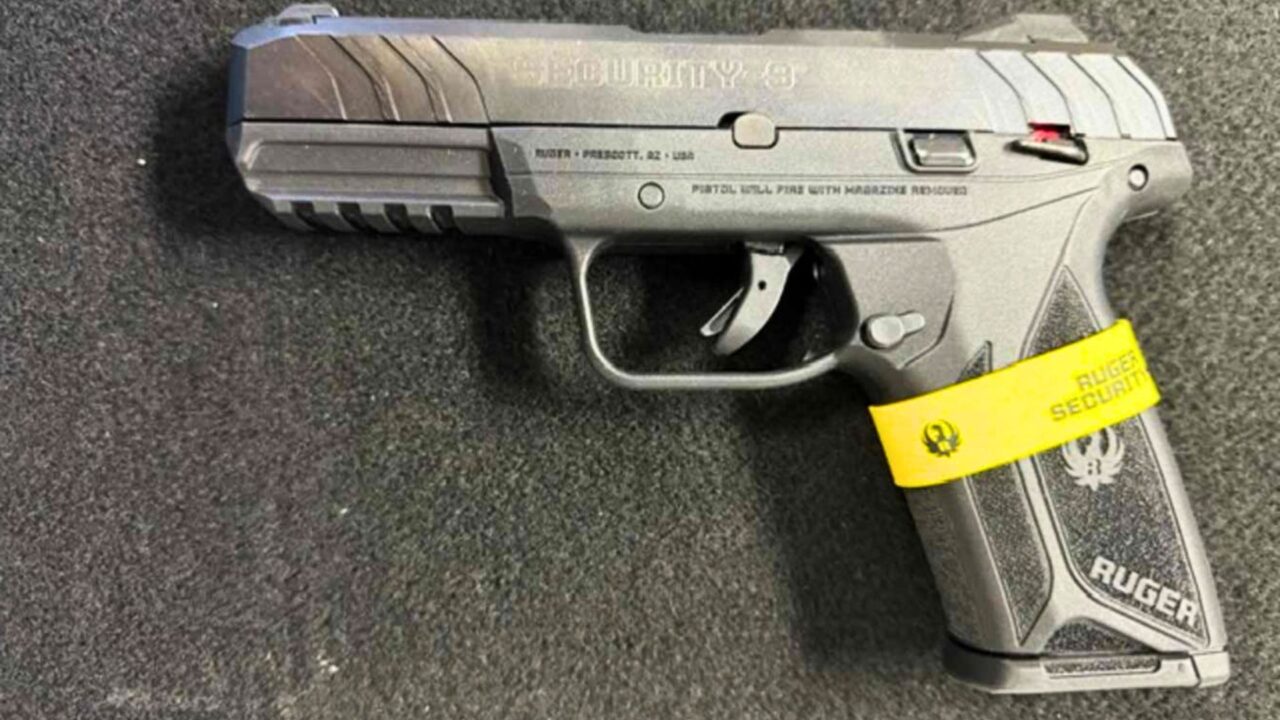
The Ruger Security-9 Compact made sense for buyers who wanted an affordable carry pistol from a trusted company. It was simple, light, and priced low enough to attract people who didn’t want to spend premium money on a defensive handgun. Ruger’s name helped it feel safer than some budget alternatives.
Then the market moved fast around it. The Shield Plus, P365 family, Hellcat line, and other modern micro-compacts offered better capacity-to-size ratios and stronger carry ecosystems. The Security-9 Compact still works for many owners, but it started feeling like an older answer pretty quickly. It was easy to buy, easy to use, and also easy to replace once shooters wanted something smaller, sharper, or more confidence-building.
Savage Stance
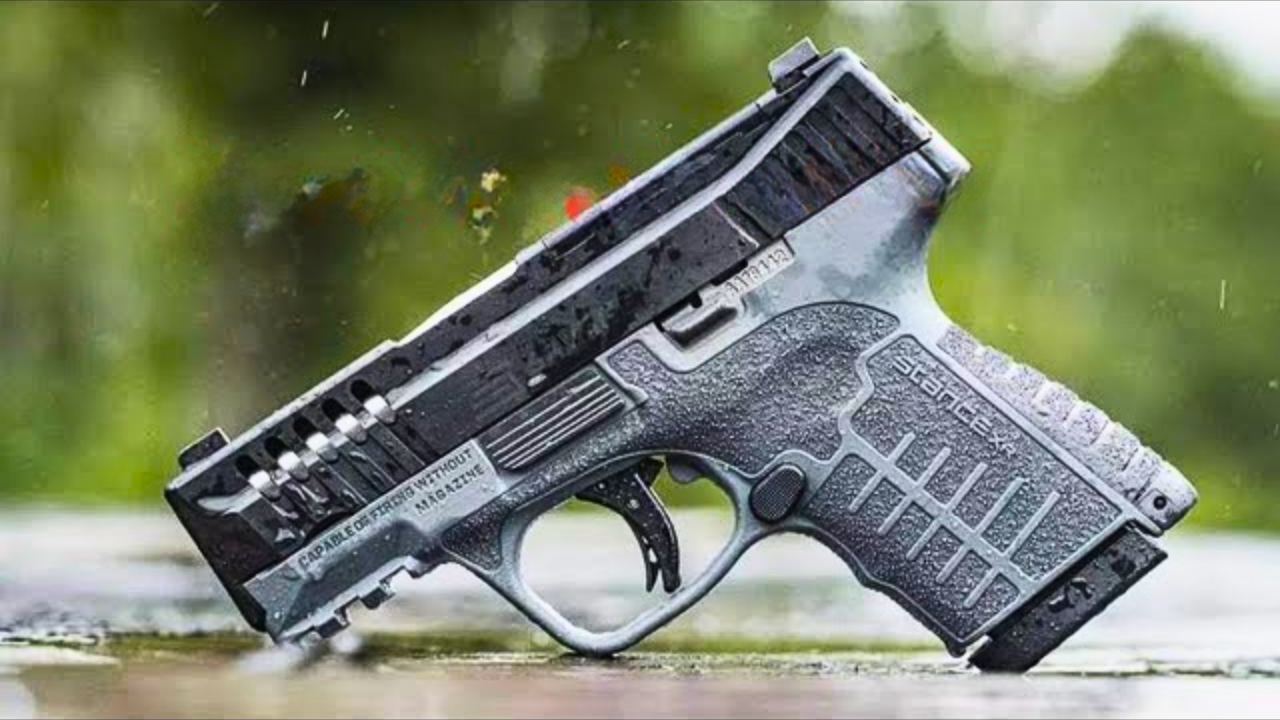
The Savage Stance got attention because Savage stepping into the compact pistol market sounded interesting. A company known for rifles and shotguns entering concealed carry gave shooters a reason to look twice. The pistol had a slim profile, modern styling, and enough features to seem competitive.
But interest is not the same as loyalty. The Stance entered one of the hardest handgun categories in the market and didn’t give shooters a strong reason to abandon proven carry guns. Holster support, magazine availability, trigger feel, recoil behavior, and brand confidence all matter when a pistol is meant for defense. Owners who tried one often didn’t rage about it. They just moved back to guns with deeper track records.
Smith & Wesson CSX
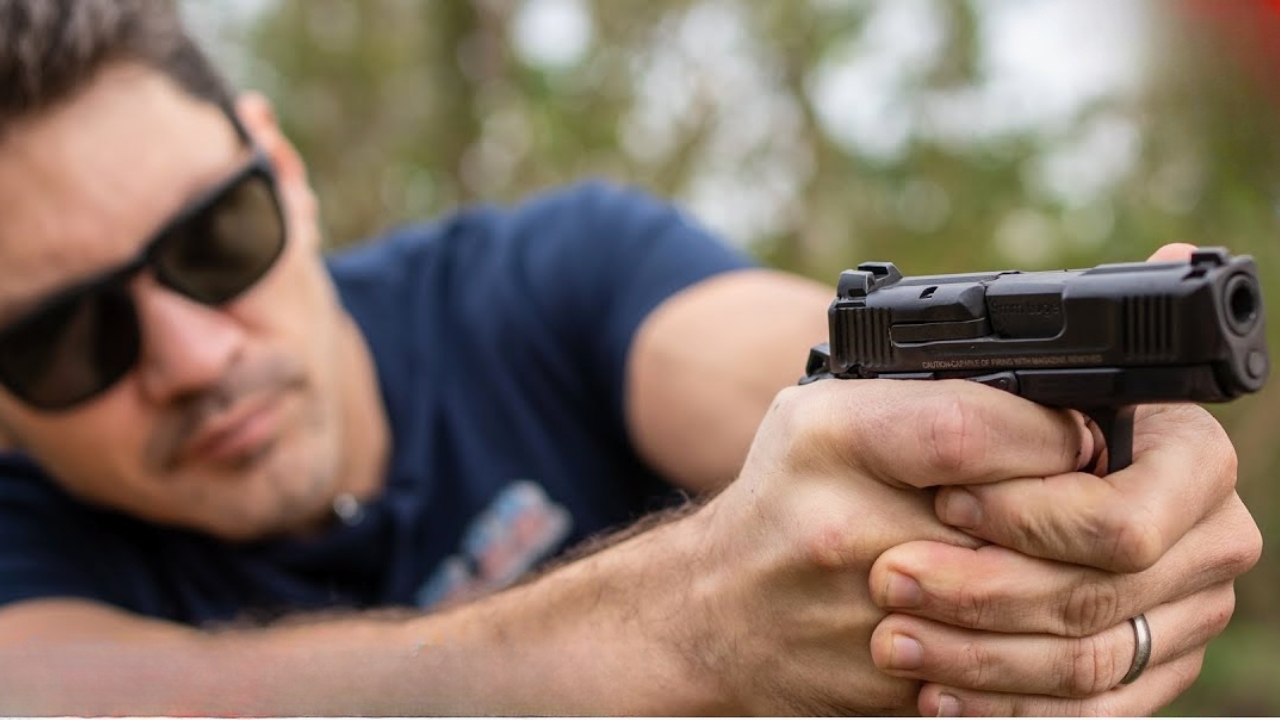
The Smith & Wesson CSX had a strong first impression because it seemed different from the usual polymer micro-compact. A small metal-framed 9mm with good capacity and hammer-fired operation sounded like exactly the kind of carry pistol some shooters had been asking for. At the counter, it felt clever.
Range time made the enthusiasm more complicated. The trigger feel and reset bothered a lot of shooters, and the pistol never became the clear alternative to the Shield Plus or P365 that it needed to be. Some owners still liked the size and construction, but many quietly stopped carrying it after the novelty wore off. It was an interesting idea that didn’t become an everyday favorite for enough people.
Beretta APX A1 Carry
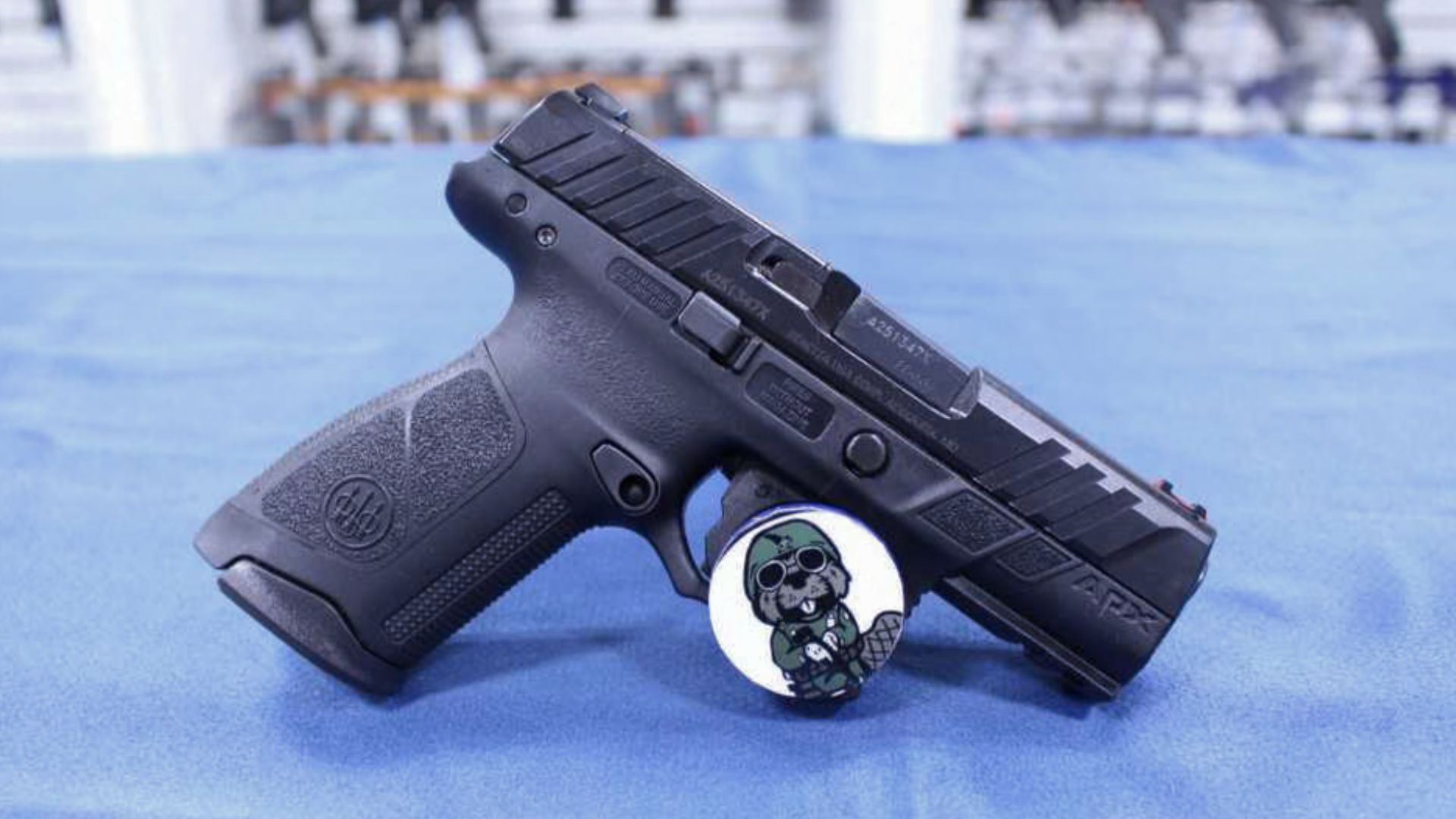
The Beretta APX A1 Carry had the advantage of a major brand and an updated look. Beretta tried to make its small carry pistol more modern, more optics-ready, and more relevant in a world where tiny 9mms were selling hard. For Beretta fans, it seemed worth a look.
The issue was that it didn’t feel strong enough against the competition. The carry market had already been reshaped by pistols with better capacity, better triggers, better aftermarket support, and stronger word of mouth. The APX A1 Carry was not useless, but it rarely became the gun people bragged about keeping. A lot of owners seemed to move on because it simply didn’t make a strong enough case for itself.
Mossberg MC2sc

The Mossberg MC2sc was a respectable attempt at a modern slim carry pistol. It offered good capacity, optics-ready versions, and a size that made sense for everyday carry. It also showed that Mossberg was taking handguns more seriously than some people expected.
Still, being respectable isn’t always enough. The MC2sc had to compete against guns with massive carry followings and stronger support networks. Even if an owner liked it, finding holsters, magazines, parts, and advice could feel less automatic than it did with the biggest names. For a defensive pistol, confidence includes the whole ecosystem. Many owners didn’t hate the MC2sc. They just found it easier to move toward the obvious choices.
Taurus GX4

The Taurus GX4 earned attention because it gave buyers a small, modern 9mm at a very appealing price. It looked like Taurus had finally built a micro-compact that could compete seriously with the better-known carry guns. A lot of shooters wanted that to be true.
Some owners got good guns and stuck with them, but others moved on after reliability questions, recall attention, or simple brand hesitation wore down their confidence. Carry pistols are unforgiving that way. Even a little doubt can push a gun out of the holster and into the safe. The GX4 may be a solid value for some, but many buyers eventually decided that saving money did not matter as much as feeling completely settled.
Kimber R7 Mako

The Kimber R7 Mako was unusual enough to get attention immediately. Its enclosed ejection port, optic-ready setup, and different look helped it stand apart in a crowded carry market. It was also one of the more serious modern attempts from Kimber outside its usual 1911 lane.
The trouble is that standing apart can fade quickly if the gun doesn’t become part of someone’s routine. The Mako shot well for some owners, but the styling, grip feel, price, and limited momentum made it easy to leave behind. It never became the default recommendation in the micro-compact world. A lot of shooters seemed curious at first, then returned to the carry guns with stronger support, familiarity, and resale comfort.
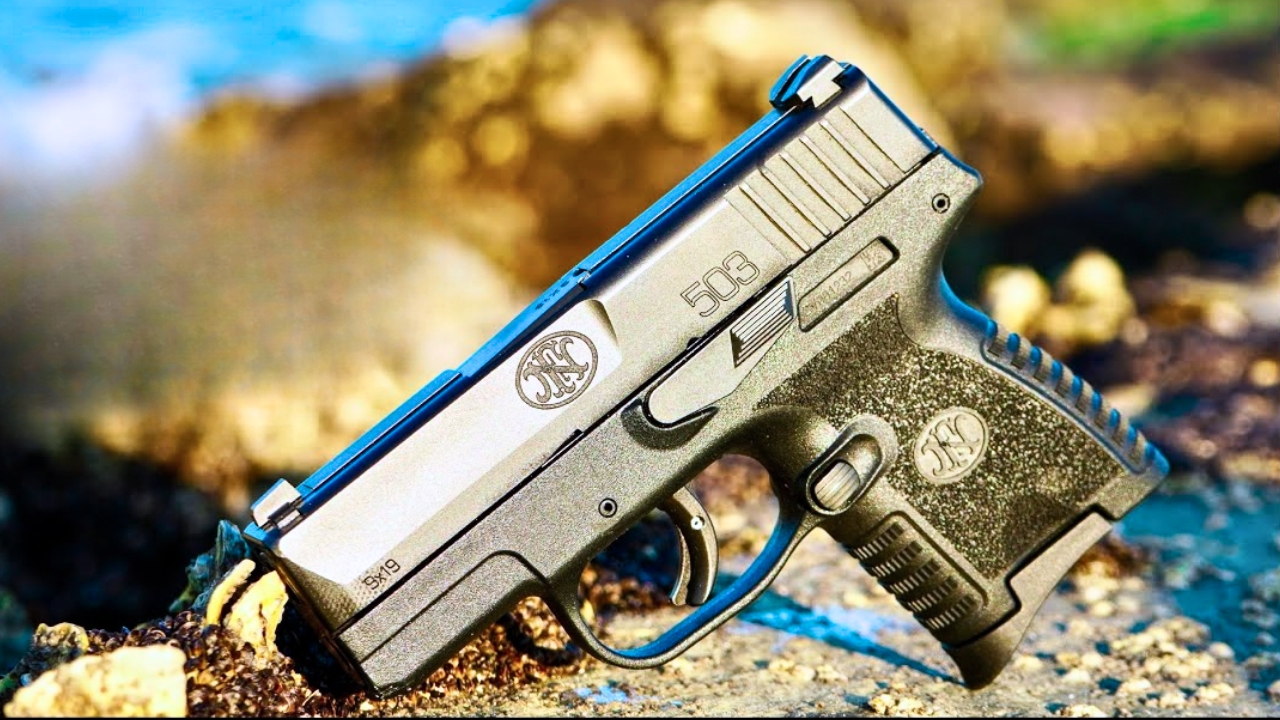
FN 503
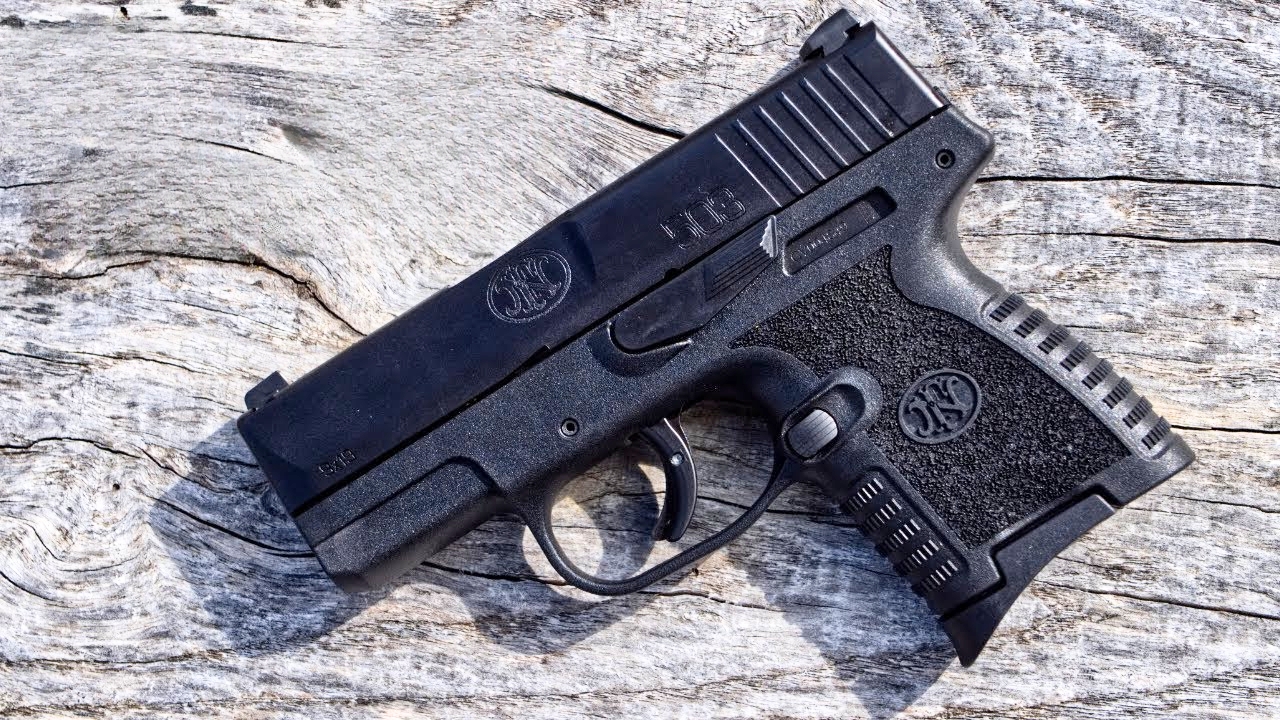
The FN 503 looked like a serious slim carry pistol when it arrived, mostly because FN’s name carries weight. A single-stack 9mm from FN sounded dependable, well-built, and refined. Before higher-capacity micro-compacts completely took over, that seemed like a reasonable lane.
Then the market changed almost immediately. Pistols like the P365, Shield Plus, Hellcat, and Glock 43X made single-stack capacity feel dated fast. The 503 was not a terrible gun, but it became hard to justify next to pistols that carried similar size with more rounds on board. Many owners simply moved on because the category moved on. Timing hurt it as much as anything.
Rock Island Armory STK100
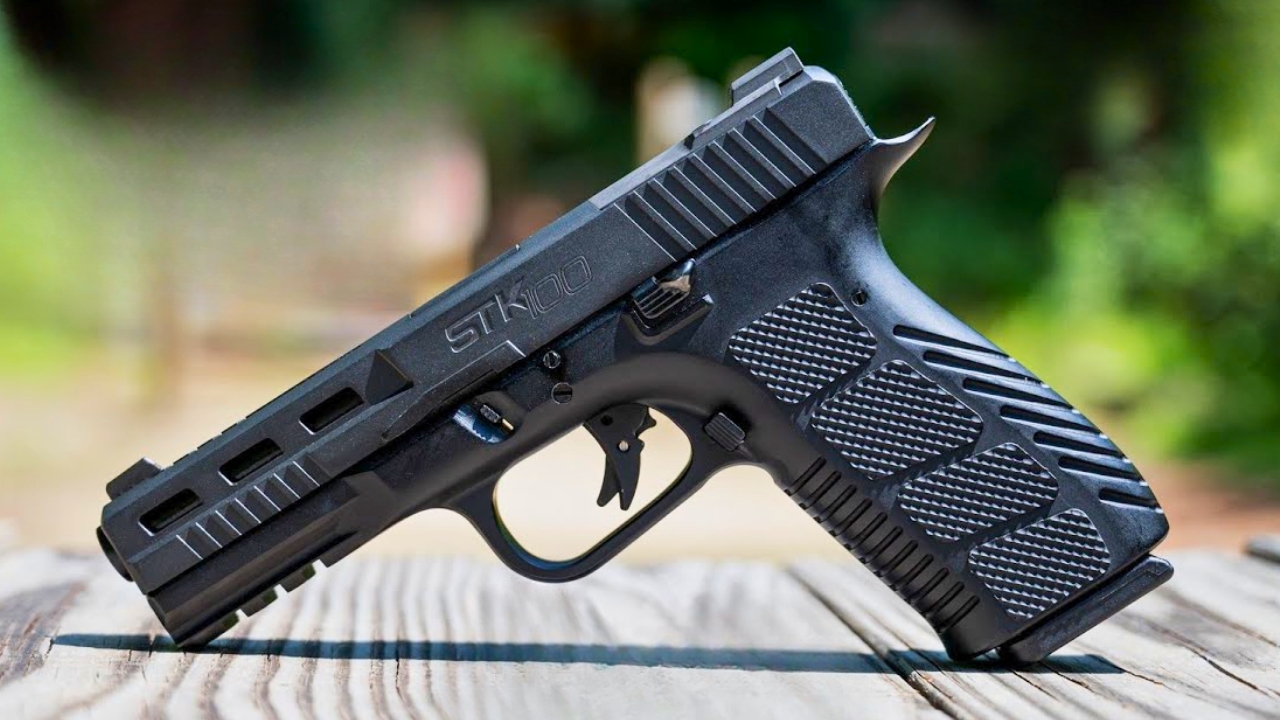
The Rock Island Armory STK100 seemed interesting because it offered an aluminum-framed striker-fired pistol at a price that made people curious. It had Glock-like familiarity, a different frame material, and enough novelty to make buyers wonder if it might be a hidden value.
The problem is that novelty doesn’t always create long-term attachment. Once owners compared the trigger, support, holsters, magazines, and overall refinement against mainstream striker-fired pistols, the STK100 became harder to justify. It was not strange enough to feel special and not proven enough to replace the standards. Many buyers seemed to try it, shrug, and move on to pistols with deeper aftermarket and stronger reputations.
Henry Homesteader
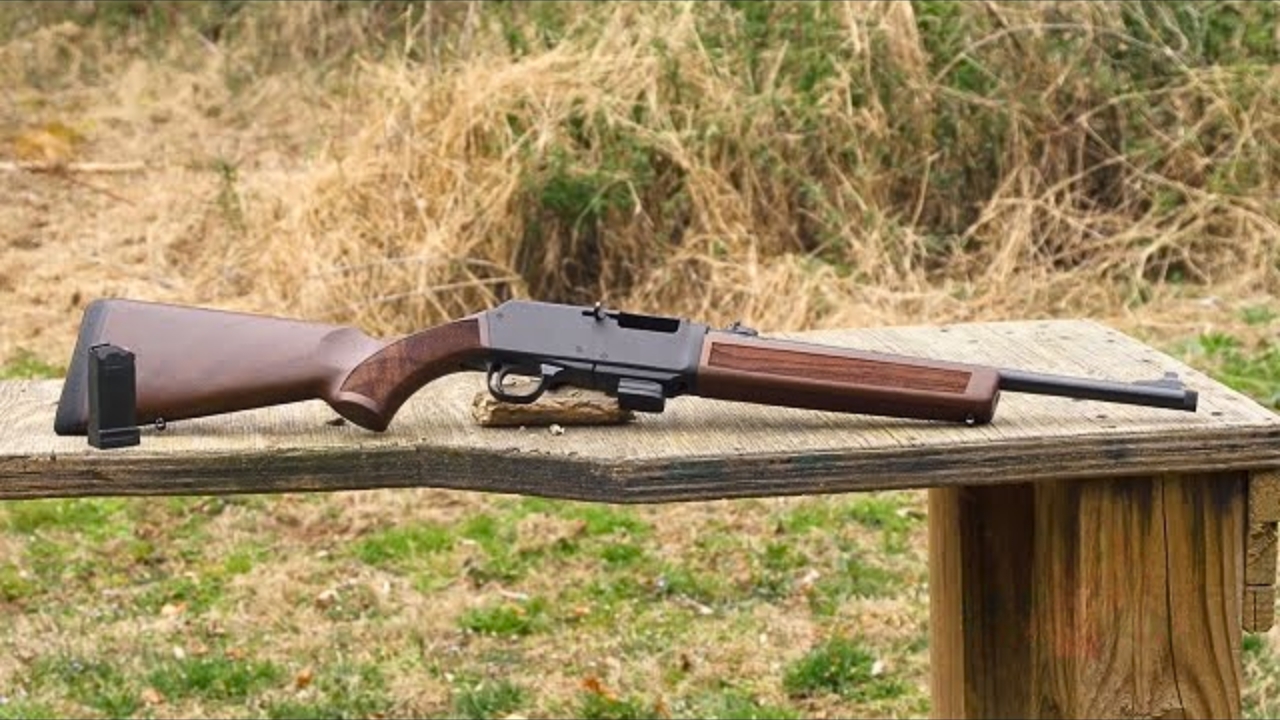
The Henry Homesteader had charm from the start. A wood-stocked 9mm carbine from Henry felt like a friendly alternative to the tactical-looking PCCs crowding the market. For shooters who like traditional styling, it looked like something fresh without being intimidating.
After the first wave of interest, some owners seemed to cool off. The carbine is not especially cheap, not especially light, and not as modular as many competitors. It may be pleasant to shoot, but the practical case becomes harder once you compare magazine options, optics setup, sling attachment, and price. It has personality, but personality alone doesn’t always keep a gun in heavy use. Some owners quietly went back to more adaptable PCCs.
Ruger LC Charger
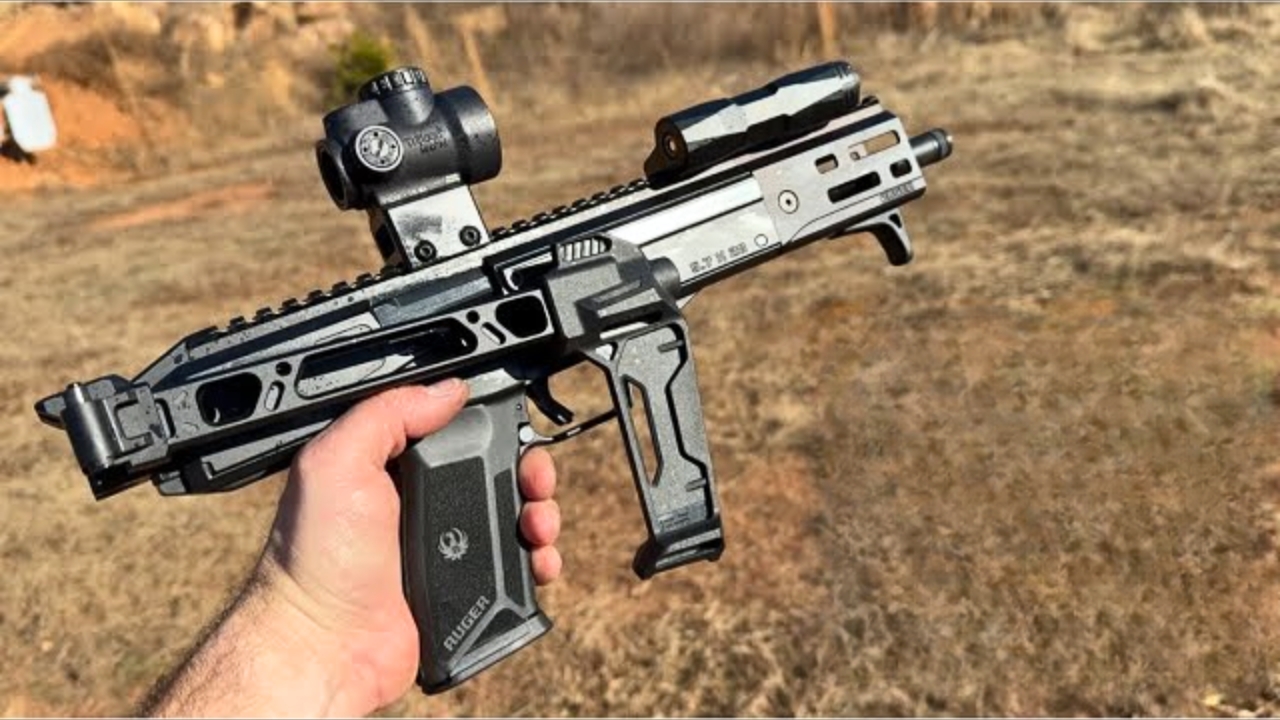
The Ruger LC Charger looked fun because compact 5.7x28mm firearms tend to pull attention. It had a cool shape, modern controls, and the kind of range-toy appeal that makes buyers start inventing uses for it. Ruger also had enough 5.7 momentum to make the gun seem logical.
Then the ownership math showed up. Ammo is more expensive than 9mm or .22 LR, the gun’s practical role is narrow, and it isn’t as simple to justify as a rifle, pistol, or basic PCC. Some owners enjoyed it for what it was, but many likely found themselves shooting it less once the novelty faded. It’s the kind of firearm that can be fun to own and still easy to move on from.
SIG Sauer P322

The SIG Sauer P322 had a huge feature list for a modern rimfire pistol. Capacity, optics-ready capability, threaded barrel compatibility, and familiar styling made it look like a great trainer or range gun. For SIG owners, it seemed like an easy add-on.
Rimfire pistols live or die on consistency, though. Some owners loved theirs, while others dealt with ammo preference, feeding issues, magazine loading quirks, or accuracy expectations that didn’t line up with the hype. A .22 pistol should be the gun you shoot constantly because it’s cheap and fun. If it becomes fussy, owners lose patience fast. Many didn’t make a scene about it. They just went back to rimfires they trusted more.
Springfield Armory Saint Victor .308

The Saint Victor .308 looked like a practical way to get into a larger-frame AR from a familiar brand. A .308 semi-auto with modern furniture and Springfield branding seemed useful for range work, hunting, and anyone wanting more power than 5.56 without building from scratch.
The problem is that .308 ARs are rarely casual rifles. They are heavier, louder, more expensive to feed, and more sensitive to setup than many buyers expect. Add optics, magazines, ammo, and range time, and the cost adds up fast. Some owners likely realized they didn’t use it enough to justify keeping it around. A rifle can be capable and still become one people quietly sell when the safe gets crowded.
Winchester Wildcat

The Winchester Wildcat looked clever because it tried to rethink the affordable semi-auto .22. It was light, easy to clean, compatible with Ruger 10/22 magazines, and priced for normal shooters. On paper, it seemed like a smart modern rimfire.
The challenge is that the 10/22 exists. Even when the Wildcat works well, owners have to ask whether they want to live outside the strongest rimfire ecosystem in the country. Stocks, triggers, barrels, parts, and long-term support all favor Ruger by a mile. Some shooters bought the Wildcat because it looked smart, then moved on once they wanted more options. It was clever, but clever didn’t make it the new standard.
Like The Avid Outdoorsman’s content? Subscribe to our newsletter so you never miss an article.
Here’s more from us: