Photo credit: RDNE Stock project/Pexels.com
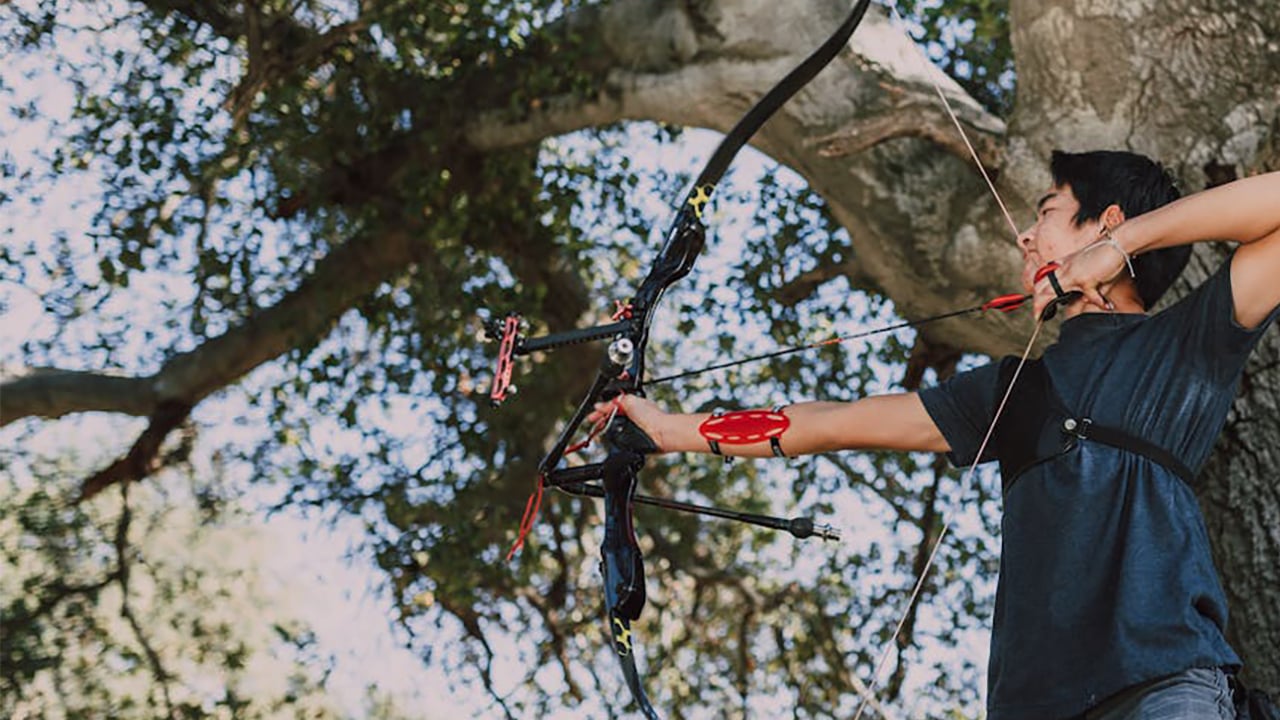
The young hunter had two chances most bowhunters would love to have.
Two bucks came in.
Not one. Two.
That alone is enough to make a newer hunter’s heart start beating loud enough to feel in his neck. A single deer in range can scramble your brain. Two bucks standing there can make everything feel like it is happening too fast, even when the deer are moving slow.
In a Reddit thread, hunters were sharing funny mistakes from the field, and one story involved a young hunter who got hit with nerves so hard that he dropped two arrows while trying to get ready on two bucks. Then, when he finally got second chances, he missed over both of them.
That is a rough morning.
And it is exactly the kind of thing that only sounds funny after the pain wears off.
Buck fever gets talked about like a joke, but it can absolutely wreck a person. Your hands shake. Your breathing changes. Your fingers stop acting normal. You forget your routine. You move too fast, then too slow, then freeze completely. The thing you practiced calmly a hundred times in the yard suddenly feels like it has 40 extra steps.
That seems to be what happened here.
The hunter had bucks in front of him and needed to do the simple part: get an arrow ready, draw when the timing was right, and make the shot. Instead, the nerves took over badly enough that he dropped arrows. Twice. That means before he ever got to the shot, the setup had already turned into a mess.
Dropping an arrow from a stand or while trying to stay hidden is brutal. It makes noise. It creates movement. It can spook deer. It makes the hunter feel rushed and foolish. And once the first mistake happens, the pressure gets worse. Now you are not just trying to shoot a buck. You are trying to recover from embarrassing yourself while the deer are still there.
That is when people start forcing things.
The amazing part is that he apparently got second chances. The bucks did not instantly disappear after the arrow drops, or at least he had opportunities again. That feels like the woods offering mercy.
Then he missed over both of them.
Missing high is a classic buck-fever mistake. Sometimes the hunter misjudges distance. Sometimes he rushes the shot. Sometimes he punches the release or jerks the trigger. Sometimes he aims while the pin is floating and lets the arrow go before he is truly settled. Sometimes the deer ducks the string, but when both shots go over, it sounds like nerves and execution were probably doing most of the damage.
And honestly, that is how learning happens sometimes.
It is painful because the opportunity was real. Nobody wants to walk away from two bucks with nothing but dropped arrows and clean misses. But clean misses are still better than bad hits. The deer walked away unwounded, and the hunter walked away with a lesson sharp enough to remember.
That matters.
Bowhunting magnifies nerves because everything happens close. The animal is near enough to hear you shift, see your movement, and react to the shot. You have to draw at the right time, anchor correctly, pick a spot, control your breathing, and keep your form together while your brain is screaming that this is the moment.
A target in the yard does not do that.
A 3D deer target does not make eye contact. It does not stomp. It does not flick its tail and step behind a branch. It does not turn broadside for three seconds and then start walking away. It does not carry the weight of a first buck, a filled tag, or a story you are dying to tell.
Real deer make practice feel different.
The best cure is experience, but you can cheat the process a little. Practice with your heart rate up. Shoot after jogging or doing pushups. Practice drawing slowly without extra movement. Practice taking one careful shot instead of flinging groups. Use a shot sequence every time: range, draw, anchor, settle, pick a hair, squeeze, follow through. The more automatic the process becomes, the less room nerves have to hijack it.
Still, no amount of backyard practice fully prepares a young hunter for two bucks standing there.
That is why this story works as more than a joke. It is funny because dropping arrows and missing high twice is painful in the way hunting camp stories are supposed to be painful. But it also shows the exact moment when a hunter starts learning how much the mental side matters.
The bow can be tuned. The broadheads can be sharp. The stand can be perfect. The deer can do everything right.
The hunter still has to keep himself together.
This young hunter did not, at least not that morning. But if he paid attention, those two missed chances probably taught him more than an easy first shot ever could have.
The bucks left untouched.
His pride probably did not.
Commenters treated it like a classic case of buck fever, especially for a young hunter.
Several people said nerves can make even basic movements feel impossible. Dropping an arrow, fumbling a release, forgetting a step, or rushing the shot are all common when a real deer finally shows up.
Others pointed out that clean misses are painful but better than wounded animals. Missing over a deer stings, but at least the bucks left without a bad hit or long tracking job.
A lot of practical advice came back to slowing the shot process down. Range the area ahead of time, know your lanes, practice drawing smoothly, and build a repeatable routine so the brain has fewer decisions to make when a buck appears.
Some hunters also said experience is the real teacher. The first few encounters can feel overwhelming, but after enough deer come through, the body starts reacting with a little less panic.
The main lesson was simple: buck fever can beat good gear and good opportunity. The only way past it is practice, patience, and enough time in the woods to make the moment feel manageable.