Photo credit: Herrington Arms/YouTube
Some guns get judged before they ever get a fair range day. A new design shows up, the internet decides it looks wrong, the brand has baggage, or the specs don’t match what shooters expected. Once that early criticism starts, it can be hard for a gun to climb out from under it.
But real use has a way of cutting through noise. If a gun runs, shoots well, carries right, or fills a role better than people expected, the criticism starts to sound a little thin. These newer guns had doubters early, but they proved the critics wrong once owners actually put them to work.
Taurus TX22

The Taurus TX22 had an uphill fight from the start because of the name on the slide. A polymer .22 pistol from Taurus sounded like something critics were ready to pick apart before the first magazine was loaded. Rimfire pistols can already be picky, and Taurus had enough reputation baggage to make shooters skeptical.
Then the TX22 started running better than people expected. It had good capacity, a comfortable grip, a useful trigger, and enough reliability with common ammo to turn a lot of doubters into owners. It also felt more like a real training pistol than a cheap rimfire toy. Critics expected another budget handgun with excuses. Instead, Taurus built one of the better modern .22 pistols in its class.
Ruger American Ranch

The Ruger American Ranch looked too plain and stubby for some rifle guys to take seriously. A short budget bolt gun with a synthetic stock and practical chamberings did not exactly scream precision or tradition. A lot of hunters and shooters wrote it off as another cheap utility rifle.
That was a mistake. The Ranch proved itself by being handy, affordable, suppressor-friendly, and more accurate than many expected. In chamberings like 5.56, 7.62×39, .300 Blackout, and .450 Bushmaster, it filled real roles around farms, deer stands, hog country, and range benches. It was never meant to be pretty. It was meant to be useful, and that is where it proved the critics wrong.
Smith & Wesson Shield Plus

The Shield Plus had critics because the original Shield already felt old once higher-capacity micro-compacts took over. Some shooters thought Smith & Wesson was simply trying to stretch one more run out of yesterday’s carry pistol. The market had changed fast, and the Shield name did not feel as exciting as it once did.
Then the Plus fixed exactly what needed fixing. It kept the slim, easy-carry shape, added meaningful capacity, and improved the trigger without making the pistol bulky. That made it one of the smartest carry-gun updates in years. Critics expected a tired refresh. Owners found a pistol that still carried like a Shield but finally competed with the newer guns on the shelf.
IWI Zion-15
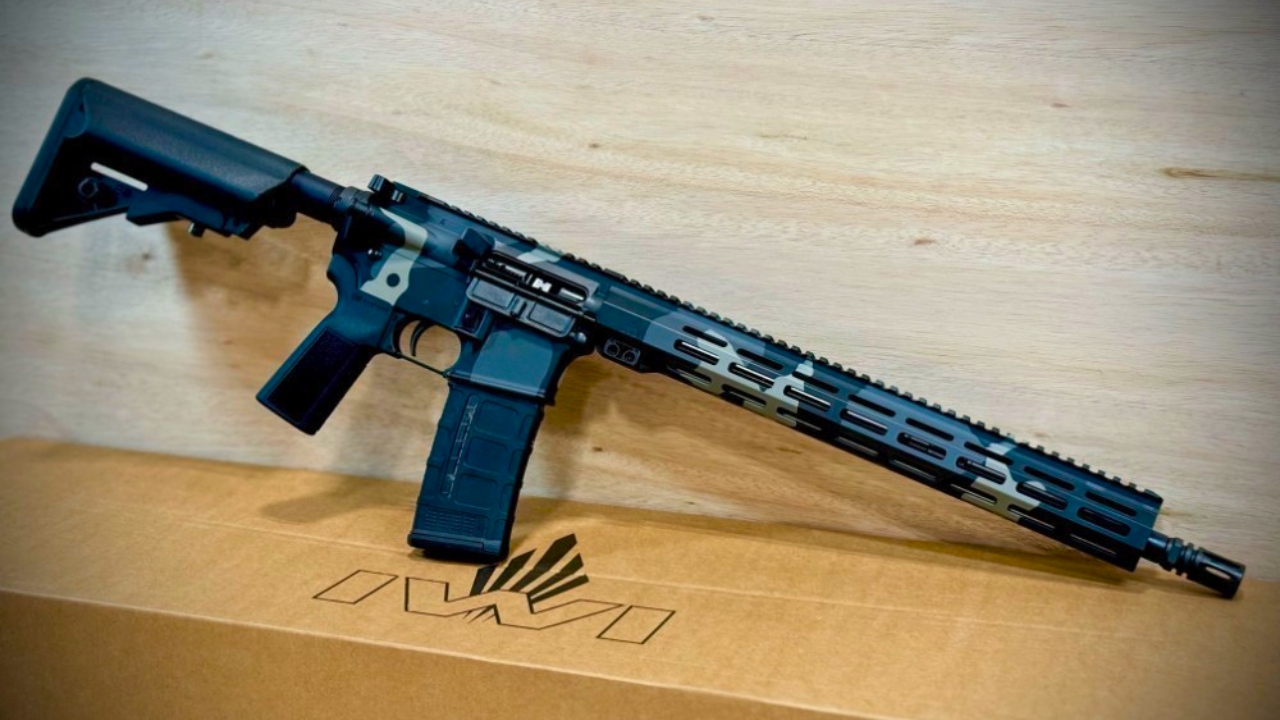
The IWI Zion-15 entered a market where nobody was asking for another AR-15. That was the main criticism. The shelves were already packed with cheap rifles, boutique rifles, duty rifles, and homebuilt parts guns. A factory AR from IWI had to do more than simply exist.
It did. The Zion-15 gave buyers a solid feature set, dependable performance, and a fair price without feeling like a random parts-bin build. It was not flashy, but it felt well thought out where it mattered. The furniture made sense, the rifle shot well enough, and IWI’s reputation helped. Critics saw another crowded-market AR. Owners found one of the cleaner values in the factory rifle space.
Walther PDP
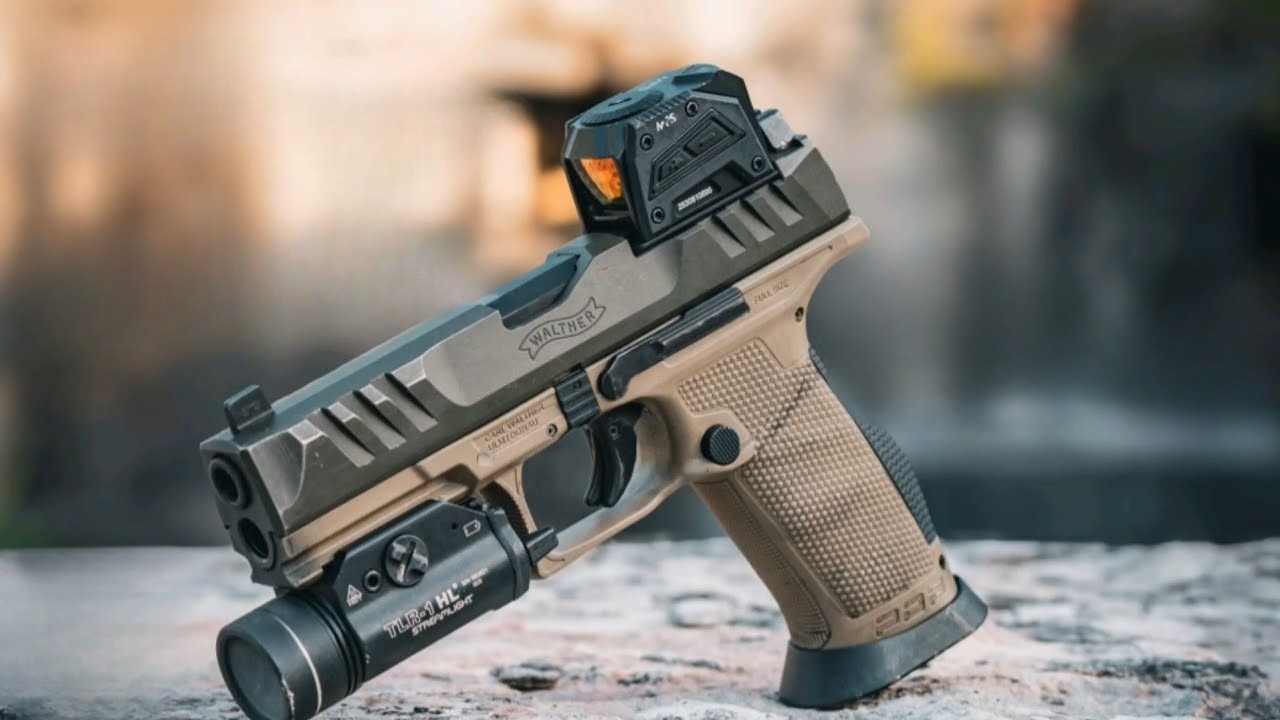
The Walther PDP caught some criticism because of its bulky-looking slide and aggressive styling. Some shooters also wondered whether it really improved much over the PPQ, which already had a loyal following. In a market full of optic-ready striker-fired pistols, the PDP looked like another loud entry trying to stand out.
The shooting experience changed opinions. The trigger was strong, the grip texture worked, and the pistol tracked well with a red dot. It was not the smallest or sleekest handgun in the case, but it was easy to shoot fast and accurately. That matters more than looks. Critics focused on the size and shape. Owners focused on how well it performed once the timer started.
Springfield Armory Hellcat Pro

The Hellcat Pro had doubters because some shooters already found the original Hellcat snappy. A larger version sounded like Springfield was just stretching the same idea and chasing the carry market with another variation. Critics wondered if it really solved anything.
It did for a lot of owners. The Hellcat Pro kept the carry-friendly footprint while adding enough grip and slide length to make the pistol easier to shoot well. It offered strong capacity, optics-ready capability, and better control than the smallest micro-compacts. It proved that a slightly larger carry pistol can be smarter than chasing the tiniest gun possible. Critics saw a stretched Hellcat. Owners found the more useful version.
CZ P-10 C

The CZ P-10 C had critics because it looked like CZ was simply building a Glock 19 competitor. That category was already crowded, and longtime CZ fans were not all thrilled about another polymer striker pistol. Some assumed it would be a copycat gun with a CZ logo.
Then people shot it. The trigger, grip shape, and natural pointing made the P-10 C feel more serious than the skeptics expected. It was reliable, accurate, and priced well enough to make shooters question why they were paying more elsewhere. It did not replace the CZ 75’s personality, and it did not need to. It proved CZ could build a modern striker-fired pistol that stood on its own.
Bergara B-14 Ridge

The Bergara B-14 Ridge faced skepticism because Bergara’s rise felt fast to some hunters. A newer name getting heavy praise always makes old-school rifle guys suspicious. Some critics treated the B-14 line like an overhyped Remington 700-style rifle riding barrel reputation and internet buzz.
The Ridge earned its place by shooting well and feeling like a serious hunting rifle. It had enough weight to stay steady, a useful stock, a familiar action footprint, and strong accuracy potential. It did not need to be magical to prove the critics wrong. It just needed to perform better than the doubt around it. For many hunters, that is exactly what it did.
Mossberg 940 Pro
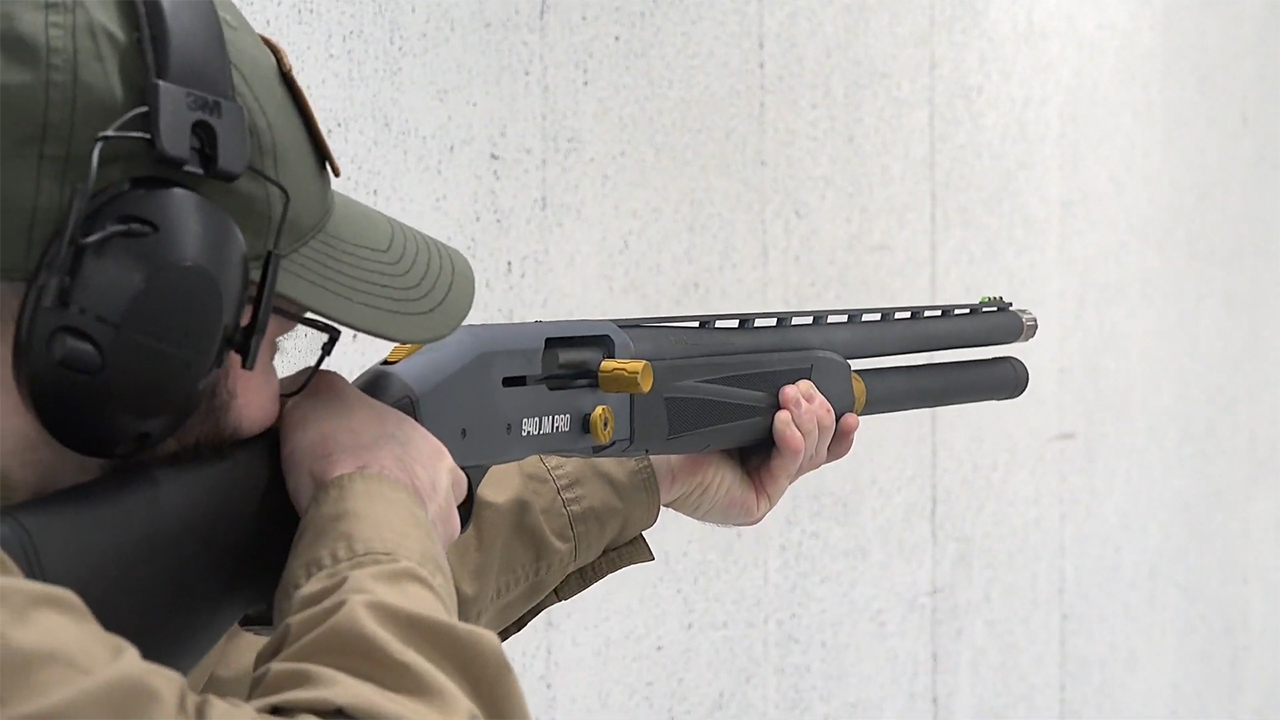
The Mossberg 940 Pro had to overcome the memory of earlier Mossberg semi-auto shotgun complaints. Some shooters trusted Mossberg pumps but were less eager to buy into a newer gas semi-auto. Critics wondered whether it would really hold up under heavy hunting, clays, or defensive use.
The 940 Pro helped change that conversation. Mossberg improved the gas system, extended cleaning intervals, and built versions that made sense for waterfowl, turkey, competition, and defensive setups. It was not just a cosmetic update. Owners found a shotgun that ran cleaner and felt more serious than expected. Critics saw another Mossberg semi-auto trying to prove itself. The 940 Pro actually did.
Canik Rival

The Canik Rival had doubters because some shooters still saw Canik as a budget brand. A competition-focused pistol from a value company sounded suspicious to people used to paying more for serious match-ready handguns. Critics wondered if it was just a flashy package around a cheap gun.
Then the Rival started showing up with real performance. The trigger was strong, the ergonomics worked, the optics setup made sense, and the gun gave shooters a lot for the money. It was not just good “for the price.” It was good enough to make more expensive pistols uncomfortable. Canik had already been gaining respect, but the Rival made critics take the brand more seriously.
SIG Sauer P365 XMacro

The P365 XMacro had critics because some shooters felt SIG was stretching the P365 idea too far. A larger grip, higher capacity, and comped slide options made people ask whether it was still a micro-compact or just another compact pistol with clever marketing.
Owners quickly understood the point. The XMacro carried easier than many traditional compacts while giving shooters more grip, more capacity, and better control than smaller P365 variants. It hit a real middle ground between concealability and shootability. Critics got hung up on the label. Owners cared that the gun worked for daily carry and real training better than many tiny pistols did.
Henry X Model .357
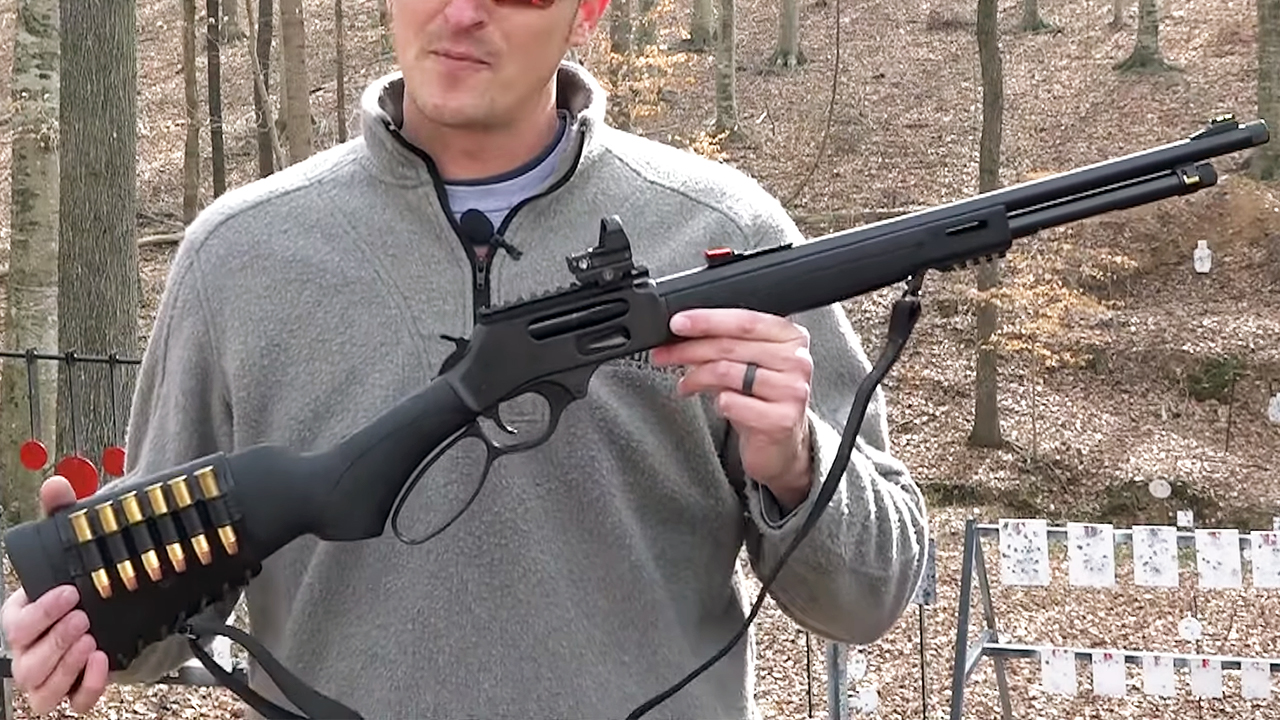
The Henry X Model .357 upset some traditional lever-action fans because it looked wrong to them. Synthetic furniture, a threaded barrel, and rail space on a lever gun felt like trend chasing. Critics thought Henry was messing with a formula that should have stayed wood and steel.
Then shooters started using it and realized the features had a purpose. A threaded .357 lever gun can be quiet, handy, mild, and useful for small game, pests, plinking, and close-range hunting with the right loads. It was not modern for the sake of looking modern. It was modern because those features made the rifle more usable. Critics saw an ugly lever gun. Owners saw a tool.
PSA Dagger

The PSA Dagger had critics because building a budget Glock-pattern pistol is a risky lane. Shooters were quick to question reliability, parts quality, long-term durability, and whether saving money was worth stepping away from the original. Those are fair questions when a gun is meant for serious use.
The Dagger still proved more capable than many expected. It gave buyers an affordable way into a familiar platform with good parts compatibility, optic-ready options, and enough real-world performance to build a following. Not every owner treats it as a duty pistol, and testing your own gun still matters. But critics who expected a throwaway budget pistol had to admit PSA delivered more than a cheap imitation.
Tikka T1x

The Tikka T1x had to prove itself because rimfire shooters are picky, and the market already had trusted options from CZ, Ruger, Savage, and others. Some hunters and target shooters wondered if Tikka’s centerfire reputation would actually translate into a .22 rifle worth the price.
It did. The T1x brought smooth handling, good accuracy, a familiar Tikka feel, and enough quality to satisfy shooters who wanted a serious rimfire. It worked for small game, training, suppressor use, and precision-style rimfire shooting. Critics expected maybe a decent .22 with a nice name. Owners found a rimfire that carried the same practical confidence that made Tikka centerfires popular.
Springfield Armory Echelon
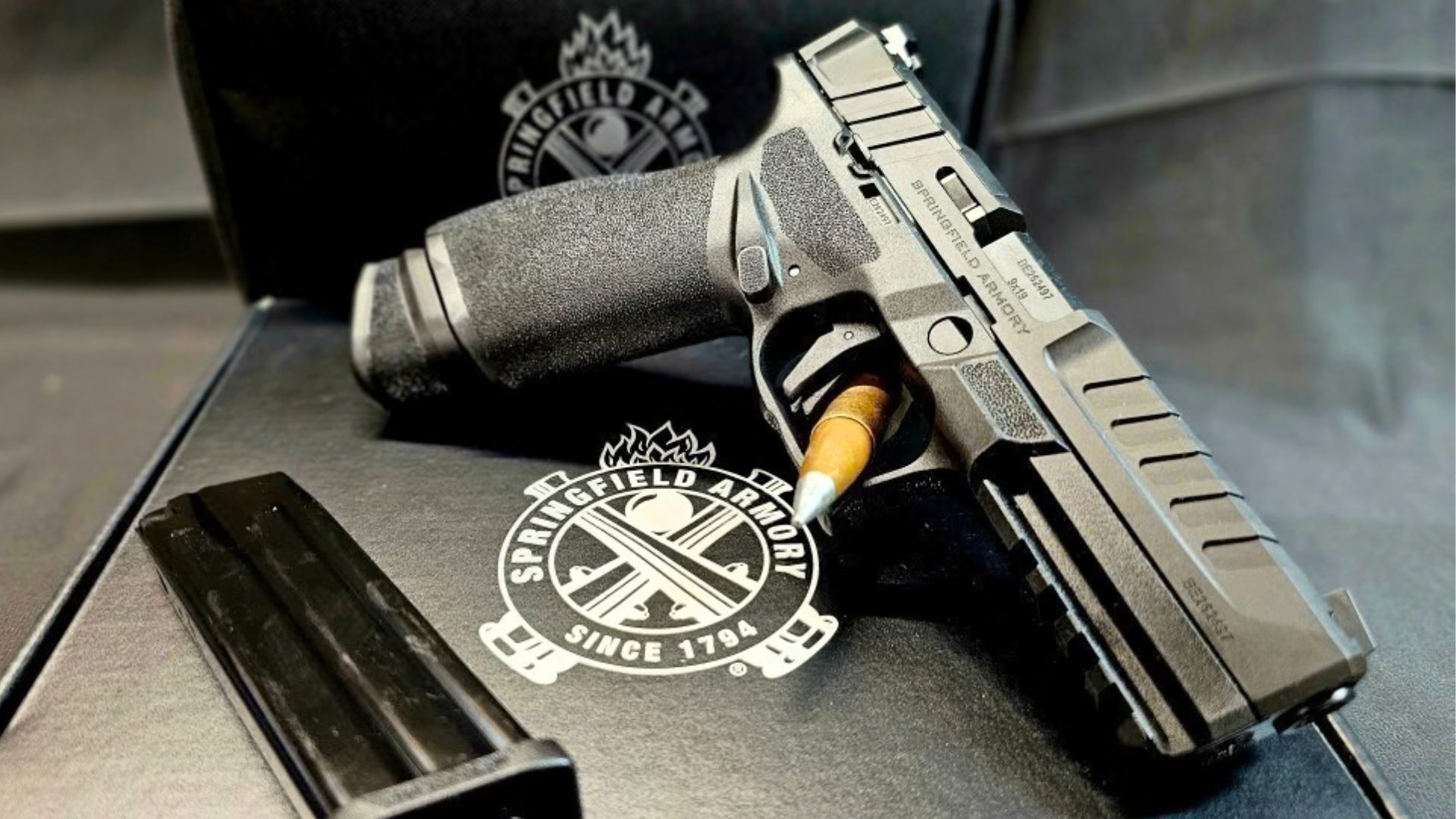
The Springfield Echelon had critics because the duty-size striker-fired market was already packed. Glock, M&P, P320, PDP, VP9, and CZ had already staked out serious territory. Some shooters saw the Echelon launch and wondered why anyone needed another full-size polymer pistol.
The Echelon answered with a strong optics system, modular fire-control setup, good ergonomics, and a shooting feel that gave it a real chance. It did not have to destroy every rival to prove the critics wrong. It only had to show that Springfield built a serious modern duty pistol instead of another warmed-over option. For many owners, that is exactly what happened.
Like The Avid Outdoorsman’s content? Subscribe to our newsletter so you never miss an article.
Here’s more from us: