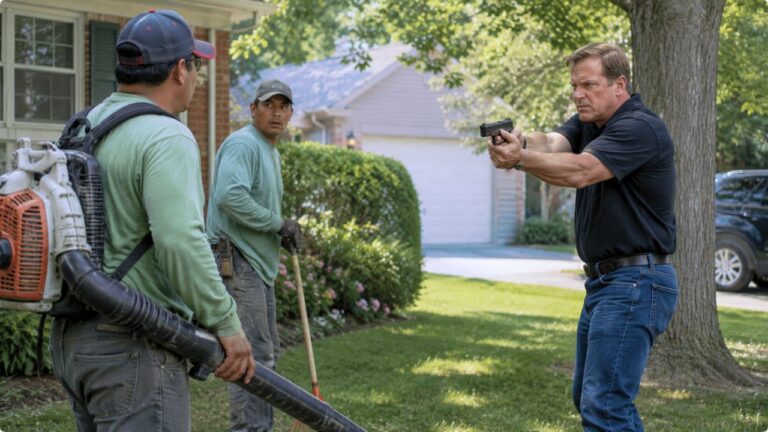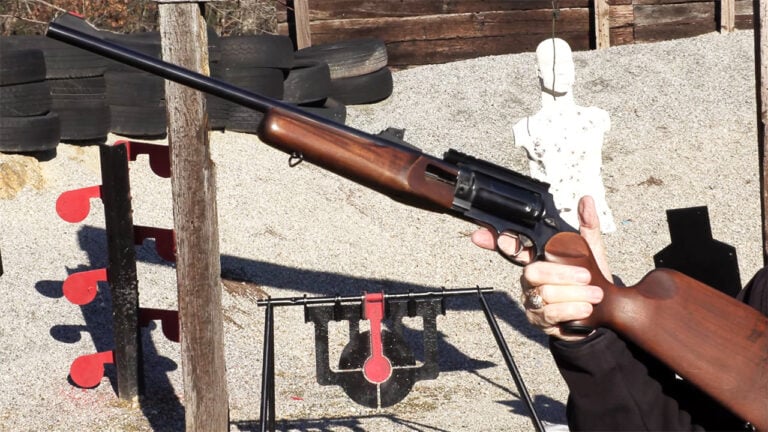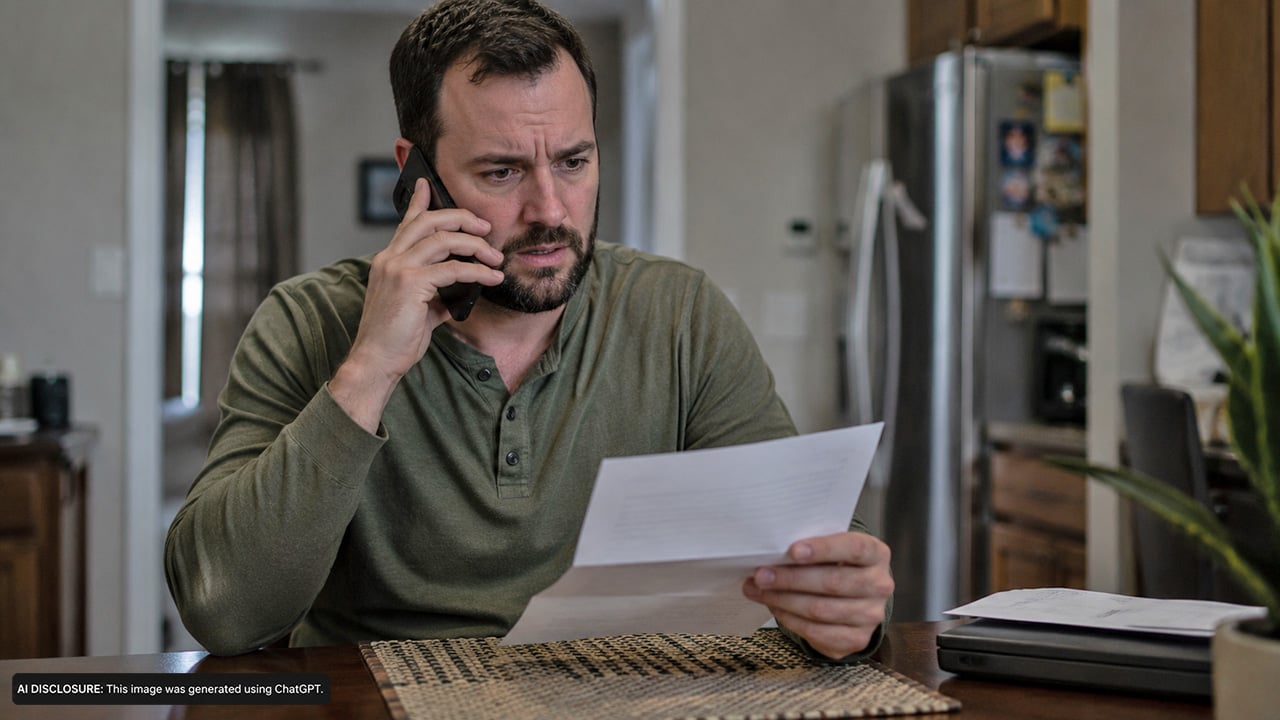
Photo credit: AI-generated image created using ChatGPT. Illustrative only
When somebody’s living situation turns sour, the first things that tend to go missing are peace and quiet. But in one Montana situation, the stakes were a lot higher: a short-barreled rifle and two suppressors—items that come with federal paperwork, serial numbers, and a whole different level of liability if they wind up in the wrong hands.
In the original post, a concerned friend described a roommate situation that had allegedly escalated into mental, financial, and physical abuse. The roommate reportedly told the gun owner he was “too unstable” to possess firearms, then allegedly took the owner’s SBR and two silencers. The friend’s question was simple and urgent: if the owner calls ATF or FBI, can the roommate be arrested?
A bad roommate situation turned into a gun-theft problem
Most outdoorsmen have dealt with one version of “roommate trouble,” whether it was a lease dispute, unpaid bills, or somebody who doesn’t respect your gear. But the post describes something darker: threats against the owner’s family, plus a pattern of control that included money and intimidation.
Then the firearms piece hit. According to the account, the roommate didn’t just hide a deer rifle in the back of a closet. He allegedly stole regulated items: an SBR and two suppressors. Those aren’t just “missing guns.” Those are serialized NFA items tied to a specific registrant, and that creates real consequences for the lawful owner if it isn’t handled the right way.
Why an SBR and suppressors change the whole equation
Plenty of folks who hunt and shoot don’t spend much time thinking about federal firearms law until something goes wrong. With National Firearms Act items, “something went wrong” can get complicated fast, even if you did everything right when you bought them.
An SBR and suppressors are the kind of items that draw extra attention if they show up where they shouldn’t—like during a traffic stop, a domestic call, or, worst-case scenario, at a crime scene months down the road. That’s why the basic advice in situations like this tends to center on documentation and prompt reporting. You want a clean paper trail that shows you’re the victim of theft, not the person trying to quietly “lose” regulated items.
The immediate priorities: safety, distance, and a paper trail
The post mentions the owner is visiting family later in the week. If someone has been threatened—especially if the roommate allegedly threatened to kill family members—this stops being a “gun question” and becomes a personal safety issue. In the real world, you don’t fix that by negotiating in a kitchen or trying to be the tough guy.
Practical steps usually start with getting to a safe location, avoiding direct confrontation, and keeping communications as clean as possible. If a firearm is stolen, filing a report isn’t just “checking a box.” It establishes a timeline and gives law enforcement a starting point. For NFA items, it also helps show that the registered owner acted responsibly once the items were discovered missing.
Who you call—and what you report—matters
The friend asked about calling ATF or FBI. In everyday terms, most stolen gun reports begin locally: the county sheriff or local police take the theft report, get serial numbers, and enter the information so it can be flagged if the item is recovered later. That local report can be the backbone of everything that comes next.
NFA items add another layer. Federal involvement can come into play because suppressors and SBRs are regulated under federal law, but that doesn’t mean a phone call automatically equals an immediate arrest. Arrests hinge on evidence, probable cause, and what officers can prove—especially if the roommate is inside the same residence and tries to claim the items were shared, abandoned, or “given.” The cleaner the documentation, the better.
Just as important: if threats and abuse are part of the story, that’s not something to bury under “gun stuff.” Threats against family members are serious on their own. Reporting those threats, and making sure they’re documented, can matter as much as reporting the stolen firearms.
What people tend to focus on in situations like this
Even without a long comment thread included in the source material, you can predict the pressure points that experienced gun owners and rural folks typically zero in on when NFA items go missing: “Do you have the serial numbers?” “Is there a police report?” “Do you have a safe?” “Can you prove you didn’t transfer them?”
That’s not folks being nosy. It’s reality. When a suppressor or SBR turns up later in a bad situation, the registered owner is going to get questions. Having the basics squared away—serial numbers recorded, purchase paperwork stored, and a report filed as soon as theft is discovered—can be the difference between a clean recovery and months of headaches.
The long tail: when stolen NFA items resurface later
The scary part about stolen firearms isn’t only the day they go missing. It’s the months afterward, when you get the call that your property was recovered somewhere you never wanted it to be. With NFA items, that kind of phone call can come from a federal agent who needs to know why your suppressor is in an evidence locker.
That’s the nightmare scenario behind this kind of story: the owner reports items stolen, life moves on, and then—half a year later—those serial numbers pop up during an investigation. At that point, you want every step you took early on to be boring, straightforward, and well-documented. “I reported it stolen immediately” and “here is the case number” are the kind of sentences that keep the situation from getting worse.
For hunters and shooters, this is also a reminder that “secure storage” isn’t just about kids in the house. It’s about roommates, relatives, and anybody else with access to your space when you’re not there. If your living situation isn’t stable, your storage plan needs to be better than a closet and a handshake agreement.
Bad roommates come and go, but stolen NFA items can follow you for a long time. If you ever find yourself in a situation where firearms are being used as leverage or control, take it seriously early, put distance between you and the problem, and make sure the right people—not just friends—know what’s happening.
Like The Avid Outdoorsman’s content? Subscribe to our newsletter so you never miss an article.
Here’s more from us: