Photo credit: Aces of Average/YouTube
No firearm is truly immune to dirt. Sand can stop a trigger, hardened carbon can lock up an action, and enough rust will eventually ruin almost anything made from steel. A defensive or hunting gun should still be inspected, lubricated, and cleaned before it reaches that point.
Some designs simply provide more room for neglect. Heavy slides, oversized extractors, piston-driven actions, loose military clearances, and manually operated systems can keep a gun functioning long after it looks overdue for maintenance. These 20 firearms are known for working through grime without immediately turning every shot into a malfunction drill.
Heckler & Koch P30L
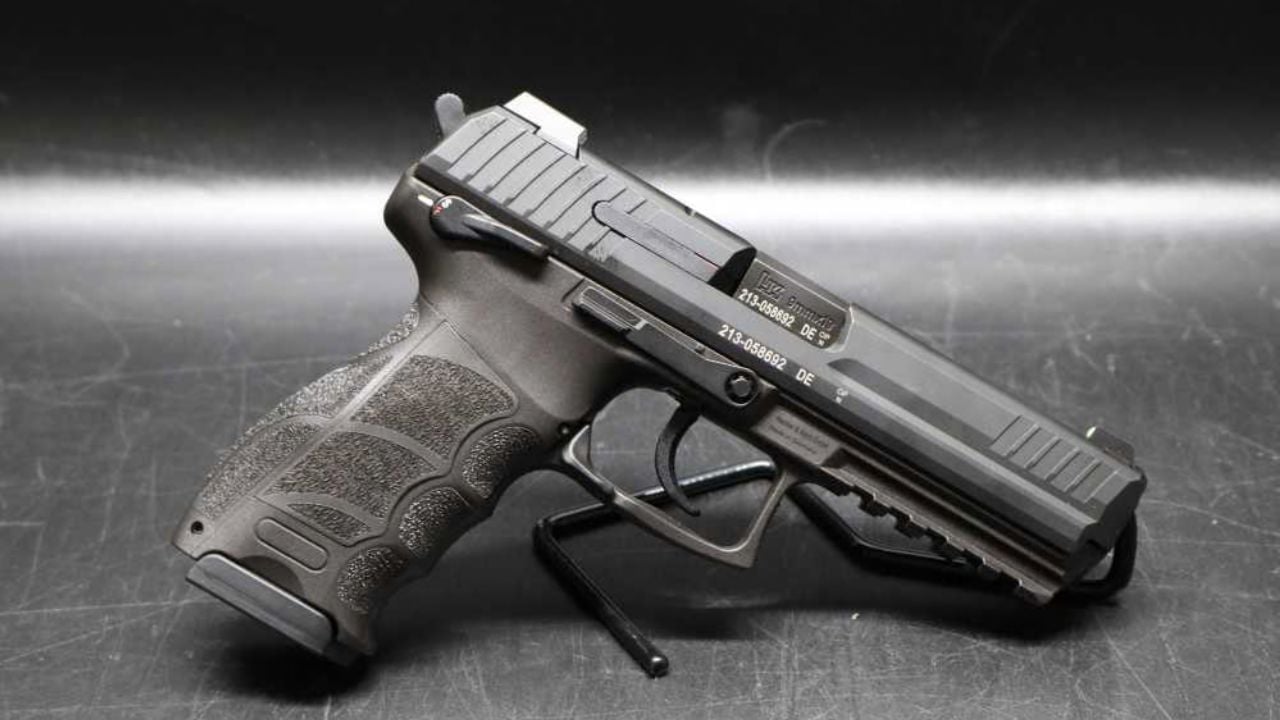
The P30L was designed as a full-size service pistol rather than a lightweight concealed-carry gun. Its substantial slide, strong extractor, polymer frame, and large internal components provide enough operating margin for carbon and old lubricant to accumulate without immediately slowing the action.
The pistol still benefits from lubrication around the barrel and frame rails, especially during extended shooting. It simply does not become temperamental after a few dirty range sessions. The hammer-fired action is more complicated than a basic striker system, but HK built the parts around institutional use rather than delicate competition performance.
SIG Sauer SP2022

The SP2022 is often treated as the inexpensive SIG because it uses a polymer frame and lacks the prestige of the P226. Mechanically, it remains a durable service pistol developed around police and military contracts.
Its full-size slide cycles with authority, while the external extractor provides strong purchase on dirty cases. The frame rails need occasional lubrication, but the pistol generally tolerates carbon and dust without becoming sluggish. The SP2022 may feel less refined than SIG’s metal pistols, but it is one of the company’s least demanding designs.
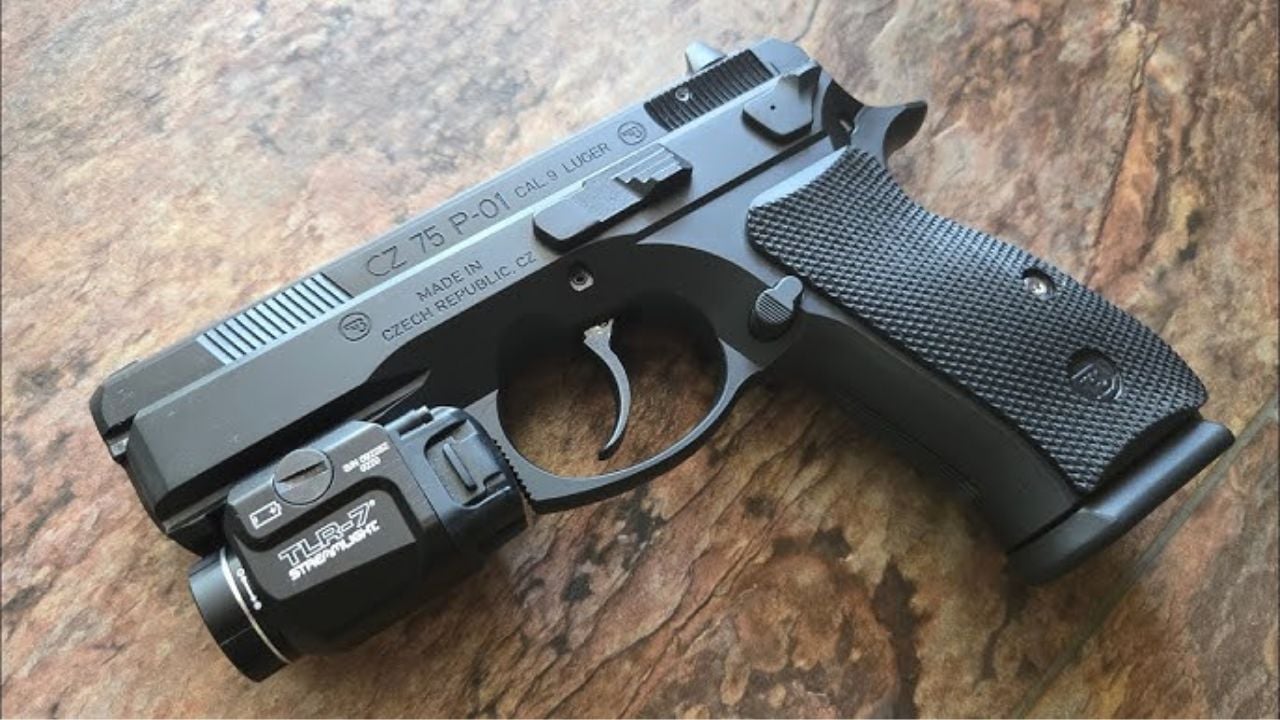
CZ P-01

The P-01 combines a compact aluminum frame with CZ’s internal slide rails and traditional double-action trigger. The tight-looking slide arrangement might suggest a pistol that needs constant cleaning, but well-lubricated examples handle heavy use remarkably well.
The pistol was designed around service requirements rather than target-grade fitting. Its extractor is substantial, magazines present cartridges reliably, and the compact slide retains enough mass to cycle through fouling. The rails should not be allowed to run completely dry, but the P-01 generally keeps working long after its exterior begins looking filthy.
Smith & Wesson Model 4566
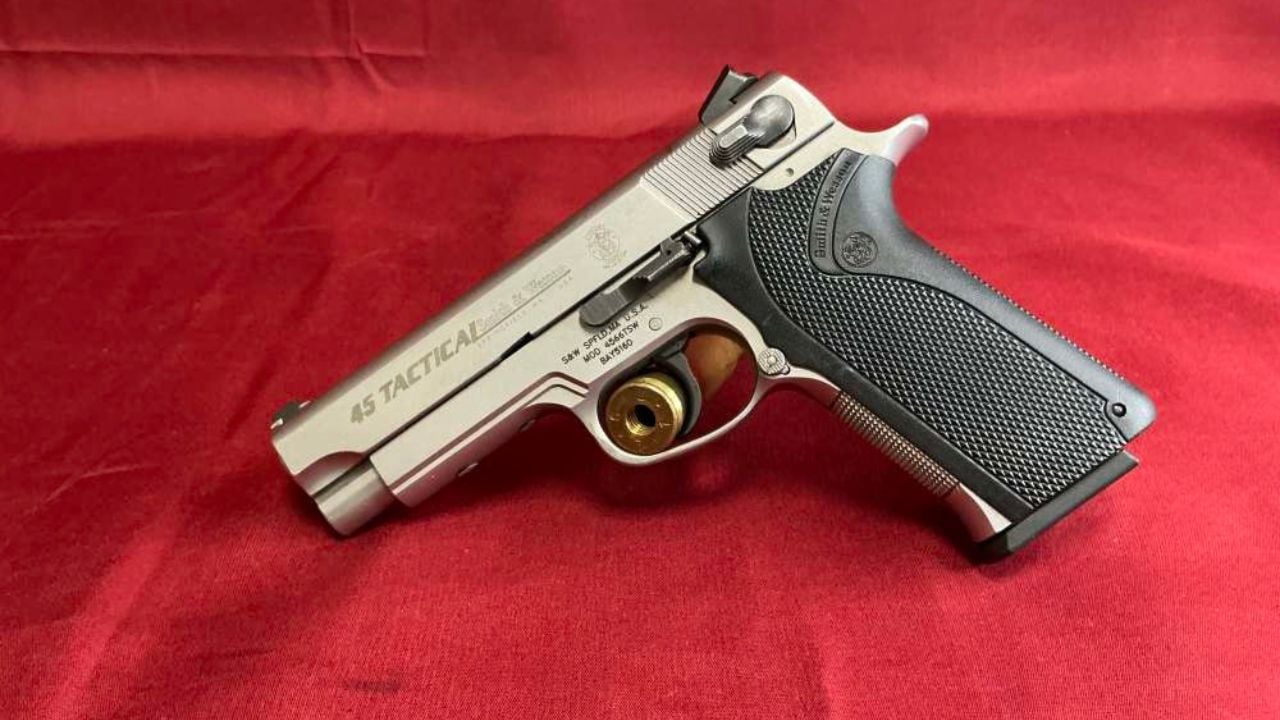
The Model 4566 came from Smith & Wesson’s third-generation duty-pistol family. Its stainless-steel frame and slide make it heavy, but that mass allows the action to keep moving when carbon, dried oil, and residue begin adding resistance.
The pistol was built for police use and uses substantial magazines, a strong extractor, and oversized controls. Its double-action system feels complicated beside a modern striker pistol, yet the operating parts are anything but fragile. Used examples often look heavily worn while continuing to feed and extract normally.
Ruger P345
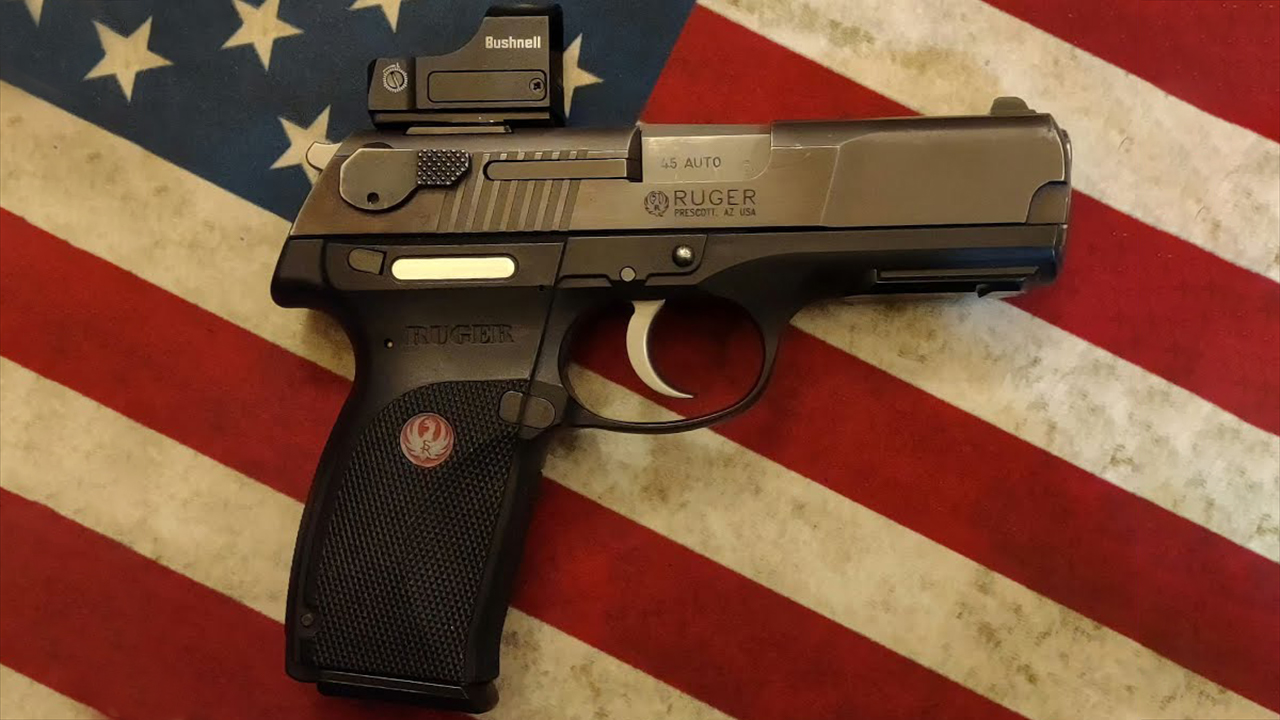
The P345 was one of Ruger’s attempts to slim down its famously bulky P-series pistols. It is narrower and more comfortable than the P90, but it still retains the rugged internal construction associated with the older line.
Its polymer frame does not rust, while the large slide and low-pressure .45 ACP cartridge provide a forgiving operating cycle. The magazine disconnect and loaded-chamber indicator add parts that some shooters dislike, but ordinary fouling rarely stops the pistol quickly. The P345 can be ignored longer than its relatively sleek appearance suggests.
Daewoo DP51

The DP51 was designed as a military service pistol and uses a system that combines traditional double action, single action, and Daewoo’s unusual fast-action mode. That trigger arrangement sounds complicated, but the rest of the pistol is built around durable service components.
The slide, extractor, and locking system tolerate dirty ammunition and inconsistent maintenance well. Its finish is plain, and replacement parts are less common than those for mainstream American pistols. The gun itself tends to keep functioning through grime that would expose tightly fitted commercial handguns.
FN FNP-9
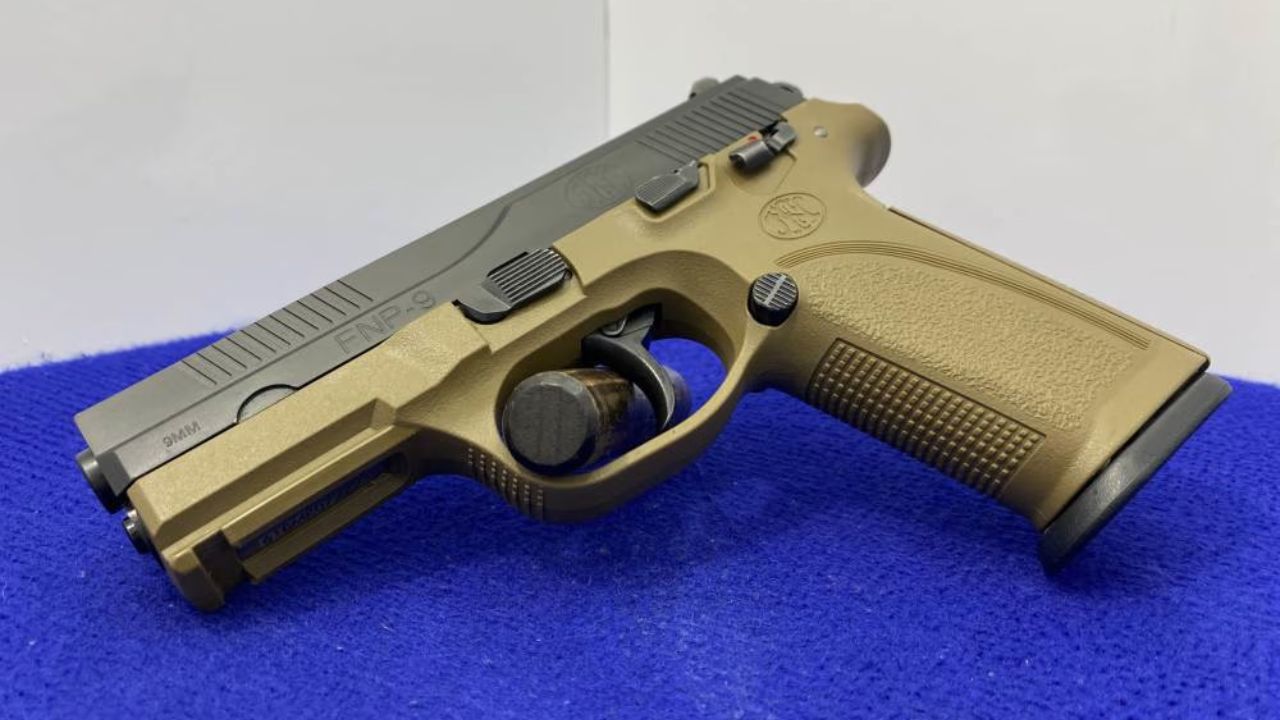
The FNP-9 preceded the better-known FNX series and was developed as a polymer-framed hammer pistol for military and police competition. Its large controls, full-size action, and straightforward locking system were designed around hard use.
The pistol has enough internal clearance to tolerate dust and carbon without immediately binding. Its magazines are sturdy, and the extractor provides reliable case control. The FNP-9 never became fashionable, but owners often find that its plain service construction allows it to keep running with minimal attention.
Ruger P94
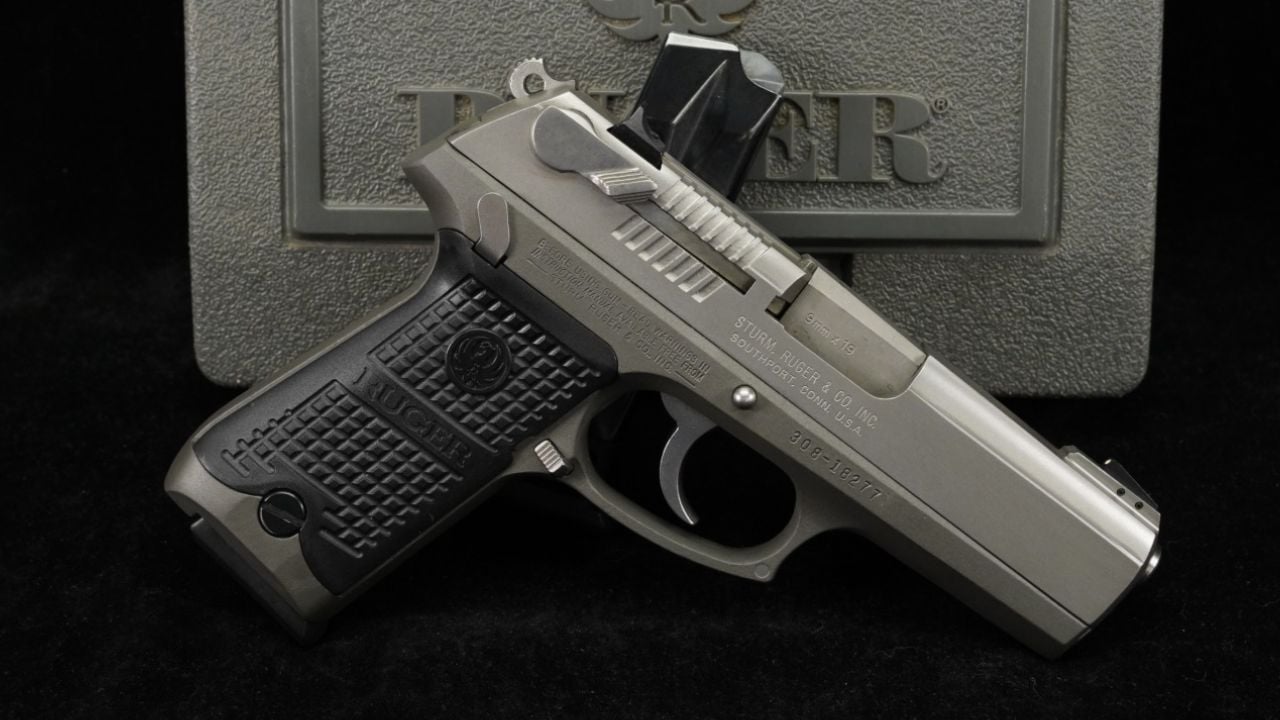
The Ruger P94 sits between the massive early P-series pistols and the company’s later streamlined designs. It remains thick, heavy, and noticeably overbuilt compared with most modern service handguns.
Those qualities make it extremely forgiving. Dirt can collect around the rails and barrel without removing all of the space needed for movement. Its large extractor and forceful slide handle inexpensive ammunition and dirty cases well. The P94 is not elegant, but elegance rarely helps a pistol function after months without cleaning.
Browning BDM
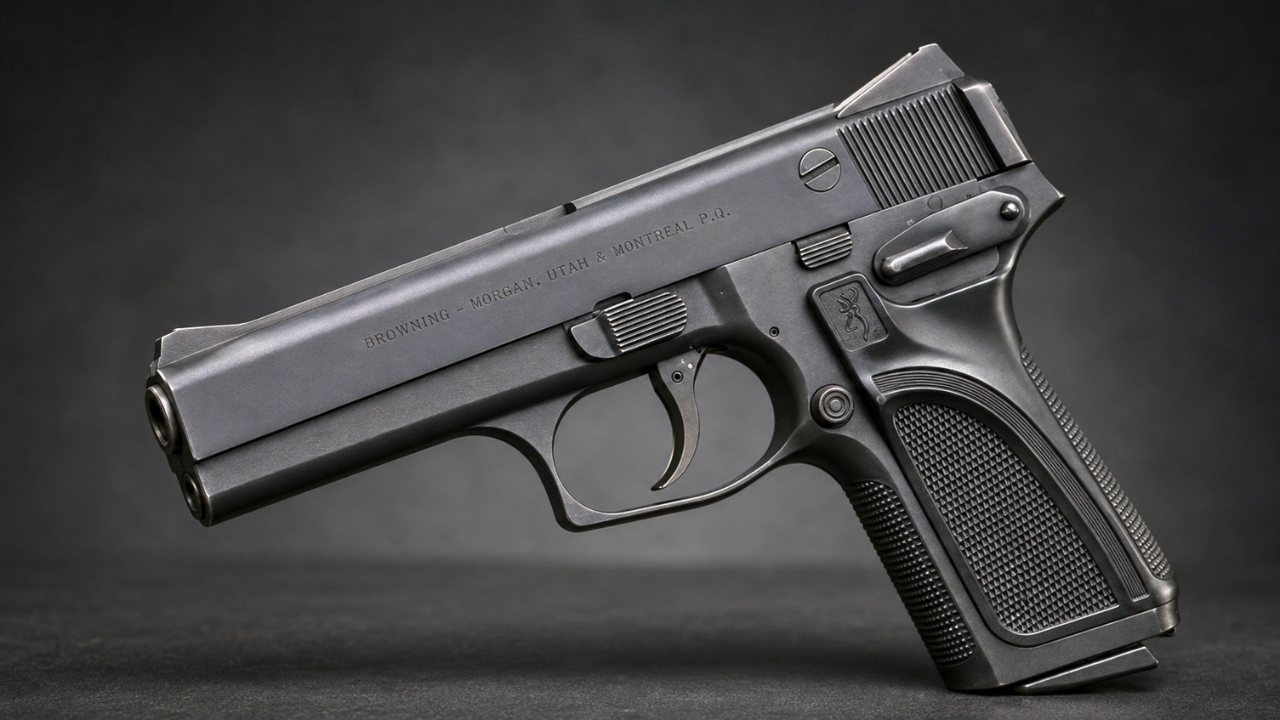
The Browning BDM was unusually thin for a double-stack 9mm pistol and offered a selectable trigger system that could mimic different operating styles. It never gained enough popularity to become a major service pistol.
Its steel slide, direct feed path, and full-size dimensions still provide dependable function. The pistol tolerates ordinary carbon and range debris better than its slim profile suggests. Parts scarcity makes intentional abuse unwise today, but the original design was much more rugged than its limited commercial success implies.
Galil ARM

The original Galil ARM took the Kalashnikov operating system and added a milled receiver, folding stock, heavy-duty sights, and features intended for military use. Its long-stroke piston and substantial bolt carrier provide enormous mechanical momentum.
Dust and carbon can accumulate throughout the receiver without immediately preventing the carrier from completing its cycle. The rifle is heavy, but that weight reflects the amount of steel used in its construction. A Galil ARM may become filthy enough to stain the shooter’s hands while continuing to feed and fire normally.
Valmet M76
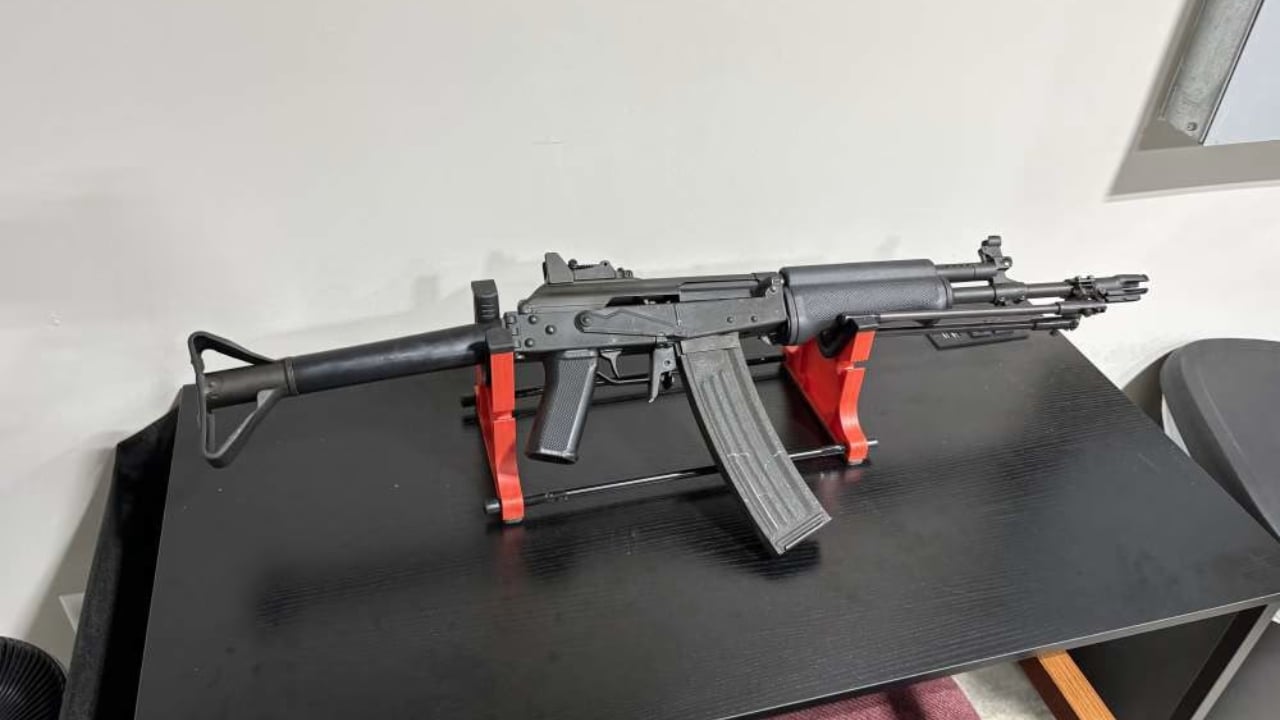
The Finnish Valmet M76 refined the Kalashnikov system with better sights, high-quality manufacturing, and a more carefully finished receiver. Improved craftsmanship did not remove the operating system’s tolerance for grime.
Its long-stroke piston keeps the action moving with considerable force, while the rotating bolt and generous clearances provide space for residue. Valmet rifles are now collectible and too valuable for careless treatment. Mechanically, however, they were designed to function in severe northern climates where snow, mud, and limited field maintenance were expected.
AK-74M
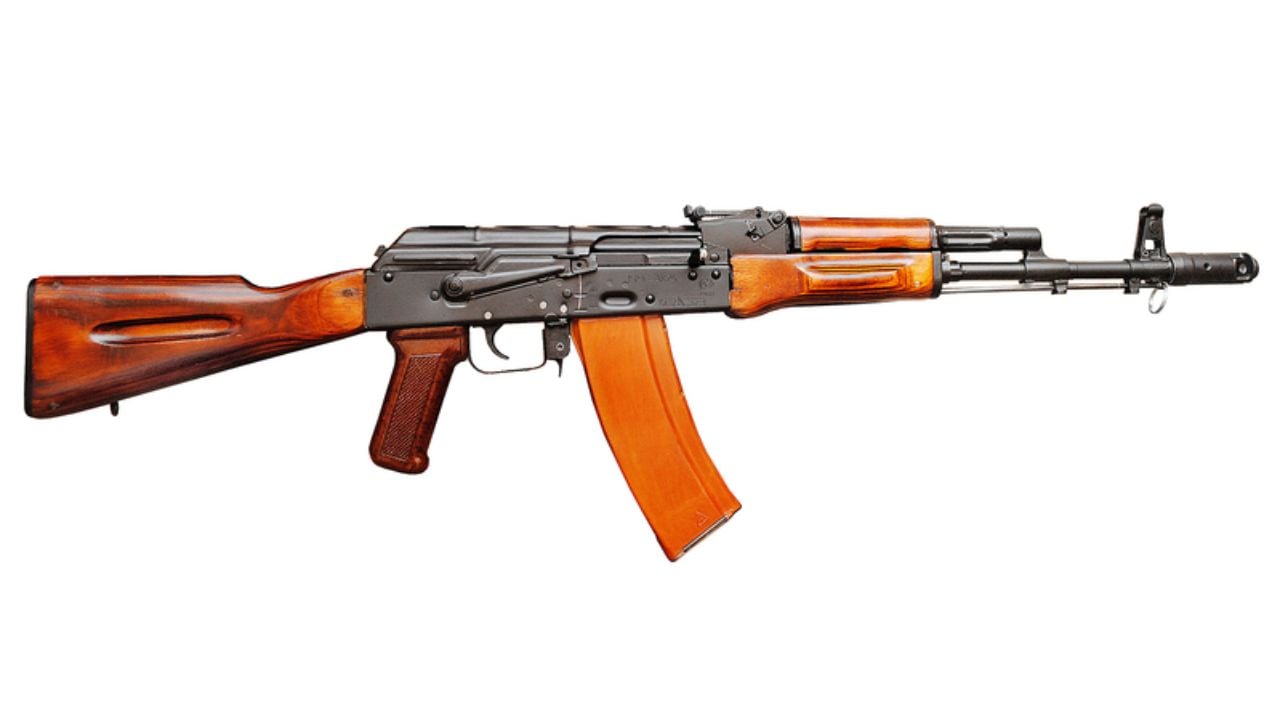
The AK-74M uses the same broad operating principles as earlier Kalashnikov rifles but is chambered for the smaller 5.45x39mm cartridge. Its long-stroke piston, rotating bolt, and heavy carrier give fouling little opportunity to stop the rifle quickly.
The smaller bore requires attention if corrosion or an obstruction is suspected, particularly with older ammunition. Inside the receiver, however, the rifle remains highly tolerant of carbon and debris. Its magazines, extractor, and gas system were designed around military use rather than clean commercial ranges.
Heckler & Koch G3
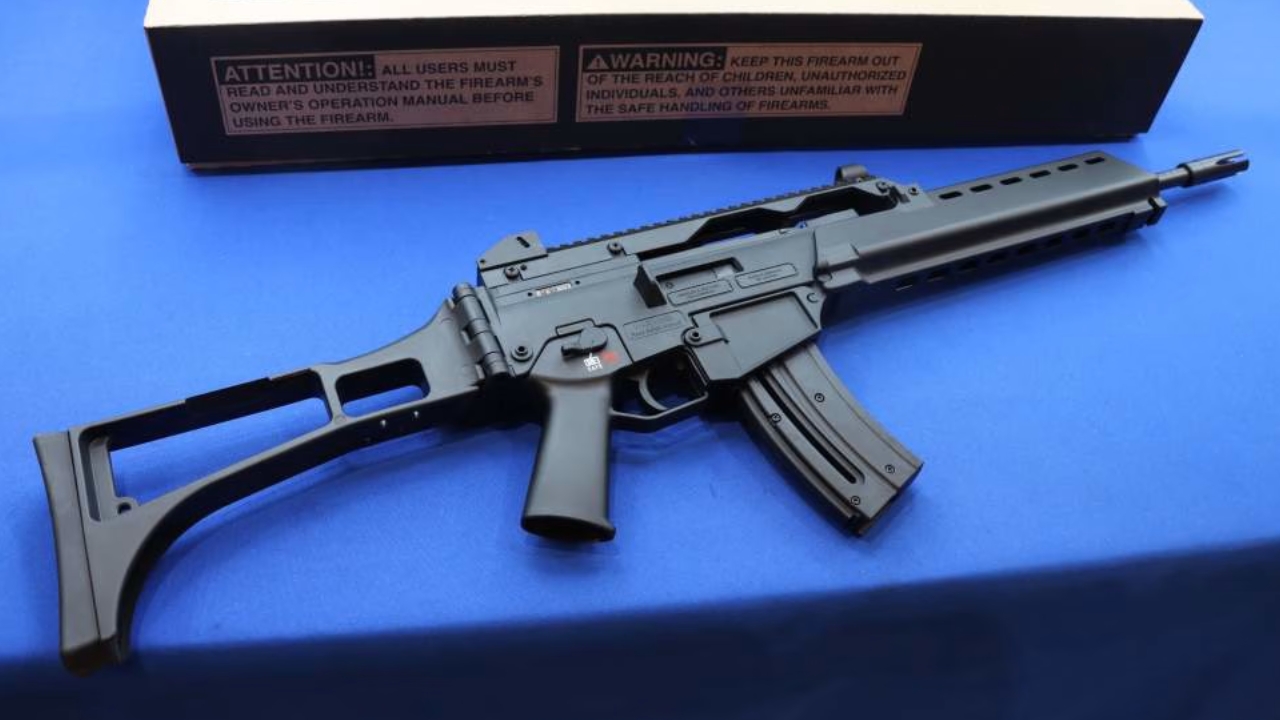
The G3 uses a roller-delayed blowback action rather than a conventional gas system. It has no piston to clean, and its chamber flutes help gas flow around the cartridge case during extraction.
That process leaves fired brass dirty and often heavily marked, but it also gives the rifle tremendous extraction force. Carbon accumulates inside the receiver and bolt assembly, yet the action can continue cycling through an impressive amount of contamination. The G3 is heavy and abrupt, but it is rarely delicate.
SIG SG 550
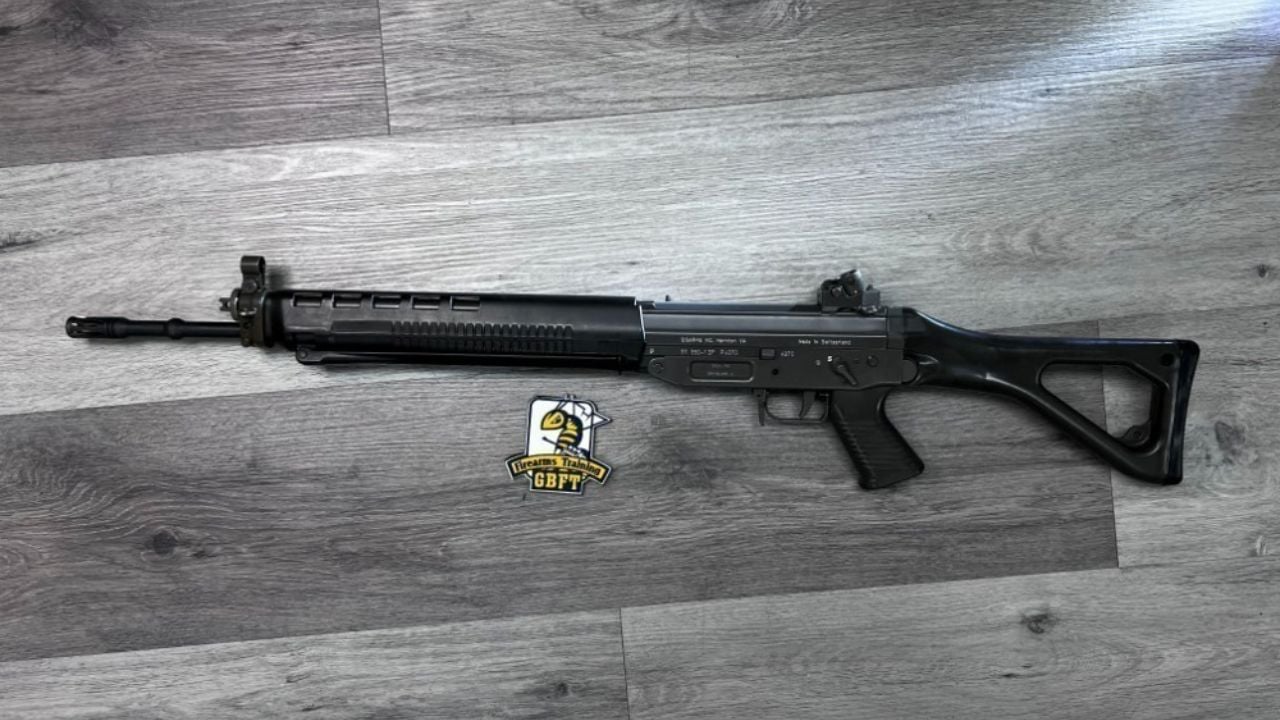
The SG 550 combines a long-stroke piston with Swiss manufacturing quality. Unlike rifles built around extremely tight target tolerances, it was designed as a military weapon expected to function in snow, dust, rain, and field conditions.
The receiver and bolt carrier provide room for contamination, while the adjustable gas system gives the rifle additional operating energy when conditions become severe. Its precision and smoothness can make it feel refined, but underneath that finish is a hard-use rifle built to remain functional when maintenance is delayed.
M1 Carbine

The M1 Carbine uses a short-stroke gas piston and rotating bolt in a compact rifle that served through several major conflicts. Its operating parts are relatively simple, and the small piston does not vent large amounts of fouling directly into the receiver.
Dirty magazines remain the platform’s biggest weakness, especially when feed lips become bent or springs lose tension. With good magazines, the rifle can tolerate substantial carbon and field debris. It is not as overpowered mechanically as an AK, but it was designed for soldiers who could not always clean a weapon immediately.
Ruger Gunsite Scout Rifle
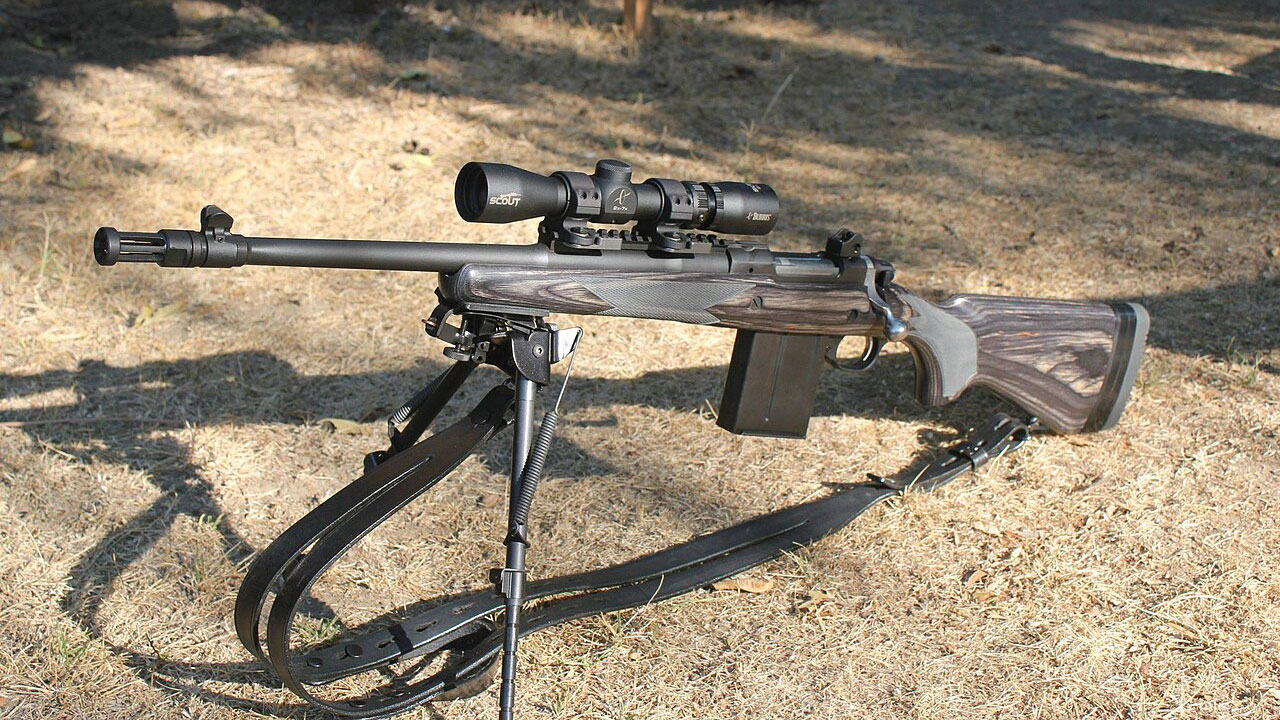
The Gunsite Scout is a manually operated bolt-action rifle with a controlled-round-feed extractor and detachable box magazine. It avoids gas systems, recoil springs, and most of the components that become sensitive to fouling in semiautomatic rifles.
The large claw extractor gives the shooter strong control over a dirty or sticky case. If the bolt becomes stiff, the handle provides direct mechanical leverage to chamber or extract the round. Mud inside the locking-lug recesses can still stop it, but ordinary carbon and hunting debris rarely present a serious challenge.
Winchester Model 1892
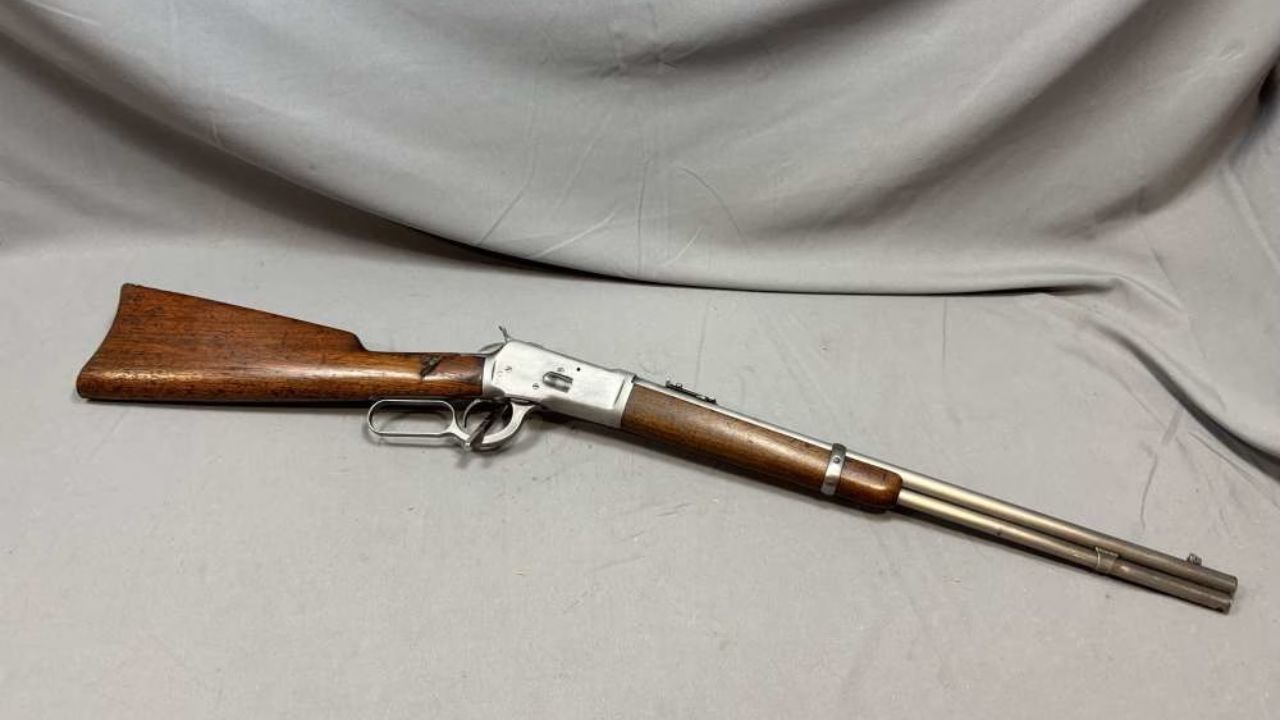
The Winchester Model 1892 uses a compact lever action with strong vertical locking blocks. It was designed around pistol-caliber cartridges and contains no gas system or automatic cycling components.
Residue from cast bullets and dirty powder can collect inside the receiver, but the lever gives the shooter enough mechanical advantage to keep the action moving. The design is relatively enclosed and straightforward to lubricate. A neglected Model 1892 may feel stiff, yet it usually keeps functioning until the dirt reaches an extreme level.
Marlin Model 1894
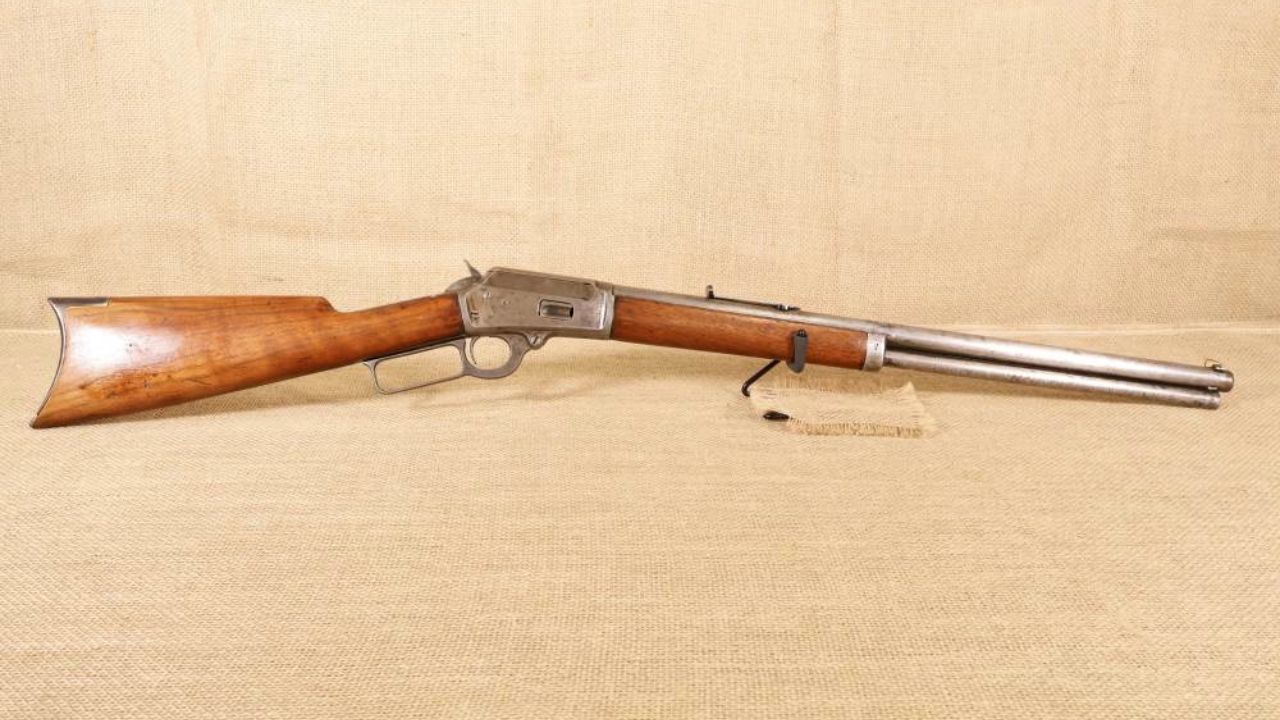
The Model 1894 is another pistol-caliber lever action that tolerates casual maintenance well. Its solid-top receiver and side ejection help protect the action from rain, leaves, and falling debris.
Heavy cast-bullet loads can leave considerable residue around the carrier and chamber. The manually operated action does not depend on ammunition pressure to cycle, so weak or dirty loads create fewer problems than they would in a semiautomatic. The rifle still needs cleaning eventually, but it rarely demands it after every trip.
Benelli SuperNova

The SuperNova uses a manually operated rotating bolt and pump action wrapped in corrosion-resistant polymer. The steel receiver structure is protected by the outer shell, making the shotgun especially suitable for wet hunting conditions.
Dirty shells, powder residue, and field debris have fewer opportunities to stop it because the shooter supplies the force needed to operate the action. The twin action bars and large fore-end provide plenty of leverage. A neglected magazine tube can still cause feeding problems, but the central action is extremely tolerant.
Browning BPS
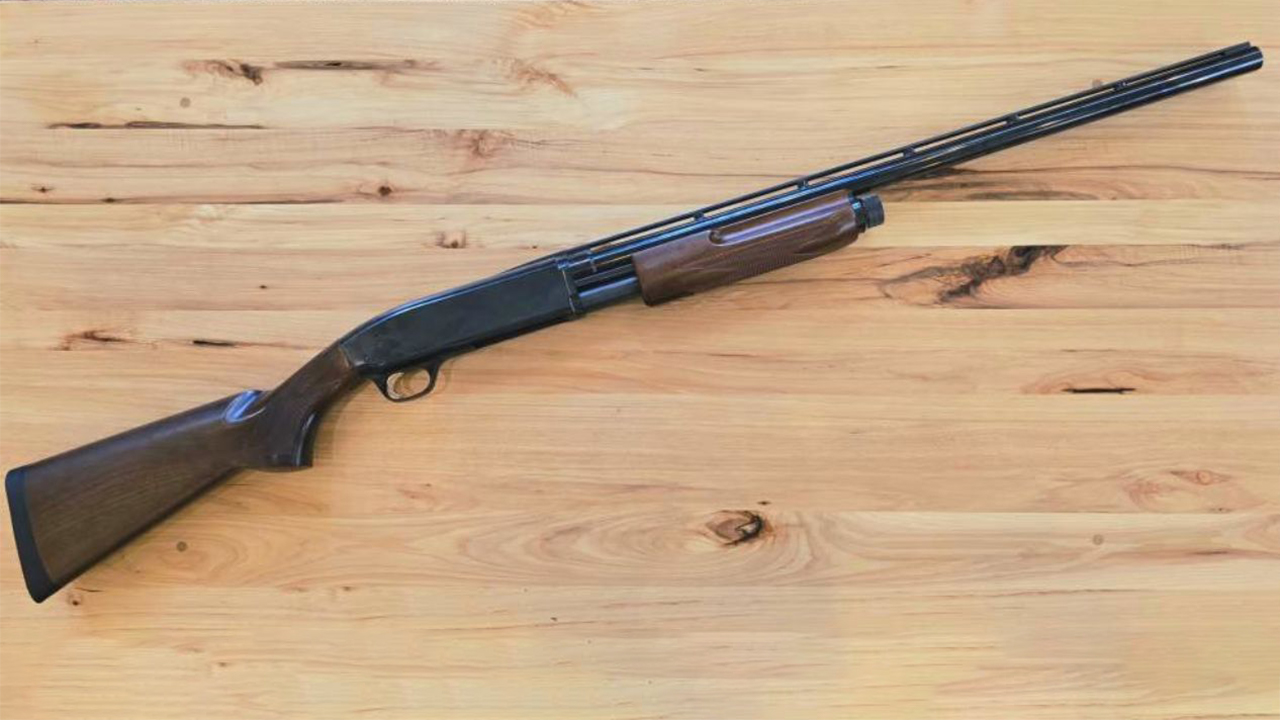
The Browning BPS uses bottom loading and bottom ejection, keeping both sides of the receiver enclosed. That helps prevent dirt, rain, and vegetation from entering the action while the shotgun is carried through thick cover.
Its pump system is manually powered, and the steel receiver provides a substantial foundation for years of use. Residue can collect around the shell stops and carrier, but the action usually continues working until buildup becomes severe. The BPS is heavier than many newer pumps, yet its enclosed design makes it one of the better choices for dirty field conditions.
Stoeger P3000
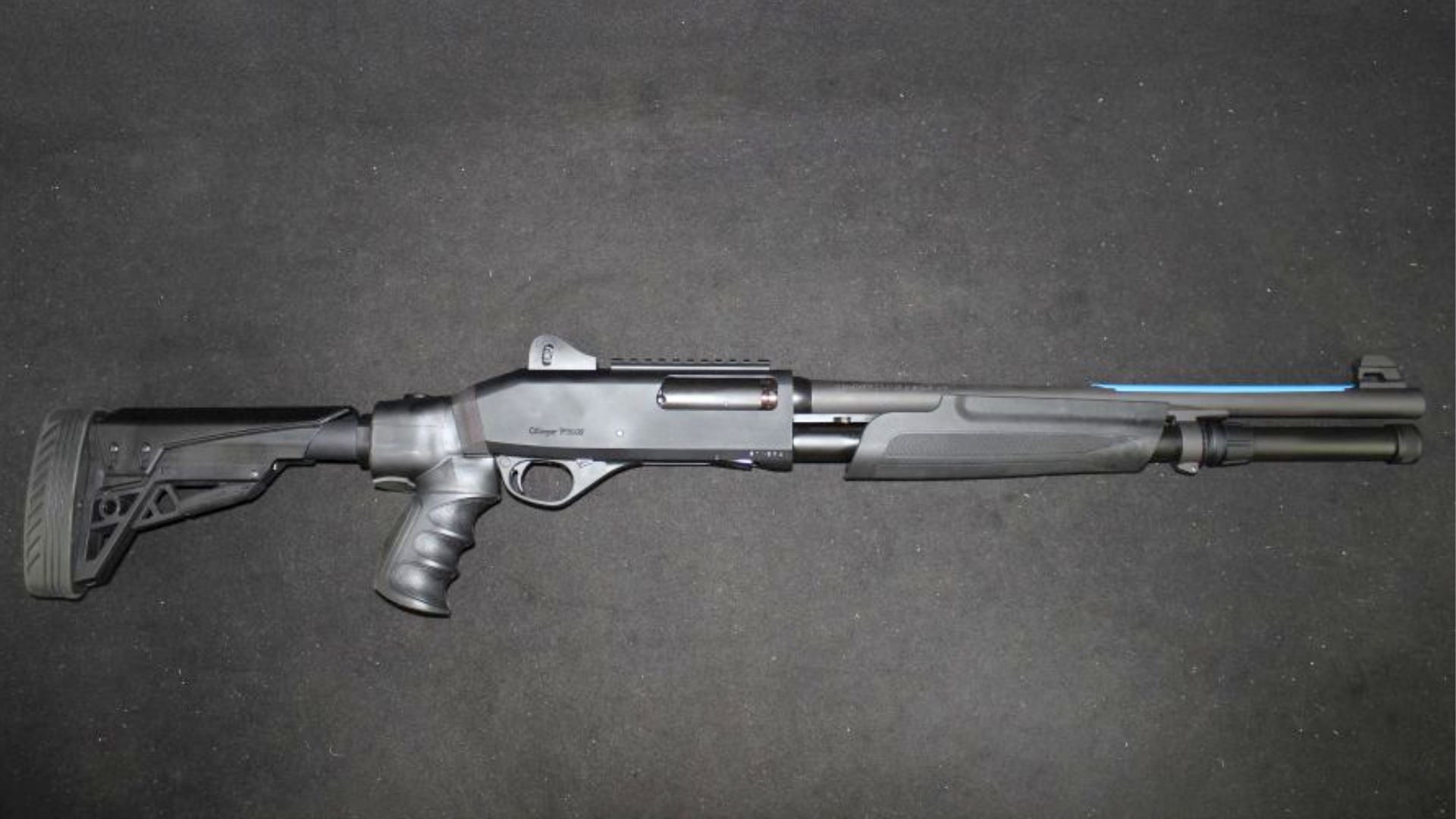
The P3000 is an inexpensive pump shotgun built around a simple rotating-bolt action. It lacks the polished movement and finish of more expensive designs, but its basic operation leaves little for dirt to interrupt.
The shooter provides all of the energy required to extract, eject, and chamber the next shell. Large controls and a straightforward magazine system help it keep working with dirty target loads and neglected field ammunition. The P3000 may rattle and feel rough, but it does not need to feel refined to function.
Like The Avid Outdoorsman’s content? Be sure to follow us.
Here’s more from us: