Photo credit: AppalachianOutpost/GunBroker
Some pistols are frustrating because they are poorly made. Others are frustrating because they are almost excellent. They shoot well, feel good in the hand, or have a strong reputation, but one or two odd decisions keep getting in the way. Those are often the guns that annoy owners the most because you can see how good they could have been.
Maybe the controls are awkward. Maybe the magazines are expensive or difficult to find. Maybe the trigger is strange, the takedown process is annoying, or the pistol is much harder to shoot well than its specifications suggest. These 20 pistols all have something going for them, but each one also manages to make ownership more frustrating than it really needs to be.
Beretta PX4 Storm Subcompact

The PX4 Storm Subcompact sounds like it should be one of the more interesting small hammer-fired pistols on the market. It has Beretta’s reputation behind it, a traditional double-action trigger, and dimensions that should make it useful for concealed carry. The problem is that the subcompact version loses one of the best features of the larger PX4 pistols: the rotating-barrel system.
Instead, it uses a more conventional operating system while keeping much of the chunky shape that defines the PX4 family. That leaves you with a small pistol that is still fairly thick without giving you the softer recoil characteristics that make the larger models appealing. It works, but it never feels as clever as it should.
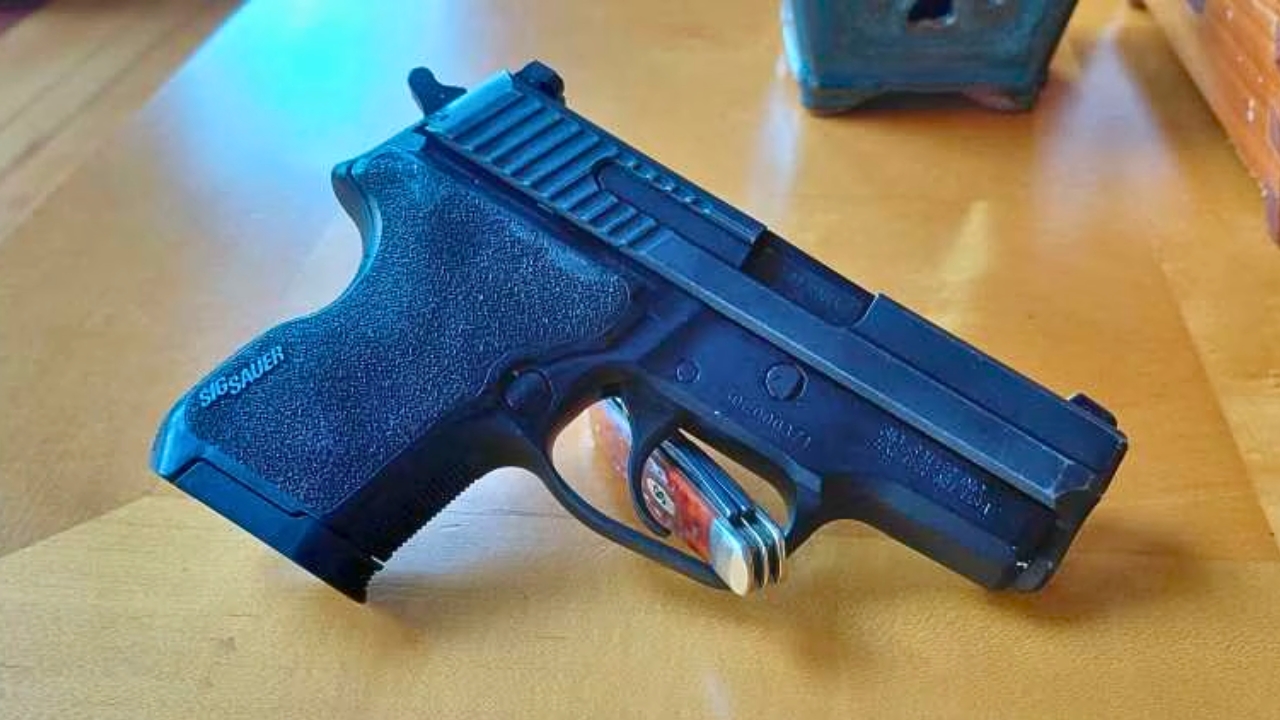
SIG Sauer P224
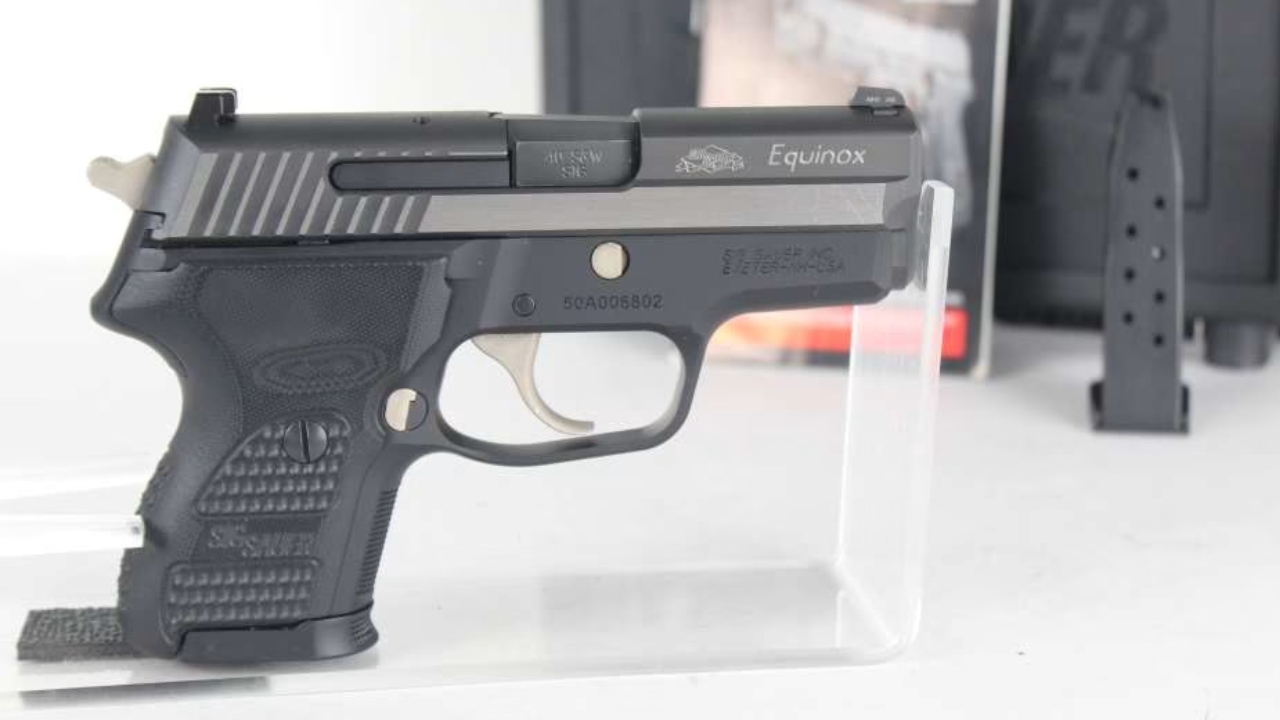
The P224 tried to shrink the classic SIG double-action pistol formula into a subcompact package. On paper, that sounds excellent. In practice, the short grip and thick frame create an awkward combination that can be uncomfortable for shooters with larger hands.
The pistol also carries like something smaller but shoots more like something cramped. Magazine availability has become another irritation since the model disappeared from regular production. It is a fascinating little SIG, but it is also the kind of pistol that makes you wonder why you did not simply carry a slightly larger P229.
HK P2000SK
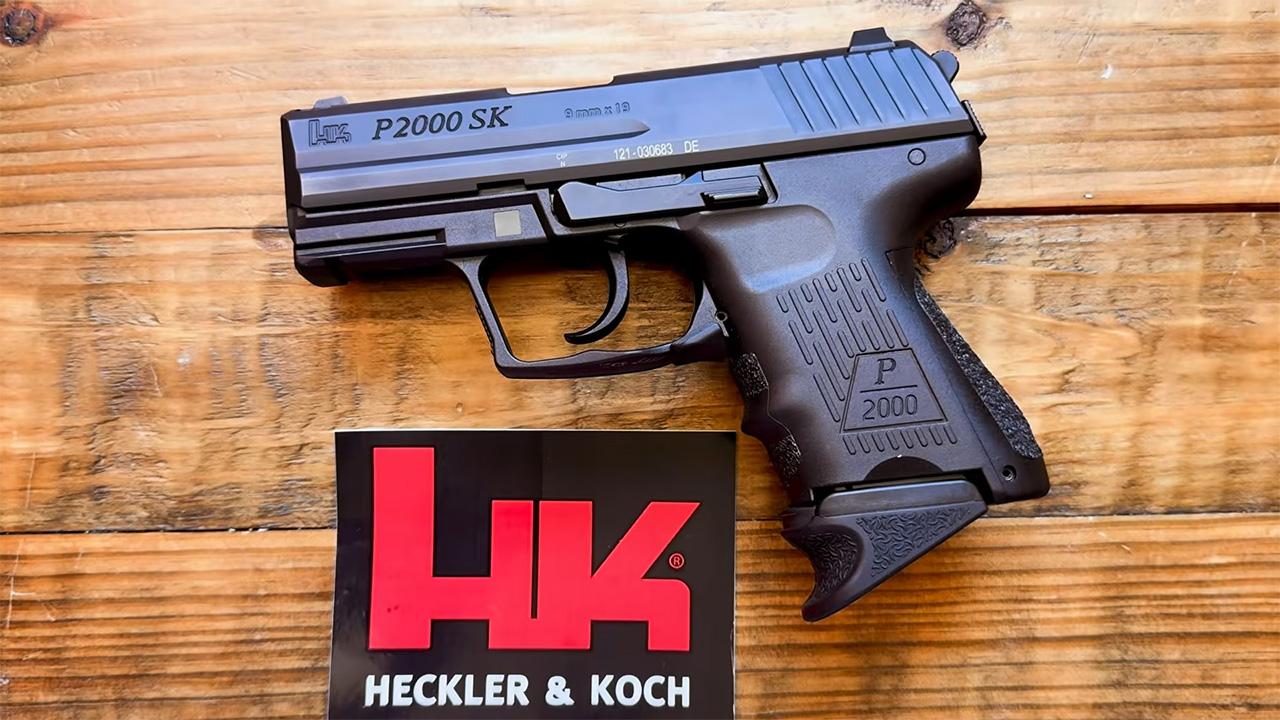
The P2000SK is durable, well-made, and extremely reliable, yet it can still be maddening. The pistol is compact, but the grip is short enough that many shooters end up using extended magazines anyway, which eats away at the size advantage.
The trigger is another point of frustration. Some versions have a heavy traditional double-action pull, while others use HK’s LEM system, which takes time to understand if you are accustomed to conventional triggers. Once you learn it, the gun can be excellent. Getting there is what makes the P2000SK more demanding than it needs to be.
Walther CCP M2
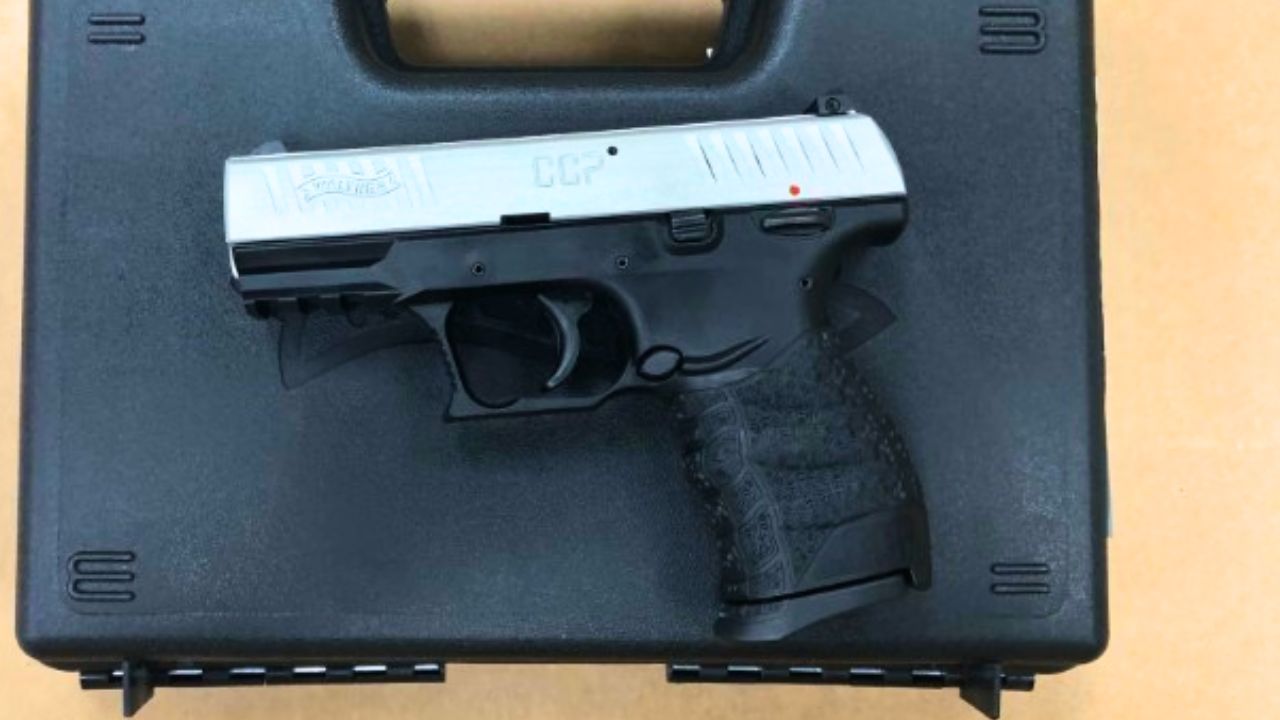
The CCP M2 was designed to be easy to rack and comfortable to shoot, and in those areas it succeeds. Walther’s gas-delayed operating system reduces recoil and makes the slide noticeably easier to manipulate than many compact pistols.
The problem is that the unusual operating system adds complexity where most shooters want simplicity. Cleaning and disassembly feel more involved than they should, and the gun has never developed the same reputation for straightforward ownership as Walther’s striker-fired models. It solves one problem while creating several smaller annoyances.
Remington R51
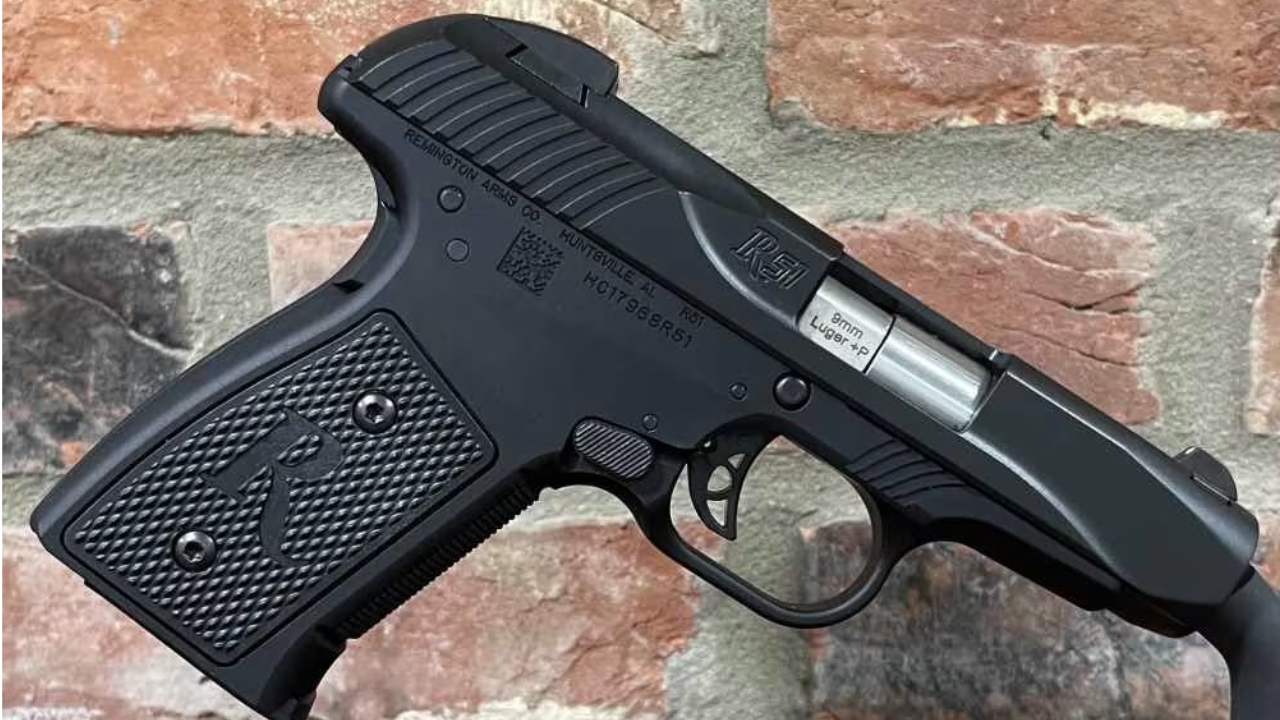
The R51 is one of the clearest examples of a pistol that looked far more promising on paper than it did in reality. Its low bore axis, slim profile, and unusual operating system should have made it a soft-shooting, easy-to-carry 9mm.
Instead, early production problems damaged the model’s reputation almost immediately. Even later pistols could feel odd to manipulate, and the internal design made the gun less intuitive than competitors. The R51 had interesting engineering behind it, but owning one often involved far more uncertainty than most people want from a defensive handgun.
Kimber Solo

The Kimber Solo was extremely compact for a 9mm when it arrived and looked like a premium solution for deep concealment. It was also notorious for being ammunition-sensitive.
Kimber specifically recommended certain premium loads, which immediately made the pistol less flexible than many competitors. A carry pistol that only seems happy with a narrow range of ammunition is always going to create doubt. The Solo is attractive and easy to carry, but shooters who want to feed their pistol whatever quality 9mm they have on hand may quickly lose patience with it.
Steyr S9-A1
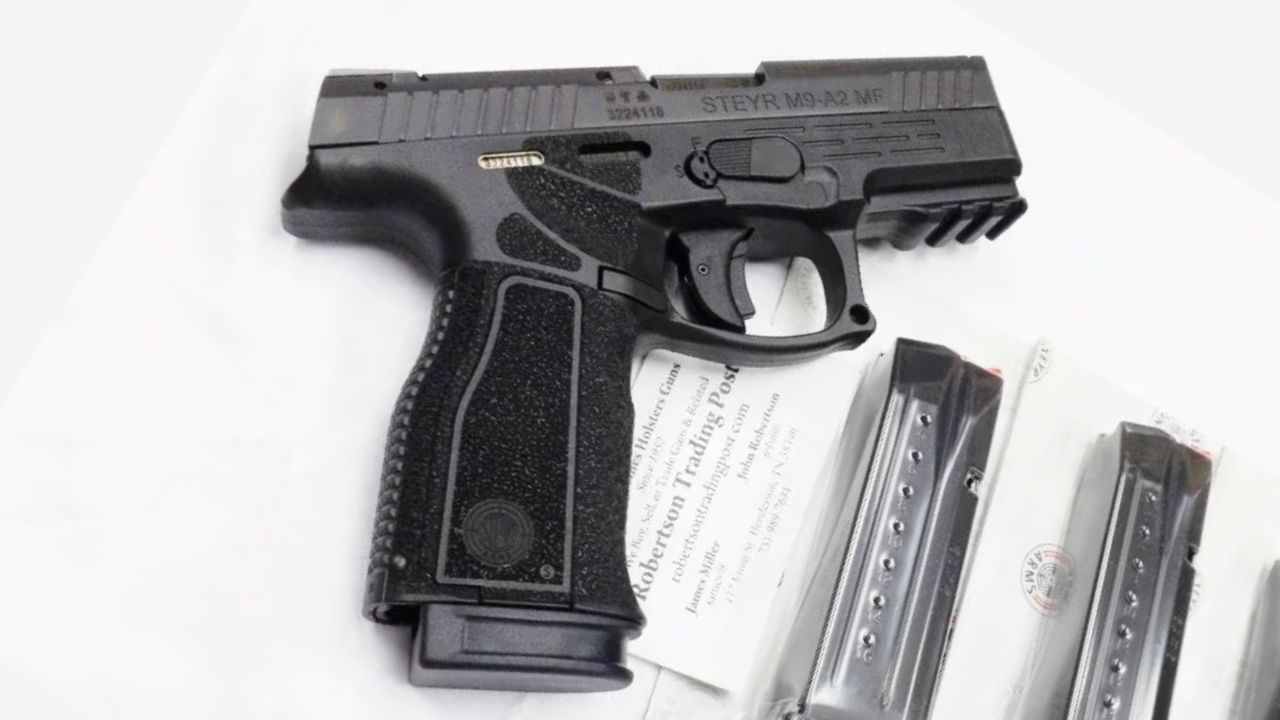
Steyr’s S9-A1 has several genuinely good qualities. The bore axis is low, the grip angle helps control recoil, and the overall design is far more interesting than another generic polymer pistol.
Then you get to the sights. Steyr’s trapezoidal sight system can be fast once you learn it, but many shooters never become comfortable with it. Add in a relatively limited aftermarket and inconsistent availability of accessories, and an otherwise capable pistol becomes harder to live with than mainstream alternatives.
Grand Power Q100
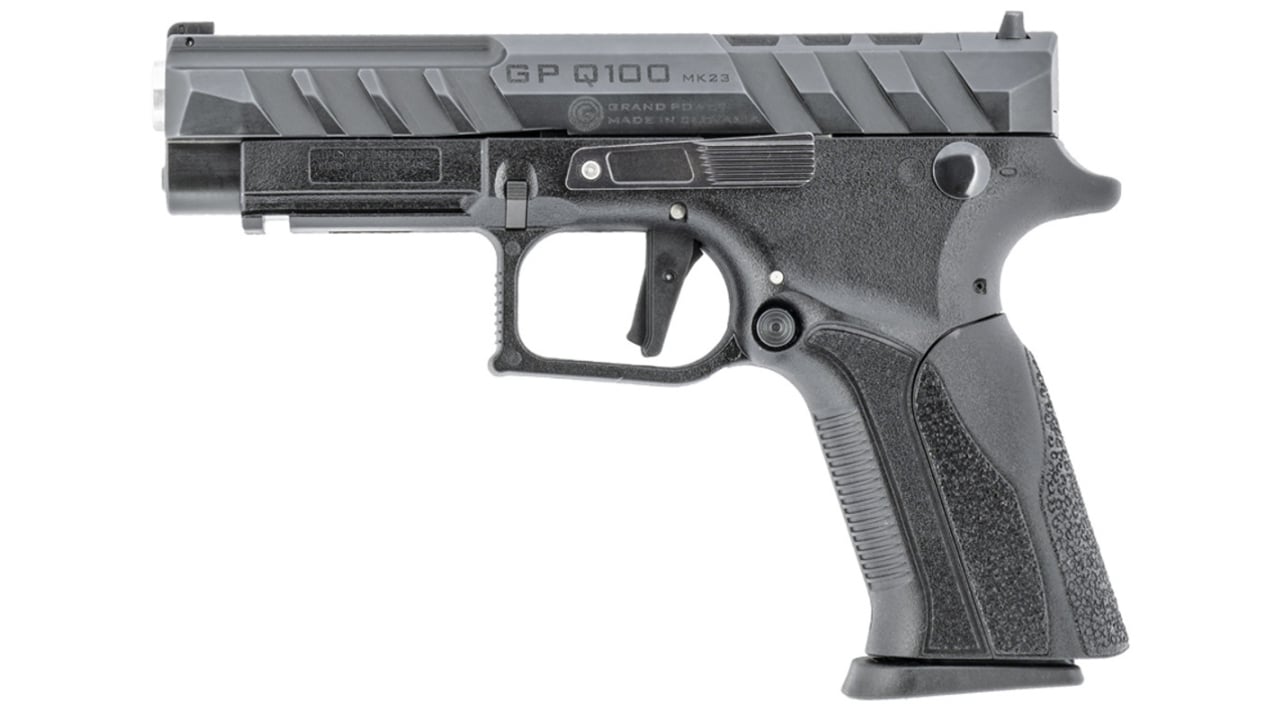
The Q100 uses a rotating-barrel system that gives it excellent recoil characteristics. It is accurate, comfortable, and mechanically interesting.
Unfortunately, Grand Power ownership in the United States can involve more hunting for magazines, holsters, parts, and accessories than most people want to do. The pistol itself is not really the problem. The ecosystem around it is. A gun can be brilliant on the range and still become frustrating when finding basic support requires more effort than buying the pistol did.
Beretta 9000S
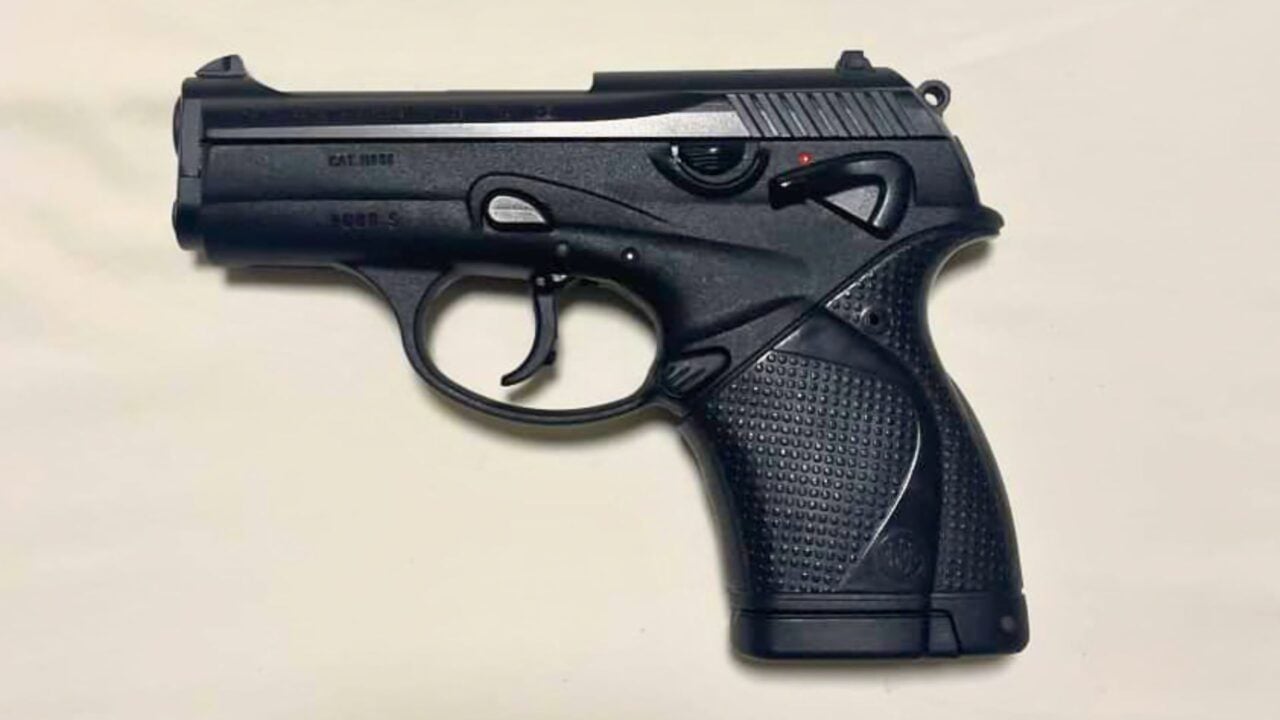
The Beretta 9000S was intended to bring Beretta’s traditional double-action approach into a compact polymer handgun. Instead, it ended up with unusual ergonomics and controls that many shooters found difficult to love.
The safety and decocker arrangement is not especially intuitive, the grip feels bulky for the pistol’s overall size, and the gun never developed enough popularity to create a strong aftermarket. It is not an unreliable pistol. It is simply one of those designs that constantly reminds you there were easier ways to accomplish the same goal.
Smith & Wesson SW99
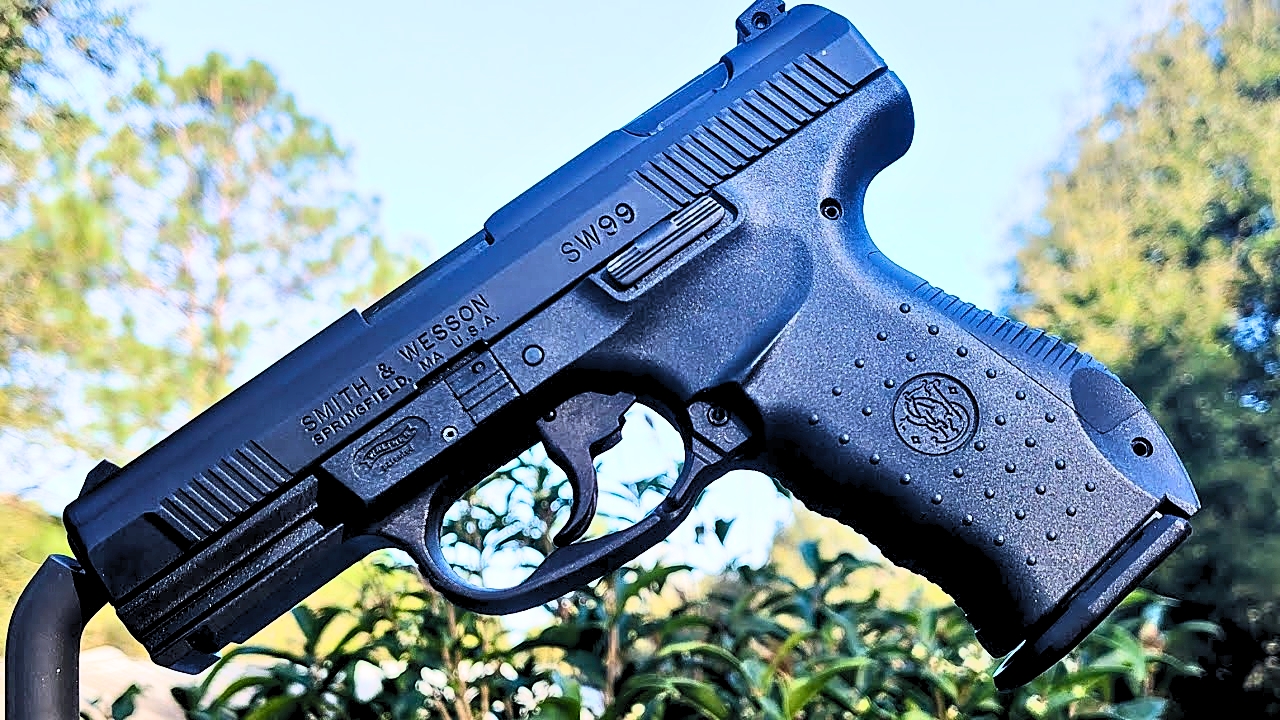
The SW99 combined Smith & Wesson branding with a design heavily influenced by Walther. That should have made it an interesting alternative to the typical American service pistol.
Instead, the gun arrived with an unusual trigger system and control layout that never caught on widely. The decocker mounted on top of the slide feels strange if you are accustomed to frame-mounted controls, and the trigger can take time to understand. The SW99 is capable, but it asks the shooter to adapt to it rather than adapting to the shooter.
FN Five-seveN
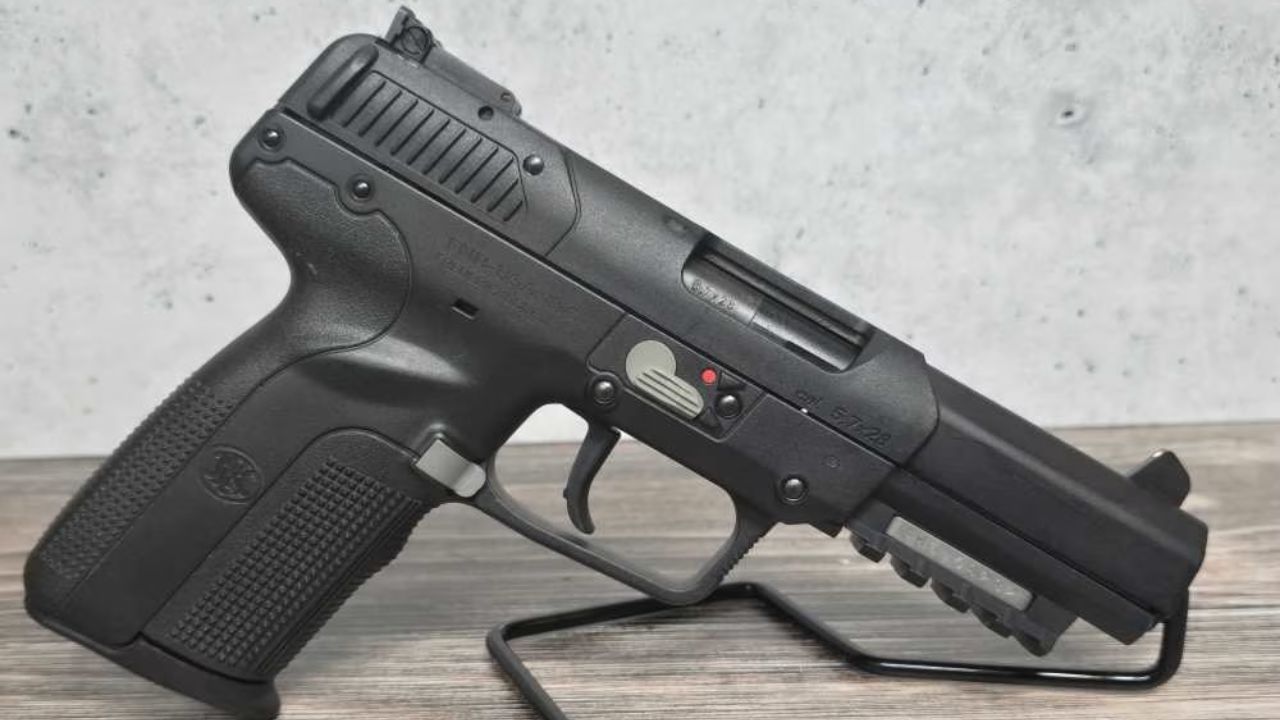
The Five-seveN is lightweight, flat-shooting, and unquestionably interesting. It is also a pistol that comes with several ownership frustrations.
The ammunition is more expensive and less common than ordinary handgun cartridges, the grip is large, and the overall shape can feel awkward for shooters with smaller hands. The controls also differ from more conventional pistols. The Five-seveN does some things extremely well, but convenience is not one of them.
KelTec PMR-30

The PMR-30 promises 30 rounds of .22 Magnum in an extremely light pistol, which sounds like tremendous fun. It usually is, right up until ammunition or magazine loading becomes an issue.
The PMR-30 can be sensitive to ammunition choice, and loading the long magazines incorrectly can create feeding problems. That means owners often have to pay much more attention to ammunition and loading technique than they would with a typical rimfire pistol. The capacity is impressive, but getting the gun to run perfectly can require more care than expected.
CZ 100
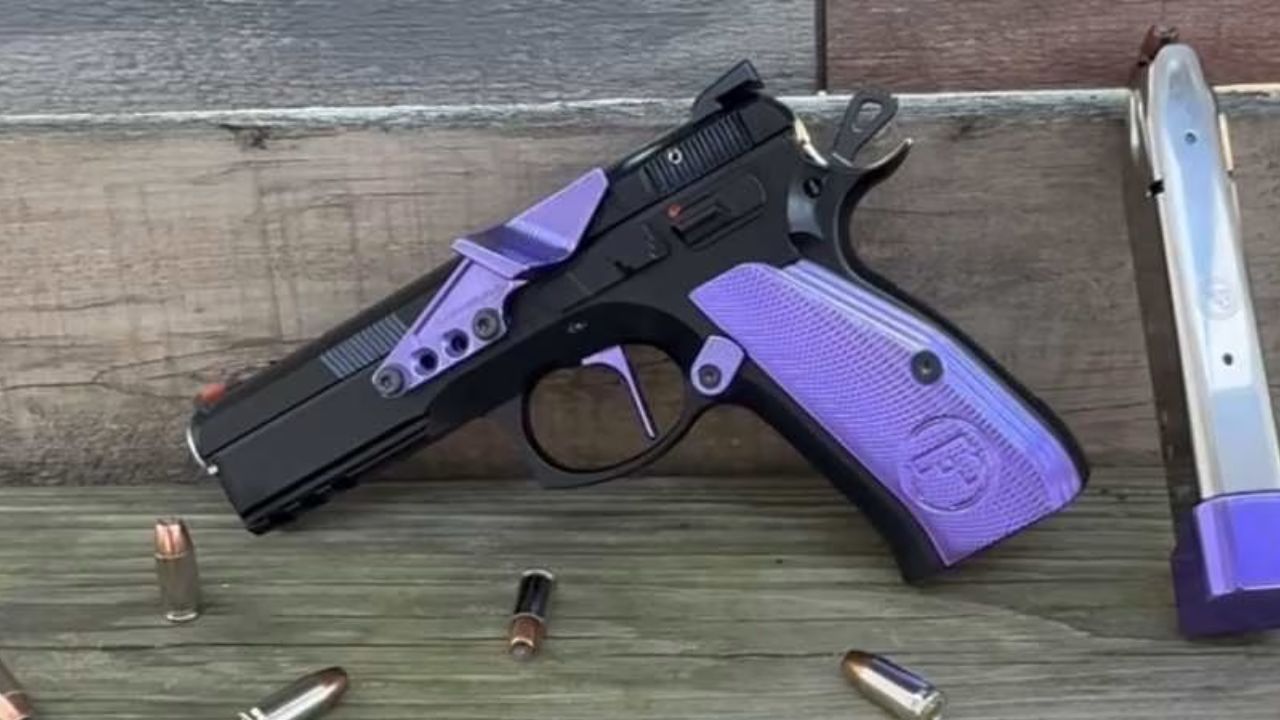
The CZ 100 was one of CZ’s early attempts at a polymer-framed defensive pistol, and it has always been overshadowed by the company’s later designs.
The biggest complaint is the trigger. It is long, heavy, and unlike the crisp triggers shooters expect from many CZ pistols. The pistol itself is durable enough, but the trigger makes it unnecessarily difficult to shoot well. It is a perfect example of a gun where one major design choice dominates the entire ownership experience.
Taurus PT24/7
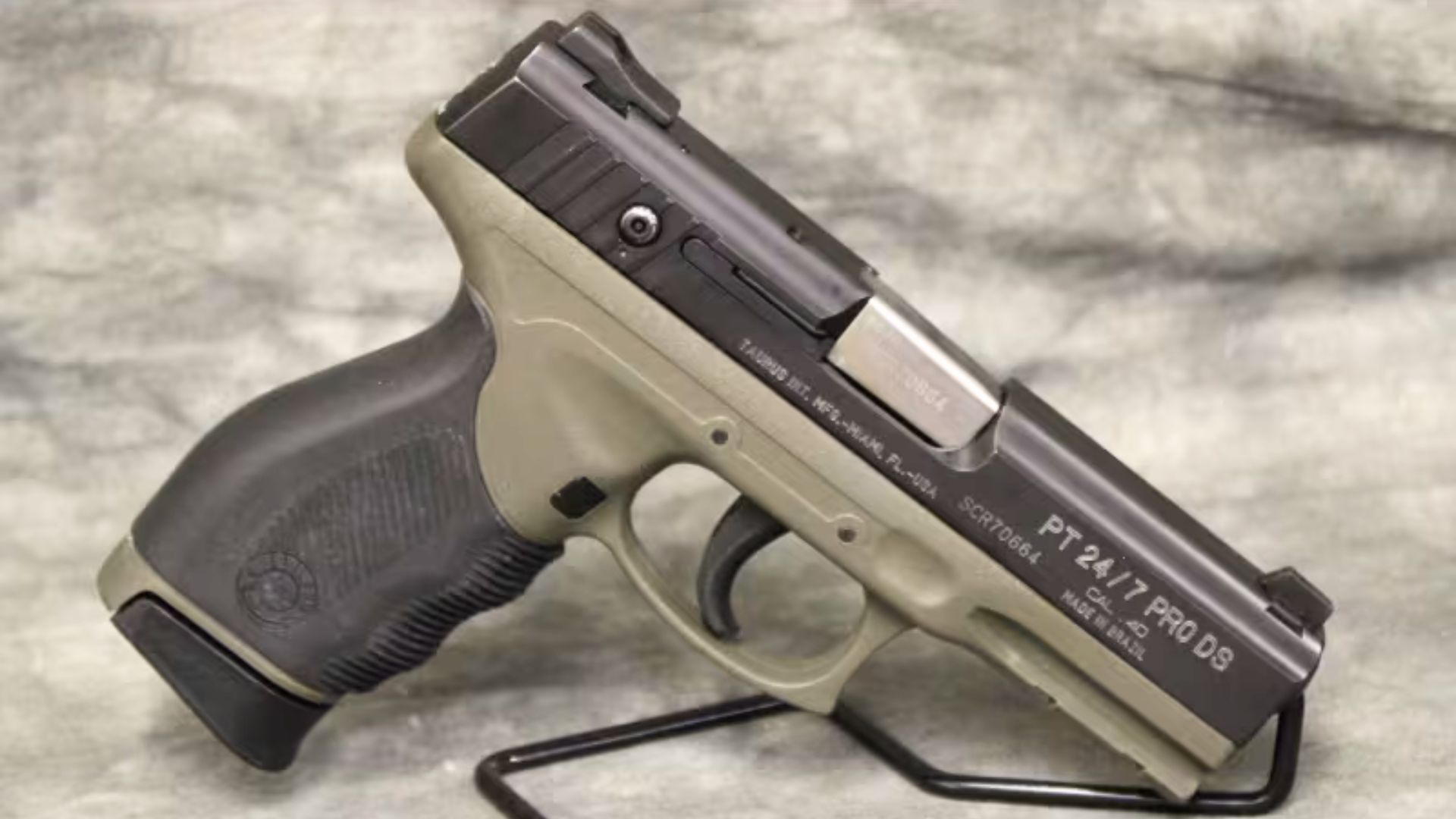
The PT24/7 was popular because it offered high capacity, comfortable ergonomics, and a reasonable price. The grip in particular was one of its better qualities.
Unfortunately, the model developed a complicated reputation over time, including safety concerns surrounding certain variants. That history makes used examples difficult to evaluate. Even if you find one that functions perfectly, there is often enough uncertainty around the platform to make ownership less relaxing than it should be.
Boberg XR9-S
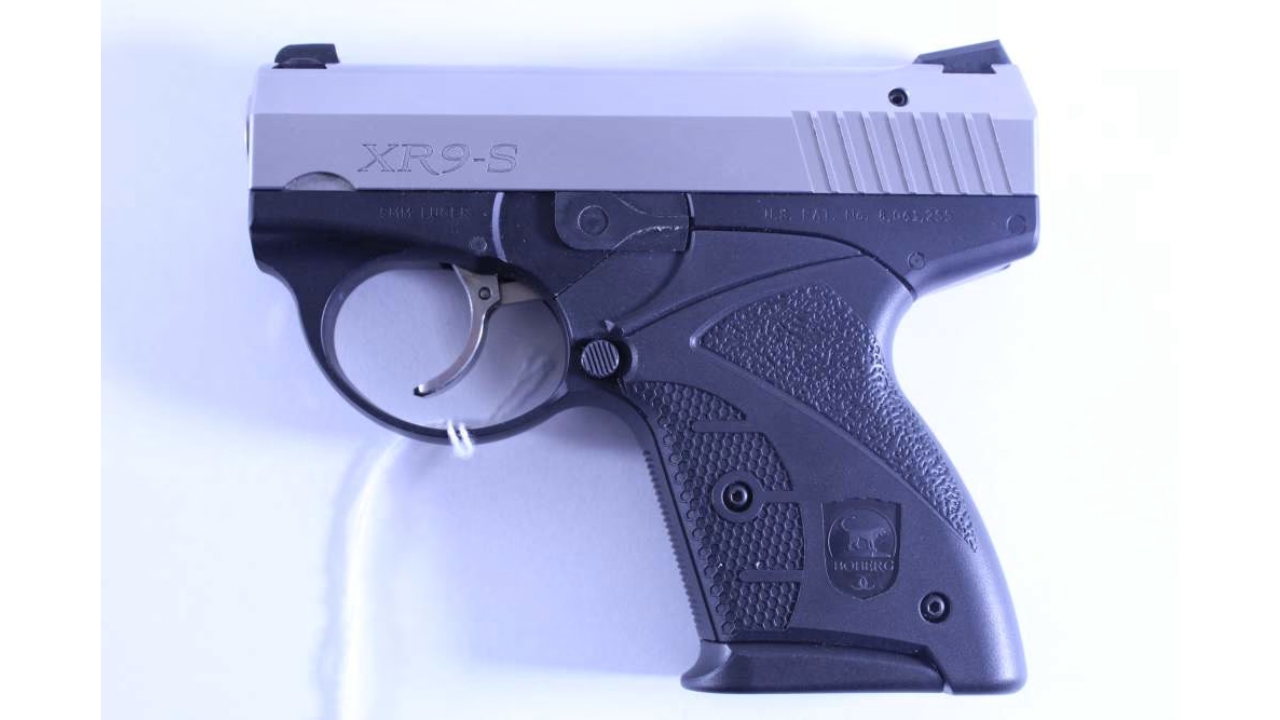
The Boberg XR9-S is one of the most mechanically fascinating concealed-carry pistols ever produced. Its reverse-feed system pulls cartridges backward out of the magazine before chambering them, allowing an unusually long barrel inside a very short pistol.
That same cleverness creates problems. Certain ammunition can suffer bullet separation under the unusual feeding cycle, so ammunition selection matters more than with conventional pistols. The design is brilliant, but brilliance does not always mean convenience. It is a pistol for people who enjoy mechanical oddities enough to tolerate their quirks.
FN FNP-45
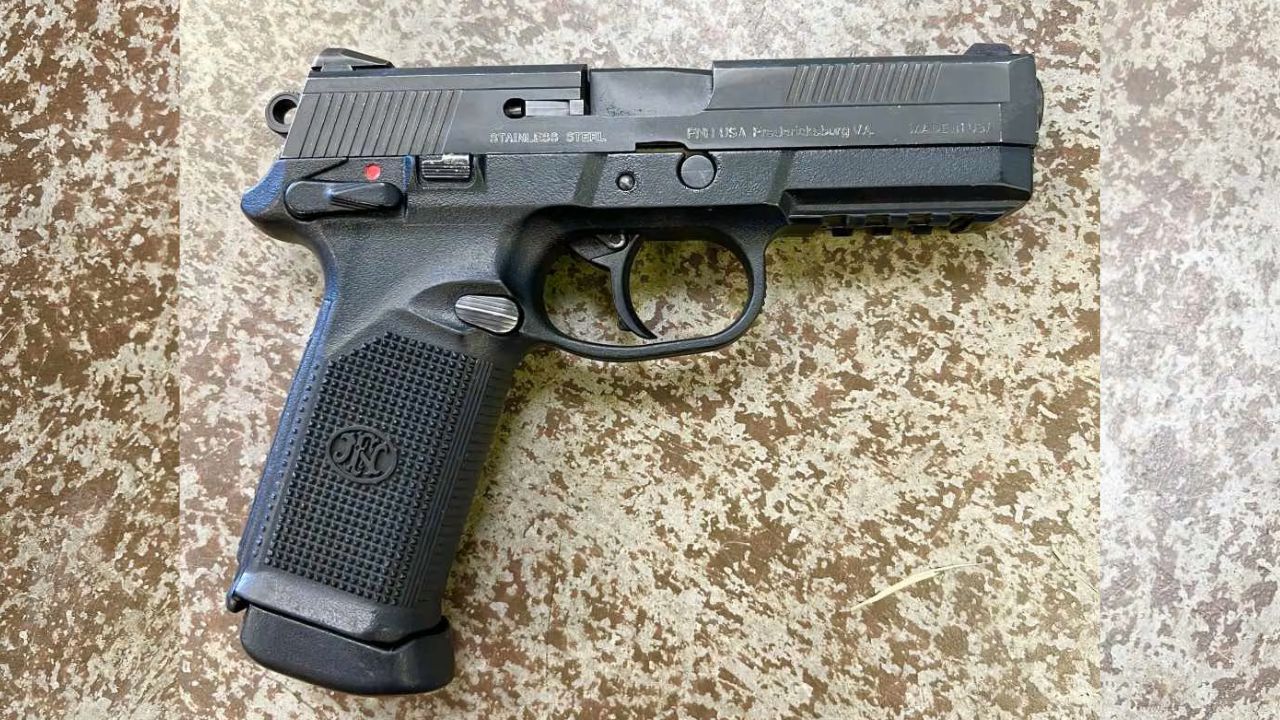
The FNP-45 is a big, durable .45 ACP pistol with excellent capacity and respectable accuracy. It is also enormous.
The grip is wide, the controls are large, and the entire pistol can feel oversized unless you have big hands. Magazines and accessories are not as easy to find as they once were, either. It is a very capable handgun, but everything about owning and carrying it requires a little more effort than a modern .45 should.
Ruger SR45
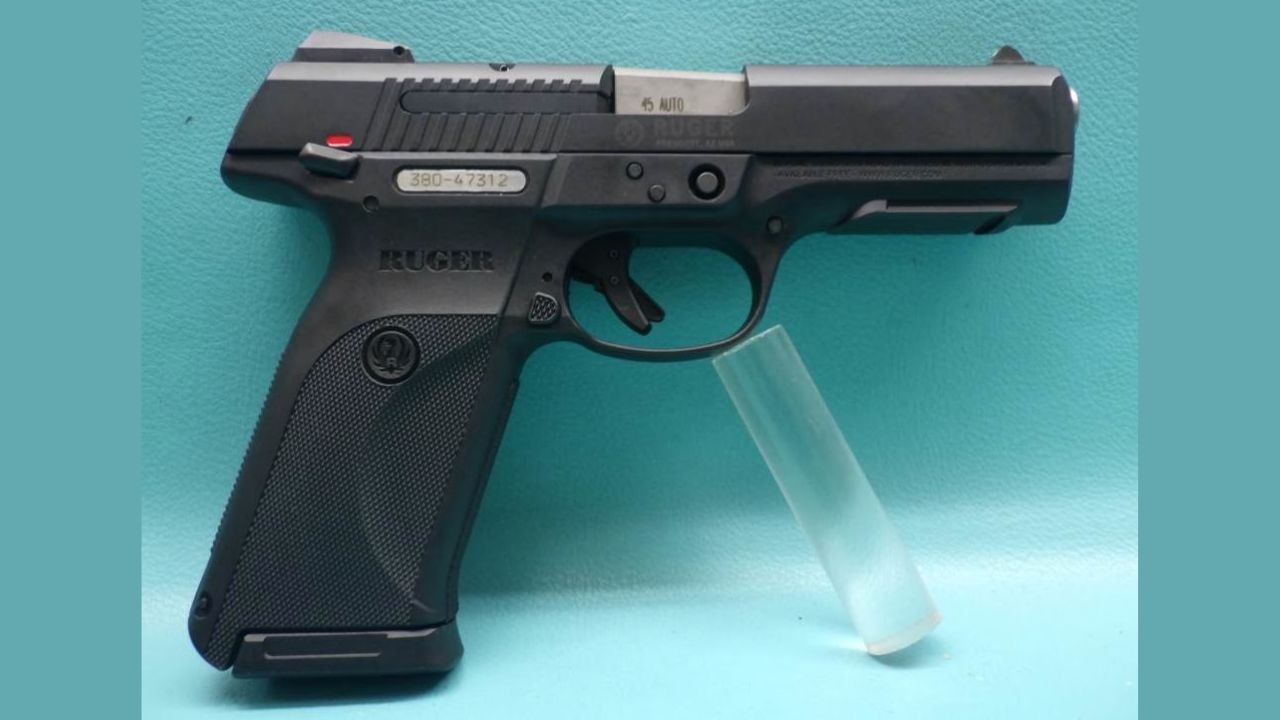
The SR45 is slim for a full-size .45 and generally pleasant to shoot. It also came with several features that some owners found more annoying than useful.
The loaded-chamber indicator is extremely prominent, the magazine disconnect is unpopular with many shooters, and the manual safety adds another control to a striker-fired pistol that many people would rather keep straightforward. None of those things ruin the gun, but together they make the design feel busier than necessary.
Magnum Research Baby Eagle III
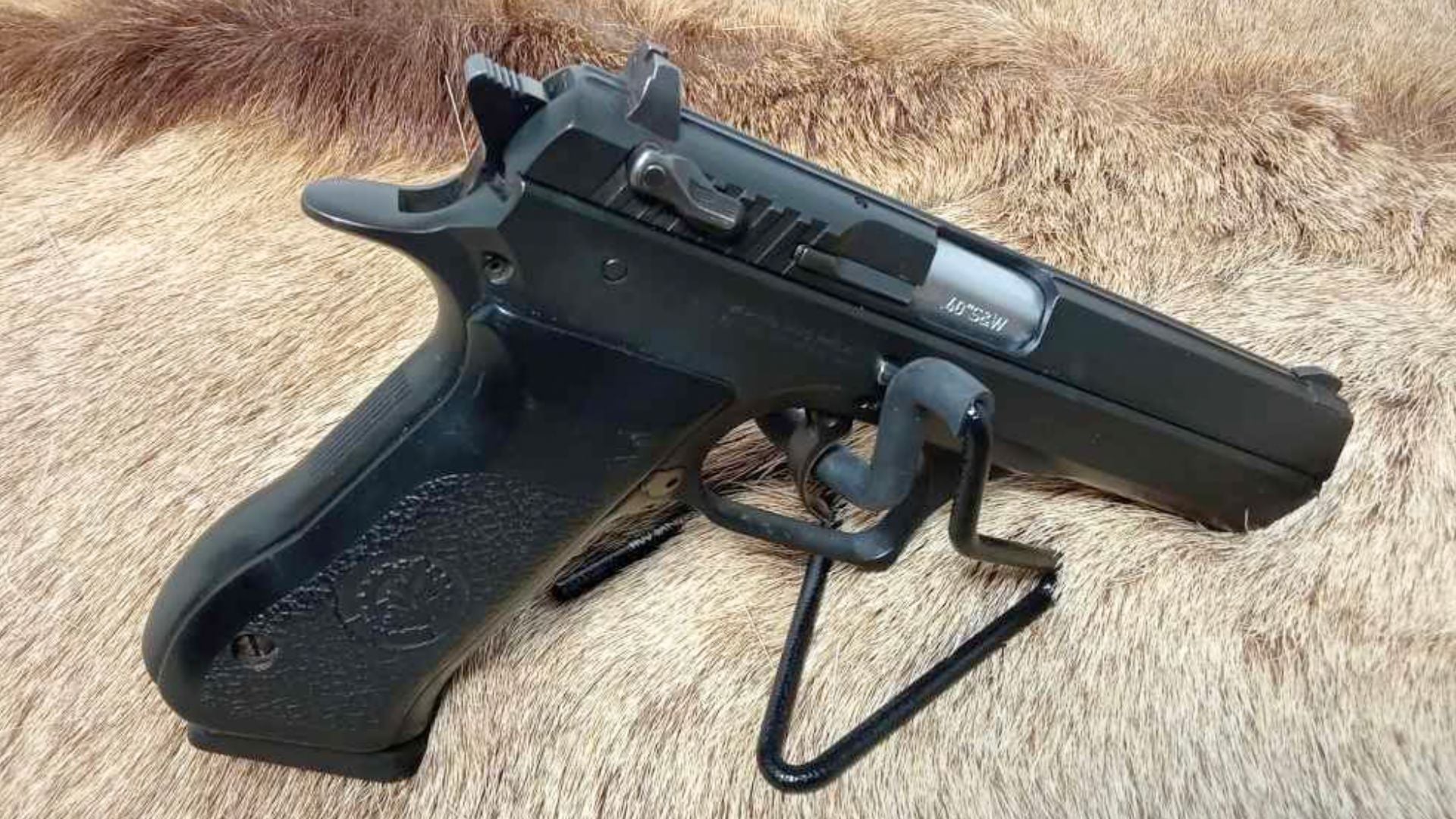
The Baby Eagle III has excellent ergonomics, a substantial frame, and very manageable recoil. It can be an excellent shooter.
The frustration comes from weight and support. Depending on the version, the pistol can be heavy enough to discourage carry while still lacking the enormous aftermarket of more common metal-framed guns. Holsters, magazines, and parts may require more searching. The pistol performs well, but it does not make ownership especially convenient.
Arsenal Strike One
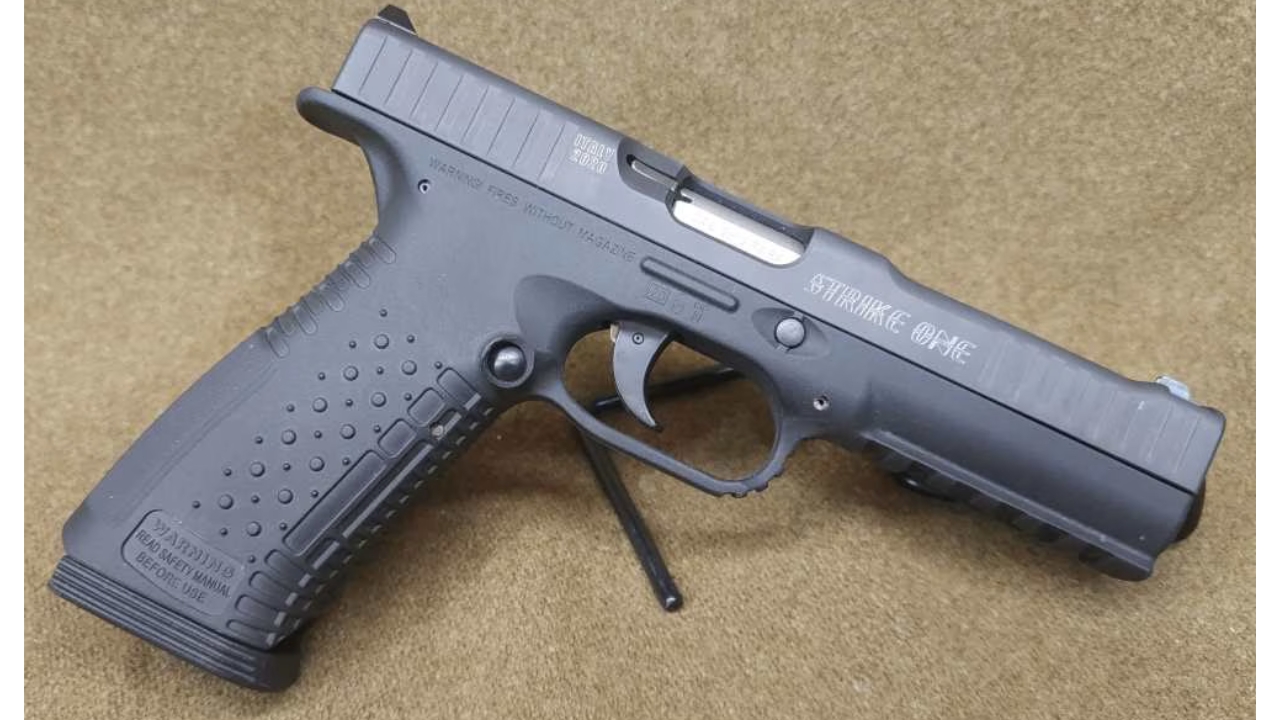
The Strike One was designed around a very low bore axis and an unusual locking system intended to reduce muzzle rise. The result is a pistol that can shoot remarkably flat.
The problem is availability and support. Different versions and import arrangements have appeared over the years, and that makes parts, magazines, and long-term support harder to predict than with mainstream pistols. It is an impressive design that can become frustrating the moment you need something beyond the gun itself.
Hudson H9
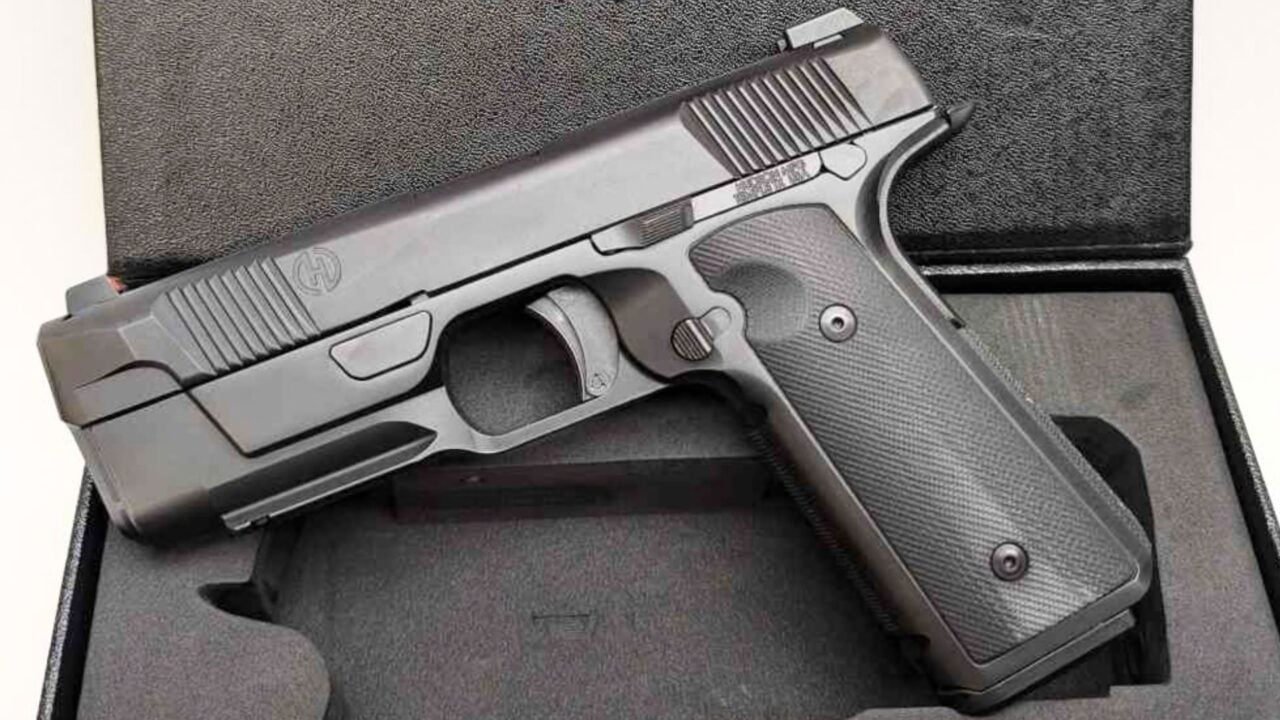
The Hudson H9 generated enormous attention because it combined a 1911-style trigger feel with a striker-fired operating system and an extremely low bore axis. It looked like the beginning of an entirely new category of handgun.
Then the company collapsed. That left owners with an expensive pistol from a manufacturer that no longer existed, making replacement parts and long-term support major concerns. The H9 can still be fascinating to shoot, but few things are more frustrating than owning a sophisticated pistol when the company behind it disappears.
Like The Avid Outdoorsman’s content? Subscribe to our newsletter so you never miss an article.
Here’s more from us: