Photo credit: New Africa/Shutterstock.com
You can usually tell why a dog got brought home within about five minutes of watching the owner handle it. The leash is tight, the dog is confused, and somebody is already apologizing for behavior that was 100% predictable. Out here, a good dog is not an accessory. It is a tool, a partner, and a responsibility that will outlast the excitement of a new collar and a couple cute photos. If you pick a breed for the wrong reason, the dog pays for it first, then your family does, then your neighbors do. Here are 20 breeds I see bought for reasons that have nothing to do with the life they’re actually going to live.
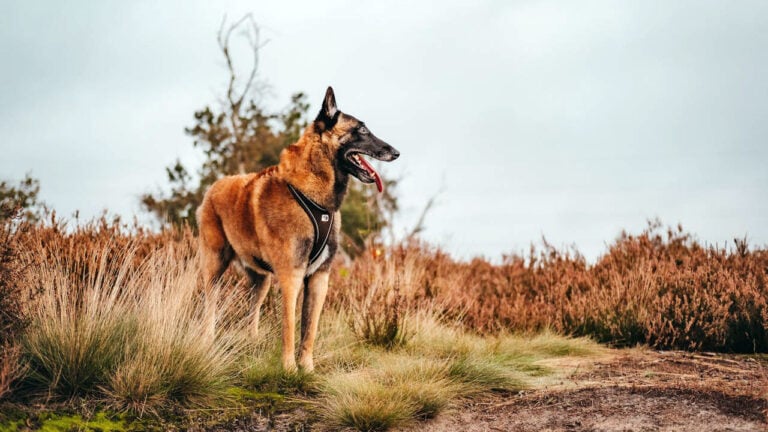
1. Belgian Malinois
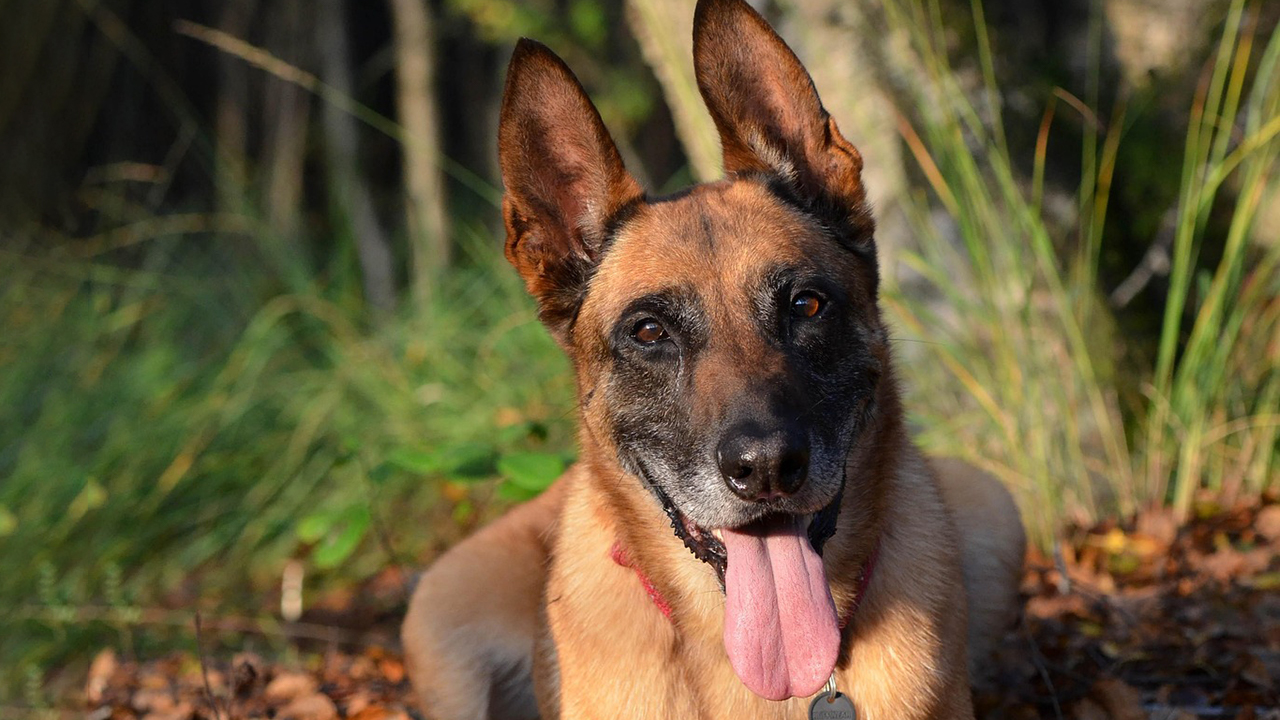
These dogs get bought because they look like a special forces partner and they move like a machine. Folks see bite-work clips and fast obedience and think they’re getting an instant protector. What they’re actually buying is a high-octane working dog that needs a job the way most dogs need water. If you don’t give it one, it will invent one, and you probably won’t like the project it chooses.
In the real world, a Malinois in a normal household turns into a full-time management task. They are smart enough to beat cheap fencing, outwork lazy routines, and run circles around inconsistency. They can be phenomenal in the right hands, but buying one because it looks tough is how you end up with a dog that is stressed, destructive, and constantly on edge.
2. Siberian Husky
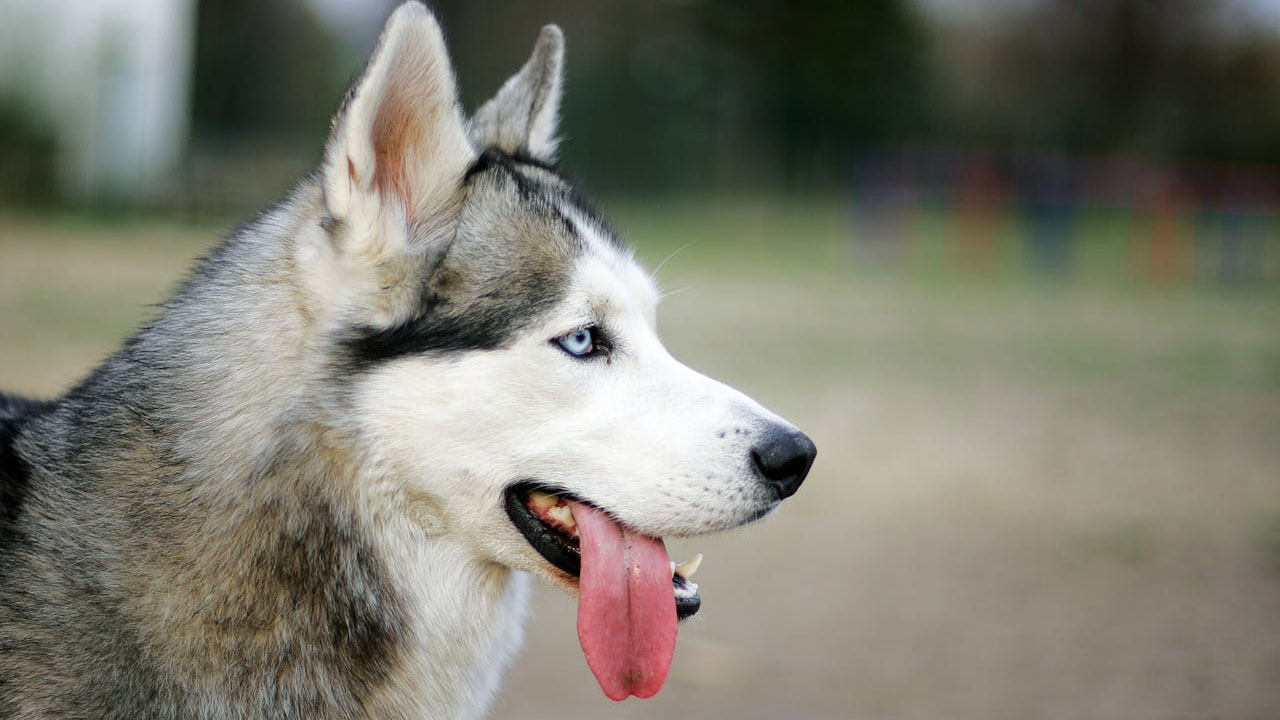
People buy Huskies because they’re pretty, period. Blue eyes, wolfy face, thick coat, and a bunch of “talking” videos online. Then summer shows up, the shedding starts, and the dog discovers it can run for miles without getting tired. A Husky is built to go, not to hang out in a small yard and take two short walks a day.
They’re also not known for being eager-to-please in the way a Lab is. Huskies can be friendly, but they’re independent and they’ll test your boundaries. If you’re not prepared for escape attempts, digging, and a dog that might ignore you when something more interesting appears, you bought the look, not the lifestyle.
3. Cane Corso
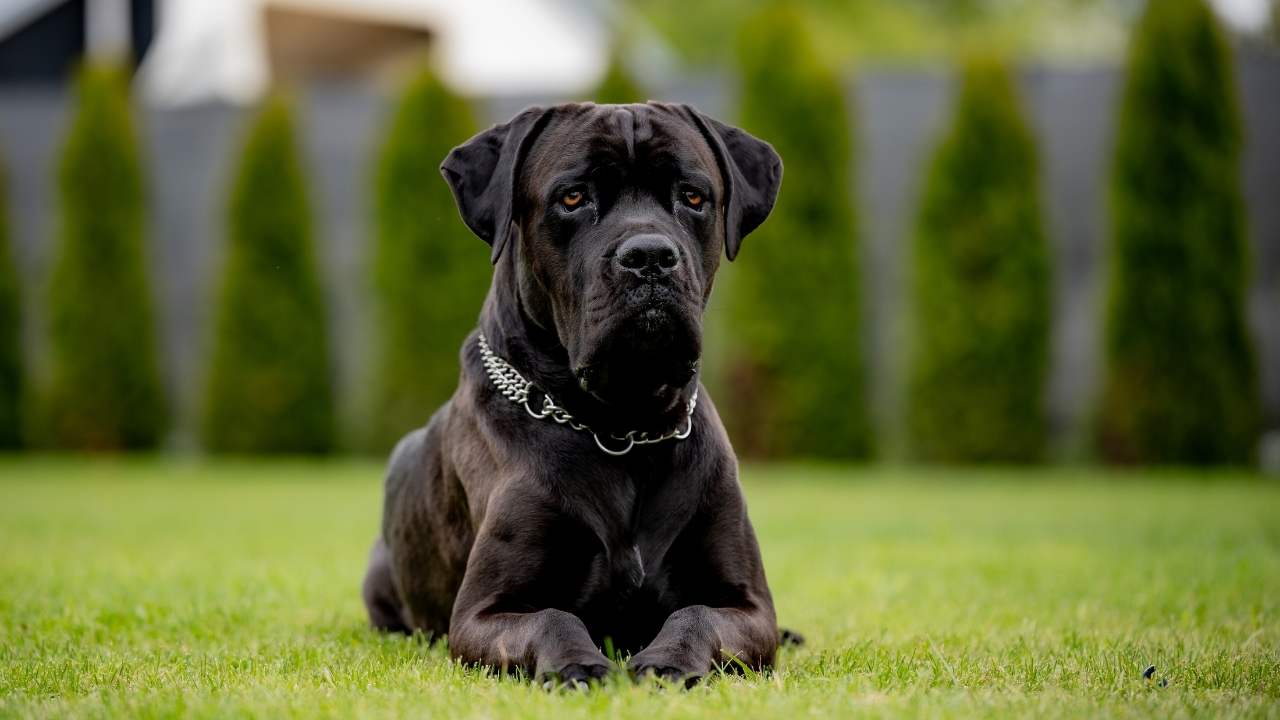
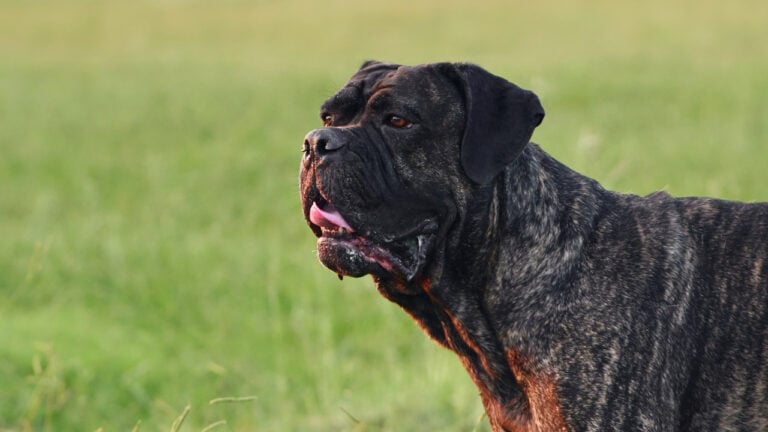
The Corso gets bought as a status symbol and a “security system.” Big head, big chest, big bark, and a lot of social media bravado. The problem is you can’t fake leadership with a powerful guardian breed. If you don’t know what you’re doing, you’re not getting a guardian—you’re getting a liability with muscle.
They need serious socialization, calm structure, and an owner who can read a dog before trouble starts. A bored Corso behind a fence, losing its mind at every passerby, is not protection. It’s a problem waiting for a gate left open or a visitor who doesn’t know the rules.
4. Dogo Argentino

This one gets bought because it’s tied to hog hunting videos and that “tough dog” reputation. If you’ve actually spent time around catch dogs, you know the dog is only half the equation. The other half is the handler, the terrain, the heat, and the reality that things go sideways fast.
In a suburban setup, many Dogos are just too much dog for the average routine. They’re strong, driven, and can have serious prey focus. If you want a dog to “look like it hunts” but it never actually does, you’re asking for frustration on both ends of the leash.
5. Akita
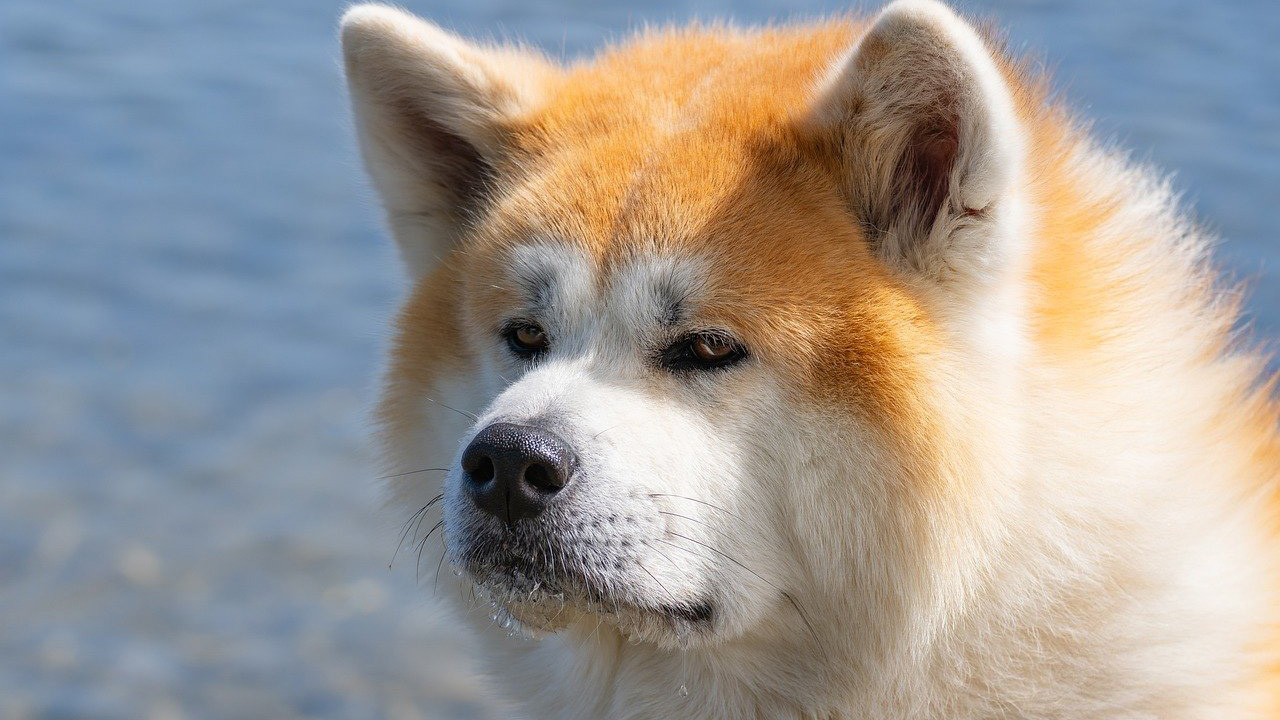
Akitas get picked because they look noble and bear-like, and people assume that means “easy and calm.” They can be calm, sure. They can also be intensely loyal to their people and not particularly welcoming to strangers or other dogs. That independence is part of the breed, not a defect you train out in a weekend.
If you’re the type who wants a social butterfly dog park regular, this can go wrong. Akitas often do best with owners who respect boundaries and don’t force chaos on them. Bought for looks alone, they tend to end up misunderstood, over-corrected, and handled like they’re a Lab. They’re not.
6. Doberman Pinscher
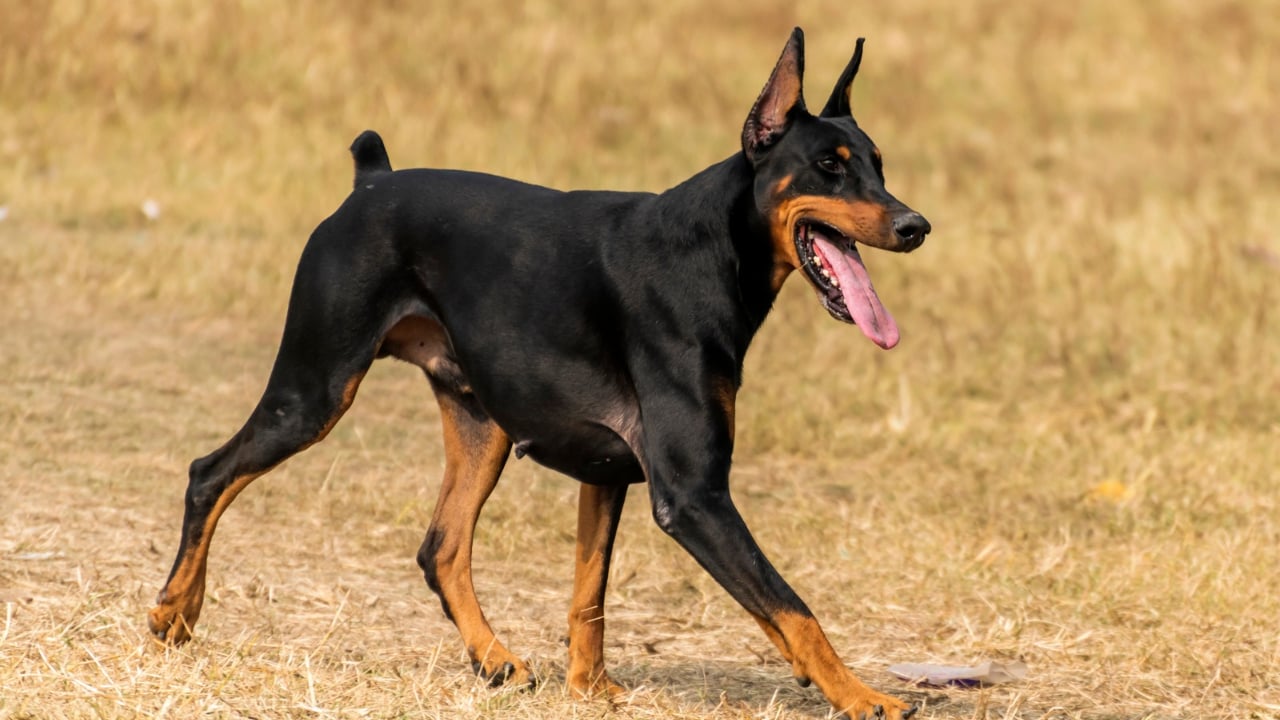
Dobermans get bought for that sharp, clean “guard dog” image. People want the silhouette and the intimidation factor without thinking through exercise needs and sensitivity. A good Doberman is athletic and tuned in. A poorly handled Doberman is anxious, reactive, and hard to live with.
They do not do well with random, harsh discipline and a bunch of yelling. They need consistent training, outlet, and a steady routine. If the plan is “I’ll put it in the backyard and it’ll scare people,” you’re setting up a smart dog to become neurotic and noisy.
7. German Shepherd Dog

Shepherds get bought because everybody “knows” they’re the best all-around dog. Then reality shows up: the dog is mouthy as a pup, pushy as a teenager, and needs real engagement. The breed can do almost anything, but that doesn’t mean it thrives on neglect and a quick walk around the block.
Another issue is folks shopping for a “police dog” vibe without understanding temperament and bloodlines matter. Some lines are hotter, some are softer, and not every shepherd is a stable family dog by default. If you buy one just for the badge-image, you may end up with a dog you can’t control when it counts.
8. American Pit Bull Terrier

A lot of pit-type dogs get brought home to “prove a point.” Either somebody wants to show they’re not scared, or they want a tough-looking dog, or they want to argue with critics online. None of that helps the dog. What helps the dog is an owner who understands drive, management, and the importance of structure.
These dogs can be wonderful, but they are not a casual ownership project. If you don’t do training and you don’t manage situations, you can end up with conflicts you could have prevented. Buying one for image—either “tough” or “misunderstood angel”—ignores the responsibility part, and that’s where trouble starts.
9. Rottweiler
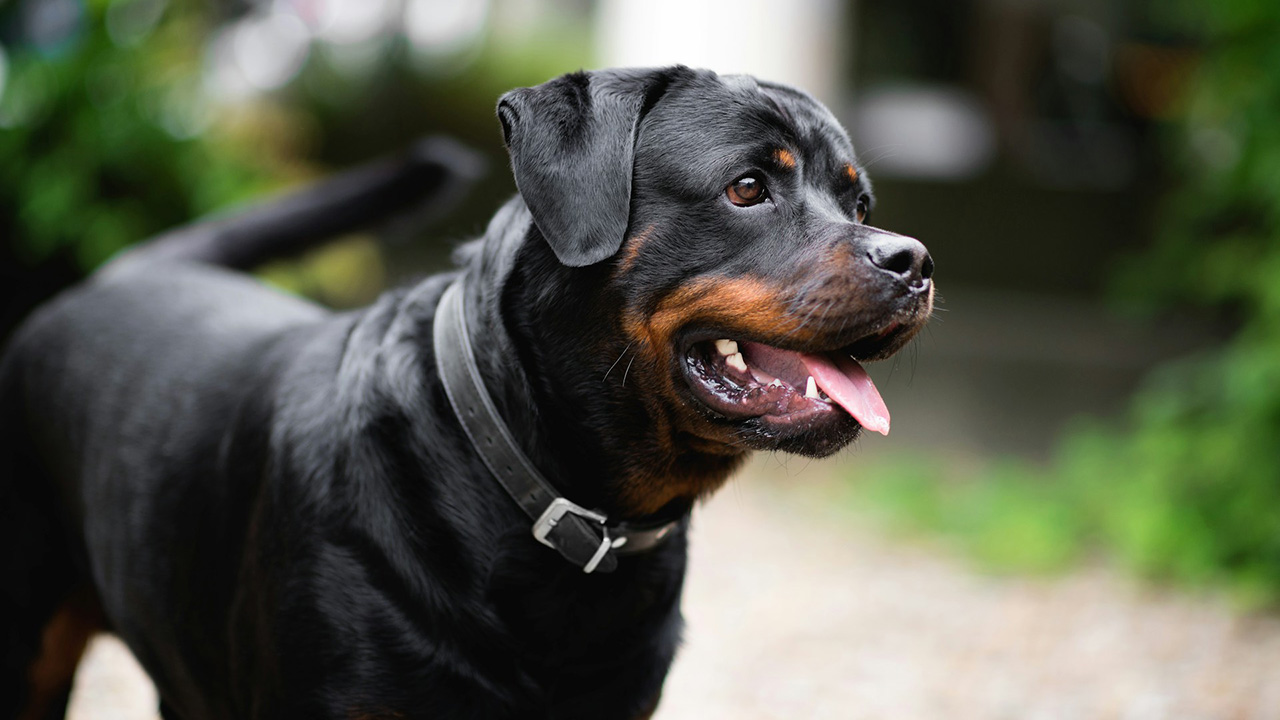
Rotties are another one folks grab for protection and presence. They are powerful, confident dogs when raised right. When raised wrong—or just raised lazy—they can become pushy fast. That’s not a dog you want learning it can drag you where it wants to go.
They need a steady hand and early work around people, places, and normal life. If you buy one because you want people to cross the street when you’re walking, you’re missing the point. A stable Rottweiler is calm and predictable. An unstable one is a headache with a lot of horsepower.
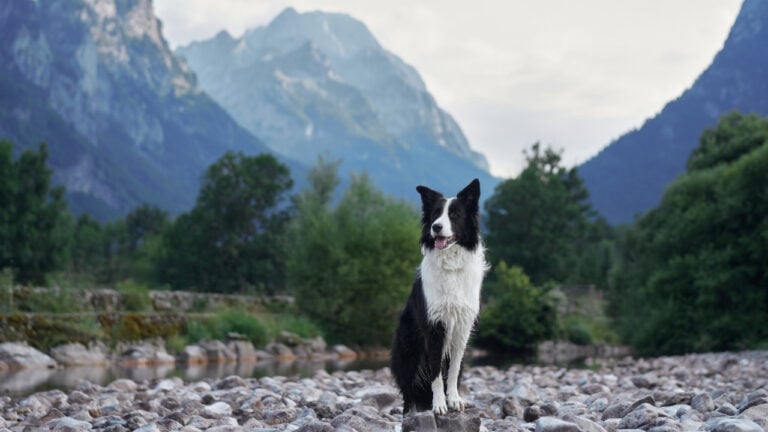
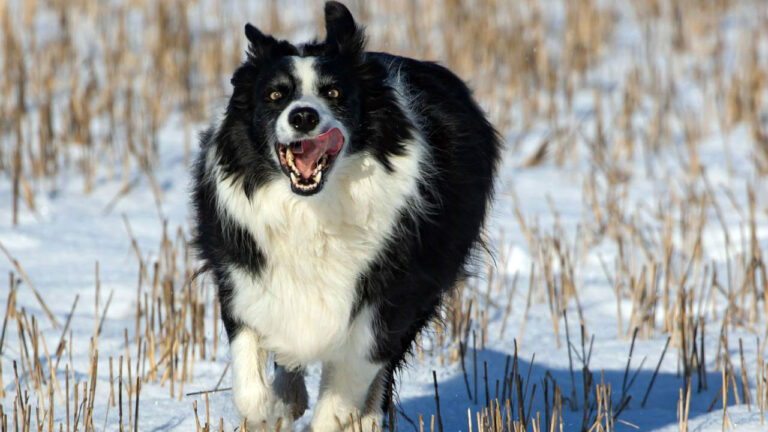
10. Border Collie
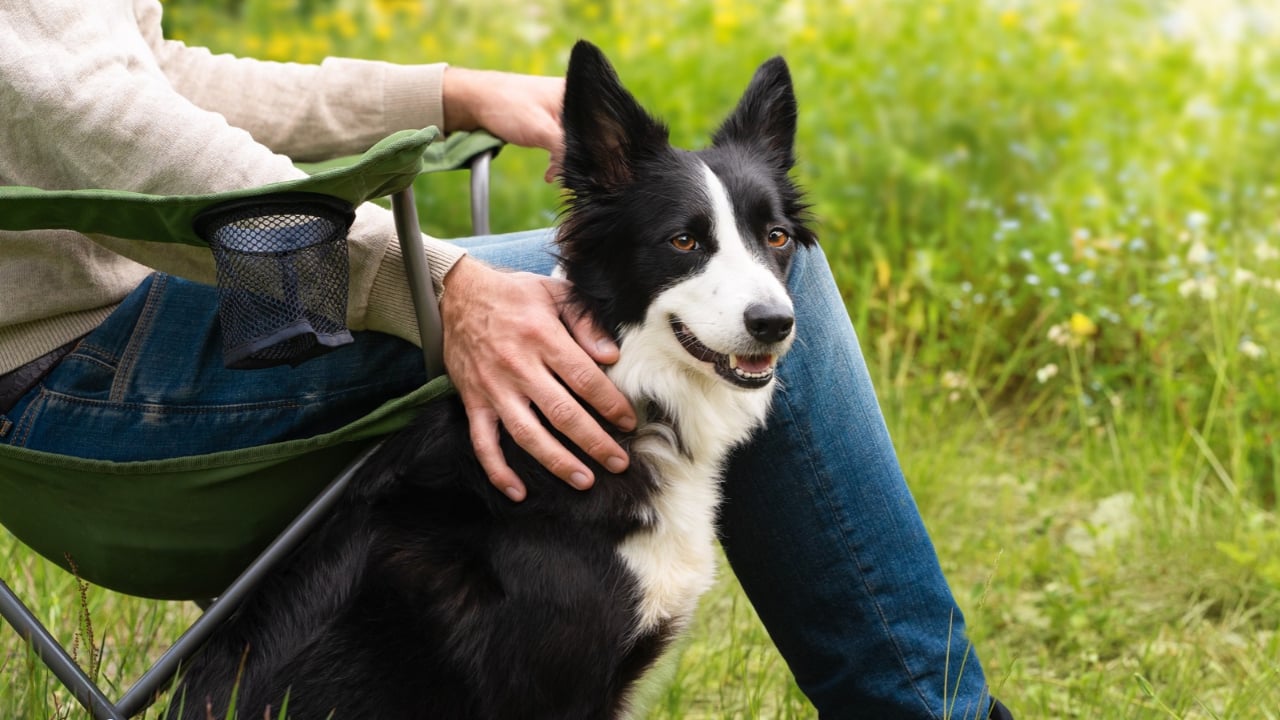
Border Collies get bought because they’re “the smartest dog.” That turns into a bragging right, and then the dog starts herding the kids, the cats, the trucks, and your guests. Intelligence without a job is not a blessing. It’s how you get obsessive behavior and a dog that can’t shut its brain off.
These dogs were built to work stock all day, read pressure, and take direction. If your life is mostly couch time and weekends, the mismatch is real. A bored Border Collie will become weird in ways that are hard to fix later. I’ve seen it too many times: the owner thinks the dog is “high-strung,” but it’s just unemployed.
11. Australian Cattle Dog (Blue Heeler)

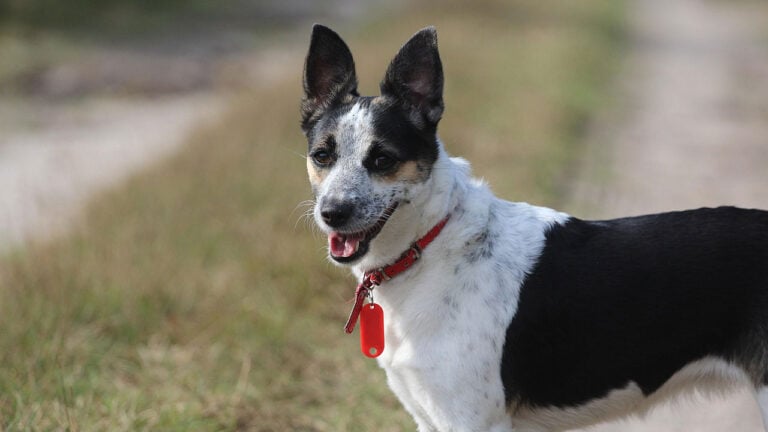
Heelers get bought because they look rugged and “country.” They also show up in a lot of reels where they’re tough as nails and funny. In real life, a Heeler is a problem-solver with teeth and a serious sense of ownership over its space. If you don’t guide that, it can turn into nipping, guarding, and constant challenging.
They’re fantastic ranch dogs and great partners for active folks who like training. They are not automatic easy family pets for every household. Buying a Heeler because you want a dog that “can keep up” is fine, but understand it might keep up by running your life if you don’t put real time in.
12. Great Pyrenees
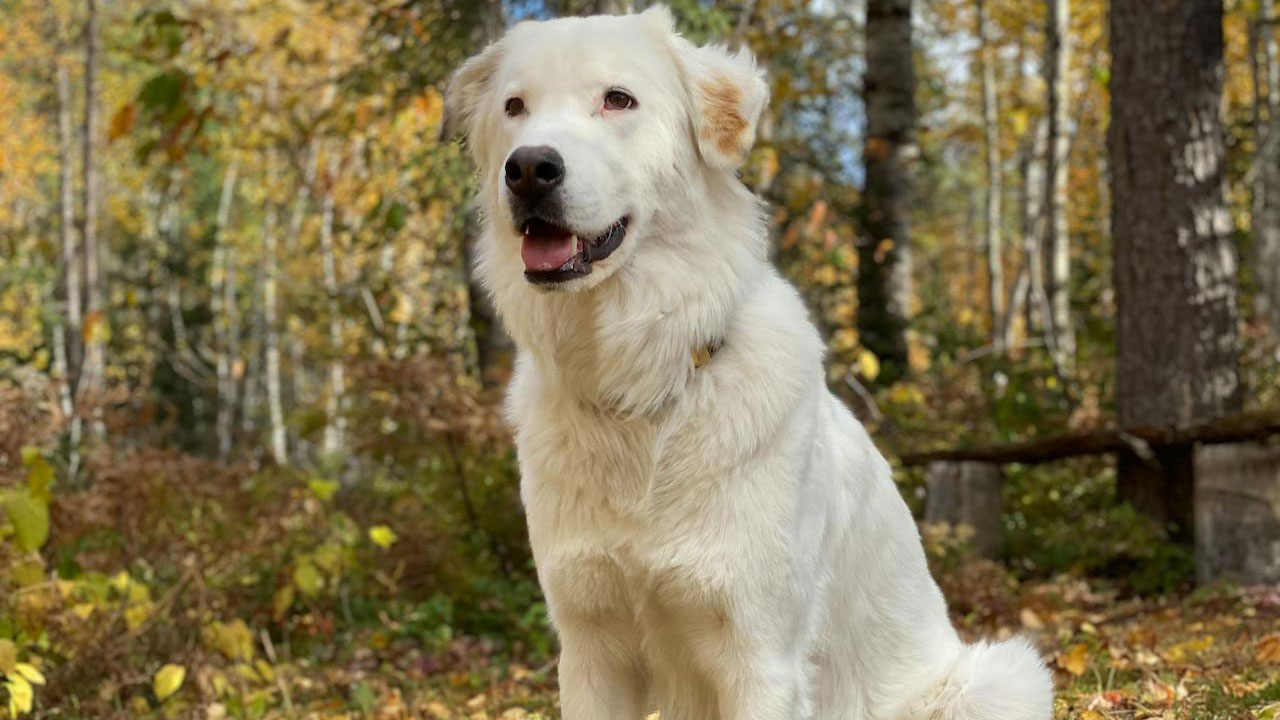
The Pyrenees gets picked because it looks like a gentle giant teddy bear. And they can be gentle. But they’re also livestock guardians, bred to make independent decisions and patrol territory. That means barking at night, suspicion of strangers, and a tendency to roam if fencing is weak.
If you live on a couple acres with close neighbors, the nighttime alert barking will test friendships quick. If you don’t want a dog that thinks it owns the property line and everything beyond it, this is the wrong purchase. They do best when they actually have something to guard and an owner who appreciates a dog that doesn’t ask permission for every decision.
13. English Bulldog

Bulldogs get bought because they’re funny-looking and laid-back. Folks want that couch-dog vibe and the “tough little tank” appearance. The part that gets ignored is the health side and the ongoing costs. Vet visits, skin issues, breathing concerns, and heat sensitivity can turn a “cheap” purchase into a long-term expense.
They’re also not a great match for somebody who wants an active outdoor companion in warm weather. If your plan is summer fishing trips, long hikes, and riding around checking trail cameras, understand what you’re asking from a dog that can overheat quickly. Cute doesn’t help when you’re loading up to go home early because the dog can’t breathe right.
14. French Bulldog

Frenchies get bought as a trend. You see them everywhere, and people treat them like a fashion item. They can be great little companions, but the reality is many have the same breathing and heat issues as other flat-faced breeds. They’re also not exactly “outdoors dogs” in the way folks imagine when they picture tagging along to the lease.
Another problem is people pay big money, then don’t train them because they’re small. Small dogs still need boundaries. A poorly trained Frenchie can be loud, reactive, and hardheaded. If you’re buying one because you want to fit in with a trend, at least be honest about the limitations and budget for the health side.
15. Dalmatian
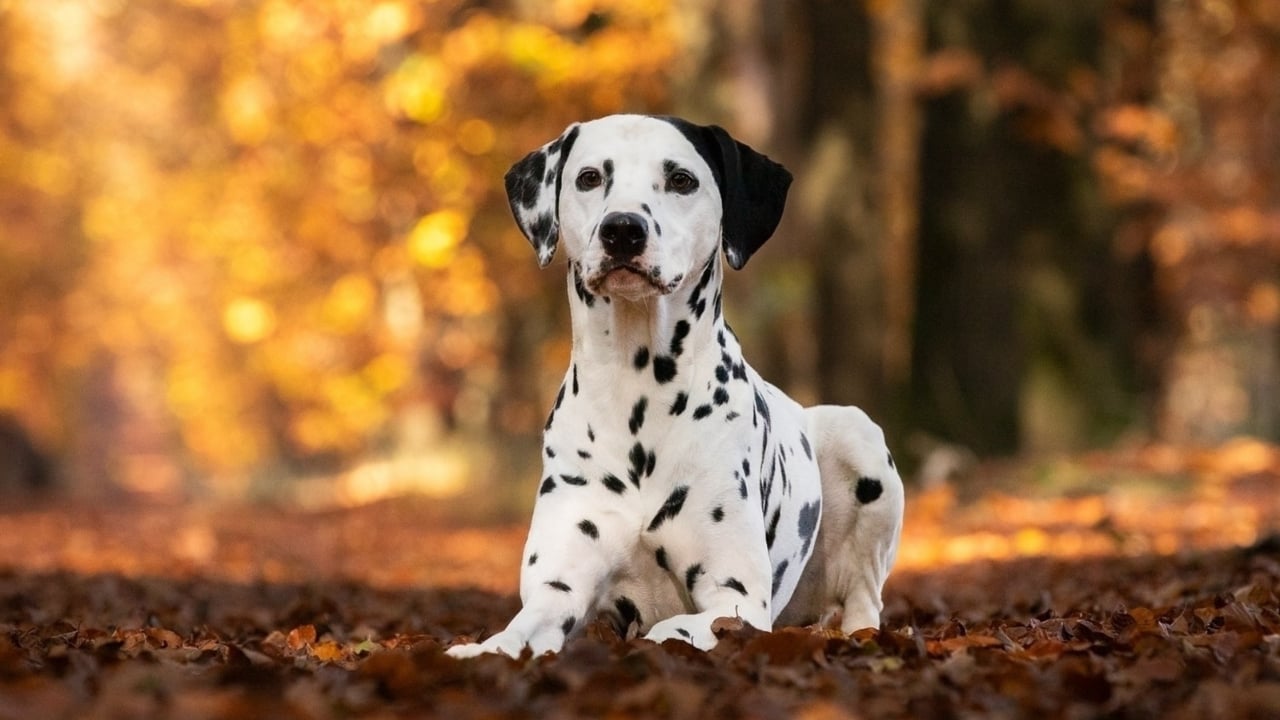
Dalmatians get bought because of movies and the look. Spots sell dogs, no doubt. But a Dalmatian is not a decorative animal. They’re energetic, they need structure, and they can be intense. If you bring one home expecting a calm, easy family dog because you grew up watching a cartoon, you’re in for a wake-up call.
They do best with owners who like activity and training and can provide routine. Without that, they can become destructive and hard to settle. If you’re gone all day and just want a dog that looks cool in the yard, you’re picking a breed that’s going to find a way to entertain itself, usually at your expense.
16. Chihuahua
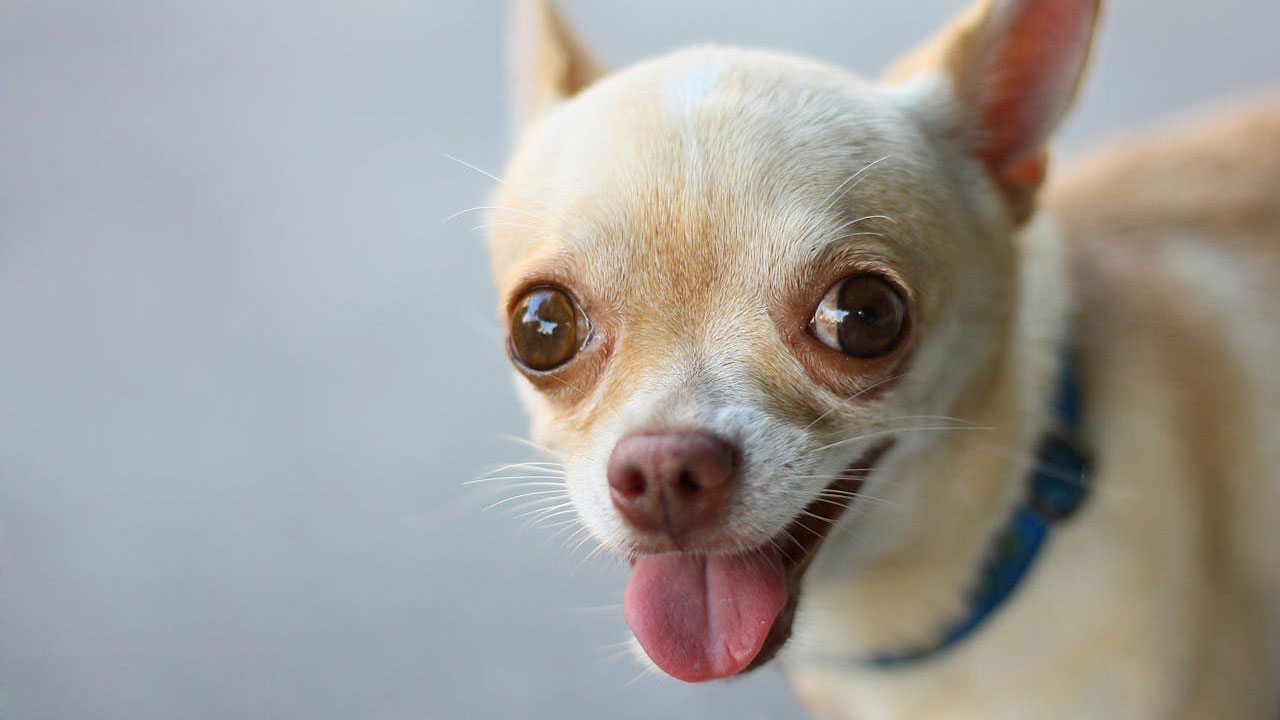
Chihuahuas get bought because they’re tiny and “easy.” People think small means low effort. Then they never train it, never socialize it, and carry it around like a purse accessory. The result is the little dog that bites, screams, and acts like it’s fighting the world every time somebody walks in.
Chihuahuas can be solid little companions when treated like actual dogs. They need boundaries and confidence-building, not constant babying. If you buy one strictly because you want the smallest dog possible and don’t plan to do the work, you’re building a bad-tempered little alarm system that nobody enjoys being around.
17. Jack Russell Terrier
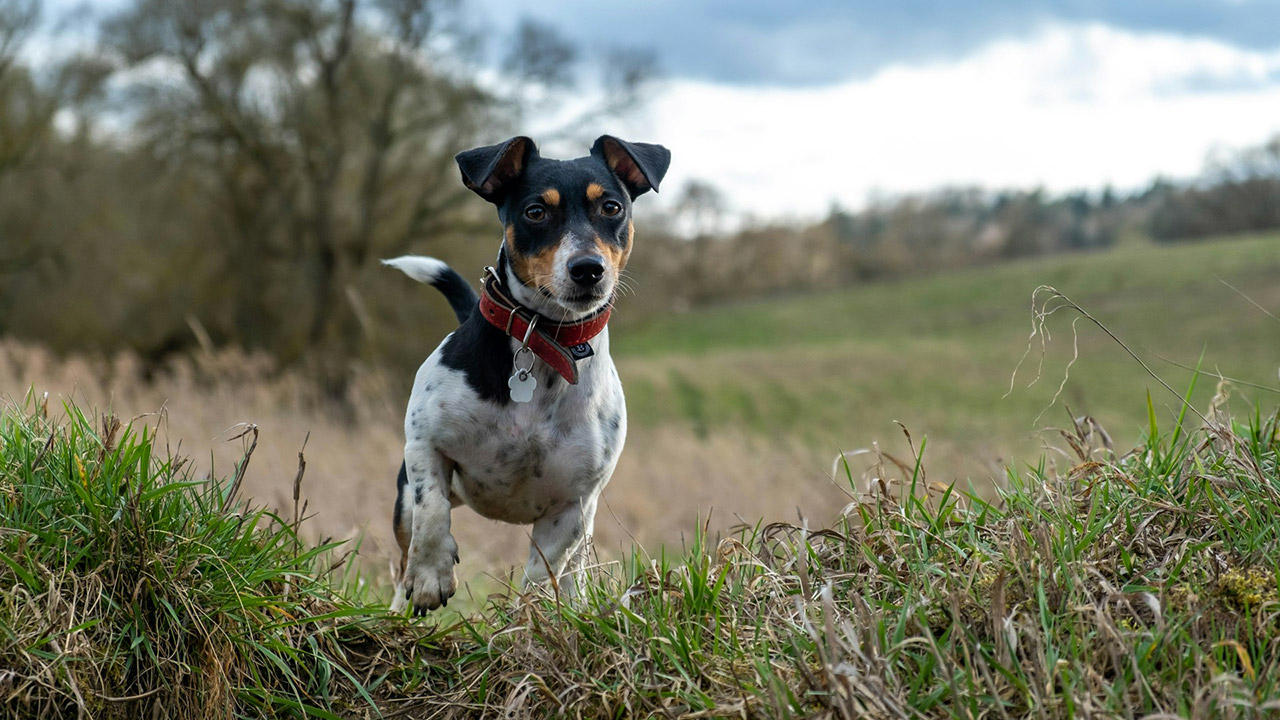
Jack Russells get bought because they’re “fun” and “smart” and you saw one doing tricks. They are fun. They are smart. They are also a working terrier with a motor that doesn’t quit and a prey drive that can turn a calm walk into a rodeo when a squirrel shows up.
If you don’t give them something to do, they’ll remodel your house, dig up your yard, and argue with you like they pay the mortgage. They’re not a bad dog. They’re just not a casual dog. Buying one because you want a small dog with big personality is fine, but only if you like constant management and daily activity.
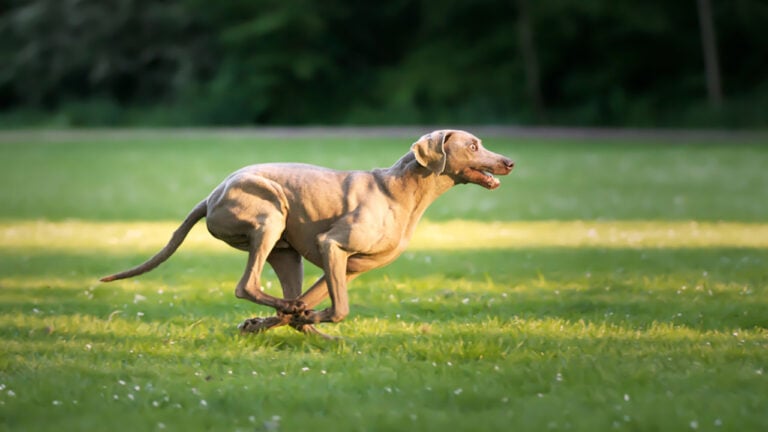
18. Weimaraner

Weimaraners get bought because they look sleek and “classy,” and folks like the idea of a bird dog without really being bird hunters. The Weim can be a great hunting companion, but it’s also known for being intense, needy, and sometimes anxious if it’s left alone too much. That “Velcro dog” thing is real.
If you’re not running it, training it, and giving it a purpose, you’re going to see chewing, pacing, and behavior that looks like the dog is mad at you. It’s usually just stressed and underworked. Don’t buy a Weim to match your living room. Buy it because you want a dog that will be in your business all day and still want more to do.
19. Labrador Retriever

This one surprises people, because Labs are great dogs. The wrong reason here is buying one because you think it comes “pre-trained” as a duck dog or family angel. A Lab pup is a tornado with teeth. If you don’t put time into obedience, manners, and controlled exposure, you’ll have 80 pounds of enthusiasm knocking kids over and eating socks.
Also, not every Lab is from hunting lines, and that matters if your goal is waterfowl work. You can absolutely make a lot of Labs into solid gun dogs, but it still takes training and consistency. Buying one because it’s the default choice is how you end up frustrated when it acts like a puppy for two straight years. Ask me how I know.
20. German Shorthaired Pointer
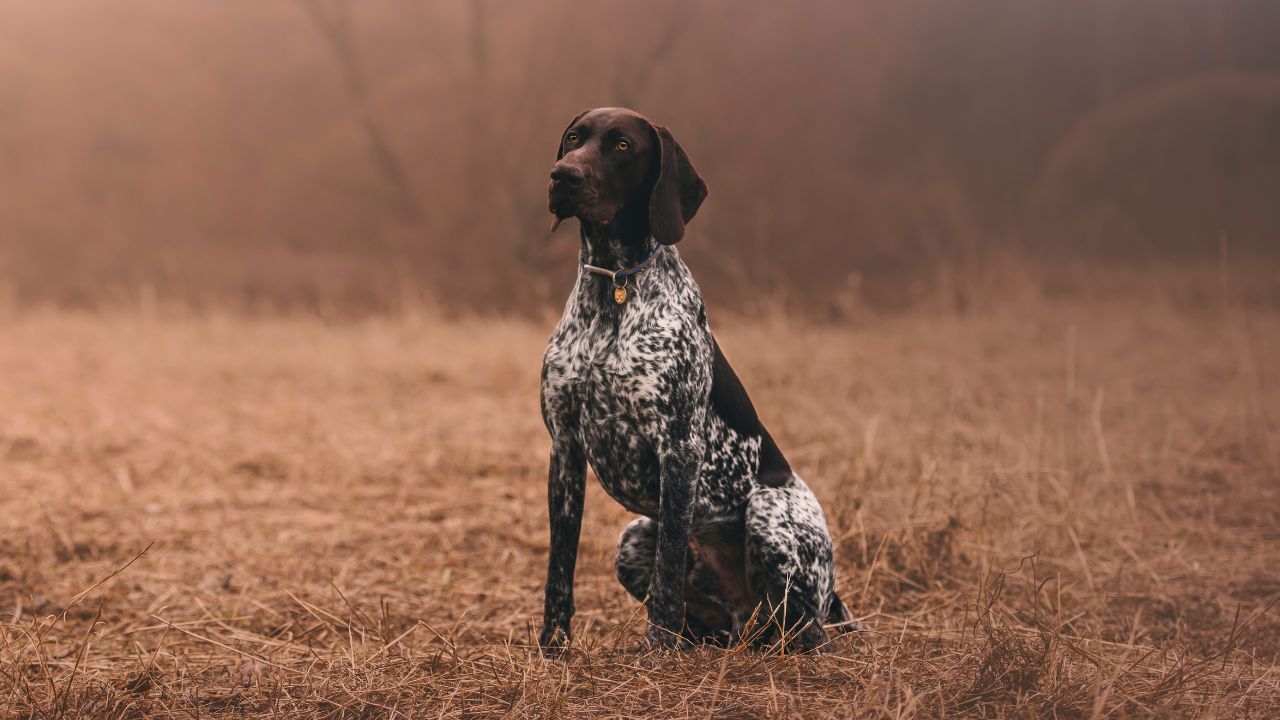
GSPs get bought because they’re the “do-it-all” hunting dog and they look the part. The problem is folks buy them for the label, then don’t hunt enough to keep the dog satisfied. A Shorthaired Pointer with no outlet is like keeping a race engine in a golf cart. It’s going to shake itself apart.
They need daily running, training, and attention. A quick backyard break isn’t exercise for a GSP, it’s just a pit stop. If you’re serious about upland, shed hunting, long hikes, and being outside a lot, they’re hard to beat. If you’re buying one because you like the idea of being that guy with the pointer, but you mostly stay indoors, you’re buying trouble.
The hard truth is there aren’t many “bad” breeds, but there are a lot of bad matches. If you’re picking a dog to fill a role—hunting partner, ranch help, family companion, or just a steady buddy around the property—be honest about your time, your fences, your patience, and your experience. A dog is not a hood ornament. Get the right one for the life you actually live, and you’ll wonder how you ever did without it.
Like The Avid Outdoorsman’s content? Subscribe to our newsletter so you never miss an article.
Here’s more from us: