Photo credit: RobertArt/Shutterstock.com
Some dogs treat every person they meet like a new best friend. Others need time, distance, and a good reason before they decide someone unfamiliar belongs around their family or property. That natural reserve is not automatically aggression. In many breeds, it comes from generations of guarding livestock, protecting homes, working independently, or staying focused on one family rather than seeking attention from everybody they encounter.
That can make these dogs excellent companions for the right owners, but it also means early socialization matters. A naturally suspicious dog that never learns how to behave around visitors can become difficult very quickly. The goal is not to make the dog love strangers. It is to teach it that unfamiliar people can exist nearby without becoming a problem. These 20 breeds are especially well known for being cautious, reserved, or downright skeptical when somebody new shows up.
Akita

Akitas are famous for being deeply loyal to their own family while remaining noticeably reserved with strangers. They are not typically interested in greeting every person they meet, and many prefer to observe unfamiliar people from a distance before deciding how they feel about them. That aloofness is part of the breed rather than something owners should expect to completely train away.
The important thing is keeping that natural suspicion under control. A well-socialized Akita can remain calm and neutral around visitors without becoming overly friendly. Poor socialization can turn reserve into unnecessary tension, especially because these are powerful dogs that tend to make their own decisions. They are best suited to owners who appreciate a dog that does not hand out trust easily and are willing to establish clear boundaries from the beginning.
Anatolian Shepherd
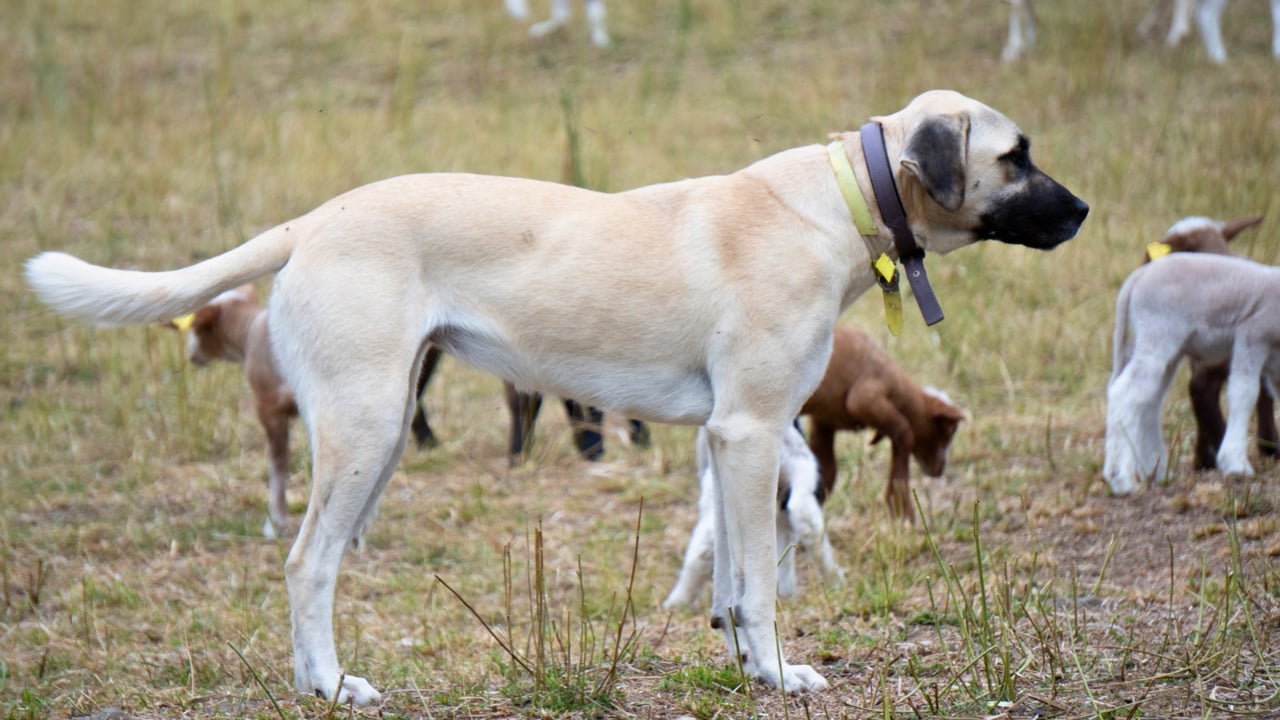
Anatolian Shepherds were bred to make independent decisions around livestock, often without a person standing nearby telling them what to do. That background created a dog that naturally questions unfamiliar people and animals rather than assuming they are harmless.
They may accept regular visitors once they learn the routine, but strangers generally do not receive instant trust. Many Anatolians watch quietly first, positioning themselves between the unfamiliar person and whatever they consider theirs. That behavior can be extremely useful on rural property, but it requires responsible ownership. They need broad social exposure while young so they learn the difference between something unfamiliar and something truly threatening. You are not trying to turn an Anatolian into a social butterfly. You are teaching it how to stay controlled while remaining naturally cautious.
Caucasian Shepherd Dog
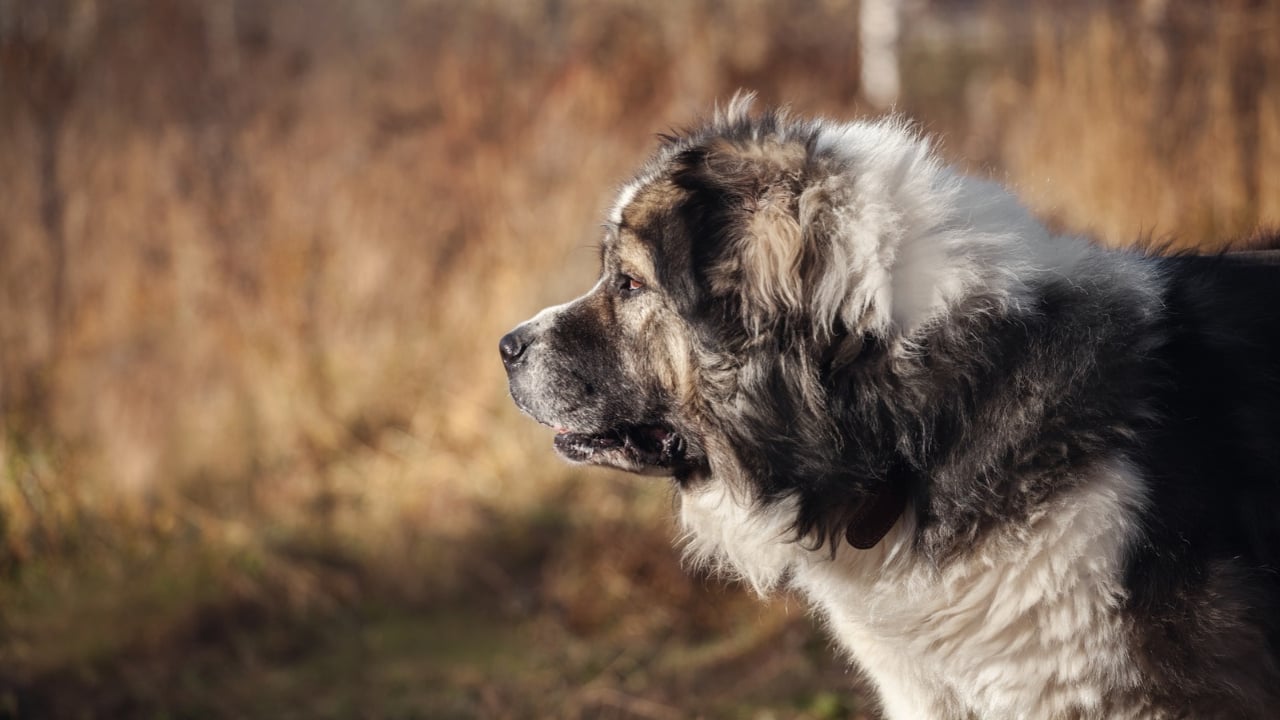
The Caucasian Shepherd is one of the least naturally trusting breeds on this list. It was developed to protect livestock and property against serious threats, and that job demanded a dog willing to challenge unfamiliar people or animals rather than wait for instructions.
That makes the breed a poor fit for casual owners. A Caucasian may be deeply affectionate with its household and still view outsiders with considerable suspicion. Early socialization helps, but it does not erase the guarding instinct. These dogs need owners who understand management, secure fencing, and controlled introductions. Their lack of easy trust is one of the traits that made them effective guardians in the first place. In a modern home, that same trait has to be handled carefully because the dog is simply too large and powerful for mistakes.
Chow Chow
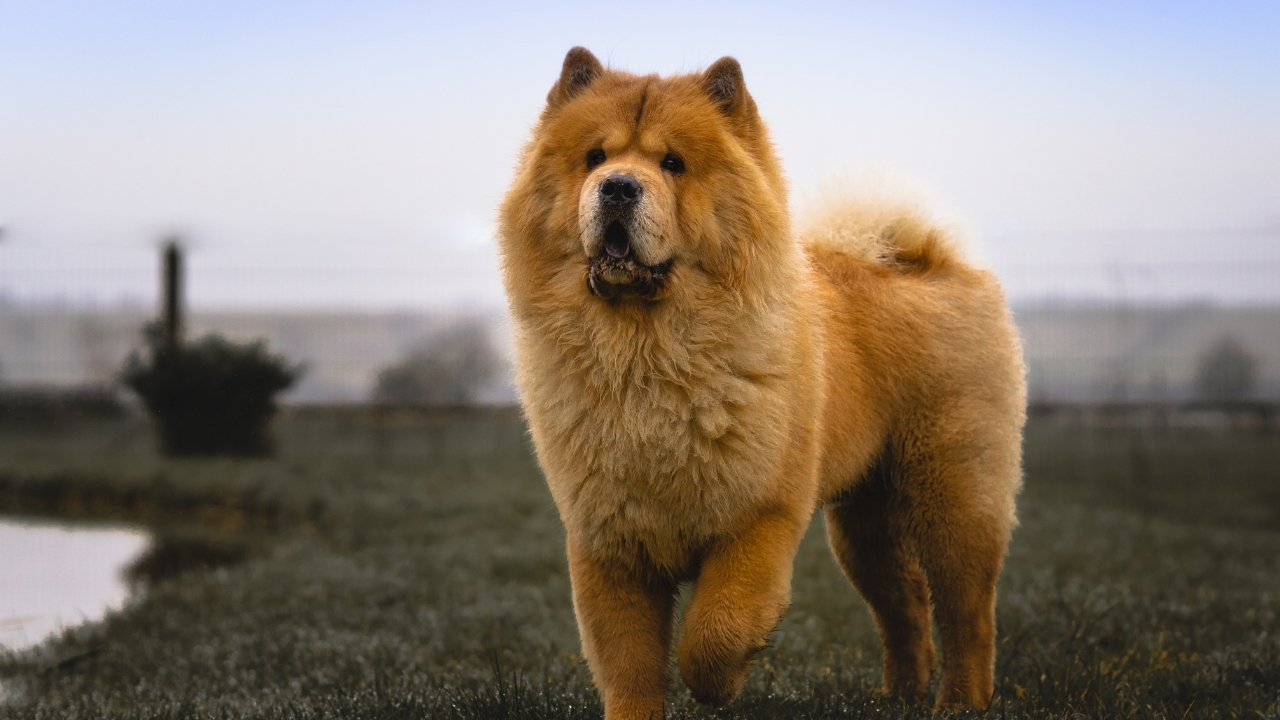
Chow Chows are naturally aloof and often completely uninterested in attention from strangers. They may be devoted to their family while giving unfamiliar people little more than a suspicious look.
That personality surprises people who expect every dog to enjoy petting from anyone who asks. Many Chows would rather not be touched by strangers at all, and forcing interaction can make them uncomfortable. Good socialization helps them remain calm and manageable around unfamiliar people, but the goal should be neutrality rather than friendliness. They are independent, dignified dogs that tend to decide for themselves who belongs in their circle. If you want a dog that eagerly greets everyone at the door, a Chow is usually the wrong choice.
Tibetan Mastiff
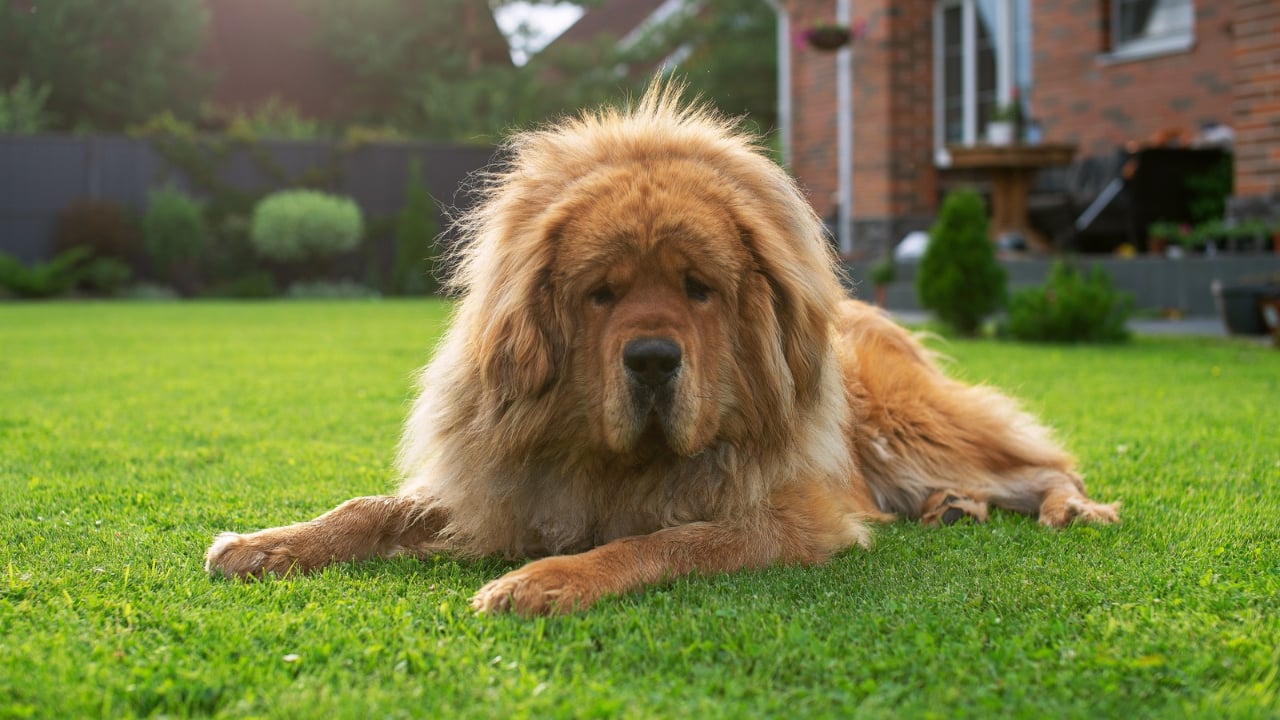
Tibetan Mastiffs are naturally territorial and often especially suspicious of unfamiliar people approaching their home. Their guarding instincts developed in environments where strangers really could represent a threat, so the breed tends to take property boundaries seriously.
They can be calm during the day and become significantly more watchful at night, which is common in livestock and property guardians. A Tibetan Mastiff may accept people introduced properly but is unlikely to become instantly outgoing. Owners need to provide extensive socialization without expecting the dog to lose its natural reserve. The breed is independent enough that simple obedience does not always override its judgment. That combination of suspicion, size, and self-confidence makes it impressive but demanding.
Boerboel

Boerboels were developed as serious farm and property guardians, and they tend to be highly aware of who does and does not belong around the home. They usually bond closely with family while evaluating strangers much more carefully.
A good Boerboel should be confident rather than nervous. That distinction matters because confidence allows the dog to watch without immediately overreacting. Even so, strangers generally have to earn acceptance rather than receiving it automatically. These are large, powerful dogs, so early socialization and consistent handling are essential. The breed can be excellent with its own family while remaining naturally skeptical of outsiders, which is exactly why responsible ownership matters so much.
Central Asian Shepherd Dog
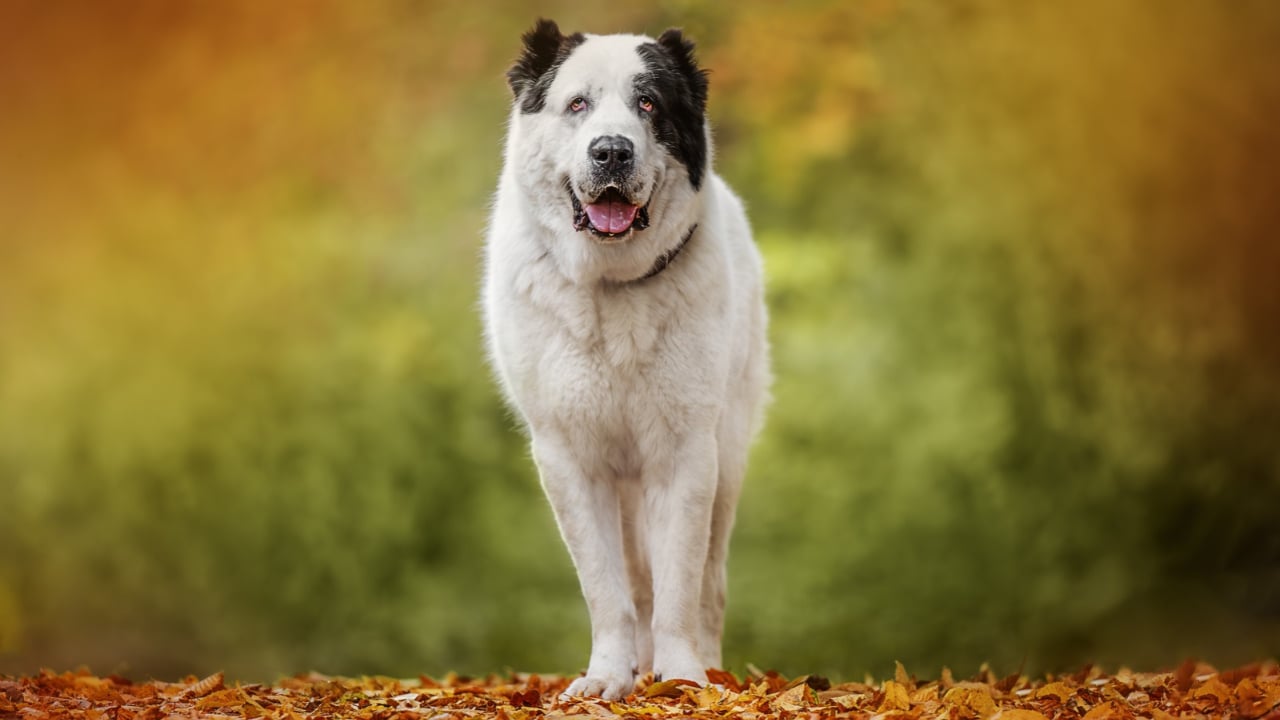
Central Asian Shepherds were shaped by centuries of guarding livestock and property in harsh environments. Independence and suspicion were useful traits because the dogs often had to decide for themselves whether something approaching was dangerous.
That history still shows clearly. They are not generally interested in making friends with everyone they meet, and unfamiliar people may be watched closely until the dog understands the situation. They can be affectionate with family while remaining extremely reserved elsewhere. Owners need secure property, careful introductions, and realistic expectations. Socialization should make the dog stable and manageable, not erase instincts that have been selected for generations.
Kuvasz
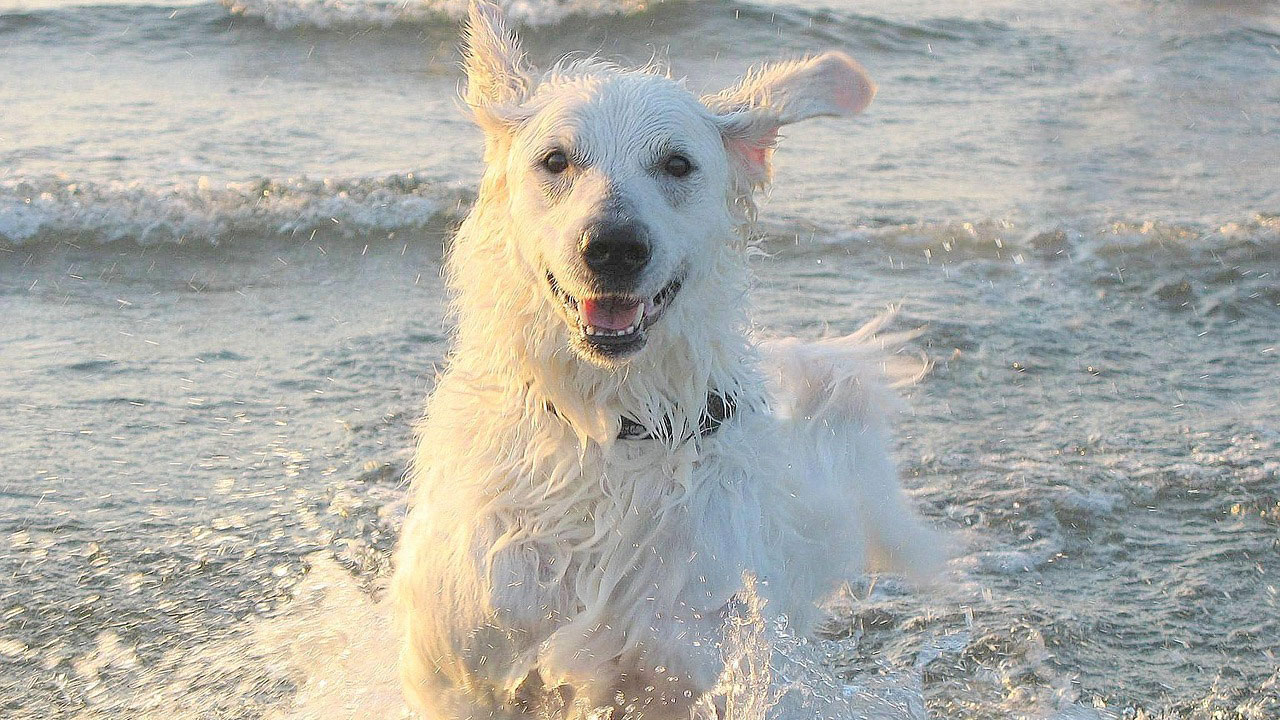
The Kuvasz is a livestock guardian with a strong instinct to protect both animals and family. They are intelligent enough to form their own opinions about unfamiliar people, and those opinions are not always generous at first.
A well-bred Kuvasz should be confident and capable of relaxing when its owner indicates everything is fine. Still, the breed does not tend to offer immediate trust. Visitors may need repeated exposure before the dog fully accepts them. That independence is part of what made the Kuvasz useful around livestock, where constant human direction was impossible. In a family setting, it means owners need good management and extensive socialization from puppyhood.
Maremma Sheepdog
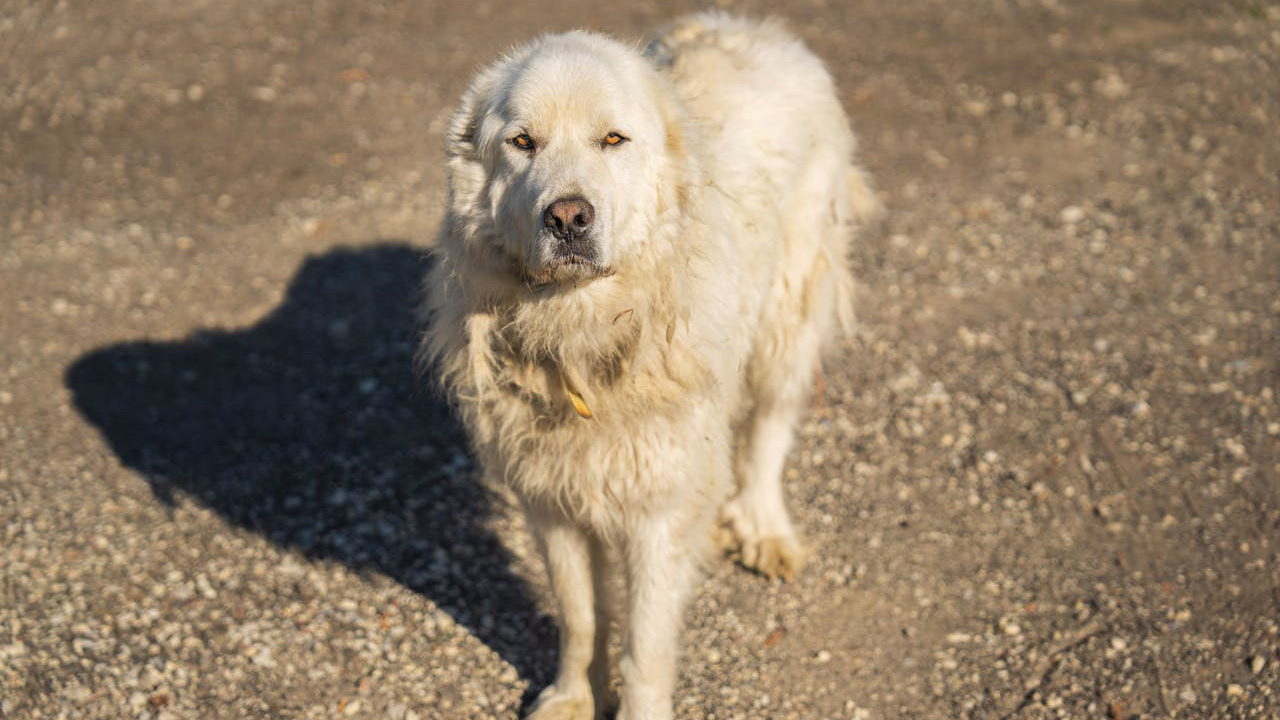
Maremmas tend to be gentle with the animals and people they consider part of their group while remaining cautious about outsiders. Their job historically required them to recognize what belonged and react when something unfamiliar entered the picture.
That can make them excellent rural dogs, but it also means they are not automatically comfortable with every visitor. Many will watch first and approach later, if at all. Their suspicion is usually tied strongly to territory, especially when they are working around livestock. Owners need to introduce guests properly and avoid assuming the dog will simply figure everything out on its own. A well-socialized Maremma can be calm around strangers without becoming particularly interested in them.
Cane Corso

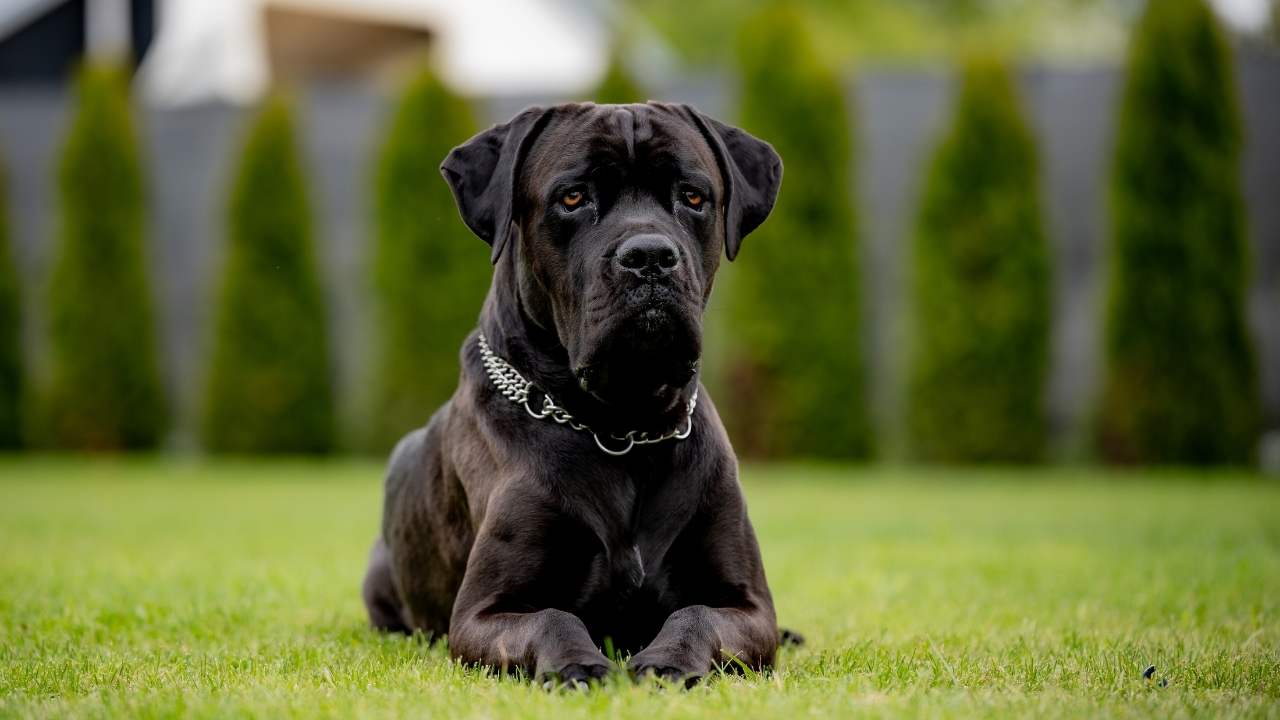
Cane Corsos tend to be highly attached to their household and naturally cautious around unfamiliar people. Their guarding background makes them quick to notice changes in the environment, and they often take a moment to evaluate someone before relaxing.
That reserve can be useful, but it is also one of the reasons early socialization is so important. A Corso that has never been exposed to visitors, public environments, and normal household activity can become unnecessarily suspicious. The ideal adult is calm, confident, and responsive to its owner while still maintaining natural awareness. These dogs do not need encouragement to distrust strangers. They need guidance about when that suspicion is unnecessary.
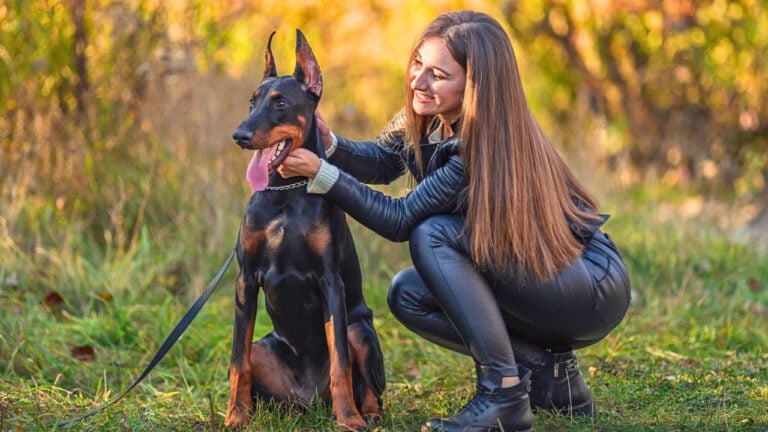
Doberman Pinscher

Dobermans tend to form very close bonds with their owners, and that devotion often makes them selective about outsiders. They are highly observant and usually notice unfamiliar people immediately.
Many Dobermans are more socially adaptable than the heavier guardian breeds, but they still tend to assess strangers before fully relaxing. Their trainability helps owners channel that behavior effectively, which is one reason the breed has been used so widely in protection and service roles. A well-socialized Doberman can move comfortably through public settings while still remaining focused on its handler. They are not necessarily unfriendly. They simply tend to care far more about their own people than about making new friends.
Rottweiler

Rottweilers are often calm and steady with their families while remaining cautious around people they do not know. They tend to watch first rather than rush into a greeting.
That natural reserve can become one of the breed’s greatest strengths when paired with good training. A confident Rottweiler usually does not need to bark or posture constantly. It simply pays attention. The trouble comes when poor socialization turns caution into overreaction. Because these dogs are powerful, owners need to teach them early that strangers are not automatically threats. Properly raised, they can remain reserved without becoming difficult.
Black Russian Terrier

The Black Russian Terrier was developed as a working and guarding breed, and strangers are rarely greeted with the enthusiasm you would expect from a typical sporting dog. They tend to be serious, observant, and highly devoted to their own household.
That reserve is especially noticeable around the home. A Black Russian Terrier may accept people once properly introduced but generally wants time to evaluate them. The breed is large, intelligent, and confident, which means owners need consistent training rather than relying on physical control. Early exposure to different people and environments is important so the dog learns how to remain composed. Even with good socialization, most retain a healthy amount of skepticism toward unfamiliar people.
Giant Schnauzer

Giant Schnauzers are highly alert, intelligent, and naturally protective of their household. They tend to notice strangers quickly and can be much more suspicious than the smaller Schnauzer varieties.
Their intensity means they do best with experienced owners who can provide structure and plenty of mental work. A bored Giant Schnauzer may become overly focused on every person who passes the house, which is not the same thing as good guarding. Proper training helps them recognize what deserves attention and what does not. Even when well socialized, though, they are rarely the kind of dog that assumes every unfamiliar person is a friend.
Beauceron
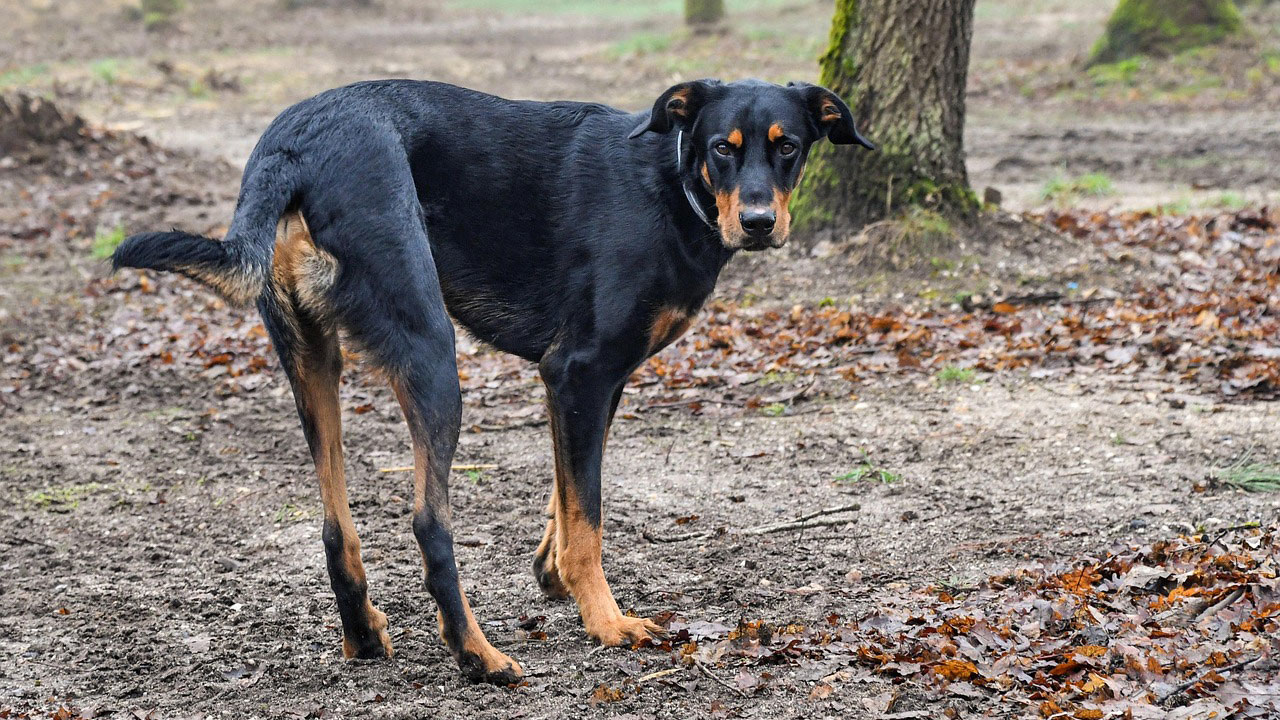
The Beauceron is an old French working breed with strong herding and guarding instincts. They are intelligent, confident, and often reserved around people outside their immediate household.
A Beauceron may watch a stranger carefully before deciding whether interaction is worthwhile. They are generally more handler-oriented than many livestock guardians, which makes their suspicion easier to manage through training. Still, the breed is not naturally outgoing in the way a Golden Retriever or Labrador often is. They tend to take their environment seriously and remain aware of unfamiliar activity. That makes socialization important from an early age.
Shar-Pei

Shar-Peis are often strongly attached to their own household while remaining noticeably aloof with outsiders. Historically, they were used for guarding and general farm work, and the breed still carries a strong sense of personal space.
Many Shar-Peis do not enjoy strangers reaching toward them or trying to force interaction. They prefer to decide when and whether they want contact. That can make them appear unfriendly when they are really just selective. Early socialization helps tremendously because it teaches them that unfamiliar people can be present without creating a problem. They are independent enough that owners need patience, but their natural reserve is one of the breed’s defining traits.
Kangal

Kangals were developed to guard livestock across large areas, and that job required them to be skeptical of unfamiliar activity. They are usually affectionate and calm with the people they know while remaining far more cautious around strangers.
Unlike highly handler-dependent breeds, Kangals were expected to evaluate threats on their own. That independent judgment remains strong today. A stranger entering property without introduction may be treated very differently from someone the dog has seen regularly. Owners need secure boundaries and thoughtful management because these dogs are large enough that mistakes matter. Socialization should produce a stable dog, but nobody should expect a properly bred Kangal to become indiscriminately friendly.
Spanish Mastiff
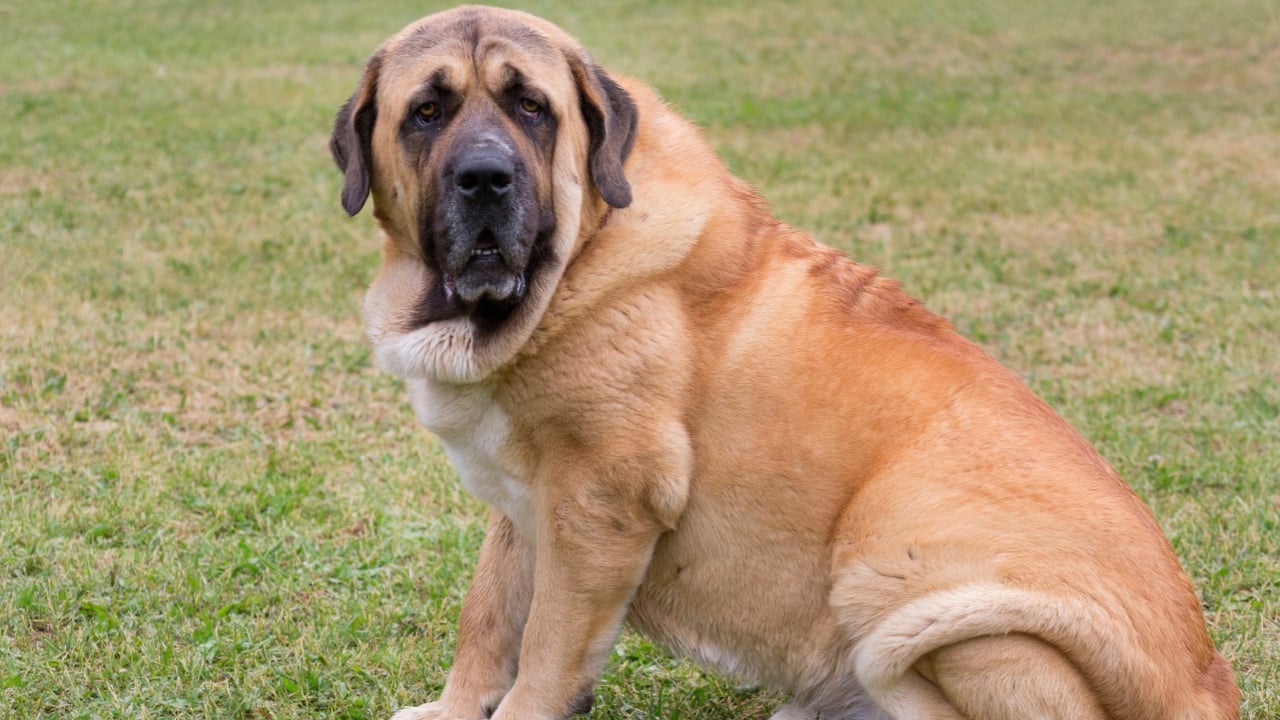
Spanish Mastiffs were traditionally used to protect livestock from predators while traveling with flocks, so they developed a strong instinct to distinguish familiar people and animals from outsiders.
They tend to be calm and deliberate rather than frantic, but strangers are usually evaluated carefully. Their massive size adds another layer of seriousness, which means owners need to manage introductions instead of assuming the dog will accept everyone automatically. The breed can be affectionate and gentle with its household while remaining deeply reserved elsewhere. That combination makes them effective guardians but unsuitable for owners who want a highly social dog.
Fila Brasileiro
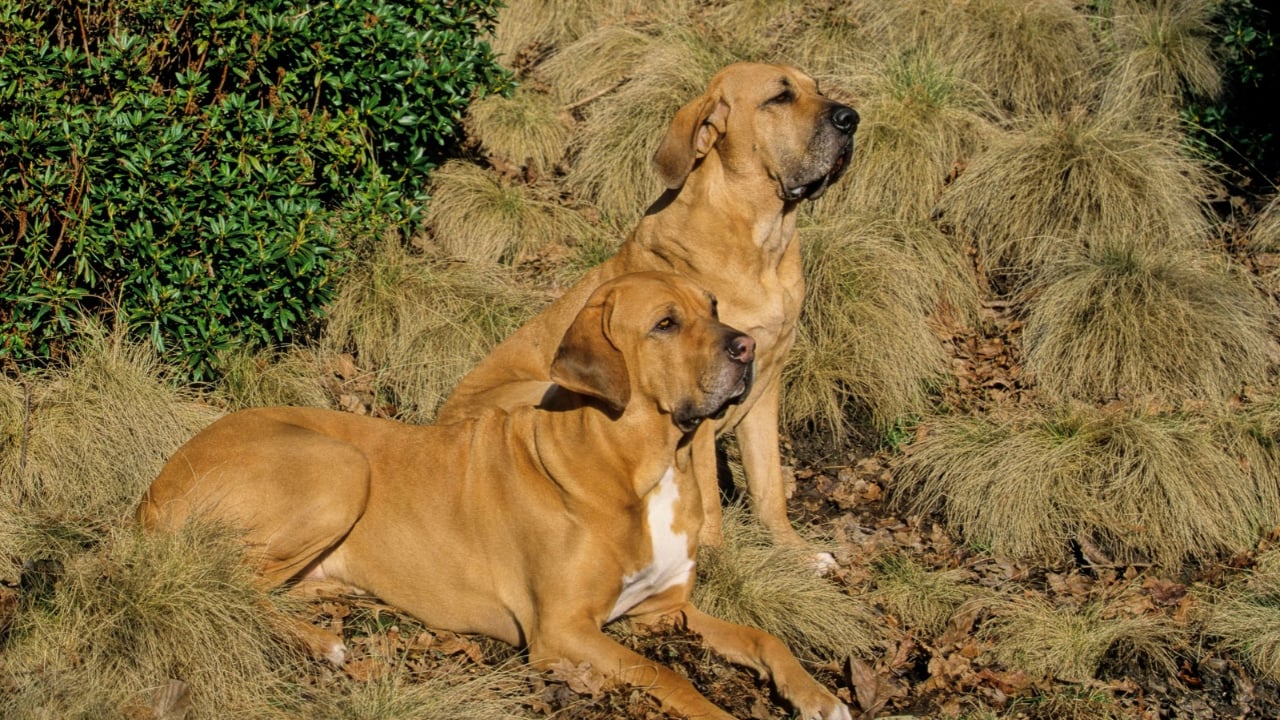
The Fila Brasileiro is especially well known for its natural aversion to strangers. Suspicion is deeply rooted in the breed’s history as a property and livestock guardian, and many Filas remain extremely devoted to their own household while showing little interest in outsiders.
This is not a breed that should be chosen casually. Even extensive socialization does not necessarily make a Fila broadly friendly, and that is not really the point. Training and exposure are intended to create control and stability. Because the breed is large, powerful, and naturally distrustful, responsible management is essential. For experienced owners who understand serious guardian breeds, the Fila’s loyalty can be remarkable. For the average household, the same traits can be too much.
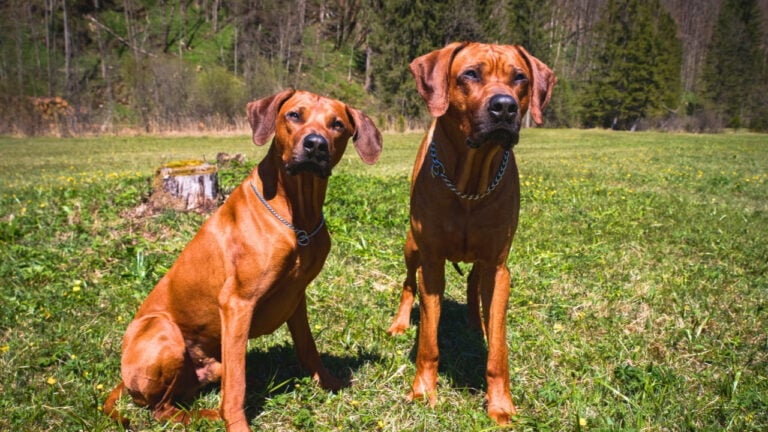
Rhodesian Ridgeback
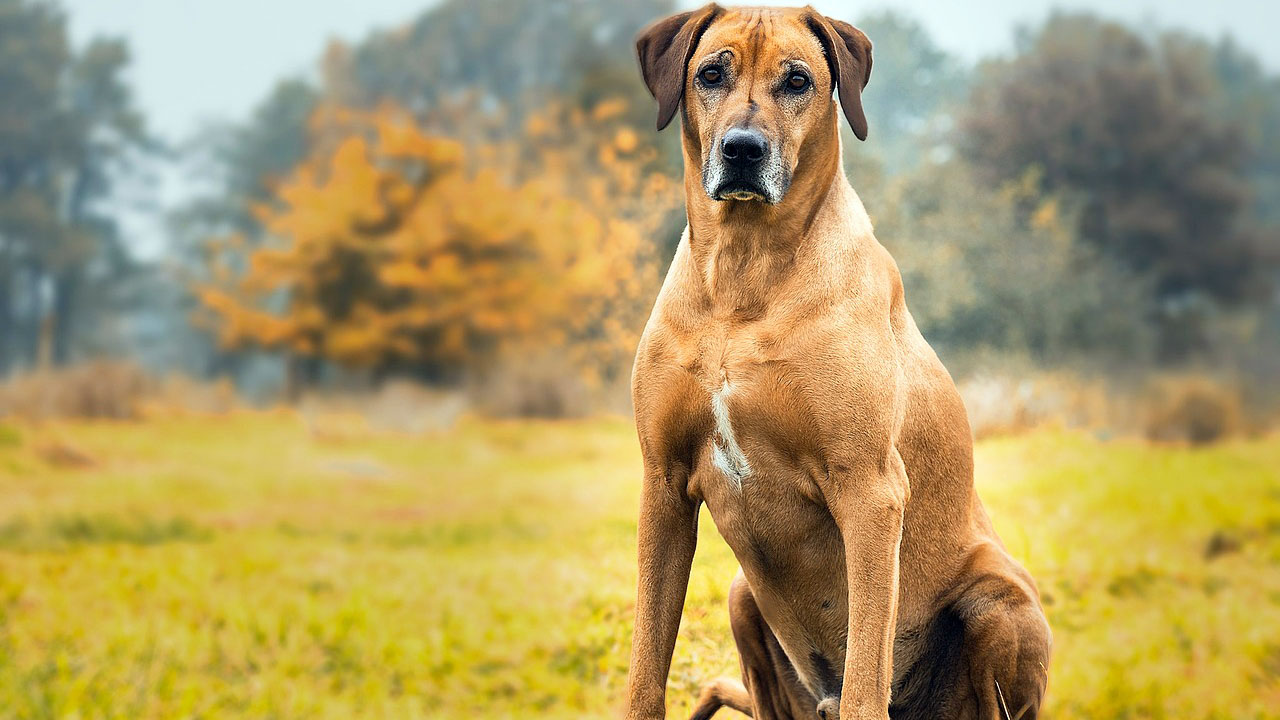
Rhodesian Ridgebacks tend to be reserved with strangers without always appearing overtly protective. They are often calm, observant, and more likely to watch someone unfamiliar than immediately approach for attention.
That makes them different from breeds whose suspicion comes with constant barking. A Ridgeback may remain quiet while clearly keeping track of where a stranger is and what that person is doing. Their independence also means they are not always eager to follow commands simply to please someone. Proper socialization helps them remain relaxed around visitors and public situations, but many retain a naturally selective personality throughout life. They usually save their strongest attachment for their own family.
Like The Avid Outdoorsman’s content? Subscribe to our newsletter so you never miss an article.
Here’s more from us: