Photo credit: farleyjj1/YouTube
Some handguns are easy to buy new whenever you want one. Others are the kind you have to stumble across at a gun show, used counter, estate sale, or local shop and recognize before somebody else does. Condition matters a lot with those guns because the difference between a clean shooter and a worn-out example can completely change whether the purchase makes sense.
I am not necessarily talking about the rarest or most expensive pistols and revolvers ever made. I am talking about handguns I would seriously consider adding if I found the right example with honest wear, good mechanics, and no obvious abuse. These are the guns that become much more tempting when the finish is decent, the timing is right, the bore is clean, and the previous owner did not spend twenty years trying to “improve” them with a file and a kitchen-table trigger job.
Smith & Wesson Model 39
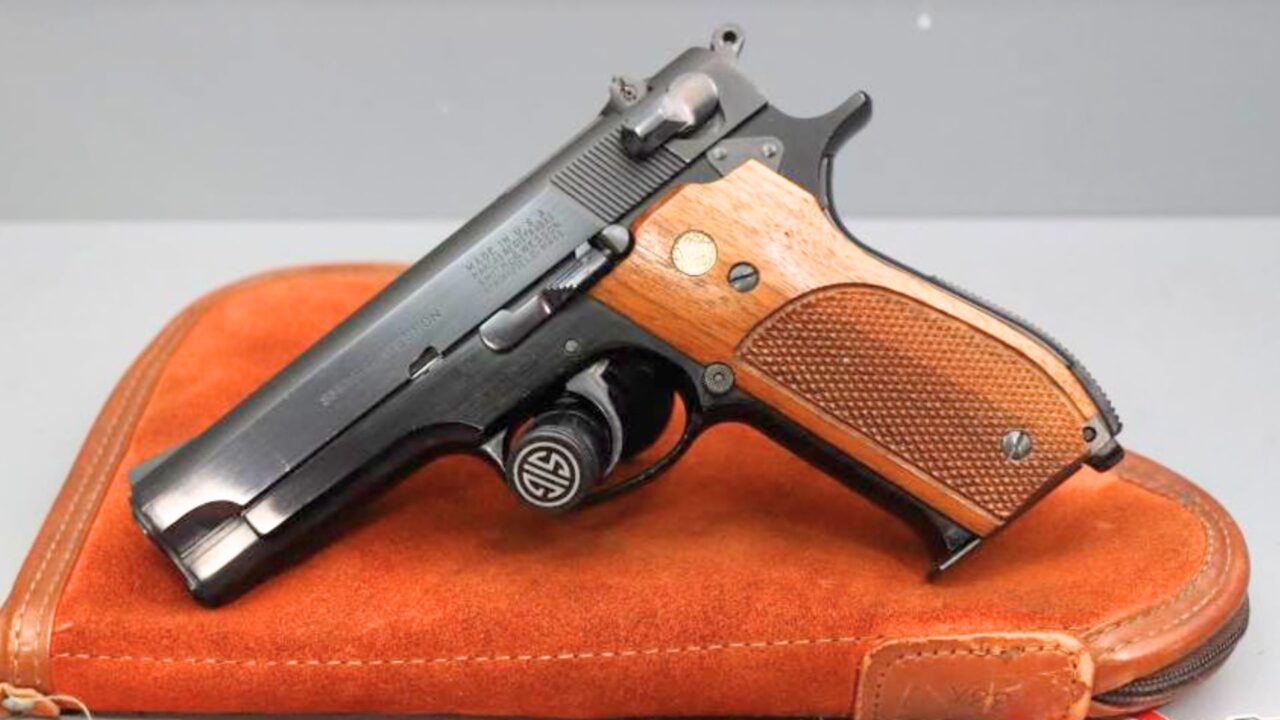
The original Model 39 is one of the handguns I would stop and examine every time I saw one in good condition. It represents an early American move toward the kind of 9mm double-action semiautomatic that eventually became completely normal in police and military service. The alloy frame keeps it relatively light, the single-stack grip is slim, and the pistol has an elegant feel that later high-capacity service guns largely abandoned. A good example also gives you a glimpse of an era when manufacturers were still figuring out what the modern American service pistol was supposed to look like.
Condition matters because these guns are old enough that hard use, neglected springs, damaged magazines, and amateur gunsmithing are all possible. Find a clean, mechanically sound one with a good bore and original parts, though, and I would have a hard time leaving it behind.
Colt Pocket Positive
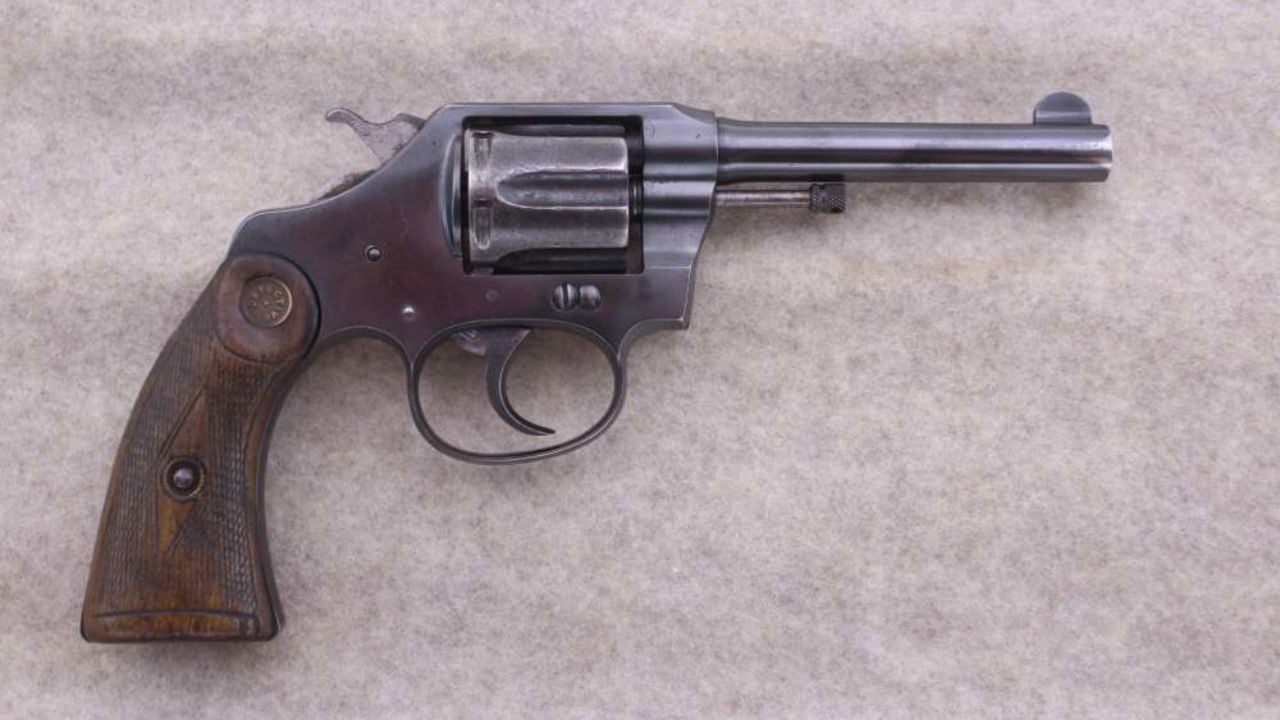
The Pocket Positive is the kind of small Colt revolver that becomes much more interesting once you see a clean example in person. It has the fine proportions and old Colt action that make prewar revolvers feel completely different from modern snubs, and the smaller frame gives it a delicate balance that is hard to reproduce today. These were practical carry revolvers in their own era, but surviving examples now sit in an interesting space between shooter and collectible.
I would want one with good lockup, clean chambers, and no evidence that somebody abused the action trying to make it faster. I would not need perfect finish. Honest wear is fine. What matters is finding one that still feels mechanically right.
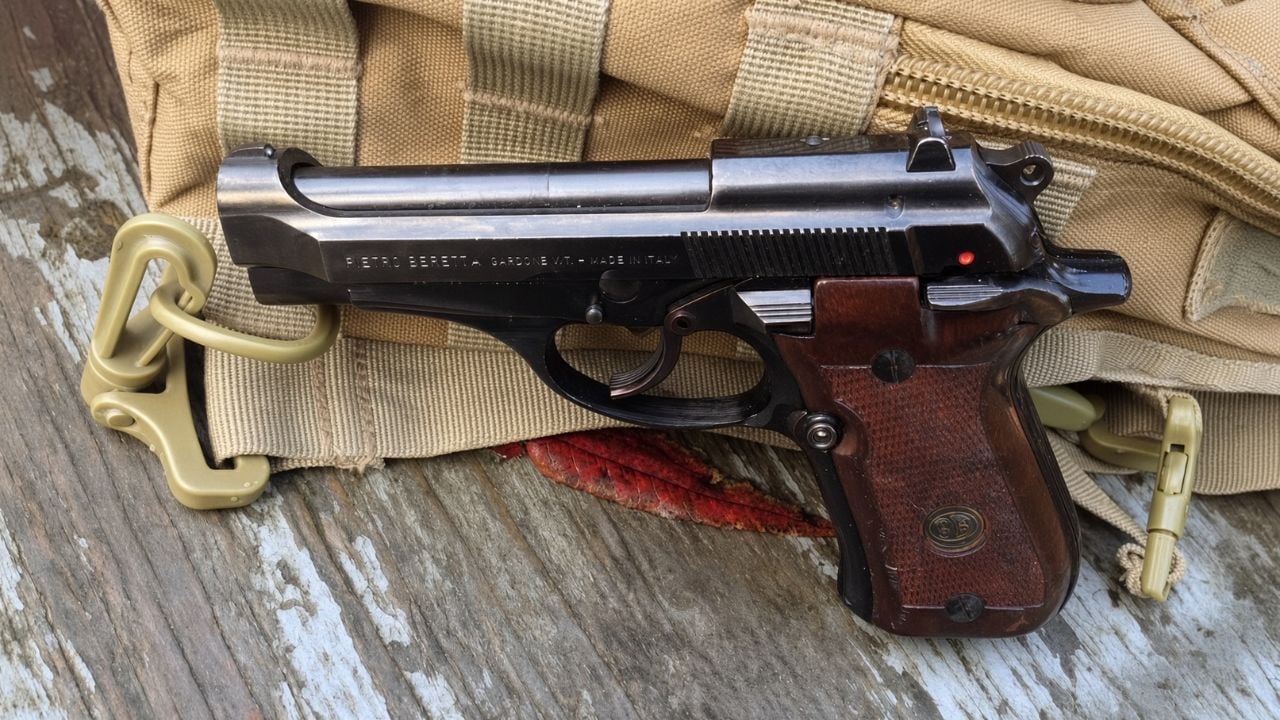
Beretta Model 71
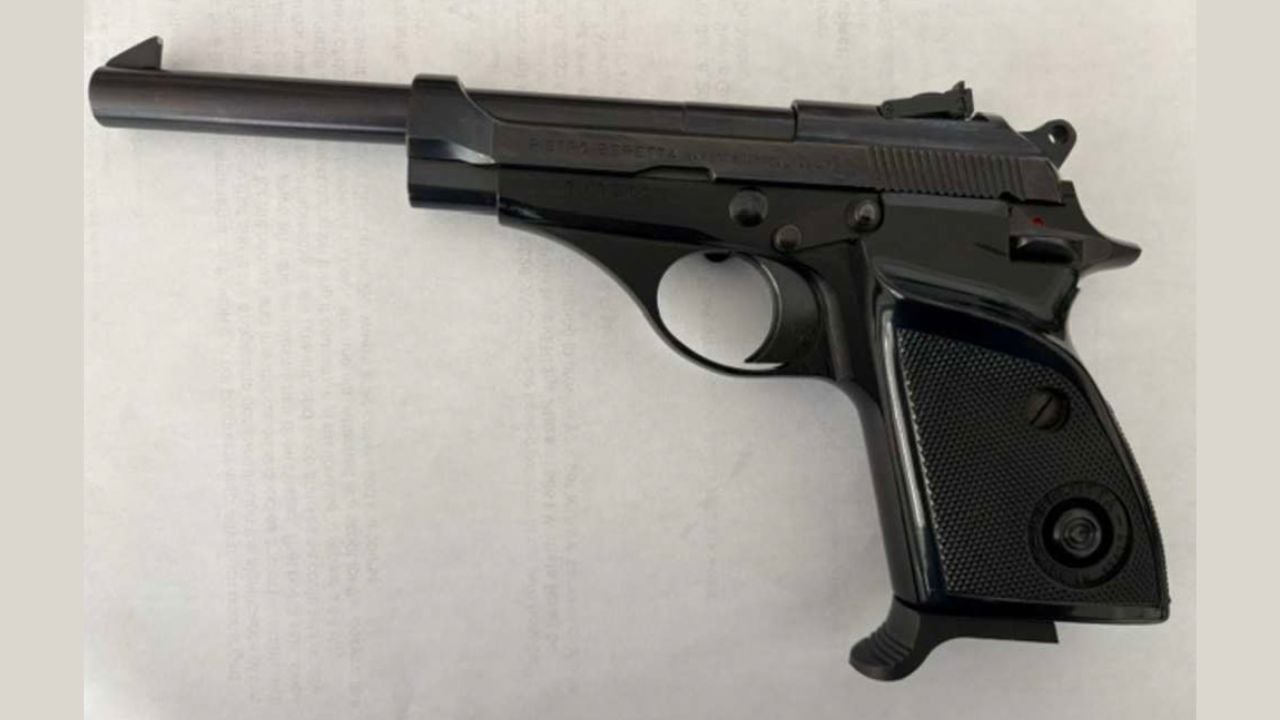
The Model 71 is one of those compact rimfire pistols that makes a lot more sense once you actually handle one. It is light, slim, and built around an alloy frame that gives it a more serious feel than many modern .22 plinkers. The single-action trigger and open-slide Beretta layout make it easy to shoot well, and the pistol has enough history and personality to be interesting without becoming useless as a range gun.
I would absolutely add one if I found a clean shooter at a fair number. The challenge is finding an example that has not been neglected, modified badly, or beaten up through decades of use. A mechanically sound Model 71 is the kind of gun I would actually shoot rather than just admire.
Star Model BKM
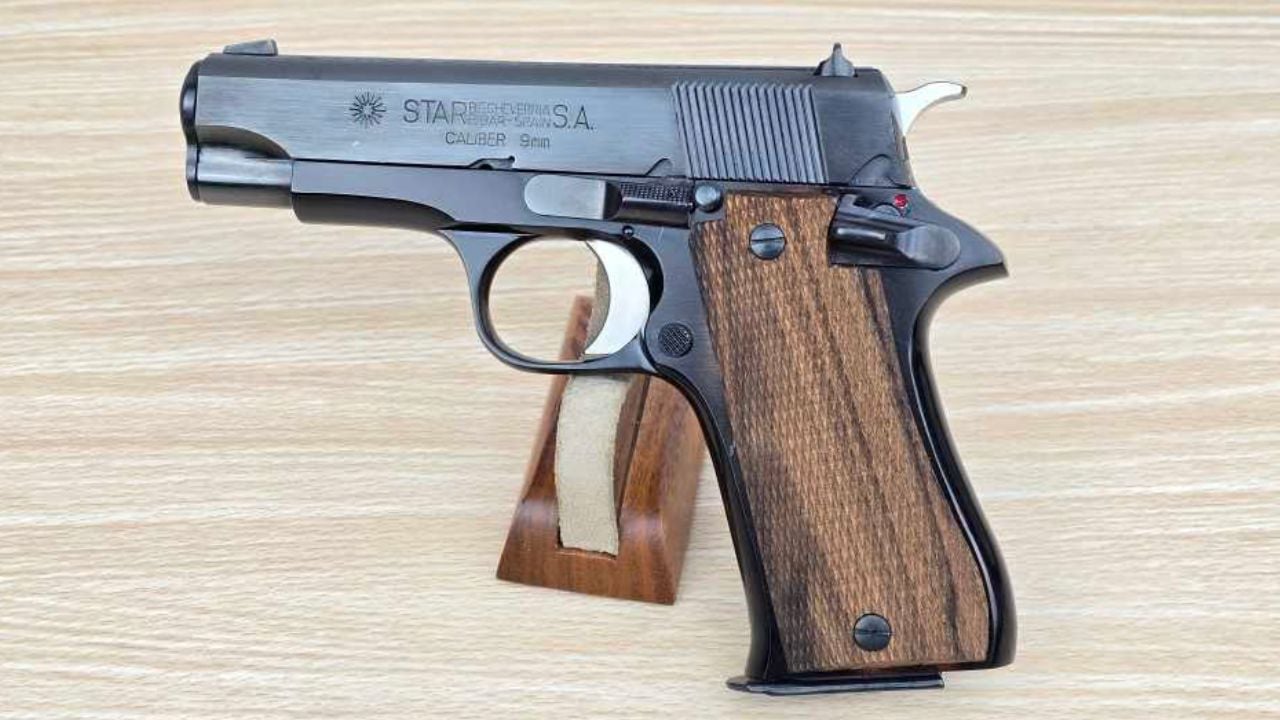
The BKM is one of the more interesting compact Spanish pistols because it gives you 1911-like styling in a much lighter alloy-frame package. It is chambered in 9mm, slim through the grip, and compact enough that it feels genuinely different from the larger Star service pistols. The pistol was never as common in the United States as more famous European designs, which makes finding a good one part of the appeal.
I would look closely at the frame, slide fit, magazines, and overall mechanical condition before buying one. If everything checked out, though, it would be exactly the kind of unusual but still shootable handgun I would want in the collection.
Astra Constable
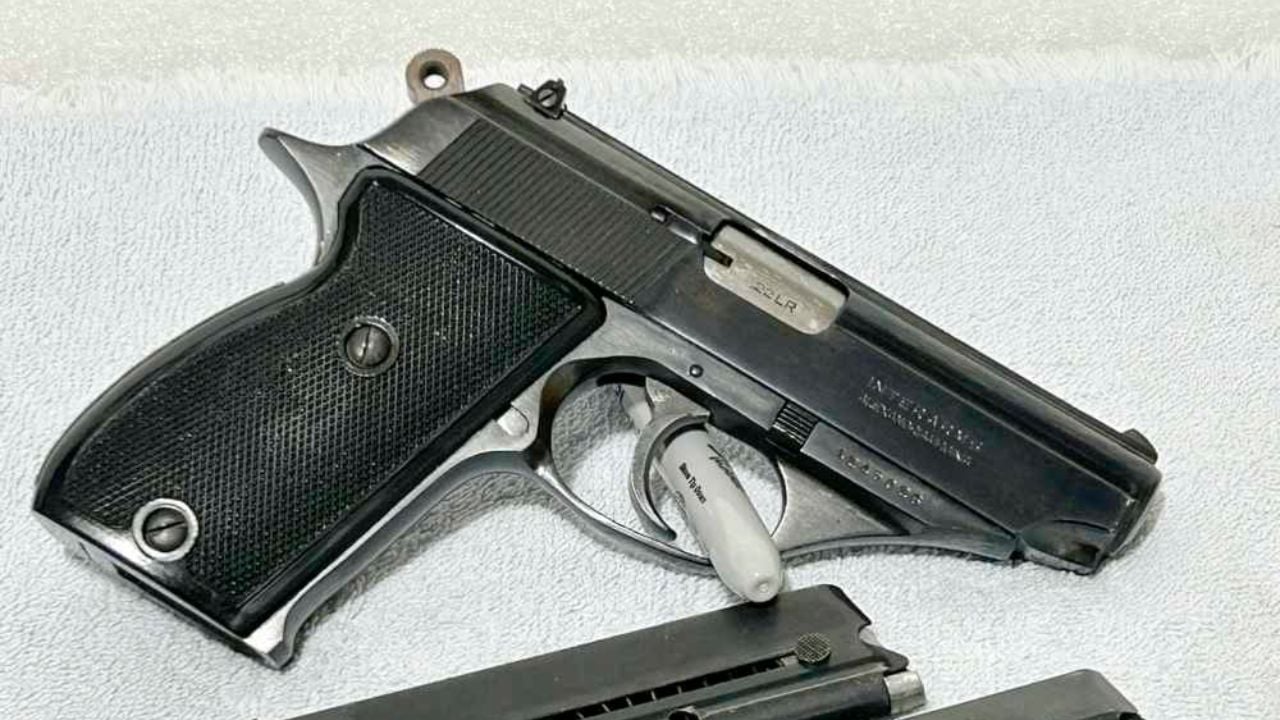
The Astra Constable is one of those compact European pistols that spent years being overshadowed by better-known names. It has the traditional blowback layout, DA/SA trigger, and all-metal construction that define a whole generation of compact defensive pistols. Depending on chambering, it can be a pleasant little range gun with far more character than another modern polymer compact.
I would not pay collector money just because it is old, but a clean example with good magazines and a healthy extractor would get my attention. These pistols are interesting precisely because they were ordinary working guns once. Finding one that survived in good condition is what makes the purchase appealing.
Smith & Wesson Model 439
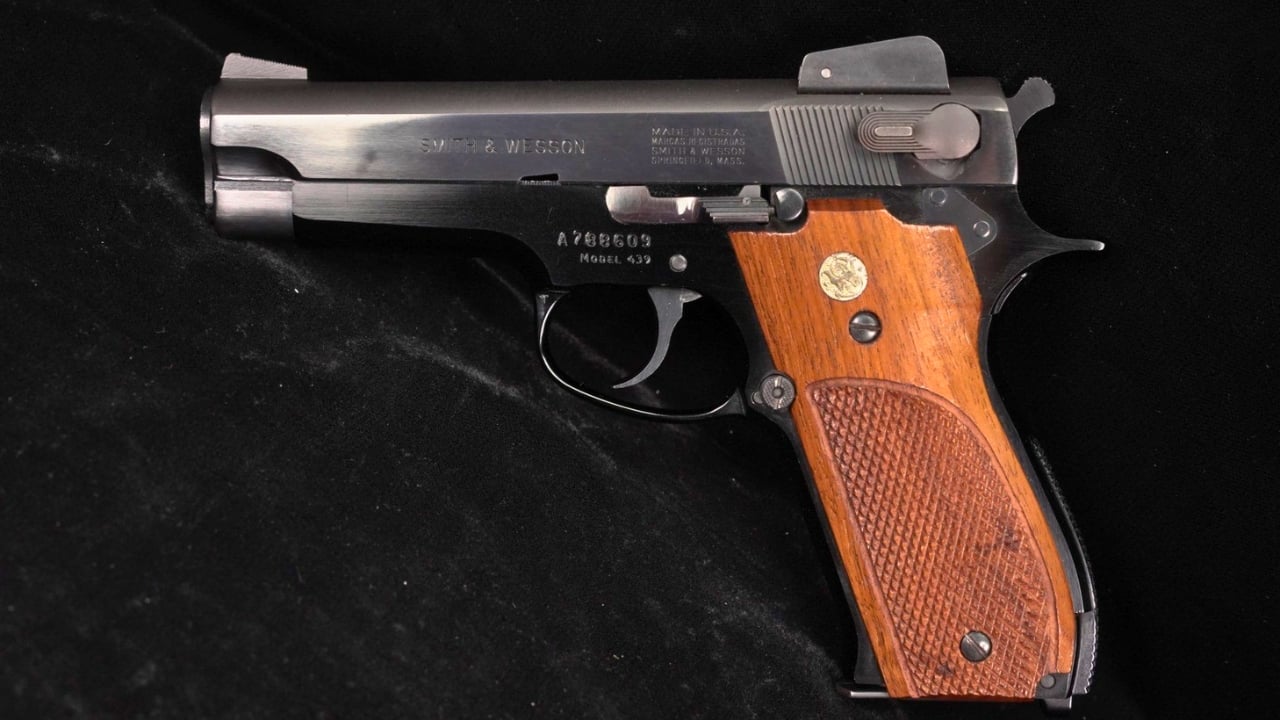
The Model 439 is one of the third-generation-adjacent Smith pistols I would want because it keeps the slim single-stack 9mm layout while adding practical refinements over earlier designs. The alloy frame makes it easy to handle, the grip is narrow, and the traditional DA/SA trigger gives it the old service-pistol feel that has mostly disappeared from new production. It is also one of those guns that looks better with a little honest finish wear than with years of neglect.
A good used 439 would need to be mechanically sound more than cosmetically perfect. If the safety, decocker, trigger, and magazines all worked properly and the bore looked good, I would be very tempted to bring it home.
Browning BDA .380
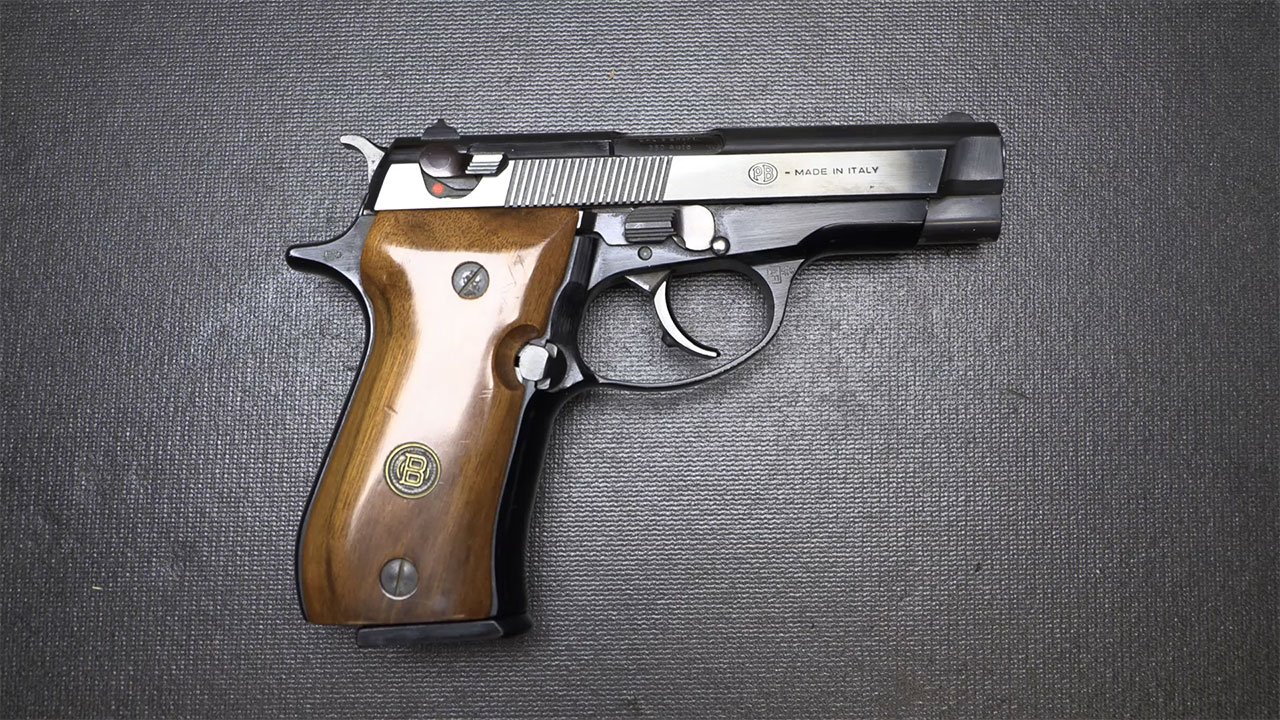
The BDA .380 is one of those pistols that becomes more appealing when you stop judging it entirely by modern carry standards. It is larger than current pocket .380s, but that extra size makes it much easier to shoot. The alloy frame, double-stack magazine, enclosed slide profile, and refined controls give it a feel that is much closer to a compact service pistol than a tiny backup gun.
I would want an example with clean internals, good magazines, and no frame damage from hard use. If I found one like that, I would buy it as a shooter first and a collectible second. That is the kind of handgun that deserves to keep being used.
SIG Sauer P230
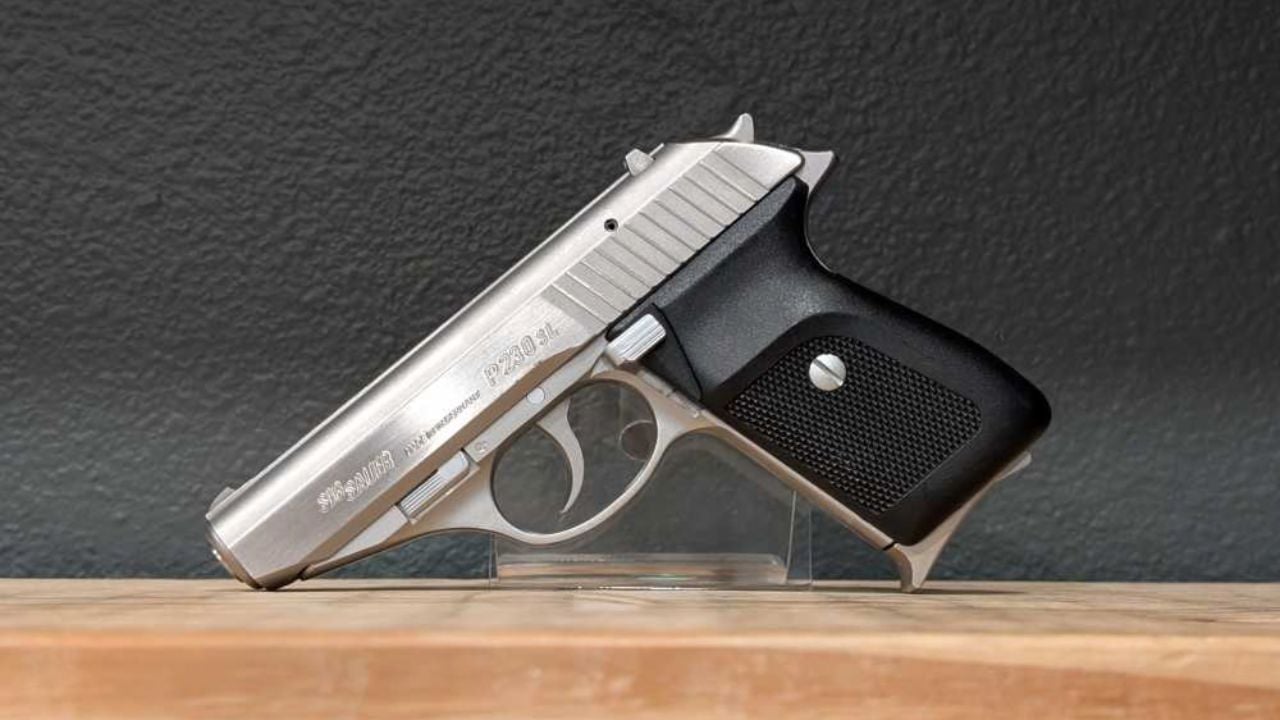
The P230 is one of the cleanest-looking compact pistols SIG ever made. It is slim, light, and built around a traditional DA/SA blowback system that gives it a completely different feel from current micro-compacts. The grip is comfortable, the slide is narrow, and the entire pistol has a level of refinement that makes it feel more expensive than many compact guns that came after it.
I would be especially interested in a clean example that had not been carried hard enough to beat up the finish or damage the controls. A good P230 is not the most capable carry pistol by modern standards, but as a collection piece that still shoots beautifully, it makes a lot of sense.
Colt Police Positive Target
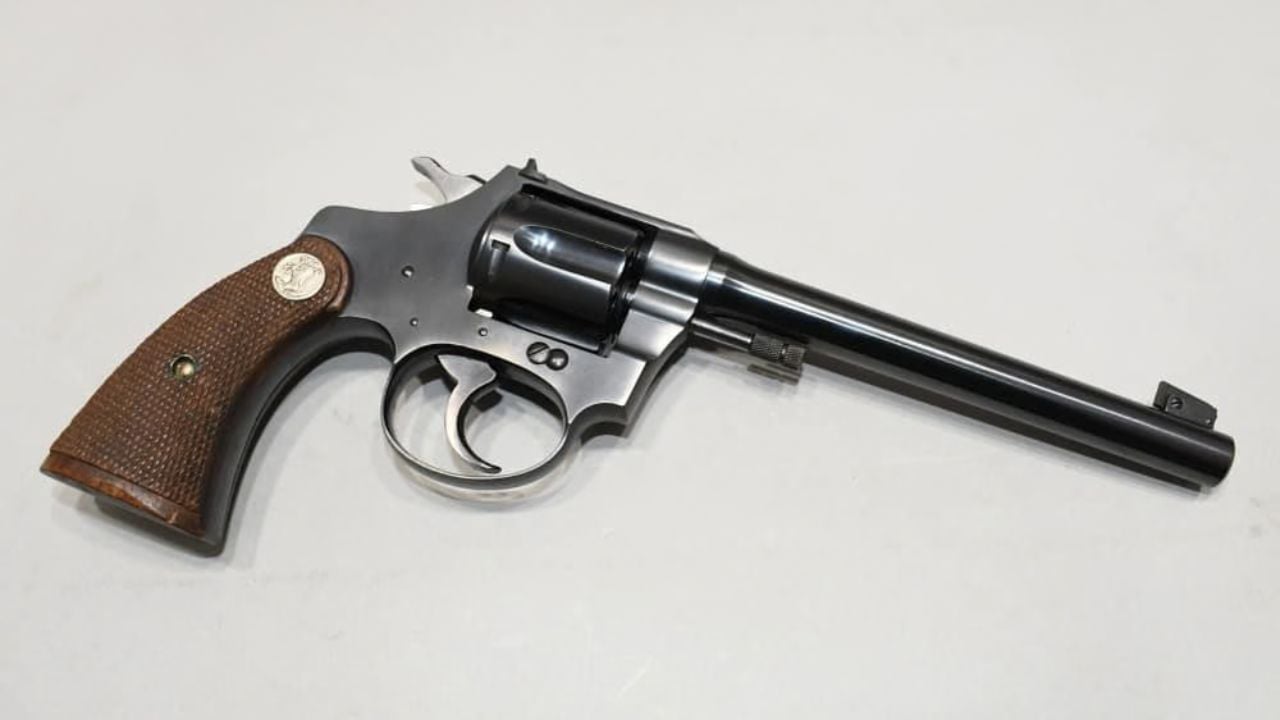
The Police Positive Target is one of the older Colt revolvers I would want specifically because it combines classic Colt mechanics with a more precision-oriented setup. Adjustable sights and a longer barrel give it much more range usefulness than the basic service versions, while the smaller frame keeps the gun elegant and easy to handle. It is exactly the kind of revolver that can still be genuinely enjoyable on paper targets a century after it was built.
Condition is everything with a gun like this. Timing, lockup, bore condition, and originality matter far more than whether every bit of blue is still present. A clean shooter would interest me more than a refinished example pretending to be perfect.
High Standard Model GB
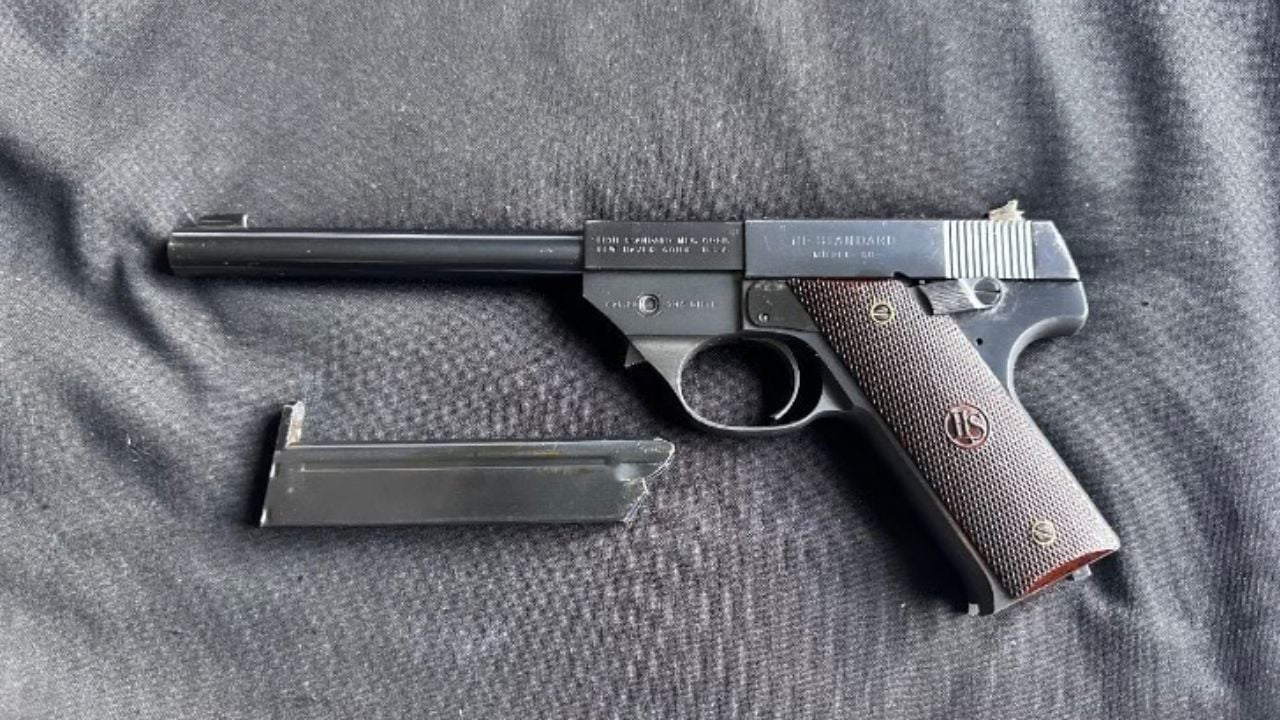
The Model GB is one of the less talked-about High Standard pistols, which is part of why I would want one. The company is better known for its serious target pistols, but earlier sporting models have their own appeal. They are all-metal, well balanced, and built around the kind of rimfire craftsmanship that made High Standard such a respected name.
I would look for a pistol with a good bore, clean magazines, and no signs of damage around the frame or slide. If it had survived in honest working condition, I would add it because it represents a side of American rimfire history that does not get nearly as much attention as the famous competition guns.
Savage Model 1907
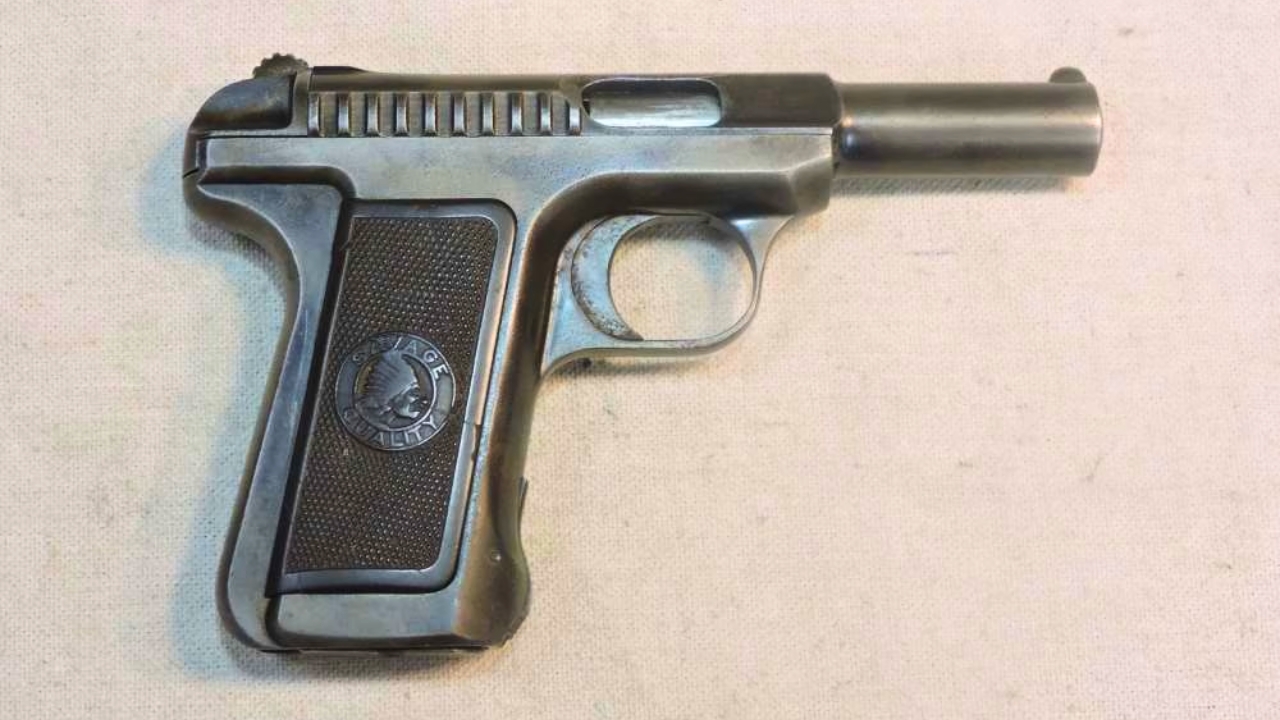
The Model 1907 is one of those early semiautomatics that looks surprisingly modern until you study the details. It used a compact blowback action and was offered in small defensive calibers, giving buyers a self-loading pistol at a time when revolvers still dominated personal defense. The grip angle, slide shape, and overall proportions give it a mechanical personality completely unlike modern pistols.
I would never buy one without checking condition carefully because these guns are old enough for cracked grips, weak springs, and worn magazines to be real concerns. A good one, though, would be a fascinating shooter and collection piece rather than just something old for the sake of being old.
Colt Vest Pocket Model 1908
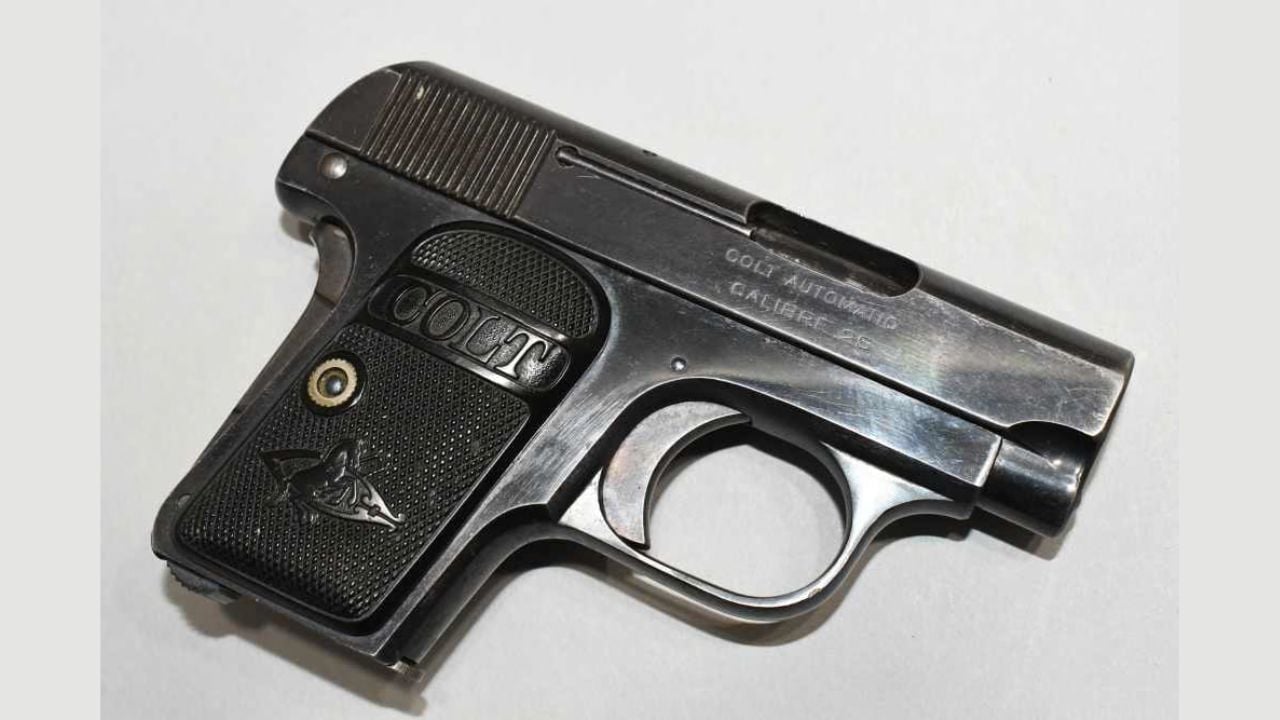
The Model 1908 Vest Pocket is tiny even by modern standards, which makes it easy to understand why it became so popular in its era. The little .25 ACP pistol is beautifully machined, exceptionally compact, and has the kind of polished metal construction that almost no modern pocket gun tries to duplicate. It is more interesting today as a mechanical artifact and range curiosity than a serious defensive choice, but that does not reduce the appeal.
A clean original example with a decent bore and intact grips would be difficult for me to pass up. I would rather have honest wear than a questionable refinish. With guns like this, originality and mechanical condition matter more than shine.
Walther PP Super
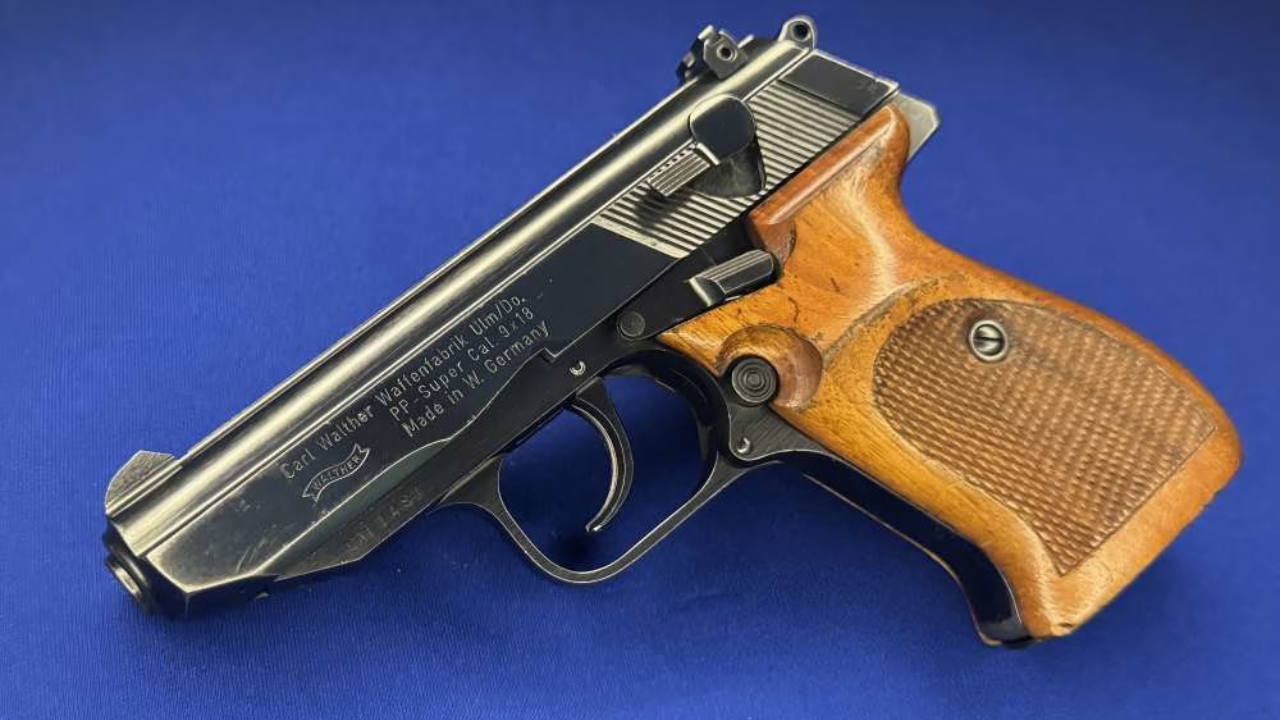
The PP Super is one of those Walther pistols that even experienced shooters can go years without seeing. It was larger and more service-oriented than the classic PP and PPK family, with a DA/SA trigger and chamberings aimed more toward police use. The pistol has a very distinct 1970s European feel and occupies an interesting spot between compact blowback pistols and later full-size service autos.
I would want one because it is unusual without being completely impractical. If I found a clean example with proper magazines and no obvious parts issues, it would add something different to the collection instead of being another variation of a gun I already own.
Beretta Model 84BB
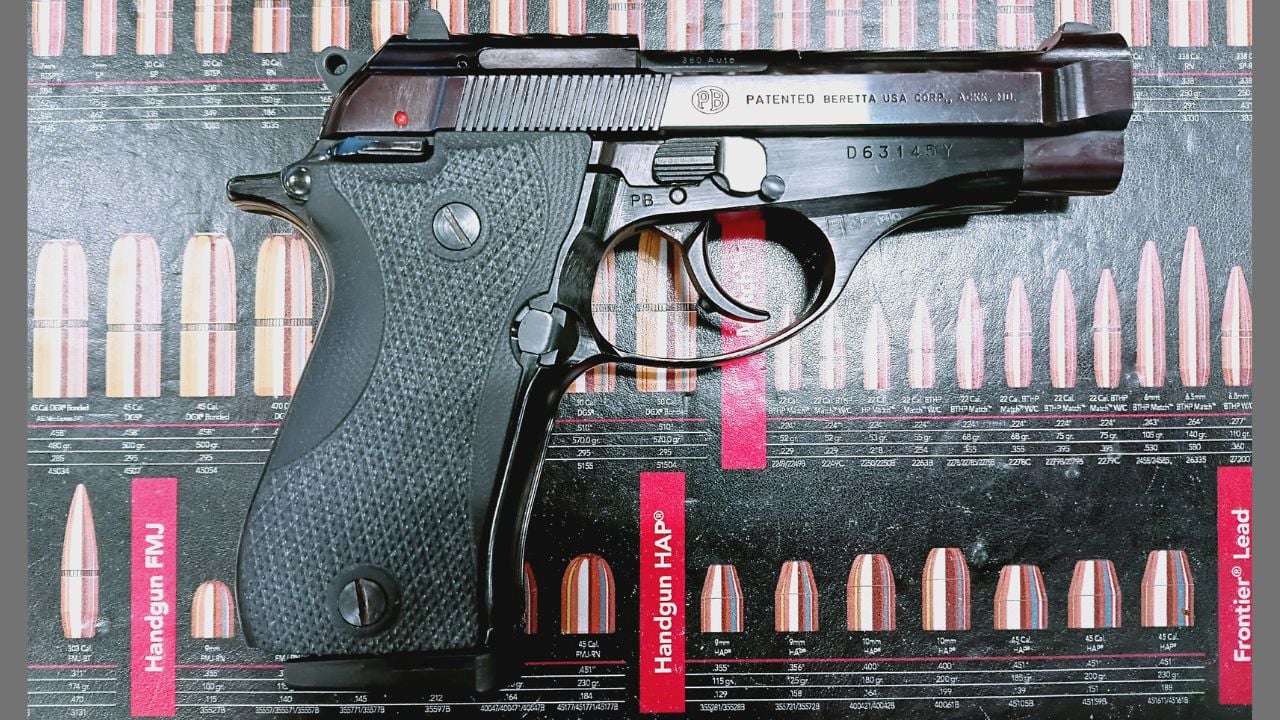
The 84BB gives you the classic Cheetah experience in one of the versions I would be especially happy to find in good condition. The double-stack .380 magazine gives the grip some substance, the alloy frame keeps the weight manageable, and the pistol is incredibly pleasant to shoot compared with most modern pocket .380s. The open-slide design and traditional Beretta controls also give it a look that is immediately recognizable.
I would want a clean shooter with good magazines and no excessive frame wear. These pistols are too enjoyable to turn into safe queens, so I would rather find a mechanically excellent example with a few honest marks than pay extra for one I would be afraid to use.
Smith & Wesson Model 469
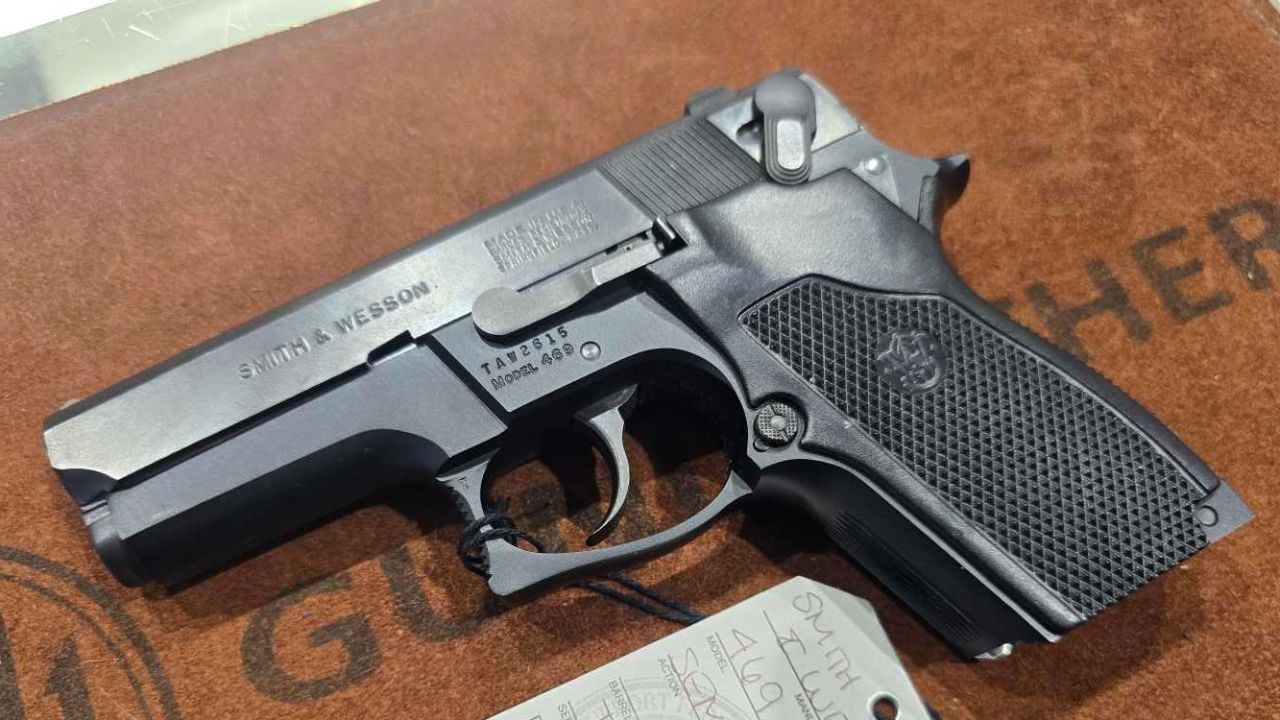
The Model 469 is one of the early compact double-stack 9mm pistols that helped show how much capability could fit into a shorter service handgun. The alloy frame keeps weight down, the shortened grip makes it easier to carry, and the DA/SA system gives it the same general operating style as larger Smith service pistols. It feels chunky compared with today’s micro-compacts, but it also feels far more substantial when you shoot it.
I would look closely at magazines, controls, and frame condition before buying one. If everything was right, I would add it because it represents a transitional period in compact defensive handgun design that is becoming more interesting every year.
Colt Challenger
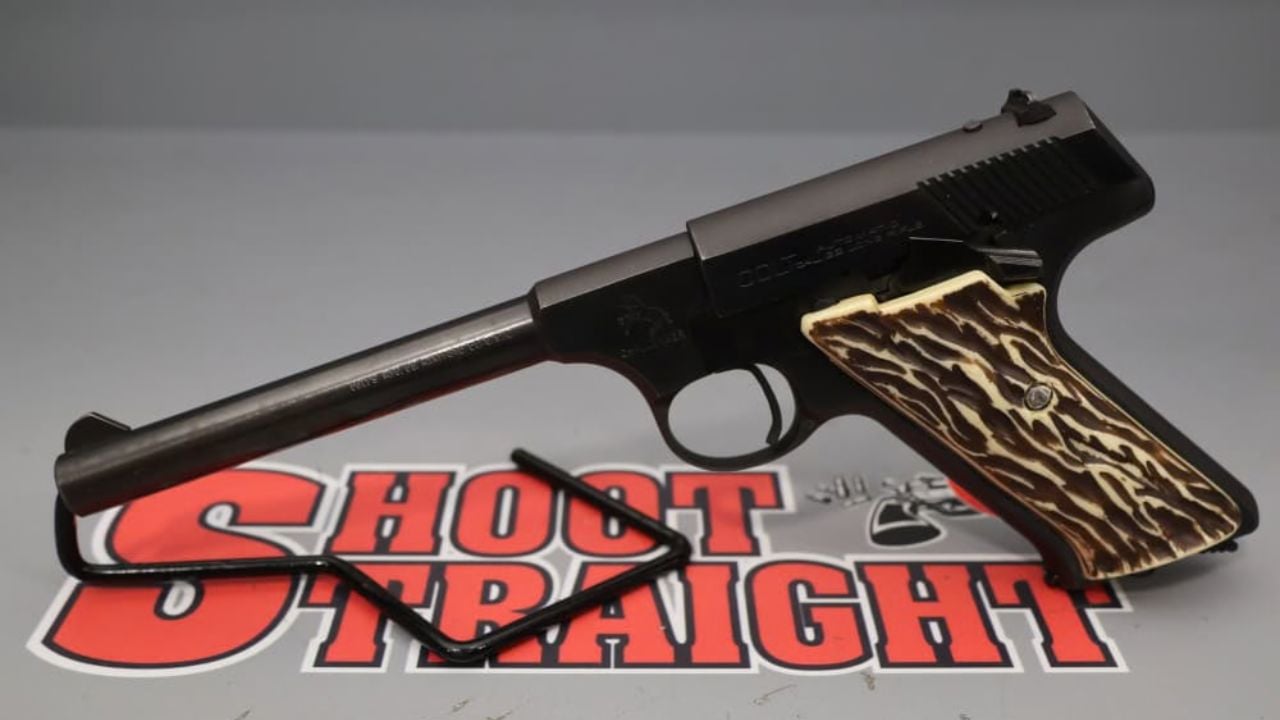
The Challenger was intended as a more affordable alternative to the Woodsman, but that does not make it uninteresting. It still gives you classic Colt rimfire proportions, a slim grip, and the kind of all-metal construction that makes casual .22 shooting feel more refined. It is exactly the sort of pistol that can spend decades being used hard without ever becoming famous enough to price itself completely out of reach.
If I found one with a clean bore, strong mechanics, and decent original finish, I would be interested immediately. It has the right combination of history, shootability, and relative obscurity.
Ruger Standard Model
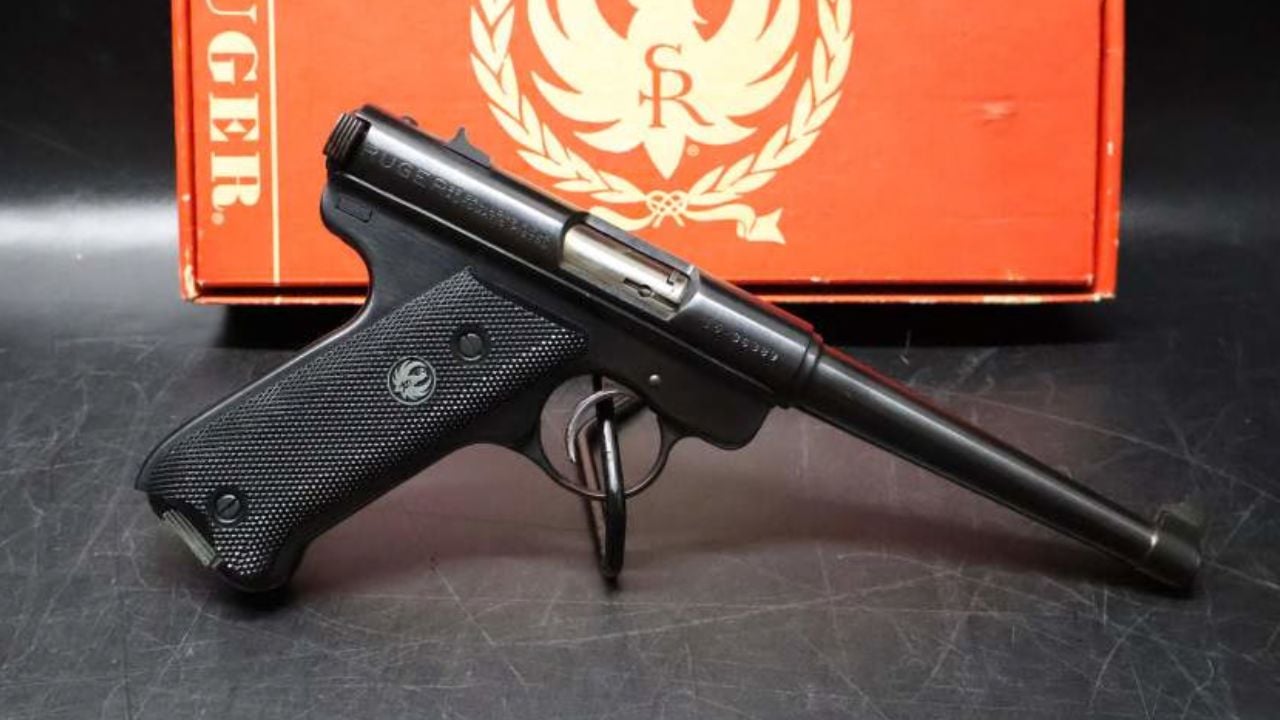
The original Ruger Standard is one of the handguns I would buy because it marks the beginning of an entire company and one of the most successful rimfire pistol families ever built. The fixed-barrel layout, Luger-like profile, and straightforward single-action design established the foundation that eventually led to the Mark series. Early examples have a mechanical simplicity and historical significance that make them far more interesting than their original price would suggest.
I would want a clean, honest gun rather than a heavily modified example. If the bore was good, the magazines worked, and the pistol had not been abused, it would be an easy addition because it is both historically important and still fun to shoot.
Mauser HSc
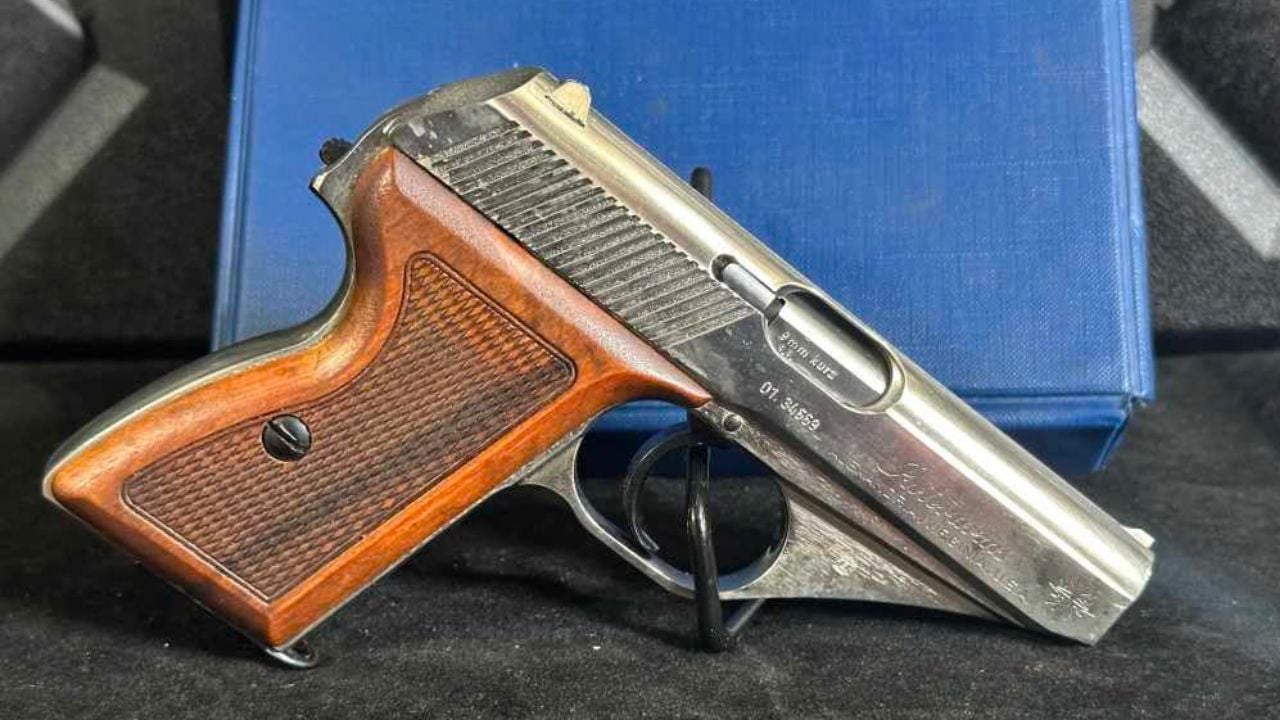
The HSc has one of the most distinctive profiles of any compact European pistol from its period. The enclosed hammer, smooth slide contours, and compact frame gave it a modern appearance long before modern compact pistols became common. It was produced in several eras and configurations, so condition and provenance can vary dramatically, but a good example has undeniable appeal.
I would buy one for the design as much as the shooting experience. Find a mechanically sound example with original parts and a decent finish, and it becomes much more interesting than another generic compact semiauto.
Colt Official Police Target
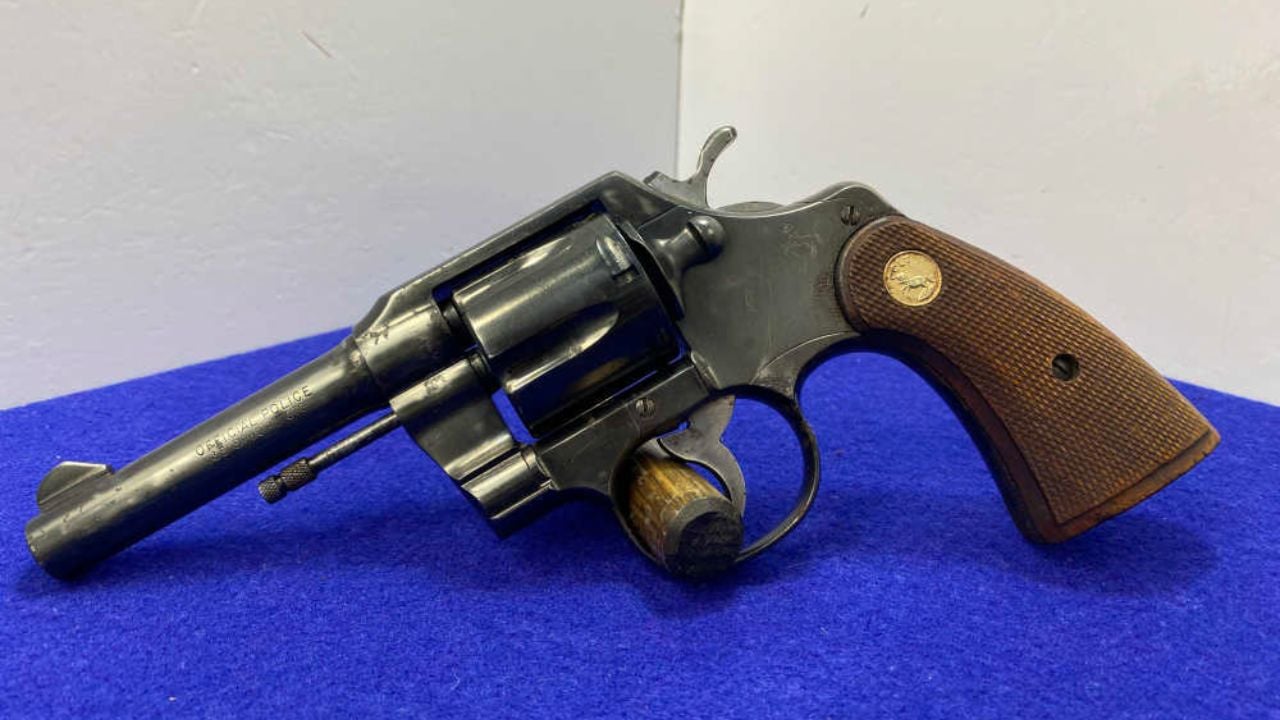
The target variants of Colt’s service revolvers are exactly the kind of guns I like finding because they combine practical frame sizes with better sights and a more precision-oriented setup. An Official Police Target gives you the classic Colt action and proportions without jumping to the better-known premium revolvers that dominate collector attention. A clean example can still be a genuinely satisfying range gun.
I would be much more concerned with timing, lockup, bore condition, and original parts than minor finish loss. If all of that checked out, this is the kind of revolver I would buy before the broader market suddenly decided it was desirable.
Hammerli 215
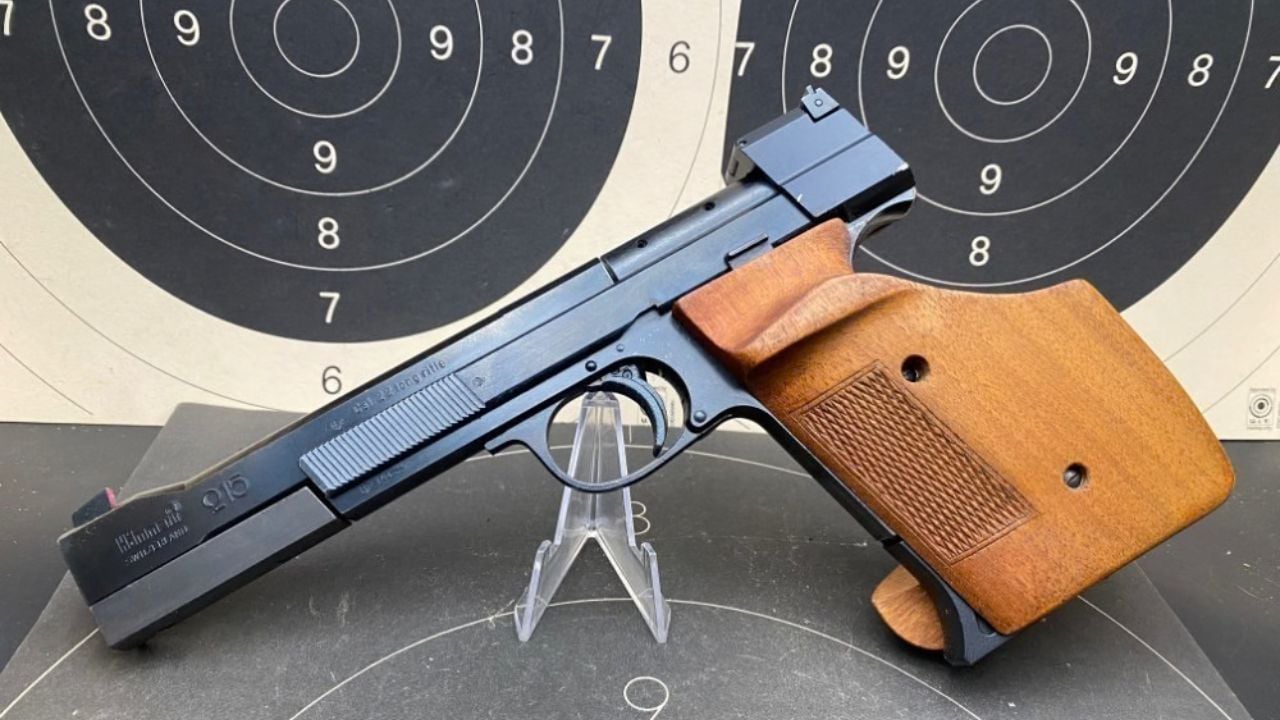
The Hammerli 215 is a serious target pistol that does not always get the same attention as the company’s more famous high-end models. It still gives you excellent ergonomics, a refined trigger, and the kind of precision-oriented construction that makes slow-fire rimfire shooting addictive. It is not a general-purpose pistol, and that is exactly why it would add something different to a collection.
If I found one in clean mechanical condition with the correct magazine and no questionable modifications, I would be very interested. A good target pistol can stay enjoyable forever because the challenge comes from the shooter, not from needing the gun to be newer.
Like The Avid Outdoorsman’s content? Subscribe to our newsletter so you never miss an article.
Here’s more from us: