
Bad weather is where rifles reveal their real character. Rain, sleet, freezing wind, or heavy snow will expose weaknesses you never noticed on the range. Actions that run smooth in the driveway start dragging once grit or moisture gets inside. Stocks that feel steady in warm weather swell or shift just enough to change impact.
Even coatings that look tough can turn slick or rust-prone when the humidity spikes. When you spend enough time outside, you start recognizing the rifles that fall apart the moment the sky turns ugly—and the ones that keep working long after you’re soaked and cold.
Remington 770

The Remington 770 struggles most when conditions get rough. The action already feels tight in dry weather, and moisture makes that stiffness even more noticeable. If rain or snow works into the bolt raceway, the throw becomes sticky enough to slow follow-up shots. The magazine fit can also loosen in the cold, creating feeding inconsistencies when you least expect them.
While the rifle can still take game, its sensitivity to temperature changes and debris means you spend more time fighting the gun than focusing on the shot. In bad weather, that’s a problem you feel immediately.
Weatherby Vanguard Series 1

The original Vanguard is accurate, but its synthetic stock is known to shift slightly when exposed to dramatic temperature swings. If you’ve ever hunted through freezing mornings and warm afternoons, you may have noticed groups start to wander. The bedding system isn’t as rigid as newer rifles, so small amounts of stock movement matter.
Moisture in the forend can also affect barrel clearance, especially during multi-day hunts. The action itself is solid, but the rifle’s older design simply doesn’t handle wet conditions as well as more modern setups built with stability and rigidity in mind.
Browning A-Bolt II

The A-Bolt II has a reputation for smooth cycling, but that smoothness can vanish once grit or freezing rain finds its way into the narrow raceways. When moisture hits, the bolt can feel sluggish, forcing you to work harder for follow-up shots. The magazine system also becomes finicky in extreme cold, sometimes resisting re-seating after a reload.
None of these issues appear on a clean, dry range day, which is why they catch hunters off guard. In wet storms or icy conditions, the A-Bolt II needs more attention than most rifles of its era.
Ruger M77 Mark II
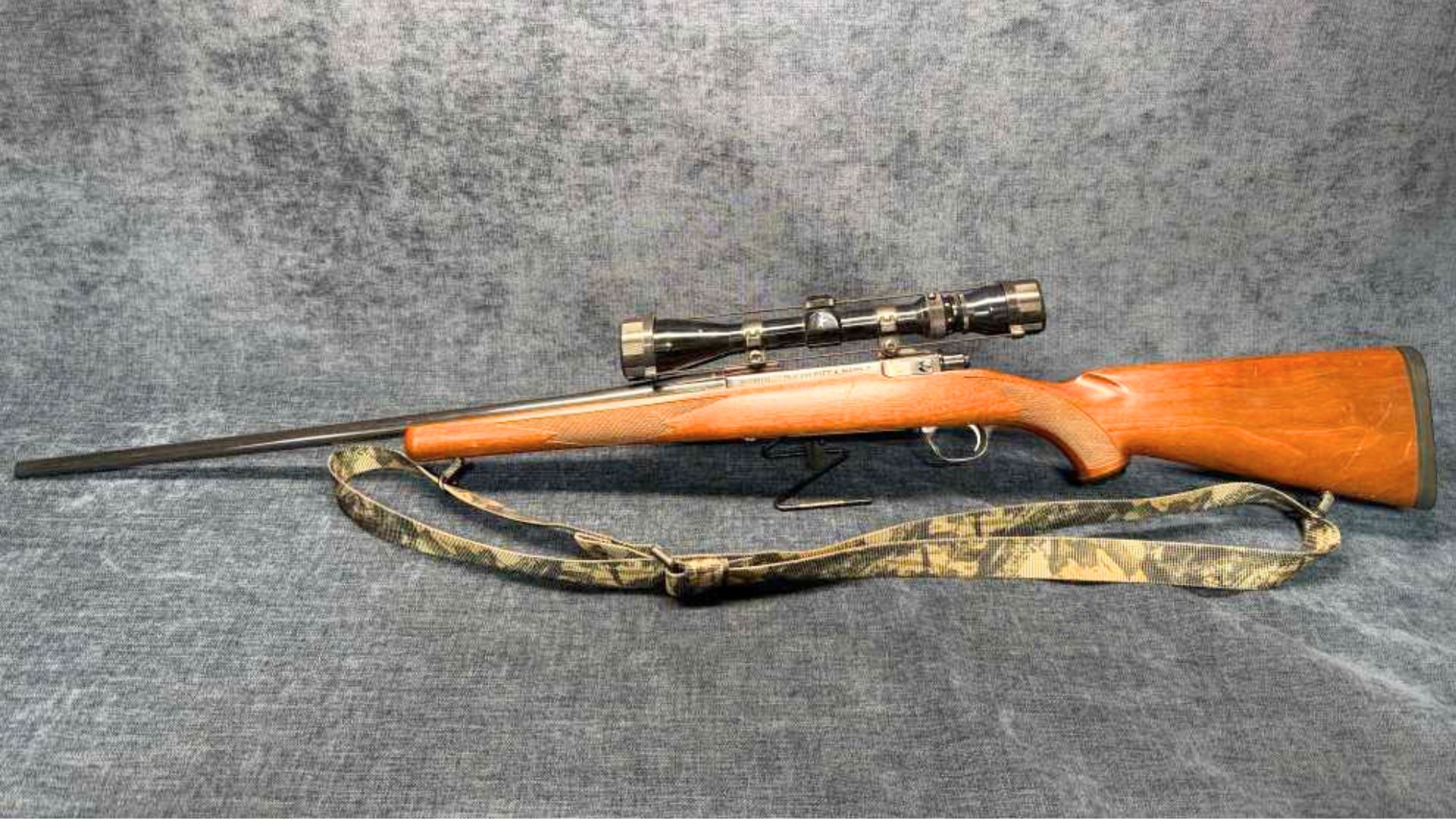
The M77 Mark II is built tough, but its trigger and safety can stiffen noticeably in cold weather. Hunters who’ve carried it through sleet or freezing fog know how stubborn the safety can get once moisture mixes with dropping temperatures. The controlled-round feed action is reliable overall, yet it can feel gritty if snowmelt or sand works inside.
The old-school wood stocks on many of these rifles also swell when soaked for long periods, pressing lightly against the barrel and shifting point of impact. While durable in general, the Mark II shows its limits in prolonged harsh weather.
Mossberg 100 ATR

The 100 ATR has earned success as a budget rifle, but the finish and bedding don’t hold up well in extended storms. The matte coating can start to take on moisture, making the metal feel tacky and encouraging rust if not dried quickly. The lightweight synthetic stock also flexes under pressure, and cold temperatures worsen that flex.
When rain or snow fills the barrel channel, contact points appear that weren’t there before. These little changes matter when you’re lining up shots in unpredictable weather. It’s a workable rifle on calm days, but storms reveal its shortcomings.
Remington Model Seven

The Model Seven is light and easy to carry, but the compact action can become stiff when dust, sleet, or spruce needles work into the small spaces around the bolt. The shorter barrel also tends to gather condensation around the crown, which can cause accuracy swings if you aren’t wiping it frequently.
Wood-stocked versions show noticeable point-of-impact changes after hours in rain or melting snow. While the rifle handles beautifully in mild weather, extended exposure to the elements quickly highlights its sensitivity and the need for consistent maintenance in the field.
Tikka Whitetail Hunter (Pre-T3)

Before the T3 line arrived, Tikka’s Whitetail Hunter rifles were solid performers, but their older stocks and bedding setups didn’t handle moisture well. Once rain soaked the forend, many rifles started showing light pressure against the barrel, shifting zero over the course of a day.
The action runs smoothly, yet fine grit from wet high-country conditions can create noticeable drag in the bolt. Cold-weather hunts also stiffen the older triggers more than most shooters expect. It’s a great rifle with modern upgrades, but the original versions struggle through long storms or sudden drops in temperature.
Savage 110E (Early Synthetic Models)

Early synthetic versions of the 110E were known to flex, and that issue becomes worse as temperatures fall. If snow or ice presses against the forend, it can bend just enough to make barrel contact, shifting shots high or low. The open trigger housing also collects debris easily, which means freezing rain or mud can interfere with the break.
The action itself is reliable, but the overall design of these older budget synthetics doesn’t react well to long hunts in rough weather. Newer Savages solved most of these issues, but the early 110E needs care.
Winchester Model 670

The Model 670 delivers good accuracy on dry days, but its birch stock reacts poorly to heavy moisture. Once soaked, the forend swells noticeably, pushing against the barrel and changing impact faster than many hunters expect. The action is based on the Model 70, but the budget hardware and finish aren’t as weather-ready.
Humidity and rain bring out surface rust quicker than modern coatings allow. In steady storms, the 670 becomes a rifle that requires constant checking and drying if you want predictable performance from dawn to dusk.
Thompson/Center Venture (First Gen)

The first-generation Venture rifles developed a reputation for inconsistent bedding when wet. If rain or snow saturates the stock, the forend can flex or twist slightly, pulling the point of impact off-center. The bolt handle also gets slick quickly in icy conditions, making it harder to cycle cleanly. Although the barrel itself performs well, the rifle’s materials from this era weren’t optimized for foul weather.
Shooters who’ve carried these on multi-day hunts know how important it is to store them dry overnight. Without that care, the Venture’s accuracy starts to drift as storms drag on.
Marlin XL7

The Marlin XL7 surprised many shooters with its out-of-the-box accuracy, but its lightweight synthetic stock becomes a liability in extreme cold. Once temperatures plummet, the material stiffens unpredictably, and any pressure from a bipod or sling can shift the forend. That movement affects barrel clearance, causing flyers you don’t see in mild weather.
The bolt also loses some smoothness when grit or wet snow works inside, especially if you’re hiking through brush. While functional and accurate in stable conditions, the XL7 is less dependable when the weather turns wet and harsh.
Howa 1500 Lightning
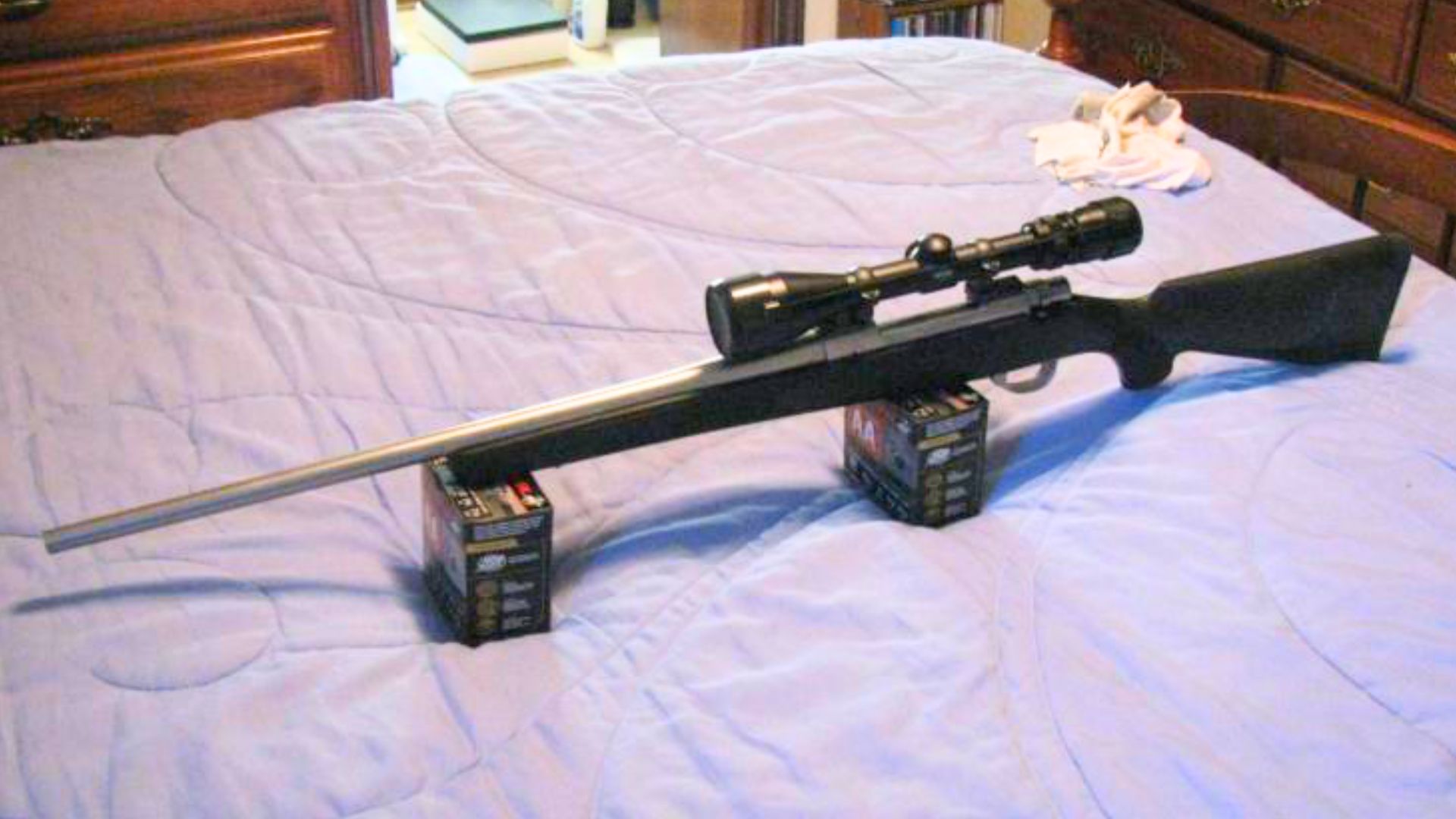
The Lightning version of the Howa 1500 features a lighter stock that doesn’t resist moisture as well as the company’s heavier stocks. After prolonged exposure to rain, the forend can warp slightly, creating inconsistent barrel contact. The bolt remains strong overall, but the factory lubrication thickens in cold temperatures, slowing cycling enough to notice.
Hunters who carry this rifle into storms often find themselves checking zero more frequently than they’d prefer. It’s a capable rifle when the weather cooperates, but it’s not as stable as the standard Howa configuration in long-lasting foul conditions.
Rossi M762
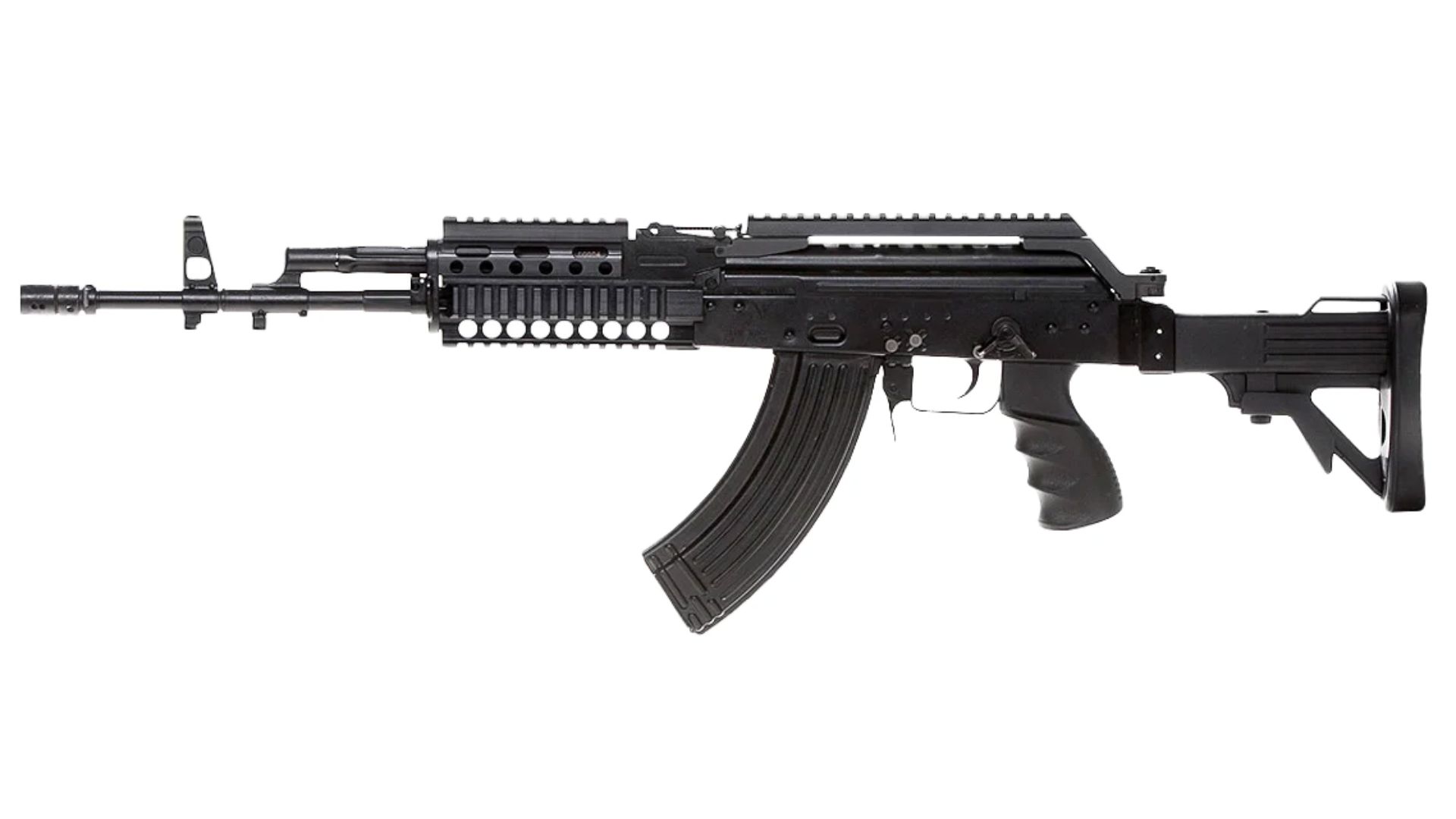
The Rossi M762 is a budget bolt-action that shows its limits once rough weather settles in. The finish isn’t built for prolonged moisture, and rust can start forming quickly if the rifle isn’t dried after each outing. The action also becomes sluggish when exposed to cold, especially if factory grease thickens.
The lightweight stock reacts unpredictably under tension, and cold temperatures exaggerate the issue. While it works for casual hunting, it’s not a rifle most guides trust when storms roll through. Harsh weather exposes the corners cut to keep the rifle affordable.
Remington 798

The Remington 798 uses a Mauser-style action, yet the stock and finish don’t hold up as well as traditional Mausers in adverse weather. The wood stocks fitted on many models swell noticeably after hours of rain or wet snow, pushing on the barrel and shifting zero.
The bolt raceways also pick up fine grit easily, which becomes a real issue once moisture turns it into a paste that drags the bolt. Hunters who rely on consistent accuracy through changing conditions often notice the 798 drifting once the humidity rises or storms drag on.
Savage Axis (First Gen)

The first-generation Savage Axis is incredibly lightweight, but that comes at a cost in bad weather. The stock flexes easily, and rain or cold temperatures make it even more prone to shifting under pressure. When the forend bends, accuracy suffers immediately. The action can also feel sticky when moisture mixes with dust or old lubrication.
While budget rifles have improved dramatically in recent years, the early Axis models highlight how weight reduction and thin synthetic stocks can become liabilities when storms set in. It works, but rough weather asks more of it than it can consistently deliver.
Like The Avid Outdoorsman’s content? Be sure to follow us.
Here’s more from us:


