Photo credit: AI-generated image created using ChatGPT. Illustrative only
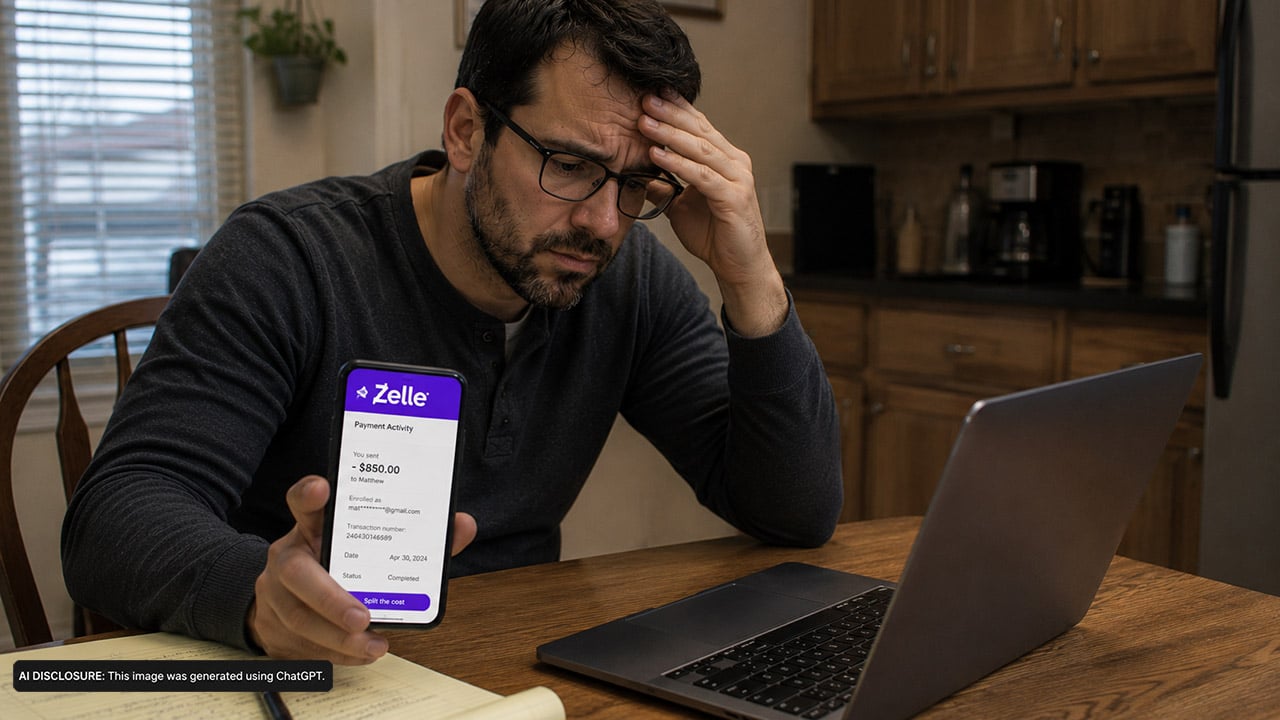
Most folks who buy and trade gun gear online learn pretty quick what works: meet face to face, use cash, and keep the whole deal simple. But one Virginia buyer figured he was making a reasonable exception when he found a long-wanted firearm for a decent price out of state on Tacswap. He sent the money through Zelle, expecting the seller to ship the gun to his local FFL for a proper transfer.
Instead, he says the seller disappeared after getting paid—and when he tried to undo the payment, he found out the hard way that Zelle doesn’t offer chargebacks the way a credit card does. The details come from the original post, where he laid out what happened, what he’s tried so far, and what he’s tempted to do next.
A common setup: a “safe” online deal that turns out not to be
The buyer says he usually keeps gun-related transactions tight and traditional—cash and face-to-face, or shipped directly to him when legal. He also mentions he rarely buys firearms without an in-person meetup. This time was different. The listing checked enough boxes to feel legit: an item he’d been after for a while, a price that wasn’t outrageous, and a seller profile that didn’t look like a brand-new throwaway.
According to the post, the plan was straightforward: pay via Zelle, then the firearm would be shipped to the buyer’s FFL for the transfer. That part matters, because it shows the buyer wasn’t trying to skirt the law—he was expecting to do it by the book once the gun arrived. The gun never arrived.
Where the wheels came off: Zelle payment, no chargeback, no leverage
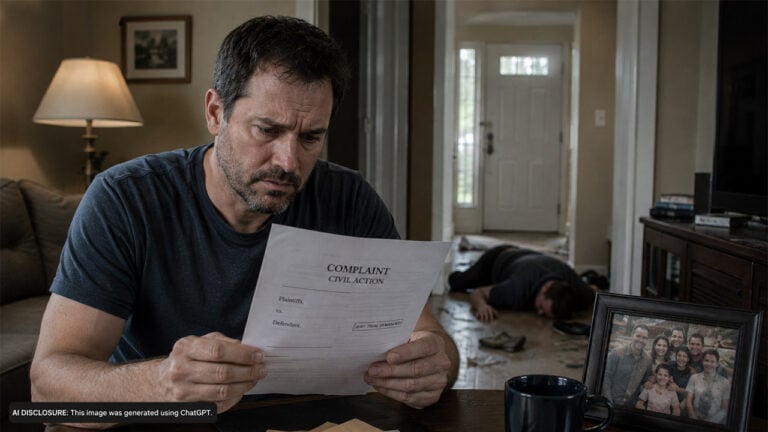
When the seller stopped responding, the buyer tried to do what a lot of folks would do after getting burned: call the bank, dispute the payment, and get the funds pulled back. That’s when the reality of Zelle hit. He says he learned that Zelle does not allow chargebacks, which left him without the built-in “undo button” many people assume exists because Zelle often lives inside a bank app.
That’s the real kicker in scams like this. Once money is sent by a service designed for quick person-to-person transfers, your leverage drops fast—especially if the sender authorized the transfer. In plain terms: you didn’t have fraud protection like you would with a credit card, and you didn’t have escrow protection like you might with certain marketplaces.
The twist: the scammer didn’t look like a scammer at first
The buyer notes something that should make every online trader pause: this wasn’t a typical “one-and-done” account with no history. He says the seller had multiple good, legitimate transactions and was rated by “high rated sellers.” That reputation is exactly what makes these deals feel safe enough to bend your normal rules.
He also points out a pattern he’s seen on Tacswap: scammers pull one scam, get banned, and pop back up. In this case, the account was banned after the fact, but the buyer had enough time to collect documentation—message history, profile details, and information gathered from other people who had previously dealt with the same seller.
Tracking an address sounds simple—until you consider what it can trigger
After the deal went bad, the buyer started reaching out to others who had completed transactions with the seller. He says he was able to confirm two addresses, and one of them matched the ZIP code location on the seller’s profile. In his telling, one address was reportedly used to send items from, and another was used to receive items—what he assumes could be a home address or a place where the seller (or someone connected to him) picks up packages.
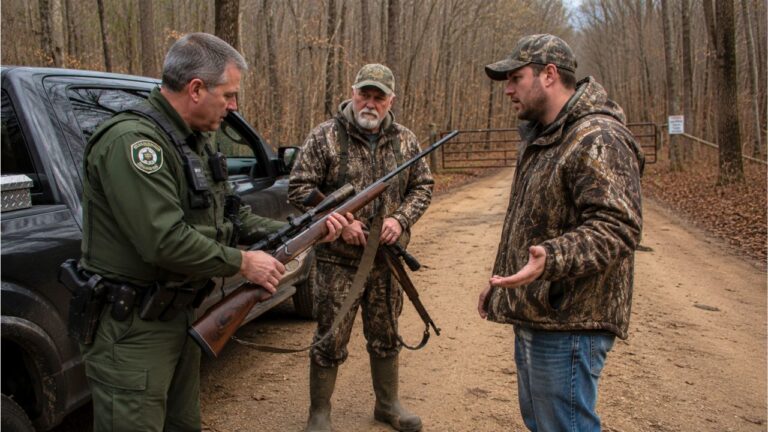
That’s where a lot of outdoorsmen’s instincts kick in: “If I know where you are, I can handle this.” But showing up at an address—even if you’re convinced it’s the right one—can create a whole new set of problems. You may be wrong about who lives there. You may be right but dealing with someone who’s ready for a confrontation. And if it turns into a heated interaction, the original scam becomes the least of your worries.
The buyer says what he wants most is “irrefutable evidence” the guy does or does not live there, so he can decide whether to chalk it up as a lesson and move on. That’s a reasonable desire. It’s also the point where patience and paperwork usually beat “taking a ride.”
What he’s done so far: police report, cross-state complications, and slow progress
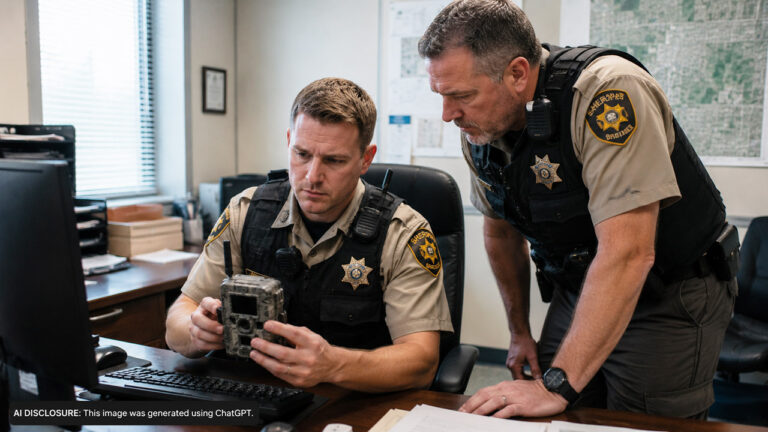
The buyer filed a report with his local police in Virginia. He says they told him they’d contact the other state’s police—South Carolina in this case—and attempt to find the seller and get the money back. Months later, he says he still needs to follow up, and the last time he checked in, the deputy hadn’t gotten much closer and hadn’t contacted him with updates.
If you’ve ever tried to get traction on a non-violent, cross-state theft case, that delay won’t surprise you. Different jurisdictions, competing priorities, and the reality that a scam like this can look “civil” at first glance all slow things down. That doesn’t mean it’s hopeless, but it does mean you may have to stay on it—calmly and consistently—if you want it to move.
He also notes a common misconception: he doesn’t expect the ATF to get involved for a private citizen in this kind of situation. Whether or not a federal agency would touch it, his immediate issue is much simpler: he paid, and the product never came.
Practical lessons gun buyers can take from this one
There are a few takeaways here that matter for anybody buying firearms or high-dollar gun parts online. First: payment method is part of your safety plan, just like meeting at a safe location or using an FFL. If a platform is basically cash with a “send” button, treat it like cash. Once it’s gone, it’s usually gone.
Second: reputation helps, but it isn’t body armor. A seller with a trail of good deals can still decide to burn people, or an account can be taken over, or a person can be “clean” right up until they aren’t. If the only thing keeping you safe is a rating and a ZIP code, you’re still exposed.
Third: avoid turning a money problem into a personal-safety problem. If you think you have someone’s address, that information is best used in reports and documentation—not as a reason to knock on doors. Even in rural America, where folks are used to handling things directly, this is one of those times where direct action can go sideways fast.
The buyer already did one smart thing: he saved documentation—message history, profile information, and notes from other verified transactions. If you ever end up in this situation, that paper trail is what gives law enforcement (or a court, if it gets there) something solid to work with. And if all you get in the end is a hard lesson, it’s still worth sharing: when you’re buying guns or gun gear online, the “easy pay” button can be the most expensive button you click.
Like The Avid Outdoorsman’s content? Be sure to follow us.
Here’s more from us: