Photo credit: SurplusDefenseLLC/GunBroker
Gun companies love a clean “new and improved” story. New model, new stock, new marketing angle, maybe a new cartridge to go with it. And sure, sometimes the replacement really is better. But out in the real world—rain in the forecast, hands cold, cheap ammo on sale, and a season that doesn’t care about hype—certain rifles just refuse to go away.
These are the ones that got called outdated, replaced, or “dead.” Then the replacements got finicky, expensive, heavy, picky with ammo, or just plain forgettable. Meanwhile the so-called obsolete rifles kept punching tags, ringing steel, and riding behind truck seats like they always have.
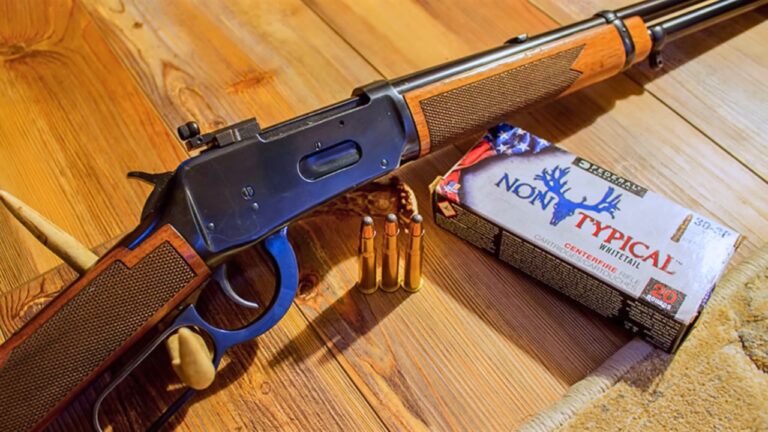
1. Winchester Model 1894 (94)

Everybody said the lever gun was done when bolt actions and scopes took over. Then deer hunters kept filling freezers with a slim little carbine that carries like a walking stick and points like a shotgun. The 94 isn’t fancy, but it comes to the shoulder fast, and in thick woods that matters more than internet ballistics charts.
The “replacement” was often a scoped bolt gun that shot flatter but handled slower in brush. A well-worn 94 in .30-30 still does the job inside sane ranges, and it does it without snagging on every vine in the county. There’s a reason you still see them in camps that have plenty of newer rifles around.
2. Marlin Model 336

When folks wanted a lever gun that felt a little more solid and played nicer with a scope, the 336 kept getting the nod. Then it got labeled old-school while the market chased tactical levers and boutique cartridges. Funny thing is, the 336 never stopped being a practical woods rifle.
It’s easy to keep running, it balances well, and it doesn’t beat you up. Even with all the new options, a plain 336 in .30-30 or .35 Remington still gets carried because it works and it’s simple. Simple is good when your hands are numb and the light is going.
3. Savage Model 99

This one got left behind because it didn’t fit neat categories. It’s a lever gun, but it fed spitzers, had a slick rotary magazine on many versions, and lived in “modern” cartridges for its day. Plenty of people wrote it off as a relic once newer bolt rifles got cheap.
Then you handle a 99 that hasn’t been abused and you remember why it lasted so long. The action feels different than most levers, in a good way, and it carries like a proper hunting rifle. It’s not the easiest rifle to service compared to some, but it outlasted a lot of “next big things” that came and went.
4. Springfield Armory M1 Garand
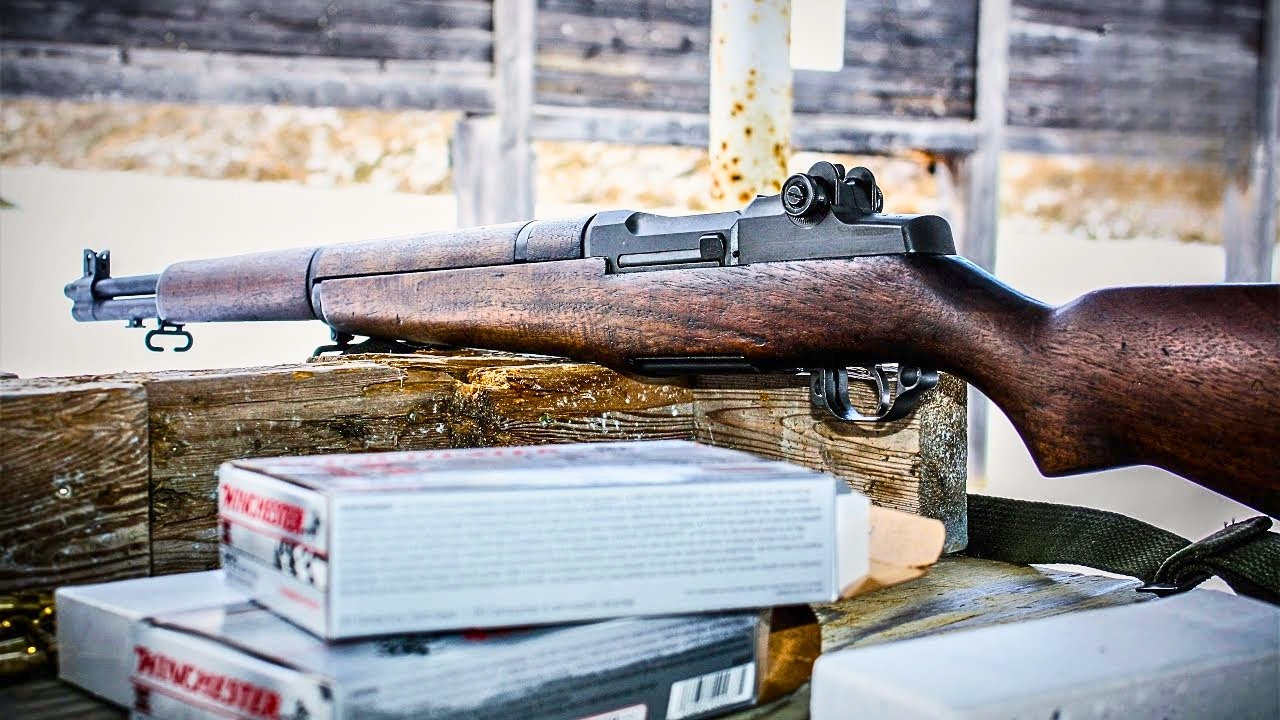
It was “obsolete” the minute detachable magazine battle rifles took over. And yet, the Garand is still showing up at ranges, matches, and even hunting camps where legal. The recoil impulse is friendly, the sights are excellent, and it has a steadiness from weight that makes you shoot better than you deserve.
Plenty of newer rifles are lighter and hold more ammo, but the Garand has that rare mix of reliability and shootability. Also, it has real parts support and institutional knowledge. A lot of “replacements” aged like milk once proprietary parts dried up.
5. Springfield Armory M1A (M14 pattern)

Yes, it’s heavy. Yes, it’s not cheap. And yes, everybody has an opinion about it. But the M1A kept living in that space where a traditional rifle feel and a .308 still makes sense—especially for folks who want irons they can actually use.
Various newer .308 semi-autos promised more modularity, and many delivered. But plenty also delivered weird magazine issues, fragile small parts, or accuracy that only existed on the box. The M1A isn’t perfect, but it’s a known quantity, and that counts.
6. FN FAL

There was a time when the FAL got treated like yesterday’s news compared to newer, sleeker .308 platforms. But it’s hard to kill a rifle that runs dirty, feeds well, and has a track record across the world. A good FAL feels like a working truck: not aerodynamic, just dependable.
Some replacements ended up being accurate but temperamental, or accurate but too heavy once you hang accessories on them. The FAL stays honest. It’s not a benchrest gun. It’s a rifle you can trust to cycle when conditions aren’t polite.
7. Heckler & Koch G3 (HK91 pattern)

Roller-delayed rifles got called harsh, outdated, and too cold-blooded compared to gas guns. Then people learned the hard way that “soft shooting” sometimes means “more parts to babysit.” The G3 pattern is blunt. It runs.
It’s not everyone’s favorite for suppressed use, and the ergonomics feel dated if you’re used to modern controls. Still, the simplicity and durability keep it relevant. If you’ve ever watched one chew through mixed ammo without drama, you get it.
8. Ruger Mini-14
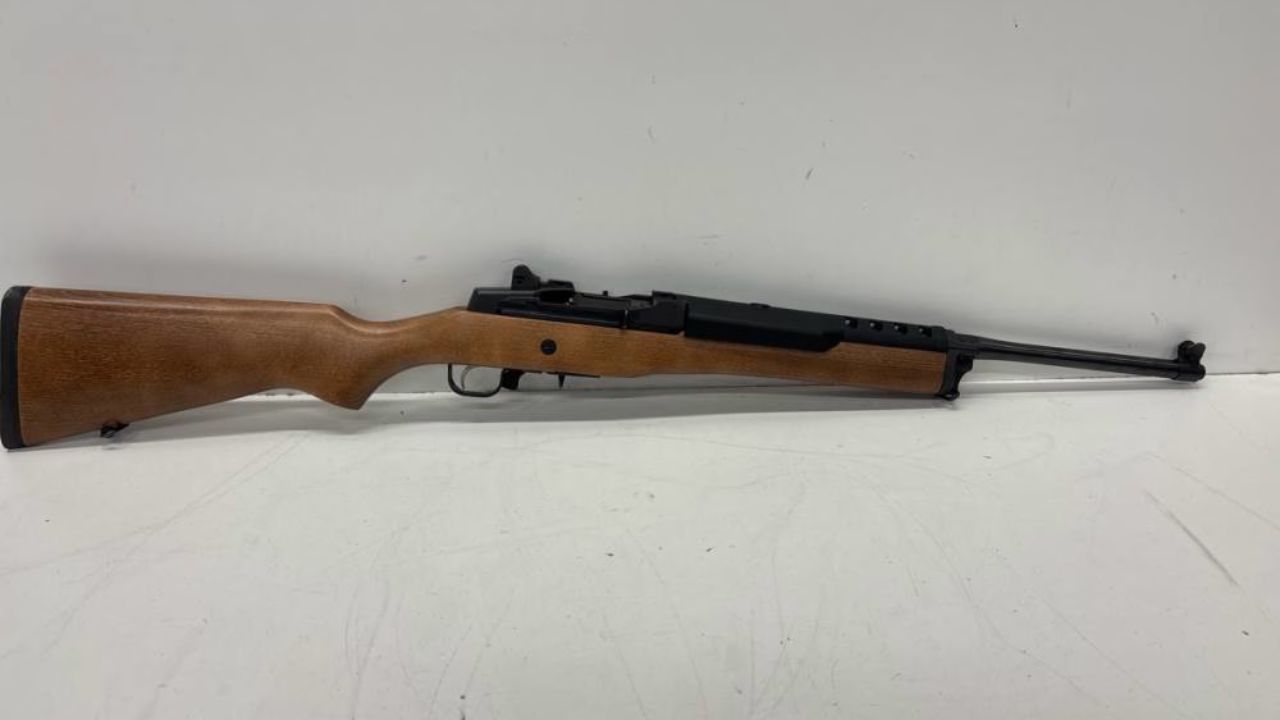
When the AR-15 took over, the Mini got labeled obsolete overnight. Accuracy jokes followed it around for years, and some of that was earned on older thin-barrel models. But here’s the thing: a Mini that’s set up right and fed ammo it likes can be a very handy ranch rifle.
It carries well, doesn’t scream “tactical” to every neighbor you wave at, and it’s simple to live with. ARs are fantastic, but the Mini outlasted a whole pile of “better” alternatives that were cheap, rough, and unreliable. The Mini’s still riding in trucks for a reason.
9. Colt AR-15 SP1

Early ARs were once treated like antiques—thin barrels, simple sights, and none of the modern rail space people think they need. Then the market got flooded with bargain carbines that looked the part but didn’t always run the part. Suddenly those older Colts didn’t seem so outdated.
An SP1 is light and quick, and it has that smooth, clean feel of an era when Colt was building them a certain way. It’s not a “build-a-bear” rifle, but it doesn’t need to be. It just needs to go bang and hit what you’re aiming at.
10. AKM (Kalashnikov pattern, various makers)

AKs were called crude compared to newer rifle designs, and in a lot of ways they are. Then people started expecting every rifle to be a precision instrument, and some “modern” replacements got complicated fast. The AKM’s appeal is that it keeps working when you stop babying it.
Accuracy is “good enough” for the role, ergonomics are what they are, and optics mounting can be a project. But the rifle itself—especially a decent one, not a bottom-tier mess—keeps going. The replacement doesn’t always.
11. SKS (Simonov)

The SKS gets laughed at until you actually use one. It’s handy, it’s reliable, and it shoots a cartridge that is still relatively affordable and effective for a lot of tasks. Folks dumped SKSs when detachable-mag rifles got popular.
Then those newer rifles needed constant magazine sorting, picky maintenance, or they just weren’t built to last. The SKS doesn’t care much. It’s not a fashion statement. It’s a simple rifle that keeps showing up in the “I should’ve never sold it” stories.
12. Mosin-Nagant 91/30
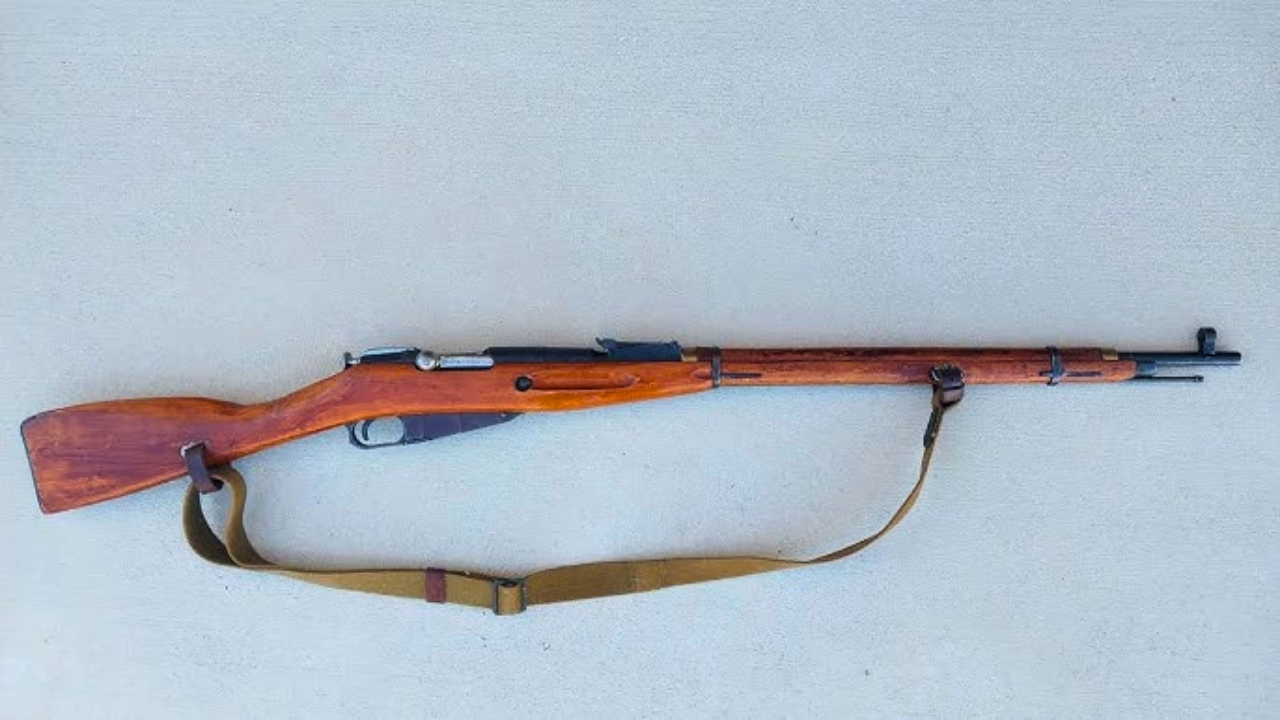
This is the one that a lot of people bought cheap, shot a little, and sold off when the novelty wore off. Fair enough—long bolt throw, stiff action, and it can kick depending on the load. Still, it outlasted a wave of bargain “sniper” clones and gimmicky surplus builds that weren’t as tough as they looked.
A Mosin is rough-edged, but it’s a real rifle built for hard use. As prices climbed, folks realized replacing one isn’t as easy as it used to be. Also, for hunters who can handle it and keep shots reasonable, it still drops deer just fine.
13. Lee-Enfield No. 4 Mk I
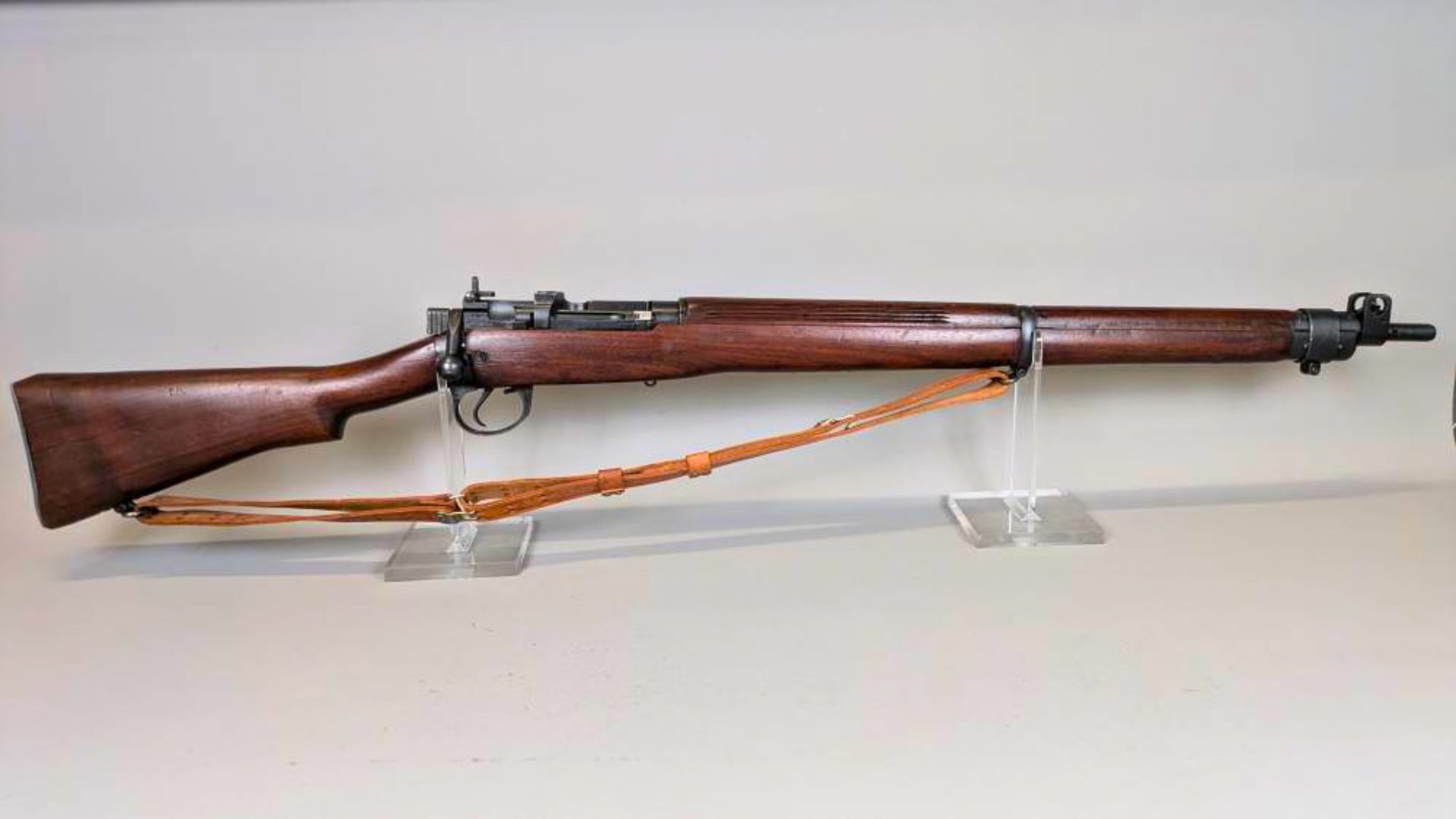
Fast bolt, great battle sights, and a reputation for running in ugly weather. The Enfield got pushed aside by modern sporting rifles and newer military surplus that looked “cooler.” Meanwhile, the No. 4 kept proving it’s one of the most shootable older bolt guns ever issued.
It’s not the easiest platform for modern optics, and .303 ammo can be a little more work to source. But as a practical iron-sighted rifle, it’s hard to beat. A lot of supposed replacements weren’t as friendly to shoot or as forgiving in bad conditions.
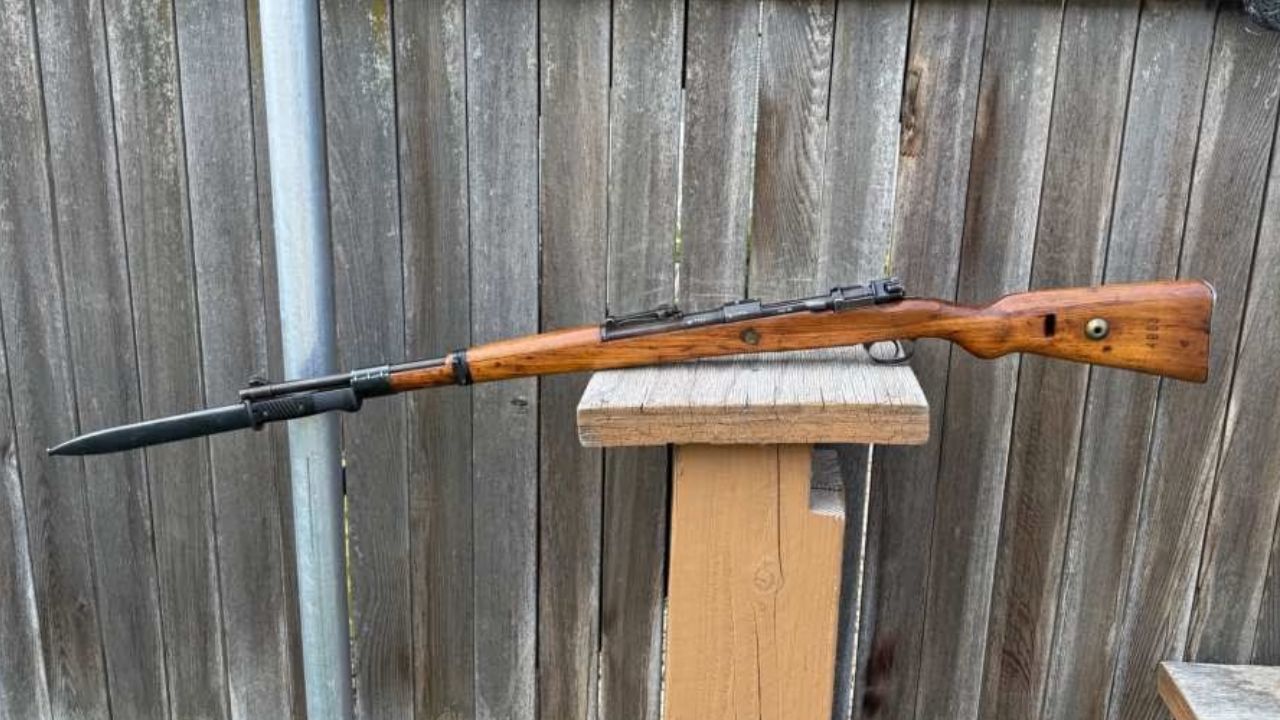
14. Mauser K98k (and 98-pattern sporters)
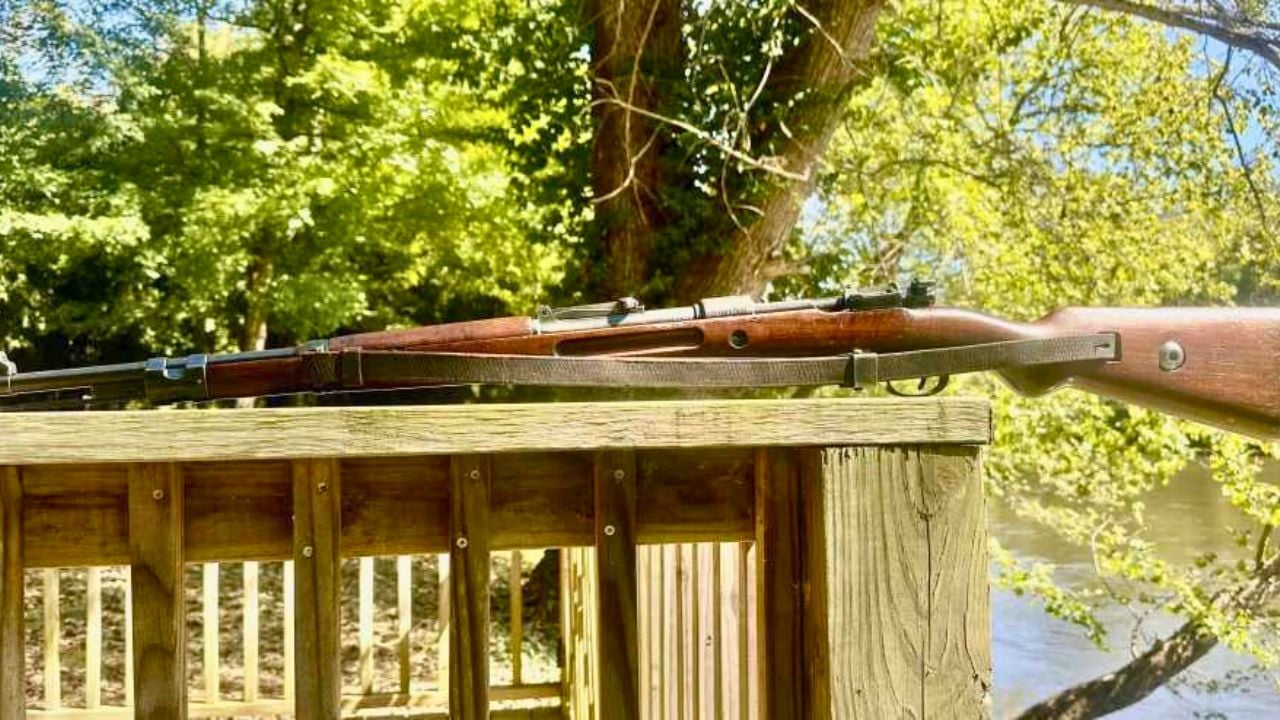
Controlled-round feed and a big, dependable claw extractor aren’t attractive until you’re cycling the bolt with cold fingers and a wet glove. The 98 action got called old when push-feed rifles took over the hunting market. Then hunters started seeing extractor issues, feeding hiccups, and cheap shortcuts on some newer rifles.
A good 98-based sporter isn’t glamorous. But it feeds like it means it, and it handles pressure and abuse well. There’s a reason so many custom rifles still start with a 98 pattern action—or copy it.
15. Remington Model 700 (older production)

The 700 has been called everything from the standard to the scapegoat, depending on the year and who you’re talking to. What’s hard to deny is how many older 700s are still in the woods every fall, quietly stacking up seasons. They fit a lot of people, the aftermarket is endless, and they tend to shoot.
Plenty of “replacement” rifles tried to beat it on price with molded stocks and rough triggers. Some did fine. Others felt disposable. A solid older 700 is still the kind of rifle you can keep running forever without having to beg for oddball parts.
16. Winchester Model 70 (pre-64 and Classic)

Winchester’s “Rifleman’s Rifle” got called outdated when cheaper push-feed rifles flooded the shelves. Then folks realized that controlled-round feed, a good safety, and a solid action aren’t outdated—they’re just not cheap to build. A Model 70 carries like a hunting rifle should.
Some newer rifles are accurate but feel hollow, or they work until the stock flexes on a bipod and your zero shifts. The Model 70 isn’t immune to issues, but it has a sturdiness that shows up over years, not just a couple range trips.
17. Ruger M77 (tang safety and Mk II)
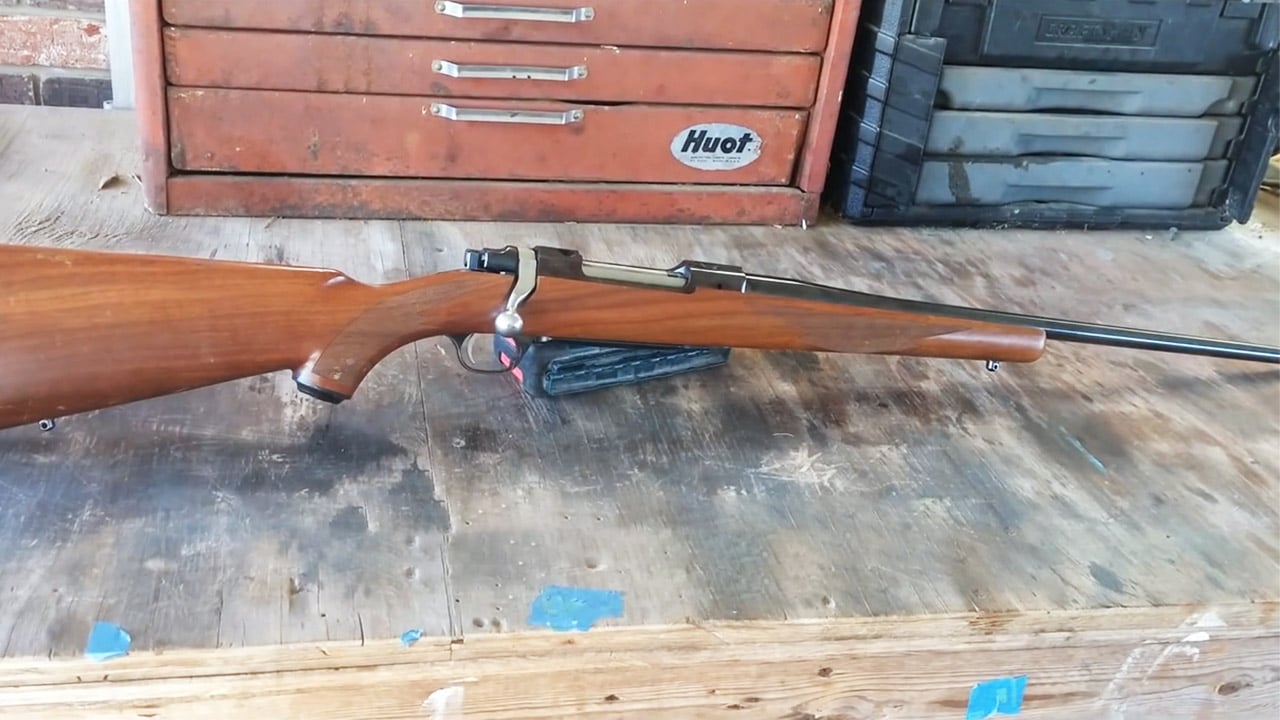
The Ruger M77 never got the same “cool factor” as some of its competitors. It’s a little chunky, the action feel can be stiff, and it’s not always the lightest option. Still, it’s a rifle that a lot of hunters trust because it’s built like it’s supposed to last.
The controlled-round-feed Mk II especially earned a reputation for reliability in rough weather. Plenty of newer rifles beat it in out-of-the-box trigger feel, but the Ruger kept going when “better” rifles got finicky with mud, ice, or neglect.
18. CZ 452
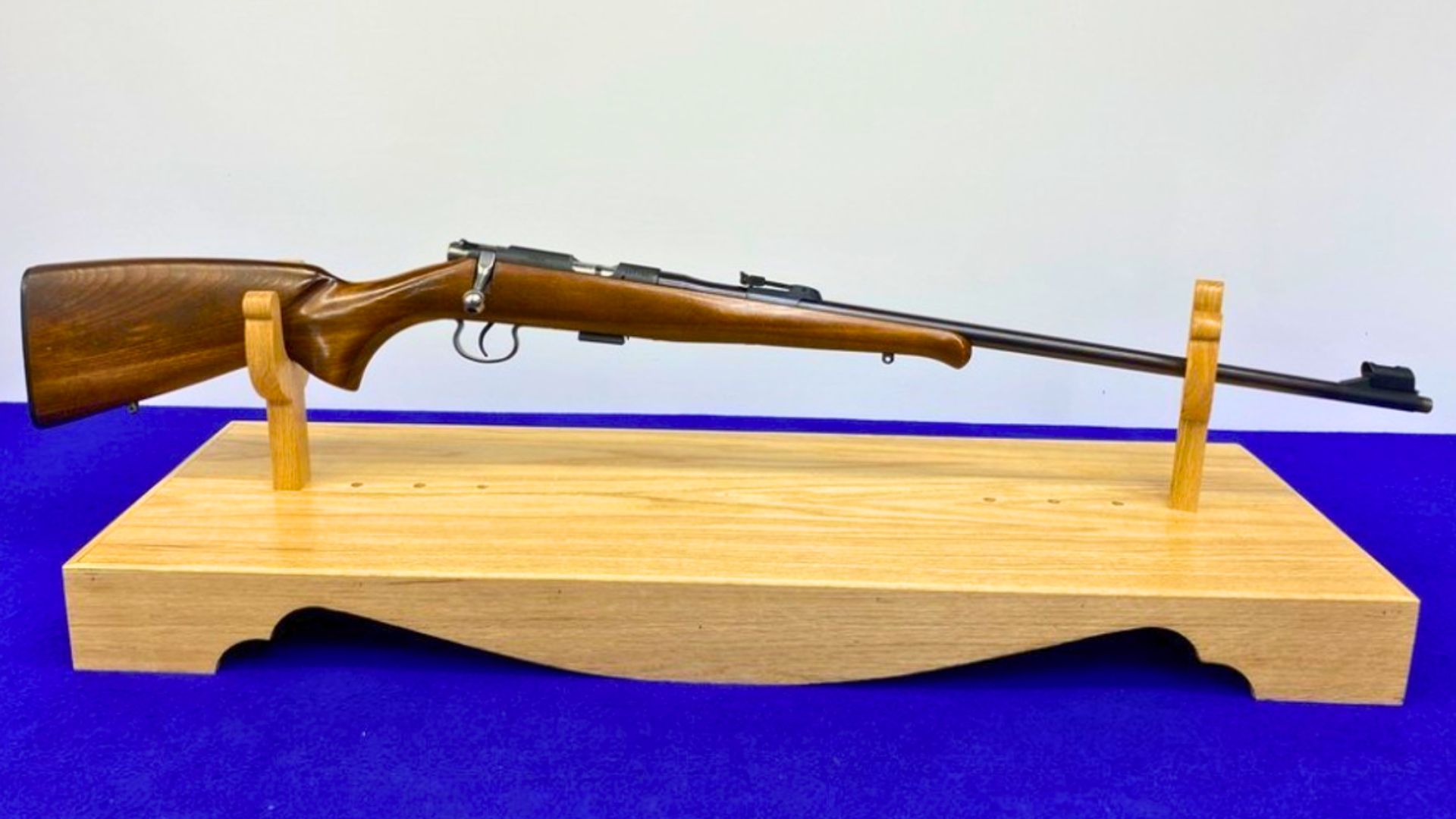
When newer rimfires started showing up with plastic stocks and stamped parts, the old CZ 452 got treated like yesterday’s news. Then you try to replace that kind of accuracy and smooth bolt feel on a normal budget. That’s when you start checking the used racks.
The 452 isn’t flashy. It’s just a .22 that shoots, feeds, and lasts. It’s the kind of rifle you hand a kid and don’t worry that it’ll be loose and rattly in five years. A lot of “upgraded” rimfires don’t age as gracefully.
19. Marlin Model 60

If you grew up around a Model 60, you know. It’s one of the most common .22s ever, and it’s still one of the most useful. Detachable magazine .22s got popular, and the old tube-fed Marlin got called slow and outdated.
Then you watch a Model 60 run brick after brick of bulk ammo with minimal drama, and you remember why it stuck around. It’s accurate enough for squirrels, cheap to feed, and easy to carry. There’s nothing fancy about it, and that is kind of the point.
20. Ruger 10/22 (early carbines)
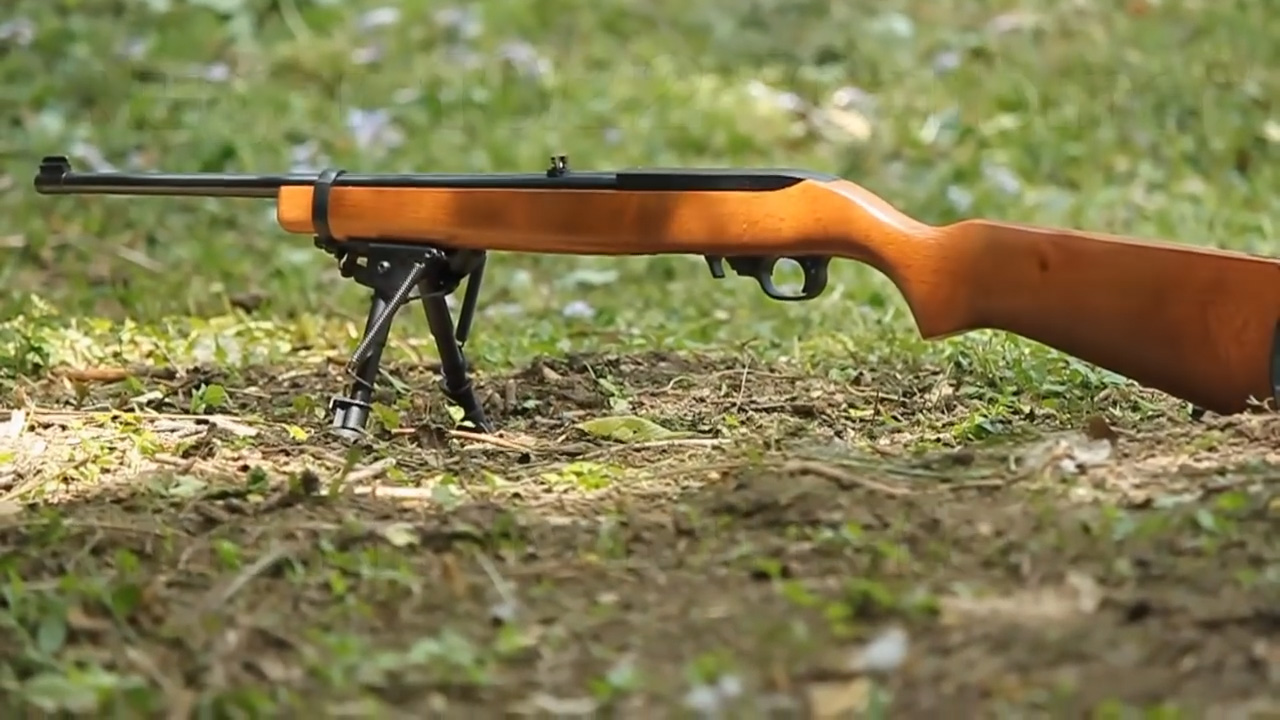
It’s almost funny to call a 10/22 “obsolete,” but it’s happened in waves—every time a new rimfire shows up claiming better magazines, better accuracy, better everything. Then the new hotness disappears in a few years, while the 10/22 keeps sitting on every rack from farm stores to high-end shops.
An early carbine with basic sights and a simple stock will still do more real work than a lot of tricked-out rimfires that never leave the bench. The magazine system is proven, parts are everywhere, and it’s easy to keep running. Boring wins, again.
The funny part about “obsolete” rifles is that most of them didn’t get replaced because they failed. They got replaced because the market wanted something new to talk about. If you’ve got one of these in the safe, you don’t have to baby it, but I wouldn’t be quick to let it go either. The older I get, the more I appreciate rifles that keep their promises when the weather turns and the shot finally shows up.
Like The Avid Outdoorsman’s content? Be sure to follow us.
Here’s more from us: