
Photo credit: Bass Pro Shops
Every deer camp has a few rifles that keep showing up season after season, even after the gun shops filled up with short-magnums, chassis stocks, and “new for this year” wonder rounds. These are the rifles a whole generation carried because they worked, because Uncle had one, because the local hardware store had ammo on the shelf, and because nobody had time to argue about ballistic coefficients when daylight was burning.
Are there “better” rifles now? Sure. Lighter, smoother, more accurate out of the box, threaded, detachable mags, triggers you can set with a hex key. But a lot of those old standbys still kill deer just fine, and the only real upgrade some folks ever needed was a better scope, better bullets, and more time behind the rifle.
1. Winchester Model 94 (.30-30 Winchester)
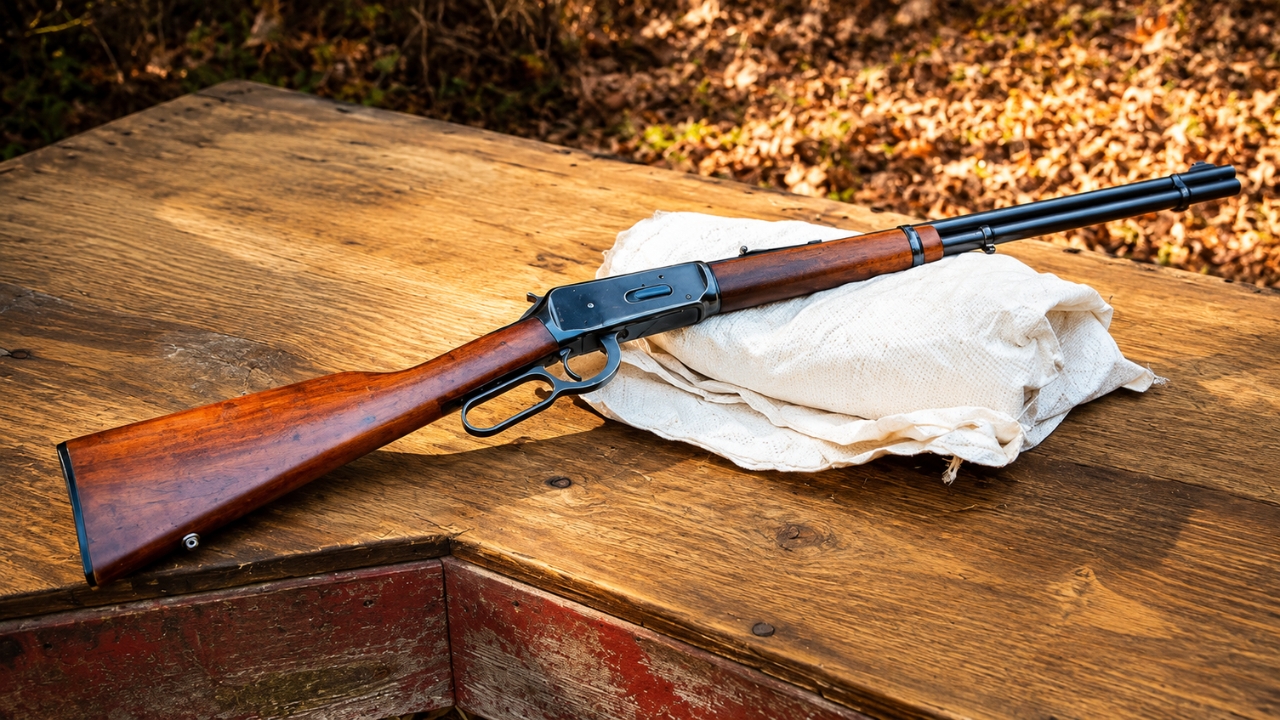
This is the rifle that rode behind truck seats and leaned in cabin corners all fall. It carries like a walking stick and points fast in thick woods where 60 yards feels like a long poke. With iron sights it’s honest and quick, and with a receiver sight it gets even better.
Yeah, it’s not a benchrest gun. And the top-eject versions aren’t scope-friendly without a side mount that never feels quite right. Still, the .30-30 has been stacking whitetails for so long it’s almost boring.
2. Marlin 336 (.30-30 Winchester)

If you wanted a lever gun that took a scope without looking like a science project, the 336 was it. Side-eject, solid top, and usually a little easier to shoot well than a well-worn 94 with loose sights. The action has that “Marlin feel” that’s hard to describe until you’ve run one a thousand times.
The downside is weight compared to the handiest carbines, and some later examples can be rough. But for still-hunting or sitting in timber with a 2-7x on top, it’s hard to call it outdated.
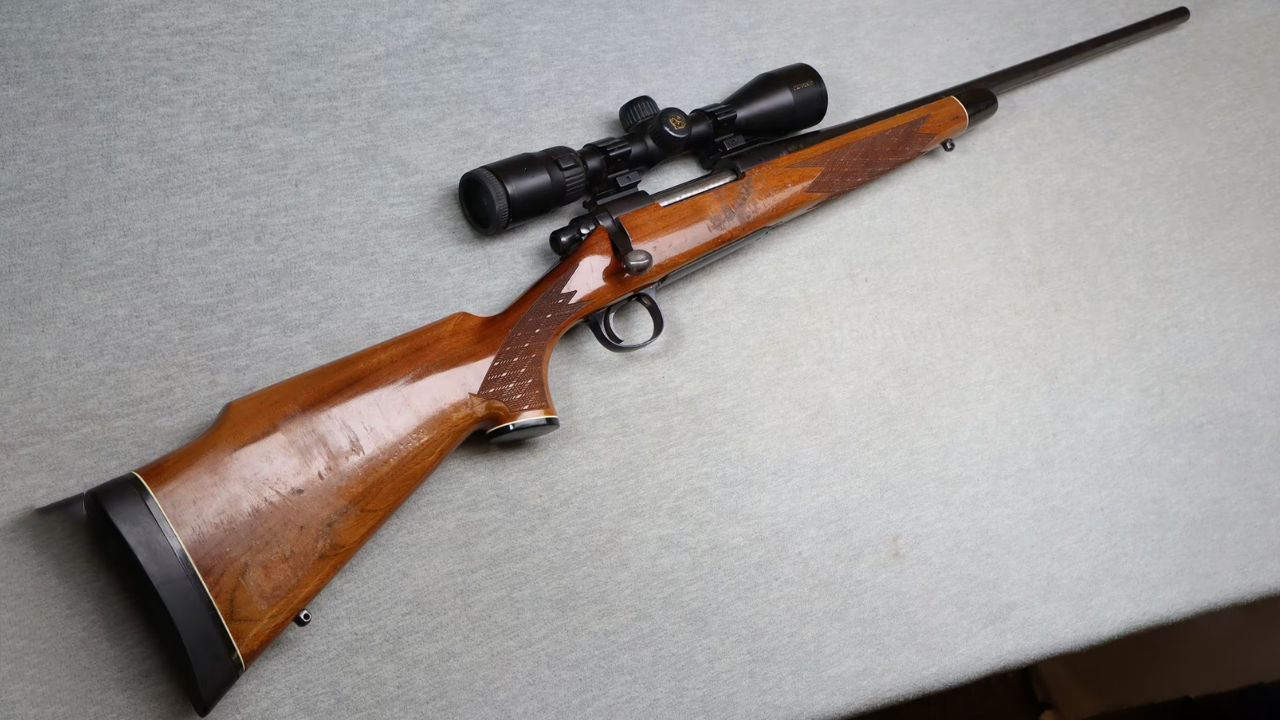
3. Remington Model 700 ADL/BDL (.30-06 Springfield)

For a long time, the default serious deer rifle was a 700 in .30-06. It fed slick, shot well enough, and everybody knew how to work on one. There’s a reason so many “one rifle” guys never felt undergunned with it.
The newer conversation is triggers and recalls and all that. But the older rifles, cared for and used safely, still have a way of making three-shot groups look decent with plain ammo. It’s not fancy, and that’s kind of the point.
4. Winchester Model 70 (Pre-64 and Classic, .270 Winchester)
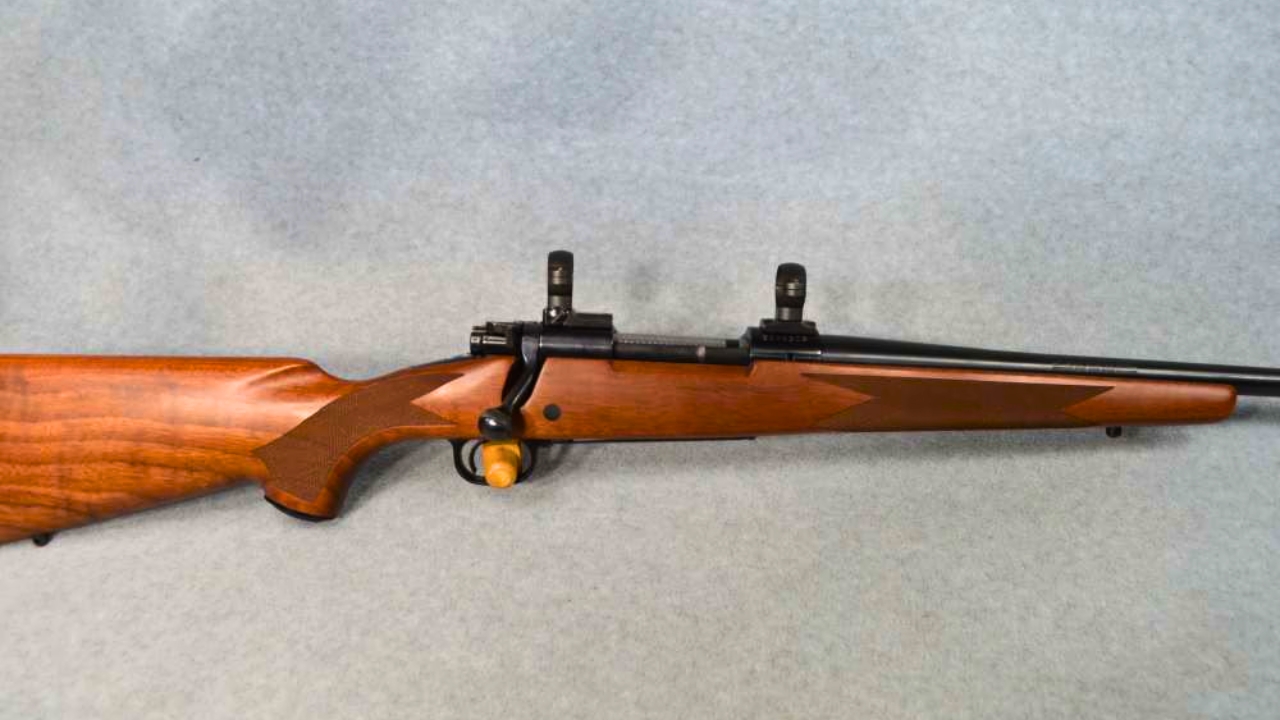
The Model 70 in .270 is deer camp tradition with a bolt handle. It’s the rifle that made a lot of hunters believe in holding a little high and letting the cartridge do the rest. The safety is where it should be, the action feels solid, and it carries like a real hunting rifle.
Is .270 “enough”? It always was. The only thing that changed is internet arguments. If you can’t kill a deer with a .270 and a good bullet, the problem isn’t the caliber.
5. Savage Model 110 (.30-06 Springfield)

The 110 was never the prom king. It was the kid who showed up on time, did the work, and didn’t complain. Plenty of them wore bargain scopes and lived in truck racks, and they still put venison in the freezer.
The early triggers could be heavy, and the rifles weren’t always pretty. But Savage built a reputation on “ugly that shoots,” and a lot of modern rifles are still chasing that simple value.
6. Ruger M77 (Tang Safety, .243 Winchester)
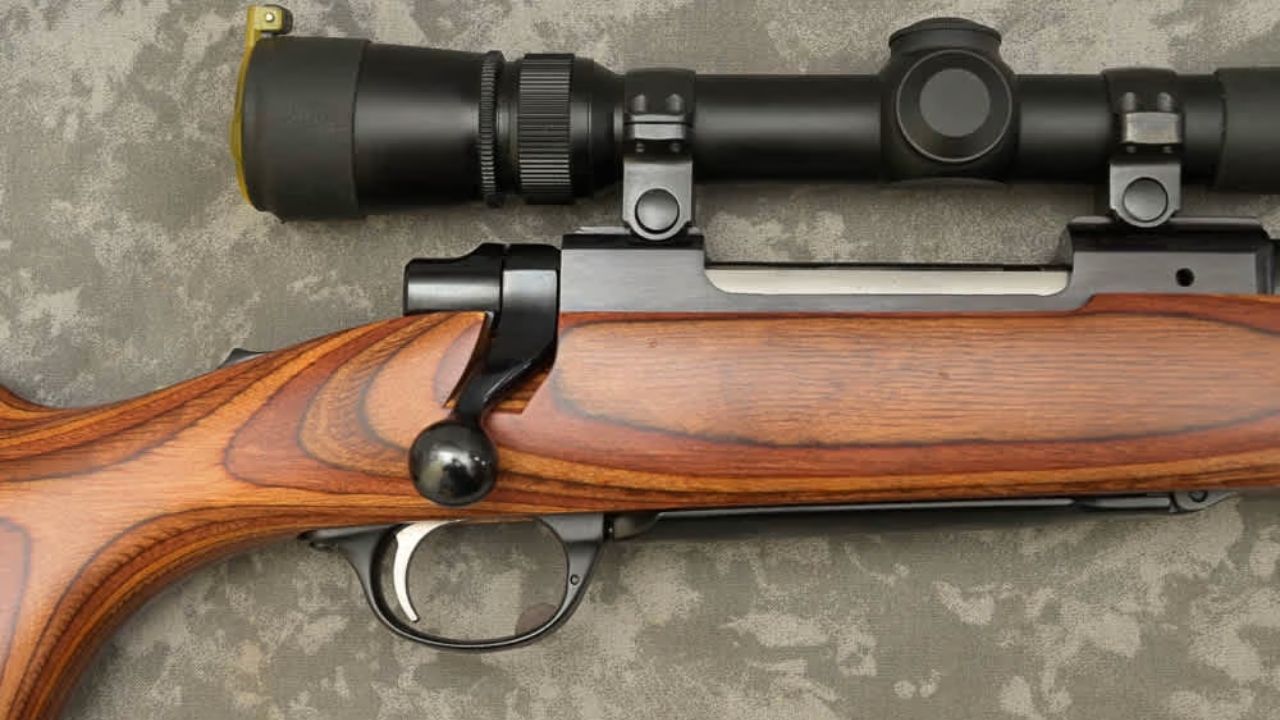
That tang safety feels like a shotgun, which is exactly why a lot of folks liked it for deer. The M77 has controlled-round-feed vibes without being a museum piece, and the .243 was a gateway cartridge for young hunters and recoil-sensitive adults.
Critics love to call .243 light. Meanwhile, it keeps punching ribs and dropping deer when the shooter does their job. The real key is bullet choice and not trying to turn it into something it isn’t.
7. Remington Model 742 Woodsmaster (.30-06 Springfield)

If you grew up around hardwood ridges and quick shots, you saw 742s. They were “fast follow-up” before anybody was talking about red dots and short barrels. They also balance nicely for an autoloader and feel good in the hands.
Here’s the catch: some of them wear out, and when they do, it can get expensive or impossible to make right. Keep them clean, don’t run them like a machine gun, and they’ll treat you fine. Abuse them and they’ll make you pay.
8. Remington Model 760/7600 Gamemaster (.270 Winchester)

The pump rifle is an eastern deer hunter’s secret handshake. A 760 or 7600 carries slim, cycles quick, and doesn’t snag like a bolt when you’re trying to slip through laurel. They feel familiar to anyone who grew up on a pump shotgun.
Magazines can be the headache now, and prices climbed because everyone suddenly “remembered” how handy these are. In the right woods, they’re still hard to beat.
9. Browning BAR (LongTrac/old Belgian, .308 Winchester)
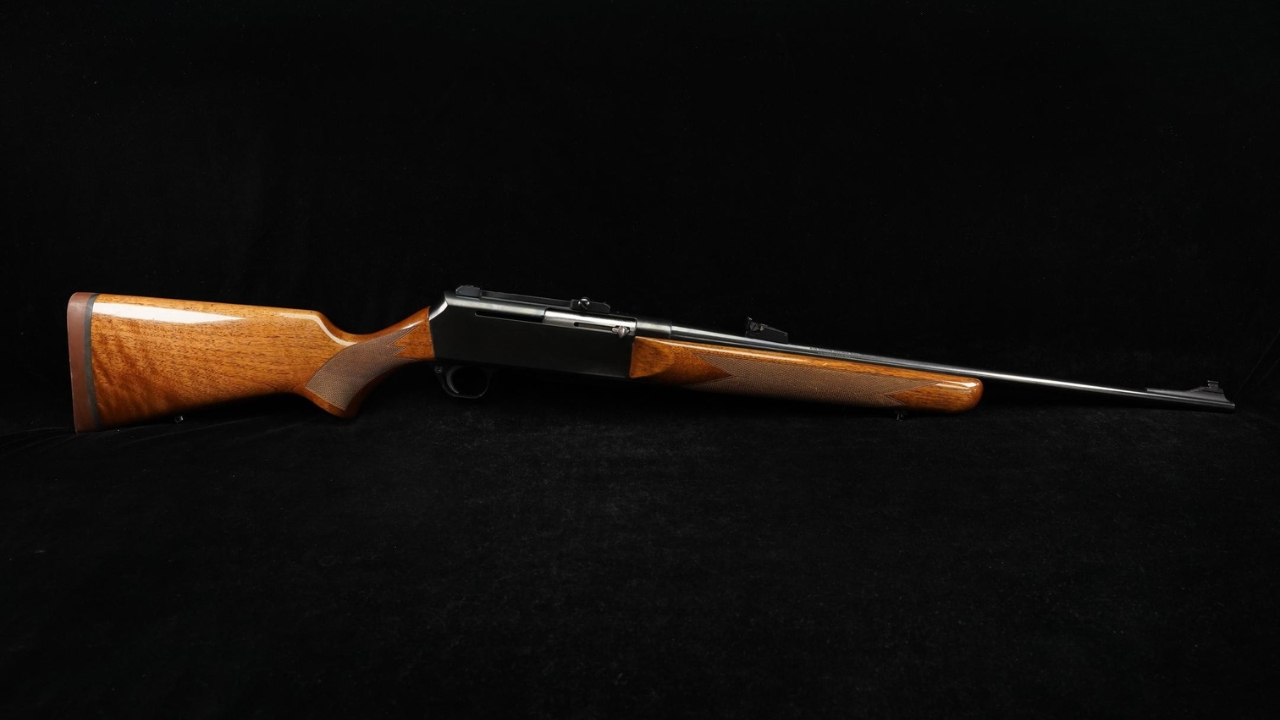
The BAR has always been the autoloader for guys who wanted nice things. Smooth recoil, solid accuracy for a hunting semi-auto, and it feels like a real rifle instead of a stamped-metal project. In .308 it’s balanced, efficient, and easy to feed.
It isn’t light, and it’s not cheap to buy or keep fed with extra mags. But when you want a semi-auto that behaves on a cold stand and doesn’t feel like a toy, this is the one.
10. Ruger No. 1 (.45-70 Government)

Single-shots teach patience, and a No. 1 in .45-70 teaches respect. It’s not a beginner’s setup unless the shooter is stubborn, but it’s a classic that still makes sense in thick cover and short-range work. The rifle is compact for the barrel length and carries beautifully.
Recoil can be a handful depending on the load. But for close timber hunts, hogs, or a “one-shot, one-deer” mindset, it’s a hard rifle not to love.
11. Springfield Armory M1A (Standard, .308 Winchester)
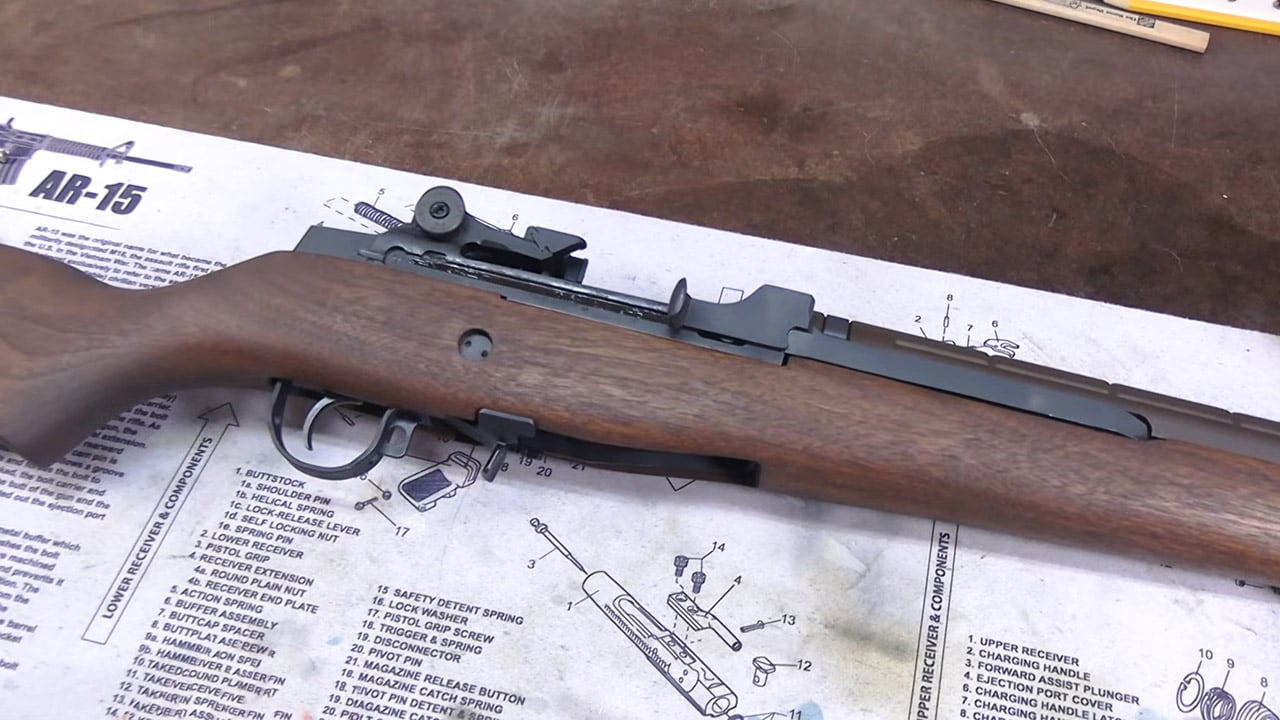
Before the AR took over every conversation, the M1A was the “serious” semi-auto that guys talked about with a little reverence. It’s long, it’s steel-and-wood (or steel-and-fiberglass), and it has a satisfying feel when it runs.
Is it the most practical deer rifle? Not really. But it shoots .308 well, it’s reliable when maintained, and it scratches that old-school itch in a way a lot of modern rifles don’t.
12. Winchester Model 88 (.308 Winchester)

The Model 88 is what happens when a lever gun and a bolt gun have a smart, good-looking kid. It takes pointy bullets, runs slick, and handles like a deer rifle should. If you’ve ever shouldered one, you know it’s not just another lever action.
They aren’t cheap anymore, and parts aren’t as common as the big-name rifles. Still, it’s one of those guns you don’t sell unless you have to. Ask me how I know.
13. Remington Model 788 (.308 Winchester)
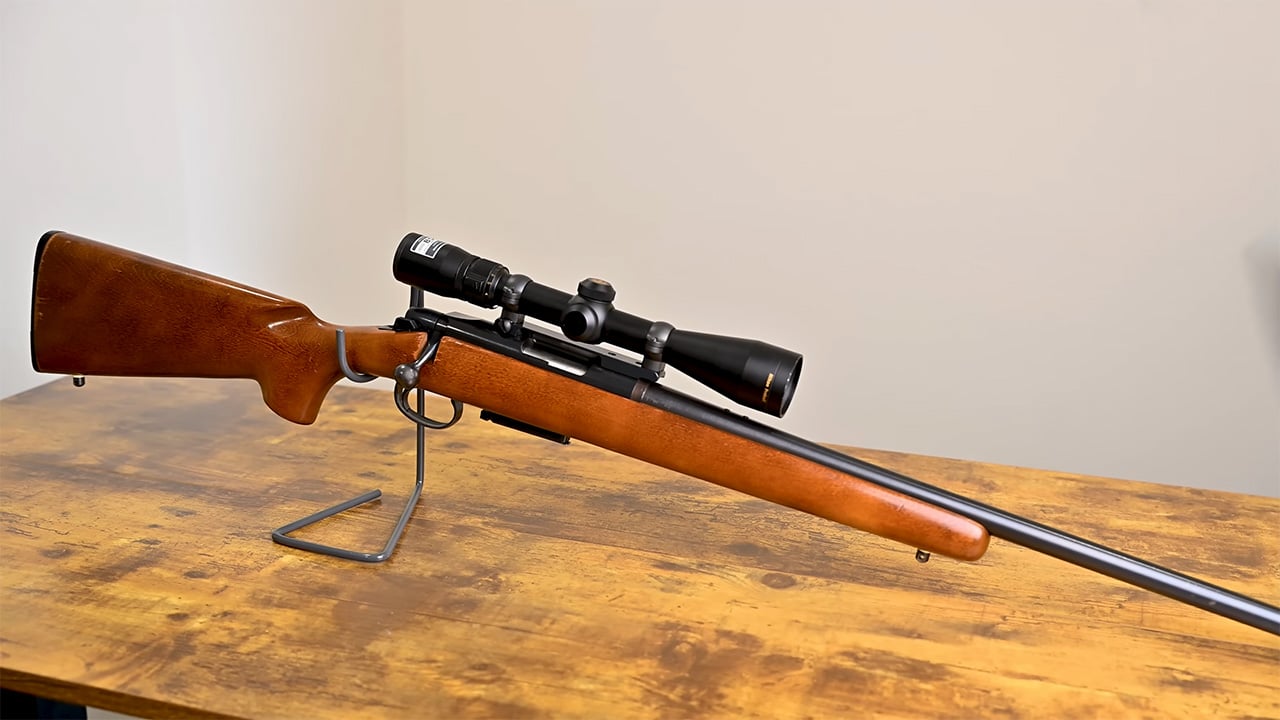
Plenty of hunters bought 788s because they were affordable, then kept them because they shot lights-out. The lockup is strong, and a good 788 can embarrass rifles that cost twice as much. They’re not pretty, but they’re honest.
The magazine system is the sore spot. Lose a mag and you’ll learn new words when you see replacement prices. But if you’ve got one that runs, it’s a freezer-filler, plain and simple.
14. Savage Model 99 (.300 Savage)

The 99 is a thinking man’s lever gun. It carries well, balances well, and the rotary magazine means you can use spitzer bullets without worrying about primer-to-bullet contact in a tube. In .300 Savage, it’s basically “.308 before .308 was cool.”
They can be finicky if abused, and not every gunsmith wants to dig into them. But as a hunting tool, they’re still incredibly practical.
15. Mosin-Nagant M91/30 (7.62x54R)
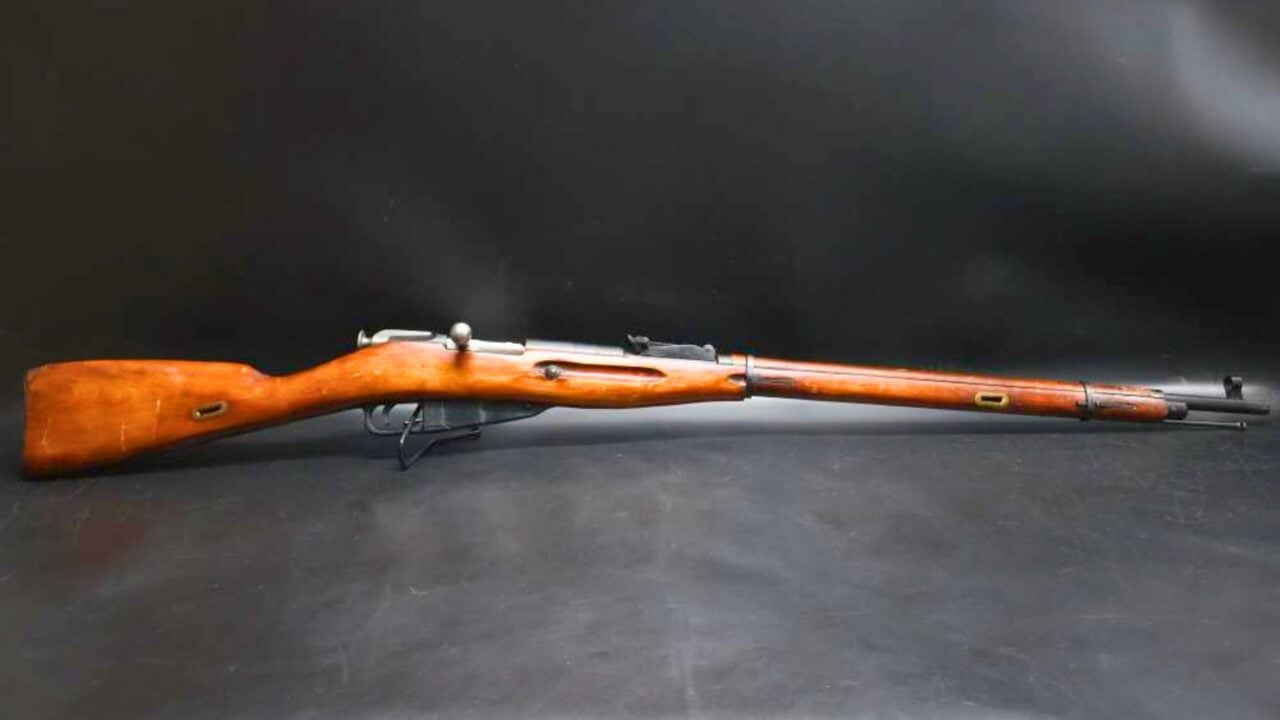
For a stretch, these were the cheap deer rifle that a young guy could actually afford. You’d see them with a slip-on recoil pad, a bargain scope setup, and a can-do attitude. The cartridge hits hard and penetrates like crazy.
The downside is real: rough triggers, sticky bolts when hot, and accuracy that ranges from “surprisingly good” to “why am I doing this.” But plenty of deer hit the ground anyway, because hunters made it work.
16. SKS (7.62×39)

Before “deer with an AR” became a normal sentence, lots of hunters used SKSs where legal. Inside 100 yards with soft points, they can be effective, and the rifle handles fast in brush. The iron sights are usable, and the recoil is friendly.
The limitation is range and bullet performance. This isn’t a magic hammer. But for close cover and a careful shooter, it has done the job more times than the internet wants to admit.
17. Ruger 10/22 (as a “first rifle” that led to deer rifles)

No, it’s not a deer rifle, and I’m not recommending it for that. But it’s the rifle that trained a pile of deer hunters long before they ever bought a centerfire. Trigger time matters, and the 10/22 put that in reach for a lot of families.
It taught sight picture, safety habits, and how to hit what you aim at without flinching. When somebody says “I grew up shooting,” there’s a decent chance this was part of it.
18. Marlin Model 1895 (.45-70 Government)

The 1895 is what you grabbed when you wanted authority in the woods. It’s not subtle, and it’s not flat-shooting, but it hits like a sledgehammer at the distances where lever guns live. It also carries surprisingly well for how much cartridge you’re holding.
Recoil is the tax. Some loads will make you dread the bench, and that can lead to bad habits. Sight it in, practice enough to stay honest, and then quit beating yourself up on paper.
19. Tikka T3 (Lite, .308 Winchester)
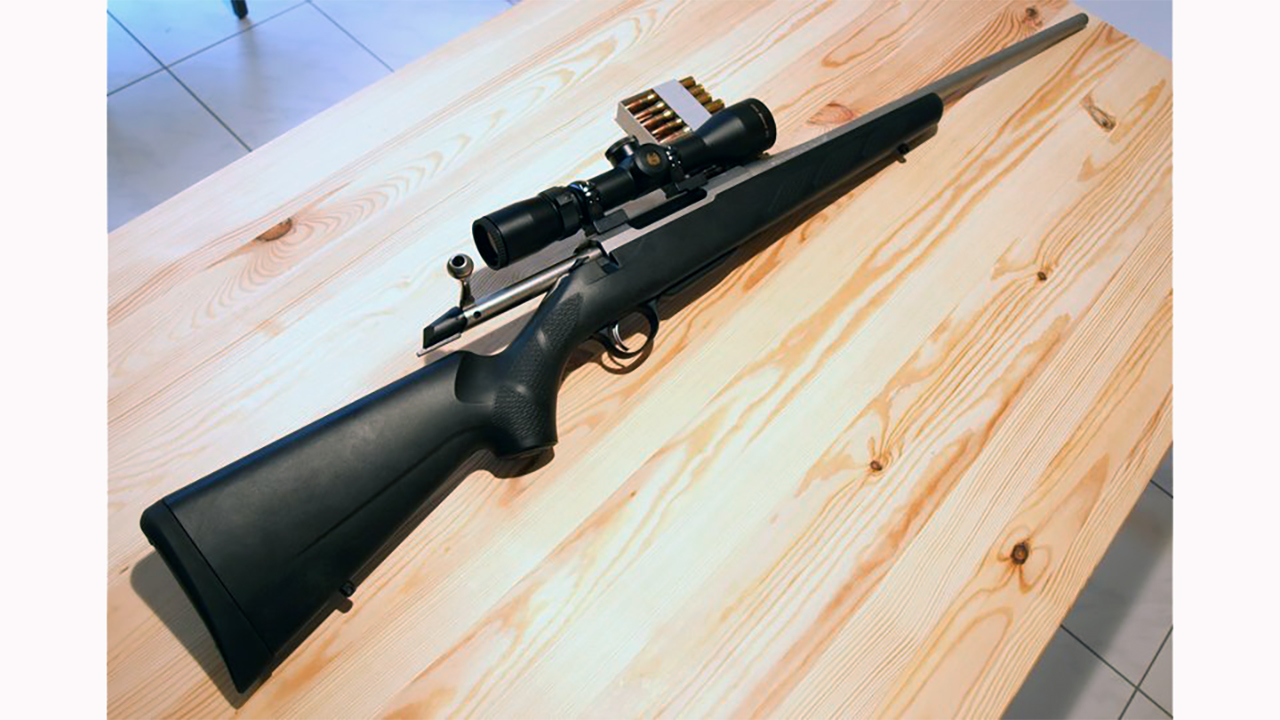
This one feels like the moment some hunters realized, “Oh… rifles can actually come out of the box like this.” Smooth bolt, good trigger, and accuracy that doesn’t require a long story. A lot of guys who grew up on rougher actions picked one up and never looked back.
Lightweight is great until you touch off stout loads from awkward positions. Still, as “modern boring,” the T3 earned its reputation the hard way: by working.
20. Remington Model 870 (with a rifled barrel, 12 gauge)
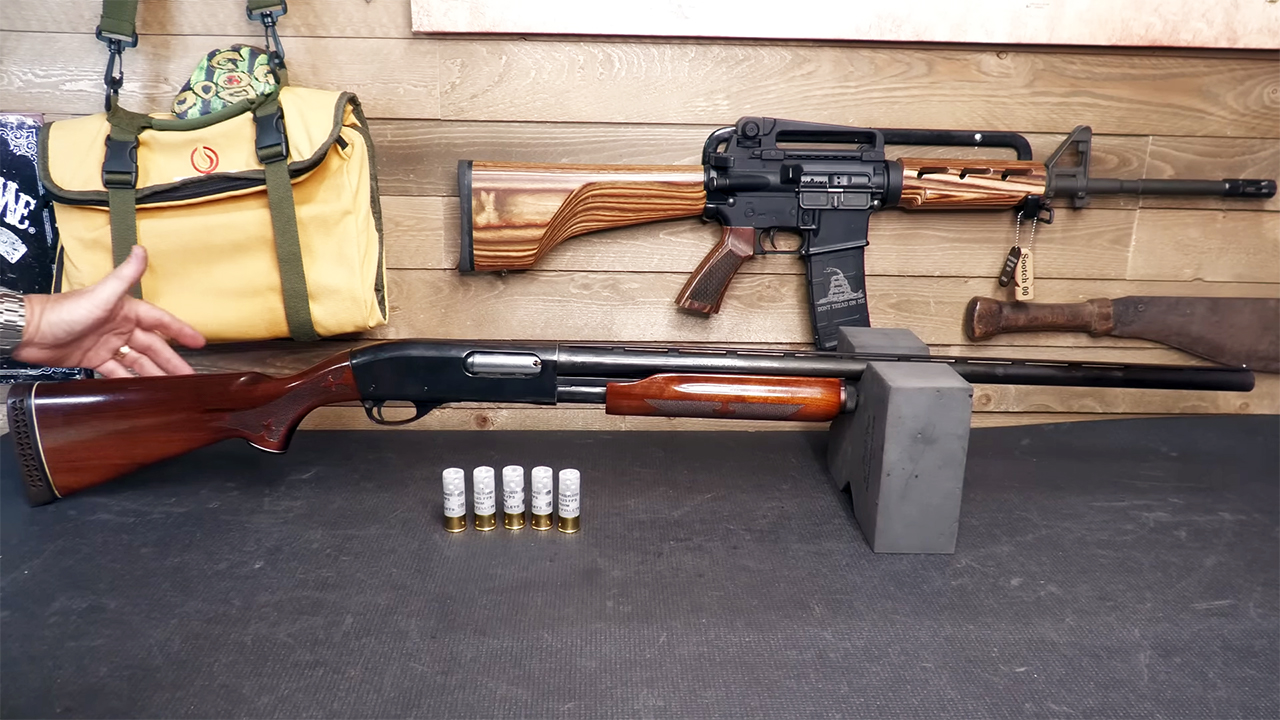
In shotgun zones, the 870 with a rifled barrel and a decent slug scope was a straight-up deer tool. It’s not romantic, but it’s effective. It also meant one familiar platform could do birds, small game, and deer with a barrel swap.
Slug recoil is no joke, and cheap scopes used to die on these setups. When it’s dialed in, though, it’s deadly inside its range, and it kept a lot of camps hunting when rifles weren’t an option.
What makes these rifles stick isn’t nostalgia alone. It’s that they handled real weather, real mistakes, and real hunting pressure and still managed to put deer on the ground. If you’ve got one that shoots straight and carries right, you don’t need permission to keep using it, even if the new stuff is shiny.
Like The Avid Outdoorsman’s content? Be sure to follow us.
Here’s more from us:


