Photo credit: Apex Predator Outdoors/Youtube
Every shotgun will fire one shell. That is not the test. The test is what happens after that first boom, when the forend is bound up, the trigger went dead, the stock smacks your cheek like a shovel, or the “deal” you bought turns into a parts hunt right before season.
I have watched new hunters show up with a box-fresh scattergun and a grin, then spend the rest of the morning trying to make it run. I have also watched guys sell a perfectly good, boring shotgun because it didn’t feel exciting, only to spend the next five years trying to buy it back. Here are 20 specific models that tend to “work once” in the sense that they’ll give you one memorable experience, and then hand you a long list of regrets—whether that regret is pain, reliability, cost, or the realization you should’ve just bought something simpler.
1. Stevens 320 (short-barrel “tactical” setups)
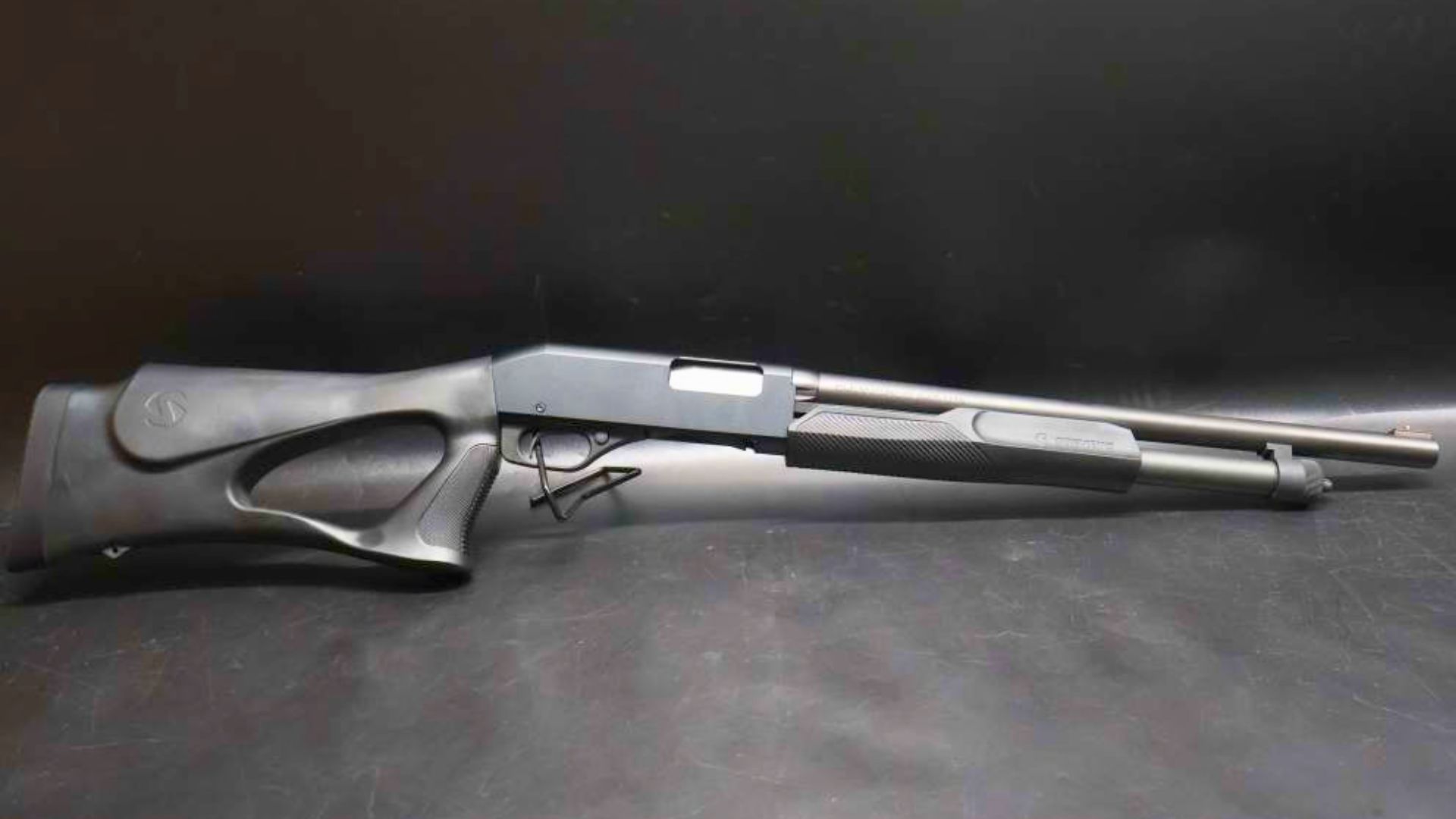
The 320 gets bought because it’s cheap and it looks like a serious pump. The first shot usually goes fine, and then the rough action and bargain parts start showing themselves when you run it hard. That sticky feeling in the forend turns into short-strokes and fumbling when you’re trying to be smooth.
If you only ever shoot a couple shells a year, you might never notice. But if you plan to train with it, hunt with it, or keep it as a serious home gun, you’ll start wishing you’d put that money toward a used police-trade pump with real parts support.
2. H&R Pardner Pump (late-production examples)
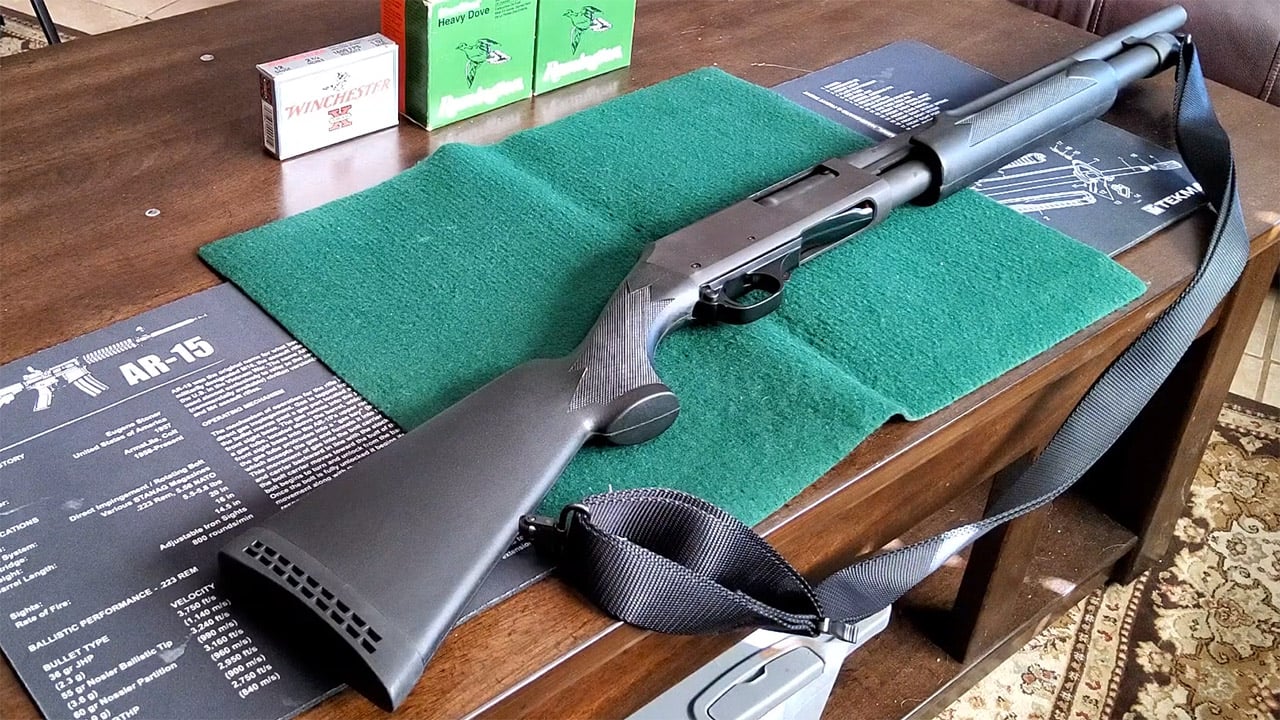
These had a reputation as a “budget 870,” and some of them earned it. The problem is the spread between a good one and a headache can be wide, especially in later production. You can get a gun that runs, or you can get one that feels like it was assembled on a Monday after a long weekend.
That regret usually shows up when you start looking for small parts or trying to get the thing slicked up. You realize pretty quick it isn’t an 870, and it doesn’t live in the same universe for aftermarket and long-term support.
3. Remington 870 Express (the rough-chamber years)

The 870 is an American classic, and that’s why this one hurts. Some Express guns from the rougher QC stretch will fire fine, then stick hulls like they were welded in place once the chamber gets a little dirty or warm. Nothing ruins confidence like yanking on a pump handle while birds are still working.
Yes, many can be made right by a competent gunsmith and regular maintenance, and plenty of Express guns are solid. But if you buy one and your first range trip includes a mortar-style butt-on-the-ground extraction move, you’ll remember that moment every time you close the action.
4. Remington 887 Nitro Mag

On paper, a sealed, weatherproof pump sounds perfect for nasty duck hunts. In real life, the 887 developed a reputation for feeding and extraction quirks, and the overall feel never won many hearts. It’s one of those guns that can make you miss “old ugly” because at least old ugly ran.
The regret here is buying into a concept instead of a proven design. When you’re cold, wet, and trying to stuff a follow-up shell into the tube, you stop caring about futuristic coatings and start caring about the gun doing what a pump gun is supposed to do.
5. Mossberg 500 (big-box store “combo” packages)
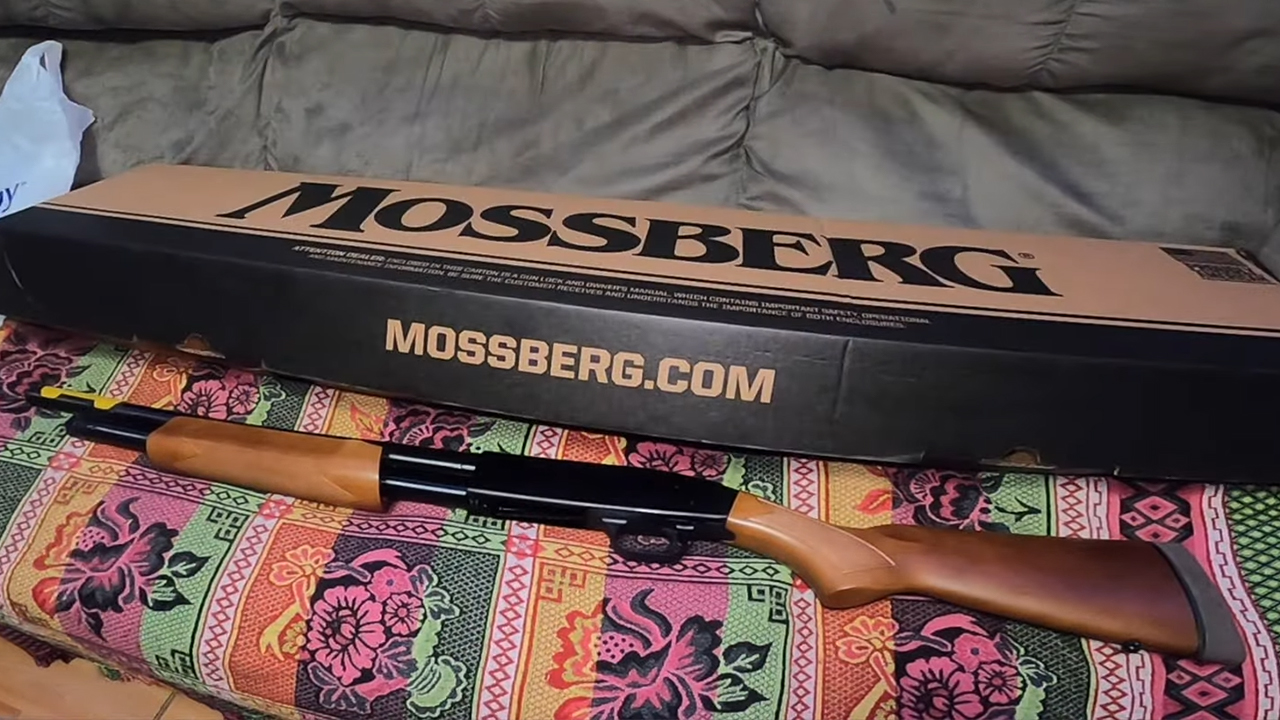
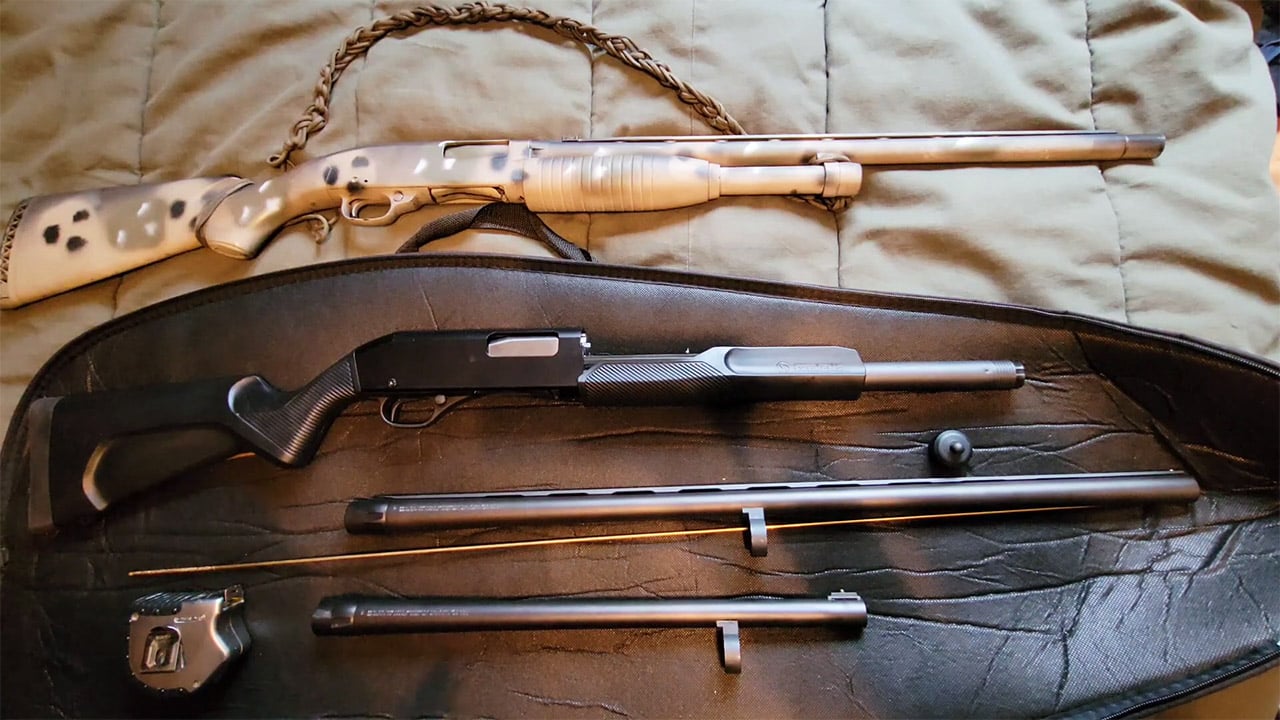
I’m not knocking the 500 as a whole—there are Mossbergs that have lived hard lives and kept going. The issue is the lightweight, price-point combos with multiple barrels and the loosest tolerances. They can feel rattly, and the controls aren’t everyone’s favorite under stress or with gloves.
What makes folks regret it is thinking they bought one gun that does everything, then finding out they don’t actually swap barrels like they imagined. You end up with a closet full of parts and still want a dedicated bird gun or a dedicated deer gun.
6. Mossberg Maverick 88 (high-round-count reality)

The 88 is one of the best values in shotguns, and I’ll say that out loud. But when someone buys one expecting it to feel like a slicked 590A1, the first day of fast shooting can be a rude introduction. The action can be stiff, and the fit and finish are built to a price.
The regret isn’t that it won’t fire. The regret is realizing “cheap and functional” still comes with tradeoffs, especially if you want to add lights, different stocks, or you’re hard on gear.
7. Winchester SXP (when you run it like a real pump)
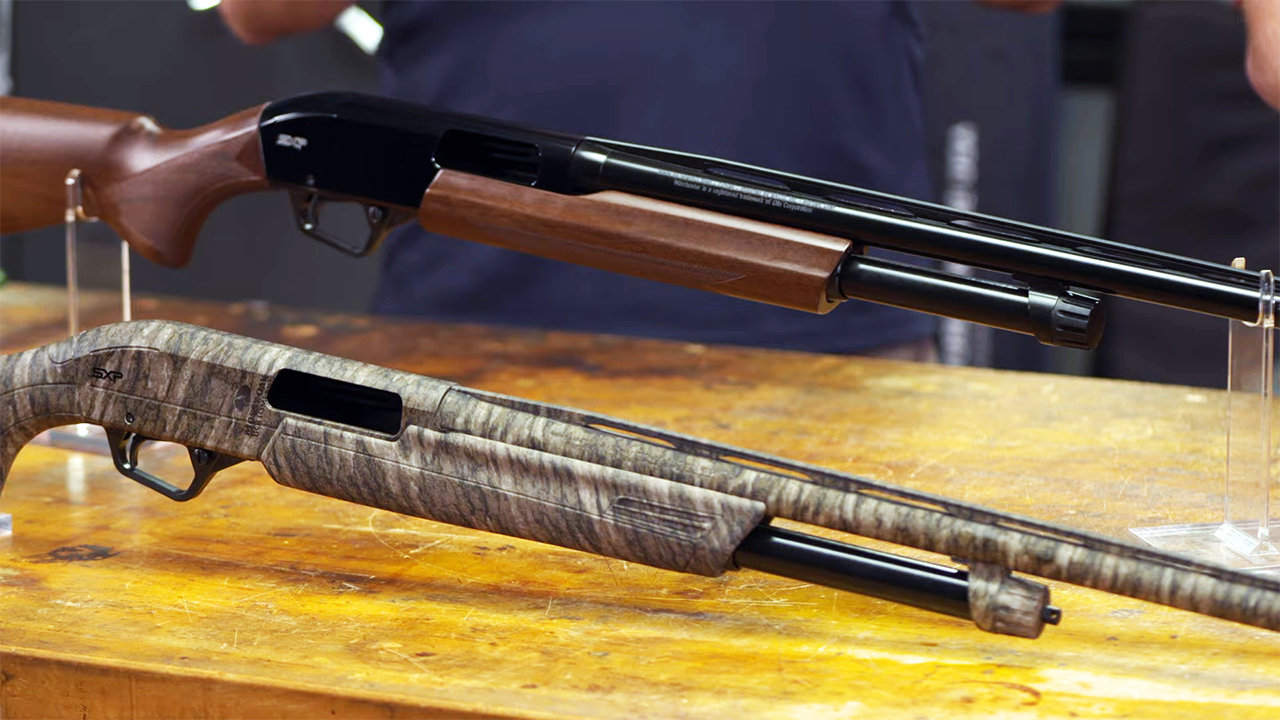
The SXP is fast, and the rotary bolt system gives it that “assist” feel that can make it seem smoother than it is. Then you get into awkward positions—sitting in a blind, leaning around a tree, bundled up—and that speed can turn into a tendency to short-stroke if you don’t run it all the way.
One clean shot at a paper plate won’t show you much. A morning of clays or a wet pheasant hunt will. If you’re a deliberate, strong pump shooter, you might love it. If you’re not, you may spend a lot of time diagnosing “ammo issues” that aren’t ammo issues.
8. TriStar Viper G2 (low-brass sensitivity)
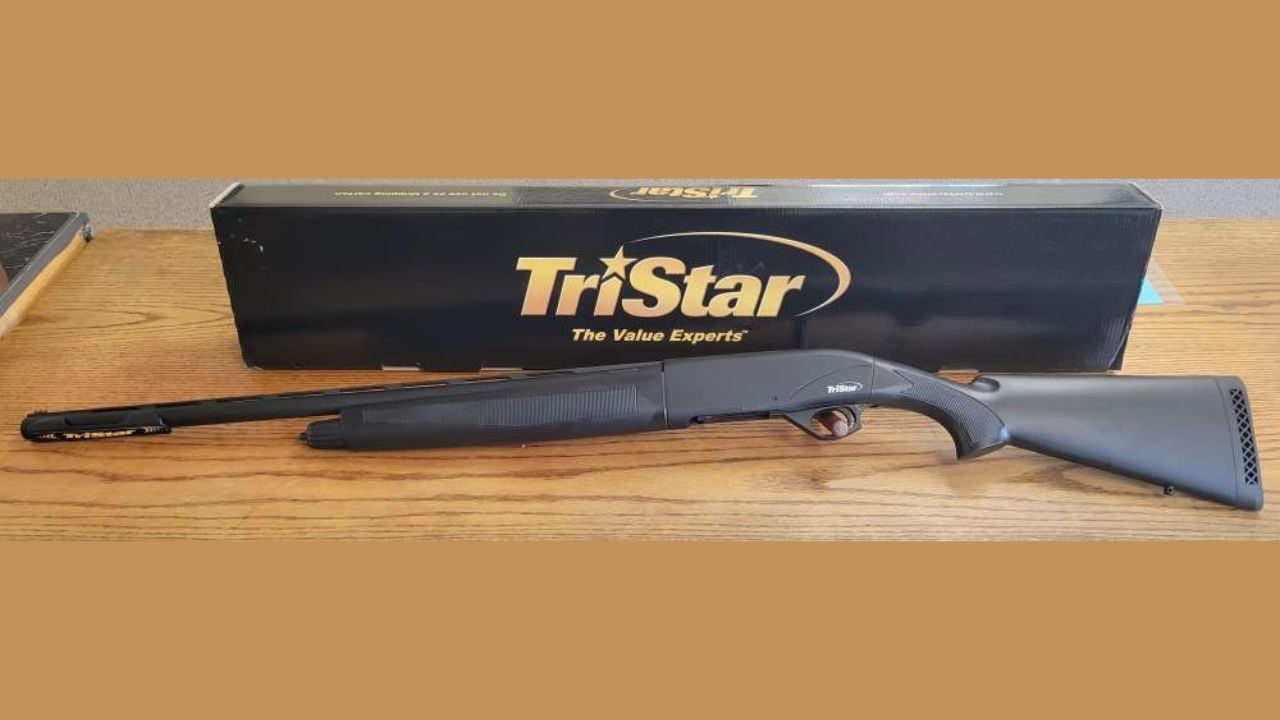
The Viper G2 sells because it’s an affordable semi-auto that looks the part. With heavier hunting loads it may behave fine, then it gets finicky on lighter target shells. That first shot goes off, the gun cycles halfway, and suddenly you’re doing the semi-auto two-step at the station while your buddies keep shooting.
A semi-auto that only likes certain loads isn’t automatically junk, but it is a problem if you bought it to be your do-everything shotgun. The money you save up front can get spent in “testing” and frustration.
9. Stoeger M3000 (out-of-the-box stiffness)
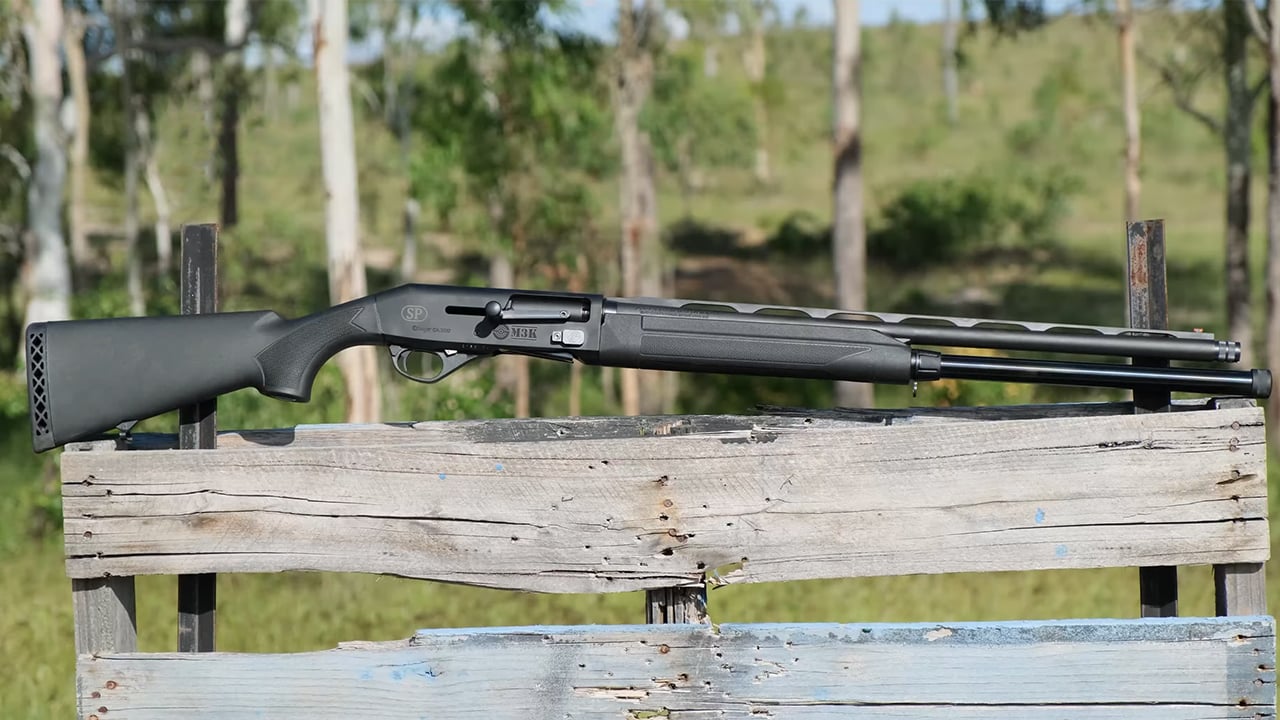
These inertia guns can run, and plenty do. But some are tight and need a break-in period that nobody wants to hear about after they just paid for a “reliable” semi-auto. The first shot can be fine, and the next one is a click or a weak ejection.
When it’s cold, when you’re shooting light loads, or when your gun isn’t mounted firmly, inertia systems can be less forgiving. If you don’t know that going in, you’ll blame the gun, blame the ammo, then blame yourself. Ask me how I know.
10. Charles Daly 601 (budget Turkish semi-auto roulette)
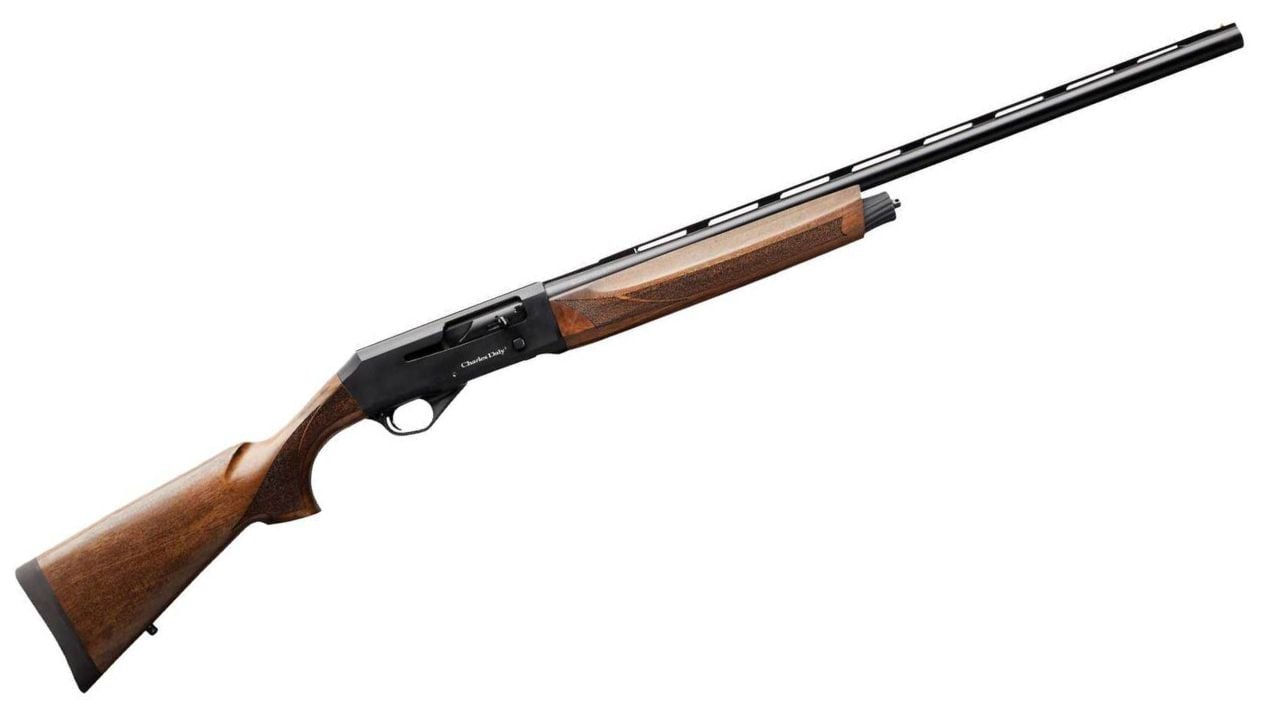
There are Turkish shotguns that surprise you in a good way, and there are ones that make you swear off “deals” forever. The 601 often gets bought as an impulse semi-auto: it looks modern, it comes with choke tubes, and it’s sitting there with a tempting price tag.
The regret shows up when you need a small part, a magazine cap, or you realize the gas system needs constant attention and still doesn’t love the ammo you can actually find. A shotgun that turns you into a parts detective is not saving you money.
11. Rock Island Armory VR80

Magazine-fed shotguns are fun for about five minutes. Then you start living in the world of finicky mags, load selection, and a platform that’s heavier and longer than it looks online. The first shot is a grin. The rest of the day is figuring out why it won’t run like your buddy’s AR.
And look, these can be made to run well, especially with the right ammo and good mags. But if you bought it thinking it was a simple home-defense answer, you may find yourself missing a plain pump gun that doesn’t care about gas settings or magazine geometry.
12. Remington V3 Tac-13
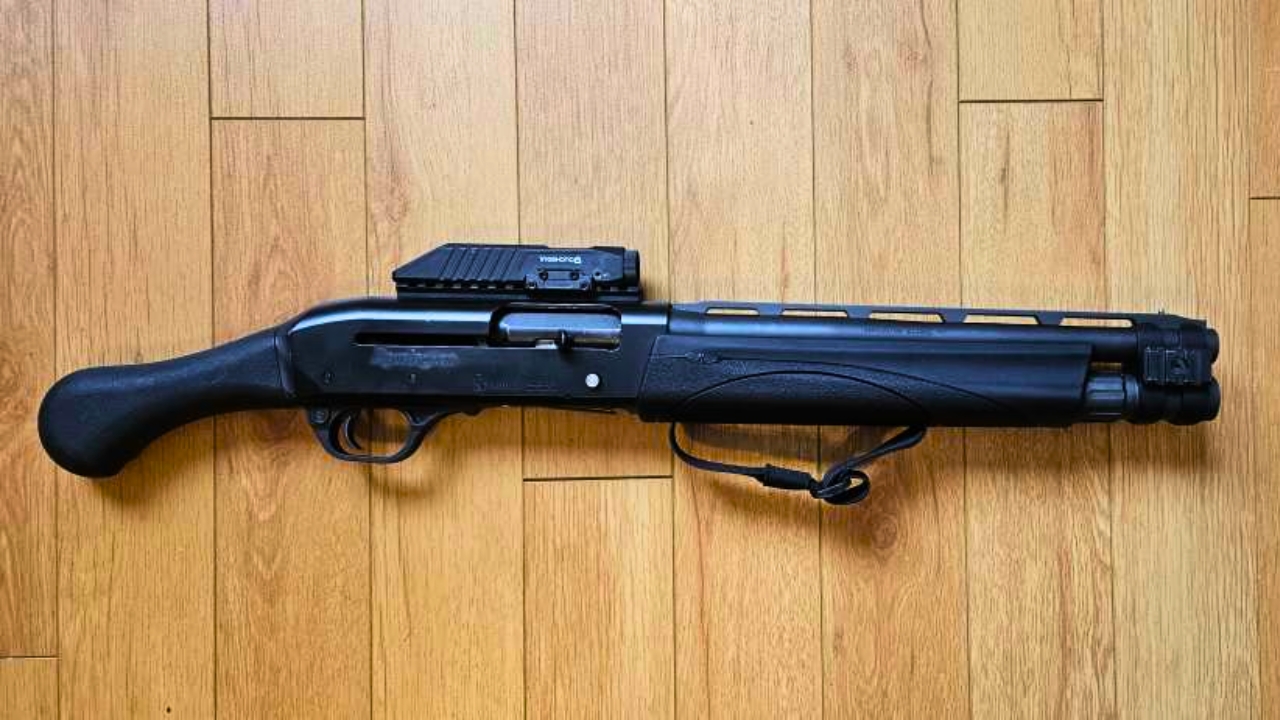
This is one of those purchases driven by the cool factor. The first time you touch off a heavy load out of a short, birdshead-grip 12 gauge, you learn something about physics and your wrist at the same time. That one lesson is usually enough.
It’s not that it can’t be used responsibly, and it’s not that it doesn’t have a niche. The regret is that most folks don’t actually need that niche. They needed a practical shotgun, and they bought a conversation piece.
13. Mossberg 590 Shockwave
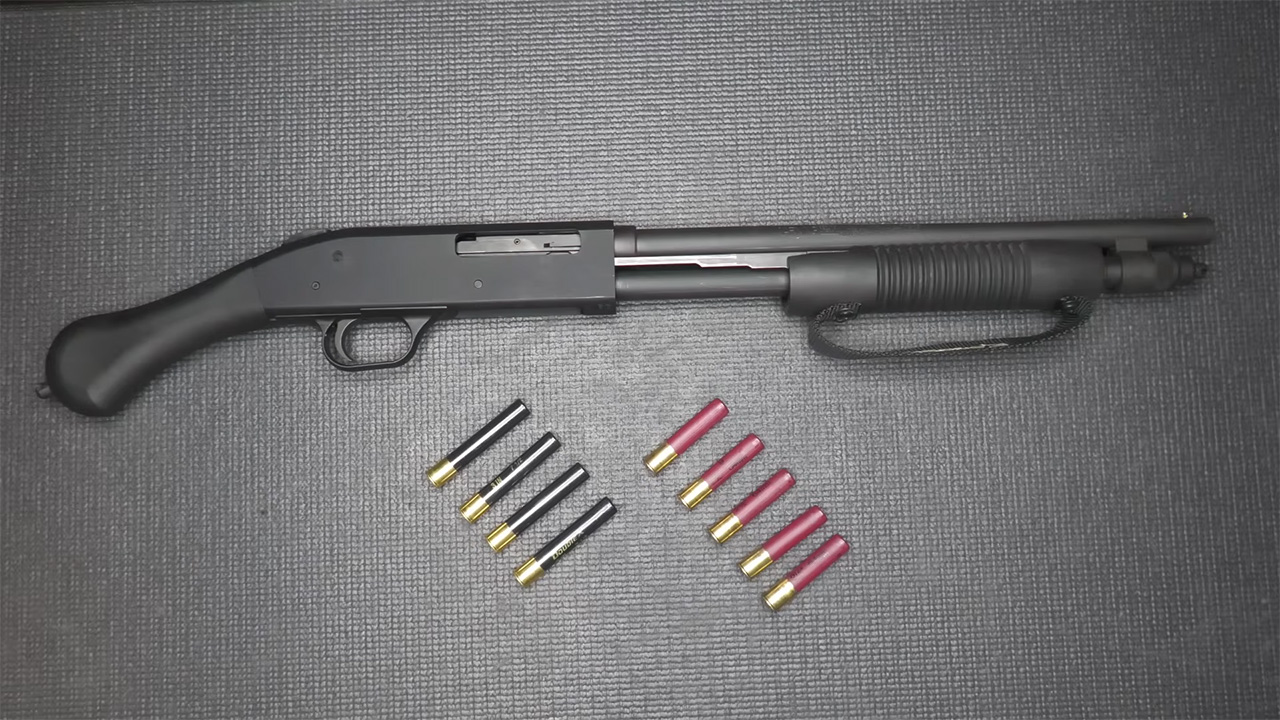
Same story as the Tac-13, different logo. A Shockwave will make noise and throw shot, and it will absolutely “work” the first time. After that, many owners realize accurate, fast shooting is harder than they expected, especially under any kind of pressure.
If you keep it, you need to be honest about what you can hit and how you’ll store it safely. If you sell it, you’ll probably take a hit. Either way, the initial excitement can turn into the feeling you bought the wrong tool for the job.
14. Winchester 1897 (loose old trench-gun dreams)
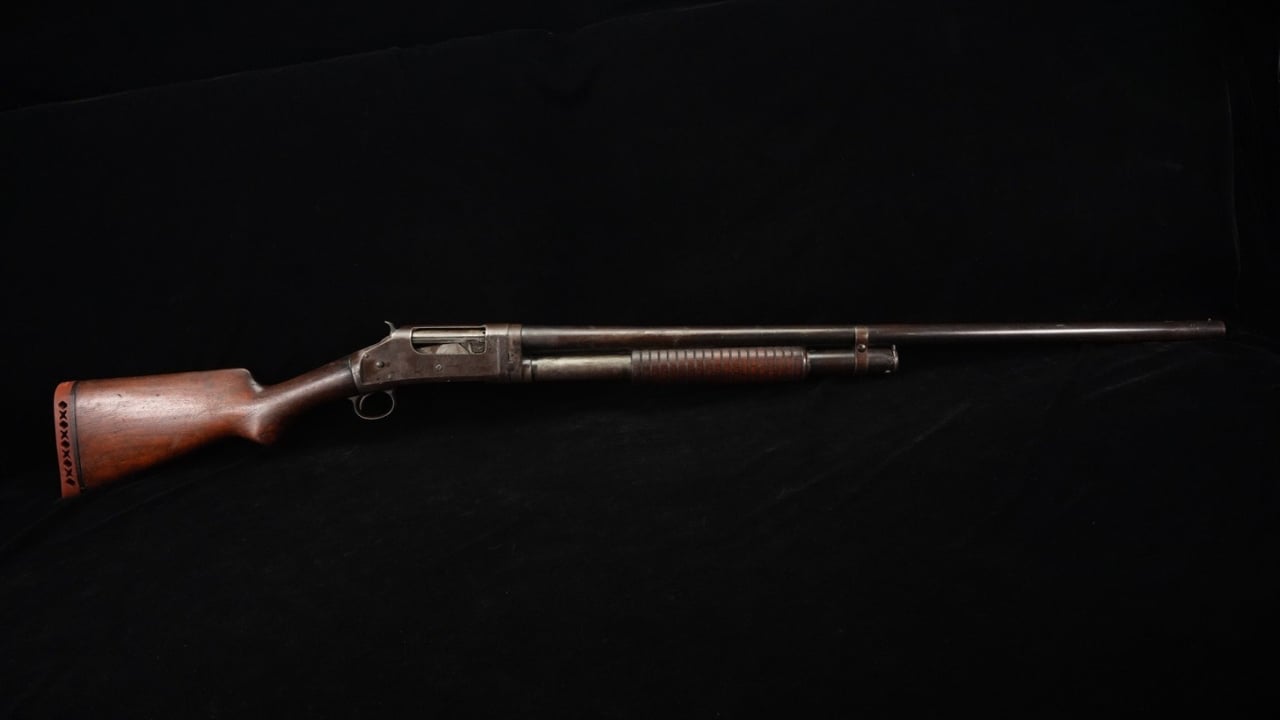
The ’97 is iconic. It’s also an old design that can be worn, loose, and temperamental depending on how it lived before it got to you. One shot at the range can feel like history in your hands. Then you start chasing feeding quirks, slamfire concerns, and the reality that some old guns need more care than you’re ready to give.
Regret here usually comes from buying a used one without understanding condition. If you find a good one, it’s a treasure. If you find a tired one, it’s a project you didn’t ask for.
15. Browning A5 (old long-recoil models with missing setup parts)
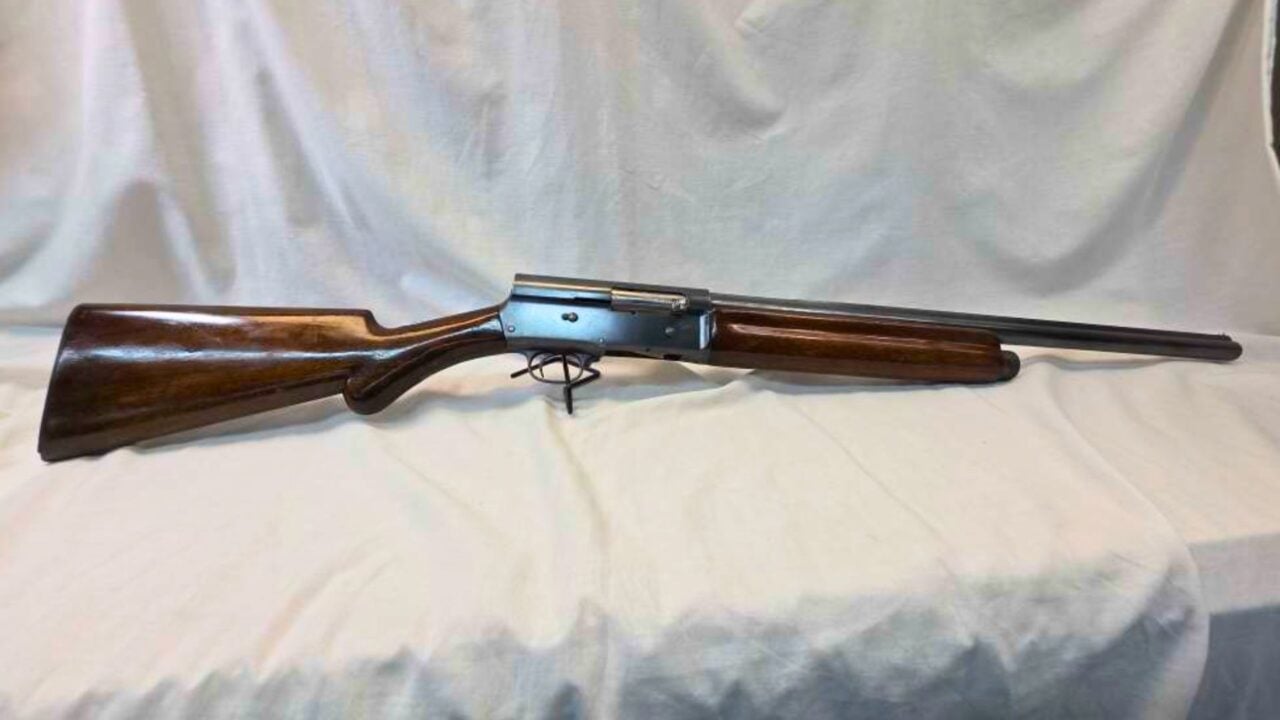
The old humpback A5s are slick in their own way, but they’re not idiot-proof. Friction rings and spring setups matter, and used guns are often missing pieces or assembled wrong by someone who “knows guns.” The first shot might cycle. The next one might beat itself up or fail to run.
This is a classic case of a shotgun that punishes the casual owner. If you want one, learn it, set it up right, and keep the parts where they belong. If you don’t, you’ll end up blaming the gun for what is really a maintenance and setup issue.
16. Benelli Nova (ergonomics and “why does it feel like that?”)
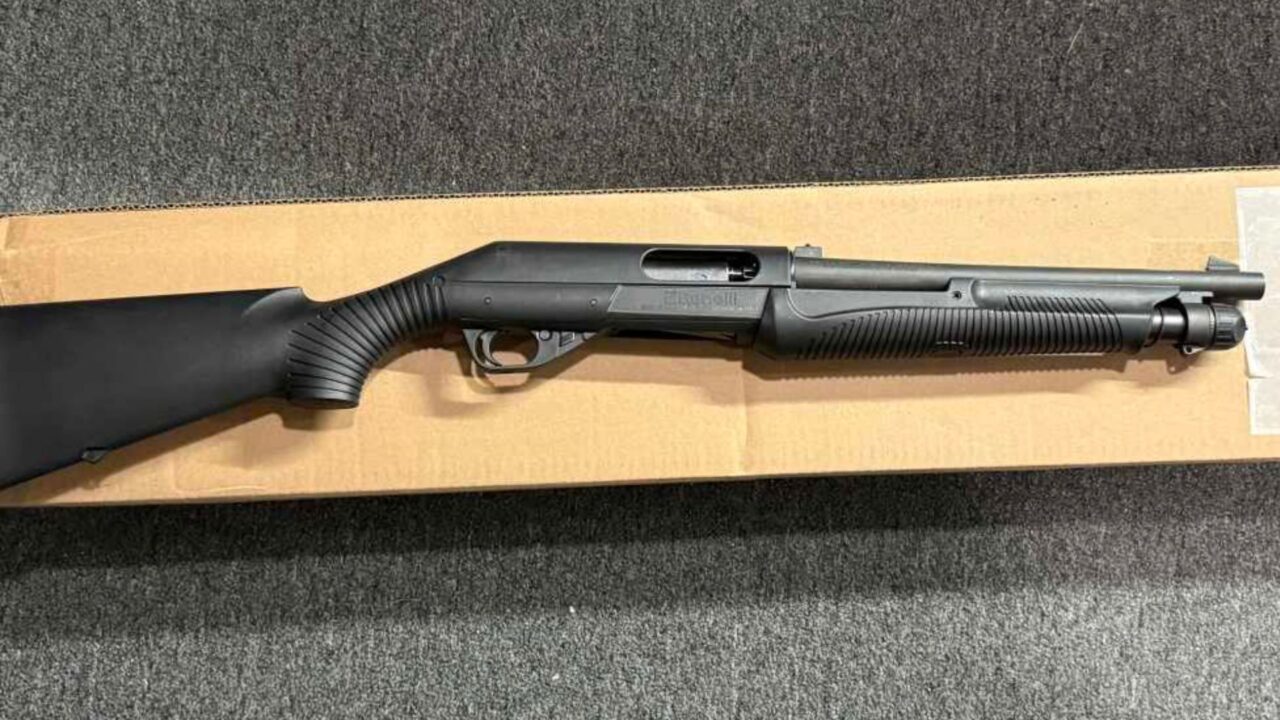
The Nova is tough as a fence post and usually reliable. The regret comes from the way it fits some shooters. The long reach, the bulky feel, and the general “2×4” handling can make a guy dread carrying it all day or trying to shoot it well from weird positions.
It’s a great reminder that reliability isn’t the only factor. If a shotgun doesn’t point naturally for you, you’ll always be behind it, and you’ll always be fighting it. One shot proves it goes bang. A season proves whether it belongs in your hands.
17. Benelli SuperNova (comfort tech that doesn’t fix bad fit)
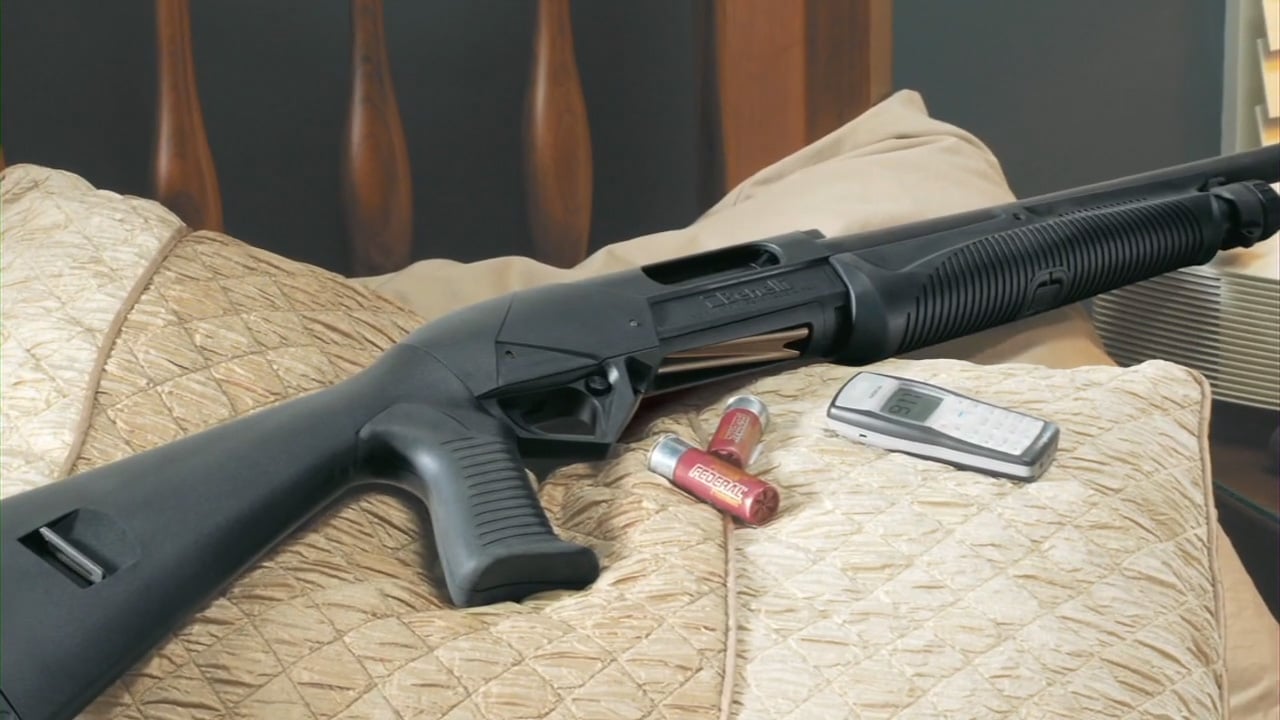
The SuperNova adds features, and some shooters like the recoil reduction. But if the gun doesn’t shoulder right for you, no amount of marketing will make it a natural pointer. I’ve seen guys buy one, shoot one box, and start eyeing their old wood-stock pump like it’s an old friend they ignored.
This is also one of those shotguns where adding gadgets is tempting. Before you know it, you have a heavy, awkward setup that still doesn’t swing right on a crossing bird.
18. Franchi Affinity (inertia gun reality check)

The Affinity is a good shotgun, but it can still hand out regret if you bought it without understanding inertia systems. Light target loads, a less-than-solid mount, or a new shooter with a soft shoulder can all lead to hiccups. The first shot can be perfect. The follow-up is where confidence gets tested.
If you’re a hunter who shoots mostly field loads and mounts the gun like you mean it, you may never see a problem. If you’re trying to use it as a one-gun-for-everything with the lightest loads you can find, you may end up frustrated.
19. SAIGA-12 (and most “needs tuning” imports)

A Saiga-style shotgun can be a blast. It can also be a never-ending hobby gun. One shot is enough to make you feel like you own something special. Then you get into magazines, ammo sensitivity, and the reality that not every example runs out of the box like the internet promised.
There’s also the parts and support angle. If you break something, you don’t just walk into any shop and find what you need hanging on a peg. Owning one can feel like maintaining an old ATV: fun, until it’s the only thing you brought.
20. Rossi Tuffy (.410 single-shot)
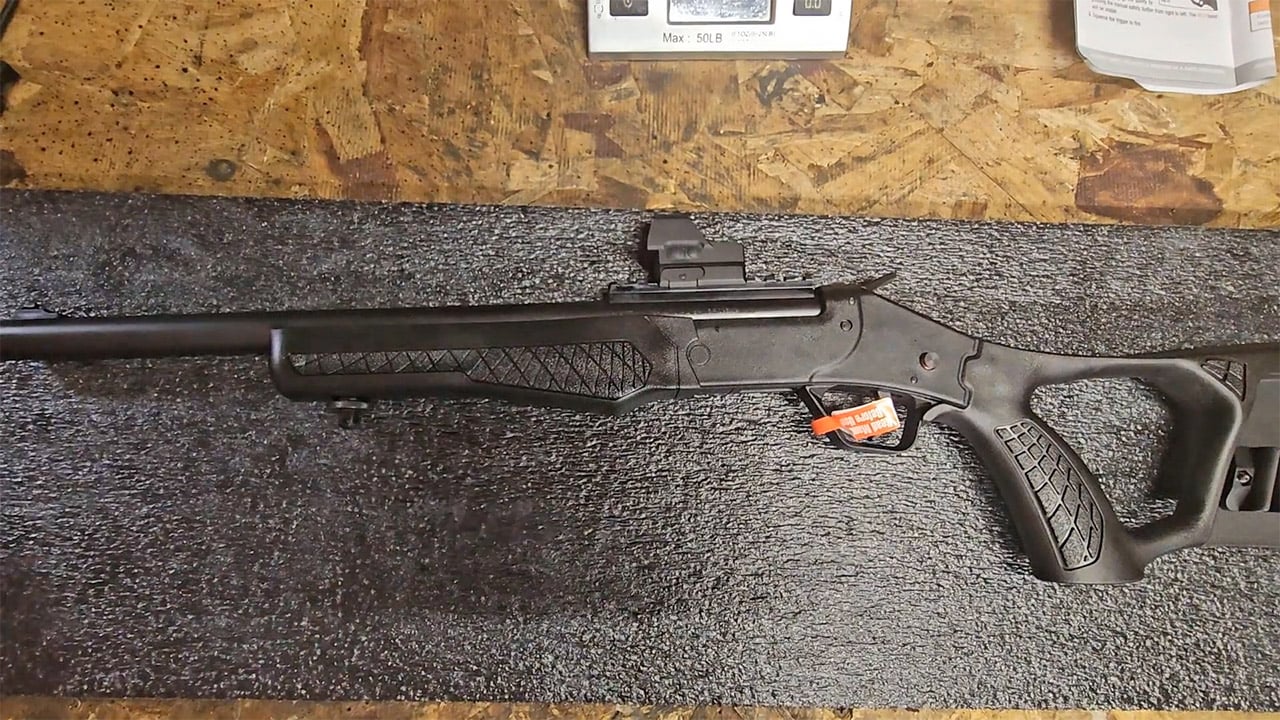
Everybody loves the idea of a simple single-shot, especially in .410. It’s light, it’s handy, and it’s affordable. Then you touch off a shell and realize how light guns can kick sharp, and how a .410 can be less forgiving than folks think when you’re trying to actually hit something on the wing.
The regret comes when it gets handed to a new shooter as a “starter gun.” A lot of beginners would do better with a heavier 20 gauge and a little more shot in the air. One shot will convince you it’s manageable. A full afternoon convinces you it’s not always the friendly little trainer it’s sold as.
A shotgun doesn’t have to be expensive to be good, and it doesn’t have to be pretty to be worth keeping. But if you’re buying on hype, looks, or a rock-bottom price tag, you’re betting that the one thing you can’t fake—reliability and fit—will somehow work out. Do yourself a favor: shoulder it, run the action, shoot it with the loads you’ll actually use, and be honest about what the gun is for. The regrets usually start when we buy a role, not a tool.
Like The Avid Outdoorsman’s content? Be sure to follow us.
Here’s more from us: