Photo credit: ZoranOrcik/Shutterstock.com
Every rifle produces recoil, but some platforms have a reputation for shaking optics loose with a consistency that feels almost predictable. These rifles aren’t failures—they simply generate recoil impulses, vibrations, or harmonic movement that push screws, rings, and mounts harder than typical setups. If you’ve spent time dialing in gear at the range, you’ve probably run into at least one rifle that loosens hardware no matter how carefully you torque it.
Most of the time it comes down to sharp recoil angles, mismatched optics, or designs that flex more than expected under firing. When a rifle bucks hard enough, or vibrates long enough, even quality hardware starts backing out. These rifles repeatedly show up in conversations about guns that test mounts more than they test shooters.
Mosin-Nagant M44
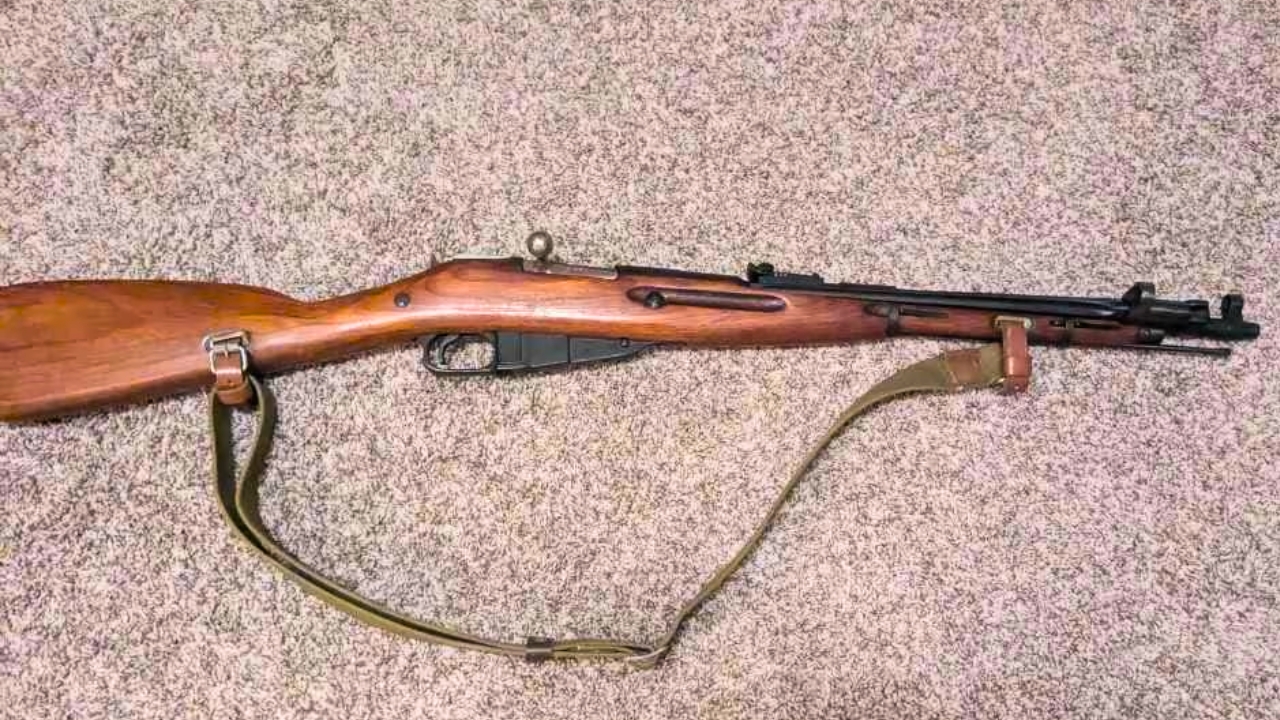
The Mosin-Nagant M44 is compact, heavy-kicking, and known for a recoil pulse that borders on violent with heavier loads. That short barrel amplifies everything, creating a snap that travels directly through the receiver and into any optic mounted on it. The rifle wasn’t designed for scopes in the first place, and aftermarket mounts often rely on side clamps or screws that work loose faster than most shooters expect.
The steel-to-steel impact when the bolt cycles also contributes to vibration. Even when you use Loctite and torque the screws correctly, the M44 has a habit of backing hardware out after a few range trips. Many shooters end up checking their screws after every few groups. You can get an optic to stay put, but the rifle will test every part of the setup.
Marlin 336 in .35 Remington (Heavy Loads)

The Marlin 336 handles well, but when you run hot .35 Remington loads, the recoil climbs into a range that works mounts harder than many shooters anticipate. The rifle’s lighter weight and lever-action design produce a push followed by a noticeable secondary vibration. That combination affects the optic even when mounted with quality rings.
Older models with worn screw threads are especially prone to loosening hardware. Many hunters report checking their scope screws repeatedly during zeroing sessions because the rifle shifts everything around under recoil. If you shoot heavier round-nose bullets at higher velocities, the optic will feel every bit of it. The rifle is completely functional—just hard on gear if you don’t keep an eye on it.
Ruger Gunsite Scout in .308 Win
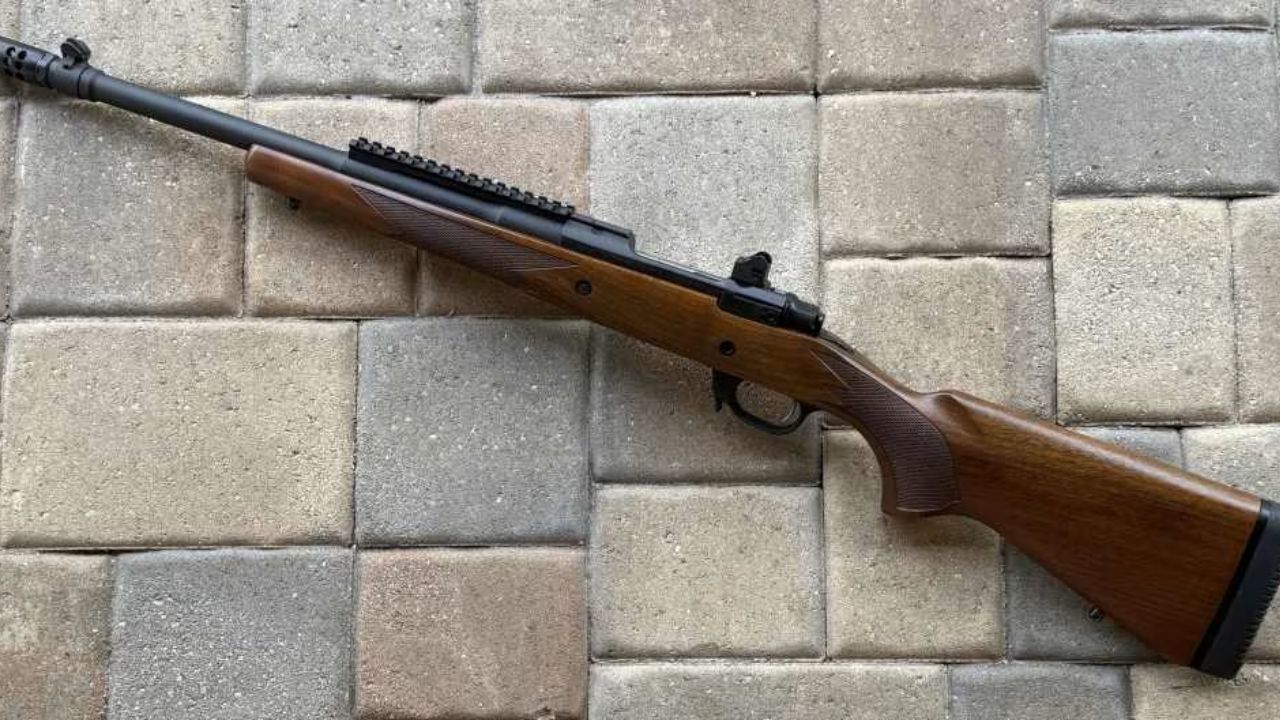
The Ruger Gunsite Scout is handy and fast, but its weight and barrel length give it a sharp recoil impulse in .308. Scopes mounted in the forward “scout” position deal with extra vibration because of how the barrel and rail flex under firing. Even rear-mounted optics aren’t immune, especially if the rifle is shot rapidly.
The action itself is rugged, but the movement through the chassis transfers more energy into the rail than many shooters expect. Rings tend to creep unless properly torqued, and cheaper mounts walk loose almost immediately. Plenty of shooters rely on backup irons because the rifle’s recoil pattern sends lower-end optics sliding in their rings.
Remington 760 Pump-Action in .30-06

The Remington 760 remains a popular pump gun, but its recoil pattern is abrupt and forward-heavy due to the action design. When firing .30-06 loads—especially heavier bullets—the rifle creates a noticeable jolt that shakes optics more than comparable bolt actions. The reciprocating internal parts add to the vibration, making screws loosen after extended sessions.
Older receivers may also have less-than-perfect thread integrity, leading to hardware creeping loose even faster. Hunters who love the handling of the 760 still tend to re-tighten rings every season. The rifle functions well, but the combination of action slap and recoil makes optics maintenance unavoidable.
Winchester Model 94 in .450 Marlin

The Winchester 94 wasn’t originally meant for the kind of power the .450 Marlin produces, and the recoil reflects that mismatch. The rifle launches back into your shoulder with a fast, heavy pulse that travels directly up the receiver walls and into any optic mounted on top. Even strong rails feel the hit.
Because the rifle is lightweight, all that recoil energy has nowhere to go except into the optic hardware. Shooters often report screws backing out mid-session and rings shifting slightly after only a few rounds. The rifle shoots fine with irons, but adding a scope turns into an exercise in constant tightening.
Savage 110 Ultralite in .300 Win Mag

The Savage 110 Ultralite is a featherweight rifle chambered in a cartridge known for stout recoil. That combination always tests optics. The light carbon-wrapped barrel and skeletonized action reduce weight, but they also increase vibration at the shot. Scopes mounted on rifles this light tend to creep unless mounted flawlessly.
Shooters who use heavy bullets or high-velocity loads see mounts come loose sooner than expected. While the accuracy is excellent, the rifle simply shakes more due to its minimal mass. If you run a 110 Ultralite in .300 Win Mag, checking your screws becomes part of the routine.
Marlin 1895 Guide Gun in .45-70

The 1895 Guide Gun pushes large, slow bullets with heavy recoil. The straight-stock design amplifies the movement, sending a firm jolt through the rifle with every shot. When you add the flex of the wood or laminate stock, you create a vibration pattern that’s rough on optics.
Even high-quality mounts can lose tension over time. Shooters who use stout handloads or Buffalo Bore-level ammunition often watch their scopes move in the rings. Many end up switching to ghost-ring sights because the rifle simply hits too hard for lightweight optics or budget mounts to survive long-term.
Ruger No. 1 in .416 Rigby
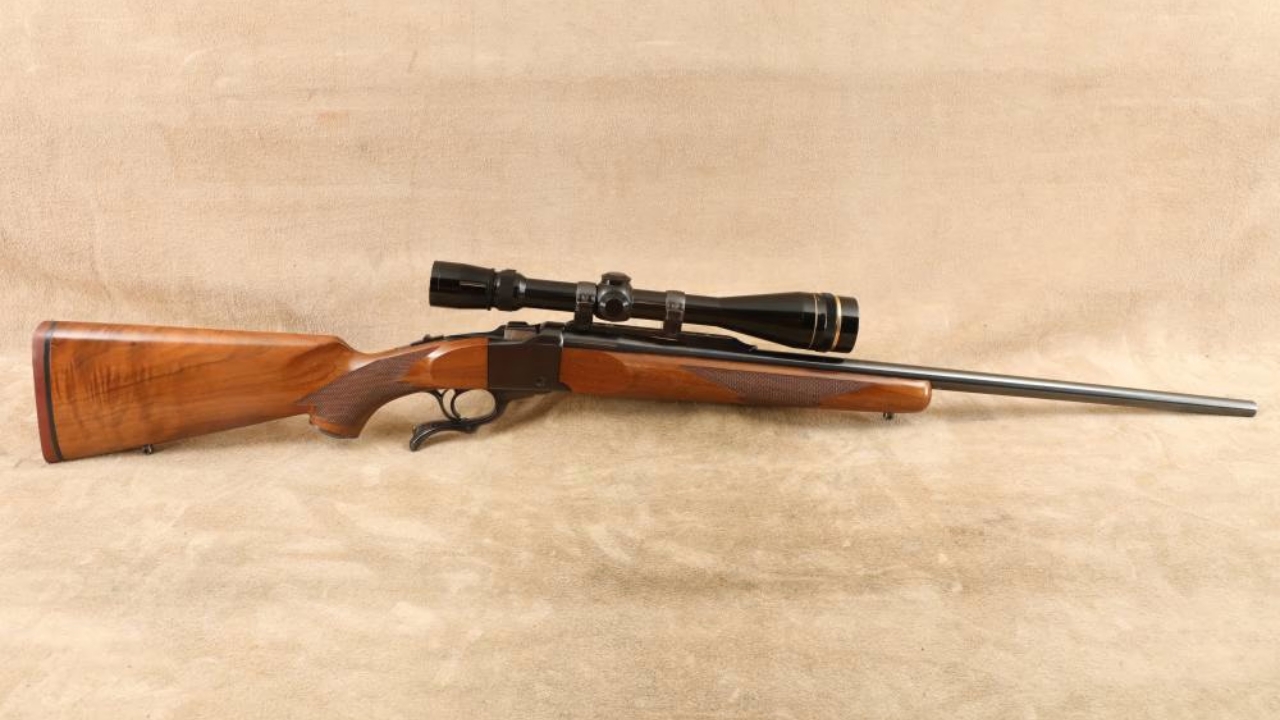
The Ruger No. 1 is beautifully balanced, but in .416 Rigby, the recoil is substantial. The falling-block action transfers energy straight back into the optic with minimal buffering. Scopes mounted on these rifles experience a significant shock wave with every shot.
Most shooters who run a No. 1 in this chambering use top-tier rings, yet even those sometimes shift after heavy range sessions. The rifle is accurate and strong, but the caliber produces recoil that tests every screw on the gun. Anyone running dangerous-game loads becomes familiar with re-tightening hardware.
SKS Rifles with Aftermarket Receiver-Cover Mounts
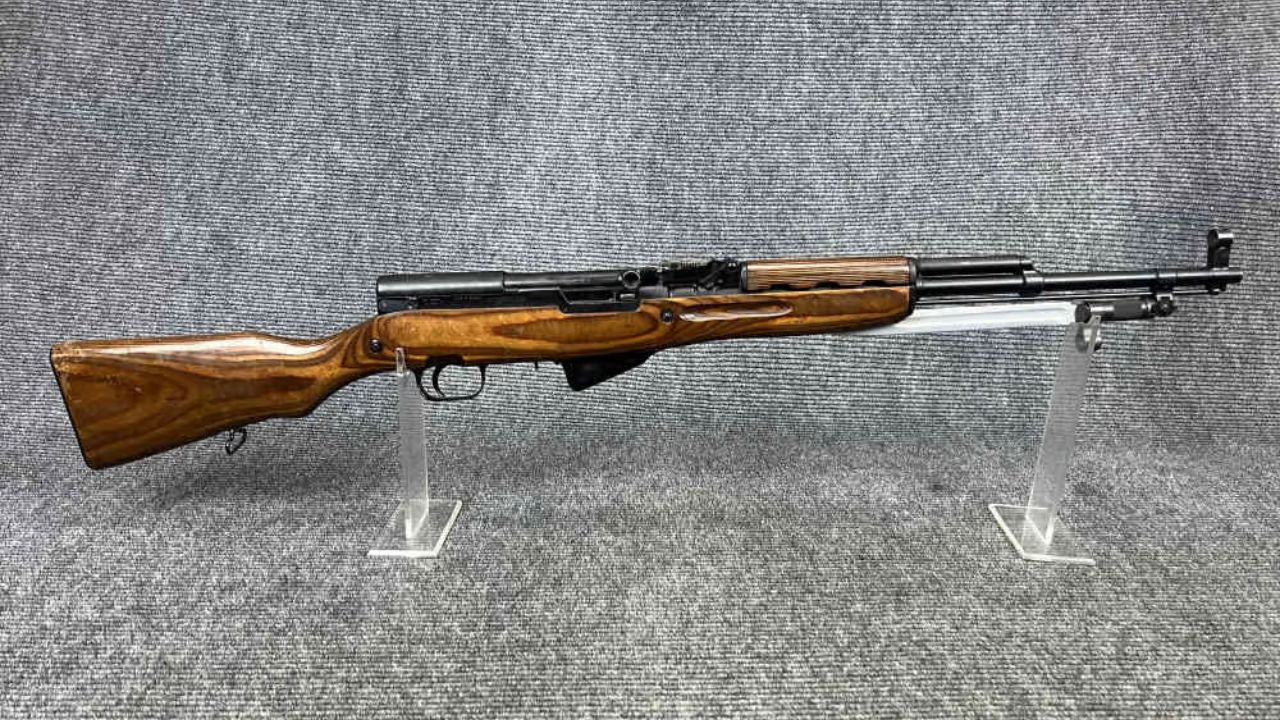
The SKS itself isn’t hard on optics, but many owners use receiver-cover mounts that rely on friction or small screws. Those mounts simply don’t stay secured under firing. The rifle’s long-stroke piston generates a noticeable vibration that causes the cover to move slightly with each shot, shaking optics loose consistently.
Even well-fitted aftermarket covers rarely hold zero for long. The rifle shoots reliably, but the design was never meant for a scope mounted on a removable piece. Many shooters give up and mount optics on side rails or go back to irons altogether.
Henry Single-Shot Rifles in .308 and .45-70

Henry’s single-shots are lightweight and produce sharp recoil in bigger calibers. Because the rifles don’t have the mass to soften the shot, the optic receives a sudden, focused punch every time the gun fires. That abrupt movement causes screws to walk loose faster than on heavier rifles.
Some shooters also notice slight stock flex, adding vibration into the mix. Even quality mounts can shift after repeated shooting. These rifles handle well and carry beautifully, but they require frequent optic checks if you plan to shoot more than a few rounds with full-power ammunition.
Weatherby Vanguard Synthetic in .300 Weatherby Magnum

The .300 Weatherby Magnum produces brisk recoil, and the synthetic-stock Vanguard channels that energy directly into the receiver. When fired from a lightweight stock, the rifle moves sharply, creating enough motion to loosen lower-end optic mounts in short order.
Even premium rings benefit from regular torque checks. Shooters running long-range loads experience additional vibration due to the rifle’s barrel harmonics. The Vanguard is capable and accurate, but the combination of pressure and stock construction means optics take a beating if not secured perfectly.
Winchester Model 70 Featherweight in .270 Win

The Model 70 Featherweight handles wonderfully in the field, but its low mass means recoil feels more abrupt than on heavier rifles. Even in .270 Win—normally a smooth shooter—the light platform creates quick upward movement that tests optic screws.
The rifle’s accuracy is excellent, but the recoil pulse can cause rings to shift slightly over time. Hunters who shoot several boxes a year often notice they need to re-tighten hardware more often than with heavier rifles. The design is proven, but its weight works against optics stability.
Remington 742 Woodsmaster in .30-06
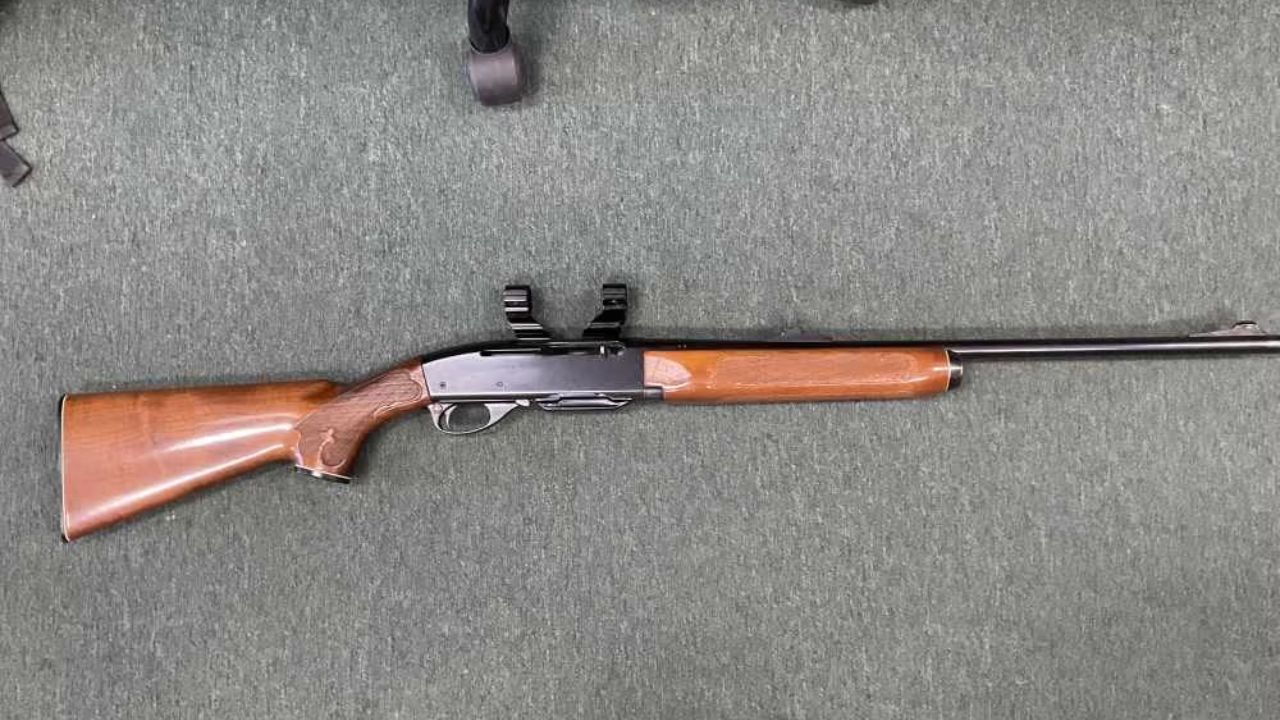
The Remington 742 uses a semi-auto action that produces noticeable vibration through the receiver. Combine that with .30-06 recoil and older wood stocks, and you have a rifle that shakes optics loose if screws aren’t torqued perfectly.
Wear in older receivers increases the issue. Mounts that once held firm may start walking over time. Many hunters keep a screwdriver in their pack because the gun shifts hardware after long shooting sessions. The rifle runs well overall, but it demands attention to optics more than most semi-autos.
Tikka T3 Superlite in .300 Win Mag

Tikka’s Superlite rifles deliver excellent accuracy, but the weight savings amplify recoil. In .300 Win Mag, the recoil pulse is fast and sharp, causing mounts to shift if they’re not rock solid. The flexible synthetic stock also adds vibration, which spreads through the receiver and into the optic.
Many shooters report needing thread locker and higher-end rings to keep everything stable. The rifle is a joy to carry, but the tradeoff is that scopes require more maintenance than on heavier platforms.
Rossi R92 in .44 Magnum

The Rossi R92 is compact and handy, but in .44 Magnum, the recoil snaps hard. Lever guns with light barrels transmit recoil differently than bolt-actions, producing a whip-like motion that moves optics even under moderate loads.
Because most mounting solutions rely on top rails added to the barrel or receiver, screws often loosen faster than expected. The rifle shoots well with irons, but scopes always seem to need tightening after a few sessions. Many owners simply accept that optics maintenance is part of running a pistol-caliber lever gun.
Like The Avid Outdoorsman’s content? Be sure to follow us.
Here’s more from us: