Photo credit: Fit'n Fire/YouTube
Some guns get bought because they fill a temporary need. Maybe it is a starter rifle, a first carry pistol, a range toy, or a practical hunting gun that seems good enough for now. Then enough time passes, enough rounds get fired, and that gun quietly becomes one of the last things the owner would actually sell. That is usually not because it is flashy. It is because it keeps proving itself in ways that matter more than first impressions do.
Experienced owners tend to hang on to guns that make life easy. They shoot well, carry well, hold up, and keep their value in the most important sense of the word: usefulness. Some have real sentimental weight, but plenty stay simply because they are too dependable, too enjoyable, or too well-suited to their role to replace without a good reason. These are the guns that survive purges, trend cycles, and second thoughts because owners know exactly what they have.
Glock 19
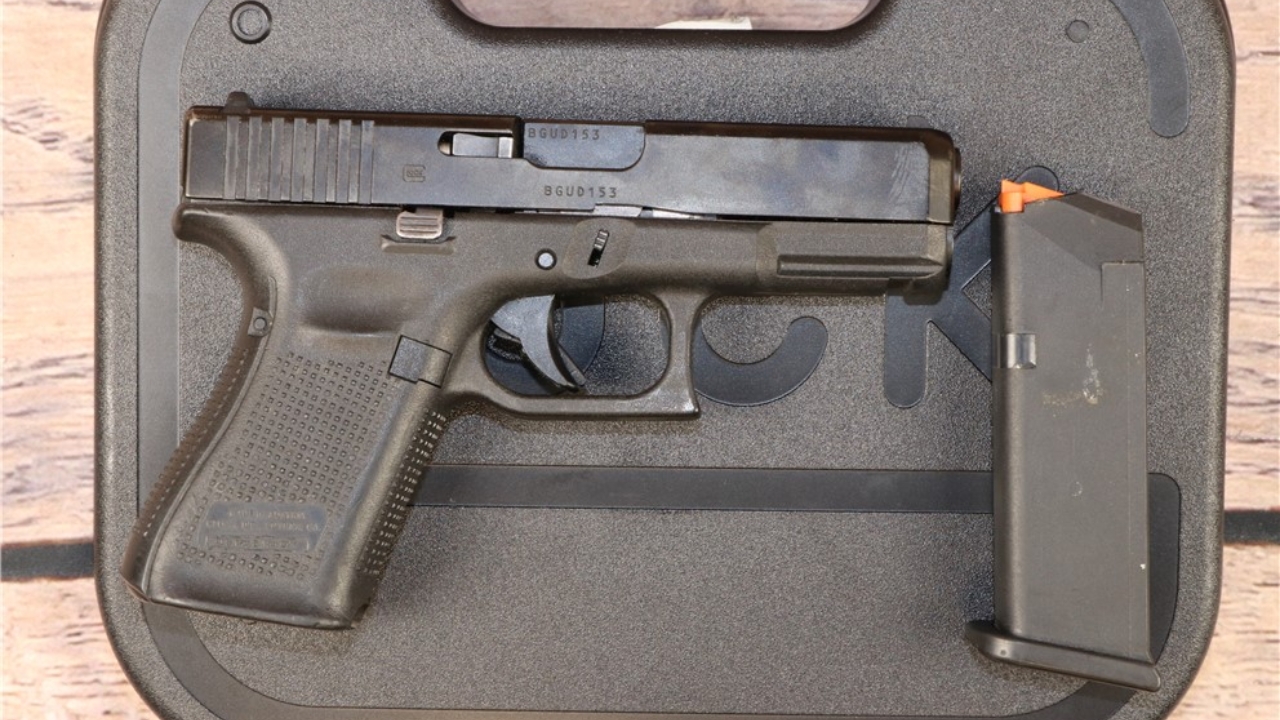
The Glock 19 is one of those pistols owners often think they might outgrow, then never really do. At first it can seem like the obvious practical choice, almost too obvious. Then years go by, other pistols come and go, and the Glock 19 is still there because it keeps doing the important things well. It carries easily enough, shoots well enough, and stays simple enough that a lot of experienced owners stop seeing any strong reason to move on from it.
That kind of staying power matters. A pistol does not survive multiple trade temptations unless it keeps earning its spot. The Glock 19 often becomes the handgun owners compare everything else against, even when they are not especially sentimental about it. It is hard to sell a pistol that has already proven it can fill so many roles without drama. That is why so many experienced shooters end up keeping one around.
Smith & Wesson Model 686

The Model 686 is a gun experienced owners tend to hang on to because a good .357 revolver keeps finding ways to stay useful. It can be a range gun, a home-defense revolver, a field sidearm, or simply one of the most satisfying handguns to shoot when you want something solid and honest in your hands. There is also a level of confidence that comes with a well-built double-action revolver, and the 686 gives that in a very clear way.
Owners also keep them because they age well. A 686 does not suddenly feel obsolete because the market got louder about optics-ready pistols or higher capacity. It remains what it always was: a strong, capable revolver that shoots well and tends to outlast trends. Experienced owners know the value of a handgun that still feels right after years of use, and the 686 fits that description extremely well.
Ruger 10/22
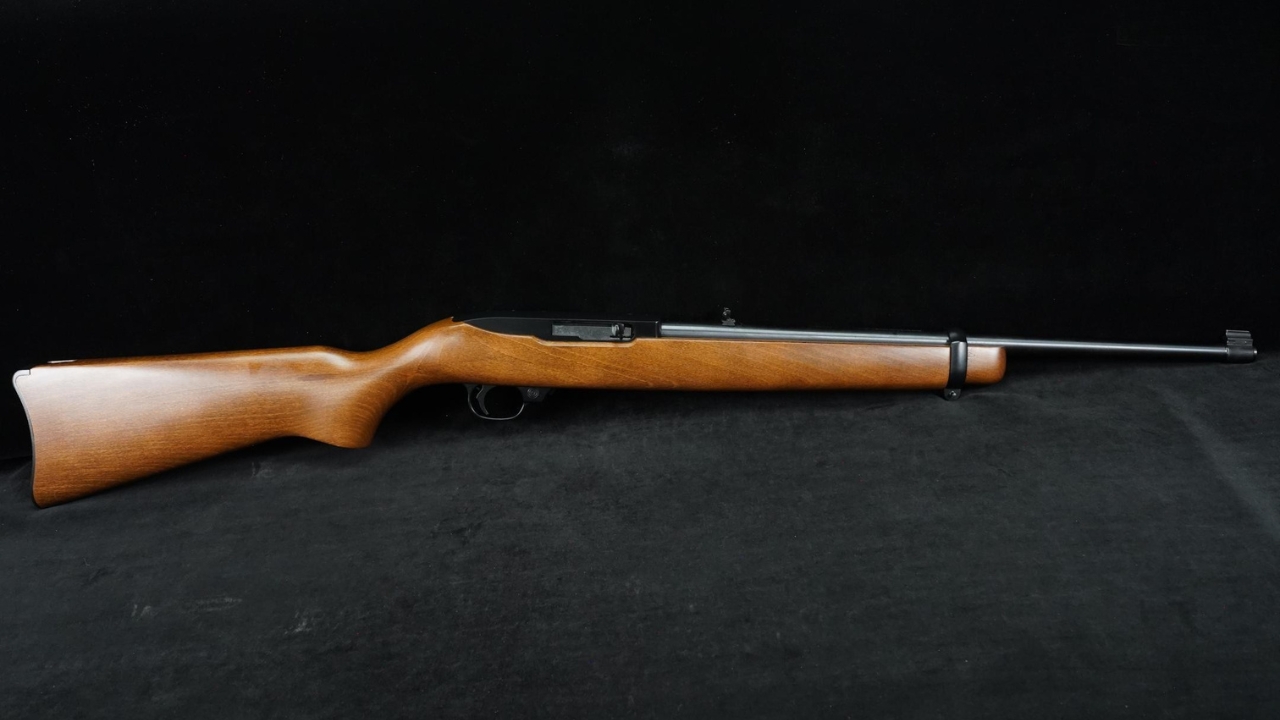
The Ruger 10/22 tends to stay because it is almost impossible to regret owning one for very long. It starts as a cheap range rifle, a small-game gun, a youth trainer, or just something fun to keep around. Then it keeps proving useful in all of those roles, often at the same time. The rifle is easy to shoot, easy to feed, and easy to hand to new shooters without turning the whole day into a complicated lesson.
What makes experienced owners hang on to it is that it never stops being relevant. Even people with safes full of centerfire rifles still find room for a 10/22 because it fills a place nothing else quite replaces. It is the kind of rifle that stays fun, stays practical, and keeps reminding its owner why simple, useful guns are so hard to beat. That sort of value is hard to talk yourself into selling.
Colt Government Model 1911
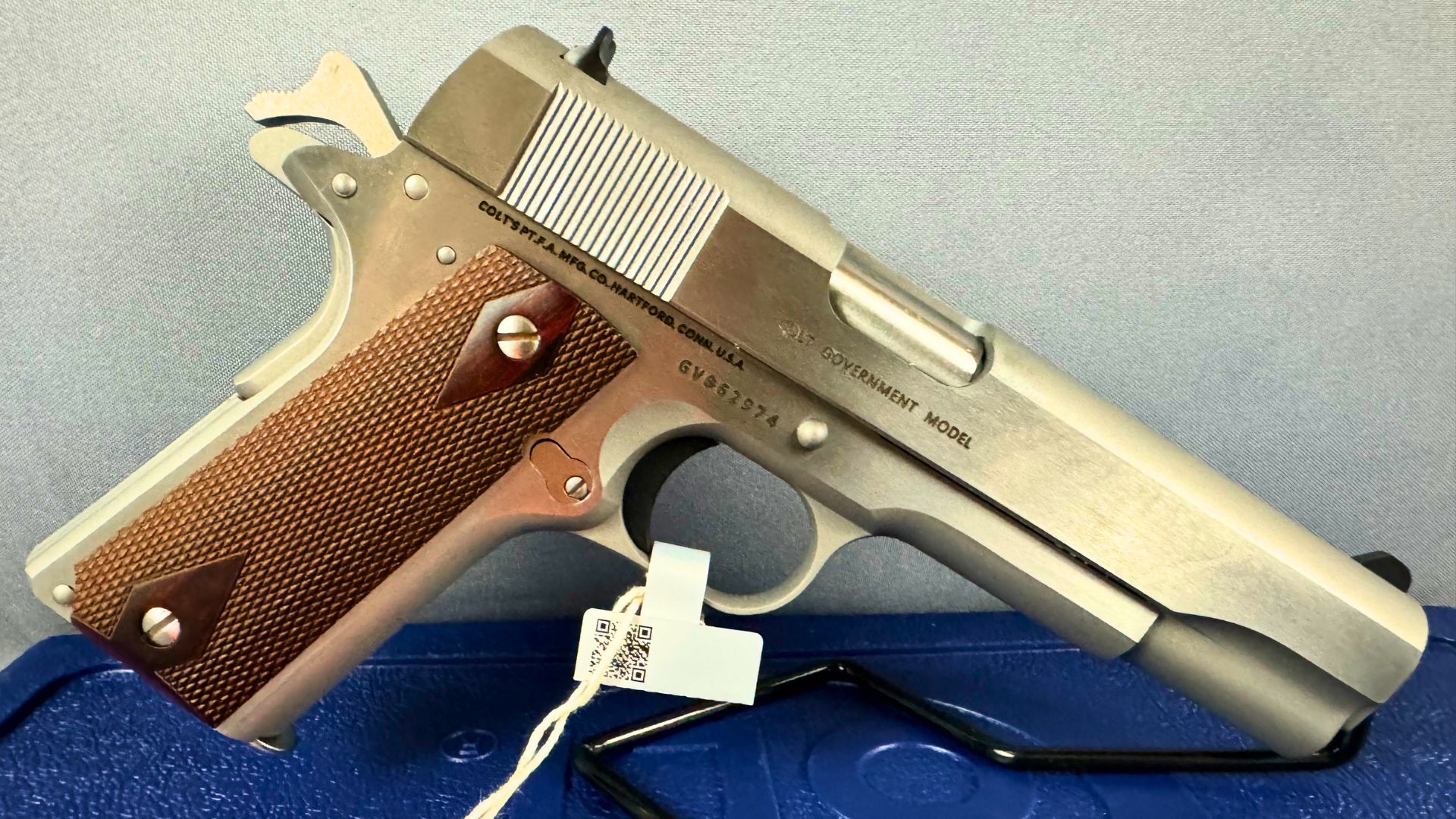
A good Government Model 1911 is something a lot of experienced owners refuse to part with because it offers a shooting feel that never really gets old. The trigger, the slim grip, and the way the gun points all combine into something that still feels right, even in a market packed with modern alternatives. Owners may buy one out of curiosity or respect for the platform, then keep it because it turns out to be more rewarding than expected.
These pistols also stay because they carry more personality than many newer guns. A well-sorted 1911 does not feel generic. It feels specific, deliberate, and worth understanding. Experienced owners often value that more over time, not less. Even if it stops being the gun they carry the most, it often stays in the safe because it is too satisfying, too proven, or too meaningful to replace with something that only looks more current.
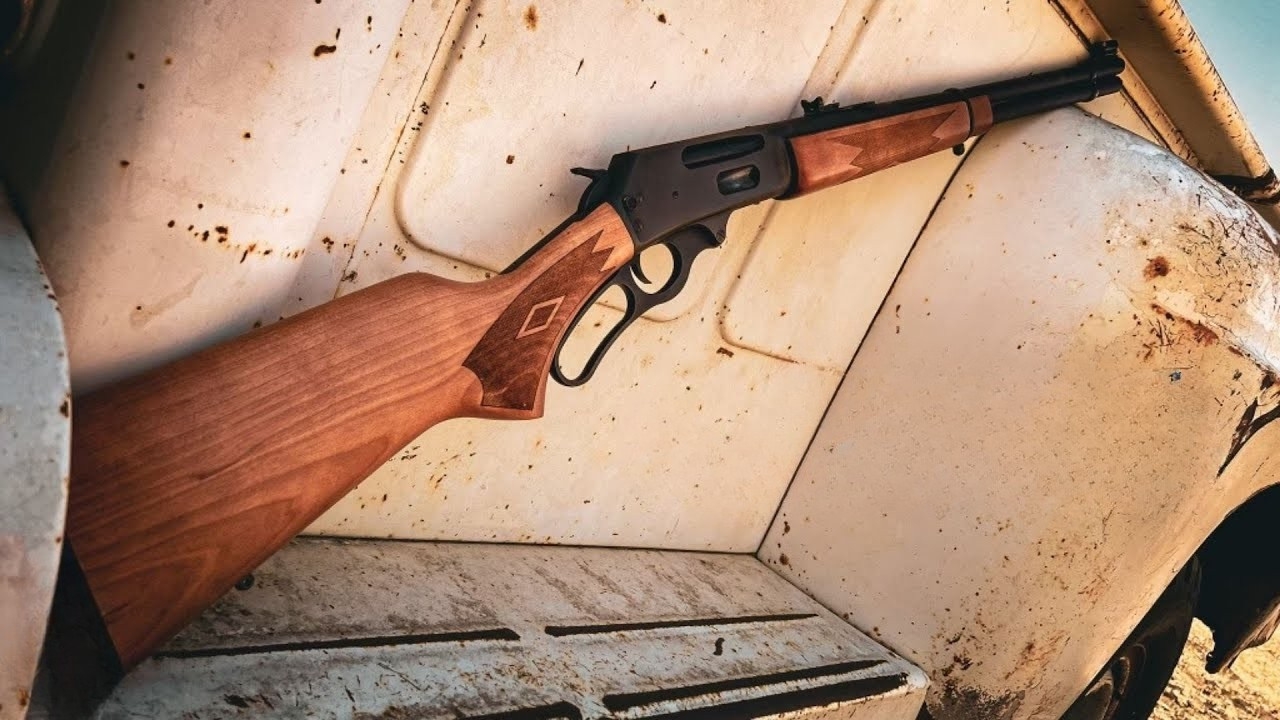
Marlin 336

The Marlin 336 is a rifle people tend to keep because it makes ordinary woods hunting feel exactly the way they want it to feel. It carries easily, comes to the shoulder quickly, and feels natural in thick country where shots happen fast and inside sensible distances. A lot of owners buy one for a specific purpose, then realize the rifle has a way of becoming part of the rhythm of deer season itself.
That matters more than raw specifications. Experienced owners know when a rifle fits their real hunting life, and the 336 often fits it so well that selling it starts to feel like giving up something genuinely useful. It may not be the rifle for every landscape, but inside its lane it feels so right that many people see no reason to let it go. Guns with that kind of field fit tend to stick around.
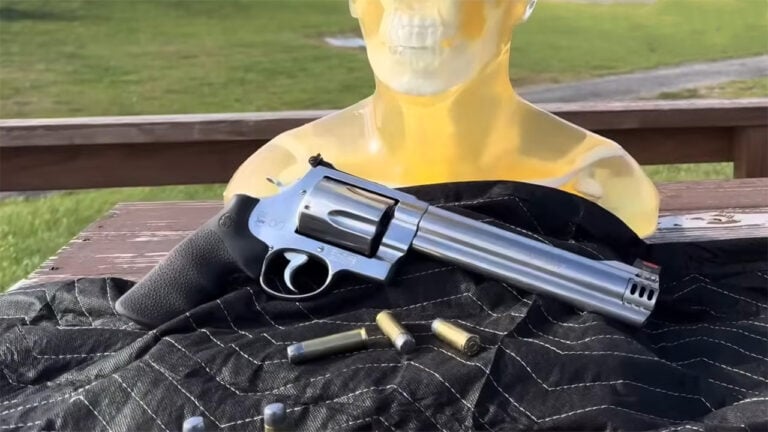
Smith & Wesson Model 642

The Model 642 stays because experienced carriers understand how hard it is to replace a handgun that is this easy to keep on you. It is not the most pleasant gun to shoot and not the highest-capacity option in the world, but it solves a carry problem that never really goes away. When a person needs something light, simple, and easy to conceal, the little J-frame still makes an awfully strong case for itself.
Owners tend to hang on to one because they know there will come a time when its role makes sense again. Even after moving to larger pistols or more modern carry setups, many experienced shooters keep a 642 because they trust it and know its value. It is the sort of handgun that may leave daily rotation for a while, then quietly return the moment convenience starts mattering more than theory.
Browning Citori
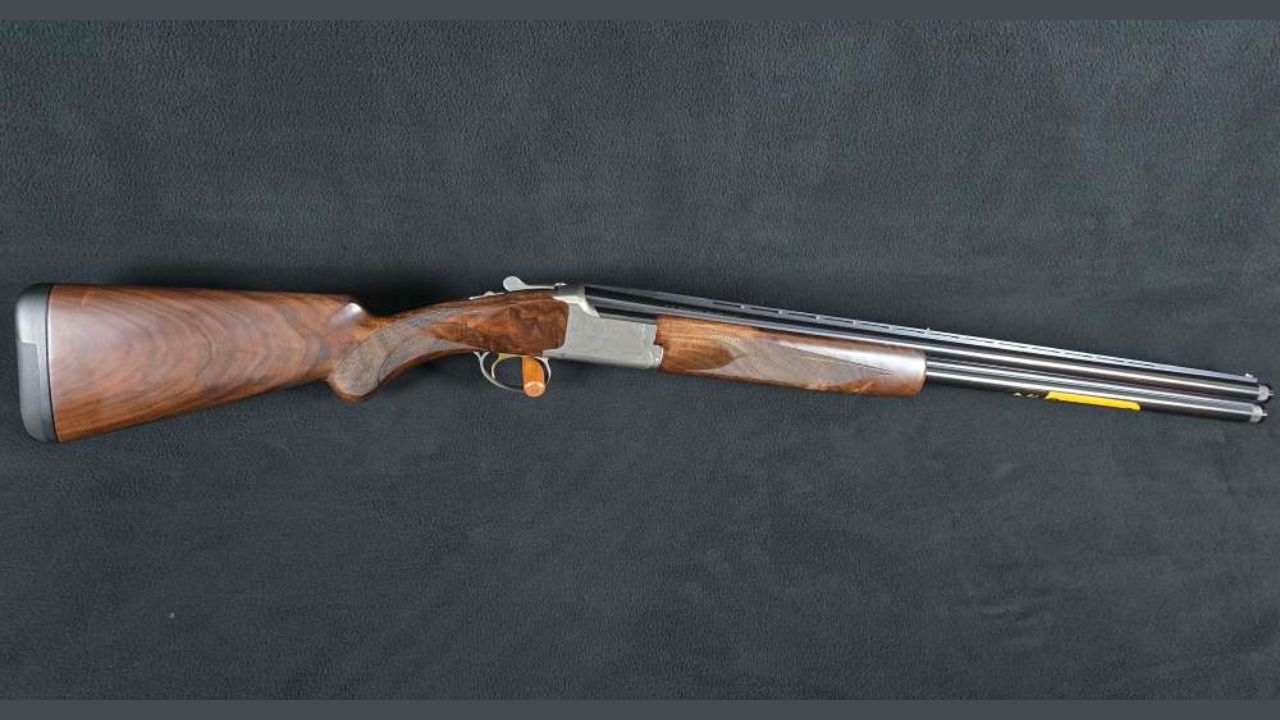
The Browning Citori tends to stay because it is one of those shotguns that rarely leaves an owner feeling shortchanged. It points well, handles serious use, and has enough quality behind it that people buy it with the idea of long-term ownership already in mind. Then real use confirms that decision. Bird hunting, clays, and general sporting use all tend to strengthen the owner’s attachment instead of wearing it down.
Experienced owners hang on to them because a Citori often feels like a shotgun that is already good enough to stop searching. That is a big reason guns survive in the safe. Once a shooter feels he has a dependable, capable over-under that truly fits him, there is not much reason to part with it. A gun that keeps performing and keeps feeling right rarely becomes expendable.
SIG Sauer P226

The P226 is a pistol owners tend to keep because it builds trust slowly and then holds onto it. It feels substantial, shoots smoothly, and carries the kind of durability and composure that serious shooters notice once they spend enough time with it. It may not always be the first handgun someone grabs for concealed carry, but it often becomes one of the last pistols they would willingly part with.
Part of that is the shooting experience. The P226 feels like a service pistol in the best sense of the term, and owners who learn its system often value that more over time. It is not trendy, and that helps. It is a pistol people keep because it does not feel temporary. Once a handgun proves itself in that way, experienced owners usually decide it has already earned a permanent place.
Ruger GP100

The GP100 tends to stay because it is one of those revolvers people buy expecting utility and then keep because it turns out to be more satisfying than they planned. It is strong, steady, and built in a way that encourages confidence with full-power magnum loads. Owners quickly learn that it is not delicate, not fussy, and not especially interested in being anything other than a dependable working revolver.
That kind of honesty makes it hard to sell. Experienced owners understand the value of a gun that can be used hard without much worry, and the GP100 gives exactly that. It also helps that the revolver is simply enjoyable in a very direct way. A gun that stays useful, stays durable, and stays fun usually survives the urge to thin the safe. The GP100 has all three working in its favor.
Winchester Model 70

The Model 70 tends to stay because hunters often feel like they own a real rifle the moment they start carrying one. It has a shape, balance, and presence that make it more than another bolt gun with acceptable accuracy. A lot of owners buy a Model 70 because they admire the name or the controlled-feed design, then keep it because the rifle genuinely feels good in the field and becomes hard to replace emotionally or practically.
Experienced hunters also know that rifles with real handling quality do not come along every day. Once a Model 70 becomes the rifle that keeps going to camp, keeps shooting where expected, and keeps feeling right in the hands, the idea of selling it starts sounding foolish. Guns get kept when they stop feeling like inventory and start feeling like part of the hunt. The Model 70 often crosses that line.
Ruger Blackhawk
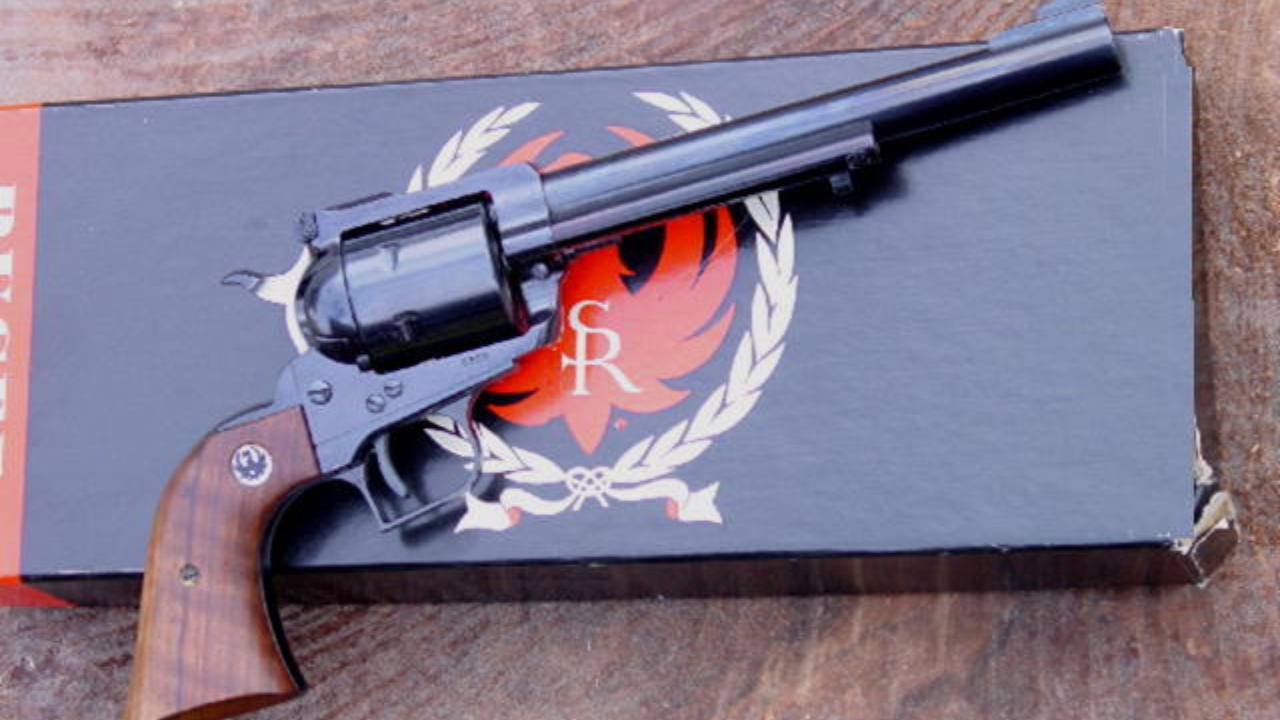
The Ruger Blackhawk tends to stay because single-action revolvers still speak clearly to experienced owners who appreciate strong, purposeful field guns. It may not be the most common handgun to carry every day, but it is the kind of revolver that keeps making sense in the woods, at the range, and for people who simply enjoy a gun with some mechanical character. It feels robust, capable, and built to last.
Owners keep them because the Blackhawk fills a role few other handguns fill quite the same way. It is useful, distinct, and satisfying in a way that modern polymer pistols are not trying to be. Experienced shooters often hang on to guns that give them something specific and memorable, especially when those guns also hold up to real use. The Blackhawk does that, which is why it tends to survive safe cleanouts.
Beretta 92FS
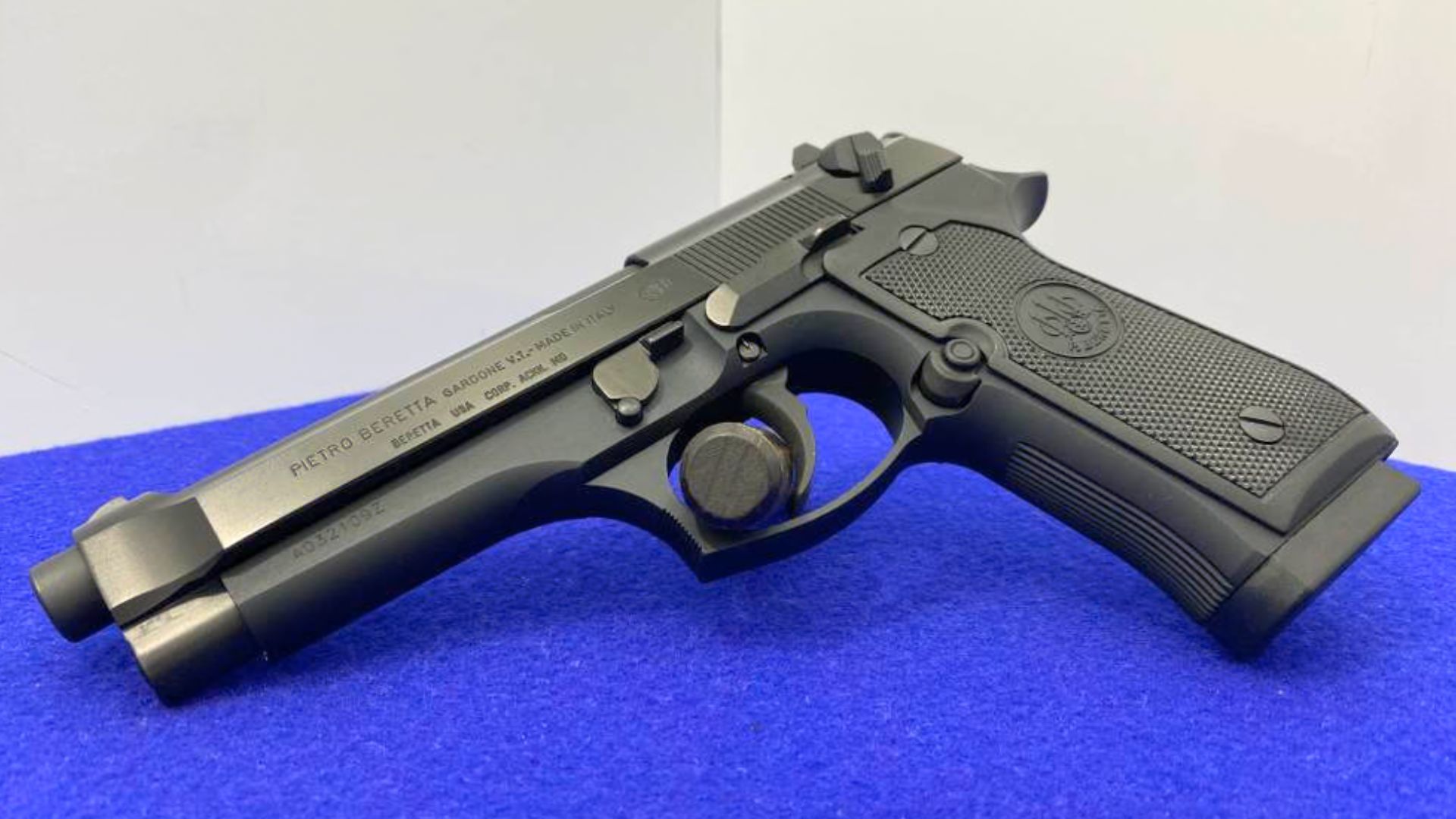
The Beretta 92FS tends to stay because a lot of owners go through the same pattern with it. At first they respect it. Then they shoot it enough to understand it. After that, it becomes very difficult to get rid of because it keeps delivering a soft, steady shooting experience that many handguns cannot match. Its size may push some owners toward more compact options for daily use, but the pistol itself often proves too enjoyable and too dependable to part with.
Experienced owners know when a gun offers something that newer designs do not fully replace. The 92FS has that quality. It may not dominate every role, but it still feels excellent in its lane. Guns that are pleasant to shoot, reliable, and iconic without being useless rarely leave the safe once an owner really bonds with them. The Beretta 92FS has kept a permanent place in plenty of collections for exactly that reason.
Remington 870 Wingmaster
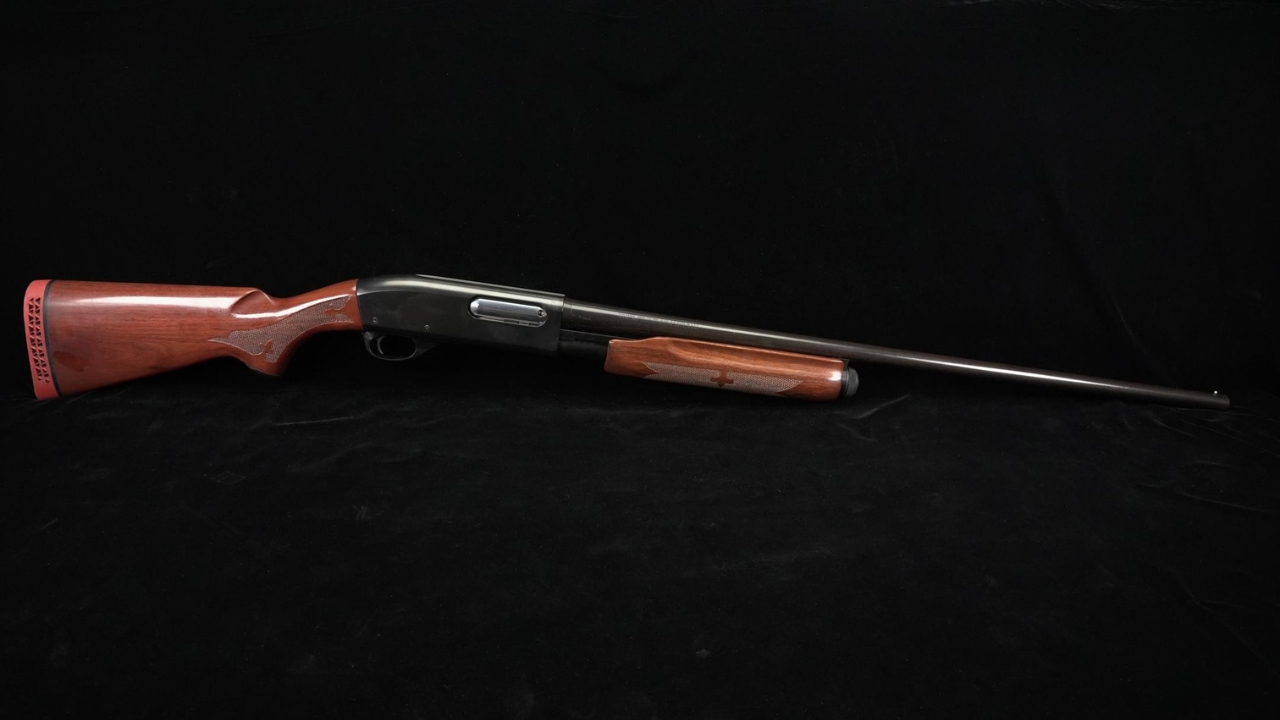
The 870 Wingmaster stays because a smooth, well-used pump shotgun becomes one of those tools owners stop questioning entirely. It works, it handles naturally, and it tends to earn trust in the field faster than many flashier guns. A lot of experienced owners have sold other shotguns and later regretted it. The Wingmaster is often the one they know better than to let go, especially once they have hunted with it enough to build a real history.
That history matters. A shotgun that has followed someone through seasons of birds, deer drives, camp chores, and general use starts becoming something more than a purchase. It becomes familiar in the best way possible. Experienced owners often hang on to guns that still feel honest after years of work, and the 870 Wingmaster fits that description better than most.
CZ 75

The CZ 75 tends to stay because owners who really spend time with one usually end up appreciating it more, not less. It may not always be the pistol that grabs the most attention from people who have not shot one, but the ones who own them often become very loyal. The ergonomics, steel-frame stability, and overall shooting feel make it one of those handguns that quietly earns a permanent place once the owner starts seeing what it does well.
Experienced shooters also tend to value pistols that reward skill and familiarity, and the CZ 75 does that in a big way. It feels solid, tracks well, and carries enough personality to avoid becoming just another utilitarian semi-auto. Guns that combine real performance with a sense of character usually get kept, especially by owners who know how rare that combination can be.
Tikka T3x Lite

The Tikka T3x Lite tends to stay because many hunters buy it as a practical solution and then realize it already does nearly everything they hoped a future upgrade would do. It is light, accurate, and easy to trust, which is a powerful combination in a hunting rifle. A lot of people assume they will eventually replace it with something more premium, more specialized, or more expensive. Then a few seasons pass, and the rifle keeps making that idea feel unnecessary.
That is why experienced owners hang on to them. A rifle that carries easily and keeps delivering honest results has a way of becoming permanent before anyone says so out loud. The Tikka may not create the strongest emotional first impression of every rifle in camp, but it tends to create something better: long-term trust. That kind of trust usually keeps a gun right where it is.
Like The Avid Outdoorsman’s content? Subscribe to our newsletter so you never miss an article.
Here’s more from us: