Photo credit: 1957Shep/YouTube
Pawn shops are funny places. One minute you’re staring at a rack of beat-up “project guns” with missing magazines, and the next minute there’s a real-deal workhorse sitting there with a tag that tells you the person behind the counter doesn’t quite know what it is. Not every deal is a steal, and not every “old gun” is a collectible, but there are patterns to what gets priced wrong.
The trick is learning what pawn shops tend to undervalue (boring, durable, blue-collar guns) and what they tend to overvalue (anything wearing tacticool furniture or a “custom” rattle-can paint job). Below are 20 specific models I keep seeing mispriced, plus the quick tells that can help you spot one before somebody else walks in at lunch and beats you to it.
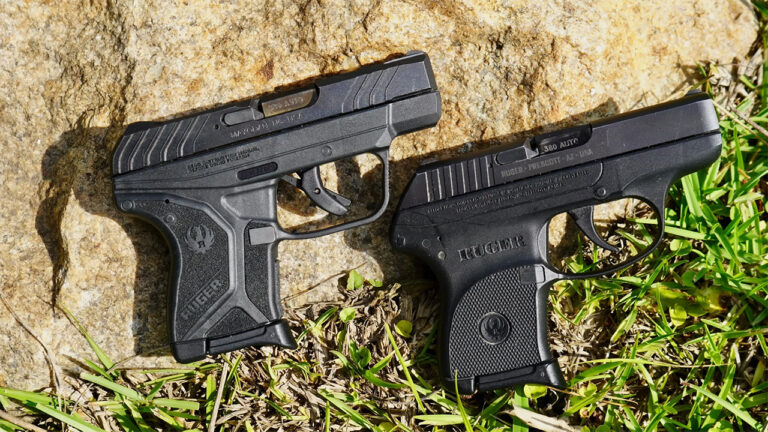
1. Ruger P95
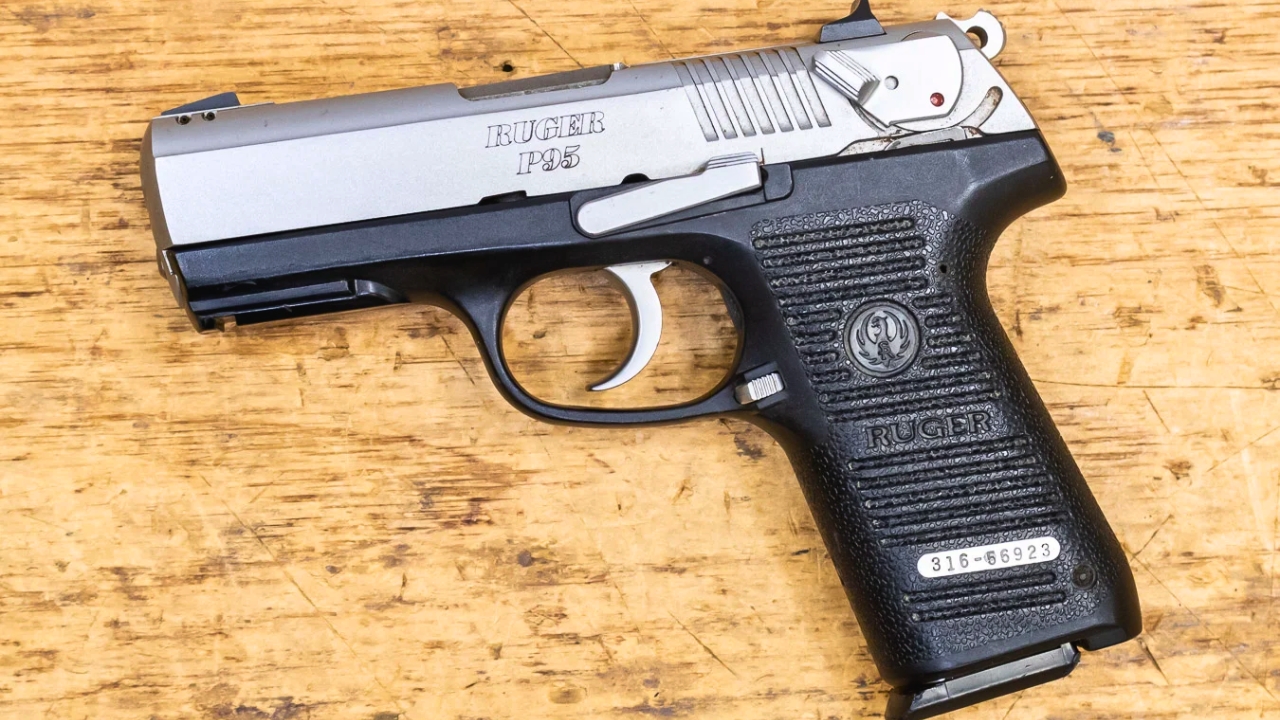
This is one of the best examples of “too ugly to get respect.” The P95 is chunky, plain, and it won’t win any style contests in the glass case. That’s exactly why it gets tagged like it’s disposable.
Pick it up and run the slide a few times. If it’s not gritty and the frame rails don’t look chewed up, you’re looking at a pistol that tends to just run. Bonus points if it comes with Ruger mags, because random off-brand mags are where reliability stories get invented.
2. Smith & Wesson Model 10
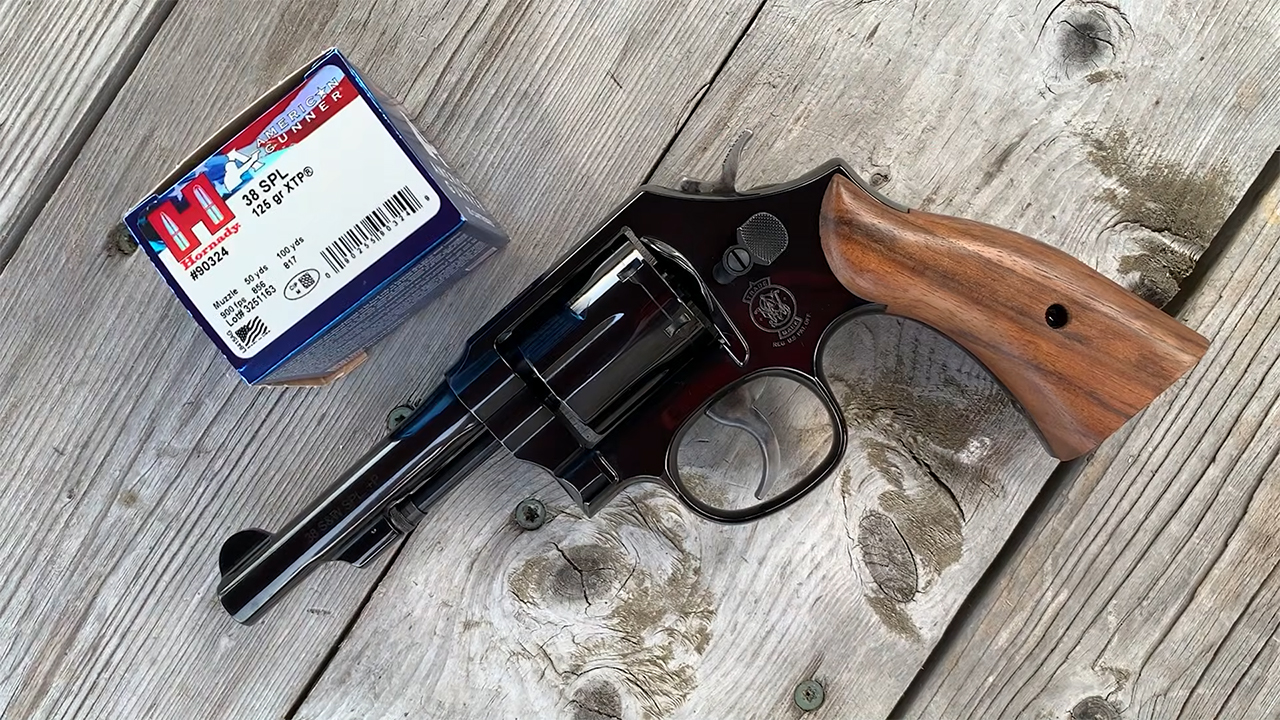
A clean Model 10 is still one of the best “do everything” revolvers ever made, and pawn shops constantly price them like any other old wheelgun. I get why: blued steel and fixed sights don’t scream “hot item” in a polymer world.
Open the cylinder and check timing and lockup. If it locks tight and the cylinder gap isn’t wild, you’ve got a revolver that will outlast most of what’s being sold new today. If the grips are rough or mismatched, don’t panic—that’s usually a negotiation gift.
3. Mossberg 500 (older blued, wood-stock guns)

When a Mossberg 500 is wearing honest walnut and bluing instead of a pistol grip and a heat shield, it somehow becomes “just a bird gun” in a lot of pawn shops. That’s where you can win.
Look for a smooth action and a barrel that hasn’t been dented from riding behind a truck seat. The 500’s value is in being useful, not fancy, and the older ones with decent wood are getting harder to find in good shape.
4. Remington 870 Wingmaster
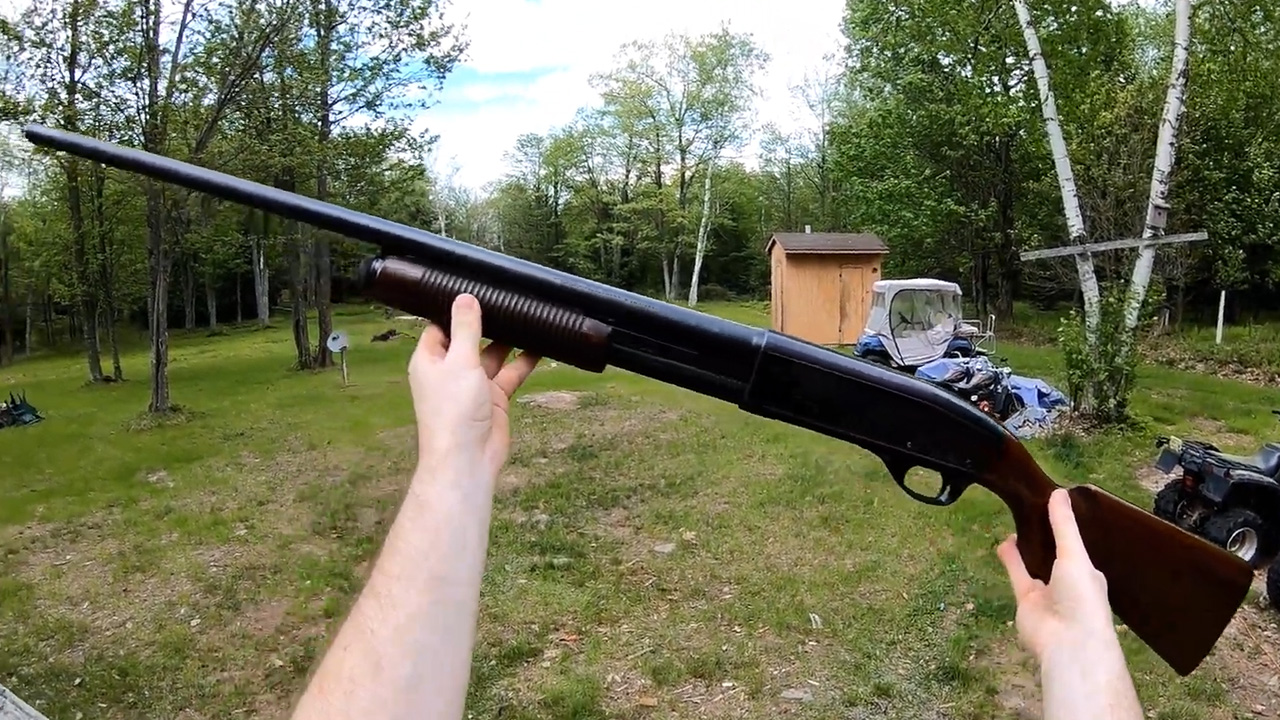
Not the rough Express with surface rust and a sticky chamber—the Wingmaster. Pawn shops sometimes tag all 870s the same because the employees don’t know what the markings mean, and that can put a Wingmaster within “beater gun” distance.
Feel the action bars. A real Wingmaster tends to feel like it’s on oiled glass compared to a lot of modern pumps. Check for a vent rib that’s straight and a bore that isn’t pitted, and you’ve got a shotgun you can hunt with for decades.
5. Marlin Model 336 (JM-stamped)

If you see “JM” on the barrel near the receiver, stop wandering and start paying attention. Pawn shops will often price a 336 by condition alone, not by which era it came from, and the JM guns bring a premium for a reason.
Cycle the lever slowly and feel for smooth lockup. Check the crown and the bore—lever guns can get neglected. Even if the wood has hunting dings, a solid JM 336 in .30-30 is one of the safest buys in used-gun land.
6. Winchester Model 94 (pre-safety)

These get mispriced both directions, but I still see pre-safety Model 94s tagged like they’re just another old deer rifle. A lot of counters see “Winchester lever gun” and slap a generic price on it.
Look for cracks at the wrist and signs of a loose tang. If it shoulders naturally and the sights aren’t mangled, you’re looking at a rifle that carries like a walking stick and kills deer like it always has.
7. CZ 82 (9×18 Makarov)

The CZ 82 is one of those surplus pistols that got popular, then got forgotten, and now it’s back around with a price gap between “internet value” and “pawn tag.” Many shops just see an oddball caliber and assume nobody wants it.
Check the bore and make sure the magazines are original. The gun points well, the trigger can be surprisingly decent, and it’s a lot of handgun for the money if you’re okay feeding it 9×18.
8. Bulgarian Makarov (Arsenal)
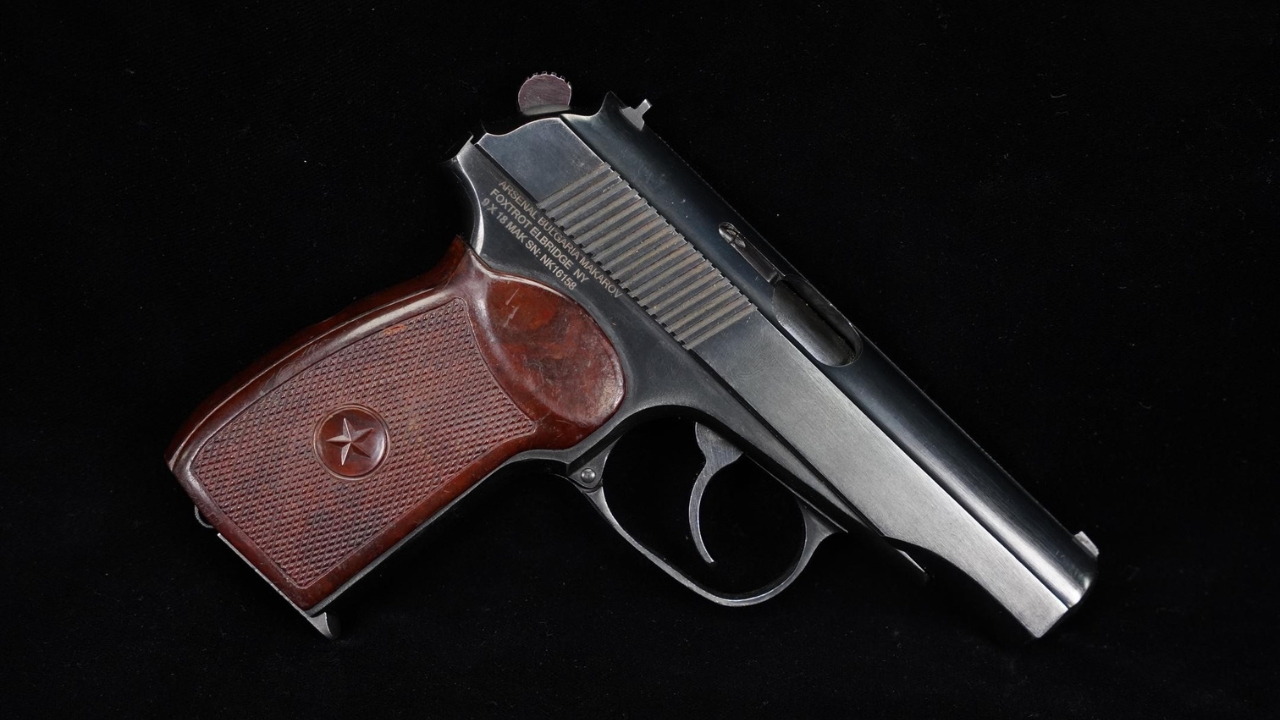
Makarovs are simple, durable, and not exciting—so they sit. That makes them easy to underprice, especially if the shop lumps them in with cheap Saturday-night specials.
Look for matching numbers and a clean feed ramp. If it comes with the original mags and holster, even better. It’s not a target pistol, but it’s a tough little tool that tends to just keep going.
9. Beretta 92FS (police trade-ins)

Beretta 92s are famous enough that you’d think they’d never be mispriced. But police trade-ins get treated like they’re worn out, when most of them just have holster wear and a lot of safe time.
Watch the locking block area and check the frame rails for unusual peening. If it’s mechanically sound, a worn finish is just a bargaining chip. Also, magazines are everywhere, which matters more than people admit.
10. Glock 23 (Gen 3 and Gen 4)

.40 S&W has been taking lumps for years, and that’s exactly why the Glock 23 can be a pawn shop deal. Shops know 9mm sells faster, so they price .40s to move.
Inspect the frame for abuse and make sure it comes with factory mags. If you’re a handloader or you just want a reliable house gun, it’s hard to argue with a discounted Glock that still has endless parts support.
11. Ruger GP100 (4-inch)
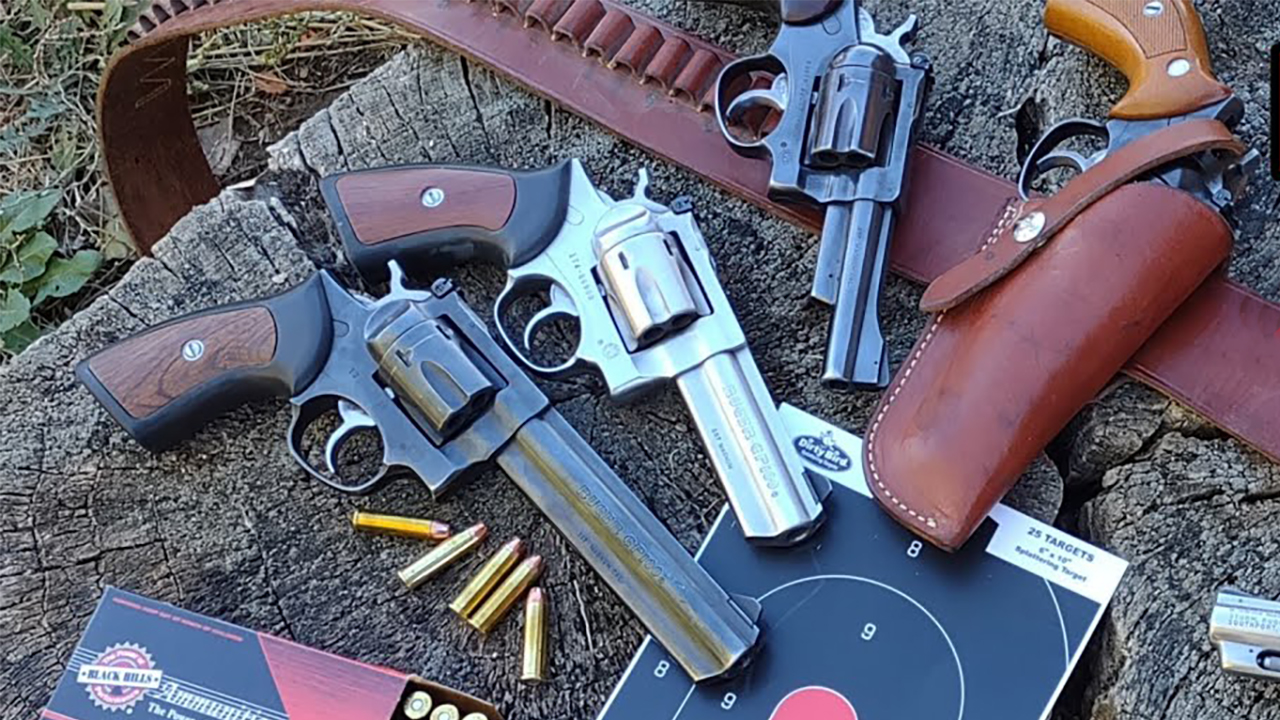
A GP100 isn’t trendy, and it’s not “collector cool” like some older Smiths, so it sometimes gets priced like any other used revolver. That’s a mistake—these are built like a fence post.
Check the forcing cone and top strap for unusual cutting, and make sure the cylinder locks up tight. If it passes the basic checks, you’re looking at a revolver that can ride in a chest holster all deer season without drama.
12. Smith & Wesson Model 64

The stainless twin of the Model 10 doesn’t get the same attention, and that keeps prices softer. For a working revolver you can actually carry in wet weather, stainless matters.
Look for agency markings—some folks don’t like them, but they can push the price down. Mechanically, these guns usually lived an easy life. A solid Model 64 is about as honest as a handgun gets.
13. Ruger 10/22 (older carbine, not “tactical”)

The plain-jane 10/22 carbine with a wood stock gets overlooked because it’s “just a .22.” Meanwhile the same shop will ask too much for a tricked-out one with questionable aftermarket parts.
What you want is a mostly stock rifle that hasn’t been monkeyed with. Check the receiver for extra holes, look at the bolt face, and make sure the magazine fits right. A clean older carbine is still one of the best small-game and farm .22s ever made.
14. Savage Model 110 (older long action hunting rifles)

Savage rifles don’t always get love at the counter because they’re not flashy. But older 110s shoot, and pawn shops often price them like “generic deer rifle,” especially if the stock has been bumped around.
Look for a straight barrel, a clean crown, and a bolt that runs without binding. If it has an old budget scope, treat it as a placeholder, not added value. The rifle is what you’re buying.
15. Tikka T3 Lite
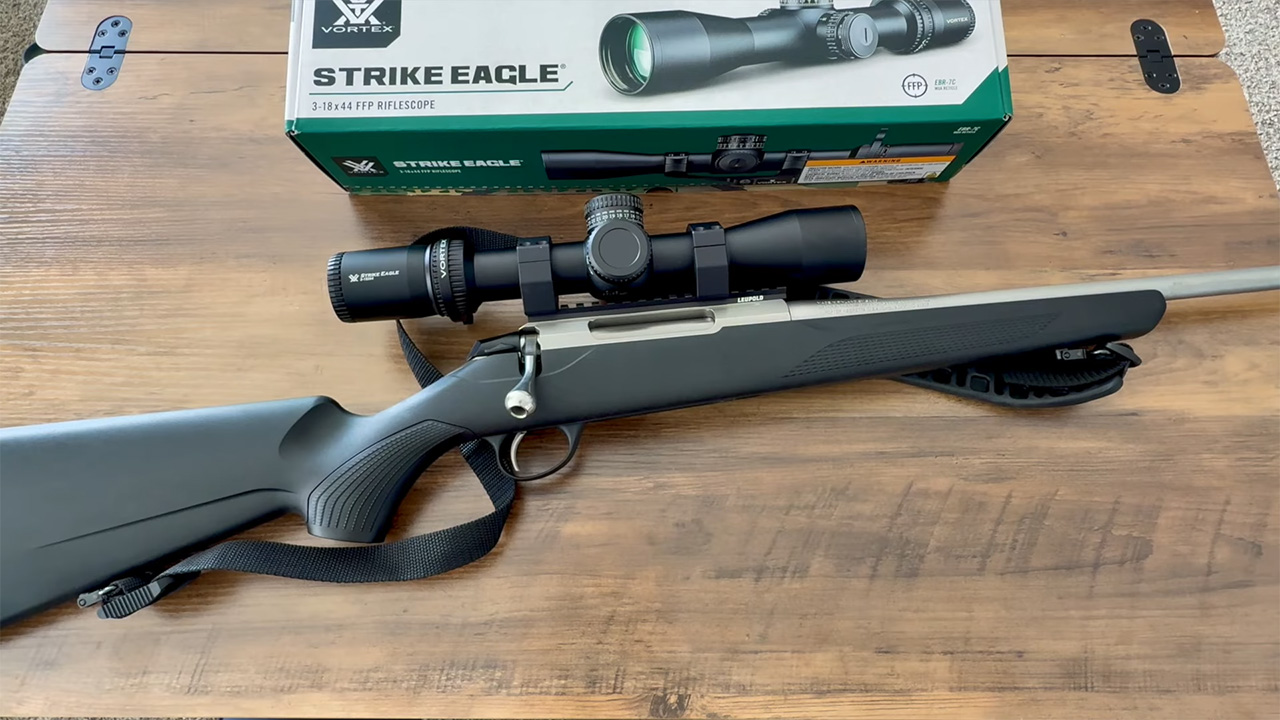
Every now and then a Tikka gets pawned by someone who needed cash fast. The shop sees a lightweight synthetic hunting rifle and prices it like any other used bolt gun, not realizing how well these things typically shoot.
Check that the action screws aren’t stripped and the magazine locks in tight. The bolt should feel slick and easy. If it hasn’t been abused, you’re looking at a rifle that’s boring in the best way: it just hits where you point it.
16. Browning A-Bolt

The A-Bolt doesn’t get talked about as much now, which is why it can slip through the cracks. Pawn shops will sometimes anchor it to “used hunting rifle” pricing, even though good examples still bring real money privately.
Make sure the detachable magazine is present and functioning—missing mags are common and they aren’t always cheap to replace. Shoulder it and check the safety feel. When these are right, they carry well and shoot better than their reputation gets credit for.
17. Remington Model Seven

Compact rifles confuse pricing. Some shops think “short rifle equals youth gun equals cheap,” and they tag Model Sevens like they’re entry-level. That one hurts, because the Model Seven is a handy little hunting rifle when you’re climbing into stands or slipping through thick stuff.
Inspect the stock around the recoil lug for cracks and check that the bolt closes smoothly. If it’s in a common caliber and the bore is clean, you’ve got a woods rifle that’s hard to replace once you decide you like it.
18. CZ 527 (7.62×39 or .223)

The CZ 527 is a pawn shop sleeper because the magazines look “odd,” and the shop sometimes assumes it’s some off-brand import. It’s not. It’s a slick little bolt gun that does real work on varmints and predators.
Make sure it includes the correct magazine, and look closely at the set trigger function (if equipped) to ensure it’s behaving normally. If you find a clean one, especially in 7.62×39, you’re staring at a rifle that has a cult following for good reason.
19. Ruger Mini-14 (180-series through early 580-series)
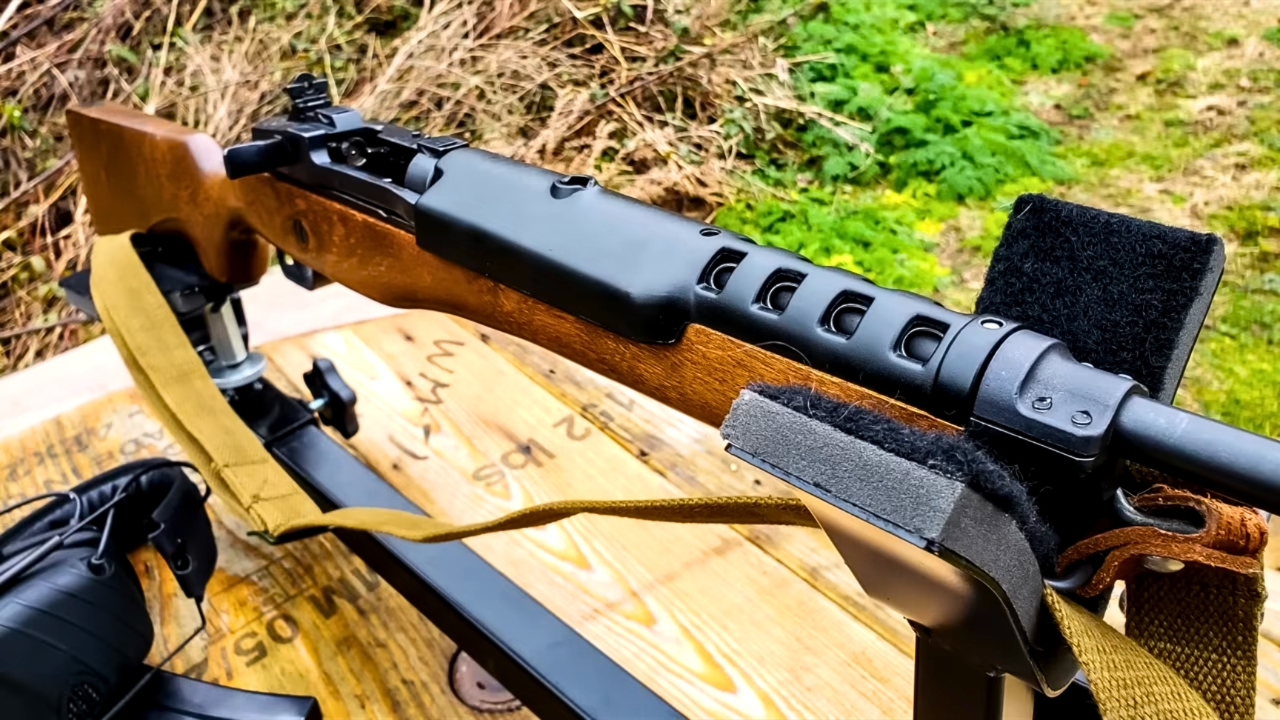
Mini-14s bounce around wildly in pawn shops. One store will treat it like gold, another will price it like an obsolete ranch rifle. Older ones with thin barrels can string shots when hot, and that reputation keeps some counters from valuing them right.
Check the sights for damage and look over the gas block for obvious tampering. If the rifle is straight and the price is fair, a Mini is still a practical “grab-and-go” rifle with easy handling and good reliability. Just be honest about what it is and isn’t.
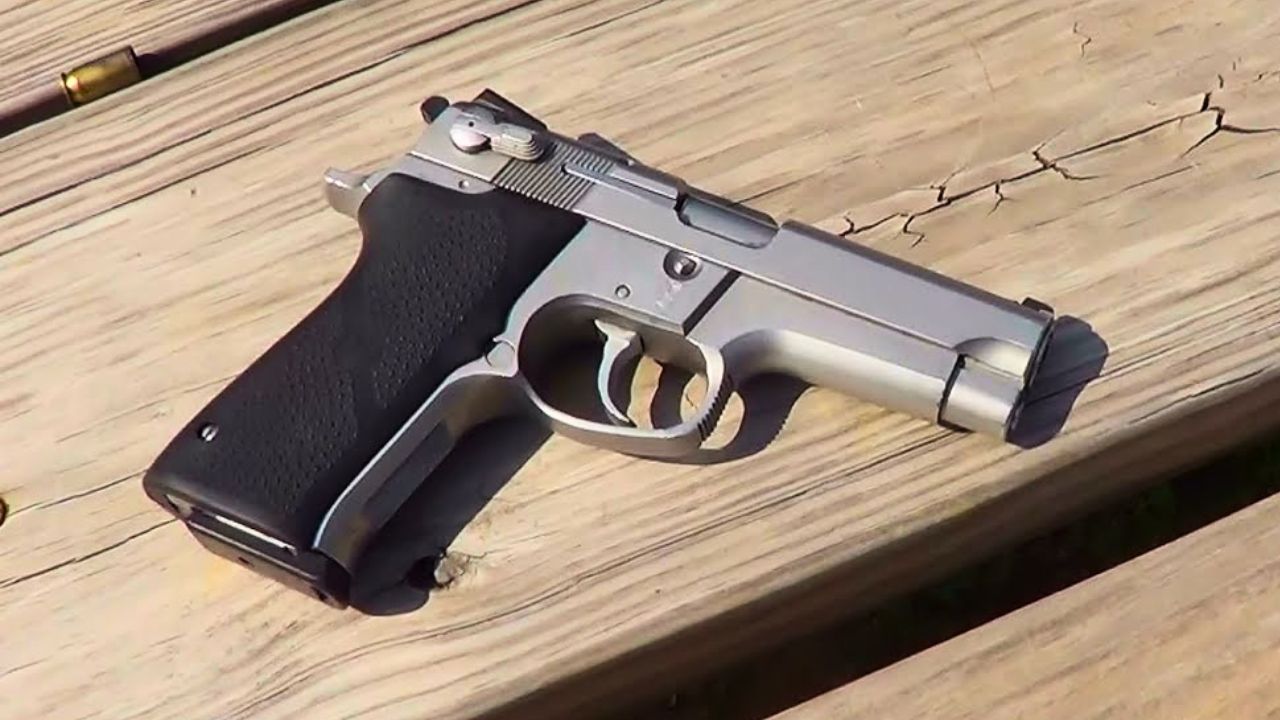
20. Smith & Wesson 5906 (3rd Gen metal-frame)
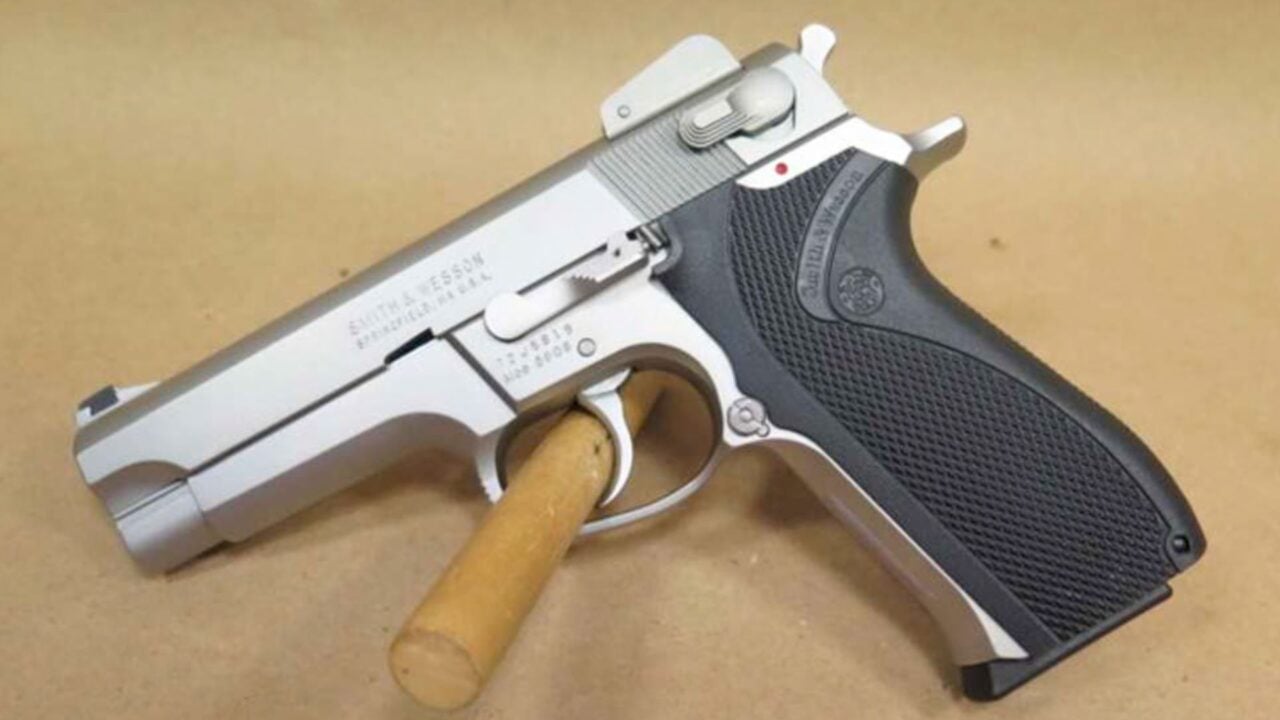
Third Gen Smith autos are the definition of “built like they meant it.” They’re also heavy, and the younger crowd often walks right past them. Pawn shops know that, so they’ll discount them to move them.
Check the decocker/safety function and look for battered feed lips on included magazines. If it’s mechanically sound, you’re buying a serious 9mm that digests ammo and shrugs off abuse. It’s not a light carry piece, but for a glovebox gun or nightstand duty, it makes a lot of sense.
The real advantage in a pawn shop isn’t being slick—it’s being prepared. Know what common magazines cost, know what “normal wear” looks like versus damage, and don’t let a cheap scope or a loud paint job distract you from the action, the bore, and the basics. When you spot one of these models priced like yesterday’s leftovers, you don’t need to make a scene. You just need to be the one holding the receipt when the next guy walks in.
Like The Avid Outdoorsman’s content? Be sure to follow us.
Here’s more from us: