Photo credit: Fone Star/Youtube
I have talked myself out of more rifles than I care to admit. Not because I didn’t have the cash at the time, either. It was the other kind of “smart”: I already have something close, I don’t need another caliber to feed, I’ll find one later, I’m trying to be practical. Then season changes, a buddy shows up with one, I shoot it, or I watch a deal dry up and never come back.
So here’s my running list of rifles I didn’t buy when I should have. Some are classics. Some are weird. A couple are absolute chores to carry. But every one of them filled a real niche I pretended didn’t exist.
1. Ruger Gunsite Scout Rifle
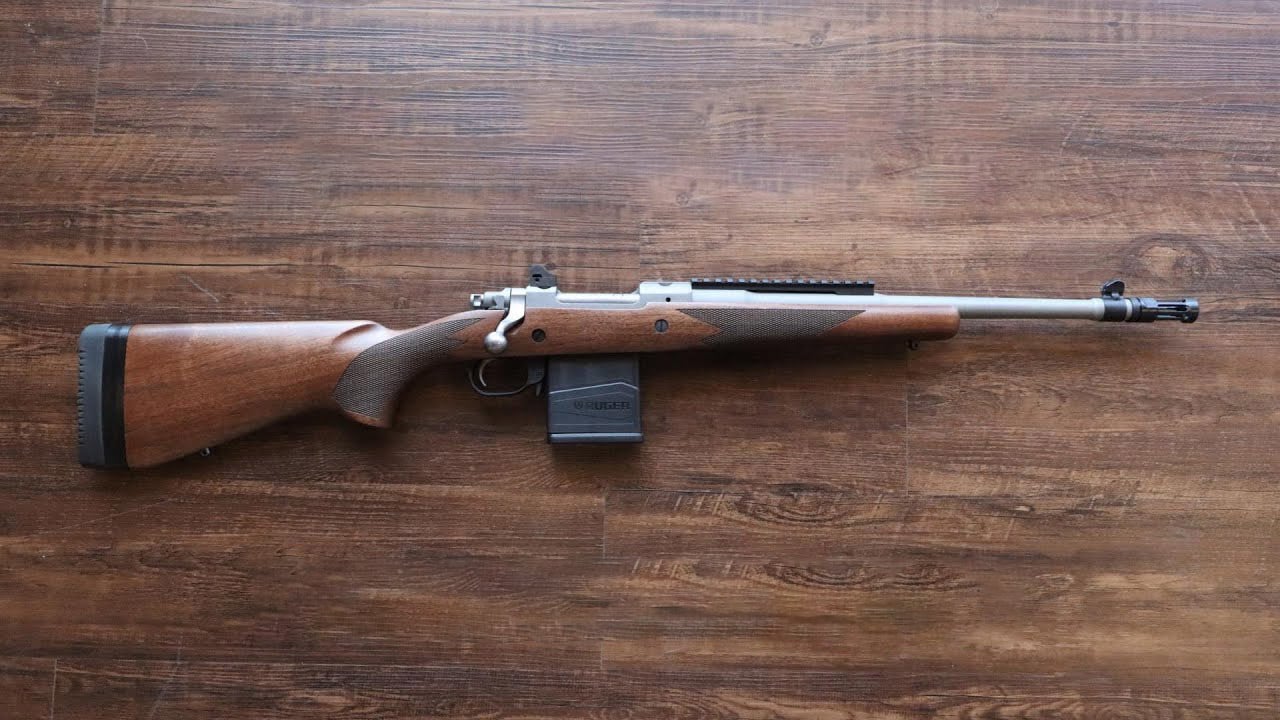
I talked myself out of the Gunsite Scout because it felt like a “concept rifle” more than a necessity. Short, handy, iron sights, detachable mags, threaded muzzle—cool on paper, but I already had a bolt gun and a lever gun. Then I actually carried one on a wet, brushy deer hunt where shots were 40 to 140 yards and the rifle was constantly in and out of the truck.
The thing points fast and rides tight to your body, and it’s the rare bolt gun that feels like it was built for moving, not benchrest daydreams. Magazines are the one hangup—factory Ruger mags aren’t always cheap—and it’s not a featherweight once you add glass. Still, it’s a “do most things pretty well” rifle that’s hard to replace when you finally decide you want one.
2. CZ 527 Carbine
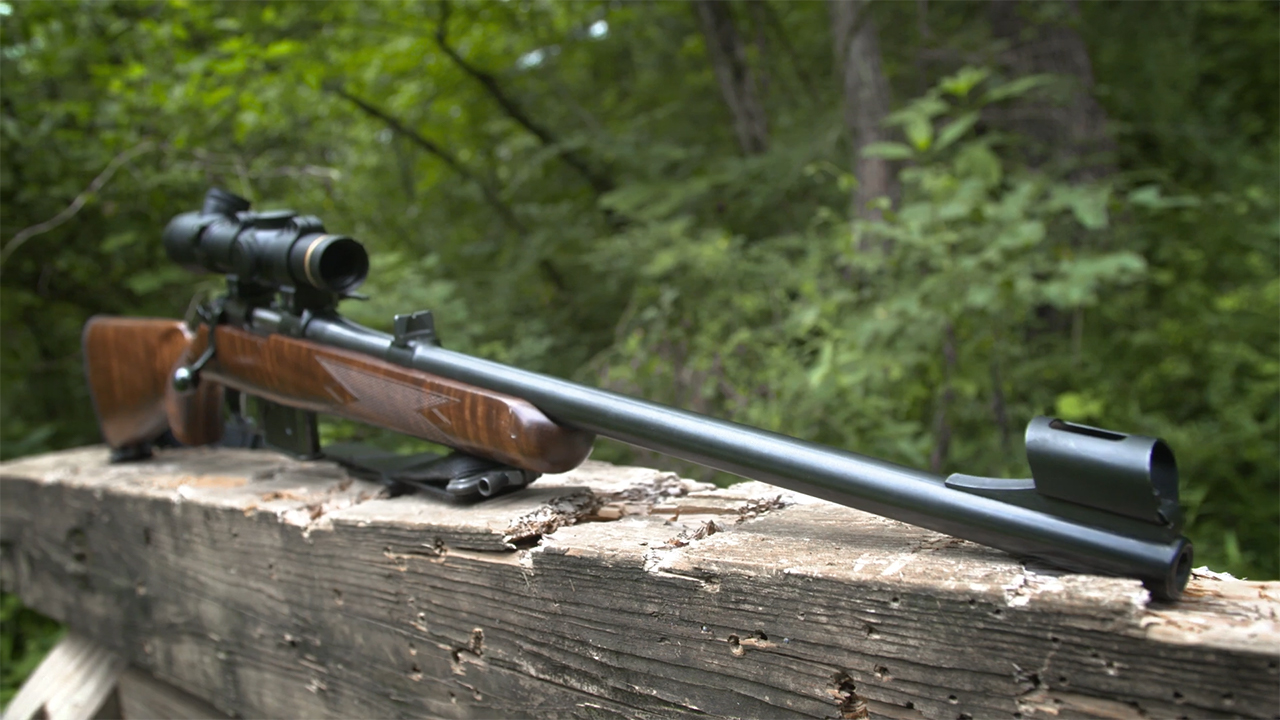
The CZ 527 is one of those rifles you don’t appreciate until you handle it next to modern budget bolts. The little controlled-round-feed action, the set trigger, the way it balances—it feels like a rifle from a time when “sporting rifle” meant something. I convinced myself it was too dainty and that I could just buy another .223 bolt gun anytime.
Then CZ discontinued the 527 line, and the used prices did what discontinued, well-liked rifles always do. The detachable magazine sticks down and can be awkward off bags, sure. But as a walking varmint rifle or a light predator rig, it’s about perfect, and it shoots better than it has any right to with plain factory ammo. That one hurts.
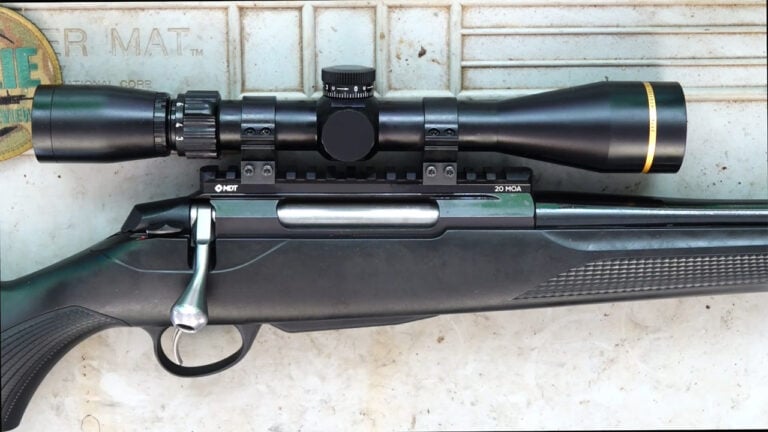
3. Tikka T3x Lite

I don’t need another lightweight bolt rifle, I said, while packing a heavier rifle up a ridge and sweating like I’d made poor life choices. Tikkas aren’t flashy, and the T3x Lite looks almost too plain. But the action is slick in a way you notice when it’s cold, your hands are numb, and you have to run the bolt without thinking.
The factory polymer magazine and stock turn some folks off, and I get it. But the accuracy is boringly consistent, and that’s the point. It’s also one of the easiest rifles to live with—smooth feeding, easy scope mounting, and it doesn’t act picky with common hunting ammo. I passed on a clean used one at a fair price, and I’ve never seen that exact deal again.
4. Winchester Model 70 Featherweight
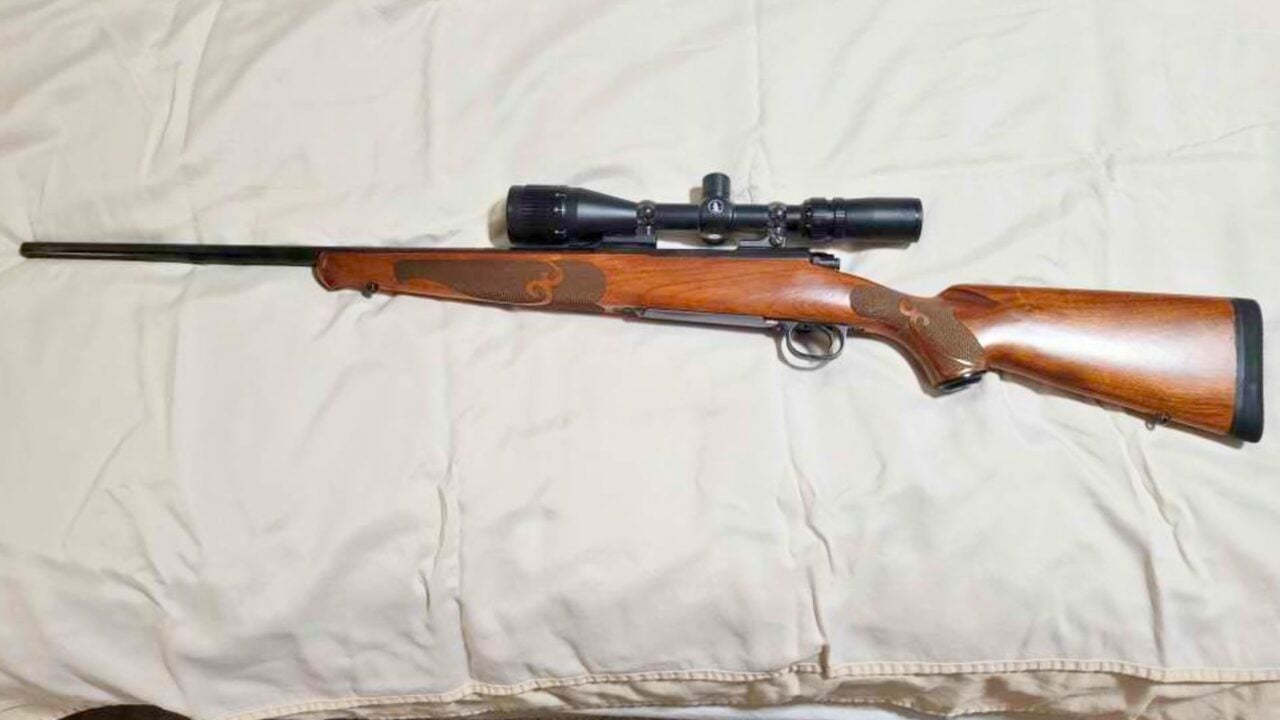
I grew up hearing about the Model 70 like it was a family member. When I finally had a chance at a Featherweight in a sensible hunting chambering, I got stubborn. “I’ve got a bolt gun already,” I told myself. Then I spent time behind one in the field and understood why the Model 70 still gets talked about around tailgates.
The controlled-round-feed is not magic, but it’s confidence-inspiring when you’re cycling fast from an awkward position. The rifle carries like a hunting rifle should carry—muzzle doesn’t feel like an anchor, and it comes up naturally. The Featherweight can be a little lively with recoil in harder kickers, and not every new-production example has perfect wood-to-metal fit. But when you find a good one, it’s a lifetime rifle.
5. Marlin 1895 SBL
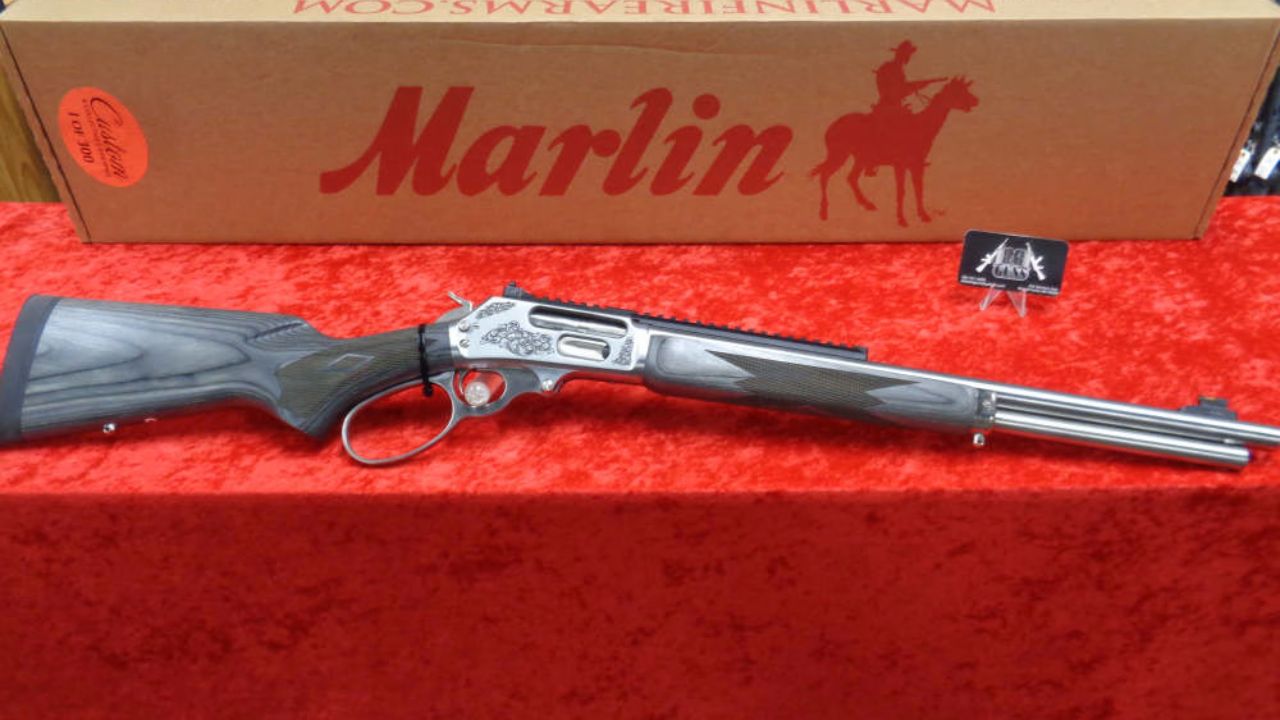
I told myself a .45-70 lever gun was pure want, not need. Then I hunted in thick stuff where shots are quick, the light is bad, and you may or may not have a follow-up window. A stainless, weather-tough lever gun with usable sights suddenly looks a lot less like a toy and a lot more like a tool.
The 1895 SBL is not light, and that’s part of why it shoots so controllably with mid-level loads. Full-house .45-70 is still full-house .45-70, though, and ammo isn’t cheap if you plan to practice. The rifle also turned into one of those “internet famous” guns, which means the easy deals disappeared. I watched a clean one sit on a rack for a day and decided to sleep on it. Someone else didn’t.
6. Browning BLR

Lever guns are fun. Lever guns that run spitzer bullets and hit like a real deer rifle are something else. I handled a BLR in .308 and talked myself out of it because the detachable magazine felt un-Levergun-ish and I figured it would be fussy. Then I saw how well they carry and how fast they can be shot accurately from field positions.
The BLR has a different feel than a classic Marlin or Winchester, and the trigger isn’t going to make a benchrest guy smile. But for a hunter who wants a quick-handling rifle that can stretch past 200 without holding over half a county, it makes a lot of sense. The downside is cost and complexity—more moving parts, and you’re not home-gunsmithing one with a punch set. When you find a good one, you buy it.
7. Ruger No. 1

Single-shots are an acquired taste, and I don’t blame anyone who says they’re impractical. I passed on a Ruger No. 1 more than once because I figured it was a safe queen. Then I shot one off sticks at distance and realized what the rifle forces you to do: slow down, make the first shot count, and quit spraying confidence into the dirt.
The No. 1 is also compact for its barrel length, and it carries nicer than plenty of repeaters. Accuracy can be great, though some loads and barrel harmonics can be finicky. It’s not the rifle you hand a brand-new hunter who needs fast follow-ups. But as a personal hunting rifle, it has a way of getting under your skin. When you decide you want one, you’ll wish you’d grabbed the clean example you saw ten years ago.
8. Savage 99

The Savage 99 is one of those rifles that feels like it shouldn’t work as well as it does, and then it does. Rotary magazine, sleek receiver, lever action that doesn’t feel clunky—there’s a reason so many old-timers never let theirs go. I had chances at a couple honest, used 99s and kept telling myself I didn’t want to mess with older guns.
Here’s the truth: older guns only become a headache when you buy abused ones or expect them to be something they’re not. A decent Savage 99 in a common chambering is a classy woods rifle that still hunts hard. Parts aren’t as plentiful as a 10/22, and you need to be realistic about optics mounting on some models. But you can carry one all day and never feel like you brought the wrong rifle.
9. Ruger American Ranch (7.62×39)

I dismissed the Ruger American Ranch in 7.62×39 because it felt like a “cheap bolt gun” project rifle. Then ammo got weird, budgets got tighter, and I started paying attention to what a practical rifle actually does: shoots acceptably, feeds reliably, and doesn’t make you baby it. The Ranch model checks a lot of boxes for a working gun.
The good versions feed from common-pattern magazines, and that’s huge. You can keep mags, ammo, and maintenance simple. Accuracy is often better than expected, especially with good soft points instead of bargain steel case. The stock is basic and the trigger is fine, not fancy. But as a truck rifle, hog rifle, or thick-cover deer rifle, it’s more useful than it has any right to be for the money. I passed on one at a price I’ll never see again.
10. Howa Mini Action (6.5 Grendel)

The Howa Mini Action is one of those rifles you buy because you want something different, and then you realize it’s just… smart. I talked myself out of a 6.5 Grendel Mini because I already had a .243 and I didn’t want another caliber on the shelf. Then I started hunting places where recoil-sensitive new hunters were coming along, and where shots were realistic distances, not internet distances.
The Mini Action carries light and cycles smooth, and the Grendel is mild enough that most shooters stay honest behind the trigger. It’s also efficient out of shorter barrels, which makes for a handy suppressed setup where legal, without needing to chase magnum performance. Magazines can be the snag—buy extras when you find them—and not every load is equally available in every town. Still, it’s a rifle that makes sense for real hunting and real practice. I should have bought it.
Free for gun owners: If something happened to you tomorrow, would your family know where the guns are, who has the safe combination, or what to do first? Our free Gun Owner’s Family Checklist walks them through it. It takes about 15 minutes to fill out. Get your free copy here.
11. Remington Model 7
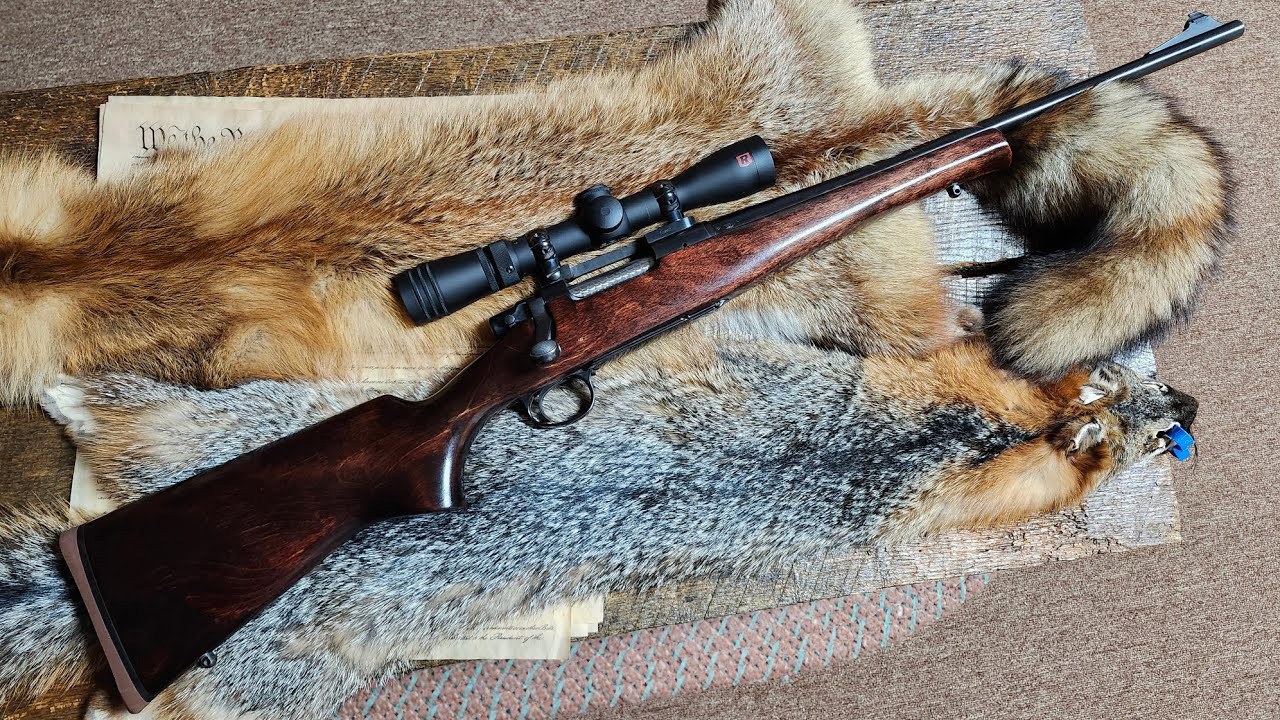
Short action, trim stock, classic hunting lines. The Model 7 is one of those rifles that disappears in your hands, and that’s a compliment. I ignored it for years because it looked too similar to every other “basic” bolt gun. Then I carried one in nasty weather, in steep country, and understood why so many folks like them as dedicated deer rifles.
The Model 7 isn’t perfect. Triggers and production eras vary, and you want to be careful buying any used rifle without looking it over closely. But a good one balances right between your hands and doesn’t feel like a fence post with a scope. It’s also a rifle you’ll actually bring, which matters more than bragging rights. I turned down a clean stainless Model 7 because I already owned something “close enough.” Close enough doesn’t always go hunting.
12. Ruger M77 Hawkeye
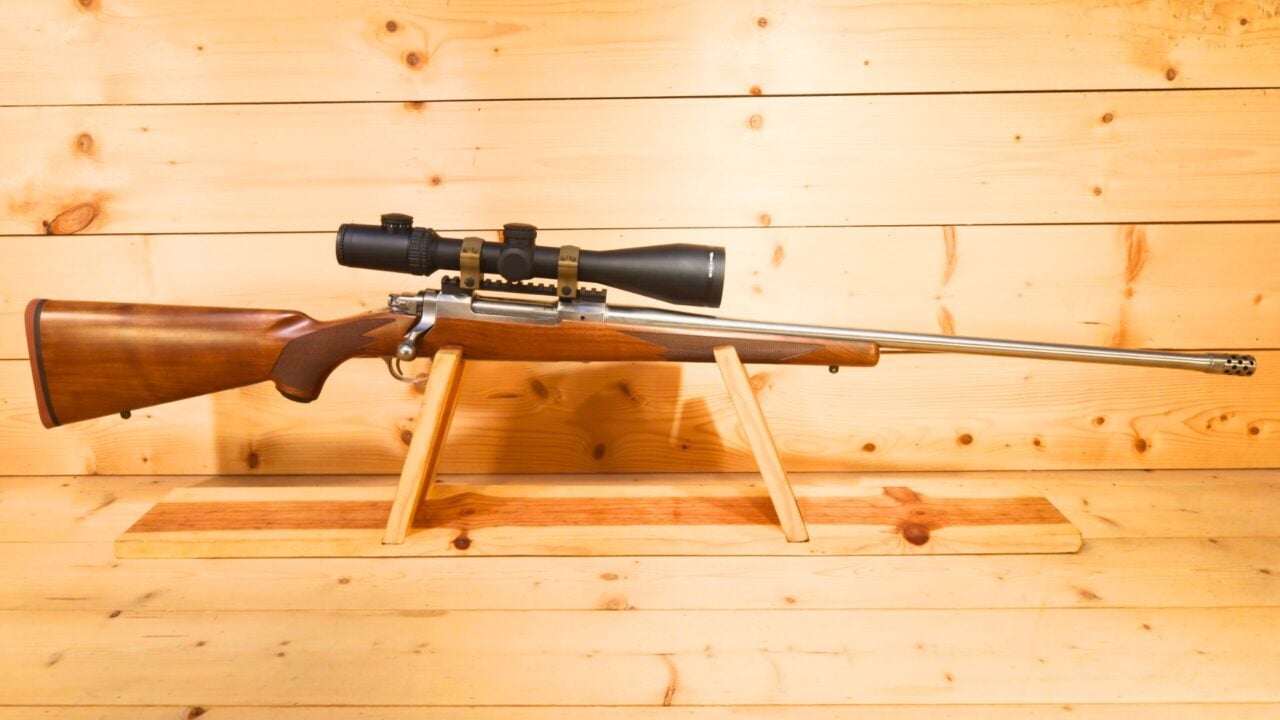
The Hawkeye is not the lightest rifle on the rack, and it’s not trying to be. I passed on a couple because I thought they were chunky and I could save weight elsewhere. Then I watched lighter rifles get fussy with bedding, or develop little rattles and quirks after hard use. The M77 is the opposite of delicate.
The controlled-round-feed action is solid, the three-position safety is one of the best designs ever put on a hunting rifle, and the whole package feels like it was meant to be leaned against a tree, carried in rain, and banged around a truck. Some Hawkeyes need a little trigger attention to feel great, and they’re not always cheap. But they tend to run for decades with basic care. When you find one that shoots a hunting load well, you stop shopping.
13. Springfield Armory M1A Scout Squad

I’m not going to pretend the M1A is the most practical hunting rifle. It’s heavy, it’s loud, and it attracts opinions like a magnet. I talked myself out of the Scout Squad model because I figured it would just sit. Then I spent a day shooting one from field positions, running steel out to distance, and realized it’s a rifle that makes you want to practice.
The Scout Squad length is handier than the full-size, and it still feels like a real .308. The downside is cost—rifle, mags, good ammo—and you need to accept that you’re maintaining a system, not a simple bolt gun. But it’s also a rifle with real history and real capability, and it can do everything from range work to hog hunting where legal. I had a chance at one with a pile of magazines included and tried to be “responsible.” Somebody else was happily irresponsible.
14. PTR Industries PTR-91 (G3 pattern)

There’s a point where “battle rifle” talk gets silly, but the PTR-91 has a place. I passed because I didn’t want another heavy .308 semi-auto, and I didn’t feel like chasing roller-delayed quirks. Then I shot one that ran like a sewing machine and didn’t care about being clean, and I had to admit it: for certain kinds of rough use, simple beats fancy.
Ergonomics are dated, and the trigger won’t win any awards. It also throws brass into low earth orbit, which matters if you reload. But magazines are often easy to find, the design is proven, and the rifle is built to run when conditions aren’t polite. If you want a rugged .308 semi-auto that you won’t cry about scratching, a PTR makes a lot of sense. I keep seeing them after I’ve already spent my “fun money” elsewhere. That pattern repeats.
15. Ruger Mini-14 Ranch Rifle
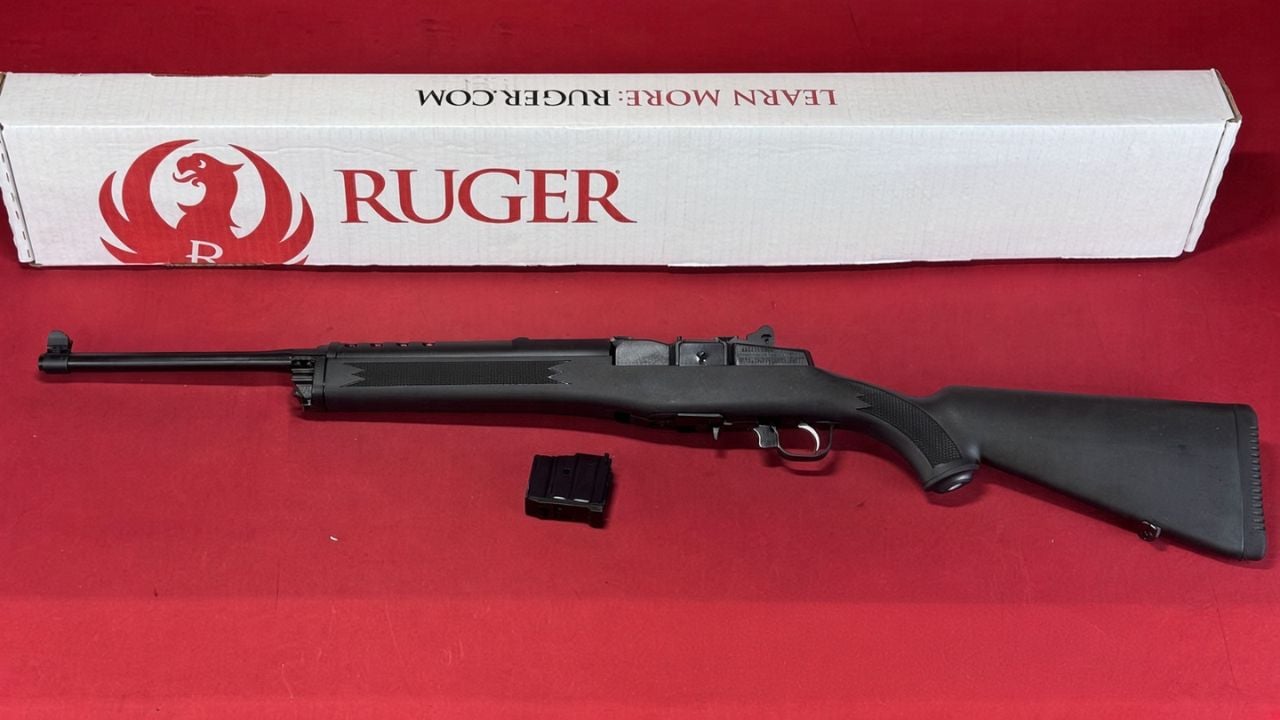
I used to make fun of the Mini-14. Not out loud, but in that quiet way where you assume an AR does everything better, so why bother. Then I watched a Mini ride in a ranch truck for years, get knocked around, and still hit what it needed to hit without drama. The Ranch Rifle is not a precision rig, but it’s a dependable working rifle when set up sensibly.
Modern Minis are generally better than the old thin-barrel reputation, and they handle fast. They also don’t scare the neighbors the way some rifles do, which is a real consideration on rural properties with mixed company and mixed opinions. Magazines can be the pain point—good ones matter, and they cost real money. Still, the Mini is one of those rifles you end up appreciating after you’ve outgrown the urge to “optimize” everything.
16. CZ 600 Lux
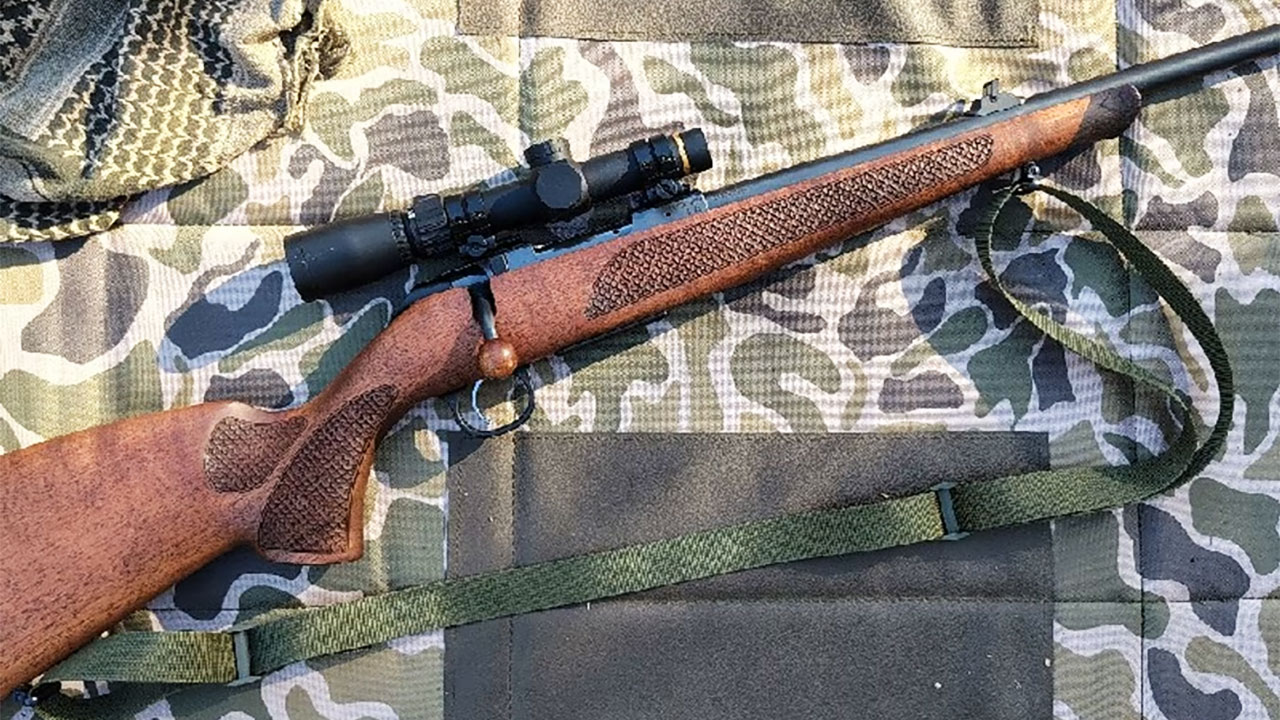
I’m a sucker for a traditional stocked rifle with good lines and a little pride in the build. The CZ 600 Lux hit that nerve, and I still didn’t buy it because I told myself it was too pretty to hunt hard. Then I handled one again and remembered that a well-designed stock actually helps you shoot better, especially offhand and kneeling.
The Lux isn’t a mountain rifle, and the styling isn’t for everyone. But it shoulders naturally, and the iron-sight setup is a nice nod to practical hunting instead of purely scope-dependent living. The CZ 600 line had early noise and confusion that made me hesitate, and I regret that. When you finally decide you want a classic-feeling rifle that still uses modern manufacturing, you’re back to hunting the used racks and hoping someone didn’t beat it up.
17. Bergara B-14 Ridge
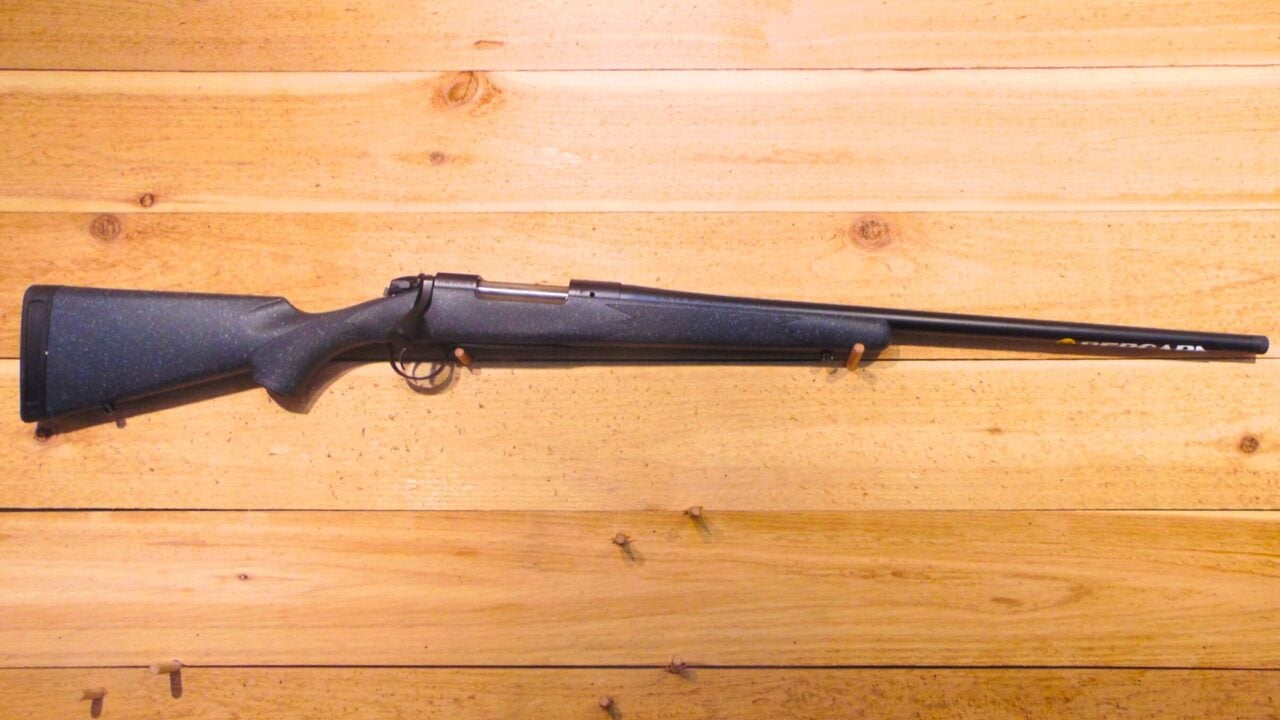
I hesitated on the B-14 Ridge because I figured it was another “Remington 700-ish” rifle in a crowded field. Then I started seeing them show up in camps and on ranges, usually with owners who weren’t constantly tinkering. That caught my attention. There is value in a rifle that shoots well with basic loads and doesn’t require a personality adjustment.
The Ridge is a good middle ground: not a pencil-barrel ultralight, not a bench gun, just a practical hunting rifle with a solid feel. The aftermarket support is strong because of the footprint, and that can be a trap if you can’t leave well enough alone. But out of the box, they tend to feed well, shoot tight, and carry fine. I passed on one during the exact window when they were easier to find and priced reasonably. Now I see a lot more empty pegs.
18. Sako 85 Finnlight
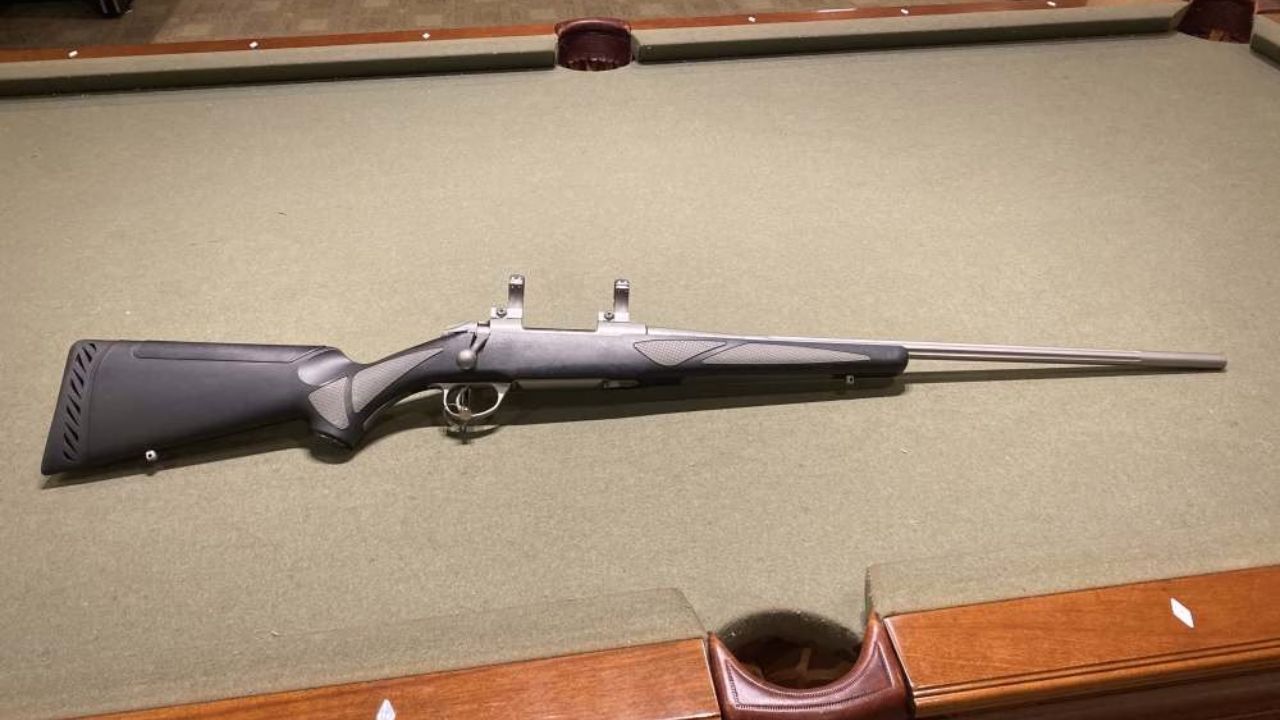
The Sako 85 Finnlight is expensive, and that was my whole argument. I can buy two rifles for that, I said. Fair. But the Finnlight is one of the few rifles that feels like every detail was argued over by someone who hunts. The action is smooth without being sloppy, the stock geometry is right, and it carries like a rifle that was designed to be carried.
Here’s what surprised me: it’s not just “nice.” It’s easy. Easy to run, easy to shoot well, easy to trust. That doesn’t mean it makes you a better hunter, but it does remove little problems you shouldn’t be thinking about when a shot opportunity happens fast. The downside is you will baby the finish at first because you paid real money for it. Then you put a scratch on it and finally start hunting. I should have done that years ago.
19. Henry Long Ranger
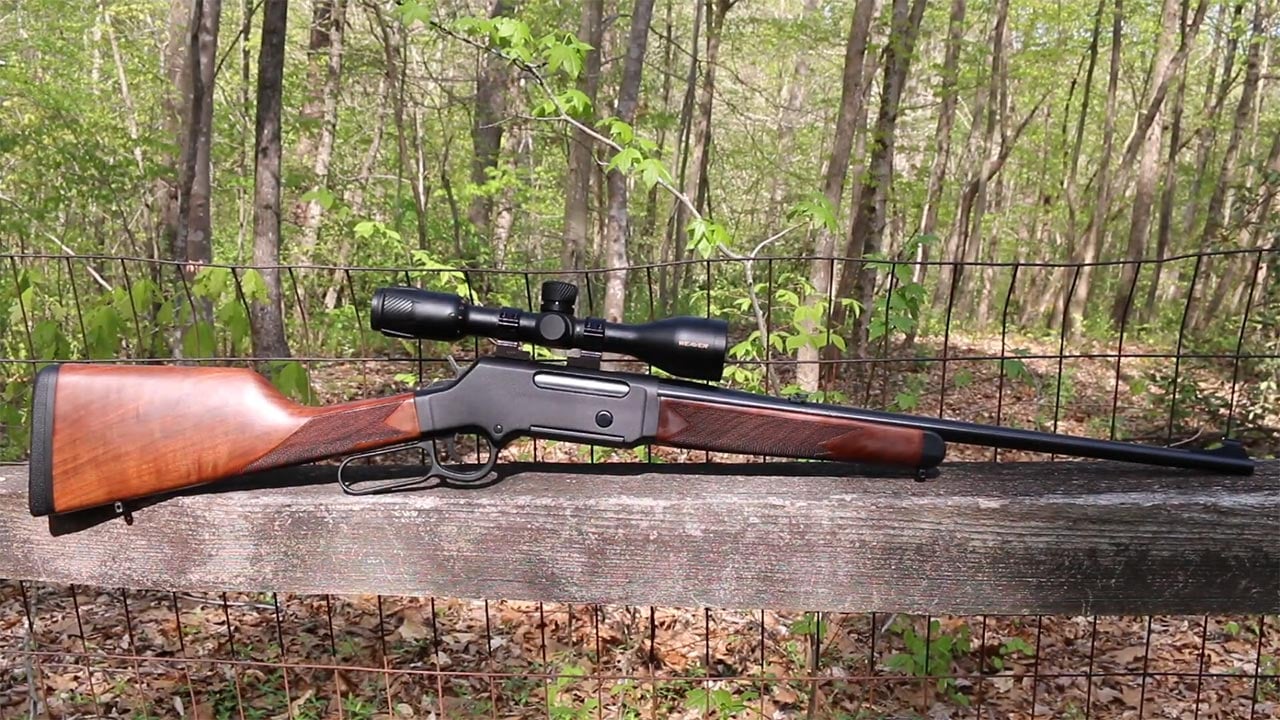
I wrote off the Henry Long Ranger because I assumed it was just a lever gun trying too hard to be modern. Then I spent time with one in .223 and later in .308, and it made more sense than I wanted to admit. It’s a lever action that feeds from a box magazine, locks up strong, and is accurate enough to stretch beyond the typical woods-gun envelope.
The Long Ranger doesn’t feel like an old Winchester, and that’s not a knock—it’s its own thing. The trigger is usually decent, the fit and finish are solid, and it carries well in the hands. Magazine availability is something to think about, because you don’t want a rifle that depends on a part you can’t find. Still, as a hunting rifle for someone who likes lever guns but wants modern performance, it’s a smart niche. I passed on a used one with extra mags included. That was a mistake.
20. Ruger 10/22 (older walnut-stock carbine)
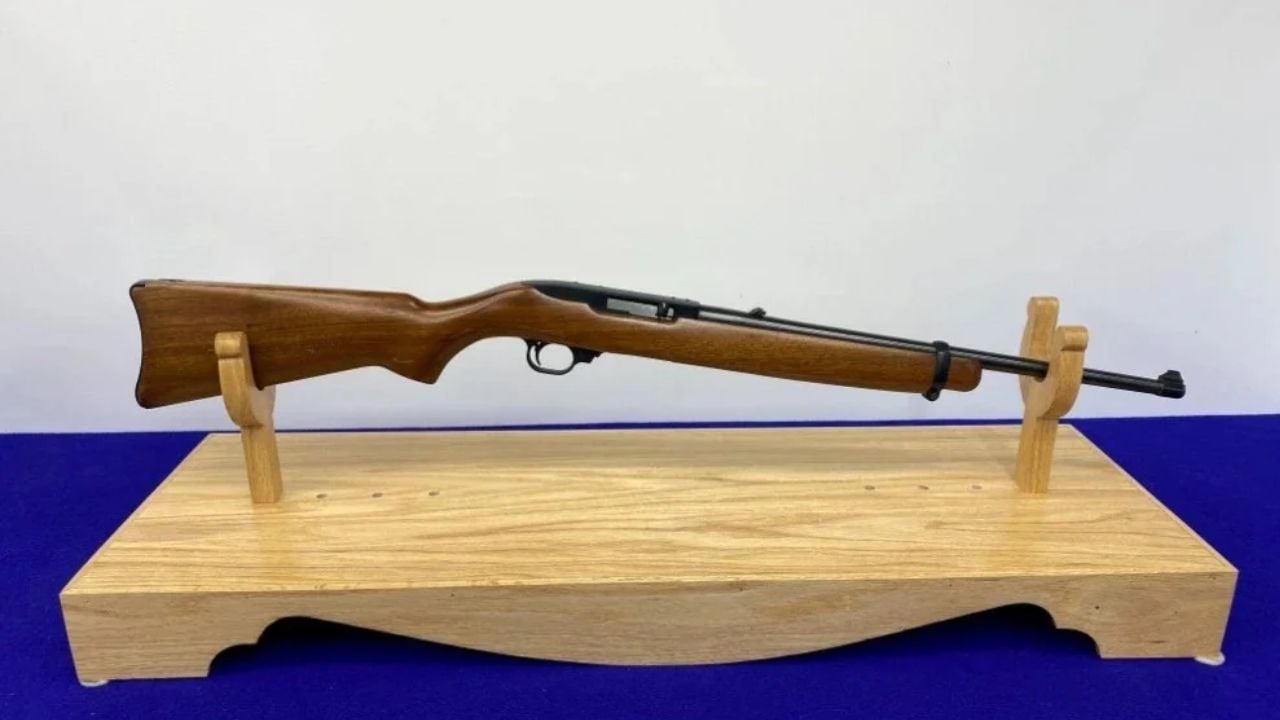
I know. Everybody has a 10/22. That’s the problem. I sold an older walnut-stock carbine years ago because I had a newer one and figured they were all the same. They’re not. The older rifles have a feel to them—slick, worn-in, honest—and they tend to get shot more because you don’t treat them like a project.
A basic 10/22 is the rifle that keeps skills sharp when ammo prices make centerfires painful. It’s the one you hand to a kid with a lecture about muzzle discipline and a can of pop cans to shoot. It’s also the rifle you grab for pests around the property where legal and safe, because it’s handy and familiar. Sure, you can buy another 10/22 anytime, but you can’t buy back the exact one you should’ve kept. Ask me how I know.
I’m not saying you need twenty rifles. Most of us don’t. But I am saying this: when a rifle fills a real role—carry comfort, weather toughness, simple accuracy, “always works” reliability—talking yourself out of it isn’t automatically being smart. Sometimes it’s just delaying a good decision until it costs more, or disappears, or you realize you’ve been trying to force the wrong rifle to do the job. Safe space is cheaper than regret.
Like The Avid Outdoorsman’s content? Subscribe to our newsletter so you never miss an article.
Here’s more from us: