Photo credit: oldscout gp/YouTube
A cartridge does not become suitable for tough game simply because it can kill one under ideal conditions. Elk, mature hogs, black bears, and other heavily built animals have thick muscle, dense bone, and enough stamina to travel a long distance after a marginal hit.
For that kind of hunting, penetration and dependable bullet performance matter more than low recoil or impressive muzzle velocity. The cartridges below may be excellent for varmints, predators, small deer, or carefully controlled shots. They simply provide too little margin when the animal is large, the angle is poor, or the bullet must break heavy bone before reaching the vital organs.
.17 Hornet

The .17 Hornet is fast, quiet compared with larger centerfires, and extremely effective on small varmints. Its tiny bullets produce explosive results on prairie dogs, groundhogs, and similar animals.
Those bullets have almost no reserve for thick hide, muscle, or bone. They are designed to expand rapidly and may fragment before reaching the vitals of a large hog or deer. Even perfect shot placement leaves little penetration margin. The .17 Hornet should remain a small-varmint cartridge rather than being pushed toward animals it was never designed to handle.
.17 Remington

The .17 Remington launches tiny bullets at extreme velocity and can be devastating on coyotes when the bullet and shot angle are chosen carefully.
Speed cannot replace bullet mass. A 20- or 25-grain projectile may come apart on a shoulder or fail to reach deeply enough on a quartering animal. Tough game demands a bullet that can continue driving after initial expansion. The .17 Remington is a specialized predator cartridge, not a reasonable option for heavily built animals.
.204 Ruger
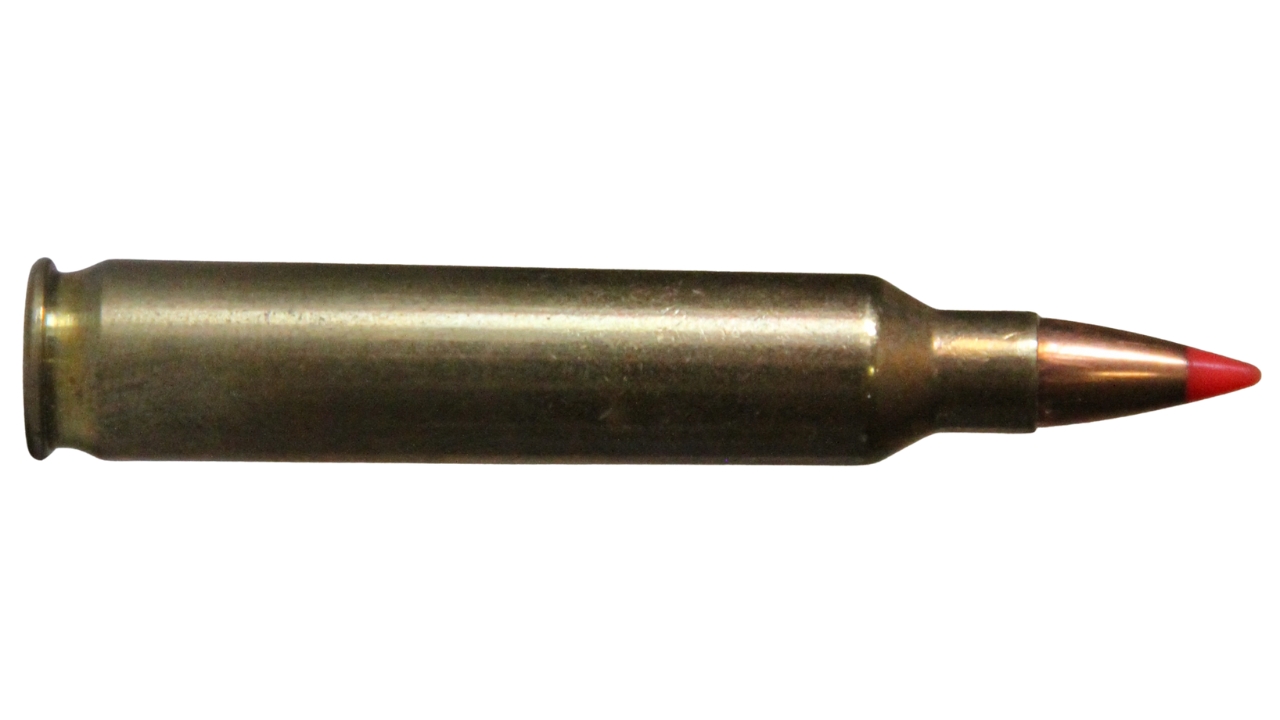
The .204 Ruger shoots flat, recoils lightly, and allows hunters to watch impacts through the scope. It is an outstanding varmint round and can work well on coyotes with the right load.
Most .204 bullets are thin-jacketed and designed for rapid expansion. They do not have the weight or sectional density needed to break heavy shoulder bone consistently. A broadside lung shot may work on a smaller animal, but tough game rarely offers perfect conditions. The cartridge lacks the penetration margin needed for responsible use.
.22 Hornet

The .22 Hornet has been taking varmints and small predators for generations. It is mild, accurate, and easy to use around farms where excessive noise and recoil are undesirable.
Its lightweight bullets and modest energy make it a poor choice for tough game. Penetration is limited, especially with common varmint bullets, and velocity disappears quickly as range increases. The Hornet can handle foxes and similar animals. It should not be expected to break the shoulder of a mature hog or reach the vitals of an elk.
.218 Bee
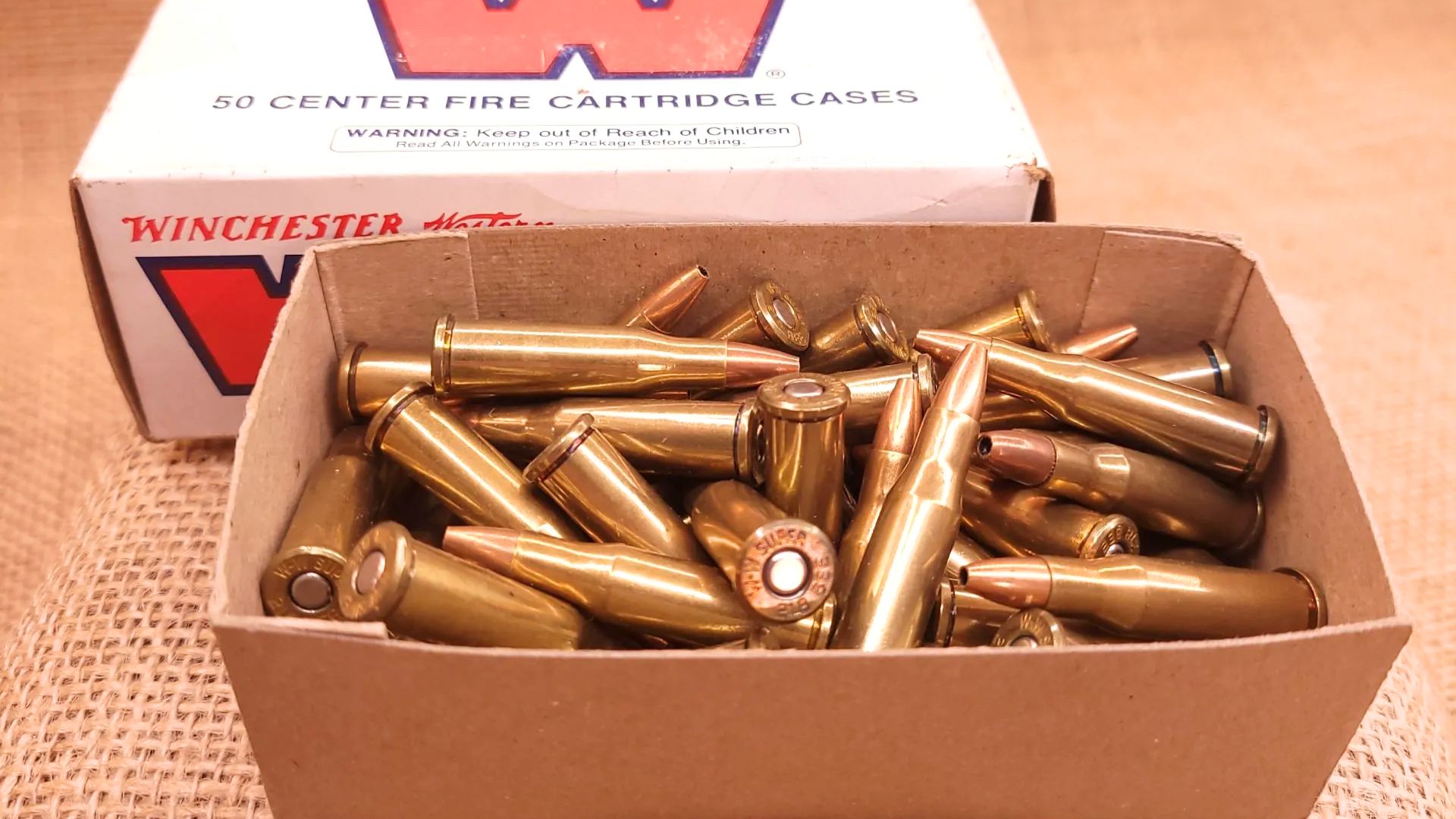
The .218 Bee offers slightly more power than the .22 Hornet and performs well from compact lever actions or single-shot rifles. It remains a mild varmint cartridge.
Its bullets are usually light and built for rapid expansion rather than deep penetration. The cartridge does not carry enough energy or momentum to compensate for a difficult angle. It may kill a larger animal with perfect placement, but that is not the same as being suitable for the job.
.22 Winchester Magnum Rimfire
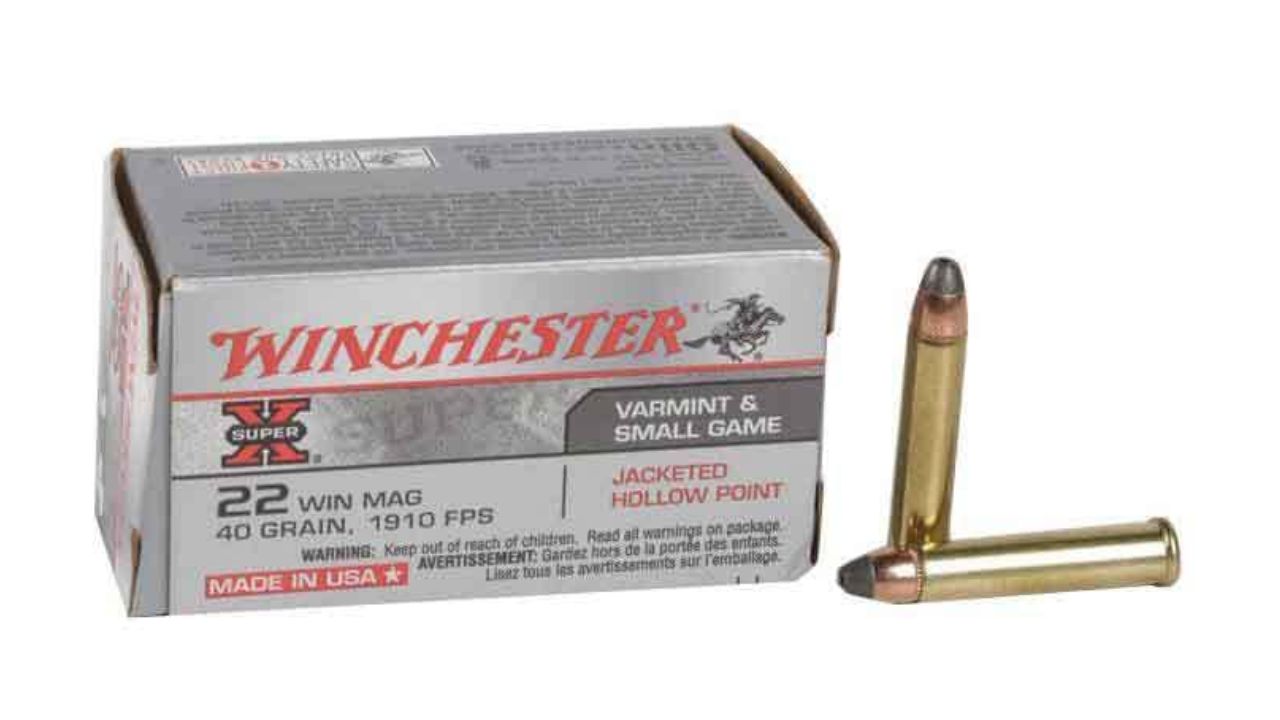
The .22 WMR is useful for pests, small game, and predators at moderate distances. It offers more authority than the .22 LR without requiring a centerfire rifle.
It is still a rimfire cartridge firing light bullets with limited penetration. Tough game can absorb far more damage than a small predator, and the .22 WMR does not create a large enough wound channel or reliably reach deep organs. It has no business being used as a primary hunting round for elk, bear, or large hogs.
5.7x28mm
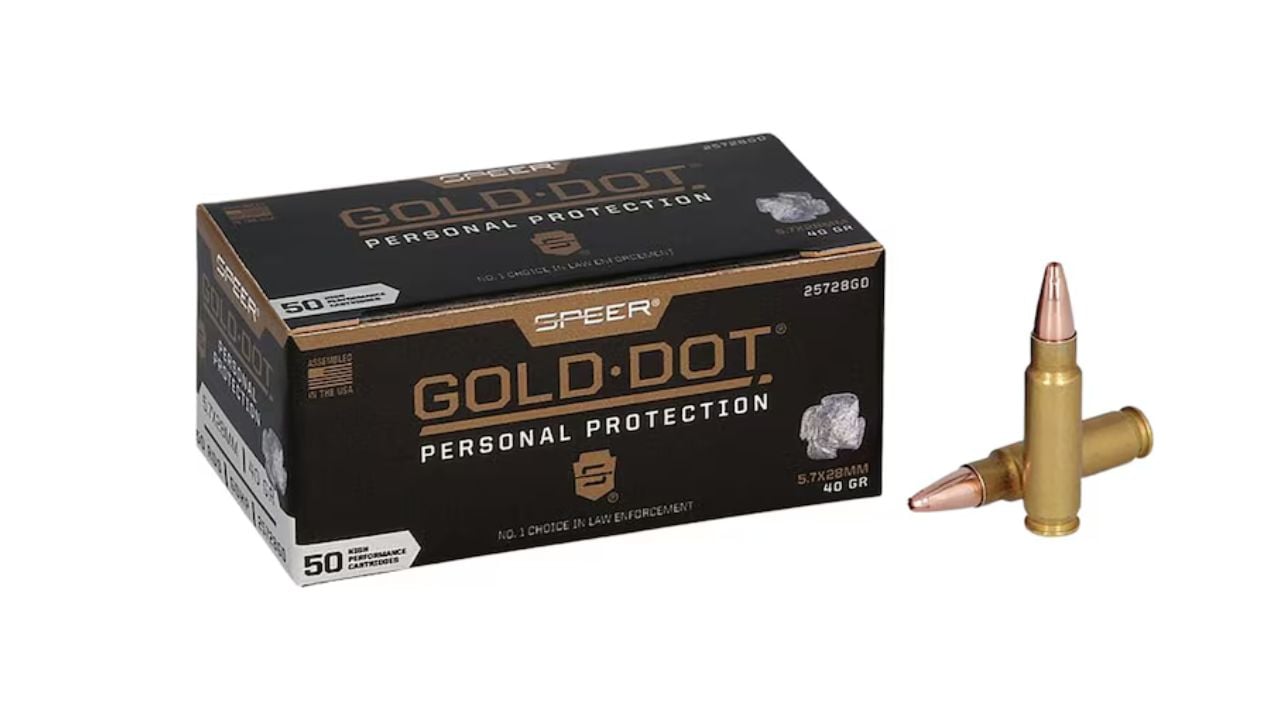
The 5.7x28mm offers low recoil, high magazine capacity, and greater velocity than most traditional pistol cartridges. Fired from a carbine, it can be useful for small predators and pests.
Its bullets remain extremely light. Even loads designed for expansion do not provide the deep, controlled penetration expected from a serious hunting cartridge. On tough game, the projectile may expand too quickly or fail to damage enough tissue. Capacity and velocity do not compensate for inadequate bullet weight.
.25-20 Winchester
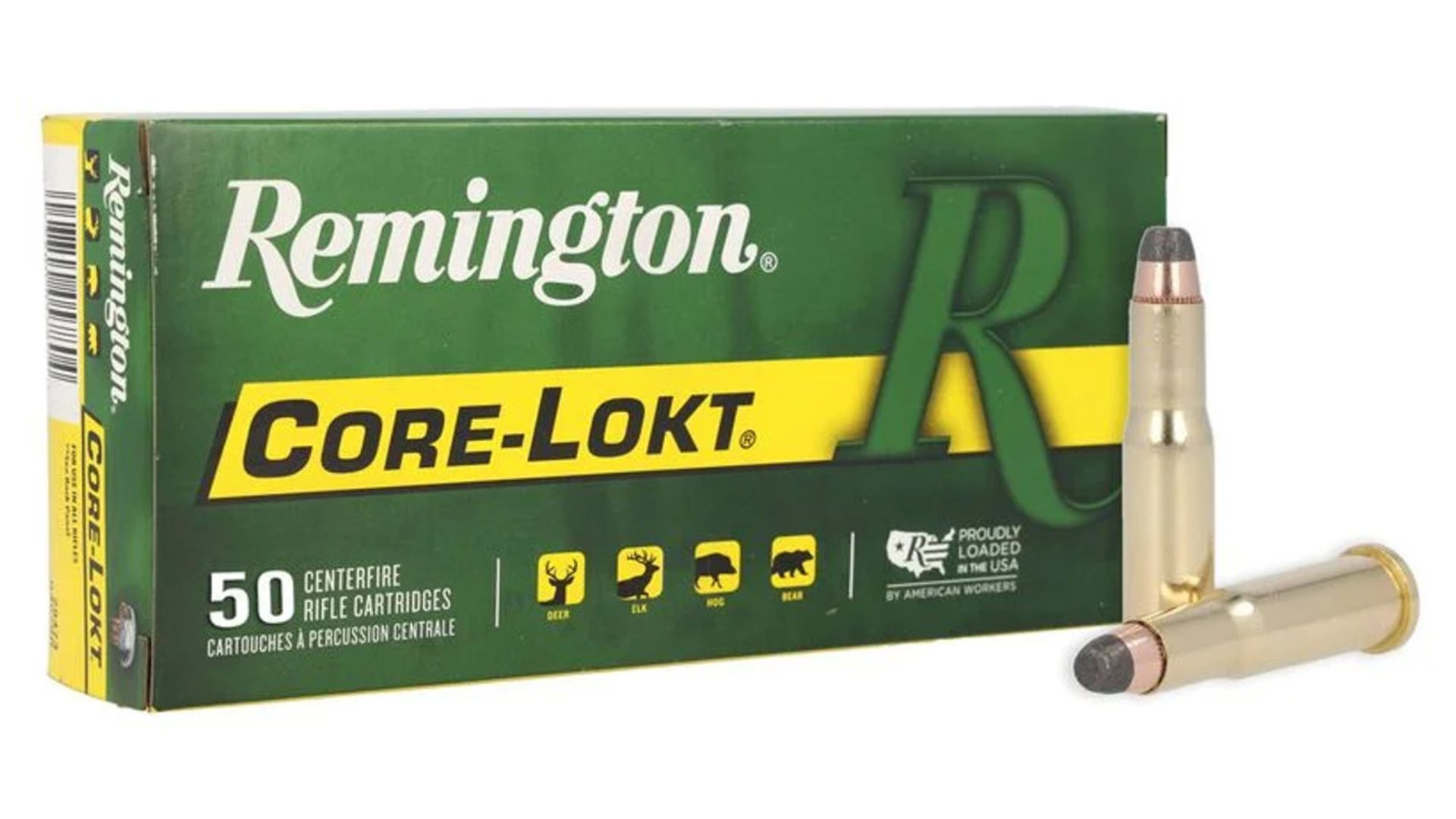
The .25-20 is a pleasant, low-recoiling cartridge that works well for small game and varmints. Its mild report and limited meat damage remain useful in the right setting.
It lacks the velocity, bullet weight, and energy needed for tough game. Traditional loads may use bullets around 60 to 86 grains at modest speeds. That combination provides little ability to break bone or penetrate from an angle. The .25-20 belongs in classic small-game rifles, not in the elk woods.
.32-20 Winchester

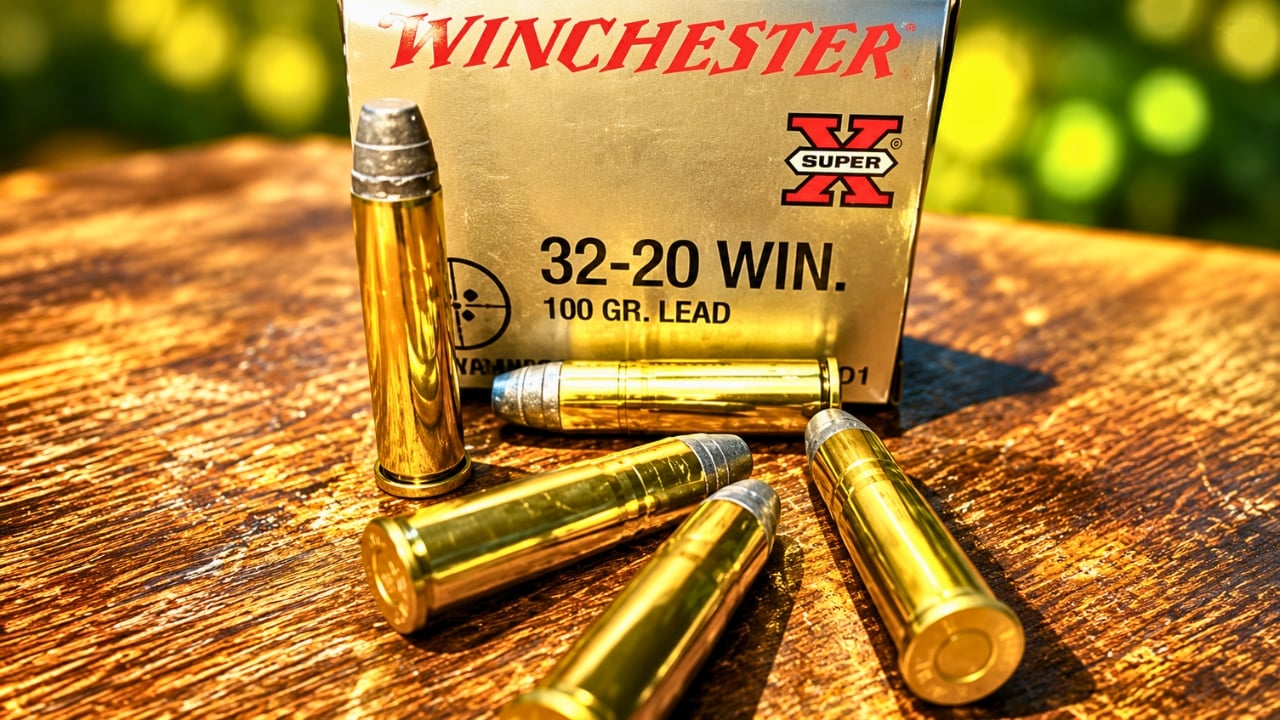
The .32-20 has been used historically on deer, livestock, and predators, but many of those uses came from a time when hunters accepted far narrower margins than they should today.
Factory loads are generally mild, and the bullets are not constructed for deep penetration on heavily built animals. The cartridge may work on small deer at close range with precise placement. Mature hogs, bear, and elk require more authority than the .32-20 can reliably provide.
.30 Carbine
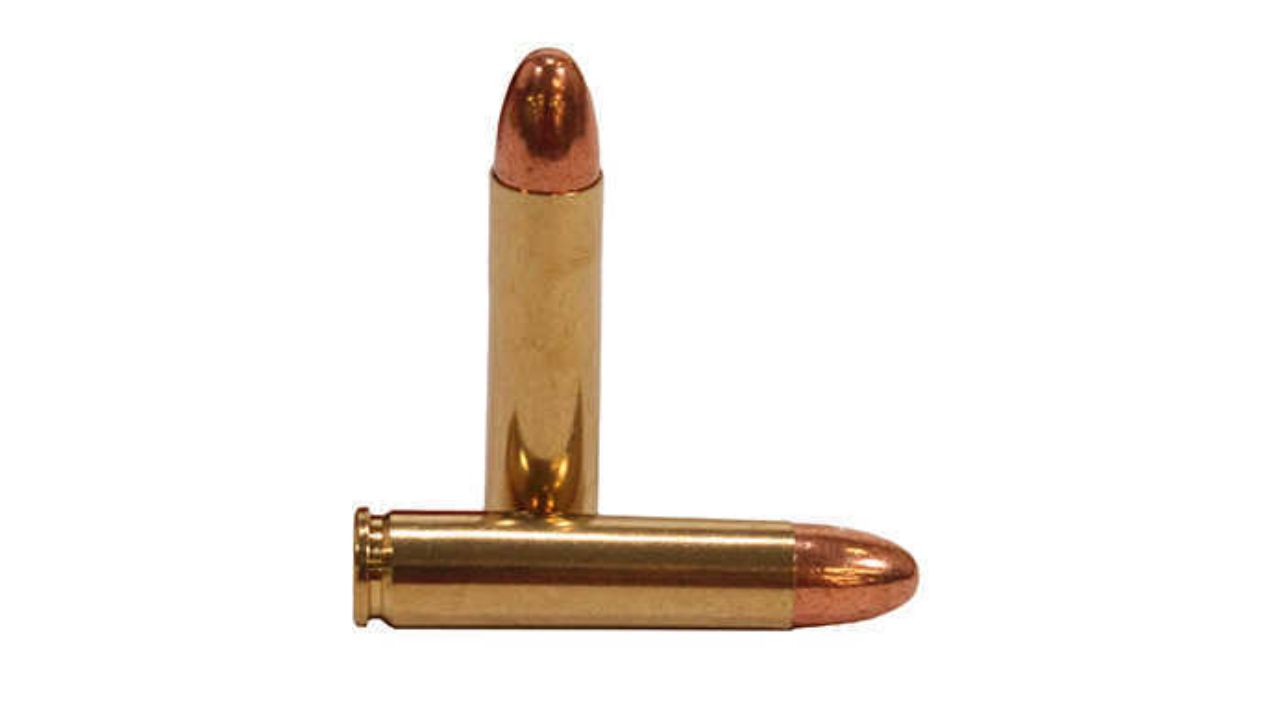
The .30 Carbine fires a light .30-caliber bullet from a compact semiautomatic rifle. It is easy to control and has been used successfully on small deer and hogs at close distances.
Its performance falls well below true full-power rifle cartridges. Common bullets are relatively light, and many loads are designed for feeding or defensive expansion rather than deep penetration. A large boar’s shoulder or an elk’s heavy bone can stop the bullet before it reaches the vitals. The cartridge is handy, but not powerful enough for demanding game.
.300 Blackout Subsonic
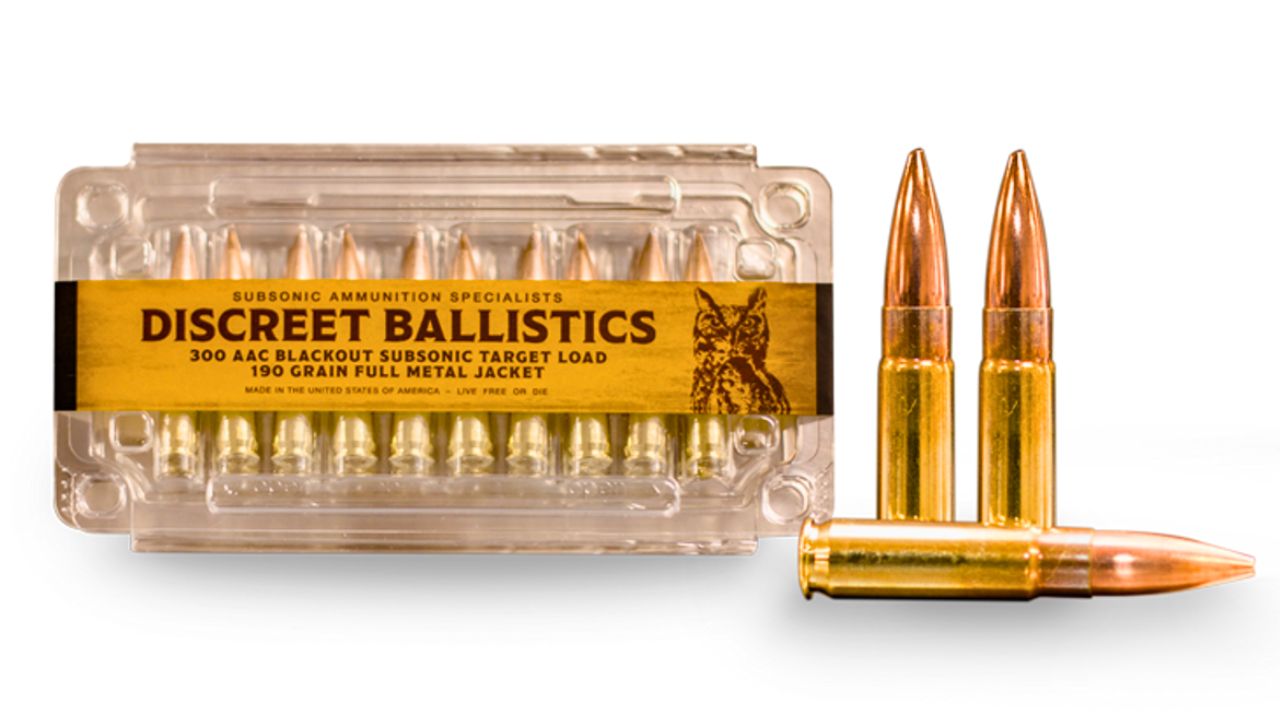
Subsonic .300 Blackout loads are quiet when suppressed and can deliver heavy bullets from very short barrels. They are excellent for specialized defensive and recreational use.
Their velocity is similar to that of powerful handgun cartridges. Expansion depends heavily on specialty bullet construction, and many ordinary subsonic bullets behave like full-metal-jacket projectiles. Tough game requires reliable penetration and tissue damage from imperfect angles. Subsonic Blackout leaves too much dependent on the exact bullet and perfect placement.
.357 Magnum from a Handgun

The .357 Magnum is a respected defensive and hunting cartridge. From a long-barreled revolver, good ammunition can take deer and medium-sized hogs at close range.
That does not make it a suitable general-purpose round for elk, large bear, or heavily built boars. Handgun velocity limits expansion and penetration choices, while accurate shot placement becomes harder under field conditions. Heavy hard-cast bullets improve penetration, but the cartridge still leaves less margin than a true rifle round.
.327 Federal Magnum

The .327 Federal Magnum offers impressive velocity, useful capacity, and mild recoil compared with larger magnum revolvers. It can work well for predators and small deer under controlled conditions.
Its bullets are too light and narrow for consistent performance on tough game. Even strong loads cannot match the wound channel or bone-breaking ability of larger hunting cartridges. The .327 is versatile within its class, but it should not be stretched into a role better handled by a .44 Magnum or centerfire rifle.
.30-30 Winchester with Lightweight Bullets

The .30-30 Winchester is fully capable of taking deer, hogs, black bear, and even larger animals when loaded with appropriate hunting bullets. The problem comes when hunters choose lightweight varmint-style projectiles.
A light, rapidly expanding bullet may produce impressive velocity but fail to penetrate through the shoulder of a large animal. Tough game requires controlled expansion and enough bullet weight to continue driving. The cartridge itself is capable, but poorly chosen lightweight loads can make it behave far weaker than its reputation suggests.
.243 Winchester with Varmint Ammunition

The .243 Winchester can be an excellent deer and pronghorn cartridge with proper 90- to 105-grain controlled-expansion bullets. It is also widely loaded with much lighter bullets intended for varmints.
Those fragile projectiles can disintegrate on heavy bone or expand before reaching deep organs. Using them on elk, large hogs, or bear removes nearly all penetration margin. Hunters should never assume that the caliber stamped on the barrel tells the entire story. Bullet construction determines whether the .243 behaves like a hunting rifle or a varmint gun.
6mm Creedmoor
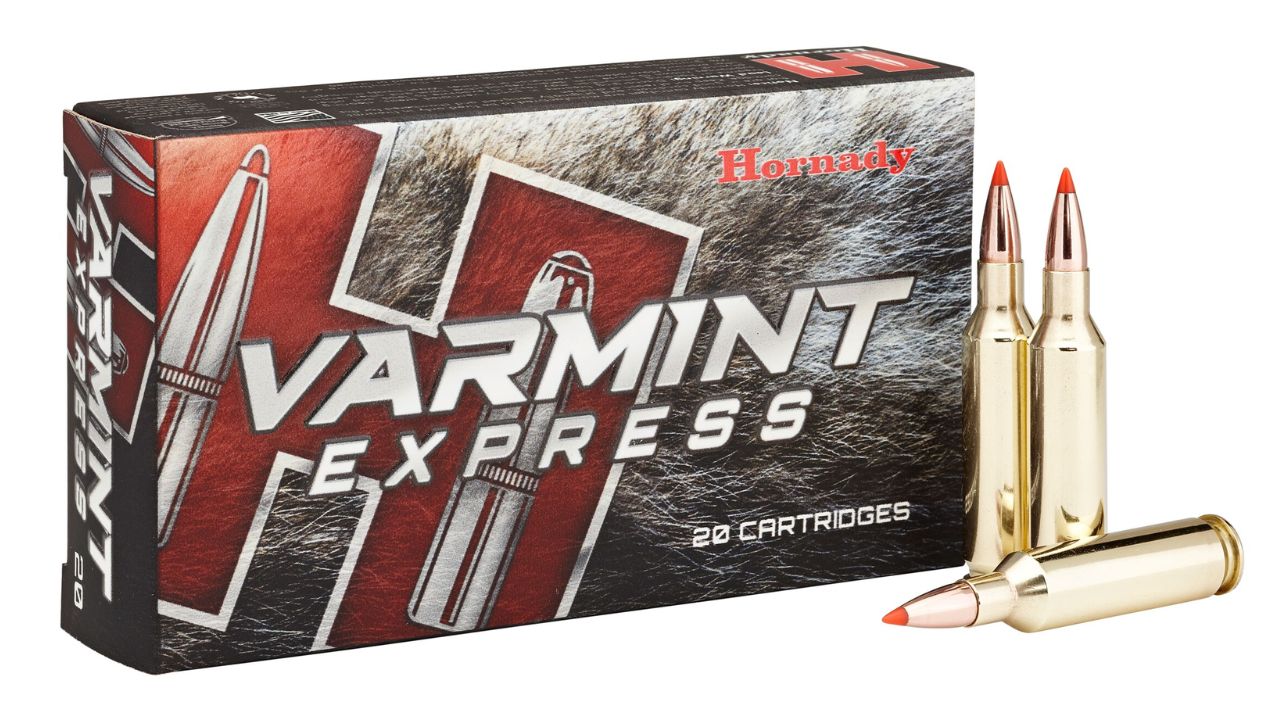
The 6mm Creedmoor is accurate, flat shooting, and highly effective in precision competition. It can also work on deer and pronghorn with well-constructed hunting bullets.
Its relatively small diameter and light bullet weights make it less forgiving on elk, large hogs, and bear. A good broadside shot may succeed, but difficult angles and heavy bone expose the cartridge’s limits. It is optimized for efficiency and low recoil rather than maximum penetration on tough animals.
.250 Savage
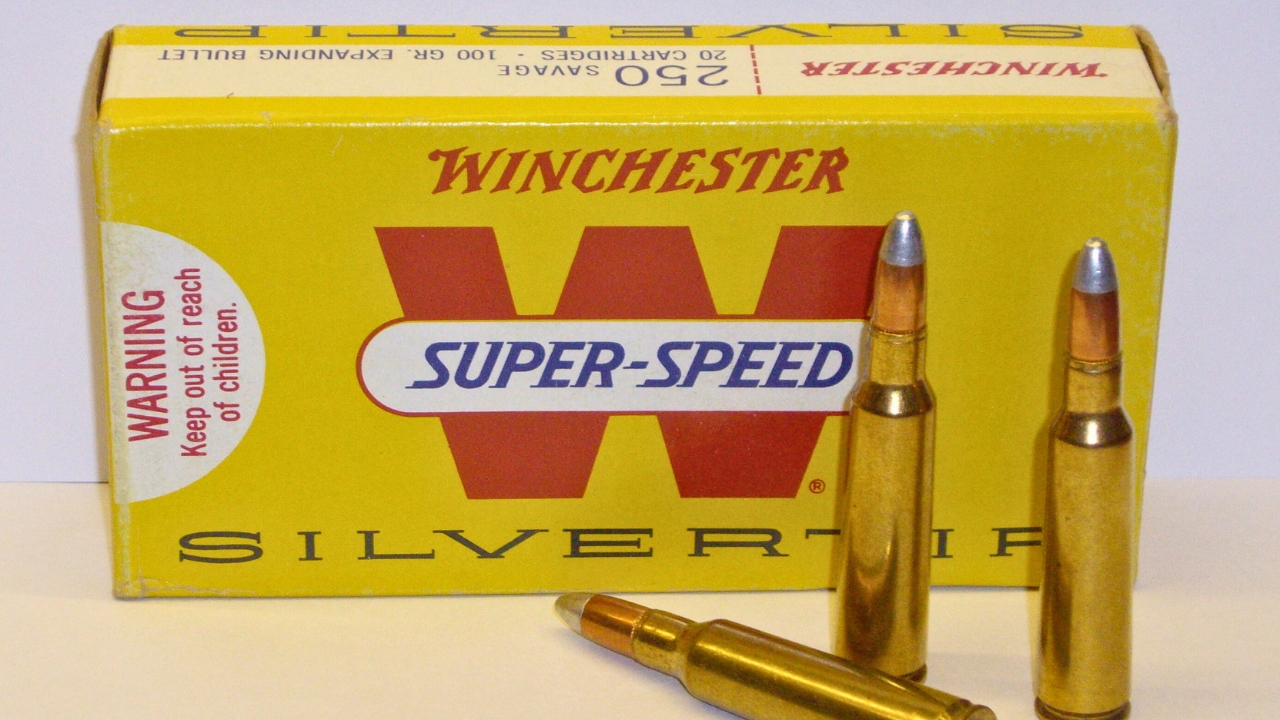
The .250 Savage was an impressive high-velocity cartridge when introduced and remains a pleasant deer round with low recoil. It can perform well on pronghorn and smaller-bodied deer.
Its limited case capacity and moderate bullet weights leave little reserve for larger animals. Many rifles also have twist rates that do not handle the heaviest modern .25-caliber bullets well. The cartridge can kill elk with ideal placement, but it lacks the penetration and energy margin responsible hunters should prefer.
6.5 Grendel

The 6.5 Grendel offers excellent efficiency from the AR-15 platform. It carries more energy and penetrates better than the .223 Remington while producing modest recoil.
It can be effective on deer and medium hogs at reasonable distances. Tougher game exposes its limited case capacity and moderate impact velocity. Heavy bullets help, but the cartridge cannot match the penetration margin of the .308 Winchester, .30-06, or larger hunting rounds. It works best when hunters keep game size, range, and shot angle conservative.
.350 Legend with Light Loads

The .350 Legend is a capable straight-wall deer cartridge and can perform well on hogs when loaded with a strong hunting bullet. Not every factory load offers the same performance.
Light, rapidly expanding bullets may lack the penetration needed for mature boars, black bear, or hard quartering shots. The cartridge already operates at moderate velocity, so poor bullet construction leaves little reserve. Hunters pursuing tough game should choose heavy controlled-expansion loads or move to a more powerful cartridge.
.410 Bore Slug
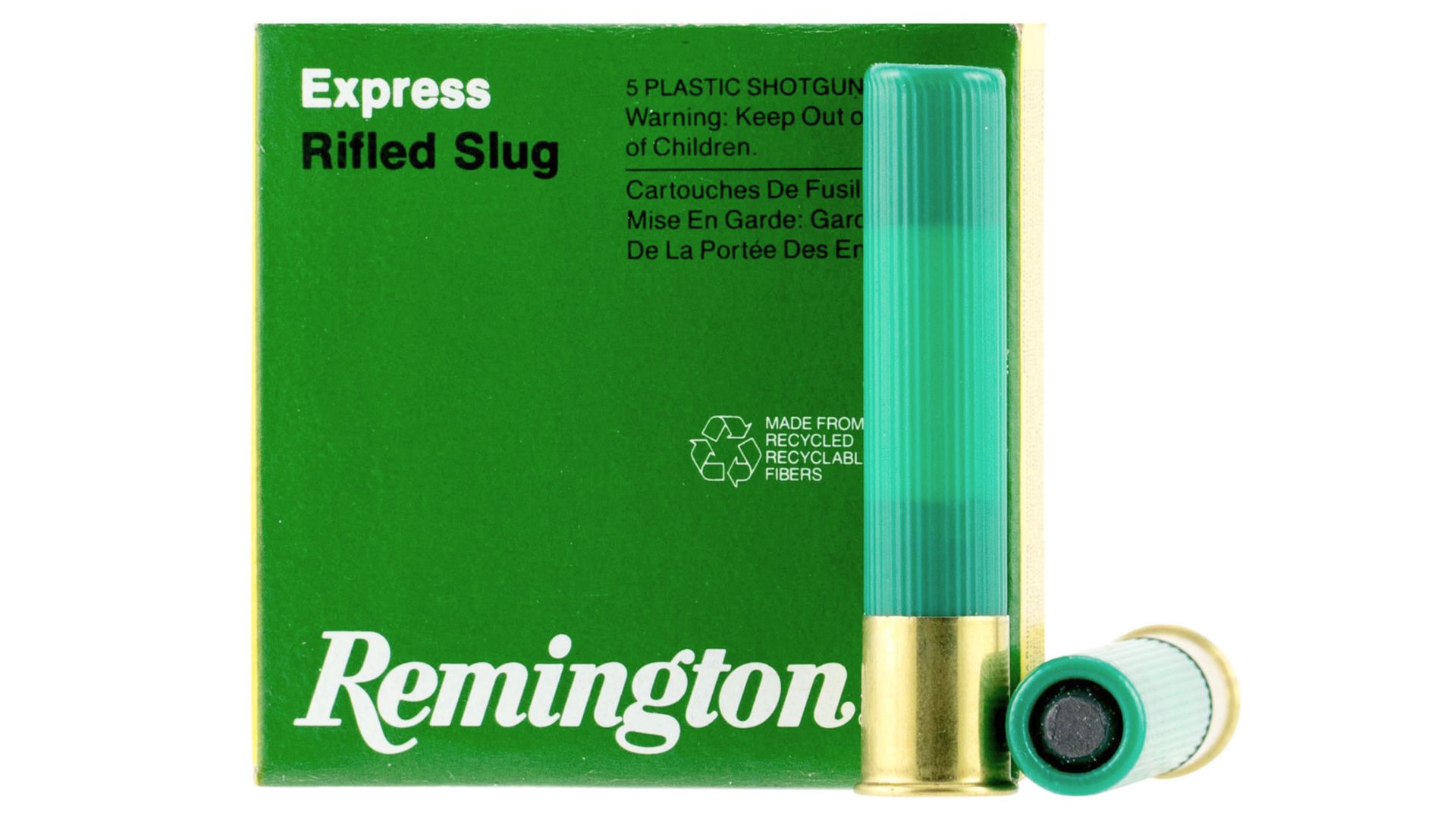
A .410 slug offers low recoil and can take deer where legal with careful shot placement. That capability sometimes causes hunters to assume it can handle larger or tougher animals.
The slug is small, relatively light, and carries limited energy. Accuracy also varies between individual shotguns and loads. It has little ability to compensate for heavy bone, a poor angle, or imperfect placement. Tough game calls for a 20-gauge slug, 12-gauge slug, or proper centerfire rifle instead.
Like The Avid Outdoorsman’s content? Be sure to follow us.
Here’s more from us: