Photo credit: Tactical Considerations · 16:57/YouTube
Reliability is not just about whether a gun works on a clean range with its favorite ammunition. A firearm you actually depend on should tolerate different defensive loads, imperfect shooting positions, dirty magazines, a less-than-perfect grip, and normal neglect without immediately becoming temperamental.
Some guns leave much less room for error. They may run beautifully once you learn exactly what they like, but that is not the same thing as being forgiving. These 20 firearms have quirks, ammunition preferences, magazine sensitivities, or operating characteristics that make me want considerably more testing before I trust them.
Kimber R7 Mako

The R7 Mako has a good trigger, high capacity, and surprisingly manageable recoil for a micro-compact. It has also had a significant enough issue that Kimber currently maintains a safety recall covering certain R7 pistols because of a potential firing-pin safety-block problem.
That does not mean every Mako is affected. It does mean owners need to verify their serial number rather than blindly trusting the gun. When a pistol is intended for concealed carry, checking recall status and thoroughly testing the exact individual gun should be considered mandatory.
Taurus GX4
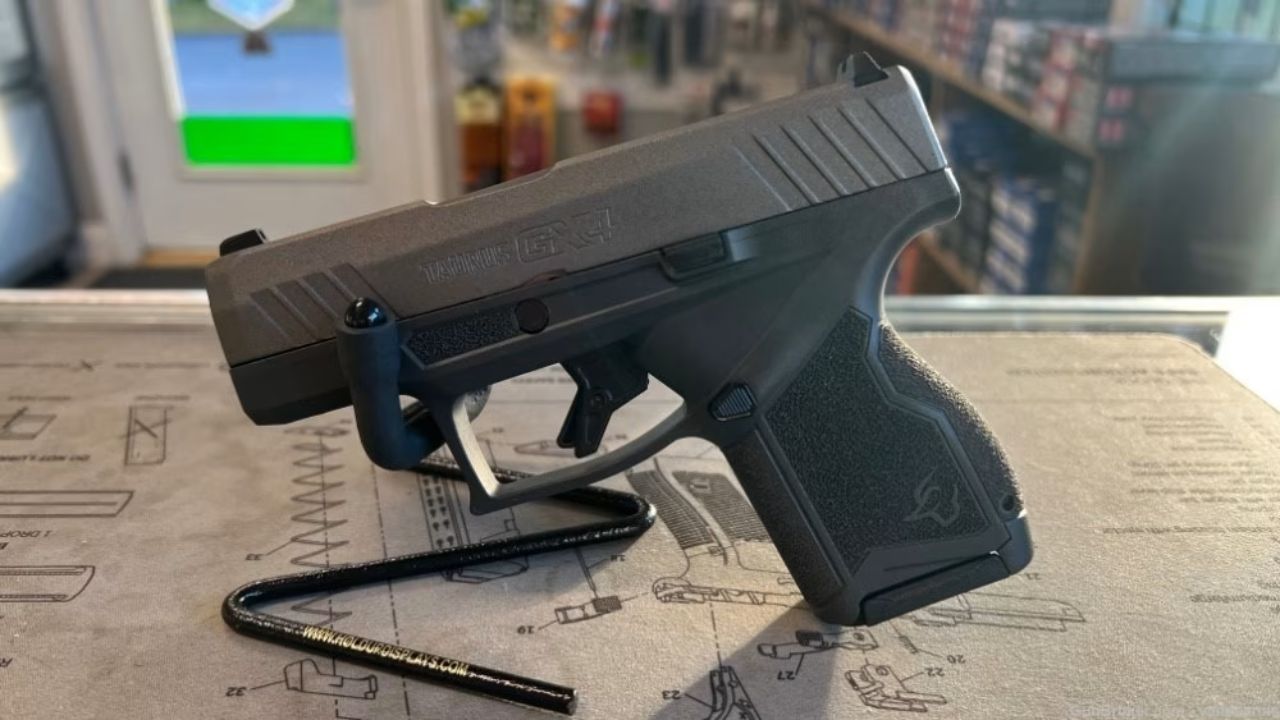
The GX4 is one of Taurus’s most competitive modern pistols, but it is another firearm where the individual gun’s history matters. Taurus issued a safety notice covering certain GX4 pistols and instructed owners of affected guns to stop using them until the issue was addressed.
An unaffected or corrected GX4 can be a completely different proposition. Still, this is not a gun I would buy used, load, and immediately carry without checking the serial number and putting serious ammunition through it. Low price is attractive. Confidence in the individual gun matters more.
Glock 42
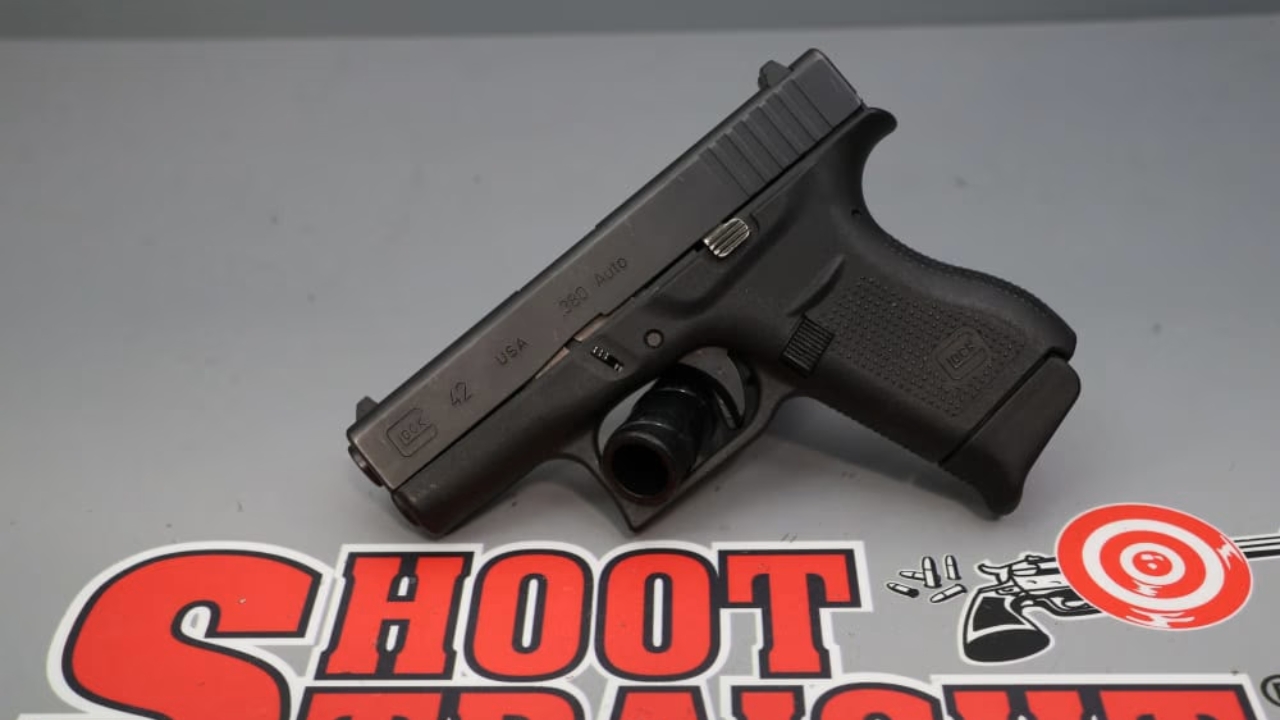
The Glock 42 has earned a generally strong reputation, but it is much more sensitive to shooter input than a Glock 19. Its light slide and small .380 ACP package mean weak ammunition and limp-wristing have less room to hide.
That is particularly important for shooters who buy the G42 because they have limited hand strength. The same person who likes its easy recoil may not always provide the firm grip a small semiautomatic prefers. A G42 that has proven itself with your defensive load can be dependable, but it deserves more individual testing than its Glock name might suggest.
Ruger LCP MAX
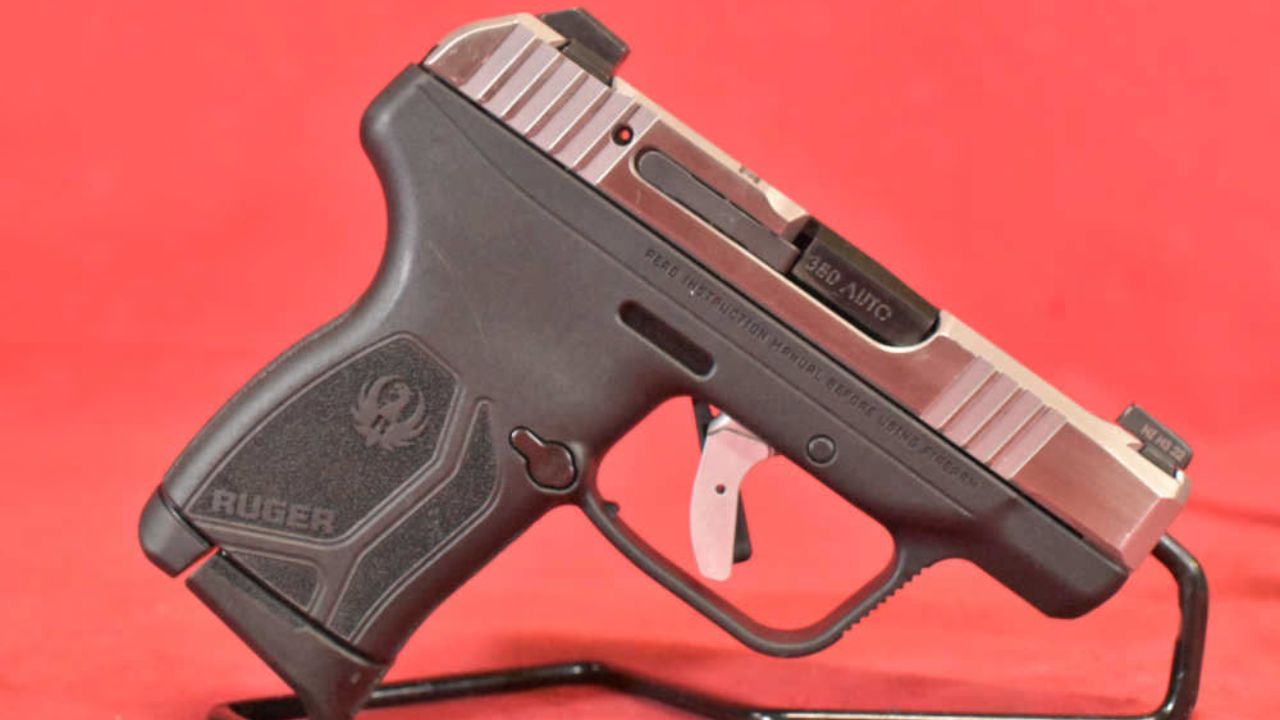
The LCP MAX gives you excellent capacity in a tiny .380, but packing that much ammunition into such a small magazine creates very little excess space. Magazine condition, ammunition overall length, and grip can matter more than they do in a larger handgun.
That is the tradeoff for getting 10 or 12 rounds into a true pocket gun. I like the LCP MAX for what it is, but I would test every magazine separately and put plenty of my chosen defensive load through it. A pocket gun needs to prove itself because its tiny operating envelope gives you less margin for error.
FN Reflex
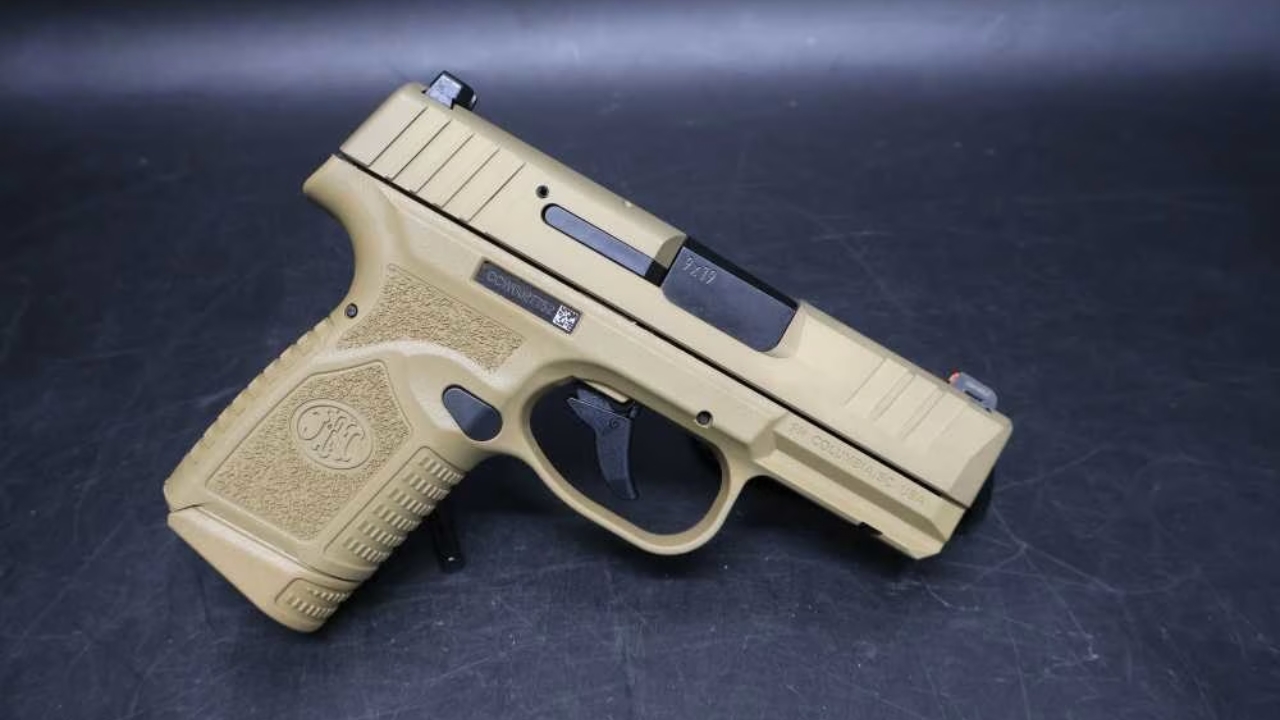
The Reflex stands out because it uses an internal hammer rather than the striker-fired system found in most competing micro-compacts. It also has an excellent trigger, but owners have reported enough variation in point of impact and individual-gun behavior that I would insist on testing one carefully before carry.
Micro-compacts already operate with small margins. Add a newer design with less accumulated field history than something like a Glock 19, and there is no reason to skip the proving process. The Reflex may run perfectly. Make your particular Reflex prove that before trusting it.
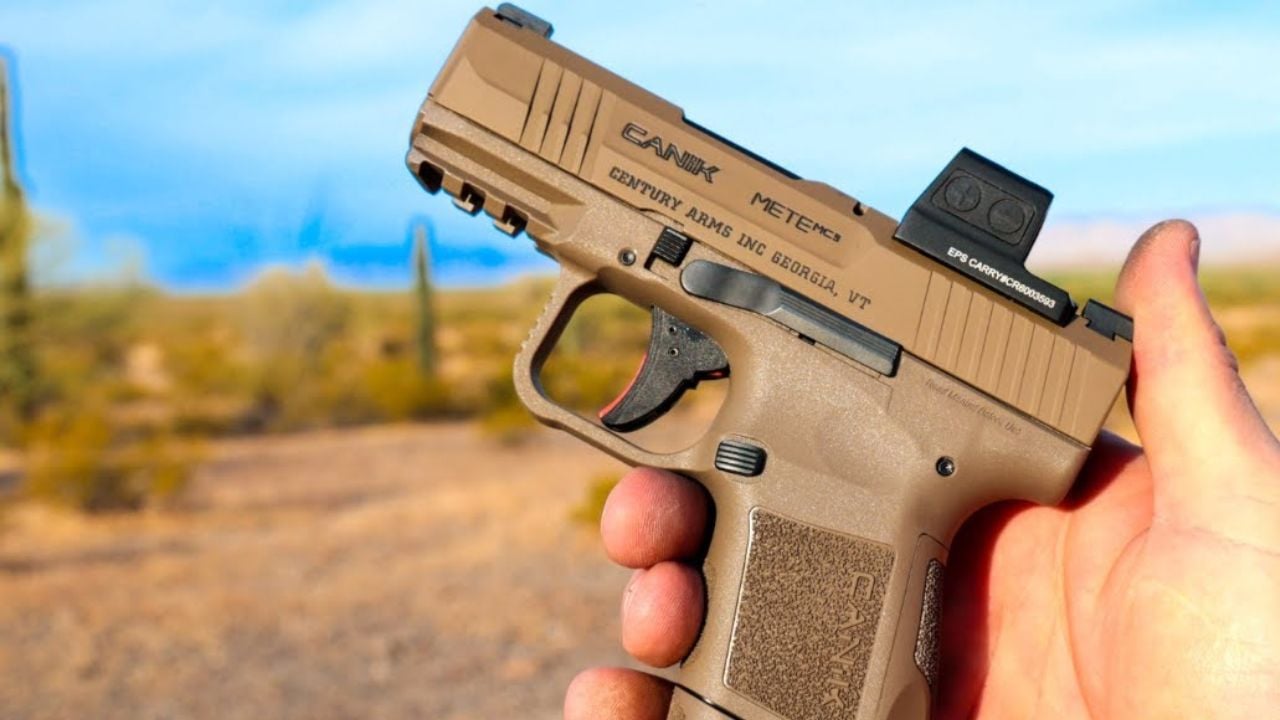
Canik METE MC9

The MC9 attracted a lot of attention because Canik managed to combine strong capacity, a good trigger, and a low price in a micro-compact. Early examples also generated complaints involving feeding, return-to-battery behavior, and magazine-related issues.
Canik has continued developing the platform, so newer production should not automatically be judged by the earliest guns. But this is exactly why production date matters. I would be far more comfortable with a newer MC9 that has fired several hundred trouble-free rounds than an unknown early-production example bought secondhand.
Smith & Wesson M&P 5.7
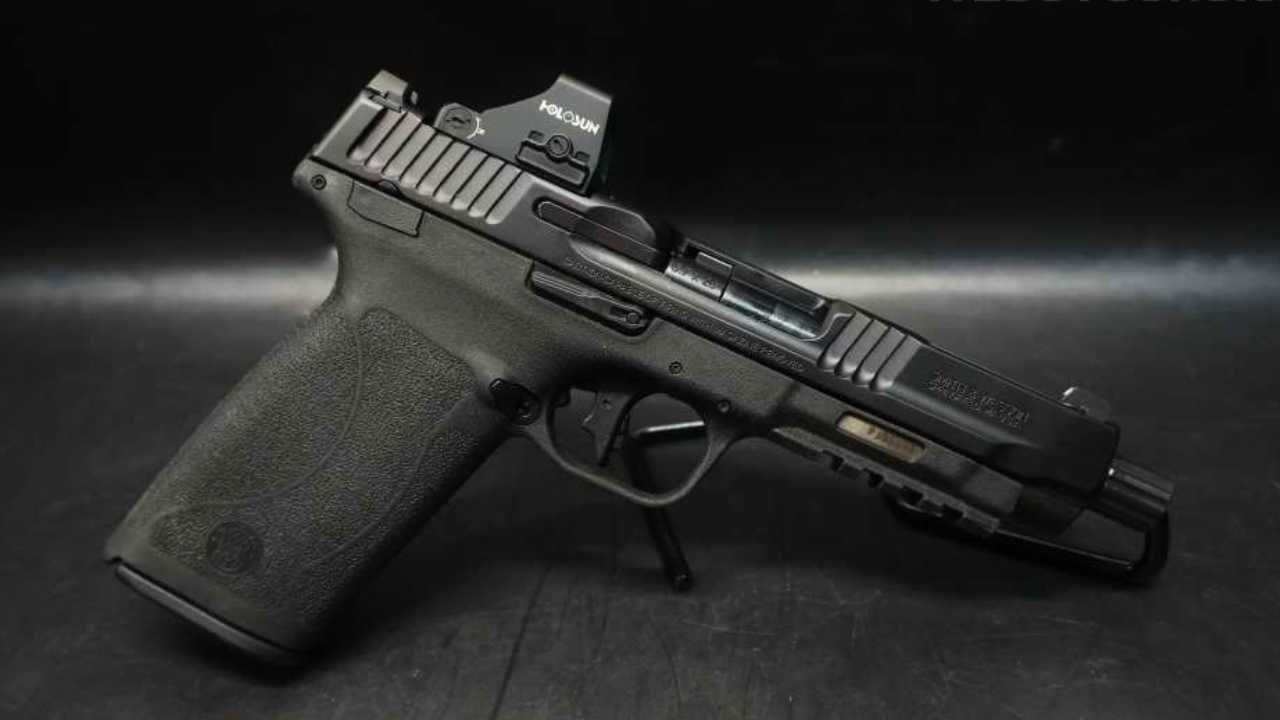
The M&P 5.7 is a fascinating pistol with 22-round capacity and an unusual gas-operated, rotating-barrel system rather than the conventional locked-breech setup used by most service pistols. Smith & Wesson currently lists the pistol with that 22-round capacity and 5.7x28mm chambering.
The downside of unusual operating systems is that ammunition consistency matters. If I were relying on one, I would stick with quality factory 5.7 ammunition and test a substantial amount of it. This is not the pistol where I would experiment with questionable bargain ammunition and expect the gun to shrug it off.
Ruger-57
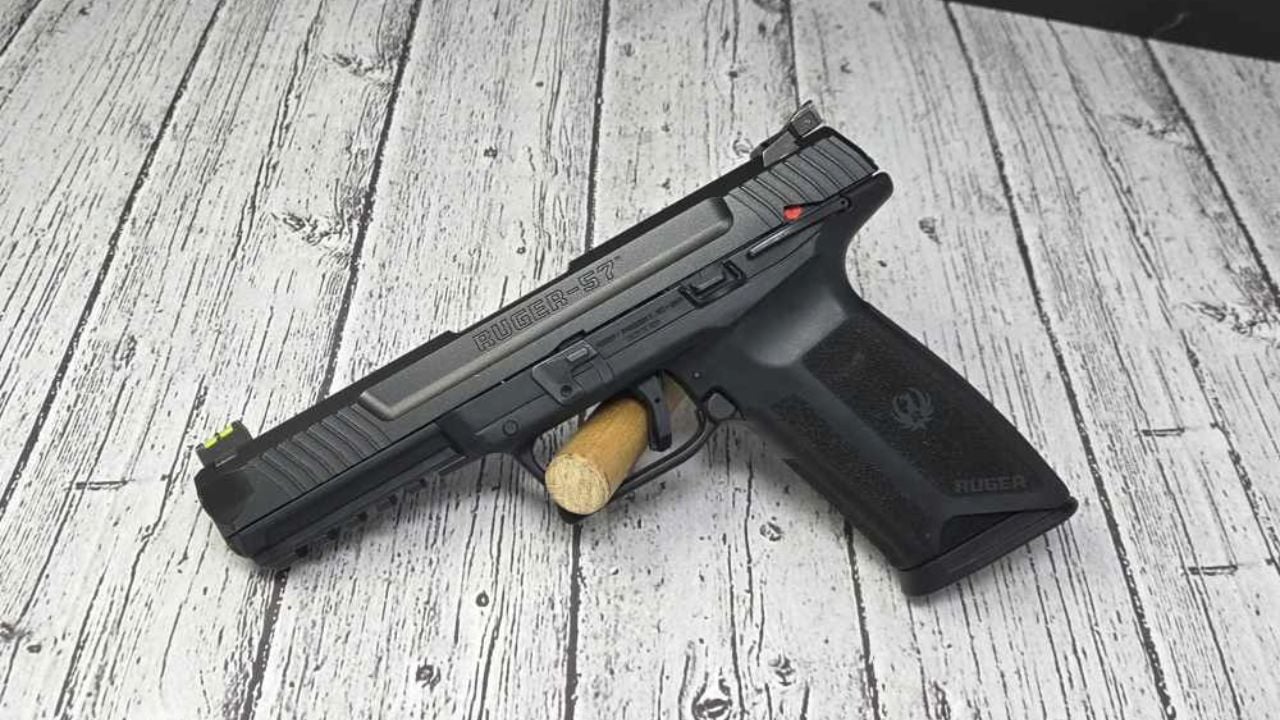
The Ruger-57 is considerably more conventional than some 5.7 pistols, but 5.7x28mm itself gives the shooter fewer ammunition choices than 9mm. Different loads can also have noticeably different pressure and recoil characteristics.
That matters because reliable cycling depends on the ammunition and gun working together within a relatively specific operating window. With quality ammunition, the Ruger can run extremely well. I still prefer the broader ammunition tolerance of mature 9mm duty platforms when the firearm’s only job is to work.
KelTec PMR30
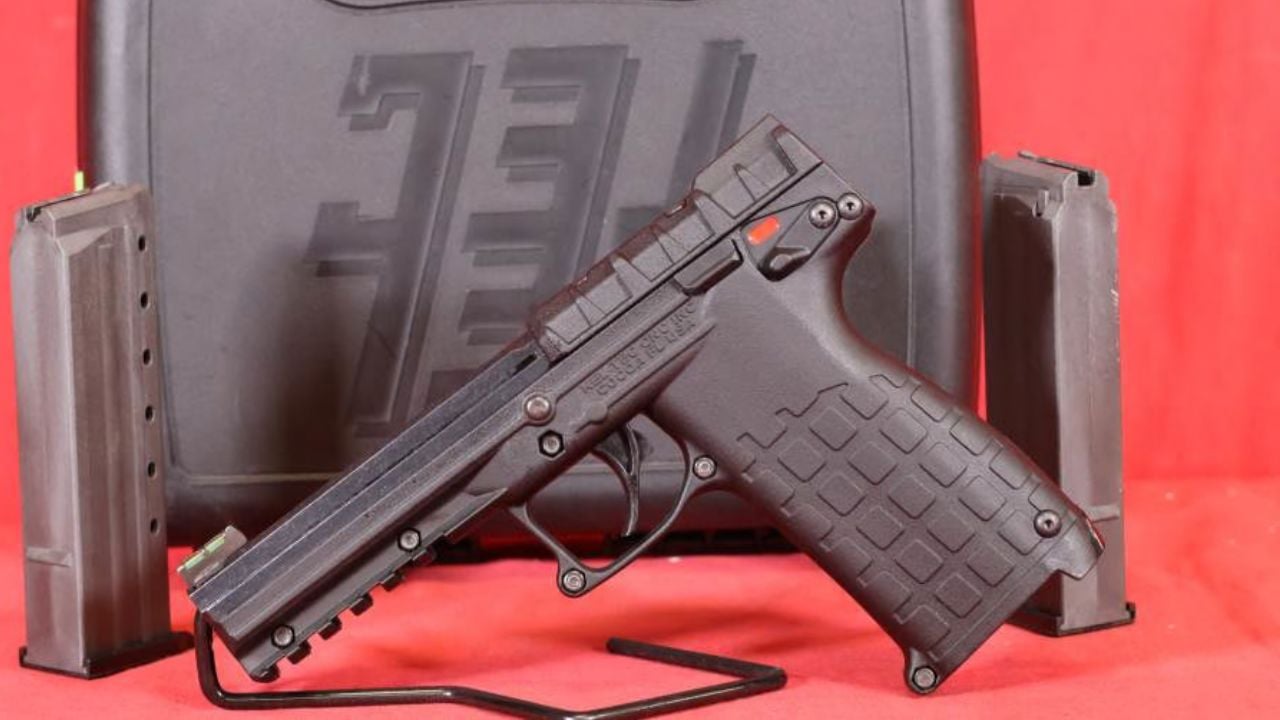
This is the one KelTec that genuinely belongs here. Thirty rounds of .22 Magnum is an impressive trick, but the PMR30 is extremely particular about how its magazines are loaded and what ammunition is fed through it.
That is not internet folklore. KelTec specifically recommends high-quality, high-powered ammunition and generally advises 40-grain or heavier loads for reliable operation. The magazine also has to be loaded correctly so the rimmed cartridges stack properly. The PMR30 can be fantastic once you understand it. I just do not consider a gun this particular to be a serious defensive choice.
SIG Sauer P322

The P322 gives you 20 rounds of .22 LR in a pistol that feels much closer to a centerfire defensive gun than an old-school rimfire. The magazine is also the part that demands attention.
Rimmed .22 cartridges can become improperly stacked during loading, particularly in a high-capacity magazine. If that happens, feeding problems can follow even though nothing is mechanically wrong with the pistol. The P322 is a great trainer, but any gun that relies heavily on careful magazine loading is not what I want when absolute reliability is the standard.
Taurus TX22 Competition
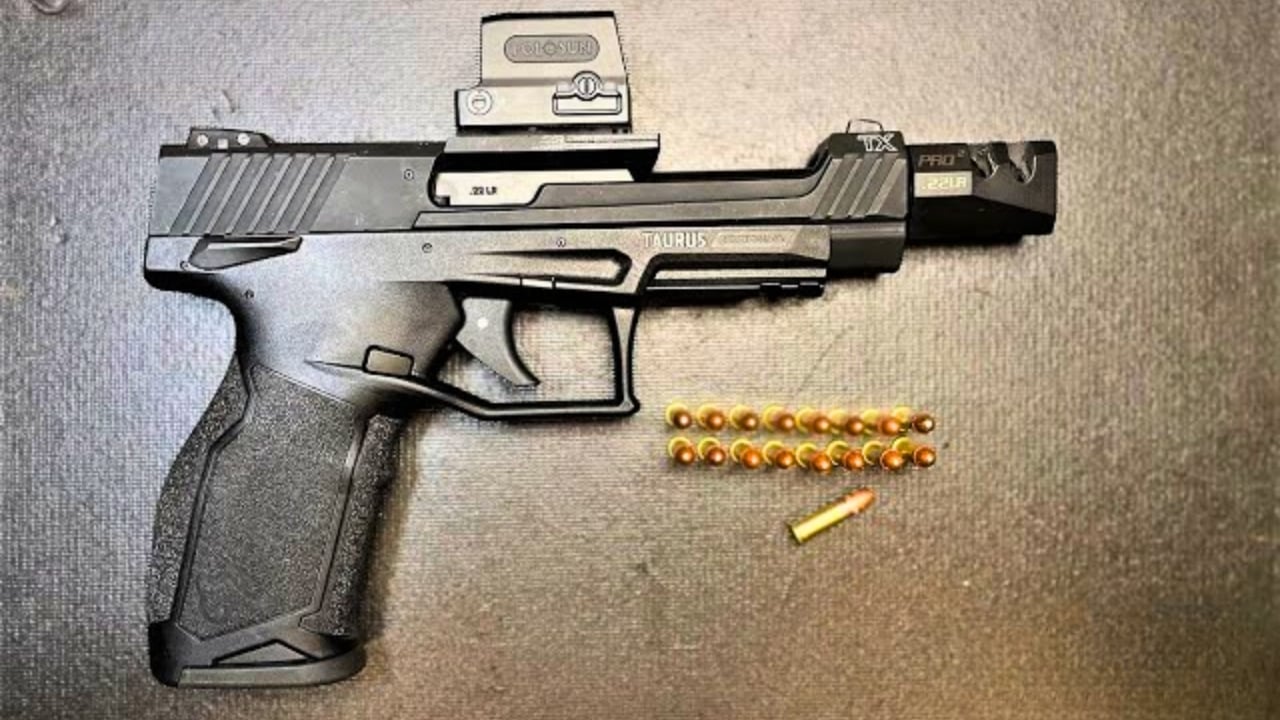
The TX22 series is one of the better modern rimfire pistol families, and I would happily own one for training. It still operates on .22 LR, and the Competition model adds optics, a longer barrel assembly, and other features that encourage owners to run the gun hard.
Rimfire ammunition gets dirty quickly, and semi-auto .22s can start behaving differently as fouling accumulates. Magazine loading also matters. None of that is a serious problem on a training pistol. It simply makes the TX22 a poor substitute for a centerfire gun when reliability has consequences.
FN 502 Tactical
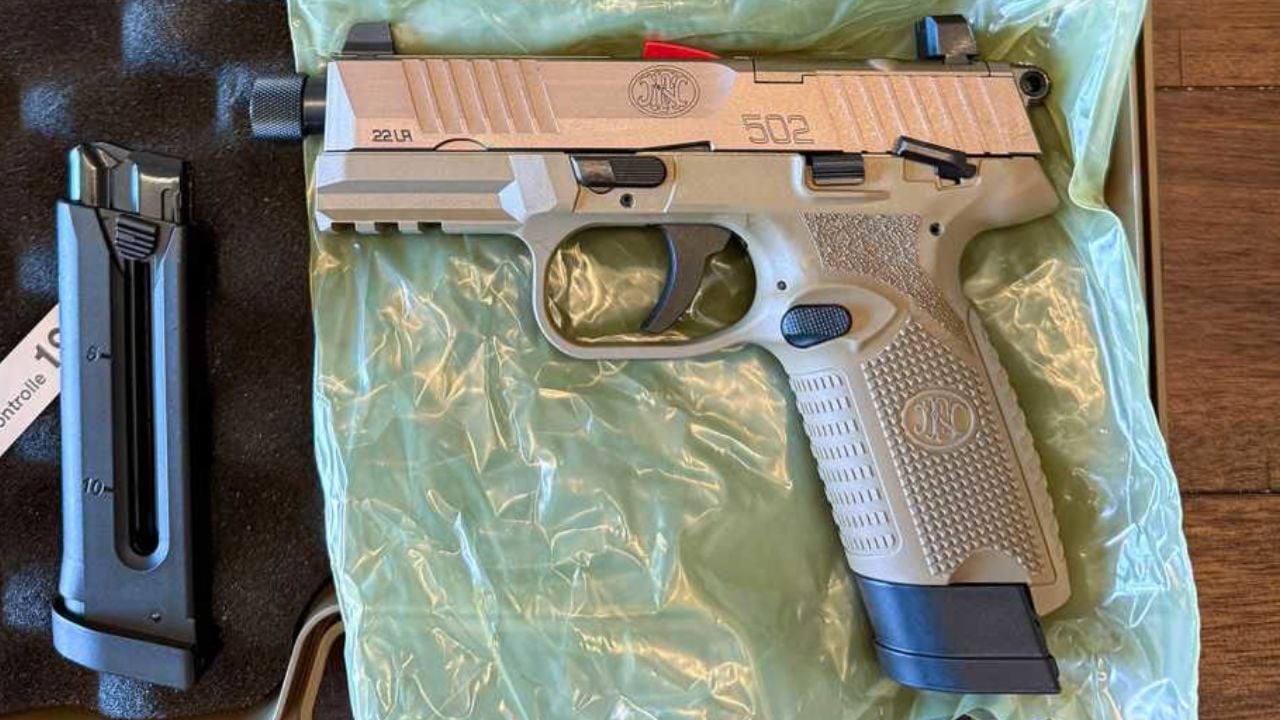
The FN 502 looks enough like a serious fighting pistol that it can be easy to forget what is powering it. It is still a blowback-operated .22 LR handgun.
That means ammunition quality matters considerably more than it does with an FN 509 firing 9mm. Cheap bulk rimfire ammunition can produce inconsistent ignition and cycling, while dirty ammunition gradually adds fouling to an already light operating system. The 502 is an excellent trainer. I would trust the centerfire gun it imitates long before I trusted the trainer itself.
Beretta A300 Ultima Patrol
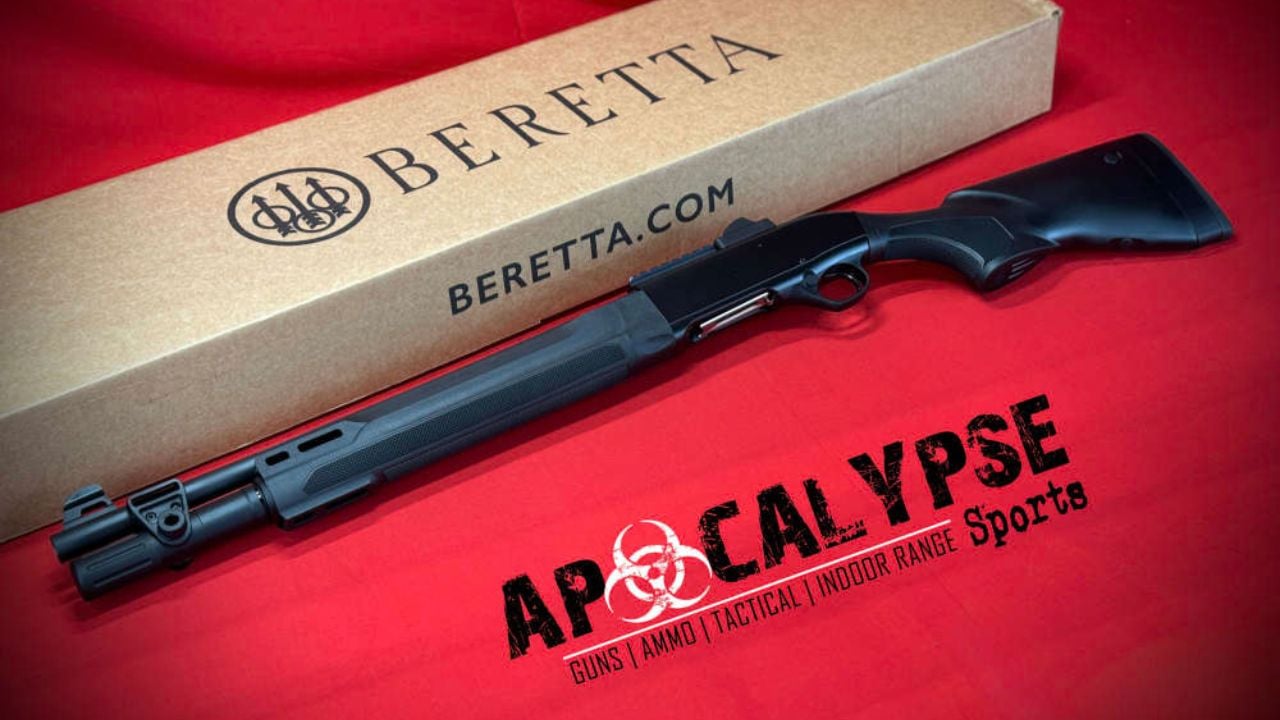
The A300 Ultima Patrol has become one of the most popular affordable defensive semiautomatic shotguns. It can be extremely reliable, but any gas-operated shotgun deserves to be tested with the exact ammunition you plan to keep in it.
Very light loads do not produce the same operating energy as defensive buckshot or slugs. Gas guns also accumulate fouling where a pump shotgun simply waits for you to cycle the action manually. The A300 is far from fragile, but if you expect one to run every random shell you find without testing, you are asking more from it than you should.
Mossberg 940 Pro Tactical
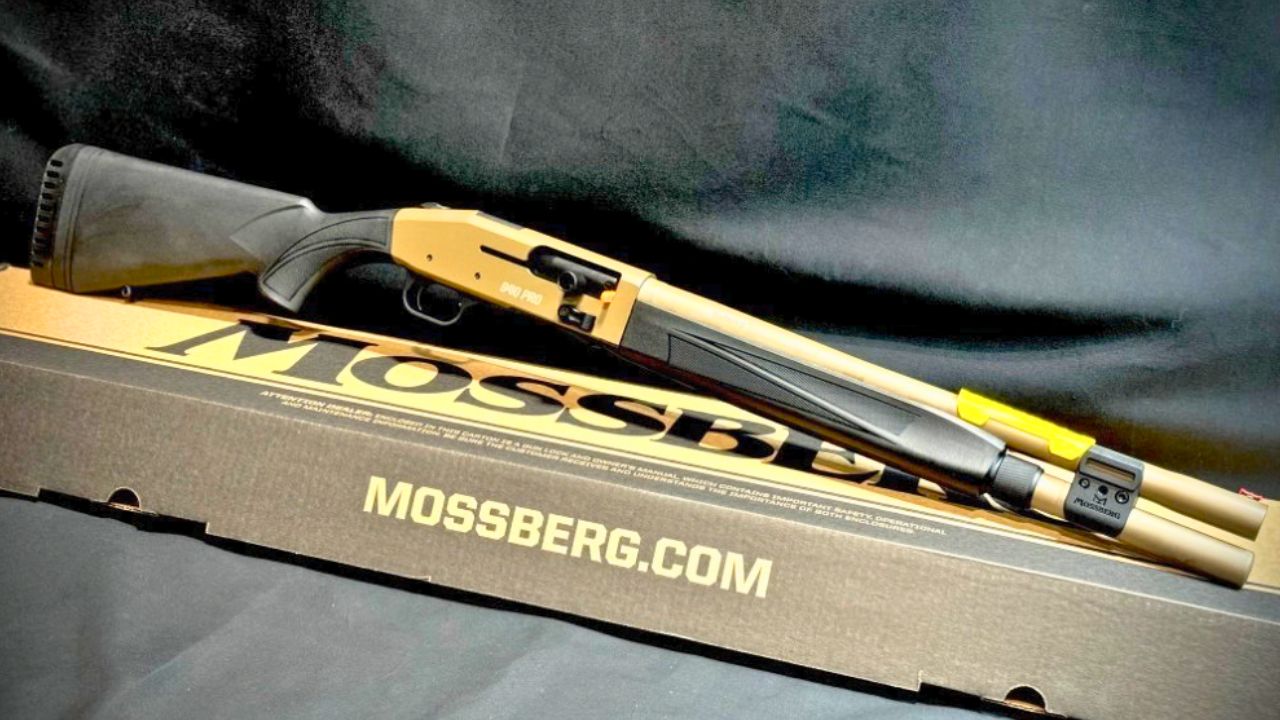
The 940 is a major improvement over the older 930 and was designed specifically to run longer between cleanings. Even so, it remains a gas-operated semi-auto shotgun, which means ammunition still contributes directly to cycling the action.
That is why I would never choose defensive shotgun ammunition solely by what is cheapest. Test your buckshot, test your slugs, and make sure the gun cycles them from every shooting position you reasonably expect to use. Semi-auto shotguns can be extremely dependable, but ammunition compatibility matters more than it does in a manually operated pump.
Benelli M2 Tactical
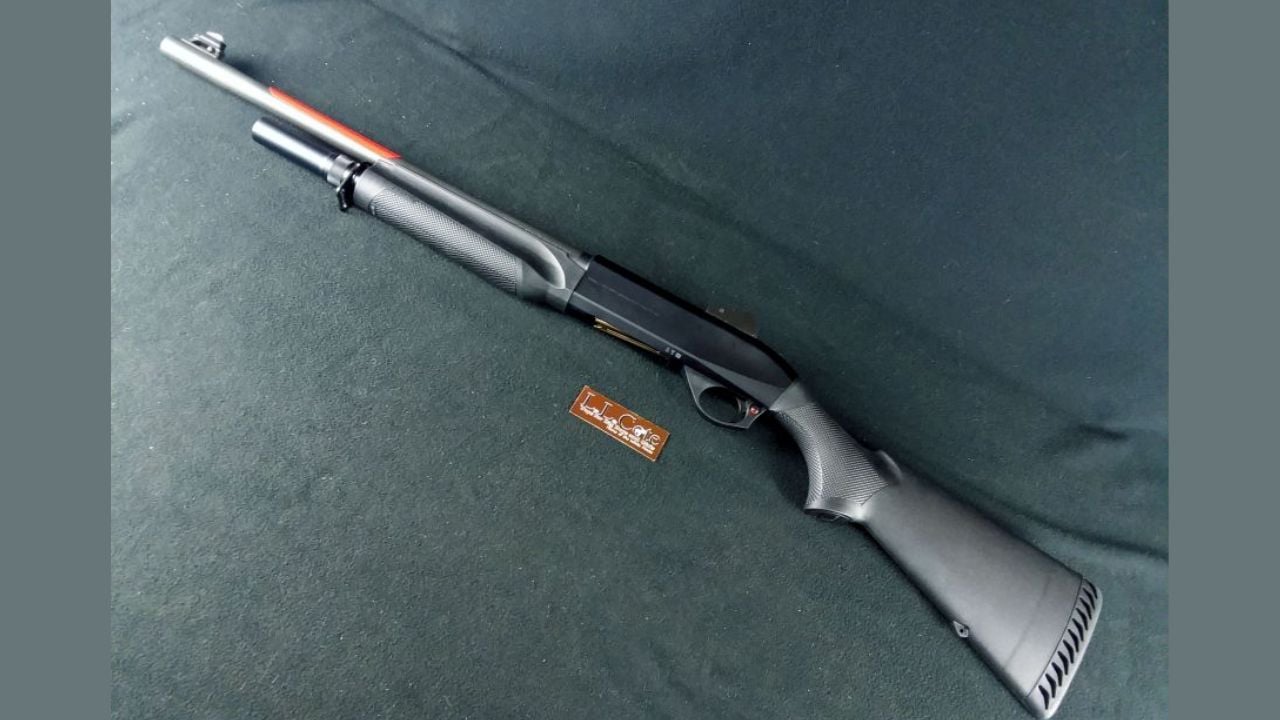
The Benelli M2 has an excellent reputation, but its inertia-driven action introduces a different kind of sensitivity. The gun depends partly on resistance from the shooter’s shoulder so the action can cycle properly.
Shoot it normally with full-power defensive loads and an M2 can be astonishingly dependable. Try extremely light ammunition or fire it from an awkward, poorly supported position and you may get different results. That is not necessarily a flaw, but it is an operating characteristic every owner should understand before trusting one.
Benelli M4

The M4 is one of the most respected combat shotguns ever produced, so calling it unreliable would be ridiculous. What does matter is that owners often start modifying them with different stocks, magazine tubes, shell carriers, optics, charging handles, and internal parts.
Once enough aftermarket parts get involved, you are no longer evaluating Benelli’s M4. You are evaluating your particular build. Added weight, altered springs, and questionable replacement parts can change how an otherwise extremely reliable gun behaves. A defensive M4 should be thoroughly tested after every meaningful modification instead of assuming the Benelli name overrides bad setup.
Rock Island Armory Double Stack 1911
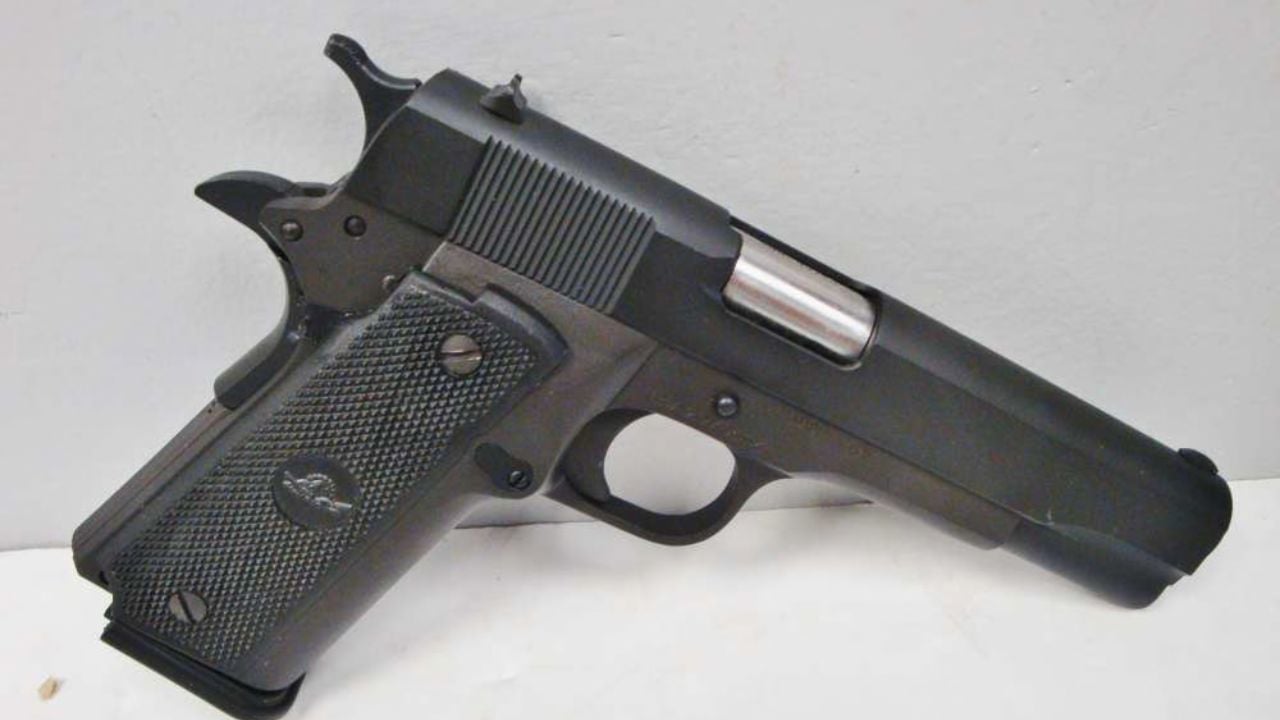
Affordable double-stack 1911s can offer enormous value, but the 1911 platform generally rewards good magazines, proper extractor tension, appropriate ammunition, and decent maintenance more than a modern duty pistol does.
The double-stack versions add another magazine variable. Some run almost boringly well once properly set up. Others need magazine tuning or minor attention before they reach that point. For competition or range use, that may be perfectly acceptable. For a pistol I plan to depend on immediately, I prefer a platform that is less interested in whether every part of the setup is exactly right.
Kimber Micro 9

The Kimber Micro 9 packs 9mm into a very small 1911-style pistol, but that compact design leaves less room for sloppy ammunition, weak grip technique, or marginal magazine performance. Small single-action pistols can run extremely well once sorted out, but they are not always as forgiving as larger service pistols.
Magazine quality and ammunition choice matter, especially in a gun with such a short slide and limited operating travel. If a Micro 9 has proven itself over several hundred rounds, that is one thing. I would not assume one is ready for defensive use straight out of the box without thorough testing.
Kimber Ultra Carry II

The Ultra Carry II shrinks the 1911 platform down to a 3-inch barrel, and that creates a much tighter operating window than John Browning’s original full-size design. Short-slide 1911s generally demand more attention to recoil springs, magazines, extractor tension, and ammunition than a 5-inch Government model.
A properly tuned Ultra Carry II can be dependable, but it is not the kind of pistol I would neglect and expect to keep running indefinitely. The shorter the 1911 gets, the more important setup and maintenance become. That makes it a better fit for this list than a modern micro-compact with a strong reliability record.
Desert Eagle L5 .50 AE
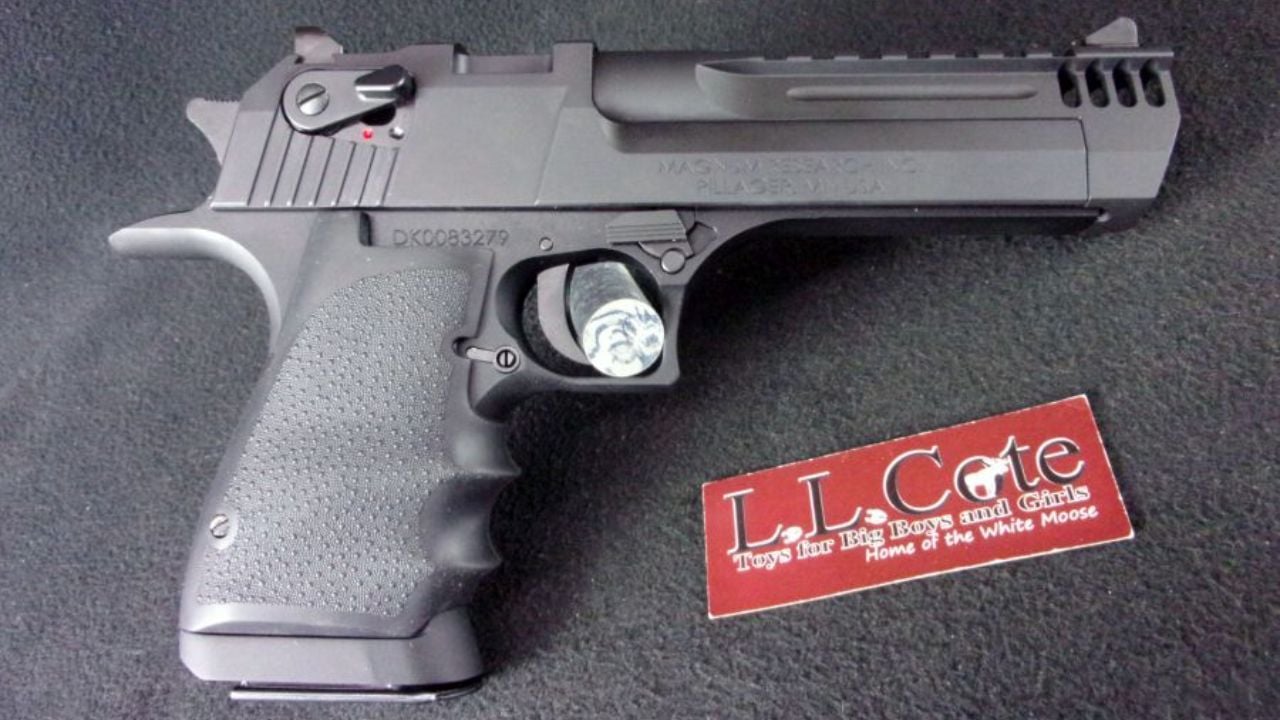
The lighter L5 version of the Desert Eagle trims some weight, but it does not make the platform any less dependent on proper ammunition and shooting technique. The Desert Eagle uses a gas-operated system, and underpowered ammunition or a weak grip can cause cycling problems.
The .50 AE version also produces enough recoil that shooter technique matters considerably. When everything is right, it can run extremely well. But this is exactly the kind of firearm that wants the correct load, proper maintenance, and a firm grip every time. That is far more sensitivity than I want from something expected to work under imperfect conditions.
Like The Avid Outdoorsman’s content? Subscribe to our newsletter so you never miss an article.
Here’s more from us: