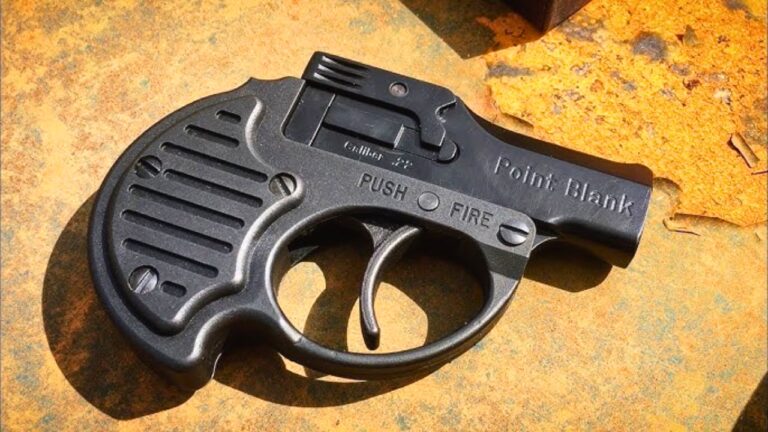
Photo credit: The Hide/YouTube
Firearm prices do not move in a straight line. Some guns stay affordable for years, while others seem to jump almost overnight once production slows, demand changes, or buyers finally realize a certain model is better than they gave it credit for.
I would never buy a gun solely because I thought the price might rise. But there are certain firearms I would rather buy at today’s going rate than look back a few years from now and wish I had moved sooner. These are the guns that already have strong followings, limited substitutes, or the kind of long-term appeal that tends to keep demand alive.
Ruger Security-Six
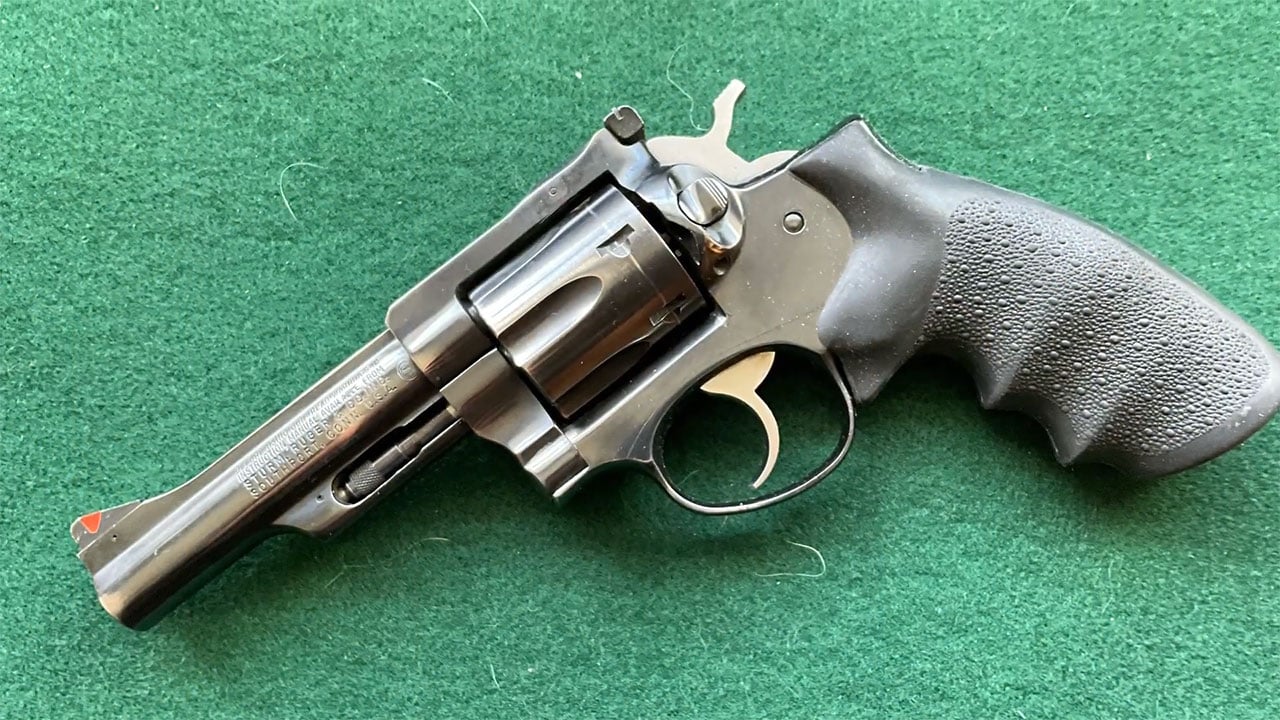
The Security-Six has already gone through the first stage of becoming desirable. For years, these were treated like ordinary old Ruger revolvers. Now more shooters understand that they offer a combination Ruger does not really duplicate anymore.
They are strong enough for regular .357 Magnum use without having the bulk of a GP100. The frame is relatively trim, the balance is excellent, and four-inch examples make extremely practical all-around revolvers. Every year that passes also means fewer clean ones remain sitting unnoticed in pawn shops. I would rather buy a mechanically sound Security-Six now than wait until every decent example is priced like a collectible.
Smith & Wesson Model 19
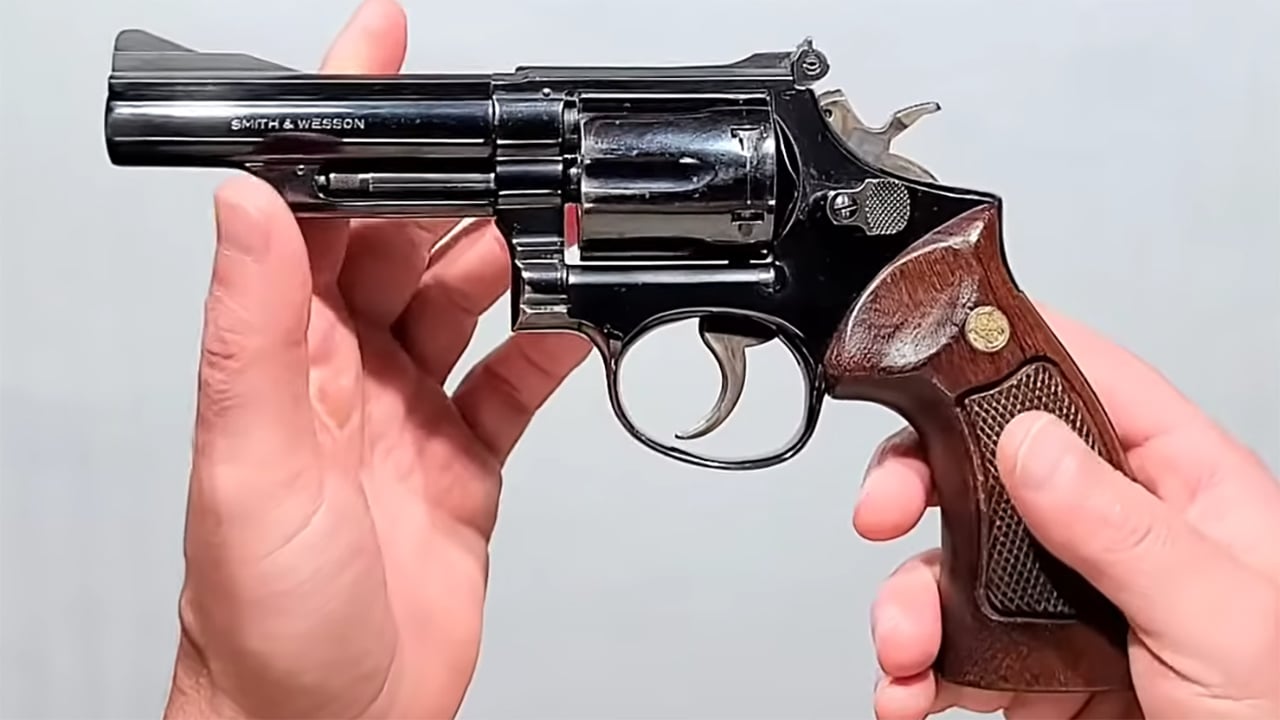
The Model 19 has almost everything collectors and shooters tend to chase in an older revolver. It has classic Smith & Wesson styling, a manageable K-frame, .357 Magnum capability, and a long association with law enforcement.
Older examples are already valuable, especially desirable barrel lengths and well-preserved guns. I do not see clean vintage Model 19s suddenly becoming easier to find. If I wanted one as a shooter, I would look for an honest gun with some finish wear and avoid paying collector premiums. Waiting for prices to come back down could easily mean watching the best examples disappear instead.
Browning Hi-Power
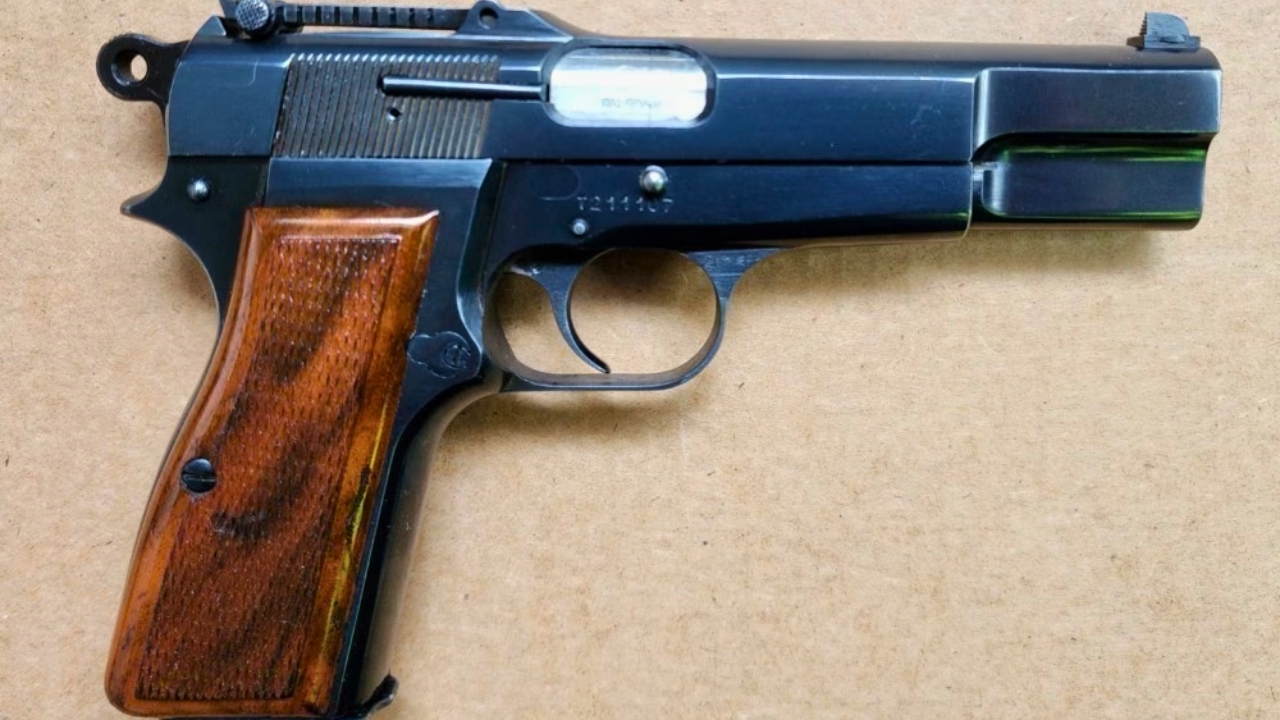
The Hi-Power spent decades as one of the most important military and service pistols in the world. Original Belgian and Belgian-assembled examples are no longer ordinary used pistols, and the supply is not getting larger.
New Hi-Power-inspired pistols can scratch the shooting itch, but they do not replace an original Browning for someone who cares about history. I especially like shooter-grade guns because you can actually use them without worrying about every new scratch. If an original Hi-Power is something I know I eventually want, I would rather buy a clean one now than assume vintage examples will somehow become cheaper later.
Ruger No. 1
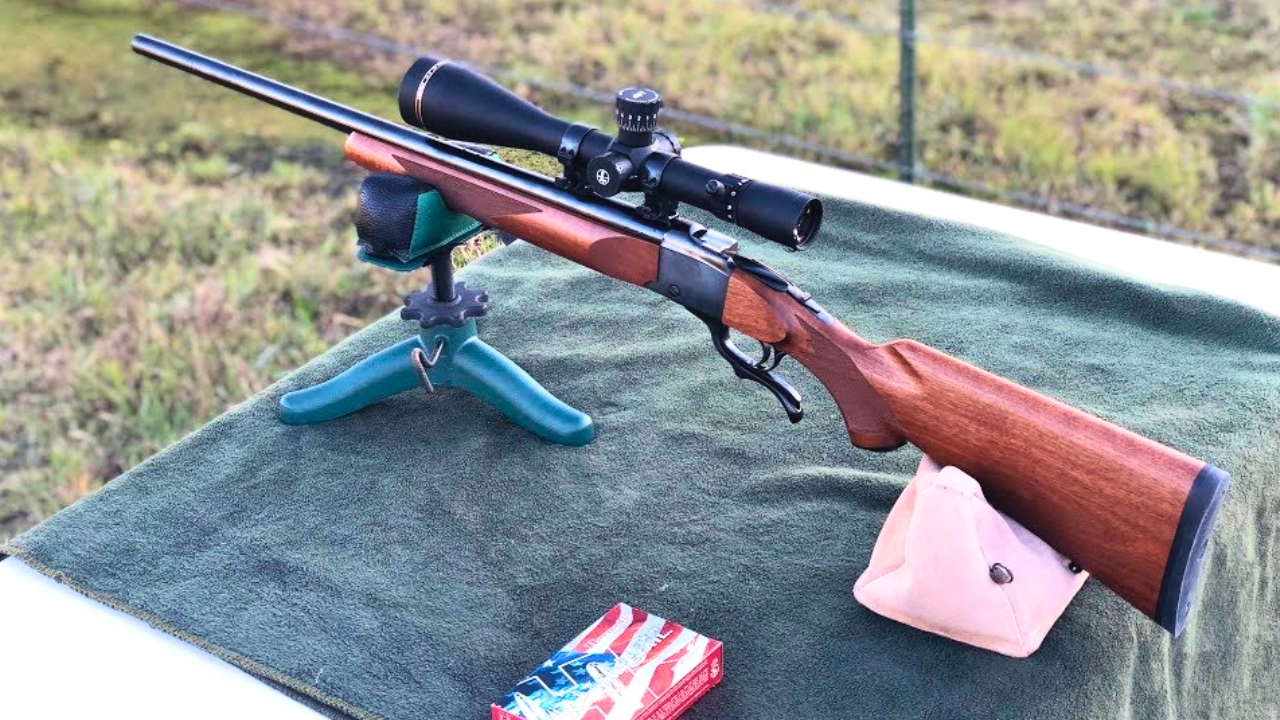
The Ruger No. 1 occupies a strange place in the rifle market because almost nobody builds anything quite like it. It is a falling-block single-shot rifle offered over the years in an enormous variety of chamberings.
That uniqueness is exactly what makes me nervous about waiting. Certain chamberings and configurations already attract serious attention, while others can still be found for relatively reasonable money. There is no guarantee Ruger will produce the exact version you want again. If I came across a clean No. 1 in a chambering that interested me, I would have a hard time walking away and assuming another one would appear at the same price.
Smith & Wesson Model 28 Highway Patrolman
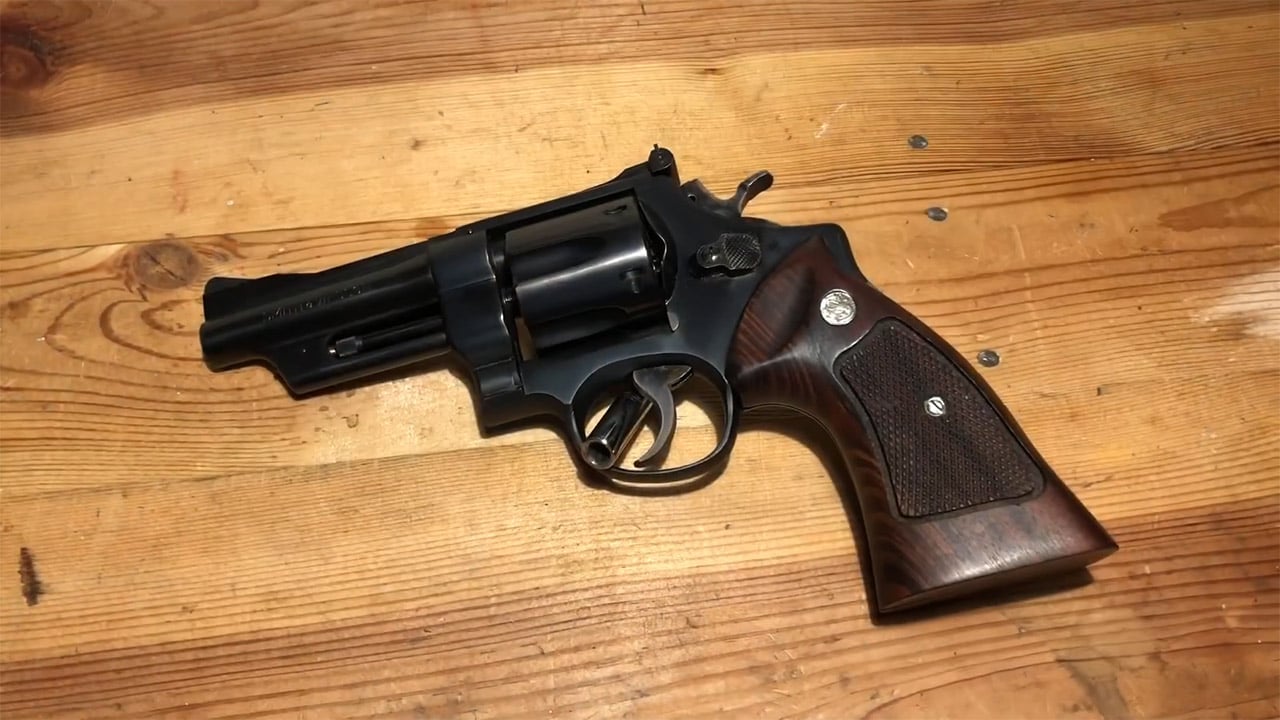
The Model 28 was designed as the less glamorous working version of Smith & Wesson’s premium .357 Magnum revolvers. For decades, that kept prices relatively reasonable.
That gap has been closing. Shooters have realized that underneath the more basic finish is a big N-frame .357 that is extremely pleasant to shoot. The fact that many surviving examples were actually carried also means genuinely clean guns are becoming more noticeable. I would not chase a pristine safe queen, but a mechanically excellent Model 28 with honest wear is something I would buy before the market treats every example like a premium classic.
Winchester Model 9422
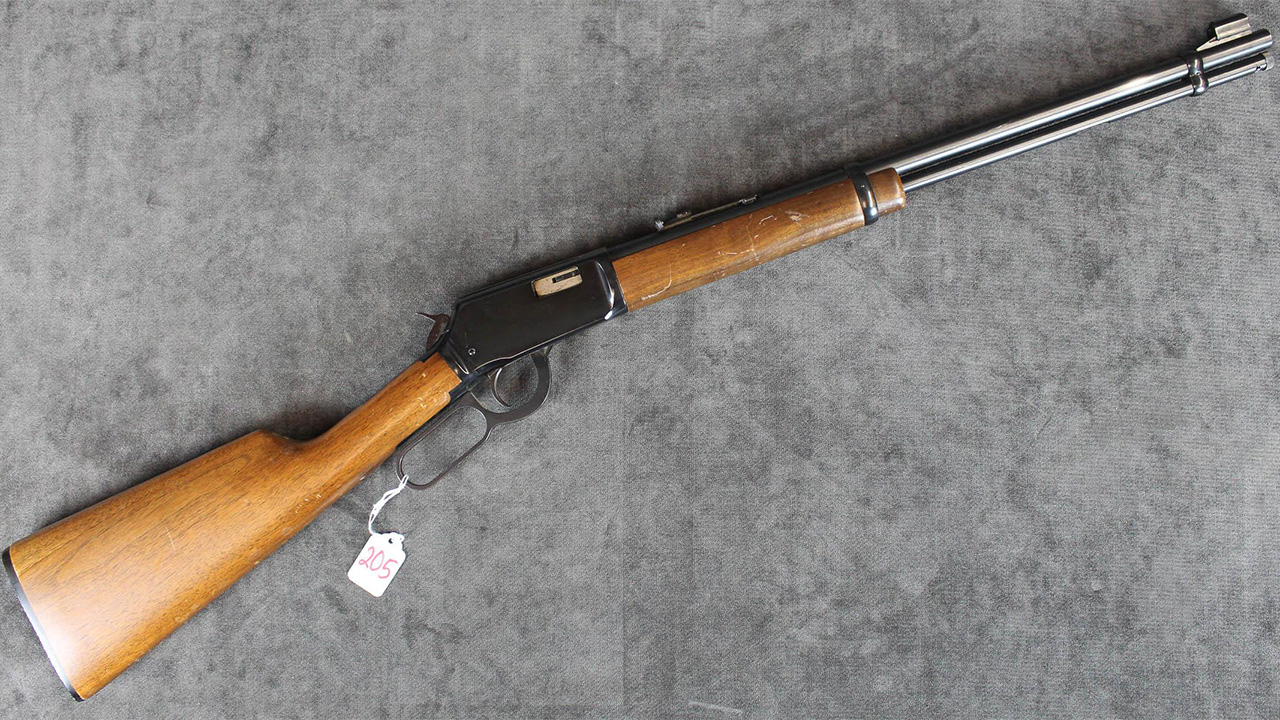
The 9422 is one of the rimfire rifles I would be least comfortable postponing. Winchester stopped making them years ago, and there is no modern replacement that perfectly duplicates the combination of traditional construction, smooth action, and classic Winchester appearance.
They were once viewed as ordinary .22 lever guns. Today, even shooters who never cared much about rimfires recognize how nicely they were made. Clean rifles continue to disappear into collections, and the people who own them usually are not eager to sell. If I wanted a 9422, I would rather pay today’s price for the right rifle than hope another decade somehow makes them more affordable.
Colt Trooper Mk III
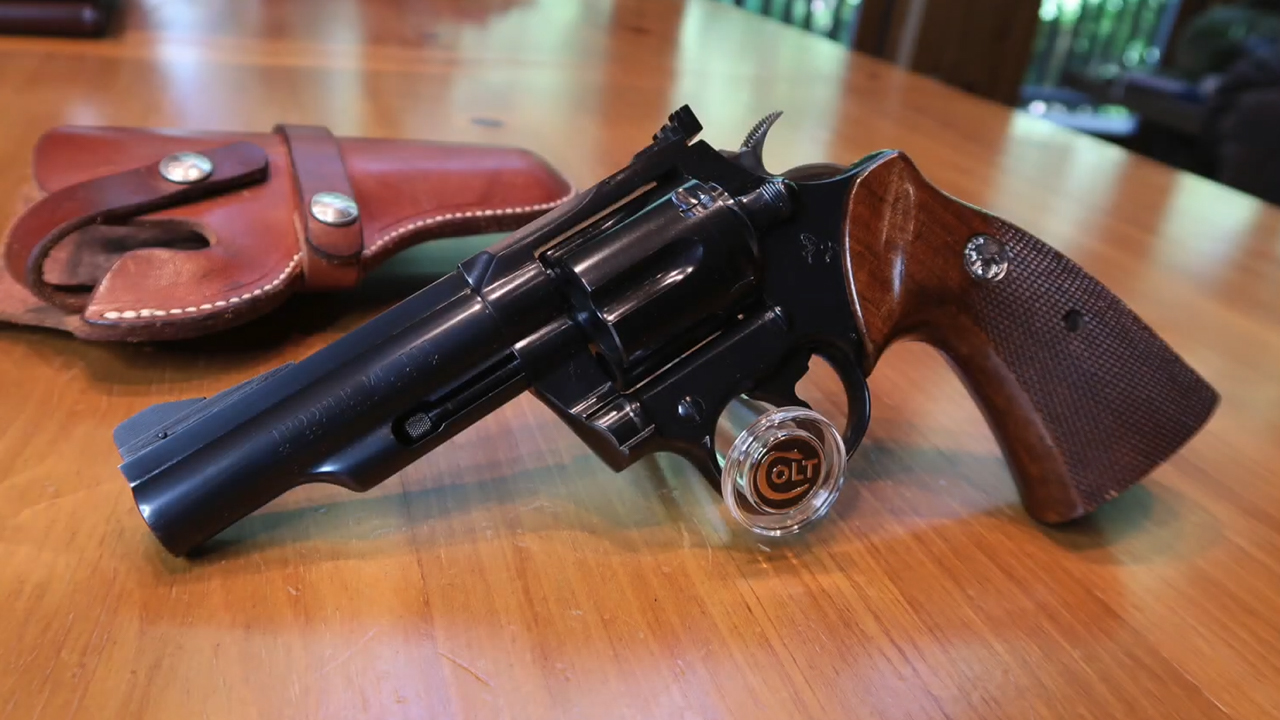
The Trooper Mk III is still one of the older Colt revolvers I think has room to become more desirable. It has the Colt name, .357 Magnum chambering, and solid construction without carrying the same price pressure as a Python.
That makes it vulnerable to exactly the kind of appreciation we have seen with other once-overlooked revolvers. As buyers get priced out of the most famous Colts, they start looking at the next tier. The Trooper has already benefited from that. I would look for a clean four- or six-inch gun before too many buyers decide that these were underappreciated all along.
Ruger M77 Mark II
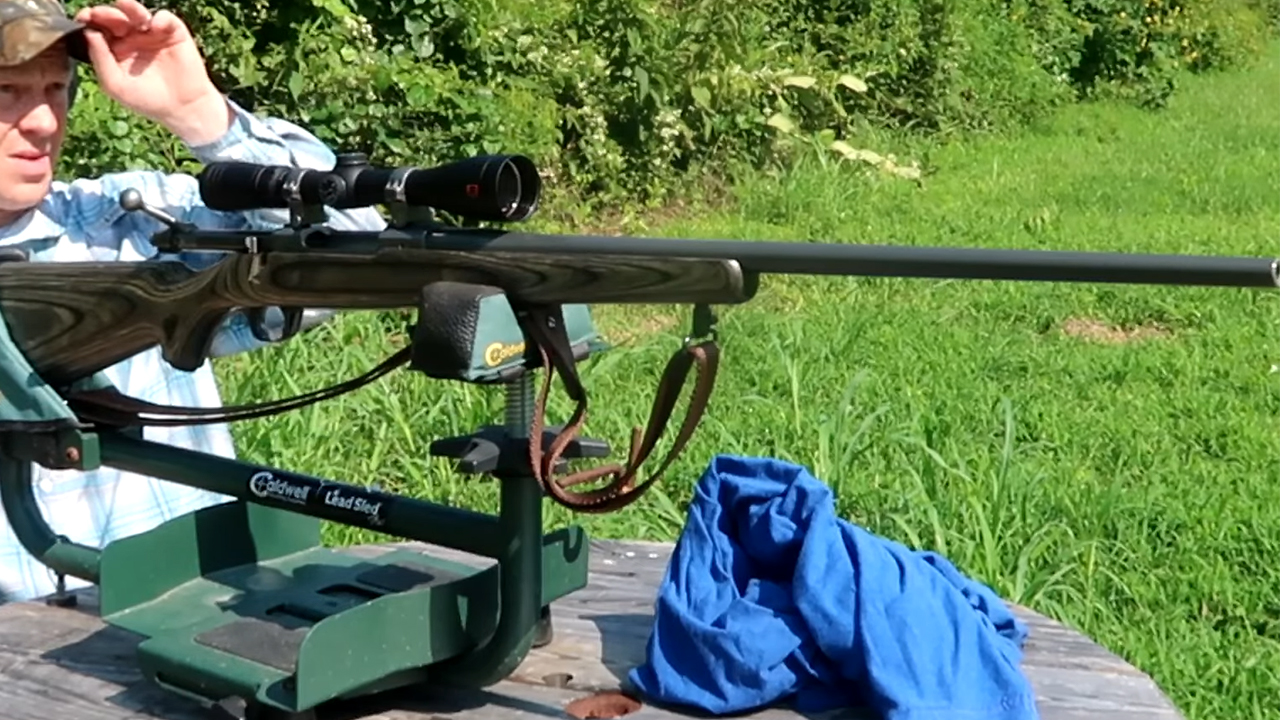
Older Ruger bolt actions have a feel that separates them from many modern budget rifles. The M77 Mark II has controlled-round feed, substantial construction, and the kind of traditional styling that appeals to hunters who are tired of lightweight polymer rifles.
Certain chamberings are already difficult to find, particularly unusual hunting cartridges that Ruger once offered routinely. That is what would push me to buy sooner rather than later. You can always buy another generic bolt-action rifle. Finding a clean M77 Mark II in the exact chambering you want is a different story. I would not gamble on availability improving.
Smith & Wesson Model 13
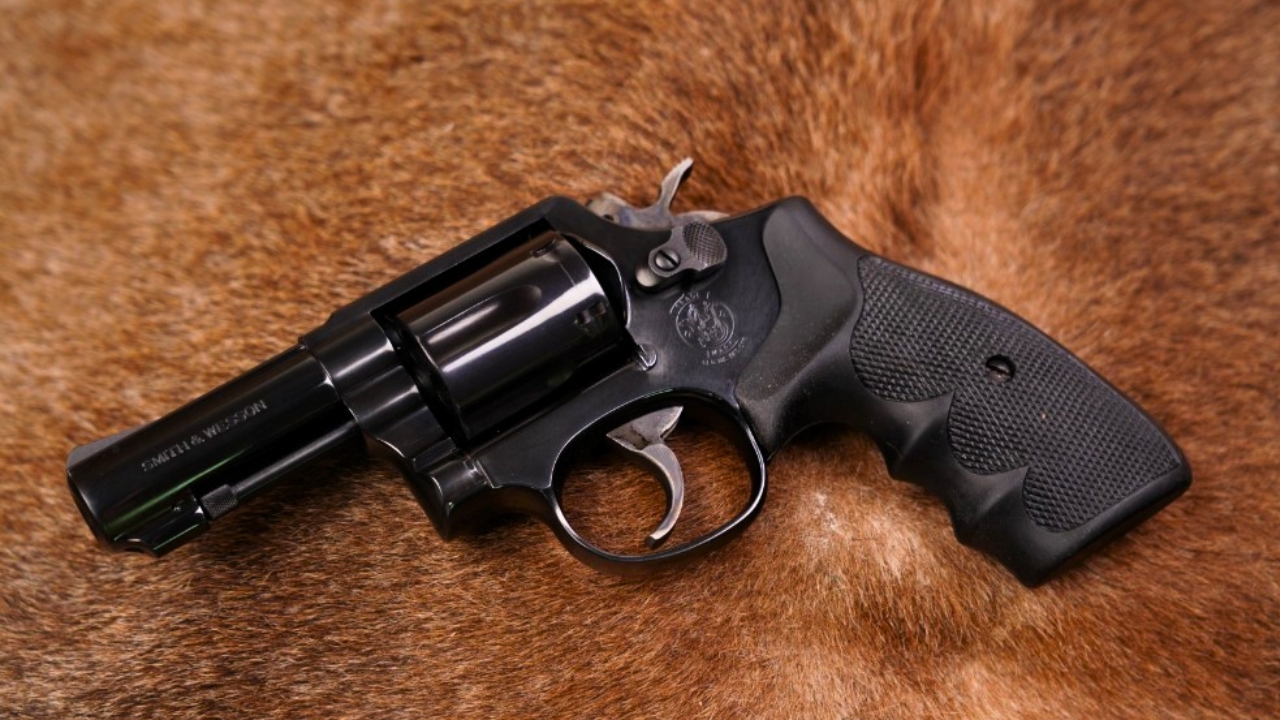
The Model 13 has all the ingredients that tend to make older revolvers expensive eventually. It is a fixed-sight K-frame .357, it has law-enforcement history, and the especially desirable three-inch versions have developed a serious following.
Even the more ordinary configurations are becoming harder to dismiss as cheap old service revolvers. Shooters now appreciate how nicely the K-frame carries compared with larger modern .357s. That kind of recognition usually does not reverse itself. If I wanted one to shoot and carry, I would focus on mechanical condition and buy before clean examples become too valuable to use without hesitation.
Marlin 1894

Older Marlin lever actions have already become highly desirable, particularly examples built before the company’s major production transitions. The 1894 in pistol calibers is especially appealing because it fills a role that is useful, fun, and increasingly popular.
A .357 Magnum or .44 Magnum lever gun works for recreational shooting, hunting, and general property use. It also pairs naturally with revolvers in the same chambering. New lever actions are available, but older Marlins have a following that goes beyond utility. If I found a clean pre-owned 1894 with good fit and finish, I would rather buy it than assume older examples are going to get easier to find.
Smith & Wesson Model 39
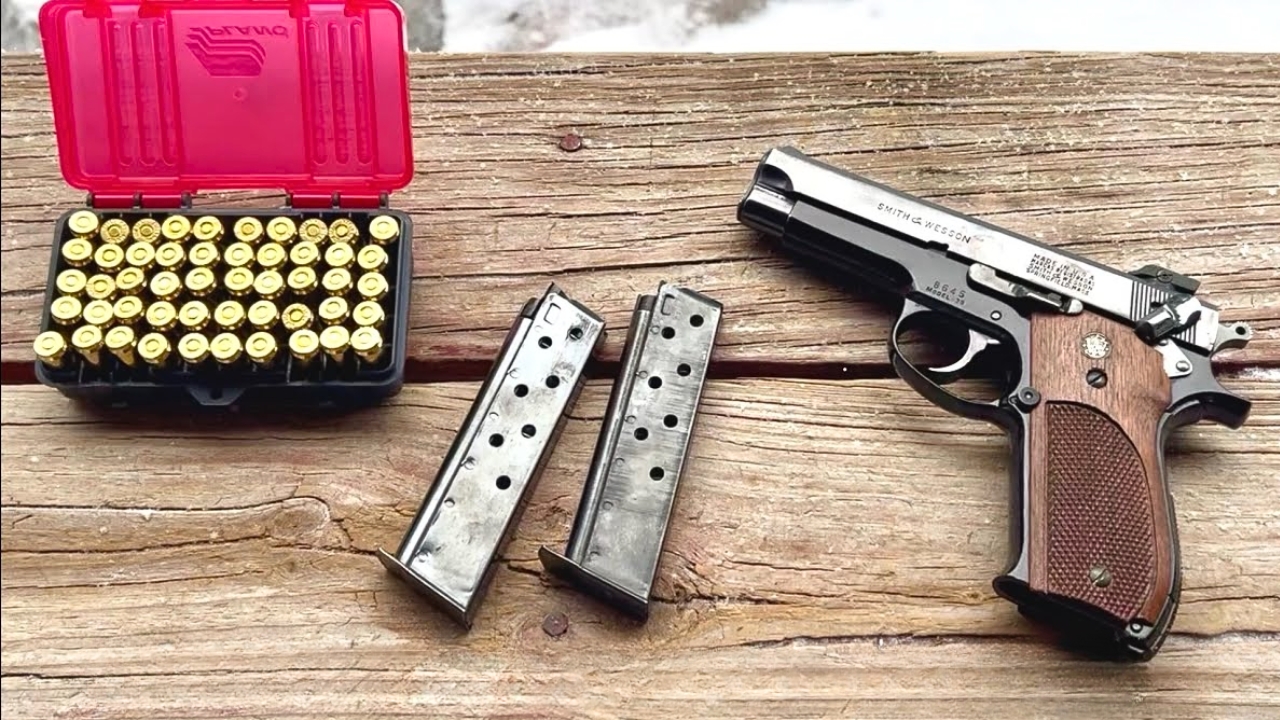
The Model 39 represents an important stage in American handgun development. It was one of the early successful American-made DA/SA 9mm pistols and helped set the stage for Smith & Wesson’s later semi-automatic lineup.
For a long time, these were overlooked compared with revolvers and later high-capacity service pistols. That is changing. Collectors are paying more attention to early Smith autos, and good examples are not nearly as common as they once seemed. I would especially look for a clean shooter rather than a boxed collectible. The historical significance is already there, which usually means prices become less forgiving as more people notice.
Ruger Old Model Blackhawk
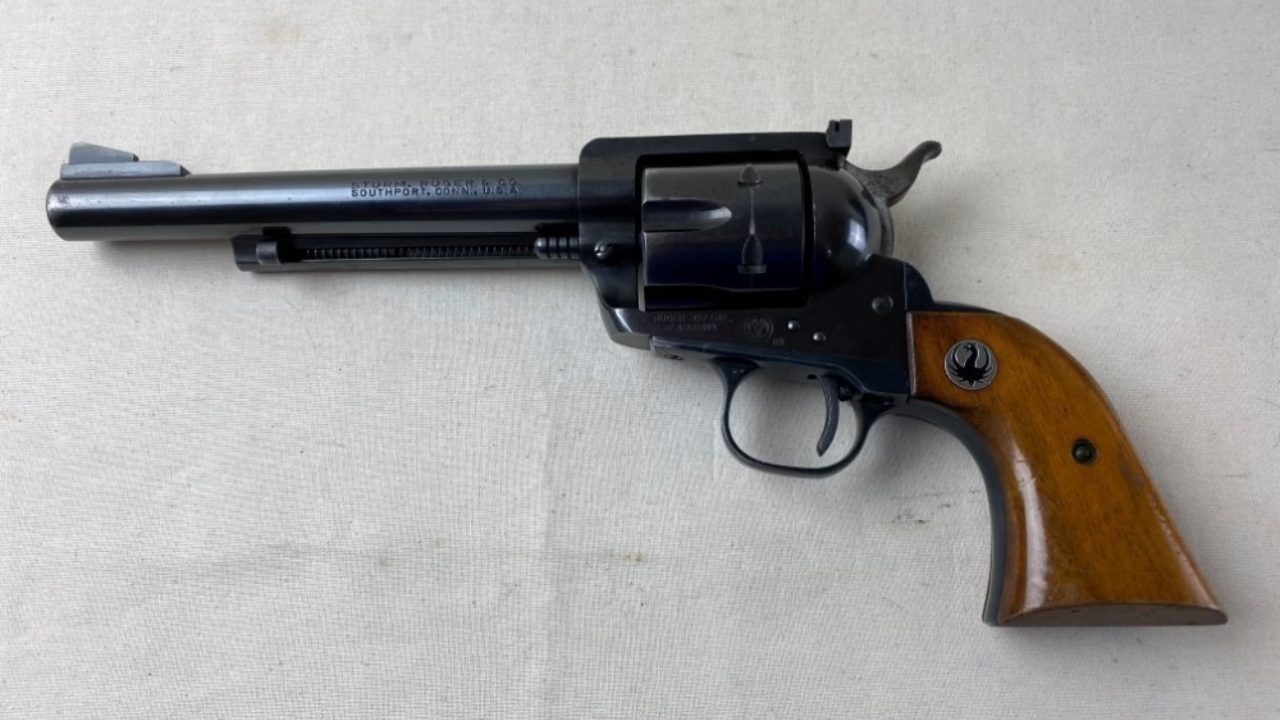
Old Model Blackhawks have everything needed to keep getting more desirable. They represent early Ruger production, they have a different action from later transfer-bar guns, and they were offered in chamberings and configurations collectors actively seek.
I would not buy one without understanding whether it has been converted under Ruger’s safety program because that affects how some buyers view originality. But for a shooter-grade revolver, I care more about condition and mechanical health. These are classic single actions that Ruger simply does not build in exactly the same form anymore. Scarcity only moves in one direction.
Remington Model 700 BDL
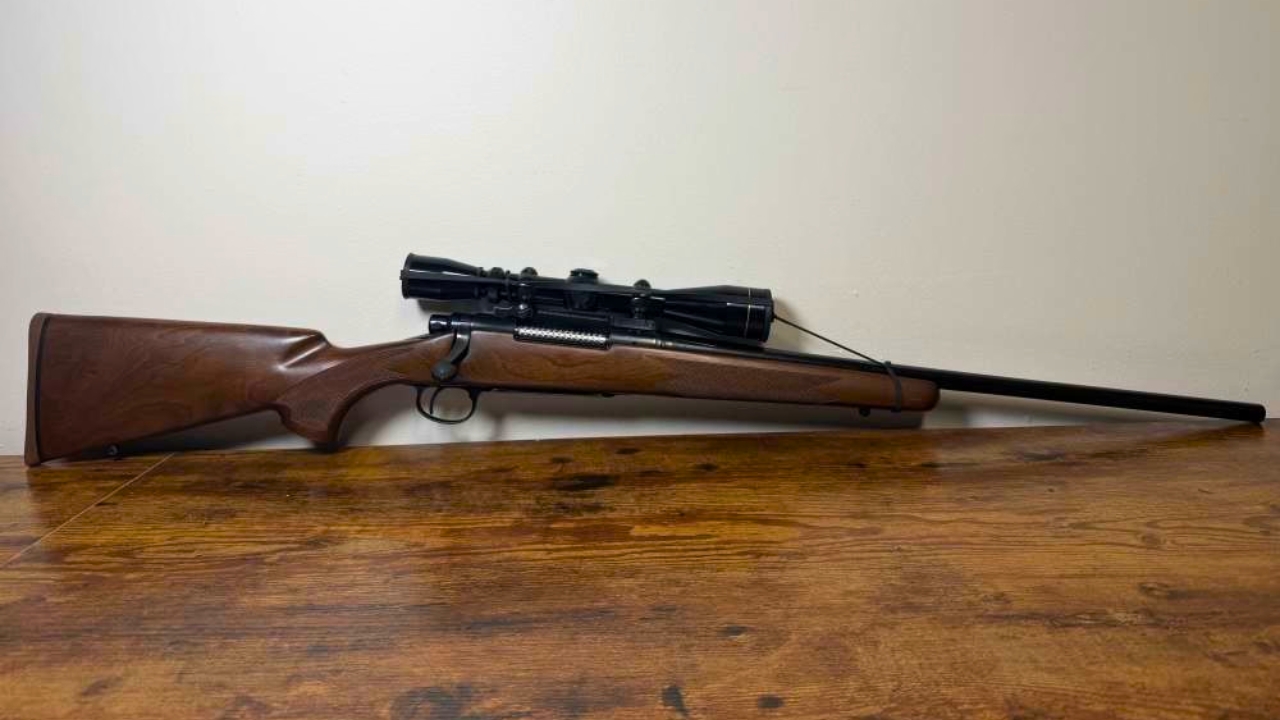
Modern bolt rifles may be lighter and cheaper to manufacture, but an older 700 BDL with good walnut and traditional bluing has a kind of appeal that current utilitarian hunting rifles rarely match.
Certain chamberings and production eras are already becoming more interesting to collectors. More importantly, good rifles are being separated from average ones as buyers learn what to look for. If I wanted an older 700 as a hunting rifle, I would find a clean original example before prices for desirable configurations climb further. There will always be bolt actions. There will not always be inexpensive old BDLs sitting everywhere.
Colt Detective Special
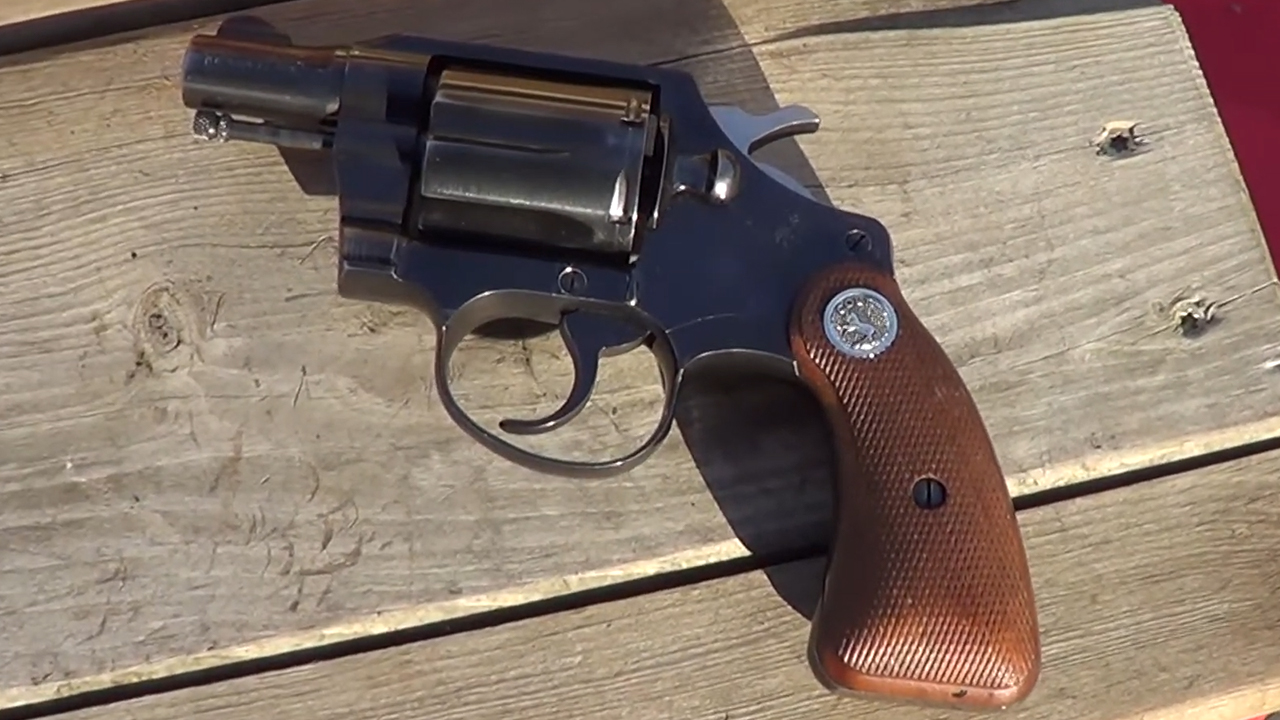
The Detective Special has one major advantage over many collectible revolvers: it is still genuinely useful. Its compact dimensions and six-shot cylinder made it a serious carry gun for generations.
Older examples have already risen considerably, but I do not think good shooter-grade guns are going to become cheap again. Colt’s name alone keeps attention on them, while the practical appeal gives buyers another reason to want one. I would skip overpriced pristine examples and hunt for honest holster wear instead. A mechanically excellent Detective Special that you can actually shoot is the kind of gun I would rather own now than chase later.
Ruger 77/22

The 77/22 was never the cheapest rimfire rifle, but it offered something shooters still want: a centerfire-style bolt gun scaled around .22 LR and other small cartridges.
Discontinuation changed the market. There is no endless stream of new rifles replacing the used ones, and owners have begun treating clean examples accordingly. Certain configurations are especially difficult to locate. If I wanted a high-quality Ruger rimfire with traditional construction, I would buy the right 77/22 when I saw it. Waiting for a bargain can easily turn into watching the rifle become even harder to find.
Smith & Wesson Model 66
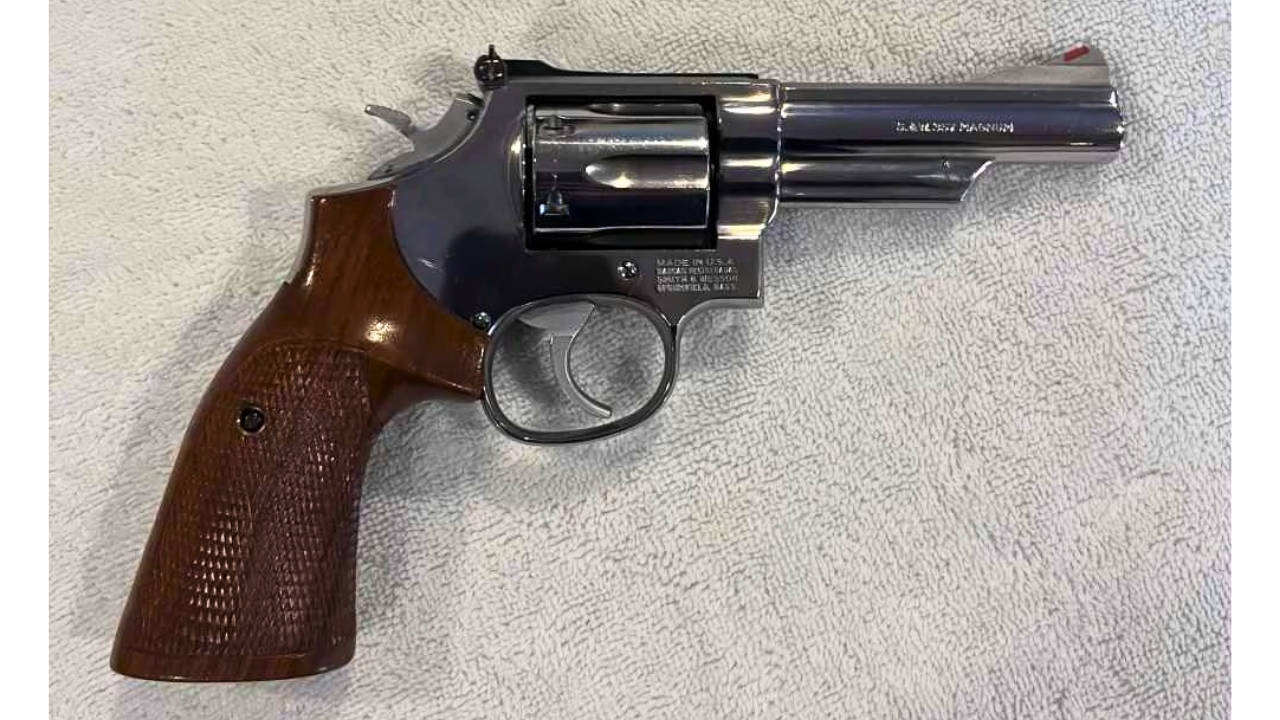
The stainless Model 66 combines the practical appeal of the K-frame with resistance to the finish wear that makes collectors nervous about older blued guns. That helped make it an extremely popular working .357 Magnum.
Older versions, particularly desirable barrel lengths, have become much more expensive than the police-trade-in prices people remember from years ago. I would not expect that trend to reverse dramatically. There are only so many clean pre-lock examples left, and plenty of shooters specifically want them. If I found one with good timing, a healthy forcing cone, and a fair asking price, I would buy it rather than wait.
Winchester Model 70 Classic

The Model 70 name carries enormous weight among American hunters, but the Classic controlled-round-feed versions hold a special appeal. They brought back features traditionalists wanted and were chambered in everything from ordinary deer cartridges to serious magnums.
The exact configuration matters enormously. Some are easy to find, while others can require months of searching. That is the problem with waiting. When the right chambering, stock, barrel length, and condition all line up, I would rather act than assume another identical rifle will show up next month. Good traditional hunting rifles are increasingly treated as long-term keepers rather than disposable tools.
Beretta 87 Target
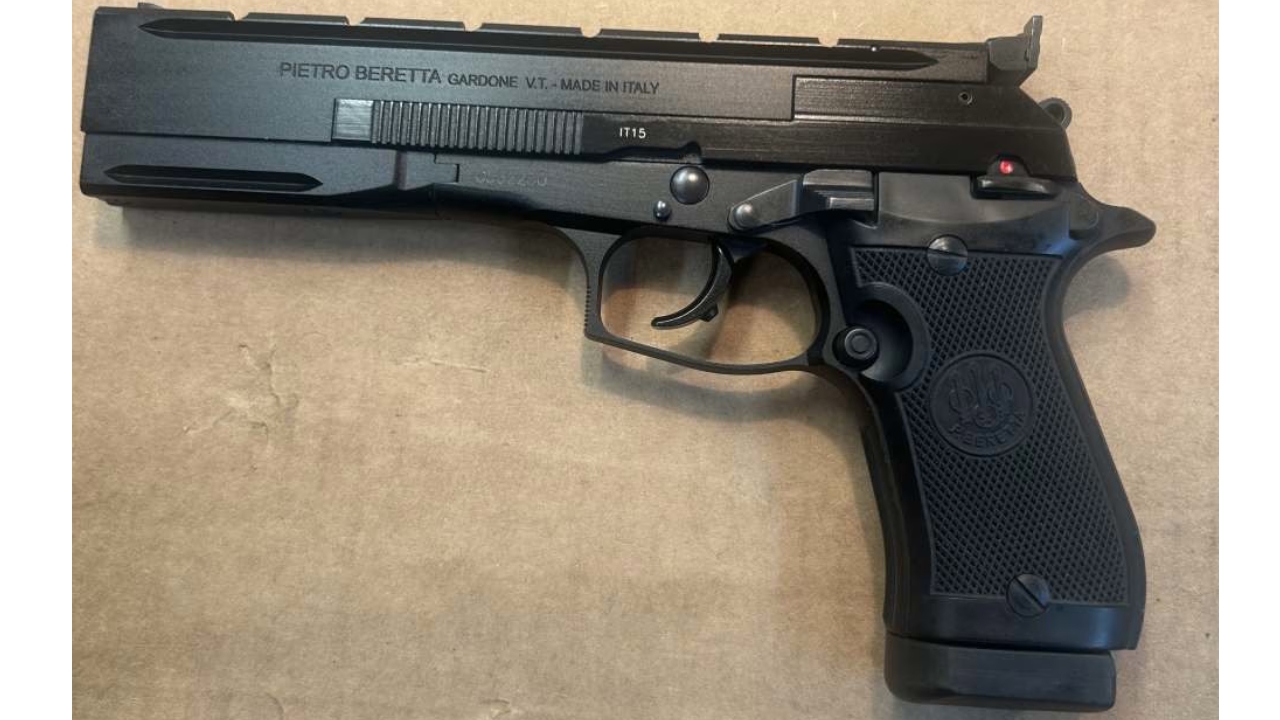
The Beretta 87 Target is one of those pistols that occupies a niche large manufacturers do not seem particularly interested in filling anymore. It is a quality .22 LR pistol with distinctive styling and far more character than a typical polymer rimfire.
Because it was never produced in enormous quantities compared with mainstream .22 pistols, used availability can be inconsistent. That makes me reluctant to pass on a clean example at a fair price. People who want one usually want that specific pistol, not just any .22. Guns with that combination of limited supply and loyal interest are rarely the ones I expect to become cheaper.
Marlin 39A
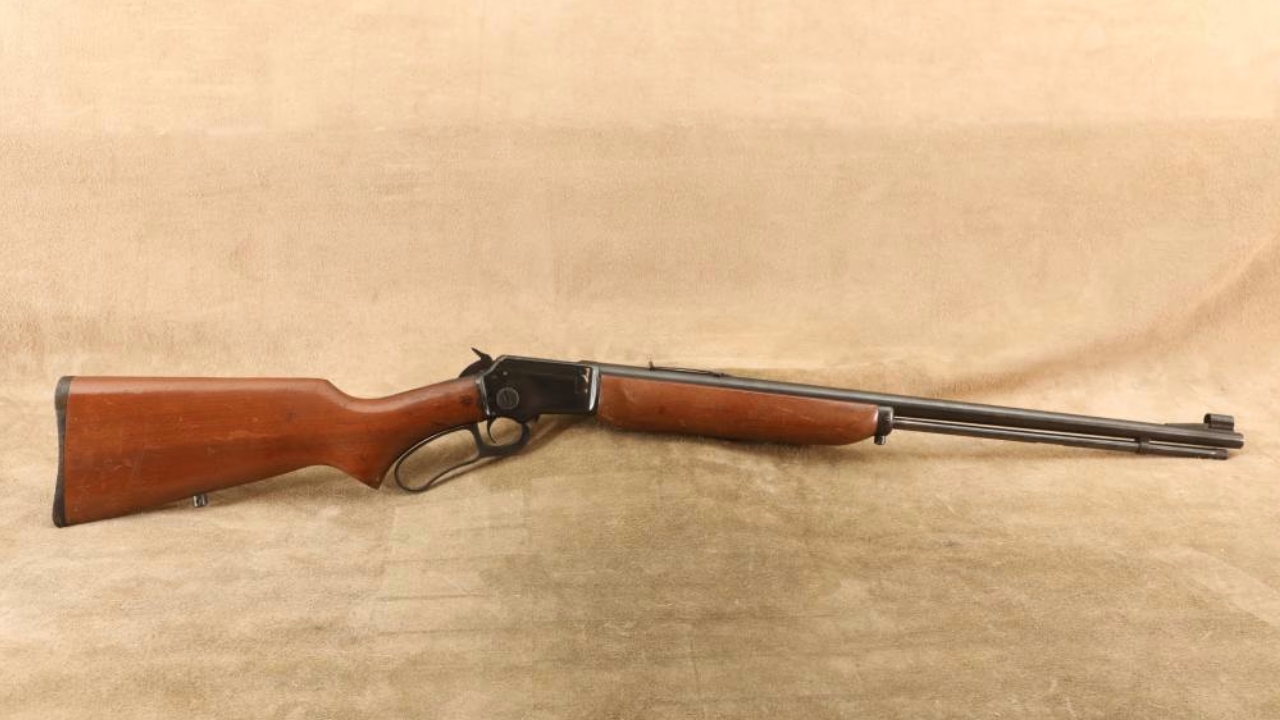
The Marlin 39A may be the easiest rifle on this list to make a long-term case for. It is a traditional .22 lever action with decades of history behind it and a construction style that would be expensive to duplicate today.
Good examples have already become expensive, but there is a reason. They were built to last, they are enjoyable to shoot, and many stay in families rather than cycling repeatedly through the used market. Every clean rifle that goes into a permanent collection reduces the number available to everyone else. If owning a 39A is on the list, I would rather buy one while good shooters can still be found without paying museum-piece money.
Smith & Wesson Model 629
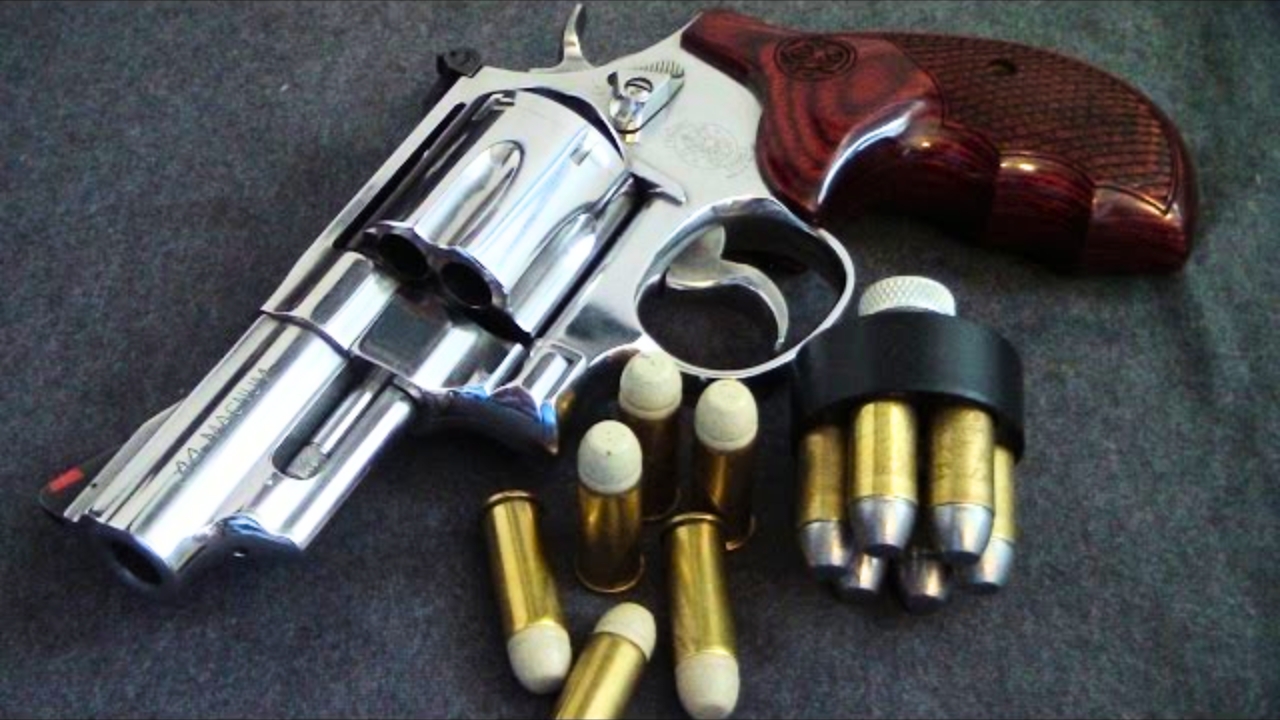
The Model 629 is still available in modern form, but older examples continue to attract buyers who prefer earlier production, traditional styling, or particular barrel lengths.
That is especially true as interest in .44 Magnum revolvers remains strong among hunters and collectors. A good used 629 gives you a stainless N-frame that can actually be shot hard while still carrying long-term appeal. I would focus less on finding a flawless example and more on finding the right configuration in mechanically excellent condition. When a classic revolver remains useful and desirable at the same time, waiting rarely makes ownership cheaper.
Like The Avid Outdoorsman’s content? Subscribe to our newsletter so you never miss an article.
Here’s more from us: