Photo credit: Julia Suhareva/Shutterstock.com
When you turn your garage into a winter hunting headquarters, the temptation is to chase warmth first and worry about air later. That tradeoff is exactly what turns heaters and camp stoves into quiet hazards, especially once the doors roll down and the truck, decoys, and gear crowd the space. If you treat your garage like a blind without respecting how little fresh air actually moves, the mistakes you make with ventilation can matter far more than the brand of heater you buy.
Hunters are used to thinking about wind direction and scent, but the same instincts rarely carry over to exhaust, carbon monoxide, and heat buildup in a closed garage. The result is a cluster of predictable errors, from blocking vents with gear to running propane heaters beside fuel cans, that can turn a comfortable staging area into a fire or poisoning risk in a matter of minutes.
1. Treating a closed garage like an open-air blind
Out in a field blind, you rely on natural air movement to carry away fumes from a portable heater or stove, so you may assume your garage behaves the same way. In reality, once you shut the overhead door and pull a truck or ATV inside, you are working in a confined volume of air that can trap combustion byproducts and moisture. Safety guidance for late season blinds stresses that when you are hunting during the coldest weeks, you still need enough fresh air moving through the structure for the heater to function properly, a principle that applies even more in a sealed garage where walls and insulation hold everything in place, including exhaust from stoves and heaters that burn propane or white gas.
When you use a garage as a warm-up room between drives, you often stack coolers, layout blinds, and dog kennels along the walls, which can quietly choke off the limited airflow that does exist. Advice for safe heater use in enclosed blinds notes that when you are hunting during the late season, you should never block the vents or windows that allow the heater to breathe, because if the unit cannot function properly, oxygen levels can drop and fumes can accumulate. The same logic means you should plan for deliberate openings in your garage, not just rely on the small gaps around a door, and treat that space less like an open field and more like a tight blind that needs managed ventilation.
2. Ignoring how garage airflow actually works
Even when you crack a window, you may assume that any opening is good enough, but garages have their own airflow patterns that can trap hot, polluted air near the ceiling. Guidance on garage ventilation explains that a well ventilated garage depends on avoiding common mistakes such as ignoring proper airflow balance, because stale air tends to collect in dead zones if you do not give it a clear path out. If you run a heater or stove on the floor without thinking about where the warm exhaust will rise and exit, you can end up with a layer of fumes overhead while you and your hunting partners breathe what is left at nose level.
When you add a fan, placement matters as much as power. Installation advice for mechanical systems recommends that you mount the exhaust where hot, polluted air collects, typically high on a wall or at the ceiling, so the fan can pull contaminated air through work areas before exiting. If you simply set a box fan on the floor and point it at the garage door, you may stir fumes around your heads without actually removing them, especially when the door is only partially open to keep heat in. Thinking about how air enters low and exits high, and avoiding the mistake of ignoring proper airflow balance, is what keeps a winter garage from becoming a stagnant pocket of exhaust.
3. Assuming any heater is “garage safe” without checking ventilation needs
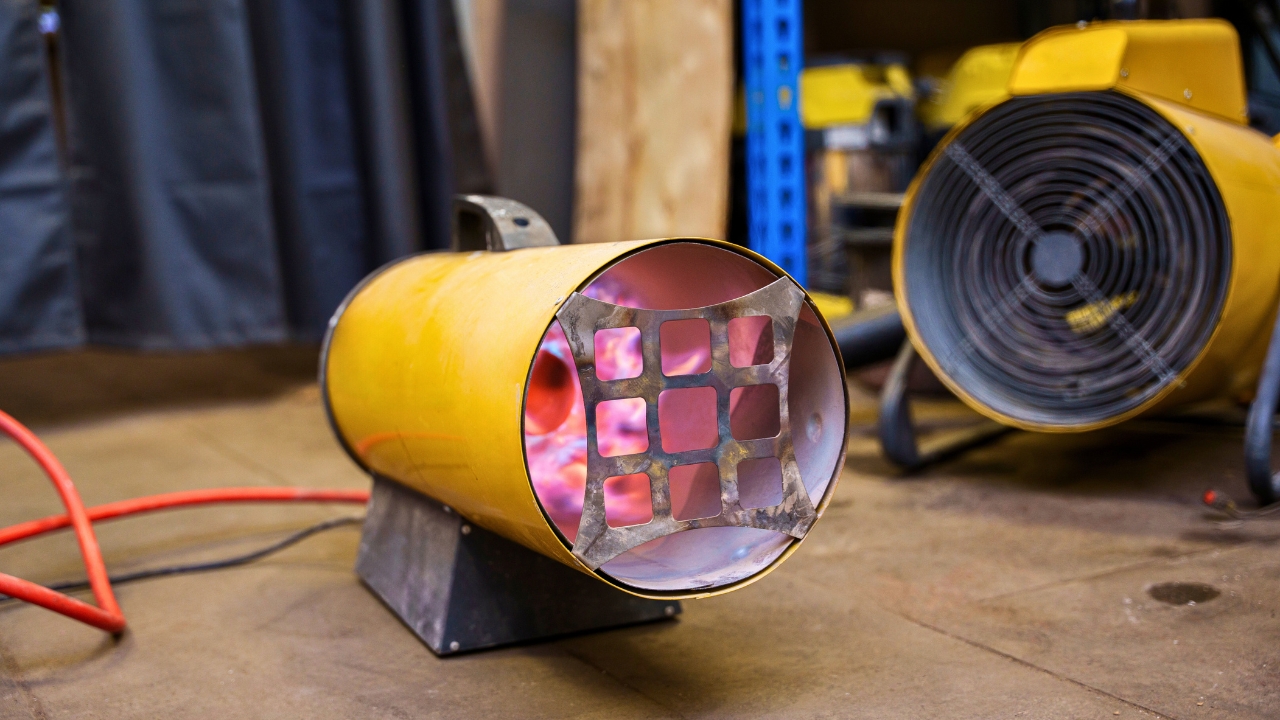
Many hunters grab whatever heater is on sale and figure that if it keeps a deer blind warm, it will do the same in a garage, but different units have very different ventilation requirements. Technical guidance on garage heaters notes that ventilation needs proper airflow, and that some fuel burning models must be vented directly outdoors while others are designed to operate only with a reliable way to let out fumes. If you run a vent free propane heater in an attached garage without a plan for fresh air, you are betting your safety on a device that is quietly consuming oxygen and producing combustion gases in the same space where you store ammunition, solvents, and vehicles.
Even within propane options, hunters often overlook the difference between vented and vent free units. A discussion among garage owners points out that for heating an attached garage, the vent free wall units are not really the best match, and that tying into an existing system or using a properly vented heater can be an easier and more practical route. When you treat every heater as interchangeable, you ignore the manufacturer’s assumptions about how much air the unit will have, which is exactly how carbon monoxide and moisture problems start in a garage that doubles as a hunting lodge.
4. Crowding heaters with gear, fuel, and “temporary” storage
Once the late season hits, your garage fills with decoy bags, wader racks, dog food, and fuel cans, and it becomes very easy to slide a portable heater into the only open corner. Fire safety guidance is blunt that poorly placed heating equipment, including space heaters or other heating devices placed near combustible materials, is a major cause of electrical fires. When you crowd a glowing element or hot metal housing with cardboard ammo boxes, plastic fuel funnels, or spare insulation, you are creating a tinder pile that only needs one tipped heater or overheated cord to ignite.
Even if nothing catches fire, the heat itself can quietly damage gear you rely on in the field. Advice on what not to store near a heat vent explains that the hot, dry air that vents push out can make pages and spines brittle and difficult to use, and that plastic items can warp or degrade when they sit in that stream. If you lean gun cases, calls, or optics cases against a heater because you are drying them after a wet hunt, you risk both a fire hazard and long term damage to the very equipment you are trying to protect. Best practices for safe storage recommend keeping sensitive items and flammable materials a safe distance from any vent or heater, and positioning the vent away from the item instead of aiming heat directly at your gear.
5. Trusting your nose instead of instruments in a confined space
Because you spend so much time outdoors, you may trust your senses to warn you when something is wrong, but that instinct fails badly in a closed garage. Safety training for confined spaces highlights that another common and dangerous mistake is relying on personal senses, such as smell, to detect hazardous gases while working in tight areas. Combustion byproducts from propane heaters, gasoline engines, and camp stoves can build up long before you notice any odor, especially when you are focused on gear prep or telling stories between hunts.
The most serious threat, carbon monoxide, is particularly deceptive. Winter HVAC guidance explains that carbon monoxide is a by product of incomplete fuel combustion in gas powered heaters and that, being odorless and colorless, CO can be a silent killer in the absence of proper safety measures. If you run a heater for hours while tuning a shotgun or loading decoys, you may feel only a dull headache or fatigue before levels become dangerous. Instead of trusting your nose, you should treat a winter garage like any other confined space, with a working CO detector, attention to how long heaters run, and a plan to bring in fresh air before symptoms ever appear.
6. Running heaters too long in a sealed, “cozy” garage
Once you finally get the garage warm, it is tempting to keep the heater roaring while you cook breakfast on a camp stove or sort shells for the next hunt. Guidance on fuel burning appliances warns that extended use can lead to excessive humidity, depleted oxygen levels, or the risk of CO buildup, especially in poorly ventilated rooms where the air is not refreshed. A garage that feels comfortably warm can still be quietly accumulating moisture on cold surfaces, which encourages rust on firearms and mold on decoy bags, while the oxygen level slowly drops as heaters and stoves continue to burn.
Hunters often make the same mistake in blinds, where safety advice notes that when you are hunting during the late season, you should cycle heaters and crack windows so the unit can function properly instead of running nonstop in a sealed box. In a garage, you have even more control, yet many people close the overhead door, seal the side entry, and let a heater run for hours while they work on a truck or boat. Treating runtime as unlimited in a closed space ignores the way combustion appliances change the air itself, and it is why you should schedule breaks to shut off the heater, open doors, and let the space fully air out before you settle back in.
7. Misusing fans and vents instead of designing real ventilation
When the air feels stuffy, you might flip on a box fan or crack the overhead door a few inches, assuming that any movement is good movement. In practice, that approach often just recirculates fumes. Guidance on garage airflow warns that ignoring proper airflow balan can leave hot, polluted air trapped in corners even when a fan is running. If you set a fan to blow directly at a heater or stove, you can also disturb the flame pattern and create incomplete combustion, which increases the production of carbon monoxide and other byproducts.
A more deliberate approach treats the garage like a small mechanical room. Ventilation planning resources recommend that you install exhaust fans high on a wall or ceiling, since the best place to install an exhaust unit is where hot air naturally collects, and that you use intake openings low on the opposite side so fresh air sweeps through work areas before exiting. Building science experts such as Joe Lstiburek argue that exhaust only ventilation is ineffective and that balanced ventilation, which provides fresh air intake and exhaust in equal measure, is the preferred option for meeting standards. Even if you do not install a full balanced system, you can still mimic the idea by pairing a high exhaust fan with a low intake vent, instead of relying on a single cracked window or a fan pointed at the door.
8. Forgetting that “garage comfort” affects the rest of your home
When you heat a garage for hunting season, you may think of it as a separate zone, but the way you manage air and moisture there can spill into the house. Guidance on winter HVAC mistakes notes that the last oversight often affects both your safety and your pocketbook, because neglected spaces change how hard your main system has to work. If your garage is poorly insulated and you run a heater constantly, the temperature difference at the shared wall can drive drafts and pull unconditioned air into the house, forcing your furnace to cycle more often and raising fuel costs.
Improving the shell of the garage can reduce how aggressively you need to run heaters in the first place. Practical tips for heating a garage explain that when you insulate walls and ceilings properly, your air conditioner will not have to work so hard to beat the summer heat because the same insulation that keeps cool air in also slows heat transfer in winter. By tightening up the envelope, you can use smaller heaters, run them for shorter periods, and still keep the space comfortable for cleaning birds or tuning a bow. That combination of insulation, controlled ventilation, and right sized equipment keeps your hunting headquarters warm without turning it into a pressure leak that drags down comfort in the rest of the house.
9. Overlooking basic placement and clearance rules for portable heaters
Even if you choose the right heater and think about airflow, you can undo that work by putting the unit in the wrong spot. Safety advice for portable heaters stresses that instead of setting a heater on a workbench or stack of gear, you should always place the heater on a flat, stable, non flammable surface, such as tile or a wood floor, because placing the unit on uneven or soft materials can be a big risk. In a hunting garage, that means resisting the urge to perch a heater on a cooler, a plywood shooting bench, or a pile of decoy bags just to get it closer to where you are sitting.
Clearance is just as important as stability. Fire safety guidance notes that crowding your heater is dangerous because space heaters can overheat and cause fires when they are too close to other objects, and recommends that you keep at least several feet of open space around the unit instead of using it to warm boots, pipes, or bedding. General electrical fire prevention advice reinforces that poorly placed heating equipment, including space heaters or other heating devices placed near combustible materials, is a common ignition source. If you treat your garage heater with the same respect you give a campfire, keeping it on solid ground, away from flammables, and within sight whenever it is running, you can enjoy a warm staging area for winter hunts without turning your gear room into the most dangerous blind you use all season.
Like The Avid Outdoorsman’s content? Be sure to follow us.
Here’s more from us: