Photo credit: jeffshootsstuff/YouTube
Gun values do not always move slowly enough for owners to notice. One year, a firearm feels common, ordinary, or a little dated. A few trades later, the same model starts disappearing from used racks, collectors start asking about clean examples, and suddenly the gun you let go is sitting behind glass with a price tag that makes you sick.
That is the painful part. A lot of owners did not trade away junk. They traded away solid rifles, pistols, revolvers, and shotguns because the market had not caught up yet. Then demand shifted, production ended, imports dried up, or shooters simply started appreciating older quality again. These are firearms people often traded away before realizing the market had already changed under their feet.
Colt SP1
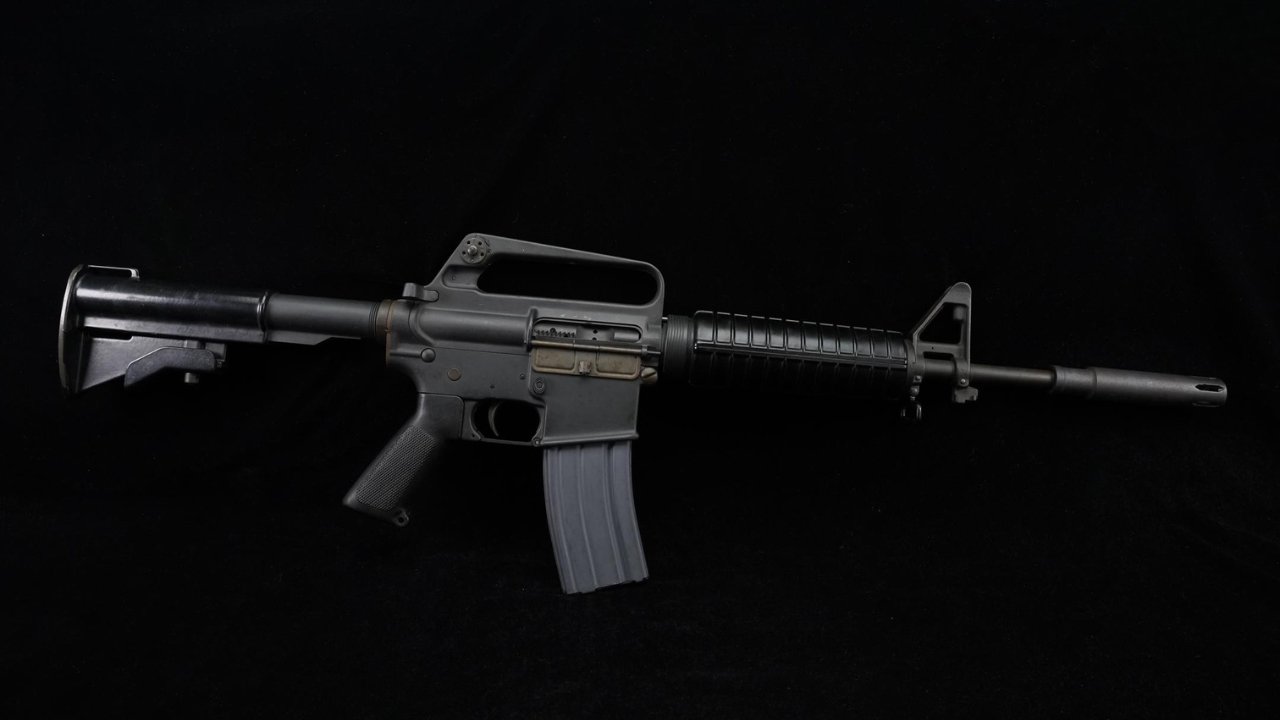
The Colt SP1 was once treated like an old AR from a different era. Fixed carry handle, slab-side receiver, pencil barrel, and simple furniture made it look outdated once flat-top rifles, free-float rails, and optics-ready carbines took over.
That is why so many owners moved them along too casually. The same features that looked behind the times are exactly what collectors chase now. A clean SP1 has early AR history, Colt markings, and a light feel that modern rifles often lost. People who traded one toward a newer carbine usually learned later that they gave up the more interesting rifle.
Ruger Old Model Vaquero
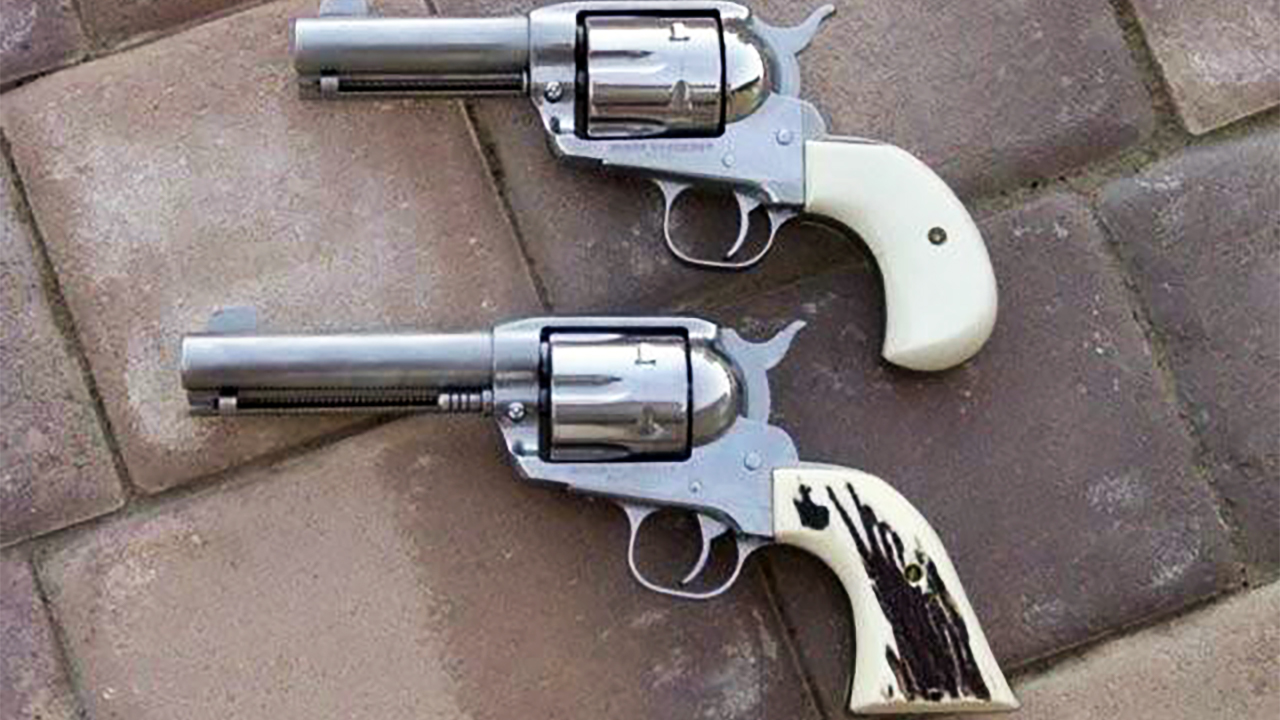
The Old Model Vaquero looked common enough for years that owners did not always think twice about trading one. It was a fixed-sight single-action revolver with classic styling, and Ruger made plenty of them.
Then people started paying more attention to the original larger-frame guns, especially in desirable chamberings. The Old Model Vaquero has strength, character, and a feel that later smaller-frame versions do not exactly duplicate. Cowboy-action shooters, collectors, and field revolver fans all helped keep interest alive. Owners who traded one cheap often realize now that replacing the exact version is not so easy.
Remington 660

The Remington 660 was compact, odd-looking, and easy to underestimate. Like the Model 600 before it, the 660 had a short barrel and a strange little personality that did not fit every hunter’s idea of a serious rifle.
That made it easy to trade away when more traditional bolt guns were sitting everywhere. The mistake is obvious now. The 660 is handy, collectible, and tied to a period of Remington production that buyers are paying more attention to. Clean examples in good chamberings do not sit cheap anymore. What once looked weird now looks scarce, useful, and full of character.
Smith & Wesson Model 645

The Smith & Wesson Model 645 was a big stainless .45 that many shooters let go when lighter polymer pistols took over. It felt heavy, old-fashioned, and less practical than newer duty pistols.
The market changed on that kind of thinking. Old Smith & Wesson metal-frame autos have gained serious respect, and the 645 is part of that story. It has a strong build, a smooth shooting feel, and the kind of 1980s duty-gun presence that collectors now appreciate. People who traded one for a forgettable modern pistol usually wish they had kept the stainless Smith instead.
Marlin 375
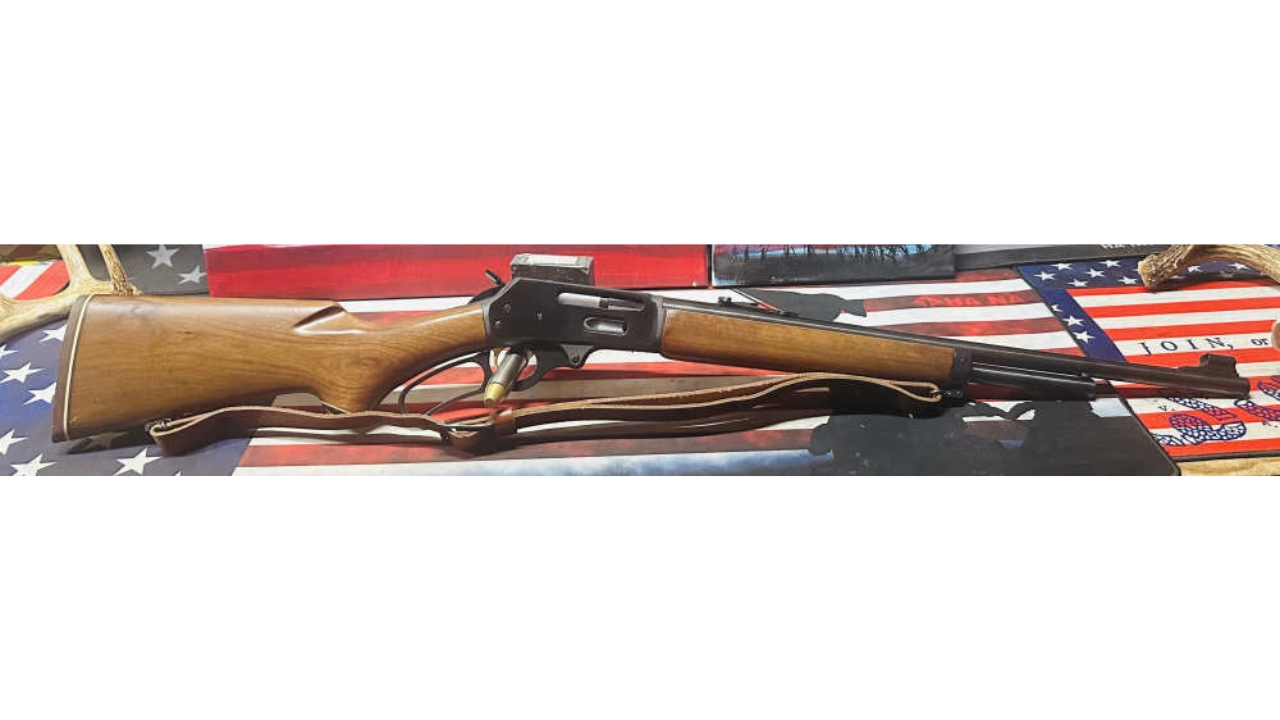
The Marlin 375 was never as common as the standard .30-30 or .45-70 lever guns, and that should have made owners more careful. Instead, plenty of people saw it as a niche .375 Winchester rifle and moved on when ammo or interest got inconvenient.
That looks like a bad call today. Limited-production lever guns in uncommon chamberings have a way of getting expensive once collectors start paying attention. The Marlin 375 had real woods-rifle usefulness and enough rarity to stand apart. Owners who traded one before the lever-gun market heated up usually understand now that uncommon Marlins do not come back cheap.
Winchester Model 100 Carbine
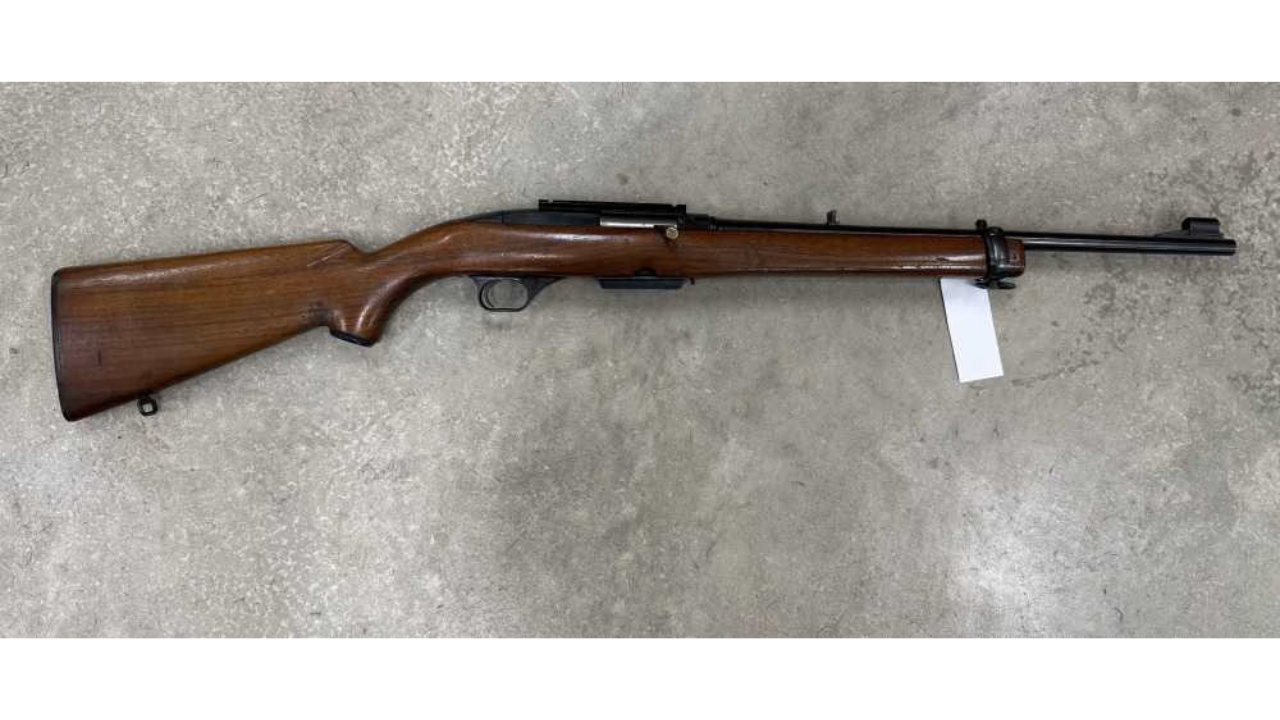
The Winchester Model 100 Carbine was easy to trade off when semi-auto hunting rifles fell out of fashion. Some owners worried about age, parts, or reputation and decided a newer bolt gun made more sense.
But the carbine versions have a strong pull now. They are handy, good-looking, and tied to a type of semi-auto sporting rifle that nobody really builds the same way anymore. A clean one in a useful deer cartridge gets attention fast. People who let one go before the older Winchester market tightened usually realize they traded away something harder to replace than they expected.
Browning Nomad
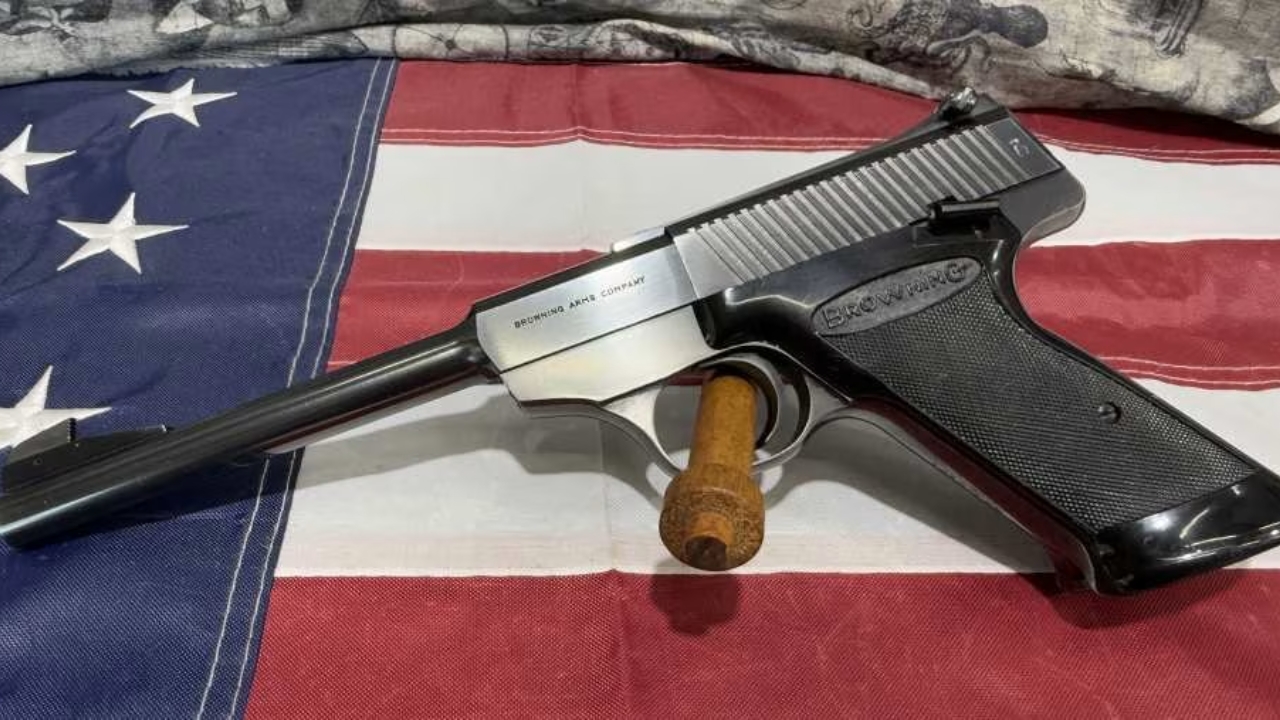
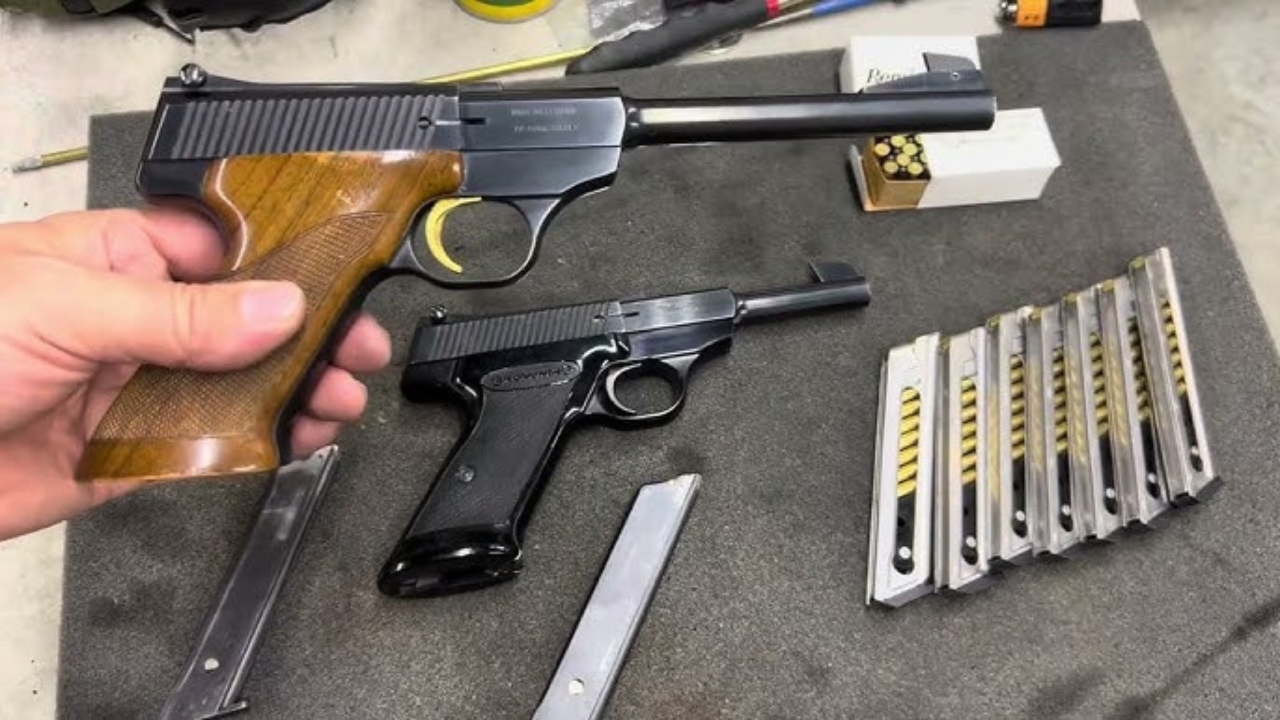
The Browning Nomad was a nice little .22 pistol that spent years being overshadowed by more famous rimfire handguns. Because it was not the top-tier Browning target pistol, some owners treated it like a casual plinker.
That casual attitude did not age well. The Nomad still has Browning quality, good balance, and a classic rimfire feel that modern budget pistols rarely match. Clean examples have become more desirable as buyers chase older rimfire pistols with real workmanship behind them. Owners who traded one cheaply often learn the market values nice old .22s more than it used to.
Valmet M76
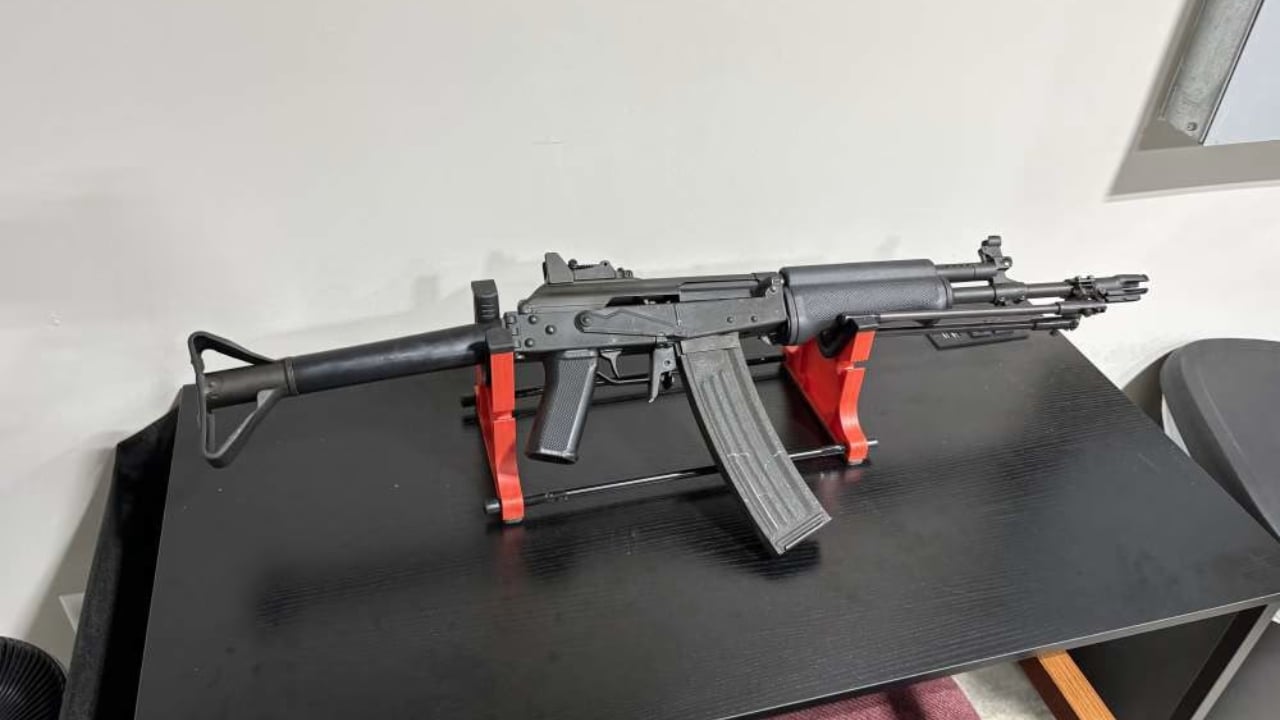
The Valmet M76 was never common, but there was a time when some owners did not fully understand how desirable Finnish AK-pattern rifles would become. To them, it was just a different-looking imported rifle with expensive magazines and less support than mainstream options.
That view changed hard. Valmet rifles now have serious collector interest because of their quality, import history, and scarcity. The M76 stands apart from the usual AK crowd with a level of refinement that buyers recognize now. Anyone who traded one away before the market woke up probably has a story they do not enjoy telling.
Savage 99C
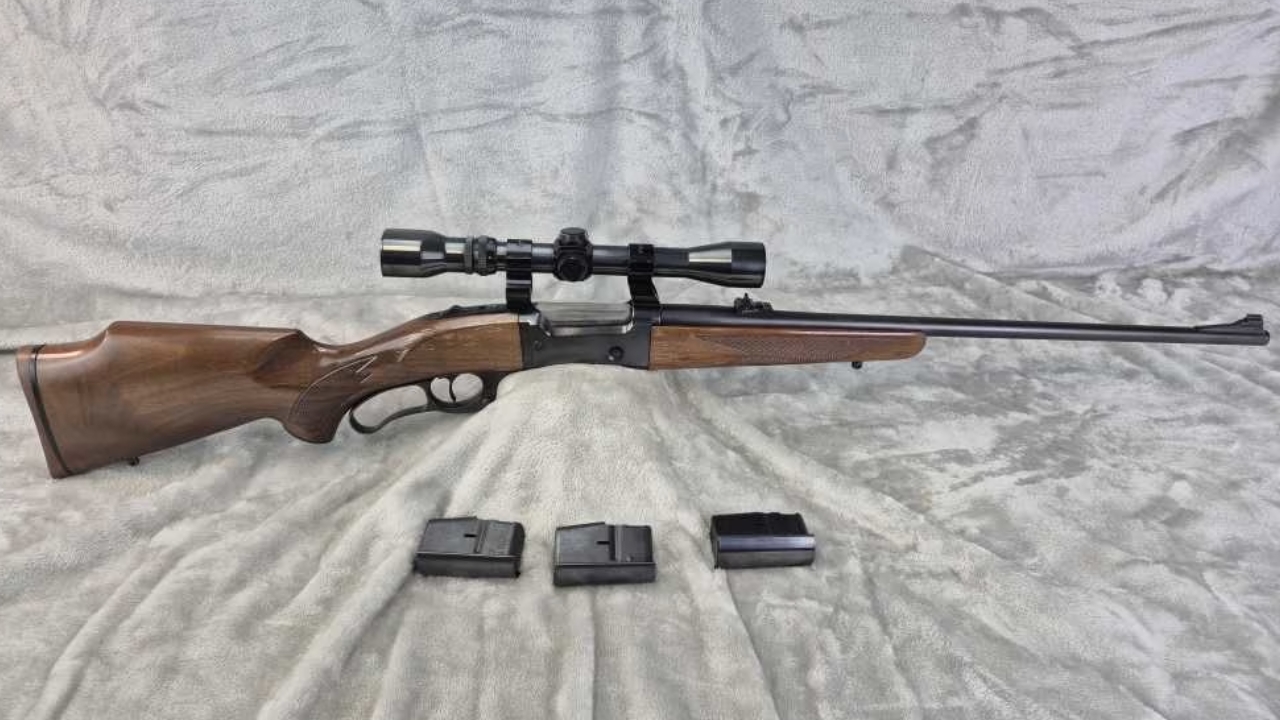
The Savage 99C added a detachable magazine to the Model 99 line, and some traditionalists did not love that change. For years, owners treated them like useful but less classic versions of an already underappreciated rifle.
Now the whole Model 99 family gets more attention, and the 99C has its own appeal. It still gives you lever-action handling with modern cartridge flexibility, and the detachable magazine makes loading and unloading easy. Clean examples are not throwaway deer rifles anymore. People who traded one for a newer bolt gun often realize they let go of a rifle with more long-term interest.
Colt Agent
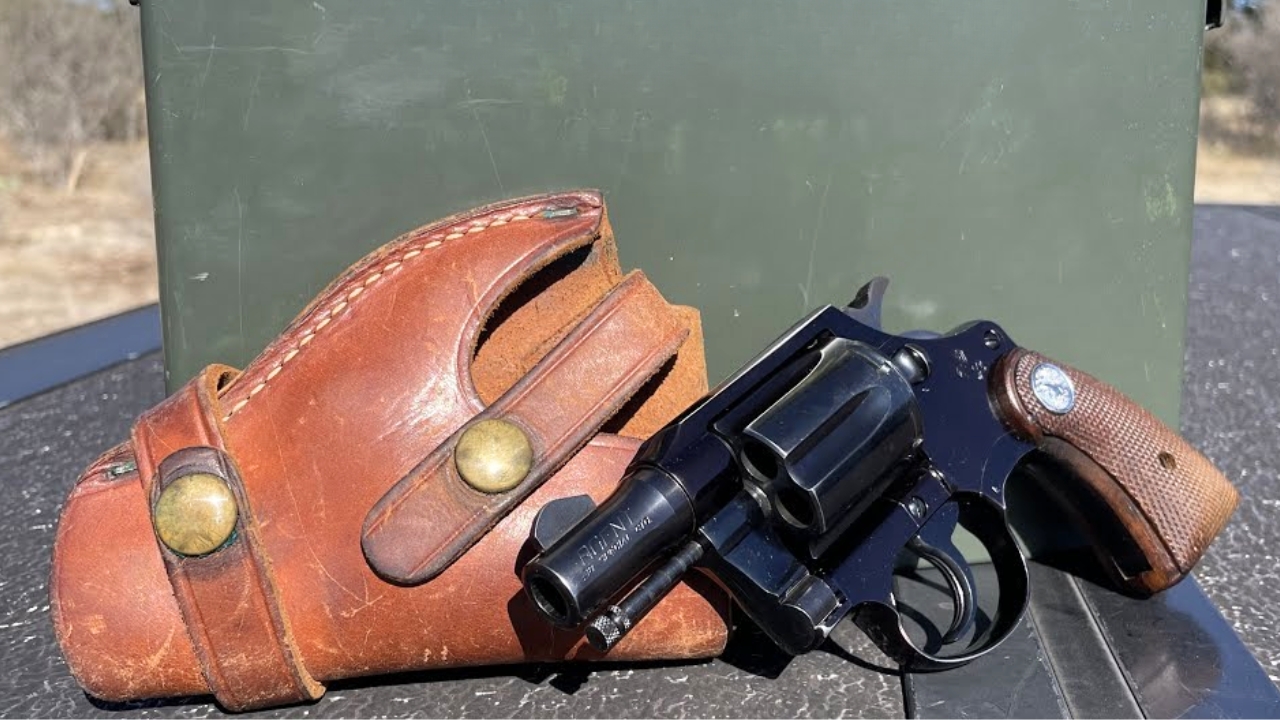
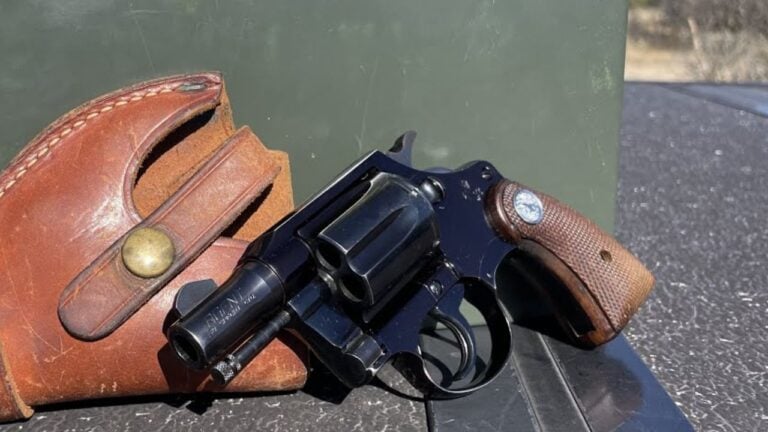
The Colt Agent was once seen as a lightweight little snubnose that did not carry the same prestige as other Colt revolvers. Some owners traded them when small semi-autos became easier to shoot and offered more rounds.
That market changed quickly once people started chasing classic Colt wheelguns harder. The Agent has the Detective Special family feel in a lighter package, and that makes it interesting to both collectors and carry-gun traditionalists. It is not a gun you find cheaply in clean shape anymore. Owners who traded one casually usually wish they had understood where Colt revolver prices were headed.
Franchi SPAS-12

The Franchi SPAS-12 was strange, heavy, and not especially practical for a lot of owners. Some people bought one because it looked wild, then traded it when they realized a normal defensive shotgun was easier to live with.
That may have been practical, but it was not great timing. The SPAS-12 became one of the most recognizable imported shotguns of its era, helped by movies, video games, and scarcity. It is more collector piece than everyday work gun now, and prices show it. Owners who traded one before that shift usually understand they let go of something the market would never treat as ordinary again.
Remington 572 Fieldmaster

The Remington 572 Fieldmaster was just a pump .22 to many owners. It was fun, reliable, and useful, but rimfires were so common for so long that people did not always treat them like guns worth protecting.
That changed as older American rimfires started gaining more appreciation. The 572 has a smooth pump action, classic looks, and the ability to run different .22 loads, which makes it more versatile than many semi-autos. Clean examples are no longer the cheap rack-fillers they once were. People who traded one away often miss having a rimfire that felt that well-made.
Heckler & Koch P9S
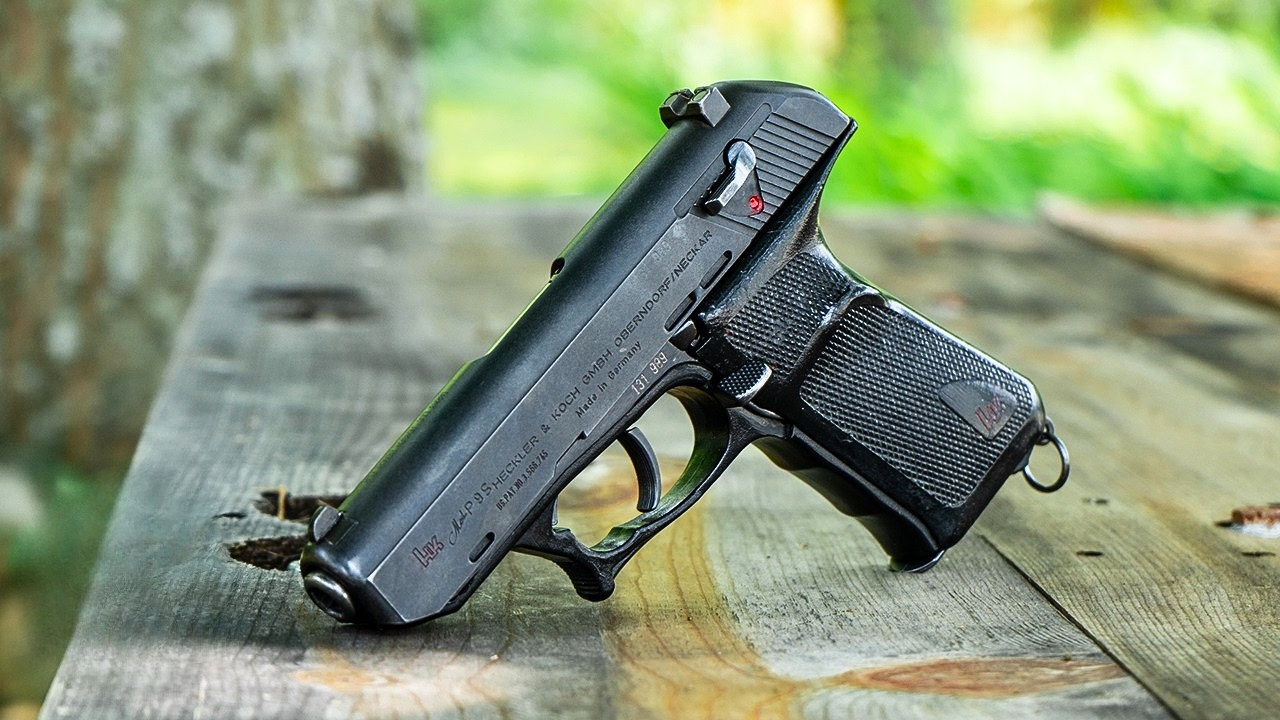
The HK P9S was unusual enough that some shooters never knew what to do with it. The roller-delayed system, European styling, and different controls made it feel odd beside more common service pistols.
That weirdness is exactly what makes it valuable to many buyers now. The P9S is accurate, soft-shooting, and tied to HK’s reputation for doing things differently. It was never going to stay cheap once collectors started caring more about classic HK pistols. Owners who traded one when it seemed like a strange old handgun usually regret not seeing the market shift sooner.
Browning Auto Rifle Lightweight Stalker
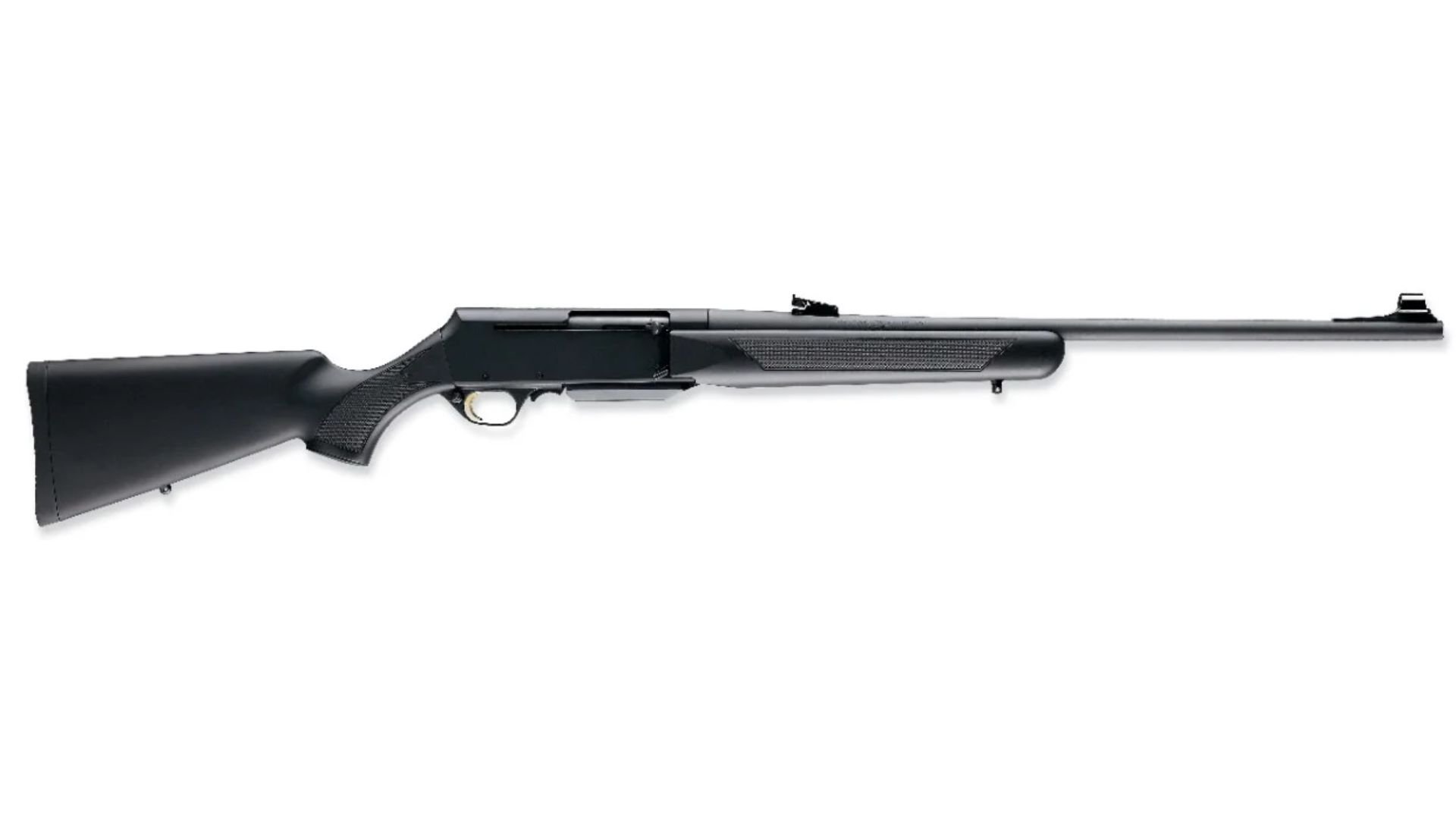
The Browning BAR Lightweight Stalker was easy to trade when hunters started chasing lighter bolt guns, AR-style rifles, and newer semi-auto designs. It looked like a practical hunting rifle, not something that would become harder to replace.
But good semi-auto hunting rifles with real field manners are not as common as people think. The Lightweight Stalker gave hunters fast follow-up shots, weather-resistant furniture, and Browning reliability in a package that made sense for deer woods and mixed country. As older BAR variants gained more attention, owners who traded one started realizing they gave up a serious hunting rifle too cheaply.
Daewoo DR200
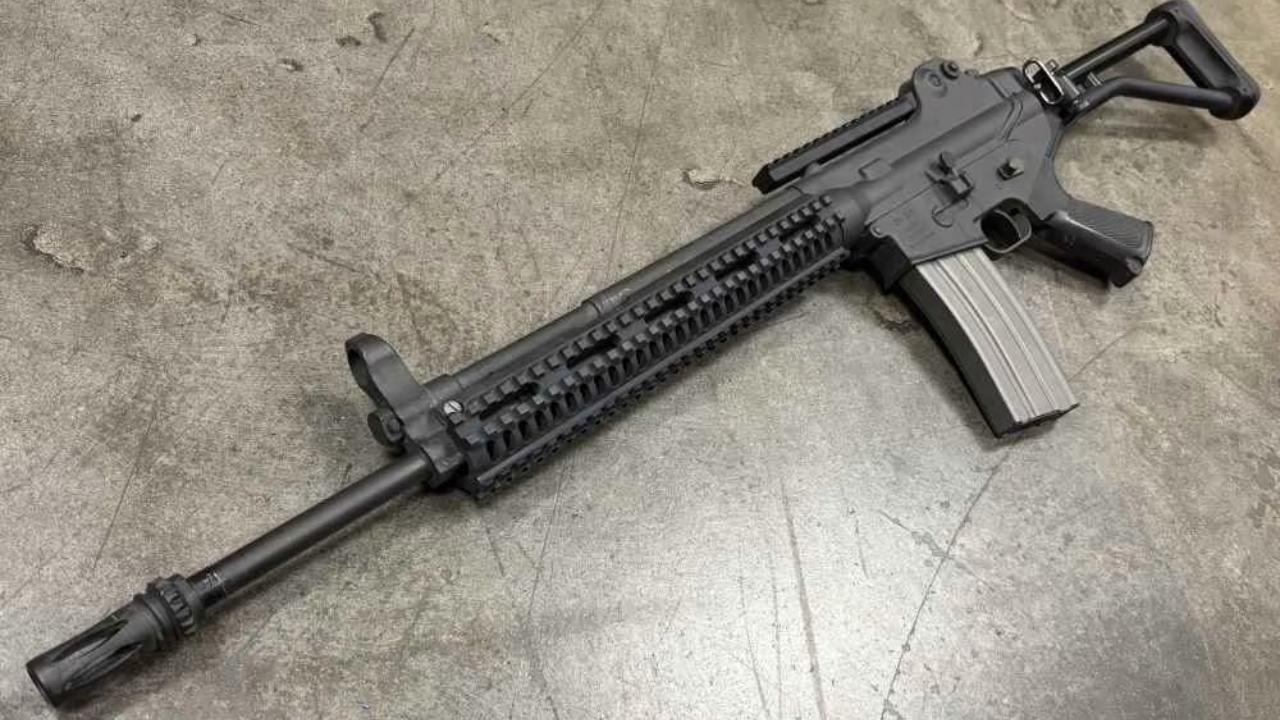
The Daewoo DR200 sat in an odd place for years. It was not an AR, not an AK, and not common enough for most shooters to understand fully. Some owners traded them because parts, furniture, and familiarity were easier with mainstream rifles.
That decision aged poorly. The DR200 has become more appreciated for its blend of proven design ideas, South Korean military roots, and import-era scarcity. It is different in a way collectors now like, and it shoots well enough to be more than a curiosity. People who traded one toward a plain rifle usually learned later that the plain rifle was easier to replace.
Like The Avid Outdoorsman’s content? Be sure to follow us.
Here’s more from us: