Photo credit: NewWorldOrdnance/Youtube
New guns are easy to get excited about. Better materials, updated controls, optic cuts, modular stocks, lighter weight, higher capacity, and fresh marketing can make older firearms feel outdated overnight. Sometimes the new version really is better. Progress is real.
But not always.
Some older firearms got the important things right the first time. Others were replaced by guns that were cheaper to build, easier to market, or more in line with current trends without actually feeling better in the hand. These firearms prove that “new” does not always mean improved.
Browning Hi-Power
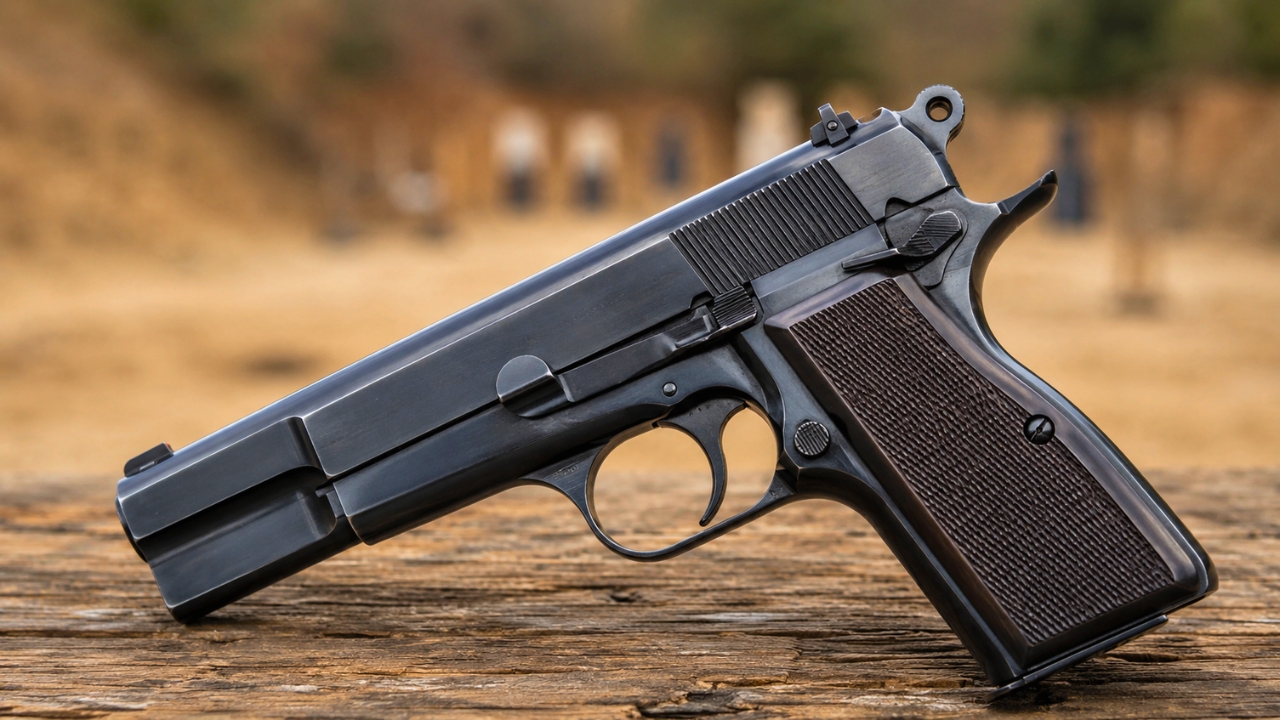
The Browning Hi-Power is one of the clearest examples of an older handgun that still makes newer designs feel less graceful. Modern pistols beat it easily on optics support, accessory rails, capacity improvements, lighter weight, and simpler striker-fired triggers. On paper, the Hi-Power looks like yesterday’s answer.
Then someone picks one up and remembers why it stayed loved for so long. The grip shape is slim for a double-stack 9mm, the balance is natural, and the pistol points beautifully for many shooters. Older examples may have small sights, a magazine disconnect, and triggers that some owners choose to improve. But the core feel is hard to replace. New pistols may be more efficient, but few feel as elegant.
Winchester Model 70 Classic

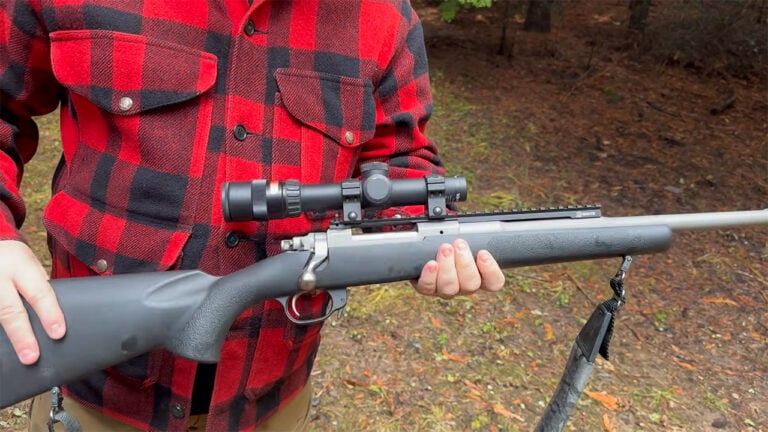
The Winchester Model 70 Classic proves that newer hunting rifles are not always more confidence-inspiring. Modern rifles may be cheaper, lighter, more adjustable, and easier to thread or modify. Those are real advantages. But plenty of them do not have the same field-ready feel as a controlled-round-feed Model 70.
The Classic’s three-position safety, strong extractor, and traditional handling give hunters a kind of trust that can be hard to measure on a spec sheet. A newer rifle may shoot tiny groups and cost less, but it may also feel more disposable. The Model 70 Classic feels like a rifle built around serious hunting. That kind of confidence is not outdated just because the market found cheaper ways to make bolt-actions.
Smith & Wesson Model 19
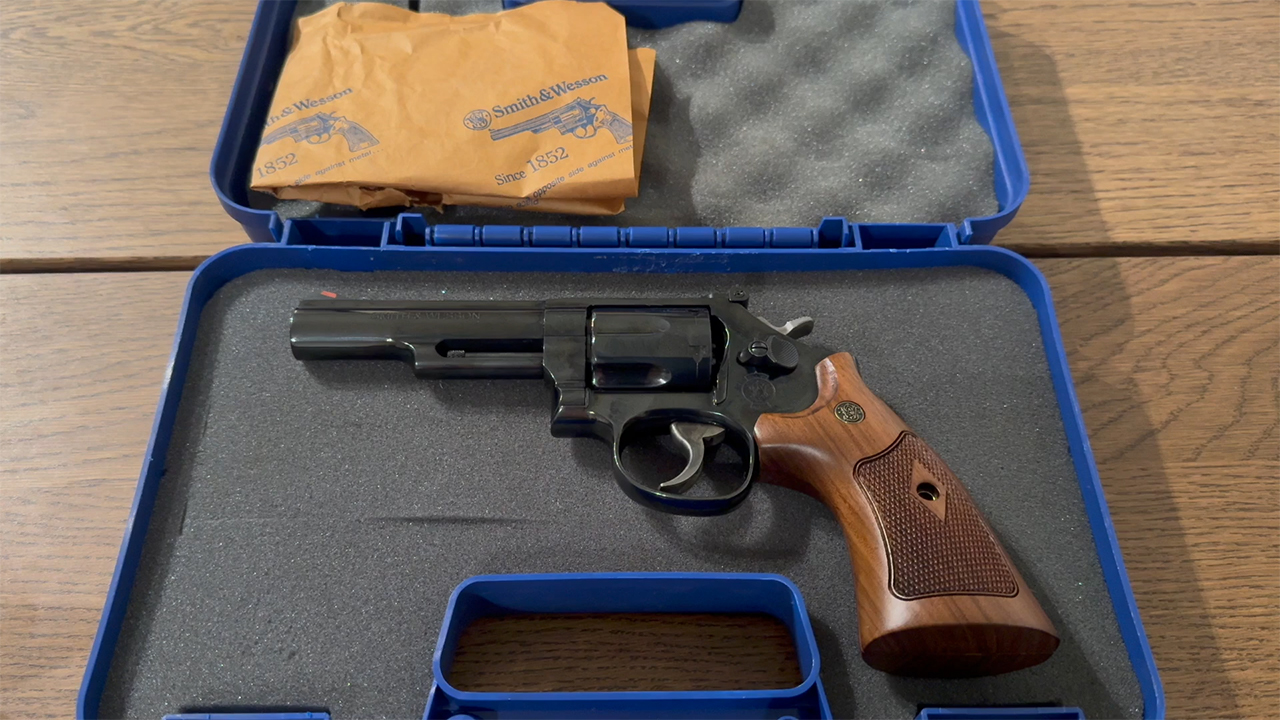
The Smith & Wesson Model 19 makes newer revolvers look practical but not always better. It sits in a sweet spot that many shooters still miss: a K-frame .357 Magnum that is more carryable than larger magnums and more shootable than tiny snubs. That balance is the whole appeal.
Newer revolvers may be stronger, lighter, or easier to maintain from a warranty standpoint. But they don’t always carry or point like an older Model 19. It shoots .38 Special beautifully and handles sensible .357 loads with a natural feel. It was not designed for endless abuse with heavy magnum loads, so owners need to respect its limits. Still, as a balanced revolver, it proves modern toughness is not the only thing that matters.
Marlin 39A

The Marlin 39A proves that newer rimfires are not automatically better just because they are lighter, cheaper, or more modular. Modern .22 rifles can be excellent, especially for precision training or high-volume plinking. But many of them do not feel like a classic 39A.
The 39A has walnut, steel, takedown construction, and a smooth lever-action feel that makes it seem like a real rifle instead of a casual plinker. It works for small game, range time, and teaching new shooters, but it also feels like something worth handing down. That matters. A cheaper new rimfire may shoot fine, but it probably won’t carry the same charm or build quality. New does not always mean more satisfying.
SIG Sauer P228
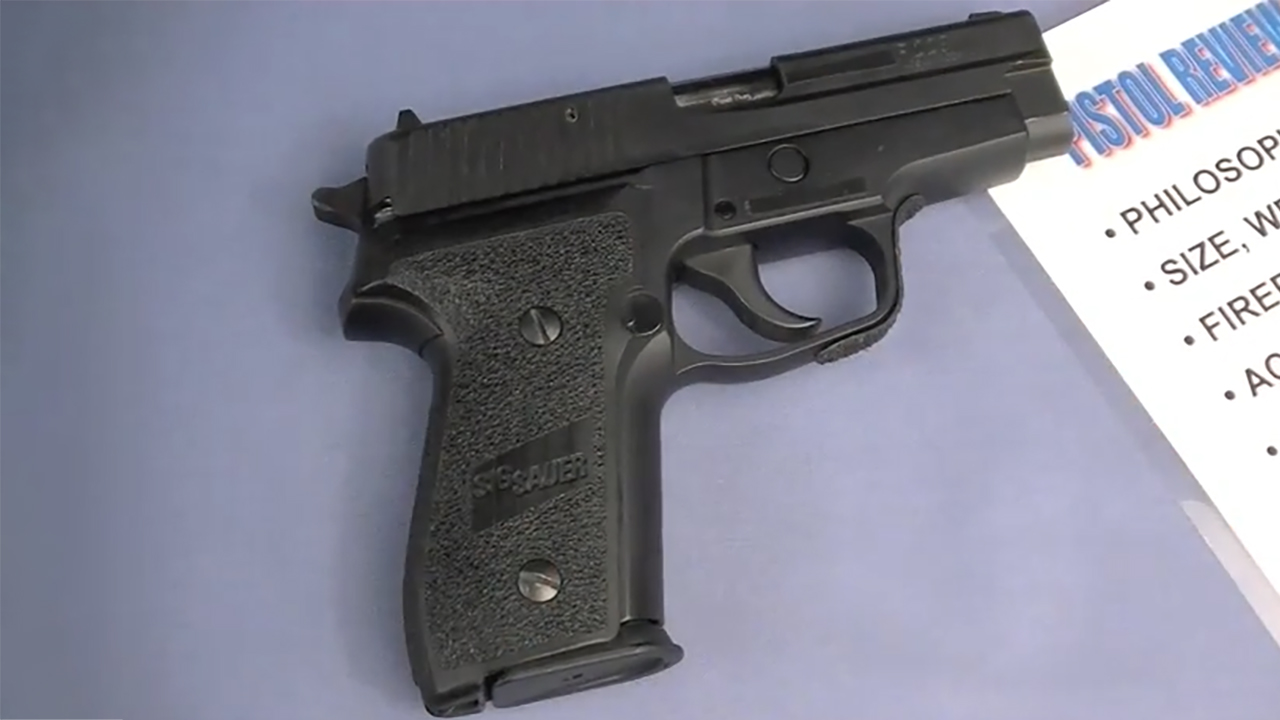
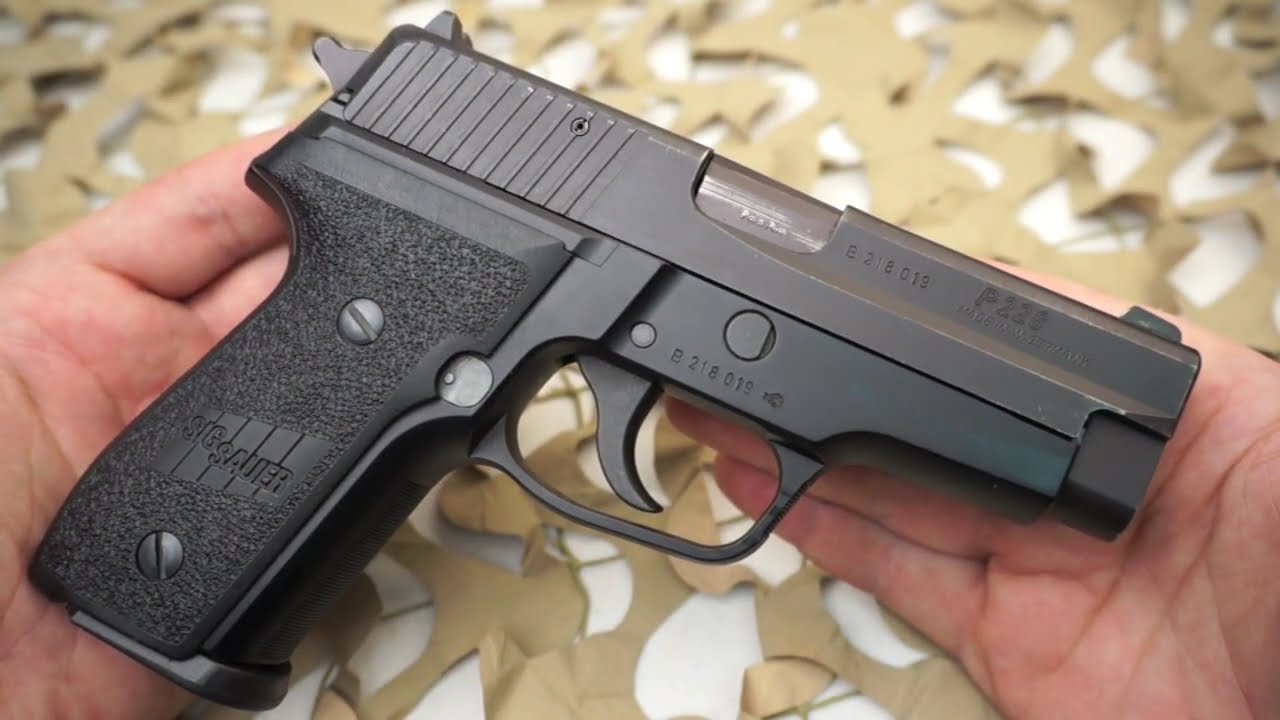
The SIG Sauer P228 proves that modern compact pistols are not always more enjoyable to shoot. Newer pistols are lighter, easier to mount optics on, and often hold similar or greater capacity in slimmer frames. From a pure carry perspective, many of those updates matter.
But the P228 has a compact service-pistol feel that is difficult to replace. The alloy frame gives it steadiness without making it full-size heavy, and the DA/SA system rewards practice. It shoots with a level of balance many lightweight carry guns do not match. A new compact 9mm may disappear easier under a shirt, but it may not feel nearly as settled at the range. The P228 reminds shooters that lighter is not always better.
Browning Auto-5
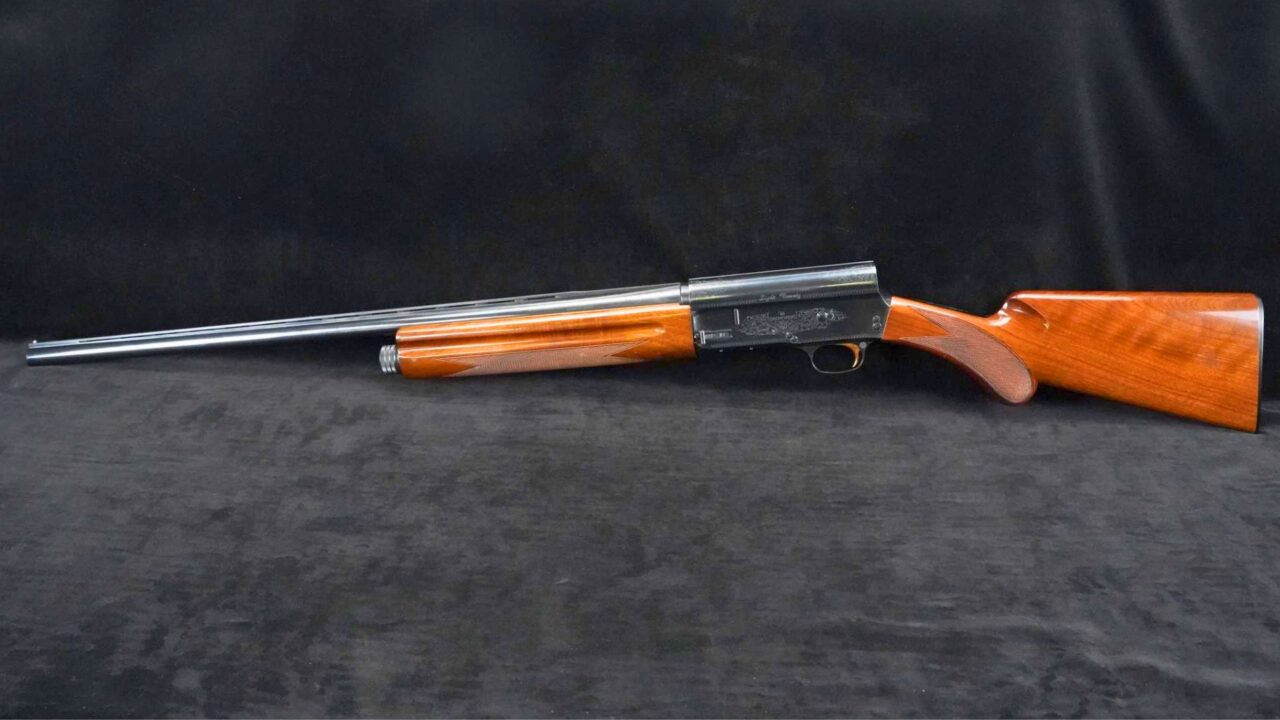
The Browning Auto-5 looks outdated beside modern semi-auto shotguns. Newer guns are often lighter, softer-shooting, easier to maintain, and simpler to set up for different loads. The Auto-5’s long-recoil system and friction ring setup require more knowledge from the owner.
Even so, the old humpback still proves that improved convenience is not the same as improved character. A good Auto-5 points naturally for many shooters, has a sighting plane people still love, and carries more history than most modern shotguns ever will. It is not as forgiving as newer designs, and it needs to be set up correctly. But when it runs well, it has a personality that newer shotguns rarely duplicate.
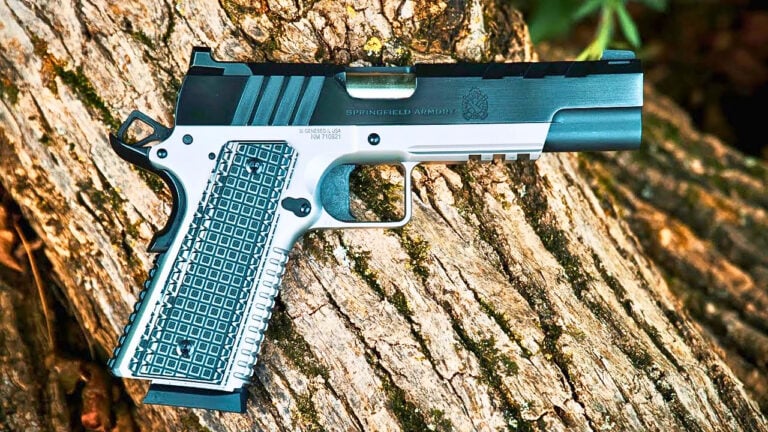
Colt Government Model
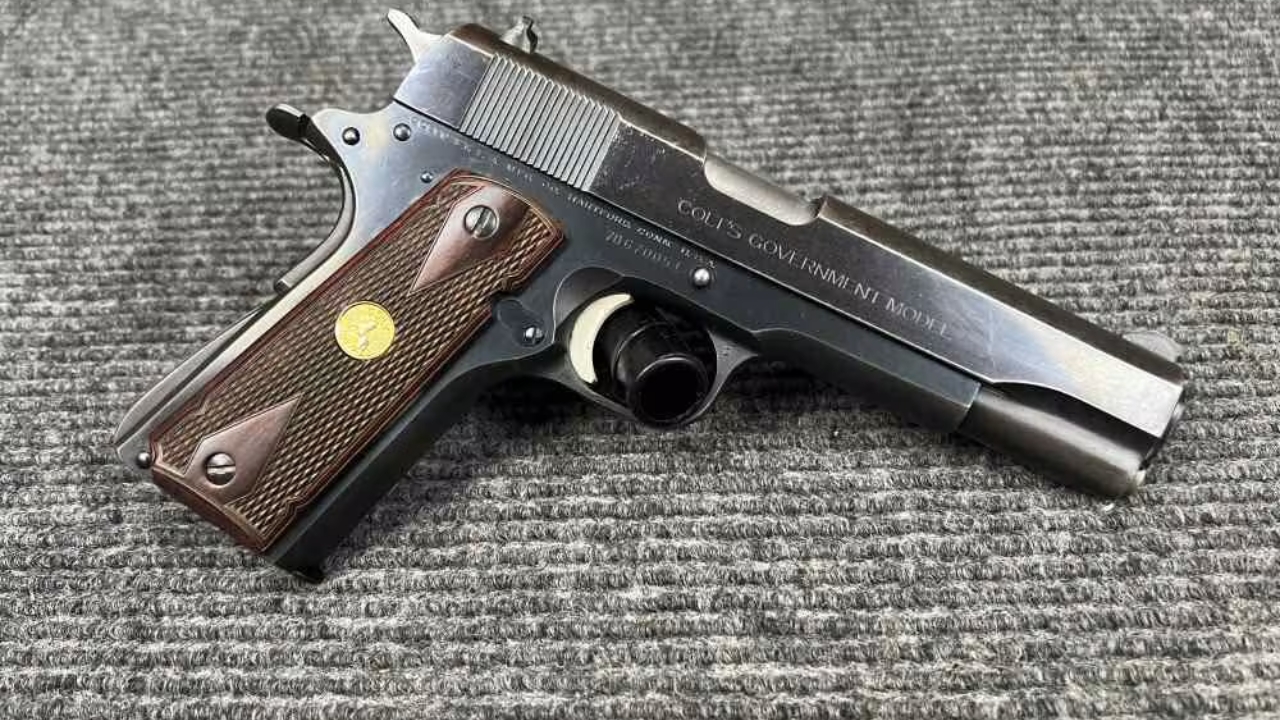
The Colt Government Model has been declared outdated so many times that the criticism has become part of its identity. Modern pistols are lighter, higher-capacity, easier to maintain, and often more practical for most defensive users. That is all true.
But a good Government Model still offers something many newer pistols struggle to match: a slim grip, crisp single-action trigger, and natural pointability. It rewards careful shooting and gives the user a direct, mechanical feel that polymer striker-fired pistols often lack. It is not the simplest handgun for every owner, and it requires proper magazines, maintenance, and training. But “newer” has not erased why people keep coming back to the 1911.
Remington Model Seven
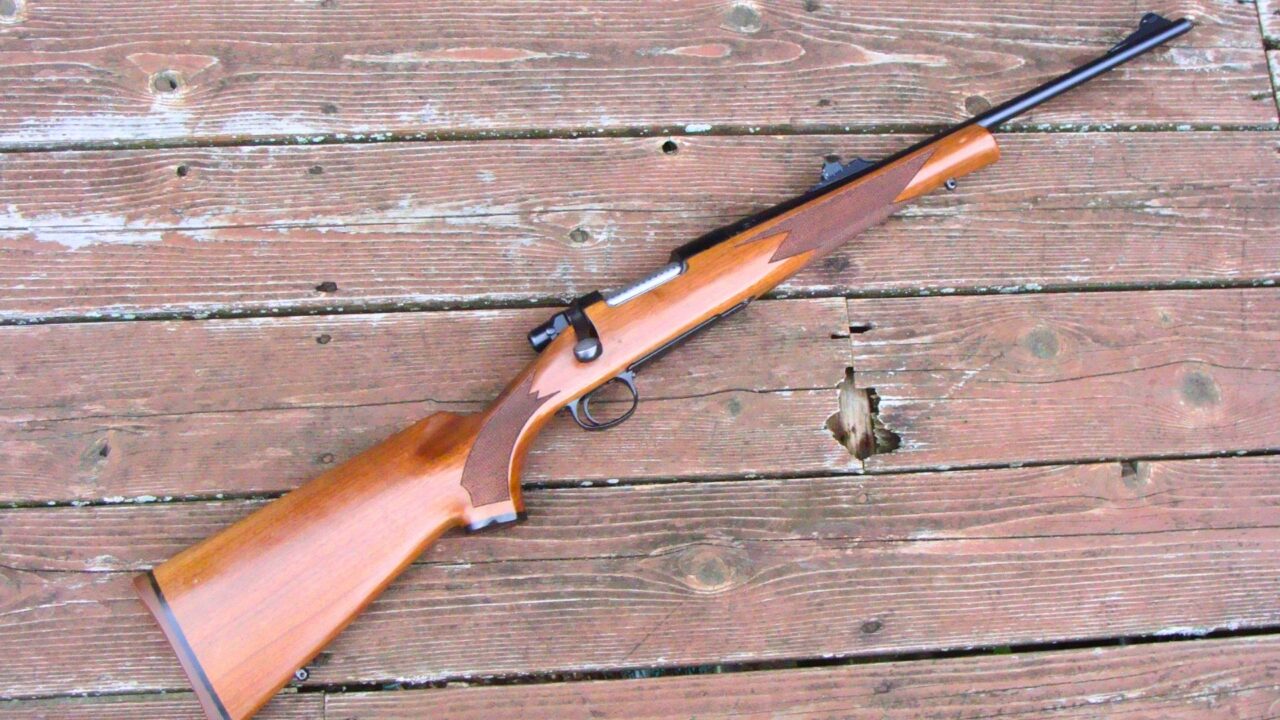
The Remington Model Seven proves that newer compact rifles are not always better compact rifles. Many modern short rifles are affordable and accurate, but some feel cheap, hollow, or like temporary youth models. The Model Seven had a handier, more finished feel than many of those replacements.
It carries easily, shoulders quickly, and works beautifully in blinds, timber, and tight hunting spaces. Chamberings like 7mm-08 Remington, .243 Winchester, and .308 Winchester gave it plenty of deer-rifle capability without unnecessary bulk. It may not have the latest stock adjustability or threaded muzzle options, but it still handles like a real hunting rifle. That is harder to improve on than people think.
Beretta 92FS

The Beretta 92FS looks old compared with modern striker-fired pistols. It is large, heavy, DA/SA, and not especially convenient for concealed carry. Newer handguns often make more practical sense for daily use. That does not mean they shoot better.
At the range, the 92FS reminds people why full-size metal pistols still matter. The recoil impulse is smooth, the sight radius is generous, and the gun feels stable in the hand. The slide-mounted safety and DA/SA trigger require training, so it is not perfect for everyone. But it proves that newer, lighter pistols often trade away some shootability. If the goal is enjoyable, confident range work, the Beretta still has a strong argument.
Savage Model 99

The Savage Model 99 proves that modern hunting rifles did not improve every old idea out of existence. A current bolt-action may be simpler, easier to scope, and easier to support with parts. But it probably will not offer the same blend of lever-action speed and modern cartridge capability.
The Model 99’s rotary magazine on many versions allowed pointed bullets, while chamberings like .300 Savage, .250-3000 Savage, and .308 Winchester gave hunters real field performance. It is more complex than a traditional lever gun, and condition matters with used examples. But the design still feels clever. Newer rifles may be more practical in some ways, but they rarely feel as distinctive.
Smith & Wesson 3913

The Smith & Wesson 3913 proves that modern carry pistols are not always more refined. New micro-compacts offer more capacity, smaller dimensions, optic cuts, and better support. Those are meaningful advantages. But many of them also feel snappier, harsher, or less graceful in the hand.
The 3913 carries flat, shoots smoothly for its size, and has the old Smith & Wesson metal-frame feel that many owners miss. It does not win modern capacity arguments, and parts or magazines require more effort now. But as a slim carry pistol, it still feels unusually well-balanced. Newer guns may be more efficient, but the 3913 proves efficiency and refinement are not always the same thing.
Ruger Security-Six
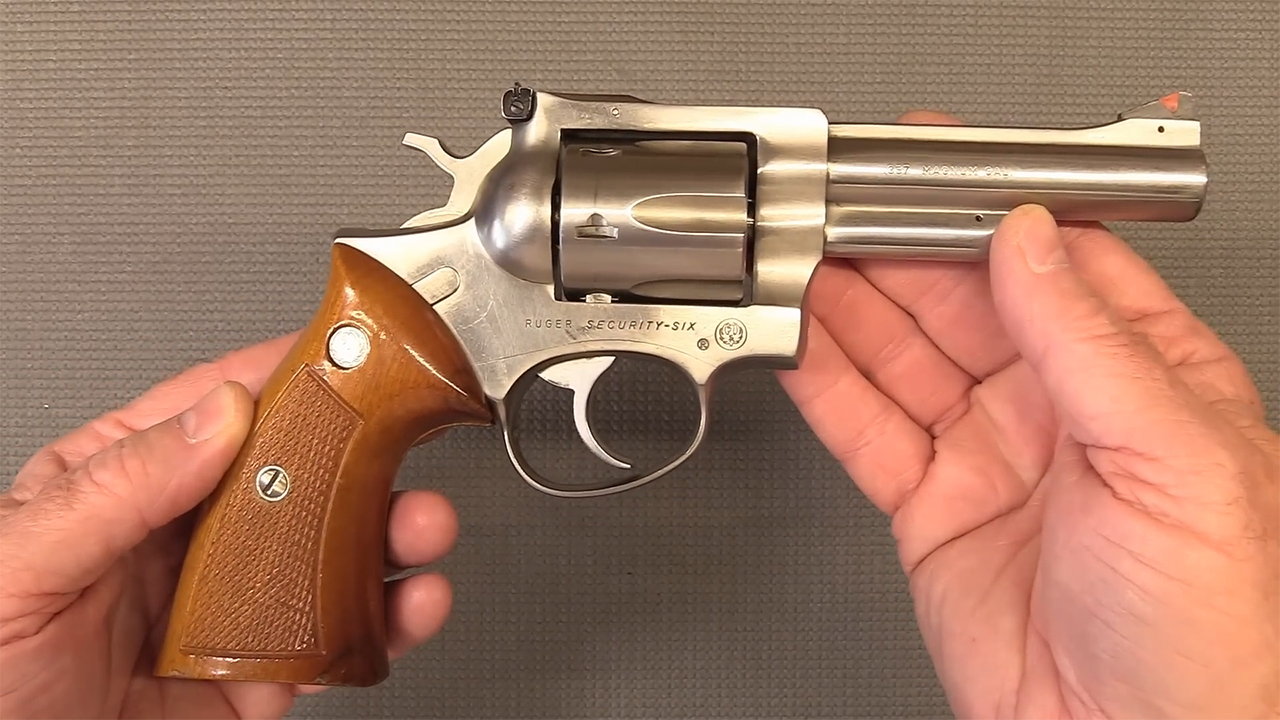
The Ruger Security-Six makes a strong case that newer revolvers are not automatically better balanced. Ruger replaced it with the tougher GP100, and the GP100 is a great revolver in its own right. But some shooters still prefer the Security-Six because it is handier and lighter while remaining strong enough for real use.
It shoots .38 Special comfortably, handles .357 Magnum well, and carries easier than larger magnums. It may not have the same parts support or current-production convenience of newer revolvers, but the size and feel are difficult to duplicate. The Security-Six proves that making a gun stronger does not always make it better for every owner. Sometimes the older balance was the magic.
Winchester Model 9422
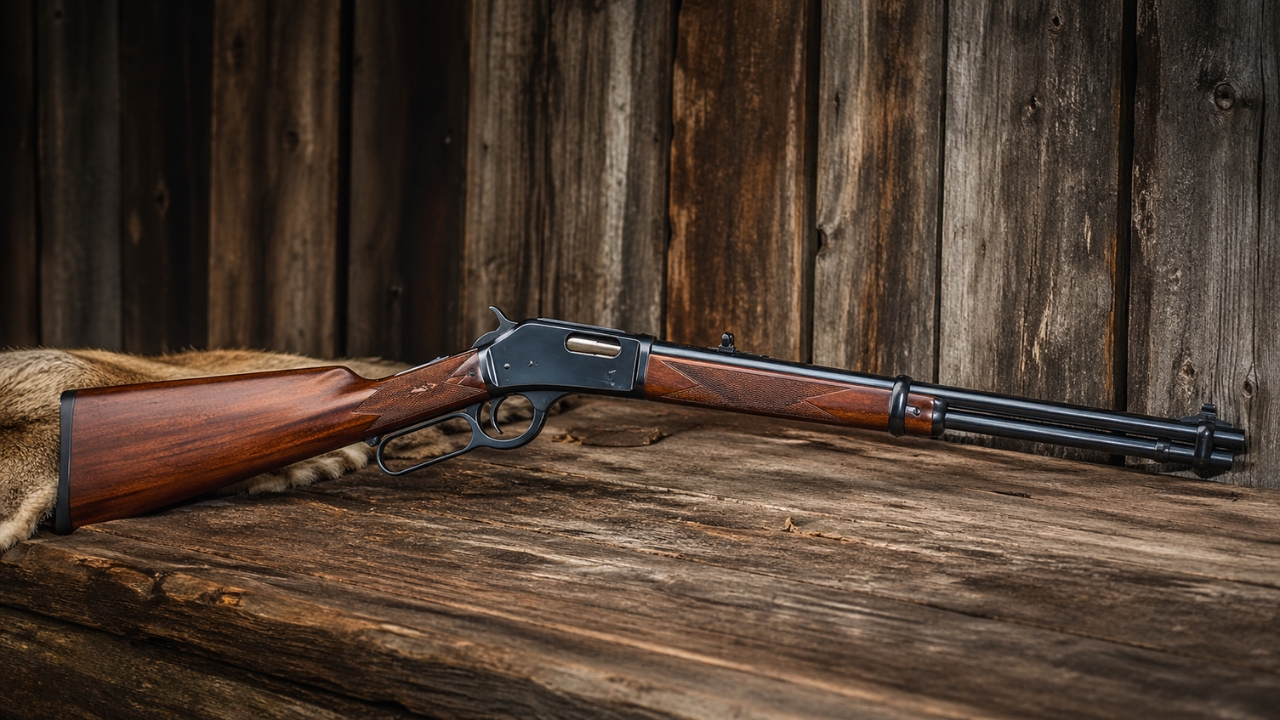
The Winchester Model 9422 proves that newer rimfire rifles are not always more lovable. Modern .22s can be cheaper, lighter, easier to customize, and sometimes more accurate with less money. But the 9422 has a smooth lever action and quality feel that many current rimfires don’t match.
It feels like a proper rifle, not a disposable trainer. That makes it useful for small game, plinking, and teaching new shooters, while still being satisfying for experienced owners. The rifle’s discontinued status only made people appreciate it more. A new rimfire might be easier to buy, but it probably will not scratch the same itch. The 9422 is proof that build quality ages better than convenience.
HK P7
SupervivenciaModerna/Youtube
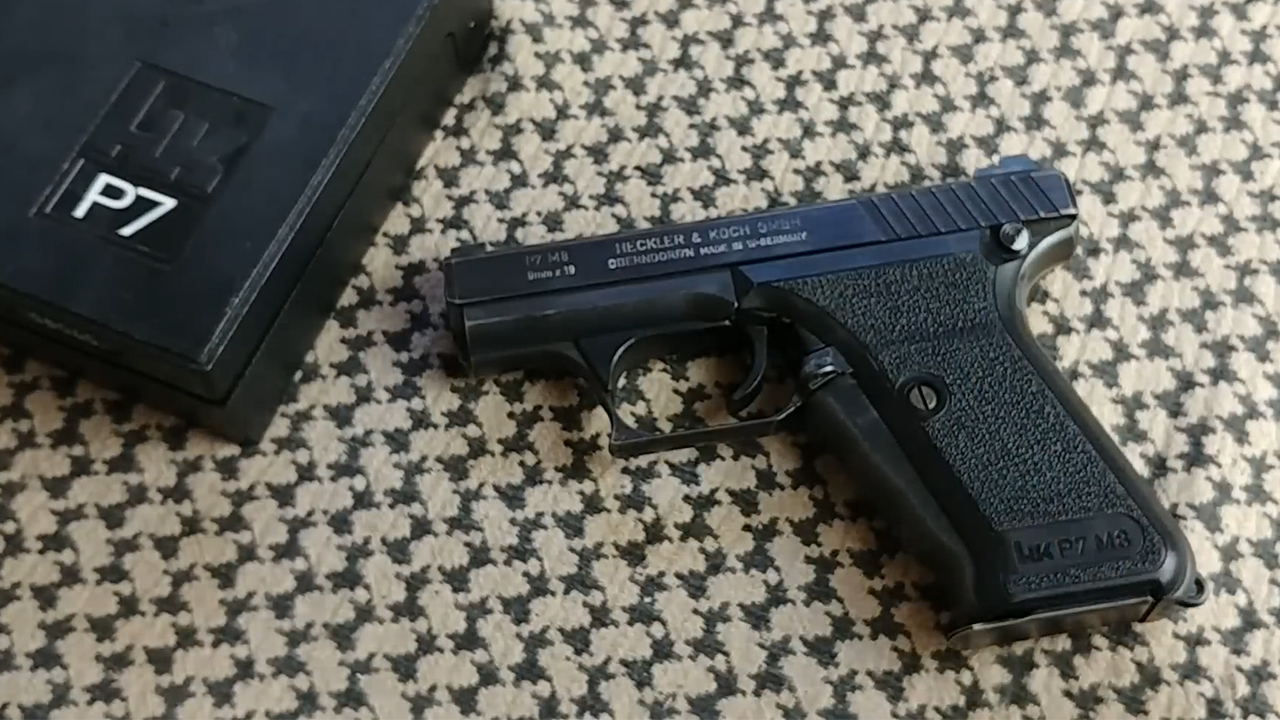
The HK P7 is one of the strongest arguments that newer does not always mean more interesting. Modern pistols are easier to support, lighter, higher-capacity, and much more conventional. For most buyers, that makes them more practical. But none of them really replace the P7.
The squeeze-cocker system, fixed barrel, low bore axis, and compact shape make it one of the most distinctive handguns ever made. It is accurate, slim, and mechanically fascinating. It also has drawbacks, including heat buildup during longer strings, a unique manual of arms, and expensive parts concerns. But that uniqueness is the whole point. Newer pistols may be easier to own, but they rarely feel this original.
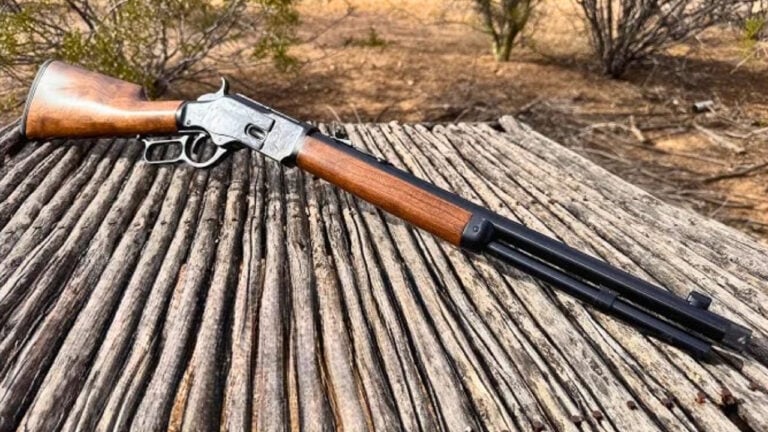
Marlin 336 JM-Stamped Rifles
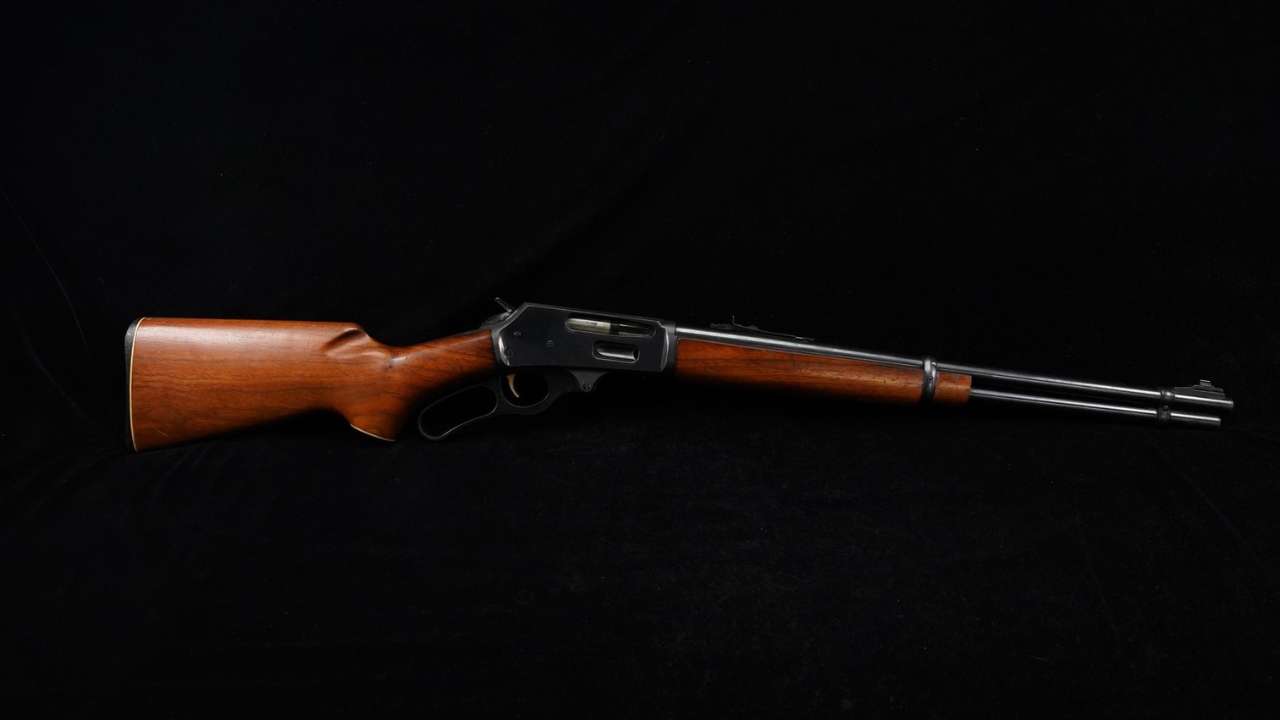
The Marlin 336, especially older JM-stamped rifles, proves that newer lever guns do not always feel better. Modern production can bring improvements, better machining consistency, or updated features, but older Marlins have a fit, finish, and deer-camp familiarity that many hunters still chase.
A good 336 carries well, shoulders fast, and works perfectly inside normal woods distances. It does not need to be tactical, long-range, or modular. It needs to be handy, reliable, and easy to trust in timber. That is exactly what made it famous. Newer rifles may be easier to mount accessories on or buy off the shelf, but an older 336 with good wood and smooth cycling still feels hard to beat.
Like The Avid Outdoorsman’s content? Subscribe to our newsletter so you never miss an article.
Here’s more from us: